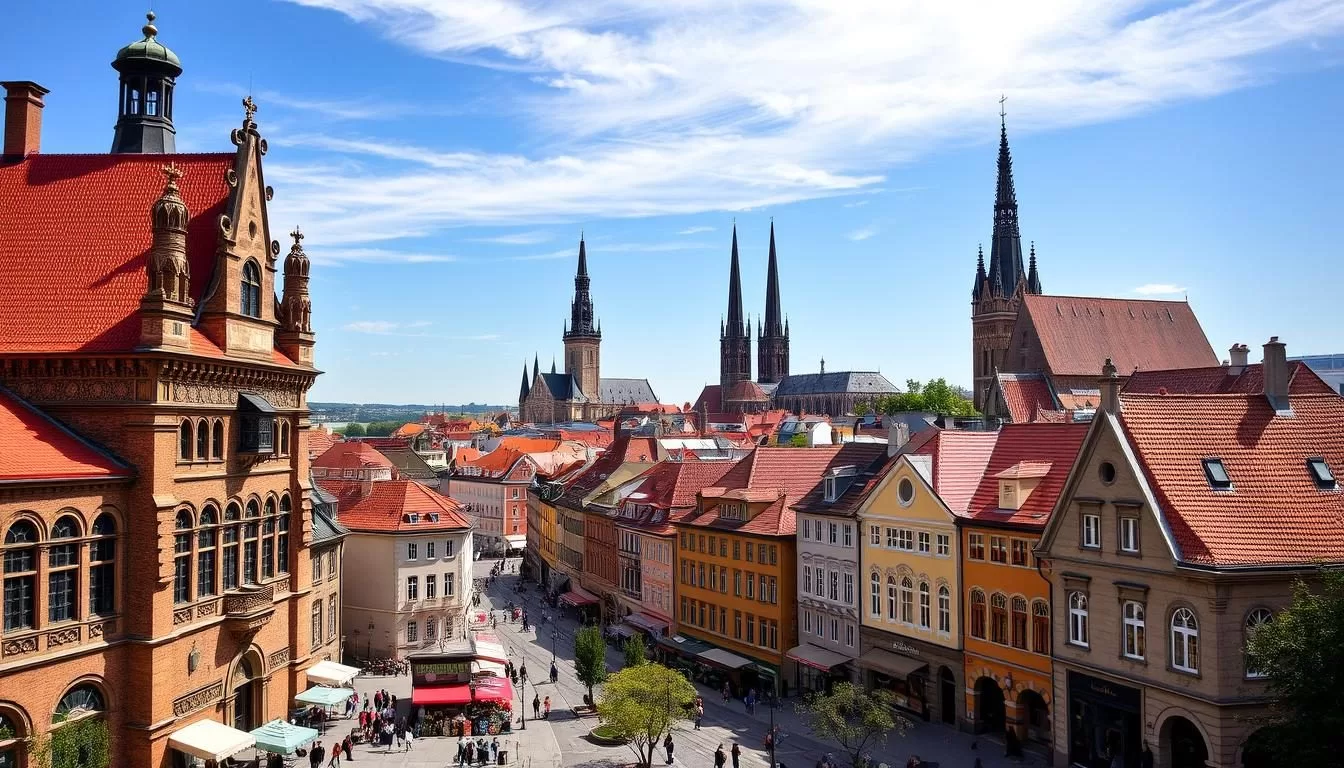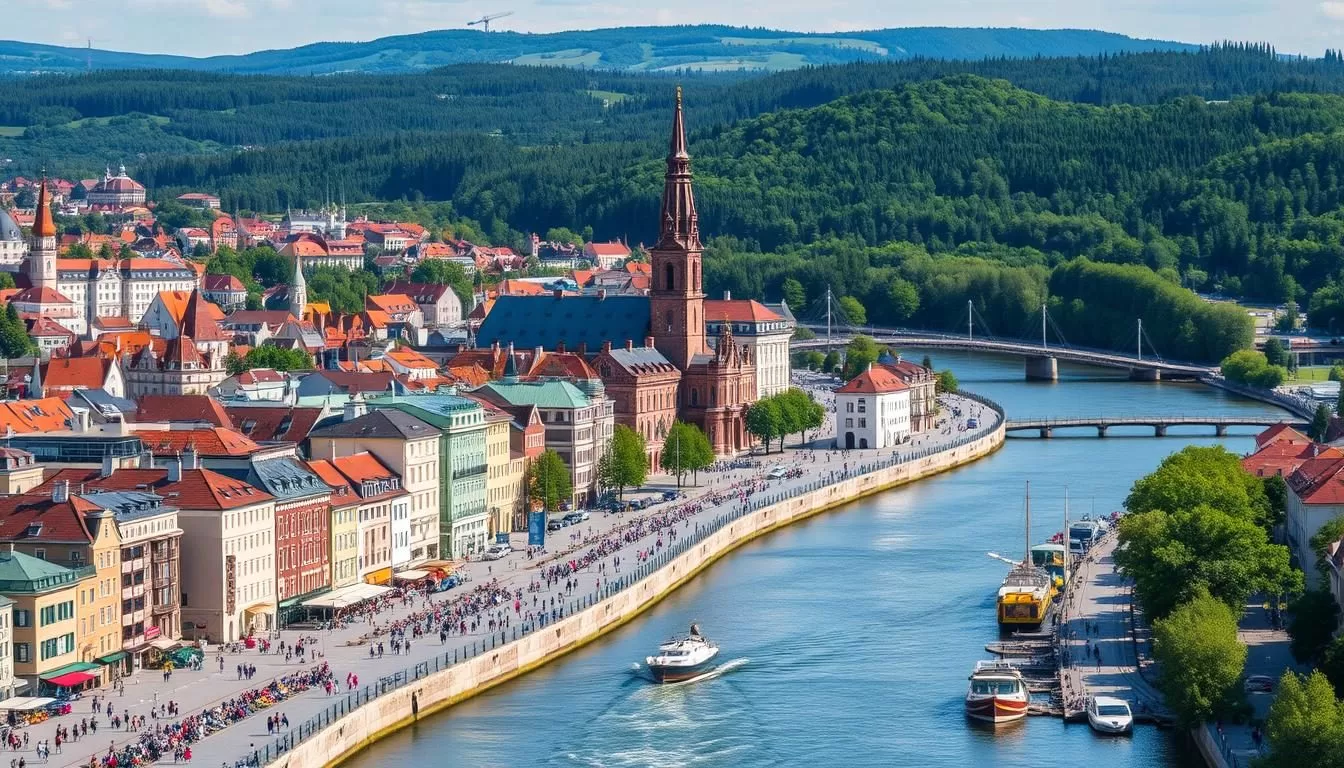
Poland: Best Things to Do – Top Picks

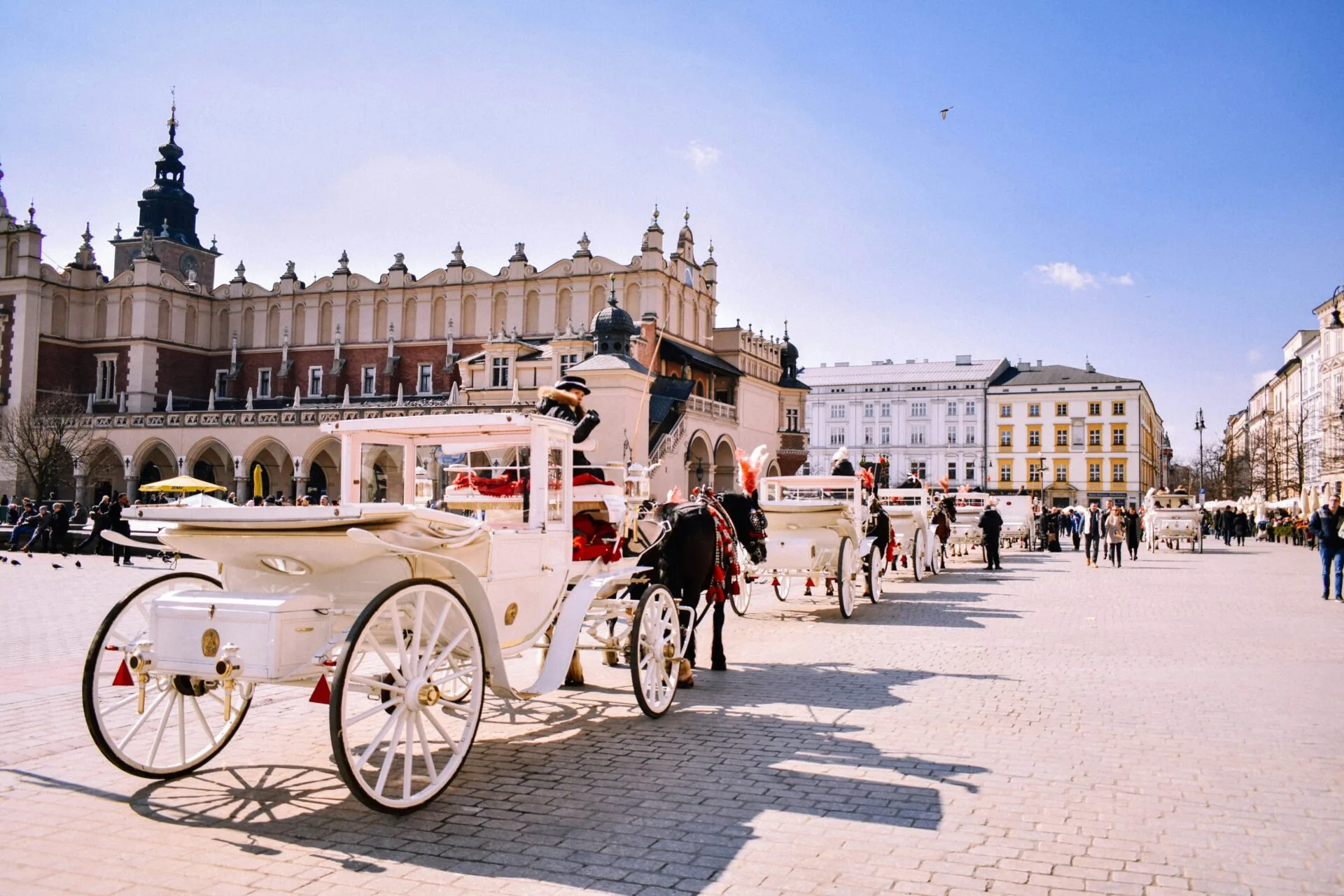
black horses
Book reservations in numerous Languages + World Currencies.

Hotels by Trip.com

Flights by Trip.com

Did you know Poland is home to Europe’s last primeval forest? This often-overlooked Eastern European gem boasts 17 UNESCO World Heritage Sites, ranging from medieval old towns to ancient woodlands where European bison still roam freely. Beyond the well-trodden tourist paths of Western Europe, Poland offers an authentic blend of rich history, breathtaking landscapes, and vibrant culture at a fraction of the cost of its western neighbors.

Getting to Poland

Poland is well-connected to major European and international destinations with several international airports. Warsaw Chopin Airport (WAW) serves as the main gateway, while Krakow’s John Paul II International Airport (KRK) is another popular entry point. Budget airlines like Ryanair, Wizz Air, and LOT Polish Airlines offer competitive fares from many European cities.

Warsaw Chopin Airport serves as Poland’s main international gateway

Planning Your Journey

For first-time visitors, a 7-10 day itinerary allows you to experience Poland’s highlights. Start in Warsaw or Krakow, then add destinations based on your interests. History buffs should prioritize Warsaw, Krakow, and Gdansk. Nature lovers will enjoy the Tatra Mountains and Białowieża Forest. Foodies will find culinary delights in every region, from pierogi to oscypek cheese.

Sample 7-Day Itinerary:

  • Days 1-2: Warsaw (Old Town, Royal Castle)
  • Days 3-5: Krakow (Old Town, Wawel Castle, day trip to Wieliczka Salt Mine)
  • Days 6-7: Zakopane (Tatra Mountains) or Gdansk (Baltic Coast)

Essential Travel Documents:

  • Valid passport (6+ months validity)
  • EU citizens: ID card is sufficient
  • Non-EU visitors: Check visa requirements
  • Travel insurance (highly recommended)
  • Digital copies of all documents

Best Time to Visit Poland

Poland experiences four distinct seasons, each offering unique experiences. The ideal time to visit depends on your interests and planned activities.
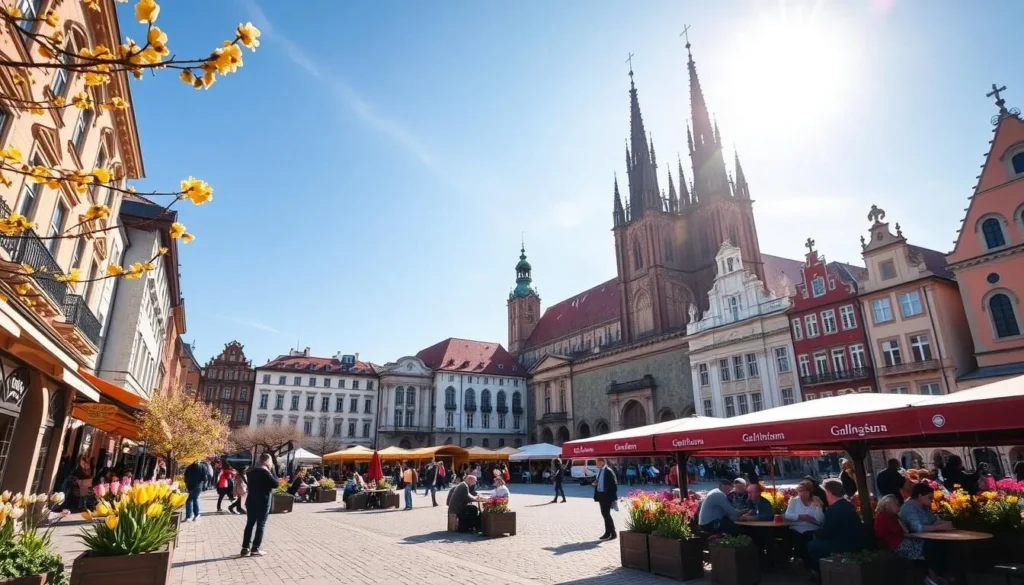
Krakow's Main Market Square in spring with blooming flowers, historic buildings, and outdoor cafes

Spring in Krakow’s Main Market Square offers pleasant weather and fewer crowds

SeasonMonthsTemperatureHighlightsConsiderations
SpringMarch-May5-20°C (41-68°F)Blooming parks, Easter celebrations, fewer touristsOccasional rain, pack layers
SummerJune-August18-30°C (64-86°F)Festivals, outdoor activities, longer daylight hoursPeak tourist season, higher prices
FallSeptember-November5-20°C (41-68°F)Colorful foliage, wine harvests, fewer crowdsIncreasing rainfall, shorter days
WinterDecember-February-5 to 3°C (23-37°F)Christmas markets, skiing in Zakopane, snow-covered landscapesCold temperatures, shorter daylight hours

May, June, and September are generally considered the best months to visit Poland, offering pleasant weather and fewer crowds than the peak summer season. Winter visitors can enjoy Christmas markets and skiing in the Tatra Mountains, though temperatures can drop well below freezing.

Getting Around Poland

Poland has an extensive and affordable public transportation network, making it easy to explore the country without a car. However, having your own vehicle provides flexibility, especially for reaching rural areas and national parks.

✓  Check 30,000+ Local Sightseeing Tours Worldwide
Click Here

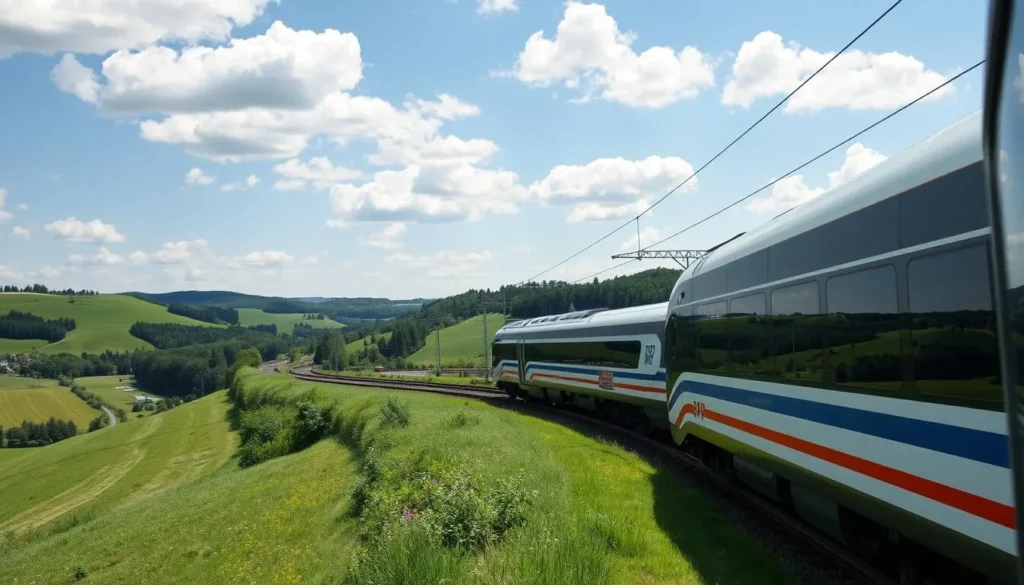
Modern Polish intercity train passing through scenic countryside with rolling hills and forests

Poland’s efficient train network connects major cities and tourist destinations

Trains

Poland’s rail network is extensive and affordable. PKP Intercity connects major cities, while regional trains serve smaller towns. The high-speed Pendolino trains link Warsaw with Krakow, Gdansk, and other major cities.

Tip: Book tickets in advance through the PKP website for the best prices.

Buses

Buses reach destinations not served by trains and are often cheaper. Companies like FlixBus, Polski Bus, and local operators provide extensive coverage throughout the country.

Tip: For intercity travel, buses often have Wi-Fi and power outlets.

Rental Cars

Renting a car gives you the freedom to explore at your own pace, especially for reaching national parks and rural areas. Poland has modern highways connecting major cities.

Tip: International driving permits are recommended but not required for most visitors.

Where to Stay in Poland

Poland offers accommodations for every budget, from luxury hotels to budget-friendly hostels. Major cities like Warsaw, Krakow, and Gdansk have the widest range of options, while smaller towns may have more limited but often charming choices.
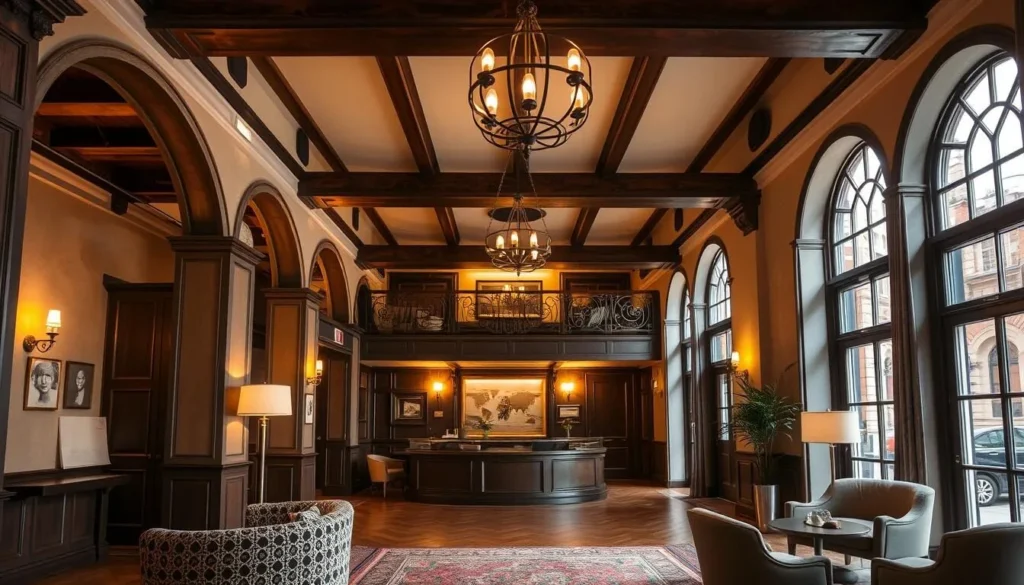
Boutique hotel in Krakow's Old Town with traditional architecture and elegant interior

Boutique hotels in historic buildings offer authentic Polish charm

Cities

Major Polish cities offer everything from international hotel chains to boutique properties. In Warsaw, the city center and Old Town are ideal for sightseeing. In Krakow, staying near the Main Market Square puts you in the heart of the action.

Price range: $50-200+ per night

Rural Areas

In the countryside, consider agroturystyka (farm stays) for an authentic experience. These family-run accommodations often include home-cooked meals featuring local ingredients and traditions.

Price range: $30-80 per night

Mountain Resorts

In Zakopane and other mountain towns, wooden highland-style pensions and resorts offer cozy accommodations. Book well in advance during ski season (December-March) and summer holidays.

Price range: $40-150+ per night

Top Attractions in Poland

Poland’s diverse attractions range from medieval old towns to pristine natural landscapes. Here are the must-visit destinations that showcase the best things to do in Poland.
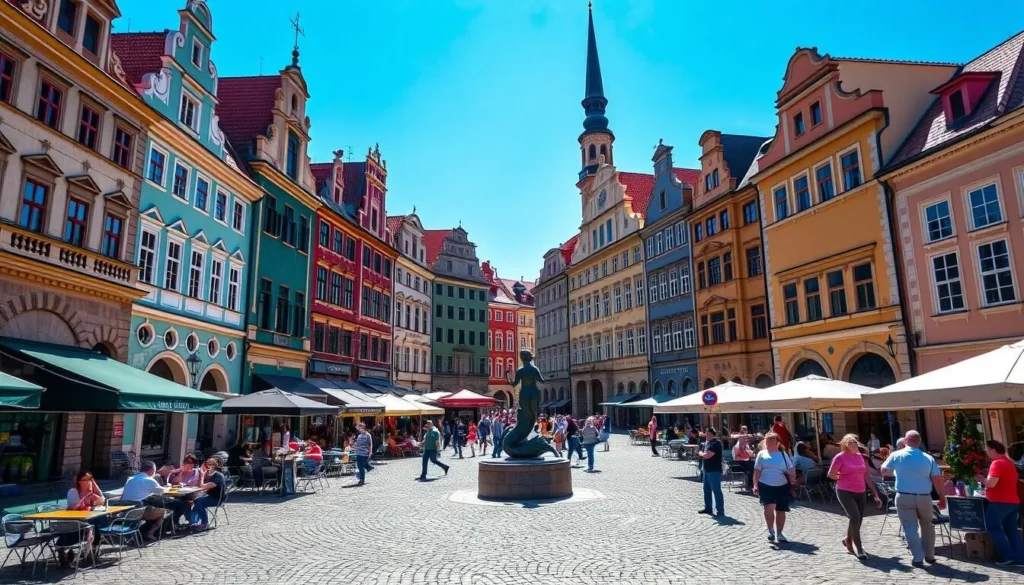
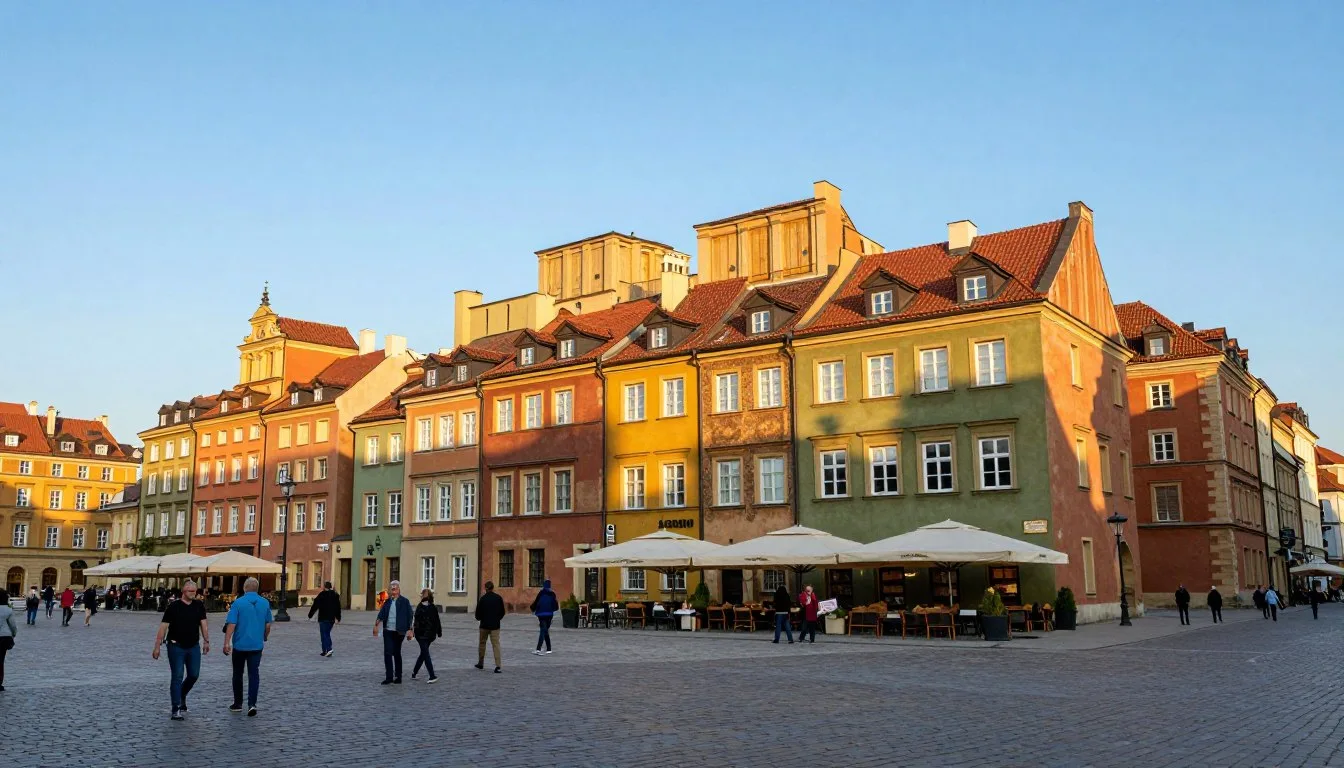
Warsaw Old Town Market Square with colorful buildings, outdoor cafes, and the mermaid statue

Warsaw’s meticulously reconstructed Old Town is a UNESCO World Heritage Site

Historic Cities

Warsaw

Poland’s capital offers a fascinating mix of history and modernity. The meticulously reconstructed Old Town (a UNESCO site) stands in contrast to the city’s modern skyscrapers. Don’t miss the Royal Castle, Warsaw Uprising Museum, and Łazienki Park with its palace on the water.

Krakow

Poland’s cultural heart boasts Europe’s largest medieval market square. Explore Wawel Castle, the historic Jewish quarter of Kazimierz, and the atmospheric underground passages of Rynek Underground museum. Krakow’s Old Town escaped WWII destruction, preserving its authentic medieval character.

Gdansk

This Baltic seaport charms visitors with its distinctive architecture influenced by its Hanseatic history. Stroll along the Royal Way, visit the world’s largest brick church (St. Mary’s Basilica), and learn about the Solidarity movement that helped end communist rule in Poland.
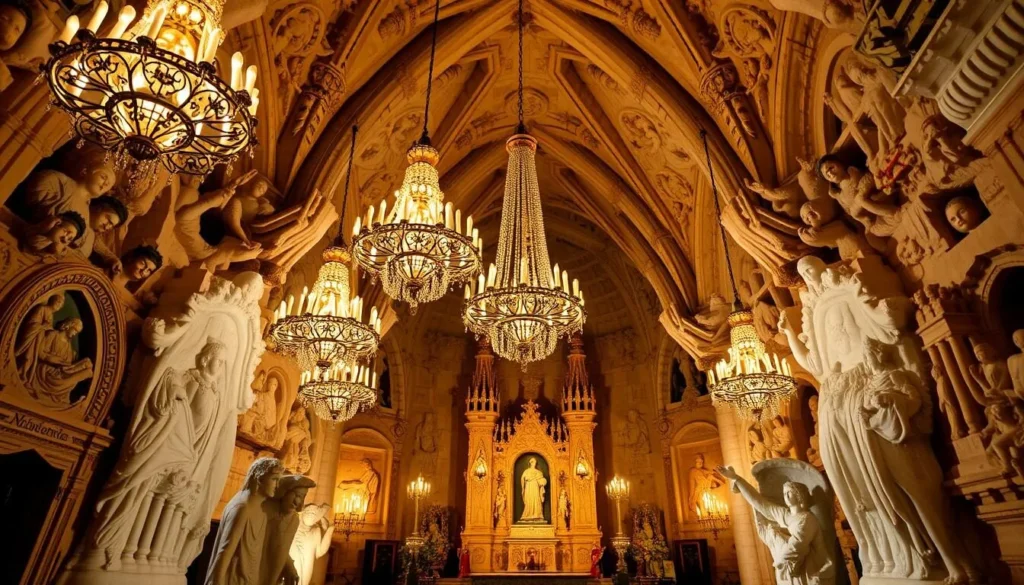
Wieliczka Salt Mine's stunning underground chapel carved entirely from salt

The breathtaking St. Kinga’s Chapel in Wieliczka Salt Mine is carved entirely from salt

Natural Wonders

Tatra Mountains

Poland’s highest mountain range offers spectacular hiking in summer and excellent skiing in winter. Base yourself in the resort town of Zakopane to explore Tatra National Park, with its crystal-clear lakes, waterfalls, and alpine meadows. Don’t miss Morskie Oko, a stunning glacial lake surrounded by peaks.

Białowieża Forest

Europe’s last primeval forest and a UNESCO World Heritage site, Białowieża is home to the continent’s largest land mammal – the European bison. Take a guided tour through the strictly protected areas to experience this ancient woodland that has remained largely unchanged for thousands of years.

Masurian Lake District

Known as the “Land of a Thousand Lakes,” this northeastern region is perfect for sailing, kayaking, and lakeside relaxation. The interconnected lakes, forests, and charming towns make it a favorite summer destination for Poles and an increasingly popular spot for international visitors.

Unique Polish Experiences

Beyond the major attractions, these distinctive experiences will give you a deeper appreciation of Polish culture and traditions.

Traditional Polish pierogi with various fillings and garnishes on a rustic wooden table

Traditional Polish pierogi come with various fillings from savory to sweet

Learn to Make Pierogi

Join a cooking class to master Poland’s beloved dumplings. These versatile treats come with fillings ranging from potato and cheese (ruskie) to sauerkraut and mushroom, meat, or sweet fruit versions. Many cooking schools in major cities offer classes in English.

Visit a Milk Bar

These cafeteria-style eateries are relics from the communist era that serve traditional Polish comfort food at incredibly affordable prices. Order classics like żurek (sour rye soup), kotlet schabowy (pork cutlet), or placki ziemniaczane (potato pancakes).

Explore Wooden Churches

Southern Poland is home to remarkable wooden churches, some dating back to the 15th century. The UNESCO-listed wooden tserkvas (churches) in the Carpathian region showcase unique architectural traditions blending Eastern and Western Christian influences.

Outdoor Activities in Poland

Poland’s diverse landscapes offer plenty of opportunities for outdoor enthusiasts throughout the year.
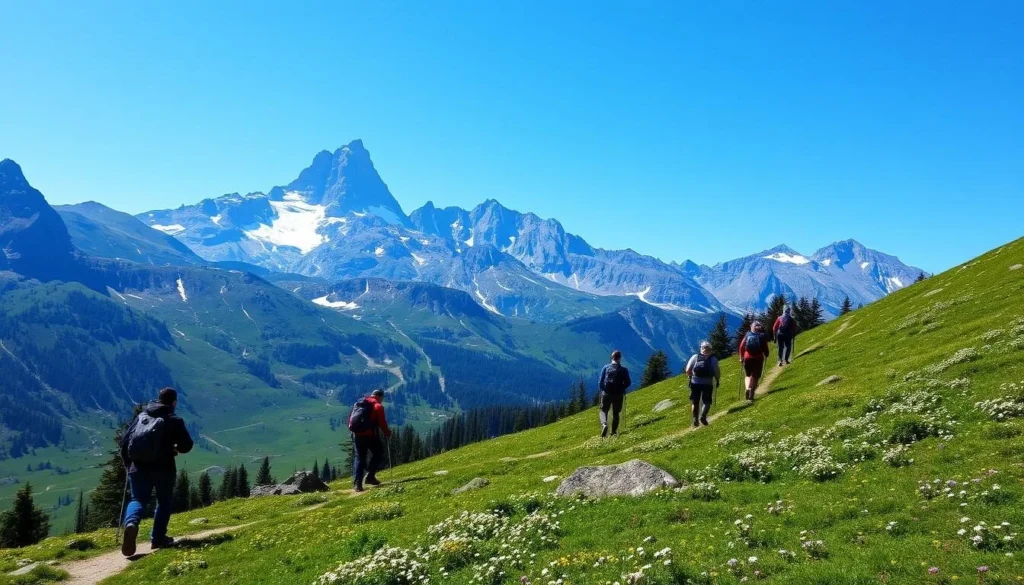
Hikers on a scenic trail in the Tatra Mountains with dramatic peaks and alpine meadows

The Tatra Mountains offer some of Poland’s most spectacular hiking trails

Hiking

Poland boasts 23 national parks with well-marked trails. The Tatra Mountains offer challenging alpine hikes, while Bieszczady National Park provides more gentle terrain with spectacular views. The Polish Hiking Association (PTTK) maintains trails and mountain shelters throughout the country.

Winter Sports

Zakopane is Poland’s winter sports capital, with numerous ski resorts in the surrounding area. Białka Tatrzańska and Szczyrk are also popular destinations for skiing and snowboarding. Most resorts offer equipment rental and lessons for beginners.

Kayaking

The Krutynia River in Masuria offers one of Europe’s most beautiful kayaking routes through pristine forests and lakes. The Dunajec River Gorge in Pieniny National Park provides a more adventurous experience with stunning limestone cliff scenery.

✓  Check 30,000+ Local Sightseeing Tours Worldwide

Click Here

Polish Cuisine and Dining

Polish food is hearty, flavorful, and deeply rooted in the country’s agricultural traditions. Sampling local specialties is one of the best things to do in Poland for culinary enthusiasts.
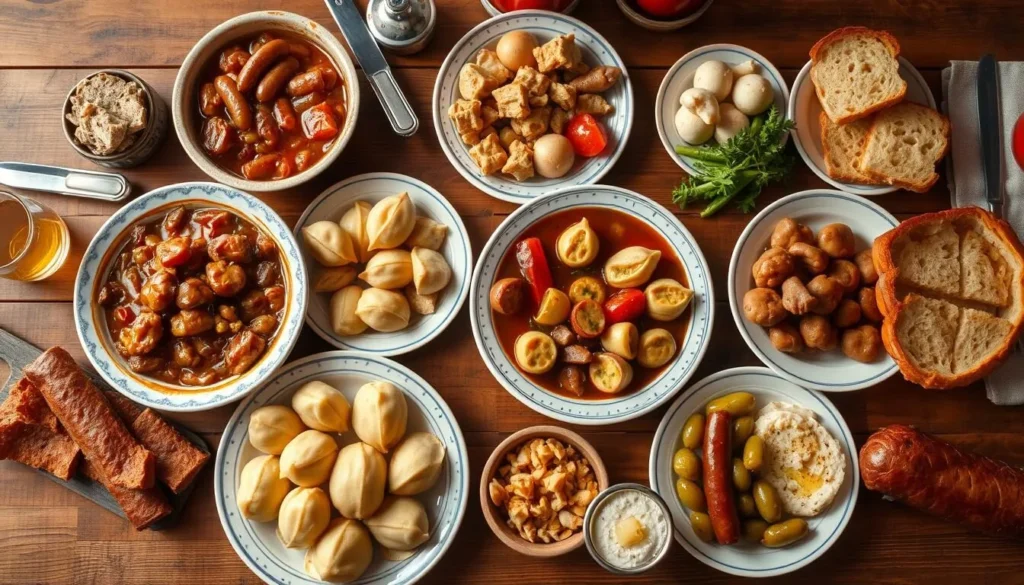
Traditional Polish feast with various dishes including bigos, pierogi, kielbasa, and bread with lard

A traditional Polish feast features hearty, flavorful dishes that reflect the country’s culinary heritage

Must-Try Polish Dishes

Savory Specialties

  • Bigos – “Hunter’s stew” with sauerkraut, various meats, and mushrooms
  • Żurek – Sour rye soup often served in a bread bowl
  • Golonka – Roasted pork knuckle with sauerkraut
  • Oscypek – Smoked sheep cheese from the Tatra Mountains

Sweet Treats

  • Pączki – Polish donuts filled with rose jam or other sweet fillings
  • Szarlotka – Apple cake often served with whipped cream
  • Makowiec – Poppy seed roll popular during Christmas
  • Sernik – Polish cheesecake, lighter than American versions

Beverages

  • Vodka – Try flavored varieties like Żubrówka (bison grass)
  • Miód Pitny – Mead, an ancient honey wine
  • Kompot – Homemade fruit drink
  • Polish Craft Beer – Growing microbrewery scene

Practical Tips for Visiting Poland

These essential tips will help you navigate Poland smoothly and make the most of your visit.
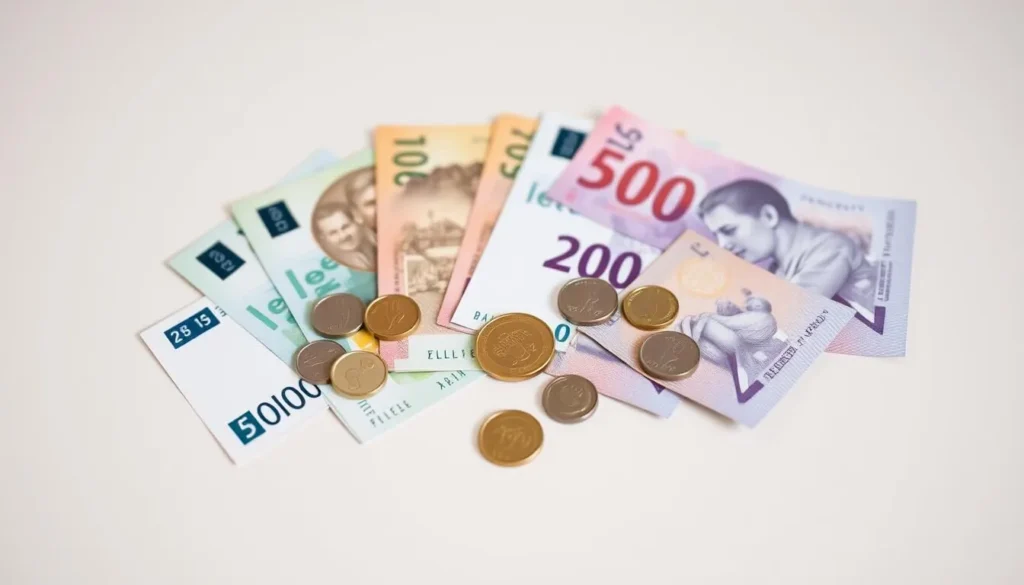
Polish złoty currency notes and coins arranged neatly on a surface

The Polish złoty (PLN) is the official currency – many places accept cards but it’s good to have cash for smaller establishments

Money Matters

  • Currency: Polish Złoty (PLN)
  • ATMs widely available in cities and towns
  • Credit cards accepted in most establishments
  • Tipping: 10-15% in restaurants is customary
  • Avoid currency exchange at airports/hotels

Communication

  • Polish is the official language
  • English widely spoken in tourist areas and by younger Poles
  • Learning basic Polish phrases is appreciated
  • Local SIM cards affordable and widely available
  • Free Wi-Fi common in cafes and restaurants

Cultural Etiquette

  • Greet with a firm handshake
  • Remove shoes when entering homes
  • Poles are generally formal until familiar
  • Religious sites require modest dress
  • Punctuality is valued and expected

Sample Poland Itineraries

These suggested itineraries can help you plan your perfect Polish adventure based on your interests and available time.
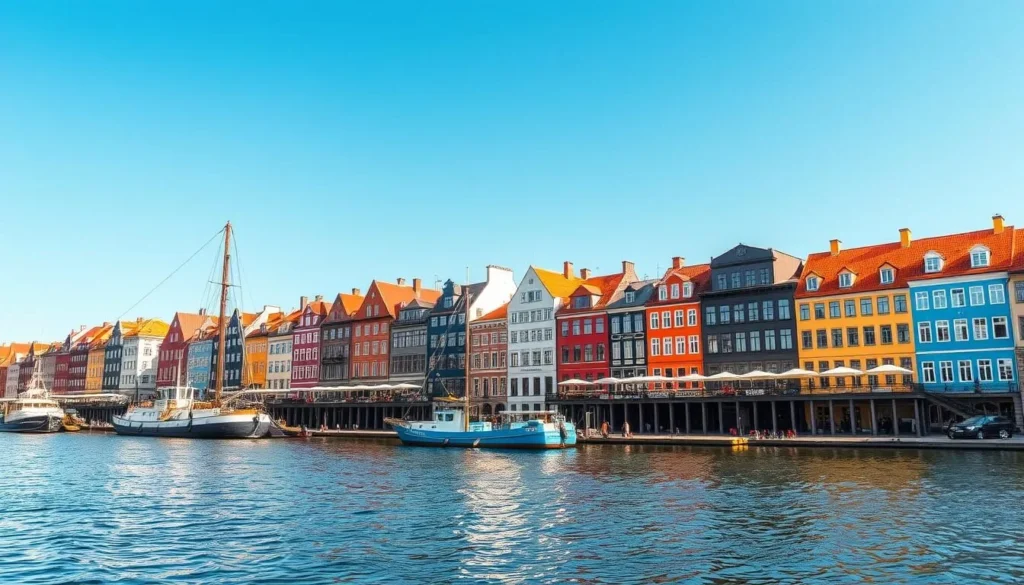
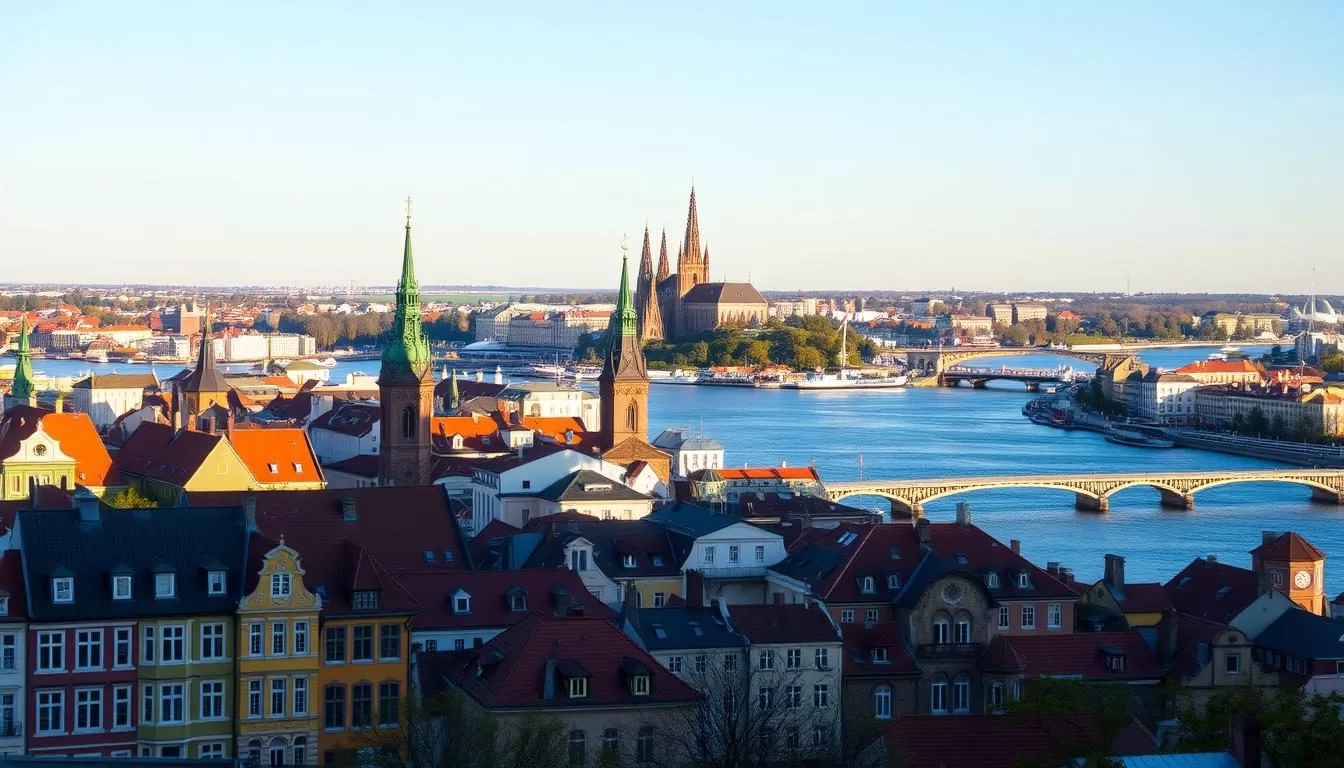
Gdansk waterfront with colorful historic buildings reflected in the Motlawa River

Gdansk’s picturesque waterfront showcases the city’s Hanseatic heritage

Classic Poland (7 Days)

  • Days 1-2: Warsaw exploration
  • Days 3-5: Krakow and Wieliczka Salt Mine
  • Days 6-7: Zakopane and Tatra Mountains

Perfect for: First-time visitors wanting to see the highlights

Northern Poland (10 Days)

  • Days 1-2: Warsaw
  • Days 3-4: Gdansk
  • Days 5-6: Malbork Castle and Toruń
  • Days 7-10: Masurian Lakes

Perfect for: Summer travelers interested in maritime history and water activities

Nature Lover’s Route (14 Days)

  • Days 1-2: Warsaw
  • Days 3-5: Białowieża Forest
  • Days 6-8: Masurian Lakes
  • Days 9-11: Krakow
  • Days 12-14: Tatra Mountains

Perfect for: Outdoor enthusiasts seeking Poland’s natural wonders

Ready to Experience the Best of Poland?

From the medieval charm of Krakow to the primeval wilderness of Białowieża Forest, Poland offers an incredible diversity of experiences for every type of traveler. Whether you’re exploring historic old towns, hiking in pristine mountains, or savoring hearty Polish cuisine, this often-overlooked European gem delivers authentic experiences at a fraction of the cost of its western neighbors. With its rich history, stunning natural landscapes, and warm hospitality, Poland is waiting to surprise and delight you. Start planning your Polish adventure today and discover why this Eastern European treasure is quickly becoming one of Europe’s most rewarding destinations.

Sunset view of Białowieża Forest with European bison grazing in a clearing

The European bison in Białowieża Forest symbolizes Poland’s commitment to preserving its natural heritage
When booking a cruise stateroom, you face one final choice after picking your deck and room category: Port or Starboard?

For decades, maritime tradition has designated the left side of the ship as Port (think of how both words have four letters) and the right side as Starboard when facing forward toward the bow.

Many first-time cruisers stress over this choice, worried they will spend a week staring at the empty ocean while passengers on the opposite side enjoy stunning postcard views. Let’s clear up the myths and look at how to choose the ideal side of the ship for your next vacation.

The Sunset Myth: Can You Guarantee a View?

The single most common reason travelers agonize over port vs. starboard is wanting to watch the sunset from their private balcony.

  • The Reality: Unless your cruise is a straight line going in one direction for seven days, the ship will be constantly changing heading. It snakes around islands, navigates twisting fjords, and turns around completely to head home.

  • The Math: If you are sailing south, the starboard side faces west (sunset) and the port side faces east (sunrise). When you turn around to sail north back to your home port, those views swap completely.

3 Scenarios Where the Side of the Ship Matters

While general ocean crossings make the side of the ship mostly irrelevant, there are three specific travel scenarios where your choice will drastically impact your experience.

1. One-Way Landfall Itineraries (e.g., Alaska or Europe Northbound)

If you are taking a cruise that begins in one city and ends in another without turning back, the side of the ship is critical.

  • Northbound Alaska: If you are sailing north from Vancouver or Seattle up to Seward or Whittier, the starboard side will face the dramatic mountain ranges, coastal forests, and passing wildlife for the majority of the trip. The port side will face the open Pacific Ocean.

  • Southbound Alaska: If you are starting up north and sailing south, you want the port side to stay facing the coastline.

2. Scenic Cruising Days (Glaciers and Fjords)

Some itineraries feature dedicated days where the ship sails deep into a narrow bay or fjord strictly for sightseeing, such as Glacier Bay in Alaska or the Geirangerfjord in Norway.

  • The Reality: Captains want everyone to get their money's worth. When entering a scenic area, the ship will typically slow down or spin a full 360 degrees in front of major landmarks so both sides of the vessel get a view.

  • The Catch: While both sides get a view eventually, one side will get it while you are getting ready in the morning, and the other will get it while you are at lunch.

3. Iconic Harbor Departures

Sailing out of certain world-famous ports offers spectacular sights right from your balcony—if you choose correctly.

  • Sailing out of New York City: If you want a close-up, unobstructed view of the Statue of Liberty as the ship heads out to the Atlantic, you need to be on the port side.

What About Docking at the Pier?

A common belief is that the port side always faces the cruise terminal or town dock. After all, it's called the "port" side for a reason.

In the modern cruising world, this is completely false. How a ship docks depends entirely on:

  1. Coast Guard or Local Regulations: Marine traffic safety dictates how a ship must enter a harbor.

  2. Ship Maintenance: Ships often dock with a specific side facing the pier so crew members can paint the hull or perform safety drills on the lifeboats.

  3. Port Availability: If multiple ships are docked side-by-side, the captain will park whichever way fits safely.

You have a 50/50 chance of facing the bustling town or the open water on either side of the ship when tied up at a pier.

Summary Checklist: How to Choose

If you are still undecided, use these guidelines to make your final choice:

  • Choose Port If: You are taking a one-way southbound itinerary, love watching the sunrise while heading south, or want a view of the skyline when departing certain eastern ports.

  • Choose Starboard If: You are taking a one-way northbound itinerary, prefer watching the sunset while heading south, or enjoy seeing the coast while sailing north.

  • Choose Mid-Ship (Regardless of Side) If: You are prone to motion sickness. Staying low and centered on the ship matters significantly more for stability than being on the left or right side.

When booking a cruise, it is incredibly easy to get swept up in the excitement of choosing between an interior, oceanview, or balcony room. Cruise lines make every cabin look like a pristine, peaceful sanctuary in their brochure photos.

But seasoned cruisers know a hard truth: A cabin’s location on the deck plan matters significantly more than the room type itself.

If you choose the wrong spot, you could find yourself sleeping directly beneath a pounding nightclub subwoofer, or waking up at 5:00 AM to the sounds of metal lounge chairs scraping across a deck. To ensure your next vacation is actually relaxing, pull up your ship’s deck plan and ensure you aren’t accidentally booking one of these five problematic cabin locations.

1. The "Lido Deck Victim" (Directly Under the Pool or Buffet)

This is arguably the most common mistake first-time cruisers make. They see a cabin on a high deck just one floor below the pool and think, "Perfect! I’m only steps away from the action."

  • The Reality: The deck directly above you isn't just a place to swim; it is a high-traffic service zone. At 5:30 AM every single morning, the crew begins dragging hundreds of heavy, metal-framed lounge chairs across the deck to set up for the day, creating a loud, screeching noise that radiates straight through your ceiling.

  • How to avoid it: Always look at the deck plan for the level directly above your cabin. If it's the pool deck, the buffet, or a sports court, change your room.

2. The Late-Night Noise Trap (Above Nightclubs and Bars)

Conversely, you also have to look at what is directly below your feet. Many modern mega-liners place passenger cabins directly above the ship's main promenade, theater, or entertainment district.

  • The Reality: If your room sits over the main theater, a busy piano bar, or the nightclub, you are going to experience intense ambient noise. Even if a ship has great soundproofing, bass frequencies travel effortlessly through steel hulls. If the nightclub thumps until 2:00 AM, your cabin walls will likely vibrate right along with it.

  • The Worst Culprit: Cabins located near the aft (rear) elevator banks on lower passenger decks are notorious for sitting right over the ship's loudest late-night lounges.

3. The "Early Morning Wake-Up Call" (Lower Forward Cabins)

If you are trying to save money, the lowest passenger decks at the very front (bow) of the ship often look like an incredible bargain.

  • The Reality: These rooms face two major issues: motion and mechanics. The front of the ship acts like a teeter-totter; it pitches up and down far more dramatically than the middle of the ship, making it a nightmare if you are prone to seasickness.

  • The Hidden Noise: When the ship arrives at a port early in the morning, the captain will fire up the bow thrusters to maneuver, causing the entire front of the ship to vibrate violently. If the ship is dropping anchor rather than docking at a pier, the massive, clanging anchor chains are housed right next to these forward walls.

4. The Elevator Bank Bottleneck

Being close to the elevators seems like a great accessibility hack to cut down on walking down those incredibly long cruise ship corridors.

  • The Reality: Elevator lobbies are the primary meeting points on the ship. You will have to deal with the constant "ding" of the elevator doors opening and closing all night. Worse, you will hear crowds of high-energy passengers talking, laughing, and shouting as they return to their rooms after a few drinks at the bar.

5. Connecting Cabins (When You Don't Know the Neighbors)

Connecting cabins have a physical interior door that links two adjacent rooms—perfect for families traveling together. But if you are a solo traveler or a couple booking a standard room, cruise lines will frequently assign you a connecting room if it’s the last one available.

  • The Reality: An interior wooden connecting door provides significantly less sound insulation than a solid steel wall. Even when locked, you will likely hear your neighbors' television, their morning conversations, and the sound of their suitcases slamming around.

🛑 The Golden Rule of Cruise Booking

If you want a guaranteed quiet night of sleep, use the Sandwich Rule. Only book a cabin that is "sandwiched" safely between two other full decks of passenger cabins. If there are rooms above you and rooms below you, you are virtually guaranteed to avoid the ship's worst acoustic nightmares.

What About "Guarantee" Cabins?

When booking, you might see an option to book a "Guarantee Balcony" or "Guarantee Interior" at a steep discount. This means you pay a lower rate, but you let the cruise line pick your specific cabin number close to sail date.

While it's a great way to save money, keep in mind that cruise lines use this system to fill the rooms that nobody else wanted to pick. If you are a light sleeper or sensitive to motion, it is always worth paying a fraction more to hand-select your own room number safely away from the noise.

You’ve booked your cabin, picked your excursions, and now you’re staring at your cruise planner screen, facing one of the most hotly debated questions in travel: Should you buy the cruise drink package?

Cruise lines heavily market these unlimited packages, tempting you with the peace of mind that comes with a truly "all-inclusive" vacation. But at prices frequently soaring past $80 to $100+ per guest, per day (plus an automatic 18%–20% gratuity), a drink package can easily add over $1,400 to a 7-night vacation for a couple.

Let’s skip the marketing fluff and look at the actual math. Here is exactly how many drinks you need to consume per day to break even on major cruise lines right now, along with the hidden rules you need to know before you buy.

The Baseline: What Do Drinks Cost A La Carte?

To know if a package saves you money, you have to know what you’d spend without one. Across mainstream lines like Royal Caribbean, Carnival, and Celebrity, average a la carte prices generally sit within these ranges:

  • Cocktails & Mixed Drinks: $12 – $15

  • Glass of Wine: $10 – $14

  • Draft or Bottled Beer: $7.50 – $9.50

  • Specialty Coffee (Lattes, Espresso): $4.50 – $5.50

  • Bottled Water / Sodas: $3.00 – $4.00

Cruise Line Break-Even Math

Most lines require every adult sharing a cabin to purchase the package if one person does. This rule is designed to prevent couples from sharing a single package, and it drastically changes the financial math for a lot of travelers.

Here is what the daily math looks like based on average pre-cruise booking discounts:

1. Royal Caribbean (Deluxe Beverage Package)

  • Average Onboard Price: $75 to $105 per day (varies heavily by ship and sail date)

  • The Break-Even Number: 5 to 7 alcoholic drinks per day.

  • The Catch: If you use your package for morning specialty coffees, bottled waters to take to port, and fresh-squeezed juices, that break-even number drops to about 4 cocktails and 3 non-alcoholic premium drinks per day.

2. Carnival Cruise Line (CHEERS! Beverage Program)

  • Pre-Cruise Price: $64.95 per day (+18% gratuity)

  • The Break-Even Number: 5 to 6 alcoholic drinks per day.

  • The Catch: Carnival enforces a strict 15-alcoholic-drink limit per 24-hour period. While most people don't hit this cap, the package also includes unlimited sodas, energy drinks, and milkshakes.

3. Celebrity Cruises (Classic vs. Premium Package)

  • Average Price: Classic sits around $89/day; Premium sits around $109/day.

  • The Break-Even Number: 6 to 8 drinks per day.

  • The Catch: Celebrity’s Classic package only covers individual drinks up to $10. If you like premium spirits or high-end wine, you'll be charged the difference out of pocket unless you upgrade to the Premium package (which covers up to $17 drinks).

The "Hidden" Value: Non-Alcoholic Add-Ons

People often forget that these packages aren't just for alcohol. If you are someone who drinks a lot of fluids throughout the day, the non-alcoholic options can quickly push you into the profit zone.

Pro-Tip: If you drink two specialty lattes in the morning ($10), grab two large bottled waters for a shore excursion ($8), and have a Red Bull or soda by the pool ($5), you’ve already knocked $23 off your daily break-even target before ever touching a drop of alcohol.

When the Drink Package is WORTH It

  • You Love Peace of Mind: If you hate looking at your running balance on the ship's app and want to walk off the ship on the final morning with a $0 balance, buy the package.

  • You Spend a Lot of Time at Sea: On sea days, you are steps away from a bar 24/7. It is incredibly easy to hit your break-even point when you're lounging by the pool all day.

  • You're Visiting Private Islands: If your itinerary includes Perfect Day at CocoCay (Royal Caribbean) or Labadee, your drink package actually works on the island. This adds a massive amount of value to your purchase.

When the Drink Package is a WASTE of Money

  • Your Itinerary is Port-Intensive: If you are on a European or Alaskan cruise where you are off the ship from 8:00 AM to 5:00 PM almost every day, you won't have enough time on board to drink your money's worth.

  • One of You Doesn't Really Drink: Because of the "all adults in the cabin must buy it" rule, if you drink 8 cocktails a day but your spouse only drinks water, you are paying for two packages while only utilizing one. You will lose money overall.

  • You Only Drink Beer: Because beer is significantly cheaper than cocktails, you have to drink almost double the volume to break even. If you're a beer-only cruiser, paying a la carte is usually the smarter play.

The Verdict

Before hitting "purchase" in your cruise planner, look at your itinerary and your daily habits. If you honestly see yourself having a specialty coffee in the morning, a few beers by the pool, wine at dinner, and a cocktail during the evening theater show, the package will likely save you money.

If that sounds like exhausting work just to break even, save your cash, pay a la carte, and spend that money on a fantastic shore excursion instead.

The above is subject to change. Check back often to TRAVEL.COM for the latest travel information and deals.

Related Posts

Coming Soon: Clickable Maps