Hotels by Trip.com
Flights by Trip.com
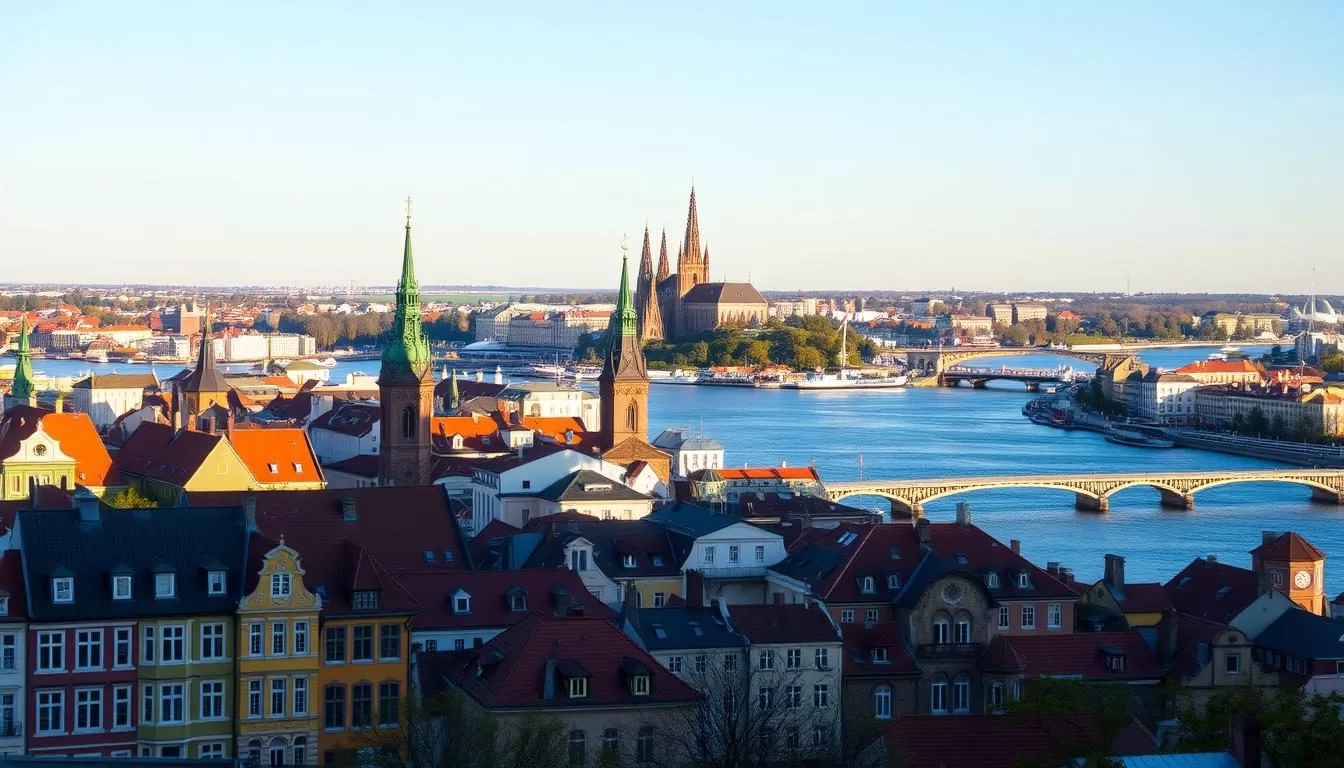
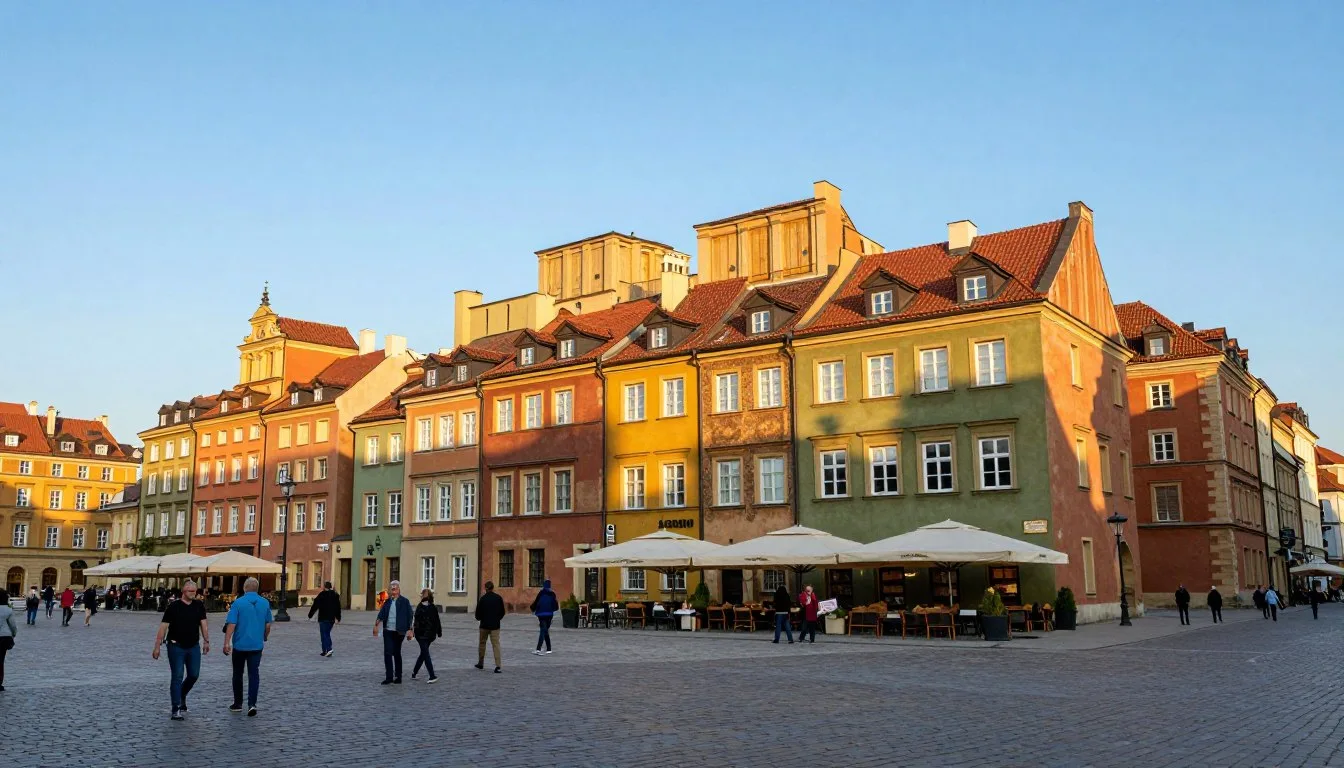
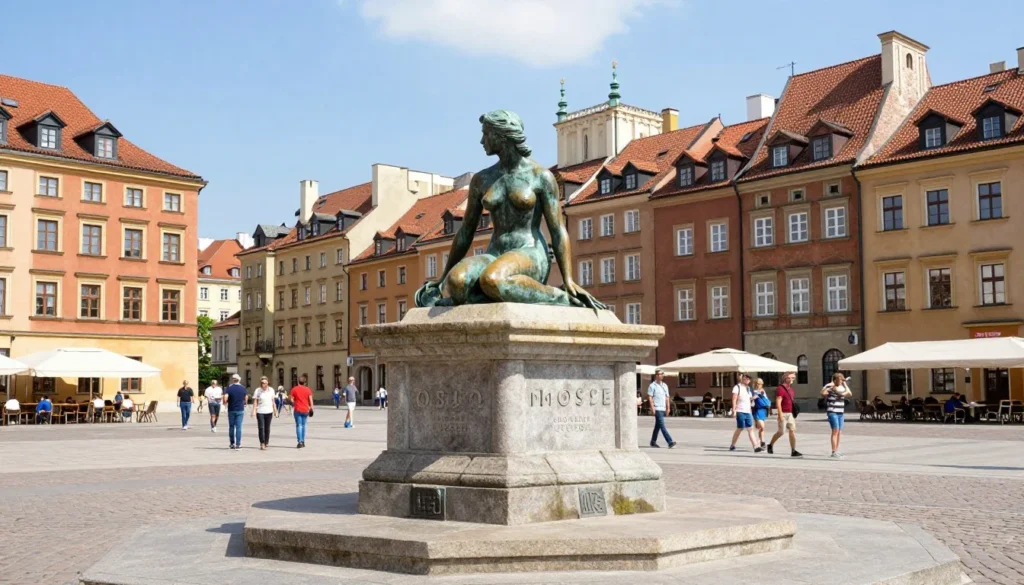
Did you know that Warsaw is the only major European capital that was rebuilt almost entirely from scratch after World War II? An astonishing 85 percent of the city lay in ruins by 1945, yet today it stands as a vibrant metropolis blending historic charm with modern energy. The city takes its name from a legendary fisherman named Wars and his beloved mermaid Sawa, whose iconic statue still guards the Old Town Square.
Warsaw surprises first-time visitors with its resilience and diversity. This is not a museum city frozen in time but a living, breathing capital where centuries-old churches stand beside glass skyscrapers. The Polish capital pulses with creativity, offering world-class museums, thriving nightlife, green spaces along the Vistula River, and cuisine that goes far beyond pierogi.
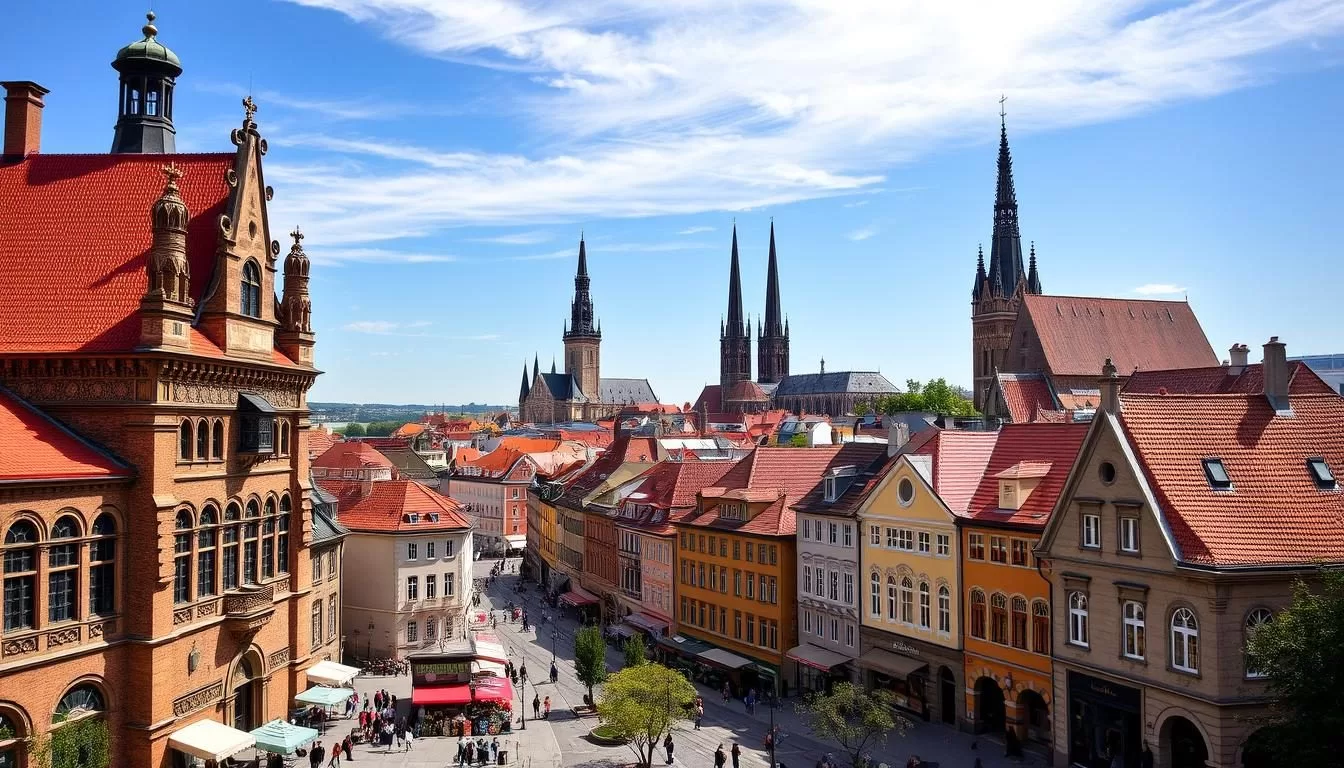
Whether you are drawn to the meticulously reconstructed Warsaw Old Town, the poignant history of the Warsaw Uprising Museum, or the contemporary art scene flourishing in the Praga district, this guide will help you navigate one of Europe’s most underrated destinations.
Getting There & Planning Your Journey
Warsaw Chopin Airport stands as Poland’s busiest air hub, located just 10 km (6 miles) southwest of the city center. The airport serves over 100 destinations worldwide, with direct flights from major European cities, North America, and beyond. Most international visitors arrive here, finding excellent connections to downtown via train, bus, or taxi.
The airport train service runs every 15 minutes during peak hours, reaching the central station in about 20 minutes. Tickets cost approximately 4.40 PLN, making this the most economical option. Buses 175 and 188 provide alternative routes to various city areas, while official taxi ranks offer fixed-rate rides to the center for around 40 PLN.
For travelers coming from other European cities, Warsaw Modlin Airport serves as a secondary option, primarily handling budget carriers. This facility sits 40 km (25 miles) north of Warsaw, requiring a shuttle bus connection to reach downtown. The journey takes roughly 50 minutes, adding extra travel time to your itinerary.
Train enthusiasts will appreciate Warsaw’s excellent rail connections. The modern Warszawa Centralna station links the capital to Berlin, Prague, Vienna, and other major cities. High-speed trains from Krakow complete the journey in just 2.5 hours, offering comfortable carriages and scenic countryside views along the way.
Best Time to Visit & Weather Tips
Optimal Visiting Seasons
May through September represents the prime window for experiencing Warsaw at its finest. Late spring brings comfortable temperatures between 15°C and 20°C (59°F to 68°F), with parks bursting into bloom and outdoor cafes reopening their terraces. Summer months see temperatures climb to 25°C to 28°C (77°F to 82°F), perfect for riverside walks and al fresco dining.
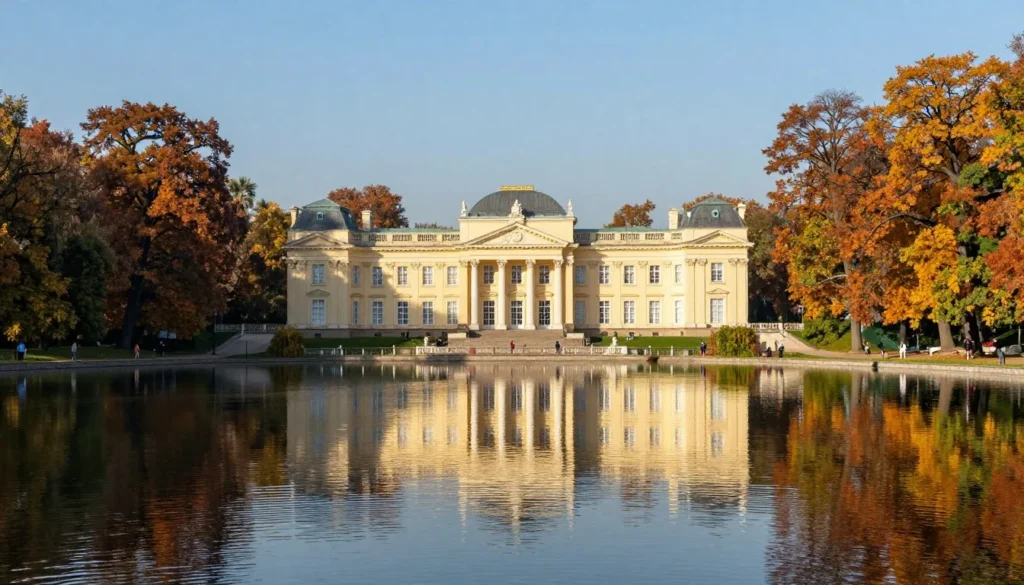
Early autumn delivers perhaps the most magical atmosphere. September and October offer mild weather averaging 15°C to 18°C (59°F to 64°F), fewer tourists, and golden foliage in Lazienki Park. The city takes on a contemplative mood as locals return from summer holidays and cultural events fill the calendar.
Winter transforms Warsaw into a different experience entirely. December through February brings temperatures often dropping below freezing, averaging minus 5°C to 2°C (23°F to 36°F). Snow blankets the Old Town, creating postcard scenes, while Christmas markets warm visitors with mulled wine and traditional treats.
Avoid visiting during late November and early March if possible. These shoulder periods offer little charm, with grey skies, occasional rain, and many attractions operating on reduced schedules. The city feels less welcoming without summer’s energy or winter’s festive atmosphere.
Notable Annual Festivals
The Warsaw Summer Jazz Days festival electrifies the capital each July, bringing international artists to outdoor venues throughout the city. Concerts take place in the Old Town, Lazienki Park, and various clubs, creating an unforgettable musical experience. For information contact the organizers at 48 22 826 4761.
Warsaw Film Festival ranks among Central Europe’s most prestigious cinema events, screening over 200 films each October. The two-week celebration attracts filmmakers, critics, and enthusiasts from around the globe. Films show at venues across the city center, from historic theaters to modern multiplexes.
Check 30,000+ Local Sightseeing Tours Worldwide
✓ Numerous languages and currencies are available
The Museum Night festival occurs annually in May, opening Warsaw’s cultural institutions for free evening visits. Over 200 museums, galleries, and historic buildings stay open until midnight or later, offering special exhibitions, concerts, and guided tours. This popular event draws massive crowds, so arrive early at your preferred venues.
Orange Warsaw Festival dominates June with Poland’s biggest music event. International headliners perform alongside Polish stars at the National Stadium, drawing crowds exceeding 60,000 fans. The multi-day event covers rock, pop, electronic, and hip-hop genres, creating an electric atmosphere across the city.
Getting Around Locally
Warsaw’s public transportation system impresses visitors with its efficiency and coverage. The metro system includes two lines intersecting at Swietokrzyska station, connecting major districts and tourist areas. Trains run every few minutes during peak hours, providing fast transport across the city from early morning until midnight.
Trams remain the soul of Warsaw’s transport network. Over 30 lines crisscross the capital, offering scenic routes through historic neighborhoods and modern districts. The number 18 tram provides an excellent sightseeing option, passing the Royal Route, National Museum, and Warsaw University along its path.
Bus services complement the metro and tram network, reaching areas not covered by rail options. Night buses operate after midnight, ensuring you can return safely from evening entertainment. Route maps appear at every stop, though downloading the Jakdojade app makes navigation considerably easier.
Tickets work across all public transport modes. Purchase a 20-minute ticket for short hops or a day pass for unlimited travel. Validate your ticket immediately upon boarding, as inspectors conduct frequent checks with steep fines for violations. Tickets can be bought from machines at stations, kiosks, or via smartphone apps.
Bike-sharing systems have exploded in popularity. Veturilo stations dot the city, offering affordable rentals perfect for exploring riverside paths and parks. The flat terrain makes cycling enjoyable, though watch for tram tracks that can catch wheels. Dedicated bike lanes continue expanding, improving safety for cyclists throughout the area.
Walking remains ideal for exploring central neighborhoods. The Royal Route stretches 4 km from the Royal Castle to Wilanow Palace, offering a pleasant stroll through Warsaw’s history. Old Town streets require exploration on foot, as narrow lanes and pedestrian zones prohibit vehicles in most historic areas.
Where to Stay
Old Town appeals to history enthusiasts seeking atmospheric accommodation within medieval walls. Boutique hotels here occupy renovated townhouses, offering unique character and immediate access to major sights. Expect premium prices reflecting the prime location, with limited parking and some noise from evening revelers in the square.
The city center around Nowy Swiat and Krakowskie Przedmiescie provides excellent value. This area combines proximity to attractions with abundant restaurants, shops, and nightlife options. Mid-range hotels dominate, offering modern amenities and good transport connections. The neighborhood remains lively until late, appealing to younger travelers and night owls.
Srodmiescie district attracts business travelers and those seeking contemporary comfort. Glass-tower hotels near the Central Station offer international chain standards, extensive facilities, and easy airport access. The area lacks Old Town charm but compensates with convenience, shopping centers, and excellent restaurant choices across all price points.
Praga district emerges as Warsaw’s creative quarter, offering budget-friendly options with authentic local flavor. Hostels, guesthouses, and apartment rentals provide affordable bases for exploring this revitalized area. The neighborhood features street art, alternative bars, and fewer tourists, though some streets feel rough around the edges after dark.
Families often prefer Zoliborz or Mokotow residential districts. These quieter neighborhoods offer apartment rentals with kitchens, nearby parks, and local markets. Properties here cost less than central hotels while providing authentic Warsaw living experiences. Metro connections reach downtown in 15 to 20 minutes.
Dining & Local Cuisine
Polish cuisine surprises visitors expecting only heavy, meat-based dishes. Warsaw restaurants showcase culinary evolution, from traditional milk bars serving classic recipes to innovative chefs reimagining Polish flavors with modern techniques. The dining scene encompasses everything from street food stalls to Michelin-starred establishments.
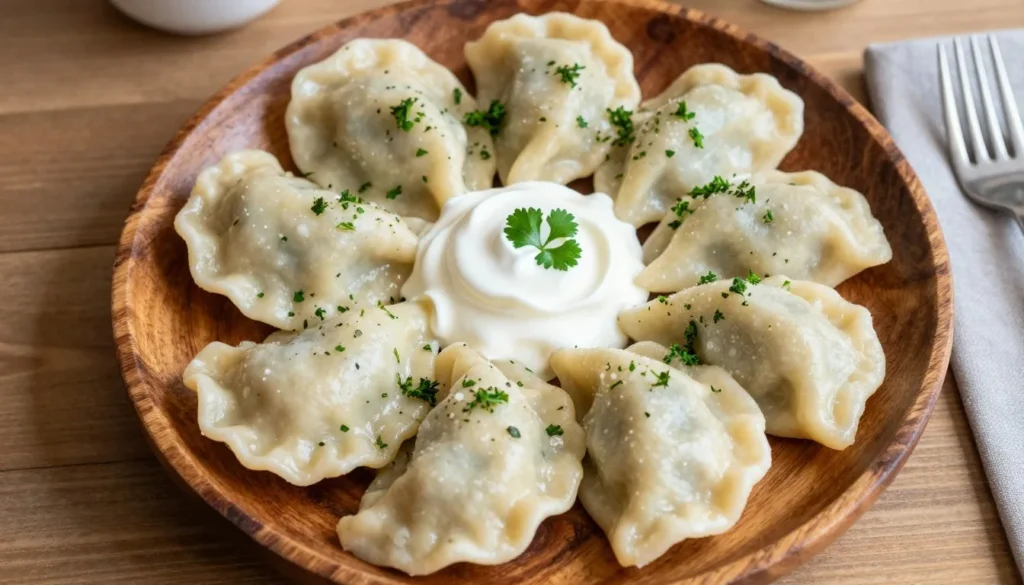
Pierogi remain Poland’s most famous export, but Warsaw offers versions far beyond basic dumplings. Try ruskie filled with potato and cheese, or sweet versions stuffed with berries and topped with sour cream. Proper pierogi should have thin dough and generous filling, served piping hot with melted butter.
Bigos, known as hunter’s stew, exemplifies Polish comfort food at its finest. This hearty dish combines sauerkraut, fresh cabbage, various meats, and mushrooms, simmered for hours until flavors meld together. The saying goes that bigos improves with each reheating, making it even better the next day.
Zurek, the famous sour rye soup, appears on menus throughout Warsaw. This tangy broth contains white sausage, hard-boiled eggs, and potatoes, often served in a hollowed-out bread bowl. The distinctive sour taste comes from fermented rye flour, creating a flavor unlike any other soup you have tried.
Milk bars, or bar mleczny, offer authentic Polish experience at bargain prices. These communist-era cafeterias still serve traditional dishes to locals and savvy travelers. Expect basic decor, self-service, and prices that seem impossibly low. Popular options include Prasowy and Bambino, both near the city center area.
Modern Polish restaurants reinterpret traditional dishes with contemporary flair. Establishments like Atelier Amaro and Senses push culinary boundaries while honoring Polish ingredients and techniques. These venues require advance reservations but deliver memorable dining experiences showcasing Poland’s gastronomic renaissance.
Street food markets have exploded across Warsaw in recent years. Hala Koszyki and Hala Gwardii offer dozens of vendors under one roof, serving everything from Vietnamese pho to artisanal pizza. These spaces buzz with energy, providing casual dining options perfect after museum visits or before evening entertainment.
Attractions, Sightseeing & Activities
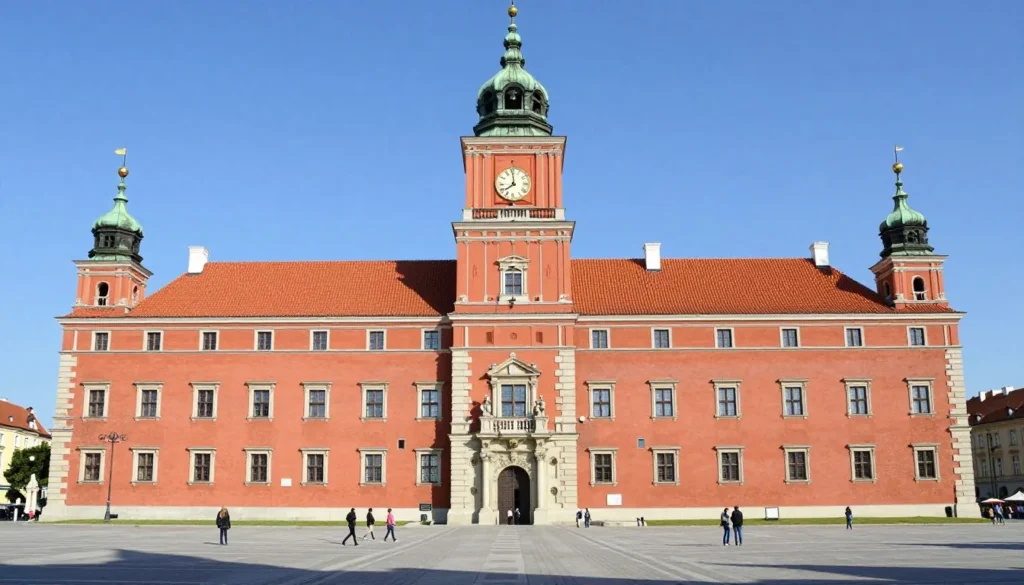
The Royal Castle anchors Warsaw’s historic heart, rebuilt from rubble after wartime destruction. This massive baroque complex served Polish monarchs for centuries before its complete annihilation in 1944. Today’s structure replicates the original down to individual paintings and furniture, representing Poland’s commitment to preserving cultural heritage despite impossible odds.
Interior rooms dazzle with gilt decorations, marble columns, and priceless artworks. The Throne Room and Marble Room showcase royal splendor, while the Canaletto Room displays paintings documenting pre-war Warsaw. Guided tours reveal fascinating stories about Polish kings, queens, and the painstaking reconstruction process lasting decades.
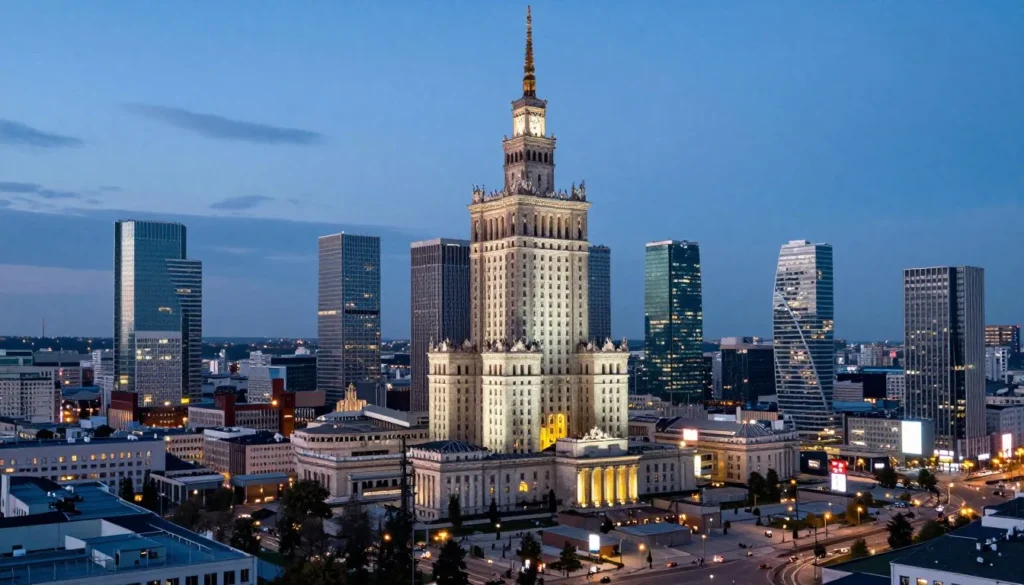
The Palace of Culture and Science dominates Warsaw’s skyline as a controversial gift from Stalin. This socialist-realist skyscraper rises 237 meters (778 feet), offering panoramic views from its 30th-floor observation deck. Love it or hate it, the building represents an inescapable part of Warsaw’s identity and communist past.
Beyond the viewing terrace, the palace houses theaters, cinemas, museums, and even a swimming pool. The surrounding plaza hosts concerts, markets, and festivals throughout the year. At night, colorful illumination transforms the imposing structure into something almost beautiful, proving even controversial architecture can find acceptance with time.
Lazienki Park provides green sanctuary in the heart of the capital. This sprawling estate encompasses 76 hectares (188 acres) of landscaped gardens, classical palaces, and romantic pavilions surrounding tranquil lakes. The Palace on the Isle, reflected in calm waters, creates one of Warsaw’s most photographed scenes.
Free Chopin concerts take place every Sunday afternoon from May through September at the Chopin Monument. These popular performances attract hundreds of locals and visitors who spread blankets on the grass to enjoy classical piano music in natural surroundings. Arrive early to secure a good spot near the outdoor stage.
Wilanow Palace stands as Poland’s answer to Versailles, showcasing baroque grandeur and manicured gardens. This 17th-century royal residence survived World War II intact, preserving original furnishings, artwork, and decorative details. The palace offers insight into how Polish nobility lived during the country’s golden age.
The surrounding gardens invite leisurely exploration across Italian terraces, English landscape parks, and formal French parterres. Rose gardens bloom spectacularly in June, while autumn brings golden foliage reflecting in ornamental ponds. Special events include summer concerts and Christmas markets in the palace forecourt.
Museums, Cultural Spots & Festivals
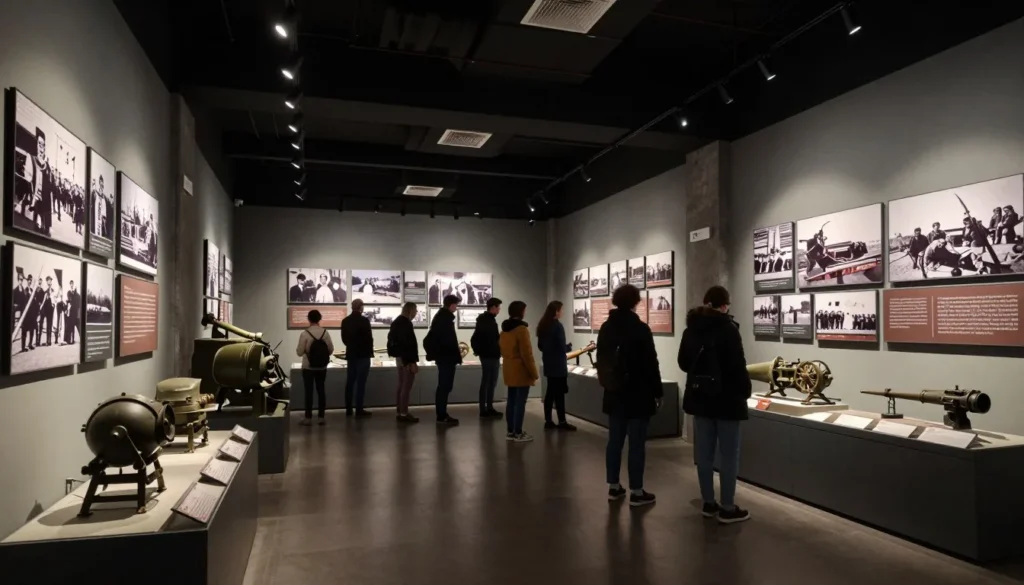
The Warsaw Uprising Museum stands as the most powerful attraction in the capital. This state-of-the-art facility documents the 63-day battle when Polish resistance fighters challenged German occupation in 1944. Interactive exhibits, authentic artifacts, and survivor testimonies create an emotionally charged experience that honors the courage of ordinary people who fought for freedom.
Walking through the museum requires several hours to fully absorb the exhibits. Recreated sewers show escape routes used by fighters, while a replica of a bomber plane hangs dramatically overhead. The memorial wall listing thousands of fallen insurgents reminds visitors of the uprising’s devastating human cost. Expect to leave moved and reflective.
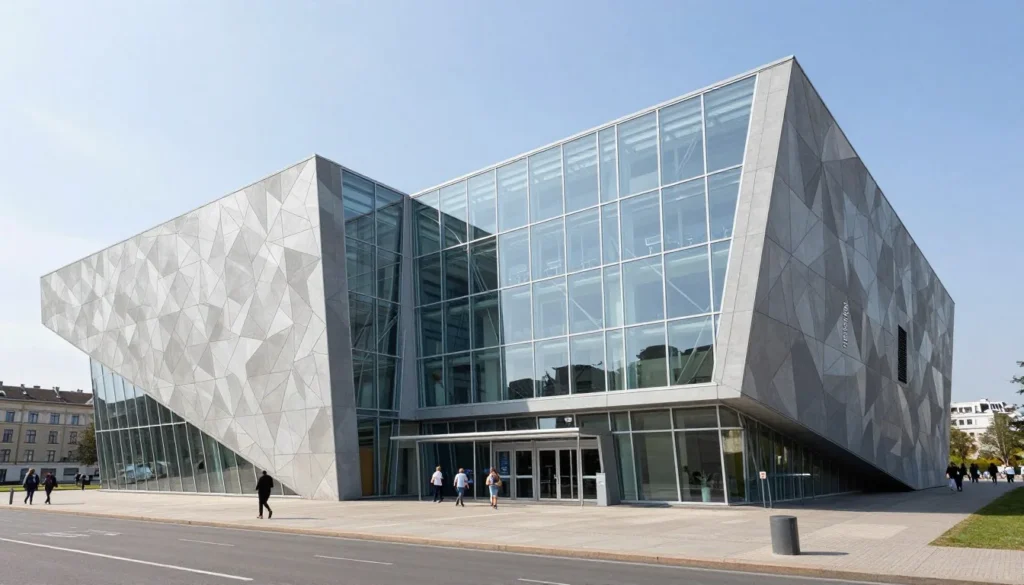
POLIN Museum of the History of Polish Jews earned recognition as Europe’s Museum of the Year. This architectural marvel chronicles 1,000 years of Jewish life in Poland through multimedia exhibits, artifacts, and personal stories. The permanent exhibition shows how Jewish communities thrived, contributed to Polish culture, and ultimately faced destruction during the Holocaust.
The museum building itself impresses with its striking modern design and thoughtful use of space. Interactive elements engage visitors of all ages, while the core narrative remains accessible without oversimplifying complex history. The location in the former Warsaw Ghetto adds profound context to the exhibits.
Copernicus Science Centre captivates curious minds with over 450 interactive exhibits exploring scientific principles. This modern facility encourages hands-on learning through experiments, demonstrations, and creative problem-solving activities. Adults enjoy the exhibits as much as children, making this an ideal rainy day destination for families and science enthusiasts.
The planetarium shows stunning astronomical presentations, while the outdoor park extends learning beyond museum walls. Workshops and special programs run throughout the week, covering topics from robotics to chemistry. Weekend crowds can be intense, so weekday morning visits offer the best experience.
The National Museum houses Poland’s largest art collection across multiple buildings. The main facility displays everything from ancient Egyptian artifacts to contemporary Polish art. Medieval altarpieces, 19th-century romantic paintings, and extensive decorative arts collections provide comprehensive cultural education.
Temporary exhibitions bring international masterpieces to Warsaw, while the permanent collection showcases Polish masters like Matejko and Malczewski. The museum’s Faras Gallery presents unique Christian frescos rescued from Sudanese temples, representing treasures found nowhere else in Europe. Plan at least half a day to explore properly.
Nature & Outdoor Experiences
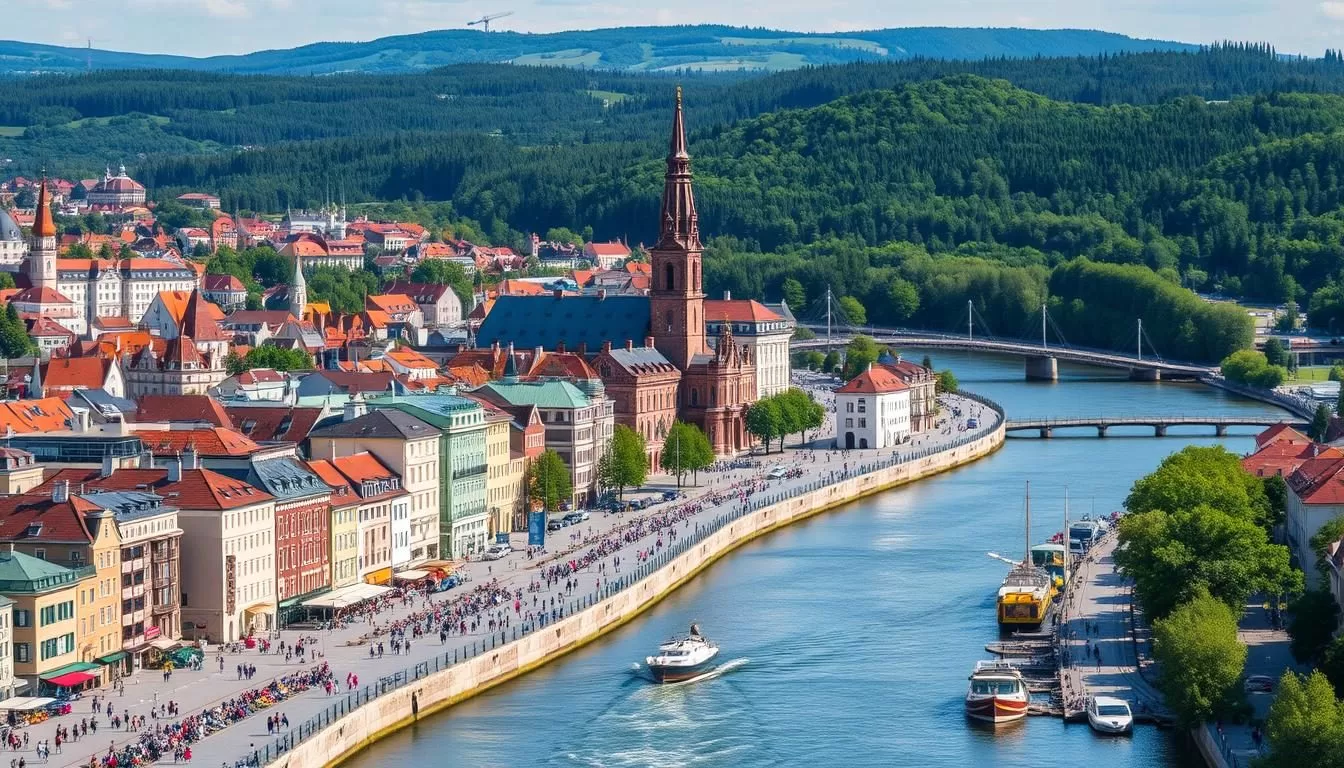
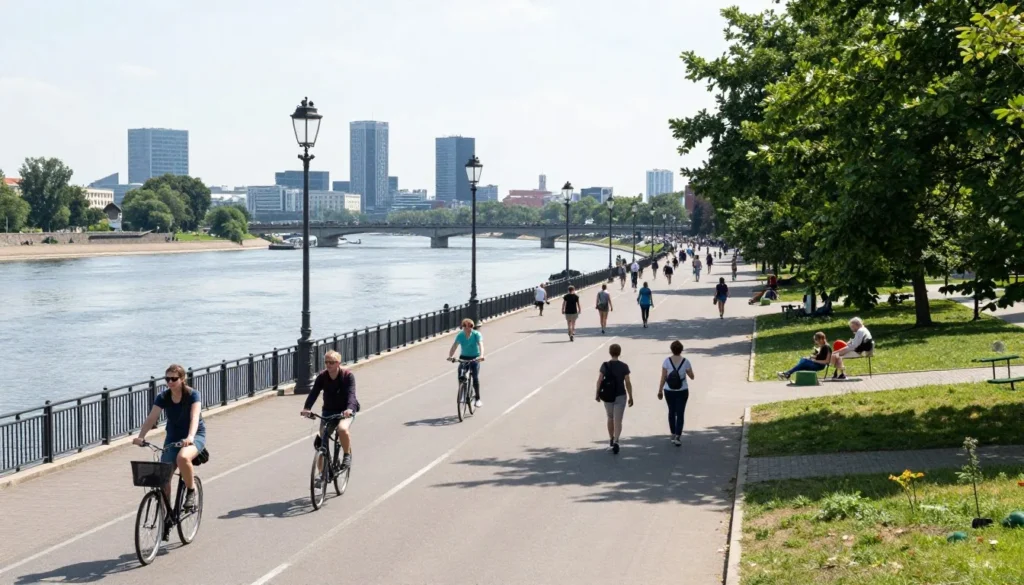
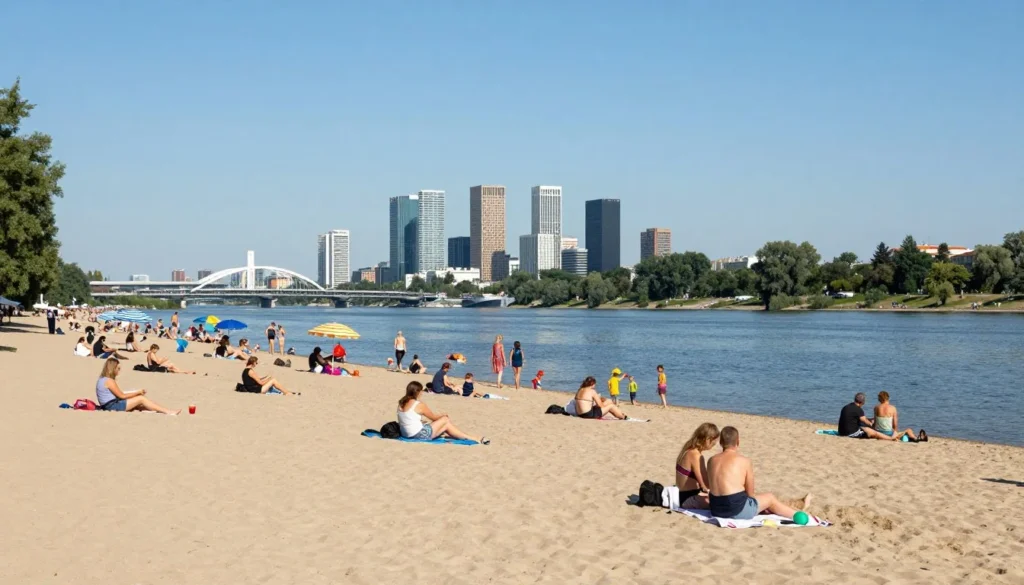
The Vistula River boulevards transformed into Warsaw’s favorite recreational space in recent years. Paved paths stretch for kilometers along both banks, creating perfect cycling and walking routes with city skyline views. Summer sees beach bars, outdoor gyms, and pop-up restaurants activating the waterfront with vibrant social scenes.
Artificial beaches appear each May, offering urban seaside experiences complete with sand, loungers, and waterfront cafes. Locals gather for sunset drinks, beach volleyball, and lazy afternoon socializing. The atmosphere feels relaxed and unpretentious, providing authentic Warsaw experiences away from tourist attractions.
Kampinos National Park provides wilderness escape just 30 km (19 miles) from downtown. This vast protected area covers 385 square kilometers (149 square miles) of primeval forest, wetlands, and sand dunes. Hiking trails wind through ancient woods where European bison roam freely, offering rare encounters with megafauna in their natural habitat.
The park serves as important refuge for over 250 bird species, making it paradise for birdwatchers. Spring migration brings spectacular numbers of waterfowl to the wetlands, while summer reveals hidden clearings filled with wildflowers. Marked trails range from easy nature walks to challenging full-day treks through remote forest areas.
Saxon Garden provides central green space dating back to the 17th century. This formal park features geometric pathways, historic statues, and a beautiful sundial fountain. The Tomb of the Unknown Soldier sits at the entrance, where ceremonial changing of the guard occurs every hour, drawing crowds of respectful onlookers.
Office workers fill the benches during lunch breaks, while families enjoy the playgrounds and open lawns. The park hosts outdoor concerts and cultural events during warmer months, transforming into community gathering space. Autumn colors make the tree-lined avenues particularly photogenic.
Warsaw University Library Garden surprises visitors with its rooftop location. This innovative green space crowns a modern library building, offering terraced gardens with panoramic city views. Winding paths lead through themed plantings, water features, and quiet corners perfect for reading or contemplation.
The garden demonstrates sustainable urban design while providing valuable green space in a dense district. Free admission allows anyone to access this peaceful retreat. Visit during weekdays to avoid weekend crowds, and bring a book to fully appreciate the tranquil atmosphere.

Travel With Children
Warsaw welcomes families with numerous child-friendly attractions and facilities. Most museums offer interactive exhibits designed for young visitors, while parks provide playgrounds and open spaces for running off energy. Restaurants accommodate children without fuss, and public transport proves navigable even with strollers.
The Copernicus Science Centre tops the list for children of all ages. Kids can conduct experiments, explore physics principles through play, and watch engaging science demonstrations. The hands-on approach keeps even short attention spans engaged for hours. Book planetarium shows in advance as they fill quickly on weekends.
Warsaw Zoo covers 40 hectares (99 acres) housing over 500 species from around the world. The facility balances traditional zoo exhibits with modern conservation education. Children enjoy the petting area with domestic animals, while the large carnivore exhibits and primate houses fascinate older kids. Summer sees extended evening hours for magical sunset zoo visits.
The zoo played a heroic role during World War II when its directors hid Jewish refugees in animal enclosures. The story inspired books and films, adding historical dimension to a typical zoo visit. Educational programs run year-round, teaching children about wildlife conservation and environmental protection.
Multimedia Fountain Park provides free entertainment on summer evenings. Choreographed water shows combine light, music, and dancing fountains in spectacular displays. Families spread blankets on the grass to watch performances lasting 20 minutes. Children love running through the water features during the day when the music stops.
Many playgrounds dot the city, with modern equipment meeting European safety standards. Lazienki Park features excellent play areas nestled among historic buildings, while Pole Mokotowskie offers vast open space for kite flying and ball games. Most parks include cafes where parents can grab coffee while kids play nearby.
Child-friendly restaurants abound, with many offering kids’ menus and high chairs. Traditional milk bars serve simple, familiar foods at budget prices, while modern family restaurants provide more varied options. Polish cuisine includes child-friendly dishes like pancakes, soups, and breaded meats that even picky eaters typically enjoy.

Money Saving Tips
Warsaw offers excellent value compared to Western European capitals, but smart strategies stretch budgets even further. Public transport passes provide unlimited travel at fraction of taxi costs. A three-day tourist card costs around 60 PLN and includes free museum entry along with transport, paying for itself after just a few attractions.
Milk bars serve authentic Polish meals for incredibly low prices. Expect to pay 15 to 25 PLN for hearty lunch including soup, main course, and drink. These communist-era cafeterias maintain original pricing philosophy while serving fresh, filling food to locals and budget-conscious travelers alike.
Many museums offer free admission on specific days. Tuesdays typically see free entry at National Museum, while Thursday evenings allow free access to Museum of Warsaw branches. Plan your itinerary around these opportunities to experience world-class collections without spending a zloty.
Walking tours provide excellent city orientation at minimal cost. Free walking tours operate on tips-only basis, with knowledgeable guides sharing history, architecture, and local insights. Even paid specialty tours cost significantly less than Western European equivalents while delivering comparable quality and expertise.
Shopping at local markets beats supermarket prices while offering fresher produce and authentic experience. Hala Mirowska market buzzes with vendors selling fruits, vegetables, meats, and baked goods at bargain rates. Buy picnic supplies here for park lunches, saving money while eating well.
Accommodation costs drop significantly beyond immediate Old Town boundaries. Staying in Praga or residential districts can cut hotel expenses by 30 to 40 percent while adding just 10 minutes to commute times. Apartment rentals offer even better value for groups or families planning longer stays in the area.
Lunch specials at restaurants provide the same quality food as dinner menus at much lower prices. Many establishments offer set lunches including soup, main course, and dessert for 25 to 35 PLN. Take advantage of these deals for your main meal, then grab lighter, cheaper dinners from milk bars or food halls.
Warsaw City Card bundles transport and attraction entry into single pass at discounted rates. The card includes airport train tickets, unlimited public transport, and free or reduced admission to 20 museums. Calculate whether the card saves money based on your planned activities.
Safety & Local Customs
Warsaw ranks as one of Europe’s safest capitals, with low violent crime rates and minimal tourist-targeting theft. Standard precautions like watching belongings in crowded areas and avoiding unlit streets late at night suffice for most situations. Police presence remains visible and helpful, with many officers speaking English in tourist zones.
Pickpocketing occurs occasionally on crowded trams and at major attractions. Keep valuables secured in front pockets or bags, particularly around Central Station and Old Town Square during peak season. Avoid displaying expensive cameras or jewelry unnecessarily to reduce unwanted attention from opportunistic thieves.
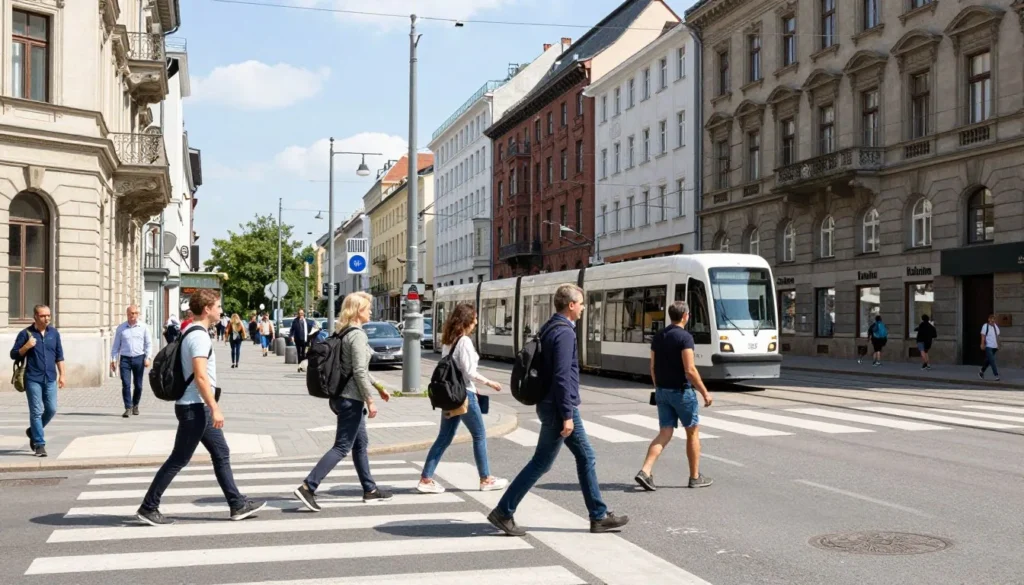
Traffic poses the biggest danger to visitors. Polish drivers maintain aggressive approach to road rules, often treating pedestrian crossings as mere suggestions. Always make eye contact with drivers before crossing, even at marked crosswalks. Tram tracks create additional hazards for inattentive pedestrians and cyclists.
Polish people appreciate polite behavior and traditional courtesies. Greeting shopkeepers with “dzien dobry” (good day) upon entering and “do widzenia” (goodbye) when leaving shows respect. Many locals, especially older generations, maintain formal interactions until invited to use first names.
Tipping customs follow standard European practice. Round up taxi fares or add 10 percent for good service. Restaurants expect 10 to 15 percent tips for satisfactory meals, though some establishments include service charges automatically. Check your bill before adding additional gratuity to avoid double tipping.
Public drinking laws prohibit alcohol consumption on streets and parks with some exceptions. Designated zones along the Vistula boulevards allow beer drinking, but police enforce rules strictly elsewhere. Bars and restaurants remain your safest bet for enjoying Polish beer and vodka without legal concerns.
Respect for history and wartime memory runs deep in Warsaw. Avoid making light of World War II topics or the communist period, as many residents or their families suffered directly. The Warsaw Uprising remains particularly sensitive subject deserving serious, thoughtful discussion rather than casual commentary.
LGBTQ travelers should exercise discretion as Polish society remains relatively conservative on these issues. Warsaw proves more accepting than other Polish cities, with gay-friendly bars and clubs operating openly in central areas. Public displays of affection may attract unwanted attention, so use judgment based on surroundings.
Visitor Comments About Warsaw
“Warsaw completely exceeded my expectations. I went in thinking it would be just another European capital, but the combination of tragic history and modern resilience really moved me. The Old Town reconstruction is incredible when you realize it was all done from rubble. The food scene surprised me too – way beyond the pierogi I expected. The locals seemed genuinely proud of their city and eager to share recommendations. I left feeling like I had discovered something special that not enough people know about yet.”
“I visited Warsaw as a day trip from Krakow and immediately regretted not planning more time there. The museums are world class, especially the Warsaw Uprising Museum which left me in tears. The city has this amazing energy – parts feel very modern and cosmopolitan, while other neighborhoods maintain authentic local character. The Vistula River beaches were a complete surprise, such a fun atmosphere on summer evenings. The public transport made getting around incredibly easy. Next time I will stay at least three full days to properly experience everything.”
Check 30,000+ Local Sightseeing Tours Worldwide
✓ Numerous languages and currencies are available
“Warsaw worked perfectly for our family vacation. The kids loved the Copernicus Science Centre and we spent an entire afternoon there. Everything felt very affordable compared to other European cities we have visited. We stayed in an apartment in a residential area and enjoyed shopping at the local market, cooking some meals at home. The parks are beautiful and well maintained with good playgrounds. Polish people were friendly and patient with our attempts at the language. The mix of history, culture, and family-friendly activities made this a memorable trip for all of us.”
Additional Nearby Destinations
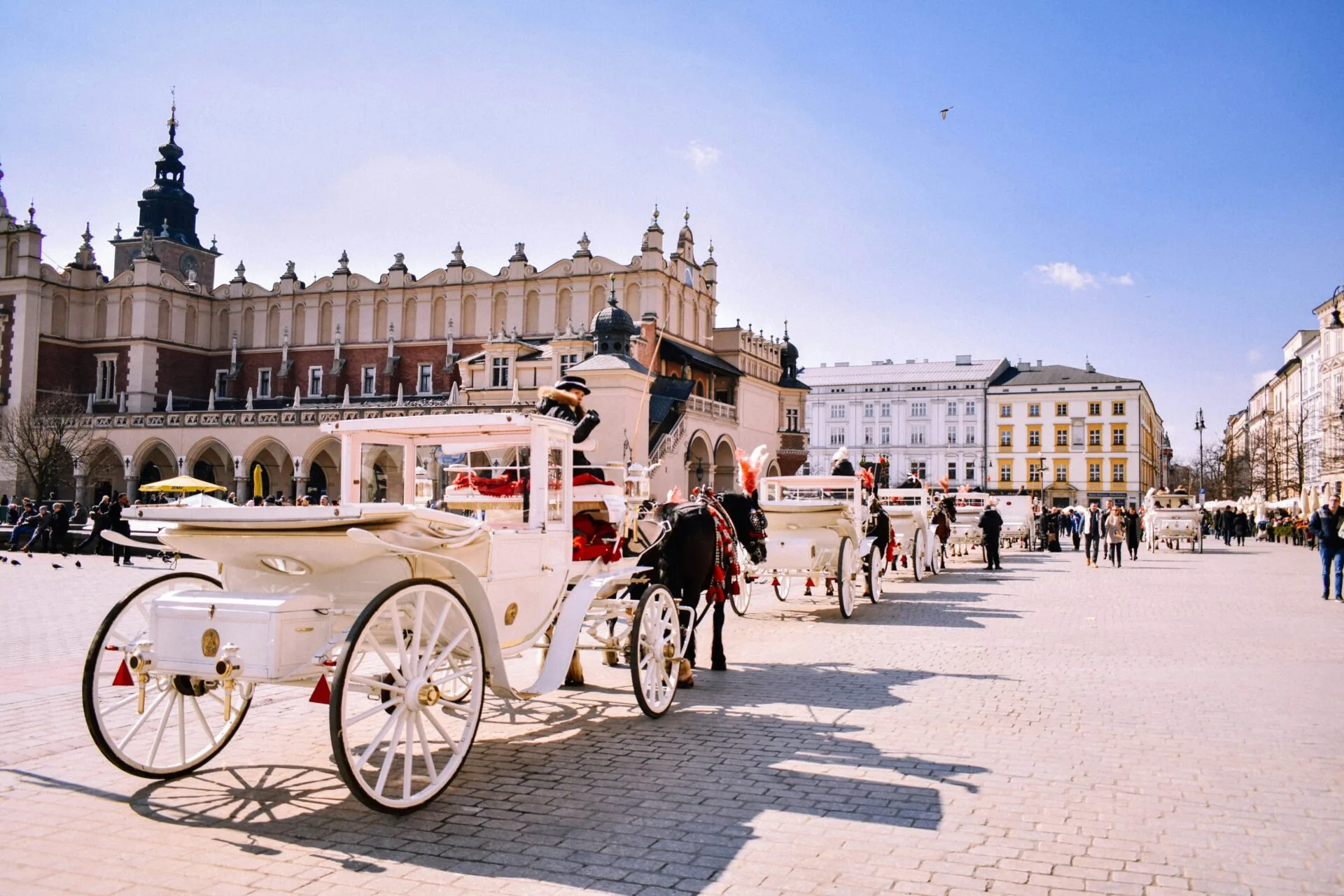
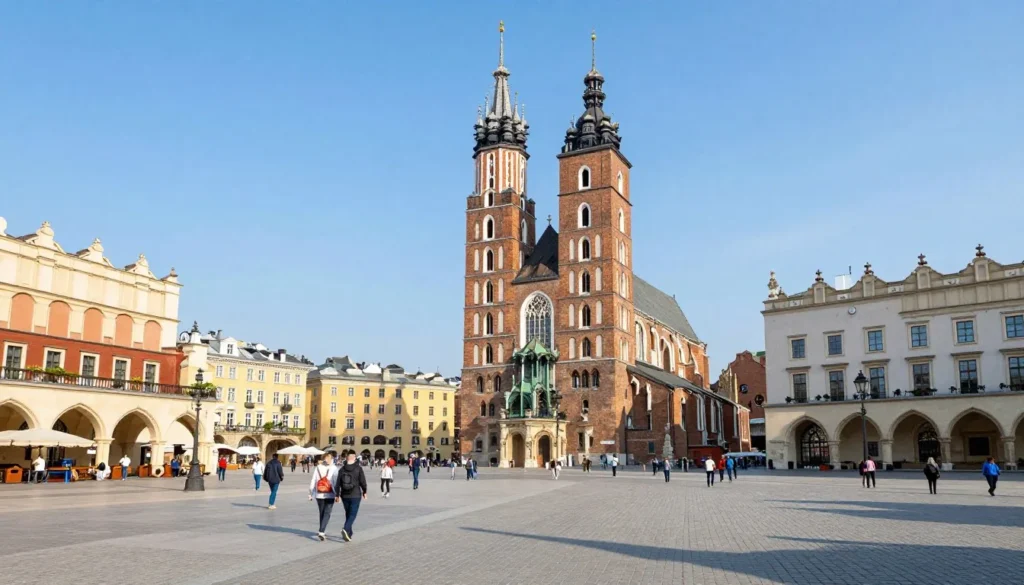
Krakow sits just 2.5 hours south by train, offering Poland’s most celebrated historic center. The medieval old town, Wawel Castle, and former Jewish quarter of Kazimierz provide contrasting experiences to Warsaw’s modern energy. Day trips work if time is limited, but Krakow deserves at least two nights for proper exploration.
Auschwitz-Birkenau concentration camp memorial lies 90 minutes from Krakow, representing essential but emotionally difficult pilgrimage. Organized tours from Warsaw include transport, guiding, and Krakow visits in long but comprehensive day trips. Those seeking deeper understanding should consider overnight stays to process the experience properly.
Wieliczka Salt Mine amazes visitors with underground chambers carved entirely from salt. This UNESCO World Heritage site features chapels, sculptures, and even chandeliers created from salt crystals by miners over centuries. Located near Krakow, the mine combines easily with Auschwitz visits in multi-day southern Poland itineraries.
Torun presents beautifully preserved Gothic architecture as birthplace of Copernicus. This charming medieval city requires just 2.5 hours by train from Warsaw, making it feasible as day trip for architecture enthusiasts. Gingerbread tradition adds sweet culinary dimension to historic sightseeing throughout the old town streets.
Gdansk offers coastal experiences with fascinating history as free city and site where World War II began. The reconstructed old town, medieval port crane, and Solidarity movement museum create compelling reasons for northern excursion. Train journey takes about three hours, warranting overnight stay to fully appreciate Baltic atmosphere and fresh seafood.
Mazury Lake District provides nature escape with over 2,000 lakes connected by rivers and canals. This region two hours northeast of Warsaw attracts sailors, kayakers, and outdoor enthusiasts seeking tranquil water-based activities. Summer resorts offer accommodation ranging from camping to luxury hotels amid forests and waterways.
Bialowieza Forest preserves Europe’s last primeval woodland, home to free-roaming European bison. This remote area near the Belarus border requires dedicated trip, but nature lovers find the journey worthwhile. Guided tours increase chances of spotting bison while exploring this unique UNESCO-protected ecosystem.
Practical Travel Tips
Poland uses the Polish zloty (PLN), though some tourist businesses accept euros at unfavorable exchange rates. ATMs provide the best rates for withdrawing local currency, avoiding airport exchange bureaus charging excessive commissions. Credit cards work widely in restaurants and shops, though traditional markets and milk bars operate cash-only.
English proficiency varies significantly by age and location. Young Warsovians working in tourism, hospitality, and business speak excellent English, while older generations may know little beyond basic phrases. Learning a few Polish words like “dziekuje” (thank you) and “przepraszam” (excuse me) earns goodwill and appreciation from locals.
Mobile data costs little in Poland thanks to European Union roaming regulations. Purchase a local SIM card from any convenience store for even cheaper rates, with unlimited data plans costing around 30 PLN monthly. Free WiFi covers most cafes, restaurants, and public spaces throughout the city center area.
Pharmacies, marked by green crosses, stock common medications without requiring prescriptions for many items. Staff typically speak English and can recommend appropriate remedies for minor ailments. Locate 24-hour pharmacies near Central Station and in major districts for emergency needs outside regular hours.
Electrical outlets use standard European two-pin plugs with 230V power supply. North American devices require both plug adapters and voltage converters unless marked for dual voltage operation. Most hotels provide adapters at reception, though purchasing one before traveling ensures compatibility throughout your trip.
Tap water meets European safety standards and tastes perfectly fine for drinking. Restaurants serve tap water upon request, though they may charge for glasses. Purchasing bottled water proves unnecessary expense and environmental waste given excellent municipal water quality throughout the capital.
Dress codes remain casual for most attractions and restaurants, with smart casual attire appropriate for upscale dining establishments. Churches require modest clothing covering shoulders and knees, so carry a light shawl or jacket for religious site visits. Winter demands serious cold-weather gear including proper coats, gloves, and waterproof boots.
Photography is permitted at most attractions except where explicitly posted otherwise. Museums typically prohibit flash photography to protect artifacts, while some charge fees for professional camera equipment. Always ask permission before photographing people directly, respecting privacy and personal space.
Smoking remains more prevalent than in Western countries, though regulations prohibit it in restaurants, bars, and public transport. Designated smoking areas exist outside establishments and in some parks. E-cigarettes follow the same rules as traditional smoking under Polish law.
Your Warsaw Adventure Awaits
Warsaw stands ready to surprise you at every turn. This is a city that refused to disappear, rebuilt itself from ashes, and emerged stronger and more vibrant than ever. From the cobblestones of the meticulously reconstructed Old Town to the trendy bars of Praga, from solemn war museums to joyful summer concerts in royal parks, Warsaw offers depth and diversity that few visitors expect.
The Polish capital rewards curious travelers who look beyond superficial impressions. Yes, you will find the history, the museums, and the traditional dishes you came seeking. But you will also discover contemporary art scenes, innovative restaurants, and welcoming locals proud to share their resilient city. You will walk streets where tragedy and triumph intertwine, where every reconstructed building tells stories of determination and hope.
Whether you spend two days or two weeks exploring Warsaw, you will leave with newfound respect for this remarkable place. The city that rose from ruins now rises in your memory as an essential European destination, one that deserves far more recognition than it currently receives. Pack your bags, book your tickets, and prepare for Warsaw to exceed every expectation you bring. This phoenix city awaits your discovery.