Drobeta‑Turnu Severin, Romania: Best Things to Do – Top Picks

Drobeta‑Turnu Severin, Romania: Best Things to Do - Top Picks
Book reservations in numerous Languages + World Currencies.

Hotels by Trip.com

Flights by Trip.com

Surprising fact: a Roman settlement set here around 106 AD still leaves foundations you can see beside the Danube. That long timeline gives the city a rare mix of ancient ruins and lively riverfront life.

You’ll find quick, walkable highlights: the Iron Gates Museum, bits of Trajan’s Bridge, and a compact medieval fortress within easy reach of cafés. These sights make the city a practical first stop for curious travelers.

This short guide filters must-see activities and views, from the Faleza Dunării promenade at sunset to the dam visitor area with sweeping viewpoints. Use it to plan timing, transport, and a relaxed pace so you see more in less time.

Top Picks in Drobeta‑Turnu Severin for Your First Visit

Plan a compact route that delivers ancient ruins, museum context, and sunset promenades.

Muzeul Regiunii Porților de Fier is the ideal starting point. The museum ties Roman finds, local ethnography, and natural‑history displays into a quick, clear overview. That context makes the outdoor sites more meaningful when you step outside.

Trajan’s Bridge remains and the adjacent Roman castrum sit along the riverbank near Str. Independenței 2. Walk the columns and foundations for a direct link to antiquity, then follow the castrum earthworks to picture how the frontier was guarded.

Finish nearby with a stroll on the Faleza Dunării at sunset, and visit Cetatea Severinului for compact fortress ruins and moody earthworks. For panoramic views and tours, set aside time for the Porțile de Fier I dam visitor area.

  • Start at the museum for fast context.
  • Pair the trajan bridge remains with the castrum for one solid history stop.
  • Save the promenade and fortress for golden hour; add a dam tour if you have extra time.

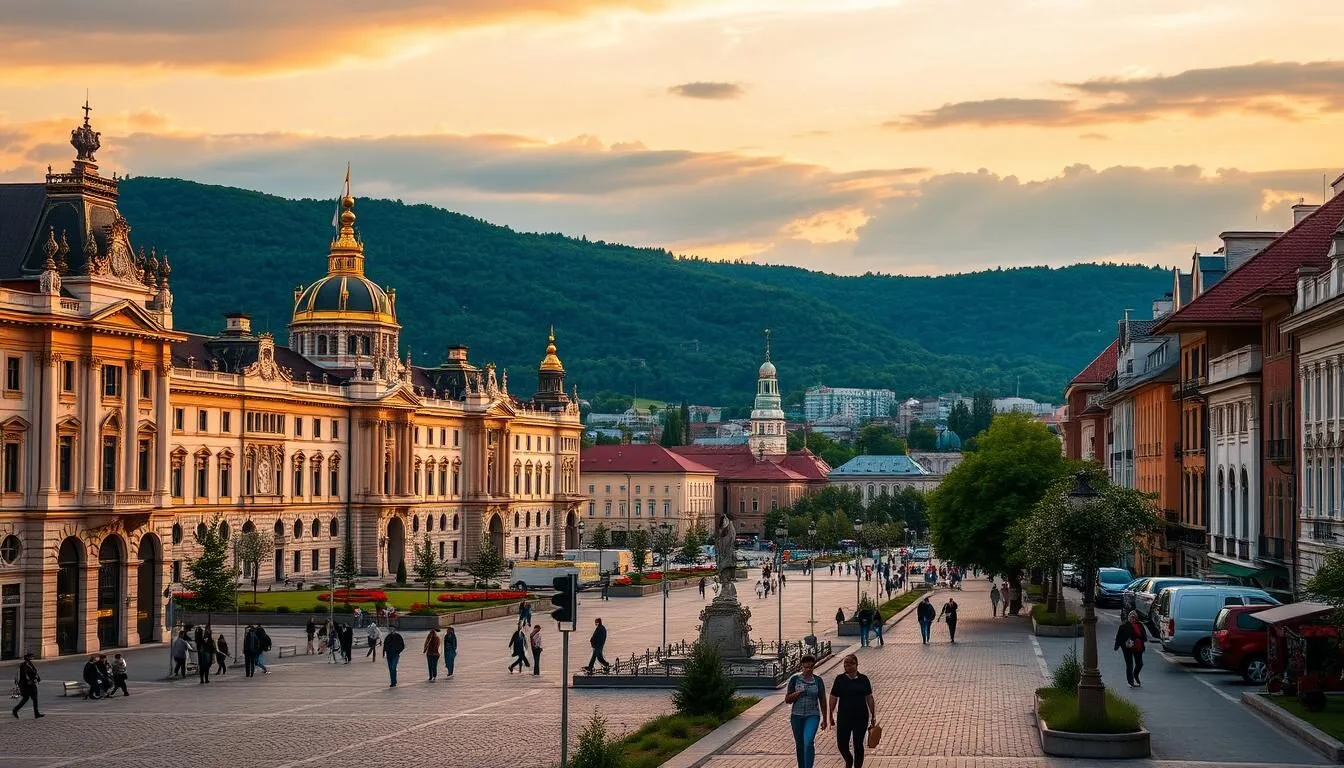
A picturesque vista of Drobeta-Turnu Severin, Romania, on a sunny day. In the foreground, people stroll along the promenade by the Danube River, taking in the tranquil waters and the historic buildings lining the riverbank. In the middle ground, a bustling outdoor market showcases the vibrant local culture, with vendors selling fresh produce, handicrafts, and traditional delicacies. In the background, the imposing Trajan's Bridge and the towering Carpathian Mountains create a breathtaking backdrop, evoking a sense of timeless beauty and adventure.

SiteWhat to ExpectBest Time
Iron Gates MuseumRoman artifacts, ethnography, natural displaysMorning
Trajan’s Bridge & CastrumColumns, foundations, earthworksMidday
Faleza Dunării & CetateaPromenade, cafés, fortress ruinsSunset
Porțile de Fier IDam viewpoint, tours, wide river vistasAfternoon

Roman and Medieval Heritage You Can Walk Through

Walk a short loop that links surviving Roman columns, a castrum’s outlines, and fortress earthworks. This compact arc of open‑air sites gives you a clear feel for how the river crossing shaped local power and trade.

Trajan’s Bridge remains: columns, foundations, and engineering history

Trajan’s Bridge once spanned the lower Danube as a major feat of Roman engineering. You can still see columns and foundation traces on the Romanian bank, with signposts near Str. Independenței 2.

A majestic stone bridge spanning the mighty Danube River, the Trajan Bridge in Drobeta-Turnu Severin, Romania stands as a testament to the ingenuity and architectural prowess of the Roman Empire. Bathed in warm, golden sunlight, the bridge's ornate arches and sturdy pylons rise impressively against a clear, azure sky. In the foreground, pedestrians stroll along the riverbanks, pausing to admire the bridge's timeless elegance. The middle ground reveals the historical town, its picturesque buildings and spires adding to the tranquil, atmospheric scene. In the distance, rolling hills and verdant forests create a serene, picturesque backdrop, inviting the viewer to step into this captivating slice of Romania's Roman and medieval heritage.

Roman castrum ruins: where the empire guarded the Danube

Step into the castrum remains and trace the defensive outlines that protected traffic and troop movements. On‑site panels help you picture the wooden superstructure that joined the shores and the day‑to‑day role of the garrison.

✓  Check 30,000+ Local Sightseeing Tours Worldwide

Click Here

Severin Fortress earthworks: imagining frontier life

Cetatea Severinului offers scattered medieval ruins, embankments, and stone fragments. The earthworks let you imagine how later defenses adapted the same strategic crossing.

  • Stand by the surviving columns and picture the bridge that once linked two empires.
  • Compare castrum foundations with fortress ramparts to read layers of history.
  • Bring good shoes: ground near the ruins is uneven and worth taking slowly.

These three sites form walkable attractions in drobeta-turnu severin and make for an ideal, unhurried morning. Pair this route with a museum visit to connect artifacts with what you see outdoors.

Danube Promenade & River Life: Easy Views, Cafés, and People‑Watching

The riverfront is where the city slows down and light becomes the main attraction. Faleza Dunării is the local heartbeat: people stroll, anglers work the banks, and cafés cluster along the wide promenade.

Make the promenade your evening base. Aim for the last hour of daylight when the light softens and the Danube mirrors color. That hour gives the best views and relaxed people‑watching.

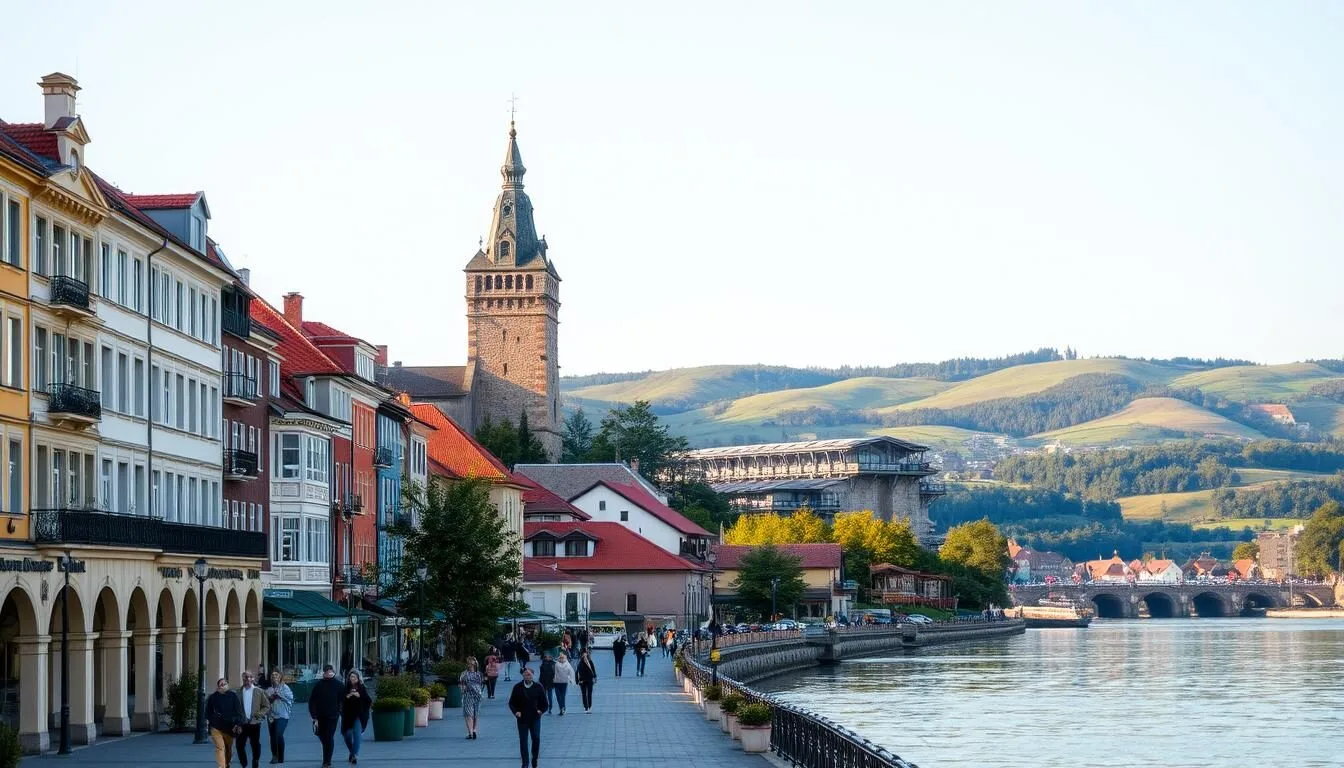
A scenic riverside promenade in Drobeta-Turnu Severin, Romania, on a pleasant sunny day. In the foreground, pedestrians stroll along the tree-lined walkway, pausing to admire the views of the Danube River. In the middle ground, small boats and barges float on the calm, sparkling waters. The background features the historic architecture of the town, with a church spire rising above the rooftops. Warm, diffused lighting creates a welcoming, relaxed atmosphere, inviting visitors to linger and enjoy the tranquil river vistas.

If you like photos, face west for warm tones, then pivot toward the water for silhouettes as lights come on. You’ll find benches and easy access to cafés, so you can linger without fuss.

  • Choose golden light for casual photos and slow coffee breaks.
  • Walk past the busiest café clusters if you want quieter spots.
  • Combine a fortress visit earlier, then return here as the skyline shifts at time of sunset.

Iron Gates Adventures: Dam Tours, Boat Trips, and Natural Park Views

One standout option from the city is a visit that pairs a massive dam tour with a scenic river cruise. Start at the Porțile de Fier I visitor area for guided tours of one of Europe’s largest river dams. You’ll see turbines, spillways, and wide river viewpoints that make the scale clear.
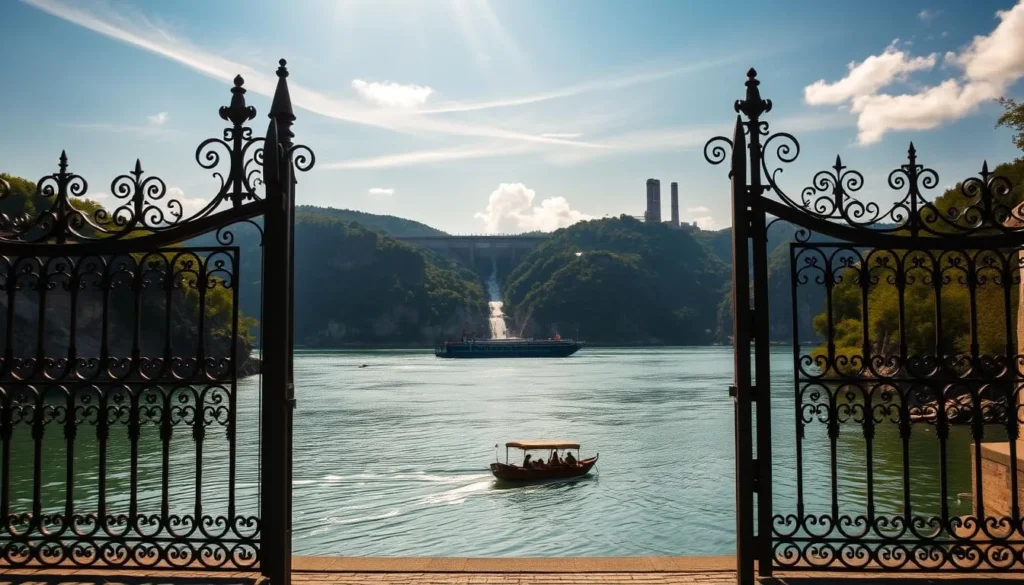
A serene riverfront scene along the Danube River in the Iron Gates region of Romania. In the foreground, a pair of ornate wrought-iron gates stand open, inviting visitors to explore the natural wonders beyond. The middle ground features a traditional wooden boat gently drifting on the calm, azure waters, its passengers taking in the dramatic limestone cliffs and lush, verdant hills that line the shores. In the background, the iconic hydroelectric dam and power station of the Iron Gates rise majestically, a testament to human engineering. Warm, golden sunlight filters through wispy clouds, casting a soft, tranquil glow over the entire landscape. Crisp, clean details and a realistic, photographic style bring this picturesque scene to life.

Hydroelectric complex tours for engineering fans

Guided tours explain how the dam works and why the site matters. These tours are ideal if you like big infrastructure and clear explanations.

Scenic boat options toward the gorge

Book a boat ride that heads into the gorge for cliffs, river bends, and views of the Decebalus Statue. Calm days give the best photos and smoother rides.

Natural park lookouts and day trips

Iron Gates Natural Park offers lookouts, short hikes, and wildlife spotting. Combine a morning dam visit with an afternoon park walk for a balanced adventure.

  • Reserve tours early on weekends.
  • Mix dam and boat activities for two perspectives.
  • Local guides often tell the Ada Kaleh story on excursions.

You can reach these attractions easily from drobeta-turnu severin, and they make flexible day options for nearby cities and visitors. Use local booking desks for confirmed seats and practical timing.

Kids & Family-Friendly Things to Do in Drobeta‑Turnu Severin

If you’re traveling with kids, plan for short outings that keep energy high and transit simple. The city offers easy, family-focused choices that fill half days without fuss.

A sunny day in Drobeta-Turnu Severin, Romania. A vibrant public park filled with lush greenery and colorful flowers. In the foreground, a group of children playfully running and laughing, their faces radiating joy. In the middle ground, parents and caregivers watching over them, relaxed smiles on their faces. In the background, a picturesque riverfront with boats gently drifting along the Danube. The scene is illuminated by warm, natural lighting that casts a soft, golden glow, creating a sense of welcoming and family-friendly atmosphere.

Parcul Rozelor: playgrounds and open lawns

Parcul Rozelor has safe play areas and wide green space where kids can run and parents can relax. Bring snacks and a blanket for a low‑stress stop.

Short Danube river cruises and easy boarding

Choose a brief boat cruise with calm waters and simple boarding. These trips give straightforward photo ops and suit short attention spans.

Hands-on learning and water park options

The Iron Gates Museum offers interactive displays that keep children curious about river life and local nature.

For variety, split an afternoon between a small zoo and a nearby water park for an easy half‑day that pleases most families.

  • Let kids run off energy at the park before a calm river ride.
  • Pack water and sun protection for long play sessions.
  • Use a stroller on the flat promenade for smooth walks after naps.
OptionWhy it worksBest time
Parcul RozelorPlaygrounds, lawns, relaxed pacingMorning
Short Danube cruiseEasy boarding, calm waters, photosLate morning
Iron Gates MuseumInteractive exhibits for curious travelersAny weather

Where to Stay: City Center Convenience vs. Riverfront Views

Where you sleep sets the pace for your visit. Pick the central blocks if you want quick café stops, safe streets, and easy taxi or bus links. These locations put museums, shops, and eateries within a few minutes of your door.

If you prefer calm evenings, choose a riverside room for quieter views and an easy promenade walk at sunset. The riverfront keeps you close to riverside festivals and late strolls without losing access to the core dining scene.

Avoid the far outskirts if you value flexibility. You might save a little, but infrequent transport and longer taxis cut into short itineraries.

A picturesque riverside cityscape of Drobeta-Turnu Severin, Romania. In the foreground, a charming promenade lined with colorful buildings and bustling cafes, reflecting in the tranquil Danube River. In the middle ground, the iconic Iron Gates Bridge spanning the waters, its graceful arches silhouetted against a clear blue sky. The background features the lush, rolling hills surrounding the city, creating a serene and inviting atmosphere. Warm, golden sunlight filters through, illuminating the scene with a welcoming, cinematic quality. The overall impression is one of a charming, vibrant city with both modern amenities and historical character, offering both city center convenience and stunning riverfront views.

  • Book in the city center for walk-everywhere convenience and quick taxi pickups.
  • Pick the riverfront for views and easy evening promenades near events.
  • Look for listings that show nearby bus stops and clear directions.
  • Solo travelers often prefer central blocks for safety and social cafes.
  • Request upper floors facing side streets if you want quiet nights close to core sights.
AreaWhy choose itBest for
City centerWalkable cafés, taxis, quick accessFirst-time visitors
RiverfrontQuiet views, promenade, festivals nearbyCouples & relaxed evenings
OutskirtsLower cost but sparse transportLonger stays with a car

Budget, Time & Transport: Make the Most of a Short Stay

Smart planning helps you see more in less time without overspending. A realistic daily budget ranges from about €20–55, depending on your lodging and choices.

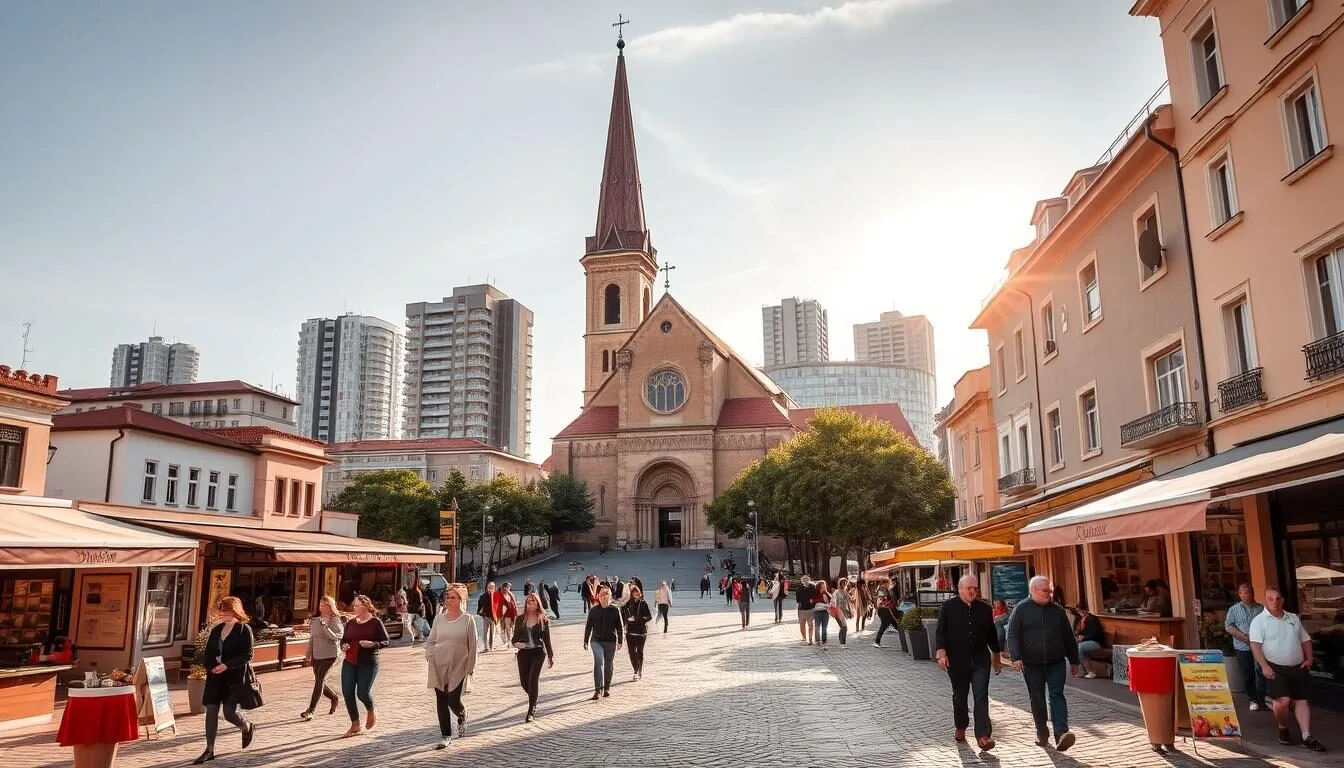
A tranquil street in Drobeta-Turnu Severin, Romania, on a sunny day. Modest apartment buildings line the sidewalk, their facades in shades of beige and ochre. A few locals stroll leisurely, while a lone car passes by. Lush trees cast dappled shadows, creating a pleasant, relaxed atmosphere. In the distance, the silhouette of a historic church tower rises, hinting at the city's rich heritage. The scene conveys a sense of budget-friendly exploration, where the focus is on immersing oneself in the local ambiance and discovering the charms of this compact, walkable destination.

Daily costs on a budget: meals, entries, and little extras

Dorm beds run about €8–12/night. Local cafés and bakeries keep meals near €10–20/day.

Small site entries and museum fees are usually €1–4. Short boat or guided tours often add €5–10.

Set aside €2–8/day for extras like coffee, a beer, or a SIM top‑up.

Getting around: walkable core, cheap buses, quick taxis

The city center is very walkable, which saves both time and transport money.

  • Single bus rides cost roughly €0.5–1; daily local transport totals €1–6.
  • Short taxi hops are usually €2–5 when you need speed.
  • With about 20 activities in town (15 outdoor, 5 indoor), you can cover a lot in one or two days.
ItemTypical costWhy it helps
Dorm bed€8–12Keeps overnight costs low
Meals€10–20/dayLocal cafés are budget‑friendly
Transport€1–6/dayWalk, bus, or quick taxi hops

When choosing between options, filter by distance from your stay and golden‑hour potential. Focus on grouped stops per day and consider one guided tour if it saves transit time on your trip.

Drobeta‑Turnu Severin, Romania: Best Things to Do – Top Picks

A short, well-timed route links key ruins, a lively promenade, and one guided excursion for context.

History hits

Focus your history time on Trajan’s Bridge remains, the Roman castrum by the Danube, and Severin Fortress earthworks. These three sites pack centuries of story into a compact walk.

Water and light

Save the Danube Promenade for late afternoon and sunset. The river mirrors color and makes boat views pop. Stop at a café between stops so you don’t lose momentum.

A bustling riverfront promenade along the Danube River, with locals and tourists enjoying a sunny day in Drobeta-Turnu Severin, Romania. The foreground features people strolling, cyclists, and vendors selling local produce and handicrafts. In the middle ground, classic European architecture lines the streets, with the majestic Trajan's Bridge spanning the river. The background showcases the rolling hills and lush greenery of the surrounding countryside, bathed in warm, golden light. The scene exudes a vibrant, lively atmosphere, capturing the essence of this picturesque Romanian town and its activities.

Guided tours and day ideas

Add one guided option—a dam tour or a National Park hike—to expand beyond the center without overplanning. Tours bring engineering and natural context you’ll miss on a quick self‑guided loop.

  • Morning: concentrate on ruins and onsite panels for fast context.
  • Late afternoon: promenade, cafés, and a short boat ride for light and people‑watching.
  • Reserve one guided day trip for the gorge or dam to round out your travel guide snapshot.
FocusWhyBest time
History blockConcentrated ruins and readable layers of pastMorning
River blockGolden light, easy cafés, boat optionsLate afternoon
Guided add‑onDam or park context and distant viewsAny day with booking

Best Photo Spots & Golden‑Hour Angles Around the City

If you chase light, this city hands you varied visuals from dawn reflections to sunset silhouettes. Plan a short route and you can cover key scenes in a single day.
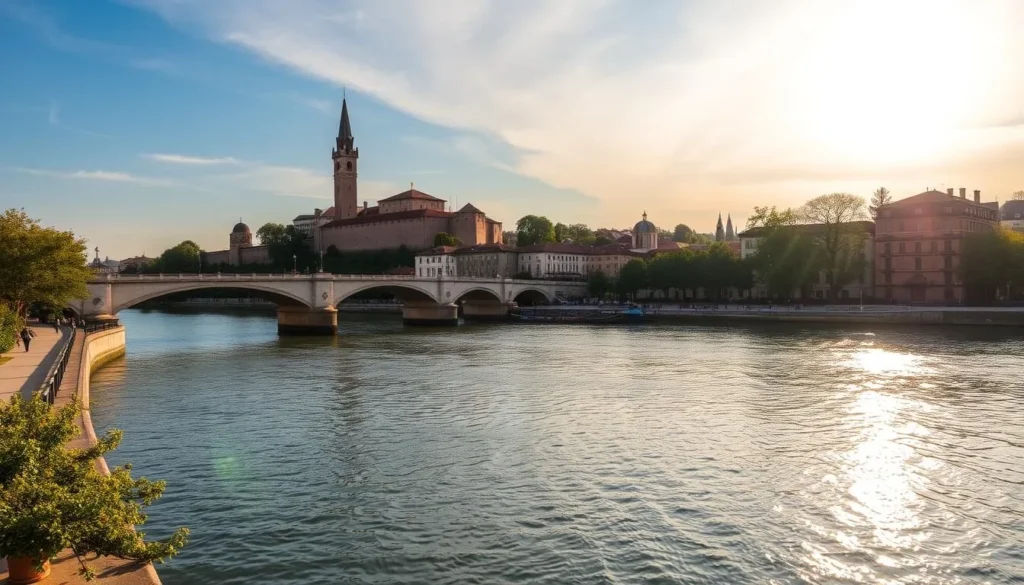
A picturesque riverfront scene along the Danube River, showcasing the historic city of Drobeta-Turnu Severin, Romania. Capture the iconic Trajan's Bridge and the towering medieval fortress in the foreground, with the sun's golden rays reflecting off the calm waters. Include a scenic promenade and leafy trees lining the riverbank, creating a serene and charming atmosphere. The image should emphasize the city's architectural heritage and natural beauty, inviting the viewer to explore the best photo spots and angles around this captivating destination.

Iron Gates Natural Park: soft morning light and mirror‑calm water

Hit the iron gates area at sunrise for glassy river reflections. Wide lenses capture calm water and sweeping sky.

Severin Fortress: warm tones and dramatic shadows at golden hour

Save the fortress for golden hour. The light sculpts stone and earthworks into rich textures and long shadows.

Trajan’s Bridge ruins: late afternoon color and fewer crowds

Visit the bridge remains in late afternoon. You’ll get soft color and clearer views without tour‑bus clusters.

Old town streets & Danube Promenade

Walk old town streets near midday for crisp textures and clean lines. Then be on the promenade at sunset for silhouettes facing Serbia.

  • Mark five go‑to spots on your map and move as light changes.
  • Travel light: one fast prime or compact zoom covers most compositions.
  • Check wind and forecast; calm mornings mean better reflections.
  • Use railings for stability when tripods are awkward.
  • If you have one day, prioritize fortress golden hour and promenade sunset for top payoff.
LocationBest timeWhy
Iron Gates Natural ParkSunriseMirror calm water, wide angles
Severin FortressGolden hourWarm tones, dramatic shadows
Trajan’s Bridge ruinsLate afternoonColorful skies, fewer crowds

Conclusion

Wrap up your trip with a slow riverside walk that ties together walkable Roman and medieval sites, a sunset‑ready promenade, and an easy day tour for big views.

In drobeta-turnu severin you can craft a low‑stress, budget‑friendly visit that suits solo travelers, pairs, and families. Let kids stretch at Parcul Rozelor, try a short river cruise, and visit the interactive museum exhibits for quick learning.

Give yourself time around light and opening hours. Add one guided dam or Natural Park tour for a touch of adventure, then close the day with a riverside meal and a final stroll to remember why this destination stays with visitors.

When booking a cruise stateroom, you face one final choice after picking your deck and room category: Port or Starboard?

For decades, maritime tradition has designated the left side of the ship as Port (think of how both words have four letters) and the right side as Starboard when facing forward toward the bow.

Many first-time cruisers stress over this choice, worried they will spend a week staring at the empty ocean while passengers on the opposite side enjoy stunning postcard views. Let’s clear up the myths and look at how to choose the ideal side of the ship for your next vacation.

The Sunset Myth: Can You Guarantee a View?

The single most common reason travelers agonize over port vs. starboard is wanting to watch the sunset from their private balcony.

  • The Reality: Unless your cruise is a straight line going in one direction for seven days, the ship will be constantly changing heading. It snakes around islands, navigates twisting fjords, and turns around completely to head home.

  • The Math: If you are sailing south, the starboard side faces west (sunset) and the port side faces east (sunrise). When you turn around to sail north back to your home port, those views swap completely.

3 Scenarios Where the Side of the Ship Matters

While general ocean crossings make the side of the ship mostly irrelevant, there are three specific travel scenarios where your choice will drastically impact your experience.

1. One-Way Landfall Itineraries (e.g., Alaska or Europe Northbound)

If you are taking a cruise that begins in one city and ends in another without turning back, the side of the ship is critical.

  • Northbound Alaska: If you are sailing north from Vancouver or Seattle up to Seward or Whittier, the starboard side will face the dramatic mountain ranges, coastal forests, and passing wildlife for the majority of the trip. The port side will face the open Pacific Ocean.

  • Southbound Alaska: If you are starting up north and sailing south, you want the port side to stay facing the coastline.

2. Scenic Cruising Days (Glaciers and Fjords)

Some itineraries feature dedicated days where the ship sails deep into a narrow bay or fjord strictly for sightseeing, such as Glacier Bay in Alaska or the Geirangerfjord in Norway.

  • The Reality: Captains want everyone to get their money's worth. When entering a scenic area, the ship will typically slow down or spin a full 360 degrees in front of major landmarks so both sides of the vessel get a view.

  • The Catch: While both sides get a view eventually, one side will get it while you are getting ready in the morning, and the other will get it while you are at lunch.

3. Iconic Harbor Departures

Sailing out of certain world-famous ports offers spectacular sights right from your balcony—if you choose correctly.

  • Sailing out of New York City: If you want a close-up, unobstructed view of the Statue of Liberty as the ship heads out to the Atlantic, you need to be on the port side.

What About Docking at the Pier?

A common belief is that the port side always faces the cruise terminal or town dock. After all, it's called the "port" side for a reason.

In the modern cruising world, this is completely false. How a ship docks depends entirely on:

  1. Coast Guard or Local Regulations: Marine traffic safety dictates how a ship must enter a harbor.

  2. Ship Maintenance: Ships often dock with a specific side facing the pier so crew members can paint the hull or perform safety drills on the lifeboats.

  3. Port Availability: If multiple ships are docked side-by-side, the captain will park whichever way fits safely.

You have a 50/50 chance of facing the bustling town or the open water on either side of the ship when tied up at a pier.

Summary Checklist: How to Choose

If you are still undecided, use these guidelines to make your final choice:

  • Choose Port If: You are taking a one-way southbound itinerary, love watching the sunrise while heading south, or want a view of the skyline when departing certain eastern ports.

  • Choose Starboard If: You are taking a one-way northbound itinerary, prefer watching the sunset while heading south, or enjoy seeing the coast while sailing north.

  • Choose Mid-Ship (Regardless of Side) If: You are prone to motion sickness. Staying low and centered on the ship matters significantly more for stability than being on the left or right side.

When booking a cruise, it is incredibly easy to get swept up in the excitement of choosing between an interior, oceanview, or balcony room. Cruise lines make every cabin look like a pristine, peaceful sanctuary in their brochure photos.

But seasoned cruisers know a hard truth: A cabin’s location on the deck plan matters significantly more than the room type itself.

If you choose the wrong spot, you could find yourself sleeping directly beneath a pounding nightclub subwoofer, or waking up at 5:00 AM to the sounds of metal lounge chairs scraping across a deck. To ensure your next vacation is actually relaxing, pull up your ship’s deck plan and ensure you aren’t accidentally booking one of these five problematic cabin locations.

1. The "Lido Deck Victim" (Directly Under the Pool or Buffet)

This is arguably the most common mistake first-time cruisers make. They see a cabin on a high deck just one floor below the pool and think, "Perfect! I’m only steps away from the action."

  • The Reality: The deck directly above you isn't just a place to swim; it is a high-traffic service zone. At 5:30 AM every single morning, the crew begins dragging hundreds of heavy, metal-framed lounge chairs across the deck to set up for the day, creating a loud, screeching noise that radiates straight through your ceiling.

  • How to avoid it: Always look at the deck plan for the level directly above your cabin. If it's the pool deck, the buffet, or a sports court, change your room.

2. The Late-Night Noise Trap (Above Nightclubs and Bars)

Conversely, you also have to look at what is directly below your feet. Many modern mega-liners place passenger cabins directly above the ship's main promenade, theater, or entertainment district.

  • The Reality: If your room sits over the main theater, a busy piano bar, or the nightclub, you are going to experience intense ambient noise. Even if a ship has great soundproofing, bass frequencies travel effortlessly through steel hulls. If the nightclub thumps until 2:00 AM, your cabin walls will likely vibrate right along with it.

  • The Worst Culprit: Cabins located near the aft (rear) elevator banks on lower passenger decks are notorious for sitting right over the ship's loudest late-night lounges.

3. The "Early Morning Wake-Up Call" (Lower Forward Cabins)

If you are trying to save money, the lowest passenger decks at the very front (bow) of the ship often look like an incredible bargain.

  • The Reality: These rooms face two major issues: motion and mechanics. The front of the ship acts like a teeter-totter; it pitches up and down far more dramatically than the middle of the ship, making it a nightmare if you are prone to seasickness.

  • The Hidden Noise: When the ship arrives at a port early in the morning, the captain will fire up the bow thrusters to maneuver, causing the entire front of the ship to vibrate violently. If the ship is dropping anchor rather than docking at a pier, the massive, clanging anchor chains are housed right next to these forward walls.

4. The Elevator Bank Bottleneck

Being close to the elevators seems like a great accessibility hack to cut down on walking down those incredibly long cruise ship corridors.

  • The Reality: Elevator lobbies are the primary meeting points on the ship. You will have to deal with the constant "ding" of the elevator doors opening and closing all night. Worse, you will hear crowds of high-energy passengers talking, laughing, and shouting as they return to their rooms after a few drinks at the bar.

5. Connecting Cabins (When You Don't Know the Neighbors)

Connecting cabins have a physical interior door that links two adjacent rooms—perfect for families traveling together. But if you are a solo traveler or a couple booking a standard room, cruise lines will frequently assign you a connecting room if it’s the last one available.

  • The Reality: An interior wooden connecting door provides significantly less sound insulation than a solid steel wall. Even when locked, you will likely hear your neighbors' television, their morning conversations, and the sound of their suitcases slamming around.

🛑 The Golden Rule of Cruise Booking

If you want a guaranteed quiet night of sleep, use the Sandwich Rule. Only book a cabin that is "sandwiched" safely between two other full decks of passenger cabins. If there are rooms above you and rooms below you, you are virtually guaranteed to avoid the ship's worst acoustic nightmares.

What About "Guarantee" Cabins?

When booking, you might see an option to book a "Guarantee Balcony" or "Guarantee Interior" at a steep discount. This means you pay a lower rate, but you let the cruise line pick your specific cabin number close to sail date.

While it's a great way to save money, keep in mind that cruise lines use this system to fill the rooms that nobody else wanted to pick. If you are a light sleeper or sensitive to motion, it is always worth paying a fraction more to hand-select your own room number safely away from the noise.

You’ve booked your cabin, picked your excursions, and now you’re staring at your cruise planner screen, facing one of the most hotly debated questions in travel: Should you buy the cruise drink package?

Cruise lines heavily market these unlimited packages, tempting you with the peace of mind that comes with a truly "all-inclusive" vacation. But at prices frequently soaring past $80 to $100+ per guest, per day (plus an automatic 18%–20% gratuity), a drink package can easily add over $1,400 to a 7-night vacation for a couple.

Let’s skip the marketing fluff and look at the actual math. Here is exactly how many drinks you need to consume per day to break even on major cruise lines right now, along with the hidden rules you need to know before you buy.

The Baseline: What Do Drinks Cost A La Carte?

To know if a package saves you money, you have to know what you’d spend without one. Across mainstream lines like Royal Caribbean, Carnival, and Celebrity, average a la carte prices generally sit within these ranges:

  • Cocktails & Mixed Drinks: $12 – $15

  • Glass of Wine: $10 – $14

  • Draft or Bottled Beer: $7.50 – $9.50

  • Specialty Coffee (Lattes, Espresso): $4.50 – $5.50

  • Bottled Water / Sodas: $3.00 – $4.00

Cruise Line Break-Even Math

Most lines require every adult sharing a cabin to purchase the package if one person does. This rule is designed to prevent couples from sharing a single package, and it drastically changes the financial math for a lot of travelers.

Here is what the daily math looks like based on average pre-cruise booking discounts:

1. Royal Caribbean (Deluxe Beverage Package)

  • Average Onboard Price: $75 to $105 per day (varies heavily by ship and sail date)

  • The Break-Even Number: 5 to 7 alcoholic drinks per day.

  • The Catch: If you use your package for morning specialty coffees, bottled waters to take to port, and fresh-squeezed juices, that break-even number drops to about 4 cocktails and 3 non-alcoholic premium drinks per day.

2. Carnival Cruise Line (CHEERS! Beverage Program)

  • Pre-Cruise Price: $64.95 per day (+18% gratuity)

  • The Break-Even Number: 5 to 6 alcoholic drinks per day.

  • The Catch: Carnival enforces a strict 15-alcoholic-drink limit per 24-hour period. While most people don't hit this cap, the package also includes unlimited sodas, energy drinks, and milkshakes.

3. Celebrity Cruises (Classic vs. Premium Package)

  • Average Price: Classic sits around $89/day; Premium sits around $109/day.

  • The Break-Even Number: 6 to 8 drinks per day.

  • The Catch: Celebrity’s Classic package only covers individual drinks up to $10. If you like premium spirits or high-end wine, you'll be charged the difference out of pocket unless you upgrade to the Premium package (which covers up to $17 drinks).

The "Hidden" Value: Non-Alcoholic Add-Ons

People often forget that these packages aren't just for alcohol. If you are someone who drinks a lot of fluids throughout the day, the non-alcoholic options can quickly push you into the profit zone.

Pro-Tip: If you drink two specialty lattes in the morning ($10), grab two large bottled waters for a shore excursion ($8), and have a Red Bull or soda by the pool ($5), you’ve already knocked $23 off your daily break-even target before ever touching a drop of alcohol.

When the Drink Package is WORTH It

  • You Love Peace of Mind: If you hate looking at your running balance on the ship's app and want to walk off the ship on the final morning with a $0 balance, buy the package.

  • You Spend a Lot of Time at Sea: On sea days, you are steps away from a bar 24/7. It is incredibly easy to hit your break-even point when you're lounging by the pool all day.

  • You're Visiting Private Islands: If your itinerary includes Perfect Day at CocoCay (Royal Caribbean) or Labadee, your drink package actually works on the island. This adds a massive amount of value to your purchase.

When the Drink Package is a WASTE of Money

  • Your Itinerary is Port-Intensive: If you are on a European or Alaskan cruise where you are off the ship from 8:00 AM to 5:00 PM almost every day, you won't have enough time on board to drink your money's worth.

  • One of You Doesn't Really Drink: Because of the "all adults in the cabin must buy it" rule, if you drink 8 cocktails a day but your spouse only drinks water, you are paying for two packages while only utilizing one. You will lose money overall.

  • You Only Drink Beer: Because beer is significantly cheaper than cocktails, you have to drink almost double the volume to break even. If you're a beer-only cruiser, paying a la carte is usually the smarter play.

The Verdict

Before hitting "purchase" in your cruise planner, look at your itinerary and your daily habits. If you honestly see yourself having a specialty coffee in the morning, a few beers by the pool, wine at dinner, and a cocktail during the evening theater show, the package will likely save you money.

If that sounds like exhausting work just to break even, save your cash, pay a la carte, and spend that money on a fantastic shore excursion instead.

The above is subject to change. Check back often to TRAVEL.COM for the latest travel information and deals.

Related Posts

Coming Soon: Clickable Maps