

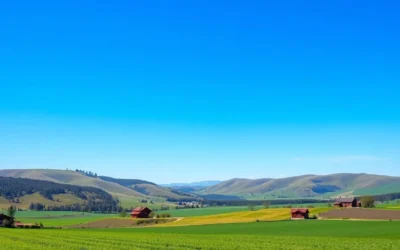
Did you know that the Altai Republic is home to Mount Belukha, Siberia’s highest peak at 4,506 m (14,783 ft), and is considered by many locals to be the spiritual heart of Siberia? This pristine wilderness region, often called “Russia’s Switzerland,” boasts UNESCO-listed Golden Mountains, crystal-clear lakes, and ancient cultural traditions that have remained largely unchanged for centuries. As one of Russia’s most spectacular yet least-visited natural treasures, the Altai Republic offers adventurous travelers an extraordinary escape into a world where shamanic traditions thrive and snow leopards still roam free.
Getting There & Planning Your Journey
Reaching the Altai Republic requires some planning, as it’s located in one of Russia’s most remote regions in southern Siberia. The journey is well worth the effort, rewarding travelers with some of the most pristine landscapes on earth.
By Air
The most convenient way to reach the Altai region is by flying to Gorno-Altaysk, the capital of the Altai Republic. S7 Airlines operates flights from Moscow a few times weekly, with a flight time of about 4 hours. From Gorno-Altaysk, you’ll need to arrange ground transportation to explore the region.
Alternatively, you can fly to Barnaul, a larger city located about 250 km (155 miles) from Gorno-Altaysk. Barnaul has more frequent flight connections from Moscow and other major Russian cities.
By Land
If you’re already in Siberia, you can reach the Altai region via the Trans-Siberian Railway to Novosibirsk, then take a bus to Gorno-Altaysk (approximately 9 hours, 1,440₽ or $15 USD). From Novosibirsk’s Main Station, you can also catch a train on the 601H Route south into Altai, reaching Barnaul in just under 10 hours.
Entry Requirements
Foreign visitors to Russia require a visa. The application process can take several weeks, so plan accordingly. Additionally, some areas of the Altai Republic near the borders with Kazakhstan, China, and Mongolia may require special permits. Check with your tour operator or the Russian embassy for the most current information.
Best Time to Visit Altai Republic

Recommended Seasons
Summer (June-August)
The peak tourist season offers warm days (20-25°C/68-77°F) and cool nights (5-10°C/41-50°F). Perfect for hiking, boating, and outdoor activities. August typically has the sunniest weather with minimal rain.
Early Autumn (September)
A wonderful time for photography as the forests transform into brilliant gold and red hues. Temperatures range from 10-15°C (50-59°F) during the day to near freezing at night. Tourist crowds thin out significantly.
Seasons to Avoid
Late Autumn (October-November)
Weather becomes unpredictable with increasing precipitation and temperatures dropping below freezing. Many tourist facilities begin closing for the season.
Winter (December-February)
Extremely cold with temperatures plunging to -15°C to -20°C (5°F to -4°F). While beautiful, winter travel requires specialized equipment and experience with severe Siberian conditions.
Local Tip: If you’re interested in seeing the region when it’s most serene and photogenic, aim for early September when the summer crowds have departed but the weather remains pleasant.
Getting Around Locally

By Car
Renting a 4×4 vehicle is the most flexible way to explore the Altai Republic. The main road, the Chuisky Highway (also known as the Chuysky Trakt), is well-maintained and runs from Novosibirsk through the Altai Mountains to the Mongolian border. However, many side roads are unpaved and can be challenging, especially after rain.
By Public Transport
Public transportation is limited in the Altai Republic. Buses connect Gorno-Altaysk to larger villages, but services to remote areas are infrequent. If you’re relying on public transport, you’ll need to plan carefully and allow extra time.
By Tour
Given the challenges of independent travel in this remote region, many visitors opt for organized tours. Local tour operators offer packages ranging from day trips to multi-week expeditions, including transportation, accommodation, and guides who speak English.
By Boat
On Lake Teletskoye, boat is the primary mode of transportation. Regular ferry services depart from Artybash village during summer, taking visitors along the lake’s 78 km length with stops at key attractions.
Where to Stay in Altai Republic

Accommodation options in the Altai Republic range from basic guesthouses to comfortable eco-lodges. While facilities are relatively simple compared to major tourist destinations, the warm hospitality and stunning locations more than compensate.
Recommended Accommodations
Budget Options
Simple guesthouses like Green House in Artybash offer cozy wooden cabins with basic amenities, perfect for travelers seeking an authentic experience. Prices start from 1,500₽ ($18) per night.
Mid-Range Options
Altai Village near Lake Teletskoye provides comfortable rooms with private bathrooms and beautiful views. Many accommodations include traditional Russian banyas (saunas) for relaxing after a day of exploration.
Eco-Lodges
For a sustainable stay, eco-lodges like Kaichi in the Karakol Valley offer solar-powered cabins with stunning mountain views and locally-sourced meals, providing comfort while minimizing environmental impact.
Important: Summer weekends can be extremely busy, with accommodations booking up months in advance. In winter, many guesthouses close or operate with limited services. Always make reservations ahead of time, regardless of season.
Dining & Local Cuisine

The Altai region’s cuisine reflects its nomadic heritage, with an emphasis on hearty, simple dishes based on meat, dairy, and foraged ingredients. In the small villages throughout the republic, dining options are limited but offer authentic local flavors.
Local Specialties to Try
- Byyr – Barbecued mutton liver prepared on wooden skewers beside an open fire
- Kerzen – Large pieces of diced mutton barbecued over open flames
- Miun – Tender meat cooked on the bone and served in a broth with carrots and onions
- Kocho – Altai barley soup made from meat broth with minimal seasoning
- Kurut – Hard, salty cheese smoked over wood on an open fire
- Chegan – A lightly fizzy yogurt-based drink popular throughout the region
- Altai Tea – A blend of local herbs and berries, often served with honey
Dining Tips
In remote areas, dining options vary significantly by season. During summer, more cafes and restaurants cater to tourists, while winter sees most establishments closed. If visiting during winter or shoulder seasons, come prepared with your own food supplies. Most guesthouses provide kitchen facilities for self-catering, and small grocery stores in the villages offer basic provisions.
Top Attractions in Altai Republic

Natural Wonders
Lake Teletskoye
Often referred to as the “Golden Lake,” this pristine body of water stretches 78 km through the mountains and reaches depths of 325 meters (1,066 feet). Part of the UNESCO-listed Golden Mountains of Altai, the lake is surrounded by virgin forests and waterfalls. Boat trips allow visitors to explore its fjord-like landscapes and remote shores.
Mount Belukha
Siberia’s highest peak at 4,506 m (14,783 ft) is considered sacred by locals. Surrounded by glaciers covering 70 square kilometers, Belukha offers challenging climbing routes for experienced mountaineers and breathtaking views for hikers exploring its lower slopes.
Uchar Waterfall
This impressive cascade, whose name means “inaccessible,” drops 160 meters (525 feet) down a series of rocky steps. Formed only about 100 years ago by a landslide, reaching the waterfall requires a challenging 9 km hike along the Chulcha River, rewarding adventurous travelers with one of Altai’s most spectacular sights.
Katu-Yaryk Pass
This dramatic mountain pass offers breathtaking views over the Chulyshman River valley. At 1,188 m (3,898 ft) above sea level, the winding road with its hairpin turns is considered one of the most spectacular (and challenging) drives in Russia.
Unique Landscapes
Kyzyl Chin (Rainbow Mountains)
These multicolored hills, streaked with hues of orange, burgundy, yellow, and white, create a Mars-like landscape. Their striking colors result from different layers of mineral-rich clay, making them one of the most photogenic spots in Altai.
Stone Mushrooms at Akkurum
These unusual rock formations along the Chulyshman River have been weathered into mushroom-like shapes, standing 2-7 meters (6.5-23 feet) tall. The “mushrooms” continue to evolve as erosion shapes the clay and gravel soil.
Best Activities in Altai Republic

Outdoor Adventures
Hiking & Trekking
The Altai Mountains offer trails for all skill levels, from easy lakeside walks to challenging multi-day treks. Popular routes include the path to Tilan-Tuu viewpoint overlooking Lake Teletskoye and the more demanding trails around Mount Belukha and Aktru Glacier.
Rafting & Kayaking
The Katun River and its tributaries provide world-class whitewater adventures. Rapids range from gentle Class I to challenging Class V, making Altai a premier destination for rafting enthusiasts. The annual Chuya Rally attracts top rafters from around the world.
Horseback Riding
Experience the landscape as the nomadic Altaians have for centuries. Multi-day horse treks take you through alpine meadows, forests, and high mountain passes, often staying in traditional yurts along the way.
Seasonal Activities
Summer
Beyond hiking and water sports, summer visitors can enjoy fishing in crystal-clear rivers, berry picking, and mushroom foraging in the forests. Photography enthusiasts will find endless inspiration in the dramatic landscapes and changing light.
Winter
Winter transforms the Altai Republic into a snow-covered wonderland. Activities include skiing at Belokurikha resort, snowshoeing through forests, ice fishing, and occasional snowmobile trips across frozen lakes.

Cultural Experiences & Festivals

Indigenous Culture
The Altai Republic is home to indigenous Altaian people who maintain strong cultural traditions despite centuries of outside influence. Their unique blend of shamanism, Buddhism, and Burkhanism (the “White Faith”) creates a fascinating cultural landscape where ancient practices still thrive.
Cultural Highlights
Throat Singing
One of the most distinctive cultural practices in Altai is throat singing, where performers produce multiple vocal tones simultaneously. Storytellers known as kaichi use this technique to recount ancient epics and legends, often accompanied by the two-stringed topshur instrument.
Traditional Villages
Visiting indigenous Altaian settlements provides insight into traditional lifestyles. Some families still live in ails (six-sided conical huts) and practice semi-nomadic herding. Villages in the Karakol Valley offer cultural immersion experiences for respectful visitors.
Festivals
El Oyin
This biennial national festival (held in even-numbered years) celebrates Altaian culture with music, dance, throat singing, and traditional sports competitions. Held in a picturesque valley near the village of Elo, it attracts participants from across Altai in traditional ceremonial clothing.
Chagan Bayram
The “White Holiday” in February marks the beginning of the New Year according to the lunar calendar. Celebrations include traditional games, rituals, and feasts that welcome the coming spring.
Museums
The National Museum of the Altai Republic in Gorno-Altaysk houses important archaeological finds, including artifacts related to the “Siberian Ice Maiden,” a 5th-century mummy discovered in the Ukok Plateau. The museum provides valuable context for understanding the region’s rich history and cultural significance.
Safety, Etiquette & Local Customs

Safety Considerations
The Altai Republic is generally safe for tourists, but its remote nature presents certain challenges. Medical facilities are limited, especially outside Gorno-Altaysk, so bring a comprehensive first aid kit. Cell phone coverage is spotty in mountainous areas, so consider renting a satellite phone for remote treks.
Weather can change rapidly in the mountains, so always be prepared with appropriate clothing and equipment. When hiking, inform someone of your plans and expected return time.
Cultural Etiquette
- Sacred sites are scattered throughout the Altai Republic. Show respect by not climbing on stone formations, removing anything, or being unnecessarily loud.
- Ask permission before photographing local people, especially during religious ceremonies.
- Remove shoes when entering someone’s home or a traditional ail.
- If invited to a meal, it’s polite to try everything offered, even if just a small amount.
- Bring a small gift (tea, sweets) when visiting local homes.
Environmental Responsibility
The pristine nature of the Altai Republic is its greatest treasure. Practice Leave No Trace principles: pack out all trash, stay on established trails, and minimize your impact on this fragile ecosystem. Many areas are protected as nature reserves or national parks, which may have specific regulations.
Practical Travel Tips

Essential Information
Language
Russian is the primary language, with limited English spoken even in tourist areas. Learning basic Russian phrases is highly recommended. The indigenous population also speaks Altaian dialects.
Currency
The Russian ruble (₽) is the only accepted currency. ATMs are available in Gorno-Altaysk but scarce in remote areas, so bring sufficient cash. Credit cards are accepted at larger establishments but not universally.
What to Pack
- Layered clothing – Even in summer, temperatures can fluctuate dramatically between day and night
- Waterproof jacket – Rain is possible year-round, and boat trips can be splashy
- Sturdy footwear – Essential for hiking the uneven forest trails
- Insect repellent – Mosquitoes can be abundant in summer months
- Power bank – Useful for extended trips away from electrical outlets
- Cash – Sufficient rubles for your entire stay
- Basic medical supplies – Medical facilities are limited in the area
- Russian phrasebook or translation app – Communication can be challenging
Connectivity
Mobile coverage exists in larger settlements but becomes unreliable as you move into remote areas. Wi-Fi is available at some accommodations but is typically slow and intermittent. Consider this an opportunity to disconnect and fully immerse in nature.
Altai Republic Location Map
The Altai Republic is located in southern Siberia, bordering Kazakhstan, China, and Mongolia.
Sample 5-Day Itinerary

Day 1: Gorno-Altaysk & Chemal
Morning: Arrive in Gorno-Altaysk and visit the National Museum to learn about the region’s history and culture.
Afternoon: Drive to Chemal (about 1.5 hours) and explore the Chemal Hydroelectric Power Station and the picturesque island of Patmos.
Evening: Overnight in Chemal, enjoying dinner with local specialties.
Day 2-3: Lake Teletskoye
Day 2: Drive to Artybash village (4 hours) and take a boat tour on Lake Teletskoye, visiting Korbu Waterfall.
Day 3: Hike to Tilan-Tuu viewpoint for panoramic views of the lake, then relax on the shore or try kayaking in the crystal-clear waters.
Day 4-5: Chulyshman Valley
Day 4: Drive to Katu-Yaryk Pass (5-6 hours) for spectacular views over the Chulyshman Valley.
Day 5: Hike to the Stone Mushrooms and Uchar Waterfall, then return to Gorno-Altaysk (7-8 hours).
Note: This itinerary covers only a small portion of what the Altai Republic has to offer. For a more comprehensive experience, consider spending 10-14 days exploring the region.
Visitor Comments About Altai Republic
“The Altai Republic was the highlight of my Trans-Siberian journey. Lake Teletskoye’s crystal waters surrounded by untouched forests made me feel like I’d discovered a secret paradise. The local people were incredibly welcoming despite the language barrier. If you’re looking for authentic wilderness without the crowds, this is it.”
“As an avid hiker, I’ve explored mountains worldwide, but the Altai trails offered something truly special. The diversity of landscapes—from alpine meadows to Siberian taiga—was astounding. Watching the sunset from Katu-Yaryk Pass over the Chulyshman Valley was a spiritual experience I’ll never forget.”
“Don’t miss the chance to experience traditional Altai culture. We stayed with a local family in a village near Karakol Valley and participated in a throat singing ceremony. The connection these people maintain with their ancient traditions while living in the modern world is remarkable and deeply moving.”
Frequently Asked Questions
Is the Altai Republic safe for tourists?
Yes, the Altai Republic is generally safe for tourists. The main concerns are related to the remote nature of the area rather than crime. Be prepared for limited medical facilities, variable weather conditions, and potentially challenging terrain if hiking. Always inform someone of your plans when venturing into remote areas.
Do I need a special permit to visit the Altai Republic?
While a standard Russian visa is sufficient for most areas, some parts of the Altai Republic near the borders with Kazakhstan, China, and Mongolia are restricted zones requiring special permits. If you plan to enter the Altai Nature Reserve or other protected areas, you may need additional permits that can be arranged through tour operators.
What’s the best way to experience the Altai Republic with limited time?
If you only have a few days, focus on either the Lake Teletskoye area or the Chuisky Highway to Katu-Yaryk Pass. Both offer spectacular scenery and can be experienced in 3-4 days. With a week, you can combine these areas for a more comprehensive experience. For remote areas like the Ukok Plateau or Mount Belukha, you’ll need at least 10-14 days.
Your Altai Adventure Awaits: Embrace Siberia’s Wild Soul
The Altai Republic stands as one of Russia’s last great wilderness frontiers—a place where ancient traditions thrive alongside some of the most spectacular landscapes on earth. From the crystal waters of Lake Teletskoye to the sacred peaks of Mount Belukha, from thrilling rafting adventures to peaceful encounters with traditional culture, this remote corner of Siberia offers experiences that increasingly feel like rare treasures in our interconnected world.
While reaching the Altai Republic requires effort and planning, those who make the journey discover a place where nature’s grandeur remains largely untouched and where time seems to move at a different pace. As you plan your own Altai adventure, remember that the region’s remoteness is not just a challenge to overcome but part of its profound magic—a chance to disconnect from the familiar and connect with something deeper, wilder, and more authentic.
The above is subject to change.
Check back often to TRAVEL.COM for the latest travel tips and deals.


0 Comments