
Hotels by Trip.com
Flights by Trip.com
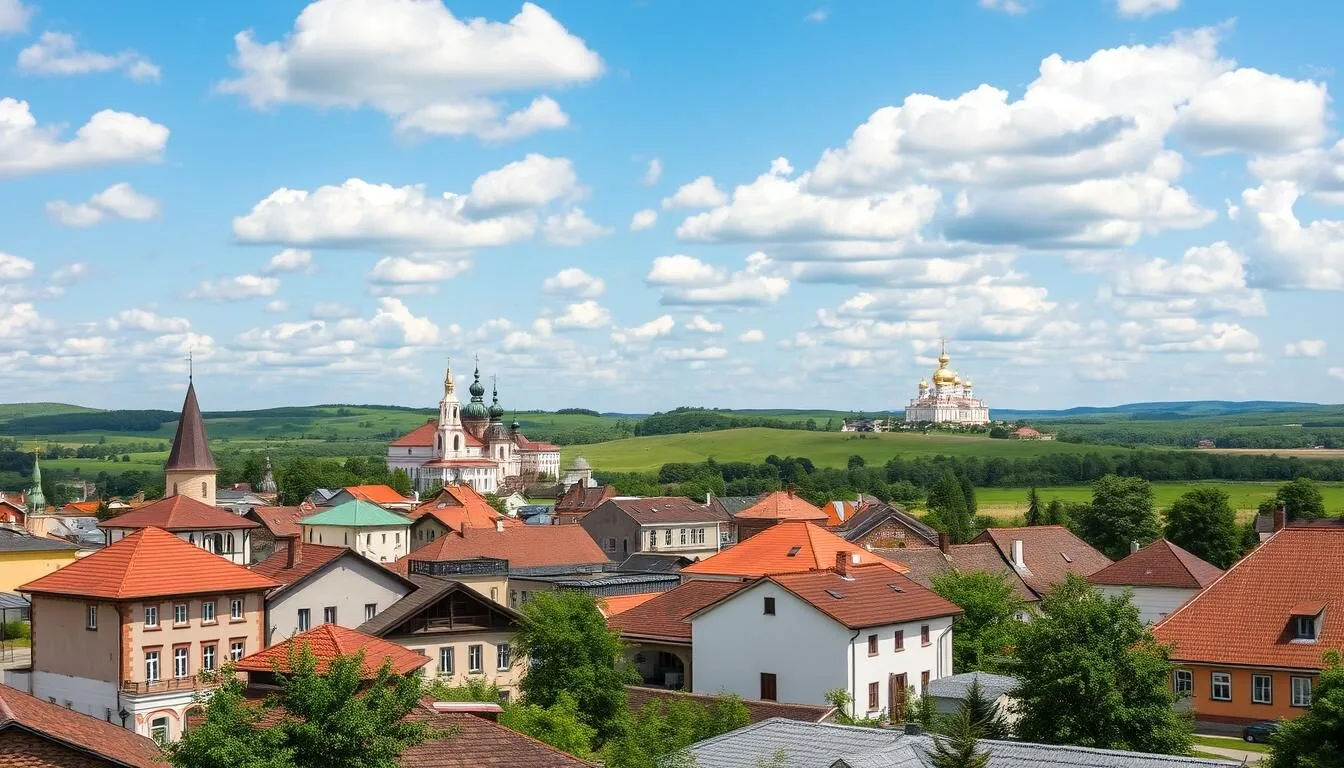
Did you know Tula Oblast produces over 90% of Russia’s traditional gingerbread cookies, known as pryaniki? This charming region, just 193 kilometers south of Moscow, has been a center of Russian craftsmanship for centuries. Famous not only for its sweet treats but also for its legendary weapons production and as the home of literary giant Leo Tolstoy, Tula Oblast offers travelers a fascinating glimpse into authentic Russian culture, history, and traditions without the tourist crowds.
Getting There & Planning Your Journey
Tula Oblast is conveniently located just a short distance from Moscow, making it an ideal day trip or weekend getaway from Russia’s capital. The region is well-connected by various transportation options, allowing for easy access for international and domestic travelers alike.
From Moscow
The most convenient way to reach Tula Oblast is by train from Moscow. High-speed Lastochka trains depart regularly from Moscow’s Kursky Station and reach Tula city in approximately 2 hours. Standard trains take about 3-4 hours but are typically less expensive. Tickets range from 500 to 1,500 rubles depending on the train type and class.
Alternatively, you can take a bus from Moscow’s Novoyasenevskaya or Tsaritsyno bus stations, with the journey taking 3-4 hours depending on traffic. For those who prefer driving, Tula is accessible via the M2 highway, about a 2.5-hour drive from Moscow.
Nearest Airports
Tula Oblast doesn’t have its own commercial airport. The closest international airports are in Moscow:
- Moscow Domodedovo International Airport (DME) – 200 km from Tula
- Moscow Vnukovo International Airport (VKO) – 180 km from Tula
- Moscow Sheremetyevo International Airport (SVO) – 220 km from Tula
From any Moscow airport, you can take an Aeroexpress train to the city center and then connect to a train or bus to Tula Oblast.
Best Time to Visit & Weather Tips
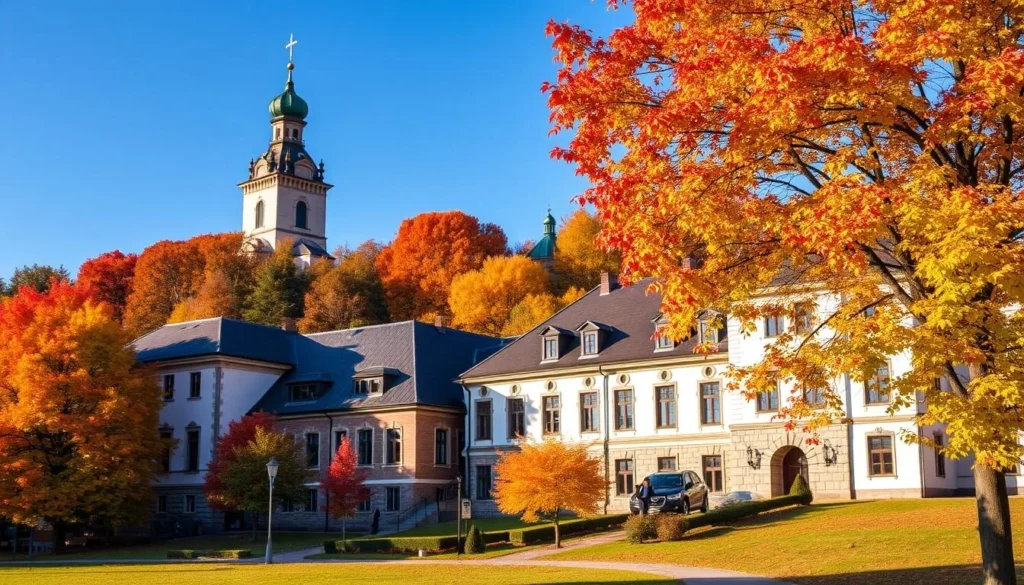
Tula Oblast experiences a continental climate with distinct seasons. The best time to visit depends on your tolerance for weather conditions and what activities you’re interested in experiencing.
Recommended Months to Visit
- May to September: The most pleasant time to visit Tula Oblast, with warm temperatures ranging from 15°C to 25°C (59°F to 77°F). Summer brings longer daylight hours, perfect for exploring outdoor attractions and enjoying festivals.
- April and October: Shoulder seasons with milder temperatures and fewer tourists. Spring brings beautiful blooms while autumn offers stunning foliage colors.
Months to Avoid
- November to March: Winter in Tula Oblast is cold with temperatures often dropping below freezing, ranging from -10°C to -4°C (14°F to 25°F). Heavy snowfall can make sightseeing challenging, though the region does look magical under a blanket of snow.
If you don’t mind the cold, December can be a charming time to visit as the cities are decorated for New Year celebrations with festive markets and illuminations.
Getting Around Locally

Tula Oblast is relatively easy to navigate, with the main city of Tula being compact and many attractions concentrated in and around the central area.
Public Transportation
Tula city has an extensive network of buses, trolleybuses, and minibuses (marshrutkas) that cover most areas of interest. Single rides cost around 25-30 rubles, and you can pay the driver directly when boarding. Popular bus routes for tourists include numbers 13, 16, and 18, which pass by major attractions.
Taxis and Ride-Sharing
Taxis are readily available and affordable in Tula Oblast. You can hail them on the street, call a taxi company, or use ride-sharing apps like Yandex.Taxi. A typical ride within Tula city center costs between 100-200 rubles.
Walking
Many of Tula’s main attractions, including the Kremlin, museums, and central shopping areas, are within walking distance of each other. The city center is pedestrian-friendly with well-maintained sidewalks and pedestrian zones, making walking an excellent option for exploring.
Intercity Travel
To explore other towns in Tula Oblast, you can use regional buses or trains that connect Tula with smaller cities like Yasnaya Polyana, Bogoroditsk, and Venev. These services run regularly throughout the day and tickets are reasonably priced.
✓ Check 30,000+ Local Sightseeing Tours Worldwide
Where to Stay
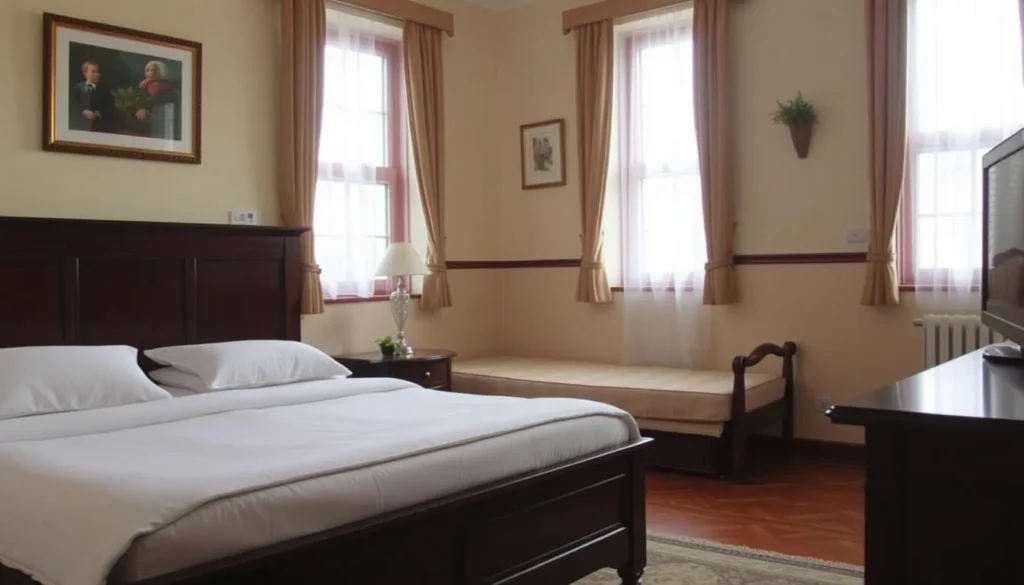
Tula Oblast offers a range of accommodation options to suit different budgets and preferences. Most hotels are concentrated in Tula city center, providing easy access to major attractions.
Luxury Hotels
For travelers seeking upscale accommodations, SK Royal Hotel Tula and Hotel Tula offer elegant rooms, excellent amenities, and central locations. Expect to pay 5,000-8,000 rubles per night for luxury options.
Mid-Range Hotels
Several quality mid-range hotels provide comfortable stays at reasonable prices. Hotel Europa, Hotel Moskva, and Hotel Imperiya offer clean, well-appointed rooms with modern amenities for approximately 2,500-4,500 rubles per night.
Budget Accommodations
Budget travelers can find good value at hotels like Loft Hotel, Hostel Podushka, or Gostiniy Dvor, with rates starting around 1,200-2,000 rubles per night. These options provide basic but clean accommodations in convenient locations.
Rural Guesthouses
For a more authentic experience, consider staying in a traditional Russian guesthouse in the countryside. Areas near Yasnaya Polyana offer charming accommodations that provide a glimpse into rural Russian life, often with home-cooked meals included.
Dining & Local Cuisine
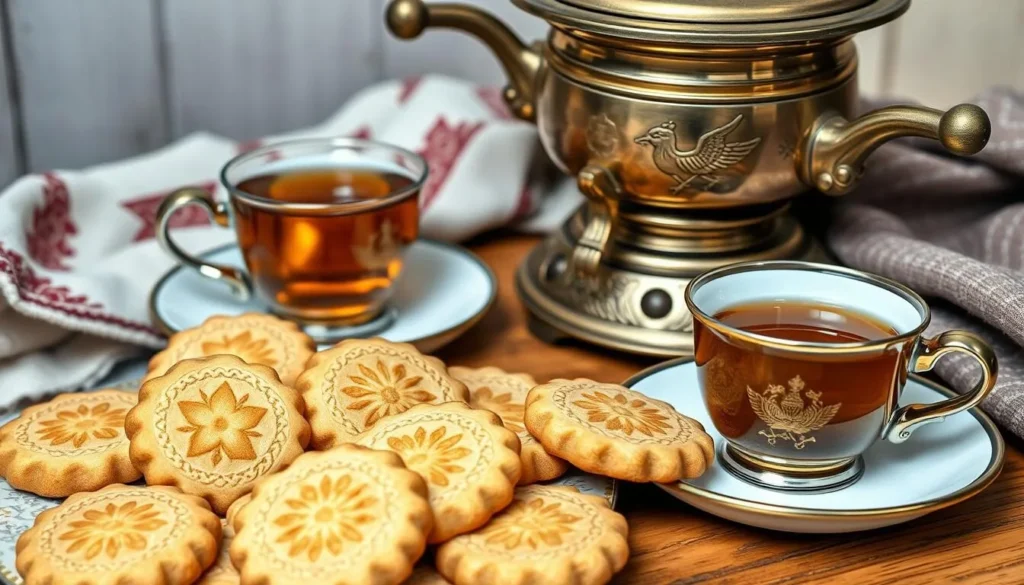
Tula Oblast’s culinary scene offers a delightful mix of traditional Russian dishes and local specialties. The region is particularly famous for its sweet treats, but you’ll find plenty of savory options as well.
Must-Try Local Specialties
- Tula Pryanik: The region’s famous gingerbread cookies filled with jam, condensed milk, or honey. Visit the Tula Pryanik Museum to learn about their history and production.
- Belevskaya Pastila: A traditional Russian confection made from whipped apple puree and sugar, similar to marshmallow but with a distinctive apple flavor.
- Tea from a Samovar: Experience authentic Russian tea culture by enjoying tea brewed in a traditional Tula samovar.
- Sbiten: An ancient Russian hot honey beverage with spices, perfect for warming up during colder months.
Recommended Restaurants
Tula Oblast offers a variety of dining establishments ranging from traditional Russian taverns to modern cafes and international restaurants.
- Restaurant Gosti: Serves excellent traditional Russian cuisine in a cozy atmosphere. Try their pelmeni (Russian dumplings) and borsch.
- Pryanosti & Radosti: A popular spot offering a mix of Russian and European dishes with creative presentations.
- Slavyansky Restaurant: Located near the Kremlin, this restaurant specializes in authentic Russian cuisine with a focus on local ingredients.
- Kompaniya: A trendy restaurant serving contemporary Russian dishes with international influences.
- Coffee Shop Sova: Perfect for coffee lovers, offering specialty coffees and delicious pastries including Tula pryanik.
Most restaurants in Tula Oblast offer good value compared to Moscow, with an average meal costing between 500-1,500 rubles per person depending on the establishment.
Attractions, Sightseeing & Activities
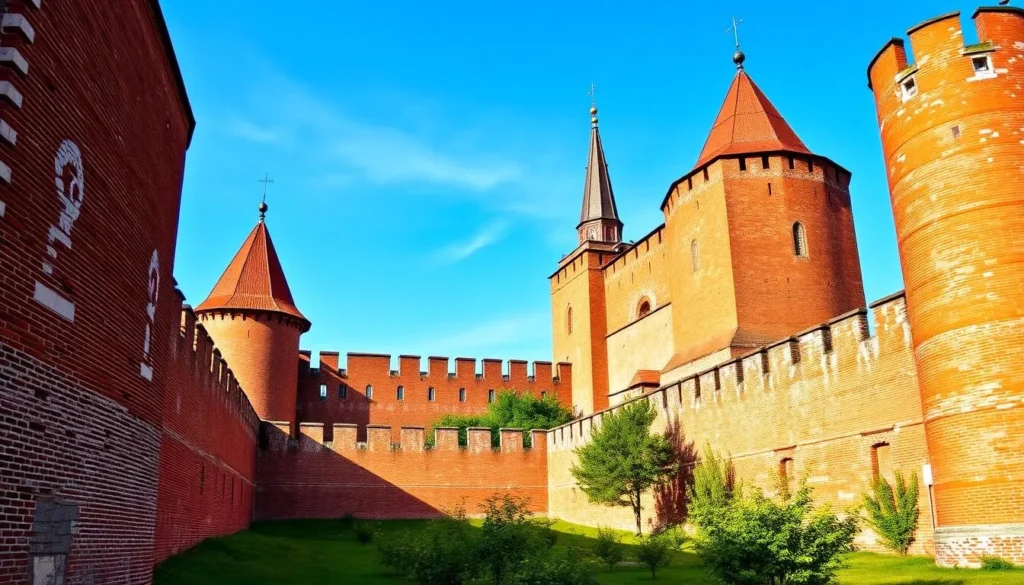
Tula Oblast boasts a rich cultural heritage with numerous historical sites, museums, and unique attractions that showcase the region’s importance in Russian history.
Tula Kremlin
The jewel in Tula’s crown is its 16th-century Kremlin, one of the oldest and best-preserved fortresses in Russia. Built between 1514 and 1520, this impressive structure features massive walls, nine towers, and two beautiful cathedrals within its grounds. The Assumption Cathedral, with its stunning blue-gray exterior and golden domes, is particularly noteworthy. Entrance to the Kremlin grounds is free, though there is a small fee to enter some buildings inside.
Kazanskaya Embankment
Recently renovated, this picturesque riverside promenade in Tula city offers beautiful views, recreational areas, and cafes. It’s perfect for a leisurely stroll, especially in the evening when the area is illuminated with decorative lighting.
Metallistov Street
This recently pedestrianized historic street in Tula features beautifully restored 18th and 19th-century merchant houses. Now a cultural and commercial hub, it’s lined with cafes, shops, and art spaces, making it ideal for an afternoon of exploration.
Belousov Central Park
One of Europe’s largest urban parks, P. Belousov Central Park of Culture and Recreation spans 143 hectares (353 acres) and offers numerous recreational facilities. Visitors can rent bicycles, play sports, visit the small zoo, or simply enjoy a picnic surrounded by nature. In winter, the park features ice skating rinks and cross-country skiing trails.
Museums, Cultural Spots & Festivals
Tula Oblast is home to numerous museums that showcase its rich cultural heritage and historical significance, particularly in arms manufacturing, samovar production, and literary contributions.
Tula State Museum of Weapons
Housed in a unique building shaped like a medieval Russian helmet, this world-class museum showcases Tula’s 300-year history of arms production. The extensive collection includes everything from ancient firearms to modern military equipment. Interactive displays and multimedia presentations make this museum engaging for visitors of all ages. Admission costs around 500 rubles for adults and 300 rubles for students.
Samovar Museum
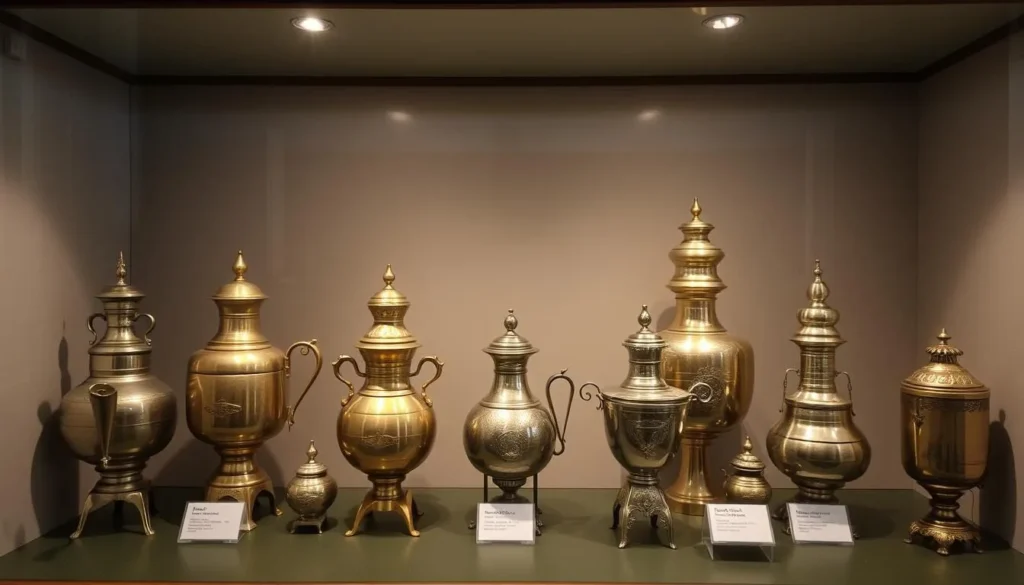
Located near the Kremlin, this museum displays a fascinating collection of traditional Russian samovars (tea urns) dating from the 18th century to the present day. Learn about the history and production techniques of these iconic Russian items that Tula is famous for producing. Entrance fee is approximately 150 rubles.
Tula Pryanik Museum
Dedicated to the city’s famous gingerbread, this small but charming museum explains the history and production process of Tula pryanik. Visitors can see antique pryanik molds, learn about traditional recipes, and even participate in a master class to make their own. The museum also has a shop where you can purchase freshly made pryaniki. Admission is around 150 rubles.
Festivals and Events
- Tula City Day (September): A vibrant celebration with concerts, parades, and cultural performances marking the city’s founding.
- Autumn at Yasnaya Polyana (September-October): A literary and musical festival held at Tolstoy’s estate featuring readings, concerts, and theatrical performances.
- Tula Arms Festival (July): Showcases the city’s weapons manufacturing heritage with exhibitions, demonstrations, and historical reenactments.
- Samovars and Pryaniki Festival (August): Celebrates Tula’s famous products with tastings, master classes, and cultural programs.
Yasnaya Polyana – Tolstoy’s Estate
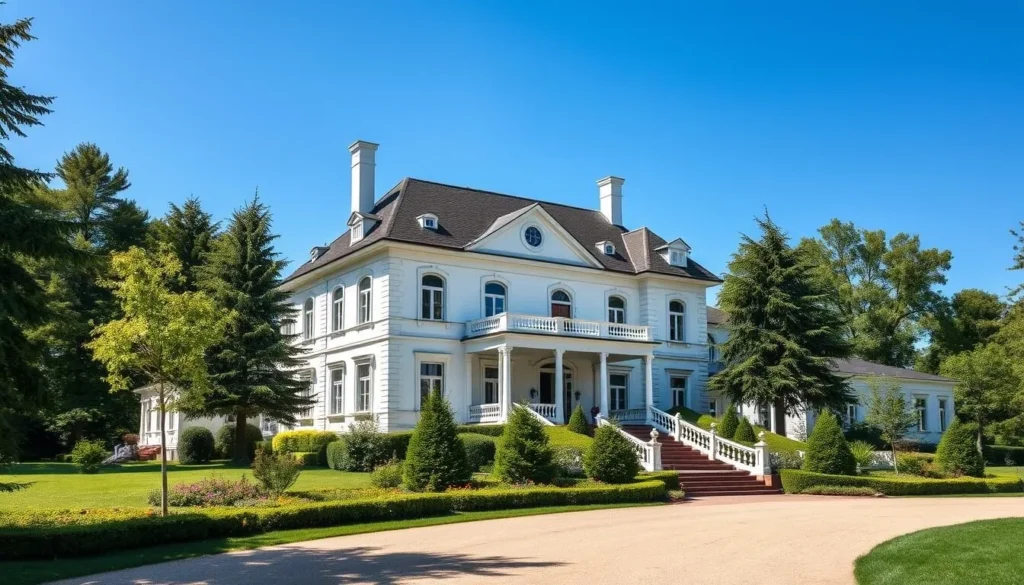
No visit to Tula Oblast would be complete without exploring Yasnaya Polyana, the ancestral estate of Leo Tolstoy located just 14 km southwest of Tula city. This is where the literary giant was born, wrote his masterpieces “War and Peace” and “Anna Karenina,” and is buried.
The estate has been preserved as Tolstoy left it, offering visitors a fascinating glimpse into the writer’s life and creative process. The main house contains his original furnishings, personal belongings, and an impressive library of 22,000 books in 32 languages. The estate grounds feature beautiful gardens, apple orchards, forests, and ponds where Tolstoy often found inspiration.
To reach Yasnaya Polyana, take a bus from Tula’s central bus station (journey time approximately 30 minutes) or hire a taxi. Admission costs around 400 rubles for adults and 200 rubles for students. Guided tours in English are available with advance booking.
Nature & Outdoor Experiences
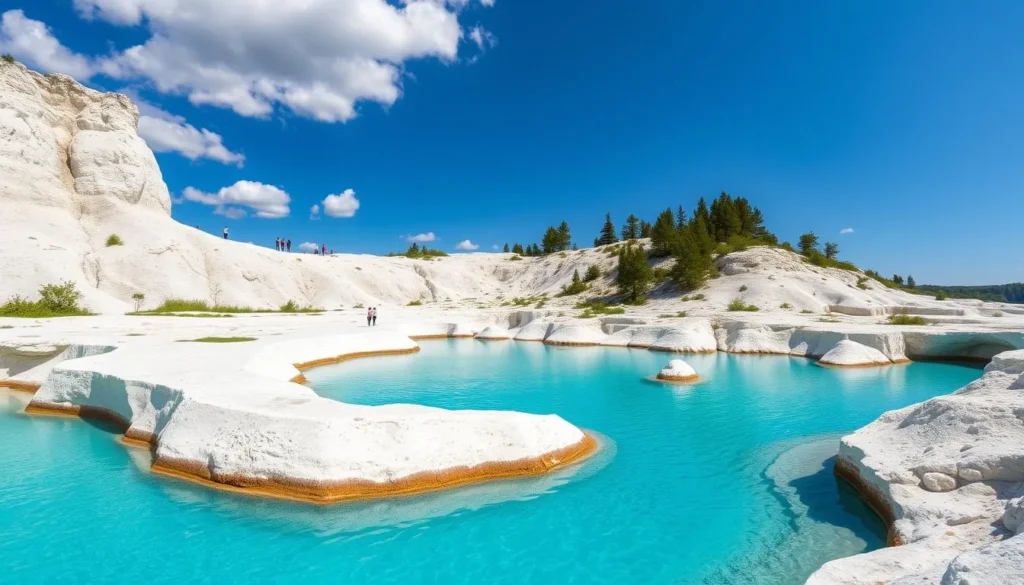
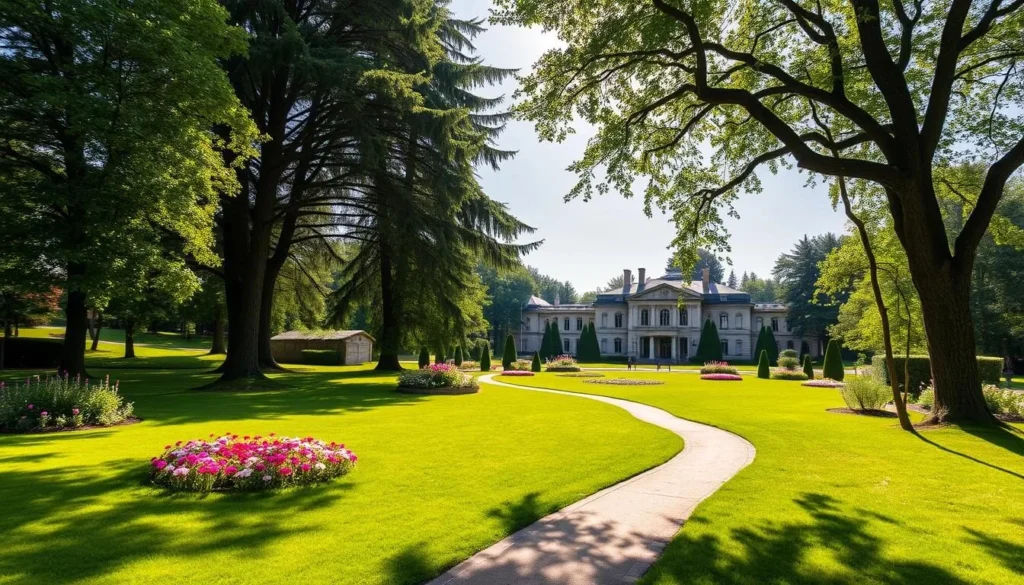
Despite being known primarily for its historical and cultural attractions, Tula Oblast offers plenty of opportunities for outdoor activities and nature experiences.
Blue Lakes (Golubye Ozera)
Located about 20 km from Tula, these picturesque blue lakes were formed in former limestone quarries. The crystal-clear turquoise water creates a stunning contrast with the white limestone shores. It’s a popular spot for swimming in summer and photography year-round. Reach the lakes by taxi or organized tour from Tula.
Upa River Activities
The Upa River flows through Tula and offers opportunities for kayaking and fishing during the warmer months. Equipment rentals are available near the Kazanskaya Embankment.
Bogoroditsky Park
This beautiful 18th-century landscape park surrounds the Bogoroditsk Palace, once owned by Count Bobrinsky, Catherine the Great’s illegitimate son. The park covers approximately 40 hectares (99 acres) and features romantic ponds, bridges, and walking paths designed by renowned architect Andrey Bolotov.
Winter Activities
During the winter months, visitors can enjoy ice skating at outdoor rinks in Belousov Park and near the Kremlin. Horse-drawn sleigh rides through the snowy countryside around Yasnaya Polyana offer a traditional Russian winter experience.
Safety, Etiquette & Local Customs
Tula Oblast is generally a safe region for tourists, with low crime rates compared to larger Russian cities. However, it’s always wise to take standard precautions while traveling.
Safety Tips
- Keep valuables secure and be aware of your surroundings, especially in crowded areas.
- Carry a copy of your passport and visa while keeping the originals in your hotel safe.
- Use official taxis or ride-sharing apps rather than unmarked cars.
- In winter, be cautious of icy sidewalks and falling icicles from buildings.
Local Etiquette
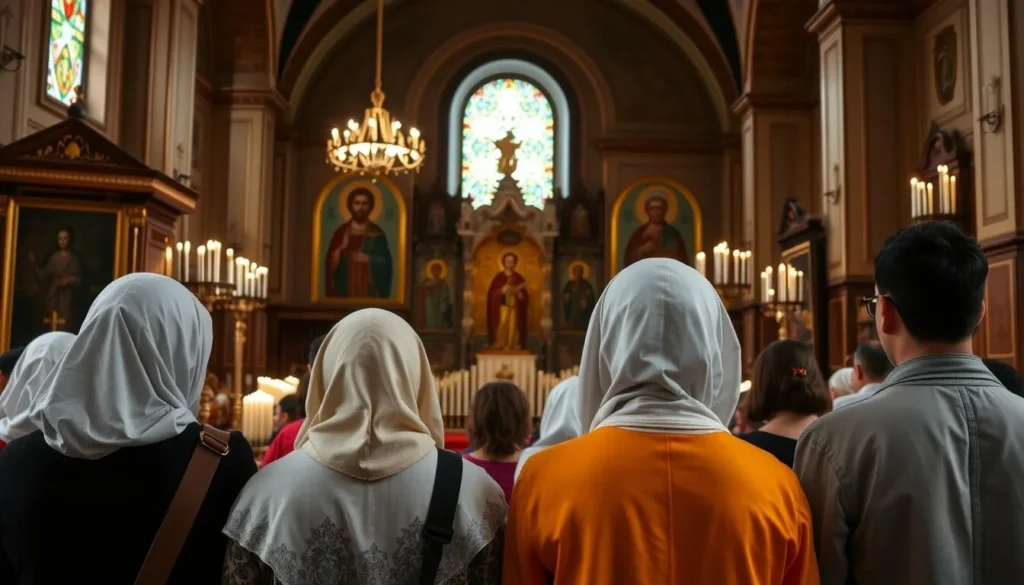
- When visiting churches or religious sites, dress modestly. Women should cover their heads with a scarf, and men should remove hats.
- It’s customary to remove your shoes when entering someone’s home.
- Russians typically greet each other with a handshake. Close friends may exchange kisses on the cheek.
- Bringing a small gift when invited to someone’s home is appreciated (flowers, chocolates, or a bottle of wine are good choices).
Language
While English is increasingly spoken in tourist areas, particularly by younger Russians, learning a few basic Russian phrases will be greatly appreciated by locals and can enhance your experience. Consider downloading a translation app if you don’t speak Russian.
Religious Customs
The Russian Orthodox Church plays an important role in local culture. When visiting churches, be respectful, speak quietly, and ask permission before taking photographs. Some churches may not allow photography inside.
Visitor Comments About Tula Oblast
“The Kremlin architecture took my breath away – unlike anything I’ve seen in Russia! The weapons museum was fascinating even for someone not particularly interested in military history, and the locals were incredibly welcoming. Don’t miss trying fresh pryanik straight from the bakery.”
“The gingerbread workshop was the sweetest cultural experience of my travels. Learning to make traditional Tula pryaniki alongside local bakers gave me insights into Russian traditions I couldn’t get from just sightseeing. Yasnaya Polyana was serene and thought-provoking – a perfect contrast to the city’s energy.”
“Friendly locals and affordable prices made Tula Oblast our surprise favorite destination in Russia. We initially planned just a day trip from Moscow but ended up staying three days. The Samovar Museum might sound niche, but it was actually fascinating, and the Blue Lakes were a refreshing natural escape from city sightseeing.”
Additional Nearby Destinations
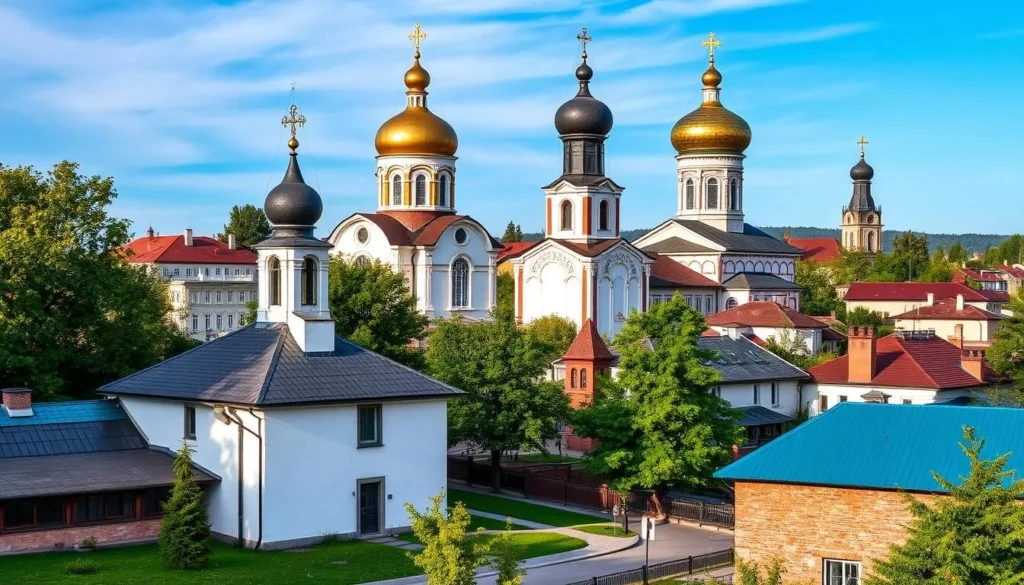
While exploring Tula Oblast, consider visiting these nearby destinations that complement your experience of the region:
Bogoroditsk
Often called the “Russian Versailles,” Bogoroditsk is home to a magnificent palace and park ensemble built for Catherine the Great’s illegitimate son. Located about 65 km from Tula, this small town offers a glimpse into imperial Russian history away from the tourist crowds.
Venev
This small historic town 50 km east of Tula features well-preserved merchant houses, the impressive Nicholas Bell Tower (the tallest in the region), and the unique underground Venev Monastery carved into limestone.
Kulikovo Field
Visit the site of the historic Battle of Kulikovo (1380), where Russian forces under Dmitry Donskoy defeated the Golden Horde. Located about 130 km from Tula, the memorial complex includes a museum, monuments, and the beautiful Church of St. Sergius of Radonezh.
Polenovo Estate
The former home and studio of famous Russian landscape painter Vasily Polenov is now a museum-reserve. Located 70 km from Tula on the banks of the Oka River, the estate features beautiful grounds, the artist’s original house, and a collection of his works.
Practical Travel Tips
Money Matters
The Russian currency is the ruble (₽). ATMs are widely available throughout Tula Oblast, and most hotels and larger restaurants accept credit cards. However, it’s advisable to carry some cash for smaller establishments, markets, and public transportation. Currency exchange offices can be found in city centers and at banks.
Internet and Connectivity
Free Wi-Fi is available in most hotels, cafes, and restaurants in Tula Oblast. For mobile connectivity, consider purchasing a local SIM card from providers like MTS, Beeline, or Megafon, which offer affordable data packages for travelers.
Opening Hours
Most museums and attractions in Tula Oblast are open from 10:00 to 18:00 and are typically closed on Mondays or Tuesdays. Many museums also close for cleaning on the last Wednesday or Friday of each month, so check schedules in advance. Shops generally operate from 10:00 to 20:00, while restaurants serve until 22:00 or later.
Tipping
Tipping is becoming more common in Russia, especially in tourist areas. In restaurants, a 10% tip is appreciated for good service. Tipping is not expected for taxis, but rounding up the fare is common practice.
Useful Contacts
- Emergency services: 112
- Tourist Information Center: Located near the Kremlin at Metallistov Street, 2
- Tula Region Tourism Information: +7 (4872) 52-98-10
Discover Russia’s Hidden Heartland
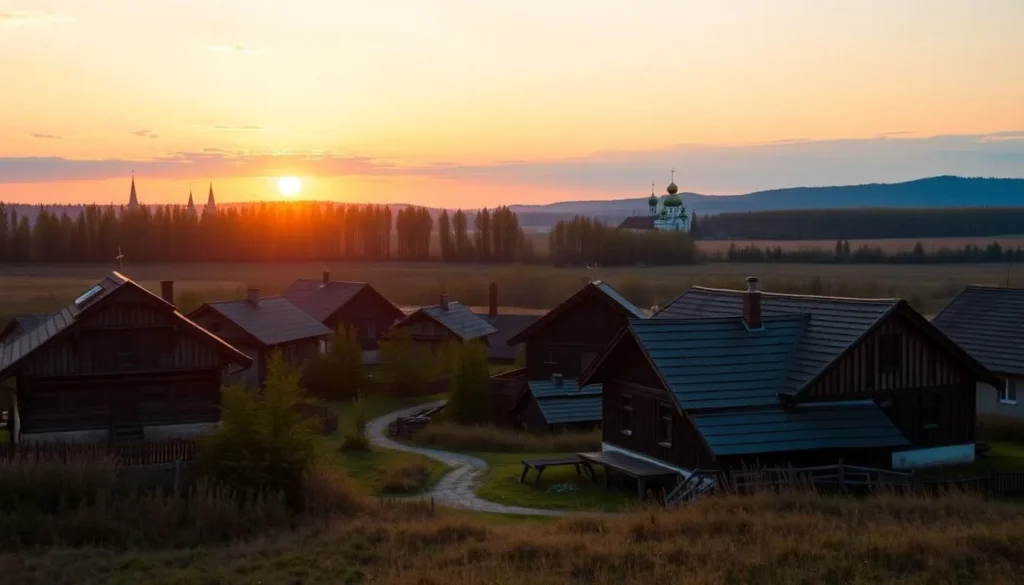
Tula Oblast offers travelers a perfect blend of Russian history, culture, and hospitality without the overwhelming crowds of more famous destinations. From the imposing walls of its ancient Kremlin to the sweet taste of its famous pryanik, from the literary legacy of Leo Tolstoy to the craftsmanship of its weapons and samovars, this region presents an authentic slice of Russian life that will surprise and delight visitors.
Whether you’re making a quick day trip from Moscow or settling in for a longer stay, Tula Oblast rewards those who venture beyond Russia’s typical tourist trail with unique experiences, warm hospitality, and memories that will last long after your journey ends. As you plan your Russian adventure, consider giving Tula Oblast the time it deserves – this hidden gem of central Russia might just become the unexpected highlight of your travels.
Related Posts
Saint Petersburg, Russia: Best Things to Do – Top Picks
Zabaykalsky Krai, Russia: Best Things to Do – Top Picks
Yamalo-Nenets Autonomous Okrug, Russia: Best Things to Do – Top Picks
Tver Oblast, Russia: Best Things to Do – Top Picks
Yaroslavl Oblast, Russia: Best Things to Do – Top Picks
Volgograd Oblast, Russia: Best Things to Do – Top Picks
Coming Soon: Clickable Maps