Hotels by Trip.com
Flights by Trip.com
Saint Petersburg welcomes over 8 million international visitors annually, making it Russia’s most popular tourist destination. This remarkable city contains more canals than Venice and Amsterdam combined. The city was named after Saint Peter the Apostle, though Tsar Peter the Great founded it in 1703 as his “window to Europe.”
This northern capital stands as a living museum of imperial grandeur. Every street corner reveals architectural masterpieces. The city stretches across 42 islands connected by over 300 bridges. Its historic center earned UNESCO World Heritage status for good reason.
Visitors discover a destination unlike anywhere else in Russia. The European-style architecture creates an atmosphere distinct from Moscow. White nights illuminate the summer sky. Winter transforms the city into a frozen wonderland. Each season brings its own magic to this cultural treasure.
Getting There & Planning Your Journey
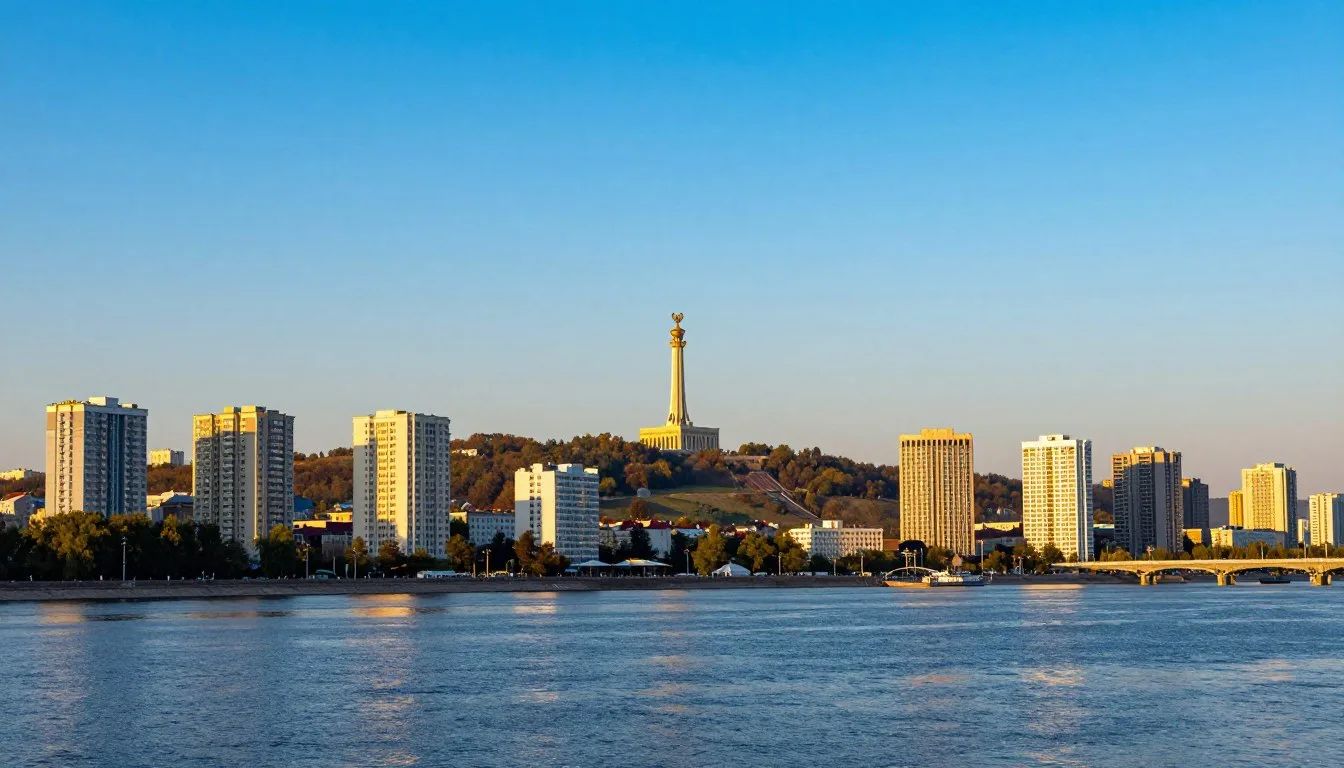
Pulkovo International Airport serves as the main gateway to Saint Petersburg. This modern facility sits just 17 km (10.5 miles) south of the city center. The airport handles direct flights from major European cities and connections from around the world.
Terminal 1 primarily manages domestic Russian flights. Terminal 2 processes most international arrivals. Both terminals offer efficient customs processing. The journey from airport to city takes roughly 30 to 45 minutes depending on traffic and your destination.
Airport Transportation Options
Several reliable ways exist to reach the city from Pulkovo Airport. Bus number 39 runs frequently to Moskovskaya metro station. The trip costs approximately 60 rubles and takes about 25 minutes. This option works well for budget travelers with light luggage.
Official airport taxis provide door-to-door service. Expect to pay between 1,200 and 1,800 rubles to central locations. Book these at official taxi desks inside the terminal. Avoid unofficial drivers who approach passengers in the arrivals area.
Many hotels arrange private transfers for guests. This convenient option costs more but eliminates navigation stress. Drivers meet arrivals at the gate with name signs. The service proves especially valuable for first-time visitors.
Visa Requirements
Most international visitors need a visa to enter Russia. The application process requires advance planning. Start your visa application at least one month before travel. Some travelers require up to three months for processing.
Tourist visas typically allow stays up to 30 days. You must provide hotel confirmations and travel insurance. The Russian consulate in your home country handles applications. Some travelers use visa support services to simplify the process.
Important Visa Information: Keep your visa and migration card safe throughout your trip. Hotels will request these documents at check-in. Losing either document creates serious problems with authorities.
E-visa options recently expanded for some nationalities. This simplified electronic visa allows stays up to 16 days. Check current eligibility on the Russian Foreign Ministry website. Processing typically takes four business days.
✓ Check 30,000+ Local Sightseeing Tours Worldwide
Alternative Entry Points
Helsinki offers another popular route to Saint Petersburg. The Finnish capital sits just 300 km (186 miles) northwest. High-speed Allegro trains connect the cities in about 3.5 hours. This option appeals to travelers who find Russian visa applications challenging.
Ferry services operate from Stockholm and Tallinn during warmer months. These overnight journeys combine transportation with accommodation. The ships dock at the Marine Facade terminal west of the city center.
Best Time to Visit & Weather Tips
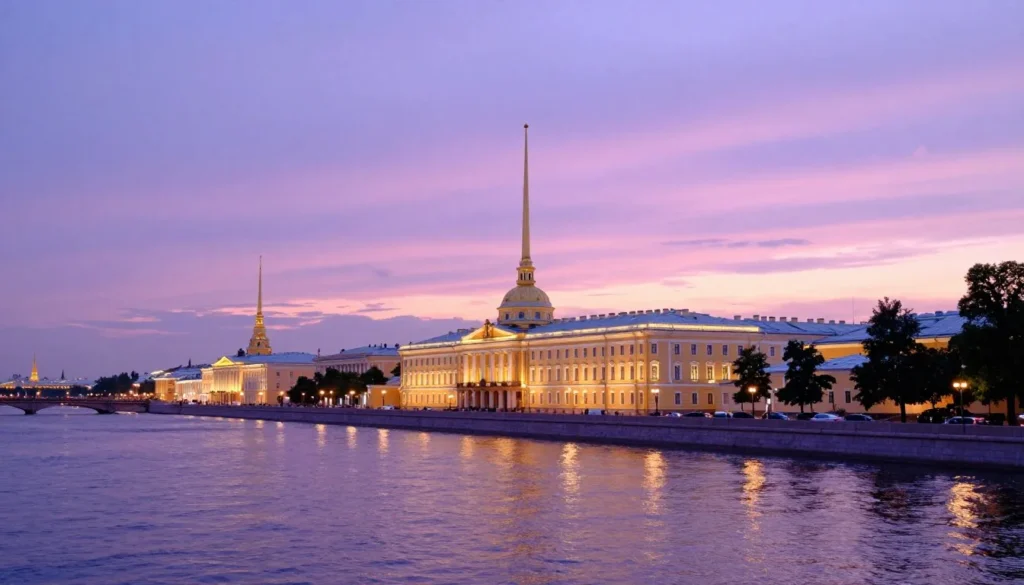
Seasonal Overview
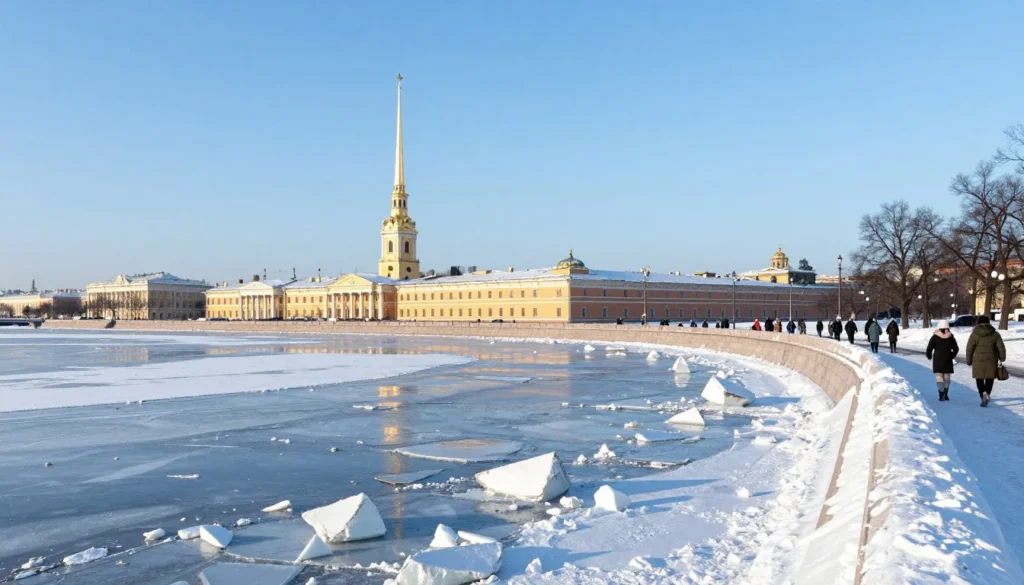
Saint Petersburg experiences dramatic seasonal changes. Summer brings the famous white nights phenomenon. Winter transforms the city into a snowy imperial wonderland. Each season offers distinct advantages for different types of travelers.
May through September represents peak tourist season. Temperatures range from 15°C to 25°C (59°F to 77°F). This period offers the most comfortable weather for sightseeing. Parks bloom with flowers. Outdoor cafes fill the streets. Museums stay open longer hours.
White nights occur from mid-May through mid-July. The sun barely sets during this magical time. Twilight lasts throughout the night. This natural phenomenon creates an enchanting atmosphere. The city celebrates with festivals and special events. However, prices increase and crowds grow substantially.
Best Months to Visit
June stands out as the ideal month for most visitors. The weather remains pleasant and relatively stable. White nights peak during this time. Major attractions operate on extended schedules. The city feels alive with energy and excitement.
September offers excellent value for savvy travelers. Summer crowds disperse after school holidays end. Temperatures stay comfortable around 15°C (59°F). Museums become less crowded. Hotel rates drop significantly compared to peak summer prices.
May brings spring renewal to the city. Trees blossom in parks and gardens. Temperatures warm to pleasant levels. Rain occurs frequently but doesn’t typically last long. This shoulder season provides good weather without peak summer prices.
Months to Avoid
November through March tests even hardy travelers. Temperatures plunge well below freezing. Snow and ice cover streets and sidewalks. Daylight hours shrink dramatically. By December, darkness arrives by 4 PM.
January represents the coldest month. Average temperatures hover around -8°C (18°F). Extreme cold can reach -25°C (-13°F) or lower. Strong winds from the Baltic Sea make conditions feel even colder. Many tourists find these conditions too harsh for comfortable sightseeing.
April brings unpredictable weather patterns. Temperature swings occur frequently. Rain and sleet alternate with occasional warm days. Streets turn slushy as winter snow melts. This transitional month lacks the charm of either winter or spring.
Winter Travel Advisory: If visiting between November and March, pack serious cold-weather gear. Bring insulated waterproof boots, heavy coat, warm hat, gloves, and scarf. Hypothermia risk is real in these conditions.
Weather Patterns Throughout the Year
Summer weather proves surprisingly variable. Morning sunshine can give way to afternoon rain. Pack layers even in July. Bring a light rain jacket or umbrella. The proximity to the Baltic Sea influences weather patterns significantly.
Winter precipitation falls mostly as snow. Accumulation creates beautiful scenes but challenging walking conditions. The city maintains major streets well. Sidewalks can become treacherous with ice. Watch your step constantly during winter visits.
Spring arrives slowly to this northern city. March still feels like deep winter. April brings gradual warming. True spring doesn’t settle in until May. The transformation happens quickly once it begins. Within weeks, the city shifts from frozen to flourishing.
Notable Annual Festivals
White Nights Festival
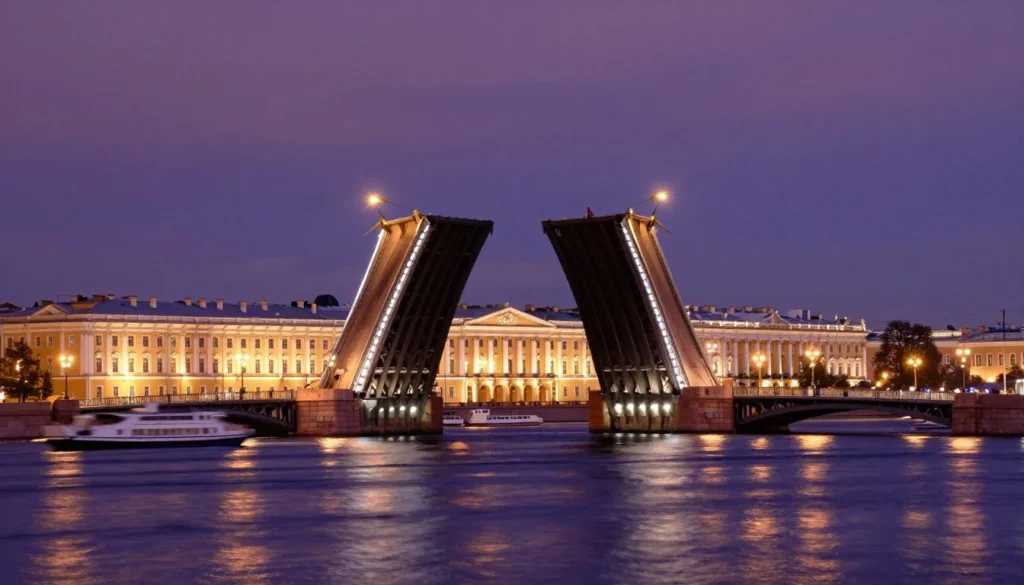
The Stars of the White Nights Festival runs from May through July. The Mariinsky Theatre organizes this prestigious event. World-class opera and ballet performances fill the program. Tickets sell out months in advance for popular shows.
The festival transforms the entire city into a cultural celebration. Classical music concerts occur in historic palaces. Open-air performances take place in parks and squares. The artistic quality rivals any festival worldwide.
For booking information, contact the Mariinsky Theatre at +7 812 326-4141. Purchase tickets early to secure good seats. Prices range from moderate to expensive depending on performance and seating. The investment proves worthwhile for culture enthusiasts.
Scarlet Sails
Scarlet Sails celebrates graduating students in late June. This spectacular event has grown into a major tourist attraction. A massive show combines fireworks, music, and a historic tall ship with red sails. Over one million people attend annually.
The celebration occurs on the Neva River. The best viewing spots fill up hours before the event starts. Palace Bridge and the embankments offer prime positions. Arrive by early afternoon to claim a good spot.
The city organizes the event through its Committee for Culture. Information line: +7 812 576-0000. The exact date varies slightly each year. Check current schedules when planning your June visit.
International Economic Forum
The St. Petersburg International Economic Forum takes place each June. World leaders and business executives gather for this major event. The forum significantly impacts hotel availability and prices. Book accommodation well in advance if traveling during forum dates.
Traffic restrictions affect city movement during the event. Security measures increase throughout the center. Tourist attractions remain open but expect larger crowds. The forum typically runs for three or four days.
City Day Celebration
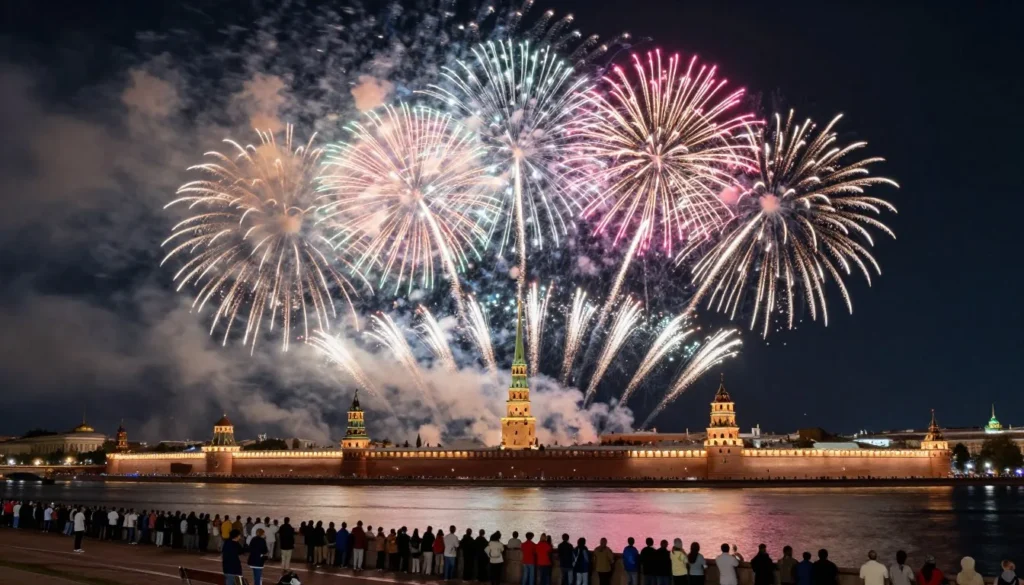
Saint Petersburg celebrates its founding on May 27th annually. The entire city participates in this massive celebration. Free concerts occur throughout the center. Historical reenactments bring the past to life. Fireworks conclude the evening festivities.
Streets close to traffic in many areas. Public transportation operates on modified schedules. The celebration creates a festive atmosphere perfect for visitors. Museums often offer free or reduced admission on this day.
The city tourism committee coordinates events. Contact them at +7 812 242-3129 for detailed program information. Most activities require no advance tickets. Simply arrive and enjoy the citywide party.
Orthodox Christmas and New Year
Russians celebrate Christmas on January 7th according to the Orthodox calendar. The city decorates beautifully for the season. Nevsky Prospekt transforms into a winter wonderland. Ice sculptures appear in parks and squares.
New Year represents the bigger celebration in Russian culture. December 31st brings massive festivities. Palace Square hosts a huge public party. Restaurants and clubs require reservations weeks in advance for New Year’s Eve.
The holiday season extends from late December through mid-January. Many Russians take extended time off work. Tourist sites remain open but operate on modified schedules. Call ahead to confirm hours during this period.
Getting Around Locally
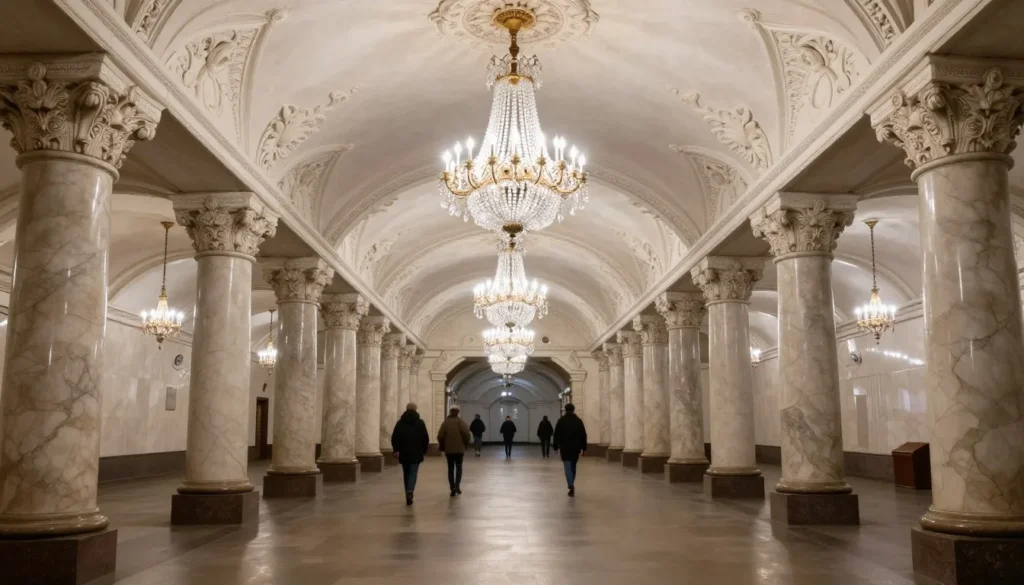
Metro System
The Saint Petersburg Metro provides efficient transportation throughout the city. Five lines connect major districts and attractions. Trains run frequently from 5:30 AM until midnight. The system carries over 2 million passengers daily.
Metro stations themselves qualify as tourist attractions. Many feature elaborate decorations and artwork. Chandeliers hang from ornate ceilings. Marble columns and mosaics create underground palaces. The Avtovo and Admiralteyskaya stations showcase particularly stunning designs.
A single journey costs 60 rubles regardless of distance. Multi-ride tokens offer better value for tourists. Purchase a card allowing unlimited rides for set periods. The metro proves faster than surface transportation during rush hours.
Signage appears in both Cyrillic and Latin alphabets at most stations. Announcements play in Russian only. Download a metro map to your phone before traveling. The system layout makes navigation relatively straightforward once you understand the basics.
Bus and Trolleybus Routes
An extensive bus network supplements metro coverage. Buses reach neighborhoods the metro doesn’t serve. Route numbers appear on the front of each vehicle. Major stops have electronic displays showing arrival times.
Trolleybuses operate on fixed overhead wires. These electric vehicles serve similar routes to regular buses. They offer a quieter, more environmentally friendly way to travel. The same fare system applies to both bus types.
Pay the conductor on board or use a contactless payment card. Fares match metro prices at 60 rubles per trip. Service runs from approximately 6 AM to midnight. Frequency varies by route and time of day.
Taxis and Ride Services
Official taxi companies operate throughout Saint Petersburg. Yellow cabs with taxi lights provide metered service. Rates start around 150 rubles plus approximately 30 rubles per kilometer. Always use official taxis to avoid problems.
Ride-sharing apps function well in the city. Yandex Taxi dominates the market. The app works in English for international visitors. Prices typically cost less than official taxis. Payment processes through the app automatically.
Agree on fares before entering unofficial taxis. These drivers often charge tourists inflated rates. The hassle and risk rarely justify any savings. Stick with official services or apps for peace of mind.
Walking the City
Saint Petersburg rewards walkers with constant discoveries. The historic center covers a walkable area. Most major attractions sit within reasonable walking distance of each other. Comfortable shoes prove essential for enjoying the city on foot.
Nevsky Prospekt serves as the main pedestrian thoroughfare. This grand avenue stretches 4.5 km (2.8 miles) through the heart of the city. Walking its entire length takes about an hour at a leisurely pace. Countless cafes, shops, and historic buildings line the route.
Exercise caution when crossing streets. Russian drivers rarely yield to pedestrians. Use marked crosswalks and traffic signals. Watch for cars turning even when you have a green light. This aggressive driving culture requires constant vigilance.
Pedestrian Safety: Never assume cars will stop for you. Make eye contact with drivers before crossing. Russian traffic laws theoretically protect pedestrians, but enforcement proves inconsistent. Your safety depends on defensive walking habits.
Boat Tours and Water Taxis
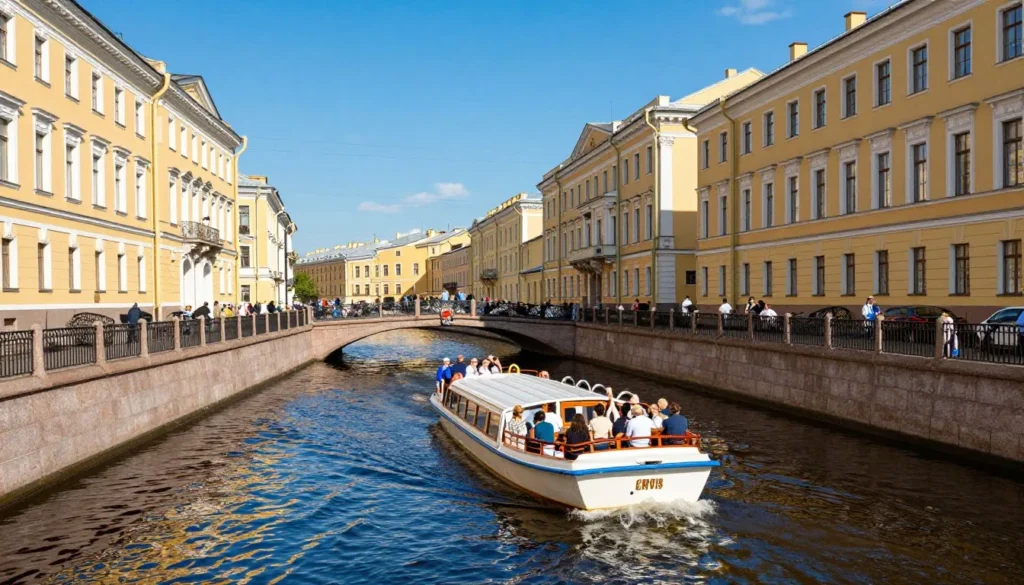
Canal and river cruises offer unique perspectives on the city. Boats operate from April through October when waterways remain ice-free. One-hour tours depart frequently from multiple locations. Longer evening cruises include dinner and entertainment.
Water taxis provide practical transportation during summer months. These boats connect major tourist areas along the Neva River and canals. The service costs more than land transport but offers scenic routes. Purchase tickets at docks or through tour operators.
Hydrofoil boats reach Peterhof Palace in just 40 minutes. This fast service operates from May through September. Boats depart from the Hermitage embankment. The journey itself provides excellent photo opportunities of the city skyline.
Where to Stay
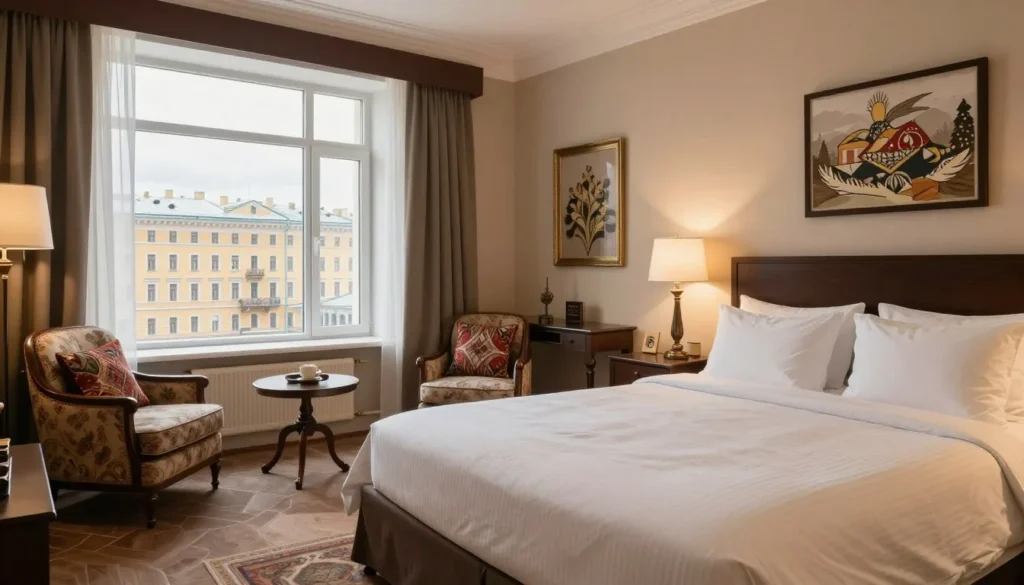
Best Neighborhoods for Tourists
The Admiralteysky District places visitors at the heart of the action. This central area surrounds the Hermitage and Palace Square. Walking to major attractions takes minutes. The neighborhood contains the highest concentration of tourist services. Accommodation prices reflect this prime location.
Nevsky Prospekt offers countless lodging options along the famous avenue. Hotels here range from budget hostels to luxury properties. The metro provides easy access to areas beyond walking distance. Restaurants, shops, and nightlife surround you at all hours.
Vasilievsky Island provides a quieter alternative to the busy center. This historic neighborhood sits just across the Neva River. The area features museums, parks, and residential streets. Prices typically run lower than central locations. Metro connections make reaching other areas straightforward.
Luxury Hotels
The Four Seasons Lion Palace occupies a historic 19th-century building. This top-tier property sits just steps from St. Isaac’s Cathedral. Rooms feature elegant décor blending classic and modern elements. The rooftop restaurant offers stunning city views.
Belmond Grand Hotel Europe has welcomed guests since 1875. This legendary property sets the standard for luxury in Saint Petersburg. The location on Nevsky Prospekt puts everything within reach. Afternoon tea in the atrium represents a quintessential experience.
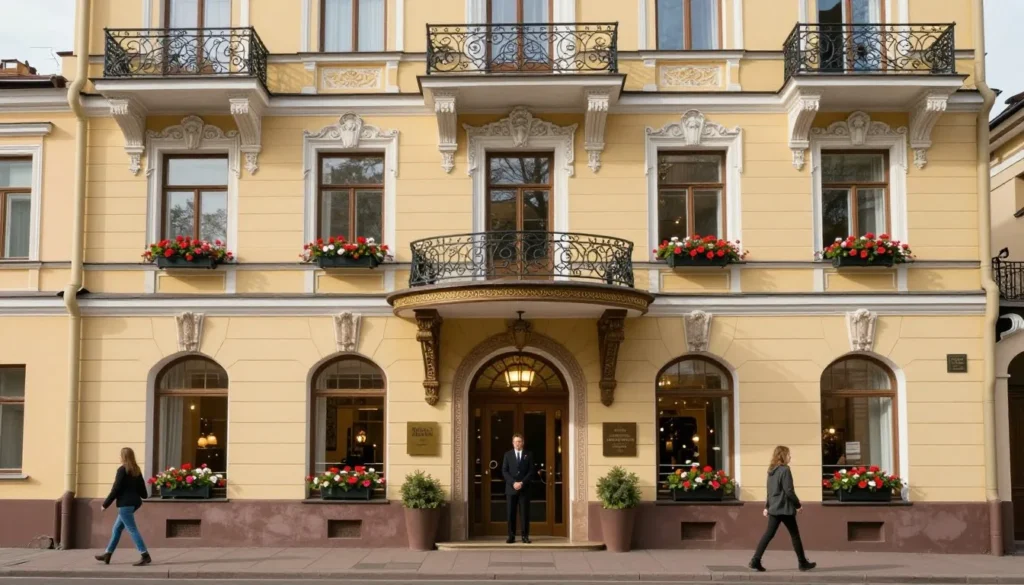
Hotel Astoria faces St. Isaac’s Square from its historic building. The property underwent complete renovation while preserving original character. Many rooms overlook the cathedral and square. Service meets international five-star standards.
Mid-Range Options
Dozens of three and four-star hotels serve budget-conscious travelers. These properties offer clean, comfortable rooms without luxury extras. Most include breakfast in their rates. Locations vary from central to slightly outlying areas.
Solo Sokos Hotel Palace Bridge provides modern amenities at fair prices. The building occupies a convenient location near the Hermitage. Rooms feel spacious and well-maintained. The included breakfast buffet offers good variety.
Radisson Sonya Hotel delivers reliable quality near Moskovsky Railway Station. The property suits travelers arriving by train. Metro access makes reaching the center quick and easy. Business amenities and comfortable rooms make this a solid choice.
Budget Accommodations
Hostels proliferate throughout central Saint Petersburg. These budget options work well for young travelers and backpackers. Dorm beds start around 800 rubles per night. Private rooms cost more but still undercut hotel rates significantly.
Soul Kitchen Hostel on Nevsky Prospekt earns consistently positive reviews. Clean facilities and friendly staff create a welcoming atmosphere. The location puts major attractions within walking distance. Common areas encourage meeting fellow travelers.
Guest houses offer another budget-friendly alternative. These small properties provide basic private rooms. Shared bathrooms keep costs down. Breakfast may or may not be included depending on the property. Quality varies more than established hotel chains.
Apartment Rentals
Renting an apartment suits longer stays and families. Many owners list properties through booking platforms. You gain a kitchen and living space for less than hotel rates. Central locations offer the same convenience as hotels.
Verify apartment legitimacy before booking. Some listings don’t match their descriptions. Read reviews carefully from previous guests. Confirm exact address and access instructions. Meeting someone on arrival helps ensure everything matches expectations.
Registration requirements apply to all accommodations. Hotels handle this automatically for guests. Apartment renters must register with authorities themselves. Landlords should assist with this legal requirement. Failure to register can result in fines.
Registration Reminder: Russian law requires all foreign visitors to register their place of stay within seven business days of arrival. Hotels complete this process automatically. Private accommodations require manual registration. Keep registration documents with your passport and visa.
Dining & Local Cuisine
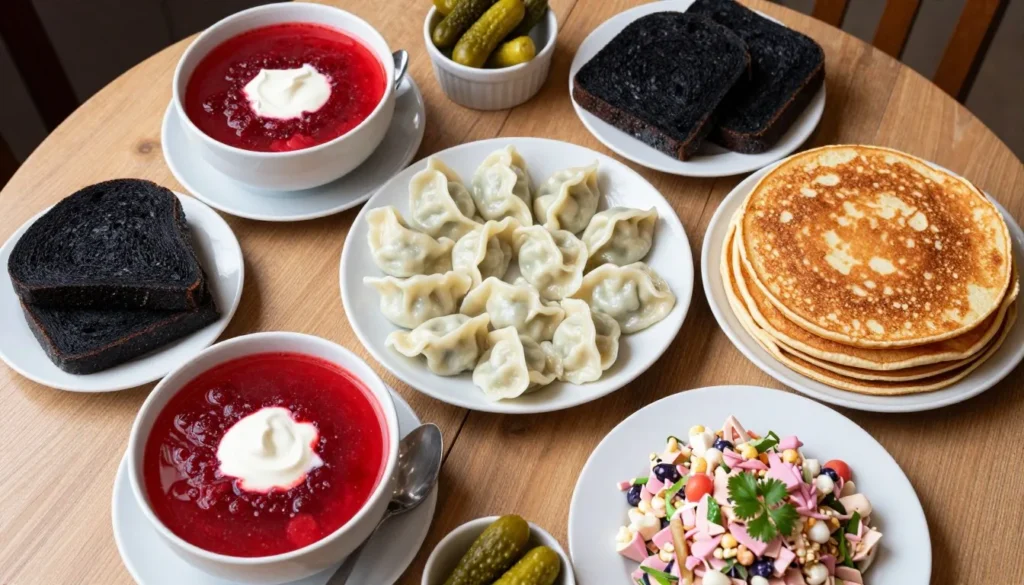
Traditional Russian Dishes
Borscht tops the list of must-try Russian foods. This hearty beet soup features a deep red color and rich flavor. Sour cream traditionally accompanies each bowl. Restaurants serve it hot or cold depending on season. The dish originated in Ukraine but became a Russian staple.
Pelmeni dumplings represent ultimate Russian comfort food. These meat-filled pasta parcels come boiled in broth or with butter. They resemble Italian tortellini but with distinctly Russian flavors. Every Russian grandmother claims her version tastes best. Restaurants throughout the city serve their own variations.
Beef Stroganoff was invented in Saint Petersburg during the 19th century. The dish features tender beef strips in a creamy mushroom sauce. Serve it over pasta or with buckwheat kasha. Many high-end restaurants offer their interpretations of this classic.
Blini pancakes appear at breakfast, lunch, or dinner. These thin crepes can be sweet or savory. Traditional toppings include caviar, smoked salmon, sour cream, or jam. Maslenitsa festival in spring celebrates blini specifically. The versatile dish adapts to any meal.
Where to Eat Traditional Cuisine
Stolle specializes in traditional Russian pies called pirogi. Multiple locations operate throughout the city. The casual atmosphere suits quick lunches. Prices remain very reasonable for the quality. Try various fillings from meat to berries.
✓ Check 30,000+ Local Sightseeing Tours Worldwide
Teplo means “warmth” in Russian and perfectly describes this cozy restaurant. The menu focuses on home-style Russian cooking. Dishes arrive in generous portions. The intimate setting creates a welcoming atmosphere. Reservations help during busy dinner hours.
Russian Vodka Room Number 1 offers an extensive vodka selection alongside traditional foods. The restaurant occupies a historic building near Palace Square. Staff guides guests through proper vodka tasting etiquette. Small plates designed for sharing pair well with various vodka types.
International Dining Options
Saint Petersburg’s restaurant scene extends far beyond Russian cuisine. Italian restaurants dot Nevsky Prospekt and side streets. Japanese sushi bars have proliferated in recent years. Georgian cuisine offers spicy alternatives to milder Russian flavors.
Marketplace at the Four Seasons serves exceptional international cuisine. The menu changes seasonally using local ingredients. The elegant setting suits special occasions. Prices reflect the upscale atmosphere and quality. Weekend brunch draws crowds of locals and tourists.
Hamlet + Jacks brings New York-style dining to Saint Petersburg. The restaurant serves steaks, burgers, and cocktails. The modern industrial space contrasts with traditional Russian restaurants. Young professionals frequent this trendy spot. Reservations prove necessary on weekends.
Cafés and Quick Bites
Pyshechnaya serves traditional Russian donuts called pyshki. These round fried pastries cost just pennies. Locals line up for fresh hot pyshki dusted with powdered sugar. Multiple locations exist but the one on Bolshaya Konyushennaya remains most famous. This simple treat has delighted Saint Petersburg residents for generations.
Coffee houses have transformed Saint Petersburg in recent years. Quality espresso drinks now compete with traditional tea. Specialty roasters source beans globally. Comfortable seating encourages lingering over drinks. Free WiFi makes cafés popular workspaces.
Teremok chain restaurants serve fast Russian food. Blini dominate the menu with countless filling options. The cafeteria-style service moves quickly. Prices stay very low for filling meals. Numerous locations make finding one easy throughout the city.
Market Experiences
Kuznechny Market operates as Saint Petersburg’s most famous food market. Vendors sell fresh produce, meats, cheeses, and prepared foods. The historic building dates to 1927. Locals shop here for quality ingredients. Tourists come to experience authentic market culture.
Vendors offer samples of cheeses, smoked fish, and pickled vegetables. Don’t hesitate to try before buying. Prices typically cost less than supermarkets. Bargaining isn’t customary in Russian markets. The variety and quality exceed what grocery stores offer.
Prepared food stalls sell traditional dishes to take away. Grab pelmeni, salads, or fresh pastries for picnic lunches. The market atmosphere buzzes with local life. Visit on Saturday mornings for the fullest experience. Bring cash as many vendors don’t accept cards.
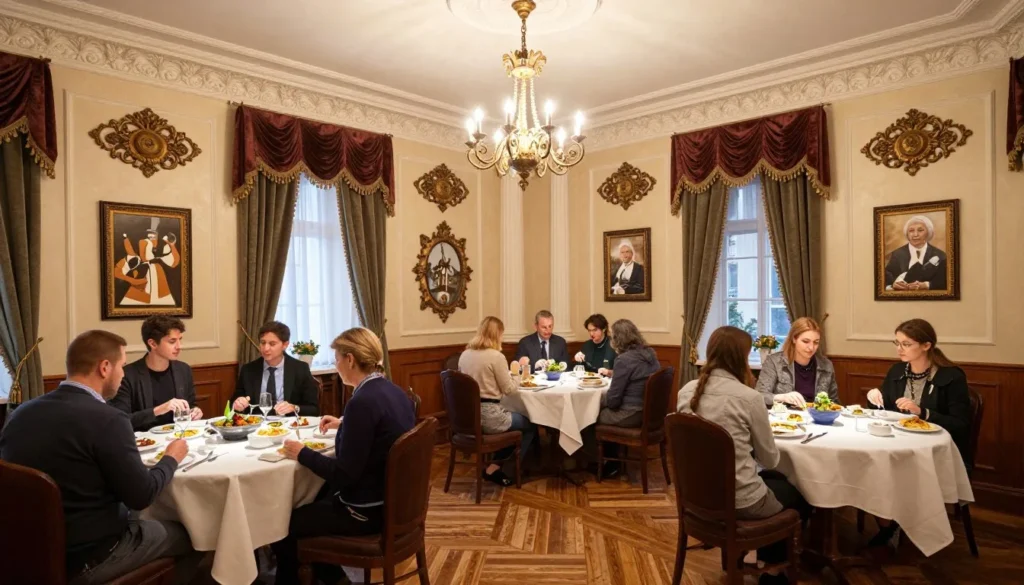
Dining Etiquette and Tips
Russians typically eat dinner later than Americans. Restaurants get busy between 7 PM and 9 PM. Lunch service runs from noon to 3 PM. Many establishments close between lunch and dinner. Check hours before visiting to avoid disappointment.
Tipping practices follow European standards. Leave 10% for adequate service. Round up to 15% for exceptional experiences. Some restaurants add service charges automatically. Check bills carefully to avoid double tipping.
English menus exist at most tourist-oriented restaurants. Neighborhood places may offer only Russian language options. Translation apps help decipher Cyrillic menus. Staff at popular spots usually speak basic English. Point at menu items if communication proves difficult.
Attractions, Sightseeing & Activities
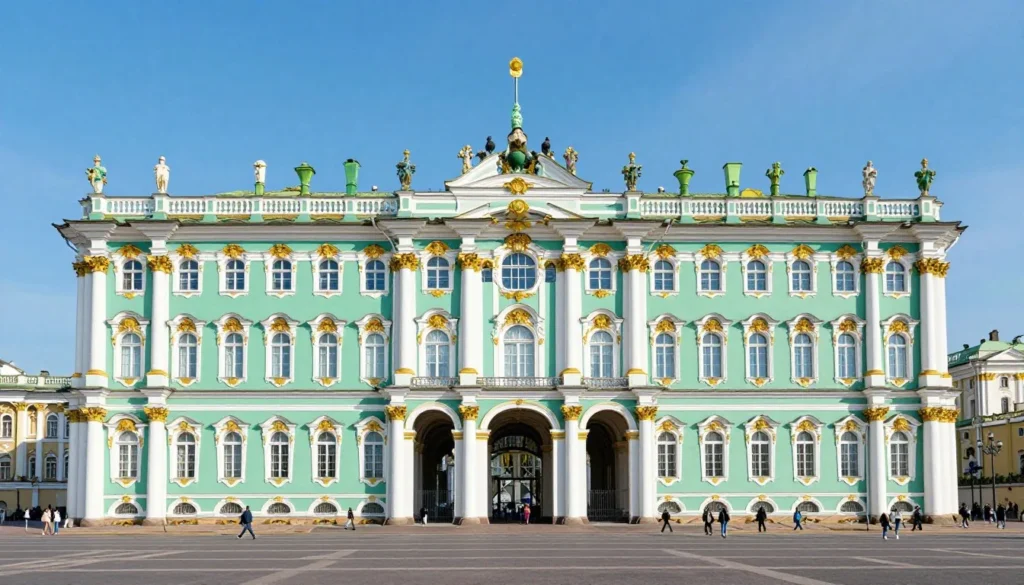
The State Hermitage Museum
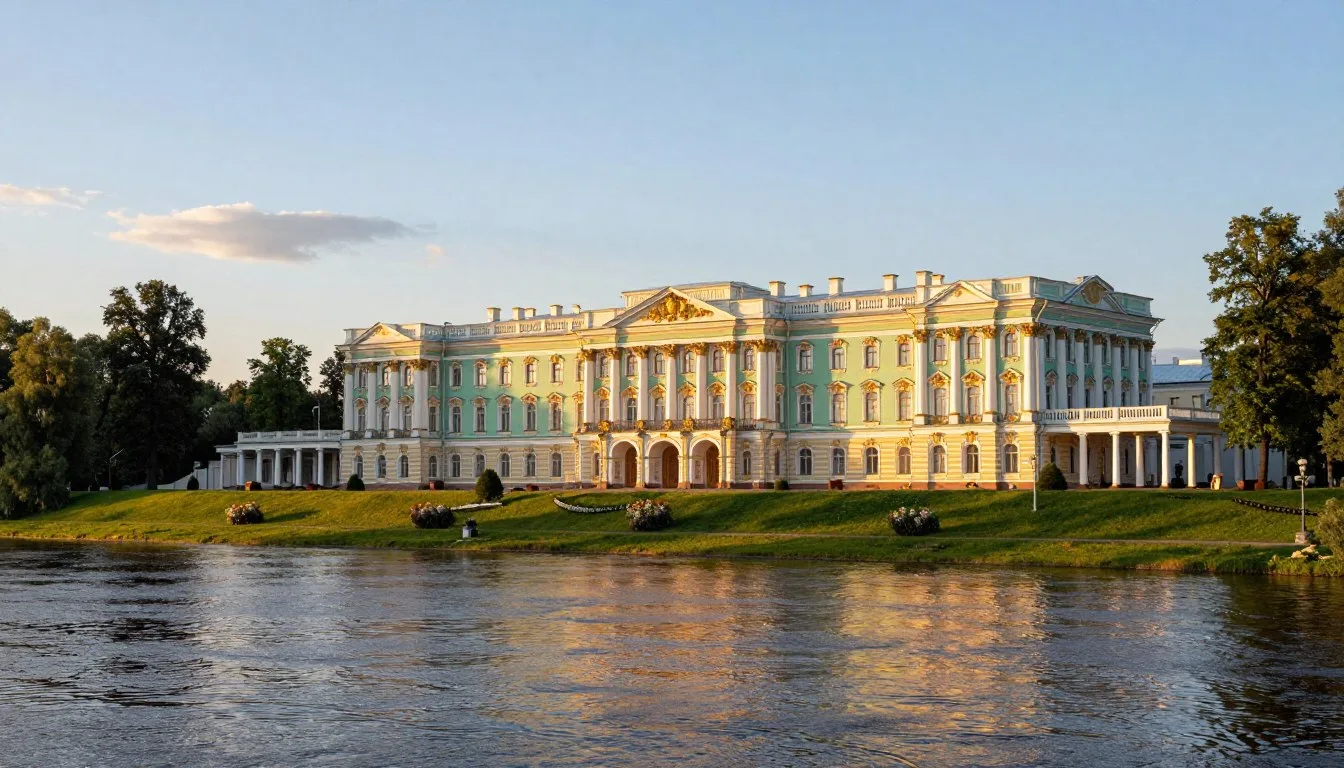
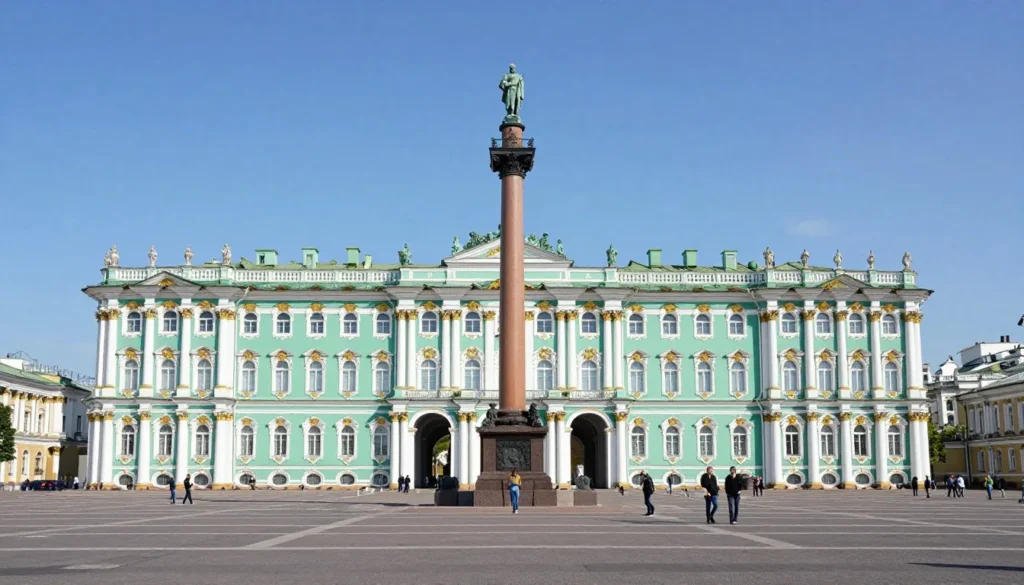
The Hermitage ranks among the world’s greatest museums. Catherine the Great founded this collection in 1764. Today it contains over 3 million items spanning human history. The Winter Palace serves as the main exhibition building. Its baroque architecture alone justifies a visit.
Plan at least half a day for your Hermitage visit. The museum sprawls across six connected buildings. Walking its galleries covers approximately 24 km (15 miles). Visitors could spend weeks exploring everything. Focus on specific interests to avoid overwhelming exhaustion.
Purchase tickets online in advance to skip long entrance lines. The museum opens at 10:30 AM Tuesday through Sunday. It closes on Mondays. Last entry occurs one hour before closing time. Evening hours extend until 9 PM on Wednesdays and Fridays.
The Jordan Staircase greets visitors with breathtaking opulence. Gold leaf covers intricate ceiling decorations. Massive columns support ornate arches. This grand entrance sets expectations for the treasures ahead. Don’t rush past it in eagerness to reach galleries.
The museum contains exceptional collections of Impressionist and Post-Impressionist art. Works by Monet, Renoir, Cézanne, and Van Gogh fill dedicated rooms. The Egyptian collection spans 8,000 years. Classical antiquities include stunning Greek and Roman sculptures. Every civilization seems represented somewhere in these vast halls.
Church of the Savior on Spilled Blood
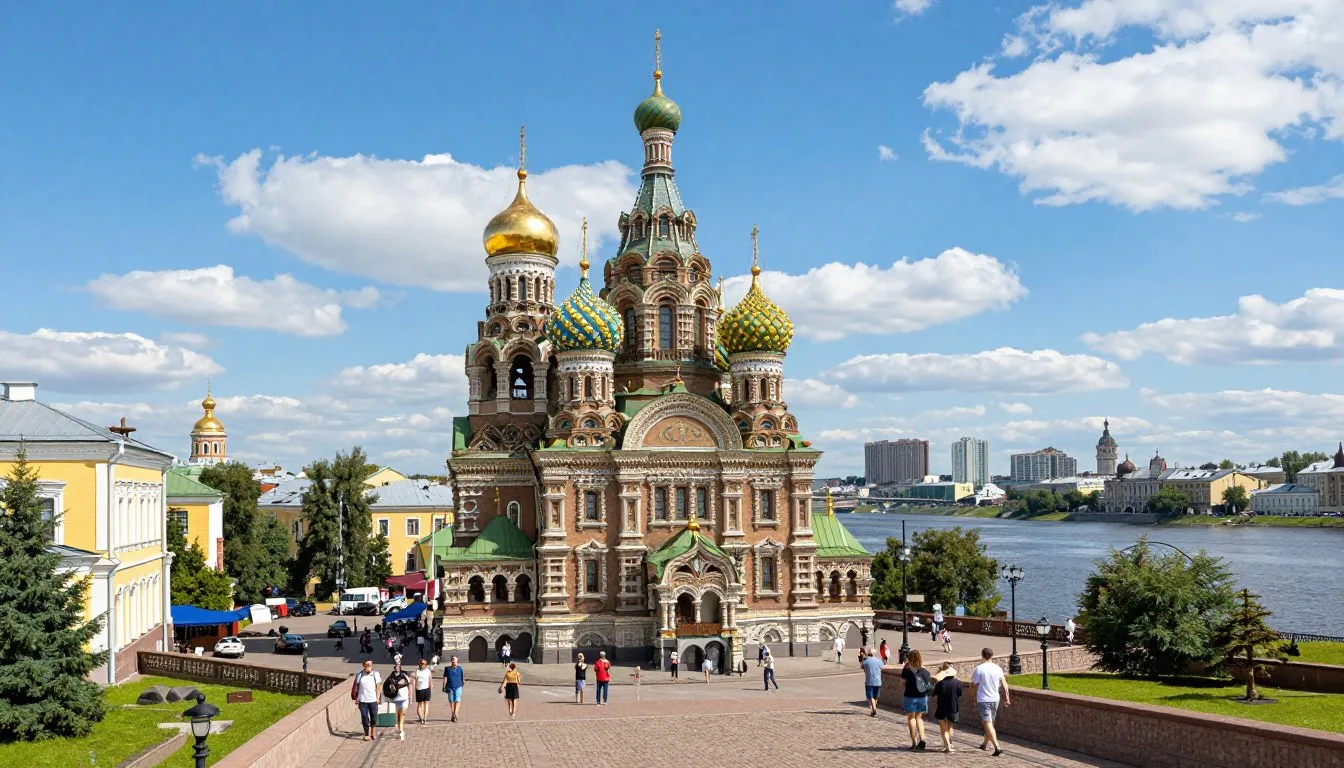
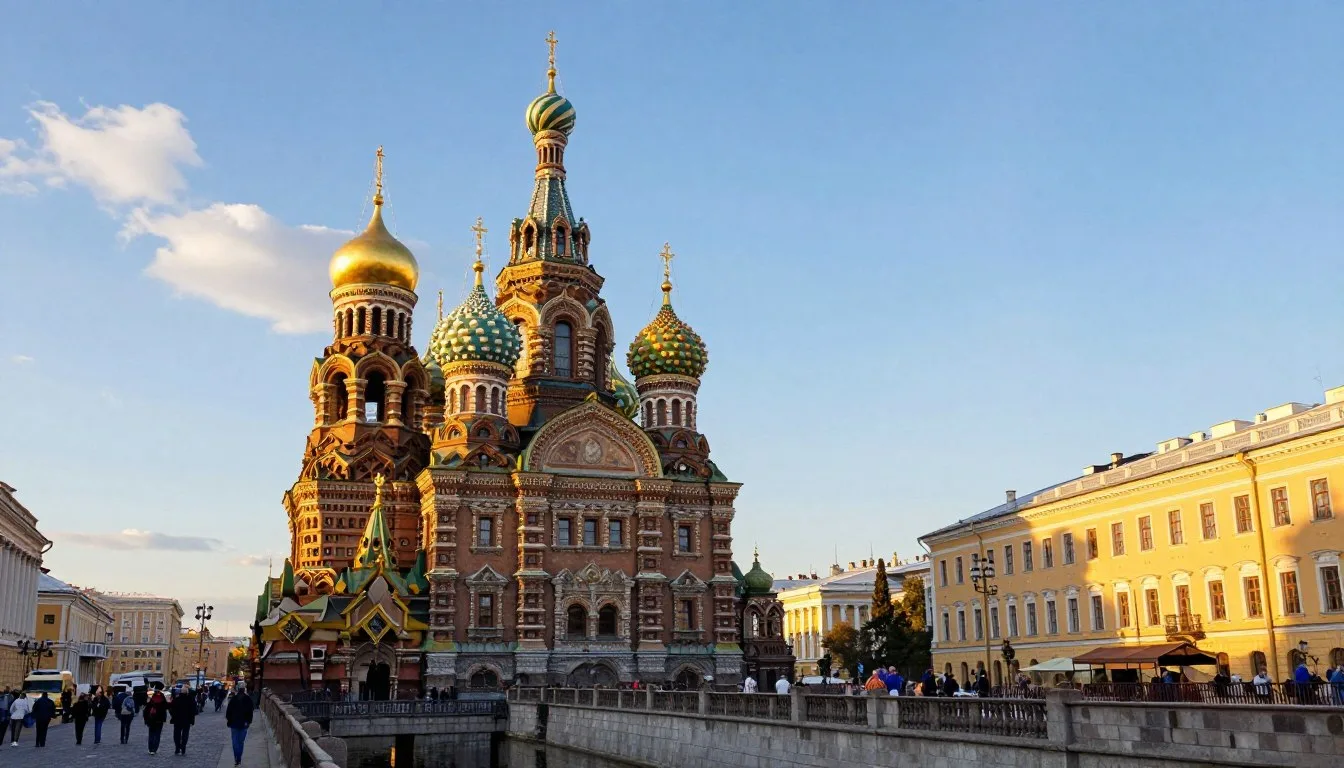
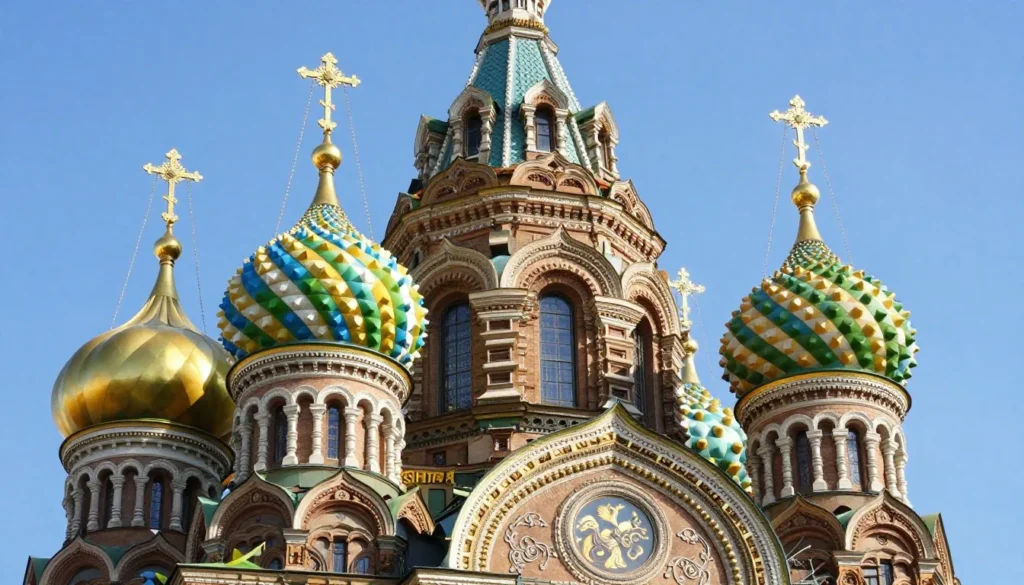
This iconic church defines Saint Petersburg’s skyline. Its colorful onion domes create an unmistakable silhouette. The church stands where Tsar Alexander II was assassinated in 1881. Construction took 24 years to complete. The building opened in 1907.
The exterior features intricate mosaic work covering every surface. Over 7,000 square meters of mosaics decorate the facade. Each dome displays unique patterns and colors. The building represents pure Russian Revival architecture. It deliberately contrasts with the European baroque dominating the rest of the city.
Interior mosaics cover an even larger area than the outside. Biblical scenes rendered in tiny stones create stunning detail. Natural light illuminates the artwork through carefully placed windows. The overall effect overwhelms visitors entering for the first time. Photography is permitted but flash damages delicate mosaics.
The church operates as a museum rather than active place of worship. It opens at 10:30 AM most days. Hours extend until 6 PM in winter and 10:30 PM during white nights. Buy tickets at the entrance or online. Evening visits offer softer light and fewer crowds.
Peter and Paul Fortress
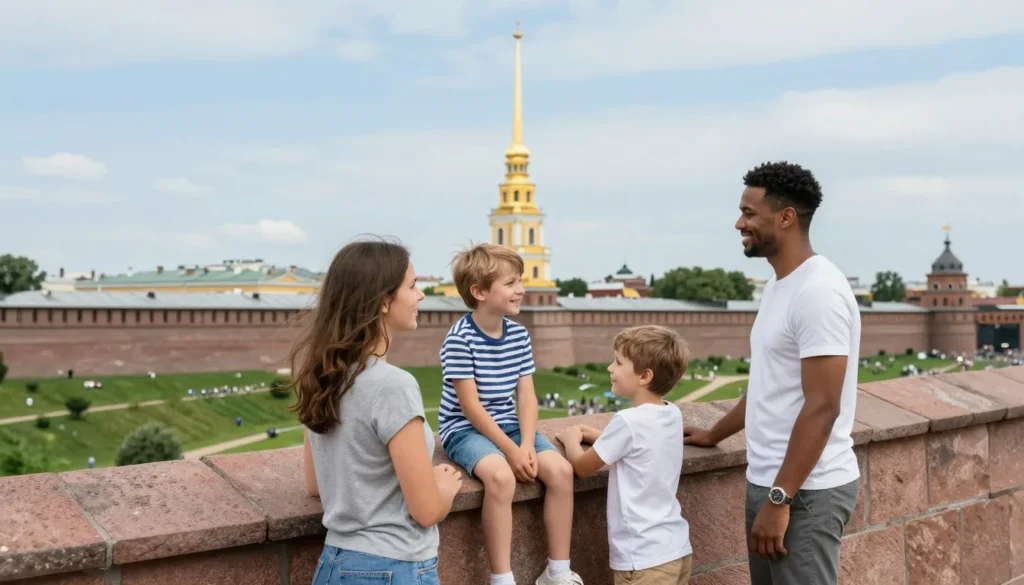
This fortress marks the birthplace of Saint Petersburg. Peter the Great laid its foundation in 1703. The original wooden structures quickly gave way to stone walls. The fortress never saw military action despite its defensive design. Instead, it served as a political prison for over two centuries.
The Peter and Paul Cathedral dominates the fortress complex. Its golden spire soars 122.5 meters (402 feet) high. This landmark remains visible throughout the city. The cathedral contains tombs of Russian tsars from Peter the Great through Nicholas II. Visitors pay respects to centuries of imperial history.
The fortress grounds cover Zayachy Island in the Neva River. Massive stone walls surround parks and historical buildings. The Trubetskoy Bastion housed political prisoners including Dostoyevsky. Cell exhibits recreate harsh conditions prisoners endured. The contrast between beautiful setting and dark history proves striking.
A daily noon cannon fires from the Naryshkin Bastion. This tradition dates back to 1873. The blast signals time across the city. Tourists gather to witness and photograph this event. Arrive a few minutes early to secure a good viewing spot.
Summer months bring beachgoers to the fortress’s sandy shore. Locals sunbathe along the Neva despite cool water temperatures. The beach offers spectacular views of the Hermitage across the river. This unexpected leisure space shows how residents claim historic sites for modern life.
St. Isaac’s Cathedral
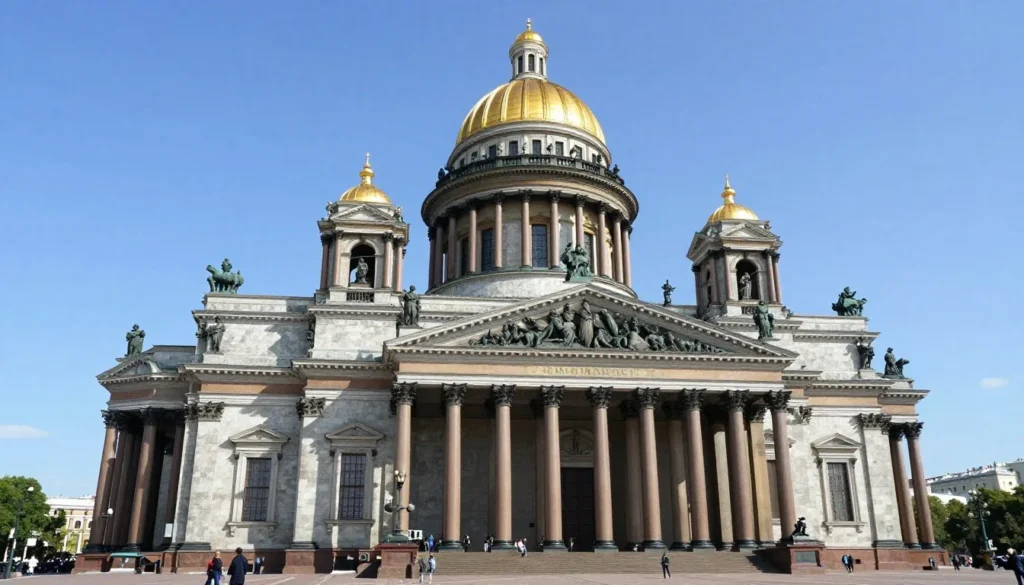
St. Isaac’s Cathedral took 40 years to construct. The massive structure holds up to 14,000 worshippers. Gold leaf covering the dome weighs over 100 kg (220 pounds). The building represents Russian architectural ambition at its peak. French architect Auguste de Montferrand designed this neoclassical masterpiece.
The interior features incredible artworks and decorations. Malachite and lapis lazuli columns support ornate arches. Massive religious paintings cover walls and ceiling. The iconostasis displays stunning craftsmanship. Natural light filters through windows creating ethereal effects.
Climbing the colonnade offers panoramic city views. The ascent involves 262 steps up a narrow spiral staircase. The viewing platform circles the dome exterior at 43 meters (141 feet) height. From here, you see the entire historic center spread before you. The climb challenges but rewards with unforgettable vistas.
The cathedral operates both as museum and active church. Religious services occur regularly. Museum visitors access most areas except during services. Photography is permitted without flash. Evening visits coincide with beautiful golden hour lighting on the gilded dome.
Nevsky Prospekt
This grand avenue forms Saint Petersburg’s main artery. The street stretches 4.5 km (2.8 miles) from the Admiralty to Alexander Nevsky Monastery. Historic buildings line both sides continuously. The street showcases architectural styles from baroque to Art Nouveau. Walking Nevsky Prospekt provides a comprehensive city introduction.
Major attractions cluster along the avenue. The Kazan Cathedral’s colonnade dominates one section. The Anichkov Bridge features famous horse sculptures. Gostiny Dvor shopping arcade has served customers since 1785. Each block reveals new architectural treasures.
Modern commercial life thrives alongside historic grandeur. International brands occupy ground floors of 18th-century buildings. Restaurants and cafés spill onto sidewalks in summer. Street musicians perform at major intersections. The avenue pulses with constant activity day and night.
Griboyedov Canal intersects Nevsky near the Church of the Savior on Spilled Blood. This picturesque waterway lined with historic buildings creates perfect photo opportunities. Small bridges cross at regular intervals. The canal area represents quintessential Saint Petersburg charm.
Peterhof Palace and Gardens
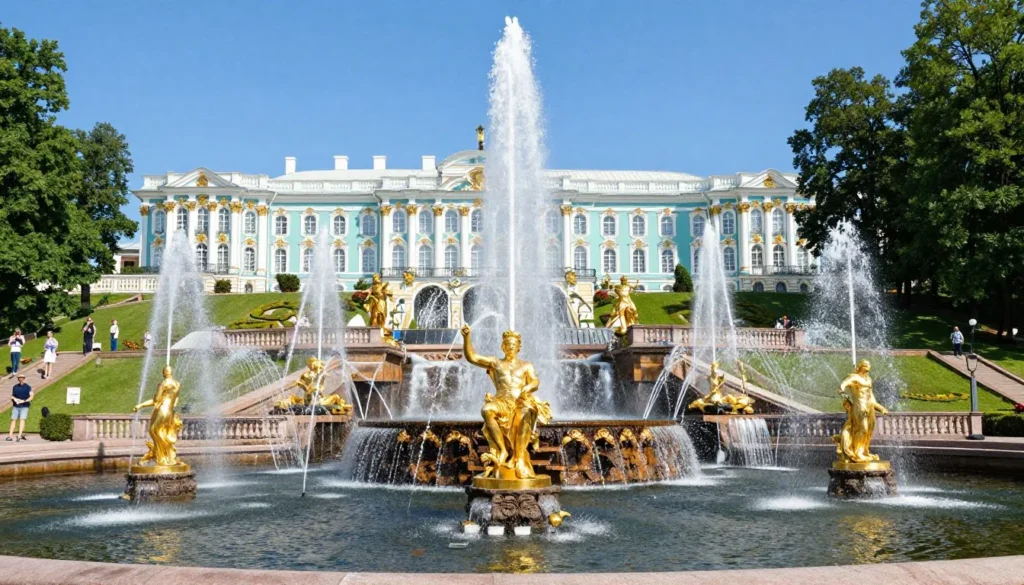
Peterhof served as the summer residence of Russian tsars. Peter the Great modeled it after Versailles. The palace sits 29 km (18 miles) west of the city center. The Grand Cascade and fountains represent the main attraction. Over 150 fountains operate without pumps using natural water pressure.
The Lower Park spreads across 102.5 hectares (253 acres) along the Gulf of Finland. Manicured gardens feature geometric layouts and golden statues. Water features create a magical atmosphere when operational. The palace interiors showcase imperial luxury at its height.
Fountains operate from late May through early September. The opening ceremony in May draws huge crowds. Weekday visits encounter fewer tourists than weekends. Morning arrival allows enjoying quieter moments before tour groups arrive. The park opens at 9 AM during summer season.
Reaching Peterhof by hydrofoil provides the most scenic route. Boats depart from near the Hermitage between May and September. The 40-minute journey offers excellent city views from the water. Return by suburban train or marshrutka minibus for variety. The train takes about an hour including metro connections.
Yusupov Palace
This lesser-known palace offers intimate glimpses into aristocratic life. The Yusupov family wealth rivaled the tsar’s own fortune. Their palace along the Moyka River displays exquisite taste. The private theater seats just 150 people in lavish surroundings. Guided tours reveal fascinating family stories.
The palace gained notoriety as the site of Rasputin’s murder. Special tours focus on this dark historical chapter. The basement rooms where the assassination occurred preserve period details. This macabre attraction fascinates many visitors. Regular palace tours cover the murder story briefly.
Interior rooms showcase various decorative styles. The Moorish drawing room transports visitors to Arabian Nights fantasy. The ballroom glitters with chandeliers and mirrors. The personal chambers reveal how nobility actually lived. Fewer crowds than major palaces allow closer examination of details.
Summer Garden
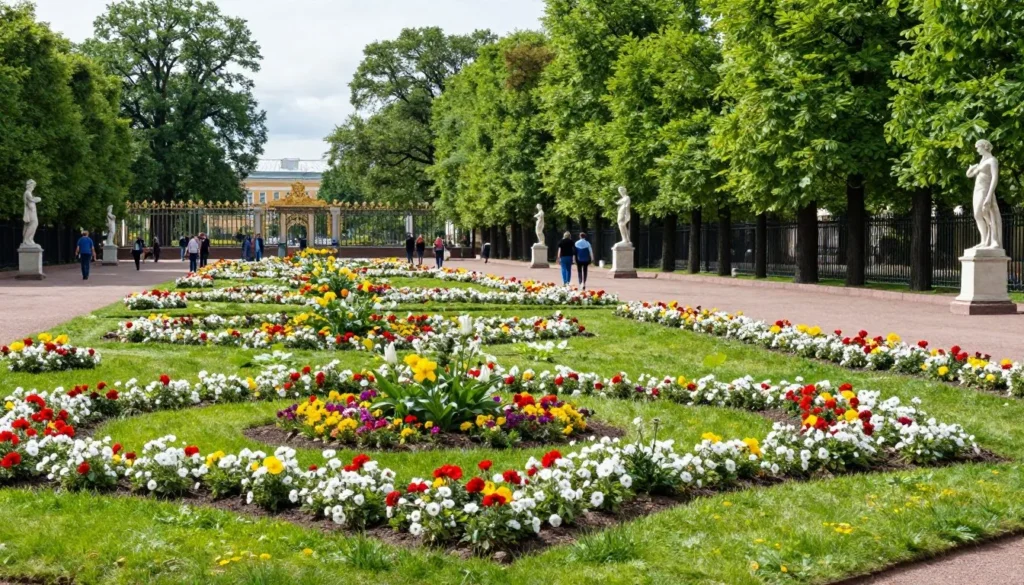
Peter the Great created this formal garden in the French style. Geometric layouts organize flower beds and pathways. Italian marble statues line the main alleys. The garden covers 11.7 hectares (28.9 acres) in the heart of the city. A beautiful iron fence surrounds the entire space.
The garden provides peaceful respite from urban bustle. Locals use it as a park for strolling and relaxing. Children play near the fountains. The mature trees create shaded areas on hot summer days. Spring brings spectacular displays of tulips and other flowers.
The Summer Palace of Peter the Great occupies one corner. This modest two-story building contrasts sharply with later imperial palaces. Its simple elegance reflects Peter’s personal tastes. Original furnishings and decorations survive in remarkable condition. The intimate scale humanizes the legendary tsar.
Free admission makes the Summer Garden accessible to everyone. The garden opens from May through September when weather permits. Winter closure protects delicate landscaping and statues. Early morning visits offer the most tranquil atmosphere. The garden becomes crowded on sunny weekends.
Museums, Cultural Spots & Festivals
The Russian Museum
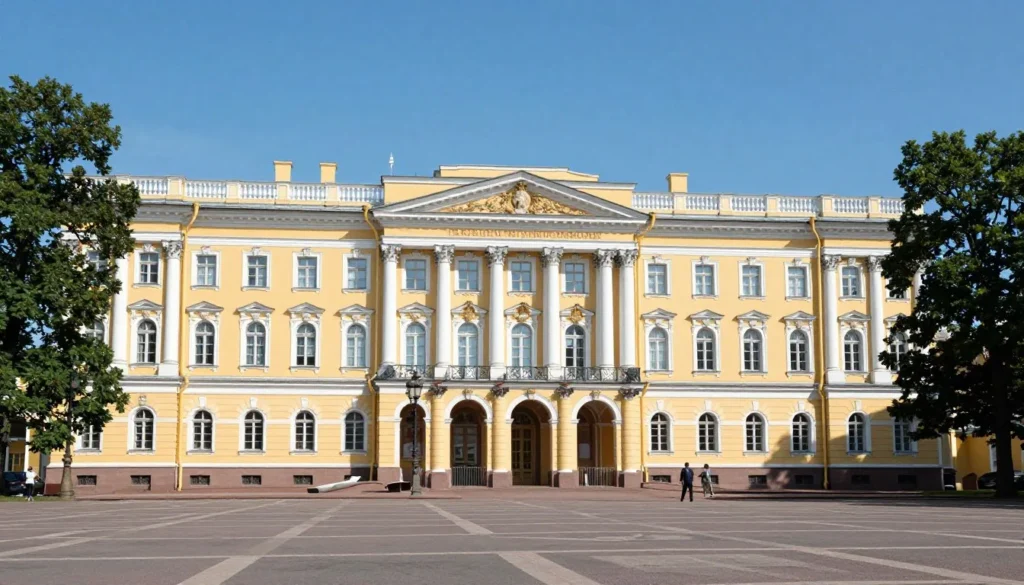
The Russian Museum holds the world’s largest collection of Russian art. Over 400,000 works span a thousand years of artistic development. The main collection occupies the Mikhailovsky Palace. This neoclassical building on Arts Square opened as a museum in 1898. Tsar Alexander III founded the institution to preserve Russian cultural heritage.
Icon paintings from medieval times demonstrate the evolution of this religious art form. The collection includes works by legendary icon painter Andrei Rublev. Later galleries showcase how Russian art absorbed European influences. The 19th-century rooms display masterpieces by Repin, Kramskoy, and Surikov. These monumental historical paintings capture Russian life and struggles.
The avant-garde collection features works by Kandinsky, Malevich, and Chagall. These revolutionary artists changed global art history. Their experimental works created entirely new visual languages. The museum preserves art the Soviet government often suppressed. Seeing these pieces in their homeland provides crucial context.
The museum complex includes three additional historic buildings. The Stroganov Palace, Marble Palace, and Mikhailovsky Castle each deserve visits. A combined ticket grants access to all locations. Each building offers unique architectural interest beyond the art displayed within.
Mariinsky Theatre
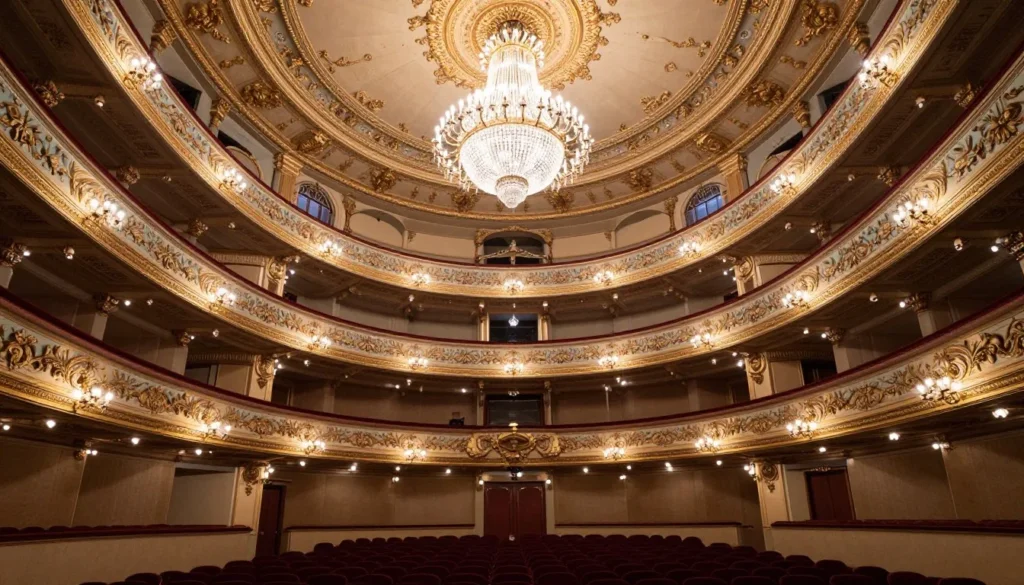
The Mariinsky represents one of Russia’s most prestigious cultural institutions. This historic theater has presented opera and ballet since 1860. The company maintains the highest artistic standards. Performances here rank among the world’s finest. The theater gave legendary dancers like Nijinsky and Nureyev to the world.
The historic building gleams after recent renovation. Blue and gold decorations create an opulent atmosphere. The royal box maintains its imperial grandeur. Simply attending a performance here constitutes a significant cultural experience. Even those indifferent to ballet appreciate the setting.
The repertoire includes Russian classics and international favorites. Swan Lake and The Nutcracker delight audiences year-round. Opera performances feature both Russian and Italian works. The season runs from September through July. The theater closes only during August for maintenance and vacation.
Tickets can be difficult to obtain for popular performances. Book online weeks or months in advance for best seats. Same-day tickets sometimes become available at the box office. Dress codes suggest smart casual at minimum. Many attendees dress formally for this special occasion.
The new Mariinsky II building opened in 2013 nearby. This modern facility offers superior acoustics and sightlines. It supplements rather than replaces the historic hall. Both venues present performances throughout the season. Check carefully which building hosts your selected show.
Fabergé Museum
The Fabergé Museum showcases the legendary jeweler’s masterpieces. Nine imperial Easter eggs form the collection’s crown jewels. These priceless objects represent the height of decorative arts. Each egg contains intricate surprises and mechanisms. Their craftsmanship remains unsurpassed over a century later.
The museum occupies the Shuvalov Palace on the Fontanka River. This restored aristocratic residence provides an appropriate setting. Beyond Fabergé eggs, the collection includes Russian decorative arts and jewelry. Silver objects, enamelwork, and precious stones fill display cases. Each room reveals new treasures.
The museum opened in 2013 after Russian billionaire Viktor Vekselberg repatriated the collection. These eggs had left Russia after the 1917 revolution. Their return represents a significant cultural homecoming. The museum attracts serious collectors and casual visitors alike.
Audio guides provide detailed information about each piece. The commentary reveals hidden details and historical context. Allow at least two hours for a thorough visit. Photography rules prohibit flash but otherwise permit pictures. The gift shop sells high-quality reproductions and books.
Dostoevsky Museum
This museum occupies the apartment where Fyodor Dostoevsky spent his final years. He wrote The Brothers Karamazov here. The rooms preserve the atmosphere of the 1880s. Original furniture and personal items connect visitors to the great writer. His study remains arranged as he left it.
The museum explores Dostoevsky’s life and creative process. Photographs, letters, and manuscripts document his struggles. Interactive displays explain major works and themes. The tour provides literary insight and historical context. Fans of Russian literature find this museum essential.
The location in the Kuznechny Market area reflects Dostoevsky’s modest circumstances. He lived among working-class Saint Petersburg residents. The neighborhood appears in several of his novels. Walking nearby streets brings his descriptions to life. The market he frequented still operates today.
Kunstkamera
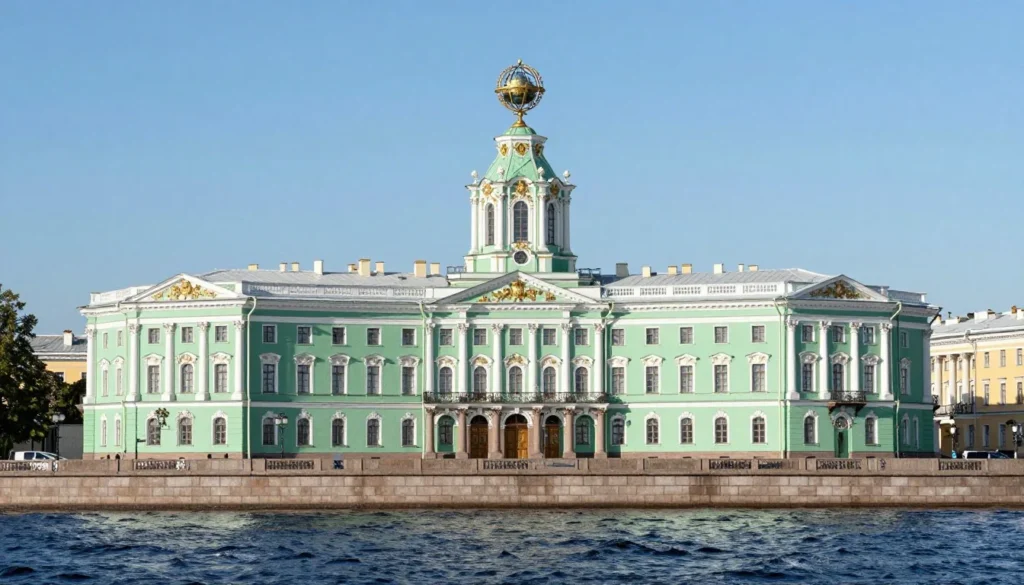
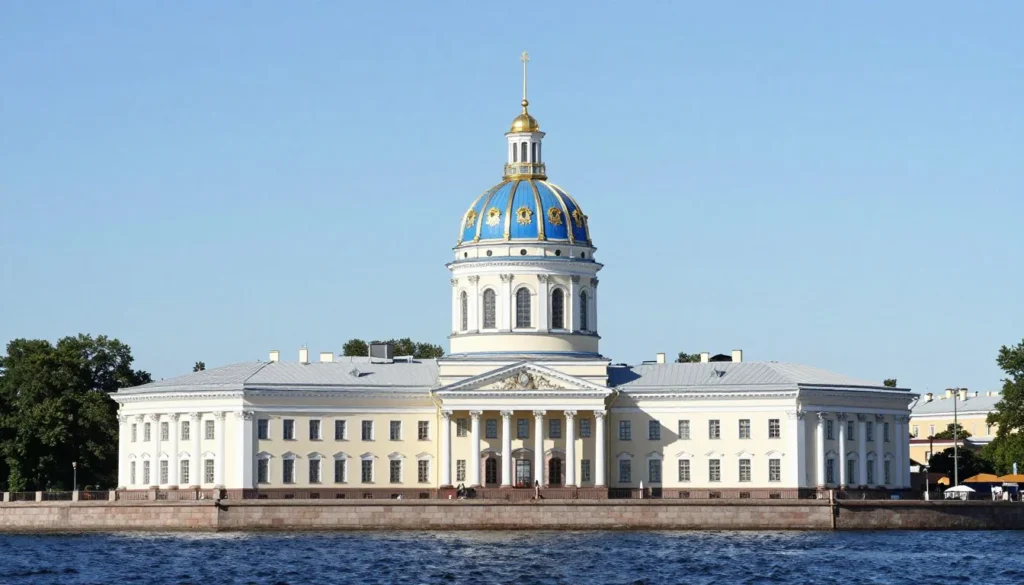
Peter the Great founded Russia’s first museum in 1714. The Kunstkamera houses his collection of curiosities and anatomical specimens. The baroque building sits on Vasilievsky Island overlooking the Neva. Its distinctive green and white tower serves as a neighborhood landmark.
The ethnographic collection documents cultures worldwide. Exhibits showcase artifacts from Asia, Africa, and the Americas. Peter’s original curiosities occupy a special section. Some specimens prove disturbing to sensitive viewers. The collection reflects 18th-century scientific interests.
✓ Check 30,000+ Local Sightseeing Tours Worldwide
The museum tower offers excellent views across the river to the Hermitage. Climbing to the top requires navigating narrow staircases. The effort rewards with panoramic vistas. This free viewpoint rivals expensive observation decks elsewhere. Visit on clear days for best visibility.
Erarta Museum of Contemporary Art
Erarta presents Russia’s largest private museum of contemporary art. The collection spans post-war Soviet art to current works. Five floors display paintings, sculptures, and installations. The museum challenges visitors with thought-provoking pieces. It provides counterpoint to classical art dominating other museums.
The museum actively supports living Russian artists. Rotating exhibitions showcase emerging talents. The permanent collection grows constantly through new acquisitions. Educational programs help visitors understand contemporary art movements. Interactive elements engage those unfamiliar with modern art.
The museum restaurant and shop extend the artistic experience. The building itself demonstrates modern architectural design. Located on Vasilievsky Island away from main tourist areas, it attracts serious art enthusiasts. Metro access makes reaching it straightforward despite the outlying location.
Pushkin Museum
Alexander Pushkin holds legendary status in Russian culture. This museum occupies the apartment where Russia’s greatest poet died in 1837. He lived here with his wife and children. The rooms recreate the 1830s atmosphere with period furnishings. His study displays original manuscripts and books.
The museum explains Pushkin’s final days and the duel that killed him. Personal effects and letters reveal his character and struggles. Audio guides share excerpts from his works. The intimate setting brings the poet’s life into focus. Russian literature students make pilgrimages here.
Several other Pushkin museums exist throughout the city. The main Memorial Museum covers his entire life and work. The Lyceum in Pushkin town shows where he studied as a youth. Dedicated fans can spend days following the poet’s footsteps. Even one museum visit enriches understanding of Russian culture.
Museum of Soviet Arcade Games
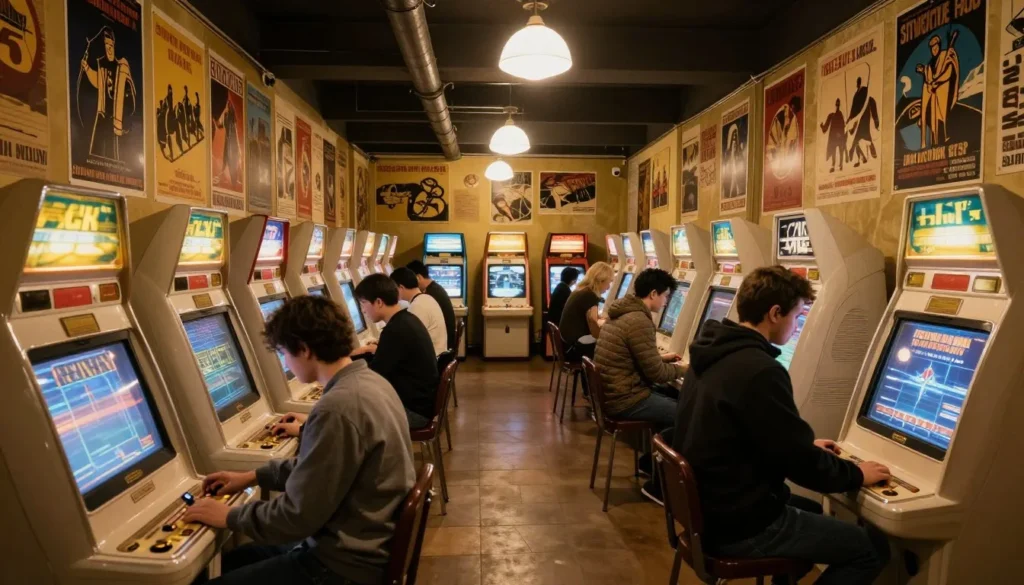
This quirky museum preserves working Soviet-era arcade games. Visitors receive vintage coins to play authentic machines. The games range from simple to surprisingly sophisticated. They reflect Soviet technological achievements and cultural values. Nostalgia draws Russian visitors while foreigners discover unfamiliar gaming history.
The collection includes over 40 playable machines. Shooting games, racing simulations, and sports challenges offer variety. English explanations help international visitors understand each game. The museum occupies a basement space creating an authentic retro atmosphere. It appeals to all ages.
A café serves Soviet-style sodas and snacks. The drinks come from original dispensing machines. This detail-oriented approach extends throughout the museum. The experience provides lighthearted contrast to heavy historical museums. Family groups particularly enjoy this interactive attraction.
Nature & Outdoor Experiences
Catherine Palace and Park
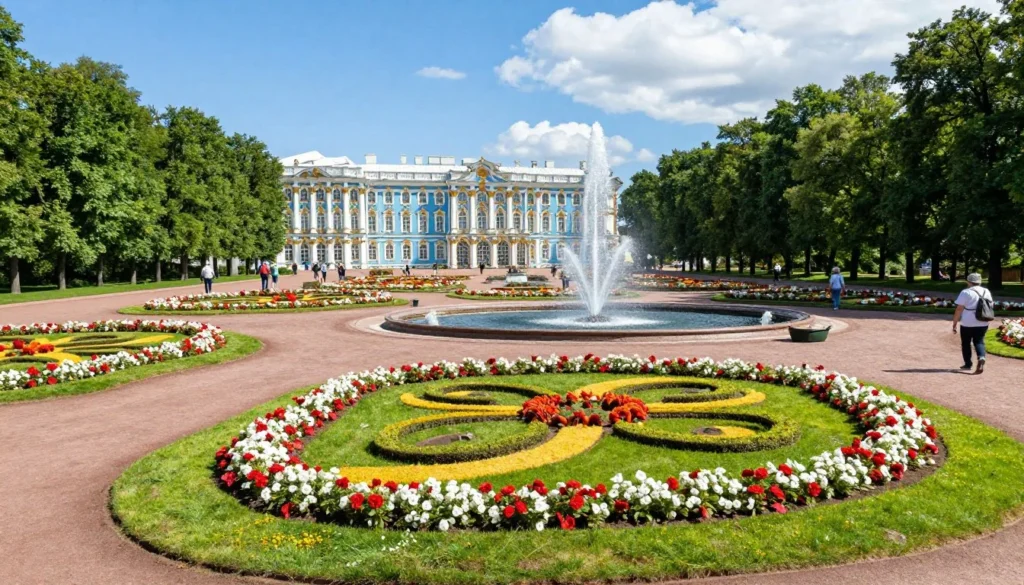
Catherine Palace sits in Pushkin town, 25 km (15.5 miles) south of Saint Petersburg. The baroque palace features a striking blue and gold facade. Its opulence exceeds even Peterhof in some aspects. The Amber Room represents the palace’s most famous attraction. This reconstructed chamber glows with panels of precious amber.
The surrounding park sprawls across 107 hectares (264 acres). Formal gardens near the palace give way to English-style landscape. Artificial lakes, bridges, and pavilions create romantic scenes. Walking paths wind through diverse environments. The park rewards extended exploration beyond the palace itself.
Summer crowds at Catherine Palace can overwhelm visitors. Arrive when doors open at 10 AM or visit late afternoon. Pre-booked tickets skip long entrance lines. Audio guides provide room-by-room commentary. Allow three to four hours for palace and gardens combined.
Reaching Pushkin town involves suburban train or bus from Saint Petersburg. Trains depart from Vitebsk Station regularly. The journey takes about 30 minutes. Local buses complete the trip to the palace gates. Many tourists opt for organized tours including transportation. Independent visits cost less but require more planning.
Oranienbaum
This less-visited palace complex offers a quieter alternative to crowded Peterhof. The palace and park suffered less World War II damage than other imperial estates. Original 18th-century features survive in remarkable condition. The Chinese Palace displays exquisite rococo interiors. The rolling park provides peaceful walking trails.
The complex spreads across multiple buildings and garden areas. The Great Palace overlooks the Gulf of Finland. The Sliding Hill Pavilion once featured an early roller coaster for palace entertainment. The stone structure remains though the slide itself disappeared long ago. Each building demonstrates different architectural styles.
Reaching Oranienbaum requires more effort than other palace trips. Suburban trains run to Oranienbaum station from Baltic Station. The journey takes about an hour. A short walk or local bus completes the trip to the palace gates. The extra effort keeps crowds smaller than neighboring Peterhof.
Kronstadt and the Gulf
Kronstadt occupies Kotlin Island in the Gulf of Finland. This former closed military city opened to tourists in recent decades. The 18-mile dam connecting the island to mainland allowed car access. Historic naval architecture fills the small city. The Naval Cathedral dominates with its imposing dome.
The island’s military history spans three centuries. Peter the Great established a fortress here in 1704. The naval base protected Saint Petersburg from sea attacks. Revolutionary sailors based here influenced both 1905 and 1917 uprisings. Museums document this dramatic history.
The Gulf of Finland offers cool relief during summer heat. Small beaches develop along the southern coast. The water remains quite cold even in July. Hardy locals swim while most visitors prefer walking the shore. Sunset views across the water create memorable scenes.
Islands and Parks
Saint Petersburg’s island geography creates numerous park opportunities. Yelagin Island contains a palace and extensive natural areas. The park attracts joggers, cyclists, and picnickers. Boat rentals operate during summer months. The island provides an escape from urban density just minutes from the center.
Krestovsky Island features a massive park complex. The 77-hectare (190-acre) Maritime Victory Park commemorates WWII sacrifices. Wide paths accommodate joggers and cyclists. A large lake offers rowing and swimming areas. The island also houses Gazprom Arena football stadium.
New Holland Island underwent recent transformation from naval facility to public space. Hip cafes and art spaces occupy restored historic buildings. The central park hosts concerts and markets. This trendy spot attracts young Saint Petersburg residents. The island demonstrates how the city reinvents historic spaces.
Botanical Garden
The Peter the Great Botanical Garden dates to 1714. It ranks among the world’s oldest botanical institutions. The collection includes over 80,000 plant species. Extensive greenhouses maintain tropical and subtropical environments. The outdoor grounds showcase plants that survive Saint Petersburg’s harsh climate.
The palm greenhouse impresses with towering trees and humid atmosphere. This Victorian-era structure creates a jungle environment. The succulent collection displays bizarre plant forms. Each greenhouse maintains different temperature and humidity conditions. Visiting in winter provides welcome warmth and greenery.
The outdoor gardens peak during late spring and summer. Japanese garden areas create peaceful meditation spots. The rose garden blooms spectacularly in June and July. Winding paths encourage leisurely exploration. Bring a picnic to enjoy in designated areas.
Neva River Activities
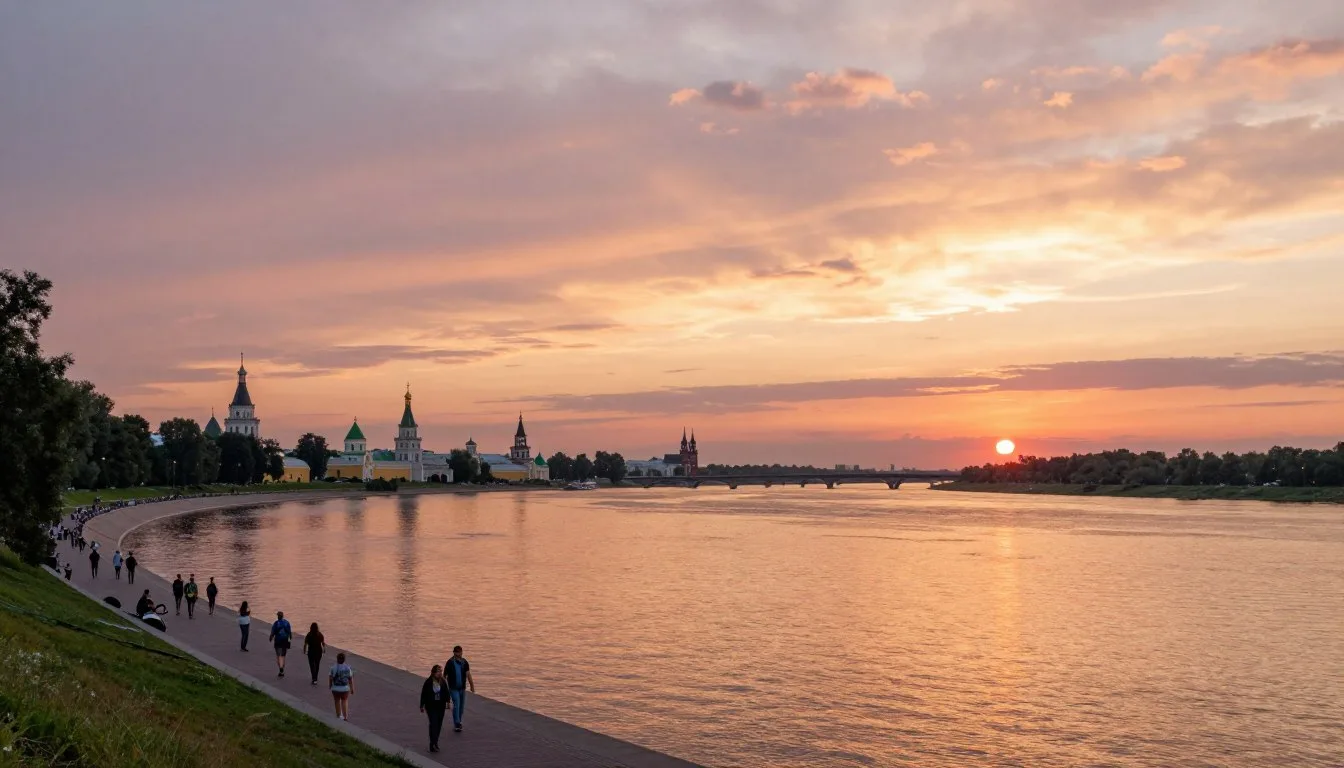
The Neva River flows through the heart of Saint Petersburg. Its wide waters create the city’s defining feature. River cruises range from one-hour sightseeing trips to elaborate dinner journeys. All offer unique perspectives on waterfront architecture. Bridges raising at night during white nights season create spectacular views.
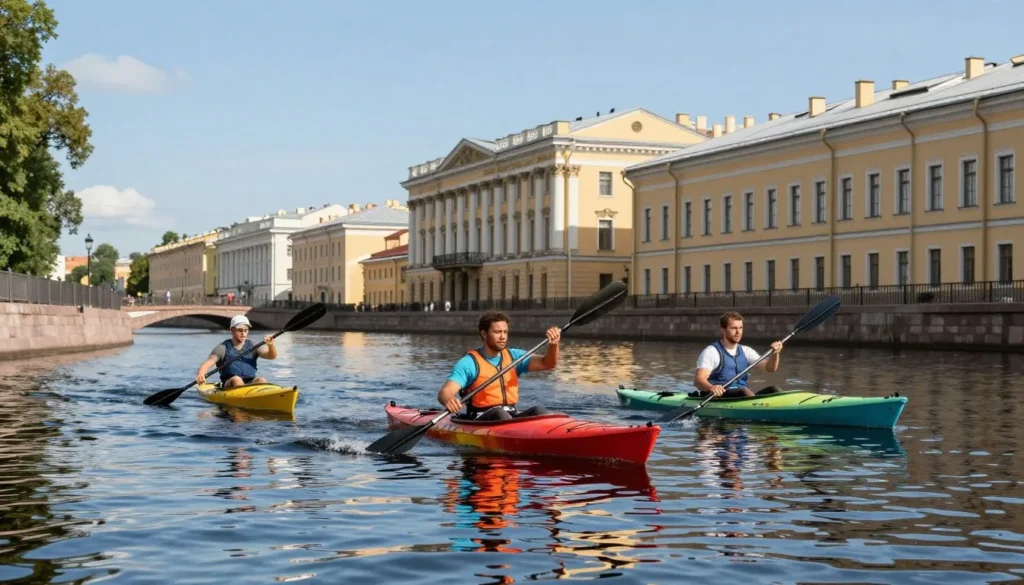
Kayaking and stand-up paddleboarding grow in popularity. Several companies rent equipment and offer guided tours. Paddling the canals provides intimate access to historic areas. The calm waters suit beginners well. Always wear provided life jackets and follow guide instructions.
Fishing in the Neva requires proper permits. Local anglers target perch, pike, and other species. Ice fishing becomes popular during winter months. The river’s brackish water supports diverse fish populations. Check regulations before casting any lines.
Cycling Routes
Saint Petersburg increasingly accommodates cyclists. Dedicated bike lanes appear on major streets. The relatively flat terrain suits casual riders. Many parks offer traffic-free riding opportunities. Bike rental shops operate throughout tourist areas.
The embankments provide scenic cycling routes. Ride along the Neva from the Gulf to the city center. The path offers constant water views and architectural monuments. Weekend mornings see fewer pedestrians blocking the way. Respect pedestrian priority in mixed-use areas.
Organized bike tours combine exercise with sightseeing. English-speaking guides share history and local stories. Tours typically cover 15 to 20 km (9 to 12 miles) over three hours. The moderate pace accommodates varying fitness levels. Advanced riders might find the pace slow but enjoy the commentary.
Travel With Children
Kid-Friendly Attractions
The Grand Maket Russia museum fascinates children and adults alike. This massive model displays Russia from coast to coast in miniature. Trains run on tiny tracks. Cities light up showing day and night cycles. Interactive buttons trigger movements throughout the display. Kids spend hours discovering tiny details.
The Oceanarium introduces marine life from around the world. Touch tanks allow hands-on interaction with sea creatures. Feeding shows entertain throughout the day. The shark tunnel provides thrilling photo opportunities. Educational displays teach ocean conservation. The facility maintains comfortable climate control year-round.
The Museum of Soviet Arcade Games lets kids experience retro entertainment. They receive tokens to play authentic machines. The games prove surprisingly engaging despite simple graphics. Parents enjoy the nostalgia while children discover gaming history. The interactive nature prevents museum fatigue.
Parks and Playgrounds
The Summer Garden offers safe spaces for children to run and play. Wide pathways accommodate strollers easily. Fountains fascinate young visitors. The garden’s compact size prevents kids from wandering too far. Parents relax while children explore within view.
Victory Park on Krestovsky Island provides extensive play areas. Modern playgrounds feature safe equipment for various ages. The park’s size allows energetic kids to burn energy. Bring bikes or scooters for extra fun. Food kiosks sell snacks and ice cream.
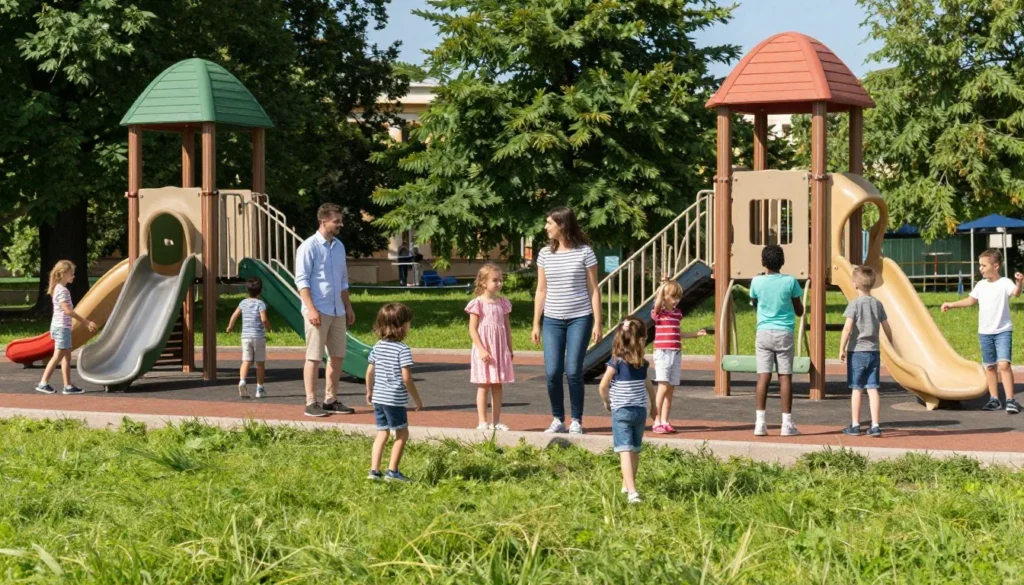
Saint Petersburg’s islands contain numerous neighborhood playgrounds. These smaller parks serve local families. Equipment meets international safety standards. The playgrounds offer authentic glimpses of Russian family life. Kids make international friends despite language barriers.
Family-Friendly Restaurants
Marketplace at Four Seasons welcomes families despite upscale atmosphere. The children’s menu offers familiar favorites prepared with quality ingredients. High chairs and kids’ entertainment keep little ones occupied. Weekend brunch particularly suits family schedules. Prices reflect the luxury setting.
Chain restaurants like Teremok provide reliable kid-friendly options. The Russian fast food appeals to adventurous young eaters. Familiar menu structure reduces ordering stress. Multiple locations make finding one convenient. Prices stay very reasonable for family meals.
Many Georgian restaurants cater well to families. The cuisine offers mild options alongside spicier dishes. The family-style serving encourages sharing. Khachapuri cheese bread delights most children. The welcoming atmosphere tolerates normal kid behavior.
Practical Tips for Parents
Public transportation challenges families with strollers. Many metro stations lack elevators. Bus steps require lifting strollers aboard. Plan routes carefully to minimize transfers. Taxis provide easier transportation despite higher costs.
Changing facilities vary widely in availability and cleanliness. Major museums and modern shopping centers offer good facilities. Carry necessary supplies for emergencies. Restaurant bathrooms often lack changing tables. Many parents improvise in available spaces.
Russian culture generally welcomes children in public spaces. Locals often show kindness to foreign families. However, noisy children in museums draw disapproving looks. Balance cultural experiences with active play time. Alternate quiet activities with energetic ones.
Parent Advisory: Pack layers for unpredictable weather. Children’s tolerance for cold surprises many parents. Bring snacks and water for museum visits. Lines and security checks prevent easy exits for food. Familiar treats help during challenging moments.
Educational Opportunities
The Hermitage offers special children’s programs during summer. Art workshops teach traditional techniques. Scavenger hunts make gallery exploration fun. The programs require advance booking and fill quickly. Check the museum website before your trip.
The Peter and Paul Fortress brings history to life dramatically. Kids enjoy exploring the ramparts and bastions. The noon cannon firing creates excitement. Prison cells provide tangible connection to historical events. The open spaces allow running between indoor exhibitions.
River cruises engage kids while covering major sights. The changing perspectives maintain interest. Many boats offer child-friendly commentary. The contained environment prevents wandering off. One-hour cruises suit most children’s attention spans.
Money Saving Tips
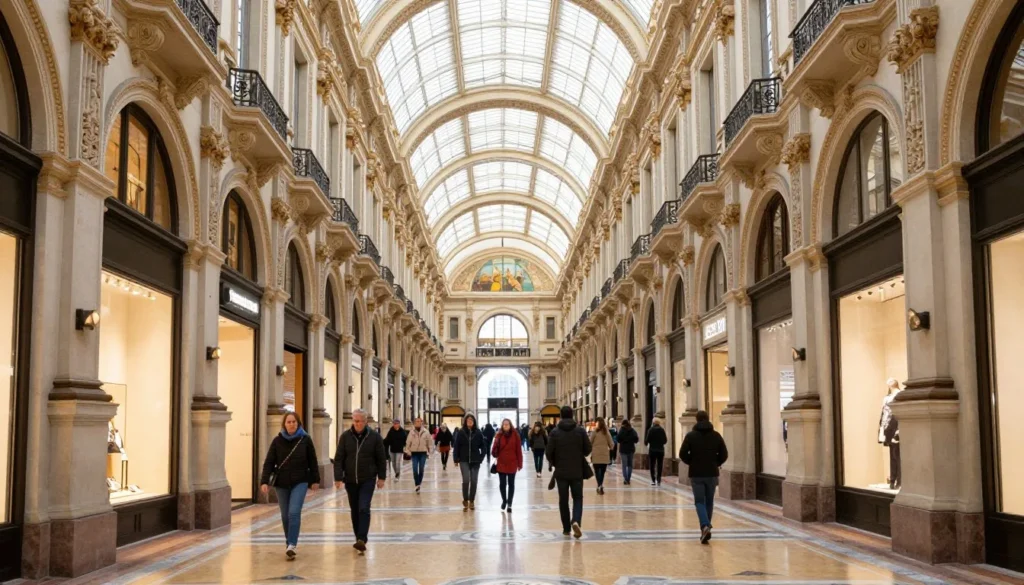
Free Attractions
Many of Saint Petersburg’s most beautiful sights cost nothing to visit. Walking Nevsky Prospekt provides constant visual entertainment. The streets themselves showcase architectural masterpieces. Churches often allow free entry outside service times. Palace Square and Senate Square offer magnificent settings without admission fees.
The Summer Garden charges no entrance fee during operating season. This oasis in the city center provides hours of free enjoyment. The gardens along the Fontanka and other canals create beautiful walking routes. Bridge watching during white nights costs nothing but delivers magical memories.
Several museums offer free admission on specific days monthly. The Hermitage allows free entry the first Thursday of each month. The Russian Museum designates one day monthly for free visits. Check museum websites for current schedules. Expect larger crowds on free days but the savings prove significant.
Budget Accommodation
Hostel beds start around 800 rubles per night. Many hostels offer private rooms at prices below budget hotels. The social atmosphere helps solo travelers meet others. Shared kitchens allow self-catering to save on meals. Location affects prices with central hostels costing more.
Apartments rented for weeks cost less per night than short stays. Consider longer visits to access better rates. Off-season prices drop dramatically from peak summer rates. November through March sees the deepest discounts. Cold weather challenges offset the financial savings.
Hotels in outlying districts charge much less than central locations. The metro makes these areas perfectly accessible. Research metro routes before booking to ensure convenient connections. The money saved on accommodation funds more experiences and better meals.
Transportation Savings
Metro tokens bought in bulk cost less per ride. A stored-value card offers additional discounts. The unlimited-ride cards provide best value for tourists. Three-day and week-long options suit different trip lengths. The cards work on buses and trolleybuses too.
Walking saves money while providing the best city experience. Most central attractions sit within reasonable walking distance. Comfortable shoes prove essential for this approach. The exercise and discoveries along the way add value beyond transportation savings.
Marshrutka minibuses cost slightly more than regular buses but offer faster service. These private vehicles follow fixed routes like buses. They stop anywhere along the route on request. The time saved can justify minimal extra cost. Learn key phrases to request stops.
Dining on a Budget
Lunch specials at restaurants offer the same food as dinner for less money. Business lunches typically include soup, main course, and drink. The fixed menus cost 300 to 500 rubles for complete meals. Quality restaurants participate in this tradition. Time your main meal for midday savings.
Supermarkets sell prepared foods at fraction of restaurant prices. The deli sections offer salads, main dishes, and sides. Many stores have seating areas for immediate consumption. The quality ranges from basic to surprisingly good. Shopping at markets saves even more money.
Pyshechnaya donut shops provide filling snacks for pennies. These fried dough treats cost less than 50 rubles. Coffee or tea adds minimal expense. Several locations exist throughout the city. Locals line up proving the enduring appeal of simple pleasures.
Museum Discounts
Students with valid international cards receive reduced museum admission. Bring identification proving student status. The savings add up across multiple museum visits. Some museums offer youth discounts without student cards. Always ask about available discounts at ticket windows.
Combined tickets covering multiple sites cost less than individual admissions. The Russian Museum complex ticket saves money for visiting all locations. Similar deals exist for other museum groups. Calculate whether combined tickets match your planned visits. Don’t buy more access than you’ll actually use.
Photography fees add unnecessary expense at many museums. Most visitors never look at museum photos after trips. Postcard images usually exceed amateur photographs in quality. Save money by skipping photo tickets. Focus on experiencing rather than documenting everything.
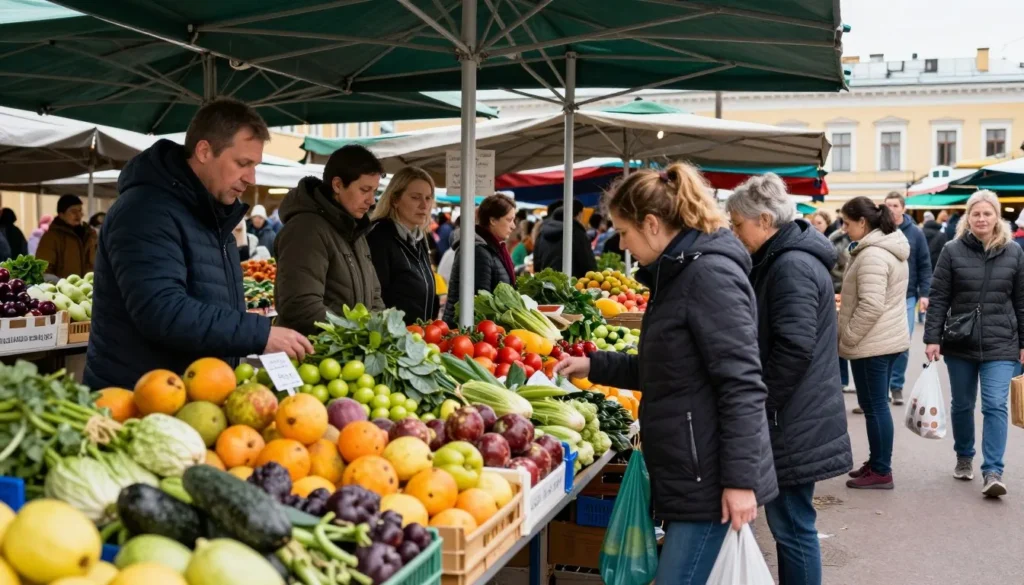
Entertainment Savings
Theatre tickets for afternoon performances cost significantly less than evening shows. The artistic quality remains identical. Students and seniors qualify for additional discounts. Rush tickets sometimes become available shortly before curtain time. The gamble might reward patient budget travelers.
Free concerts occur throughout summer in parks and public spaces. These outdoor performances range from classical to contemporary. The quality varies but costs nothing to sample. Check tourist information offices for current schedules. The atmosphere often surpasses formal concert halls.
Street performers provide entertainment along Nevsky Prospekt and major squares. Musicians, dancers, and artists showcase talents for tips. Contributing small amounts supports local culture. The informal performances capture authentic city spirit. Some artists display remarkable skill levels.
Shopping Smart
Souvenirs from tourist areas carry inflated prices. The same matryoshka dolls cost half as much at local markets. Gostiny Dvor offers decent prices with more selection than street vendors. Bargaining isn’t customary in Russian shops. Comparing prices across vendors reveals fair market rates.
Russian chocolate and candy make excellent inexpensive gifts. Supermarket prices beat specialty shops significantly. The quality of Russian chocolate surprises many first-time buyers. Buy supplies at neighborhood stores rather than tourist shops. The savings fund treating yourself to premium items elsewhere.
Currency exchange rates vary substantially between providers. Airport and hotel exchanges offer the worst rates. Banks and official exchange offices provide better deals. Compare rates at multiple locations before changing money. Withdraw from ATMs for best rates but watch for fees.
Safety & Local Customs
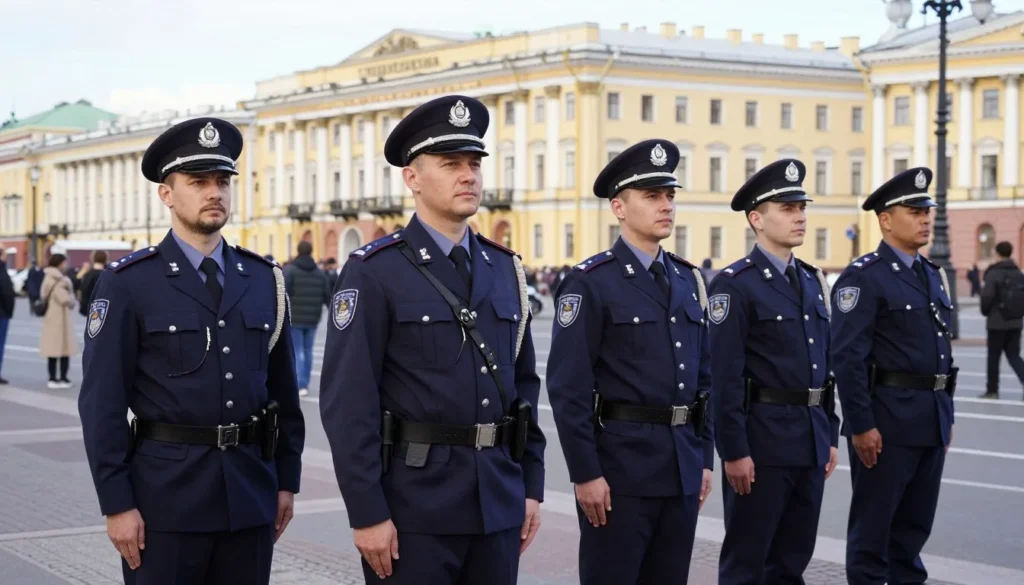
General Safety
Saint Petersburg ranks as relatively safe for tourists. Violent crime against visitors remains rare. Petty theft and pickpocketing pose the main concerns. Exercise normal urban caution with valuables and belongings. Awareness prevents most problems before they occur.
Tourist areas attract pickpockets and scam artists. Keep wallets in front pockets or secure bags. Don’t display expensive jewelry, cameras, or phones carelessly. The metro during rush hours creates ideal conditions for thieves. Stay alert in crowded situations.
Avoid walking alone late at night in unfamiliar areas. Stick to well-lit main streets. Groups provide safety through numbers. Excessive alcohol consumption makes tourists vulnerable to various problems. Moderation protects against bad decisions and targeting.
Common Scams
Unofficial taxi drivers at airports and stations overcharge dramatically. Some operate rigged meters or claim meters broke. Agree on prices before entering vehicles. Better yet, use official taxis or ride-sharing apps. The premium for legitimate service proves worthwhile.
Currency exchange scams target tourists regularly. Some operations use sleight of hand to short-change customers. Count money carefully before leaving exchange windows. Use bank ATMs or official exchange offices. The convenience of street changers comes with serious risks.
✓ Check 30,000+ Local Sightseeing Tours Worldwide
Restaurant bill padding occurs occasionally at tourist-heavy establishments. Some add items never ordered or inflate quantities. Review bills carefully before paying. Question discrepancies immediately. Insist on itemized receipts showing what you ordered. Honest mistakes happen but vigilance prevents intentional overcharges.
Registration Requirements
All foreign visitors must register their place of stay within seven business days. Hotels handle this automatically as part of check-in. Private apartment renters must visit migration offices themselves. Landlords sometimes help but responsibility ultimately falls on visitors.
Keep registration documents with your passport and visa. Police occasionally check these papers. Missing registration results in fines and potential deportation. The bureaucratic process frustrates many visitors. Budget extra time for dealing with registration at apartments.
Migration cards received at entry must be preserved throughout your stay. These small forms prove your legal entry. Hotels request them at check-in. You’ll need them when departing Russia. Lost migration cards create serious problems. Keep them as safe as your passport.
Important Legal Requirement: Losing your migration card requires filing police reports and getting replacement documents. This process consumes several days and involves multiple government offices. Photocopy or photograph your migration card immediately upon receiving it. Store the copy separately from the original.
Cultural Etiquette
Russians value personal space and privacy. They tend to seem reserved with strangers initially. Don’t interpret this as unfriendliness. Once relationships develop, warmth emerges. Small talk with strangers occurs less than in American culture.
Smiling at strangers appears odd to Russians. Service workers often seem stern or unfriendly by American standards. This represents cultural difference rather than rudeness. Don’t take neutral expressions personally. Focus on the actual service quality rather than facial expressions.
Dress codes tend toward formal in cities. Russians notice appearance and judge accordingly. Business casual represents minimum standard for restaurants and theaters. Athletic wear belongs in gyms and parks only. Making effort with appearance shows respect for occasions and other people.
Religious Sites
Churches expect modest dress regardless of tourist status. Women should cover heads with scarves in Orthodox churches. Men must remove hats upon entering. Shorts and bare shoulders offend religious sensibilities. Keep knees and shoulders covered when visiting religious buildings.
Photography rules vary by church. Many prohibit pictures during services. Flash photography damages delicate icons and frescoes. Ask permission before photographing. Respect any restrictions posted or announced. Religious sites deserve reverence beyond tourist curiosity.
Behavior should remain subdued in churches. Loud conversations disturb worshippers. Phones should be silenced completely. Cross yourself at appropriate times if comfortable doing so. Otherwise, stand respectfully during services. Remember these are active places of worship, not merely museums.
Drinking Culture
Vodka plays a significant role in Russian culture. Social drinking follows specific traditions and toasts. Refusing drinks can seem rude in certain contexts. Explaining you don’t drink alcohol usually brings acceptance. Moderation prevents problems even if locals drink heavily.
Public drinking laws restrict alcohol consumption in certain areas. Parks and public transport prohibit open containers. Police enforce these rules selectively but foreigners make easy targets. Fines and police interactions waste vacation time. Drink in designated areas like restaurant patios and bars.
Russian beer and wine quality has improved dramatically in recent years. Don’t assume vodka represents the only option. Georgian wines offer excellent alternatives. Craft beer scenes thrive in major cities. Explore beyond stereotypes for better drinking experiences.
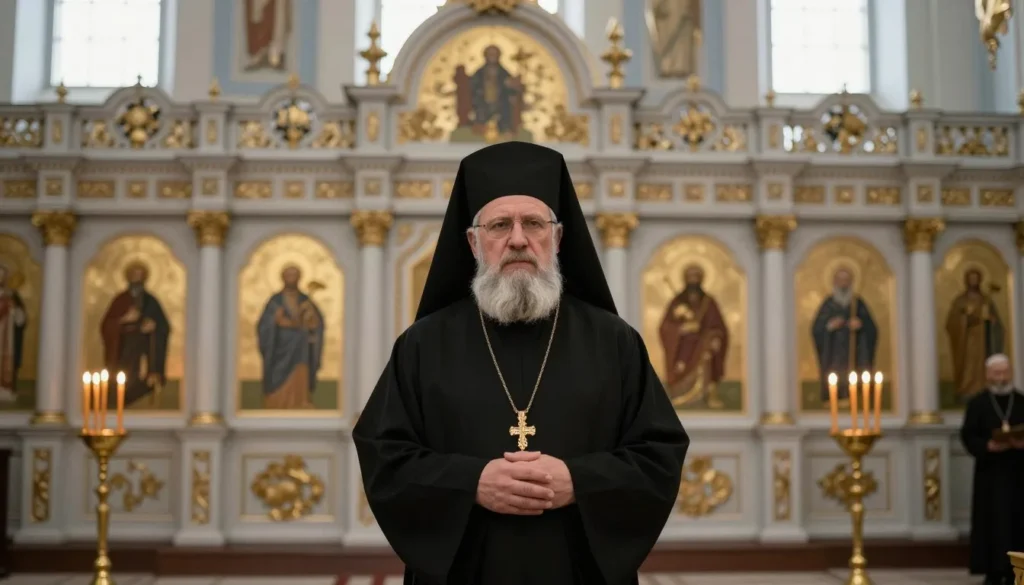
Emergency Contacts
The general emergency number in Russia is 112. This connects to operators who hopefully speak English. Ambulance services use 103. Police respond to 102 calls. Fire department uses 101. Save these numbers in your phone immediately upon arrival.
The US Embassy in Saint Petersburg maintains a consular section for American citizens. The emergency line operates 24 hours: +7 812 331-2600. Register with the Smart Traveler Enrollment Program before traveling. This allows embassy contact during emergencies. Keep embassy contact information accessible.
Tourist police units operate in major visitor areas. They supposedly speak multiple languages. In reality, English proficiency varies considerably. Having key phrases written in Russian helps communication. Hotel staff can help contact appropriate authorities if problems arise.
Health and Medical
Tap water in Saint Petersburg should not be consumed. The parasite giardia exists in the water system. Bottled water costs little and prevents unpleasant illness. Use bottled water for brushing teeth too. Ice in drinks may use tap water – ask if concerned.
International health insurance becomes essential for travel in Russia. Local medical care costs vary dramatically in quality. Western-standard clinics charge high fees. Basic state facilities offer minimal service. Verify your insurance covers international medical evacuation if needed.
Pharmacies called “Apteka” sell many medications. Some require prescriptions while others don’t. Bring adequate supplies of prescription medicines. Generic names help if you need replacements. Language barriers complicate pharmacy visits – bring medicine packaging showing generic names.
Visitor Comments About Saint Petersburg
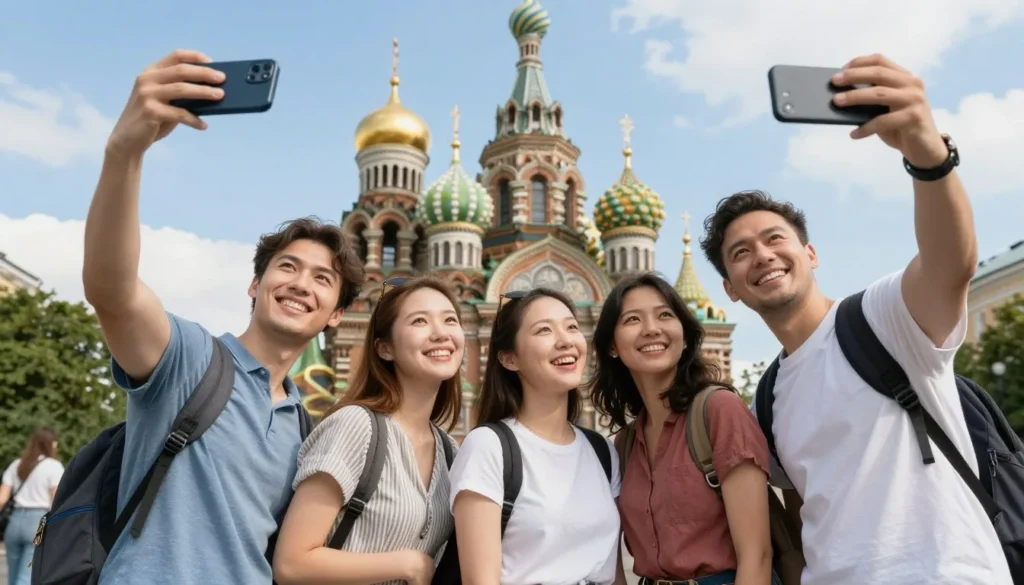
“Saint Petersburg exceeded all my expectations. The Hermitage alone justified the entire trip, but every street revealed new architectural treasures. The city feels more European than Russian in many ways. I spent hours just wandering and photographing beautiful buildings. The white nights created an almost magical atmosphere. I can’t wait to return and explore more thoroughly.”
“The visa process worried me initially, but everything worked smoothly. The city itself felt safe and welcoming despite language barriers. I took a river cruise that provided excellent orientation to the layout. The metro system impressed me with its palatial stations. Food proved better and more varied than expected. Russian cuisine deserves more recognition. My only regret was not planning a longer stay to see everything properly.”
“Visiting Saint Petersburg during winter brought challenges but also unique rewards. The snow-covered palaces looked like fairy tale illustrations. Crowds were minimal at major attractions. The cold reached extreme levels some days, so proper clothing was essential. I saw the Hermitage, attended a ballet at the Mariinsky, and explored countless churches. The Russian people showed surprising warmth once initial reserve melted. This remarkable city offers completely different experiences across seasons.”
Additional Nearby Destinations
Novgorod the Great
This ancient city predates Saint Petersburg by eight centuries. Novgorod played a crucial role in medieval Russian history. The kremlin fortress preserves remarkable architecture. Saint Sophia Cathedral dates to 1050 and remains active. The city sits 190 km (118 miles) southeast of Saint Petersburg. Day trips prove feasible but overnight stays allow fuller exploration.
The Museum of Wooden Architecture showcases traditional Russian buildings. Ancient structures were relocated here for preservation. Visitors walk through centuries-old homes and churches. The outdoor museum brings medieval village life into focus. The peaceful setting contrasts dramatically with urban Saint Petersburg.
Trains connect the cities in about three hours. Buses take longer but cost less. Several companies offer organized day trips. Independent travelers find navigating Novgorod straightforward. The smaller scale makes walking the primary transportation. The trip enriches understanding of Russian history significantly.
Vyborg
This border town near Finland preserves medieval character. Swedish and Finnish influences create an atmosphere distinct from Russian cities. The 13th-century castle dominates the old town. Narrow cobblestone streets wind between historic buildings. Cafés and shops occupy restored structures.
The town sits 130 km (81 miles) northwest of Saint Petersburg. Trains make the journey in about two hours. The proximity to Finland makes Vyborg popular with both Russians and Finns. Market days bring vendors selling Finnish and Russian goods. The mixed cultural influences appear in architecture and cuisine.
Vyborg works well as a day trip from Saint Petersburg. The compact old town covers easily in several hours. The castle museum documents the region’s complex history. Waterfront walks provide scenic relaxation. Small restaurants serve local specialties. The trip offers a glimpse of Russia’s western frontier.
Helsinki, Finland
The Finnish capital lies just 300 km (186 miles) northwest. High-speed trains connect the cities in 3.5 hours. Day trips prove ambitious but feasible for energetic travelers. Overnight stays allow proper exploration. Helsinki offers completely different architectural and cultural experiences.
Finnish design contrasts sharply with Russian imperial opulence. Clean lines and functional beauty define Helsinki’s aesthetic. The compact city center walks easily. Waterfront location provides constant maritime atmosphere. Markets sell Nordic foods and crafts. The combination creates a trip of contrasts.
Many travelers combine Saint Petersburg and Helsinki in one journey. Spending several days in each city creates cultural immersion. The train journey itself offers scenic views. Border crossing procedures run smoothly with proper documentation. This combination maximizes limited vacation time in Northern Europe.
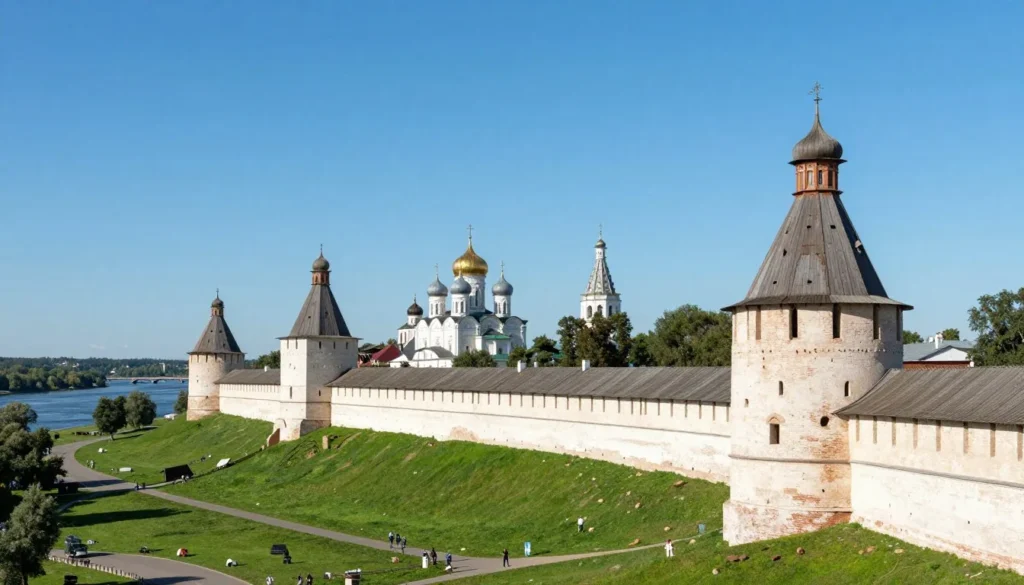
Pskov
This ancient fortress city sits 280 km (174 miles) south of Saint Petersburg. The kremlin overlooks the confluence of two rivers. Medieval churches display distinctive architectural styles. Pskov escaped Mongol invasion making it unique in Russian history. The city preserves an authentic medieval atmosphere.
The journey takes about four hours by train. Most visitors require an overnight stay given the distance. The slower pace of life contrasts dramatically with Saint Petersburg. Locals seem surprised by foreign tourists. English speakers prove rare making translation apps essential. The experience rewards adventurous travelers seeking authentic Russia.
Trinity Cathedral anchors the kremlin complex. This massive white structure has served Pskov for centuries. The iconostasis displays priceless religious art. Climbing the bell tower provides panoramic views. The surrounding old town contains numerous smaller churches. Each demonstrates the local architectural tradition.
Staraya Ladoga
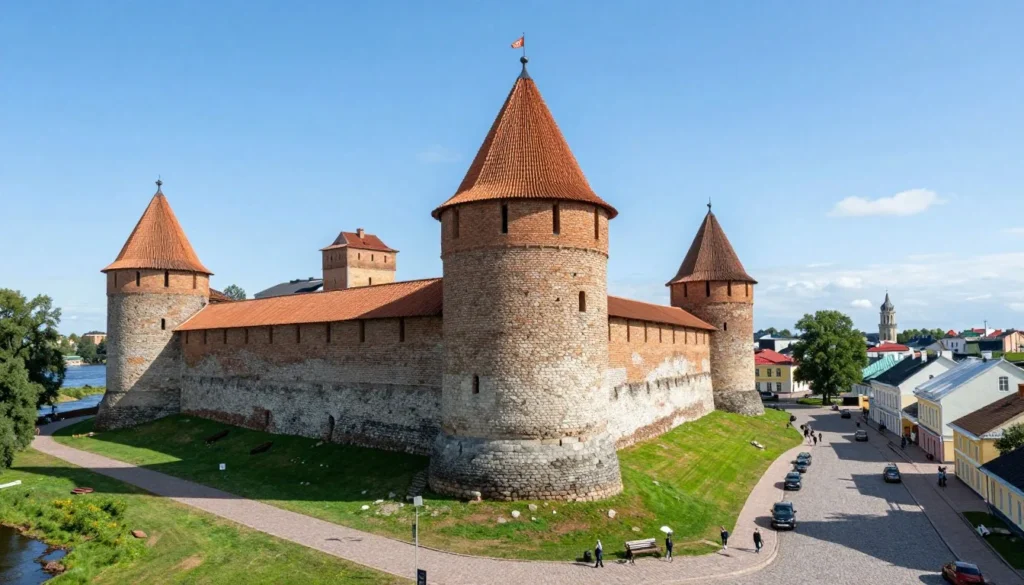
This tiny village claims to be Russia’s first capital. Archaeological evidence supports settlement here in 753 AD. The ancient fortress overlooks the Volkhov River. Several medieval churches survive in remarkable condition. The village population barely exceeds 2,000 people. Tourist infrastructure remains minimal.
Reaching Staraya Ladoga requires determination. The village sits 120 km (75 miles) east of Saint Petersburg. No direct public transportation exists. Organized tours provide the easiest access. The journey takes roughly two hours by car. Independent visitors need rental vehicles or hired drivers.
The remote location preserves authentic atmosphere. Modern development hasn’t reached this historical site. Walking the village takes only an hour. The fortress museum explains the settlement’s significance. Local babushkas sell homemade crafts and foods. This trip appeals to serious history enthusiasts willing to venture off standard tourist paths.
Lake Ladoga
Europe’s largest lake stretches north of Saint Petersburg. The massive body of water covers 17,700 square kilometers (6,834 square miles). Rocky islands dot the northern sections. The southern shores feature sandy beaches. The lake played crucial roles in both medieval trade and World War II.
The Valaam Monastery occupies an archipelago in the northern lake. This active monastery welcomes pilgrims and tourists. The journey requires several hours by boat from shore. The remote location creates profound spiritual atmosphere. Beautiful nature surrounds restored religious buildings. Overnight guest rooms allow extended stays.
The Road of Life across the frozen lake saved Leningrad during WWII. Museums along the shore document this dramatic chapter. Walking the beaches brings history into focus. Summer camps and resorts operate along accessible shorelines. The lake offers nature escapes within reach of the city.
Practical Travel Tips
Money Matters
The Russian ruble serves as official currency. Exchange rates fluctuate constantly. Check current rates before traveling. Banks and official exchange offices offer better rates than airports or hotels. ATM withdrawals provide competitive rates but watch for fees from your home bank.
Credit cards work at hotels, restaurants, and major shops. Smaller businesses prefer cash. Visa and Mastercard acceptance exceeds American Express. Carry cash for markets, small cafés, and transportation. Notify your bank of travel plans to prevent card blocking. Keep emergency cash separate from daily funds.
Tipping practices differ from American expectations. Restaurant tips of 10% satisfy for good service. Taxi drivers don’t expect tips beyond rounding up. Hotel porters appreciate 100-200 rubles per bag. Tour guides earn tips based on service quality. Calculate tips based on actual rubles rather than converting to dollars mentally.
Language Considerations
Russian uses Cyrillic alphabet making signs impossible to read initially. Learn basic Cyrillic letter sounds. This allows sounding out words even without understanding them. Many words borrowed from English become recognizable once decoded. The effort invested in learning alphabet pays enormous dividends.
English proficiency remains limited outside tourist services. Young people speak more English than older generations. Hotel staff generally manages basic English. Restaurant servers vary dramatically in language ability. Museums employ English-speaking guides. Learning basic Russian phrases shows respect and helps with basic needs.
Translation apps prove invaluable for travelers. Google Translate works offline with downloaded language packs. The camera feature translates signs in real time. Conversation mode helps basic communications. Don’t rely solely on technology but use it as valuable backup. Pointing and gestures fill many communication gaps.
Internet and Communication
Free WiFi exists throughout Saint Petersburg. Hotels, cafés, and many public spaces offer connections. Metro stations provide WiFi requiring simple registration. The quality and speed vary considerably. Don’t expect reliable connections everywhere. Download maps and key information while connected at hotels.
Local SIM cards provide better mobile internet than roaming. Purchase at airport kiosks or mobile phone shops. Beeline, MTS, and MegaFon serve as major carriers. Bring your passport for purchase. Prepaid plans offer generous data at low prices. Installation assistance comes standard with purchase.
WhatsApp works reliably for international communication. The app functions over WiFi without local SIM cards. Many Russians use Telegram messaging app. Download it for easier local communication. Facebook and Instagram operate without restrictions. VPN services aren’t necessary for most travelers.
Packing Recommendations
Weather-appropriate clothing proves essential given extreme conditions. Summer visitors need light layers and rain protection. Winter travelers require serious cold-weather gear. Waterproof boots serve year-round. Pack for temperature extremes and sudden changes. Checking detailed weather forecasts before packing helps tremendously.
Comfortable walking shoes prevent misery during sightseeing. Cobblestone streets and long museum visits demand good footwear. Break in new shoes before traveling. Bring blister treatment supplies just in case. Russian streets test even experienced walkers. Prioritize comfort over fashion for footwear.
Power adapters for European outlets prove necessary for electronics. Russia uses 220-volt electricity. Most modern device chargers handle different voltages automatically. Older appliances may require voltage converters. Bring extra charging cables as replacements cost more abroad. Power banks keep phones charged during long sightseeing days.
Time Zone
Saint Petersburg operates on Moscow Standard Time. This puts it GMT+3 with no daylight saving changes. The city sits 7 hours ahead of US Eastern Standard Time. Calculate differences carefully when communicating home. Jet lag affects eastbound travelers more severely. Plan light activities for the first day after arrival.
Summer white nights disrupt normal sleep patterns. Blackout curtains help maintain sleep schedules. Eye masks provide portable darkness. The extended daylight energizes some while exhausting others. Listen to your body and rest when needed. The temptation to stay up late proves strong but rest remains important.
Sustainable Travel
Saint Petersburg faces environmental challenges like most major cities. Visitors can minimize impact through conscious choices. Use public transportation instead of taxis when practical. Carry reusable water bottles despite needing to refill with purchased water. Decline unnecessary plastic bags at shops. Small actions accumulate into meaningful differences.
Support local businesses over international chains when possible. Neighborhood restaurants and shops keep money in the community. Markets and small vendors often provide better quality than mass-market options. The personal interactions enrich travel experiences. Your spending choices affect what kind of city evolves.
Respect historical sites and natural areas. Follow all posted rules at museums and monuments. Stay on designated paths in parks and gardens. Don’t touch artwork or decorations. Photography restrictions protect delicate artifacts. Future generations deserve to enjoy these treasures. Your respect today preserves tomorrow’s heritage.
Photography Tips
Saint Petersburg offers endless photographic opportunities. The golden hour light makes everything glow beautifully. Summer white nights create extended shooting time. Winter’s blue hour starts around 3 PM. Each season provides unique lighting conditions. Experiment with different times to capture varying moods.
Many museums charge photography fees beyond basic admission. Decide whether photos justify additional cost. Professional cameras sometimes require special permits. Flash photography damages artwork and disturbs others. Learn camera settings for low-light shooting. Tripods are prohibited in most museums.
Respect people’s privacy when photographing street scenes. Ask permission before photographing individuals directly. Military and police installations prohibit photography. Border areas near Finland also restrict cameras. Common sense and cultural sensitivity prevent problems. Focus on architecture and landscapes to avoid issues.
Final Planning Advice
Book major attractions in advance during summer season. Hermitage and palace tickets sell out weeks ahead. Theater performances require early booking for good seats. Restaurant reservations help at popular establishments. Advance planning reduces stress and guarantees access to priorities.
Build flexibility into itineraries. Weather or other factors may require adjustments. Rushing between attractions ruins the experience. Allow time for spontaneous discoveries. The best travel memories often come from unplanned moments. Balance structure with openness to serendipity.
Start planning several months before travel. Visa processing alone requires weeks. Popular accommodation books up quickly. Flight prices increase closer to departure. Research takes time but improves trip quality. The investment in planning pays off throughout your journey. Saint Petersburg rewards preparation with unforgettable experiences.
Your Imperial Adventure Awaits
Saint Petersburg stands ready to overwhelm your senses with beauty and grandeur. This city of tsars and revolutionaries, of Dostoyevsky and Tchaikovsky, offers experiences found nowhere else on Earth. The gilded palaces reflect centuries of imperial ambition. The museums protect humanity’s greatest artistic achievements. The streets whisper stories of triumph and tragedy.
Every season brings its own magic to these northern latitudes. Summer’s white nights cast an ethereal glow over canal waters. Winter transforms the city into a crystalline wonderland. Spring awakens gardens with explosive color. Autumn paints the parks in golden hues. Each visit reveals different facets of this multifaceted treasure.
The practical challenges of visiting Russia fade against the rewards waiting in Saint Petersburg. Yes, the visa process requires patience. Language barriers create occasional frustrations. The climate tests your adaptability. But these minor difficulties pale before the majesty of the Hermitage, the power of the Mariinsky, and the beauty of the Church on Spilled Blood.
Start planning your Saint Petersburg adventure today. Research flights and accommodations. Begin the visa application process. Learn a few Russian phrases. Mark your calendar for white nights or winter palace magic. This incomparable city awaits your discovery. The memories you create here will inspire you for a lifetime. Saint Petersburg doesn’t just meet expectations—it exceeds them in every imaginable way.