Hotels by Trip.com
Flights by Trip.com
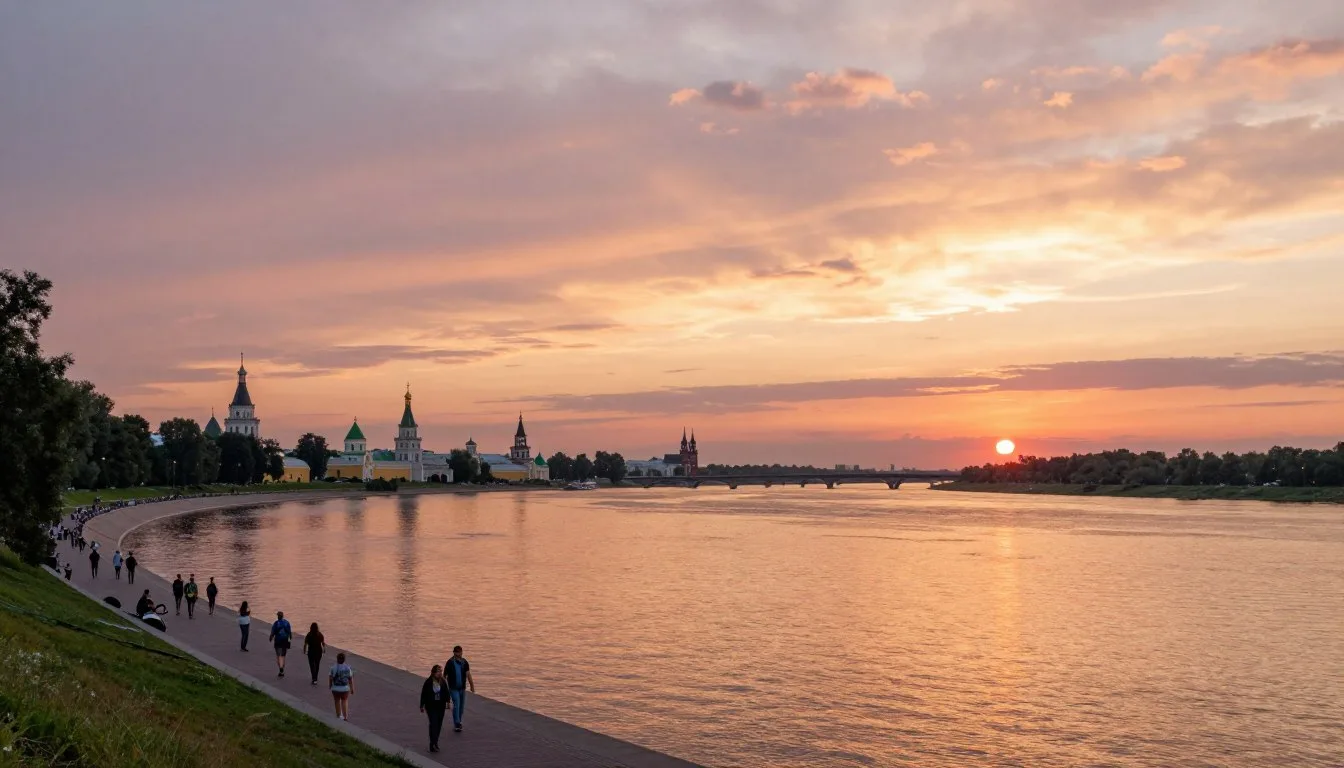
Did you know that Yaroslavl Oblast holds more than 6,000 monuments of history and culture, with eleven towns officially designated as historic cities? This remarkable region along the Volga River stands as one of Russia’s most treasured areas, where every cobblestone seems to whisper stories from centuries past.
The region forms a vital part of Russia’s famous Golden Ring, offering travelers an authentic glimpse into the country’s soul. From ancient monasteries perched along riverbanks to vibrant city centers where modern life blends seamlessly with medieval architecture, this area captivates visitors at every turn.
Whether you’re drawn to the region’s deep historical roots, its natural beauty, or the warmth of its residents, Yaroslavl Oblast promises an experience unlike any other in Russia. This guide will help you uncover the best this exceptional region has to offer.
Getting There and Planning Your Journey
Reaching Yaroslavl Oblast is straightforward for international travelers. The region sits approximately 250 km (155 miles) northeast of Moscow, making it easily accessible by multiple transportation options.
Closest Airports
Most visitors fly into one of Moscow’s international airports:
- Sheremetyevo International Airport (SVO) – 280 km (174 miles) from Yaroslavl city
- Domodedovo International Airport (DME) – 290 km (180 miles) from Yaroslavl city
- Tunoshna Airport (IAR) – Local airport in Yaroslavl with limited domestic flights
From Moscow airports, travelers can take express trains, buses, or arrange private transfers. The high-speed train journey takes about three and a half hours, offering comfortable seating and scenic views of the Russian countryside.
Transportation Options From Moscow
By Train
Express trains depart from Moscow’s Yaroslavsky Railway Station several times daily. The journey provides comfortable travel with amenities. Tickets range from affordable second-class to premium first-class options.
By Bus
Regular bus services connect Moscow with Yaroslavl Oblast cities. Travel time averages four to five hours depending on traffic. Buses offer an economical alternative for budget-conscious travelers.
Private car transfers can be arranged through hotels or tour operators. This option provides flexibility for travelers wanting to stop at Golden Ring towns along the route.
Best Time to Visit and Weather Tips
Timing your visit to Yaroslavl Oblast significantly impacts your experience. The region experiences distinct seasons, each offering unique advantages for different types of travelers.
Check 30,000+ Local Sightseeing Tours Worldwide
✓ Numerous languages and currencies are available
Recommended Months and Seasons
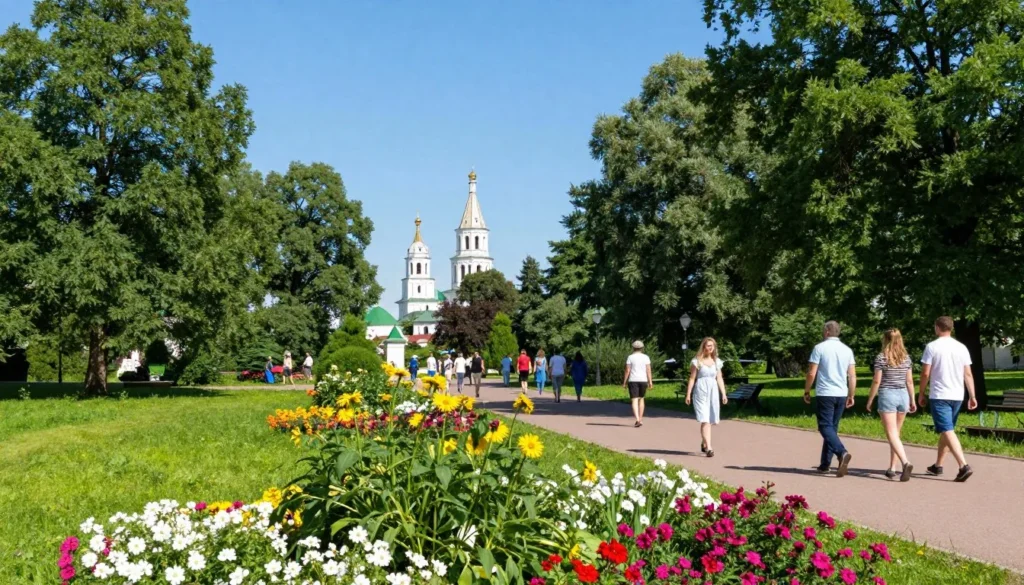
The ideal time to visit falls between May and September when weather conditions favor outdoor exploration:
- Late May through June – Pleasant temperatures 18-24°C (64-75°F), blooming gardens, fewer crowds
- July and August – Peak season with warmest weather 22-26°C (72-79°F), all attractions fully operational
- September – Beautiful autumn colors, comfortable temperatures 12-18°C (54-64°F), harvest festivals
Travel Tip: Early June offers the best combination of pleasant weather, manageable crowds, and full access to outdoor attractions. The region experiences white nights during this period, with extended daylight hours perfect for sightseeing.
Months to Consider Carefully
Winter months from November through March bring harsh conditions:
- Temperatures frequently drop below -15°C (5°F)
- Heavy snow can disrupt transportation
- Reduced daylight hours limit sightseeing time
- Some rural attractions may close for the season
However, winter travelers who brave the cold are rewarded with stunning snow-covered landscapes and authentic Russian winter experiences. The cities take on a fairytale quality under blankets of snow.
Notable Annual Festivals
Yaroslavl Oblast bursts with cultural celebrations throughout the year. These festivals showcase the region’s rich traditions and provide visitors memorable experiences of local culture.
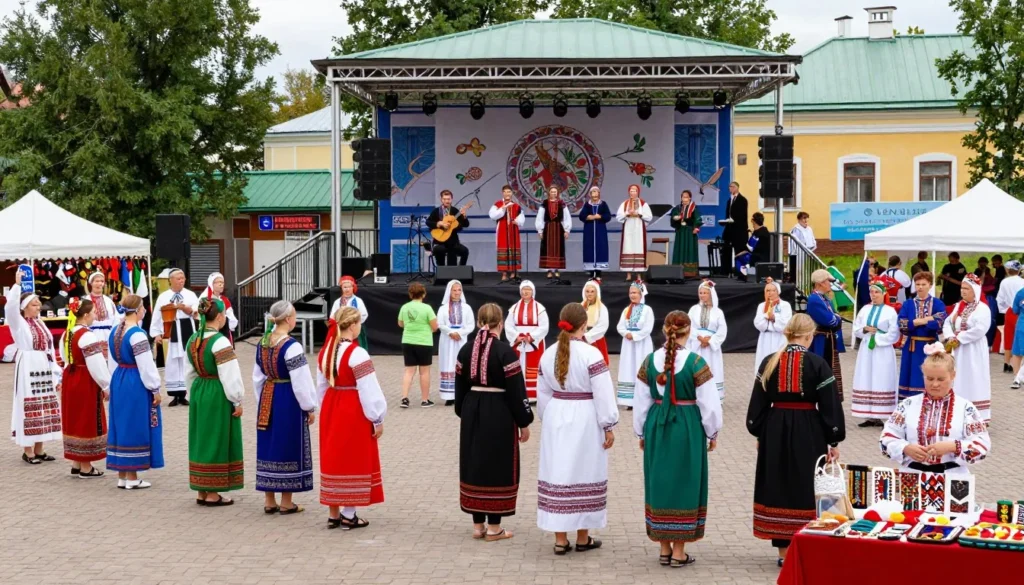
Yaroslavl City Day
Celebrated in early June, this festival marks the city’s founding in 1010. The streets fill with concerts, historical reenactments, and fireworks. Contact: +7 4852 40-40-40
Golden Ring Festival
This August celebration showcases crafts, cuisine, and culture from all Golden Ring cities. Artisans demonstrate traditional skills while musicians perform historical pieces. Contact: +7 4852 72-82-82
Maslenitsa Week
This late winter festival celebrates the end of winter with traditional pancakes, folk games, and the burning of winter effigies. The celebration typically occurs in February or early March throughout the region.
Music festivals during summer months attract performers from across Russia. The International Volga Festival brings classical music to historic venues, creating magical evenings of culture and art.
Getting Around Locally
Navigating Yaroslavl Oblast is manageable once you understand the local transportation network. The region’s cities offer various options for moving between attractions and accommodations.

Public Transportation
Yaroslavl city and larger towns operate efficient public transit systems:
- Trolleybuses connect major districts with frequent service
- Municipal buses reach suburban areas and attractions
- Marshrutkas (minibuses) provide faster point-to-point service
- Taxis and ride-sharing apps function reliably in urban areas
Public transport fares remain very affordable, typically costing 28-35 rubles per ride. Purchase tickets from drivers or use contactless payment cards at newer stations.
Intercity Travel
Moving between towns in the region requires planning. Regular bus services connect major centers like Yaroslavl, Rostov, Pereslavl-Zalessky, and Uglich. Travel times vary from one to three hours depending on distance.
Language Note: While younger residents in cities may speak some English, most transportation signs and announcements use only Russian. Consider downloading offline translation apps or keeping destination names written in Cyrillic.
Where to Stay
Yaroslavl Oblast offers accommodation options ranging from historic hotels to modern business centers. Your choice depends on budget, preferred location, and desired experience level.
Accommodation Types
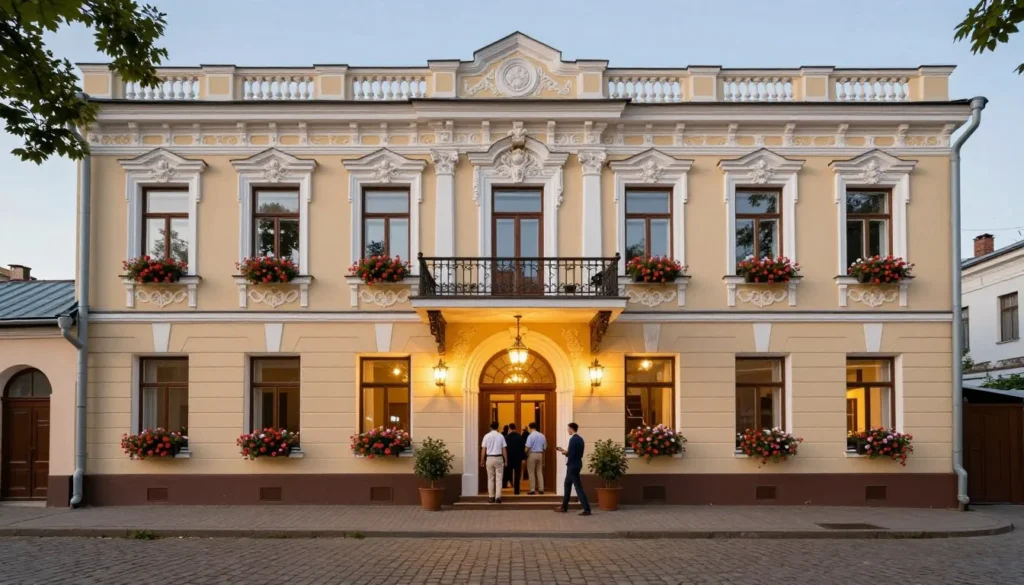
Historic Hotels
Several establishments occupy renovated 19th-century buildings in city centers. These properties combine historical charm with modern amenities. Expect traditional Russian hospitality and attention to detail in atmospheric settings.
Modern Business Hotels
International and Russian chains operate contemporary hotels near major attractions. These facilities provide reliable comfort with familiar standards, making them popular among first-time visitors to the region.
Budget travelers find clean hostels and guesthouses throughout larger cities. These options often provide kitchen access and common areas for meeting fellow travelers.
Neighborhood Considerations
Staying in historical city centers places you within walking distance of major attractions. The atmosphere in these areas comes alive during evenings when residents stroll along pedestrian streets.
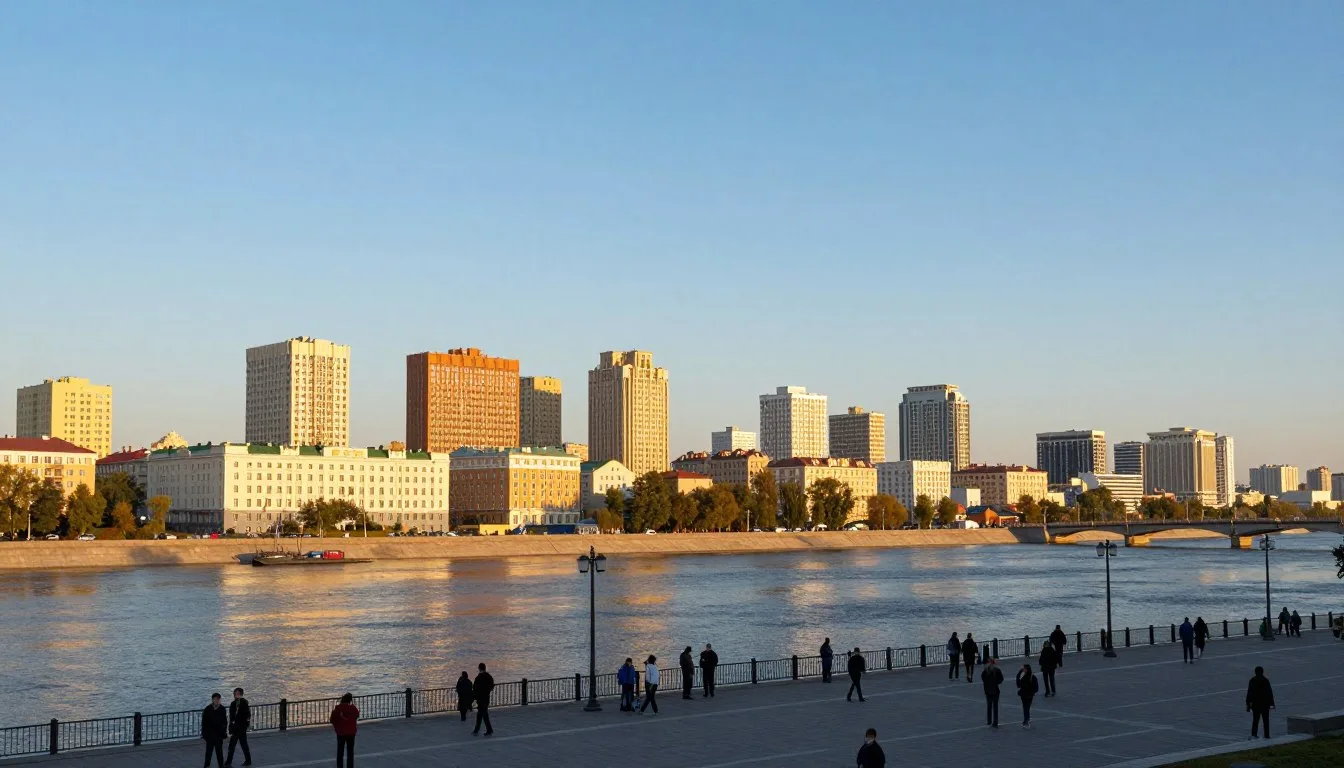
Accommodations near the Volga River offer peaceful settings with beautiful views. These locations provide easy access to waterfront parks and boat excursions while maintaining proximity to cultural sites.
Dining and Local Cuisine
The culinary scene in Yaroslavl Oblast reflects centuries of tradition mixed with modern influences. Local restaurants serve hearty Russian fare alongside international options in larger cities.
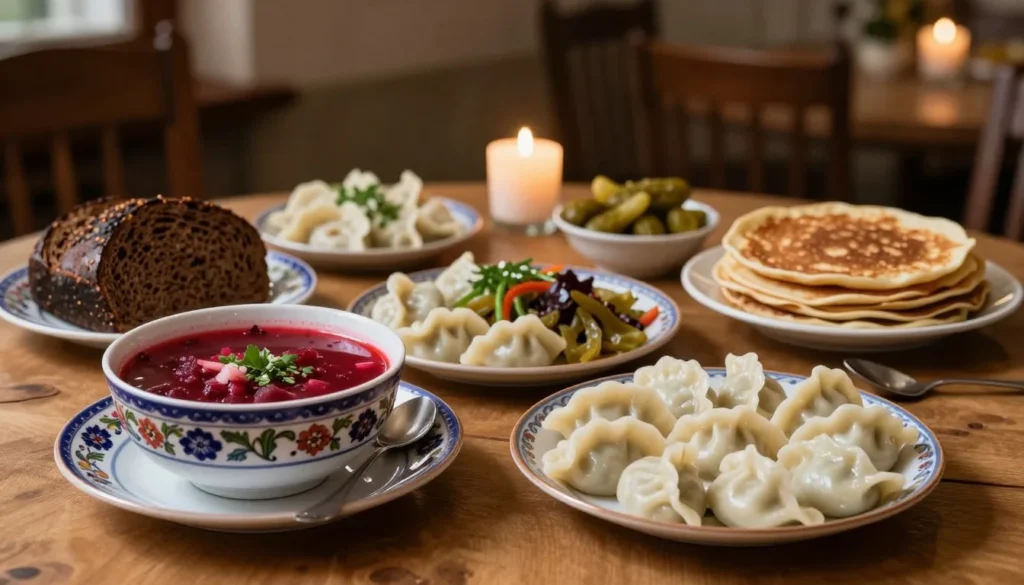
Must-Try Local Dishes
- Shchi – Traditional cabbage soup served in nearly every restaurant
- Pelmeni – Meat dumplings that originated in this part of Russia
- Yaroslavl cheese – Local dairy products with Protected Designation of Origin status
- Smoked fish from the Volga – Freshly caught and prepared using traditional methods
- Blini – Thin pancakes served with various sweet or savory toppings
Traditional stolovayas (canteen-style restaurants) offer authentic home-cooked meals at remarkably low prices. These establishments provide genuine insight into daily Russian dining culture and remain popular with local residents.
Dining Culture
Meals in this region tend toward the substantial side. Lunch traditionally serves as the main meal, often featuring multiple courses. Dinner arrives later in the evening, typically after 19:00.
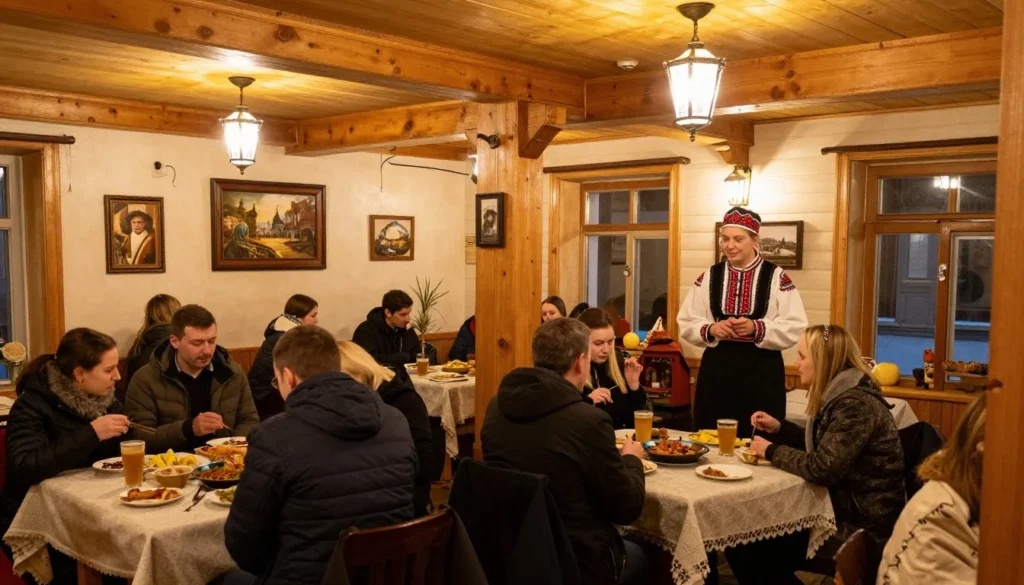
Most restaurants accept credit cards in cities, though smaller establishments may operate on cash only. Tipping around ten percent is customary for good service.
Attractions, Sightseeing and Activities
Yaroslavl Oblast overflows with remarkable places to explore. The region’s position on the Golden Ring route means visitors encounter world-class historical sites at every turn.
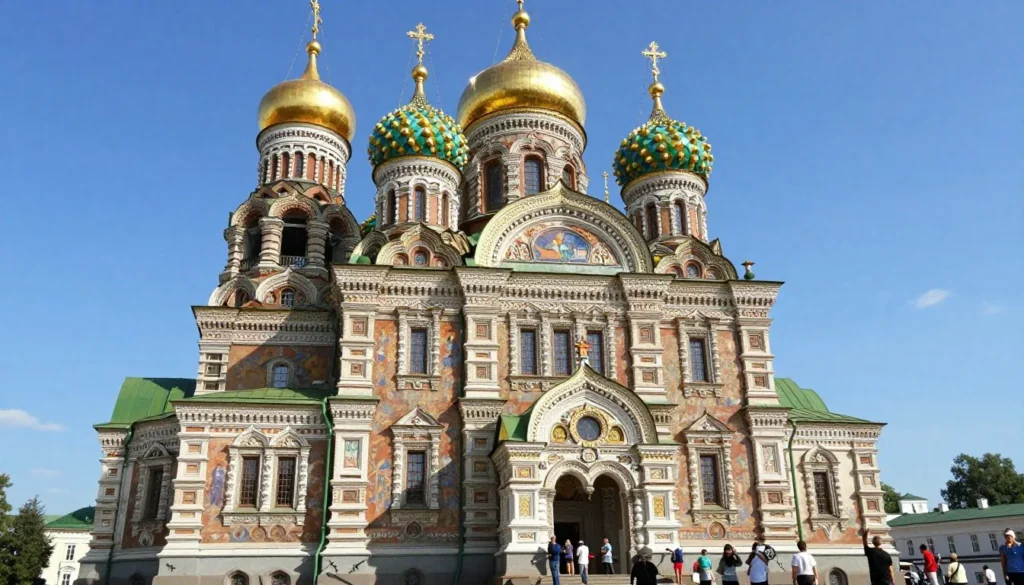
Historic City Centers
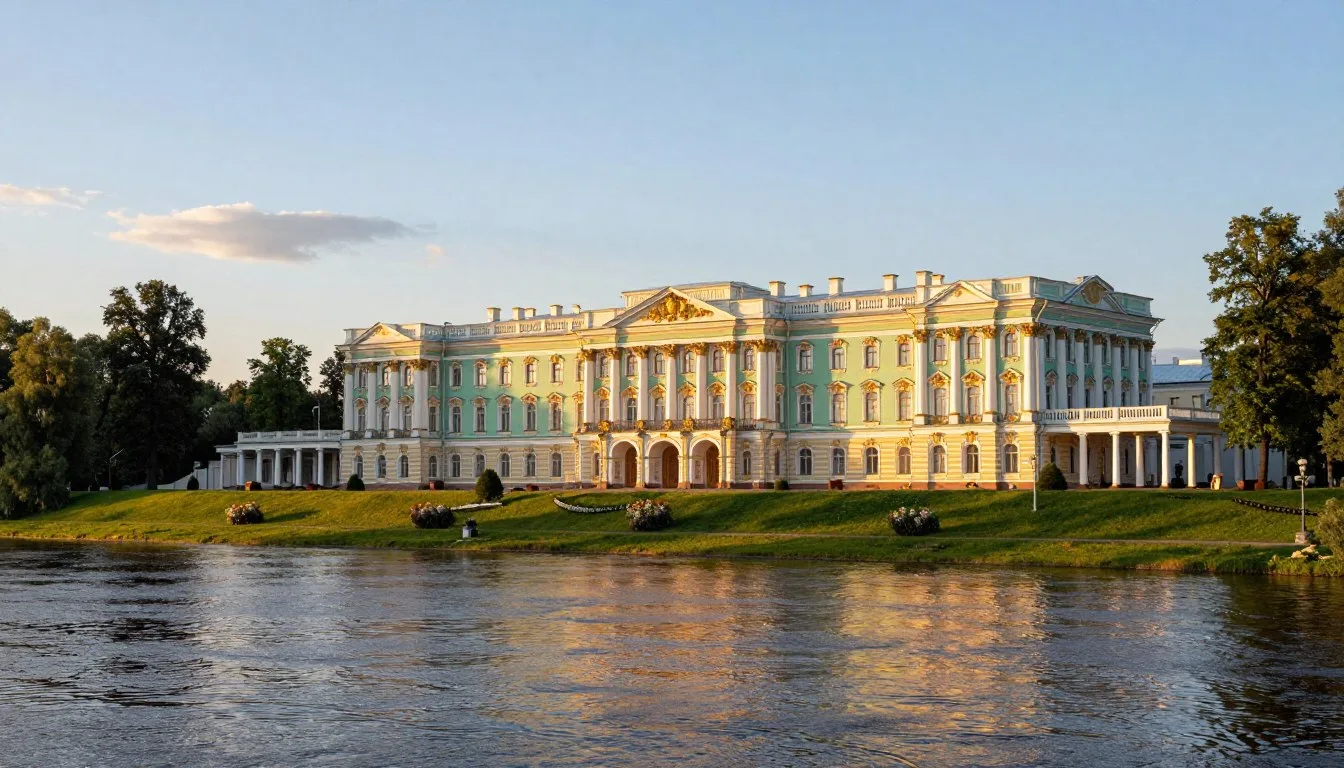
Yaroslavl city itself earned UNESCO World Heritage status for its exceptionally preserved historic center. The city showcases over 140 architectural monuments dating from the 16th to early 20th century. Walking tours reveal layers of history through buildings that survived centuries of change.
Rostov Veliky, one of Russia’s oldest cities, features the stunning Rostov Kremlin. This architectural ensemble served as residence for metropolitan bishops for over three hundred years. Its white walls and golden domes create an unforgettable silhouette against the sky.
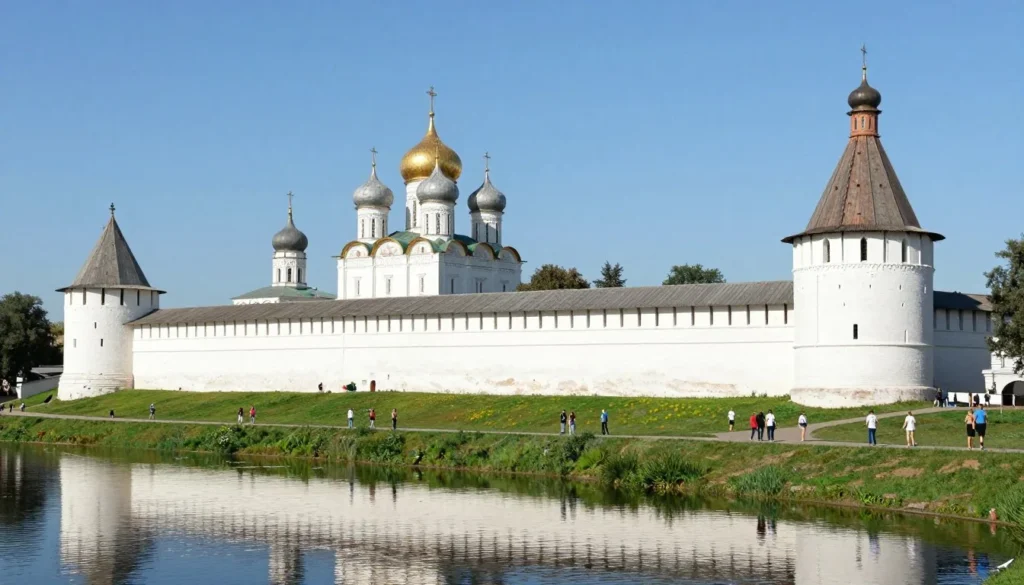
Golden Ring Towns
The region contains several Golden Ring cities, each offering distinct character:
Pereslavl-Zalessky
This ancient town on Lake Pleshcheyevo charms visitors with its peaceful atmosphere. The birthplace of Alexander Nevsky features several 12th-century churches and fascinating museums dedicated to everything from irons to locomotives.
Uglich
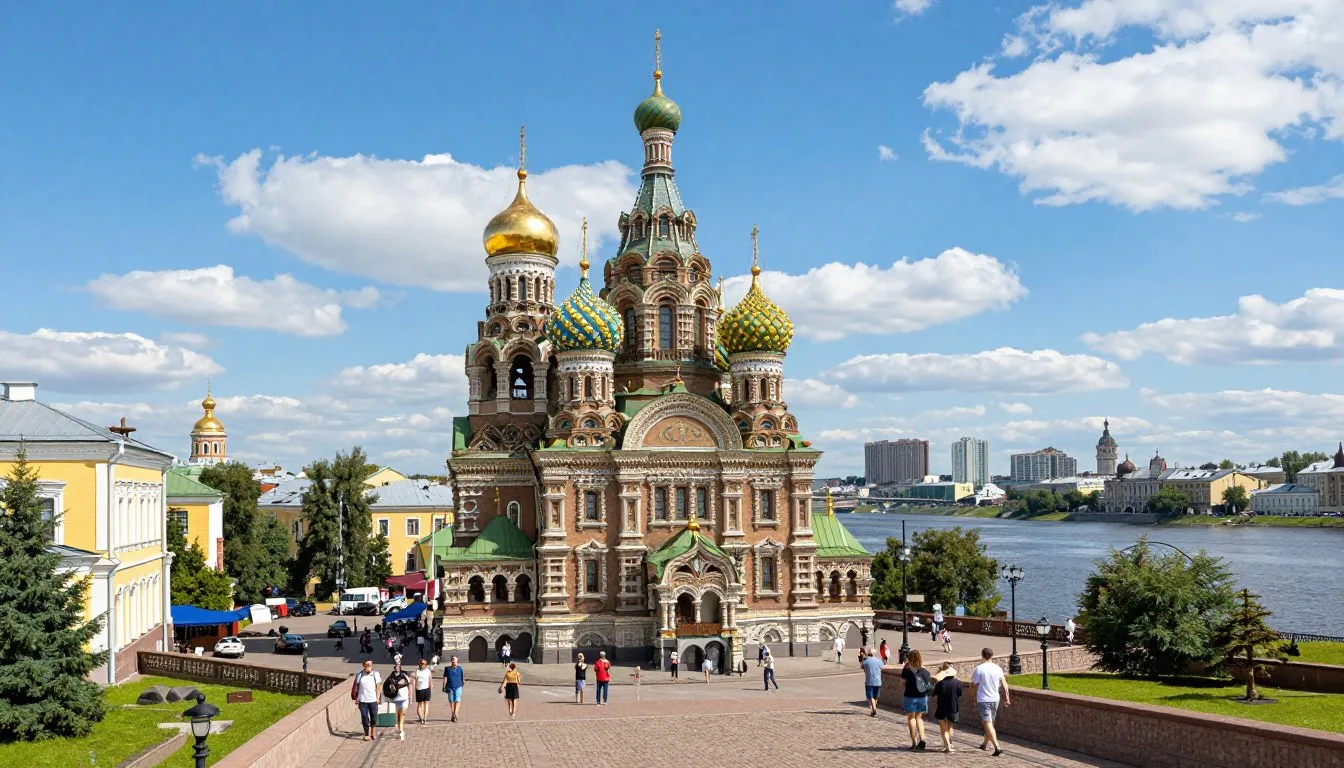
Set dramatically on the Volga River, Uglich played a tragic role in Russian history. The town’s kreml in and Church of St. Dmitry on the Blood mark where Ivan the Terrible’s son died under mysterious circumstances in 1591.
Tutayev
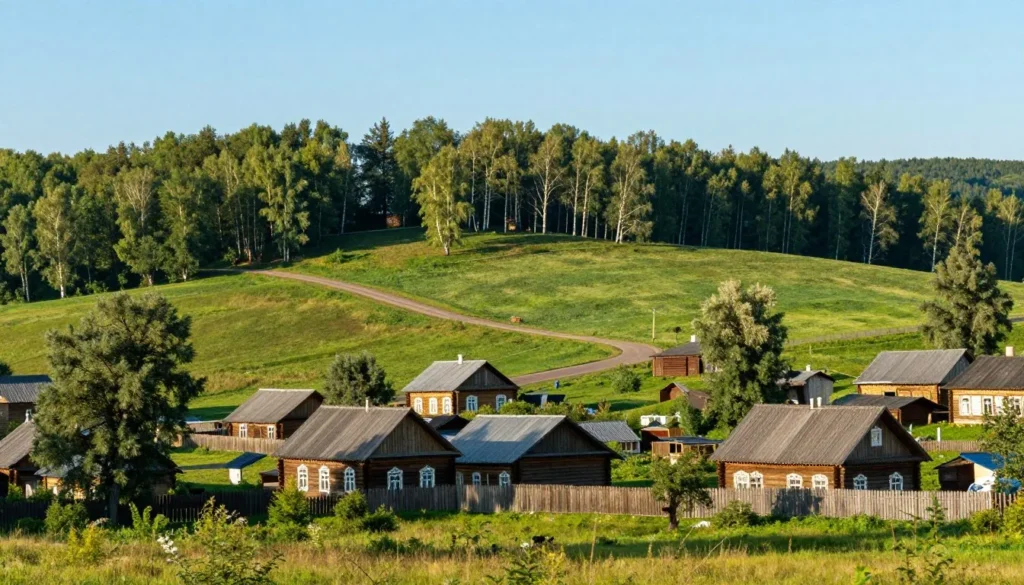
This lesser-known gem spreads across both banks of the Volga. The town retained its provincial Russian character, with wooden houses and quiet streets that seem frozen in time. The Cathedral of the Resurrection dominates the skyline.
Museums, Cultural Spots and Festivals
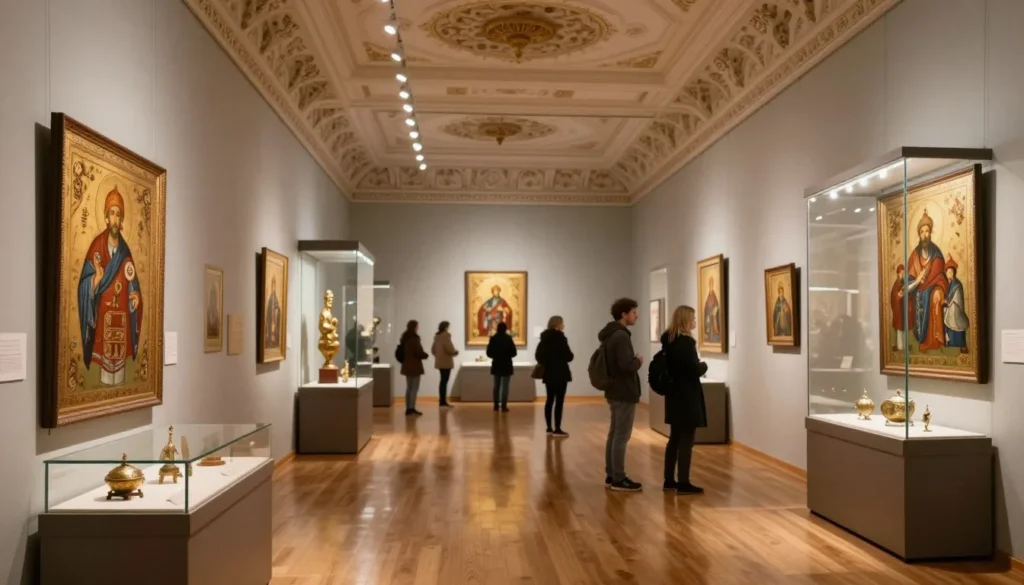
The region’s museums preserve and present centuries of Russian history and culture. Collections range from priceless icons to quirky folk art, ensuring something captures every visitor’s interest.
Major Cultural Institutions
The Yaroslavl State Historical-Architectural and Art Museum-Reserve ranks among Russia’s finest regional museums. Its collection spans from medieval manuscripts to 20th-century art. The museum occupies several historic buildings, with the main complex housed in the former Savior Monastery.
Bear symbolism runs deep in this region – the bear appears on Yaroslavl’s coat of arms. According to legend, Prince Yaroslav the Wise fought and defeated a bear on this site in 1010. Today, the city maintains a small bear park where visitors can learn about this connection.
Specialized Collections
- Museum of Music and Time – Unique private collection of musical instruments, clocks, and phonographs
- Yaroslavl Art Museum – Outstanding collection of Russian paintings from 18th-20th centuries
- Church Art Museum in Rostov – Specialized collection of enamel works and religious objects
- Railway Museum in Pereslavl – Historic locomotives and railway equipment
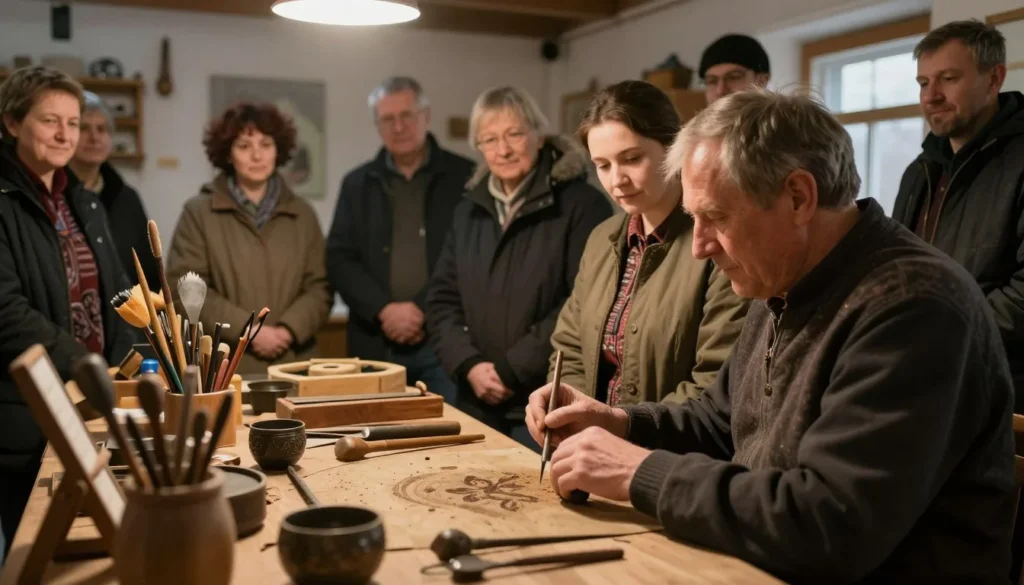
Many monasteries and churches function as living museums. Frescoes covering interior walls date back multiple centuries, offering glimpses into artistic traditions that influenced Russian culture profoundly.
Nature and Outdoor Experiences
Beyond its architectural treasures, Yaroslavl Oblast boasts natural landscapes that refresh and inspire. The Volga River dominates the region, but forests, lakes, and nature reserves add diversity to outdoor experiences.
Volga River Activities
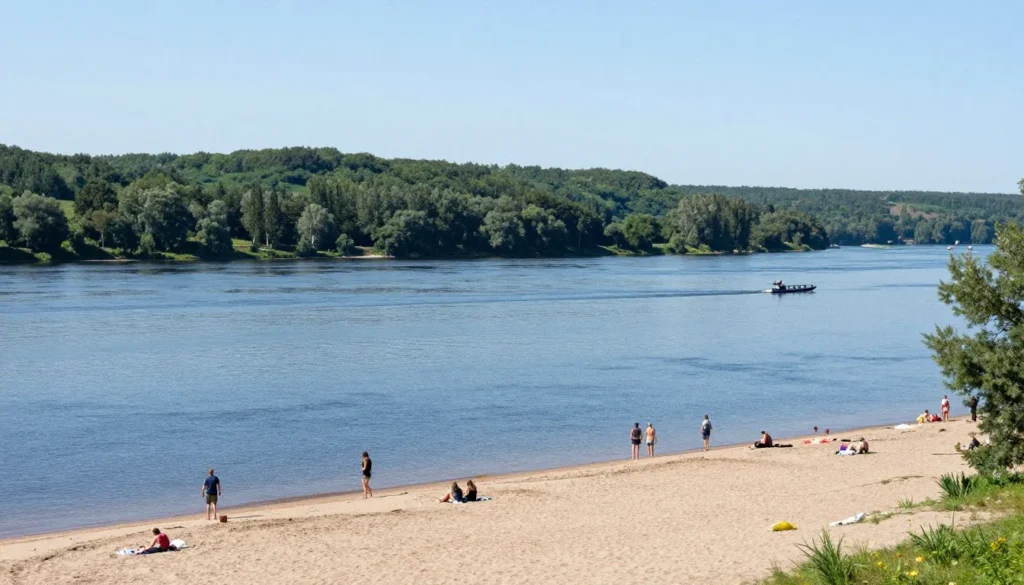
The mighty Volga River shaped this region’s history and continues offering recreational opportunities today. River cruises range from short evening excursions to multi-day journeys connecting Golden Ring cities.
During summer months, locals and visitors enjoy swimming at designated beaches along the river. Water quality in most areas meets safety standards, though checking current conditions before swimming remains wise.
Fishing enthusiasts find excellent opportunities throughout the region. The Volga and its tributaries support populations of pike, perch, bream, and other species. Local guides can arrange fishing excursions with equipment and necessary permits.
Parks and Nature Reserves
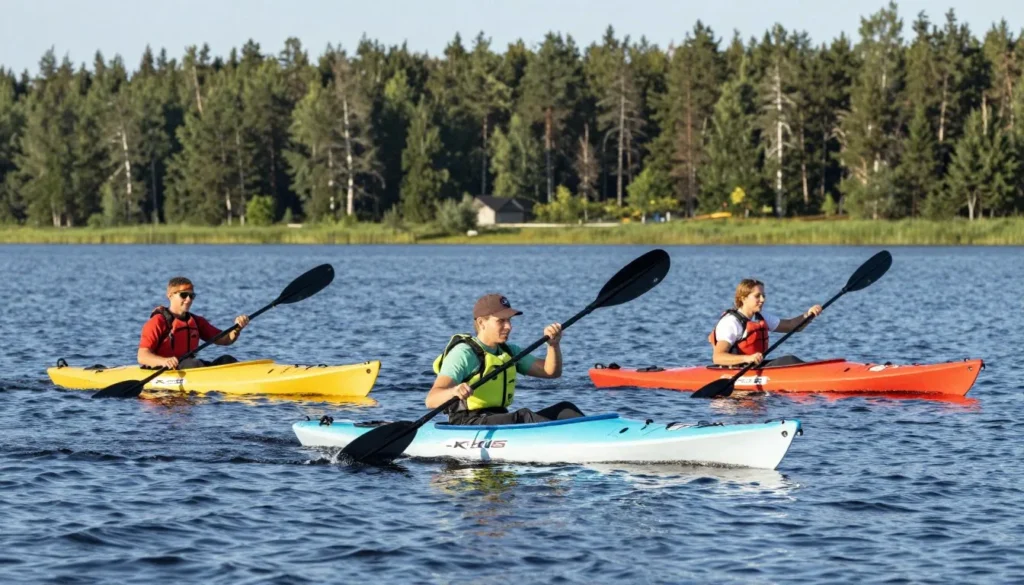
Pleshcheyevo National Park surrounds the lake where Peter the Great launched Russia’s first fleet. The 241-square-kilometer (59,550-acre) park protects diverse ecosystems. Hiking trails wind through forests where visitors might spot elk, foxes, and numerous bird species.
The park offers well-marked trails suitable for various fitness levels. Shorter walks take an hour or two, while longer routes can fill an entire day. Camping is permitted in designated areas with advance reservation.
Forest Activities
Extensive forests covering much of the region invite exploration. Mushroom and berry picking remain popular local pastimes during appropriate seasons. Guided nature walks help visitors identify safe edible species while learning about forest ecology.
Winter Recreation
Transformed by snow, the region offers cross-country skiing and ice fishing during winter months. Several centers rent equipment and maintain groomed trails. The frozen Volga becomes a highway for ice fishermen seeking winter catches.
Safety, Etiquette and Local Customs
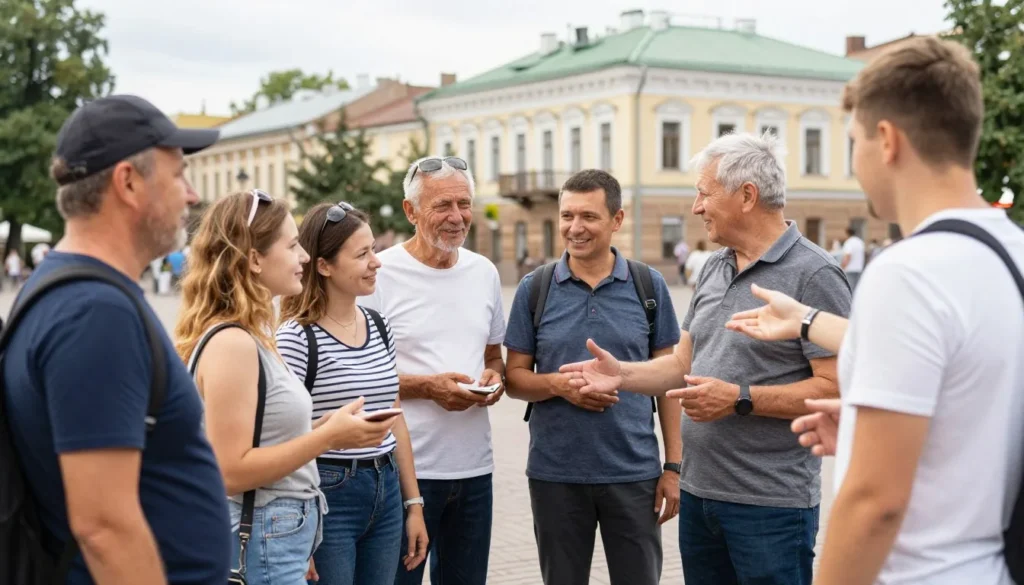
Understanding local customs helps visitors navigate Yaroslavl Oblast comfortably. While Russians may seem reserved initially, they generally respond warmly to respectful visitors showing genuine interest in their culture.
Safety Considerations
Yaroslavl Oblast maintains relatively low crime rates compared to major Russian cities. Standard travel precautions apply:
- Keep valuables secured and avoid displaying expensive items unnecessarily
- Use official taxis or ride-sharing apps rather than unmarked vehicles
- Stay aware of surroundings in crowded tourist areas
- Keep copies of important documents separate from originals
Emergency services can be reached by dialing 112 from any phone. Tourist police in major cities speak basic English and can assist with common problems visitors encounter.
Cultural Etiquette
Russians appreciate visitors who make efforts to follow local customs. Small gestures of cultural awareness go far in creating positive interactions:
Dress Codes
When visiting churches and monasteries, modest dress is required. Women should cover shoulders and wear skirts or pants that extend below the knee. Headscarves are typically provided at church entrances. Men should remove hats before entering.
Generally, people in this region dress more formally than in Western countries. Smart casual attire works well for most situations outside of hiking or outdoor activities.
Social Interactions
Russian communication style tends toward directness. Smiling at strangers is less common than in some cultures, but this doesn’t indicate unfriendliness. Once conversation begins, people often prove surprisingly warm and helpful.
Learning a few Russian phrases earns appreciation. Simple greetings, “please,” and “thank you” demonstrate respect for local culture. Most residents don’t speak English, so phrase books or translation apps prove invaluable.
Check 30,000+ Local Sightseeing Tours Worldwide
✓ Numerous languages and currencies are available
Photography Guidelines
Photography is generally permitted at outdoor attractions. However, many churches and museums prohibit photography inside or charge additional fees for camera permits. Always ask before photographing people, especially in religious settings.
Military installations and certain government buildings cannot be photographed. Follow posted signs and local guidance to avoid unintentional violations.
Visitor Comments About Yaroslavl Oblast
“The Golden Ring towns exceeded every expectation. Each city revealed another layer of Russian history I never knew existed. The churches in Yaroslavl with their incredible frescoes left me speechless. The local people welcomed us warmly despite our limited Russian. This region deserves far more attention from international travelers.”
“Walking along the Volga River at sunset in Uglich became the highlight of our Russian journey. The peaceful atmosphere contrasted beautifully with Moscow’s intensity. We stayed in a small guesthouse where the owner prepared traditional meals and shared stories about life in the region. The authentic experience made this more memorable than any luxury hotel could provide.”
“As someone who researches architectural history, I found Yaroslavl Oblast to be an absolute treasure. The preservation of 17th-century buildings amazed me. Rostov’s kremlin particularly impressed with its completeness. The museums contain world-class collections that would be famous anywhere else. This region offers serious cultural depth for those willing to venture beyond the typical tourist routes.”
Additional Nearby Destinations
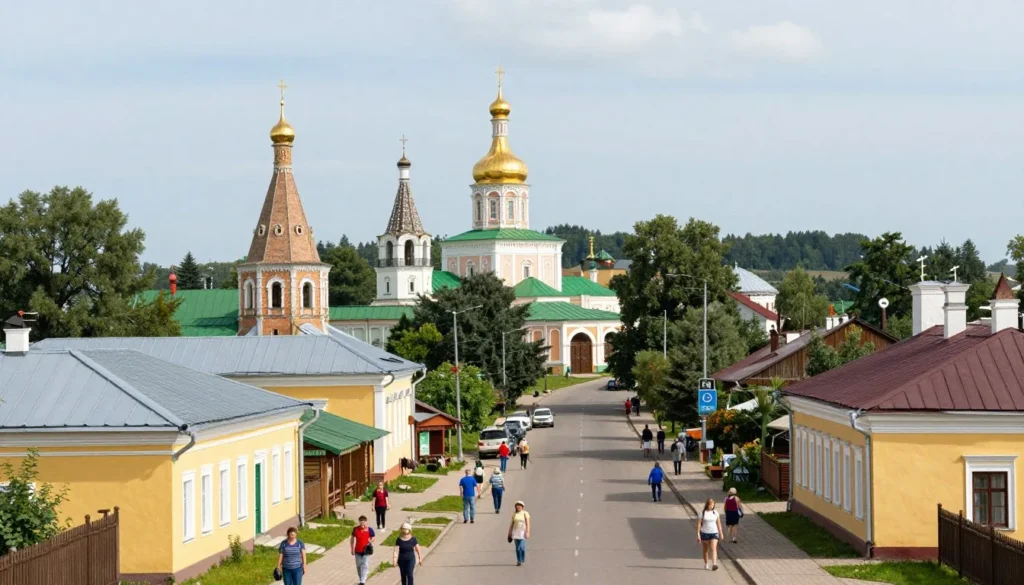
Yaroslavl Oblast’s central location makes it an ideal base for exploring other parts of the Golden Ring and Central Russia. Several worthwhile destinations lie within easy reach for day trips or extended tours.
Nearby Golden Ring Cities
Kostroma
Located 85 km (53 miles) northeast of Yaroslavl city, Kostroma offers exceptional wooden architecture and the stunning Ipatiev Monastery. The town played a crucial role in founding the Romanov dynasty. Its central trading rows remain active after nearly three centuries.
Suzdal
Though about 220 km (137 miles) south, Suzdal rewards the journey. This museum-town preserves medieval Russian atmosphere better than anywhere else. Car-free streets, numerous churches, and picturesque river settings create an enchanting experience.
Vladimir
The former capital of medieval Rus sits 190 km (118 miles) south. Its white-stone monuments earned UNESCO World Heritage status. The Assumption Cathedral contains frescoes by medieval master Andrei Rublev. The city makes an excellent stopping point on routes to or from Moscow.
Nature Excursions
The Upper Volga region extends beyond Yaroslavl Oblast’s borders. Multi-day river cruises explore this waterway, connecting multiple historic towns while providing relaxing travel between destinations.
Lake Seliger, located about 250 km (155 miles) west, offers pristine nature and island monasteries. This complex of interconnected lakes attracts Russians seeking peaceful retreats. Summer cottages dot the shorelines, and boat rentals allow island exploration.
Practical Travel Tips
Final preparations ensure smooth travels through Yaroslavl Oblast. These practical details help visitors avoid common complications and maximize their experience in the region.

Money Matters
Russian rubles (RUB) serve as the only accepted currency. ATMs are readily available in cities, though smaller towns may have limited machines. Notify your bank of travel plans to avoid card blocks.
Credit cards work at most hotels, restaurants, and shops in cities. However, cash remains essential for markets, small establishments, and rural areas. Exchange currency at banks or official exchange offices for best rates.
Communication
Russian SIM cards offer affordable data and calling. Major providers like MTS, Beeline, and Megafon sell tourist packages at airports and city centers. Registration requires passport presentation.
WiFi is available at most hotels, cafes, and restaurants in cities. Download offline maps and translation apps before arriving, as connections may be unreliable in rural areas.
Essential Items
- Comfortable walking shoes for cobblestone streets and uneven surfaces
- Modest clothing for church visits (women should pack a scarf)
- Universal power adapter (Russia uses European-style Type C and F plugs, 220V)
- Basic first-aid supplies and any prescription medications with documentation
- Photocopies of passport and visa registration
Visa Requirements: Most foreign visitors require a visa to enter Russia. Apply well in advance through Russian consulates or visa services. Tourist visas require an invitation letter from a hotel or tour company. Check current requirements for your nationality, as regulations change periodically.
Health Considerations
No special vaccinations are required for Russia. Tap water in cities meets safety standards but may cause stomach discomfort for visitors unaccustomed to local water. Bottled water is inexpensive and widely available.
Pharmacies (apteka) operate throughout cities with knowledgeable staff. Basic medications can be purchased without prescriptions, though bring sufficient supplies of any regular medications from home.
Best Resources
The Yaroslavl Region Tourism Committee maintains information centers in major cities. Staff provides free maps, advice, and can help arrange guides or transportation. Tourist information offices typically operate Monday through Friday during business hours.
Regional museums often sell excellent guidebooks unavailable outside Russia. These publications provide detailed historical information and architectural insights worth collecting as souvenirs.
Location Map
Yaroslavl Oblast location in Central Russia along the Volga River
Your Journey Through Time Awaits
Yaroslavl Oblast stands ready to share its treasures with travelers seeking authentic Russian experiences. From the moment you arrive until your reluctant departure, this region wraps you in centuries of history while offering modern comfort and warm hospitality.
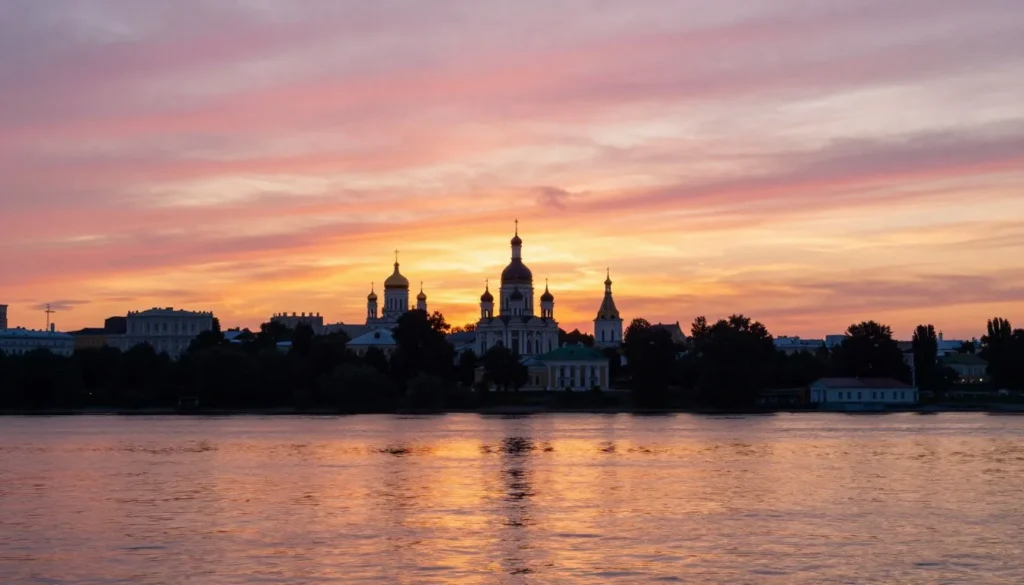
The churches with their gleaming domes, the mighty Volga flowing through landscapes painted by centuries, the museums holding priceless collections, and the people maintaining their traditions – all combine to create something truly special. This is Russia as it has been for generations, preserved and presented with pride.
Whether you spend three days or three weeks exploring this remarkable region, you’ll leave with memories that last lifetimes. The Golden Ring cities call to travelers ready to step beyond the obvious and discover the heart of Russian culture and history. Your adventure through Yaroslavl Oblast awaits.