Hotels by Trip.com
Flights by Trip.com
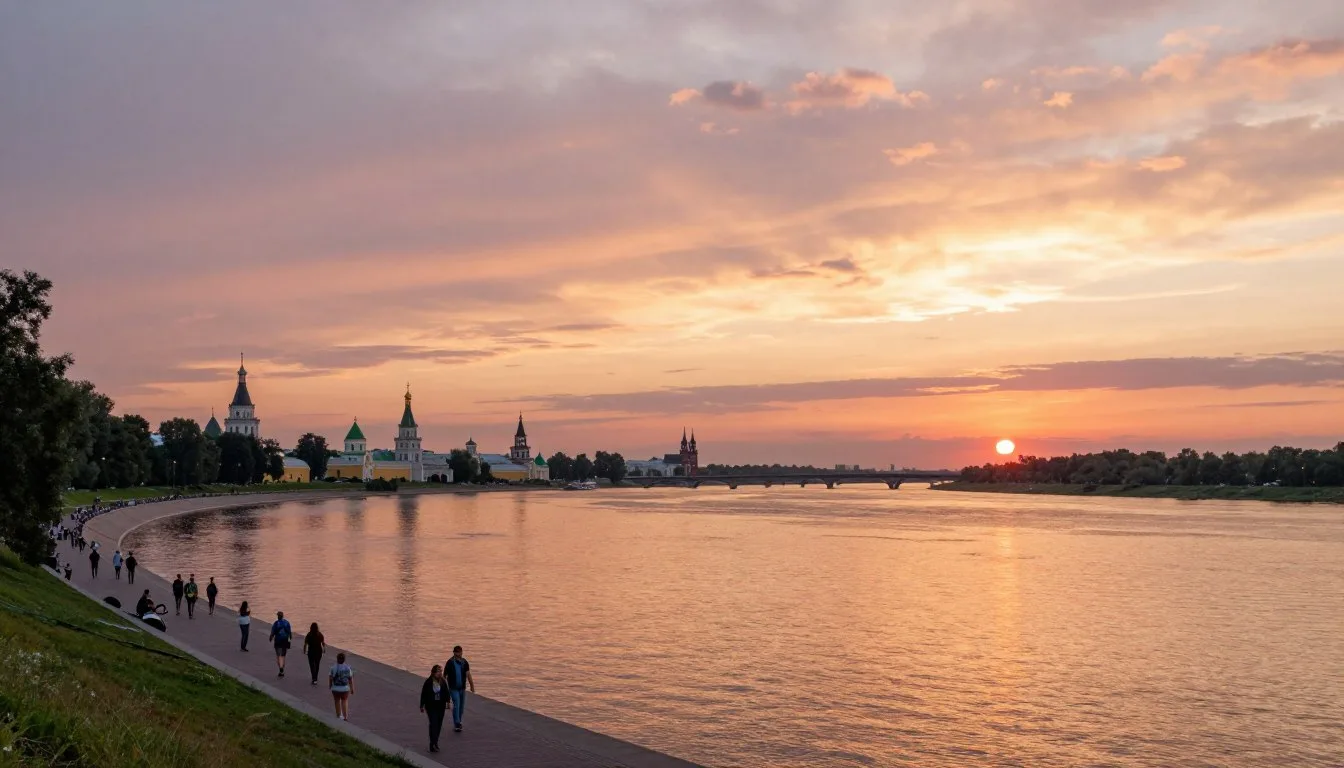
Hidden in the far eastern reaches of Siberia lies a region where over 300 sunny days per year illuminate landscapes so pristine that some areas remain virtually untouched by human presence. Zabaykalsky Krai stretches across 431,500 square kilometers, making it larger than Germany, yet home to barely one million people.
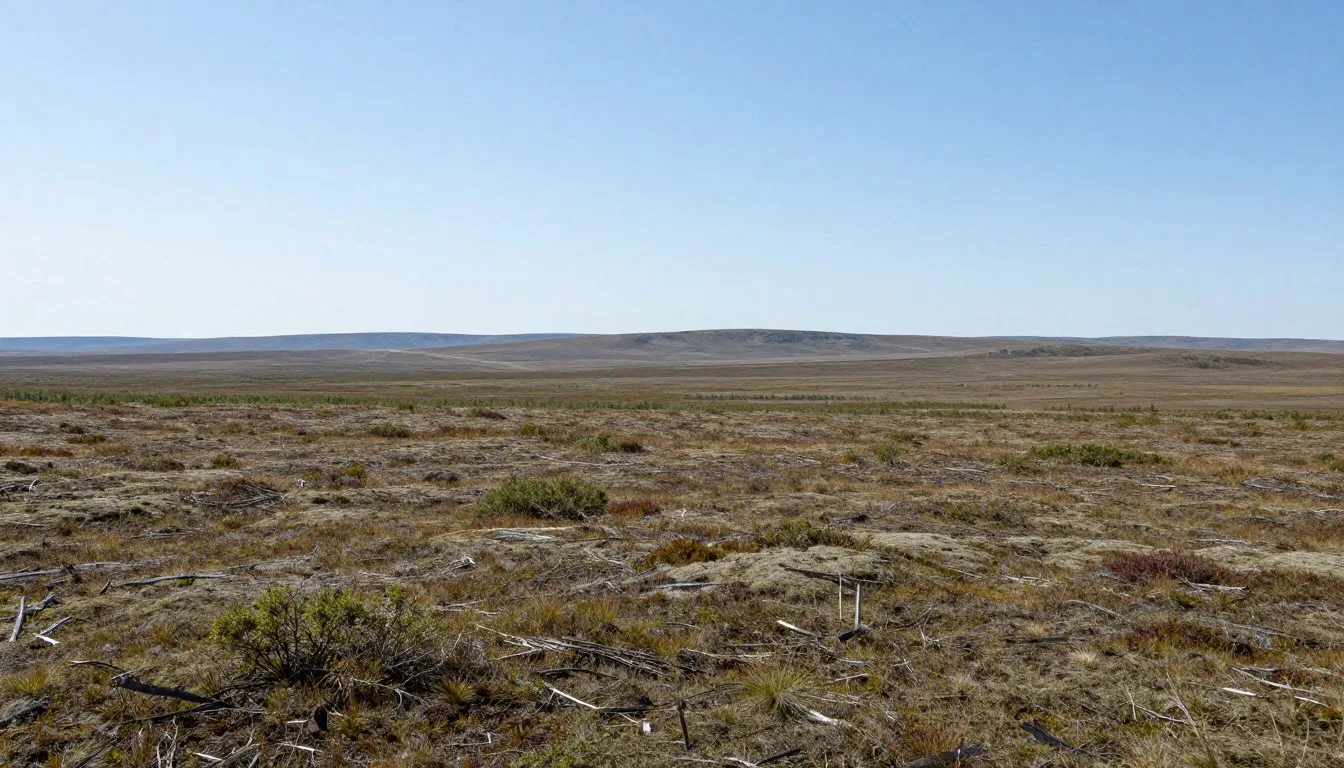
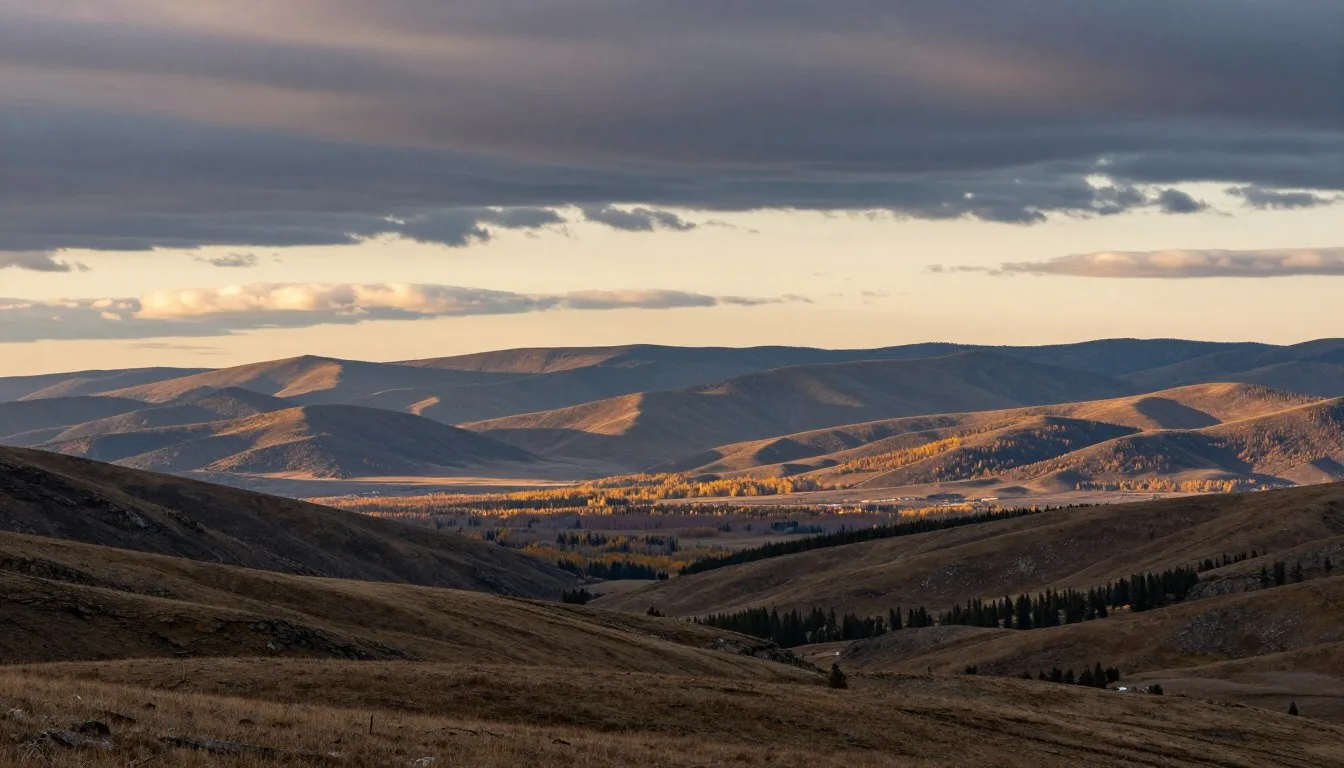
This remote border region shares its eastern frontier with China and touches the legendary Lake Baikal to the west. The landscapes range from the rugged Yablonovy Mountains to endless taiga forests and vast steppe grasslands.
Few Western travelers venture this far into Russia. Those who do discover a place where Buddhist monasteries stand alongside Orthodox churches, where the Trans-Siberian Railway carves through wilderness, and where traditional cultures maintain centuries-old ways of life.
Getting There & Planning Your Journey
Reaching Zabaykalsky Krai requires planning, but multiple routes make the journey accessible. The region serves as a significant transit point along the Trans-Siberian Railway, connecting Moscow with the Russian Far East.
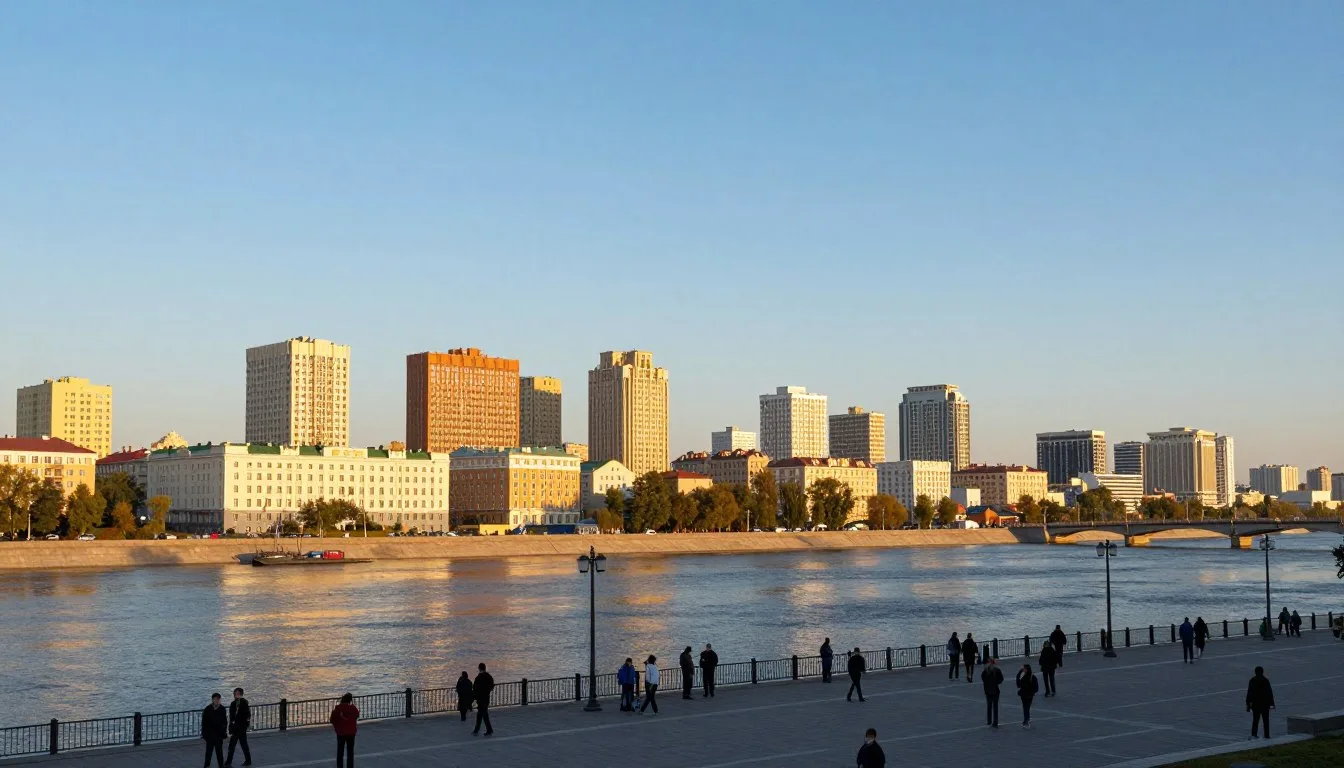
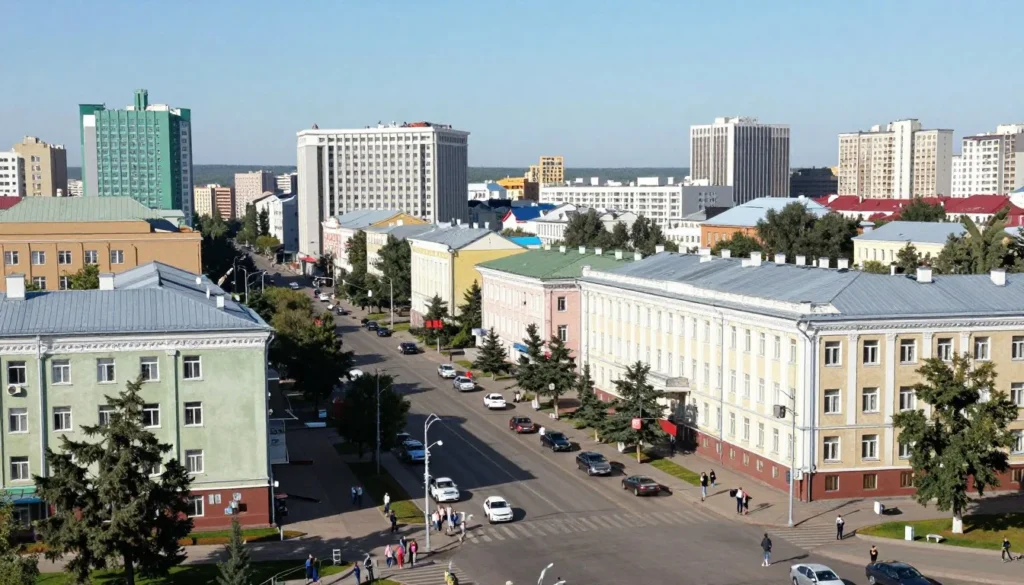
The primary gateway is Chita, the regional center and largest city in Zabaykalsky Krai. Kadala International Airport (HTA) handles domestic flights from major Russian cities including Moscow, Irkutsk, and Novosibirsk. Flight times from Moscow average nine hours.
Train travel offers a more immersive experience. The Trans-Siberian Railway stops in Chita, with the journey from Moscow taking approximately four days. The railway also connects through smaller towns across the region.
Border Crossings and Documentation
Zabaykalsky Krai maintains several border crossing points with China. The town of Zabaykalsk serves as the main gateway on the Russian side, facing Manzhouli in China.
International visitors require proper Russian visa documentation. Border zones may have additional restrictions. Check current regulations before planning trips near the border areas.
Regional Transportation Options
The railway remains the most reliable transportation network within Zabaykalsky Krai. Buses connect major towns, though schedules can be irregular in remote areas.
Car rental services exist in Chita, but road conditions vary dramatically. Many rural roads remain unpaved. Winter travel requires experience with severe conditions.
Best Time to Visit & Weather Tips
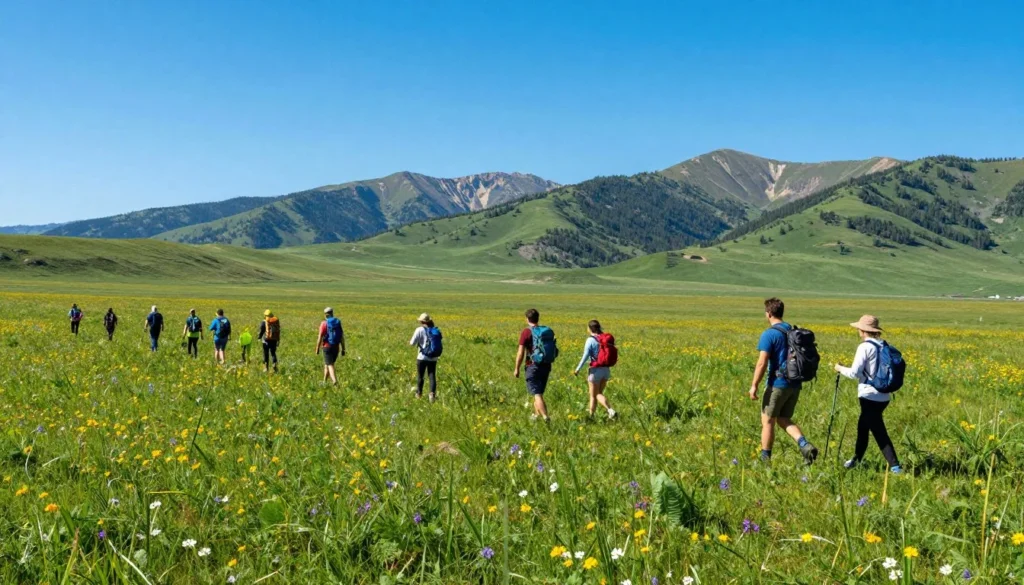
Zabaykalsky Krai experiences dramatic continental climate with temperature extremes. Winter temperatures plummet to minus 35°C (minus 31°F), while summer days reach pleasant 26°C (80°F).
The region boasts exceptional sunshine, averaging over 300 clear days annually. This makes even cold seasons bright and visually spectacular.
Recommended Travel Seasons
Summer (June-August)
Peak travel season offers the most comfortable conditions for exploring Zabaykalsky Krai. Temperatures range from 18°C to 26°C (64°F to 80°F).
Check 30,000+ Local Sightseeing Tours Worldwide
✓ Numerous languages and currencies are available
- Ideal for hiking and outdoor activities
- Full access to national park trails
- Long daylight hours for sightseeing
- Wildflowers bloom across the region
Early Autumn (September)
September brings stunning fall colors across the taiga forests. Temperatures remain mild, ranging from 10°C to 18°C (50°F to 64°F).
- Fewer tourists than summer months
- Beautiful autumn foliage photography
- Comfortable hiking conditions
- Lower accommodation prices
Seasons to Approach with Caution
Winter (November-March) brings extreme cold that challenges even experienced travelers. Temperatures regularly drop below minus 30°C (minus 22°F). Many tourist facilities close, and transportation becomes unreliable.
Spring (April-May) sees dramatic temperature swings and muddy conditions as snow melts. Roads become difficult to navigate. This remains the least favorable time for visiting the region.
Notable Annual Festivals
The Abagatui Treaty Festival celebrates the historic border agreement between Russia and China. Held near Zabaykalsk each August, it features cultural performances, trade exhibitions, and historical reenactments.
Tsagaalgan, the Buryat New Year celebration, occurs in late winter or early spring following the lunar calendar. Buddhist communities across Zabaykalsky Krai host ceremonies, traditional games, and feast preparations.
City Day in Chita falls on September 12th, marking the founding of the regional center. The city hosts concerts, parades, and cultural events throughout the weekend.
Getting Around Locally
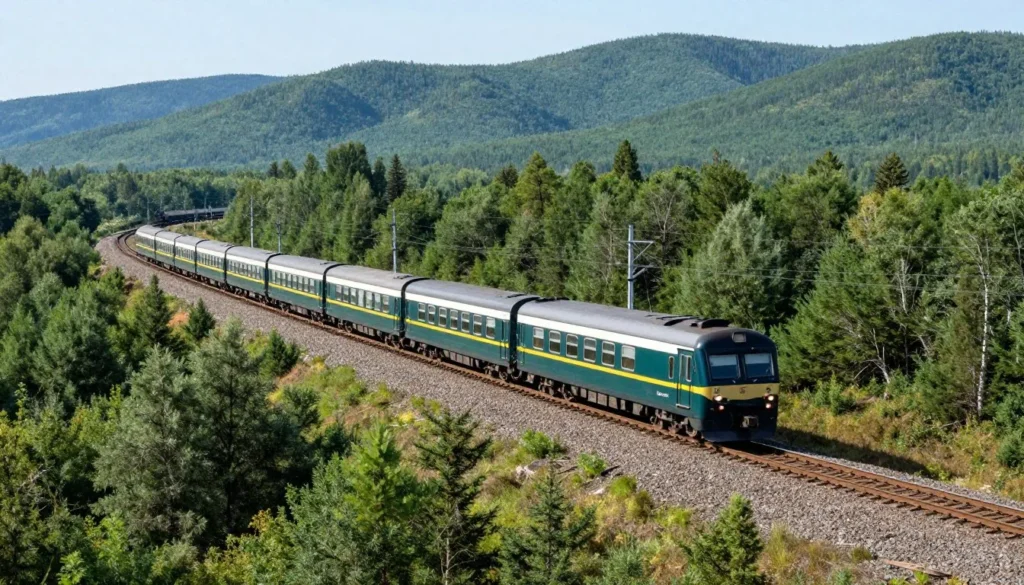
Transportation within Zabaykalsky Krai reflects its vast distances and sparse population. The railway network provides the backbone for regional connectivity.
Local trains connect Chita with smaller towns along the Trans-Siberian Railway route. Elektrichka suburban trains offer economical travel for shorter distances between communities.
Urban Transportation
Chita operates a network of buses, trolleybuses, and marshrutkas (shared minibuses). Routes cover most city areas with frequent service during daytime hours. Fares remain affordable at around 30 rubles per ride.
Taxis are widely available through apps like Yandex Taxi. Fares are reasonable compared to Western standards. Always verify the price before beginning your journey.
Exploring Remote Areas
Reaching national parks and wilderness areas often requires private transportation. Tour operators in Chita organize excursions to major natural attractions.
Some visitors hire drivers with four-wheel-drive vehicles for multi-day expeditions. This proves essential for accessing remote locations off the main highway network.
Where to Stay
Accommodation options in Zabaykalsky Krai center primarily on Chita and other major towns. The region offers limited choices compared to more developed tourist destinations, but quality varies from basic to comfortable.
Hotels in Chita
The regional center provides the widest selection of hotels in Zabaykalsky Krai. Options range from Soviet-era establishments to modern business hotels.
Arirang Hotel offers contemporary amenities near the city center. Rooms feature modern furnishings, reliable wifi, and helpful staff who can assist with travel arrangements.
Hotel Zabaykalye provides mid-range accommodations with traditional Russian hospitality. The central location makes exploring the city convenient on foot.
Alternative Lodging Options
Guest houses operate in smaller towns across the region. These family-run establishments offer insight into local life and home-cooked meals featuring regional cuisine.
Some national parks maintain basic tourist bases with simple cabins or dormitory accommodation. Book these well in advance during summer months.
Camping is possible in designated areas, though facilities remain minimal. Bring all necessary equipment and supplies from Chita before heading into wilderness areas.
Dining & Local Cuisine

The cuisine of Zabaykalsky Krai blends Russian traditions with Buryat influences, reflecting the region’s cultural diversity. Hearty meat dishes dominate menus, adapted to the harsh climate and historical pastoral lifestyle.
Traditional Dishes to Try
Buuz represents the most iconic dish of the region. These steamed dumplings filled with minced meat, onions, and spices arrive juicy and flavorful. Every family claims their own special recipe.
Pozы (another name for buuz in some areas) appear on nearly every menu. The dumplings are traditionally eaten by hand, first sipping the rich broth inside before consuming the dumpling itself.
Stroganina showcases the fishing traditions of the region. This dish features thinly sliced frozen fish, typically omul or whitefish, served raw with salt and pepper. The extreme cold makes this preservation method possible.
Where to Eat in Chita
Kochevnik Restaurant specializes in Buryat cuisine and offers an authentic cultural dining experience. The menu features traditional preparations alongside Russian classics.
Café Prichal provides a casual atmosphere with diverse menu options. Located near the city center, it serves reliable Russian comfort food at reasonable prices.
Local markets offer fresh produce, baked goods, and prepared foods. The Central Market in Chita becomes particularly vibrant during morning hours.
Dining Customs
Meals often begin with appetizers and salads, followed by hearty main courses. Soup remains an essential component of lunch.
Tea drinking holds cultural significance, especially in Buryat communities. Suutei tsai, or milk tea with salt and butter, represents traditional hospitality.
Attractions, Sightseeing & Activities
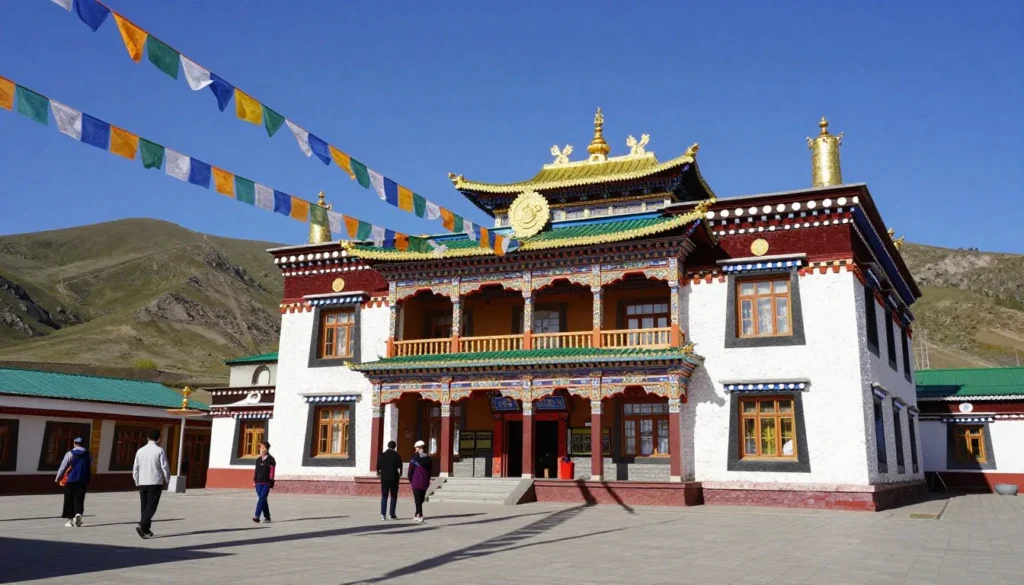
Zabaykalsky Krai offers attractions that span natural wonders, historical sites, and cultural landmarks. The region rewards travelers who seek experiences beyond conventional tourist routes.
Religious and Cultural Landmarks
The Datsan Gunzechoinei Buddhist temple complex near the town of Aginskoe represents one of the most significant religious sites in the region. Active monasteries maintain centuries-old traditions while welcoming respectful visitors.
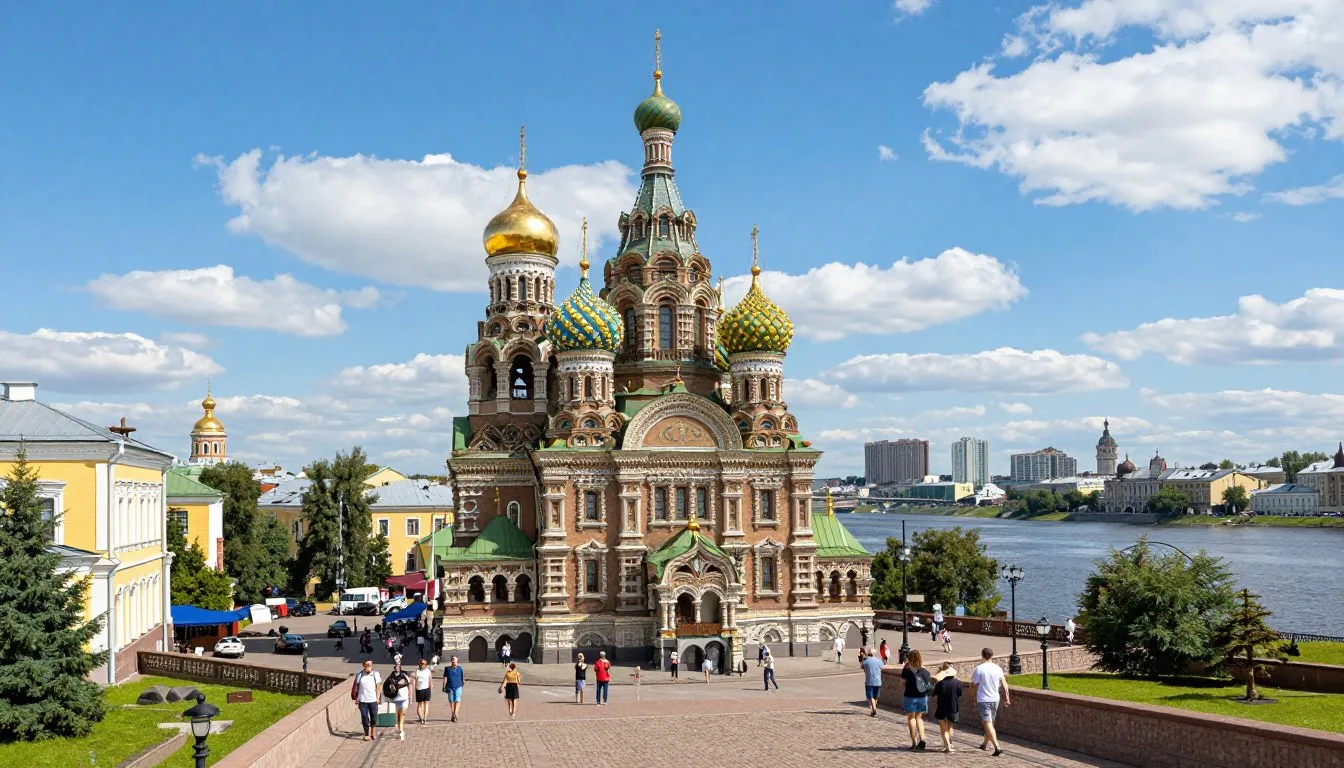
Kazansky Cathedral in Chita showcases Orthodox Christian heritage with distinctive Russian architecture. The red brick structure with white trim and golden domes dominates the city skyline.
The Decembrist Museum preserves the memory of exiled nobles who were sent to Zabaykalsky Krai following the failed 1825 uprising. Their presence significantly influenced regional culture and development.
Historical Points of Interest
Military Glory Square in Chita honors those who served in various conflicts. The eternal flame and memorial sculptures create a contemplative space in the city center.
Old Believers’ villages scattered across the region preserve unique Russian Orthodox traditions dating back to the 17th century schism. Some communities welcome visitors interested in their distinctive way of life.
Border markers along the Chinese frontier tell the story of trade and diplomacy spanning centuries. The Abagatui Treaty site near Zabaykalsk marks historic agreements between nations.
Museums, Cultural Spots & Festivals
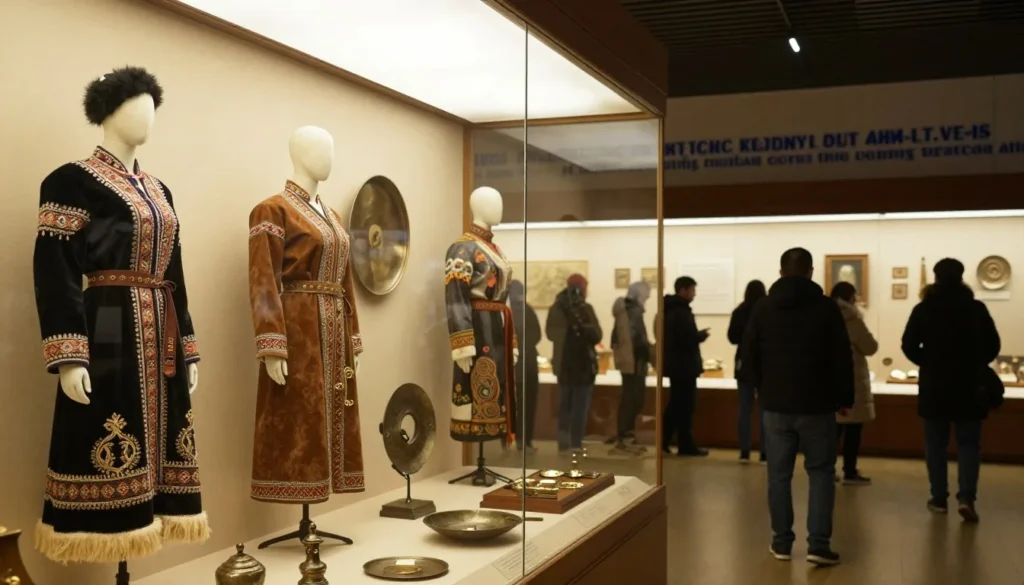
Cultural institutions across Zabaykalsky Krai preserve the diverse heritage of Russian, Buryat, and other ethnic communities that shaped the region.
Museums Worth Visiting
The Zabaykalsky Regional Museum of Local Lore in Chita presents comprehensive exhibits covering natural history, indigenous cultures, and regional development. Collections include archaeological finds, ethnographic materials, and geological specimens.
The Kuznetsov Fine Arts Museum displays Russian art from the 18th through 21st centuries. Works by regional artists receive special attention alongside pieces from national masters.
The Military History Museum chronicles the region’s strategic importance and military heritage. Exhibits cover conflicts from the Russian Far East campaigns through modern times.
Cultural Events Calendar
Altargana International Festival brings together Buryat communities from Russia, Mongolia, and China every two years. The celebration features traditional sports, music, dance, and cultural exhibitions. When held in Zabaykalsky Krai, it draws thousands of participants.
International Theatre Festival “Theatre Spring” occurs annually in Chita during April and May. Regional and visiting theater companies present productions ranging from classical to contemporary works.
Folk music festivals celebrate the diverse musical traditions of the region throughout summer months. Traditional instruments and throat singing performances showcase cultural heritage.
Nature & Outdoor Experiences
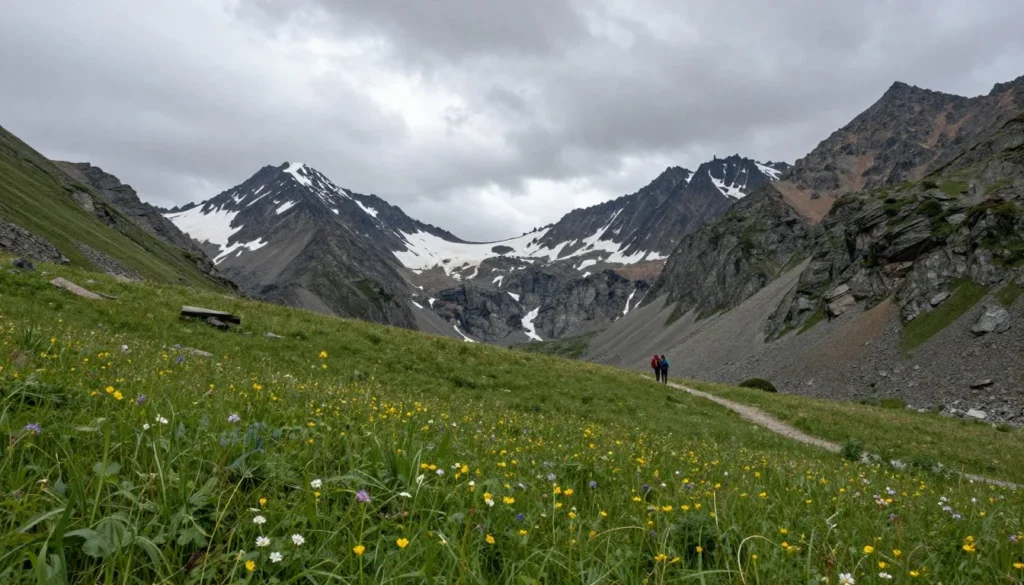
The natural environments of Zabaykalsky Krai rank among the most pristine in Russia. Two major national parks protect ecosystems that harbor rare species and spectacular landscapes.
Sokhondinsky Nature Reserve
This protected area encompasses 211,178 hectares (521,750 acres) surrounding Mount Sokhondo, the highest peak in the region at 2,505 meters (8,218 feet). The reserve protects unique alpine ecosystems at the meeting point of several biogeographic zones.
Hiking trails wind through various elevation zones, from taiga forests to alpine tundra. Summer months offer the best access, with wildflowers blanketing meadows in July and August.
Wildlife includes brown bears, wolverines, sable, and numerous bird species. The reserve serves as an important refuge for several endangered animals.
Alkhanai National Park
Alkhanai combines natural beauty with spiritual significance for Buddhist pilgrims. The park covers 138,234 hectares (341,563 acres) centered on sacred Mount Alkhanai.
Rock formations create natural temples and shrines that have drawn worshippers for centuries. Hiking paths connect various sacred sites, passing through mixed forests and across mountain streams.
The park maintains visitor facilities including marked trails, basic accommodations, and information centers. Summer weekends see significant visitation from both pilgrims and nature enthusiasts.
Lake Baikal Access
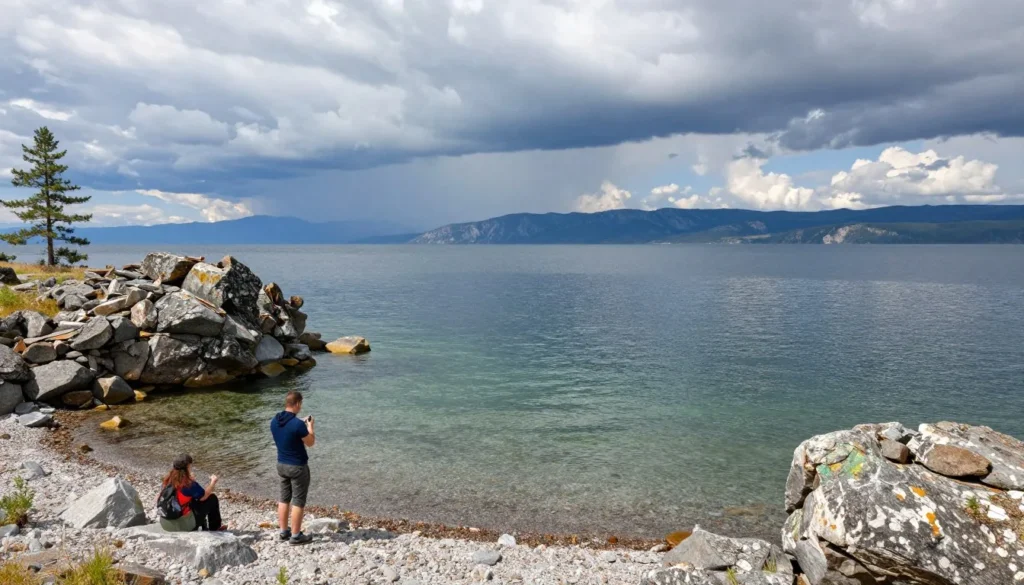
The western edge of Zabaykalsky Krai touches Lake Baikal, the world’s deepest and oldest freshwater lake. While most famous Baikal destinations lie in neighboring regions, the eastern shore offers more isolated access points.
The Chivyrkuisky Bay area provides opportunities for fishing, boat trips, and wildlife observation. The region sees fewer tourists than western Baikal shores.
River Activities
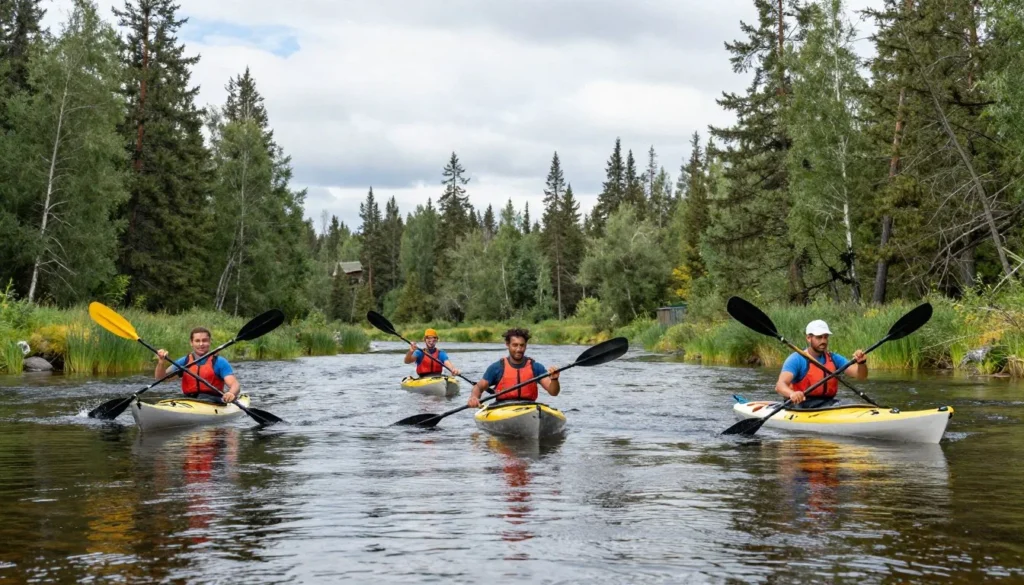
Major rivers including the Onon, Ingoda, and Shilka flow through Zabaykalsky Krai. These waterways support fishing, rafting, and kayaking during summer months.
Local outfitters organize multi-day rafting expeditions through remote wilderness areas. These trips require advance planning and appropriate equipment for changing conditions.
Safety, Etiquette & Local Customs
Traveling in Zabaykalsky Krai requires awareness of both practical safety considerations and cultural sensitivities. The remote location and unique cultural mix create specific situations travelers should understand.
General Safety Guidelines
The region generally proves safe for visitors who exercise normal precautions. Petty crime rates remain low in most areas, though standard urban caution applies in city centers.
Wildlife encounters require respect and proper behavior. Brown bears inhabit forested areas. Make noise while hiking, store food properly, and never approach wild animals.
Weather represents the primary hazard. Summer storms develop quickly in mountains. Winter conditions prove extreme and potentially dangerous without proper preparation.
Cultural Etiquette
The presence of both Russian Orthodox and Buddhist communities requires cultural sensitivity. Dress modestly when visiting religious sites. Remove shoes before entering Buddhist temples. Cover shoulders and head when entering Orthodox churches.
Photography restrictions apply at some religious sites and near border areas. Always ask permission before photographing people, especially in traditional communities.
The Buryat people maintain strong traditions around hospitality. Refusing offered food or drink may cause offense. Accept at least a small portion as a gesture of respect.
Practical Considerations
Limited English proficiency makes language a potential barrier. Learn basic Russian phrases or use translation apps. Written Cyrillic becomes essential for reading signs and menus.
Cash remains the primary payment method outside major hotels in Chita. ATMs exist in the city but become scarce in rural areas. Carry sufficient rubles for your planned activities.
Medical facilities in Chita meet basic standards, but rural areas lack advanced care. Comprehensive travel insurance with emergency evacuation coverage proves essential.
Visitor Comments About Zabaykalsky Krai
H.W., Eugene: “The sheer remoteness makes this place special. We spent ten days exploring the region last summer, and the hospitality of people we met made the journey unforgettable. The Buddhist monasteries near Aginskoe left me deeply moved. Just be prepared for basic conditions outside Chita.”
M.Y., Bhagwanpur: “Zabaykalsky Krai exceeded expectations. The Trans-Siberian Railway journey itself was worth the trip, but stopping to explore the region added so much depth. The natural landscapes rival anywhere I’ve traveled. Summer weather was perfect for hiking in Sokhondinsky Reserve.”
G.L., Colombo: “This region demands an adventurous spirit. Not everything runs smoothly, and you must accept that as part of the experience. The cultural mix of Russian and Buryat traditions creates fascinating contrasts. Try the buuz dumplings – every place makes them differently, and all were delicious.”
Additional Nearby Destinations
Zabaykalsky Krai’s location makes it a natural base for exploring surrounding regions of Eastern Siberia and the Russian Far East.
Buryatia Republic
Immediately west of Zabaykalsky Krai lies the Republic of Buryatia, offering deeper immersion into Buddhist culture. The capital Ulan-Ude features the impressive Ivolginsky Datsan monastery complex and unique Soviet-era architecture.
The journey from Chita to Ulan-Ude takes approximately eight hours by train or six hours by car, making it feasible for extended itineraries.
Irkutsk and Lake Baikal
Continuing west brings travelers to Irkutsk, the cultural center of Eastern Siberia. This city serves as the primary gateway to Lake Baikal’s western shore, where tourist infrastructure is more developed.
Check 30,000+ Local Sightseeing Tours Worldwide
✓ Numerous languages and currencies are available
The overnight train from Chita to Irkutsk provides comfortable passage between regions. Many travelers combine Zabaykalsky Krai with longer Lake Baikal explorations.
Amur Oblast
East of Zabaykalsky Krai, Amur Oblast extends toward the Pacific coast. The Trans-Siberian Railway continues through this region toward Khabarovsk and Vladivostok.
The Amur River forms the border with China and offers additional perspectives on border region culture and trade.
Practical Travel Tips
Money Matters
The Russian ruble serves as the sole currency. Credit cards see limited acceptance outside major hotels and restaurants in Chita.
- Exchange currency before leaving Moscow or major cities
- ATMs in Chita accept international cards but charge fees
- Carry cash in small denominations for markets and transport
- Current exchange rates fluctuate; check before traveling
Communication
Mobile coverage exists in populated areas but becomes unreliable in wilderness. Russian SIM cards offer the most economical option for data and calls.
- Purchase local SIM cards at airports or phone stores
- Download offline maps before remote travel
- WiFi available in most hotels and cafes in Chita
- Translation apps prove essential for navigation
Packing Essentials
Layer clothing regardless of season, as temperatures vary dramatically between day and night. Summer requires sun protection due to intense high-altitude sunlight.
Quality hiking boots prove essential for exploring natural areas. Trails often lack maintenance, and terrain becomes rugged quickly outside established paths.
Insect repellent becomes necessary during summer months, particularly near water bodies and in forested areas. Mosquitoes and biting flies can prove aggressive.
Documentation
Keep passport and visa documents accessible at all times. Registration requirements apply for stays exceeding seven business days. Hotels typically handle registration for guests.
Border zones require special permits in some areas. Check current regulations if planning travel near the Chinese border beyond established crossing points.
Time Zone Awareness
Zabaykalsky Krai operates on Yakutsk Time, UTC+9, which is six hours ahead of Moscow. This time difference can affect train schedules and connections.
The Trans-Siberian Railway operates on Moscow time regardless of location. Pay attention to which time system applies when booking transportation.
Location Map
Your Gateway to Undiscovered Siberia Awaits
Zabaykalsky Krai stands apart from conventional travel destinations. This border region rewards those willing to venture beyond familiar routes with experiences that remain rare in our connected world.
The landscapes range from sacred mountains to endless taiga. The people blend cultures spanning centuries of tradition. The Trans-Siberian Railway connects this remote territory to the wider world while the region maintains its distinctive character.
Planning requires effort. Travel conditions challenge expectations shaped by more developed destinations. Yet these very qualities create the authentic experiences that travelers increasingly seek but rarely find.
Whether drawn by nature, culture, history, or simply the spirit of adventure, Zabaykalsky Krai offers discoveries that transform journeys into genuine exploration. The region awaits those ready to experience Russia beyond the guidebooks.