Hotels by Trip.com
Flights by Trip.com
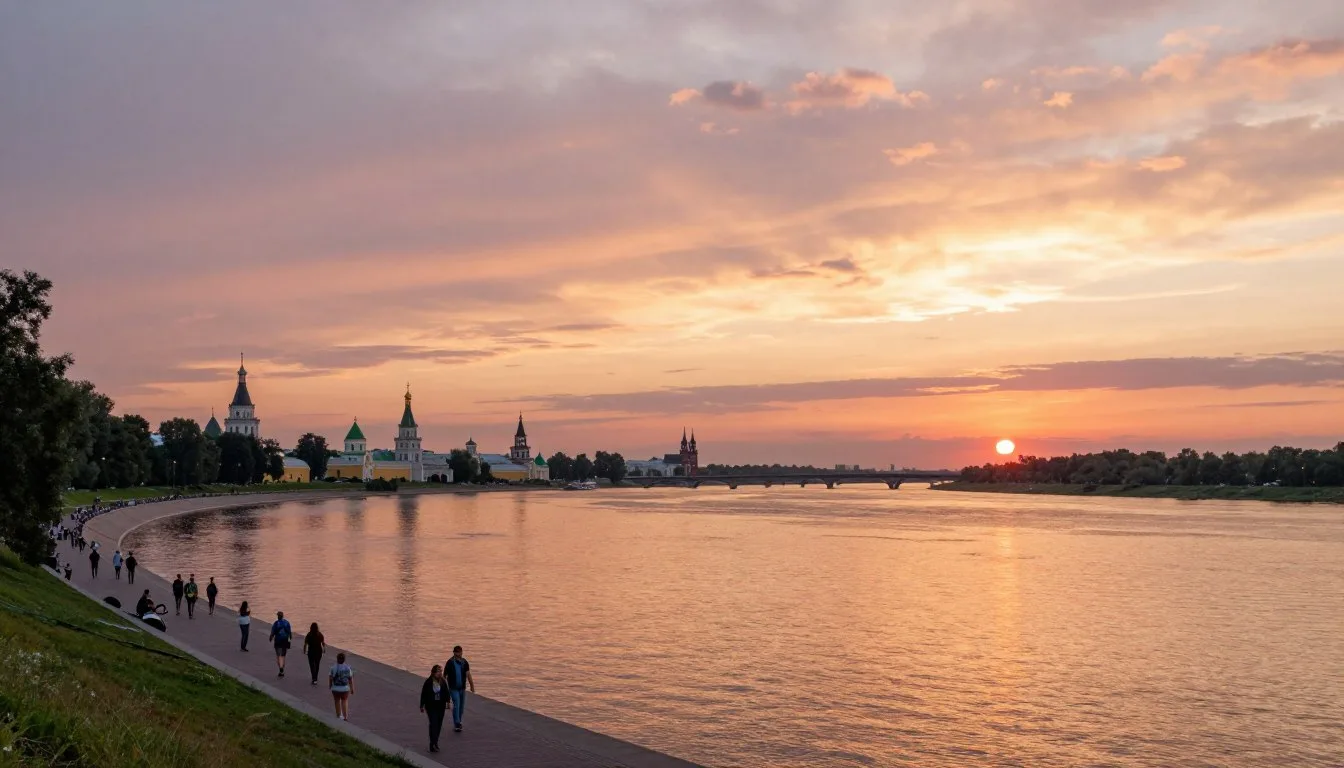
Did you know that Tver Oblast sits at the crossroads where three of Russia’s most important rivers converge? This remarkable region witnessed the birth of Russia’s river trade network in the medieval era. The Volga River, Europe’s longest waterway, flows through the heart of this historic oblast.
Travellers seeking authentic Russian experiences find themselves drawn to this gem between Moscow and St. Petersburg. The region offers a perfect blend of imperial history and natural beauty. Few international tourists venture here, making it an ideal destination for those who want to explore beyond typical tourist routes.
This comprehensive guide reveals everything you need to plan an unforgettable journey through Tver Oblast. From navigating local transport to discovering hidden cultural treasures, we cover all essential aspects of your trip. The area provides rich experiences that connect visitors with Russia’s deep historical roots and vibrant contemporary culture.
Getting There & Planning Your Journey
Reaching Tver Oblast proves remarkably straightforward for international travellers. The region benefits from excellent transport connections to Russia’s two largest cities. Most visitors arrive through Moscow’s international airports before continuing their journey north.
Closest Airports
Sheremetyevo International Airport in Moscow serves as the primary gateway, located approximately 165 km (103 miles) south of Tver city. Domodedovo Airport offers another option at a similar distance. Both airports provide extensive international flight connections. Domestic flights also operate through Moscow’s airports for travellers coming from other Russian regions.
Pulkovo Airport in St. Petersburg sits about 480 km (298 miles) northwest of Tver Oblast. This airport works well for travellers planning to explore both regions during their trip. The journey from either city creates an excellent opportunity to witness the changing Russian landscape.
Transport from Airports
Express trains departing from Moscow’s Leningradsky Station reach Tver in just two hours. These comfortable trains operate multiple times daily, offering a scenic journey through the Russian countryside. The station connects directly to the airport via the Aeroexpress rail service.
Coaches and buses provide budget-friendly alternatives for the journey. Several companies run regular services from Moscow to various towns across Tver Oblast. The road journey typically takes between three and four hours, depending on traffic conditions and your final destination within the region.
Transport Booking Information
Russian Railways Central Booking Office provides comprehensive train schedules and reservations. International travellers should book tickets in advance during peak summer months and major holidays.
Private transfers offer the most convenient option for groups or families with luggage. Many hotels in Tver Oblast arrange pickup services from Moscow airports. This option eliminates navigation concerns and provides door-to-door comfort, though at a higher cost than public transport.
Best Time to Visit & Weather Tips
Best Time to Visit Tver Oblast
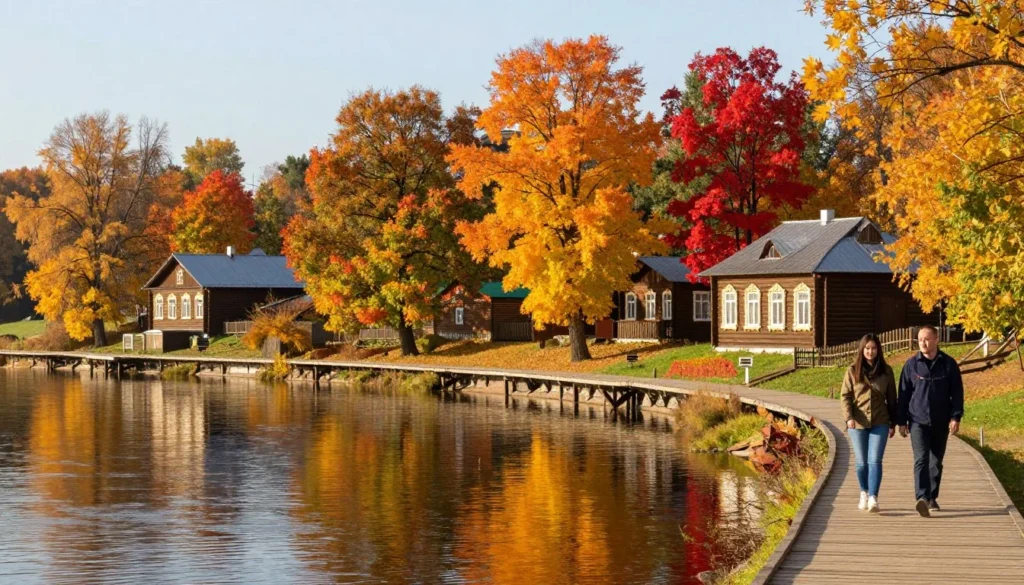
Late spring through early autumn offers the most pleasant weather conditions for exploring Tver Oblast. May through September brings comfortable temperatures ideal for outdoor activities and sightseeing. The region transforms into a lush green landscape during these months, with long daylight hours perfect for exploration.
June, July and August represent peak travel months when temperatures range from 18°C to 26°C (64°F to 79°F). These warm summer months allow visitors to enjoy the Volga River and outdoor monuments comfortably. However, this period also attracts more domestic tourists, particularly in July.
September deserves special mention for its spectacular autumn colours. The forests surrounding historic cities burst into brilliant shades of gold and crimson. Temperatures remain mild, typically between 10°C and 18°C (50°F to 64°F), whilst tourist crowds diminish significantly.
Check 30,000+ Local Sightseeing Tours Worldwide
✓ Numerous languages and currencies are available
Seasons to Consider Carefully
Winter months from December through February challenge unprepared travellers with severe cold. Temperatures frequently drop below minus 15°C (5°F), with January averaging minus 10°C (14°F). Snow covers the ground from November through March, creating beautiful but harsh conditions.
Early spring in March and April brings unpredictable weather patterns. The region experiences muddy conditions as snow melts, making some rural areas difficult to access. Roads can become challenging, and many outdoor attractions close for maintenance during this transition period.
Weather Preparation Tips
Summer visitors should pack light layers for warm days and cooler evenings. Rain showers occur regularly throughout the growing season, so waterproof jackets prove essential. Comfortable walking shoes help navigate cobblestone streets in historic city centers.
Autumn travellers need warmer clothing as temperatures drop steadily from September onwards. A medium-weight jacket suffices for September, whilst October requires heavier outerwear. The weather becomes increasingly unpredictable as winter approaches.
Those brave enough to visit during winter months must prepare thoroughly. Heavy winter coats, insulated boots, warm hats and gloves become absolute necessities. However, winter offers unique beauty with frozen rivers and snow-covered monuments creating magical winter scenes.
Notable Annual Festivals
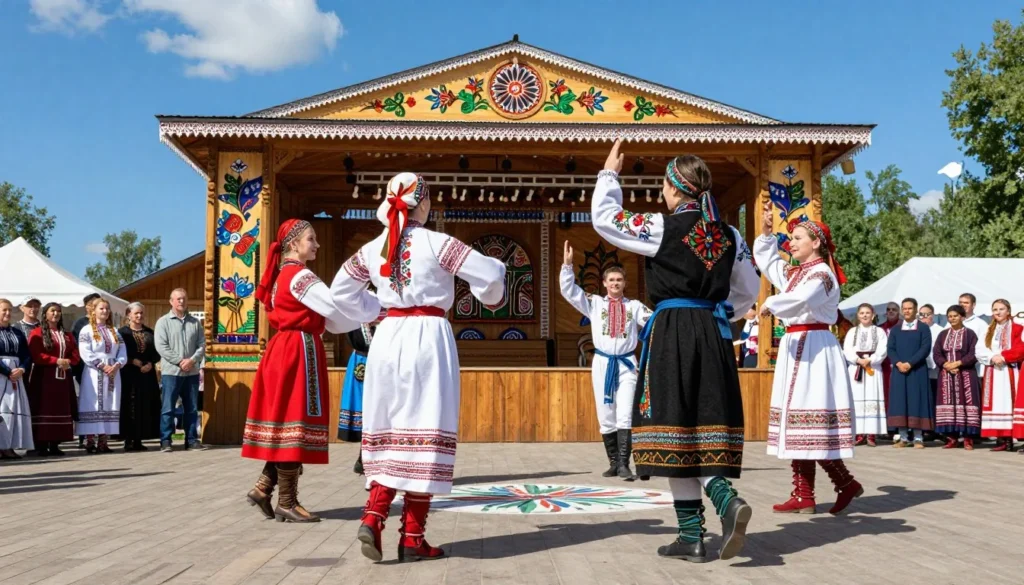
Tver Oblast celebrates its rich cultural heritage through numerous annual festivals and events. These gatherings offer visitors authentic glimpses into Russian traditions and contemporary culture. The region hosts everything from classical music performances to folk art celebrations throughout the year.
Afanasy Nikitin Festival
This major summer festival honours Tver’s legendary 15th century explorer and traveller. Held annually in late June, the event transforms the city center into a vibrant celebration of exploration and discovery. Historical reenactments, craft fairs and cultural performances fill the streets for three days.
The festival showcases traditional Russian crafts, music and cuisine. Artisans from across the region demonstrate ancient techniques passed down through generations. Visitors can participate in workshops, sample local delicacies and enjoy outdoor concerts featuring both classical and folk music.
Festival Coordination Office:
Seliger Summer Festival
Lake Seliger hosts one of Russia’s most significant youth festivals each August. The event attracts thousands of participants for educational forums, cultural exchanges and outdoor activities. The festival grounds transform into a temporary city of tents and performance spaces.
Music performances range from rock bands to traditional folk ensembles. Educational workshops cover topics from environmental conservation to entrepreneurship. The natural beauty of Lake Seliger provides a stunning backdrop for this week-long gathering.
Tver Christmas Market
December brings festive charm to Tver’s main squares with traditional Christmas markets. Wooden chalets sell handcrafted gifts, warm beverages and seasonal treats. The market operates from early December through Orthodox Christmas on 7th January.
Ice sculptures and elaborate light displays create a magical winter atmosphere. Local performers provide entertainment with carol singing and folk dances. Hot mulled wine and traditional Russian pastries help visitors stay warm whilst browsing the market stalls.
Tourism Information Center:
Golden Ring Music Festival
Classical music enthusiasts gather each September for this prestigious event. Concert halls across Tver host internationally renowned orchestras and soloists. The festival celebrates the region’s connection to Russia’s cultural heritage with performances in historic venues.
Programs feature works by Russian composers alongside international classical repertoire. Special performances take place in churches and palaces, enhancing the historical atmosphere. The festival runs for two weeks, offering multiple concerts daily.
Getting Around Locally
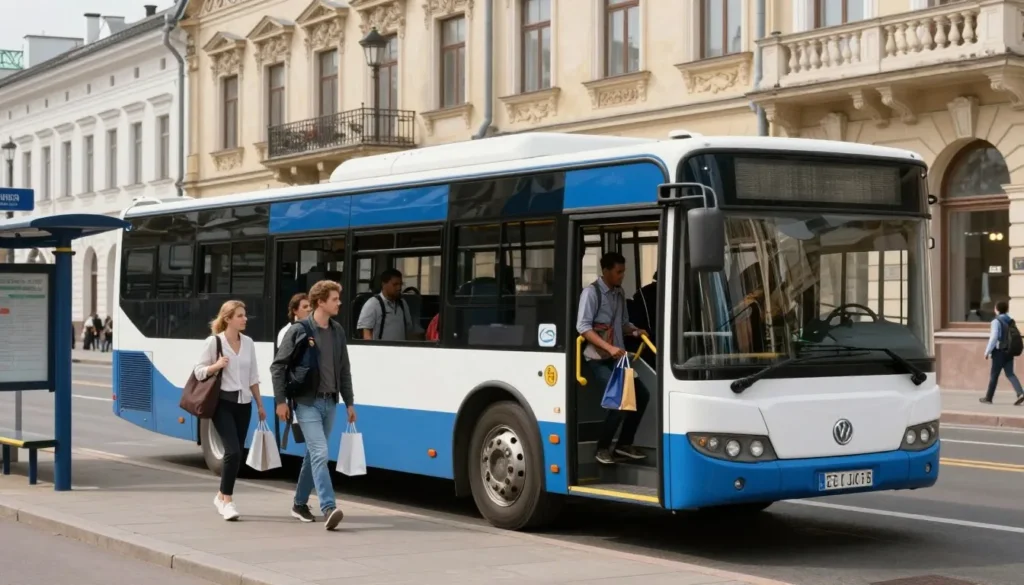
Navigating Tver Oblast requires understanding the various transport options available across the region. The city of Tver offers well-developed public transport, whilst smaller towns rely more on taxis and personal vehicles. Planning your daily movements in advance helps maximize your time exploring attractions.
Public Transport in Tver City
Tver’s public transport network includes buses, trolleybuses and marshrutkas (shared minivans). The system covers most areas of interest to visitors, operating from early morning until late evening. Bus routes connect the railway station with the historic center and major monuments.
Tickets can be purchased from the driver upon boarding. Fares remain very affordable by international standards, typically costing between 25 and 30 roubles per journey. However, drivers rarely speak English, so having your destination written in Russian helps ensure you board the correct vehicle.
Trolleybus route number 1 provides particularly useful service for tourists. This route connects the railway station with the Volga River embankment and passes many central attractions. The vehicles run frequently during daytime hours, making spontaneous sightseeing trips convenient.
Taxis and Ride-Sharing
Taxis offer comfortable alternatives for visitors uncomfortable with public transport. Official taxi companies provide reliable service at reasonable rates. Booking through your hotel reception often proves easier than attempting to hail vehicles on the street.
Ride-sharing apps like Yandex Taxi operate throughout Tver Oblast. These services offer transparent pricing and English-language interfaces. Payments can be made through the app, eliminating language barriers and currency confusion. The apps work reliably in Tver city and larger towns.
Fares within Tver city typically range from 150 to 300 roubles, depending on distance and time of day. Journeys to attractions outside the city center cost more but remain affordable. Always verify the estimated fare before confirming your booking.
Exploring Beyond Tver City
Rental cars provide maximum flexibility for exploring the oblast’s smaller towns and nature sites. International driving licenses are accepted, though road signs appear only in Cyrillic script. Major rental companies operate offices in Tver city center and near the railway station.
Regional buses connect Tver with surrounding towns and villages. The central bus station offers services to destinations across the oblast. Schedules can be irregular, particularly on weekends and holidays, so check timetables carefully and allow extra time for connections.
Organized day tours eliminate transport concerns whilst visiting multiple sites. Local tour operators offer excursions to popular destinations like Lake Seliger and historic monasteries. These tours typically include transport, guide services and entrance fees in one package price.
Where to Stay
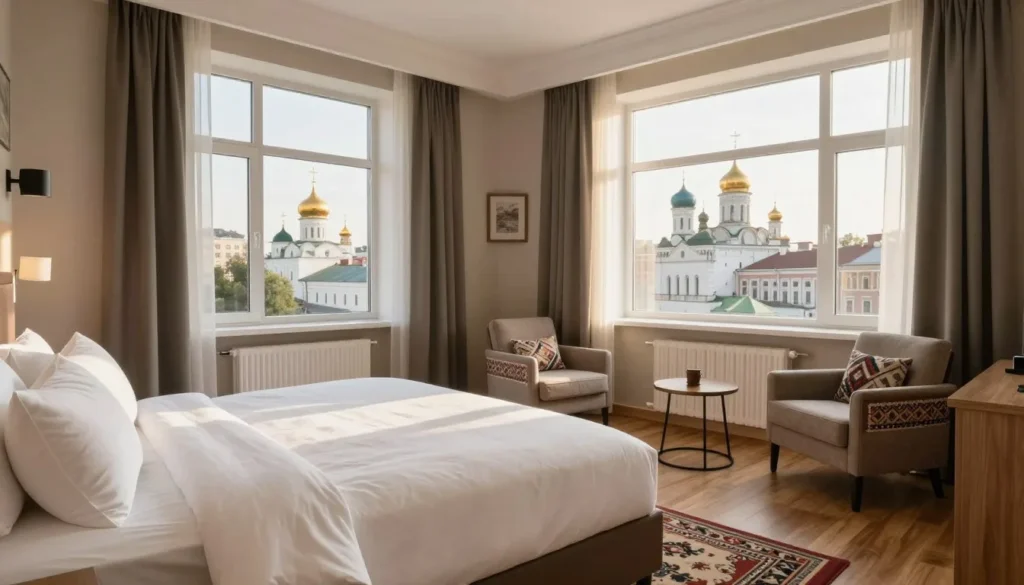
Accommodation options across Tver Oblast range from international-standard hotels to charming guesthouses. The city of Tver offers the widest selection, whilst smaller towns provide more intimate lodging experiences. Booking in advance proves essential during summer months and major festivals.
Hotels in Tver City Center
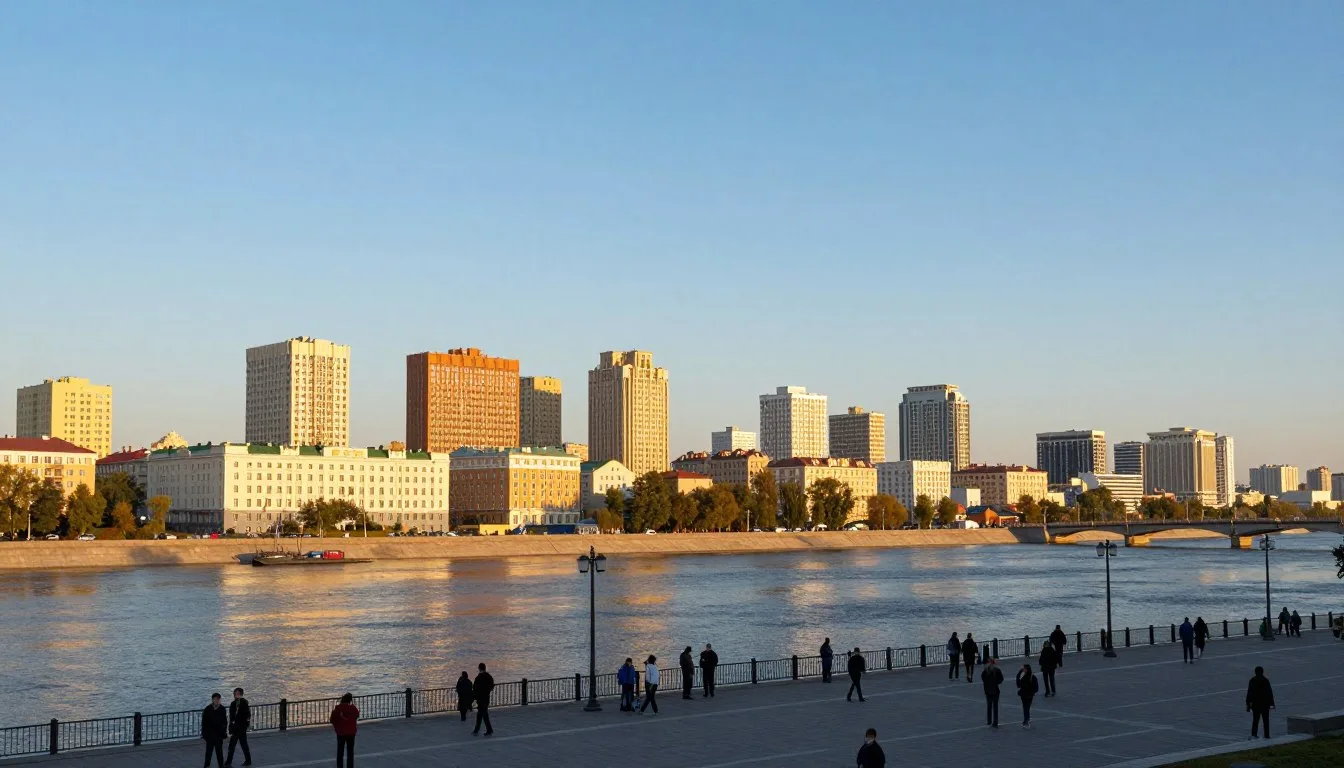
The historic city center contains several excellent hotels within walking distance of major attractions. These properties typically occupy renovated 19th century buildings, combining historical charm with modern amenities. Rooms offer views of the Volga River or picturesque city streets.
Volga Hotel
This riverside property offers stunning views from its premium rooms. The hotel combines Soviet-era architecture with thoroughly modernised interiors. Its central location makes exploring on foot convenient.
- 24-hour reception with English-speaking staff
- Restaurant serving Russian and European cuisine
- Business center and meeting facilities
- Complimentary breakfast buffet
Address: Stepan Razin Street 1, Tver
Contact:
Seliger Hotel
Located near the Imperial Travel Palace, this boutique hotel provides personalized service in elegant surroundings. Recently renovated rooms feature contemporary design whilst respecting the building’s historical character.
- Individually decorated rooms with period furniture
- On-site spa and wellness center
- Guided city tours arranged by concierge
- Secure parking for guests
Address: Soviet Street 25, Tver
Contact:
Osnabruck Hotel
This German-managed property brings international standards to Tver. The hotel caters particularly well to business travellers but welcomes tourists seeking reliable comfort and service.
- Modern fitness center and indoor pool
- International breakfast with dietary options
- High-speed internet throughout property
- Airport transfer service available
Address: Maxim Gorky Street 3, Tver
Contact:
Lakeside Resorts and Country Estates
Lake Seliger attracts visitors seeking nature-focused accommodation. Several resort complexes offer cottages and hotel rooms along the shoreline. These properties provide water sports equipment, fishing facilities and organized nature excursions.
Traditional Russian country estates have been converted into charming guesthouses. These properties typically feature wooden architecture, home-cooked meals and immersive cultural experiences. Hosts often arrange activities like mushroom picking, berry gathering and traditional Russian banya experiences.
Budget-Friendly Options
Hostels in Tver city provide clean, affordable accommodation for budget-conscious travellers. Facilities include shared dormitories and private rooms, communal kitchens and social spaces. Staff at these properties often speak some English and offer valuable local advice.
Apartment rentals through local agencies suit longer stays or groups. These fully equipped flats often cost less than hotels whilst providing more space and flexibility. Properties near the city center command higher rates but save money on transport.
Dining & Local Cuisine
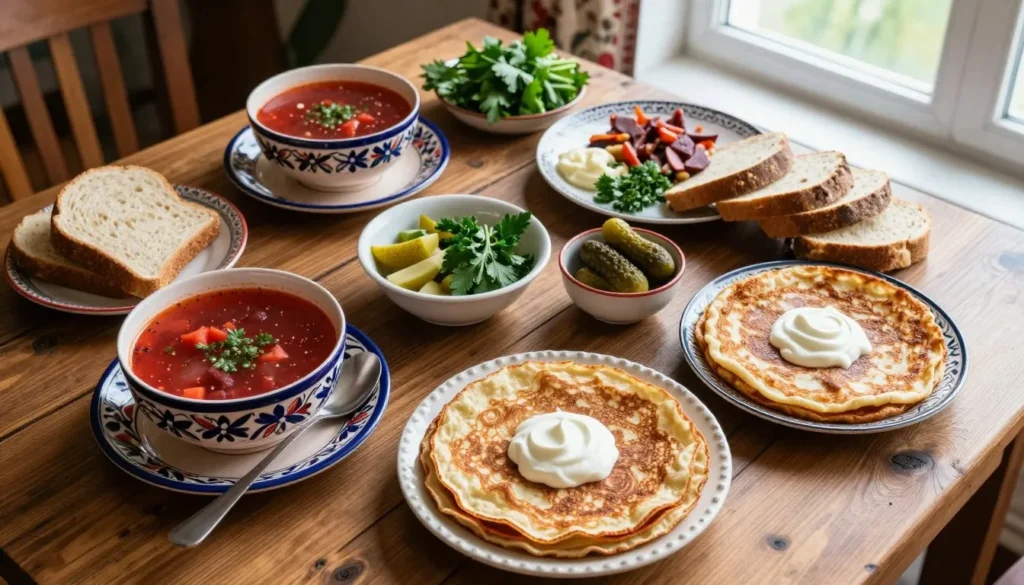
Tver Oblast’s culinary traditions reflect centuries of Russian cooking heritage. Local restaurants serve hearty dishes that sustained travellers along the historic trade routes. The region’s proximity to Moscow and St. Petersburg influences contemporary dining scenes in larger towns.
Traditional Tver Cuisine
Ukha, a clear fish soup, represents one of Tver’s signature dishes. Restaurants prepare this delicacy using freshwater fish from the Volga River. The broth gains its distinctive flavor from river perch, pike or sterlet, simmered with vegetables and herbs.
Pelmeni, small meat dumplings, appear on nearly every menu across the region. These parcels contain minced pork, beef or a combination of meats, wrapped in thin dough. Locals serve them in broth or with sour cream and butter. The dish provides comfort during cold winter months.
Tver Oblast produces excellent honey, which features prominently in local desserts. Traditional sweet treats include medovik, a multi-layered honey cake, and pryaniki, spiced honey cookies. Bakeries throughout the region sell these alongside other Russian pastries.
Where to Eat in Tver City
Restaurant Venezia, despite its name, specializes in Russian and European fusion cuisine. The establishment occupies a historic building overlooking the Volga River. Their menu includes both traditional Russian dishes and contemporary interpretations of regional recipes.
Cafe Pigalle attracts locals and visitors with its cozy atmosphere and reasonable prices. This centrally located eatery serves excellent Russian comfort food throughout the day. Their business lunch options provide exceptional value, typically including soup, main course and beverage.
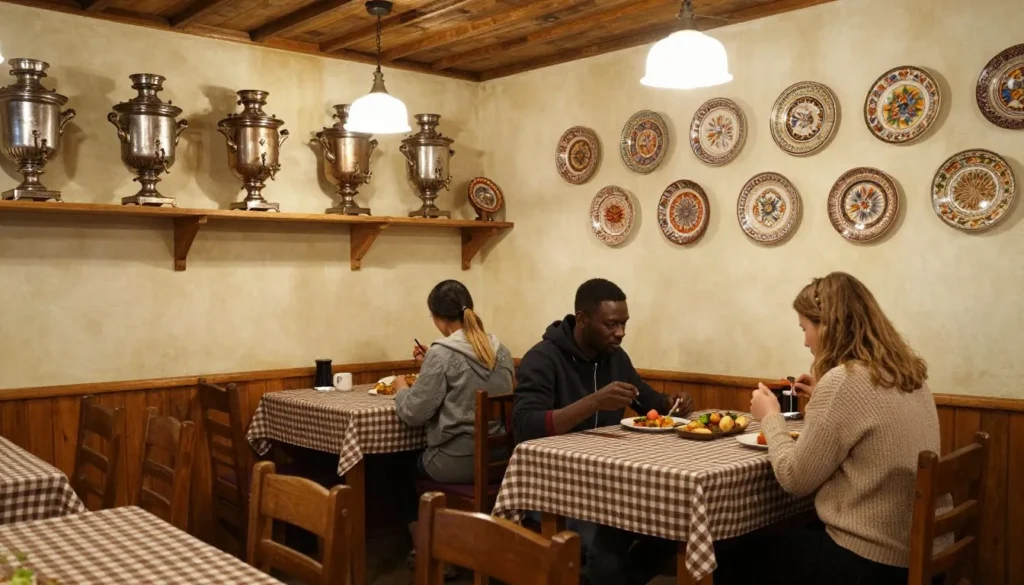
For authentic Tver-style cooking, Stary Gorod offers traditional recipes in historical surroundings. The restaurant recreates dishes from 19th century cookbooks, giving diners a taste of imperial Russia. Staff wear period costumes, enhancing the historical ambiance.
Markets and Local Food
Central Market in Tver provides wonderful opportunities to sample regional produce. Vendors sell fresh vegetables, berries, mushrooms and dairy products from local farms. The market operates year-round, though summer months offer the greatest variety of fresh ingredients.
Smoked fish from the Volga River appears at most food stalls. Local varieties include omul and sig, prepared using traditional smoking techniques. These make excellent picnic provisions for day trips to nature sites around the oblast.
Cheese production represents an important local industry. Small producers sell their products at markets and specialty shops. Russian-style cottage cheese (tvorog) and aged hard cheeses deserve trying during your visit.
Dining Etiquette and Tips
Russian dining culture emphasizes hospitality and generous portions. Restaurants often serve meals in multiple courses, beginning with appetizers (zakuski) and soup. Main courses arrive after these opening dishes, so pace yourself accordingly.
Tipping practices in Tver Oblast follow Russian norms. A gratuity of 10 percent proves acceptable in restaurants, though not obligatory in casual cafes. Some establishments add service charges to bills, so check before adding additional tips.
Credit cards gain acceptance in larger restaurants and hotels. However, smaller cafes and market vendors prefer cash. Always carry some roubles for purchases at traditional eateries and food stalls.
Attractions, Sightseeing & Activities
Tver Oblast contains numerous historical and cultural sites that showcase Russia’s rich past. The region served as an important center during medieval times, competing with Moscow for regional supremacy. Today’s visitors discover well-preserved monuments, churches and palaces that survived centuries of tumultuous history.
Imperial Travel Palace
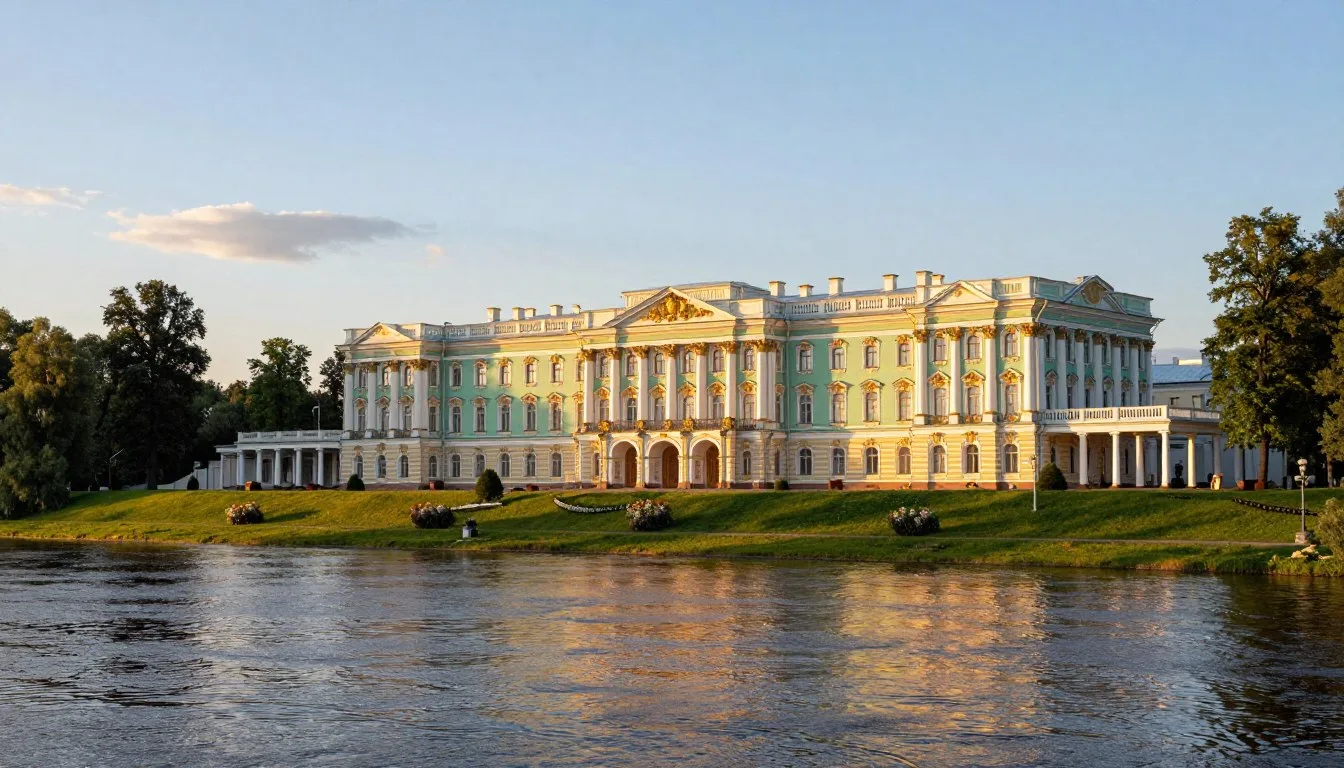
This magnificent palace dominates Tver’s city center, constructed during the 18th century as a royal rest stop between St. Petersburg and Moscow. Catherine the Great commissioned the neoclassical building, which served traveling imperial families. The palace now houses an art gallery and regional museum.
Interior rooms display original furnishings, paintings and decorative arts from the 18th and 19th centuries. Guided tours reveal stories of royal visits and the palace’s role in Russian history. The building’s elegant facade overlooks the Volga River, creating spectacular photo opportunities.
The palace gardens extend along the riverbank, offering peaceful walking paths among mature trees and flower beds. Locals gather here for evening strolls, whilst visitors enjoy views across the water. The grounds host outdoor concerts and cultural events during summer months.
Starovolzhsky Bridge
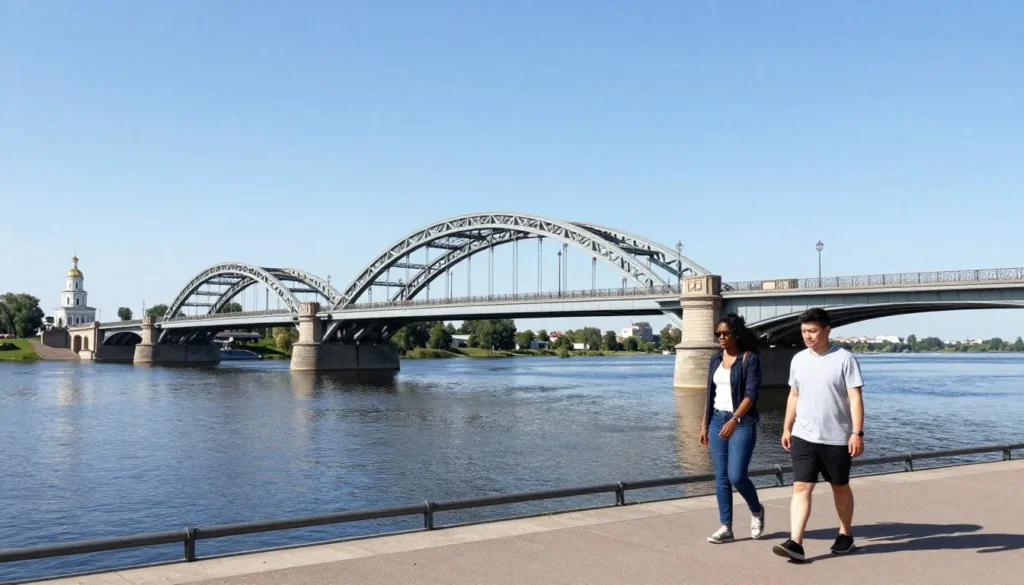
This historic bridge represents Tver’s most recognizable landmark, spanning the Volga River since 1900. The structure replaced earlier wooden bridges, providing the first permanent stone crossing. Its elegant arches and decorative elements showcase late 19th century engineering and design.
Walking across the bridge offers panoramic views of both river banks and the city skyline. The structure connects the historic center with residential districts, serving as a vital transport link. Early morning and sunset provide the best lighting for photography.
The area around the bridge bustles with activity throughout the day. Street vendors sell souvenirs, whilst artists sketch the river scenes. The adjacent embankment features cafes and benches where visitors can rest whilst enjoying the water views.
Monument to Afanasy Nikitin
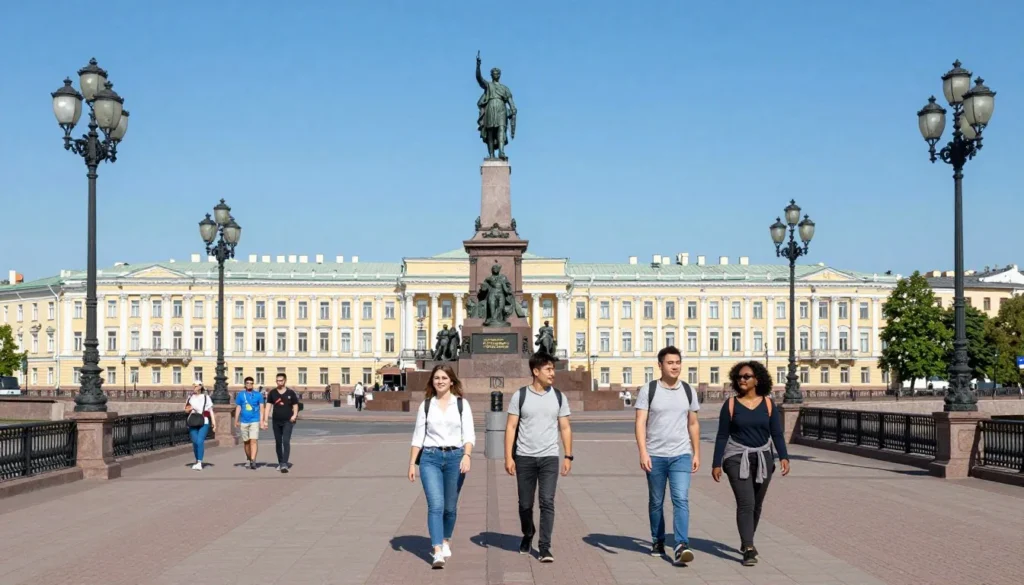
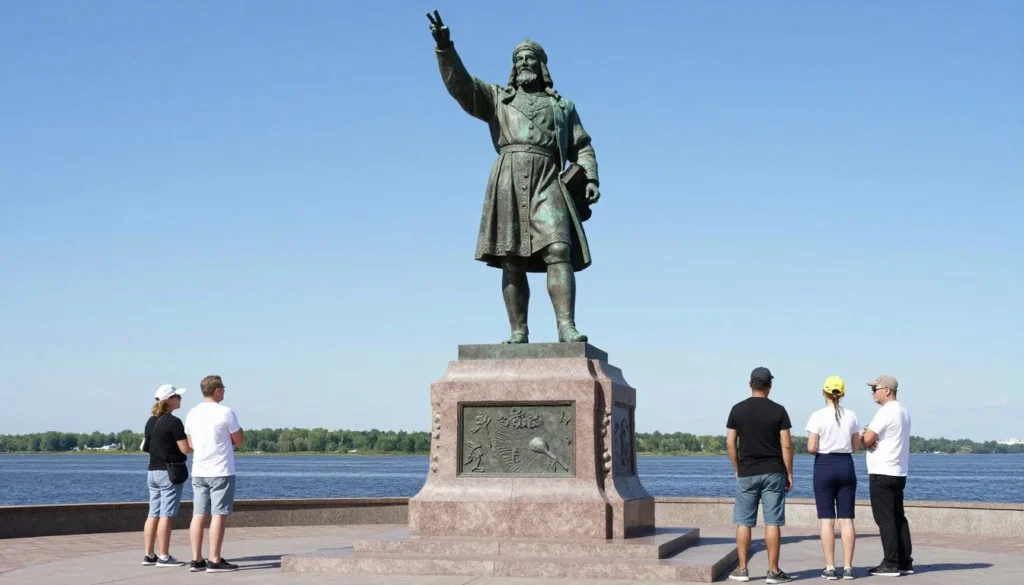
This striking modern monument honors Tver’s most famous explorer, who journeyed to India during the 15th century. Afanasy Nikitin became one of the first Europeans to document travels to the Indian subcontinent. The bronze statue depicts the merchant-traveler on the riverbank, gazing toward distant horizons.
The monument stands on the Volga embankment, surrounded by a small park. Information plaques describe Nikitin’s remarkable journeys and his detailed travel accounts. The site attracts both tourists and locals who take pride in their region’s explorer heritage.
Church of the White Trinity
This remarkable white-stone church dates to 1564, making it Tver’s oldest surviving building. The structure represents exceptional examples of 16th century Russian ecclesiastical architecture. Its simple yet elegant design reflects the austere beauty favored during that era.
The church remains active, with services held regularly. Visitors should dress modestly and observe silence during religious ceremonies. The interior contains ancient icons and frescoes, though many original decorations were lost during Soviet times.
Mikhail Krug Monument
This contemporary memorial celebrates Tver’s beloved chanson singer, Mikhail Krug. The bronze sculpture depicts the musician seated casually with his guitar, captured in a moment of performance. Fans leave flowers and notes, maintaining a constant tribute to his memory.
The monument has become an unexpected tourist attraction, particularly among Russian music enthusiasts. The site offers insights into contemporary Russian popular culture and the enduring appeal of chanson music. Local guides share stories about Krug’s life and his connection to Tver.
Otroch Monastery
Founded during the 14th century, this monastery complex occupies a scenic position along the Volga River. The white walls and golden domes create striking contrasts against blue skies and green landscapes. Though much of the original complex was destroyed, recent restoration work has revived several buildings.
The monastery’s Assumption Cathedral represents its architectural centerpiece. The five-domed structure follows traditional Russian Orthodox design principles. Visitors can attend services or simply admire the religious art and architecture.
Peaceful monastery grounds provide respite from city noise. Well-maintained paths wind between buildings, gardens and the riverbank. The site offers excellent opportunities for contemplative walks and photography.
Museums, Cultural Spots & Festivals
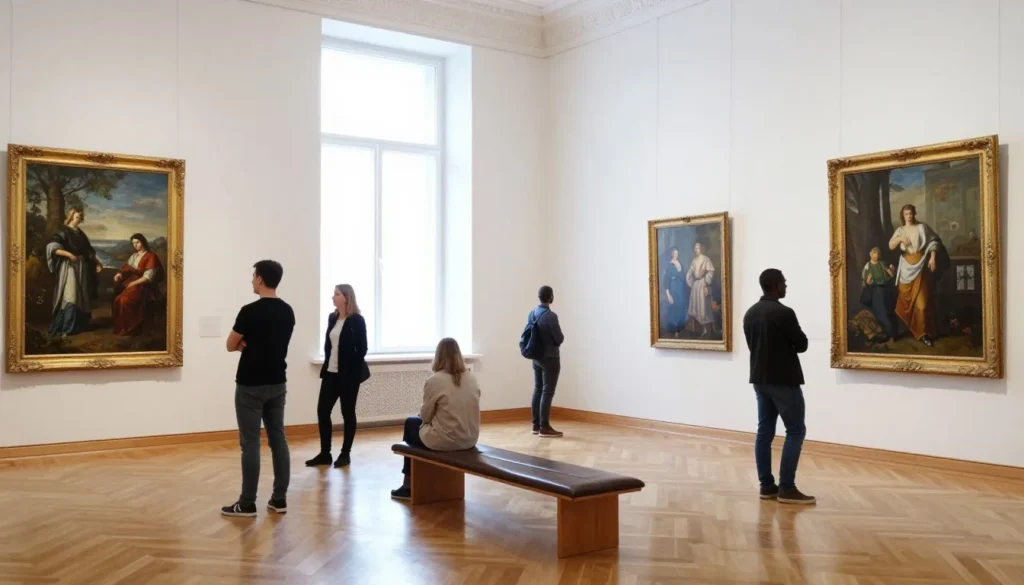
Cultural institutions throughout Tver Oblast preserve and present the region’s artistic and historical heritage. Museums range from grand imperial collections to intimate local history exhibitions. These venues provide essential context for understanding the area’s significance in Russian history and culture.
Tver Regional Art Gallery
The Imperial Travel Palace houses this impressive collection of Russian and European art. The gallery spans several centuries, from medieval icons to 20th century works. Holdings include paintings, sculptures, decorative arts and graphics by renowned Russian masters.
Notable pieces include works by Venetsianov, Levitan and Repin. The collection particularly excels in 18th and 19th century portraits and landscapes. Special exhibitions rotate regularly, showcasing contemporary artists alongside historical treasures.
Check 30,000+ Local Sightseeing Tours Worldwide
✓ Numerous languages and currencies are available
The palace setting enhances the viewing experience, with artworks displayed in historically decorated rooms. Guided tours available in Russian explain the collection’s highlights and the building’s history. Audio guides in English help international visitors navigate the exhibitions independently.
Tver Regional Museum
This comprehensive museum chronicles the oblast’s history from ancient times through the modern era. Exhibitions cover archaeology, natural history, ethnography and regional development. Particularly strong collections document medieval Tver’s rivalry with Moscow and the region’s role in Russian expansion.
Archaeological displays feature artifacts from pre-Christian settlements around the Volga River. Medieval sections showcase weapons, tools and everyday objects from Tver’s princely period. Later exhibits examine the region’s development during imperial and Soviet times.
Interactive displays make history accessible to younger visitors and those with limited Russian language skills. The museum regularly hosts temporary exhibitions on specific historical themes or notable local figures. Photography is permitted in most sections, allowing visitors to document their favorite pieces.
Museum of Tver Life
This charming museum recreates daily life in Tver during the 19th and early 20th centuries. Period rooms display authentic furniture, clothing and household items. The collection offers intimate glimpses into how merchant families, craftsmen and peasants lived.
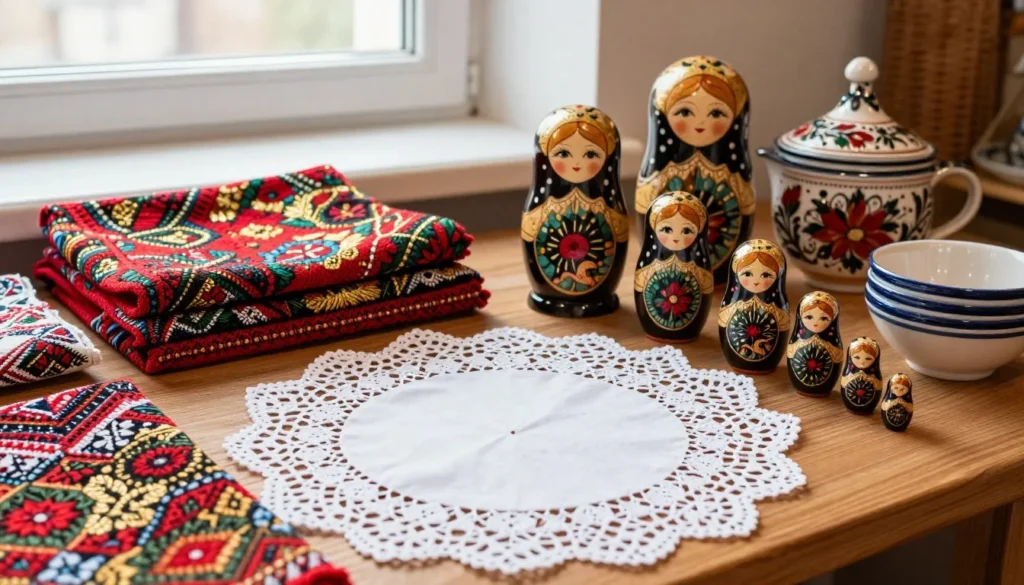
Traditional costumes represent one of the museum’s strengths. Elaborately embroidered garments demonstrate the skill of regional craftswomen. Explanatory materials describe the symbolism in decorative patterns and the occasions for wearing different outfits.
The museum occupies a restored merchant’s house, adding authenticity to the experience. Staff occasionally offer demonstrations of traditional crafts like lace-making or bread-baking. These hands-on programs provide memorable cultural experiences for visitors of all ages.
Saltykov-Shchedrin House Museum
This literary museum honors one of Russia’s greatest satirists, who served as vice-governor of Tver. The house preserves the writer’s study, personal library and living quarters. Exhibitions explore his works and their influence on Russian literature.
Original manuscripts, first editions and personal correspondence provide insights into 19th century literary life. The museum hosts readings, lectures and literary discussions throughout the year. These events attract Russian literature enthusiasts and scholars from across the country.
Cultural Centers and Performance Venues
Drama Theatre named after Ostrovsky presents classical Russian plays and contemporary productions. The historic building dates from the 19th century, featuring beautiful interior decoration. Performances occur several times weekly, though nearly all productions are in Russian.
Tver Philharmonic Society maintains an active concert schedule year-round. Programs include symphony concerts, chamber music and vocal recitals. The main concert hall provides excellent acoustics for classical performances. Tickets typically cost far less than comparable concerts in Moscow or St. Petersburg.
Municipal Cultural Centers throughout smaller towns host folk concerts, dance performances and craft exhibitions. These venues offer authentic experiences of contemporary regional culture. Local tourism offices provide schedules of upcoming events and festivals.
Nature & Outdoor Experiences
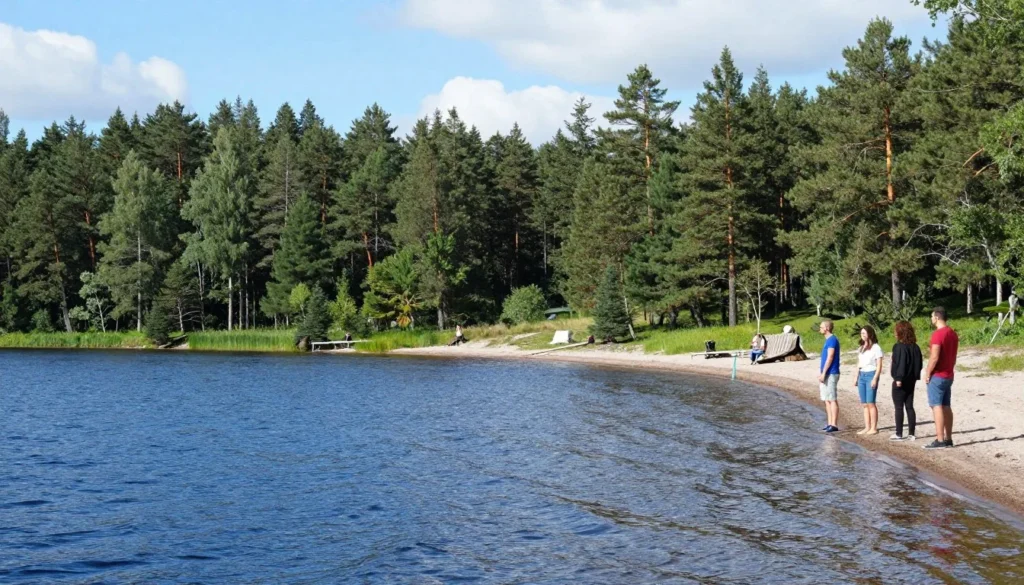
Tver Oblast’s natural landscapes range from river valleys to ancient forests and pristine lakes. The region offers countless opportunities for outdoor recreation and nature appreciation. Protected areas preserve ecosystems that have remained largely unchanged for centuries.
Lake Seliger
This stunning lake system represents one of European Russia’s largest and most beautiful water bodies. Lake Seliger actually comprises interconnected lakes covering approximately 26,000 hectares (64,250 acres). The irregular shoreline creates numerous bays, peninsulas and islands, each offering unique scenic beauty.
The lake’s crystal-clear waters attract swimmers, sailors and fishing enthusiasts. Water temperatures reach comfortable levels for swimming during July and August, typically around 20°C to 22°C (68°F to 72°F). Sandy beaches dot the shoreline, with some areas designated for public access.
Nilov Monastery occupies Stolobny Island, one of Seliger’s most visited locations. This active monastery welcomes pilgrims and tourists, offering spectacular views across the water. Boat services operate regularly during summer months, transporting visitors between the mainland and various islands.
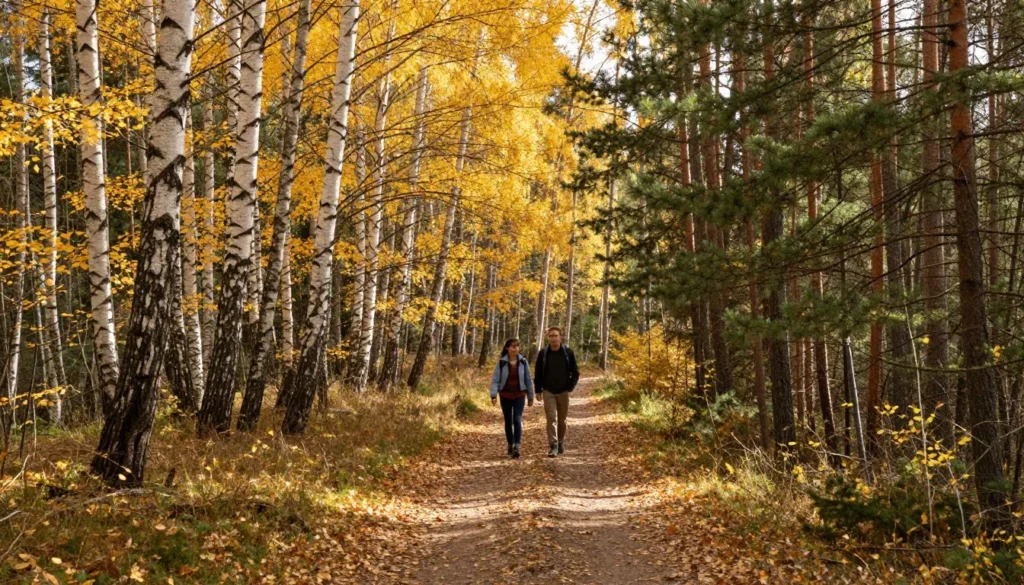
Hiking trails circle portions of the lake, winding through pine and birch forests. These paths vary in difficulty from easy lakeside strolls to challenging forest treks. Wild berries grow abundantly along the routes, including blueberries, cranberries and raspberries in season.
Central Forest Nature Reserve
This protected wilderness area preserves ancient forests that once covered much of central Russia. The reserve spans over 24,000 hectares (59,300 acres) of pristine woodland, supporting diverse plant and animal communities. Visitors must obtain permits from reserve administration before entering certain zones.
Old-growth forests contain trees several hundred years old, including massive pines and spruces. The reserve protects rare species like European bison, brown bears and lynx. Birdwatchers spot numerous species, particularly during spring and autumn migration periods.
Educational trails introduce visitors to forest ecology and conservation efforts. Information boards explain the reserve’s importance for biodiversity preservation. Guided tours led by reserve naturalists provide deeper insights into the ecosystem’s complexity.
Volga River Activities
The mighty Volga River flows through the heart of Tver Oblast, creating numerous recreational opportunities. River cruises operate during warmer months, ranging from short excursions to multi-day journeys. These boat trips showcase riverside villages, monasteries and natural landscapes.
Fishing on the Volga attracts anglers seeking pike, perch, bream and zander. The river supports healthy fish populations, making it popular among sport fishermen. Local regulations require fishing licenses, available from sport shops in Tver city.
River beaches provide cooling relief during hot summer days. Several designated swimming areas near Tver city offer relatively safe access to the water. Always check local conditions before swimming, as currents can be strong in some sections.
Seasonal Outdoor Activities
Winter transforms Tver Oblast into a wonderland for cold-weather activities. Cross-country skiing trails traverse forests and frozen lakes. Equipment rental shops in Tver city and larger towns provide necessary gear for winter sports enthusiasts.
Ice fishing becomes popular once lakes freeze sufficiently thick, typically by late December. Local anglers drill holes through the ice, setting up temporary shelters for day-long fishing sessions. This traditional activity offers unique cultural experiences for adventurous visitors.
Mushroom and berry picking draws locals to the forests during late summer and autumn. Edible mushrooms including boletus and chanterelles grow abundantly in suitable conditions. Join organized foraging tours if you lack experience identifying safe species.
Wildlife Observation
Birdwatching opportunities abound throughout the region, particularly during migration seasons. Spring brings thousands of waterfowl to river valleys and lake shores. Autumn migration creates similar spectacles as birds gather before flying south.
Moose, deer and wild boar inhabit the forests, though sightings require patience and quiet observation. Early morning and dusk offer the best chances for wildlife encounters. Maintain safe distances from all wild animals and never attempt to feed them.
Photography enthusiasts find endless subjects in Tver Oblast’s natural environments. Golden autumn colors, snow-covered winter landscapes and spring wildflowers create seasonal photographic opportunities. Wildlife photography requires telephoto lenses and considerable patience.
Safety, Etiquette & Local Customs
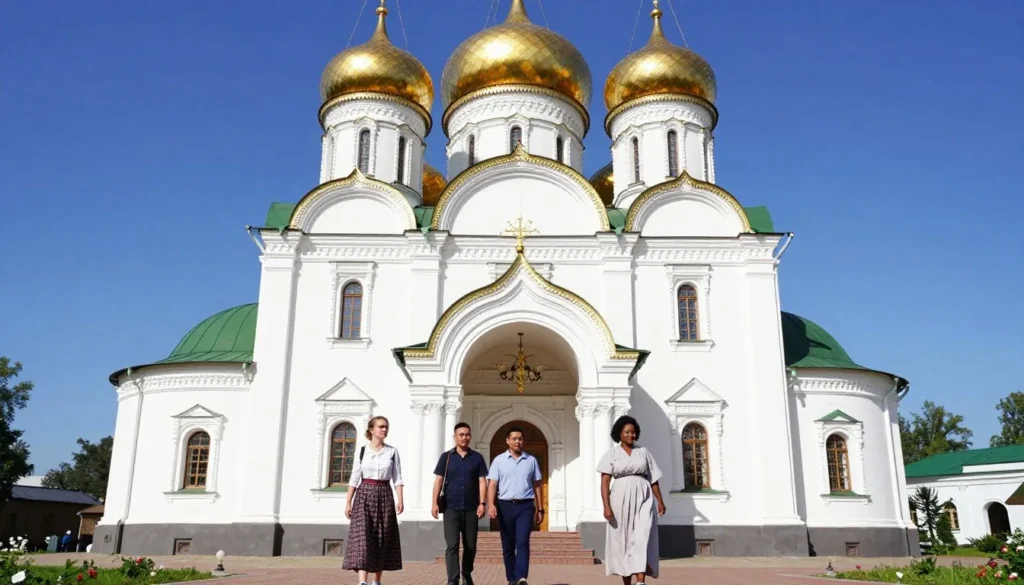
Understanding Russian customs and social norms enhances your travel experience in Tver Oblast. The region maintains traditional values whilst gradually adapting to international tourism. Respectful behavior and cultural sensitivity help visitors navigate social situations successfully.
General Safety Considerations
Tver Oblast generally provides safe environments for international visitors. Crime rates remain relatively low compared to larger Russian cities. However, standard travel precautions apply, particularly regarding personal belongings in crowded areas.
Carry copies of your passport and visa rather than originals when exploring the city. Hotels typically provide safe storage for valuables and important documents. Keep emergency contact numbers readily accessible on your mobile phone.
Emergency services operate throughout the region, though English-speaking operators prove rare. Learn basic Russian phrases for emergencies or have your hotel write essential information in Russian. The universal emergency number in Russia is 112, accessible from mobile phones.
Emergency Contact Numbers
- Emergency Services: 112 (universal number)
- Police: 102
- Ambulance: 103
- Fire Department: 101
Tourist Police Assistance:
Cultural Etiquette
Russian social customs emphasize formality in initial interactions. Handshakes serve as standard greetings between men, whilst women may exchange brief cheek kisses with acquaintances. Wait for Russian hosts to initiate more familiar gestures rather than assuming informality.
Remove shoes when entering Russian homes, apartments or some guesthouses. Hosts typically provide slippers for guests. This custom applies universally across Russian society, regardless of social status or setting.
Gift-giving follows specific traditions when visiting Russian homes. Flowers prove acceptable, but avoid yellow blooms or even numbers of stems, both associated with funerals. Chocolates, wine or small gifts from your home country make appropriate offerings.
Religious Site Etiquette
Orthodox churches welcome respectful visitors, but specific dress codes apply. Women should cover their heads with scarves and wear skirts or dresses extending below the knee. Men must remove hats before entering and avoid shorts.
Photography inside churches often requires permission and may incur small fees. Never photograph during religious services or use flash near icons. Maintain quiet voices and avoid disruptive behavior in active places of worship.
Visitors should not cross directly in front of worshippers or interrupt people praying. Stand aside during services if you’re simply observing. Purchasing and lighting candles represents respectful participation in Orthodox tradition.
Language and Communication
English proficiency remains limited outside major hotels and tourist services. Learning basic Russian phrases significantly improves interactions with locals. Written Cyrillic alphabet skills help navigate signs, menus and transport information.
Translation apps prove invaluable for complex communications. Ensure you download offline translation capabilities before arriving, as internet access may be intermittent in rural areas. Many locals, particularly younger people, appreciate efforts to speak Russian, however imperfect.
Restaurant and shop staff in Tver city increasingly understand basic English. However, patience and gestures often bridge communication gaps effectively. Smiles and respectful attitudes transcend language barriers in most situations.
Social Norms and Behavior
Russians typically maintain serious expressions in public spaces. Smiling at strangers seems unusual outside service contexts, though this reflects cultural norms rather than unfriendliness. Once acquainted, Russians demonstrate warm hospitality and generosity.
Punctuality matters for official appointments and organized tours. However, social gatherings operate more flexibly, with slight delays considered acceptable. Public transport runs on schedule, so arrive at stations with time to spare.
Smoking restrictions exist in public buildings, transport and many outdoor areas. Designated smoking zones mark acceptable locations. Littering attracts disapproval and potential fines, so dispose of waste properly.
Health and Medical Considerations
Tap water quality varies across Tver Oblast. Bottled water provides the safest option for drinking. Hotels typically supply complimentary bottled water or have filtration systems for guest use.
Pharmacies stock basic medicines and hygiene products. Bring prescription medications in original packaging with Russian translations of prescriptions. Travel insurance covering medical emergencies proves essential for international visitors.
Summer months bring mosquitoes to forested and lakeside areas. Pack insect repellent for outdoor activities. Tick-borne diseases exist in some regions, so check your body after forest walks and consider appropriate vaccinations.
Visitor Comments About Tver Oblast

“Tver Oblast exceeded every expectation we had. The Imperial Travel Palace took my breath away with its grandeur and the art collection inside. We spent an entire afternoon exploring the rooms and gardens. The staff were incredibly helpful despite our limited Russian. Walking across the Starovolzhsky Bridge at sunset became the highlight of our trip. The city felt authentically Russian without the overwhelming crowds we encountered in Moscow. Local restaurants served delicious traditional food at very reasonable prices. We particularly enjoyed the fish dishes featuring Volga River catches. The region deserves far more international attention than it currently receives.”
“Lake Seliger proved absolutely spectacular. We rented a small cottage on the shoreline for five days and barely wanted to leave. The water was crystal clear and perfect for swimming in July. We took a boat to Nilov Monastery, which sits on its own island and offers incredible views. The surrounding forests provided excellent hiking with well-marked trails. We picked wild berries along the paths and saw deer early one morning. The peaceful atmosphere and natural beauty made this the most relaxing part of our Russian journey. I recommend staying at least three nights to truly appreciate the area. The only challenge was limited English signage, so download translation apps before arriving.”
“Visiting during the Afanasy Nikitin Festival turned our trip into something special. The entire city center transformed into a celebration of history and culture. Street performers, craft demonstrations and traditional music filled the squares. We tried numerous local foods from market stalls and discovered some brilliant regional specialties. The festival atmosphere helped us connect with local residents who were proud to share their heritage. Museums stayed open late with special exhibitions about Tver’s explorer history. Getting around proved easier than anticipated with helpful locals directing us to attractions. The combination of historical sites, cultural events and genuine hospitality made Tver Oblast a memorable destination. We plan to return next summer to explore more of the surrounding countryside.”
Additional Nearby Destinations
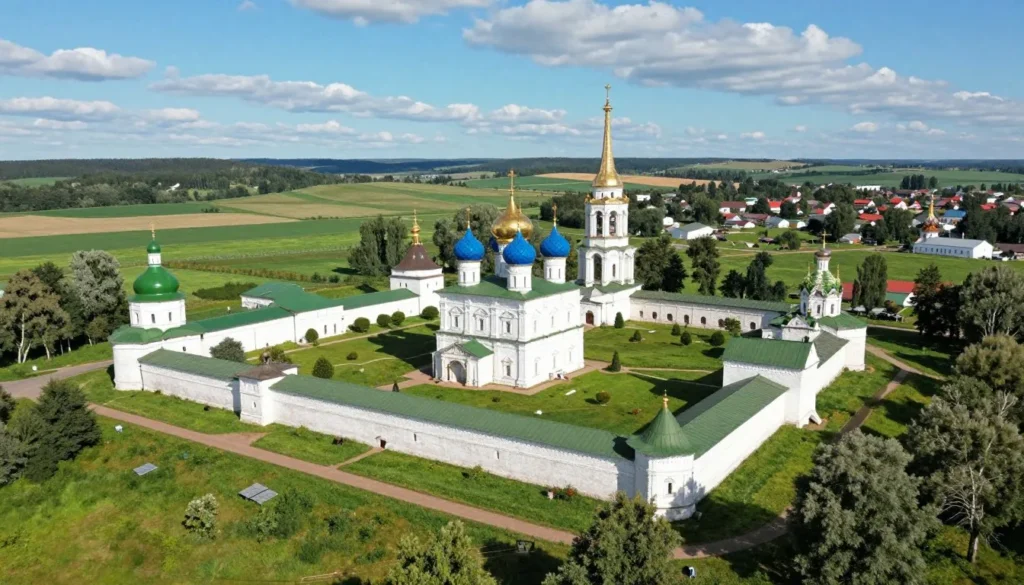
Tver Oblast’s central location makes it an excellent base for exploring surrounding regions. The area sits between Russia’s two most famous cities, with numerous other attractions within day-trip distance. Extending your journey to nearby destinations creates a more comprehensive Russian experience.
Torzhok
This charming historic town lies just 60 km (37 miles) west of Tver city. Torzhok preserves exceptional architectural heritage spanning several centuries. The town became famous for gold embroidery craftsmanship, a tradition continuing today in local workshops.
Boris and Gleb Monastery dominates the town’s skyline with its impressive bell tower. Founded in 1038, this ranks among Russia’s oldest monasteries. The complex contains beautiful churches and museums documenting the region’s religious history.
Traditional embroidery workshops welcome visitors to observe artisans at work. These skilled craftspeople create intricate designs using gold and silver threads. Small museums display historical examples of this distinctive art form, with shops selling contemporary pieces.
Kashin
This spa town gained fame for its mineral springs, attracting health-conscious visitors since the 19th century. Located 150 km (93 miles) northeast of Tver, Kashin maintains a quieter, more relaxed atmosphere. The town’s unusual heart shape, visible on maps, adds geographical interest.
Several sanatoriums offer treatments using local mineral waters. These facilities provide both day visits and longer wellness programs. The waters supposedly benefit digestive and circulatory systems, though medical supervision proves advisable.
Historic churches and monasteries dot the compact town center. Resurrection Cathedral showcases impressive 19th century architecture. Walking tours reveal well-preserved merchant houses and pleasant riverside parks.
Vyshniy Volochok
This historic town developed around Russia’s first artificial waterway system. Emperor Peter the Great ordered the canal construction to link the Volga and Baltic Sea basins. The town lies 120 km (75 miles) northwest of Tver on the route toward St. Petersburg.
Canal embankments provide pleasant walking areas lined with 18th and 19th century buildings. Several museums explain the waterway’s engineering significance and the town’s merchant history. Local architecture reflects the prosperity brought by water-borne trade.
Moscow and St. Petersburg
Russia’s two great cities bracket Tver Oblast, each offering world-class attractions. Moscow lies approximately 170 km (106 miles) south, reachable in two hours by express train. The capital’s iconic Kremlin, Red Square and countless museums could occupy weeks of exploration.
St. Petersburg sits 480 km (298 miles) northwest, a comfortable overnight train journey from Tver. Peter the Great’s magnificent city contains the Hermitage Museum, spectacular palaces and unique canal architecture. Many travelers combine all three destinations in comprehensive Russian itineraries.
The train route between Moscow and St. Petersburg passes through Tver, making the oblast a natural stopping point. Breaking the journey allows deeper exploration of central Russia whilst avoiding the expense and crowds of larger cities.
Valdai National Park
This protected area encompasses pristine forests and numerous lakes approximately 200 km (124 miles) northwest of Tver. Valdai Hills form the watershed between rivers flowing to the Baltic, Black and Caspian Seas. The region offers outstanding natural beauty and outdoor recreation.
Lake Valdai provides swimming, boating and fishing opportunities. Iversky Monastery occupies an island in the lake, accessible by boat during summer months. The monastery’s baroque architecture contrasts beautifully with surrounding wilderness.
Hiking trails of varying difficulty traverse the national park. Routes pass through old-growth forests, around glacial lakes and up to scenic viewpoints. The park supports diverse wildlife including elk, wild boar and numerous bird species.
Practical Travel Tips
Money and Banking
The Russian rouble serves as the national currency throughout Tver Oblast. ATMs in Tver city and larger towns accept international cards from major networks. Banks typically offer better exchange rates than currency exchange offices, though the latter prove more convenient.
Carry sufficient cash for rural areas and smaller establishments. Many local businesses, markets and transport services operate on cash-only bases. Credit cards gain acceptance in hotels, larger restaurants and shops, but confirmation before ordering prevents awkward situations.
Notify your bank before traveling to Russia to avoid card blocks. International transaction fees can accumulate quickly, so check your bank’s charges. Some travelers find prepaid travel cards offer better value than standard debit cards for foreign transactions.
Internet and Mobile Connectivity
Mobile coverage reaches most populated areas of Tver Oblast. Russian SIM cards provide affordable data and calling options for unlocked phones. Purchase these at mobile phone shops, kiosks or airport locations upon arrival.
Free WiFi exists in most hotels, many restaurants and some public spaces in Tver city. Connection quality varies, with hotels generally providing the most reliable service. Download essential information, maps and translation apps before departing areas with good connectivity.
International roaming charges can prove expensive, so local SIM cards offer better value for extended stays. Major Russian mobile operators include MTS, Beeline and MegaFon. Shops require passport identification for SIM card registration.
Language Assistance
Translation apps like Google Translate or Yandex Translate help bridge language gaps. Download offline language packs before arrival, as internet access may be intermittent. The apps’ camera translation features prove particularly useful for reading menus and signs.
Learning basic Russian phrases demonstrates respect and facilitates interactions. Simple greetings, please, thank you and numbers assist with daily situations. Most locals appreciate attempts to speak Russian, even if pronunciation proves imperfect.
Hotel reception desks often employ staff with English skills. They can write addresses in Russian, call taxis or help with restaurant reservations. Don’t hesitate to request assistance with translation needs.
Useful Resources
Tver Oblast Tourism Information Center provides maps, brochures and assistance in multiple languages. The office occupies a central location in Tver city and maintains regular weekday hours. Staff help plan itineraries, book tours and answer questions about local attractions.
Tourism Information Center
Address: Soviet Street 14, Tver
Hours: Monday-Friday 9:00-18:00
Contact:
Packing Recommendations
Weather-appropriate clothing proves essential given Tver Oblast’s seasonal extremes. Summer visitors need light layers, rain protection and sun hats. Spring and autumn require warmer jackets and waterproof footwear for unpredictable conditions.
Comfortable walking shoes serve you well across cobblestone streets and forest trails. Pack a small daypack for excursions, carrying water, snacks and essential items. Sunscreen and insect repellent become important for outdoor activities during warmer months.
Electrical adapters for European-style outlets (Type C and F) charge electronic devices. Voltage in Russia operates at 220V, so check device compatibility. Power banks prove useful during long days of sightseeing without charging opportunities.
Health Preparations
Comprehensive travel insurance covering medical emergencies provides essential peace of mind. Verify your policy includes coverage for Russia and activities you plan to undertake. Keep insurance documents and emergency contact numbers readily accessible.
No specific vaccinations are required for travel to Tver Oblast. However, routine immunizations should be current. Consult your doctor about tick-borne encephalitis vaccination if planning extensive forest activities during warmer months.
Pack a basic first aid kit with pain relievers, antihistamines and any prescription medications. Russian pharmacies stock most common medicines, though bringing familiar brands prevents confusion. Carry prescription documentation for any controlled medications.
Time Zone and Business Hours
Tver Oblast operates on Moscow Time (MSK), which is UTC+3 year-round. Russia no longer observes daylight saving time. Calculate time differences carefully when scheduling international calls or confirming flight departures.
Shops typically open between 10:00 and 20:00, though supermarkets may maintain longer hours. Museums generally operate from 10:00 or 11:00 until 17:00 or 18:00, with many closing one day weekly for maintenance. Restaurants serve lunch from 12:00 and dinner from 18:00, with kitchens often closing by 22:00.
Banking hours run Monday through Friday from approximately 9:00 to 17:00. Some branches offer limited Saturday morning service. Government offices observe similar schedules, typically closing for lunch between 13:00 and 14:00.
Location Map
Tver Oblast spans a significant area of Central Russia between Moscow and St. Petersburg
Your Gateway to Authentic Russia Awaits
Tver Oblast stands ready to reveal Russia’s soul to thoughtful travellers. This historic region offers something precious that larger cities cannot provide: authenticity without pretense. The monuments here speak of genuine history rather than tourist reconstruction. Local people live their daily lives rather than performing for visitors.
Your journey through these lands connects you with centuries of Russian culture and tradition. From imperial palaces to humble village churches, each site tells part of the national story. The Volga River flows through it all, just as it has for millennia, carrying the region’s history toward distant seas.
Whether you seek cultural enrichment, natural beauty or simply authentic experiences, Tver Oblast delivers abundantly. The region rewards curiosity with discoveries at every turn. Start planning your adventure today, and prepare to experience Russia as few international travellers ever do. The roads less traveled often lead to the most memorable destinations.