

Did you know that Kamchatka Peninsula is home to over 300 volcanoes, with 29 of them still active? This remote wilderness in Russia’s Far East has more geysers and hot springs per square kilometer than anywhere else on Earth. Welcome to a land where brown bears outnumber people in some areas, and where you can ski down a volcano in the morning and relax in natural hot springs by afternoon.
This vast peninsula, closer to Alaska than to Moscow, remains one of the world’s last great undiscovered travel destinations. With its UNESCO-protected landscapes, abundant wildlife, and otherworldly scenery, Kamchatka offers adventurous travelers experiences that simply can’t be found elsewhere.
Getting There & Planning Your Journey
Reaching Kamchatka requires some planning, but that’s part of what keeps this remarkable destination pristine and uncrowded. The peninsula’s remoteness is both its challenge and its charm.
The main gateway to Kamchatka is Petropavlovsk-Kamchatsky, the region’s capital city. The international airport (PKC) receives daily direct overnight flights from Moscow, with occasional flights from other Russian cities like St. Petersburg, Vladivostok, and Khabarovsk. During summer months (July-August), limited international flights operate from Tokyo, Japan, and Anchorage, Alaska.
Most travelers will need to obtain a Russian visa before arrival. The visa application process can take several weeks, so be sure to start this well in advance of your planned trip. Consider working with a travel agency that specializes in Russian travel to help navigate the paperwork.
Due to Kamchatka’s isolation and limited infrastructure, many visitors opt to join organized tours that handle logistics, transportation, and activities. These range from comprehensive multi-week expeditions to shorter focused trips centered around specific activities like wildlife viewing or volcano trekking.
Best Time to Visit & Weather Tips

Kamchatka has a subarctic climate with distinct seasons, each offering different experiences. Your ideal visiting time depends on what activities you’re most interested in experiencing.
Recommended Seasons:
- Summer (July to mid-September): The peak season for most activities. Temperatures range from 15°C to 25°C (59°F to 77°F). This is the best time for hiking, wildlife viewing, and most outdoor adventures.
- Winter (January to April): Perfect for winter sports enthusiasts. Temperatures range from -10°C to -25°C (14°F to -13°F). Excellent for heli-skiing, dog sledding, and snowmobiling.
Seasons to Avoid:
- Late Autumn (October to December): Transitional period with unpredictable weather, limited activities, and many facilities closed.
- Spring (May to mid-June): Muddy conditions as snow melts, making many areas inaccessible. Bears are emerging from hibernation and can be more aggressive.
Weather in Kamchatka can change rapidly, so pack layers regardless of when you visit. Even in summer, temperatures can drop quickly, especially at higher elevations. Waterproof clothing is essential year-round, as precipitation is common throughout the year.
Getting Around Locally

Navigating Kamchatka presents unique challenges due to limited infrastructure and vast wilderness areas. The peninsula has few paved roads, with most attractions accessible only by specialized vehicles, helicopters, or on foot.
Transportation Options:
- Helicopter Tours: The most efficient way to reach remote attractions like the Valley of Geysers or Kuril Lake. Expensive but offers spectacular aerial views.
- 6WD Vehicles: Russian UAZ or KAMAZ trucks are used for excursions to volcanoes and other natural attractions. These rugged vehicles can handle the challenging terrain.
- Public Buses: Limited service within Petropavlovsk-Kamchatsky and to nearby settlements like Yelizovo and Paratunka.
- Taxis: Available in Petropavlovsk-Kamchatsky but rarely used for long-distance travel.
- Boat Excursions: Available for coastal exploration and marine wildlife viewing in Avacha Bay and along the Pacific coast.
Most visitors find that joining organized excursions is the most practical way to explore Kamchatka. These tours provide transportation, guides, and necessary permits for accessing protected areas. If you’re planning independent travel, consider hiring a local guide who can arrange appropriate transportation and navigate the challenging conditions.
Where to Stay
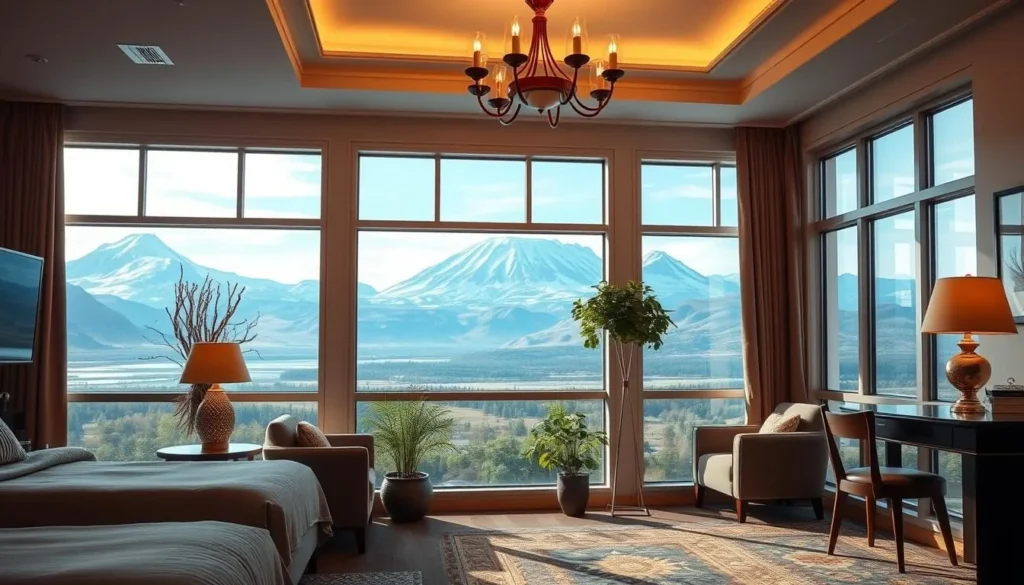
Accommodation options in Kamchatka are concentrated in and around Petropavlovsk-Kamchatsky, with limited choices in remote areas. While luxury options are scarce, the region offers a range of comfortable places to stay.
Accommodation Options:
City Hotels
Petropavlovsk-Kamchatsky offers the widest selection of hotels, from basic to business-class. Most international visitors stay at Hotel Avacha, Petropavlovsk Hotel, or Antarius Hotel, which offer comfortable rooms and English-speaking staff.
Thermal Resort Areas
The Paratunka area, about 30 minutes from the city, features several hotels and resorts built around natural hot springs. These offer a more relaxing atmosphere and the chance to soak in thermal pools after a day of adventure.
Wilderness Lodges & Camps
For those venturing further afield, basic lodges and tent camps provide accommodation near popular trekking areas. These range from simple wooden cabins to fully-equipped glamping setups, depending on the location and tour operator.
Accommodation in Kamchatka tends to fill up quickly during the summer season, so booking well in advance is essential. Many tour packages include accommodation as part of the overall experience, which can simplify planning and often provides access to locations with no public accommodation options.
Dining & Local Cuisine

Kamchatka’s cuisine reflects its unique geography and cultural influences, with an emphasis on seafood, wild game, and foraged ingredients. The peninsula’s isolation has preserved traditional cooking methods while also fostering a creative approach to local ingredients.
Must-Try Local Specialties:
- Red Caviar (Ikra): Kamchatka is famous for its salmon roe, served on bread with butter or as part of various dishes.
- King Crab: The enormous Kamchatka king crab is a local delicacy, usually simply prepared to highlight its sweet flavor.
- Wild Salmon: Available fresh in summer and smoked year-round, the local salmon is incomparably fresh and flavorful.
- Reindeer Meat: A staple of indigenous cuisine, often prepared as steaks or in stews.
- Wild Berries: The forests and tundra yield abundant berries in late summer, used in desserts, preserves, and liqueurs.
- Ukha: A traditional Russian fish soup, made with fresh local catch.
Where to Eat:
Petropavlovsk-Kamchatsky offers the widest range of dining options, from simple cafes to upscale restaurants. Some recommended establishments include:
- Kamchatka Restaurant: Specializes in local seafood and traditional Russian cuisine.
- Korea House: Despite the name, offers excellent local seafood with Asian influences.
- Petrovskiy: A higher-end option with a good selection of Kamchatkan specialties.
- Kioto: Japanese-influenced cuisine making good use of local seafood.
Outside the main city, dining options become more limited. Many hotels and resorts have their own restaurants, and tour operators typically provide meals as part of their packages. These often feature simple but hearty Russian cuisine, sometimes with local ingredients when available.
Attractions, Sightseeing & Activities

Kamchatka’s main attractions are its extraordinary natural features – volcanoes, geysers, hot springs, and pristine wilderness areas. The region offers some of the most unique landscapes on Earth, many accessible only by helicopter or specialized vehicles.
Top Natural Attractions:
Valley of Geysers
The second-largest concentration of geysers in the world, this valley features around 90 geysers, hot springs, and mud pots in a dramatic canyon setting. Accessible only by helicopter, this UNESCO World Heritage site offers boardwalks for safe viewing of the geothermal features.

Kurilskoye Lake
A stunning crater lake in southern Kamchatka, famous for its large population of brown bears that gather to feed on spawning salmon from July to September. The lake covers approximately 7,700 hectares (19,000 acres) and offers some of the world’s best bear viewing opportunities.
Klyuchevskoy Nature Park
Home to Eurasia’s highest active volcano, Klyuchevskaya Sopka (4,750 m/15,584 ft), and 12 other major volcanoes. The park offers spectacular trekking opportunities and otherworldly landscapes of lava fields, ash plains, and volcanic cones.
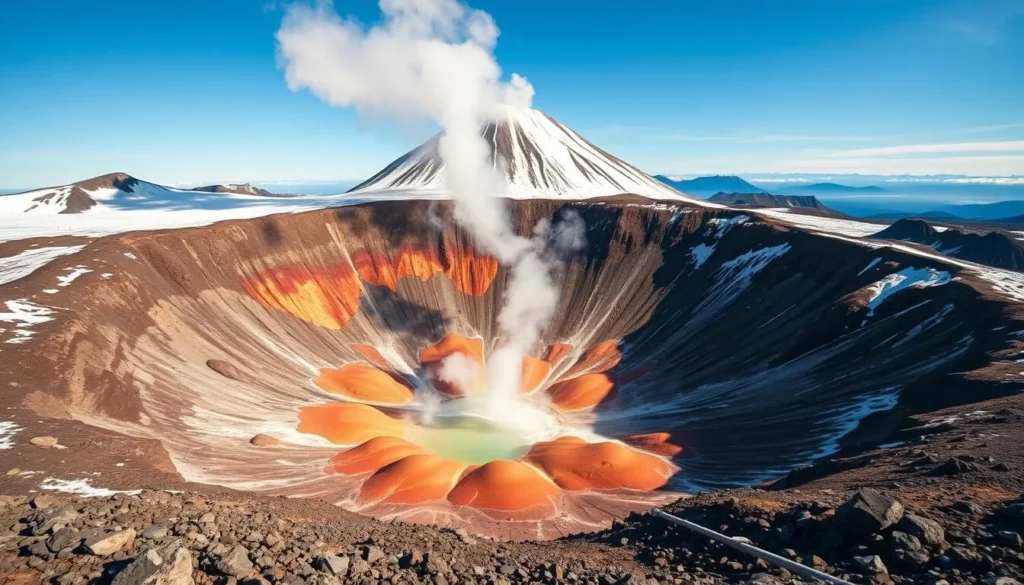
Mutnovsky and Gorely Volcanoes
These neighboring active volcanoes south of Petropavlovsk-Kamchatsky feature crater lakes, fumaroles, and ice caves. Mutnovsky (2,322 m/7,618 ft) is known for its colorful mineral deposits and steaming vents, while Gorely features a striking acid lake in its crater.
Other Notable Attractions:
- Avachinsky Volcano: A 2,741 m (8,993 ft) active volcano near Petropavlovsk-Kamchatsky, popular for day hikes with spectacular views.
- Khalaktyrsky Beach: A striking black sand beach on the Pacific coast, popular with surfers despite the cold water temperatures.
- Avacha Bay: One of the world’s largest natural harbors, offering boat excursions to view seabirds, seals, and sometimes whales.
- Tolbachik Volcano: Known for its “Dead Forest,” an eerie landscape of trees killed by volcanic eruption, and recent lava fields from eruptions in 2012-2013.
- Nalychevo Nature Park: A valley with numerous hot springs, accessible by a popular multi-day trekking route from Petropavlovsk-Kamchatsky.
Many of these attractions require permits, guides, and specialized transportation to visit. Joining organized excursions is often the most practical way to experience these natural wonders, as they handle the logistics and ensure compliance with conservation regulations.
Museums, Cultural Spots & Festivals
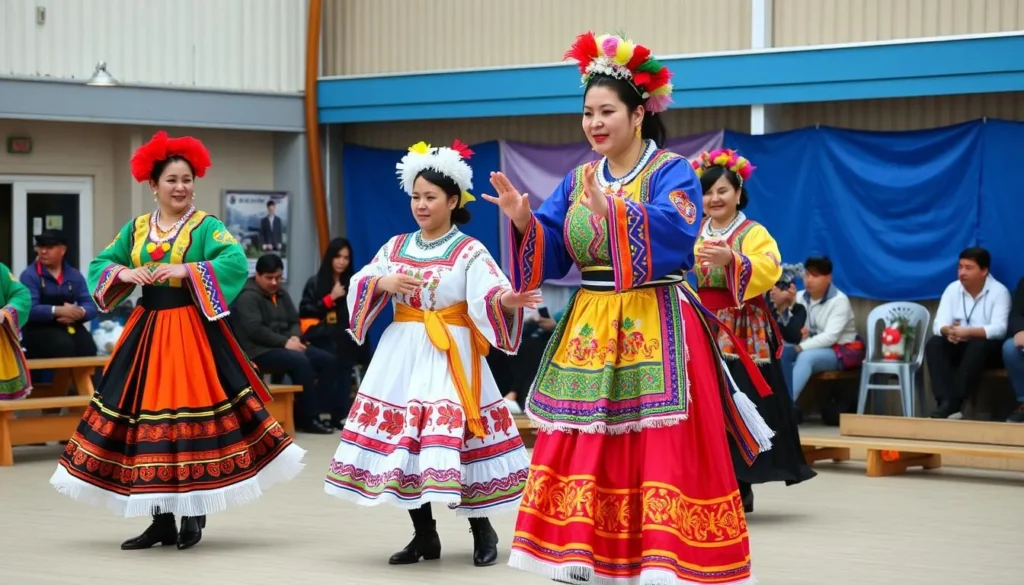
While natural attractions are Kamchatka’s main draw, the region also offers interesting cultural experiences that provide insight into its history, indigenous peoples, and unique way of life.
Museums:
- Kamchatka Regional United Museum: Located in Petropavlovsk-Kamchatsky, this museum houses collections on the region’s natural history, ethnography, and development. While most exhibits are in Russian, guides are available to assist English-speaking visitors.
- Vulcanarium (Volcano Museum): A modern, interactive museum dedicated to volcanology, with English text and audio guides available. Features exhibits on volcano structures, eruptions, and the region’s unique geology.
- Bystrinsky Museum of Local Lore: Located in Esso village, this small museum showcases the culture and traditions of the Even and Koryak peoples, indigenous to the region.
Cultural Experiences:
Several indigenous groups call Kamchatka home, including the Itelmens, Evens, Koryaks, and Ainu. Opportunities to learn about their cultures include:
- Ethnocultural Center Menedek: Located in Anavgay village, offers demonstrations of traditional crafts, music, and dance.
- Reindeer Herder Visits: Some tours offer helicopter excursions to visit semi-nomadic reindeer herders in their camps, providing a glimpse into this traditional way of life.
- Kamchatka Teatr Dramy I Komedii: The regional theater in Petropavlovsk-Kamchatsky occasionally stages performances that incorporate elements of local culture.
Festivals:
If your visit coincides with local celebrations, these can provide unique cultural insights:
- Day of the First Fish (June): A traditional indigenous celebration marking the beginning of the salmon run.
- Beringia Dog Sled Race (February-March): A major event in Kamchatka’s winter calendar, this long-distance race celebrates the traditional mode of transportation.
- Day of the Indigenous Peoples (August): Features demonstrations of traditional skills, music, and dance from the region’s native cultures.
While cultural attractions may not be as numerous as natural ones, they offer valuable context for understanding Kamchatka’s unique character and the relationship between its people and the challenging environment they inhabit.
Nature & Outdoor Experiences
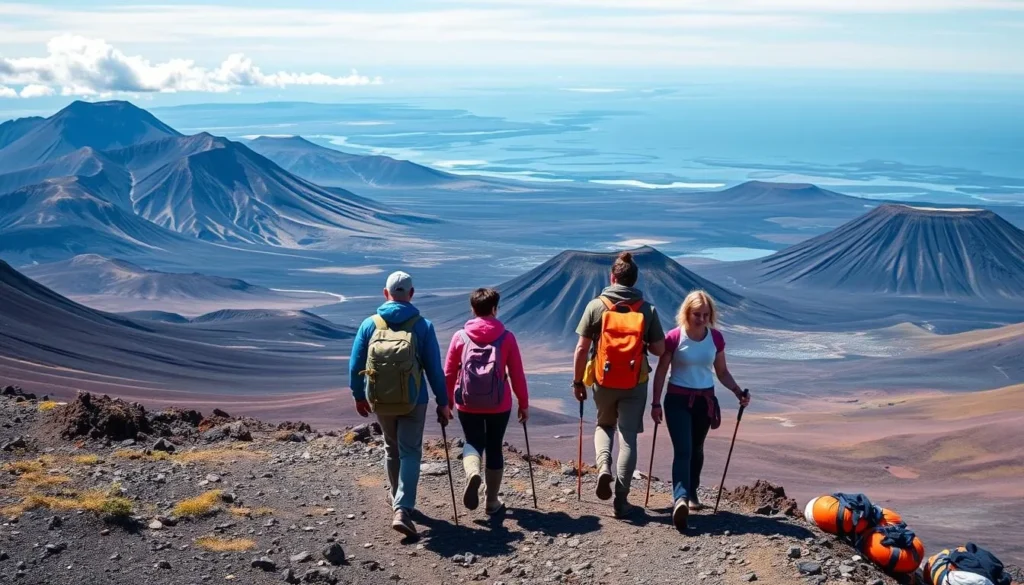
Kamchatka is a paradise for outdoor enthusiasts, offering activities that range from moderately challenging to truly adventurous. The peninsula’s diverse landscapes provide settings for a wide variety of experiences throughout the year.
Summer Activities:
Volcano Trekking
Hiking active and dormant volcanoes is Kamchatka’s signature activity. Options range from relatively easy day hikes up Avachinsky volcano near Petropavlovsk-Kamchatsky to multi-day expeditions in more remote areas. Popular trekking destinations include Mutnovsky, Gorely, and Tolbachik volcanoes.
Wildlife Viewing
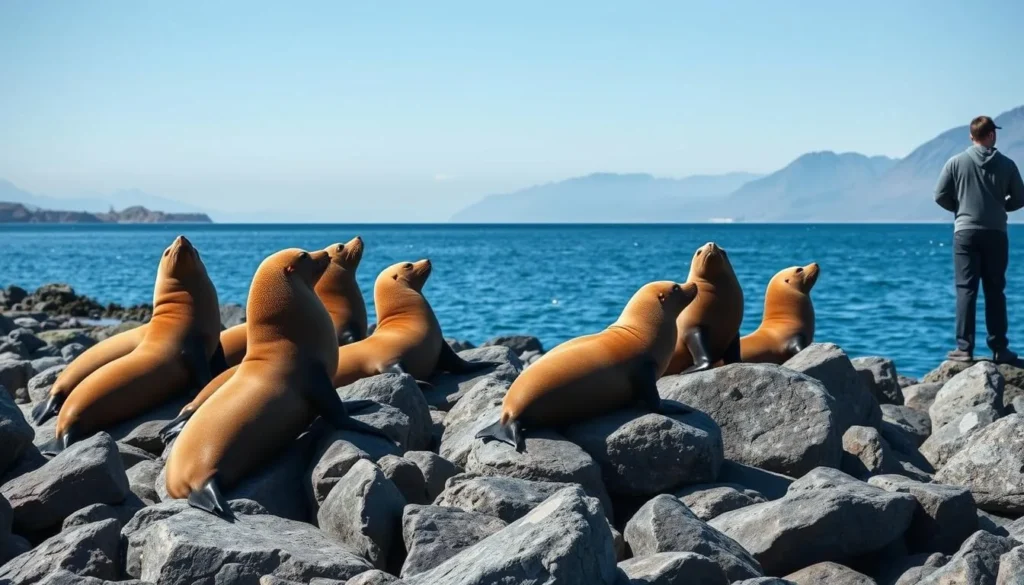
Kamchatka offers world-class opportunities to observe wildlife in natural settings. Bear watching at Kurilskoye Lake is the premier experience, but the region also offers excellent bird watching, marine mammal viewing, and chances to spot other wildlife like reindeer, wolves, and foxes.
Fishing
The peninsula’s rivers teem with salmon and other fish species. Fly fishing for salmon is particularly popular, with several outfitters offering guided trips to remote rivers. Fishing permits are required and can be arranged through tour operators.
Water-Based Activities:
- Sea Kayaking: Explore the coastline and Avacha Bay by kayak, with opportunities to view marine wildlife and dramatic coastal formations.
- Rafting: Several rivers offer rafting experiences ranging from gentle floats to more challenging white water, particularly during the spring melt.
- Hot Springs: Soaking in natural thermal pools is a quintessential Kamchatka experience. Options range from developed resort facilities in Paratunka to wild hot springs in remote wilderness settings.
- Surfing: Khalaktyrsky Beach has emerged as a surf destination for the truly adventurous, with powerful waves breaking on black volcanic sand. Water temperatures rarely exceed 10°C (50°F), requiring thick wetsuits.

Winter Activities:
From December to April, Kamchatka transforms into a winter wonderland offering unique cold-weather adventures:
- Heli-Skiing: The ultimate winter experience in Kamchatka, offering untracked powder runs down volcanic slopes with views of the Pacific Ocean.
- Dog Sledding: Experience traditional transportation with dog sled tours ranging from short rides to multi-day expeditions.
- Snowmobiling: Access winter landscapes via guided snowmobile tours to frozen waterfalls, hot springs, and snow-covered volcanoes.
- Ice Fishing: Join locals in this popular winter pastime on frozen lakes and rivers.
Most outdoor activities in Kamchatka require guides due to safety considerations, permit requirements, and the challenging nature of the terrain. Reputable tour operators can provide the necessary equipment, expertise, and permissions to enjoy these experiences safely.
Safety, Etiquette & Local Customs

Traveling in Kamchatka requires awareness of both safety considerations and cultural norms. The region’s remoteness, wildlife, and active geology create unique challenges, while its position in Russia means certain customs and regulations apply.
Safety Considerations:
- Wildlife Safety: Kamchatka has a large brown bear population. Always travel in groups, make noise while hiking, and follow guide instructions regarding bear safety. Never approach or feed any wildlife.
- Volcanic Activity: Check current volcanic alert levels before visiting active volcanoes. Follow all safety instructions from guides and authorities regarding restricted areas.
- Weather Preparedness: Weather can change rapidly in Kamchatka. Dress in layers, carry rain gear, and be prepared for temperature drops, especially at higher elevations.
- Remote Travel: Many areas have no cell coverage. Consider renting a satellite phone or GPS messenger for emergency communication when in remote areas.
- Medical Facilities: Healthcare facilities are limited outside Petropavlovsk-Kamchatsky. Bring a comprehensive first aid kit and any necessary medications. Comprehensive travel insurance with evacuation coverage is essential.
Cultural Etiquette:
Understanding Russian customs and local traditions will enhance your experience:
- Greetings: Russians typically greet with a firm handshake. Smiling at strangers is less common than in Western countries and may be perceived as unusual.
- Hospitality: If invited to a Russian home, bringing a small gift like chocolates or flowers is customary. Remove your shoes when entering someone’s home.
- Toasting: When drinking with Russians, expect toasts throughout the meal. It’s polite to join in, even if just with a small sip.
- Indigenous Respect: When visiting indigenous communities, follow guide instructions regarding appropriate behavior and photography. Ask permission before photographing people.
Practical Considerations:
- Photography Permits: Some protected areas require special permits for photography, especially for commercial purposes. Check requirements in advance.
- Restricted Areas: As a border region, parts of Kamchatka have restricted access. Ensure your tour operator has necessary permits for all planned destinations.
- Environmental Responsibility: Practice Leave No Trace principles. Kamchatka’s ecosystems are fragile and preservation is vital.
- Language: English is not widely spoken outside tourism contexts. Learning basic Russian phrases is helpful and appreciated by locals.
Most safety concerns can be mitigated by traveling with experienced guides and reputable tour operators who understand the local conditions and requirements. Their expertise is invaluable in navigating both the physical and cultural landscape of this unique region.
Visitor Comments About Kamchatka Peninsula
“Kamchatka exceeded all my expectations. The Valley of Geysers was otherworldly, and watching bears fish for salmon at Kurilskoye Lake was a wildlife experience I’ll never forget. Despite the challenges of getting there, this was easily the most rewarding travel experience of my life. The combination of volcanic landscapes, wildlife, and pristine wilderness is unmatched anywhere else I’ve been.”
“As someone from a tropical country, I thought I knew what to expect from Kamchatka’s volcanoes, but the scale and raw power of this place is humbling. Climbing Avachinsky volcano gave me views I’ll remember forever. The local people were incredibly welcoming despite the language barrier, and the seafood was some of the freshest I’ve ever tasted. Kamchatka feels like one of the last truly wild places on Earth.”
“I visited Kamchatka for the heli-skiing and was blown away by the experience. Skiing down pristine volcanic slopes with views of the Pacific Ocean is unlike anything else in the world. What surprised me most was how the hot springs became such a highlight – soaking in natural thermal pools after a day of adventure was the perfect combination. It’s a challenging destination to reach, but absolutely worth the effort.”
Additional Nearby Destinations
While Kamchatka itself offers enough attractions to fill weeks of exploration, there are several fascinating destinations in the broader region that adventurous travelers might consider combining with their Kamchatka journey.
Commander Islands
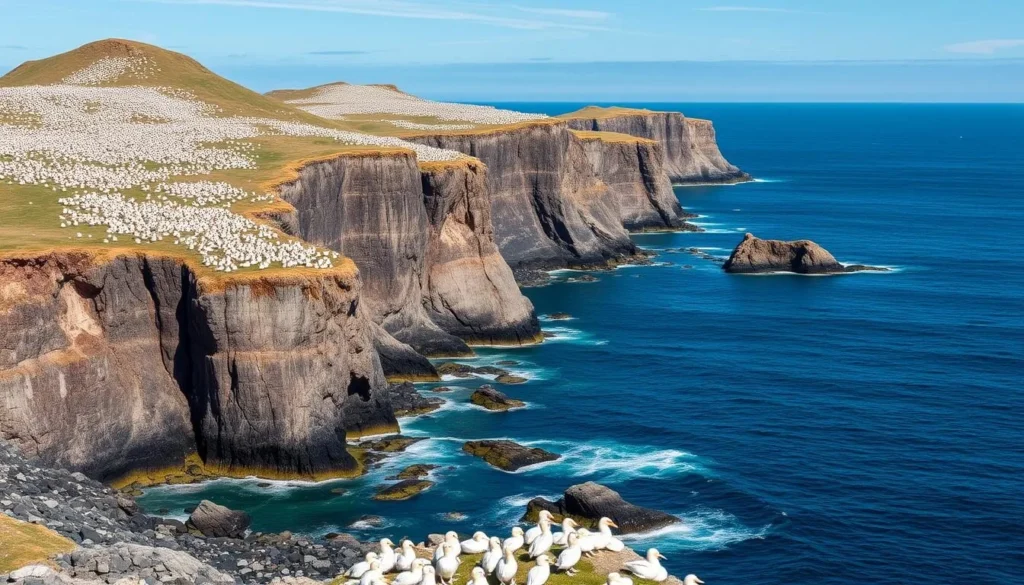
Located 175 km east of Kamchatka in the Bering Sea, this remote archipelago offers extraordinary wildlife viewing opportunities, including huge colonies of seabirds, sea lion rookeries, and diverse marine mammals. The islands can be reached by boat or small aircraft from Petropavlovsk-Kamchatsky.
Kuril Islands
This chain of volcanic islands stretches from Kamchatka to Japan, forming a boundary between the Sea of Okhotsk and the Pacific Ocean. The islands feature dramatic landscapes, hot springs, and unique wildlife. Limited tour options exist from southern Kamchatka.
Magadan Region
Northwest of Kamchatka, this vast wilderness area offers its own unique landscapes and history. Known for its gold mining past and former Gulag labor camps, it now attracts visitors interested in history, fishing, and wilderness experiences.
Chukotka Autonomous Okrug
Russia’s northeasternmost region borders the Arctic Ocean and is home to indigenous Chukchi people. The area offers opportunities to experience Arctic landscapes, traditional cultures, and wildlife including polar bears and walruses.
Due to the remoteness and limited transportation infrastructure in Russia’s Far East, combining these destinations with Kamchatka requires careful planning and often involves chartered flights or expedition cruises. Most travelers find that Kamchatka alone provides more than enough experiences for a single trip.
Kamchatka Peninsula Map
Practical Travel Tips

Essential Packing List:
- Layered Clothing: Weather can change rapidly. Bring moisture-wicking base layers, insulating mid-layers, and waterproof outer layers.
- Sturdy Hiking Boots: Broken-in, waterproof boots with ankle support are essential for volcanic terrain.
- Insect Repellent: Mosquitoes and midges can be abundant in summer, especially in forested and tundra areas.
- Sun Protection: The sun can be intense, especially at higher elevations and when reflected off snow. Bring sunscreen, sunglasses, and a hat.
- Camera Equipment: Extra batteries and memory cards, as charging opportunities may be limited in remote areas.
- Medications: Bring all necessary prescriptions plus basic first aid supplies. Medical facilities are limited.
- Cash: While cards are accepted in Petropavlovsk-Kamchatsky, cash (Russian rubles) is essential for smaller establishments and villages.
Communication & Connectivity:
Cell coverage is generally good in Petropavlovsk-Kamchatsky and major settlements but nonexistent in wilderness areas. Consider these options:
- Local SIM Card: Available in Petropavlovsk-Kamchatsky if your phone is unlocked. Major Russian carriers include MTS, Beeline, and Megafon.
- Satellite Communication: Consider renting a satellite phone or GPS messenger for emergency communication in remote areas.
- Translation Apps: Download Russian language packs for offline use in translation apps.
Money Matters:
- Currency: The Russian ruble is the only accepted currency. Exchange money in Petropavlovsk-Kamchatsky, as options are limited elsewhere.
- ATMs: Available in Petropavlovsk-Kamchatsky but may not accept all foreign cards. Notify your bank of travel plans.
- Costs: Kamchatka is expensive by Russian standards due to its remoteness. Budget for higher costs for food, accommodation, and especially activities.
- Tipping: Not traditionally expected in Russia, but becoming more common in tourist areas. 5-10% is appropriate for good service.
Additional Tips:
- Flexibility: Weather conditions can affect plans, especially for helicopter excursions and volcano visits. Build flexibility into your itinerary.
- Photography: Bring extra batteries and memory cards. Consider a waterproof camera case or cover.
- Food Allergies: If you have dietary restrictions, learn relevant Russian phrases to communicate these. Options may be limited in remote areas.
- Registration: Foreign visitors staying in Russia must be registered within 7 business days of arrival. Hotels typically handle this, but confirm this service when booking.
Thorough preparation will help you make the most of your Kamchatka adventure while minimizing potential challenges. The extra effort required to visit this remote region is amply rewarded by the extraordinary experiences it offers.
The Call of the Wild: Your Kamchatka Adventure Awaits
Kamchatka represents one of the last great frontiers for travelers seeking authentic wilderness experiences. This remote peninsula offers a rare glimpse into a world where nature’s most powerful forces – volcanoes, geysers, and wildlife – exist in remarkable balance, largely untouched by human development.
The challenges of reaching and exploring Kamchatka are part of what makes it special. Each steaming fumarole, each bear sighting, each summit reached feels like a genuine discovery rather than a manufactured tourist experience. In an increasingly accessible world, Kamchatka remains a place where adventure feels real and rewards are profound.
Whether you’re drawn by the lure of active volcanoes, the promise of extraordinary wildlife encounters, or simply the desire to experience one of Earth’s last great wild places, Kamchatka offers experiences that will remain with you long after you’ve returned home. The peninsula’s unique combination of geological wonders, biodiversity, and cultural heritage creates a destination unlike any other – one that calls to those willing to venture beyond the ordinary.
The above is subject to change.
Check back often to TRAVEL.COM for the latest travel tips and deals.


0 Comments