

Did you know that Lake Onega is the second-largest lake in Europe, covering an impressive 9,700 square kilometers (3,700 square miles) and containing 1,650 islands? This vast freshwater gem in Russia’s Karelia region is home to the UNESCO-listed Kizhi Island, where wooden churches built without a single nail have stood for centuries. Despite its cultural and natural significance, Lake Onega remains refreshingly uncrowded compared to more familiar Russian destinations, offering travelers an authentic glimpse into the country’s rich heritage and pristine wilderness.
Getting There & Planning Your Journey
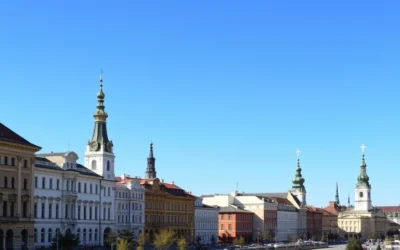
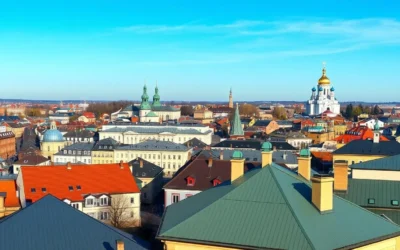
The gateway to Lake Onega is Petrozavodsk, the capital of Russia’s Karelia Republic. This charming city sits on the western shore of the lake and serves as the main transportation hub for exploring the region.
By Air
The closest airport is Petrozavodsk Airport (PES), which receives regular flights from Moscow’s Domodedovo Airport. The flight takes approximately 1 hour and 45 minutes. From the airport, it’s about a 12 km drive to Petrozavodsk city center.
By Train
Train travel is the most reliable and popular way to reach Petrozavodsk. Several daily trains connect St. Petersburg to Petrozavodsk (approximately 7 hours), while overnight trains from Moscow take around 16 hours. The overnight train is a comfortable and time-efficient option, allowing you to save on accommodation while traveling.
By Car
If you prefer driving, take the M-18 highway from St. Petersburg to Petrozavodsk (approximately 5 hours for the 430 km journey). From Moscow, the drive is considerably longer at around 12 hours (996 km). Note that while main highways are well-maintained, some rural roads around Lake Onega can be bumpy or unpaved.
Best Time to Visit Lake Onega

Lake Onega experiences distinct seasons, each offering a unique perspective on this magnificent region. Your ideal visiting time depends on the activities you’re most interested in experiencing.
Recommended Seasons
Summer (June – August)
The peak tourist season with temperatures ranging from 11°C to 21°C (52°F to 70°F). This is the ideal time for:
- Boat tours to Kizhi Island and other lake destinations
- Hiking in the surrounding forests
- Swimming in the lake (July is warmest)
- Fishing for pike, perch, and salmon
- Experiencing the magical “White Nights” in June when daylight lasts nearly 24 hours
Early Fall (September)
A beautiful time with temperatures between 5°C and 12°C (41°F to 54°F), offering:
- Stunning autumn foliage with red and gold colors
- Fewer tourists and more peaceful exploration
- Mushroom and berry picking in forests
- Pleasant hiking conditions
- Last chance for boat tours before navigation season ends
Winter (December – March)
For the adventurous traveler, with temperatures from -15°C to -5°C (5°F to 23°F):
- Snowmobile excursions across the frozen lake
- Dog sledding adventures
- Ice fishing experiences
- Possibility of seeing the Northern Lights
- Winter festivals in Petrozavodsk
Seasons to Avoid
Late October to November and April are considered off-season with unstable weather conditions. During these transition periods, the lake is often partially frozen (unsafe for boats yet not solid enough for winter activities), and rain or slush can make outdoor exploration less enjoyable. May is also challenging as it’s typically muddy from spring thaw.
Pro Tip: If you’re primarily interested in visiting Kizhi Island, note that the navigation season for regular boat tours runs from mid-May to mid-September. Outside this period, the island is only accessible by hovercraft, helicopter, or snowmobile in winter.
Getting Around Locally

In Petrozavodsk
The city of Petrozavodsk is relatively compact and easy to navigate:
- Public buses and trolleybuses cover most areas of the city
- Taxis are readily available and affordable
- Walking is pleasant, especially along the lake embankment
- Bike rentals are available during summer months
Around Lake Onega
Exploring the broader lake region requires some planning:
Summer Transportation
- Regular hydrofoil boats connect Petrozavodsk to Kizhi Island (1 hour 15 minutes)
- Private boat tours can be arranged to various islands
- Local buses connect to smaller towns around the lake
- Rental cars provide the most flexibility for exploring
Winter Transportation
- Hovercrafts operate to Kizhi Island when the lake is frozen
- Snowmobiles can be rented for adventures across the ice
- Winter roads sometimes form across the frozen lake
- Dog sledding tours are available in some areas
Where to Stay

Accommodation options around Lake Onega range from city hotels in Petrozavodsk to rustic guesthouses in smaller villages. Here are your best options based on location and style:
Petrozavodsk
The capital city offers the widest range of accommodation options:
- Luxury: Hotel Karelia & SPA and Severnaya Hotel offer upscale amenities and lake views
- Mid-range: Fregat Hotel and Cosmos Petrozavodsk provide comfortable stays at reasonable prices
- Budget: Hostel Kizhi and Hostel Karjala cater to travelers on a tighter budget
Lakeside Villages
For a more authentic experience, consider staying in smaller communities around the lake:
- Kinerma: Traditional Karelian guesthouses in “Russia’s most beautiful village”
- Shuya: Karjala Park eco-hotel with outdoor activities and traditional saunas
- Velikaya Guba: Small guesthouses close to Kizhi Island
Unique Stays
For something different, consider these special accommodation options:
- Floating hotels: Available during summer months on Lake Onega
- Traditional Karelian cottages: Wooden houses with saunas, often available for rent
- Eco-glamping: Several new sites have opened around the lake in recent years
Local Tip: Many accommodations in smaller villages may not have online booking systems. Consider contacting a local tour operator to help arrange stays in more remote areas.
Dining & Local Cuisine

Karelian cuisine is a delightful blend of Russian and Finnish influences, heavily featuring local ingredients from the forests and lakes. Here’s what to try around Lake Onega:
Must-Try Local Dishes
- Kalitki: Open-faced rye pastries with potato, rice, or berry fillings
- Karelian fish soup: Made with freshly caught lake fish and simple ingredients
- Lohikeitto: Creamy salmon soup with potatoes and dill
- Sultsina: Thin pancakes with potato filling
- Karelian hot pot: Meat stew slow-cooked with vegetables
- Forest mushrooms: Prepared in various ways, especially common in autumn
- Wild berries: Lingonberries, cloudberries, and blueberries in desserts and drinks
Where to Eat in Petrozavodsk
The city offers the widest selection of dining options:
- Karelskaya Gornitsa: Traditional Karelian cuisine in a rustic setting
- Fregat: Seafood and lake fish specialties with lake views
- Severny: Modern takes on traditional dishes
- Cafe Kivach: Casual spot for trying kalitki and other local pastries
Dining Around the Lake
In smaller villages, dining options are more limited but often more authentic:
- Kizhi Island: Small cafe serving traditional Karelian snacks and hot drinks
- Karjala Park: Restaurant serving game meats and foraged ingredients
- Village homestays: Often include home-cooked meals using family recipes
Foodie Tip: Don’t miss trying “Karelian balsam,” a local herbal liqueur made with 25+ herbs and berries. It’s often served as a digestif after meals.
Attractions, Sightseeing & Activities

Kizhi Island – UNESCO World Heritage Site
The crown jewel of Lake Onega, Kizhi Island is home to an open-air museum of wooden architecture that showcases the incredible craftsmanship of Russian carpenters:
- Church of Transfiguration: Built in 1714 without a single nail, featuring 22 wooden domes
- Church of the Intercession: The 9-domed winter church used when the larger church was too cold
- Bell Tower: Completing the ensemble known as Kizhi Pogost
- Peasant houses: Authentic wooden homes showing how locals lived
- Craft demonstrations: Local artisans demonstrate traditional woodworking, weaving, and other crafts
Petrozavodsk Highlights
The capital city offers several interesting attractions:
- Lake Onega Embankment: Beautiful promenade with modern sculptures gifted by sister cities
- National Museum of Karelia: Exhibits on local history, culture, and nature
- Alexander Nevsky Cathedral: Neoclassical cathedral built in 1832
- Round Square: Historic circular plaza surrounded by classical buildings
- Museum of Fine Arts: Collection focusing on Karelian and northern Russian art
Other Lake Onega Attractions

- Onega Petroglyphs: Ancient rock carvings dating back 6,000 years along the eastern shore
- Kivach Waterfall: One of the largest plain waterfalls in Europe, located on the Suna River
- Traditional Karelian Villages: Kinerma and others showcasing authentic wooden architecture
- Ruskeala Mountain Park: Former marble quarry with emerald waters, caves, and underground galleries
- Valaam Monastery: Historic monastery complex on an island in Lake Ladoga (connected tour from Lake Onega)
Museums, Cultural Spots & Festivals

Museums Around Lake Onega
Beyond the open-air museum on Kizhi Island, the region offers several fascinating museums:
- National Museum of the Republic of Karelia (Petrozavodsk): Comprehensive exhibits on Karelian history, ethnography, and natural history
- Museum of Fine Arts of Karelia (Petrozavodsk): Art collections with emphasis on northern Russian and Karelian artists
- Marine Museum (Petrozavodsk): Exhibits on the maritime history of Lake Onega and the White Sea
- Museum of Industrial History (Petrozavodsk): Showcasing the region’s industrial heritage
- “House of the Doll” (Petrozavodsk): Collection of traditional and artistic dolls
- Local History Museums: Found in several smaller towns around the lake
Cultural Experiences
Immerse yourself in Karelian culture through these experiences:
- Traditional craft workshops: Try your hand at Karelian weaving, woodcarving, or cooking
- Kantele music performances: Listen to this traditional Finnish/Karelian string instrument
- Karelian banya (sauna): Experience the traditional black smoke sauna ritual
- Folk dance and music shows: Regular performances in Petrozavodsk
- Epic poetry readings: Hear passages from the Kalevala, the Finnish/Karelian epic
Annual Festivals
Time your visit to coincide with these cultural celebrations:
- Hyperborea (February, Petrozavodsk): International snow and ice sculpture festival
- White Nights of Karelia (June-July): Music and arts festival during the midnight sun period
- Midsummer Day (June 22): Traditional celebrations of the summer solstice
- Vozdukh (August, Petrozavodsk): Open-air music festival
- Elonpu Tree of Life Festival (July): Celebration of Veps culture on Lake Onega’s shores
Sports, Nature & Outdoor Experiences

Summer Activities
The warmer months offer numerous ways to enjoy Lake Onega’s natural beauty:
- Boating: Rent kayaks, canoes, or motorboats to explore the lake
- Fishing: Try your luck catching pike, perch, whitefish, and salmon
- Swimming: Enjoy designated beaches around Petrozavodsk and smaller villages
- Hiking: Explore forest trails around the lake and on islands
- Cycling: Bike routes connect villages along the western shore
- Island hopping: Visit some of the lake’s 1,650 islands
Winter Adventures

When the lake freezes, a whole new world of activities becomes possible:
- Snowmobiling: Zoom across the frozen lake surface
- Ice fishing: A beloved local tradition with special equipment rentals available
- Cross-country skiing: Trails around the lake and through forests
- Dog sledding: Guided tours with Siberian huskies
- Hovercraft rides: Unique way to reach Kizhi Island in winter
- Northern Lights viewing: Possible on clear winter nights
Nature Reserves
Protected areas around Lake Onega offer pristine wilderness experiences:
- Kivach Nature Reserve: Old-growth forests, waterfall, and diverse wildlife
- Vodlozersky National Park: One of Europe’s largest protected forest areas
- Zaonezhye Peninsula: Unique landscape with rare plant species
Adventure Tip: For the most authentic outdoor experiences, consider booking with local guides who know the best fishing spots, hiking trails, and wildlife viewing areas that aren’t in guidebooks.
Safety, Etiquette & Local Customs

Safety Considerations
Lake Onega is generally a safe destination, but keep these points in mind:
- Water safety: The lake is very deep and can be cold even in summer; always use life jackets when boating
- Winter ice: Never venture onto frozen lake surfaces without local guidance
- Weather changes: Conditions can shift quickly; check forecasts and dress accordingly
- Remote areas: Some islands and shores have limited cell service; inform someone of your plans
- Wildlife: While rare, bears do inhabit forests around the lake; make noise while hiking
- Medical facilities: Good hospitals exist in Petrozavodsk, but smaller villages have limited services
Local Etiquette
Respect local customs with these etiquette guidelines:
- Church visits: Women should cover their heads and shoulders; men should remove hats
- Photography: Ask permission before photographing local people
- Home visits: Remove shoes when entering someone’s home
- Banya (sauna): Follow local customs regarding gender separation and proper behavior
- Toasting: It’s customary to make eye contact when clinking glasses
Cultural Customs
Understanding these cultural aspects will enrich your experience:
- Karelian hospitality: Locals may invite you for tea or meals; it’s polite to accept
- Gift-giving: Small gifts are appreciated when visiting homes
- Language: While Russian is the main language, some older residents in villages speak Karelian or Finnish
- Religious observances: Many locals are Orthodox Christians; respect religious sites and ceremonies
- Nature connection: Karelians have deep respect for forests and lakes; follow their lead in environmental care
Cultural Tip: Learning a few basic Russian phrases will be greatly appreciated by locals, especially in smaller villages where English is less commonly spoken.
Visitor Comments About Lake Onega
“I was mesmerized by the wooden churches on Kizhi Island—seeing the Church of Transfiguration with its 22 domes was worth the entire journey to Russia! But what truly surprised me was how warm and welcoming the local Karelian people were in the small villages around the lake. They invited us into their homes for tea and shared stories despite our language barrier. The traditional banya experience followed by a quick dip in the lake was unforgettable!”
“We visited Lake Onega in February and it was magical! Crossing the frozen lake by snowmobile to reach Kizhi Island felt like an arctic expedition. The wooden churches covered in snow were hauntingly beautiful. We also tried ice fishing with a local guide who cooked our catch right on the ice. The winter experience was challenging at times with temperatures around -10°C, but the unique activities and stunning winter landscapes made it absolutely worth it.”
“Summer on Lake Onega offers perfect weather and endless daylight. We kayaked around the smaller islands, picking wild berries along the shores. The Karelian cuisine was a delightful surprise—those little kalitki pastries are addictive! Don’t miss the petroglyphs along the eastern shore; they’re less visited than Kizhi but equally fascinating. My advice: spend at least a week to truly experience the lake’s diversity and natural beauty.”
Practical Travel Tips

Essential Planning
- Visa requirements: Most visitors need a Russian visa; apply 3-6 weeks before travel
- Currency: Russian ruble (RUB); ATMs available in Petrozavodsk but limited in villages
- Language: Russian is primary; English is limited outside major tourist sites
- Electricity: 220V with European-style round prong plugs (Type C/F)
- Internet: Good coverage in Petrozavodsk; spotty in remote areas
Packing Essentials
- Summer: Light clothing, rain jacket, insect repellent, sun protection
- Winter: Thermal layers, heavy coat, waterproof boots, hat, gloves, scarf
- Year-round: Comfortable walking shoes, modest clothing for church visits
- Tech: Camera, power bank, universal adapter
- Documents: Passport copies, visa documents, travel insurance
Helpful Resources
- Tourist Information Center: Located on Lenin Square in Petrozavodsk
- Visit Karelia website: Official tourism portal with updated information
- Kizhi Museum website: For boat schedules and exhibition information
- Local tour operators: Nordic Travel and other companies specialize in Lake Onega experiences
Money-Saving Tip: Consider purchasing the Karelia Card in Petrozavodsk, which offers discounts on museums, restaurants, and some transportation options.
The Timeless Magic of Lake Onega Awaits
Lake Onega offers a rare glimpse into Russia beyond the familiar tourist trail—a place where ancient wooden architecture stands in harmony with pristine nature, and where traditional Karelian culture continues to thrive. Whether you’re marveling at the ingenious construction of Kizhi’s wooden churches, gliding across the lake’s vast waters, or sharing tea with locals in a village sauna, Lake Onega provides authentic experiences that connect you to Russia’s soul. The lake’s changing seasons each bring their own magic, from summer’s endless light to winter’s sparkling ice kingdom. As you plan your journey to this remarkable destination, remember that the true treasure of Lake Onega lies not just in its UNESCO sites and natural beauty, but in the moments of discovery and connection that will stay with you long after you’ve returned home.
The above is subject to change.
Check back often to TRAVEL.COM for the latest travel tips and deals.


0 Comments