

Did you know that Lake Timur (also known as Lake Taymyr) is the second-largest body of water in Asian Russia, covering an impressive 1,760 square miles (4,560 square kilometers)? This vast freshwater lake, shaped like an irregular crescent, remains frozen for most of the year, thawing for only about 73 days during the brief summer months. Despite its harsh climate, Lake Timur hosts a remarkable diversity of wildlife, including around 20 species of fish and numerous migratory birds that have adapted to thrive in this extreme environment.
Getting There & Planning Your Journey
Reaching Lake Timur is an adventure in itself, as it’s located in one of Russia’s most remote regions in the Taymyr Plateau of Krasnoyarsk Krai. The lake sits well above the Arctic Circle, making it a challenging but rewarding destination for intrepid travelers.
Closest Airports
The nearest major airport is in Norilsk (Alykel Airport), approximately 300 km (186 miles) from the lake. From there, you’ll need to arrange specialized transportation to reach the lake area.
- Fly to Moscow first (Sheremetyevo or Domodedovo International Airports)
- Connect to Norilsk (Alykel Airport) via domestic flights
- Arrange specialized transport (helicopter or all-terrain vehicles) to Lake Timur
Due to the remote location, most visitors access Lake Timur as part of organized expeditions. These typically depart from Norilsk or Dudinka and include all necessary transportation, permits, and equipment for safely exploring this pristine wilderness.
Best Time to Visit Lake Timur & Weather Tips
The extreme northern location of Lake Timur means that timing your visit is crucial. The lake experiences a harsh Arctic climate with long, frigid winters and brief summers.
Recommended Months to Visit
The optimal window for visiting Lake Timur is extremely narrow, limited to the brief summer thaw between mid-July and early September. During these precious few weeks:
- The lake is free from ice (for approximately 73 days per year)
- Temperatures reach a relatively mild 8°C to 15°C (46°F to 59°F)
- Wildlife activity peaks with birds and fish thriving in the sudden abundance
- The sun shines almost continuously, creating extended daylight hours for exploration
Months to Avoid
Unless you’re specifically seeking extreme winter adventures with specialized equipment and guides, avoid visiting from October through June. During these months:
- The lake is completely frozen with ice up to 1 meter thick
- Temperatures plummet to -50°C (-58°F) in the coldest months
- Darkness prevails during the polar night period
- Access becomes extremely difficult or impossible without specialized vehicles
| Season | Months | Temperature Range | Conditions | Recommendation |
| Summer | July-September | 8°C to 15°C (46°F to 59°F) | Lake thawed, wildlife active, 24-hour daylight | Ideal time to visit |
| Autumn | October-November | -10°C to 5°C (14°F to 41°F) | Freezing begins, decreasing daylight | Not recommended |
| Winter | December-March | -50°C to -20°C (-58°F to -4°F) | Completely frozen, polar night | Extreme expeditions only |
| Spring | April-June | -15°C to 5°C (5°F to 41°F) | Still frozen, increasing daylight | Not recommended |
For the most rewarding experience, plan your visit during the peak summer period when the region experiences its brief but intense burst of life and activity.
Getting Around Locally

The remote and rugged nature of the Lake Timur region means that conventional transportation options are extremely limited. Getting around requires specialized vehicles and often expert guides who understand the challenging terrain.
Transportation Options
- All-terrain vehicles: The most common way to explore the area surrounding Lake Timur, these specialized 4×4 vehicles can navigate the tundra landscape.
- Helicopter tours: For a breathtaking aerial perspective, helicopter excursions provide unparalleled views of the lake’s distinctive crescent shape and surrounding wilderness.
- Guided hiking: During summer months, guided trekking expeditions allow for intimate exploration of the tundra ecosystem.
- Boat excursions: During the brief thaw period, boat trips on the lake offer opportunities to visit its islands and observe wildlife.
Most visitors explore Lake Timur as part of organized expeditions that include transportation arrangements. If you’re planning an independent trip, it’s essential to arrange transportation well in advance through specialized tour operators familiar with the region.
Where to Stay

Accommodation options around Lake Timur are extremely limited due to its remote location and harsh environment. There are no conventional hotels or resorts in the immediate vicinity of the lake.
Accommodation Options
Expedition Camping
The most authentic way to experience Lake Timur is through expedition-style camping. Tour operators provide specialized cold-weather tents and equipment designed to withstand the challenging conditions. These camps are typically set up in scenic locations with minimal environmental impact.
- Professional guides ensure safety and comfort
- All necessary camping equipment provided
- Meals prepared by expedition chefs
- Truly immersive wilderness experience
Norilsk Accommodations
The city of Norilsk, approximately 300 km from Lake Timur, offers the closest conventional accommodations. While basic by international standards, these hotels provide a comfortable base before and after your lake expedition.
- Hotel Norilsk – mid-range option with basic amenities
- Polyarnaya Zvezda Hotel – more upscale choice
- Various guesthouses and apartments
- Limited availability, advance booking essential
For the most comfortable and safe experience, we recommend booking an organized expedition that includes accommodation arrangements. These packages typically handle all logistical challenges of staying in this remote region.
Dining & Local Cuisine

The remote nature of Lake Timur means there are no restaurants or dining establishments in the immediate area. Meals are typically arranged as part of expedition packages, with experienced wilderness chefs preparing hearty dishes suited to the challenging environment.
Culinary Experiences
While visiting Lake Timur, you’ll likely experience a combination of:
Expedition Cuisine
- Hearty soups: Including traditional Russian borscht (beetroot soup) and ukha (fish soup)
- Preserved foods: Necessary due to the remote location
- High-energy meals: Designed to provide warmth and sustenance in the cold climate
- Hot beverages: Tea and coffee are essential for warming up in the Arctic environment
Local Specialties
- Freshwater fish: The lake is home to around 20 species, including whitefish, grayling, and pike
- Foraged ingredients: During summer, the tundra produces edible berries and plants
- Traditional preservation methods: Smoking and drying fish are ancient techniques still used in the region
Traveler’s Tip: If you have dietary restrictions or food allergies, be sure to communicate these well in advance to your expedition organizers. The remote location makes last-minute accommodations extremely difficult.
In Norilsk, the nearest city, you’ll find a limited selection of restaurants serving Russian cuisine. These provide a good opportunity to sample more elaborate traditional dishes before or after your Lake Timur expedition.
Attractions, Sightseeing & Activities
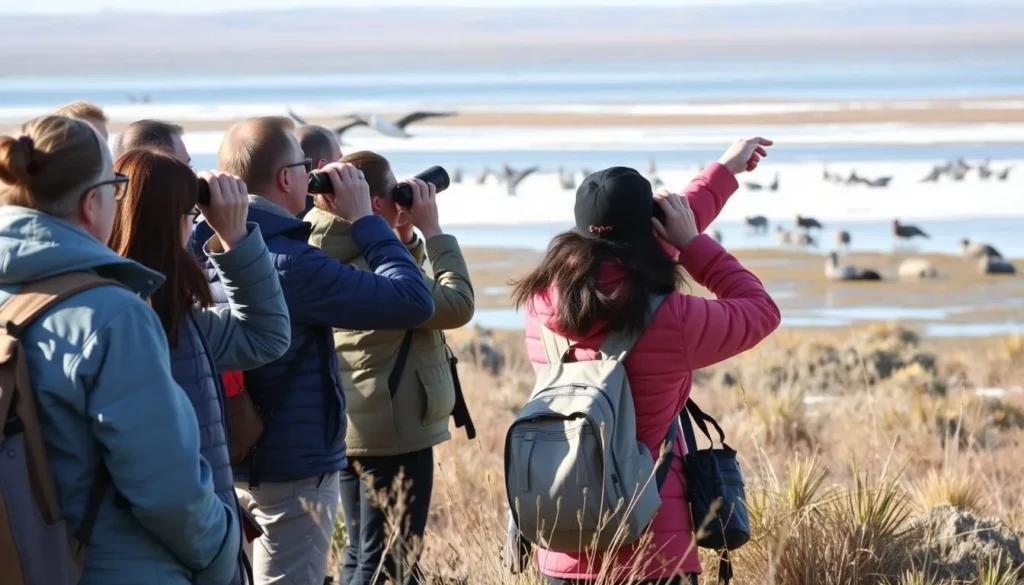
Lake Timur offers a unique wilderness experience focused on natural beauty and ecological wonders rather than man-made attractions. The lake’s remote location has preserved its pristine environment, making it a paradise for nature enthusiasts and adventure seekers.
Top Attractions
The Lake Itself
The irregular crescent-shaped lake covers approximately 1,760 square miles (4,560 square kilometers) and reaches depths of up to 85 feet (26 meters). Its sheer size and remote beauty make it a natural wonder worth experiencing.
- Distinctive crescent shape visible from elevated viewpoints
- Crystal-clear waters during the summer thaw
- Numerous small rocky islands in the western section
- Sokolova-Mikitov Island with its unusual sandy formation
Byrranga Mountains
Located just north of Lake Timur, the Byrranga mountain range offers spectacular views and hiking opportunities during the summer months. These ancient mountains form part of the dramatic backdrop to the lake.
- Peaks reaching up to 1,146 meters (3,760 feet)
- Unique geological formations
- Panoramic views of the surrounding tundra
- Home to rare wildlife species
Activities
Wildlife Observation
- Bird watching during the summer migration
- Spotting freshwater seals unique to the region
- Photographing Arctic foxes and other tundra wildlife
- Learning about unique adaptations to extreme conditions
Photography
- Capturing the midnight sun during summer
- Landscape photography of the lake and mountains
- Macro photography of tundra flora during the brief bloom
- Wildlife photography opportunities
Museums, Cultural Spots & Festivals
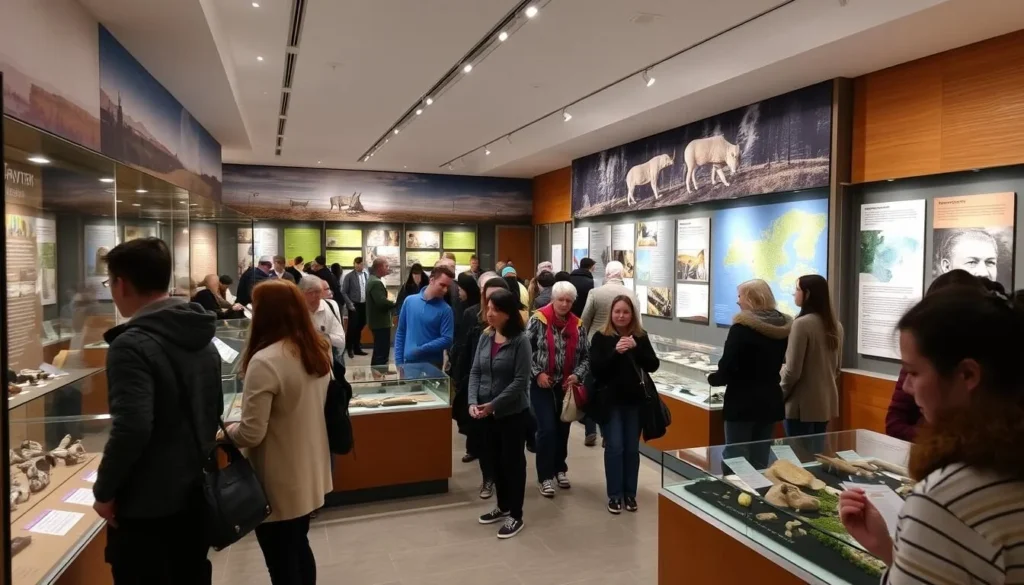
While the immediate area around Lake Timur has no formal cultural institutions due to its remote wilderness setting, the broader Taymyr region offers fascinating cultural insights through museums and indigenous traditions.
Museums
The nearest museums are located in Norilsk, where you can learn about the region’s natural history, indigenous peoples, and industrial development:
- Norilsk History Museum: Exhibits on the development of the region, including information about Lake Timur and the surrounding Taymyr Peninsula
- Museum of the Development of Norilsk Industrial District: Focuses on the mining history but includes ecological exhibits about the surrounding wilderness areas
- Talnakh Museum of the History of the Development of the Norilsk Industrial Region: Features exhibits on local geology and natural resources
Indigenous Culture
The Taymyr region is home to several indigenous groups, including the Nenets, Dolgans, Nganasans, and Evenks. While traditional settlements are scattered and often not accessible to tourists, organized cultural experiences may include:
- Demonstrations of traditional crafts and skills
- Insights into nomadic reindeer herding practices
- Traditional music and storytelling
- Learning about adaptation to the extreme Arctic environment
Seasonal Events
The harsh climate limits regular festivals, but there are some notable events in the broader region:
- Day of the Reindeer Herder: Celebrated in March in various settlements across the Taymyr region
- Fisherman’s Day: July celebrations in coastal communities
- Indigenous Peoples Day: August events showcasing traditional culture
For the most authentic cultural experiences, consider arranging visits through specialized tour operators who work with local indigenous communities in a respectful and sustainable manner.
Sports, Nature & Outdoor Experiences

The pristine wilderness surrounding Lake Timur offers extraordinary outdoor experiences for adventurous travelers. The brief summer window provides opportunities for activities that would be impossible during the long frozen winter.
Water Activities
During the approximately 73 days when the lake is thawed (typically July through September):
- Fishing: The lake hosts around 20 species of fish, including whitefish, grayling, pike, and omul
- Boat excursions: Explore the lake’s islands and shoreline
- Photography expeditions: Capture the unique Arctic light reflecting off the water
Land Activities
The surrounding tundra and mountains offer:
- Hiking: Guided treks through the tundra ecosystem and into the Byrranga Mountains
- Wildlife observation: Opportunities to spot Arctic foxes, wolves, and numerous bird species
- Botanical exploration: Discover the surprisingly diverse plant life that thrives during the brief Arctic summer
- Photography: The unique landscape and lighting conditions create extraordinary photographic opportunities
Winter Expeditions
For the truly adventurous, specialized winter expeditions (extremely rare and requiring extensive preparation) might include:
- Ice fishing: Through holes cut in the meter-thick ice
- Snowmobile traverses: Across the frozen lake surface
- Northern Lights viewing: The dark winter skies provide opportunities to witness the aurora borealis
Safety Note: All outdoor activities in this extreme environment should be undertaken only with experienced guides and proper equipment. The remote location means emergency services are extremely limited.
Safety, Etiquette & Local Customs

Visiting Lake Timur requires careful preparation and respect for both the extreme environment and local customs. The remote location and harsh conditions demand a serious approach to safety.
Safety Considerations
- Weather awareness: Conditions can change rapidly, even in summer
- Proper clothing: Layered clothing is essential, even in summer when temperatures can drop suddenly
- Wildlife precautions: Maintain safe distances from all wildlife
- Communication: Satellite phones are necessary as there is no cellular coverage
- Medical preparation: Bring necessary medications as medical facilities are extremely distant
- Guide compliance: Always follow the instructions of experienced guides
Environmental Etiquette
- Leave No Trace: Pack out all waste
- Stay on designated paths: The tundra ecosystem is fragile and slow to recover from damage
- Wildlife respect: Observe animals from a distance without disturbing them
- No collecting: Leave natural objects and plants where you find them
- Fishing regulations: If fishing, adhere to sustainable practices and limits
Cultural Sensitivity
If you encounter indigenous communities or their representatives:
- Ask permission before taking photographs of people
- Show respect for traditional practices and sacred sites
- Learn about local customs from your guides before interactions
- Consider bringing small, appropriate gifts if visiting communities (ask your tour operator for guidance)
Required Documentation: Visiting the Taymyr region requires special permits due to its remote location and proximity to sensitive areas. These are typically arranged by tour operators but should be confirmed well in advance of travel.
Visitor Comments About Lake Timur

“A Wilderness Like No Other” – C.K., Bloomington
Our expedition to Lake Timur was truly the adventure of a lifetime. The vastness of the landscape is impossible to capture in photographs – you simply have to experience it. We visited in early August and were blessed with relatively mild weather and incredible wildlife sightings. The midnight sun created surreal lighting conditions that photographers dream about. Our guides were extremely knowledgeable about the ecosystem and made sure we understood the fragility of this pristine environment. This isn’t a trip for those seeking luxury, but if you want to experience one of the last truly wild places on earth, Lake Timur delivers in spectacular fashion.
“Worth Every Challenge” – T.O., Daegu
Getting to Lake Timur requires significant effort and planning, but the rewards are immeasurable. The clarity of the air, the purity of the water, and the absolute silence except for natural sounds – these are increasingly rare experiences in our modern world. We were fortunate to see the lake during a calm period when its surface perfectly reflected the surrounding landscape, creating mirror images that seemed almost supernatural. The expedition-style camping was more comfortable than I expected, with excellent meals prepared by our wilderness chef. If you’re considering this journey, my advice is to book with a reputable operator and embrace the adventure with an open mind.
“Unexpected Wildlife Encounters” – N.Y., Sacramento
I’m an avid wildlife photographer, and Lake Timur exceeded all my expectations. During our week-long expedition, we observed countless bird species taking advantage of the brief summer abundance. The highlight was watching Arctic foxes hunting along the shoreline early one morning. Our guide explained how the entire ecosystem springs to life during these few weeks of summer, with species racing to complete their life cycles before the freeze returns. The fishing was exceptional too – the lake’s isolation has preserved healthy populations of several species. Pack quality camera gear with extra batteries, as charging opportunities are limited. This destination deserves a spot on any serious nature lover’s bucket list.
Practical Travel Tips

Essential Packing List
Clothing
- Waterproof and windproof outer layers
- Insulating mid-layers (fleece, down)
- Moisture-wicking base layers
- Warm hat and gloves (even in summer)
- Waterproof hiking boots
- Extra socks (wool or synthetic)
- Sun protection (the Arctic sun can be intense)
Equipment
- High-quality camera with extra batteries
- Binoculars for wildlife viewing
- Waterproof bags for electronics
- Headlamp with extra batteries
- Personal medications (bring extra)
- Insect repellent (summer months)
- Water bottle and purification method
Practical Considerations
- Permits: Special permits are required for the Taymyr region – arrange these well in advance
- Insurance: Comprehensive travel insurance with evacuation coverage is essential
- Communication: There is no cellular coverage – satellite phones are necessary for emergencies
- Currency: Bring Russian rubles for any expenses in Norilsk or other towns
- Language: Few people speak English in the region – a Russian phrasebook or translation app can be helpful
- Electricity: Limited or no access to electricity during expeditions – bring power banks
- Time: The region operates on Krasnoyarsk Time (KRAT), UTC+7
Important: Lake Timur is not a destination for independent travel unless you have extensive Arctic wilderness experience. For safety and environmental protection, we strongly recommend booking with established expedition operators who specialize in this region.
Your Arctic Wilderness Adventure Awaits
Lake Timur represents one of the last truly pristine wilderness areas on our planet. Its remote location and extreme climate have preserved an ecosystem that functions much as it has for thousands of years. Visiting this remarkable destination requires careful planning, proper equipment, and a spirit of adventure, but the rewards are immeasurable. From the crystal-clear waters during the brief summer thaw to the diverse wildlife that has adapted to this challenging environment, Lake Timur offers experiences that few travelers will ever have the privilege to enjoy. As you plan your journey to this Arctic jewel, remember that its preservation depends on responsible visitors who approach this fragile ecosystem with respect and care. The memories you create at Lake Timur will undoubtedly last a lifetime, as will your appreciation for one of Earth’s most extraordinary natural wonders.


0 Comments