

Did you know that Magnitogorsk is home to one of the largest iron and steel works in the world, producing over 20% of Russia’s steel? This industrial powerhouse city, nestled where Europe meets Asia along the Ural River, offers visitors a fascinating glimpse into Russia’s industrial might while surprising travelers with its cultural attractions and natural beauty spots.
Getting There & Planning Your Journey
Magnitogorsk International Airport (MQF) is the closest airport to the city, located about 18 km (11 miles) from the city center. However, it primarily serves domestic flights from Moscow and a few other Russian cities. International travelers typically fly into larger Russian hubs like Moscow or Yekaterinburg first, then connect to Magnitogorsk.
Alternatively, you can reach Magnitogorsk by train from major Russian cities. The journey from Moscow takes approximately 30 hours, while from Yekaterinburg it’s about 8 hours. For those who prefer road travel, intercity buses connect Magnitogorsk with nearby cities like Chelyabinsk (about 4 hours away).
Best Time to Visit & Weather Tips
Magnitogorsk experiences a continental climate with distinct seasons. The average yearly temperature is around 7°C (45°F), but seasonal variations are significant.
| Season | Months | Temperature | Recommendation |
| Summer | June – August | 18-25°C (64-77°F) | Ideal time to visit |
| Fall | September – October | 5-15°C (41-59°F) | Good for fewer crowds |
| Winter | November – March | -15 to -5°C (5-23°F) | Avoid unless for winter sports |
| Spring | April – May | 5-15°C (41-59°F) | Acceptable but variable |
The best time to visit Magnitogorsk is from May to August when the weather is warm and pleasant. This period offers ideal conditions for exploring the city’s outdoor attractions and parks. Winter months (November to March) are extremely cold, with temperatures often dropping below -15°C (5°F), making outdoor activities challenging unless you’re interested in winter sports at the nearby Metallurg-Magnitogorsk Ski Resort.
Getting Around Locally

Magnitogorsk has a well-developed public transportation system that makes getting around the city relatively easy. The primary modes of transport include:
- Trams: The most popular and reliable form of public transport in Magnitogorsk, with routes covering most of the city.
- Buses: Complement the tram network and reach areas not covered by trams.
- Marshrutkas (minibuses): Provide flexible routes and stop on demand.
- Taxis: Readily available and relatively affordable for direct journeys.
The city is divided by the Ural River, with the European side (left bank) being the older, industrial part, and the Asian side (right bank) being more residential and modern. Several bridges connect the two parts of the city.
Where to Stay
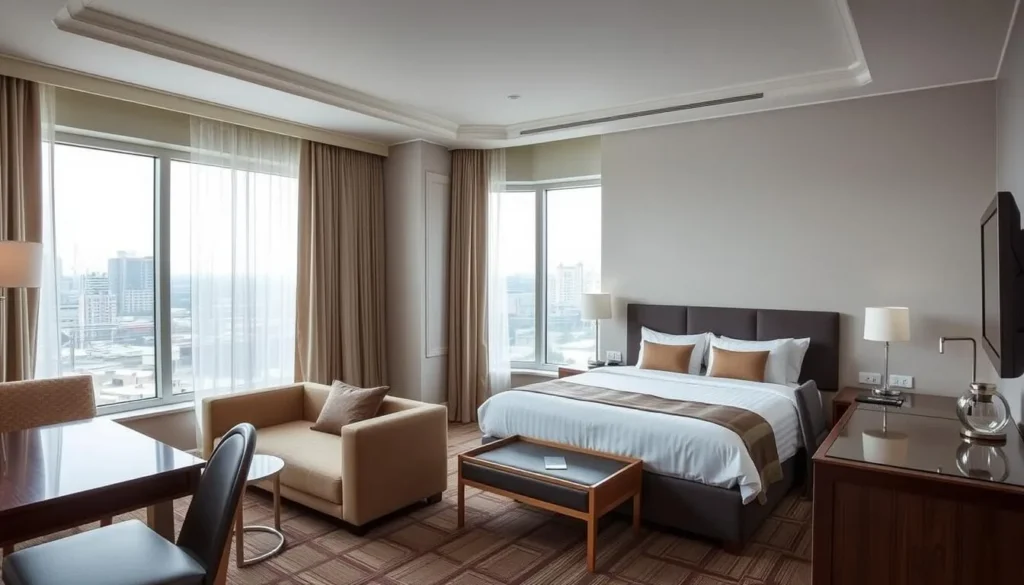
Accommodation options in Magnitogorsk are somewhat limited compared to major Russian cities, but you’ll find a decent range of choices to suit different budgets:
Business Hotels
Magnitogorsk has several business-class hotels offering comfortable rooms and amenities like restaurants, fitness centers, and conference facilities. Hotel Evropa and Alfa Hotel are popular choices in this category, with prices ranging from 3,500-6,000 RUB (40-70 USD) per night.
Mid-Range Options
For more affordable accommodation, consider hotels like Valentino or Laguna, which offer clean, comfortable rooms with basic amenities at prices between 2,000-3,500 RUB (25-40 USD) per night. These hotels are often well-located near city attractions.
Budget Stays
Budget travelers can find hostels and guesthouses with shared facilities. Prices for these accommodations typically start around 1,000 RUB (12 USD) per night. Some local residents also offer apartment rentals, which can be a good option for longer stays.
Most accommodations are concentrated in the city center or the right bank (Asian side) of the city, which offers better access to restaurants, shops, and cultural attractions.
Dining & Local Cuisine
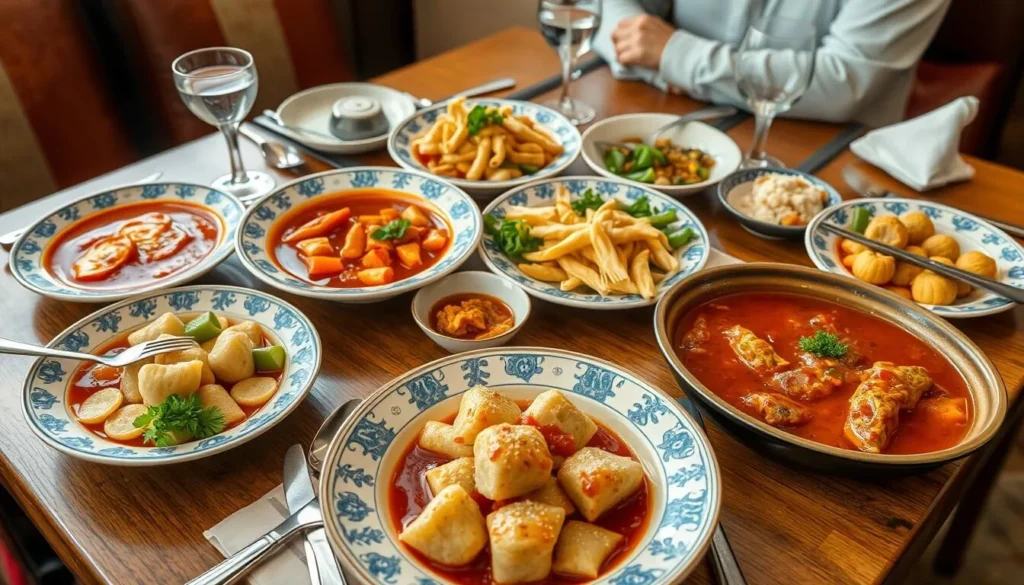
Magnitogorsk offers a variety of dining options that showcase both traditional Russian cuisine and international flavors. The city’s food scene reflects its multicultural heritage, with influences from both European and Asian culinary traditions.
Top Restaurants in Magnitogorsk
Uchkuduk
A highly-rated restaurant serving excellent Asian and Middle Eastern cuisine. Don’t miss their horse meat manti and beshbarmak, as well as the delightful khachapuri. The restaurant features festive decor and a welcoming atmosphere.
$$$ – Expensive
Диканька (Dikan’ka)
A charming Ukrainian restaurant known for its cozy atmosphere, friendly staff, and delicious food. The rustic ambiance makes it perfect for a pleasant evening out, and visitors praise the generous portions and excellent beef dishes.
$$ – Moderate
Nekerov-Ridzhis
A popular restaurant for gatherings and celebrations, offering impressive culinary creations in an inviting atmosphere. The menu deserves special attention, with guests raving about the quality and variety of dishes available.
$$ – Moderate
Local Specialties to Try
- Pelmeni – Russian dumplings filled with minced meat
- Borscht – Traditional beetroot soup
- Shashlik – Marinated and grilled meat skewers
- Blini – Russian pancakes served with various fillings
- Pirozhki – Small baked or fried pies with different fillings
Most restaurants are concentrated in the city center and the right bank area. Prices are generally lower than in Moscow or St. Petersburg, making dining out in Magnitogorsk quite affordable for international visitors.
Attractions, Sightseeing & Activities
Magnitogorsk offers a variety of attractions that highlight its industrial heritage, cultural significance, and natural beauty. Here are the top sights and activities to experience during your visit:
Top Attractions in Magnitogorsk
1. Magnitogorsk Iron and Steel Works
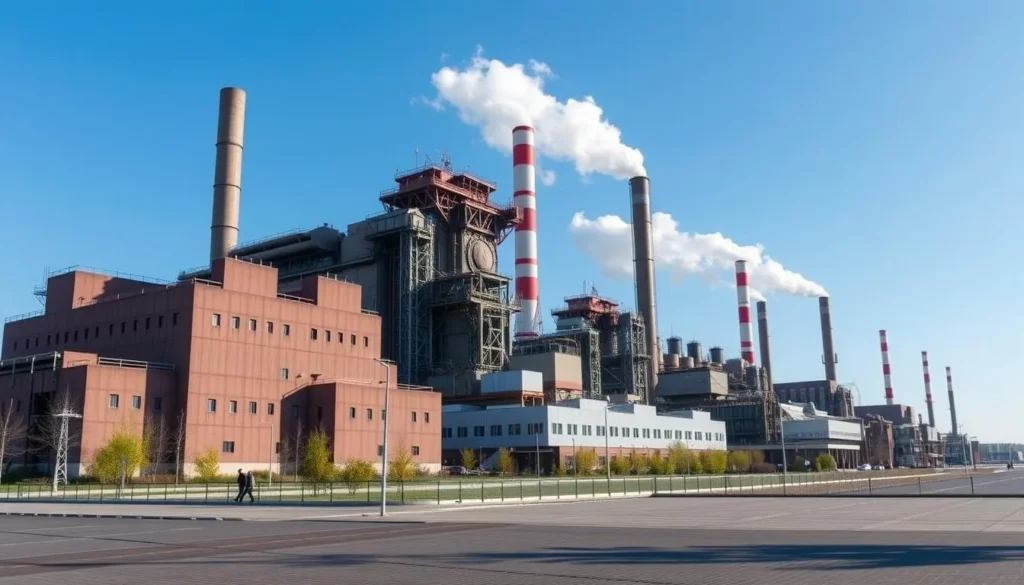
This massive industrial complex is the heart of the city and one of the largest steel producers in the world. While full tours of the facility are limited, visitors can appreciate its scale from several viewpoints around the city. The steel works has shaped Magnitogorsk’s identity and offers a unique perspective on Russia’s industrial might.
2. Monument to the Rear-Front (Tyl-Frontu)
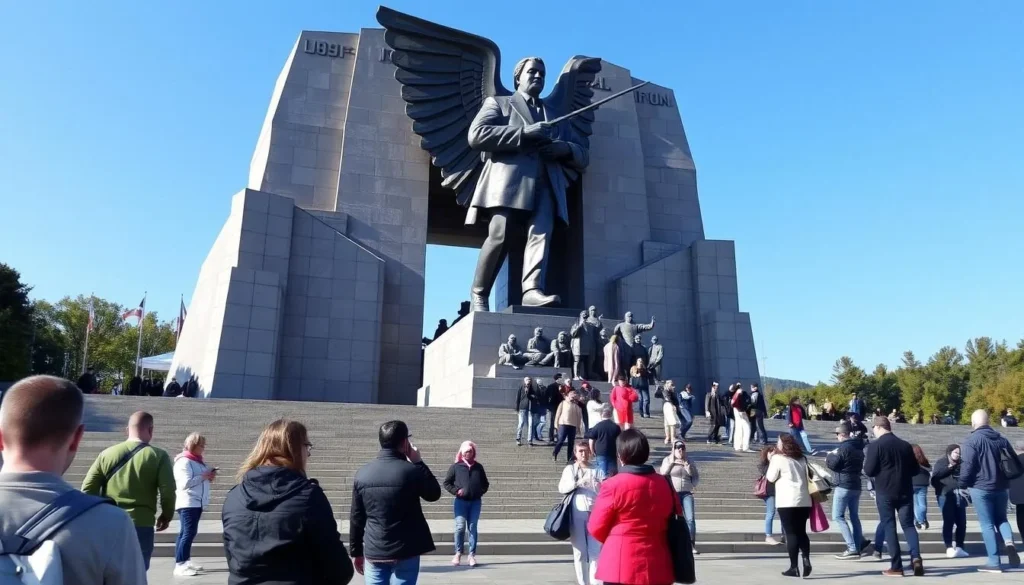
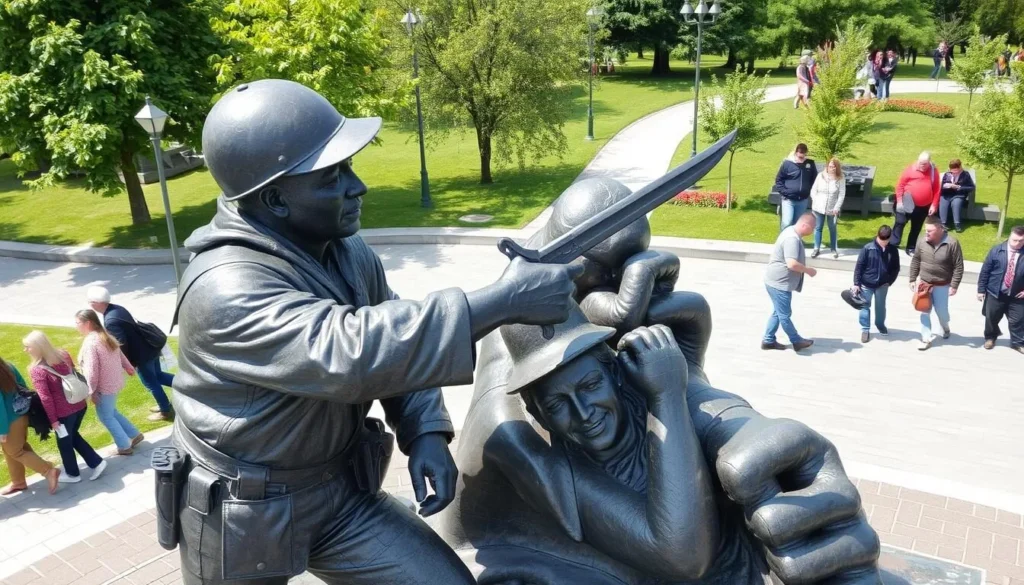
This impressive monument symbolizes the contribution of Magnitogorsk’s industrial workers to the Soviet victory in World War II. The 15-meter (49 ft) sculpture depicts a factory worker handing a sword to a soldier, representing the city’s role in supplying the front with weapons and equipment. The monument is part of a trilogy, with related sculptures in Volgograd and Berlin.
3. Magnitogorsk Art Gallery
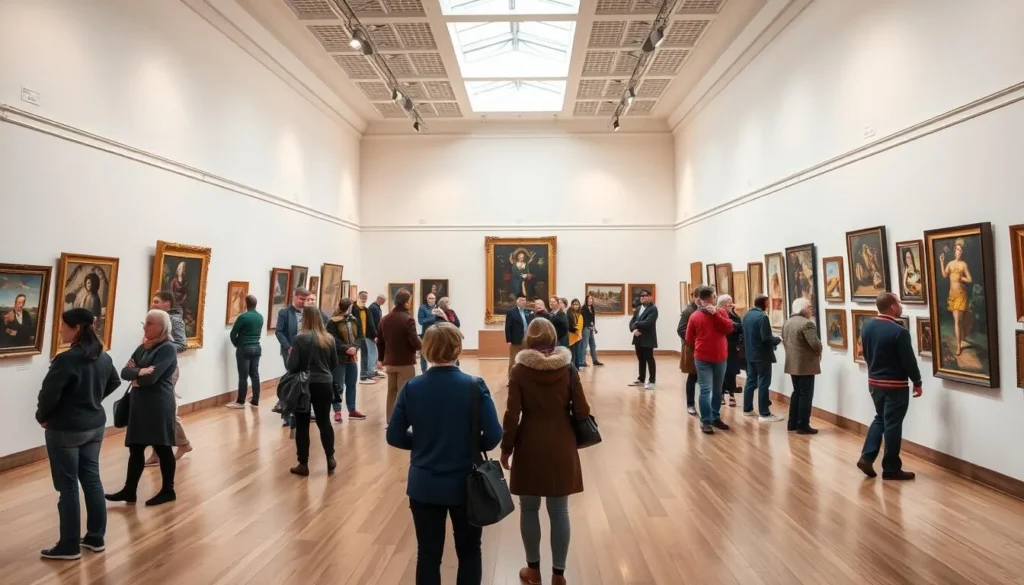
A must-visit cultural destination that showcases a diverse range of exhibitions, including student diploma works and personal painting exhibitions. Art enthusiasts will appreciate the gallery’s collection, and guided tours provide insightful context to the works on display. With a 4.7/5 rating from visitors, it’s consistently praised for its cultural significance.
4. Ecological Park
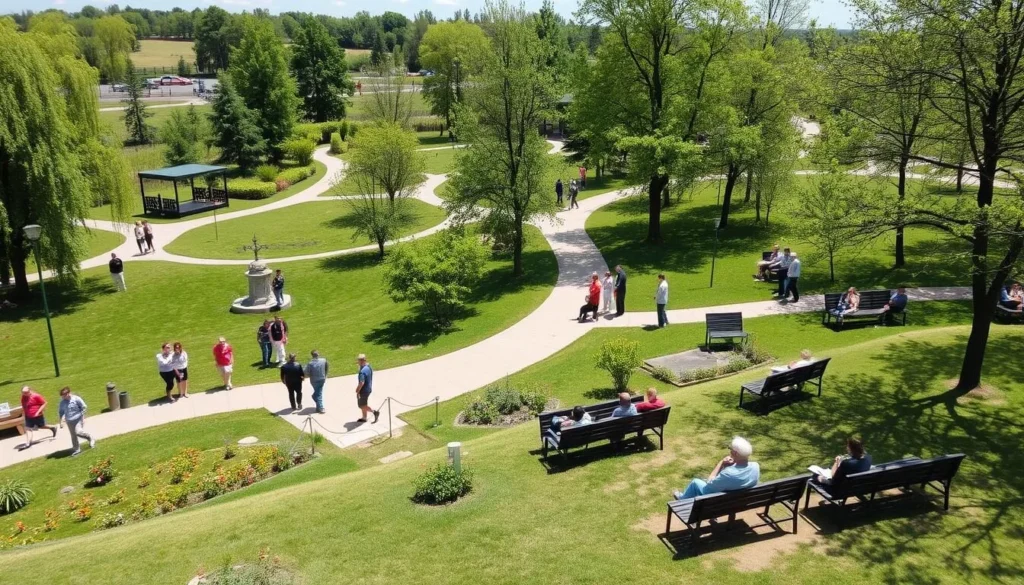
This green urban space offers a welcome respite from the industrial atmosphere of the city. Visitors can enjoy walking paths, picnic areas, and opportunities for wildlife observation. The park features playgrounds for children, sports facilities, and beautifully maintained green spaces that are perfect for relaxation.
5. Palatka Pervykh Stroiteley Magnitki
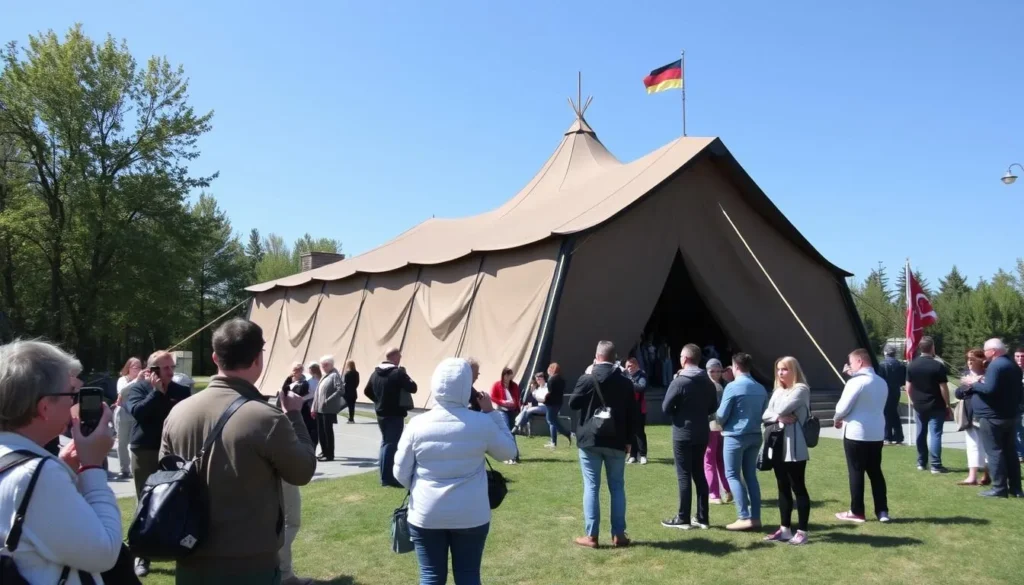
This historical landmark commemorates the first builders of Magnitogorsk. The monument represents the tent dwellings used by the early workers who constructed the city and its industrial facilities in the 1930s. While simple in design, the monument carries profound historical significance and offers visitors a chance to reflect on the city’s origins.
Museums, Cultural Spots & Festivals
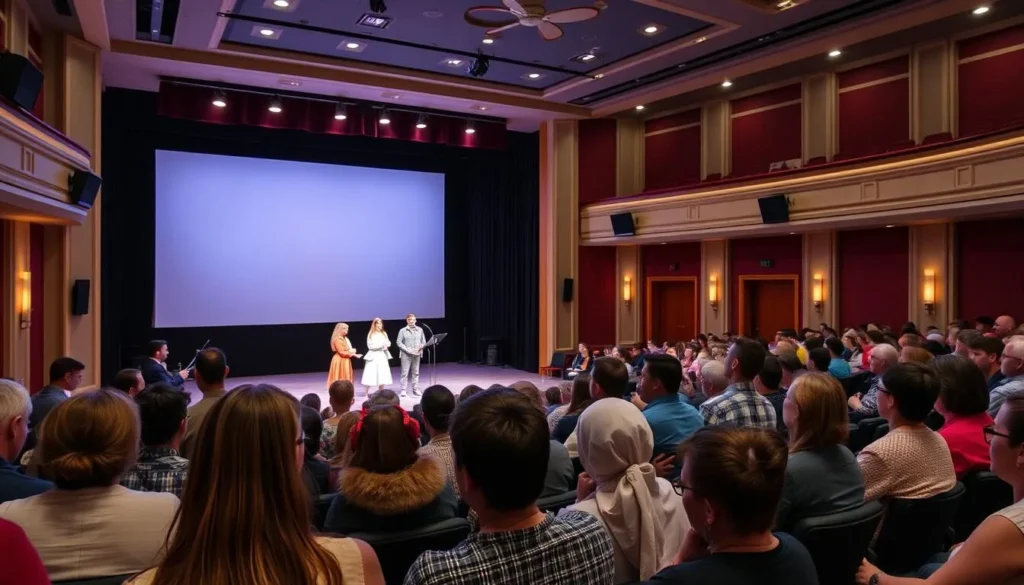
Magnitogorsk offers a rich cultural scene that might surprise visitors expecting only an industrial city. From theaters to museums, there are plenty of opportunities to experience Russian culture and arts.
Cultural Venues
Magnitogorsk Drama Theater
Named after A.S. Pushkin, this recently renovated theater offers exceptional performances that receive consistent praise from visitors. The theater features a rotating stage and hosts a variety of plays throughout the year. Even if you don’t understand Russian, the quality of acting and production makes it worth a visit.
Magnitogorsk State Conservatory
A center for musical education and performances, the conservatory hosts concerts featuring classical music, jazz, and traditional Russian compositions. Check their schedule for public performances during your visit.
Magnitogorsk Puppet Theater “Buratino”
A delightful venue for families with children, this puppet theater offers interactive performances that engage young audiences. The theater is known for its soulful atmosphere and is described by locals as an “island of childhood.”
Museums
- Magnitogorsk Museum of Local Lore – Showcases the history and culture of the city and region
- Magnitogorsk History Museum – Focuses on the industrial development and social history of the city
- Museum of Military Equipment – Displays vehicles and weapons, highlighting the city’s contribution to military efforts
Annual Festivals and Events
| Event | Month | Description |
| Metallurgy Day | July | Celebrates the city’s metallurgical industry with concerts, exhibitions, and festivities |
| City Day | June/July | Anniversary celebrations of the city’s founding with parades, concerts, and fireworks |
| Lights of Magnitka Festival | Summer | Cultural festival featuring performances, light shows, and concerts |
| Night at the Museum | May | Annual event where museums stay open late with special programs and exhibitions |
Sports, Nature & Outdoor Experiences
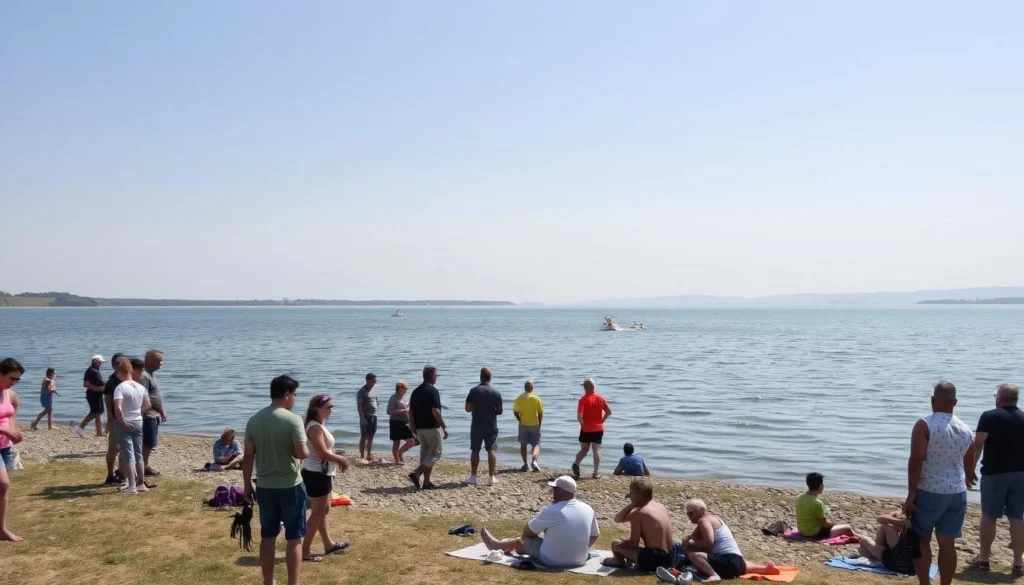
Despite its industrial character, Magnitogorsk offers several opportunities for outdoor recreation and nature experiences, particularly during the warmer months.
Natural Attractions
Magnitogorsk Reservoir
This large body of water is perfect for boating, fishing, and swimming during summer. The reservoir provides a scenic escape from the city and is popular with locals for weekend recreation. Several beaches along the shore offer places to relax and enjoy the water.
Lukomor’ye Park
A delightful park nestled along the riverbank that’s especially popular with families. The park features wooden playgrounds, trampolines, and unique bicycles for children. Visitors can also enjoy water activities such as boating or catamaran rides during summer months.
Ural Mountains
The surrounding Ural Mountains offer hiking opportunities and natural scenery. While not as dramatic as other parts of the mountain range, the local hills provide pleasant day trips and a chance to experience the region’s natural beauty.
Sports and Recreation
- Metallurg-Magnitogorsk Ski Resort – A popular winter destination for skiing and snowboarding enthusiasts, located near the city
- Ice Palace Arena Metallurg – Home to the Metallurg Magnitogorsk ice hockey team, one of Russia’s top clubs. Catch a game or enjoy public skating sessions
- Akvapark “Vodopad Chudes” – An indoor water park with slides, pools, and recreational facilities that’s perfect for family fun, especially during colder months
- Parkrun Magnitogorsk Ecopark – Join the weekly 5km run or walk through this beautiful park setting
For those who enjoy cycling, Magnitogorsk has been developing its cycling infrastructure, with several paths available for exploring the city on two wheels. Some hotels and tour operators offer bicycle rentals for visitors.
Safety, Etiquette & Local Customs
Magnitogorsk is generally a safe city for tourists, but as with any destination, it’s important to be aware of local customs and safety considerations.
Safety Tips
- Magnitogorsk has relatively low crime rates, but standard precautions against pickpocketing and petty theft are advised, especially in crowded areas.
- The industrial nature of the city means air quality can sometimes be poor, particularly when winds blow from the direction of the steel plant. Those with respiratory conditions should monitor air quality reports.
- Winter conditions can be extremely harsh, with temperatures dropping well below freezing. If visiting during winter, bring appropriate cold-weather clothing and footwear.
- Emergency services can be reached by dialing 112, which connects to an operator who can direct your call to police, ambulance, or fire services.
Etiquette and Customs
Social Etiquette
- Russians typically greet with a firm handshake. Close friends may embrace or kiss on the cheek.
- Remove your shoes when entering someone’s home, unless told otherwise.
- Bringing a small gift when invited to a Russian home is appreciated (flowers, chocolates, or a bottle of good quality alcohol are appropriate).
- Russians generally dress smartly in public. Casual but neat attire is recommended for most situations.
Dining Etiquette
- It’s customary to toast before drinking alcohol. The Russian word for “cheers” is “Za zdorovye” (to health).
- Leaving a small amount of food on your plate is polite, indicating you’ve had enough.
- Tipping in restaurants is becoming more common. A 10% tip is generally appropriate for good service.
- When dining with Russians, be prepared for multiple toasts throughout the meal.
Language
Russian is the primary language spoken in Magnitogorsk. English is not widely spoken, especially among older generations. Learning a few basic Russian phrases can be very helpful:
| English | Russian (Pronunciation) |
| Hello | Здравствуйте (Zdravstvuyte) |
| Thank you | Спасибо (Spasibo) |
| Please | Пожалуйста (Pozhaluysta) |
| Yes/No | Да/Нет (Da/Nyet) |
| Excuse me | Извините (Izvinite) |
Consider downloading a translation app or carrying a Russian phrasebook to help with communication during your visit.
Visitor Comments About Magnitogorsk
“I was fascinated by the industrial heritage of Magnitogorsk. The Tyl-Frontu monument was particularly moving, and the contrast between the industrial areas and the surprisingly beautiful parks made for an interesting visit. Don’t miss the Art Gallery – it’s small but impressive!”
“Magnitogorsk surprised me with its cultural offerings. The Drama Theater performance I attended was world-class, even though I didn’t understand all the dialogue. The locals were incredibly welcoming despite the language barrier. The Ecological Park was a highlight – so peaceful and well-maintained.”
“As someone interested in industrial tourism, Magnitogorsk was a dream destination. The scale of the Iron and Steel Works is truly impressive. I also enjoyed the local cuisine – the restaurants offer excellent value compared to Moscow prices. The city has a unique character that’s worth experiencing.”
Practical Travel Tips

Visa Requirements
Most foreign visitors to Russia require a visa. Apply well in advance through the Russian embassy or consulate in your country. You’ll need an invitation or hotel booking confirmation as part of your application. The process typically takes 1-3 weeks.
Currency
The Russian ruble (RUB) is the local currency. ATMs are widely available in Magnitogorsk, and major hotels and restaurants accept credit cards. However, it’s advisable to carry some cash for smaller establishments and transportation.
Connectivity
Internet speeds in Magnitogorsk are decent, with average download speeds of 32 Mbps and upload speeds of 23 Mbps. Most hotels offer Wi-Fi, and there are several cafes with internet access throughout the city.
Additional Tips
- Register your stay with local authorities if you’re staying for more than 7 days. Your hotel will typically handle this for you.
- Electrical outlets in Russia are Type F (European standard), with a voltage of 220V. Bring an adapter if needed.
- Tap water in Magnitogorsk is not recommended for drinking. Stick to bottled water, which is inexpensive and widely available.
- Photography is restricted in some areas, particularly around industrial facilities. Always check for signs or ask permission before taking photos.
- The city code for Magnitogorsk is +7 3519 when making local calls.
Discover the Industrial Heart of Russia
Magnitogorsk may not be on every traveler’s radar, but this industrial giant offers a fascinating glimpse into Russia’s industrial might while surprising visitors with its cultural attractions and natural beauty. From the imposing Iron and Steel Works to the moving Tyl-Frontu monument, from excellent theaters to peaceful parks, Magnitogorsk rewards curious travelers with authentic experiences far from the typical tourist trail. Whether you’re interested in industrial heritage, Russian culture, or simply exploring a unique destination, Magnitogorsk deserves a place on your Russian itinerary.


0 Comments