Did you know that Novgorod Oblast is home to Russia’s oldest Kremlin and over 5,000 archaeological sites dating back to the 9th century? This historic region in northwestern Russia was once the cradle of Russian statehood, where the Rurik dynasty established their rule in 862 CE, effectively marking the beginning of Russian history as we know it. As you explore the ancient streets of Veliky Novgorod, you’ll be walking the same paths as medieval merchants who made this city a vital link in the trade route “from the Varangians to the Greeks,” connecting Scandinavia with the Byzantine Empire.
Beyond its remarkable historical significance, Novgorod Oblast offers travelers a perfect blend of cultural treasures and natural beauty. From the magnificent UNESCO-listed monuments of Veliky Novgorod to the serene shores of Lake Ilmen, this region provides an authentic Russian experience away from the tourist crowds of Moscow and St. Petersburg. Whether you’re fascinated by ancient architecture, eager to experience traditional Russian cuisine, or simply seeking to immerse yourself in the rich tapestry of Russian heritage, Novgorod Oblast promises an unforgettable journey through time.
Getting There & Planning Your Journey
Novgorod Oblast is conveniently located between Russia’s two major cities, making it an accessible destination for international travelers. The region’s capital, Veliky Novgorod, lies approximately 180 km south of St. Petersburg and 524 km northwest of Moscow.
By Air
While Novgorod Oblast doesn’t have its own international airport, you can easily reach the region through nearby major airports:
Pulkovo Airport (St. Petersburg) – The closest international airport, located about 180 km north of Veliky Novgorod. From here, you can take a bus, train, or rental car to reach Novgorod Oblast.
Sheremetyevo or Domodedovo Airports (Moscow) – These major international hubs offer connections to destinations worldwide. From Moscow, you can take a high-speed train or bus to Novgorod Oblast.
By Train
Russia’s extensive railway network makes train travel a convenient option:
From St. Petersburg – Regular trains depart from Moskovsky Railway Station to Veliky Novgorod, with the journey taking approximately 3 hours.
From Moscow – High-speed Sapsan trains and regular overnight trains connect Moscow to Novgorod Oblast. The journey takes between 5-8 hours depending on the train type.
By Bus
Bus services connect Veliky Novgorod with St. Petersburg and Moscow:
From St. Petersburg – Buses depart regularly from Obvodny Kanal Bus Station, with the journey taking approximately 3.5 hours.
From Moscow – Buses leave from Shchyolkovsky Bus Station, with the journey taking around 8-9 hours.
By Car
If you prefer the flexibility of driving:
From St. Petersburg – Take the M10 highway south for approximately 2.5-3 hours.
From Moscow – Follow the M10 highway northwest for about 6-7 hours.
Best Time to Visit & Weather Tips
Novgorod Oblast experiences a humid continental climate with distinct seasons. Choosing the right time to visit can significantly impact your experience in this historic region.
Recommended Seasons
Summer (June to August)
The most popular time to visit, with temperatures ranging from 18-25°C (64-77°F). Long daylight hours (up to 18 hours in June) provide ample time for sightseeing. Summer festivals and outdoor events enliven the region, with the Novgorod Ancient Music Festival in July being a highlight.
Early Autumn (September)
A wonderful time to visit with fewer tourists and comfortable temperatures between 10-15°C (50-59°F). The autumn colors create a picturesque backdrop for photography, especially around Lake Ilmen and the region’s parks. Many cultural events and harvest festivals take place during this period.
Seasons to Avoid
Late Autumn to Winter (November to March)
Temperatures drop significantly, often falling below freezing with averages between -10°C to 0°C (14-32°F). Heavy snowfall can make travel to rural areas difficult, though the snow-covered landscapes offer a unique beauty. Many outdoor attractions have limited hours or are closed entirely.
Spring Thaw (April)
The melting snow creates muddy conditions known as “rasputitsa,” making travel to rural areas challenging. Temperatures are unpredictable, ranging from 5-15°C (41-59°F) with frequent rain showers. Some historical sites may be undergoing spring maintenance after the winter season.
Weather Tip: Regardless of when you visit, pack layers as weather can be unpredictable. Even summer evenings can be cool, especially near Lake Ilmen. If visiting in winter, proper cold-weather gear is essential, including waterproof boots, a heavy coat, hat, and gloves.
Getting Around Locally
Navigating Novgorod Oblast is relatively straightforward, with several transportation options available depending on your preferences and destinations.
Within Veliky Novgorod
Public Buses – The city has an extensive bus network covering most attractions. Single rides cost around 30-35 rubles. Bus routes 7 and 7A are particularly useful for tourists as they connect the city center with the Vitoslavlitsy Museum and Yuriev Monastery.
Taxis – Readily available throughout the city and can be hailed on the street or ordered through apps like Yandex.Taxi or Uber Russia. A typical ride within the city costs 150-300 rubles.
Walking – The historic center of Veliky Novgorod is compact and pedestrian-friendly. Most major attractions within the Kremlin and Trading Side are within walking distance of each other.
Bicycle Rentals – Available during the warmer months, offering a pleasant way to explore the city and its surroundings. Rental shops can be found near the Kremlin and major hotels.
Exploring the Broader Oblast
Regional Buses – Connect Veliky Novgorod with smaller towns and villages throughout the oblast. The main bus station is located on Voskresensky Boulevard.
Rental Cars – Provide the most flexibility for exploring remote areas and attractions. Several international and local rental agencies operate in Veliky Novgorod.
Organized Tours – Many local tour operators offer day trips to attractions outside the city, such as Staraya Russa, Valdai, and various monasteries and historical sites.
River Cruises – During summer, boat trips along the Volkhov River offer a unique perspective of the region. These depart from the riverbank near the Kremlin.
Local Insight: The Tourist Information Center “Red Izba” located near the Kremlin provides free maps, bus schedules, and can help arrange transportation to attractions outside the city. Their staff speaks English and can offer valuable advice on the most efficient ways to reach specific destinations.
Where to Stay
Novgorod Oblast offers a range of accommodation options to suit different preferences and budgets. Most visitors choose to base themselves in Veliky Novgorod, which has the widest selection of places to stay, though there are also options in smaller towns like Staraya Russa and Borovichi.
Luxury Options
Veliky Novgorod offers several upscale hotels that combine modern amenities with historic charm:
Park Inn by Radisson Veliky Novgorod – Located on the banks of the Volkhov River, this 4-star hotel offers spacious rooms, a spa center, and excellent dining options. Its riverside location provides stunning views of the Kremlin.
Volkhov Hotel – A historic hotel in the city center with elegant rooms, a restaurant serving traditional Russian cuisine, and a prime location within walking distance of major attractions.
Beresta Palace – A luxurious complex offering both hotel rooms and apartments, along with multiple restaurants, a spa, and a swimming pool.
Mid-Range Stays
For travelers seeking comfort at moderate prices:
Intourist Hotel – Centrally located with clean, comfortable rooms and a good restaurant. Many rooms offer views of the Kremlin.
Sadko Hotel – A cozy hotel with traditional Russian decor, friendly staff, and a convenient location near the historic center.
Acron Hotel – Modern accommodations with well-equipped rooms and a restaurant serving both Russian and European cuisine.
Budget Accommodations
Affordable options for budget-conscious travelers:
Hostel Kolokolnya – Located in the historic center, offering dormitory and private rooms with shared facilities at very reasonable rates.
Gostiny Dvor – Simple but clean rooms in a historic building near Yaroslav’s Court, with basic amenities and breakfast included.
Yurievskoe Podvorye – Located near the Yuriev Monastery and Vitoslavlitsy Museum, this guesthouse offers rustic rooms in a traditional Russian style.
Accommodation Tip: Book your accommodation well in advance if visiting during the summer months or during major events like City Day (June) or the Novgorod Ancient Music Festival (July). Many hotels offer discounts for stays of three nights or more, so it’s worth asking about special rates for longer visits.
Dining & Local Cuisine
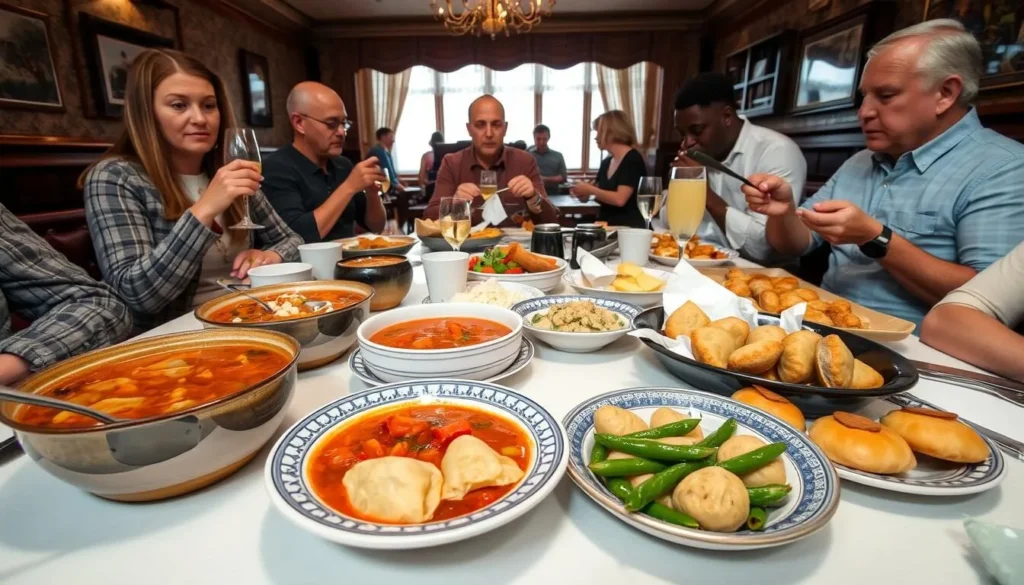
Novgorod Oblast offers a delightful culinary experience that combines traditional Russian flavors with local specialties. The region’s cuisine is influenced by its agricultural heritage and historical trading connections, resulting in hearty, flavorful dishes that have been perfected over centuries.
Must-Try Local Specialties
Novgorod Kvass – A traditional fermented beverage made from rye bread. The local variant, known as “Nikola Kvass,” is particularly renowned.
Shchi – A traditional cabbage soup often prepared with meat and served with sour cream. Novgorod’s version is typically heartier than those found elsewhere.
Kholodets – A savory meat jelly prepared with herbs and garlic, traditionally served cold as an appetizer.
Pelmeni – Russian dumplings filled with minced meat, onions, and spices, often served with sour cream or butter.
Novgorod Kalitki – Small open-faced rye pastries with various fillings, most commonly potato or buckwheat.
Volkhov Whitefish – A local freshwater fish delicacy, often baked or smoked and served with seasonal vegetables.
Where to Eat in Veliky Novgorod
Fine Dining
Ilmen Restaurant – Located within the Park Inn hotel, offering sophisticated Russian cuisine with modern interpretations and an excellent wine list.
Zavodbar – A trendy gastropub with a modern design, serving excellent beef brisket and an extensive selection of flavored spirits.
Fregat Flagman – Offering stunning views of the Kremlin and European cuisine with a Russian twist.
Mid-Range Options
Skazka – A popular cafe serving delicious Uzbek and Russian dishes in a cozy atmosphere.
Cafe Charodeyka – Known for its traditional Russian cuisine and homemade pastries.
Zavod Bar – A stylish establishment offering Russian cuisine and locally produced spirits.
Budget-Friendly Eateries
Cafe Sudarushka – Serving hearty Russian meals at affordable prices in a casual setting.
Kolyada – A self-service restaurant offering traditional dishes at very reasonable prices.
Kofemolka – A cozy cafe with good coffee, pastries, and light meals.
“Novgorod cuisine reflects the region’s rich history as a trading center. The recipes have been passed down through generations, preserving authentic flavors that tell the story of this ancient land.”
— Local Novgorod Chef
Dining Tip: Many restaurants in Veliky Novgorod offer business lunches (biznes lanch) on weekdays between 12:00 and 16:00, providing a set menu at a discounted price. This is an excellent way to sample local cuisine without spending too much.
Attractions, Sightseeing & Activities
Novgorod Oblast is a treasure trove of historical and cultural attractions, with many sites dating back to the medieval period when the region was a center of Russian statehood and culture. The following are the must-see attractions and activities that should be on every visitor’s itinerary.
Top Attractions in Veliky Novgorod
Novgorod Kremlin (Detinets) – The historic fortress at the heart of Veliky Novgorod, surrounded by impressive walls and towers. Within its grounds, you’ll find several key attractions including St. Sophia Cathedral and the Monument to the Millennium of Russia.
St. Sophia Cathedral – Russia’s oldest church building, constructed between 1045 and 1050. Its five distinctive domes and impressive frescoes make it an architectural masterpiece and a UNESCO World Heritage site.
Monument to the Millennium of Russia – An impressive bronze monument erected in 1862 to commemorate 1,000 years of Russian history, featuring 129 figures of prominent historical personalities.
Yaroslav’s Court – A historic marketplace and princely residence on the east bank of the Volkhov River, featuring several medieval churches and the remains of the ancient market arcades.
Vitoslavlitsy Museum of Wooden Architecture – An open-air museum showcasing traditional wooden buildings from the Novgorod region, including houses, barns, and churches dating from the 16th to the 19th centuries.
Yuriev Monastery – One of Russia’s oldest monasteries, founded in 1030, featuring the impressive Cathedral of St. George with unique frescoes.

Beyond Veliky Novgorod
Staraya Russa – A historic spa town famous as Fyodor Dostoevsky’s summer residence and the setting for his novel “The Brothers Karamazov.” Visitors can tour the Dostoevsky House-Museum and enjoy the mineral springs.
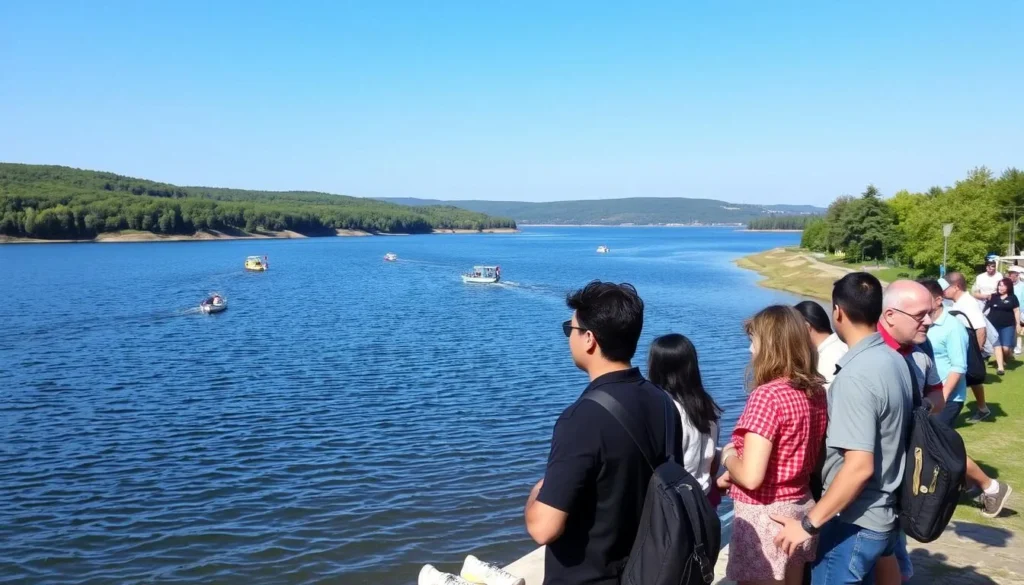
Lake Ilmen – A large lake covering 982 square kilometers (382 square miles) that offers fishing, boating, and beautiful natural scenery. The lake’s shores are dotted with historic villages and archaeological sites.
Valdai National Park – Located in the northern part of the oblast, this national park features pristine lakes, forests, and the famous Iversky Monastery on an island in Lake Valdai.
Borovichi – A charming provincial town known for its impressive rapids on the Msta River, historic architecture, and the Museum of Local Lore.
Popular Activities
Cultural Experiences
Bell Ringing Demonstrations – At several churches and monasteries, visitors can witness traditional Russian bell ringing, particularly at the St. Sophia Cathedral.
Traditional Craft Workshops – Participate in workshops on traditional Russian crafts such as birch bark weaving, pottery, or icon painting at the Center for Folk Arts.
Russian Banya Experience – Try an authentic Russian steam bath, a cultural tradition dating back centuries, available at several hotels and dedicated banya complexes.
Outdoor Activities
River Cruises – Take a scenic cruise along the Volkhov River for unique views of the Kremlin and historic buildings.
Cycling Tours – Rent a bicycle to explore the city and its surroundings, with several marked routes available.
Fishing Excursions – Join guided fishing trips on Lake Ilmen or the Volkhov River, known for species like pike, perch, and bream.
Visitor Tip: Many of Novgorod’s attractions offer combined tickets that provide access to multiple sites at a discounted price. The “Novgorod Card” available at the Tourist Information Center gives access to the main museums and attractions in Veliky Novgorod for a single fee.
Museums, Cultural Spots & Festivals
Novgorod Oblast boasts a rich cultural heritage reflected in its numerous museums, cultural institutions, and vibrant festival calendar. These cultural offerings provide deeper insights into the region’s historical significance and living traditions.
Must-Visit Museums
Novgorod State United Museum-Reserve – Located within the Kremlin, this comprehensive museum complex includes several exhibitions on Novgorod’s history, archaeology, and art. The museum houses an impressive collection of medieval artifacts, including the famous birch bark manuscripts that provide unique insights into everyday life in medieval Novgorod.
Museum of Fine Arts – Housed in a historic building that once served as the Nobility Assembly, this museum features an excellent collection of Russian paintings, icons, and decorative arts from the 17th to the 20th centuries.
Center of Musical Antiquities – A unique museum dedicated to ancient Russian musical instruments, many of which have been reconstructed based on archaeological findings. Visitors can not only see but also hear these instruments played during special demonstrations.
Museum of Folk Wooden Architecture “Vitoslavlitsy” – Beyond its architectural exhibits, this open-air museum offers insights into rural life and traditions through its collection of household items, tools, and folk art.
Dostoevsky House-Museum – Located in Staraya Russa, this museum preserves the summer house where Fyodor Dostoevsky wrote parts of “The Brothers Karamazov” and “The Possessed,” offering a glimpse into the writer’s life and creative process.

Cultural Institutions
Novgorod Academic Drama Theater – Presents classical and contemporary plays, including works by Russian playwrights. Some performances offer English subtitles during the tourist season.
Novgorod Regional Philharmonic – Hosts classical music concerts, folk music performances, and other musical events throughout the year.
Center for Folk Arts – Preserves and promotes traditional crafts and performing arts of the Novgorod region through exhibitions, workshops, and performances.
Annual Festivals & Events
| Festival |
Month |
Description |
| Novgorod Ancient Music Festival |
July |
A celebration of medieval and Renaissance music featuring performances in historic venues such as St. Sophia Cathedral and the Kremlin courtyard. |
| City Day (Den Goroda) |
June |
Celebrating the founding of Veliky Novgorod with concerts, historical reenactments, craft fairs, and fireworks. |
| Kupala Night |
Early July |
A traditional Slavic celebration of the summer solstice with folk rituals, bonfires, and music, typically held near Lake Ilmen. |
| Dostoevsky Days |
October |
Literary festival in Staraya Russa featuring readings, performances, and scholarly discussions related to Dostoevsky’s works. |
| Novgorod Veche |
August |
Historical festival recreating the traditions of the medieval Novgorod Republic, including demonstrations of ancient crafts and military skills. |
| Christmas Fair |
December-January |
Traditional winter market in the center of Veliky Novgorod featuring local crafts, food, and holiday entertainment. |
Cultural Tip: Check the schedule of the Novgorod Philharmonic during your visit, as they often organize special concerts in historic venues such as St. Sophia Cathedral, where the exceptional acoustics enhance the musical experience. Tickets for such events should be purchased well in advance as they tend to sell out quickly.
Sports, Nature & Outdoor Experiences
While Novgorod Oblast is primarily known for its historical and cultural attractions, the region also offers beautiful natural landscapes and outdoor recreational opportunities. From serene lakes to lush forests, there are plenty of ways to enjoy the region’s natural beauty.
Natural Attractions
Lake Ilmen – Covering 982 square kilometers (382 square miles), this large, shallow lake is the fifth-largest in European Russia. Its shores offer picturesque views, beaches, and fishing opportunities. The lake’s size fluctuates dramatically with the seasons, creating a unique ecosystem.
Valdai Hills – A scenic upland area in the northeast of the oblast, featuring numerous lakes, forests, and the Valdai National Park. The hills are part of the watershed between the Baltic and Caspian Seas.
Volkhov River – The main river flowing through Veliky Novgorod, offering opportunities for boating, fishing, and riverside walks. The river connects Lake Ilmen with Lake Ladoga.
Polistovsky Nature Reserve – Located on the border with Pskov Oblast, this is one of Europe’s largest high-moor systems, home to diverse flora and fauna, including rare bird species.
Outdoor Activities
Water Activities
Fishing – Lake Ilmen and the Volkhov River are popular fishing destinations, with species including pike, perch, bream, and zander. Fishing permits are required and can be obtained in Veliky Novgorod.
Boating – Rent rowboats or motorboats to explore Lake Ilmen or take a cruise along the Volkhov River for unique perspectives of Veliky Novgorod’s historic sites.
Swimming – During summer months, beaches along Lake Ilmen and smaller lakes in the region offer swimming opportunities. The most popular beaches are at Korostyn and Shimsk.
Land Activities
Hiking – The Valdai Hills offer numerous hiking trails through beautiful forests and around lakes. The area around Borovichi also features scenic hiking routes along the Msta River.
Cycling – Bike rentals are available in Veliky Novgorod, and the relatively flat terrain makes cycling an enjoyable way to explore the city and its surroundings.
Birdwatching – The wetlands around Lake Ilmen and the Polistovsky Nature Reserve are excellent spots for birdwatching, particularly during spring and fall migrations.
Winter Activities
Cross-country Skiing – When snow covers the ground, the forests and parks around Veliky Novgorod and in the Valdai Hills become perfect for cross-country skiing.
Ice Fishing – A popular winter activity on Lake Ilmen and other frozen lakes in the region from late December through March.
Troika Rides – Traditional Russian three-horse sled rides are available during winter at some tourist facilities, offering a quintessential Russian winter experience.
Safety Note: If engaging in water activities, always check local conditions and weather forecasts. Lake Ilmen can experience sudden storms, particularly in late summer. In winter, only venture onto frozen lakes with local guidance, as ice conditions can vary. When hiking in remote areas, inform someone of your plans and carry appropriate supplies.
Safety, Etiquette & Local Customs
Understanding local customs and safety considerations will help you navigate Novgorod Oblast with confidence and respect for the local culture.
Safety Information
General Safety – Novgorod Oblast is generally safe for tourists, with low crime rates compared to larger Russian cities. Nevertheless, standard travel precautions apply: keep valuables secure, be aware of your surroundings, and avoid isolated areas after dark.
Emergency Services – The universal emergency number in Russia is 112, which can be dialed from any phone. Operators may not speak English, so having a Russian speaker assist you can be helpful.
Medical Facilities – Veliky Novgorod has several hospitals and clinics, though medical services in smaller towns may be limited. It’s advisable to have comprehensive travel insurance that covers medical evacuation.
Weather Precautions – Be prepared for the weather conditions of the season you’re visiting. Winter requires proper cold-weather clothing, while summer visitors should bring insect repellent, particularly if exploring rural areas.
Cultural Etiquette
Religious Sites – When visiting churches and monasteries, dress modestly (shoulders and knees covered). Women are traditionally expected to cover their heads in Orthodox churches, though this is not strictly enforced for tourists. Photography may be restricted in some religious buildings.
Greetings – Russians typically greet each other with a handshake. Close friends may embrace and kiss on the cheek. Smiling at strangers is not common in Russian culture and may be perceived as unusual.
Home Visits – If invited to a Russian home, it’s customary to bring a small gift such as chocolates, flowers (in odd numbers, but not 13), or a bottle of good quality alcohol. Remove your shoes when entering someone’s home unless told otherwise.
Toasting – When drinking with Russians, expect toasts before drinking alcohol. It’s considered impolite to refuse a toast, though you can take just a sip if you don’t want to consume much alcohol.
Local Customs & Traditions
Russian Banya – The traditional Russian steam bath is an important cultural experience. If invited to a banya, follow your host’s lead regarding procedures and traditions.
Superstitions – Russians have various superstitions that visitors might encounter. For example, whistling indoors is believed to cause financial problems, and shaking hands across a threshold is considered bad luck.
Holidays – Russia observes several public holidays when businesses may be closed or operating on limited hours. Major holidays include New Year (January 1-2), Orthodox Christmas (January 7), and Victory Day (May 9).
Cultural Tip: Learning a few basic Russian phrases will be greatly appreciated by locals, even if many people in tourist areas speak some English. Simple greetings like “Здравствуйте” (hello), “Спасибо” (thank you), and “Пожалуйста” (please) can go a long way in establishing positive interactions.
Additional Nearby Destinations
While Novgorod Oblast offers plenty to explore, its strategic location makes it easy to combine with visits to other fascinating destinations in northwestern Russia.
St. Petersburg
Russia’s cultural capital is just 180 km north of Veliky Novgorod, making it an ideal extension to your trip. Known for its magnificent palaces, world-class museums like the Hermitage, and elegant canals, St. Petersburg offers a striking contrast to the medieval atmosphere of Novgorod.
Travel Time: 3 hours by train or bus
Highlights: Hermitage Museum, Church of the Savior on Spilled Blood, Peter and Paul Fortress, Peterhof Palace
Best Combined With: A 2-3 day visit to Novgorod Oblast before or after exploring St. Petersburg
Pskov
Located to the west of Novgorod Oblast, Pskov is another ancient Russian city with impressive medieval architecture and a well-preserved kremlin. Its distinctive style of church architecture and fortress construction makes it an interesting comparison to Novgorod.
Travel Time: 3-4 hours by bus or car
Highlights: Pskov Kremlin, Trinity Cathedral, Mirozhsky Monastery with unique frescoes, Izborsk Fortress
Best Combined With: A road trip connecting Veliky Novgorod, Pskov, and smaller historic towns in the region
Valdai
Located within Novgorod Oblast but often overlooked by visitors focusing only on Veliky Novgorod, the Valdai area offers beautiful natural landscapes centered around Lake Valdai and the surrounding hills.
Travel Time: 2.5 hours from Veliky Novgorod by car or bus
Highlights: Valdai National Park, Iversky Monastery, Bell Museum, Lake Valdai
Best Combined With: A nature-focused extension after exploring the historical sites of Veliky Novgorod
Practical Travel Tips
Essential Information
Currency: Russian Ruble (RUB). ATMs are readily available in Veliky Novgorod and other larger towns. Credit cards are widely accepted in hotels, restaurants, and larger stores, but it’s advisable to carry some cash for smaller establishments and rural areas.
Language: Russian is the official language. English is spoken in some tourist facilities and upscale hotels but is not widespread. Having a translation app or phrasebook is recommended.
Visa Requirements: Most foreign visitors require a visa to enter Russia. Apply well in advance through a Russian consulate or authorized visa center. Tourist visas typically require an invitation or hotel booking confirmation.
Electricity: Russia uses 220V with European-style round-pin plugs (Type C and F). Travelers from countries with different systems will need adapters.
Travel Smart
Registration: Foreign visitors staying in Russia for more than 7 business days must register with the migration authorities. Hotels typically handle this for guests, but if staying in private accommodations, you’ll need to arrange registration.
Internet & Communication: Wi-Fi is available in most hotels, restaurants, and cafes in Veliky Novgorod. For mobile connectivity, consider purchasing a local SIM card from providers like MTS, Beeline, or Megafon, which offer affordable data packages.
Photography: While photography is generally permitted at most tourist sites, some museums and religious buildings may restrict it or charge a fee for photo permits. Always check for signs or ask permission before taking photos.
Tipping: Tipping is becoming more common in Russia, particularly in tourist areas. In restaurants, 10% is typical for good service if a service charge isn’t already included. Tipping is not expected for taxis but is appreciated for tour guides.
Frequently Asked Questions
How many days should I spend in Novgorod Oblast?
For a comprehensive experience, plan to spend at least 2-3 days in Veliky Novgorod to explore its main attractions. If you wish to venture beyond to places like Staraya Russa, Valdai, or rural areas, add 1-2 more days. History enthusiasts might want to allocate additional time to fully appreciate the region’s rich heritage.
Is it possible to visit Novgorod Oblast as a day trip from St. Petersburg?
While it is technically possible to visit Veliky Novgorod as a day trip from St. Petersburg (3 hours each way by train or bus), it would be quite rushed and you would only see a fraction of what the city offers. A day trip would allow you to see the Kremlin, St. Sophia Cathedral, and perhaps one or two other attractions, but you would miss many worthwhile sites and the opportunity to experience the city at a relaxed pace.
What souvenirs should I buy in Novgorod Oblast?
Popular souvenirs include birch bark crafts (traditional to the region), hand-painted wooden items, local honey and mead, Novgorod kvass, ceramic bells (a symbol of Novgorod’s bell-making tradition), and replicas of archaeological findings. The best places to shop for souvenirs are the craft shops near the Kremlin, the Tourist Information Center “Red Izba,” and the souvenir market near Yaroslav’s Court.
Final Tip: The Tourist Information Center “Red Izba” located near the Kremlin in Veliky Novgorod is an invaluable resource for visitors. Their knowledgeable staff can provide maps, brochures, and personalized recommendations in English. They can also help arrange guided tours, transportation, and answer any questions about the region.
Embrace the Cradle of Russian History
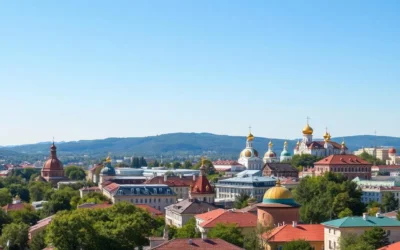
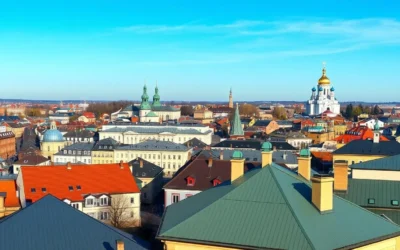
Novgorod Oblast offers a journey through the very foundations of Russian civilization, where ancient stone walls and golden domes tell stories of a thousand years of history. As you wander through the Kremlin grounds, cruise along the Volkhov River, or explore wooden villages frozen in time, you’ll experience a Russia that few international travelers discover—authentic, profound, and remarkably preserved.
What makes this region truly special is not just its UNESCO-listed monuments or archaeological treasures, but the way history feels alive in every corner. Here, you can stand where Russian democracy was born, where literacy flourished when much of Europe was in darkness, and where cultural traditions have been maintained through centuries of change. Whether you’re fascinated by medieval architecture, eager to taste authentic Russian cuisine, or simply seeking a destination off the typical tourist path, Novgorod Oblast rewards visitors with experiences that resonate long after returning home.
As you plan your Russian adventure, consider giving Novgorod Oblast the time it deserves—not just as a hasty day trip, but as a destination worthy of exploration and contemplation. In the land where Russia began, you’ll find not just the country’s past, but insights into its soul.
The above is subject to change.
Check back often to TRAVEL.COM for the latest travel tips and deals.









0 Comments