

Did you know that Omsk Oblast was once considered as a potential capital of Russia during the Russian Civil War? This fascinating Siberian region holds more historical significance than many travelers realize. Situated at the confluence of the Irtysh and Om rivers, Omsk combines rich cultural heritage with modern urban amenities, making it an intriguing destination for adventurous travelers seeking authentic Russian experiences beyond the typical Moscow-St. Petersburg circuit.
Getting There & Planning Your Journey
Omsk Tsentralny Airport (OMS) serves as the main gateway to the city, with regular connections to Moscow, St. Petersburg, and other major Russian cities. International travelers typically connect through Moscow’s Sheremetyevo or Domodedovo airports before catching a domestic flight to Omsk.
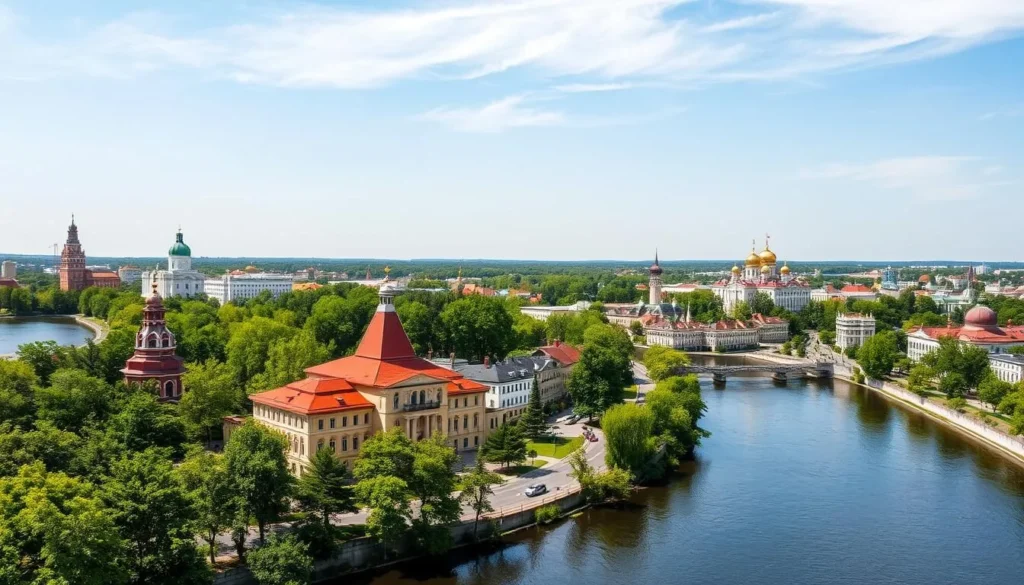
Alternatively, the Trans-Siberian Railway offers a scenic (albeit lengthy) journey to Omsk, with regular trains connecting the city to Moscow (approximately 42 hours) and Vladivostok. This iconic rail journey provides a unique opportunity to experience Russia’s vast landscapes and is popular among travelers with flexible schedules.
Before traveling to Russia, ensure you have the proper visa. Most foreign visitors require a tourist visa, which should be arranged well in advance through the Russian embassy or consulate in your home country. The process typically takes 1-3 weeks, so plan accordingly.
For the most up-to-date travel advisories, always check your home country’s government website before making travel plans to Russia.
Best Time to Visit Omsk Oblast
Omsk experiences a continental climate with distinct seasons. Summers are warm and pleasant, while winters are long and extremely cold – typical of Siberian weather patterns.
Recommended Times to Visit:
- June to August (Summer): The ideal time to visit with temperatures ranging from 18°C to 26°C (64°F to 79°F). Days are long, parks are green, and outdoor festivals and events are plentiful.
- May and September (Shoulder Season): Fewer tourists and mild weather make these months pleasant for sightseeing, though prepare for occasional rain showers.

Times to Avoid:
- November to March: Extremely cold with temperatures often dropping below -20°C (-4°F) and sometimes reaching -40°C (-40°F). Unless you’re specifically interested in experiencing a true Siberian winter, this period is challenging for tourism.
- April: The spring thaw creates muddy conditions throughout the city, making exploration less enjoyable.
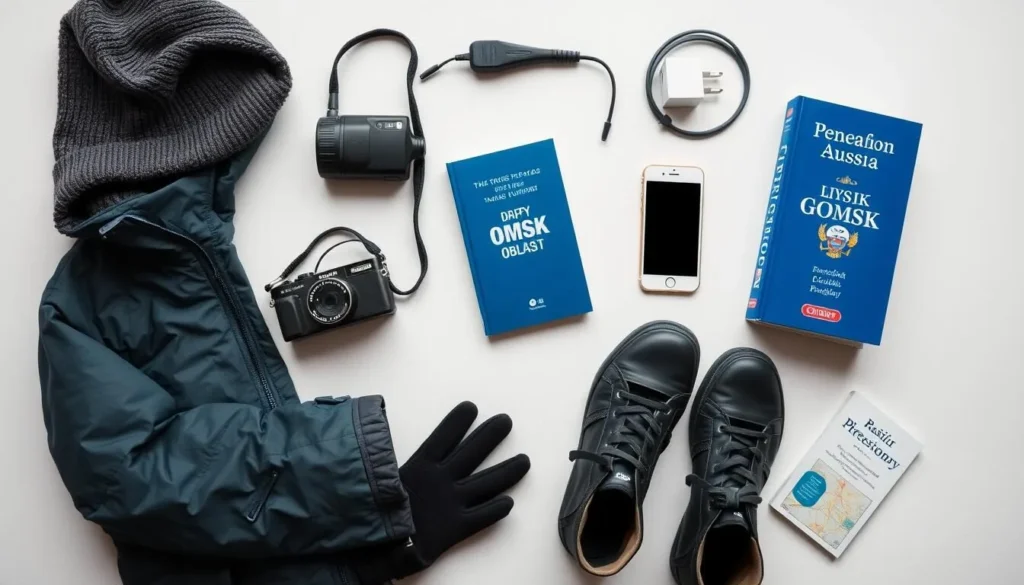
If you do visit during winter, pack appropriate extreme cold-weather gear including thermal underwear, insulated boots, heavy coat, hat, gloves, and scarf. Summer visitors should bring light clothing but also a light jacket for cooler evenings.
Getting Around Locally
Navigating Omsk Oblast is relatively straightforward once you understand the public transportation system. The city is divided by the Irtysh River, with most attractions concentrated in the central and historical districts.
Public Transportation
- Buses and Marshrutkas: The most common form of public transport, covering most areas of the city. Marshrutkas are minibuses that follow set routes but can stop anywhere along the route when requested.
- Trams and Trolleybuses: Electrical transport options that are slightly slower but often less crowded.
- Metro: Omsk has been constructing a metro system for decades, but it remains incomplete and non-operational.

Other Options
- Taxis: Readily available and relatively affordable. Use official taxi services or apps like Yandex.Taxi for safety and to avoid language barriers.
- Rental Cars: Useful if you plan to explore the region beyond the city, though driving in Russian cities can be challenging for foreigners.
- Walking: Many central attractions are within walking distance of each other, making this a pleasant option during the warmer months.
Public transportation tickets are purchased directly from the driver or conductor. Having small bills ready is recommended, as drivers may not always have change for larger denominations. While announcements are typically in Russian only, most routes display stop names electronically or on placards.
Where to Stay
Omsk offers a range of accommodation options to suit different budgets and preferences. Most hotels are concentrated in the city center, providing convenient access to major attractions.
Luxury Options
Omsk has several 4-star hotels offering upscale amenities including fitness centers, restaurants, and business facilities. The Ibis Sibir Omsk and Mayak Hotel are popular choices, providing comfortable rooms with modern amenities and excellent service.
Mid-Range Accommodations
Numerous 3-star hotels and mini-hotels offer good value with clean, comfortable rooms and basic amenities. Hotel Tourist, Avrora Hotel, and Millenium Hotel are well-regarded options in this category, typically ranging from 2,500-4,000 rubles per night.
Budget Stays
Budget travelers can find hostels and guesthouses throughout the city. Hostel Millenium and Dostoevsky Hostel offer dormitory-style accommodations starting around 600-1,000 rubles per night, with private rooms also available at slightly higher rates.

Most hotels in Omsk cater primarily to business travelers and Russian tourists, so staff with fluent English may be limited outside of higher-end establishments. Consider downloading a translation app to assist with communication. Additionally, remember that all foreign visitors must register their stay with local authorities – most hotels handle this process automatically upon check-in.
Dining & Local Cuisine
Omsk’s culinary scene offers a delightful blend of traditional Siberian fare, Russian classics, and international options. Food prices are generally lower than in Moscow or St. Petersburg, making dining out quite affordable for visitors.
Must-Try Local Dishes:
- Pelmeni: Siberian dumplings filled with minced meat, typically served with sour cream.
- Stroganoff: A classic Russian dish of sautéed beef in a creamy sauce.
- Ukha: Traditional fish soup popular throughout Siberia.
- Blini: Russian pancakes served with various toppings like caviar, sour cream, or jam.
- Shashlik: Grilled meat skewers, a popular summer dish.
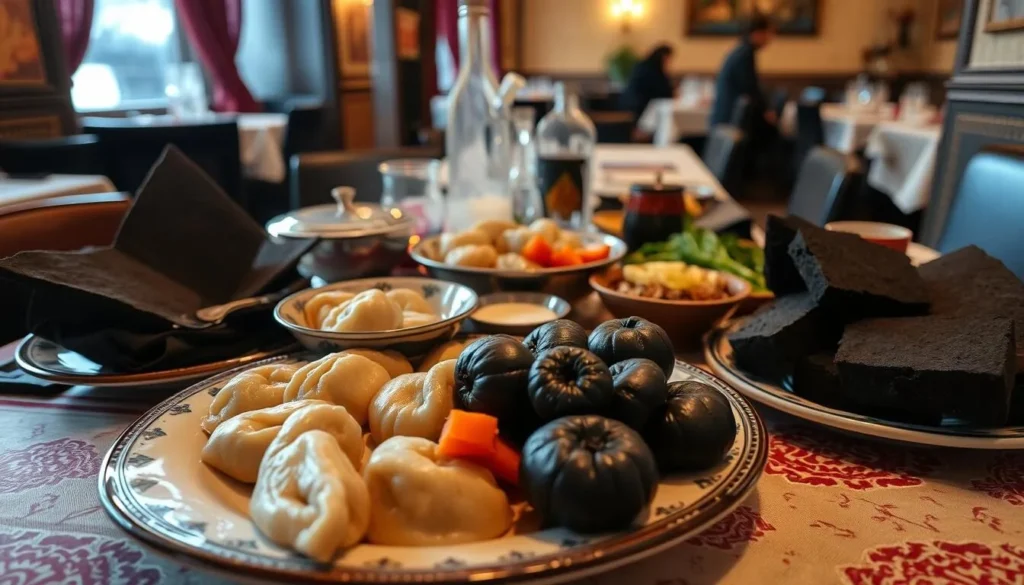
Recommended Restaurants:
Kolchak
Named after Admiral Kolchak, this restaurant specializes in Siberian cuisine with a modern twist. The interior features historical decor reflecting Omsk’s past. Try their game dishes and house-infused vodkas.
Address: Lenina St., 11
Proviant
A cozy restaurant offering excellent Russian cuisine in a stylish setting. Known for their homemade bread, hearty soups, and extensive wine list. Popular with both locals and visitors.
Address: Karla Marksa Ave., 10
Skazka
A charming restaurant serving traditional Russian dishes in a fairytale-inspired setting. Their pelmeni and blini are particularly recommended, along with their selection of herbal teas.
Address: Lenina St., 22
For a quick bite or coffee, Omsk has several café chains including Shokoladnitsa and Coffee-Hall. Street food is also available, particularly near markets and transportation hubs – try chebureki (fried meat pastries) or pirozhki (baked buns with various fillings) for an authentic local snack.
Most restaurants offer menus in both Russian and English, though smaller establishments may have Russian-only menus. Tipping is customary but modest – 5-10% is generally sufficient for good service.
Attractions, Sightseeing & Activities
Historical Sites
Omsk Fortress
The historical heart of the city, Omsk Fortress was established in 1716 and played a crucial role in Russia’s expansion into Siberia. Today, it houses museums, exhibitions, and cultural events. The Tobolsk Gates and remaining fortress buildings offer fascinating insights into the city’s military past.

Assumption Cathedral
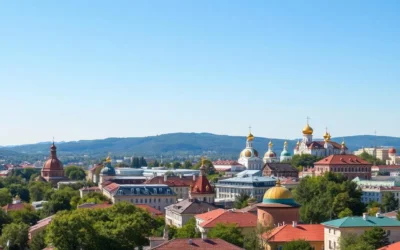
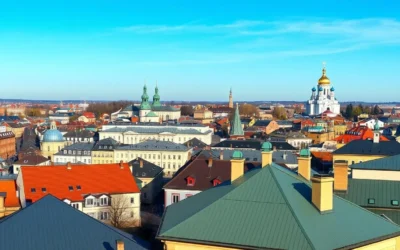
This stunning cathedral was rebuilt in the early 2000s after the original structure was destroyed during the Soviet era. Its striking blue domes and golden crosses make it one of the most recognizable landmarks in Omsk. The interior features beautiful iconostasis and religious artwork.
St. Nicholas Cossack Cathedral
Built in the 1840s, this historic cathedral features distinctive architecture and has significant connections to the Cossack heritage of the region. The interior houses religious relics and impressive Orthodox iconography.
Fire Tower
This distinctive stone tower from the early 20th century once served as a lookout point for city fires. Now preserved as an architectural monument, it houses exhibitions on the history of Omsk’s fire department.

Parks and Public Spaces
Irtysh Embankment
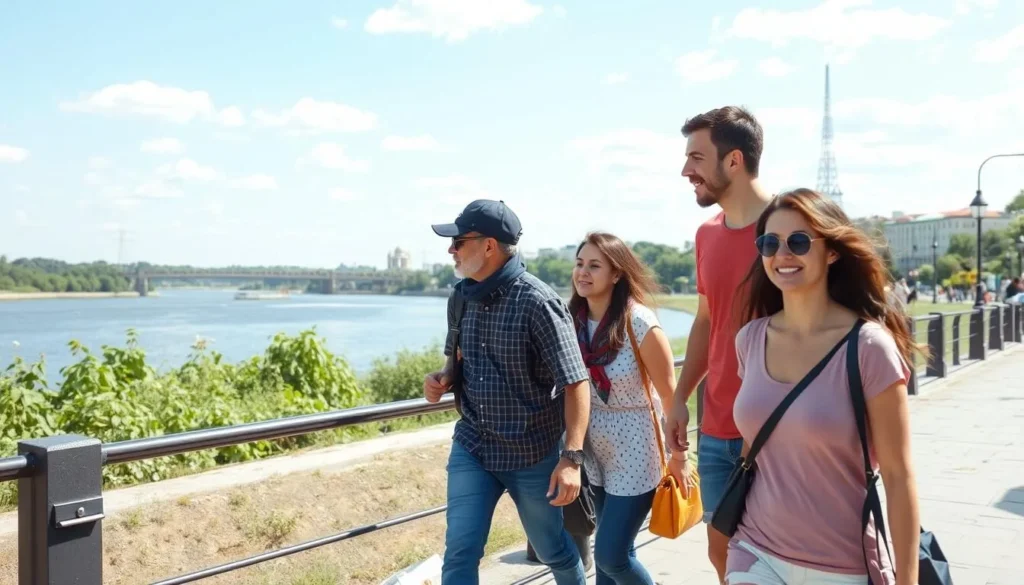
A beautifully maintained promenade along the Irtysh River, perfect for leisurely walks and people-watching. During summer, the embankment comes alive with street performers, food vendors, and locals enjoying the pleasant weather.
Valikhanov Street
This pedestrian street in the historical center offers charming architecture, cafes, and shops. Often referred to as “Omsk Arbat,” it’s an excellent place to experience local life and culture.
Park of Culture and Leisure
A sprawling green space with amusement rides, a zoo, and recreational facilities. Popular with families, this park offers a refreshing escape from urban surroundings, especially during summer months.
Bird Harbor Nature Reserve
Located within the city limits, this protected area serves as a habitat for numerous bird species. Nature enthusiasts will appreciate the opportunity to observe wildlife in an urban setting.

Unique Attractions
Monument to Stepanych
This whimsical sculpture depicts a plumber emerging from a manhole cover, capturing the imagination of visitors and providing a popular photo opportunity. It’s become one of the city’s most beloved modern landmarks.

Sculpture “Lyuba”
A charming statue commemorating the wife of a former Governor-General of Siberia, located in a grove named after her. The sculpture was created based on historical descriptions since no portraits of her survived.
Museums, Cultural Spots & Festivals
Museums
Omsk District Museum of Visual Arts
Housing over 25,000 items, this is Siberia’s largest art collection. The museum features works by Russian masters, European artists, and pieces by Carl Faberge. The building itself, a former governor’s palace, is an architectural gem worth admiring.

Literary Museum of F.M. Dostoevsky
Dedicated to the famous Russian writer who spent four years of exile in Omsk, this museum is located in the former commandant’s house of the Omsk fortress. Exhibits detail Dostoevsky’s life in Siberia and how this period influenced his later works.
Museum Complex of Military Glory
This fascinating museum chronicles Omsk’s military history and the contributions of its citizens during various conflicts. Indoor exhibits include weapons, uniforms, and personal items, while the outdoor area displays military vehicles and artillery.
Cultural Venues
Omsk State Musical Theatre
Built in the 1980s, this impressive venue hosts operas, ballets, and musical performances. The building’s distinctive Soviet modernist architecture makes it a landmark in its own right. Check the schedule for performances during your visit.

Omsk Academic Drama Theater
One of Siberia’s oldest theaters, founded in 1874, this venue presents classic and contemporary productions in a beautiful historic building. Even if you don’t attend a performance, the architecture is worth admiring.
The Gallery Drama Theatre
A smaller theater known for its intimate performances and focus on classical productions. The recently renovated building provides a cozy atmosphere for enjoying Russian theatrical traditions.
Pushkin Library
More than just a library, this cultural institution hosts exhibitions, literary events, and lectures. The impressive building houses over 3.5 million books and serves as an important community hub.

Annual Festivals and Events
- City Day (August): Celebrating Omsk’s founding with concerts, parades, and fireworks.
- Winter Festival (December-January): Winter activities, ice sculptures, and holiday celebrations.
- Siberian International Marathon (August): A major sporting event attracting runners from across Russia and abroad.
- Theater Festival “Academy” (May-June): Showcasing theatrical productions from various Russian companies.
Nature & Outdoor Experiences
Outdoor Activities
Irtysh River Experiences
The mighty Irtysh River offers various recreational opportunities. During summer, river cruises provide a unique perspective of the city. Fishing is popular among locals, with several species available including pike and perch. The riverbanks are perfect for picnics and leisurely walks.

Winter Sports
Embrace the Siberian winter with activities like ice skating, cross-country skiing, and ice fishing. Several parks maintain groomed ski trails, and temporary ice rinks appear throughout the city during winter months.
Cycling and Hiking
The flat terrain of Omsk makes it suitable for cycling, with dedicated paths along the embankment and in major parks. Bike rentals are available during summer months. Hiking opportunities exist in the surrounding countryside, particularly in the forest areas outside the city.
Parks and Recreation
The Park of Culture and Leisure offers various outdoor activities including boating on the pond, rope courses, and sports fields. The 300th Anniversary of Omsk Park provides a more natural setting with forest trails and open spaces.

Day Trips from Omsk
Achair Monastery
Located about 50 km from Omsk, this monastery complex features a mineral spring declared holy after being blessed by Patriarch Alexy II. The peaceful setting makes it a popular day trip destination for both religious pilgrims and tourists.

Bolsherechensky Zoo
Russia’s only rural zoo, located about 200 km from Omsk, houses over 200 species of animals. The spacious grounds provide a more natural environment for the animals than typical urban zoos.
Safety, Etiquette & Local Customs
Safety Information
- General Safety: Omsk is generally safe for tourists, with standard precautions advised as in any large city. Avoid poorly lit areas at night and keep valuables secure.
- Weather Precautions: Winter temperatures can be dangerously cold, requiring proper clothing and awareness of frostbite symptoms. Summer visitors should stay hydrated, especially during occasional heat waves.
- Emergency Services: The universal emergency number in Russia is 112, with operators who may speak English. It’s advisable to have your hotel’s contact information and address written in Russian.
Cultural Etiquette
Social Customs
Russians may appear reserved initially but are typically warm and hospitable once acquainted. Smiling at strangers is less common than in Western countries and may be perceived as unusual. Handshakes are the standard greeting, though men typically wait for women to extend their hand first.

Dining Etiquette
When invited to a Russian home, bringing a small gift like chocolates or flowers is customary (avoid even numbers of flowers, which are associated with funerals). Removing shoes when entering homes is common practice. Toasts are an important part of shared meals – expect to participate!
Religious Etiquette
When visiting Orthodox churches, women should cover their heads with a scarf and wear modest clothing covering shoulders and knees. Men should remove hats. Photography may be restricted in certain areas of churches and museums – always check before taking pictures.
Language Considerations
While English is increasingly common among younger Russians, many people in Omsk speak limited or no English. Learning basic Russian phrases is highly appreciated. Having key phrases and addresses written in Cyrillic is helpful for communication.

Practical Information
- Registration: Foreign visitors staying in Russia for more than 7 business days must register with authorities. Hotels typically handle this automatically.
- Photography: Avoid photographing military installations, government buildings, or infrastructure like bridges and tunnels without permission.
- LGBTQ+ Travelers: Russia has conservative attitudes toward LGBTQ+ issues. Public displays of same-sex affection may attract negative attention.
- Tipping: Not obligatory but becoming more common in tourist areas. 5-10% is appropriate for good service in restaurants.
Visitor Comments About Omsk Oblast
“Omsk surprised me with its rich cultural offerings. The Dostoevsky Literary Museum provided fascinating insights into the writer’s exile period, while the Omsk Fortress transported me back to the city’s military past. Don’t miss the local cuisine – the pelmeni at Kolchak restaurant were the best I’ve ever tasted!”
J.F., Bowie
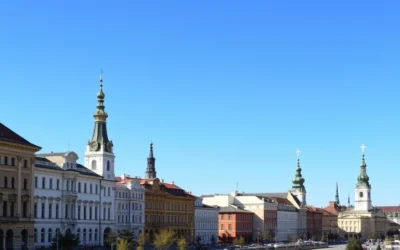
“As an architecture enthusiast, I was captivated by Omsk’s diverse buildings – from Orthodox churches with their distinctive onion domes to imposing Soviet structures and charming wooden houses. The locals were incredibly helpful despite the language barrier. I’d recommend visiting during summer when the parks and embankment come alive with activity.”
T.K., Rawalpindi
“My winter visit to Omsk was challenging but rewarding! The extreme cold (-30°C) was unlike anything I’d experienced, but it gave me a true appreciation for Siberian life. The warm welcome inside museums, theaters, and restaurants contrasted beautifully with the snowy landscapes outside. Bring serious winter gear if visiting November through March!”
W.F., Fontana
Additional Nearby Destinations
Novosibirsk
Russia’s third-largest city is about 650 km from Omsk and offers additional cultural attractions including the largest opera house in Russia. Known as the unofficial capital of Siberia, Novosibirsk provides a more metropolitan experience with excellent museums, theaters, and dining options.

Tomsk
Known for its well-preserved wooden architecture and prestigious universities, Tomsk is about 880 km from Omsk. This historic Siberian city offers a charming atmosphere with its 19th-century buildings, vibrant student population, and cultural attractions.
Altai Mountains
For nature lovers, the stunning Altai Mountains are relatively accessible from Omsk (about 1,000 km). This UNESCO World Heritage site offers breathtaking landscapes, hiking opportunities, and a chance to experience the unique culture of the indigenous Altai people.
Practical Travel Tips
Money Matters
- Currency: Russian Ruble (RUB) is the only widely accepted currency. Exchange money at banks or official exchange offices for the best rates.
- ATMs: Widely available in the city center and shopping areas. Inform your bank of travel plans to prevent card blocks.
- Cards: Major credit cards are accepted at hotels and larger establishments, but smaller venues and markets may require cash.
- Budget: Omsk is significantly less expensive than Moscow or St. Petersburg. A daily budget of 2,500-3,500 rubles can cover moderate accommodations, meals, and activities.
Communication
- Internet: Wi-Fi is available in most hotels, cafes, and restaurants. Mobile data is affordable with a local SIM card.
- SIM Cards: Available from major providers like MTS, Megafon, and Beeline. Passport required for purchase.
- Language Apps: Download translation apps like Google Translate or Yandex.Translate with Russian language packs for offline use.
- Useful Phrases: Learning basic Russian greetings and phrases will greatly enhance your experience and is appreciated by locals.
Packing Essentials
- Summer: Light clothing, sunscreen, hat, light jacket for evenings, comfortable walking shoes.
- Winter: Thermal underwear, insulated boots, heavy coat, hat, gloves, scarf, face protection for extreme cold.
- Documents: Passport, visa, insurance documents, hotel confirmation (printed and digital copies).
- Electronics: Power adapter (Russia uses Type C and F plugs, 220V), portable charger, camera.
Your Siberian Adventure Awaits!
Omsk Oblast offers a distinctive blend of historical significance, cultural richness, and authentic Russian experiences that reward adventurous travelers. From the architectural splendor of its cathedrals to the artistic treasures of its museums, from the vibrant embankment to the tranquil parks, this Siberian region reveals new facets with each day of exploration. Whether you’re tracing Dostoevsky’s footsteps, admiring Soviet-era monuments, or simply enjoying the warm hospitality of locals, Omsk provides a genuine glimpse into Russia beyond the familiar tourist circuits. As you plan your journey to this fascinating destination, embrace the opportunity to discover a different side of Russia – one where Siberian traditions, imperial history, and contemporary culture converge to create an unforgettable travel experience.
The above is subject to change.
Check back often to TRAVEL.COM for the latest travel tips and deals.


0 Comments