
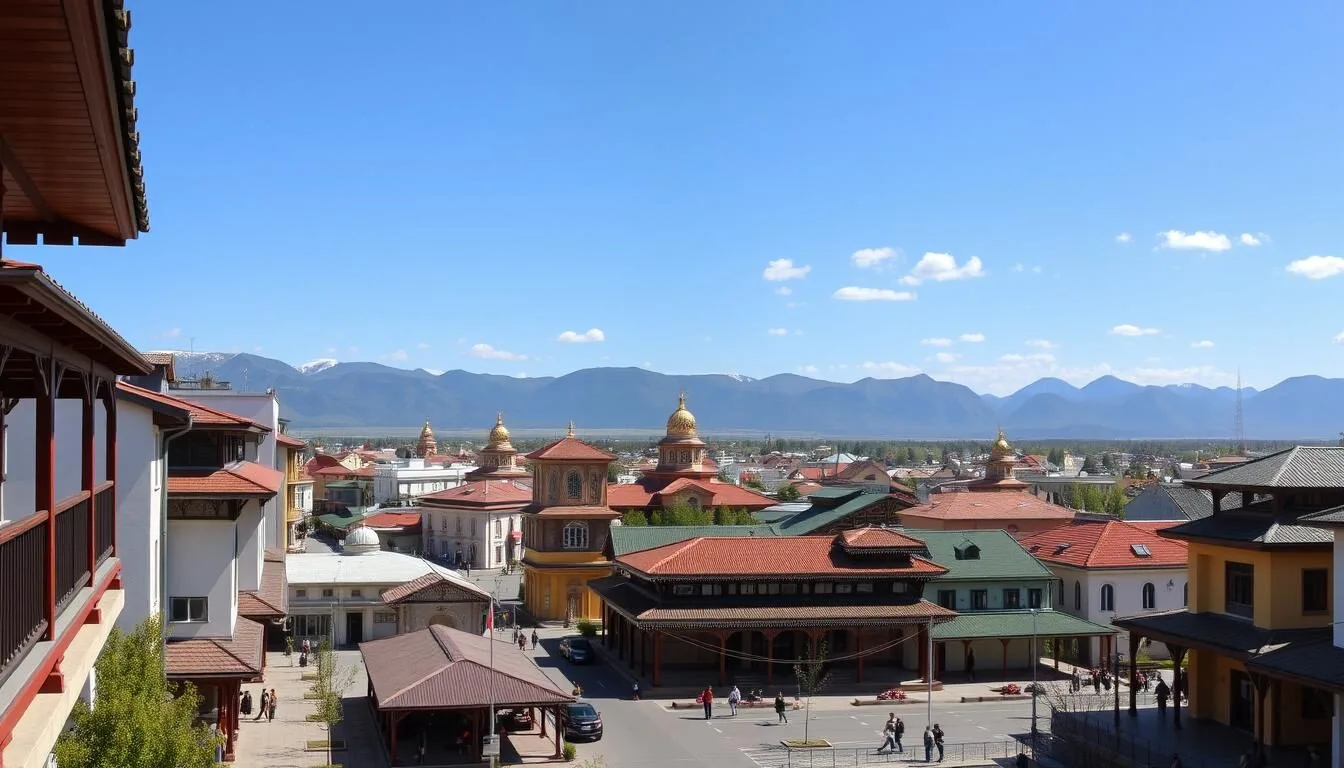
Did you know that Ulan-Ude is home to the world’s largest Lenin head statue? This massive 7.7-meter (25-foot) bronze sculpture weighs over 42 tons and has become the quirky symbol of this fascinating Siberian city. Located at the crossroads of Russia and Mongolia, Ulan-Ude offers a unique blend of Russian, Buryat, and Buddhist cultures that you won’t find anywhere else in the world. As the capital of the Republic of Buryatia, this vibrant city serves as the gateway to Lake Baikal and offers travelers an authentic glimpse into Siberian life beyond the typical tourist trail.
Getting There & Planning Your Journey
Ulan-Ude is well-connected to major Russian cities and serves as a key stop on the Trans-Siberian Railway. The city is accessible by air, rail, and road, making it relatively easy to reach despite its remote location in Eastern Siberia.
By Air
Baikal International Airport (UUD) is located just 15 km (9.3 miles) from the city center and serves as the main gateway to Ulan-Ude. The airport handles regular flights from Moscow (approximately 6 hours), Novosibirsk, Irkutsk, and several other Russian cities. International connections include flights to and from Mongolia and China. From the airport, taxis and public buses (routes #28 and #77) run regularly to the city center.
By Train
The Trans-Siberian Railway passes through Ulan-Ude, making it a convenient stop for those traveling across Russia. The journey from Moscow takes approximately 3.5 days, while the trip from Irkutsk is about 8 hours. The train station is centrally located, within walking distance of many hotels and attractions.
By Bus
Long-distance buses connect Ulan-Ude with nearby cities and towns, including Irkutsk (about 8 hours) and various destinations around Lake Baikal. The main bus station is located near the train station, making transfers between different modes of transportation relatively easy.
Best Time to Visit & Weather Tips
Best Time to Visit Ulan-Ude
The ideal time to visit Ulan-Ude is during the summer months from June to August when temperatures are pleasant, and outdoor activities are in full swing. This period offers the most comfortable weather for exploring the city and its surroundings, with average temperatures ranging from 20°C to 25°C (68°F to 77°F).
| Season | Months | Temperature | Recommendation |
| Summer | June to August | 20°C to 25°C (68°F to 77°F) | Highly Recommended – Perfect for outdoor activities and festivals |
| Fall | September to October | 5°C to 15°C (41°F to 59°F) | Good – Beautiful autumn colors, fewer tourists |
| Winter | November to March | -25°C to -10°C (-13°F to 14°F) | For adventurous travelers – Very cold but authentic winter experience |
| Spring | April to May | 5°C to 15°C (41°F to 59°F) | Good – Spring blooms, fewer tourists |
Weather Tips
Ulan-Ude has a continental climate with extreme temperature variations between seasons. Winters are long and very cold, while summers are short but warm. The city receives relatively little precipitation throughout the year.
- Pack layers even in summer, as evenings can be cool
- Bring sturdy, comfortable walking shoes for exploring the city
- Winter visitors should pack serious cold-weather gear including thermal underwear, heavy coat, hat, gloves, and insulated boots
- Sunscreen is essential in summer as the sun can be intense at this latitude
- A light rain jacket is useful year-round
Getting Around Locally

Ulan-Ude is a relatively compact city, and many of the main attractions are within walking distance of each other, especially in the central area. However, several transportation options are available for getting around the city and reaching more distant sights.
Public Transportation
The city has an extensive network of buses, minibuses (marshrutkas), and trams that cover most areas of interest. Tickets are affordable, with single rides costing around 25-30 rubles (approximately $0.30-0.35). You can purchase tickets directly from the driver when boarding.
Taxis
Taxis are readily available and relatively inexpensive. You can hail them on the street, call a taxi company, or use ride-hailing apps like Yandex.Taxi or inDriver, which are popular in the city. A typical ride within the city center costs between 100-200 rubles ($1.20-2.40).
Rental Cars
Rental cars are available but not necessary for exploring the city itself. However, they can be useful for visiting attractions outside the city, such as Ivolginsky Datsan or the Ethnographic Museum. International driving permits are recognized in Russia.
Walking
The city center is pedestrian-friendly, with many attractions concentrated in a relatively small area. Walking is often the best way to explore the historic center and discover hidden gems that might be missed when using other forms of transportation.
Where to Stay

Ulan-Ude offers a range of accommodation options to suit different budgets and preferences. Most hotels and guesthouses are concentrated in the city center, providing easy access to major attractions, restaurants, and transportation hubs.
Luxury Hotels
While Ulan-Ude doesn’t have many international luxury chains, there are several upscale hotels that offer comfortable accommodations and excellent service. The Baikal Plaza and Mergen Bator are among the best options, featuring modern amenities, on-site restaurants, and central locations. Expect to pay between 5,000-8,000 rubles ($60-95) per night.
Mid-Range Hotels
The city has numerous mid-range hotels that provide good value for money. Popular options include Hotel Sagaan Morin, Reston Hotel, and Hotel Buryatia. These establishments typically offer clean, comfortable rooms with basic amenities at prices ranging from 2,500-4,500 rubles ($30-55) per night.
Budget Accommodations
Budget travelers can find affordable guesthouses, hostels, and small hotels throughout the city. Ulan-Ude Traveler’s House, Friends Hostel, and Hostel Ulan-Ude are popular choices, with beds in dormitory rooms starting at around 500-800 rubles ($6-10) per night. Private rooms in budget accommodations typically cost between 1,500-2,000 rubles ($18-24).
Homestays
For a more authentic experience, consider staying with a local family. Homestays provide insights into daily life in Buryatia and often include home-cooked meals featuring traditional cuisine. Prices vary but are generally comparable to mid-range hotels.
Dining & Local Cuisine
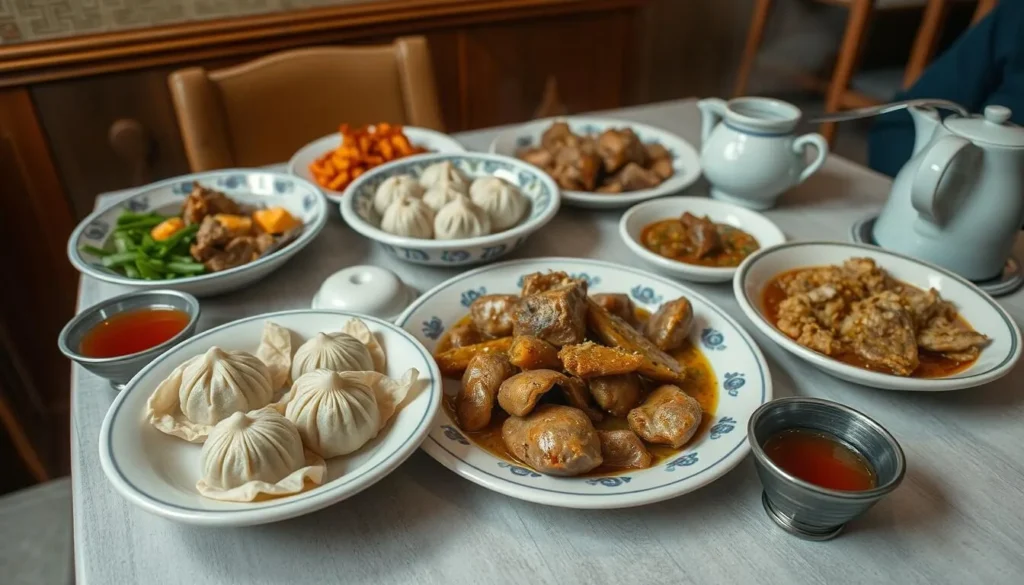
Ulan-Ude’s culinary scene reflects its unique position at the crossroads of Russian, Buryat, and Mongolian cultures. The local cuisine features hearty dishes with an emphasis on meat, dairy, and dough-based foods that have sustained people through harsh Siberian winters for centuries.
Must-Try Local Dishes
- Buuzy (Pozy) – The signature dish of Buryat cuisine, these large steamed dumplings are filled with minced meat (usually mutton or beef) mixed with onions, garlic, and spices. They’re traditionally eaten by hand, first sipping the flavorful broth inside.
- Shulen – A nourishing meat soup made with lamb or beef, often served as a first course.
- Salamat – A traditional Buryat porridge made from fried flour, butter, and cream.
- Boovo – Deep-fried pastry twists that are slightly sweet and often served with tea.
- Suutei Tsai – Salted milk tea, a staple beverage in Buryat households.
Where to Eat
Ulan-Ude offers a variety of dining options, from traditional Buryat restaurants to modern cafes and international eateries. Here are some recommended places to sample local cuisine:
Traditional Restaurants
- Buuza Room – Specializes in authentic buuzy and other Buryat dishes in a casual setting.
- Tengis – Offers traditional Buryat and Mongolian cuisine with cultural performances on some evenings.
- Bair – A local favorite serving authentic Buryat dishes at reasonable prices.
Modern & International Options
- Marco Polo – European cuisine with a good selection of wines.
- Kochevnik – Fusion restaurant combining Buryat traditions with modern cooking techniques.
- Sushi Toro – Japanese cuisine for those seeking international flavors.
Dining Tips
Most restaurants in Ulan-Ude are affordable by Western standards, with a meal at a mid-range restaurant typically costing between 500-1,000 rubles ($6-12) per person. Tipping is not obligatory but becoming more common in tourist areas; 10% is considered generous. Many restaurants offer business lunches (kompleksnyi obed) on weekdays, which provide excellent value for money.
Attractions, Sightseeing & Activities

Ulan-Ude offers a fascinating mix of Soviet-era monuments, Buddhist temples, and cultural attractions that reflect its unique position at the crossroads of different civilizations. Here are the top attractions and activities you shouldn’t miss during your visit.
Top Attractions in Ulan-Ude
Lenin Head Monument
The most iconic landmark in Ulan-Ude is undoubtedly the enormous Lenin Head statue in Soviet Square. Created in 1971 for the 100th anniversary of Lenin’s birth, this bronze sculpture stands 7.7 meters (25 feet) tall and weighs over 42 tons. It’s the largest head sculpture of Lenin in the world and has become the unofficial symbol of the city. The square around the monument is a popular gathering place for locals and a must-visit photo spot for tourists.
Ivolginsky Datsan

Located about 23 km (14 miles) from the city center, Ivolginsky Datsan is the most important Buddhist monastery in Russia and the spiritual center of Buddhism in the country. The colorful complex includes several temples, a library of Tibetan books, and a university where Buddhist lamas study. The monastery is famous for housing the preserved body of Dashi-Dorzho Itigelov, a Buddhist lama who died in 1927 while meditating and whose body reportedly hasn’t decomposed. The monastery is open to visitors daily, and guided tours are available in English with advance booking.
Ethnographic Museum of the Peoples of Transbaikalia
This fascinating open-air museum, located on the outskirts of Ulan-Ude, showcases the traditional architecture, lifestyle, and culture of the various ethnic groups that have inhabited the region. The museum features over 40 architectural monuments and 11,000 exhibits spread across 37 hectares (91 acres). Visitors can explore traditional Buryat yurts, Russian Cossack houses, Evenki dwellings, and a reconstructed Siberian village street. The museum also hosts cultural events and folk performances during the summer months.
Odigitrievsky Cathedral
Built between 1741 and 1785, this is the oldest stone building in the city and a fine example of Siberian Baroque architecture. The cathedral has survived numerous fires and the anti-religious campaigns of the Soviet era. Today, it functions as an active Orthodox church and houses valuable icons and religious artifacts.
Arbat Street (Pedestrian Street)
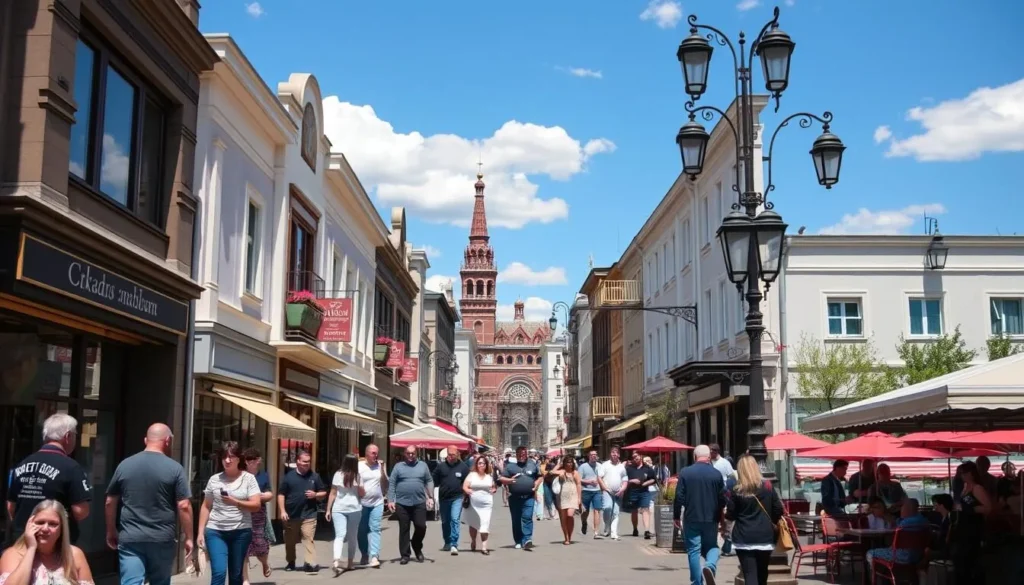
This charming pedestrian street in the heart of Ulan-Ude is lined with shops, cafes, and restaurants. It’s a great place to stroll, shop for souvenirs, or simply relax with a coffee while watching the world go by. Street performers and artists often add to the lively atmosphere, especially during summer evenings.
Museums, Cultural Spots & Festivals
Museums
Ulan-Ude boasts several excellent museums that provide insights into the region’s rich history, culture, and natural environment.
Museum of History of Buryatia
This comprehensive museum houses over 100,000 exhibits related to the history and culture of Buryatia. Collections include archaeological findings, Buddhist art, traditional costumes, and artifacts from various periods of the region’s history. The museum provides a good introduction to Buryat culture and is recommended as one of your first stops in the city.
Museum of Nature of Buryatia
Located within the Sampilov Art Museum, this natural history museum showcases the diverse flora and fauna of the region. Exhibits include stuffed animals, geological specimens, and interactive displays about Lake Baikal’s unique ecosystem. The museum is particularly popular with families and nature enthusiasts.
Geological Museum
Housed in the All-Russian Geological Science and Research Institute, this specialized museum displays an impressive collection of minerals, rocks, and fossils from Buryatia and beyond. The well-organized exhibits provide fascinating insights into the geological history of the region.
Cultural Venues
Buryat State Academic Opera and Ballet Theatre
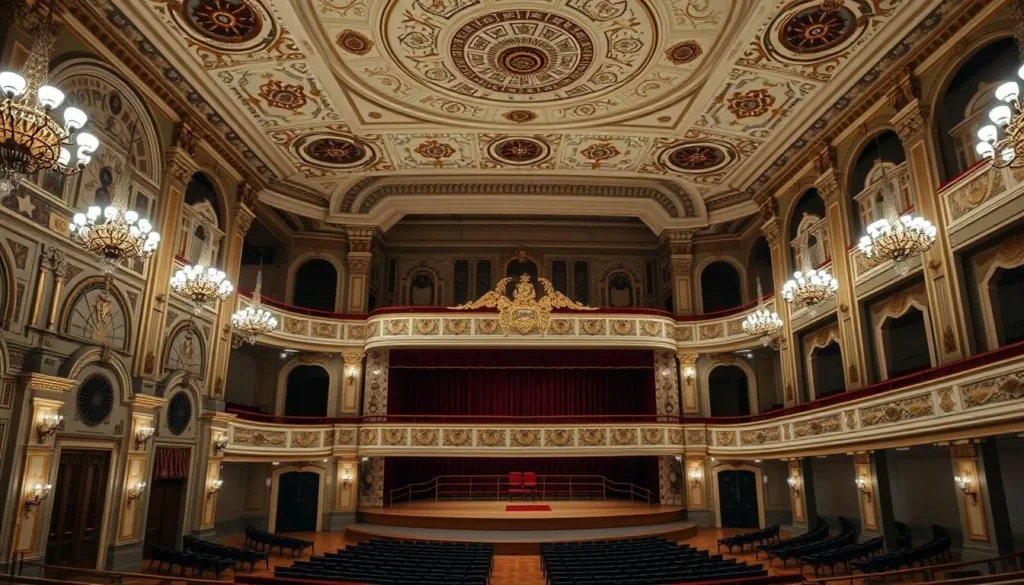
This prestigious theater is one of the cultural highlights of Ulan-Ude. The company performs both classical and contemporary works, including Buryat operas and ballets that showcase local themes and traditions. Attending a performance here is a must for culture lovers, and tickets are surprisingly affordable compared to similar venues in Western countries.
Buryat State National Theatre
This theater specializes in performances in the Buryat language, often featuring traditional stories and folklore. Some productions include subtitles or summaries in Russian and occasionally English, making them accessible to international visitors.
Festivals and Events

Sagaalgan (Lunar New Year)
This is the most important festival in the Buryat calendar, usually celebrated in February. The celebrations include traditional dances, music performances, games, and special dishes. Temples and monasteries hold special services, and families gather to exchange gifts and blessings.
Surkharban
This traditional summer festival combines sports competitions with cultural performances. The three main sports featured are Buryat archery, horse racing, and wrestling. The festival usually takes place in July and provides an excellent opportunity to experience local traditions.
City Day
Celebrated on the first weekend of September, this festival marks the founding of Ulan-Ude. The celebrations include parades, concerts, food fairs, and fireworks. It’s a great time to visit if you want to see the city at its most festive.
Sports, Nature & Outdoor Experiences

The area around Ulan-Ude offers numerous opportunities for outdoor activities and nature experiences. From the world’s deepest lake to scenic mountain landscapes, there’s plenty to explore for nature lovers and adventure seekers.
Lake Baikal
Located about 100 km (62 miles) from Ulan-Ude, Lake Baikal is the deepest and oldest freshwater lake in the world, containing approximately 20% of the world’s unfrozen freshwater. The lake is known for its crystal-clear waters, unique wildlife, and stunning landscapes. Popular activities include:
- Swimming (in summer, though the water remains cold year-round)
- Boat tours to explore the shoreline and islands
- Hiking along coastal trails
- Ice skating and ice fishing in winter
- Visiting traditional fishing villages
Tunkinsky National Park
Located about 200 km (124 miles) from Ulan-Ude, this national park features diverse landscapes including alpine meadows, forests, hot springs, and the beautiful Sayan Mountains. The park is perfect for hiking, wildlife watching, and photography. The village of Arshan within the park is famous for its mineral springs and is a popular health resort.
Barguzin Valley

This picturesque valley northeast of Lake Baikal offers stunning mountain scenery, hot springs, and unique rock formations. It’s less visited than other areas around Baikal, making it perfect for those seeking a more off-the-beaten-path experience. The valley is accessible by car from Ulan-Ude, though the journey takes several hours.
Winter Activities
Despite the extreme cold, winter in Ulan-Ude and its surroundings offers unique experiences:
- Dog sledding tours
- Snowmobiling across frozen Lake Baikal
- Ice fishing
- Cross-country skiing
- Visiting ice sculptures in the city center
Guided Outdoor Tours
Several local companies offer guided tours and excursions to natural attractions around Ulan-Ude. These range from day trips to Lake Baikal to multi-day adventures in more remote areas. Tours typically include transportation, guide services, and sometimes meals and accommodation. Booking in advance is recommended, especially during the peak summer season.
Safety, Etiquette & Local Customs

Safety
Ulan-Ude is generally a safe city for tourists, with low rates of violent crime. However, as in any urban area, it’s wise to take standard precautions:
- Keep valuables secure and be aware of your surroundings, especially in crowded areas
- Avoid walking alone in poorly lit areas at night
- Use official taxis or ride-hailing apps rather than unmarked cars
- Keep copies of important documents and leave originals in your hotel safe
- Be cautious when withdrawing money from ATMs, preferably using those inside banks
The most common issues tourists might face are petty theft and occasional scams targeting foreigners. Winter visitors should also be aware of the risks associated with extreme cold, including frostbite and hypothermia.
Etiquette & Customs
Understanding local customs can enhance your experience and show respect for the local culture:
Buddhist Temples
- Dress modestly when visiting datsans (Buddhist temples)
- Remove your hat and shoes before entering temple buildings
- Walk clockwise around religious structures and prayer wheels
- Ask permission before taking photographs inside temples
- Speak quietly and avoid pointing at religious figures or artifacts
Social Customs
- Greetings are important; a handshake is common, though older Buryat people might use the traditional greeting of offering both hands palms up
- If invited to a home, bringing a small gift like chocolates or fruit is appreciated
- Remove your shoes when entering someone’s home
- It’s customary to toast before drinking; the first toast is usually to the host or the occasion
- Refusing food or drink can be considered impolite; it’s better to accept and take a small amount
Cultural Sensitivity
Buryatia has a rich cultural heritage that blends Buddhist, shamanistic, and Russian Orthodox traditions. Showing interest in and respect for these traditions is appreciated by locals. Many Buryat people are proud of their cultural identity and are usually happy to share information about their customs and traditions with interested visitors.
Visitor Comments About Ulan-Ude
“Ulan-Ude was the unexpected highlight of our Trans-Siberian journey. The blend of Russian and Buryat cultures creates a unique atmosphere unlike anywhere else in Russia. Don’t miss the Ethnographic Museum – it’s massive and gives you a real sense of the region’s diverse heritage. The giant Lenin head is quirky and makes for great photos, but the Buddhist temples and warm local hospitality were what truly made our visit special.”
“As someone who has traveled extensively across Asia, I found Ulan-Ude to be a fascinating cultural crossroads. The Ivolginsky Datsan is truly impressive and unlike any Buddhist temple I’ve seen elsewhere. The local cuisine, especially the buuzy dumplings, is delicious and hearty. Winter was brutally cold but magical, with the frozen Lake Baikal being an otherworldly experience. Just make sure to pack serious winter gear if visiting between November and March!”
“We spent three days in Ulan-Ude as part of our family trip across Russia, and it was perfect for our kids who were fascinated by the giant Lenin head and loved the interactive exhibits at the Museum of Nature. The Ethnographic Museum kept them engaged for hours with its traditional buildings and cultural demonstrations. The locals were incredibly friendly to our children, and the city felt very safe. I’d recommend at least 2-3 days to properly experience what this unique city has to offer.”
Practical Travel Tips

Language
Russian is the main language spoken in Ulan-Ude, with Buryat also widely used, especially in rural areas. English is not commonly spoken outside of major hotels and tourist attractions. Learning a few basic Russian phrases can be very helpful. Consider downloading a translation app like Google Translate, which works offline after downloading the Russian language pack.
Money
The Russian ruble (₽) is the local currency. ATMs are widely available in the city center, and major credit cards are accepted at most hotels and larger restaurants. However, it’s advisable to carry some cash, especially when visiting markets, small shops, or rural areas. Currency exchange offices can be found throughout the city, but rates are often better at banks.
Internet & Communication
Wi-Fi is available in most hotels, cafes, and restaurants in Ulan-Ude. Mobile coverage is generally good within the city and surrounding areas. Consider purchasing a local SIM card if you plan to stay for more than a few days, as international roaming can be expensive. Major Russian mobile operators like MTS, Beeline, and Megafon have offices in the city center where you can purchase SIM cards with data plans.
Health & Medical
No special vaccinations are required for visiting Ulan-Ude, but it’s advisable to have standard travel vaccinations up to date. The city has several hospitals and clinics, though medical facilities may not meet Western standards. Comprehensive travel insurance with medical coverage and evacuation is strongly recommended. Bring any prescription medications you need, along with a copy of the prescription.
Visas
Most foreign visitors require a visa to enter Russia. The process can take several weeks, so apply well in advance of your planned trip. Tourist visas typically require an invitation or confirmation from a registered accommodation provider. Check the latest requirements with the Russian embassy or consulate in your country.
Your Siberian Adventure Awaits
Ulan-Ude offers travelers a rare glimpse into a fascinating cultural crossroads where East meets West, Buddhism meets Orthodox Christianity, and ancient traditions blend seamlessly with modern life. From the iconic Lenin Head to the serene Buddhist temples, from hearty Buryat cuisine to the natural wonders of nearby Lake Baikal, this Siberian city promises experiences that will stay with you long after you’ve returned home. Whether you’re stopping briefly on the Trans-Siberian Railway or planning a dedicated exploration of Buryatia, Ulan-Ude rewards visitors with its warm hospitality, rich cultural heritage, and authentic glimpse into a lesser-known corner of Russia. Pack your sense of adventure and prepare to be surprised by this unique destination that remains refreshingly off the typical tourist trail.
The above is subject to change.
Check back often to TRAVEL.COM for the latest travel tips and deals.


0 Comments