
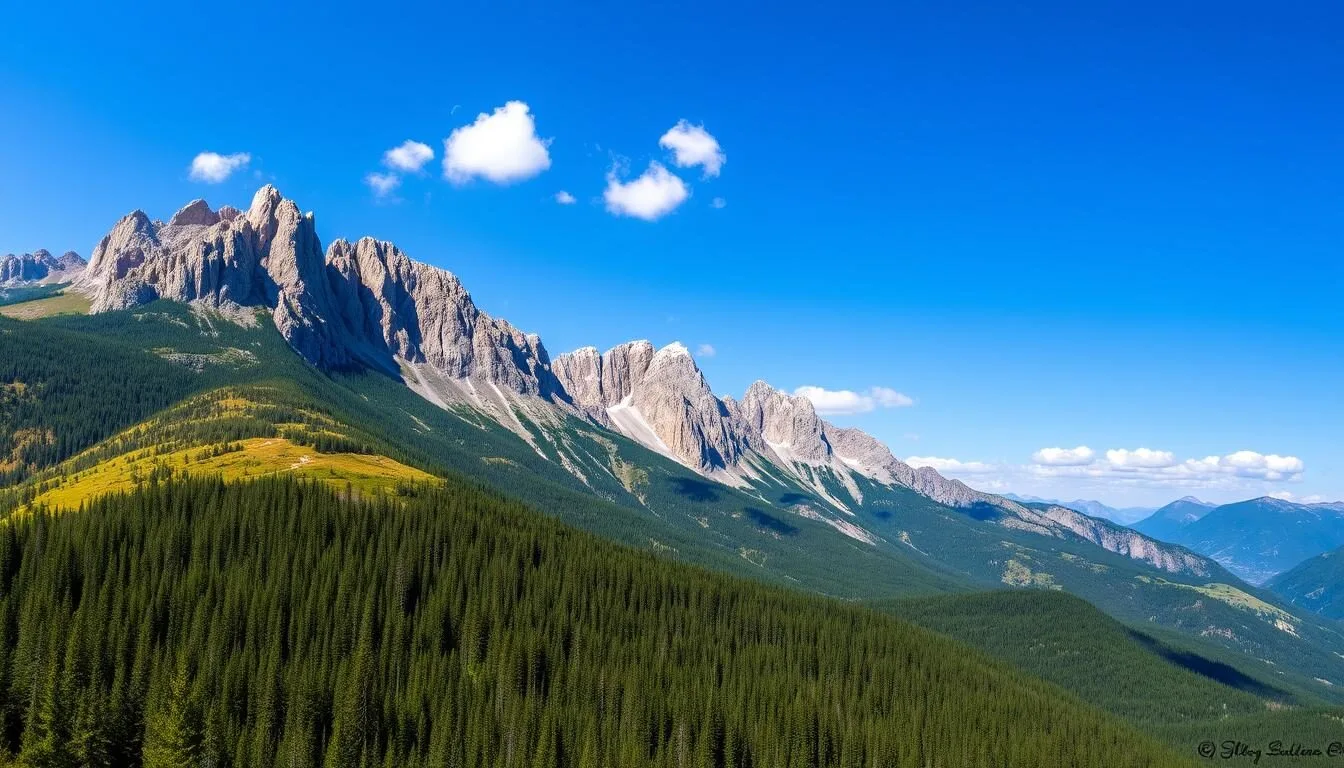
Did you know that the Ural Mountains form the natural boundary between Europe and Asia, making them one of the few places on Earth where you can stand with one foot on each continent? Stretching 2,500 km (1,600 miles) from the Arctic Ocean to Kazakhstan, this ancient mountain range is not only a geographical marvel but also a treasure trove of unique experiences waiting to be discovered by adventurous travelers.
Getting There & Planning Your Journey
The Ural Mountains span several Russian regions, with the major gateway cities being Yekaterinburg and Perm. These cities serve as excellent starting points for exploring the mountain range and its attractions.
Airports & Transportation
The most convenient international airports for accessing the Urals are:
- Koltsovo International Airport (SVX) in Yekaterinburg
- Bolshoye Savino Airport (PEE) in Perm
Both airports offer connections to Moscow and St. Petersburg, with Yekaterinburg also providing some international flights. From these cities, you can reach various parts of the Ural Mountains by car, bus, or organized tours.
The legendary Trans-Siberian Railway also passes through the region, making it possible to include the Urals as part of a longer Russian journey. This historic railway offers a unique perspective of the changing landscape as you cross from Europe into Asia.

Best Time to Visit & Weather Tips
The Ural Mountains experience distinct seasons, each offering different attractions and activities for visitors. Your ideal time to visit depends largely on what you hope to experience.
| Season | Months | Temperature | Recommendation |
| Summer | June to August | 15-25°C (59-77°F) | Highly recommended for hiking, outdoor activities, and festivals |
| Fall | September to October | 5-15°C (41-59°F) | Beautiful foliage, fewer tourists |
| Winter | November to March | -20 to -5°C (-4 to 23°F) | Good for winter sports and snow landscapes |
| Spring | April to May | 0-15°C (32-59°F) | Melting snow, muddy conditions, not ideal |
Summer (June to August) is the peak tourist season and offers the most comfortable conditions for exploring the mountains. The days are long, with temperatures generally pleasant for outdoor activities. This is the ideal time for hiking, camping, and enjoying the region’s natural beauty.
Winter transforms the Urals into a snow-covered wonderland, perfect for skiing, snowboarding, and other winter sports. However, be prepared for very cold temperatures, especially in the northern sections where they can drop below -30°C (-22°F).

Getting Around Locally
Navigating the Ural Mountains region requires some planning, as public transportation can be limited in more remote areas. Here are your best options for exploring the region:
Transportation Options
- Rental Cars: The most flexible option for exploring at your own pace. Major rental companies operate in Yekaterinburg and Perm.
- Local Buses: Connect major cities to smaller towns and some tourist sites, though schedules may be limited.
- Guided Tours: An excellent option for reaching remote attractions without navigating on your own.
- Taxis and Ride-sharing: Available in cities but can be expensive for longer journeys.
For hiking in the mountains, many trails require guides, especially in the more remote northern sections. Local tour operators in Yekaterinburg, Perm, and other gateway cities can arrange guided hikes with transportation to trailheads.
If venturing into remote areas, consider hiring a local guide who knows the terrain and can help navigate the sometimes challenging conditions, especially if you don’t speak Russian.
Where to Stay
Accommodation options in the Ural Mountains range from comfortable city hotels to rustic mountain lodges and camping sites. Your choice will depend on which part of the mountains you’re exploring and your comfort preferences.
City Accommodations
Yekaterinburg and Perm offer the widest range of accommodations, from luxury hotels to budget hostels. These cities make excellent bases for day trips to nearby attractions.
Price range: 2,000-10,000 rubles ($25-125 USD) per night
Mountain Towns
Smaller towns like Zlatoust, Miass, and Kyshtym offer guesthouses and small hotels closer to nature. These provide a more authentic experience of Ural life.
Price range: 1,500-4,000 rubles ($20-50 USD) per night
Nature Retreats
For those seeking to immerse themselves in nature, tourist bases and mountain lodges offer basic but comfortable accommodations in scenic locations.
Price range: 1,000-3,000 rubles ($12-40 USD) per night
During summer months, camping is popular in designated areas throughout the mountains. Many national parks offer camping facilities with basic amenities. For winter visits, ensure your accommodation has proper heating, as temperatures can drop significantly.

Dining & Local Cuisine
The Ural region offers a delicious blend of Russian, Tatar, and Bashkir cuisines, with hearty dishes perfectly suited to the mountain climate. Local ingredients like mushrooms, berries, and freshwater fish feature prominently in traditional recipes.
Must-Try Local Dishes
- Pelmeni: Traditional Ural dumplings filled with a mixture of meats (usually beef, lamb, and pork) and served with sour cream.
- Posikunchiki: Small fried pies with meat filling, a specialty of the Perm region.
- Shangi: Open-faced pies with potato, cottage cheese, or berry fillings.
- Ural Ukha: A clear fish soup made with local river fish.
- Gubadiya: A festive layered pie with rice, dried fruits, and meat, popular in Tatar cuisine.
In cities like Yekaterinburg and Perm, you’ll find everything from upscale restaurants to casual cafes serving both local and international cuisine. In smaller towns and villages, family-run establishments offer authentic home-style cooking at very reasonable prices.

For the most authentic dining experience, look for restaurants that advertise “traditional Ural cuisine” or ask locals for their recommendations. Many of the best places are family-owned establishments that have been perfecting their recipes for generations.
Attractions, Sightseeing & Activities
The Ural Mountains offer a diverse range of attractions that showcase the region’s natural beauty, rich history, and cultural heritage. Here are some of the must-see highlights:
Natural Wonders
Kungur Ice Cave
One of the most famous attractions in the Urals, this stunning limestone cave features over 70 underground lakes and spectacular ice formations that remain frozen year-round. Located near the town of Kungur, about 90 km from Perm, guided tours take you through illuminated chambers filled with stalactites, stalagmites, and crystal-clear underground pools.
Manpupuner Rock Formations
Often called the “Seven Strong Men,” these mysterious weathered stone pillars stand 30-42 meters (98-138 feet) tall on a remote plateau in the Northern Urals. Considered one of Russia’s seven natural wonders, reaching these formations requires a challenging multi-day hike or helicopter tour.

Historical & Cultural Sites
- Europe-Asia Border Monuments: Several markers along the Ural range indicate the boundary between Europe and Asia. The most accessible is near Yekaterinburg, where visitors can stand with one foot on each continent.
- Ganina Yama: A monastery complex built at the site where the remains of the last Russian Tsar and his family were hidden after their execution.
- Arkaim: An archaeological site often called “Russia’s Stonehenge,” featuring the remains of an ancient settlement dating back to the Bronze Age.

Museums, Cultural Spots & Festivals
The Ural region boasts a rich cultural heritage, reflected in its museums, theaters, and vibrant festivals that celebrate local traditions.
Top Museums
- Yekaterinburg Museum of Fine Arts: Houses an impressive collection of cast iron sculptures, gemstone carvings, and Russian paintings.
- Perm State Art Gallery: Famous for its collection of wooden religious sculptures and icons.
- Museum of the History of Stone-Cutting and Jewelry Art: Showcases the region’s rich tradition of gemstone carving and jewelry making.
- Nevyansk Leaning Tower Museum: A mysterious 18th-century tower with fascinating acoustics and a unique architectural style.
Cultural Experiences
The Urals are known for their strong ballet and opera traditions. The Perm Opera and Ballet Theatre and the Yekaterinburg State Academic Opera and Ballet Theatre offer world-class performances. Both cities have developed reputations as cultural centers that rival Moscow and St. Petersburg in quality but offer more affordable ticket prices.

Annual Festivals
- Ural Music Night: A massive music festival in Yekaterinburg featuring hundreds of performers across multiple venues (June).
- Diaghilev Festival: An international festival of modern choreography held in Perm (May-June).
- Kamwa Festival: Celebrates the ethnic cultures of the Ural region with music, crafts, and traditional performances (July).
- Ural Industrial Biennial of Contemporary Art: A major art event showcasing works in former industrial spaces (September-October).
Sports, Nature & Outdoor Experiences
The diverse landscapes of the Ural Mountains provide a playground for outdoor enthusiasts year-round, with activities ranging from gentle nature walks to challenging mountain expeditions.
Hiking & Trekking
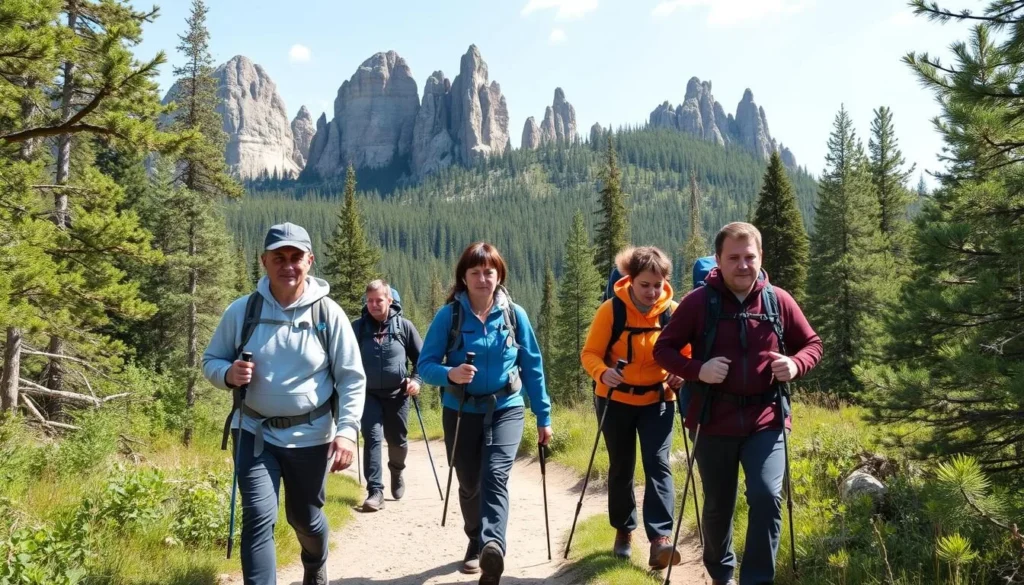
The Urals offer numerous hiking trails for all skill levels. Popular routes include:
- Konzhakovsky Kamen: The highest peak in the Central Urals offers a challenging day hike with panoramic views.
- Taganay National Park: Features well-marked trails through diverse landscapes of forests, alpine meadows, and unique rock formations.
- Zyuratkul National Park: Home to Lake Zyuratkul, the highest mountain lake in the European part of Russia, surrounded by scenic hiking trails.
Winter Activities
When snow blankets the mountains, the region transforms into a winter sports destination:
- Skiing and Snowboarding: Resorts like Abzakovo, Zavyalikha, and Gubakha offer slopes for various skill levels.
- Cross-country Skiing: Extensive trail networks wind through the forests and valleys.
- Ice Fishing: A popular local pastime on frozen lakes and rivers.
- Snowmobiling: Guided tours allow you to explore remote winter landscapes.
Water Activities
The numerous rivers and lakes in the Urals provide opportunities for:
- Rafting and Kayaking: The Chusovaya, Sylva, and Belaya rivers offer routes of varying difficulty.
- Fishing: The clean mountain waters are home to various fish species, including grayling and taimen.
- Lake Swimming: During summer, mountain lakes offer refreshing spots for a dip.

Safety, Etiquette & Local Customs
Traveling in the Ural Mountains is generally safe, but being prepared and respecting local customs will enhance your experience and help you avoid potential issues.
Safety Considerations
- Weather Preparedness: Mountain weather can change rapidly. Always check forecasts and pack appropriate clothing and gear.
- Remote Areas: When venturing into remote regions, inform someone of your plans and expected return time.
- Wildlife Awareness: The Urals are home to bears and other wildlife. Learn proper behavior for wildlife encounters.
- Winter Travel: Extreme cold requires proper preparation. Dress in layers and be aware of the signs of hypothermia and frostbite.
Cultural Etiquette
The Ural region is home to various ethnic groups, each with their own traditions. Some general etiquette tips include:
- When visiting homes, removing your shoes is customary.
- Bringing a small gift when invited to someone’s home is appreciated.
- When visiting religious sites, dress modestly. Women may need to cover their heads in Orthodox churches.
- Learning a few basic Russian phrases will be greatly appreciated by locals.
Many remote areas in the Urals have limited or no cell phone coverage. Consider renting a satellite phone for emergency communication if venturing far from populated areas.
Visitor Comments About Ural Mountains
“The Manpupuner rock formations were worth every step of the challenging trek to reach them. Standing before these massive stone pillars in complete wilderness was one of the most spiritual experiences I’ve had while traveling. The local guide shared fascinating legends about their origin that added another dimension to the experience.”
“Don’t miss the Kungur Ice Cave! Even in summer, the ice formations were spectacular. We also spent time in Yekaterinburg and were surprised by the quality of the ballet performance we attended—world-class artistry at a fraction of what you’d pay in Western Europe. The Urals offer an authentic Russian experience away from the tourist crowds.”
“Hiking in Taganay National Park was the highlight of our trip to Russia. The trails were well-marked, the scenery was stunning, and we met friendly locals along the way who shared their homemade tea with us. Standing at the Europe-Asia border monument gave me a unique sense of being in two continents simultaneously.”
Practical Travel Tips
Money & Payments
The Russian ruble (₽) is the local currency. While major cities like Yekaterinburg and Perm have good banking infrastructure, smaller towns and rural areas may have limited options:
- Carry cash for smaller establishments and rural areas.
- Major credit cards are accepted in hotels and larger restaurants in cities.
- Notify your bank of your travel plans to avoid card blocks.
- ATMs are readily available in cities but may be scarce in remote areas.
Communication
While English is spoken in some tourist areas and upscale hotels, Russian is the primary language:
- Learning basic Russian phrases will greatly enhance your experience.
- Download translation apps that work offline.
- Consider hiring guides for areas where language might be a barrier.
- Purchase a local SIM card for affordable data and calls (passport required).

Visa Information
Most foreign visitors require a visa to enter Russia:
- Apply for a tourist visa well in advance of your planned trip.
- You’ll need an invitation or voucher from a Russian hotel or tour operator.
- Register your stay within 7 business days of arrival (hotels typically handle this).
- Ensure your passport is valid for at least 6 months beyond your planned departure date.
Packing Essentials
Depending on the season, consider packing:
- Layered clothing (weather can change quickly in the mountains)
- Sturdy hiking boots for outdoor activities
- Insect repellent (summer months)
- Sunscreen and sunglasses
- Power adapter (Russia uses type C and F plugs)
- Basic first aid kit
Where Europe Meets Asia: An Unforgettable Adventure
The Ural Mountains offer a rare combination of pristine wilderness, rich cultural heritage, and authentic Russian experiences far from the typical tourist path. Whether you’re standing with one foot in Europe and one in Asia, exploring mysterious rock formations, or savoring traditional Ural cuisine, this remarkable region rewards adventurous travelers with memories that will last a lifetime. As you plan your journey to this boundary between continents, remember that the true magic of the Urals lies not just in its natural beauty but in the warm hospitality of its people and the sense of discovery that comes with exploring one of Russia’s most distinctive regions.
The above is subject to change.
Check back often to TRAVEL.COM for the latest travel tips and deals.


0 Comments