Hotels by Trip.com
Flights by Trip.com
Salvador Dali once said that Cadaques has the most beautiful light in the world. This tiny fishing village attracts over 1.5 million visitors annually despite having fewer than 3,000 permanent residents. The town’s name derives from the Latin “Cap de Quers,” meaning “rocky headland,” perfectly describing its dramatic position on Spain’s rugged Costa Brava coast.
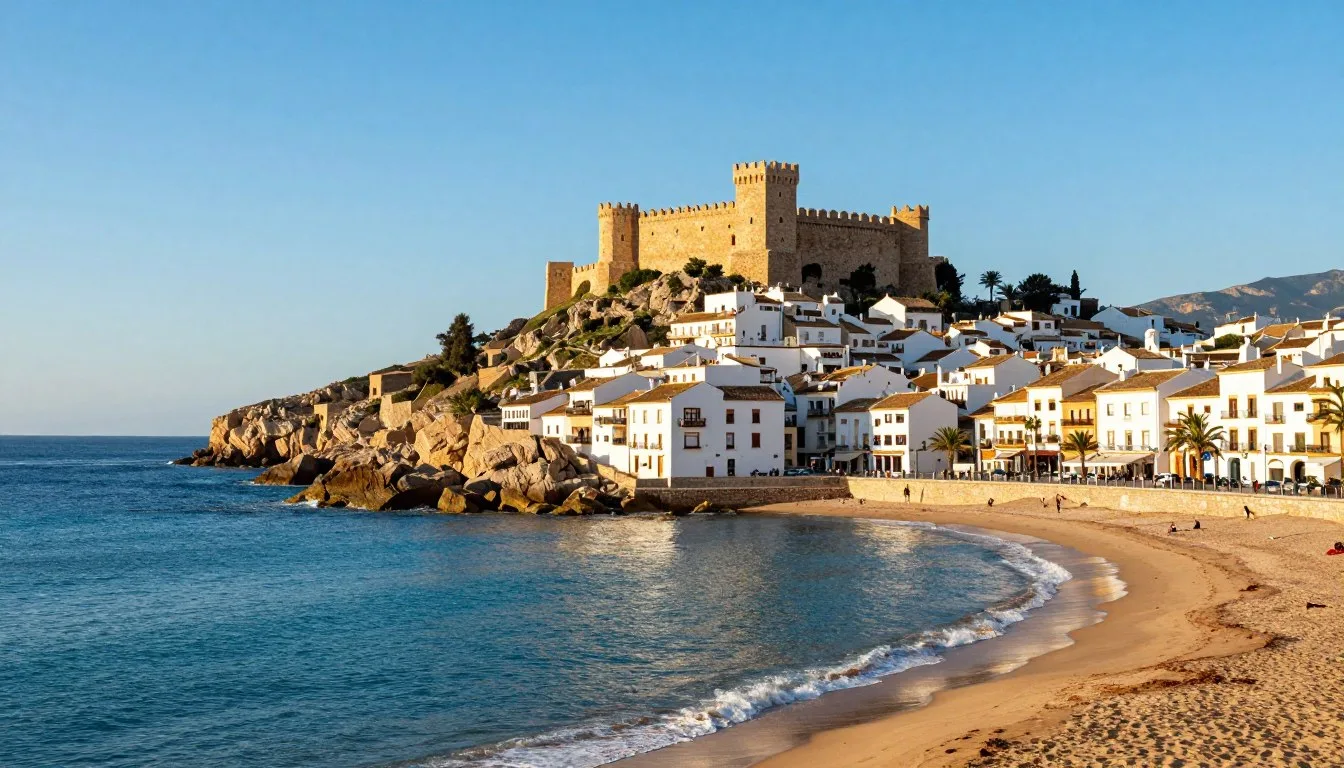
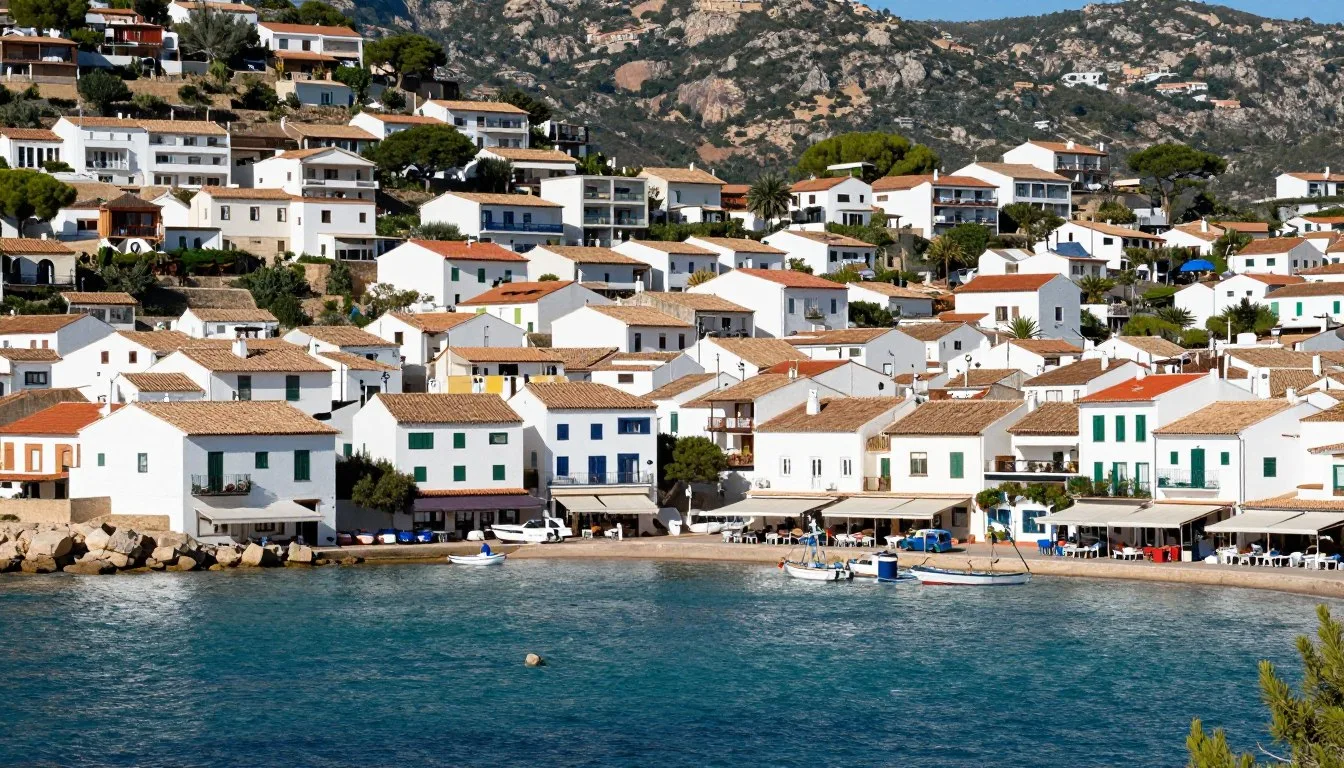
Nestled between the Mediterranean Sea and the windswept Cap de Creus peninsula, Cadaques remains remarkably unchanged. Whitewashed houses tumble down hillsides toward a pebble beach. Narrow cobblestone streets wind through the old town. The scent of fresh seafood drifts from waterfront restaurants.
This place captured the hearts of artists and bohemians throughout the 20th century. Today it offers visitors a rare glimpse of authentic Mediterranean village life. The beauty here feels almost untouched by time.
Getting There and Planning Your Journey
Reaching Cadaques requires some effort, which helps preserve its charm. The village sits about 170 km (106 miles) north of Barcelona. No train service connects directly to town. This isolation keeps crowds manageable even during peak season.
The closest major airports include Barcelona-El Prat Airport and Girona-Costa Brava Airport. Barcelona airport offers more international connections. Girona airport sits closer to Cadaques, just 65 km (40 miles) away.
Drive from Barcelona
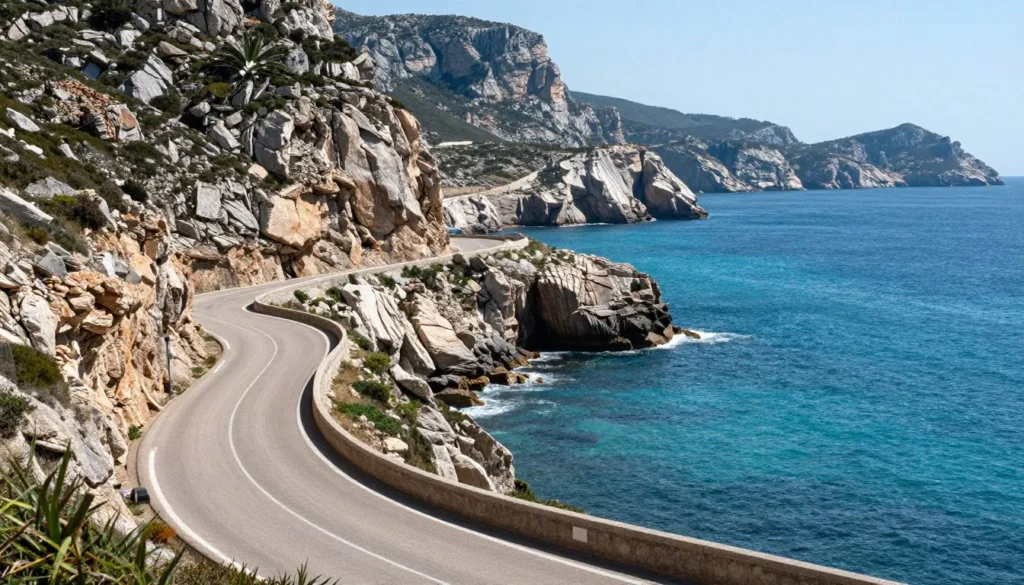
Most visitors choose to drive. The journey from Barcelona takes roughly two hours via the AP-7 highway. Exit at Figueres and follow the GI-614 coastal road. This final stretch winds through Cap de Creus Natural Park. The views along this route are spectacular.
The road twists and turns dramatically. Sharp curves require careful attention. But every bend reveals another stunning vista of the Costa Brava coast. Allow extra time for photo stops.
Public Transportation Options
Public transportation exists but requires planning. SARFA buses run from Barcelona to Cadaques during summer months. The trip takes about three hours. Service becomes limited in winter. Always check current schedules before relying on bus service.
From Girona, buses connect through Figueres. This adds transfer time. A rental car offers much more flexibility for exploring the area.
Planning Tip: Book accommodation well in advance for summer visits. The limited number of hotels in this small town fills quickly during July and August. Consider staying in nearby Roses if Cadaques is fully booked.
Best Time to Visit and Weather Tips
Timing your trip to Cadaques makes a significant difference. Each season offers distinct advantages. The Mediterranean climate ensures pleasant weather most of the year.
Recommended Months
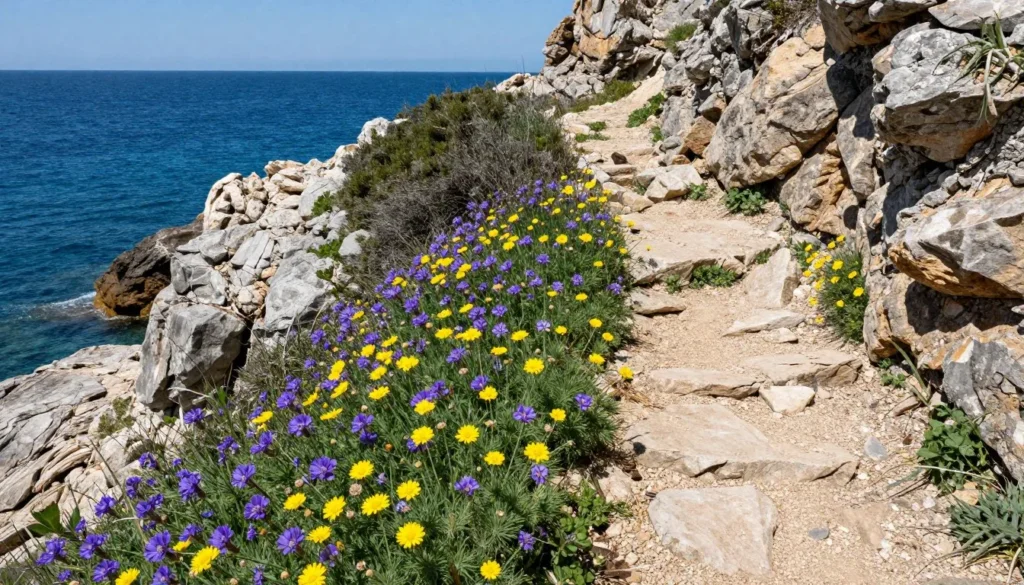
May through June provides ideal conditions. Temperatures range from 18°C to 24°C (64°F to 75°F). The town feels lively but not overcrowded. Water temperatures become comfortable for swimming. Wildflowers bloom across Cap de Creus during this time.
September and early October offer another excellent window. Summer crowds disperse after August. The sea remains warm from months of sunshine. Temperatures hover around 20°C to 26°C (68°F to 79°F). Restaurant reservations become easier to secure.
Check 30,000+ Local Sightseeing Tours Worldwide
✓ Numerous languages and currencies are available
Months to Avoid
July and August bring peak tourist season. Hotels charge premium rates. Beaches become crowded. The famous Tramuntana wind blows less frequently. Temperatures can exceed 30°C (86°F). Many locals actually leave town during this period.
November through March sees many businesses close. The powerful Tramuntana wind sweeps down from the Pyrenees. This cold north wind can blow for days. Temperatures drop to 8°C to 15°C (46°F to 59°F). The village takes on a quiet, almost deserted character.
Weather Alert: The Tramuntana wind shapes life in Cadaques. This fierce wind inspired many of Dali’s surrealist works. It can reach speeds over 100 km/h (62 mph). Check wind forecasts before planning outdoor activities or boat trips.
Notable Annual Festivals
Festivals bring Cadaques to life throughout the year. These celebrations showcase authentic Catalan culture. Most events center around religious traditions and maritime heritage.
Festa Major de Cadaques
The town’s biggest celebration occurs in mid-August. Festa Major honors Sant Baldiri, the patron saint. Events span several days and nights. Expect traditional sardana dancing in the main square. Fireworks light up the bay. Live music fills the streets until dawn.
Giant papier-mâché figures parade through town. Local fishermen organize a maritime procession. The festival culminates in a spectacular correfoc, where performers dance with fireworks. This ancient Catalan tradition thrills spectators.
International Music Festival
Each summer brings classical music to historic venues. The festival runs from late July through August. Concerts take place in the Church of Santa Maria. The acoustics in this centuries-old building are remarkable. World-class musicians perform chamber music and solo recitals.
The intimate setting creates magical evenings. Tickets sell out quickly for popular performances. The festival attracts music lovers from across Europe.
Festa de Cap d’Any
New Year’s Eve transforms the waterfront into one big party. Locals and visitors gather in Placa Frederic Rahola. At midnight, everyone eats twelve grapes for good luck. This Spanish tradition continues with champagne toasts. Dancing and celebration continue well past sunrise.
Getting Around Locally
Cadaques is wonderfully walkable. The entire old town can be explored on foot in a single day. Narrow streets prohibit most vehicle traffic. This makes strolling safe and pleasant.
Park your car upon arrival and forget about it. Several parking areas exist on the outskirts of town. Parking fills quickly during summer. Arrive early or expect to walk from distant lots.
Walking and Exploring
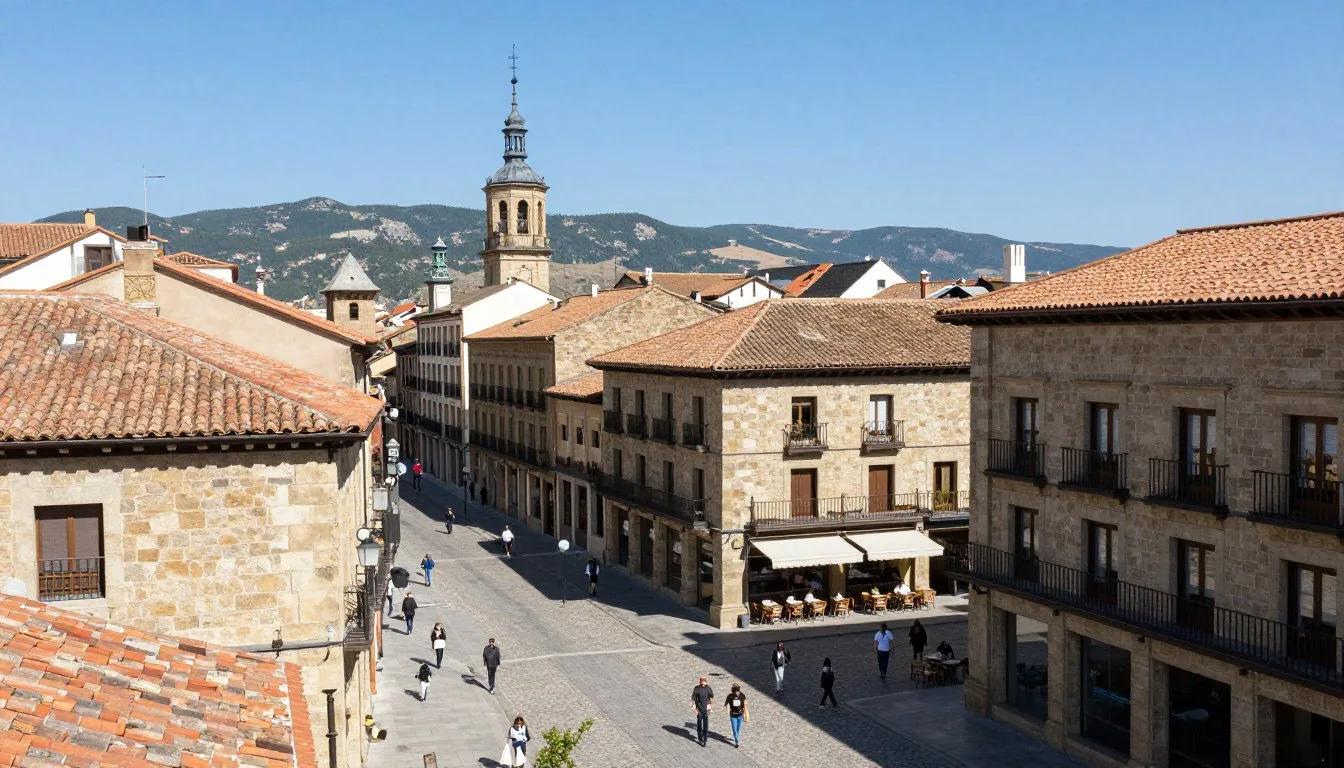
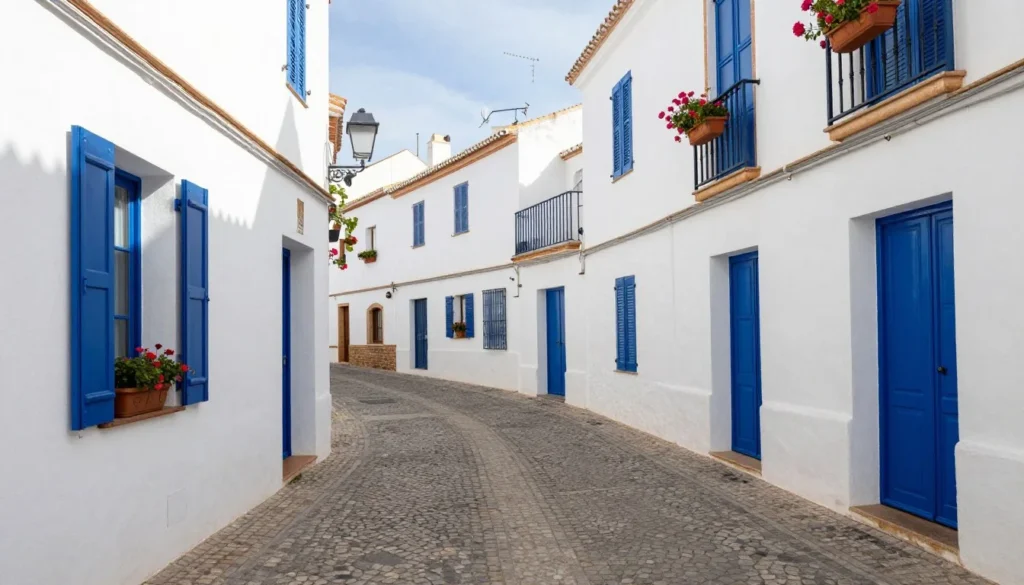
The best way to experience Cadaques involves wandering without a fixed plan. Get deliberately lost in the maze of whitewashed lanes. Each corner reveals charming details. Blue-painted doors contrast with stark white walls. Bougainvillea cascades from balconies.
Comfortable walking shoes are essential. Cobblestones can be uneven. Many streets climb steeply up hillsides. The effort rewards you with stunning views over red-tiled rooftops to the sea.
Local Transportation
Taxis operate in town but aren’t usually necessary. A local bus runs to Port Lligat and the Dali House Museum. This saves the pleasant 20-minute walk along the coast. Service is infrequent, so check schedules.
Bicycle rentals offer another option for exploring. The area around town is quite hilly. Electric bikes make more sense than traditional models. Several shops near the waterfront rent bikes during tourist season.
Where to Stay
Accommodation options in Cadaques range from basic to boutique. The small town limits choices compared to larger Costa Brava resorts. Booking ahead is crucial for summer visits.
Waterfront Hotels
Hotel Playa Sol occupies a prime beachfront position. Rooms offer direct sea views. The location puts you steps from the best restaurants. Prices reflect the premium setting. Expect to pay more during high season.
Several smaller hotels line the waterfront promenade. These family-run establishments provide authentic local hospitality. Rooms tend to be simple but clean. The sound of waves lulls you to sleep at night.
Old Town Apartments
Vacation rentals provide good value for longer stays. Many historic houses have been converted into apartments. These typically feature traditional architecture with modern amenities. You’ll find small kitchens useful for preparing simple meals.
The old town area offers the most atmosphere. Expect steep stairs and no elevators in older buildings. Some apartments nestle in quiet corners away from the bustle. Others sit above lively cafes and shops.
Budget Options
Limited budget accommodation exists within Cadaques itself. A few hostels and pensiones offer basic rooms. These fill quickly with young travelers. The quality varies considerably.
Camping provides the most economical choice. Camping Cadaques sits about 1 km (0.6 miles) from the town center. The site offers tent pitches and small bungalows. Facilities are basic but adequate. The walk into town takes about 15 minutes.
Dining and Local Cuisine
Seafood dominates menus throughout Cadaques. The fishing heritage continues today. Boats still bring in daily catches. Restaurants prepare traditional Costa Brava recipes passed down through generations.
Local Specialties
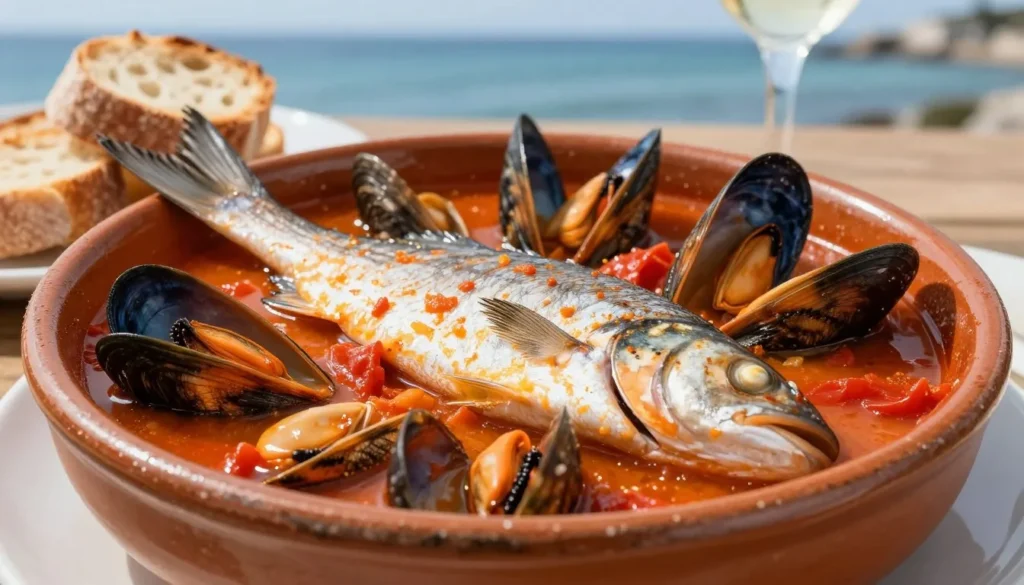
Suquet de peix is the signature dish. This rich fish stew combines local catch with potatoes and aioli. Each restaurant has its own recipe. The best versions use rockfish caught that morning.
Arroz negro appears on nearly every menu. This black rice dish gets its color from squid ink. Fresh seafood tops the creamy rice. The dramatic presentation makes for great photos.
Anchoas de Cadaques are world-famous. These anchovies are salt-cured using traditional methods. Local families have perfected the technique over centuries. You can buy jars to take home from specialty shops.
Waterfront Restaurants
Restaurants line the beachfront promenade. Tables spill onto the pedestrian walkway. Dining with sea views costs a premium. Service can be slow during busy periods. The atmosphere makes up for any wait.
Compartir draws food enthusiasts from far beyond Cadaques. This modern tapas restaurant earned a Michelin recommendation. Sharing plates showcase creative takes on Catalan classics. Reservations are absolutely essential.
Hidden Gems
The best value often hides on side streets away from the water. Small family-run taverns serve hearty portions at fair prices. Casa Anita has fed locals and visitors for decades. The menu is simple but everything tastes authentic.
Look for restaurants filled with Spanish-speaking customers. This usually indicates good food at reasonable prices. Don’t expect English menus or tourist-friendly service. The experience feels more genuine.
Dining Tip: Lunch service runs from 1:30 PM to 3:30 PM. Dinner starts around 8:30 PM or later. Arriving earlier means you’ll find empty restaurants. Spaniards eat late, especially in summer when heat makes early dining uncomfortable.
Attractions, Sightseeing and Activities
Beyond its natural beauty, Cadaques offers numerous things to see and do. Art, history, and outdoor adventure blend seamlessly. You could easily spend several days exploring without exhausting the options.
Dali House Museum
The Salvador Dali House-Museum in nearby Port Lligat ranks as the top attraction. Dali lived and worked here for nearly 50 years. The eccentric home reveals intimate details about the artist’s life. Each room reflects his surrealist vision.
Advance booking is mandatory. The museum limits visitor numbers to protect the delicate interiors. Tours last about 40 minutes. Audio guides available in multiple languages explain each space. The ticket price is €14 for adults.
The museum sits a 20-minute walk from central Cadaques. The coastal path offers beautiful views. Allow at least two hours for the round trip visit.
Church of Santa Maria
This 16th-century church dominates the Cadaques skyline. The bell tower serves as a navigation point throughout town. Inside, a stunning Baroque altarpiece covers the entire wall behind the altar. Gold leaf glitters in candlelight.
The church opens for visits outside of service times. Entry is free but donations are appreciated. Climb the tower for panoramic views over town and coast. The narrow spiral staircase requires some fitness.
Beach Time
Platja de Cadaques forms the heart of town. This small pebble beach gets crowded quickly. The water is remarkably clear. Families with children fill the shallow areas. The beach faces east, making mornings the best time for sun.
Platja Es Pianc offers a quieter alternative. This tiny cove sits a short walk south of the main beach. Larger pebbles make water shoes advisable. The setting feels more secluded and romantic.
Several other small beaches dot the coastline within walking distance. Each has its own character. Some attract nudists. Others remain family-friendly. Exploring different spots adds variety to a beach-focused trip.
Museums, Cultural Spots and Festivals
Art runs deep in the DNA of Cadaques. Dali’s presence looms largest, but other artists found inspiration here too. The town maintains several cultural venues worth visiting.
Museu de Cadaques
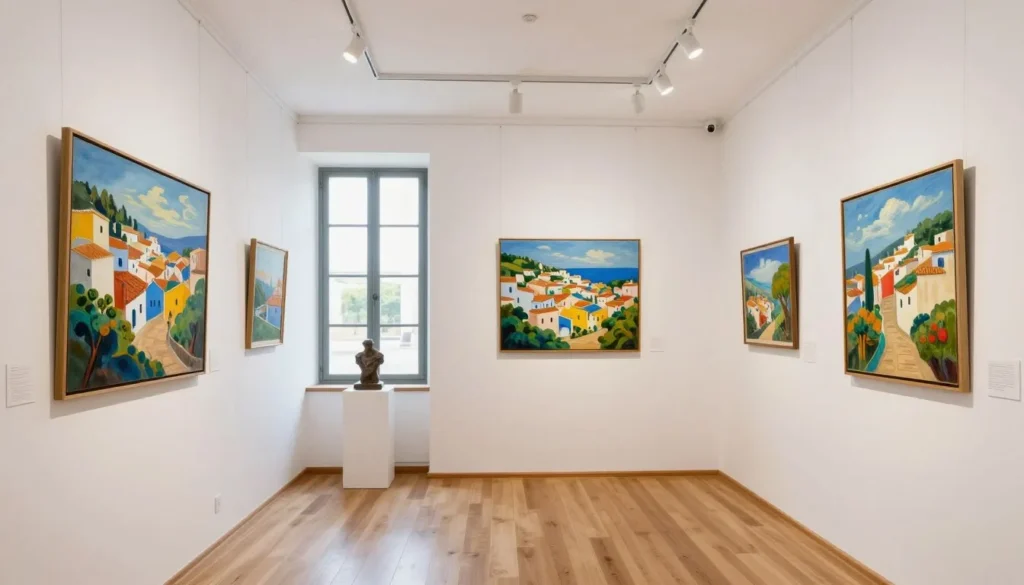
This municipal museum occupies a restored 19th-century house. Permanent exhibits trace the town’s artistic heritage. Works by local artists hang alongside pieces by visitors who found inspiration here. The collection includes paintings, sculptures, and drawings.
Special exhibitions rotate throughout the year. These often feature contemporary artists. The museum is small but well-curated. Admission costs just €5. The museum closes on Mondays.
Art Galleries
Numerous galleries cluster in the old town streets. Some represent established artists. Others showcase emerging talent. Quality varies considerably. Browsing makes a pleasant rainy-day activity.
Gallery Diart has operated since 1979. The space features contemporary Mediterranean art. Prices range from affordable prints to investment pieces. The owner is happy to discuss the local art scene.
Cultural Events
Beyond major festivals, smaller cultural events happen regularly. Art openings occur frequently during summer. Free outdoor concerts enliven summer evenings. Check with the tourism office for current listings.
The town’s cultural association organizes lectures and film screenings. These mostly cater to local residents and Spanish speakers. But the welcoming atmosphere makes visitors feel included.
Nature and Outdoor Experiences
The dramatic landscape surrounding Cadaques offers endless outdoor possibilities. Cap de Creus Natural Park protects the rugged coastline. Hiking trails wind through scenery that inspired countless artists.
Cap de Creus Natural Park
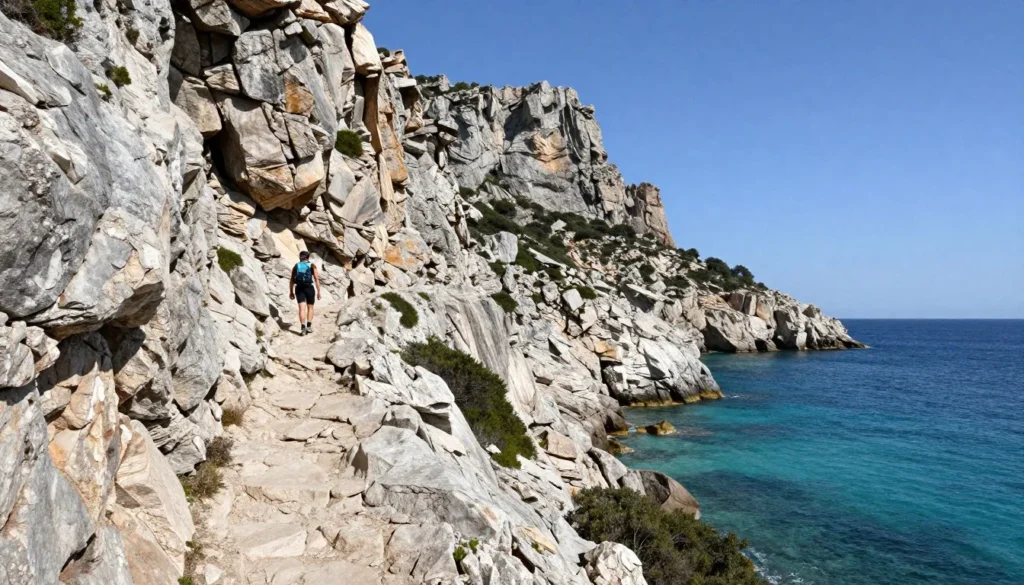
This protected area encompasses the easternmost point of mainland Spain. Wind and waves have sculpted bizarre rock formations. The landscape looks almost lunar in places. Dali drew inspiration from these surreal shapes.
The lighthouse at Cap de Creus marks the end of the peninsula. A restaurant here serves meals with spectacular views. The drive or hike to reach it crosses dramatic terrain. The road winds through hills covered in scrubby vegetation.
Numerous hiking trails crisscross the park. Routes range from easy coastal walks to challenging mountain treks. The GR-92 long-distance trail passes through on its journey along the Costa Brava. Pick up trail maps at the Cadaques tourism office.
Water Activities
Kayaking reveals hidden coves inaccessible by land. Several outfitters rent kayaks by the hour or day. Guided tours visit the best spots along the coast. The calm morning sea provides ideal conditions for beginners.
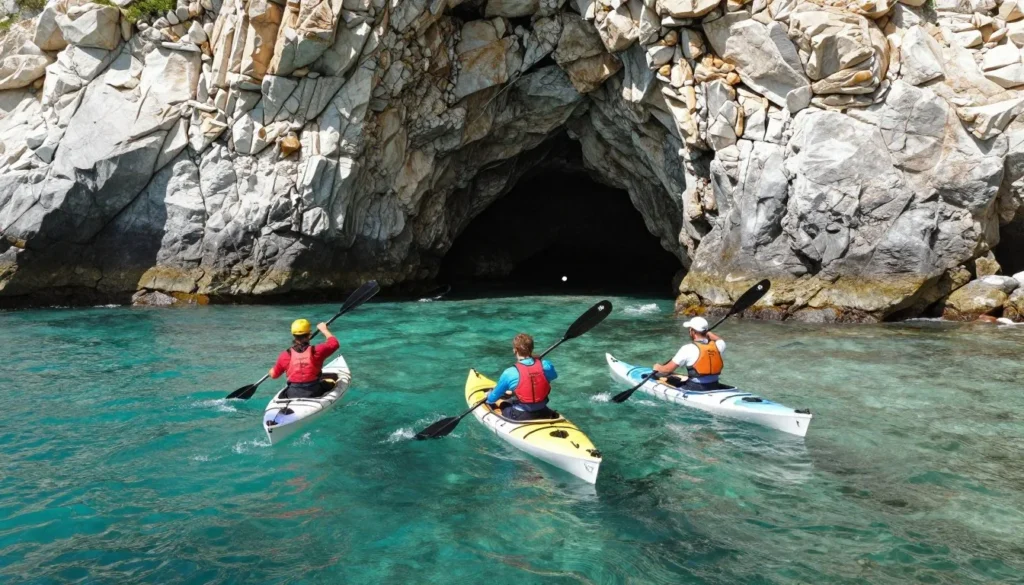
Snorkeling and scuba diving attract underwater enthusiasts. The rocky seabed harbors diverse marine life. Visibility often exceeds 20 m (66 feet). Several dive centers offer guided dives and equipment rental. PADI courses are available for those wanting to learn.
Stand-up paddleboarding has grown popular in recent years. The protected bay provides perfect conditions. Rentals are available right on the main beach. Early morning offers the calmest water and best light.
Boat Excursions
Small boat tours depart daily during summer. These trips explore the coastline from a different perspective. Some visit remote beaches. Others focus on the dramatic cliffs and caves. Tours typically last two to three hours.
Private boat charters cost more but offer flexibility. You can create your own itinerary. Swimming stops in secluded coves make for unforgettable experiences. Sunset cruises provide romantic evening entertainment.
Travel With Children
Cadaques works well for family travel with some planning. The village atmosphere feels safe and manageable. Kids enjoy the beach and outdoor activities. But the hilly terrain and lack of playgrounds present challenges.
Family-Friendly Activities
The beach naturally occupies children for hours. Pebbles rather than sand mean less mess. The calm, shallow water suits young swimmers. Bring water shoes for comfort on the stones.
Ice cream shops line the waterfront. Letting kids choose their own flavors makes a nice daily ritual. Spanish ice cream is exceptional. The variety of flavors appeals to adventurous eaters.
Boat trips appeal to children of all ages. Seeing the coast from the water creates excitement. Some operators offer shorter family-friendly excursions. These work better for shorter attention spans.
Practical Considerations
Strollers prove difficult on cobblestone streets. Baby carriers work much better. The hills make pushing a stroller exhausting anyway. Most restaurants welcome children but high chairs are uncommon.
Child-specific menus are rare. Kids can order smaller portions of adult dishes. Most restaurants happily accommodate simple requests. Plain pasta or grilled fish usually satisfies picky eaters.
The late dining schedule challenges families. Young children struggle to wait until 9 PM for dinner. Consider eating at tourist-oriented restaurants that serve earlier. Or pack snacks to tide kids over until proper dinnertime.
Family Tip: The Dali House Museum has an age restriction. Children under 8 are not admitted. This rule protects the delicate interiors. Plan for one parent to visit while the other explores town with younger kids.
Money Saving Tips
Cadaques isn’t the cheapest destination on the Costa Brava. But smart travelers can control costs without sacrificing enjoyment. A few strategies make a noticeable difference to your budget.
Accommodation Savings
Visit during shoulder season for significantly lower hotel rates. May, June, September, and October offer good weather at reduced prices. Some hotels drop rates by 30-40% compared to peak summer.
Check 30,000+ Local Sightseeing Tours Worldwide
✓ Numerous languages and currencies are available
Apartments provide better value for stays longer than a few nights. Shopping at local markets and preparing some meals saves considerable money. Even making breakfast in your apartment reduces daily expenses.
Consider staying in nearby towns like Roses or Port de la Selva. Prices there run lower. The drive to Cadaques takes only 15-20 minutes. You get the area experience at reduced cost.
Dining on a Budget
Lunch menus offer exceptional value. Many restaurants serve menú del día, a fixed-price lunch. This typically includes starter, main course, dessert, and drink. Prices range from €12 to €20. The same food costs double at dinner.
Picnics make sense for day trips. The local market sells fresh bread, cheese, and produce. Add some of those famous Cadaques anchovies. Find a scenic spot and enjoy a fraction of restaurant prices.
Avoid waterfront restaurants for everyday meals. Walk two blocks inland for noticeably lower prices. The food quality often equals or exceeds tourist-trap establishments. Locals know where to eat well without overpaying.
Activity Savings
Hiking costs nothing beyond shoe leather. The area offers world-class trails for free. Pack water and snacks rather than relying on expensive cafes along the way.
Free cultural events happen regularly, especially in summer. Concert series and art exhibitions provide evening entertainment at no cost. Check community bulletin boards and tourism office listings.
The beach remains free, unlike some European destinations that charge for access. Bring your own umbrella and beach gear rather than renting. This small investment pays off quickly.
Budget-Friendly Options
- Visit during May or September for lower prices
- Book apartments instead of hotels
- Eat the daily lunch menu at restaurants
- Shop at local markets for picnic supplies
- Choose hiking over paid activities
- Bring beach equipment from home
Worth the Splurge
- Dali House Museum admission
- One special seafood dinner
- Guided kayak tour of hidden coves
- Locally cured Cadaques anchovies
- Sunset boat cruise
- Quality olive oil from local producers
Safety and Local Customs
Cadaques ranks as one of Spain’s safest destinations. The small-town atmosphere discourages crime. Still, basic precautions make sense anywhere travelers gather.
Personal Safety
Petty theft occasionally targets tourists. Keep valuables secure, especially on the beach. Don’t leave bags unattended while swimming. Car break-ins can occur in remote parking areas.
The rocky coastline demands respect. Waves can catch unwary swimmers. Pay attention to warning signs and flags. Strong currents exist around Cap de Creus. Only experienced swimmers should venture far from shore.
Heat and sun intensity surprise many visitors. Temperatures exceeding 30°C (86°F) combined with bright reflection off white buildings can cause sunburn and dehydration. Wear sunscreen, hats, and sunglasses. Drink plenty of water throughout the day.
Local Etiquette
Catalans appreciate when visitors attempt basic Catalan phrases. “Bon dia” (good morning) and “merci” (thank you) go a long way. Spanish works fine everywhere, but the local language earns respect.
Dining customs differ from North American norms. Spaniards eat late and linger over meals. Rushing through dinner is considered odd. Servers won’t bring the bill until you request it. This isn’t poor service; it’s politeness.
Tipping practices are more modest than in the US. Rounding up the bill or leaving 5-10% is appropriate for good service. Large tips actually make servers uncomfortable. Service charge is included in listed prices.
Respecting the Environment
Cap de Creus Natural Park has strict regulations. Stay on marked trails to protect fragile vegetation. Take all trash with you. Fires are prohibited due to extreme fire danger. The Tramuntana wind can spread flames rapidly.
Marine protection zones prohibit fishing and collecting shells. These regulations preserve the underwater ecosystem. Respect marked boundaries when diving or snorkeling.
Important: Swimming from the lighthouse area at Cap de Creus is extremely dangerous. Strong currents and hidden rocks have caused fatal accidents. Stick to designated swimming areas in Cadaques town and marked beaches.
Visitor Comments About Cadaques
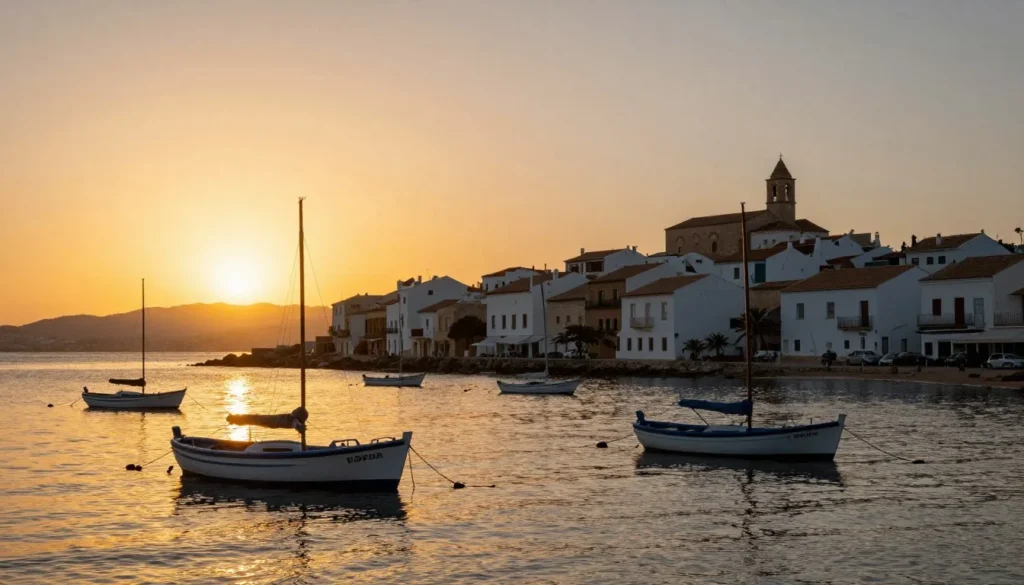
“We spent three nights in Cadaques and wished we’d planned a whole week. The Dali House Museum exceeded our expectations. Every corner of the old town revealed something beautiful. The seafood at Casa Anita was the best meal of our entire Spain trip. We’ll definitely return.”
“Cadaques offered exactly the authentic Mediterranean experience we sought. Unlike touristy Costa Brava resorts, this place feels genuinely Spanish. We loved the evening stroll along the waterfront. The way locals greeted each other made us feel part of something special. The coastal hiking in Cap de Creus took our breath away.”
“As an artist, visiting the place that inspired Dali was a pilgrimage. The quality of light really is extraordinary. I filled an entire sketchbook during our stay. The village maintains its character despite tourism. Highly recommend visiting outside peak summer for a more peaceful experience. The beauty of this coast is simply unmatched.”
Additional Nearby Destinations
Cadaques makes an excellent base for exploring the wider Costa Brava region. Several worthwhile destinations lie within easy day trip distance. Each offers its own character and attractions.
Figueres
This inland city sits 30 km (19 miles) from Cadaques. The Teatro-Museo Dali ranks among Spain’s most visited museums. Dali designed this surrealist temple to his own work. The building itself qualifies as art. Plan three hours minimum for your visit.
Figueres also offers excellent shopping and dining options. The weekly market fills the streets every Thursday. Traditional Catalan products and local food create a lively atmosphere.
Roses
Just 16 km (10 miles) south, Roses presents a completely different vibe. This larger resort town has extensive sandy beaches. The ancient Greek ruins at Rhode add historical interest. A 16th-century citadel overlooks the harbor.
Roses makes a good alternative base if Cadaques accommodation is full. The town offers more restaurants and nightlife. Water sports facilities are more extensive. The drive to Cadaques takes only 20 minutes.
Empuries Archaeological Site
These Greek and Roman ruins sit about 40 km (25 miles) south. The site overlooks beautiful beaches. Walking among columns and mosaics dating back 2,500 years creates a powerful connection to the past. The small museum provides context.
Combine this visit with beach time at nearby Sant Marti d’Empuries. This tiny medieval village has excellent restaurants. The combination makes a perfect day trip from Cadaques.
Practical Travel Tips
A few final details help ensure a smooth visit. These practical points address common questions and situations travelers encounter in Cadaques.
Money and Banking
Spain uses the euro. Credit cards are widely accepted in restaurants and hotels. Smaller shops and market vendors prefer cash. ATMs are available in central Cadaques. Withdrawal fees vary by bank.
Notify your bank before traveling to avoid card blocks. International transaction fees can add up quickly. Consider a no-fee travel credit card if you travel frequently.
Language
Catalan is the primary language spoken locally. Most people also speak Spanish fluently. English proficiency varies widely. Tourist-oriented businesses usually have English-speaking staff. Learning a few basic Spanish phrases helps in smaller establishments.
Restaurant menus increasingly offer English translations. Don’t hesitate to use translation apps on your phone. Most locals appreciate the effort even if you struggle with pronunciation.
Internet and Connectivity
WiFi is standard in hotels and most restaurants. Connection quality varies. Cell phone coverage is generally good. International roaming charges can be expensive for non-EU visitors. Consider buying a local SIM card for longer stays.
Public WiFi hot spots exist in the main square. The connection is often slow during busy periods. Don’t rely on it for important tasks.
Useful Phone Numbers
What to Pack
Comfortable walking shoes are essential for cobblestone streets. A light jacket helps on breezy evenings even in summer. The Tramuntana wind can make temperatures feel cooler than expected.
Sun protection is critical. Bring high-SPF sunscreen, a hat, and quality sunglasses. The intensity of Mediterranean sun surprises many northern visitors. Reef-safe sunscreen helps protect the marine environment.
A reusable water bottle reduces plastic waste. Public fountains provide safe drinking water. Staying hydrated matters in the heat.
Shopping Hours: Most shops close from 2 PM to 5 PM for siesta. This tradition persists even in tourist areas. Plan shopping for morning or late afternoon. Restaurants also close between lunch and dinner service. Expect limited options from 4 PM to 8 PM.
Your Cadaques Adventure Awaits
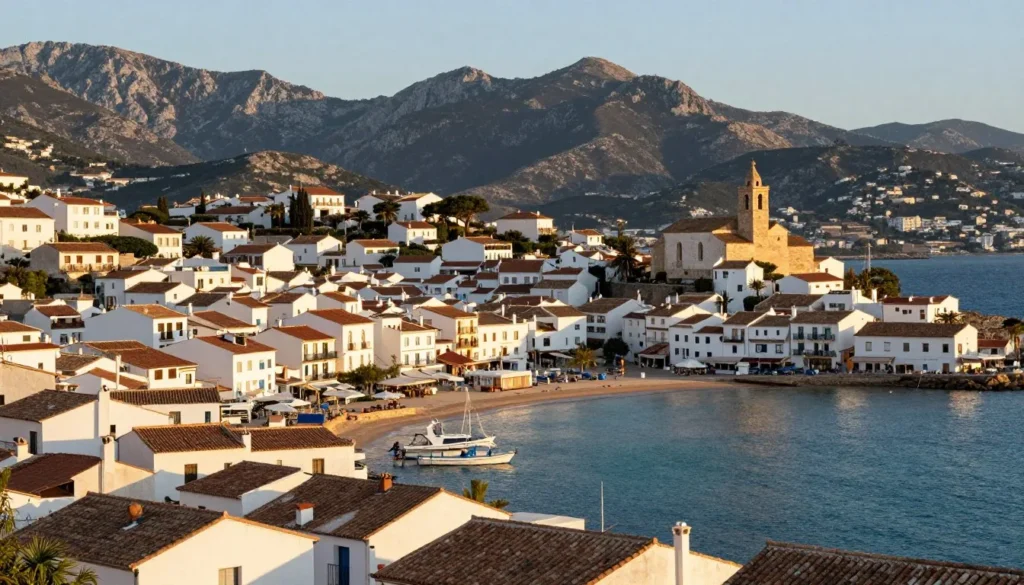
This remarkable corner of the Costa Brava continues to cast its spell on visitors just as it did on Salvador Dali decades ago. The combination of dramatic natural beauty, authentic Mediterranean culture, and artistic heritage creates something truly special. Whether you spend a day trip from Barcelona or a week soaking up the atmosphere, Cadaques rewards those who make the journey.
The whitewashed houses, crystalline water, and rugged coastline form just the backdrop. The real magic lies in wandering the narrow streets at sunset. In tasting seafood that was swimming that morning. In standing where Dali stood, seeing the light that inspired his greatest works. In feeling the fierce Tramuntana wind that shapes everything about this place.
Pack your bags, book that trip, and prepare to fall in love with one of Spain’s most enchanting villages. Cadaques is waiting to share its timeless beauty with you.