Hotels by Trip.com
Flights by Trip.com
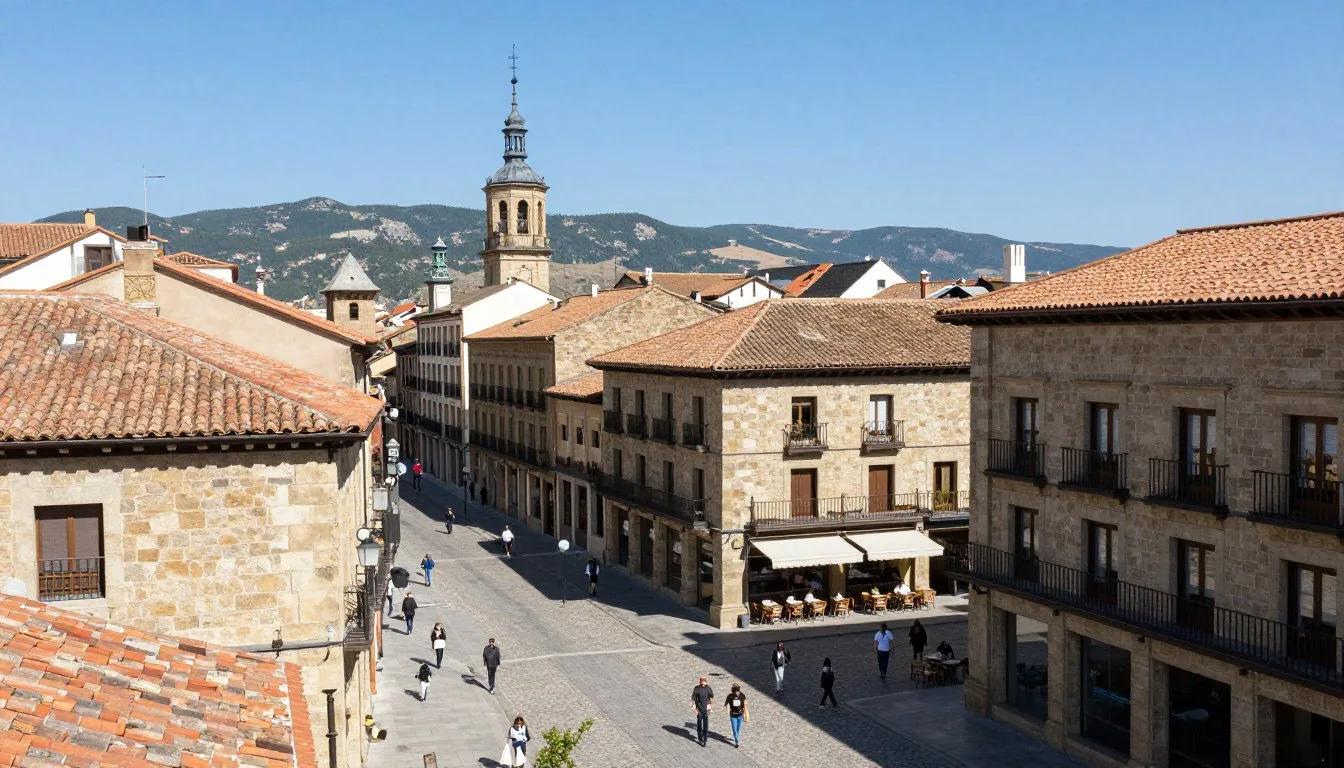
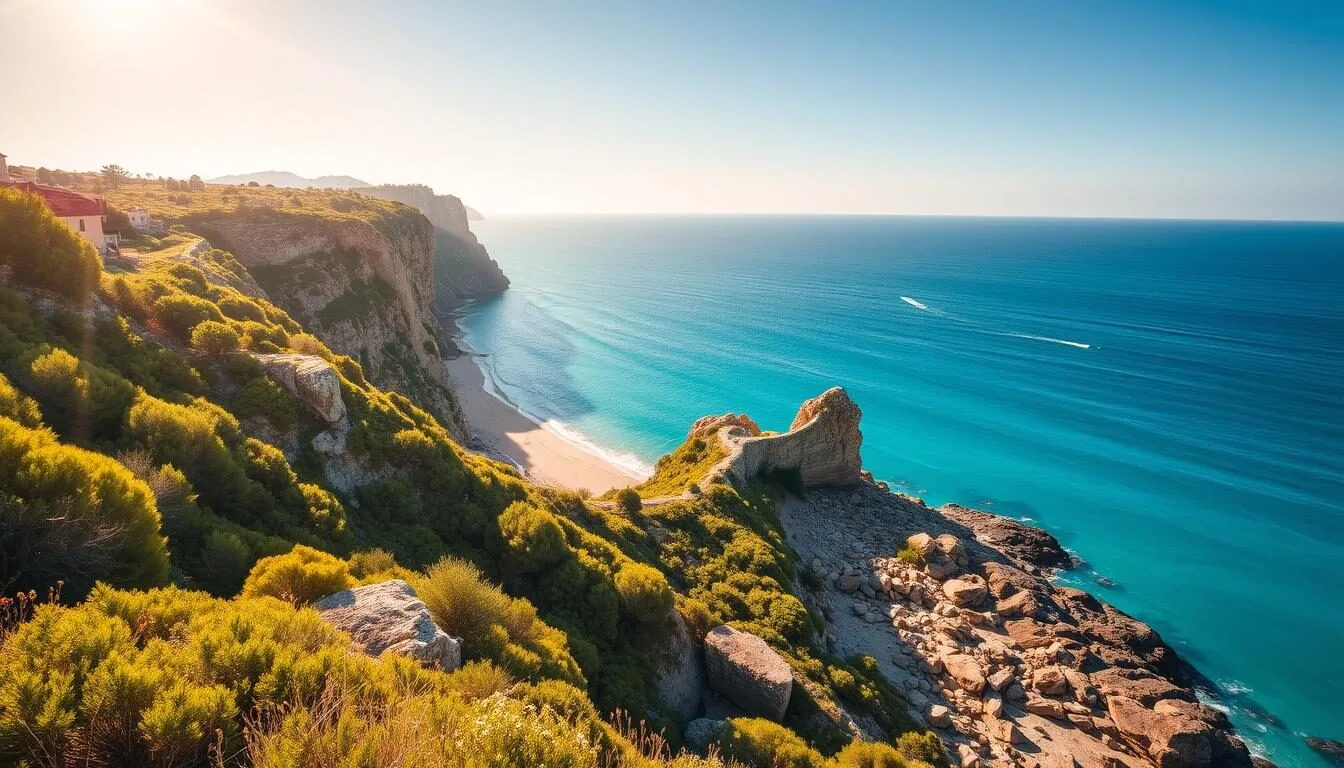
Imagine a coastline where rugged cliffs meet secluded coves and golden sandy beaches, all set against the backdrop of the Pyrenees mountains. Welcome to Costa Brava, a hidden gem in northeastern Spain that’s waiting to be explored.
Costa Brava, or ‘wild coast’ in Spanish, is a treasure trove of natural beauty, rich cultural heritage, and exciting activities. As you visit this stunning region, you’ll discover dramatic cliffs, hidden coves, and wide sandy beaches that make it one of Europe’s most beautiful coastlines.
From the charming towns and villages to the ancient Greek and Roman ruins, and the artistic legacy of Salvador Dalí, Costa Brava has something for everyone. Whether you’re looking to relax on the beach, engage in water sports, or explore the local culture, this region promises an unforgettable experience.
Discovering the Wild Coast of Spain
Tucked away in the northeastern corner of Spain lies Costa Brava, a hidden gem waiting to be explored. As you delve into this enchanting region, you’ll uncover the essence of its wild coast.
What Makes Costa Brava Special
Costa Brava stands out for its unspoiled natural beauty, rich cultural heritage, and diverse landscapes. The region boasts a unique blend of rugged coastline, secluded coves, and picturesque villages. You can explore the historic towns, visit ancient ruins, and enjoy the local cuisine, making it an ideal destination for a wide range of travelers.
The area is also known for its association with Salvador Dalí, one of Spain’s most famous artists, who drew inspiration from the landscapes and light of Costa Brava.
Geography and Location
The Costa Brava coast stretches from the town of Blanes, approximately 60km northeast of Barcelona, all the way to the French border. This coast is part of the Girona province, one of the four provinces that make up the autonomous community of Catalonia. The proximity to Barcelona, the capital of Catalonia, makes it an easily accessible destination, with travel times ranging from 1 to 2 hours depending on your location within Costa Brava.
| Location | Description |
|---|---|
| Northeastern Spain | Stretching from Blanes to the French border |
| Girona Province | Part of the Catalonia autonomous community |
| Proximity to Barcelona | 1-2 hours travel time |
Best Time to Visit Costa Brava
The ideal time to visit Costa Brava depends on your preferences and what you want to do. Whether you’re looking for a relaxing beach vacation, an action-packed adventure, or a cultural experience, Costa Brava has something to offer throughout the year.
Summer Season: June to August
Summer is the peak tourist season in Costa Brava, with warm weather and long days perfect for beach activities and water sports. The towns along the coast are bustling with visitors, and the region is alive with festivals and events.
During this time, you can enjoy the beautiful beaches, explore the historic towns, and experience the local cuisine.
Shoulder Seasons: May and September
The shoulder seasons offer a great balance between pleasant weather and fewer crowds. May is a lovely time to visit, with mild temperatures and the region’s flora in full bloom. September is similarly pleasant, with warm weather continuing and the summer crowds dissipating.
✓ Check 30,000+ Local Sightseeing Tours Worldwide
These periods are ideal for those who prefer a more relaxed atmosphere while still enjoying outdoor activities.
Off-Season: October to April
Visiting Costa Brava during the off-season can be a rewarding experience, especially for those interested in cultural experiences and photography. Many towns remain open, offering a glimpse into local life, and the mild Mediterranean climate means that sunny days are still common.
You’ll discover the unique charm of Costa Brava during the quieter winter months, when many tourists have departed. Some infrastructure remains open, and it’s a great time to find deals on accommodations. Winter days in Catalonia are sunny, making afternoons perfect for hiking or simply enjoying a sunny terrace.
- You’ll learn about the mild Mediterranean winter climate, with its sunny days that can still be perfect for hiking and exploring.
- We’ll highlight the significant cost savings on accommodations and the more authentic local experience you can enjoy during this period.
- You’ll understand why off-season visits are ideal for travelers interested in photography, cultural experiences, and connecting with local life rather than beach activities.
How to Get to Costa Brava
Whether you’re flying, driving, or using public transport, Costa Brava is accessible and waiting to be explored. This beautiful coastal region in Spain offers a range of transportation options to suit different travelers’ needs.
By Air: Nearest Airports
The closest airports to Costa Brava are Girona-Costa Brava Airport and Barcelona-El Prat Airport. Girona-Costa Brava Airport is a convenient option, with several low-cost airlines operating from here. Barcelona-El Prat Airport is a larger international airport that offers a wider range of flights. From either airport, you can rent a car or use public transportation to reach your destination in Costa Brava.

By Car: Driving Routes
Driving to Costa Brava offers flexibility and scenic views. From Barcelona, take the C-32 highway northwards, which will take you through the coastal towns. Alternatively, you can use the AP-7 toll road for a faster journey. If you’re coming from the French border, the AP-7 is also your best bet. Ensure you have a valid driver’s license and car insurance, and be aware that some roads in Costa Brava can be narrow and winding.
By Public Transportation
Costa Brava is well-connected by public transportation, with buses operated by companies like Moventis. You can take a bus from Barcelona or Girona to various towns in Costa Brava, such as L’Escala, Begur, and Palafrugell. While buses are a convenient option, they may stop at multiple villages along the way, making the journey longer. Planning ahead and checking bus schedules in advance is recommended to make the most of your trip.
Tips for Using Public Transport: To navigate the bus system effectively, consider buying tickets in advance and planning your connections carefully. You can also combine bus travel with other options like taxis or boat services to enhance your mobility without a car.
How Long to Spend in Costa Brava
Costa Brava, with its rich history and beautiful landscapes, is a destination that can be enjoyed in various ways depending on the length of your stay. The region offers a mix of cultural experiences, beautiful beaches, and charming towns and villages to explore.
Weekend Getaway: 2-3 Days
If you’re visiting as part of a longer trip or just want a quick beach fix, 2-3 days can give you a taste of Costa Brava. You’ll have time to visit a couple of beaches and explore a nearby town. For instance, you could base yourself in Tossa de Mar and visit Lloret de Mar or Blanes.
Ideal Visit: 4-5 Days
With 4-5 days, you can experience more of what Costa Brava has to offer. This duration allows you to visit multiple villages and beaches, and even take a day trip to a nearby region like the Pyrenees. You can explore the charming towns of Cadaqués and Calella de Palafrugell, enjoying the local cuisine and culture.
Extended Stay: 7+ Days
For a truly immersive experience, consider staying 7 days or more in Costa Brava. This allows you to explore the region at a leisurely pace, revisit your favorite beaches, and discover hidden gems. You can base yourself in different locations to experience various parts of the coast, making the most of your place in Costa Brava.
| Duration | Activities | Places to Visit |
|---|---|---|
| 2-3 Days | Quick beach visits, town exploration | Tossa de Mar, Lloret de Mar, Blanes |
| 4-5 Days | Multiple village visits, day trips | Cadaqués, Calella de Palafrugell, Pyrenees |
| 7+ Days | Leisurely exploration, revisiting favorites | Various beaches, hidden gems, local towns |
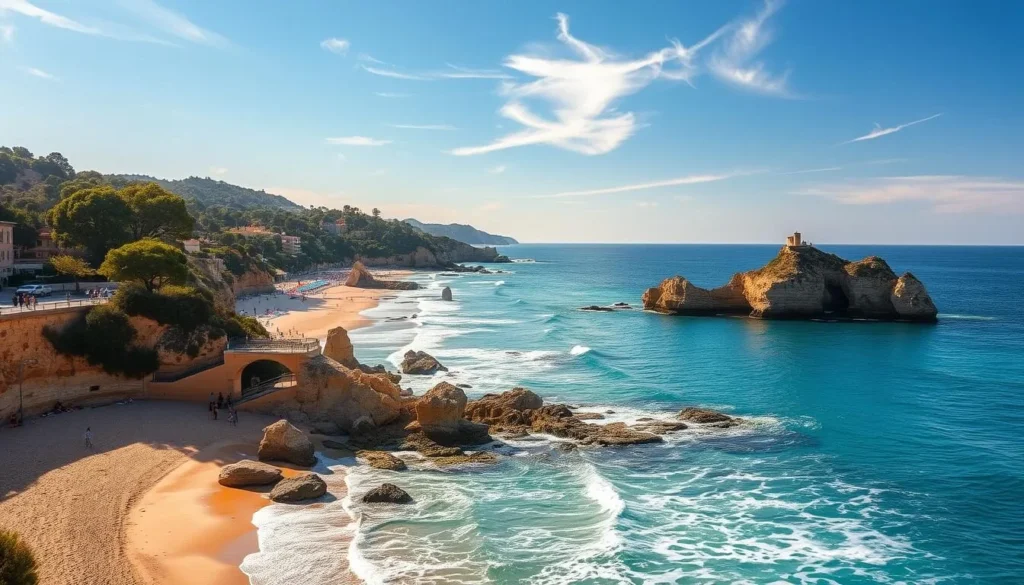
Where to Stay in Costa Brava
The choice of where to stay in Costa Brava can significantly impact your vacation, with options ranging from luxury to budget-friendly. Costa Brava, known for its stunning coastline and charming towns, offers a diverse range of accommodations to suit every traveler’s needs.
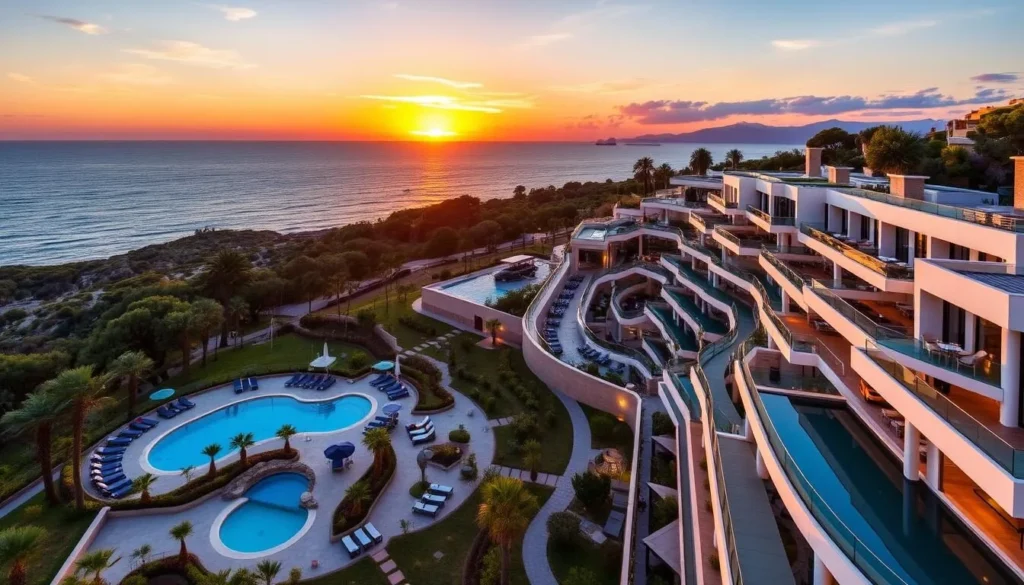
Luxury Accommodations
For those seeking a luxurious experience, Costa Brava has several high-end hotels that offer top-notch amenities and services. These luxury accommodations are often located in prime areas, providing easy access to the region’s most beautiful beaches and attractions. You can enjoy fine dining, spa treatments, and elegant rooms, making your stay truly unforgettable.
Mid-Range Options
Mid-range hotels and resorts in Costa Brava offer a great balance between quality and price. Many of these establishments are family-run, providing a personal touch and local insight. You’ll find that they often have excellent locations, comfortable rooms, and amenities such as pools and restaurants, making them ideal for families and couples alike.
Budget-Friendly Stays
For travelers on a budget, Costa Brava has plenty of affordable accommodation options without compromising on comfort or location. Hotels like Hotel Port-Bo and Hotel Terramar offer excellent value for money, with prices starting from $70 and $100, respectively. You can also consider staying in towns like Calella de Palafrugell, which offer a range of budget-friendly accommodations and easy access to beautiful beaches.
Additionally, alternative budget options such as hostels, guesthouses, and camping sites are available throughout the region, providing flexibility for different types of travelers. By considering shoulder seasons and booking in advance, you can find the best deals and enjoy Costa Brava without breaking the bank.
Whether you’re looking for luxury, mid-range, or budget-friendly accommodations, Costa Brava has something for everyone. By choosing the right place to stay, you can enhance your overall experience and create lasting memories of your trip.
Costa Brava, Spain: Best Things to Do – Top Picks
The charm of Costa Brava lies in its ability to blend traditional Catalan culture with modern attractions, making it an ideal destination for a wide range of travelers. Whether you’re looking to relax on its beautiful beaches, engage in water sports, or immerse yourself in its rich cultural heritage, Costa Brava has something for everyone.
Beach Activities
Costa Brava is renowned for its stunning beaches, which offer a variety of activities for visitors. You can enjoy swimming, sunbathing, and beach volleyball, or try your hand at paddleboarding and kayaking. The clear waters and pristine sand make these beaches perfect for families and those looking to unwind.
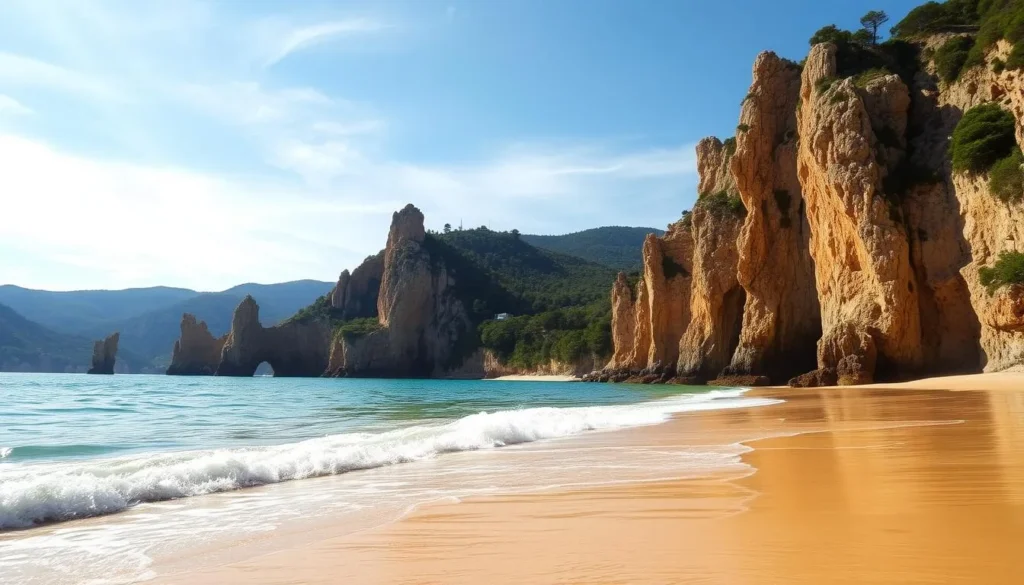
Water Sports
For the more adventurous, Costa Brava offers a range of water sports. You can sail, snorkel, or dive in the protected marine reserves, such as the Illes Medes. The region’s calm and clear waters make it an ideal spot for learning new water skills or simply enjoying the marine life.
Cultural Experiences
Costa Brava is not just about its beaches; it’s also a region rich in cultural heritage. You can explore the historic town centers, visit ancient ruins like Empúries, and enjoy local festivals that showcase traditional Catalan customs. The region’s connection to artists like Salvador Dalí is evident in its museums and galleries, offering a unique cultural experience.
| Activity | Location | Description |
|---|---|---|
| Beach Relaxation | Tossa de Mar | Enjoy the golden sand and clear waters of this popular beach town. |
| Snorkeling | Illes Medes | Explore the marine life in this protected reserve. |
| Cultural Visit | Figueres | Visit the Dalí Theatre-Museum to experience the region’s artistic heritage. |
As you plan your trip to Costa Brava, you’ll find that the region’s charm is evident in its charming towns and villages, rich cultural scene, and beautiful landscapes. Whether you’re staying in a town like Tossa de Mar or exploring the surrounding villages, you’ll discover the unique character of Costa Brava.
Most Beautiful Towns in Costa Brava
From historic cities to quaint coastal villages, Costa Brava offers a diverse range of beautiful towns to explore. You’ll discover charming streets, rich history, and stunning landscapes as you visit these must-see destinations.
Cadaqués: Dalí’s Inspiration
Cadaqués is a picturesque fishing village that captivated the heart of Salvador Dalí, becoming a frequent retreat for the artist. You can stroll along its narrow streets, visit the iconic House-Museum, and enjoy the serene beaches.
Tossa de Mar: Medieval Charm
Tossa de Mar boasts a well-preserved medieval old town, enclosed within ancient walls that transport you back in time. Enjoy the town’s vibrant atmosphere, beautiful beaches, and crystal-clear waters.
Calella de Palafrugell: Whitewashed Beauty
Calella de Palafrugell is renowned for its stunning coves and whitewashed houses. You can explore the charming streets, visit the beautiful beaches, and enjoy the local cuisine.
Begur: Hilltop Elegance
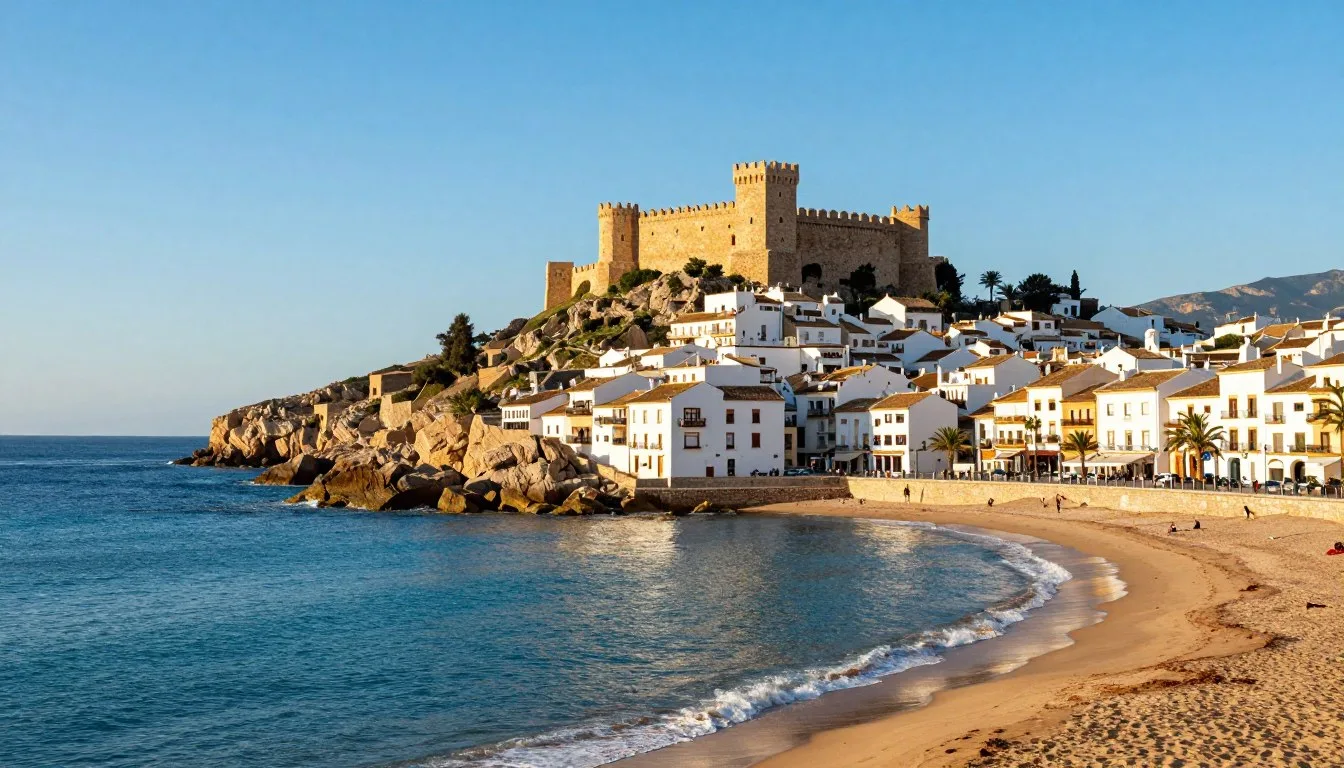
Begur is a charming hilltop town with a rich history, offering breathtaking views of the surrounding landscape. Explore its medieval castle, visit the local shops, and enjoy the elegant atmosphere.
Girona: Gateway to Costa Brava
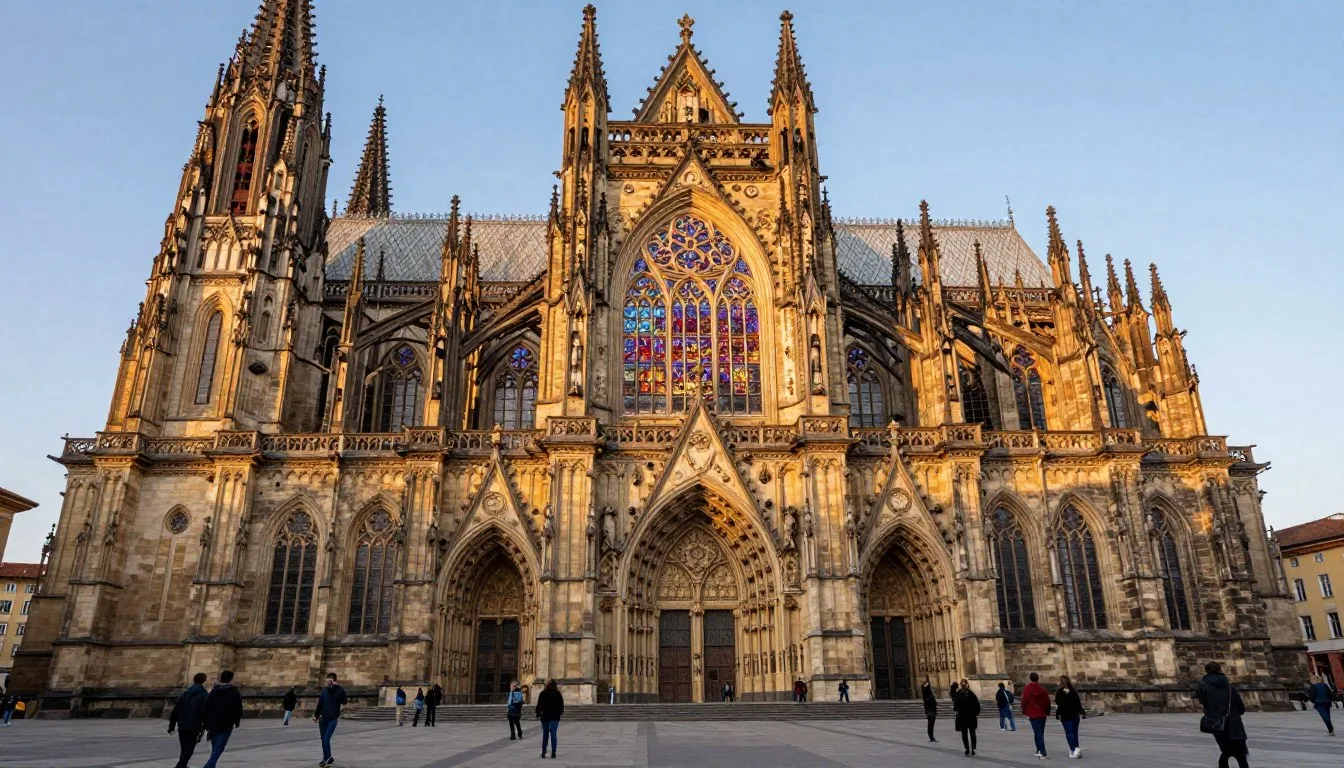
Girona is a historic city that serves as the gateway to Costa Brava. You can explore its well-preserved Jewish Quarter, visit the stunning cathedral, and enjoy the vibrant cultural scene.
Hidden Gems of Costa Brava
For those seeking a more authentic experience, Costa Brava offers several hidden gems that are off the beaten path. These lesser-known destinations provide a glimpse into the region’s unspoiled beauty and charm.
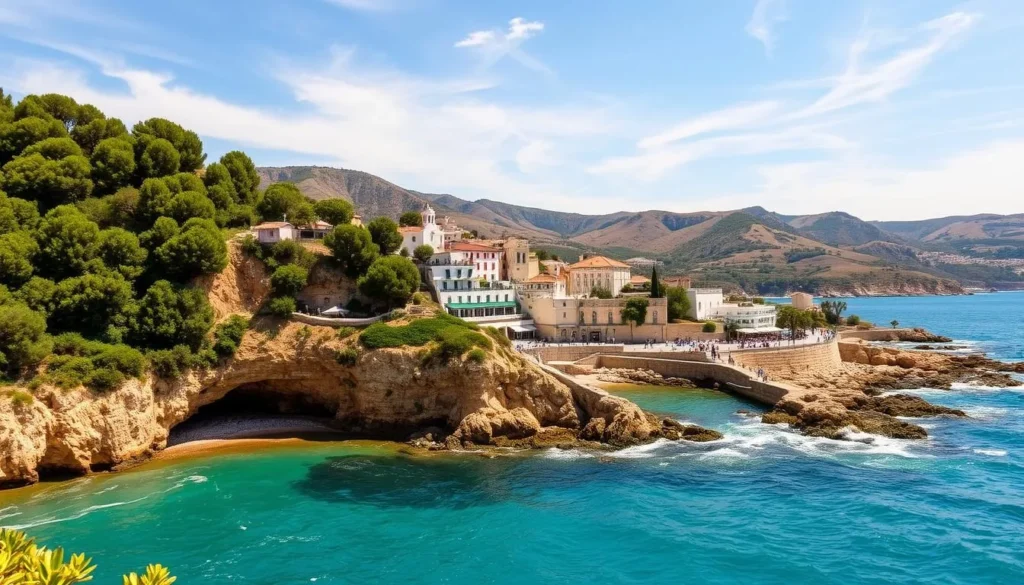
Llafranc: Laid-Back Coastal Living
Llafranc is a quaint coastal town that embodies the laid-back spirit of Costa Brava. Its beautiful beach, surrounded by pine trees and whitewashed houses, makes it an ideal relaxing getaway. You can enjoy water activities or simply soak up the sun on its pristine shores.
Tamariu: Pine-Fringed Cove
Tamariu is another hidden gem on the Costa Brava coast, known for its picturesque cove fringed by pine trees. This tiny beach is perfect for those looking for a secluded spot to enjoy the crystal-clear waters. The surrounding area offers scenic hiking trails with breathtaking views.
Fornells: Under-the-Radar Beauty
Fornells is a quiet seaside village located just a short drive from Begur, offering a tranquil atmosphere and rocky coves. The village is characterized by its whitewashed houses and small harbor, making it a perfect peaceful retreat. You can explore the surrounding coastline, enjoy swimming in its intimate coves, or simply unwind in this charming coastal place.
Best Beaches and Coves in Costa Brava
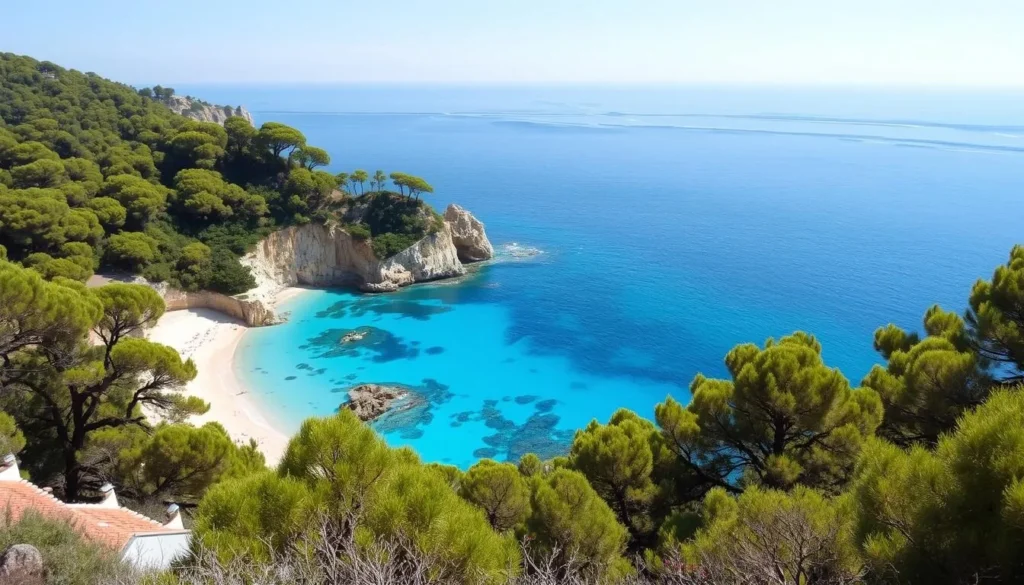
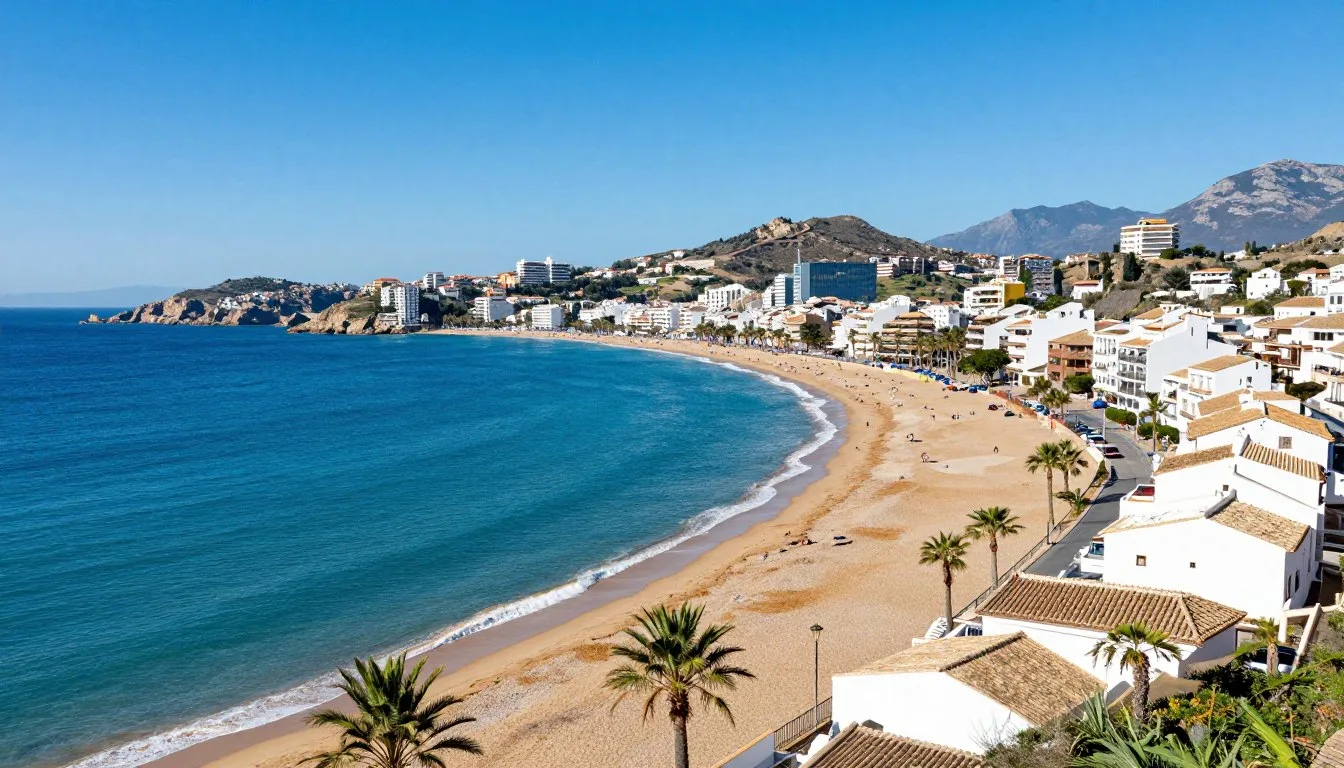
As you explore the Costa Brava coastline, you’ll discover a diverse array of beaches that cater to different tastes and preferences. The region is renowned for its stunning coastline, featuring a mix of secluded coves, sandy stretches, and scenic views.
Sandy Beaches for Families
Families will love the sandy beaches in Costa Brava, such as Lloret de Mar and Tossa de Mar, which offer a range of amenities and activities. These beaches are perfect for a relaxing day out with the kids, with calm waters and plenty of facilities nearby.
Secluded Coves for Privacy
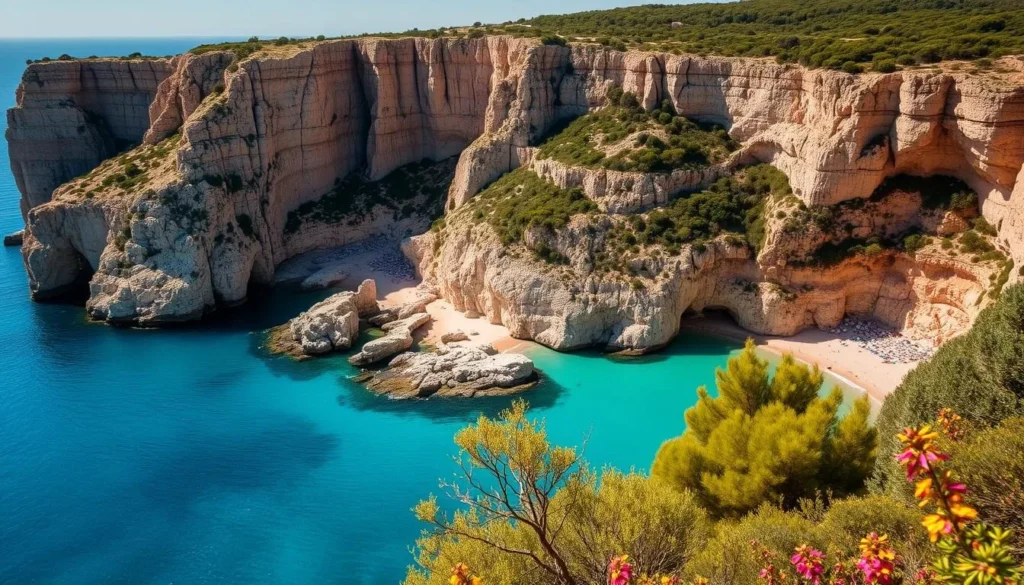
If you’re looking for seclusion, Costa Brava has plenty of hidden coves to discover. Cala Pola, near Costa Brava‘s town of Roses, is a secluded cove surrounded by cliffs and pine trees, offering a tranquil atmosphere.
Scenic Beaches for Photography
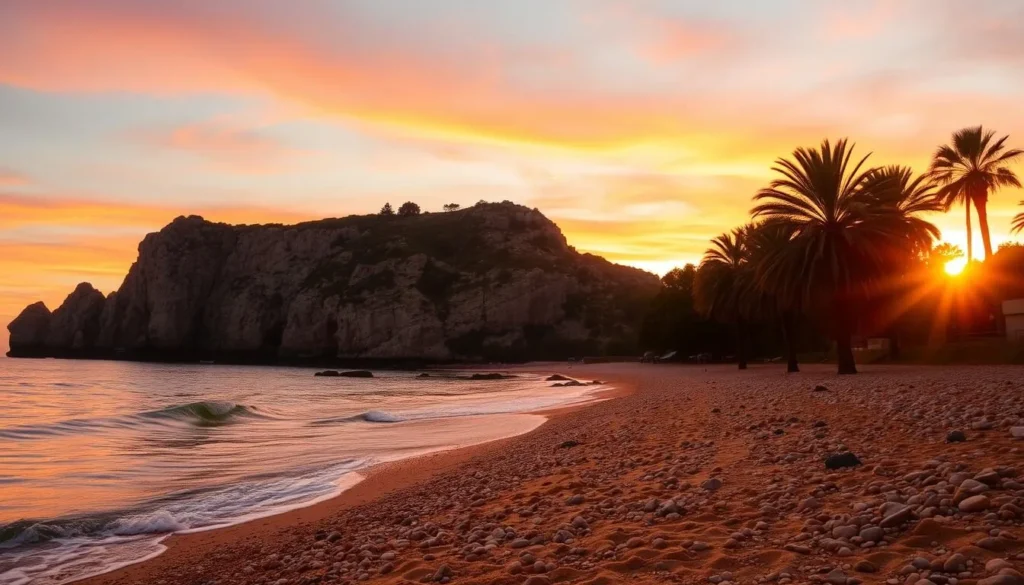
For photography enthusiasts, Costa Brava offers a wealth of opportunities to capture stunning images. The beaches at sunrise or sunset provide breathtaking views, with the golden light casting a warm glow over the coastline.
Some of the most photogenic beaches include Cala Tamariu and Llafranc, with their picturesque whitewashed houses and turquoise waters. Don’t forget to explore the Camí de Ronda, a coastal path that offers panoramic views of the coastline.
Hiking the Camí de Ronda
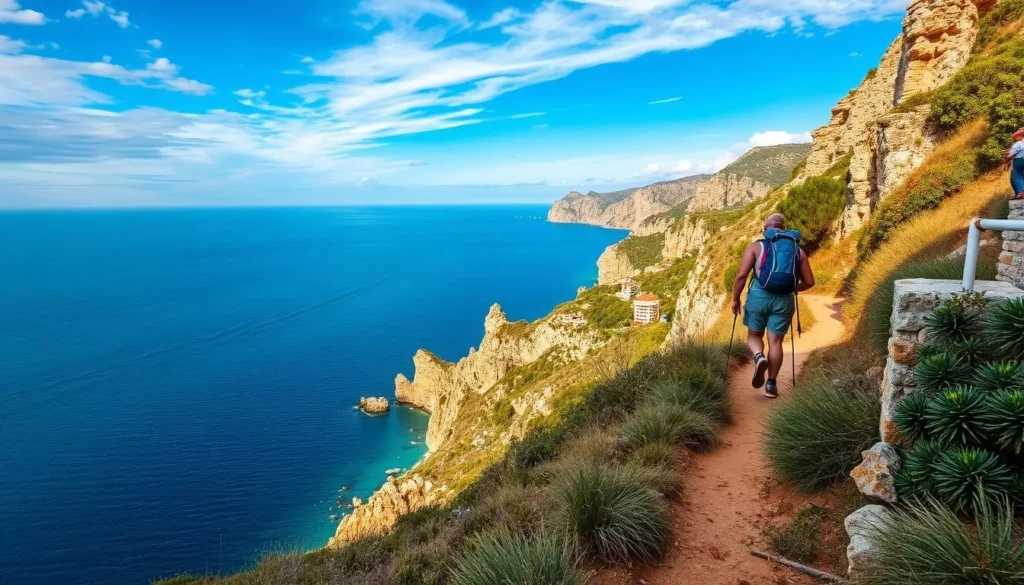
Explore the scenic beauty of Costa Brava through its renowned Camí de Ronda hiking trail. The Camí de Ronda, also known as the G-92, is a hiking path that spans the entire length of Costa Brava, from Portbou to Blanes, offering breathtaking views of the Mediterranean coast.
Most Scenic Sections
The Camí de Ronda has several scenic sections that are worth exploring. You can hike between Llafranc and Tamariu, enjoying the pine-fringed coves and crystal-clear waters. Another beautiful section is between Sant Feliu de Guíxols and Palamos, which offers stunning views of the coastline.
Practical Tips for Hikers
To make the most of your hiking experience on the Camí de Ronda, here are some practical tips:
- Wear comfortable hiking shoes and bring plenty of water to stay hydrated.
- Check the trail markings and difficulty levels before you start your hike.
- Plan your route using available maps and resources, and consider hiking during the early morning or late afternoon to avoid the heat.
- Take breaks and enjoy the scenic views, and don’t forget to pack sun protection and other necessities.
By following these tips, you can have a safe and enjoyable hiking experience on the Camí de Ronda. The trail offers a unique way to explore the coast of Costa Brava, and with its trails and scenic views, it’s a must-try for any hiking enthusiast.
Exploring Salvador Dalí’s Costa Brava
The rugged beauty of Costa Brava inspired some of Salvador Dalí’s most iconic works, making it a must-visit destination for anyone fascinated by the artist‘s life and art.
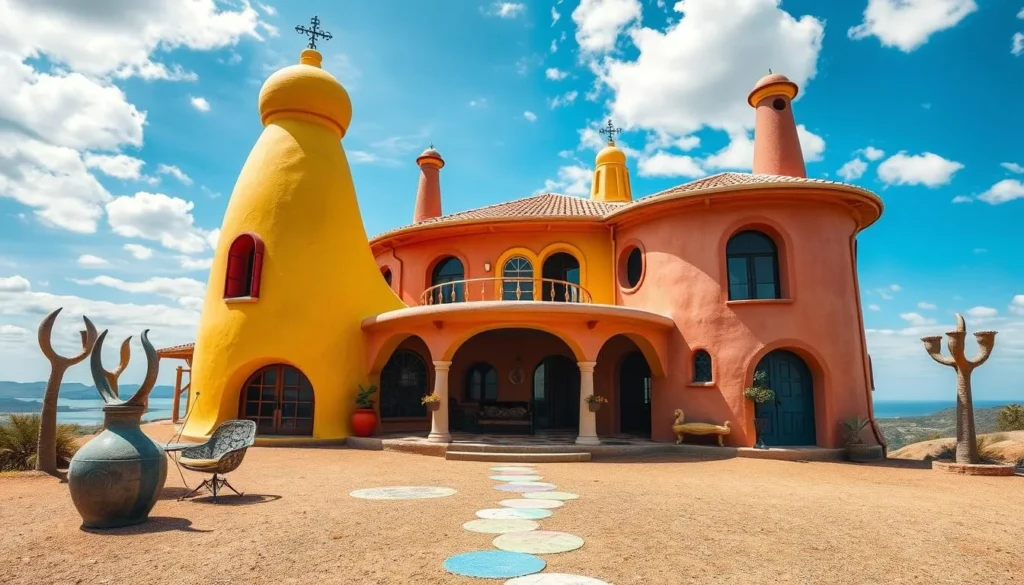
Dalí Theatre-Museum in Figueres
The Dalí Theatre-Museum in Figueres is a testament to the artist‘s genius, showcasing an extensive collection of his works in a setting that is as much a part of the exhibition as the art itself. As you explore the museum, you’ll discover the unique architectural style that Dalí himself influenced, making it a truly immersive experience.
Casa-Museu Salvador Dalí in Portlligat
Visit the home where Dalí lived and worked, now the Casa-Museu Salvador Dalí, to gain insight into the artist‘s daily life and creative process. This home, nestled in the picturesque village of Portlligat, is a window into Dalí’s world, showcasing his personal belongings and studio.
Castell Gala Dalí in Púbol
Completing the “Dalí Triangle,” the Castell Gala Dalí in Púbol is a medieval castle that Dalí purchased for his wife, Gala. This home away from home for Gala is filled with Dalí’s surrealist touches, including the garden with its elephant sculptures. Understanding the complex relationship between Dalí and Gala is key to appreciating the significance of this castle.
By visiting these sites, you’ll gain a deeper understanding of Salvador Dalí’s life, his art, and the profound influence of Costa Brava on his work. Each location offers a unique perspective on the artist and his muse, Gala, making for a rich and rewarding experience.
Water Activities and Boat Trips
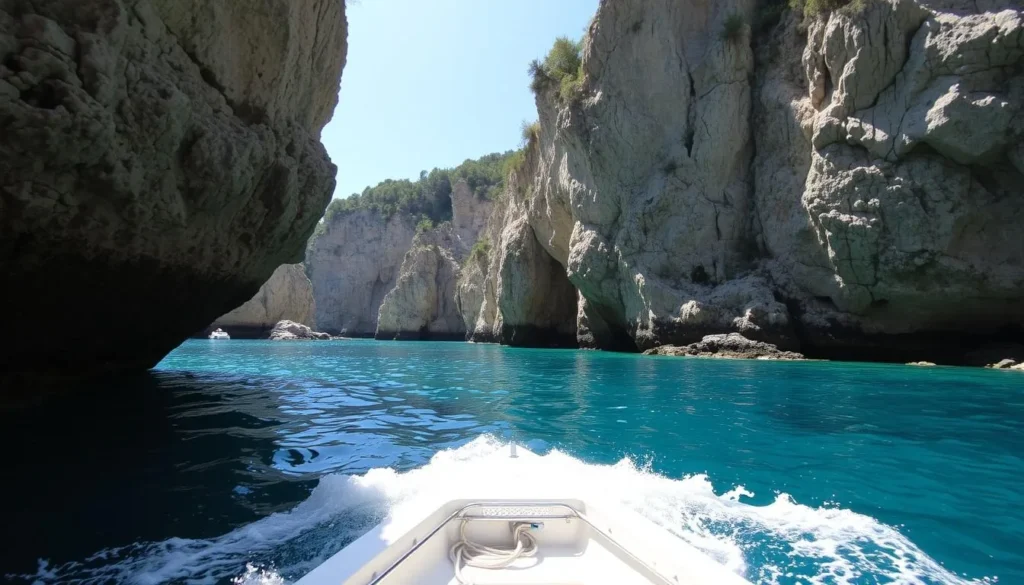
The sea around Costa Brava is teeming with life, making it an ideal destination for snorkeling, diving, and other water activities. Costa Brava’s coastline offers a variety of exciting experiences, from relaxing on the beach to engaging in thrilling water sports.
Sailing and Catamaran Excursions
Sailing and catamaran excursions are a great way to explore the coastline of Costa Brava. You’ll have the opportunity to sail through calm waters, visit secluded coves, and enjoy the beautiful scenery. Many tours also offer snorkeling equipment, so you can explore the underwater world.
Kayaking Adventures
For those who prefer a more adventurous experience, kayaking is an excellent option. You can paddle through calm waters and explore hidden coves and beaches. Guided kayaking tours are available for all skill levels, ensuring a safe and enjoyable experience.
Snorkeling and Diving at Illes Medes
The Illes Medes, located off the coast of L’Estarit, are a haven for scuba divers and snorkelers. This protected marine reserve is known for its rich biodiversity, with numerous fish species, corals, and other marine life. You can explore the underwater world through various diving options, from beginner dives to advanced underwater caves and tunnels.
Whether you’re interested in sailing, kayaking, or diving, Costa Brava offers a wealth of water activities to suit all tastes and preferences. The region’s commitment to preserving its marine environment ensures that these activities can be enjoyed while respecting the natural beauty of the area.
Historical and Cultural Attractions
As you explore Costa Brava, you’ll uncover a rich tapestry of historical and cultural attractions that showcase the region’s diverse heritage. The Costa Brava is home to a layered history, dating as far back as the 1st Century BC.
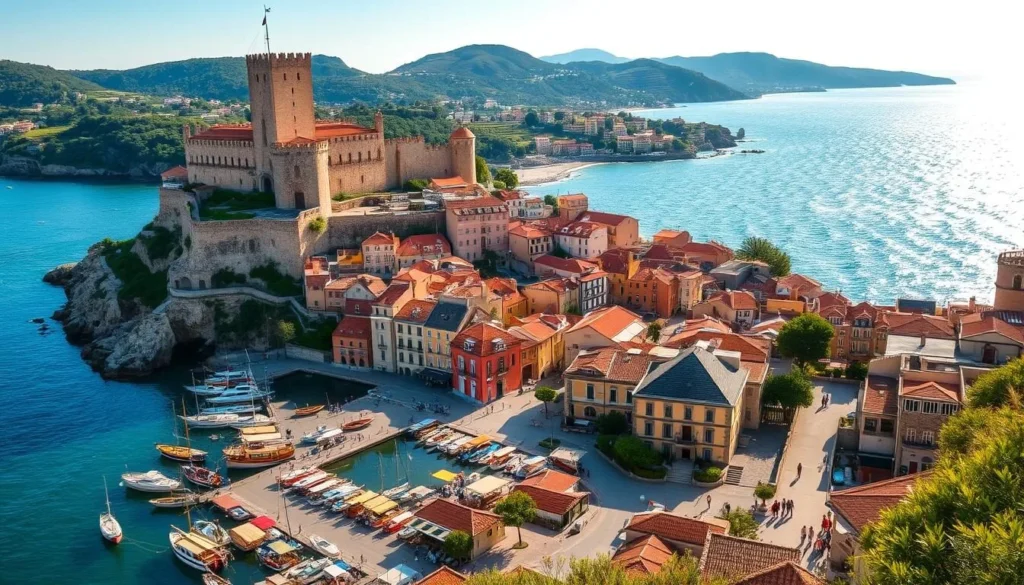
Empúries: Greek and Roman Ruins
One of the most significant historical sites in Costa Brava is Empúries, a fascinating archaeological site featuring Greek and Roman ruins. You’ll discover the remains of ancient cities, including the Greek city of Emporion and the Roman city of Empúries. As you wander through the site, you’ll gain insight into the lives of the people who lived here centuries ago.
Medieval Architecture and Fortresses
Costa Brava is also renowned for its medieval architecture and fortresses, which reflect its strategic importance during the Middle Ages. The walled old town of Tossa de Mar and the hilltop castle of Begur are standout examples, offering breathtaking views of the coastline. You’ll explore the historical context of these structures, many of which were built to defend against pirates and other maritime threats, and discover how they contribute to the distinctive character of Costa Brava’s towns.
By visiting these historical and cultural attractions, you’ll gain a deeper understanding of Costa Brava’s rich heritage and appreciate the region’s unique blend of history, architecture, and natural beauty.
Food and Wine Experiences
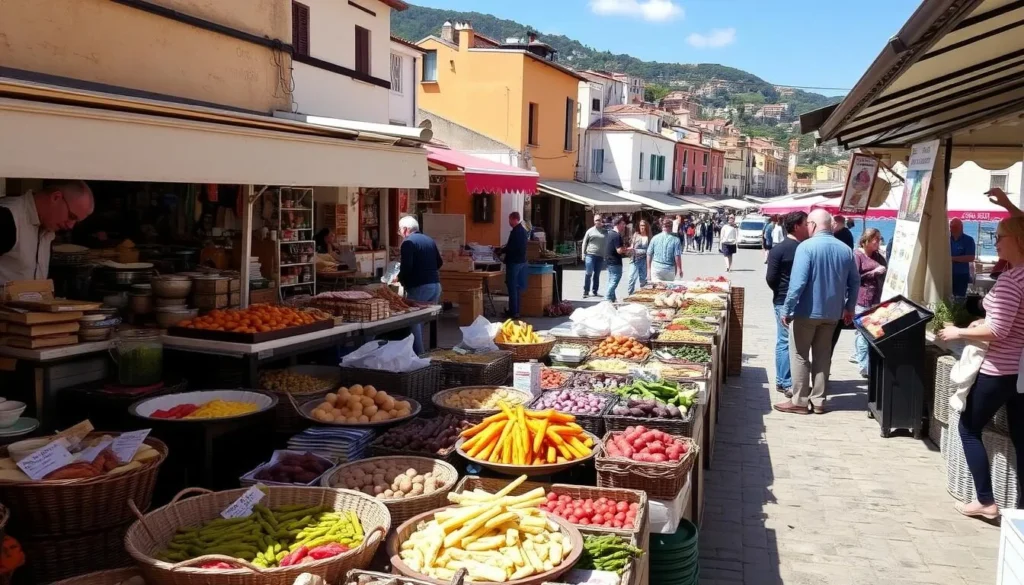
The culinary delights of Costa Brava await your arrival, with a blend of traditional Catalan cuisine and innovative wine experiences. As you visit Costa Brava, you’ll have the opportunity to indulge in local specialties and explore the region’s renowned wineries.
Local Catalan Cuisine
Costa Brava is known for its rich gastronomy, featuring dishes made with fresh seafood, locally sourced produce, and traditional Catalan ingredients. You can expect to find restaurants serving authentic meals, from suquet de peix (fish stew) to pa amb tomàquet (bread with tomato). The region’s cuisine is characterized by its simplicity and emphasis on high-quality ingredients.
Some of the best restaurants in Costa Brava offer a contemporary twist on traditional dishes, ensuring a dining experience that’s both familiar and innovative. Be sure to try some of the local specialties during your visit.
✓ Check 30,000+ Local Sightseeing Tours Worldwide
Wineries and Vineyards
The Costa Brava wineries are some of the most highly acclaimed in Spain, with the DO Empordà designation producing increasingly respected wines. A visit to the family-run Mas Molla Winery offers a glimpse into some of the oldest farming methods in the region. You’ll discover the thriving wine culture of Costa Brava, with its unique terroir shaped by the tramuntana wind and varied soils.
- Explore the unique terroir of the region, where the tramuntana wind and varied soils create distinctive wine characteristics.
- Learn about traditional grape varieties like Garnatxa (Grenache) and Carinyena (Carignan), as well as innovative blends being developed by forward-thinking winemakers.
- Highlight wineries that welcome visitors for tours and tastings, from historic family operations to modern architectural showcases.
Day Trips from Costa Brava
When you’re based in Costa Brava, the possibilities for day trips are endless, offering a mix of culture, adventure, and breathtaking views. The region’s strategic location makes it an ideal base for exploring the surrounding area.
Barcelona Excursions
A day trip to Barcelona from Costa Brava is a must, with the capital city being just a short drive or train ride away. You can explore the iconic Sagrada Familia, stroll along La Rambla, and enjoy the city’s vibrant atmosphere. Barcelona offers a rich cultural experience, from its museums to its historic architecture.
Pyrenees Mountains
For a change of scenery, head to the Pyrenees Mountains, where you can enjoy a day trip filled with outdoor activities. In the summer, hiking and mountain biking are popular, while winter brings opportunities for skiing at resorts like La Molina. The Pyrenees offer a chance to experience the natural beauty of Catalonia, with picturesque villages and scenic viewpoints to discover.
Whether you’re interested in culture, adventure, or simply taking in the views, a day trip from Costa Brava has something to offer. By exploring beyond the coastal towns, you can gain a deeper appreciation for the diversity of the region.
Conclusion: Planning Your Perfect Costa Brava Getaway
From the serene beaches to the historic trails, Costa Brava is a treasure trove of experiences waiting to be uncovered. As you plan your visit to Costa Brava, you’ll discover how to put together the perfect itinerary based on your interests and available time. You can choose to base yourself in one location or explore multiple towns, experiencing the unique character of each area.
To make the most of your trip, consider the practical aspects such as transportation logistics, seasonal factors, and budget planning. Balancing your time between beaches, cultural sites, outdoor activities, and culinary experiences will ensure a well-rounded visit. The region’s diverse trails and scenic routes offer ample opportunities for exploration, whether by land or sea.
Costa Brava rewards slow travel and repeated visits, with each area offering its own distinctive charm and hidden treasures. Whether you’re planning a trip for a weekend getaway or an extended stay, this remarkable region is sure to leave a lasting impression. By understanding the best times to visit and how to navigate the towns, you’ll be well on your way to creating unforgettable memories in this beautiful part of Spain.
As you explore Costa Brava, you’ll find that it’s a place where history, culture, and natural beauty come together in perfect harmony. With careful planning, you’ll be able to experience all that Costa Brava has to offer, making your visit a truly special experience.