Hotels by Trip.com
Flights by Trip.com
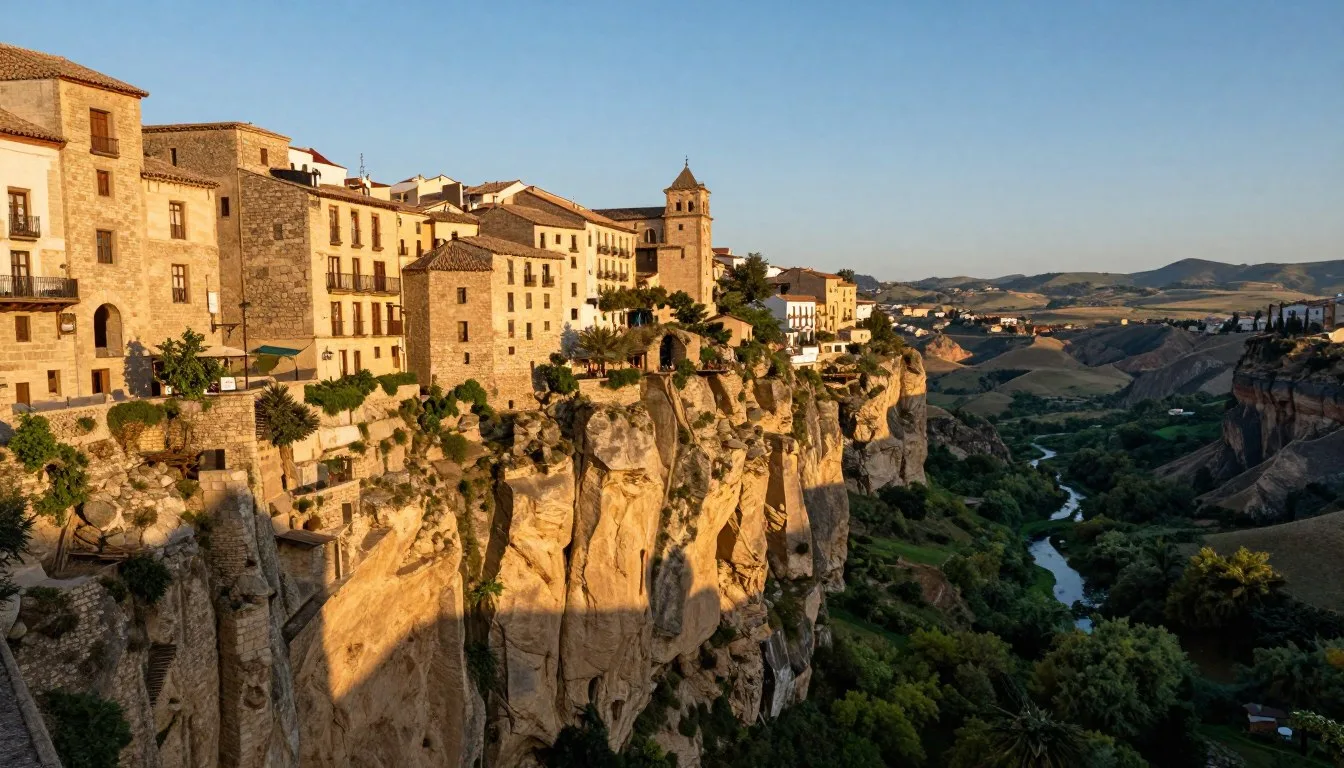
Did you know that Cuenca boasts houses that literally hang off cliff edges, defying gravity for over 500 years? This medieval city in central Spain combines heart-stopping architecture with stunning natural beauty in ways that few destinations can match. The name Cuenca derives from the Arabic word “Qūnka,” meaning “fortified place,” a reference to its strategic hilltop position between two river gorges that made it nearly impregnable during the Moorish period.
Perched dramatically between the Júcar and Huécar river valleys, this UNESCO World Heritage Site captivates visitors with its hanging houses, Gothic cathedral, and maze-like old town streets. The city serves as a perfect base for exploring the surrounding region of Castilla-La Mancha, offering a unique blend of history, art, and outdoor adventure.
Whether you’re drawn by the gravity-defying architecture, the world-class modern art museums, or the hiking trails through enchanted rock formations, Cuenca delivers experiences that larger Spanish cities simply cannot replicate. This guide provides everything you need to plan an unforgettable trip to one of Spain’s most remarkable hidden gems.
Getting There and Planning Your Journey
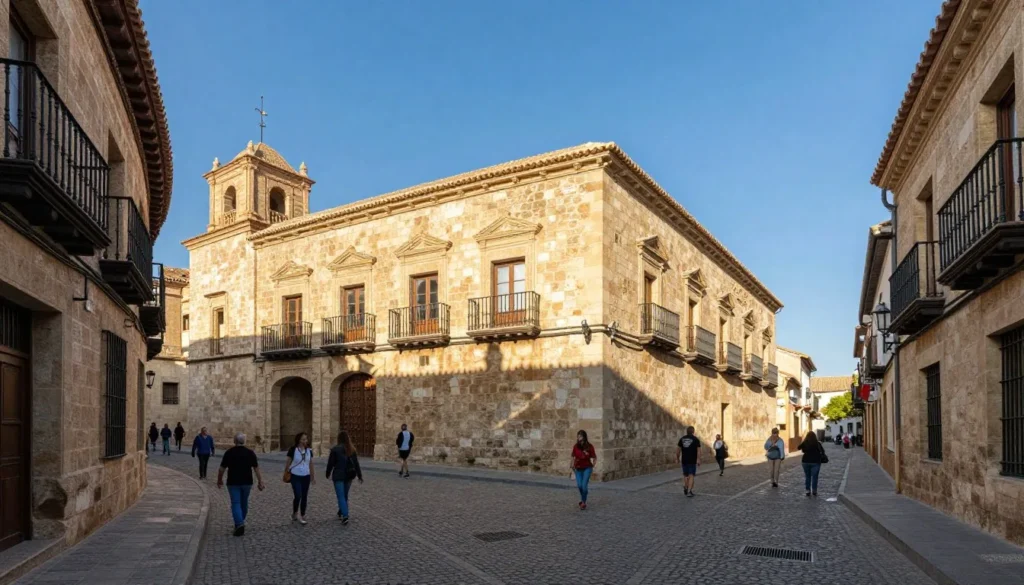
Reaching Cuenca requires some planning, as this smaller city doesn’t have its own commercial airport. The closest major airports provide several convenient options for your journey.
Madrid-Barajas Adolfo Suárez Airport serves as the primary gateway, located approximately 165 km (103 miles) northwest of Cuenca. This international hub offers the most flight connections and transportation options to reach the city.
Valencia Airport provides an alternative entry point, sitting about 210 km (130 miles) east of Cuenca. This option works particularly well if you’re planning a trip that combines both cities.
Transportation from Madrid
High-speed trains from Madrid’s Atocha station reach Cuenca in just 50 minutes, making this the fastest and most comfortable option. Trains run multiple times daily, with prices typically ranging from 15 to 30 euros depending on booking time and class.
Regional buses operated by AVANZA depart from Madrid’s Méndez Álvaro station throughout the day. The journey takes approximately two hours and costs between 10 to 18 euros, offering a budget-friendly alternative to train travel.
Driving from Madrid takes about 90 minutes via the A-40 highway. This option provides flexibility for exploring the surrounding area and stopping at villages along the way. Car rental facilities operate at all major airports.
Transportation from Valencia
The drive from Valencia to Cuenca takes roughly two and a half hours along the A-3 and N-420 highways. This scenic route passes through the countryside of eastern Spain, offering glimpses of rural life.
Bus service connects Valencia and Cuenca with several daily departures. The trip duration ranges from two and a half to three hours depending on stops and route.
Travel Tip: Book train tickets in advance through Renfe (Spanish railways) to secure the best prices. Last-minute purchases at the station often cost significantly more than early bookings.
✓ Check 30,000+ Local Sightseeing Tours Worldwide
Best Time to Visit and Weather Tips
Best Time to Visit Cuenca
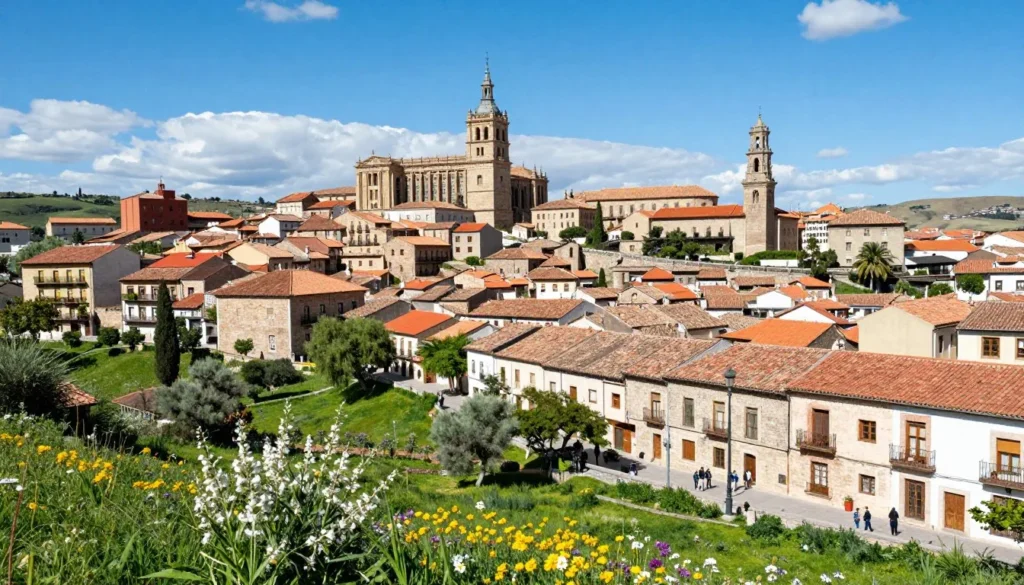
Spring months from April through June offer ideal conditions for visiting Cuenca. Temperatures hover comfortably between 15°C and 25°C (59°F to 77°F), perfect for walking tours through the old town and hiking in the surrounding nature areas.
Early autumn, specifically September and October, provides another excellent window. The summer crowds have dispersed, weather remains pleasant, and the surrounding landscape transforms with autumn colors. Daytime temperatures typically range from 18°C to 26°C (64°F to 79°F).
Winter brings a different kind of beauty but requires preparation. December through February sees temperatures drop to 2°C to 10°C (36°F to 50°F), with occasional snow that transforms the medieval city into a winter wonderland. Pack warm layers if visiting during this time.
Months to Avoid
July and August bring extreme heat, with temperatures frequently exceeding 35°C (95°F). The combination of heat and summer crowds can make sightseeing less enjoyable. Many locals leave during August, and some restaurants reduce their hours.
Late November and early March experience unpredictable weather patterns. Rain becomes more frequent, and some outdoor attractions may have limited access due to muddy trails or maintenance closures.
Weather Patterns Throughout the Year
Cuenca experiences a continental climate with distinct seasons. The city sits at an elevation of approximately 956 m (3,136 feet), which moderates summer heat compared to lower-lying Spanish cities but increases winter cold.
Rainfall concentrates in spring and autumn, with April, May, October, and November receiving the most precipitation. Summer months remain relatively dry, though afternoon thunderstorms occasionally develop over the surrounding mountains.
Wind can be significant, particularly in exposed areas of the old town and along the gorge edges. Bring a light jacket even during warmer months for evening walks.
Weather Planning Tip: Check forecasts before visiting the Ciudad Encantada (Enchanted City) rock formations. Wet conditions make trails slippery and potentially dangerous.
Notable Annual Festivals

Cuenca’s festival calendar reflects centuries of religious tradition mixed with contemporary cultural celebrations. These events offer visitors unique opportunities to experience local culture beyond typical sightseeing.
Holy Week (Semana Santa)
Holy Week ranks among Spain’s most important religious celebrations, and Cuenca’s observance carries special significance. Processions wind through narrow medieval streets from Palm Sunday through Easter Sunday, featuring elaborate floats and traditional music.
The celebration dates vary each year based on the lunar calendar, typically falling in March or April. Hotels book months in advance, so early planning proves essential if attending this event.
For information about specific procession routes and times, contact the Cuenca Tourist Office at +34 969 24 10 50.
San Mateo Fair (September)
The San Mateo Fair transforms Cuenca for an entire week each September, combining religious celebration with carnival atmosphere. Bullfights, concerts, amusement rides, and traditional food stalls take over the city from September 18 through 24.
This festival represents Cuenca’s most important annual celebration and attracts visitors from across the region. Expect crowded streets, extended restaurant hours, and a lively nightlife scene throughout the week.
Festival organizers can be reached at +34 969 17 68 00 for current year schedules and special events.
Religious Music Week (Semana de Música Religiosa)
Each spring, Cuenca hosts one of Spain’s premier religious music festivals. The event features performances in the Cathedral and other historic venues, showcasing everything from Gregorian chants to contemporary sacred music.
Concerts typically occur during Holy Week and the weeks immediately following. The acoustics in Cuenca’s ancient churches create an unforgettable listening experience for classical music enthusiasts.
Ticket information and performance schedules are available through the festival office at +34 969 23 29 16.
San Julián Festival (January)
Cuenca’s patron saint receives honors during late January with religious services, processions, and community gatherings. This local celebration provides insight into daily life and traditions less visible during major tourist festivals.
The festival centers around January 28 and includes special masses, traditional food preparations, and family gatherings throughout the city.
Getting Around Locally
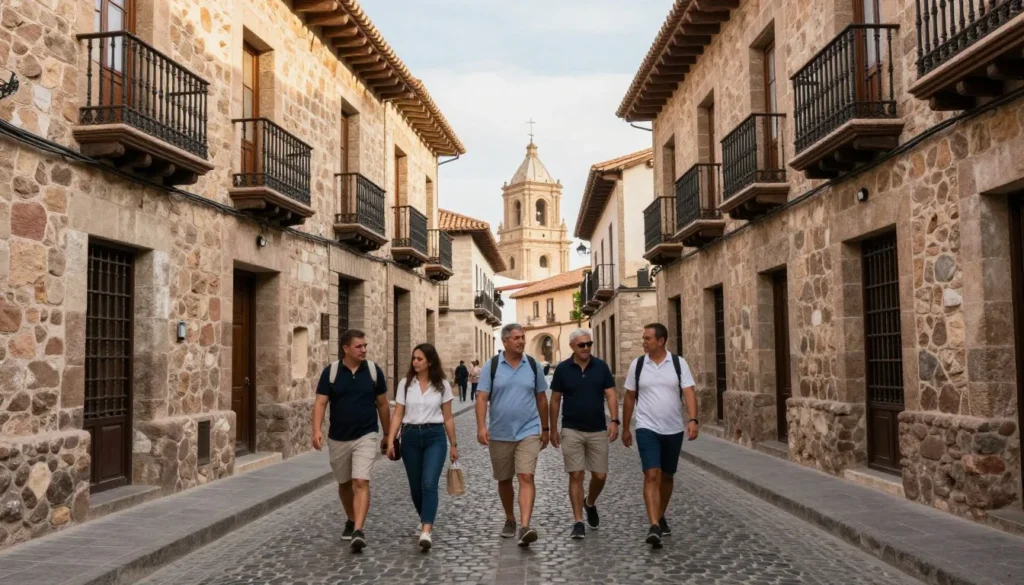
Navigating Cuenca requires understanding that the city essentially consists of two distinct areas with different transportation needs. The historic old town perches on a hilltop, while the modern new city spreads below.
Exploring the Old Town
Walking represents the only practical way to explore Cuenca’s historic center. Steep cobblestone streets, narrow passages, and pedestrian-only zones make vehicles impractical and unnecessary for sightseeing.
Comfortable walking shoes are essential. The old town features numerous staircases, uneven surfaces, and significant elevation changes. Those with mobility challenges should prepare for a physically demanding experience.
Most major attractions cluster within a compact area easily covered on foot. The hanging houses, cathedral, and main museums all sit within a 15-minute walk of each other.
Moving Between Old and New Town
A series of escalators and stairs connect the modern city with the historic center, making the transition between areas manageable. The main escalator system near Calle Alfonso VIII provides the easiest access route.
Local buses operate routes between different neighborhoods, though visitors staying in the old town rarely need them. Bus number 1 and 2 connect various parts of the new city with access points to the historic area.
Taxis remain readily available and reasonably priced for longer distances or when carrying luggage. The trip from the train station to old town hotels typically costs 8 to 12 euros.
Parking Considerations
Street parking in the old town is extremely limited and often restricted to residents. Several paid parking lots operate near the historic center’s edge, charging approximately 1.50 to 2 euros per hour.
If driving to Cuenca, plan to park once and explore on foot rather than moving your vehicle between sites. The Parking del Castillo and Parking Travesía Alfonso VIII offer convenient locations for old town access.
Important: Do not attempt to drive into the old town’s pedestrian zones. Narrow streets, restricted access, and the risk of getting stuck in passages barely wider than your vehicle create serious problems.
Where to Stay
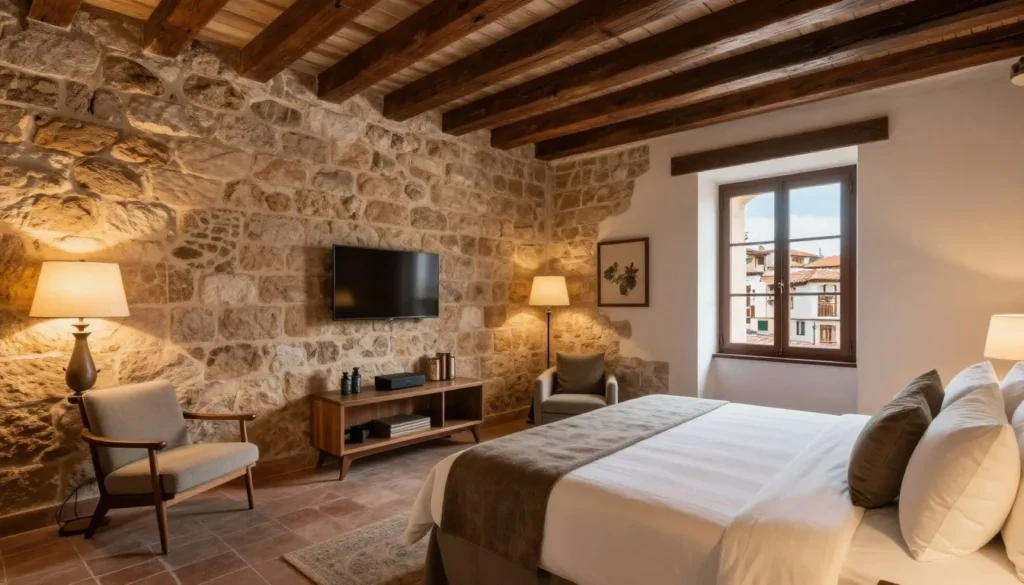
Accommodation choices in Cuenca range from historic paradors to budget-friendly hostels, with location significantly impacting your experience. Staying within the old town offers unmatched atmosphere but comes with accessibility challenges.
Old Town Historic Hotels
The Parador de Cuenca occupies a former convent perched on the gorge edge, offering spectacular views and elegant rooms. This upscale option provides the most iconic Cuenca lodging experience, with prices reflecting its premium position.
Posada de San José, a family-run establishment in a 17th-century building, delivers authentic charm at moderate prices. Rooms vary in size and amenities, with some featuring balconies overlooking the gorge.
Several small boutique hotels operate in restored historic buildings throughout the old town. These properties typically offer 5 to 15 rooms, personalized service, and architectural character that chain hotels cannot match.
Modern City Accommodations
The new city provides more conventional hotel options at generally lower prices than the historic center. These properties offer easier parking access and modern amenities, though they lack the atmospheric setting of old town locations.
Mid-range hotels in the new city typically charge 50 to 80 euros per night for double rooms. Many include breakfast and provide convenient access to restaurants and services.
Budget travelers find several hostels and pension-style accommodations offering basic rooms from 25 to 40 euros per night. These options work well for those prioritizing cost savings over location or luxury.
Vacation Rentals
Apartment rentals provide excellent value for families or groups staying multiple days. Full kitchens allow budget-conscious visitors to prepare some meals, while extra space offers comfort unavailable in standard hotel rooms.
Old town apartments range from cozy studios to multi-bedroom units in historic buildings. Be prepared for stairs, as most buildings lack elevators. Confirm parking arrangements before booking if arriving by car.
Location Strategy
Choosing between old town and new city lodging depends on priorities. Old town stays immerse you in medieval atmosphere and put attractions at your doorstep, but require navigating stairs and cobblestones with luggage.
New city hotels offer easier access, parking, and modern conveniences at lower prices, but require a 10 to 15 minute walk or short bus ride to reach the historic sights.
Booking Tip: Reserve accommodations well in advance for Holy Week, San Mateo Fair, and summer weekends. Last-minute options become severely limited during peak periods, with prices rising significantly.
Dining and Local Cuisine
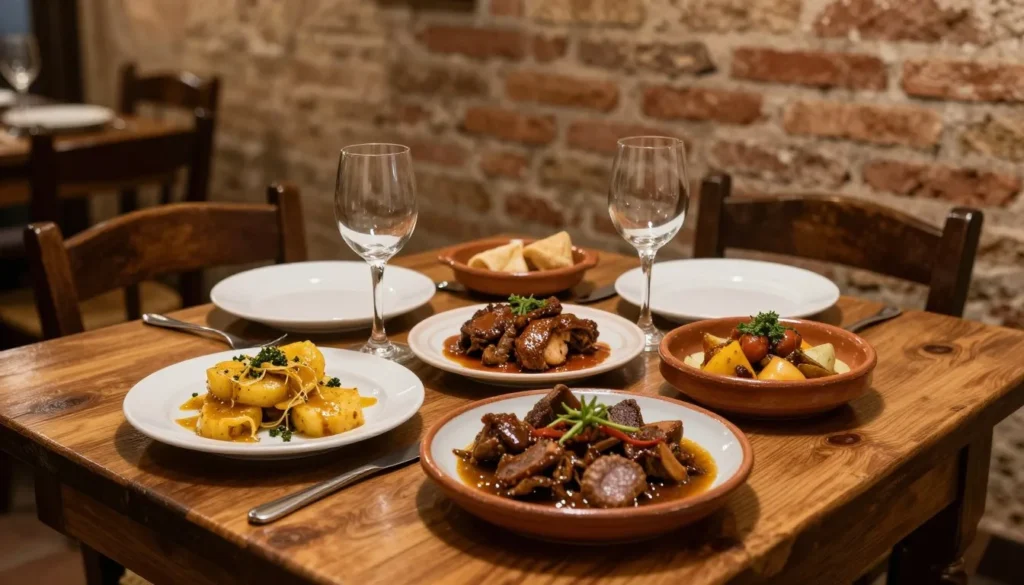
Cuenca’s cuisine reflects its mountain location and shepherding heritage, featuring hearty dishes designed for cold weather and physical labor. Local restaurants take pride in traditional recipes passed through generations.
Signature Local Dishes
Morteruelo stands as Cuenca’s most distinctive dish. This rich pâté combines game meats, liver, and spices into a dense spread served with bread. The intense flavor and heavy texture make it a love-it-or-hate-it experience, but trying it remains essential for food enthusiasts.
Ajoarriero features salt cod cooked with garlic, olive oil, and potatoes. This traditional dish appears on most local restaurant menus and offers a more approachable introduction to regional cooking than morteruelo.
Zarajos, grilled lamb intestines wrapped around vine shoots, represent another local specialty. These appear at festivals and traditional restaurants, offering adventurous eaters a truly authentic taste.
Alajú, a honey and nut dessert with Arabic origins, provides sweet evidence of Cuenca’s Moorish past. These treats appear in bakeries throughout the city, making excellent gifts or snacks.
Restaurant Recommendations by Area
The old town contains most atmospheric dining options, with restaurants occupying historic buildings and offering gorge views. Expect to pay 15 to 25 euros per person for a full meal at mid-range establishments.
Mesón Casas Colgadas, located in one of the famous hanging houses, delivers exceptional regional cuisine with unbeatable views. Reservations are strongly recommended, especially for window tables overlooking the gorge.
The new city offers more casual dining at lower prices. Tapas bars and family-run restaurants serve quality food for 10 to 15 euros per person, with larger portions and less tourist-oriented menus.
Dining Hours and Customs
Spanish dining schedules run later than American norms. Lunch service typically runs from 14:00 to 16:00, while dinner begins around 21:00 and continues until midnight or later on weekends.
Many restaurants close Sunday evenings and Mondays, with some also taking extended closures in August. Check operating hours before setting your heart on a specific restaurant, especially outside peak season.
Tipping remains optional in Spain, though leaving small change or rounding up the bill is appreciated for good service. A 5 to 10 percent tip is generous by local standards.
Markets and Self-Catering
The municipal market in the new city offers fresh produce, meats, and cheeses for those with kitchen access. Shopping here provides cultural experience alongside practical savings.
Several supermarkets operate in both old and new town areas. Prices run significantly lower than restaurants, making self-catered meals an excellent budget strategy for breakfast or lunch.
Food Experience Tip: Visit during mushroom season (autumn) to sample locally foraged varieties prepared in traditional ways. Many restaurants feature special mushroom menus during October and November.
Attractions, Sightseeing and Activities
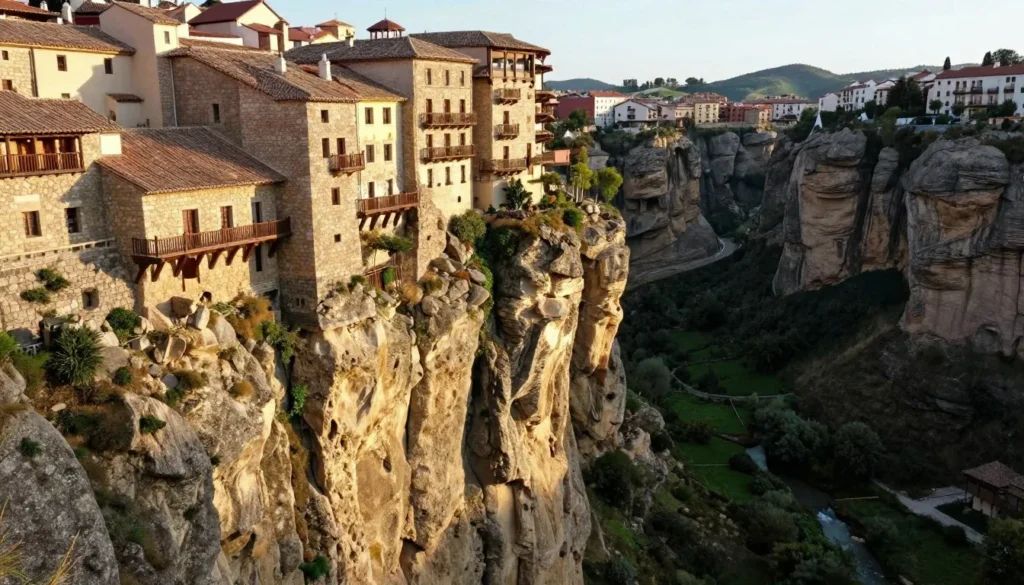
Cuenca’s attractions divide between architectural marvels within the old town and natural wonders in the surrounding countryside. Planning several days allows proper exploration of both categories.
The Hanging Houses (Casas Colgadas)
These gravity-defying structures define Cuenca’s skyline and represent its most photographed attraction. Built in the 15th century, the houses extend over the Huécar River gorge with wooden balconies literally hanging hundreds of feet above the valley floor.
The Casa del Rey and Casas de la Sirena serve as the best-preserved examples. One houses the Museum of Spanish Abstract Art, allowing visitors to experience the interior architecture while viewing world-class artwork.
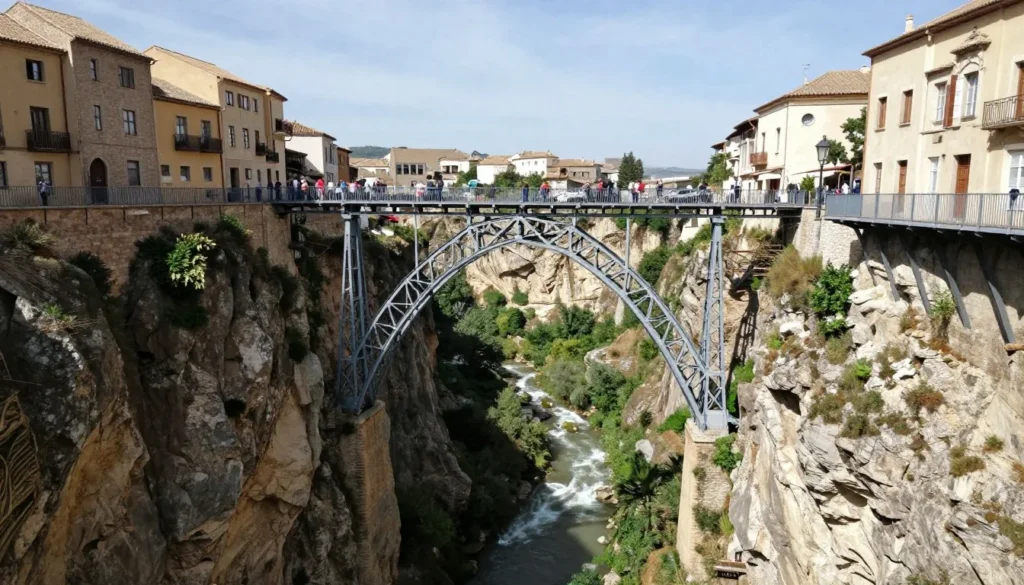
The best views of the hanging houses come from the San Pablo Bridge, which crosses the gorge connecting old town to the Parador hotel. The pedestrian bridge offers dramatic photography opportunities, though those with height sensitivity may find the crossing unsettling.
Plaza Mayor and Cathedral
The main square pulses with activity day and night, surrounded by cafes and historic buildings. The plaza serves as the social heart of old town Cuenca and provides a natural gathering point for visitors.
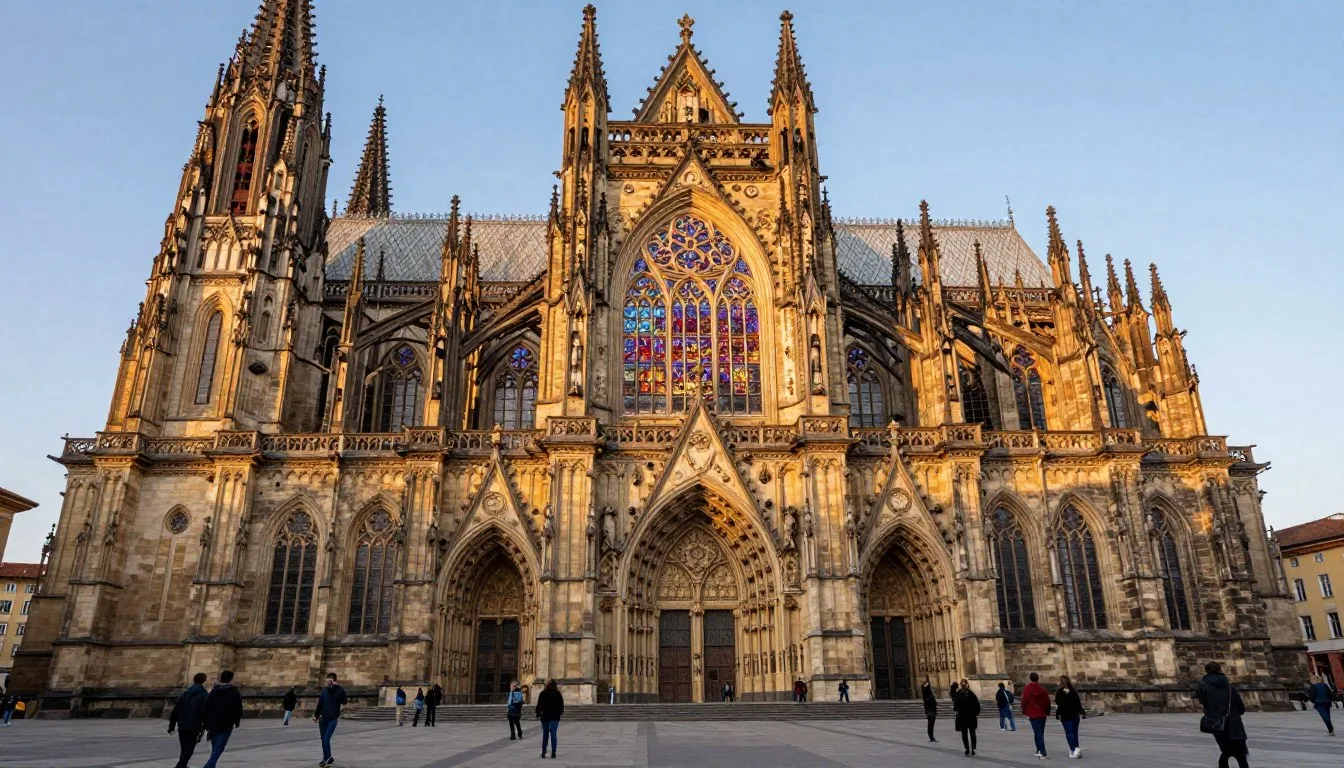
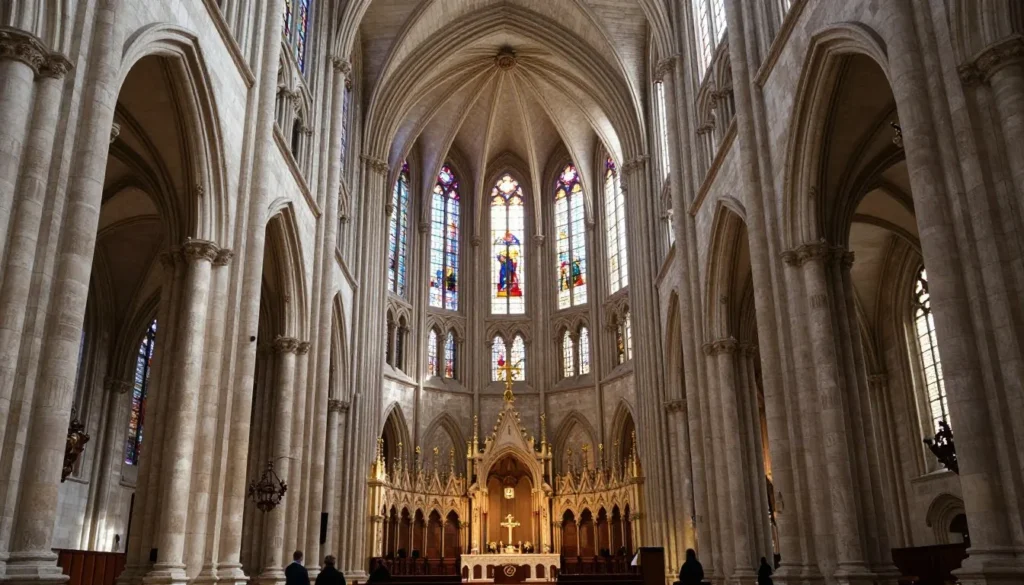
Cuenca Cathedral dominates the plaza with its unique Anglo-Norman Gothic façade, unusual for Spain. Construction began in 1182, making it one of Spain’s earliest Gothic cathedrals. The interior features beautiful stained glass, choir stalls, and a treasury museum.
Cathedral admission costs 4.80 euros for adults, with reduced rates for students and seniors. Operating hours vary seasonally, generally running from 10:00 to 14:00 and 16:00 to 19:00 daily except during services.
✓ Check 30,000+ Local Sightseeing Tours Worldwide
Old Town Wandering
Simply walking the narrow streets rewards visitors with constant discoveries. Medieval buildings, hidden plazas, and unexpected viewpoints appear around every corner. The compact size makes getting thoroughly lost nearly impossible while encouraging exploratory wandering.
The Torre Mangana, a 16th-century tower, offers panoramic views after climbing its stairs. The climb requires moderate fitness but delivers sweeping vistas of both gorges and the surrounding countryside.
Numerous small churches scatter throughout the old town, most open for brief visits outside service times. These less-visited sites offer quiet spaces for contemplation and architectural appreciation.
Skywalk (Puente de San Pablo)
This iron pedestrian bridge spans the Huécar gorge 60 m (197 feet) above the river. Crossing provides thrilling views of the hanging houses from across the canyon while testing visitor comfort with heights.
The bridge connects the old town with a path leading to the Parador hotel and continues to hiking trails in the surrounding area. Walking across and back takes only 10 minutes but creates lasting memories.
Access is free and available 24 hours daily, making sunrise and sunset crossings particularly special for photography enthusiasts and romantic experiences.
Museums, Cultural Spots and Festivals

Cuenca punches well above its weight in cultural offerings, hosting world-class museums and maintaining vibrant traditions despite its modest size. Art enthusiasts find particularly rich experiences here.
Museum of Spanish Abstract Art
This exceptional collection occupies one of the hanging houses, creating a stunning dialogue between medieval architecture and 20th-century art. The museum showcases works by Spain’s most important abstract artists, including pieces by Tàpies, Saura, and Millares.
Admission costs 3 euros, making it one of Europe’s best art values. The museum opens Tuesday through Friday from 11:00 to 14:00 and 16:00 to 18:00, with Saturday hours of 11:00 to 14:00 and 16:00 to 20:00, and Sunday from 11:00 to 14:30. Monday closures are standard.
Allow at least 90 minutes to properly appreciate both the art collection and the unique building housing it. The juxtaposition of contemporary art within ancient walls creates an experience unavailable in conventional museum settings.
Diocesan Museum
Located in the Episcopal Palace adjacent to the Cathedral, this museum displays religious art spanning eight centuries. Byzantine diptychs, Gothic altarpieces, and Renaissance paintings reveal Cuenca’s artistic wealth accumulated over time.
The collection includes works by El Greco and other masters, though many pieces remain unknown to general audiences. This relative obscurity means fewer crowds and more intimate viewing experiences than major museums in larger cities.
Combined tickets with the Cathedral offer better value than separate admissions. The museum follows similar hours to the Cathedral, with seasonal variations.
Cuenca Cathedral Treasury
The Cathedral’s treasury warrants separate mention for its exceptional collection of religious artifacts. Intricately worked silver pieces, illuminated manuscripts, and liturgical vestments demonstrate the wealth and artistic patronage of historical Cuenca.
Two rare Flemish tapestries from the 15th century rank among the collection’s highlights. The craftsmanship and preservation of these textiles create remarkable viewing experiences for decorative arts enthusiasts.
Science Museum
Families with children appreciate the interactive science museum located in the new city. Hands-on exhibits covering physics, natural history, and planetary science engage young visitors while providing educational value.
Admission runs 3 euros for adults and 2 euros for children. The museum operates Tuesday through Sunday from 10:00 to 14:00 and 16:00 to 19:00 during winter, with extended summer hours.
Cultural Events and Performances
The Teatros de Cuenca, a modern performing arts center, hosts concerts, theater productions, and dance performances throughout the year. Programming ranges from classical music to contemporary drama.
The city maintains an active cultural calendar beyond major festivals. Check with the tourist office for current exhibitions, concerts, and special events during your visit.
Summer months bring outdoor concerts and performances to the Plaza Mayor and other public spaces. These free events create festive atmospheres and opportunities to experience local culture.
Nature and Outdoor Experiences
The landscape surrounding Cuenca rivals the city itself for natural beauty and outdoor recreation opportunities. Unique geological formations and pristine nature areas lie within easy day trip distance.
Ciudad Encantada (Enchanted City)
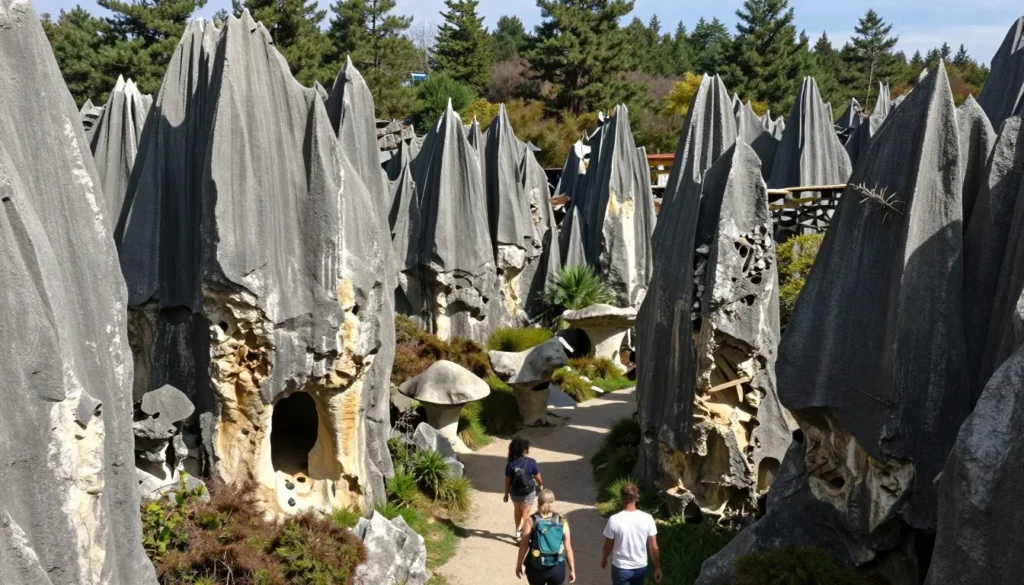
This natural park 25 km (16 miles) north of Cuenca features limestone formations shaped by erosion into fantastic forms. Rocks resembling mushrooms, ships, and faces create a surreal landscape that justifies the “enchanted” name.
The main walking circuit covers approximately 3 km (1.9 miles) through the most impressive formations. Well-maintained paths make the route accessible to most fitness levels, though some sections include stairs and uneven terrain.
Admission costs 5 euros for adults and 3 euros for children. The park opens daily from 10:00 to sunset, with earlier closing during winter months. Allow two to three hours for the complete circuit plus photography stops.
Public transportation to Ciudad Encantada is limited. Renting a car or joining an organized tour provides the most practical access. The drive from Cuenca takes about 30 minutes through scenic countryside.
Júcar and Huécar River Gorges
The two rivers carving dramatic gorges around Cuenca create opportunities for riverside hiking and nature observation. Trails descend from the old town to riverbanks, offering unique perspectives on the hanging houses and cliff-edge city.
The Hoz del Júcar walking path follows the river gorge for several kilometers. The relatively flat trail suits all fitness levels and provides welcome shade during summer heat. Spring wildflowers add seasonal color to the experience.
Birdwatchers spot griffon vultures, eagles, and numerous smaller species along the cliffs and riverbanks. Bring binoculars for better viewing of raptors soaring above the gorges.
Serranía de Cuenca Natural Park
This protected area encompasses 73,726 hectares (182,137 acres) of diverse landscape including mountains, rivers, and pine forests. The park provides habitat for deer, wild boar, and numerous bird species.
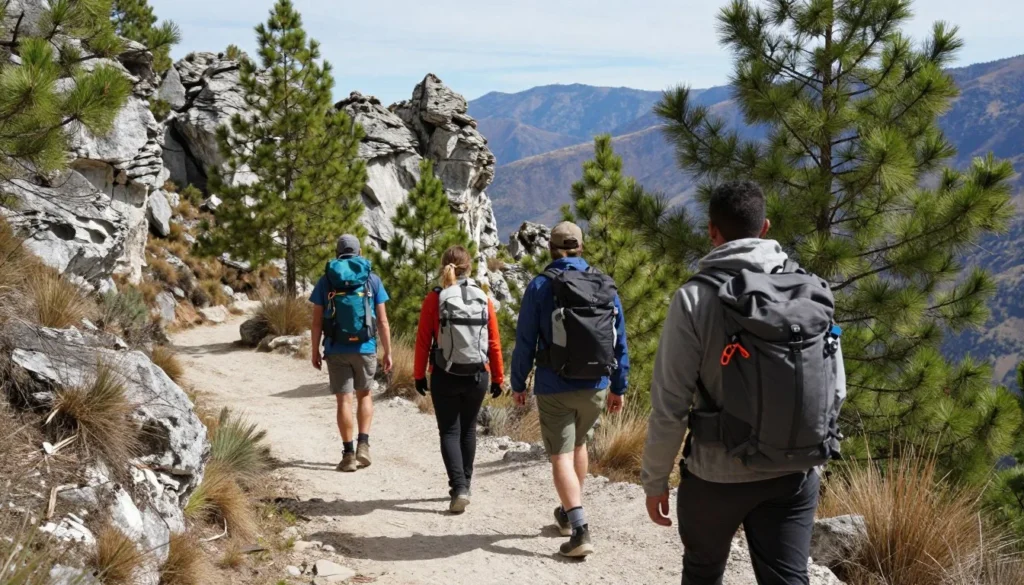
Multiple hiking trails of varying difficulty cross the park. Well-marked routes range from easy nature walks to challenging mountain climbs. Trail maps are available at the visitor center near Uña village.
The Nacimiento del Río Cuervo (Cuervo River Source) creates a spectacular waterfall area within the park. Spring snowmelt produces the most impressive water flow, while autumn colors add seasonal beauty.
Ventano del Diablo (Devil’s Window)
This natural rock arch formation provides one of the area’s most dramatic viewpoints. The “window” frames views of the Júcar River valley from a cliff-edge perch that tests visitor comfort with heights.
A short hiking trail from the road reaches the formation. The walk takes about 20 minutes each way over rocky terrain requiring proper footwear. Safety barriers protect the most dangerous spots, but caution remains essential.
The site lies approximately 15 km (9 miles) from Cuenca along the road toward Tragacete. Limited parking at the trailhead fills quickly on weekends during good weather.
Outdoor Activity Outfitters
Several companies in Cuenca organize guided hiking, mountain biking, and nature tours. These services prove valuable for visitors lacking transportation or preferring expert guidance to self-guided exploration.
Rock climbing opportunities exist on cliffs throughout the region. Local guide services provide equipment, instruction, and knowledge of the best routes for various skill levels.
Safety Notice: Weather in the mountains changes rapidly. Carry water, appropriate clothing layers, and check forecasts before hiking. Some trails become dangerous when wet or icy. Mobile phone coverage is unreliable in remote areas.
Travel With Children
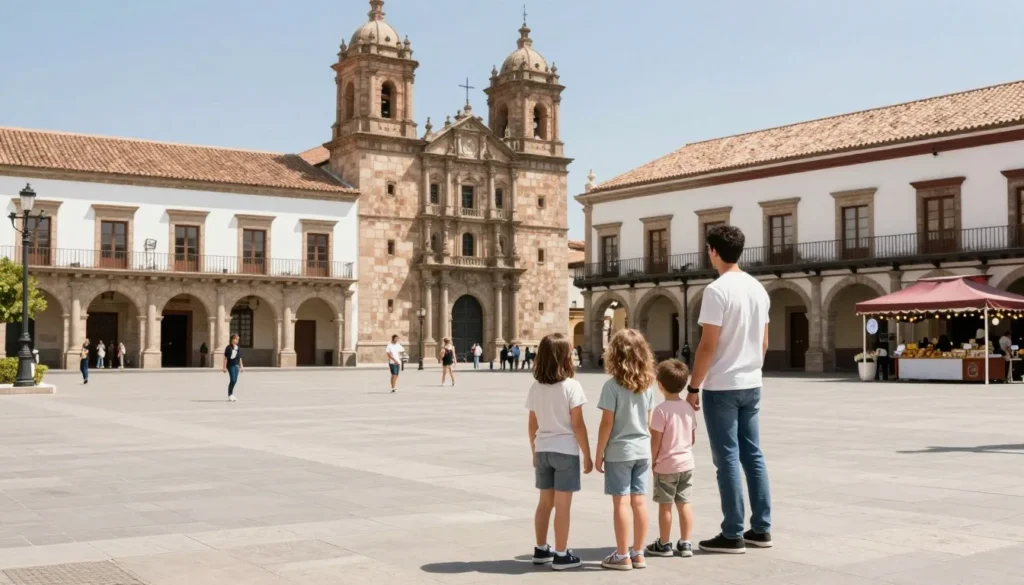
Cuenca offers family-friendly experiences, though the old town’s physical layout presents challenges for very young children. Planning appropriate activities and managing expectations creates successful family trips.
Age-Appropriate Attractions
The Science Museum provides the most obviously child-focused attraction. Interactive exhibits engage children while educating about natural phenomena and scientific principles. Most displays include English translations alongside Spanish text.
Ciudad Encantada captivates children’s imaginations with its fantasy-like rock formations. Kids enjoy identifying shapes and creating stories about the formations. The walking circuit includes enough variety to maintain interest without being overly long.
The Torre Mangana tower climb appeals to adventurous older children and teenagers. The physical challenge and rewarding views create a memorable family activity, though children must be able to safely navigate steep stairs.
Practical Considerations
Strollers face serious limitations in the old town. Steep cobblestones, numerous stairs, and narrow passages make stroller navigation nearly impossible in many areas. Baby carriers or backpacks work better for infants and toddlers.
Many restaurants welcome families, though Spanish dining hours conflict with typical children’s schedules. Look for establishments offering earlier service or pack snacks to bridge timing gaps.
Public playgrounds exist primarily in the new city rather than the historic center. The Parque de San Julián provides play equipment and green space for burning off energy between sightseeing activities.
Child-Friendly Dining
Traditional Spanish cuisine may challenge picky eaters. Fortunately, basic options like pasta, chicken, and french fries appear on most menus. Pizza restaurants provide familiar fallback options when local food doesn’t appeal.
Ice cream shops and bakeries throughout the city offer treats that keep children happy during walking tours. These strategic snack breaks help maintain good moods during sightseeing.
Safety Tips for Families
The gorge edges and cliff areas require constant supervision of children. While safety barriers exist at major viewpoints, many areas lack protection. Maintain firm control of young children near any drops or edges.
The San Pablo Bridge crossing deserves special mention. The iron mesh floor allows views straight down to the gorge bottom far below. Some children find this thrilling while others become frightened. Know your child’s comfort level before attempting the crossing.
Traffic in the new city requires typical urban precautions. The old town’s pedestrian nature provides safety from vehicles, though attention remains necessary on uneven surfaces and stairs.
Family Planning Tip: Visit major attractions early in the day when children have most energy. Save easier activities like plaza visits and ice cream stops for afternoon when tiredness sets in. Consider splitting up if interests diverge, with one parent taking younger children to playgrounds while others explore museums.
Money Saving Tips

Cuenca provides excellent value compared to major Spanish tourist cities, though smart strategies further reduce costs. Budget-conscious travelers enjoy authentic experiences without breaking the bank.
Accommodation Savings
Staying in the new city rather than old town cuts lodging costs by 30 to 50 percent while adding only a short walk to major attractions. The tradeoff of atmosphere for savings suits budget-focused travelers.
Mid-week visits typically offer lower hotel rates than weekends. Avoiding peak festival periods and summer high season provides significant price advantages, sometimes cutting costs in half.
Apartment rentals become cost-effective for stays exceeding two or three nights, particularly for families or groups. Kitchen access enables meal preparation, generating substantial food savings.
Dining on a Budget
Menu del día (daily menus) at lunch provide the best restaurant value. These fixed-price meals typically cost 10 to 15 euros and include multiple courses, bread, and often wine or dessert.
Shopping at the municipal market and supermarkets cuts food costs dramatically compared to restaurant dining. Picnic lunches assembled from market purchases cost a fraction of restaurant prices while adding cultural experience.
Tapas bars in the new city serve generous portions at lower prices than old town tourist restaurants. Locals frequent these establishments, ensuring authentic food and fair pricing.
Free and Low-Cost Attractions
Simply wandering the old town costs nothing while providing the city’s most essential experience. The dramatic setting, medieval architecture, and constant discoveries rival paid attractions for interest and beauty.
The San Pablo Bridge crossing is free and delivers one of Cuenca’s most memorable experiences. Sunset crossings add romance without adding cost.
Church visits generally cost nothing outside of the Cathedral. Smaller churches throughout the old town offer artistic and architectural interest without admission fees.
Hiking trails around the gorges and in nearby natural areas provide free outdoor recreation. Pack water and snacks rather than paying for trail-side refreshments.
✓ Check 30,000+ Local Sightseeing Tours Worldwide
Transportation Economics
Walking handles all transportation needs within the historic center at zero cost. The compact old town makes taxis unnecessary for sightseeing.
Advance train ticket purchases save considerably compared to last-minute station purchases. Book as early as possible for the best prices on the Madrid-Cuenca route.
Car rental makes sense for groups visiting multiple sites in the region. Splitting costs among several people reduces per-person transportation expenses compared to bus tours or individual tickets.
Museum and Attraction Discounts
Combined tickets for the Cathedral and Diocesan Museum cost less than separate admissions. Ask about combination options at ticket counters.
Many museums offer free admission days monthly or reduced fees for students, seniors, and families. Check specific attraction websites for current discount programs.
The tourist office sometimes offers discount vouchers or promotional packages combining multiple attractions. Ask about current offers when collecting maps and information.
Budget Strategy: Visit during shoulder season (April-May or September-October) when weather remains pleasant but prices drop significantly from summer peaks. Hotels reduce rates, restaurants offer better deals, and attractions feel less crowded without requiring off-season compromises.
Safety and Local Customs
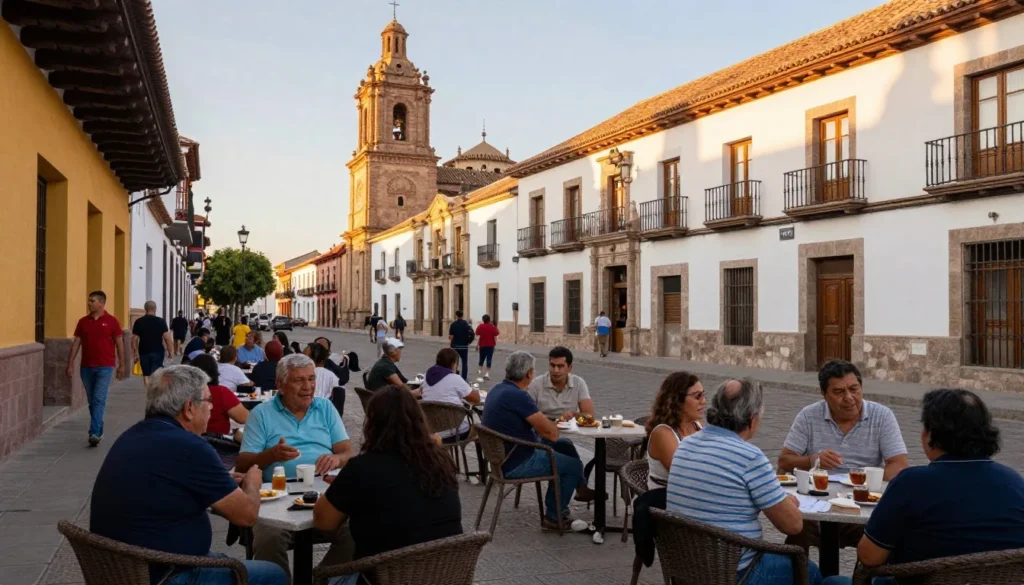
Cuenca ranks among Spain’s safest cities, with crime rates well below national averages. Understanding local customs and basic precautions ensures worry-free visits.
Personal Safety
Violent crime against tourists is extremely rare. The city’s small size and tight-knit community create inherent security that larger cities lack. Evening walks through old town streets feel safe even late at night.
Petty theft occasionally occurs in crowded tourist areas during peak season. Standard precautions like securing valuables, avoiding flashy jewelry, and maintaining awareness of surroundings prevent most problems.
The primary safety concern involves physical hazards rather than crime. Uneven cobblestones, cliff edges, and steep stairs cause injuries more frequently than malicious acts. Watch footing constantly and supervise children near gorge edges.
Emergency Services
The European emergency number 112 connects to police, ambulance, and fire services. English-speaking operators usually assist foreign visitors. Save this number in your phone before traveling.
The main police station sits in the new city near Plaza de la Hispanidad. Tourist police services operate during high season, providing English-language assistance for visitor needs.
The hospital and health centers provide quality medical care. European Health Insurance Cards cover EU citizens, while others should verify insurance coverage before traveling. Pharmacies throughout the city handle minor health issues.
Cultural Customs and Etiquette
Spanish social norms differ from American customs in several ways. Greetings involve more physical contact, with handshakes, cheek kisses, or both being standard even in casual encounters.
Meal times run significantly later than American schedules. Expecting restaurant service at 18:00 leads to disappointment, as most establishments haven’t begun dinner service. Adjust to local rhythms rather than fighting them.
Speaking loudly in public, particularly in churches or museums, violates Spanish norms. Keep voices moderate and show respect in religious spaces regardless of personal beliefs.
Tipping expectations remain modest. Restaurant bills often include service, though leaving small change or rounding up shows appreciation. Excessive tipping can seem ostentatious rather than generous.
Dress Code Considerations
Casual dress works fine for most situations in Cuenca. However, very casual attire like beach wear, athletic clothing, or revealing outfits look out of place in the city and particularly in churches.
The Cathedral and churches require modest dress. Cover shoulders and avoid shorts or short skirts when visiting religious sites. Carrying a light shawl or scarf enables quick coverage adjustments.
Comfortable walking shoes are essential, but footwear should be in good repair. Spaniards dress more formally than Americans even for casual outings, making extremely worn or athletic shoes look inappropriate.
Language Considerations
English fluency remains limited outside major hotels and tourist-oriented restaurants. Learning basic Spanish phrases improves interactions and shows respect for local culture.
Younger staff at tourist attractions usually speak some English. Older residents and those in local businesses may speak only Spanish. Translation apps help bridge communication gaps.
Making an effort to speak Spanish, however imperfectly, generates goodwill. Locals appreciate attempts to communicate in their language rather than automatically expecting English service.
Important Safety Note: Many overlooks and scenic points lack barriers or safety railings. The hanging houses and gorge edges can be dangerous, particularly in wet or icy conditions. Exercise extreme caution, stay on designated paths, and never lean over unprotected edges for photos.
Visitor Comments About Cuenca
“The hanging houses literally took my breath away. I’ve traveled extensively through Europe, but Cuenca’s combination of natural beauty and medieval architecture creates something truly unique. We spent three days and could have easily stayed longer. The food exceeded expectations, especially the local game dishes. Don’t miss the walk across the bridge if you can handle heights. The old town at sunset is magical.”
“Cuenca surprised us completely. We added it as a quick stop between Madrid and Valencia and ended up extending our stay. The Abstract Art Museum in the hanging house ranks among the best gallery experiences I’ve had anywhere. Walking the narrow streets felt like time travel. Our kids loved the Enchanted City rock formations. The whole trip felt authentic rather than tourist-manufactured. Highly recommend staying in the old town despite the stairs.”
“For anyone tired of overcrowded tourist cities, Cuenca delivers everything you want without the overwhelming crowds. Yes, it gets busy during festivals, but nothing like Barcelona or Madrid. The city feels real, with locals going about daily life rather than a place existing solely for tourists. We visited in October and had perfect weather for hiking and sightseeing. The value compared to major cities was remarkable. Already planning to return.”
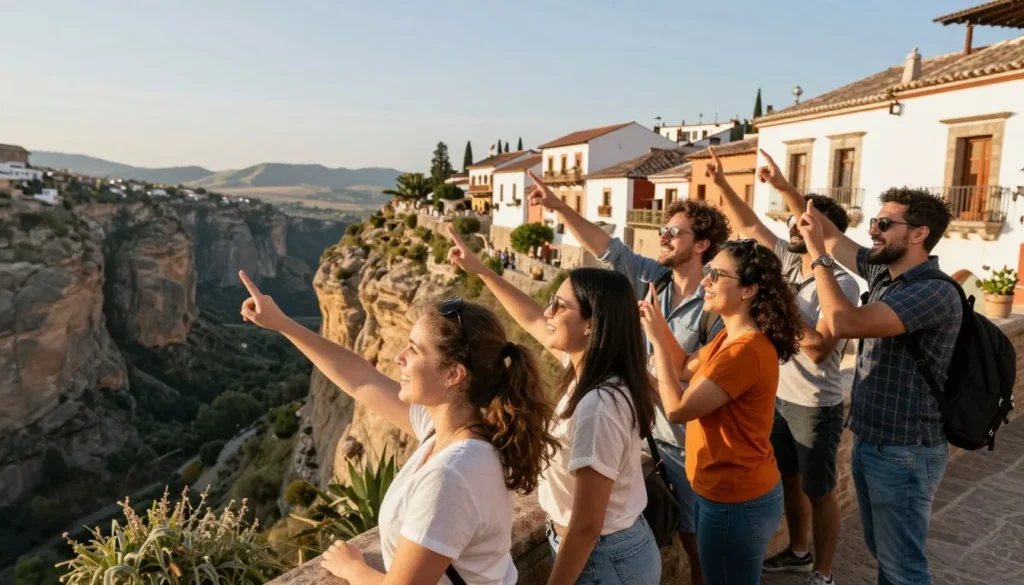
Additional Nearby Destinations
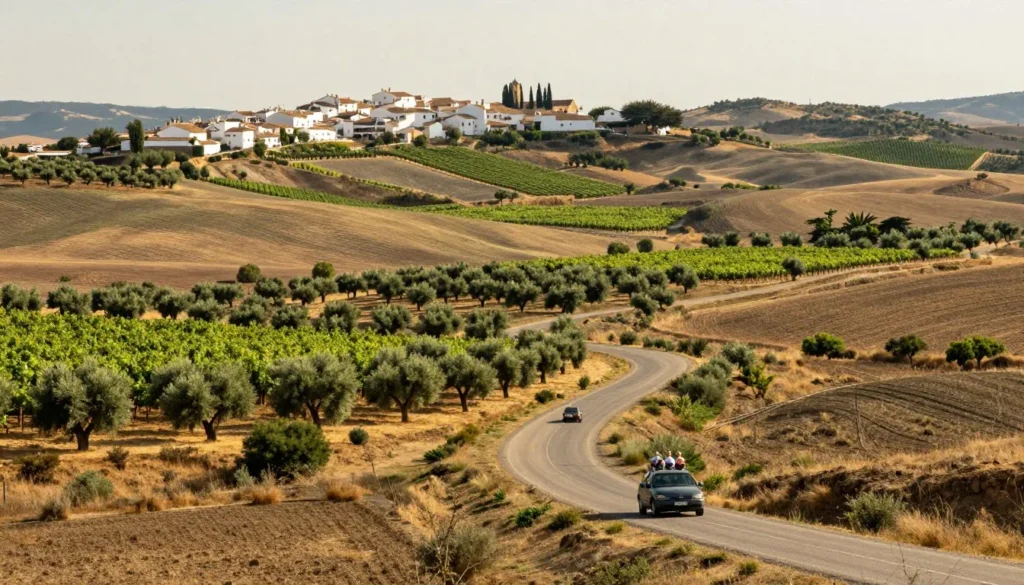
Cuenca’s central location makes it an excellent base for exploring surrounding areas. Several worthwhile destinations lie within easy day trip distance, extending your experience of the region.
Alarcón
This medieval village sits 87 km (54 miles) south of Cuenca, spectacularly positioned on a promontory nearly surrounded by the Júcar River. The horseshoe bend creates a dramatic setting enhanced by well-preserved castle and walls.
The castle now operates as a parador hotel, though non-guests can visit portions of the structure. Walking the village walls and exploring narrow streets transports visitors to medieval Spain with minimal modern intrusions.
The drive takes approximately one hour. Dining options are limited, so plan meal timing accordingly or pack a picnic to enjoy with views.
Belmonte
Located 96 km (60 miles) west of Cuenca, Belmonte features one of Spain’s best-preserved castles. The 15th-century fortress includes furnished rooms showing medieval life and defensive architecture.
Castle admission costs 9 euros for adults. Guided tours in Spanish run regularly, with English information available through written materials and audio guides.
The town also contains the Collegiate Church and interesting Renaissance architecture. Combined with the castle visit, plan three to four hours for complete exploration.
Uclés
This small town 63 km (39 miles) southwest of Cuenca centers on an enormous monastery complex nicknamed the “Escorial of La Mancha” for its architectural significance and scale.
The monastery combines Gothic, Renaissance, and Baroque elements in impressive proportions. Guided tours reveal the cloister, church, and various historical chambers. The complex sits dramatically atop a hill visible for miles across the plains.
Admission fees run approximately 5 euros. The drive from Cuenca takes about 45 minutes through agricultural landscape typical of the La Mancha region.
Segóbriga Archaeological Park
These Roman ruins lie 73 km (45 miles) northwest of Cuenca, preserving one of Spain’s most complete Roman cities. The site includes a theater, amphitheater, forum, and thermal baths in various states of preservation.
The theater still hosts occasional performances, creating unique opportunities to experience ancient spaces in use. A small museum displays artifacts found during excavations and provides historical context.
Entrance costs 6 euros for adults. Plan two to three hours for site exploration including the museum. Limited shade makes hot weather visits challenging.
Tragacete and Mountain Villages
The mountain region north of Cuenca contains numerous small villages worth exploring. Tragacete, approximately 44 km (27 miles) away, serves as the gateway to upper mountain areas.
This area specializes in nature tourism, with hiking trails, trout fishing, and winter sports when snow permits. The landscape shifts from Mediterranean to mountain forests as elevation increases.
Several villages maintain traditional architecture and ways of life. Sunday markets in these communities provide glimpses of authentic rural Spanish culture beyond tourist centers.
Madrid and Valencia
Cuenca’s position between Spain’s capital and third-largest city enables extended trips combining multiple destinations. The high-speed train connection makes visiting both cities practical from a Cuenca base or as part of a multi-city tour.
Madrid lies 165 km (103 miles) northwest with train connections taking under an hour. The contrast between Spain’s largest metropolis and intimate Cuenca creates compelling variety.
Valencia sits 210 km (130 miles) east, about two and a half hours by car. Combining mountainous Cuenca with coastal Valencia showcases Spain’s geographic diversity.
Practical Travel Tips
Tourist Information Resources
The main tourist office operates in the old town near Plaza Mayor, providing maps, brochures, and personal assistance in multiple languages. Hours typically run from 09:00 to 14:00 and 16:00 to 19:00 daily, with reduced Sunday service.
Contact the tourist office at +34 969 24 10 50 for pre-trip planning questions or during your visit for current event information and recommendations.
Free WiFi is available at the tourist office, many cafes, and most accommodations. Coverage in the old town can be spotty due to thick medieval walls, but new city areas maintain reliable service.
Money and Banking
ATMs are readily available throughout both old and new city areas. Machines accept international cards and generally offer better exchange rates than currency exchange offices.
Credit cards work at most hotels, restaurants, and larger shops. Smaller establishments and market vendors may prefer cash. Carry some euros for small purchases, admission fees, and tips.
Banks maintain standard Spanish hours, generally 08:30 to 14:00 Monday through Friday. ATMs operate 24 hours, though machines in isolated areas sometimes run out of cash on weekends.
Mobile Connectivity
US mobile phones work in Spain with international roaming, though charges can be substantial. Consider purchasing a local SIM card for extended stays to reduce costs dramatically.
SIM cards are available at phone shops, some tobacco shops, and the train station. Bring passport identification for purchase, as Spanish regulations require identity verification.
Coverage in Cuenca city is reliable on all major networks. Rural areas and mountain locations experience gaps in service, making offline maps essential for countryside exploration.
Packing Recommendations
Comfortable, broken-in walking shoes are absolutely essential. The old town’s cobblestones and stairs destroy feet in new or inappropriate footwear. Bring shoes with good support and traction.
Layers work better than heavy coats except during deep winter. Weather can shift dramatically between sunny and cloudy, warm and cool, especially at the city’s elevation.
A small backpack or day bag carries water, snacks, camera, and layers during daily exploration. Avoid valuable-looking bags that attract unwanted attention in crowded areas.
European electrical adapters are necessary for American electronics. Most modern devices handle dual voltage, but verify before plugging in. Some older hotels may have limited outlets.
Language Basics
Learning basic Spanish phrases improves experiences significantly. Essential words include greetings, please, thank you, excuse me, and basic questions about directions and prices.
Download a translation app before arrival and save offline language packs. Internet connectivity isn’t always available when you need to communicate.
Pointing at menu items, using hand gestures, and maintaining patience help when verbal communication fails. Most locals appreciate efforts to speak Spanish even if imperfect.
Best Photography Locations
The San Pablo Bridge provides the classic hanging houses perspective. Visit during golden hour (early morning or late afternoon) for the best light.
The Parador terrace offers excellent views even for non-guests. Stop for a drink and enjoy photography opportunities from this premium vantage point.
Streets near Torre Mangana deliver atmospheric shots of old town architecture and daily life. Explore various times of day as light dramatically changes the mood.
Gorge overlooks scattered throughout the old town reward exploratory walking. Many lesser-known viewpoints lack crowds while offering stunning perspectives.
Essential Contacts: Emergency Services: 112 | Tourist Office: +34 969 24 10 50 | Local Police: +34 969 17 63 00 | Hospital: +34 969 17 98 00 | Train Station: +34 912 320 320
Seasonal Considerations
Spring brings wildflowers to hiking areas and pleasant temperatures throughout the day. Book accommodations early as this popular season fills quickly.
Summer requires heat management strategies. Start sightseeing early, take midday breaks, and resume activities in late afternoon. Carry water constantly and seek shade during peak heat.
✓ Check 30,000+ Local Sightseeing Tours Worldwide
Autumn offers ideal conditions with fewer tourists and beautiful natural colors. September through October provides the best balance of weather, crowds, and prices.
Winter transforms the city into a different destination. Snow occasionally dusts the hanging houses creating magical scenes, but some outdoor activities become impossible. Restaurants and hotels may reduce hours or close entirely in deep winter.
Duration Recommendations
Two full days allow seeing major attractions at a comfortable pace. This includes old town exploration, the Cathedral and museums, and one countryside excursion to Ciudad Encantada or similar site.
Three to four days enable deeper exploration including multiple nature trips, museum visits, and time to simply relax and absorb the atmosphere without rushing.
Cuenca works well as either a standalone destination or part of a larger Spanish itinerary. The city provides perfect contrast to major metropolitan areas and coastal regions.
Your Cuenca Adventure Awaits
Cuenca stands apart from typical Spanish destinations, offering dramatic landscapes, genuine cultural experiences, and architectural wonders without overwhelming tourist infrastructure. The hanging houses remain as gravity-defying as when built centuries ago, while the surrounding nature areas provide endless exploration opportunities.
This remarkable city rewards those who venture beyond Spain’s most famous destinations. Whether you’re captivated by medieval architecture, world-class art, outdoor adventure, or simply seeking authentic Spanish culture, Cuenca delivers experiences that create lasting memories.
Start planning your trip to discover why those who visit Cuenca often return. The combination of natural beauty, historical significance, and welcoming atmosphere creates a destination that captures hearts and imaginations unlike anywhere else in Spain.