
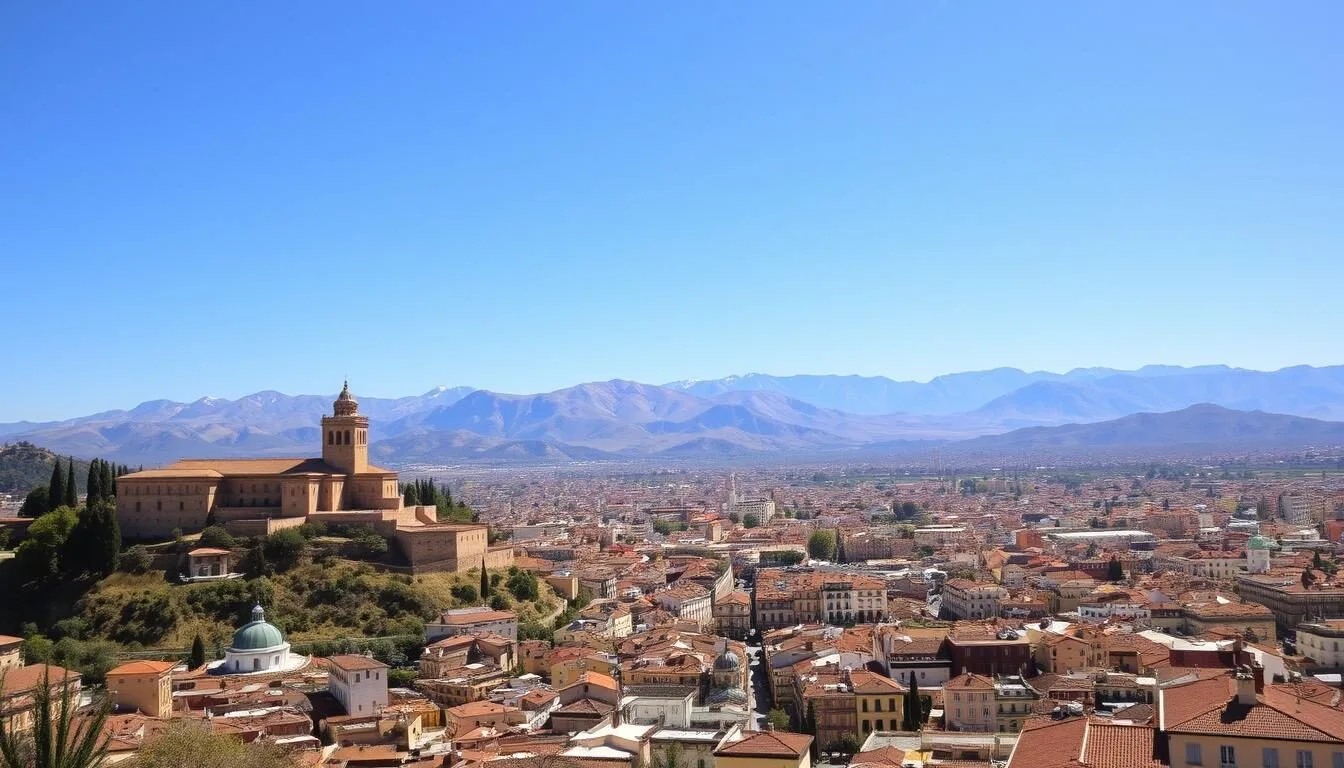
Nestled at the foot of the Sierra Nevada mountains, Granada is a city that embodies the rich cultural heritage of Spain. With its stunning architecture, vibrant neighborhoods, and historical landmarks, it’s a destination that promises an unforgettable experience.
As you explore this captivating city, you’ll uncover a blend of Moorish and Spanish influences that have shaped its history and identity. From the majestic Alhambra to the charming streets of the Albaicín quarter, things to do in Granada are plentiful, making it an ideal destination for travelers seeking a mix of culture, history, and entertainment.
Get ready to immerse yourself in the beauty and charm of Granada, where every corner tells a story and every experience is a step back in time.
Discovering Granada’s Charm
As you plan your trip to southern Spain, you’ll discover that Granada is a city that seamlessly blends history, culture, and natural beauty.Granada cityis a treasure trove of experiences, from exploring the Alhambra to wandering through picturesque neighborhoods.
Why Granada Should Be on Your Spain Itinerary
Granada stands out among Spanish cities for its unique blend of Moorish and Christian influences, creating an atmosphere unlike anywhere else in the country. You’ll find that the city’s historic center is compact and perfect for walking exploration, with its hilly terrain making comfortable shoes essential for navigating the cobblestone streets. The city’s rich cultural heritage is evident in its architecture, cuisine, and vibrant cultural scene.
- Experience the city’s famous free tapas culture, where you can enjoy local delicacies with your drinks in many establishments.
- Explore the narrow streets and historic landmarks that showcase Granada’s rich history.
- Enjoy the city’s vibrant cultural scene, with numerous festivals and events throughout the year.
Best Time to Visit Granada
The best time to visit Granada is during spring (April-June) and fall (September-October) when temperatures are pleasant and crowds are thinner than in peak summer months. Summer can be quite hot, with temperatures often exceeding 95°F (35°C), while winter offers a unique opportunity to combine city exploration with skiing in the nearby Sierra Nevada.

How to Get to Granada
Granada is well-connected to other Spanish cities by train, bus, and car. The travel time from nearby cities is relatively short: it’s approximately 3 hours from Seville, 1.5 hours from Málaga, and 2.25 hours from Córdoba by car. When you visit Granada, you’ll find that getting around the city is easy, with many transportation options available.
Whether you’re interested in history, culture, or simply enjoying the local cuisine, Granada has something to offer. With its rich heritage and vibrant atmosphere, Granada is a city that will leave you with unforgettable memories of your things Granada adventure.
Exploring the Magnificent Alhambra
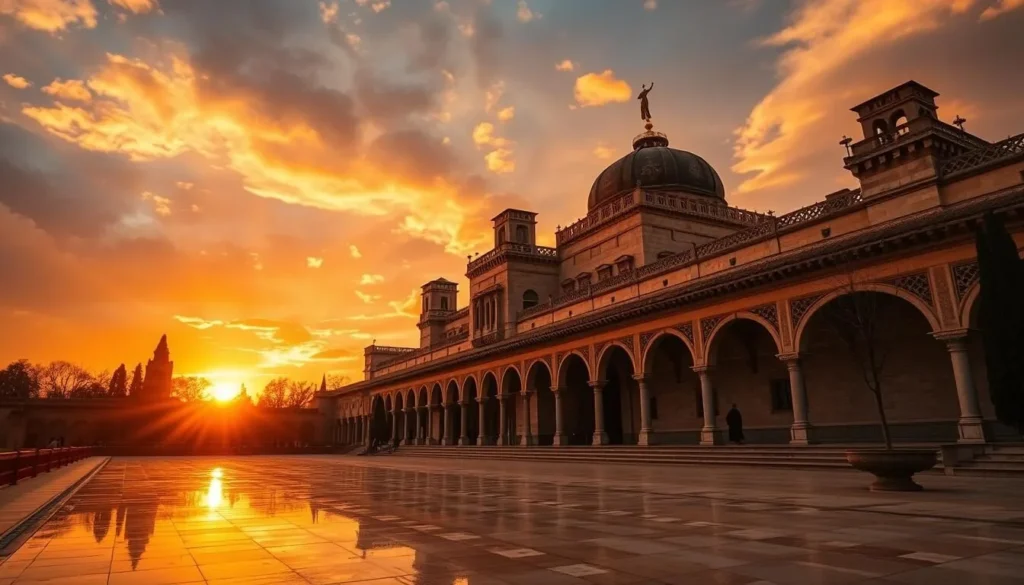
Standing atop a hill overlooking Granada, the Alhambra is a testament to the city’s rich cultural heritage. As one of the best-preserved palaces of the historic Islamic world, it attracts millions of visitors each year. The Alhambra is a UNESCO World Heritage Site and one of the most popular tourist attractions in Europe.
Nasrid Palaces: The Crown Jewel
The Nasrid Palaces are the crown jewel of the Alhambra, representing the pinnacle of Moorish architecture. You will be amazed by the intricate stucco work, geometric patterns, and peaceful courtyards like the famous Court of the Lions. This part of the Alhambra is a must-visit, showcasing the rich history and cultural significance of the palace.
Generalife Gardens and Summer Palace
The Generalife Gardens offer a serene escape with their terraced gardens, flowing fountains, and the summer palace where Nasrid rulers retreated from the summer heat. Strolling through these gardens is a delightful experience, providing a tranquil atmosphere amidst the beauty of nature.
Alcazaba Fortress and Panoramic Views
From the Alcazaba fortress, the oldest part of the Alhambra complex, you’ll enjoy panoramic views of Granada city, the Albaicín quarter, and the Sierra Nevada mountains. Climbing to the top of the fortress is a highlight of any visit to the Alhambra, offering a unique perspective on the city and its surroundings.
Tips for Visiting the Alhambra
To make the most of your visit to the Alhambra, it’s essential to plan ahead. Book your tickets in advance to avoid disappointment, as daily visitor numbers are strictly limited. Consider taking a guided tour to fully appreciate the historical and architectural significance of this UNESCO World Heritage site. Allocate at least 3-4 hours to explore the entire complex.
Best Viewpoints to See the Alhambra
To truly experience the Alhambra’s splendor, you need to see it from the best viewpoints in Granada. The Alhambra is a magnificent monument that can be appreciated from various perspectives, each offering a unique view.
Mirador de San Nicolás: The Classic View
Mirador de San Nicolás is a renowned viewpoint located on a hilltop in the Albaicín neighborhood. It provides the most famous and photographed view of the Alhambra, especially during sunset when the fortress glows golden against the backdrop of the Sierra Nevada mountains. You can enjoy the view while listening to street musicians playing flamenco guitar, creating a perfect atmosphere.
Mirador de San Cristóbal
For those seeking a less crowded alternative, Mirador de San Cristóbal offers a similar panoramic view of the Alhambra. This viewpoint is perfect for appreciating the monument’s beauty without the crowds often found at Mirador de San Nicolás.
Paseo de los Tristes: Riverside Views
If you prefer to avoid steep climbs, Paseo de los Tristes offers beautiful riverside views of the Alhambra. The square with Fuente del Paseo de los Tristes is particularly noteworthy, providing a stunning view without requiring any hill climbs. This makes it an ideal spot for those looking for a more relaxed viewing experience.
Capturing the perfect view of the Alhambra is a must-do experience in Granada. With several viewpoints offering different perspectives, you can choose the one that suits your preferences. Whether it’s the classic view from Mirador de San Nicolás, a quieter alternative at Mirador de San Cristóbal, or a riverside view from Paseo de los Tristes, each viewpoint provides a unique experience.
- Multiple Viewpoints: Granada offers several viewpoints, each with its own unique perspective on the Alhambra.
- Sunset Magic: Mirador de San Nicolás is particularly magical at sunset, with the Alhambra glowing golden.
- Less Crowded: Mirador de San Cristóbal is a less crowded alternative with a similar panoramic view.
- Riverside Views: Paseo de los Tristes offers beautiful views without the need for steep climbs.
Wandering Through the Albaicín Quarter
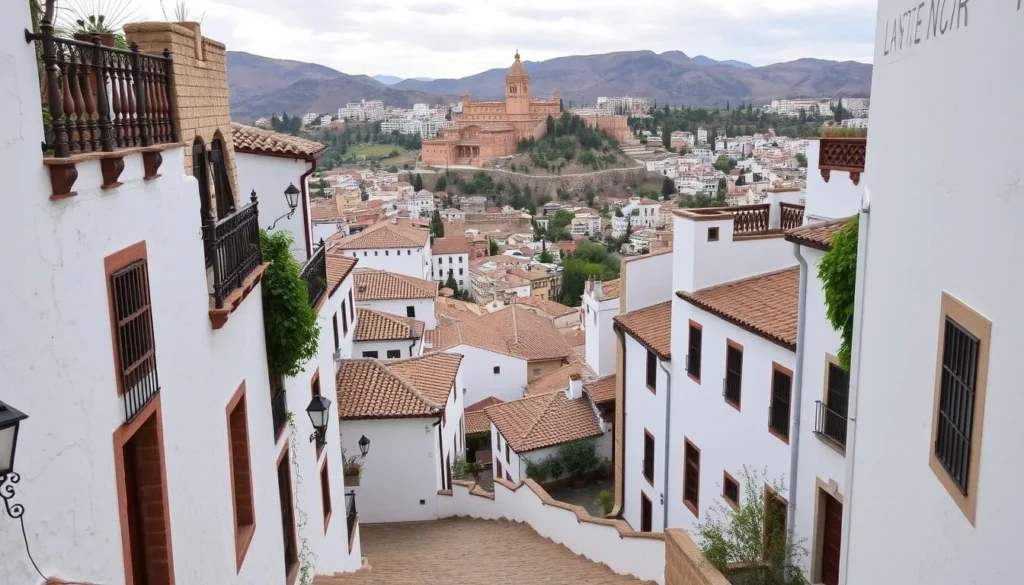
Wandering through the Albaicín Quarter is like stepping back in time to Granada’s medieval past. This historic neighborhood, situated on a hillside across the Darro River from the Alhambra, is a labyrinth of narrow, winding streets lined with whitewashed houses and hidden gardens.
Narrow Streets and Moorish Architecture
The Albaicín’s architecture is a testament to Granada’s rich Moorish heritage. As you walk through the quarter, you’ll notice the distinctive features of Moorish design, including interior courtyards, ornate wooden doors, and decorative tilework. The area’s multicultural history is reflected in its buildings, which date back to the Nasrid and Renaissance periods.
Plaza Larga and Local Markets
At the heart of the Albaicín is Plaza Larga, a bustling square that hosts a lively market. Here, you can experience the authentic rhythm of local life as residents shop for fresh produce, flowers, and crafts. This vibrant area is a great place to soak up the atmosphere and sample some of Granada’s culinary delights.
Calle Calderería Nueva: Little Morocco
One of the Albaicín’s most famous streets is Calle Calderería Nueva, often referred to as “Little Morocco.” This charming street is lined with teahouses, spice shops, and artisan stores selling colorful lamps, textiles, and ceramics. As you explore this enchanting area, you’ll discover why it’s a favorite among visitors looking for a taste of Granada’s exotic past.
Visiting the Albaicín Quarter is one of the top things to do in Granada, offering a unique glimpse into the city’s Moorish history and cultural heritage. Whether you’re wandering its narrow streets, exploring its historic landmarks, or simply soaking up the atmosphere, the Albaicín is sure to leave a lasting impression.
Exploring the Sacromonte District
Sacromonte, with its cave dwellings and flamenco heritage, is a treasure trove of local culture. Located to the east of the Albaicín district, Sacromonte is home to Granada’s Roma community, offering a unique experience that showcases the city’s rich cultural diversity.
Cave Houses and Roma Heritage
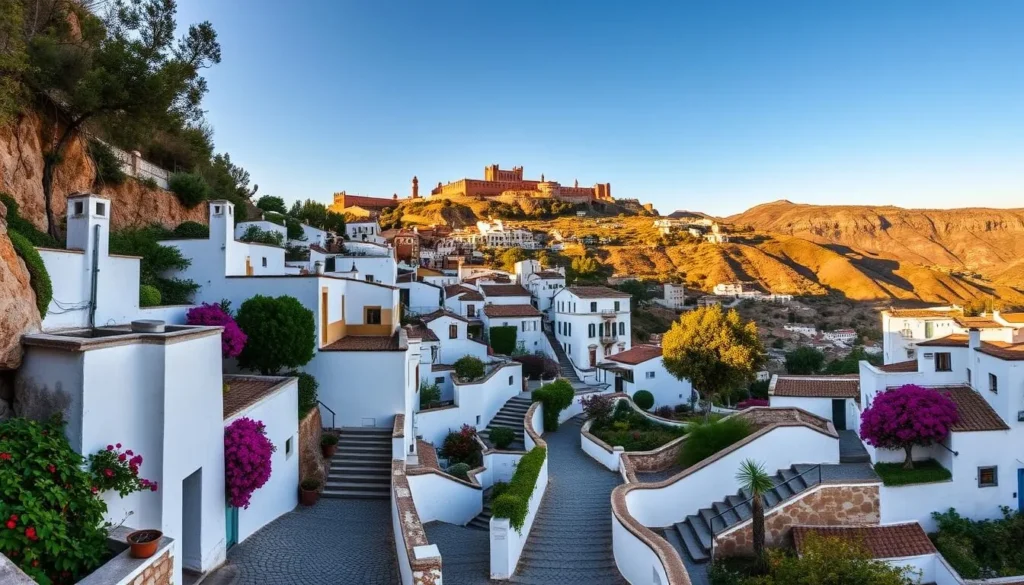
The Sacromonte district is famous for its cave houses carved into the hillside, a testament to the resourcefulness of its inhabitants. This neighborhood has been home to Granada’s Roma community since the 16th century, creating a distinctive cultural enclave that has preserved traditions for generations. As you explore the narrow streets, you’ll discover how the cave houses have evolved over centuries, with some transformed into flamenco venues, restaurants, or comfortable homes with modern amenities.
- Experience the authentic flamenco culture that Sacromonte is known for.
- Explore the unique cave dwellings that dot the hillside.
- Learn about the history and traditions of Granada’s Roma community.
Museo Cuevas del Sacromonte
A visit to the Museo Cuevas del Sacromonte, or Cave Museum of Sacromonte, is a must when in the area. This museum offers a fascinating glimpse into traditional cave life, with eleven restored caves showcasing how residents lived, worked, and created art in these unique spaces. You’ll gain insight into a way of life that has contributed significantly to Granada’s cultural identity.
Mirador Sacromonte
For breathtaking views of Granada, head to Mirador Sacromonte. From this vantage point, you’ll enjoy spectacular vistas of the Alhambra, the Albaicín, and the valley of the Darro River. This perspective helps you understand the geographical relationship between Granada’s historic districts, making for a memorable day out.
In summary, Sacromonte is one of the most unique things Granada has to offer, providing an immersive cultural experience that resonates with visitors from around the world.
Strolling Along Carrera del Darro
If you’re looking for a romantic and historic experience in Granada, look no further than Carrera del Darro. This famous street runs along the Darro River at the foot of the Albaicín district, offering a unique view of the Alhambra on the opposite hill. As you walk along this picturesque street, you’ll be treated to a blend of historic architecture, boutique shops, and charming cafés.
Historic Bridges and Buildings
Carrera del Darro is not just a way to enjoy the city’s beauty; it’s also a scenic route that connects Plaza Nueva with Paseo de los Tristes. Along this ancient cobblestone path, you’ll find well-preserved historic buildings, including former noble houses and convents, showcasing different periods in Granada’s architectural history. The views of the historic bridges spanning the Darro River add to the street’s charm, making it a perfect spot to explore leisurely.
| Landmark | Description |
|---|---|
| Historic Bridges | Spanning the Darro River, these bridges offer picturesque views. |
| Noble Houses | Former residences showcasing Granada’s architectural heritage. |
| Convents | Historic religious buildings along Carrera del Darro. |
El Bañuelo: Ancient Arab Baths
One of the highlights of Carrera del Darro is El Bañuelo, also known as Baño del Nogal or Bath of the Walnut. This 11th-century Arab bathhouse is one of Spain’s best-preserved historic hammams, offering a glimpse into daily life during the Moorish period. With its star-shaped skylights and horseshoe arches, El Bañuelo is a must-visit attraction when exploring things Granada has to offer.
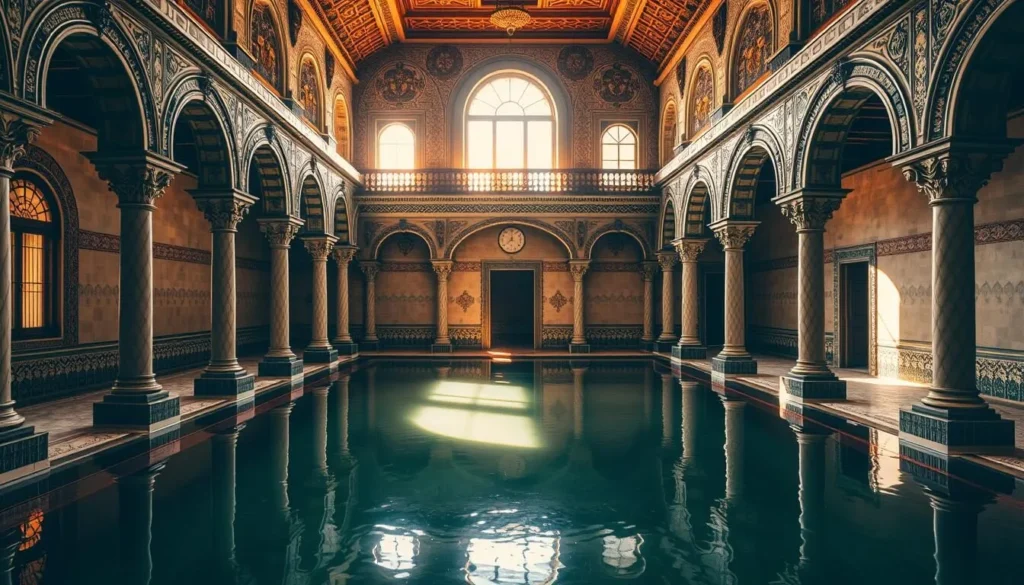
Granada, Spain: Best Things to Do for Culture Lovers
As a culture enthusiast, you’ll find Granada a treasure trove of historical and architectural marvels. The city’s rich heritage is reflected in its numerous monuments and landmarks, each telling a story of Granada’s complex past.
Granada Cathedral and Royal Chapel

The Granada Cathedral, also known as the Cathedral of the Incarnation, is a masterpiece of Spanish Renaissance architecture built on the site of the city’s main mosque. Its interior boasts five naves, a stunning blue dome adorned with gold stars, and several chapels. The adjacent Royal Chapel houses the tombs of the Catholic Monarchs, Ferdinand and Isabella, who played a pivotal role in Spanish history.
Culture enthusiasts will appreciate the cathedral’s significance, representing the transition from Islamic to Christian rule. The Royal Chapel is a must-visit to understand the historical context of Granada’s conquest in 1492.
Basilica de San Juan de Dios
The Basilica de San Juan de Dios is renowned for its extraordinary Baroque interior, where almost every surface is embellished with gold leaf, intricate carvings, and colorful frescoes. This dazzling display of artistic craftsmanship makes it a compelling visit for those who appreciate historical and cultural significance.
Monastery of San Jerónimo
The Monastery of San Jerónimo, founded by the Catholic Monarchs, is a testament to Granada’s rich cultural heritage. Its stunning cloister and chapel are adorned with meticulously painted frescoes and an impressive gold leaf altarpiece, showcasing the artistic and architectural styles of the time.
These cultural landmarks not only reflect Granada’s history but also offer a glimpse into its transformation over the centuries. Consider taking a guided tour to fully appreciate the historical significance and artistic details of these sites.
Experience Authentic Flamenco Shows
Experience the passion of authentic flamenco shows in Granada, a city that is considered one of the birthplaces of this emotional art form. Flamenco is characterized by its powerful and expressive movements, soulful singing, and intricate guitar playing.
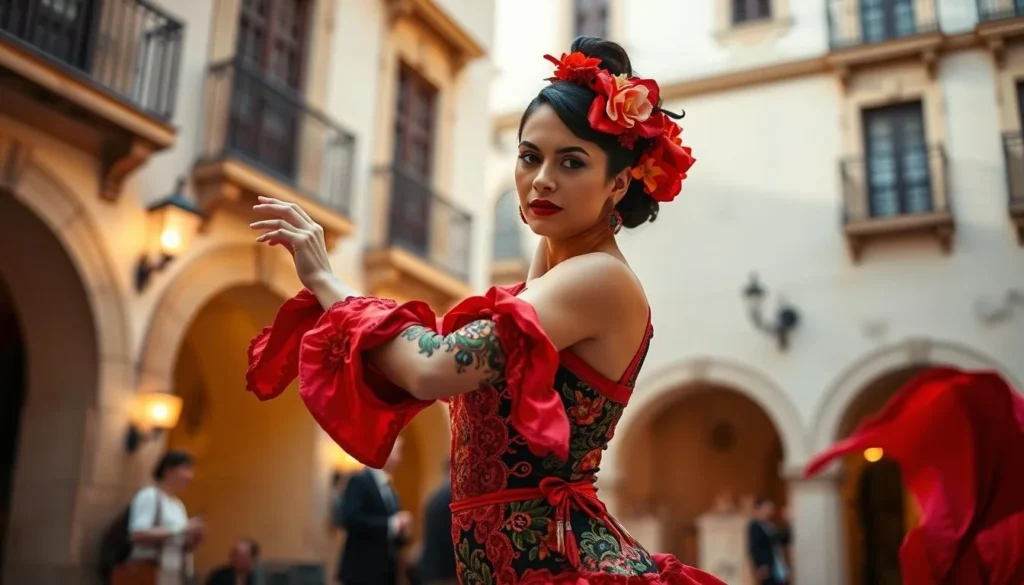
Best Venues for Flamenco in Sacromonte
The Sacromonte district is renowned for its authentic flamenco venues, particularly in the cave settings that have been a part of this art form’s heritage. Cueva La Rocio and Cueva Maria la Canastera are two of the most celebrated locations where you can witness flamenco in an intimate and raw form.
These cave venues offer a unique setting where the performances are deeply rooted in the Roma community’s traditions, providing an authentic experience for visitors.
Understanding Flamenco and Zambra
Flamenco encompasses various styles, with Zambra being a unique variation that originated in Granada. Zambra is distinguished by its lively rhythms and is often associated with Moorish wedding celebrations. Understanding the nuances between different flamenco styles, including Zambra, can enhance your appreciation of the performances.
When attending a flamenco show, look for venues that focus on the art form rather than mere spectacle, ensuring a more authentic and engaging experience.
Relax in a Traditional Hammam
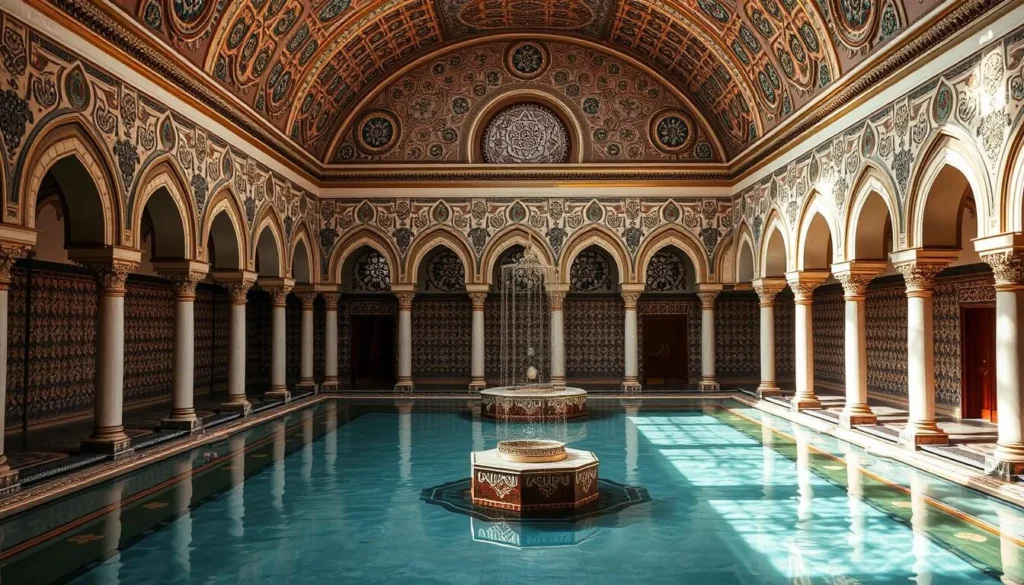
Discover the tranquil world of Hammam Al Andalus, where ancient bathing traditions meet modern relaxation. Located near Plaza Nueva, this historic bathhouse recreates the ambiance of traditional Arab baths, complete with stunning architectural details.
The Hammam Experience
Visiting a hammam is one of the most relaxing things to do in Granada, offering a glimpse into the bathing traditions that were central to daily life during the Moorish period. The hammam experience typically includes access to multiple pools of different temperatures, allowing you to move between them at your own pace while enjoying the therapeutic benefits of contrast bathing.
The steam-filled atmosphere, aromatic oils, and soft lighting create a deeply relaxing environment that provides perfect respite after a day of sightseeing in Granada’s hilly streets.
Treatments and Services
To enhance your experience, Hammam Al Andalus offers various treatments, including kessa (traditional exfoliation with a special glove) and relaxing massages with essential oils. These services complement the water circuit, further rejuvenating your body.
Many visitors find that timing their hammam visit for late afternoon or evening provides a perfect way to unwind and reflect on the day’s explorations in a setting that connects them to Granada’s Moorish heritage, surrounded by the soothing effects of water.
Take your time to enjoy the facilities and services, making the most of your visit to this unique Granada attraction.
Dining with a View of the Alhambra
Imagine savoring a delicious meal while enjoying a panoramic view of the Alhambra, an experience that will leave you spellbound. The Albaicín district in Granada is home to numerous restaurants that offer tables with a breathtaking view of the Alhambra.
Carmen Mirador de Aixa
Carmen Mirador de Aixa is one of the best places to enjoy a meal with a spectacular view of the Alhambra. The restaurant serves both lunch and dinner, and it’s advisable to make a reservation in advance. The tiered seating ensures that most tables have a good perspective of the illuminated fortress.
For the ultimate experience, request “first row” seating at the window or on the terrace, which typically comes with a premium charge but is worth it for the unobstructed views.
Carmen El Agua
Carmen El Agua provides another excellent option with a slightly different perspective of the Alhambra, set in a traditional carmen (house with garden) that creates a romantic atmosphere. The food served is decent, and the overall experience is very satisfying.
The best time to dine at these restaurants is around sunset, when you can watch the Alhambra transform from golden to illuminated as darkness falls over Granada.
Enjoying a meal with a view of the Alhambra is one of the most memorable dining experiences in Granada, combining culinary pleasures with spectacular scenery.
Granada’s Food Scene: Tapas and More
Granada offers a unique gastronomic experience with its tapas culture being a major highlight for visitors. The city’s culinary tradition is deeply rooted in its history, making every meal a delightful journey through local flavors.
Free Tapas Culture in Granada
In Granada, the tapas culture is a standout feature. When you order a drink, you’re typically served a complimentary tapa, with the quality and quantity improving with each round. Your first drink might come with simple olives or bread, but subsequent drinks bring more elaborate tapas, such as delicious cuts of fish or jamon on bread. This unique practice makes dining out in Granada an exciting and affordable adventure.
Must-Try Local Dishes
While tapas are a must-try, Granada’s cuisine offers more. Local specialties include habas con jamón (broad beans with ham), berenjenas con miel (fried eggplant with honey), and tortilla del Sacromonte, a unique omelet that traditionally includes brain and testicles, though modern versions often use milder ingredients. For a hearty meal, try plato alpujarreño, a mountain dish that showcases the region’s rich culinary heritage.
Best Areas for Dining
For an authentic dining experience in Granada, head to neighborhoods like Realejo, where Campo del Príncipe square hosts some of the city’s best tapas bars. Plaza Bib-Rambla and the streets around the Cathedral are also excellent, offering a variety of dining options with outdoor seating perfect for people-watching. For a more local atmosphere, venture into bars away from the main tourist areas.
| Neighborhood | Best For |
|---|---|
| Realejo | Tapas bars and local cuisine |
| Plaza Bib-Rambla | Outdoor dining and people-watching |
| Sacromonte | Authentic flamenco and local atmosphere |
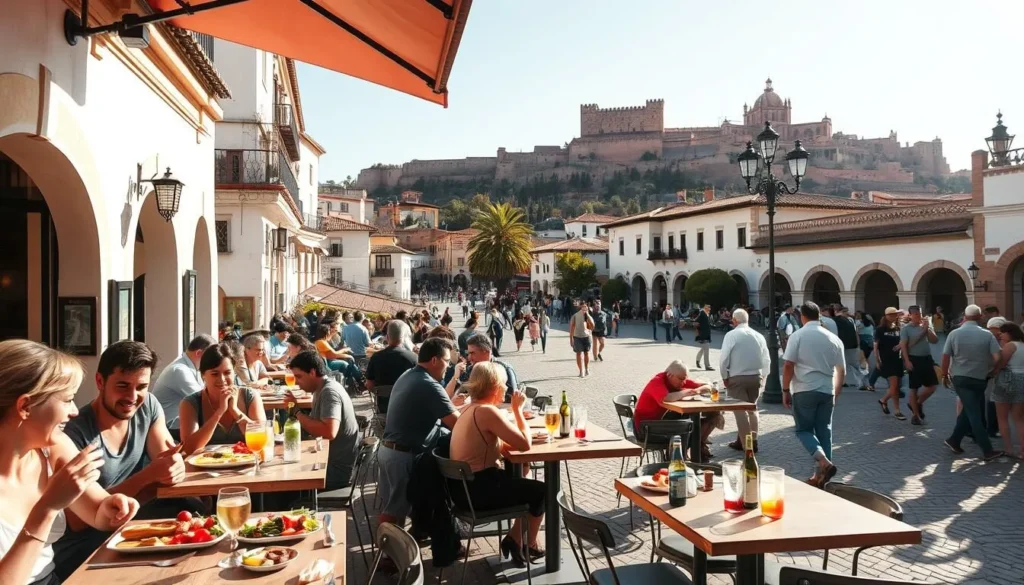
Exploring Granada’s food scene is a journey through the city’s rich culinary traditions. With its unique tapas culture, diverse local dishes, and vibrant dining areas, Granada is a city that offers an unforgettable gastronomic adventure.
Sweet Treats and Teahouses
As you wander through Granada, you’ll discover a world of sweet treats and tranquil teahouses that reflect the city’s rich Moorish heritage. The city’s culinary identity is a blend of Moorish influences and Spanish traditions, making it a paradise for those with a sweet tooth.
Traditional Teterías
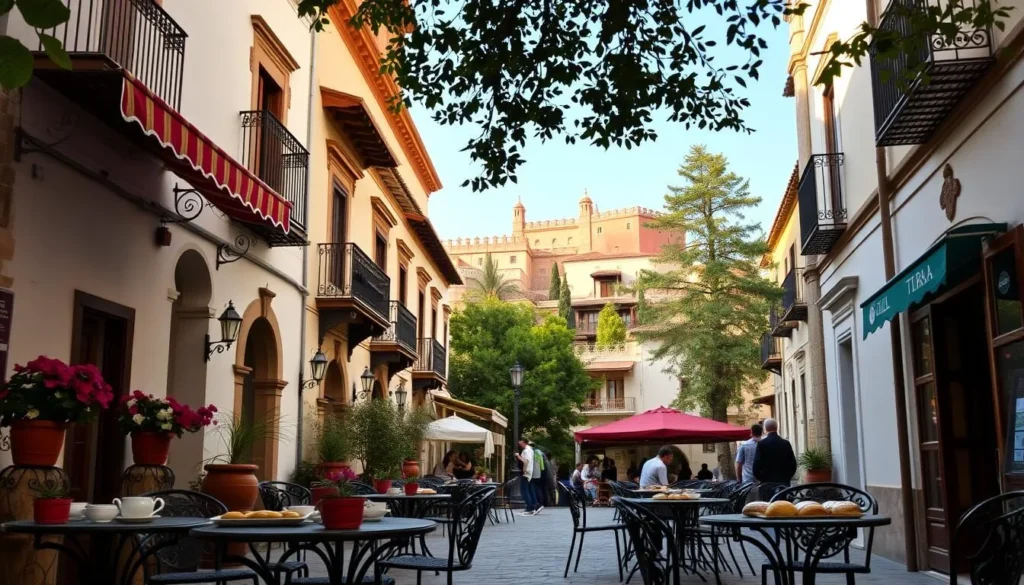
Granada’s traditional teahouses, or teterías, are a must-visit. Calle Calderería Nueva, often referred to as “Little Morocco,” is home to a high concentration of these charming establishments. Here, you can enjoy aromatic teas, such as mint tea, alongside Middle Eastern and North African sweets like baklava and almond cookies. Popular teterías include Al-Andalus, Kasbah, and Tetería AL WAHA, each offering an extensive tea menu and a cozy atmosphere.
Chocolate con Churros and Local Pastries
No visit to Granada would be complete without trying the local sweet treats, particularly chocolate con churros. This beloved Spanish tradition is best enjoyed at historic cafes like Café Futbol on Plaza Mariana Pineda, where thick, rich hot chocolate is served with freshly fried churros for dipping. Other local pastries worth trying include pionono, torta de aceite, and pestiños, each offering a unique taste of Granada’s culinary heritage.
| Local Pastry | Description |
|---|---|
| Pionono | A small sponge cake soaked in syrup and topped with toasted cream. |
| Torta de Aceite | An olive oil cake, typically served as a sweet treat. |
| Pestiños | Honey-glazed fried pastries, often enjoyed during special occasions. |
Best Day Trips from Granada
With its strategic location, Granada allows travelers to easily explore various day trip destinations, each with its unique charm. Whether you’re interested in history, nature, or simply experiencing local culture, there’s a day trip from Granada that’s right for you.
The Alpujarras Villages
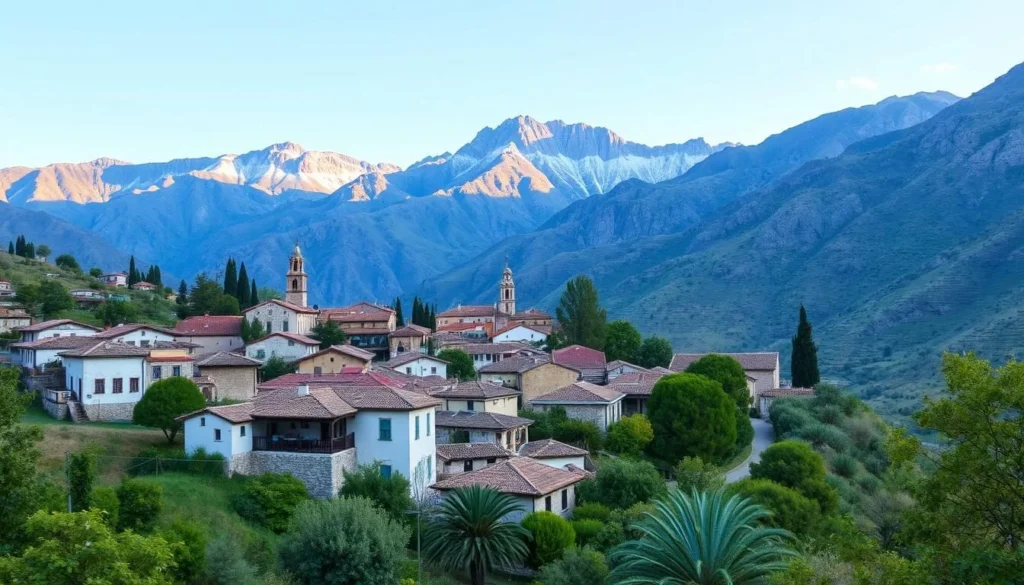
The Alpujarras villages offer one of the best day trip experiences from Granada, with their unique Berber-style architecture, terraced hillsides, and authentic rural Spanish atmosphere. Villages like Pampaneira, Bubión, and Capileira cling to the southern slopes of the Sierra Nevada, connected by scenic hiking trails and offering artisanal crafts, local honey, and traditional mountain cuisine.
You can drive to these villages, but be prepared to negotiate curvy mountain roads, which can take around 2 hours to get there and back from Granada.
Sierra Nevada Mountains
The Sierra Nevada mountains provide outdoor adventures year-round. In the winter months (December to April), you can enjoy skiing and snowboarding at Europe’s southernmost ski resort. During the warmer months, the area is perfect for hiking, mountain biking, and horseback riding, making it a great day trip destination for nature lovers.
Costa Tropical
Just 35-40 minutes from Granada, Costa Tropical offers a surprising contrast with its subtropical climate, beaches, and water activities. You can enjoy sailing at sunset, watching dolphins, or simply relaxing on the beach. Coastal towns like Salobreña, Almuñécar, and Motril provide different flavors of Mediterranean coastal life, making this a great area to explore.
Whether you’re looking to try your hand at water sports or simply enjoy a seafood paella on the beach, Costa Tropical is an ideal day trip destination.
These diverse day trips showcase the incredible geographical variety of Granada province, where mountains, valleys, and coastline create distinct microclimates and cultural landscapes within short distances, offering many great places to visit.
Seasonal Festivals and Events
Granada comes alive with vibrant festivals throughout the year. The city’s rich cultural heritage is showcased through various events that take place across different seasons, making it an exciting destination for travelers.
Festival of the Crosses (Cruces de Mayo)
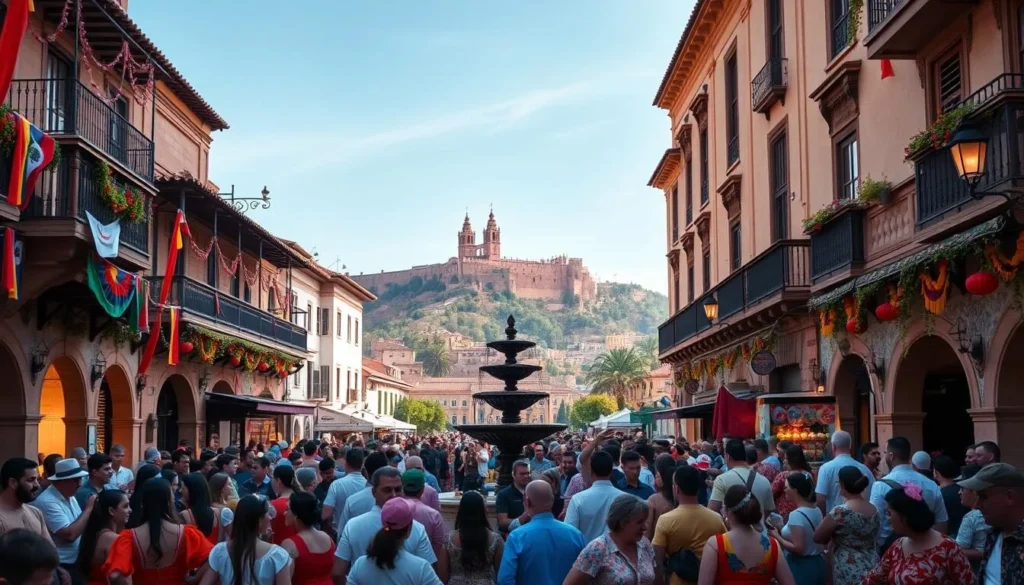
Celebrated on May 3rd and the surrounding days, the Festival of the Crosses is a colorful springtime event. Neighborhoods compete to create the most beautiful floral crosses displayed in squares throughout the city. Temporary bars are set up near the crosses, serving food and drinks while local music and dance performances create a festive atmosphere for several days.
Semana Santa Processions
The Semana Santa parade occurs annually in observance of the holy week of Easter. It’s one of the best unique things Granada has to offer. If you time your visit with this procession, you can expect to see intricately detailed floats making their way through the streets at different times during the week leading up to Easter.
International Festival of Music and Dance
Held in June and July, the International Festival of Music and Dance brings world-class performances to spectacular venues, including the Alhambra palaces. This event offers a unique way to experience these historic spaces, making your visit to Granada even more memorable.
| Festival/Event | Date | Description |
|---|---|---|
| Festival of the Crosses | May 3rd & surrounding days | Floral crosses, food, drinks, and local performances |
| Semana Santa Processions | Easter Week | Intricately detailed floats and processions |
| International Festival of Music and Dance | June & July | World-class performances at historic venues |
Practical Tips for Visiting Granada
As you prepare for your journey to Granada, here are some essential tips to keep in mind. With its rich history, cultural landmarks, and beautiful landscapes, Granada is a city that requires some planning to navigate effectively.
Getting Around the City
Granada’s compact city center makes walking the primary mode of transportation for visitors. However, the hilly terrain means that comfortable shoes are essential. For longer distances or uphill journeys to the Alhambra or Sacromonte, consider using the efficient local bus system, particularly the C1 and C2 routes, or ride-sharing apps like Uber and Bolt.
- Use the local bus system for longer distances.
- Ride-sharing apps are convenient for uphill journeys.
- Walking is ideal for the city center.
Where to Stay in Granada
The best areas to stay in Granada include the city center for convenience and proximity to restaurants and shopping, Albaicín for atmosphere and views, or near the Alhambra for early access to the monument. We stayed at the Palacio Gran Vía, a luxury hotel in the city center, which offered top-notch service and amenities like a spa, restaurant, and rooftop bar.
| Area | Pros | Cons |
|---|---|---|
| City Center | Convenient, close to restaurants and shopping | Can be noisy |
| Albaicín | Atmospheric, great views | Steep streets, less convenient for some attractions |
| Near Alhambra | Early access to the Alhambra | May require longer walks or bus rides to other areas |
Sample Itineraries
When planning your itinerary, consider grouping activities by neighborhood to minimize unnecessary climbing. A sample three-day itinerary might include: Day 1 – Alhambra and Carmen de los Mártires; Day 2 – Albaicín, Sacromonte, and a flamenco show; Day 3 – Cathedral, Royal Chapel, and city center exploration. For those interested in day trips, consider basing yourself in Granada for 4-5 days to enjoy both the city and its surrounding attractions.
Conclusion: The Magic of Granada
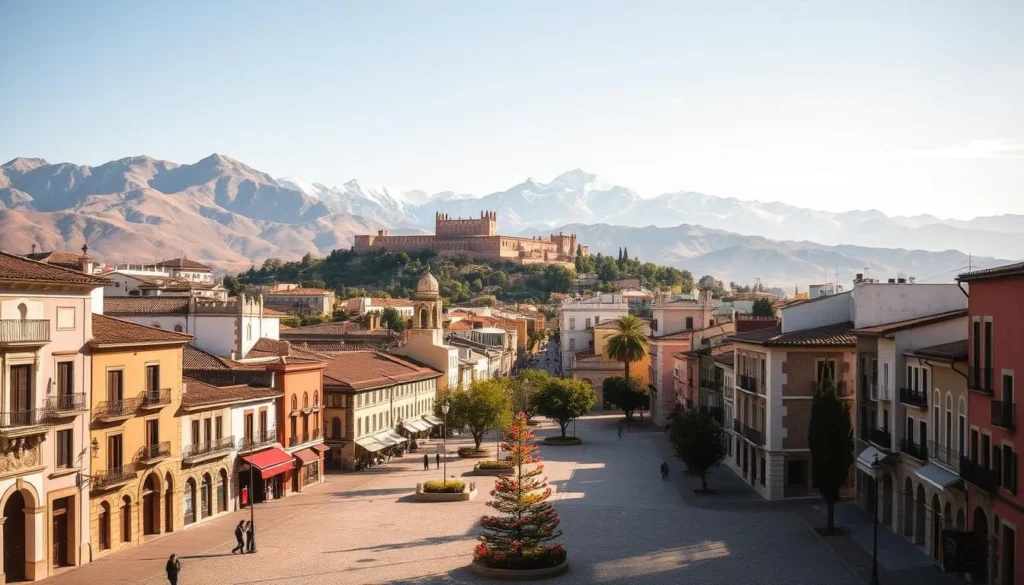
One of the most enchanting destinations in Spain, Granada, awaits your visit with its breathtaking architecture and vibrant culture. The city offers a multitude of things to see and do, from the magnificent Alhambra to the authentic flamenco caves of Sacromonte. You’ll find that Granada is one of the best places to experience the rich Moorish heritage and Spanish culture. With its manageable size, you can explore the highlights in a few days, but its depth will keep you fascinated for a long time during your visit.
The above is subject to change.
Check back often to TRAVEL.COM for the latest travel tips and deals.


0 Comments