Hotels by Trip.com
Flights by Trip.com
Did you know that Malaga receives more sunshine hours annually than any other major European city? With an astonishing 320 days of sunshine per year, this vibrant Costa del Sol destination offers nearly perpetual Mediterranean warmth and radiant skies. The city derives its name from the Phoenician word “Malaka,” meaning salt, a reference to the ancient practice of salting fish that sustained this coastal settlement over 2,800 years ago.
Malaga has transformed from a quiet fishing village into one of Spain’s most dynamic cultural hubs. The birthplace of Pablo Picasso blends ancient history with contemporary art, offering visitors Roman ruins alongside cutting-edge museums. The city centre pulses with energy as locals and travelers alike stroll through narrow streets lined with tapas bars, discovering hidden plazas and centuries-old architecture.
This comprehensive guide reveals the best experiences Malaga offers, from its sun-drenched beaches to its historic fortresses. Whether you’re seeking art and culture, culinary adventures, or simply a place to unwind by the Mediterranean, this Costa del Sol gem delivers unforgettable moments. The following sections provide everything you need to plan your perfect Malaga adventure.
Getting There and Planning Your Journey
Reaching Malaga is remarkably straightforward thanks to excellent international connections. The primary gateway is Malaga-Costa del Sol Airport, situated just 8 km (5 miles) southwest of the city centre. This airport ranks as Spain’s fourth busiest, serving over 19 million passengers annually with direct flights from major European cities and seasonal connections to North America.
The airport features a modern terminal with numerous amenities. A convenient train service connects the airport directly to the city centre in just 12 minutes, departing every 20 minutes throughout the day. Alternatively, express bus line A runs between the airport and city centre every 15 minutes, taking approximately 20 minutes depending on traffic. Taxi services are readily available outside the terminal, with fixed rates to downtown areas.
Airport Transfer Options
- Cercanías Train Line C1 – Fastest route to city centre
- Express Airport Bus Line A – Budget-friendly option
- Licensed taxi services – Fixed pricing available
- Private transfer services – Pre-bookable options
- Rental car facilities – Multiple providers in terminal
Alternative Arrival Points
- Maria Zambrano Train Station – High-speed AVE connections from Madrid
- Port of Malaga – Mediterranean cruise ship terminal
- Bus Station – Long-distance coaches from across Spain
- Road access via A-7 coastal highway
- Gibraltar Airport – 130 km (81 miles) alternative option
For travelers coming from other parts of Spain, the high-speed AVE train from Madrid reaches Malaga in just 2 hours and 30 minutes. This comfortable journey offers stunning views of the Spanish countryside and deposits you at Maria Zambrano Station, well-connected to the city centre by metro and bus services. The port also welcomes numerous cruise ships throughout the year, with the terminal positioned within walking distance of major attractions.
Planning Tip: Book airport transfers in advance during peak summer months (July-August) and major festivals to ensure availability. The train typically offers the fastest journey time, while the bus provides excellent value for budget-conscious travelers.
Best Time to Visit and Weather Tips
Best Time to Visit Malaga
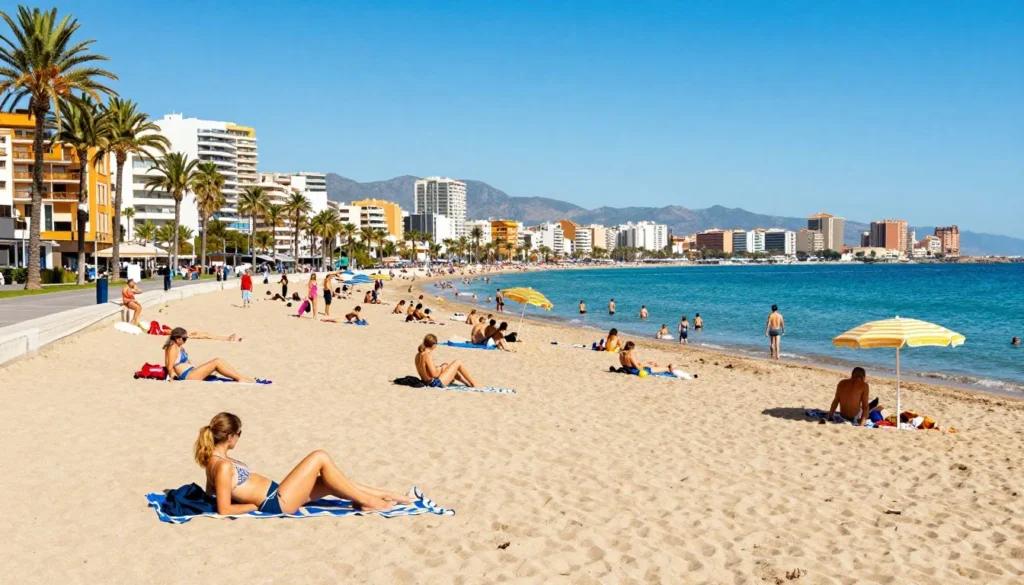
The optimal time to visit Malaga spans from April through June and September through October. During these shoulder seasons, the city enjoys warm temperatures between 20°C and 28°C (68°F-82°F), fewer crowds, and more affordable accommodation rates. The Mediterranean climate ensures pleasant conditions for exploring historic sites and enjoying outdoor dining without the intense summer heat.
Spring brings spectacular blooms throughout the city parks and gardens, while autumn offers comfortable beach weather and the grape harvest season in nearby wine regions. These months provide ideal conditions for walking tours through the old town and hiking in surrounding natural areas. The sea temperature remains warm enough for swimming through October.
Peak Season (July-August): Temperatures soar to 30°C-35°C (86°F-95°F) with high humidity. Beaches become crowded, and hotel prices reach their highest. Book accommodations well in advance if visiting during these months.
Check 30,000+ Local Sightseeing Tours Worldwide
✓ Numerous languages and currencies are available
Recommended Months
- April – Perfect temperatures, Easter celebrations
- May – Warm and sunny, fewer tourists
- June – Excellent beach weather, longer days
- September – Still warm, less crowded
- October – Comfortable temperatures, autumn colors
Months to Consider Carefully
- July-August – Extreme heat, highest prices, crowds
- November-February – Cooler, occasional rain
- December – Off-season pricing but cooler weather
- January – Coldest month, some attractions reduced hours
- March – Unpredictable weather patterns
Weather Patterns and What to Pack
Malaga experiences a subtropical Mediterranean climate with mild winters and hot summers. Average annual temperature hovers around 18°C (64°F), with rainfall concentrated between November and March. Even winter months rarely see temperatures below 10°C (50°F), making year-round visits possible.
Summer months demand sun protection essentials. Pack lightweight, breathable clothing, a wide-brimmed hat, quality sunglasses, and high-SPF sunscreen. The intense midday sun between 1 PM and 4 PM calls for indoor activities or siesta time like locals practice. Spring and autumn visitors should include a light jacket for cooler evenings and the occasional shower.
Local Weather Wisdom: The “terral” wind occasionally blows hot air from inland areas, raising temperatures suddenly by 5-10 degrees. This typically occurs in summer and early autumn. Conversely, the “levante” brings cooler air from the east, providing relief during heat waves.
Notable Annual Festivals
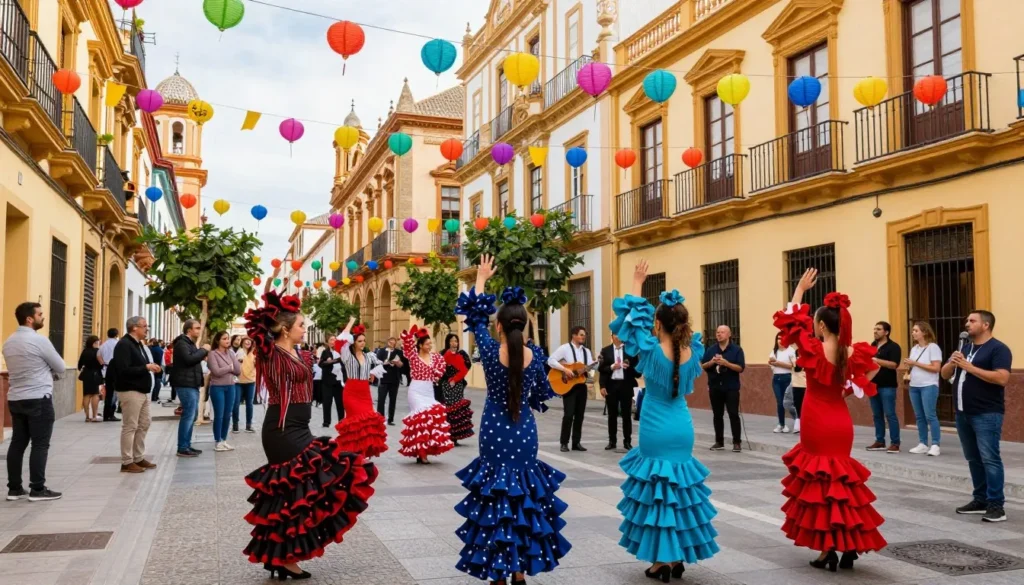
Malaga’s festival calendar showcases the city’s rich cultural heritage and contemporary creativity. These celebrations offer visitors unique opportunities to experience local traditions, music, and gastronomy alongside residents who take immense pride in their cultural identity. Planning your visit around these events adds extraordinary depth to your Malaga experience.
Semana Santa (Holy Week)
Malaga’s Holy Week processions rank among Spain’s most impressive religious celebrations. Held the week before Easter, this event draws massive crowds to witness 40 different brotherhoods parading elaborate floats through city streets. The processions feature centuries-old religious sculptures carried by dozens of bearers, accompanied by brass bands playing solemn marches.
The atmosphere combines deep religious devotion with artistic spectacle. Participants wear traditional robes, and the narrow streets of the historic centre echo with drums and prayers. Evening processions create particularly moving scenes as candlelight illuminates the baroque sculptures. Many hotels book out months in advance for this week.
Feria de Agosto (August Fair)
This week-long celebration in mid-August transforms Malaga into one enormous party. The fair features two distinct areas: the daytime festivities in the city centre with street performances, music, and dance, and the nighttime fairground on the outskirts with rides, casetas (tents), and non-stop entertainment until dawn.
Locals dress in traditional Andalusian attire, particularly women in colorful flamenco dresses. The casetas serve local wine, tapas, and seafood while live bands play flamenco, salsa, and contemporary music. Fireworks displays illuminate the night sky, and the energy remains infectious throughout the week. This festival embodies Malaga’s reputation for knowing how to celebrate life.
Spring Festivals
- Semana Santa – Late March or early April
- Festival de Málaga (Film Festival) – March
- Noche en Blanco – May cultural night
- Cruces de Mayo – Early May flower crosses
Summer & Autumn Festivals
- Noche de San Juan – June 23rd beach celebration
- Feria de Agosto – Mid-August fair
- Malaga Film Festival – March cinema event
- Verdiales Festival – December folk music tradition
Festival de Málaga (Malaga Film Festival)
Spain’s most important film festival dedicated to Spanish-language cinema takes place each March. The event attracts actors, directors, and industry professionals from across the Spanish-speaking world. Screenings occur in the historic Cervantes Theatre and other venues throughout the city, with red carpet premieres and outdoor projections in public squares.
The festival offers accessible ticket prices, allowing visitors to enjoy premieres and retrospectives. Evening galas add glamour to the city centre streets, and numerous film-related activities engage the public. Even casual film enthusiasts appreciate the festive atmosphere and opportunity to discover new Spanish and Latin American cinema.
Getting Around Locally
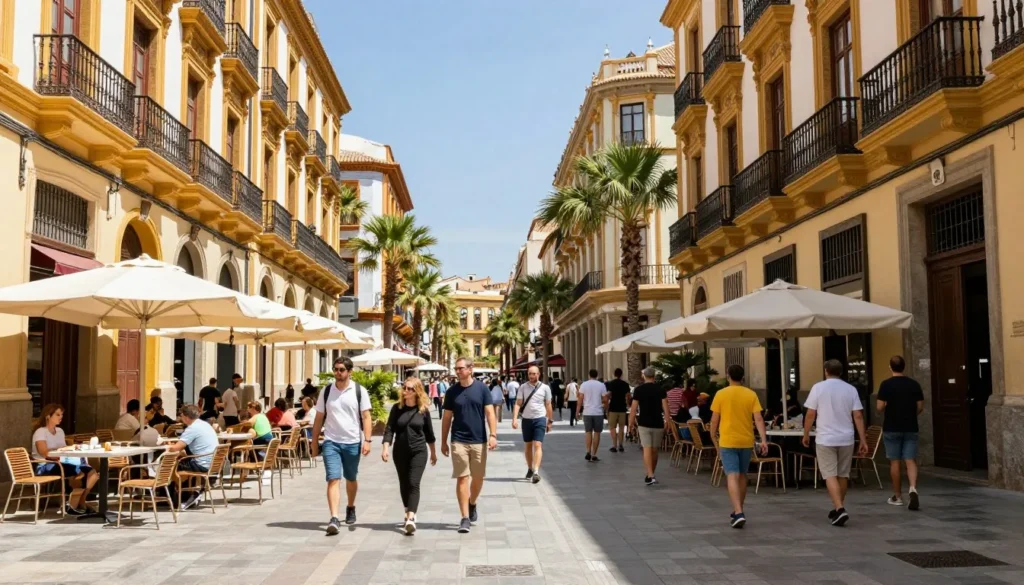
Navigating Malaga proves remarkably easy thanks to compact size and excellent public transportation. The historic city centre is highly walkable, with most major attractions within a 20-minute stroll of each other. The flat terrain and pedestrianized streets make exploring on foot both pleasant and practical.
Public Transportation Options
The Malaga metro system consists of two lines covering key areas from the western suburbs to the eastern districts. Line 1 connects the Andalucia Tech campus with the historic centre, passing through the main train station. Line 2 runs from the western residential areas to the Civil Hospital. Trains run frequently from 6:30 AM to 11:00 PM on weekdays, with slightly reduced hours on weekends.
The extensive bus network operated by EMT Malaga serves every neighborhood and nearby beach communities. Single tickets cost €1.40, while the rechargeable Tarjeta Consorcio card offers discounted fares for multiple journeys. Bus routes 1, 3, and 11 are particularly useful for tourists, connecting major attractions, beaches, and the city centre.
Walking
The best way to experience the historic centre. Most attractions cluster within the compact old town. Comfortable shoes essential for cobblestone streets.
Metro System
Modern, air-conditioned trains connecting major districts. Convenient for reaching suburban areas and the university. Simple two-line network easy to navigate.
City Buses
Comprehensive coverage including beaches. Affordable fares with multi-journey discounts. Night bus service available on major routes.
Taxis and Ride Services
Official white and blue taxis operate throughout Malaga with regulated meters. Fares are reasonable for short journeys within the city centre. Taxi ranks are located at major squares and transportation hubs, or you can flag down passing cabs displaying a green light. Ride-sharing services like Uber and Cabify also operate in Malaga.
Cycling and Scooters
The city’s bike-sharing program, Malagabici, offers an eco-friendly way to explore. Dedicated bike lanes run along the waterfront and through parks. Electric scooter rental services have proliferated, providing quick point-to-point transportation. However, be aware that cycling regulations prohibit riding on many pedestrian streets in the historic centre.
Transportation Tip: Purchase the Tarjeta Consorcio card at metro stations or tobacco shops. This rechargeable card works on metros, buses, and trains throughout Malaga province, offering significant savings over single tickets. The card costs €0.50 and can be shared among family members.
Car Rentals
Renting a vehicle makes sense for exploring Costa del Sol towns and inland villages beyond Malaga city. However, driving in the city centre presents challenges including narrow streets, limited parking, and pedestrian zones. If you do rent, park at one of the peripheral parking garages and use public transport to reach the centre. Major rental agencies have offices at the airport and train station.
Where to Stay – Accommodation Options
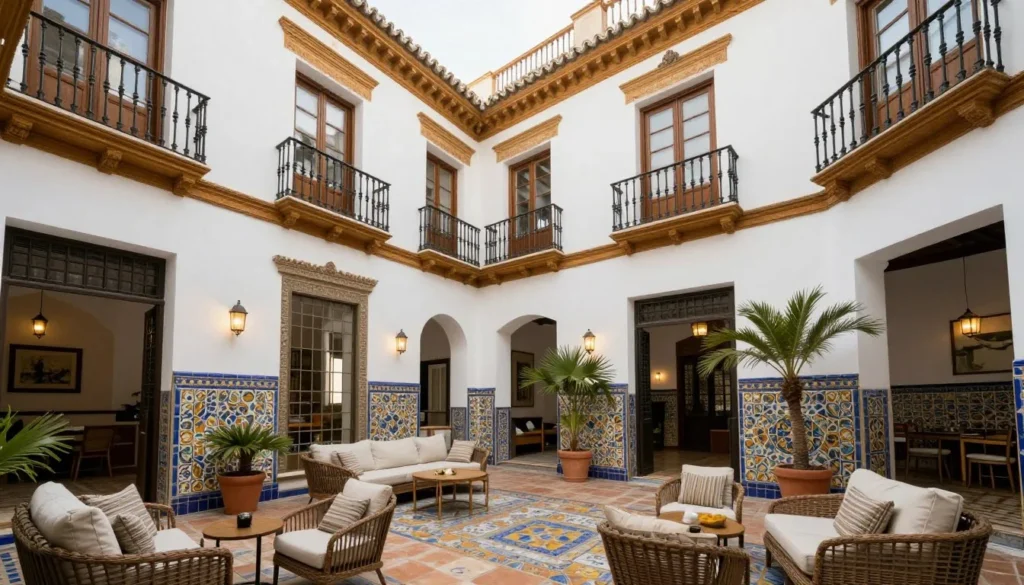
Malaga offers diverse accommodation options suiting every budget and preference. From luxury hotels in converted palaces to budget-friendly hostels in the city centre, visitors find comfortable bases for exploring. Location significantly impacts your experience, with different neighborhoods offering distinct atmospheres and advantages.
Historic Centre Accommodations
Staying in the heart of the old town places you steps from major attractions, restaurants, and nightlife. The area features boutique hotels in restored historic buildings, offering character and convenience. However, the pedestrian streets mean dragging luggage from taxi drop-off points, and weekend nights can be noisy near bars and clubs.
The historic centre hotels range from budget hostels with shared rooms to five-star properties with rooftop pools overlooking the cathedral. Many occupy converted mansions with traditional Andalusian courtyards and modern amenities. This area suits travelers prioritizing sightseeing and cultural immersion over beach access.
Beach District Hotels
The eastern beaches of Malagueta, Pedregalejo, and El Palo offer seaside accommodation with excellent dining options. These neighborhoods provide a more relaxed atmosphere than the bustling city centre, with numerous seafood restaurants lining the promenades. A short bus or bike ride connects you to downtown attractions.
Beach hotels include modern resort-style properties and smaller family-run establishments. Many feature balconies with sea views and pools. This area appeals to visitors seeking beach relaxation combined with easy city access. The neighborhood feels more residential and authentic than typical tourist zones.
Soho Arts District
The Soho neighborhood has emerged as Malaga’s contemporary arts hub, filled with street art, galleries, and trendy cafes. This area offers mid-range hotels and stylish apartments attracting creative travelers and younger visitors. The district sits between the historic centre and port, providing easy access to both.
Soho accommodations tend toward modern design with artistic touches. The neighborhood buzzes with energy, particularly in evenings when galleries and wine bars open. This area suits culture enthusiasts and those seeking a hipper alternative to traditional tourist zones.
Accommodation Types
- Luxury Hotels – Historic buildings with premium amenities
- Boutique Properties – Character-filled small hotels
- Mid-Range Hotels – Comfortable chain and independent options
- Budget Hostels – Shared and private rooms available
- Vacation Apartments – Self-catering independence
- Beach Resorts – Full-service seaside properties
Booking Considerations
Reserve accommodations well in advance during Semana Santa, the August Fair, and summer months when the city fills with both international tourists and Spanish vacationers. Prices increase significantly during these peak periods.
Many hotels include breakfast, but check whether it’s a simple continental spread or full buffet. Rooms with balconies command premiums but offer pleasant spaces for morning coffee or evening wine. Air conditioning is essential for summer visits.
Insider Tip: Hotels near the cruise terminal often offer excellent value on days when no ships are docked. The area provides convenient access to both the city centre and beach while avoiding the highest prices of the historic quarter.
Dining and Local Cuisine

Malaga’s culinary scene reflects its coastal location and Andalusian heritage. Fresh seafood dominates menus, from the humblest tapas bar to Michelin-starred restaurants. The city has evolved beyond traditional fare to embrace contemporary gastronomy, yet time-honored dishes remain the soul of local food culture.
Essential Malaga Dishes
Espetos de sardinas stands as Malaga’s signature dish. These sardines are skewered on bamboo sticks and grilled over olive wood fires on the beach. The technique dates back generations, with chiringuitos (beach restaurants) specializing in this simple but perfect preparation. The best espetos feature fish caught that morning, seasoned only with sea salt.
Fritura malagueña showcases the city’s love of fried seafood. This mixed platter typically includes small fish, squid, and sometimes shrimp, all lightly battered and fried until golden. Order it to share as a starter or enjoy as a main course with lemon wedges and a cold beer. Every bar has its own version, sparking friendly debates about whose is best.
Seafood Specialties
- Espetos de sardinas – Grilled sardines on sticks
- Fritura malagueña – Mixed fried seafood
- Boquerones en vinagre – Marinated anchovies
- Gambas pil pil – Spicy garlic shrimp
Traditional Dishes
- Gazpachuelo – Creamy fish soup
- Porra antequerana – Cold tomato soup
- Salmorejo – Thick gazpacho
- Plato de los montes – Mountain meat stew
Sweet Treats
- Tortas locas – Sugary cakes
- Borrachuelos – Honey-soaked pastries
- Bienmesabe – Almond cream dessert
- Vino dulce – Sweet Malaga wine
Where to Eat in Malaga
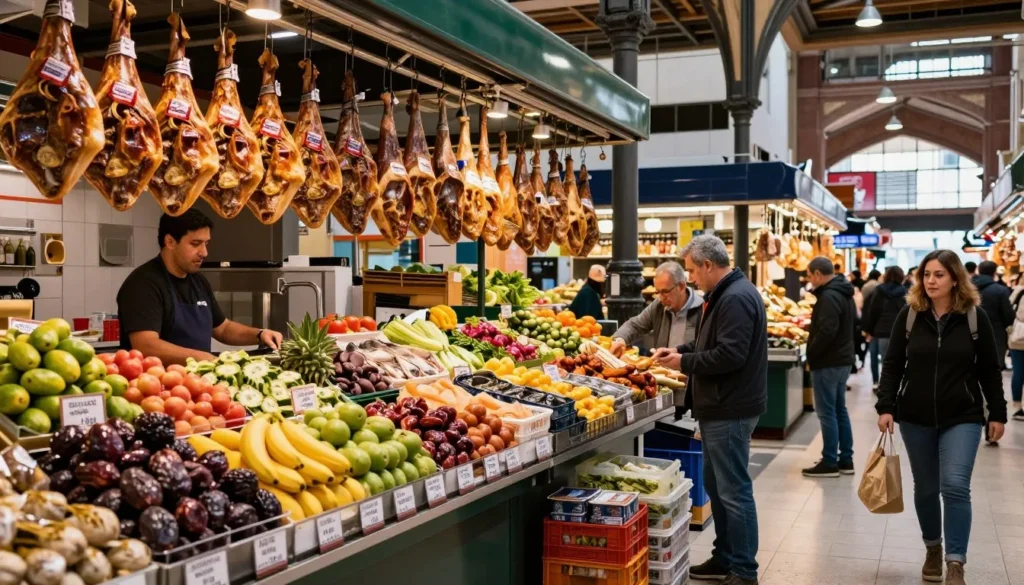
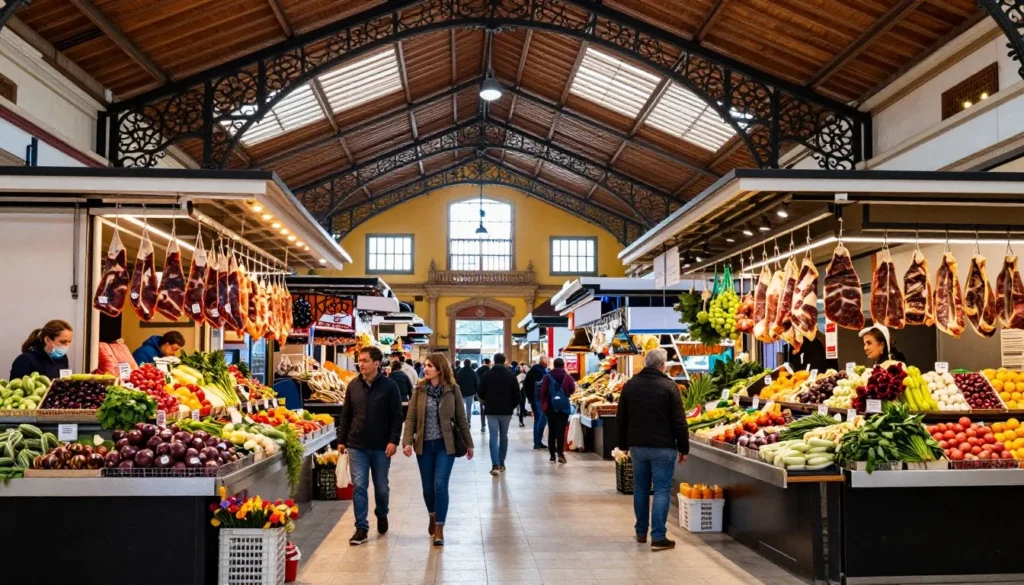
The Atarazanas Central Market offers the ultimate food experience. This 19th-century building houses dozens of stalls selling fresh produce, meats, cheeses, and seafood. Vendors prepare simple dishes from their ingredients, creating an authentic market dining experience. Visit in the morning when the market bustles with energy and selection peaks.
The streets around Calle Granada and Plaza de la Merced host numerous tapas bars where locals gather. These establishments serve small plates designed for sharing, allowing you to sample many dishes. Traditional etiquette involves moving between several bars rather than staying at one spot all evening, a custom called “ir de tapas” or “tapas crawling.”
Beach Restaurants
The eastern beaches of Pedregalejo and El Palo feature rows of seafood restaurants with tables practically on the sand. These establishments specialize in grilled fish, paella, and the famous espetos. Sunset dinner here ranks among Malaga’s most enjoyable experiences, combining excellent food with sea breezes and views.
Prices at beach restaurants remain reasonable despite prime locations. Most display fresh catches daily, allowing you to choose your fish by size and have it grilled to order. The informal atmosphere encourages lingering over multiple courses and wine as the sun sets over the Mediterranean.
Wine and Drinks
Malaga has produced wine for over 2,000 years, with sweet fortified varieties particularly famous. The Denomination of Origin Malaga protects several wine styles, including rich Moscatel and Pedro Ximénez dessert wines. Many restaurants offer local wine by the glass, providing an affordable way to explore regional varieties.
Cerveza Victoria, brewed in Malaga since 1928, remains the local beer of choice. This crisp lager pairs perfectly with tapas and seafood. For refreshment on hot days, try tinto de verano, a mixture of red wine and lemon soda served over ice, or rebujito, combining fino sherry with lemon soda.
Dining Customs: Lunch typically runs from 2 PM to 4 PM, while dinner rarely begins before 9 PM. Many restaurants close between meals. Tipping isn’t obligatory but rounding up the bill or leaving 5-10% for good service is appreciated. Bread and olives often appear automatically and are charged if consumed.
Attractions, Sightseeing and Activities
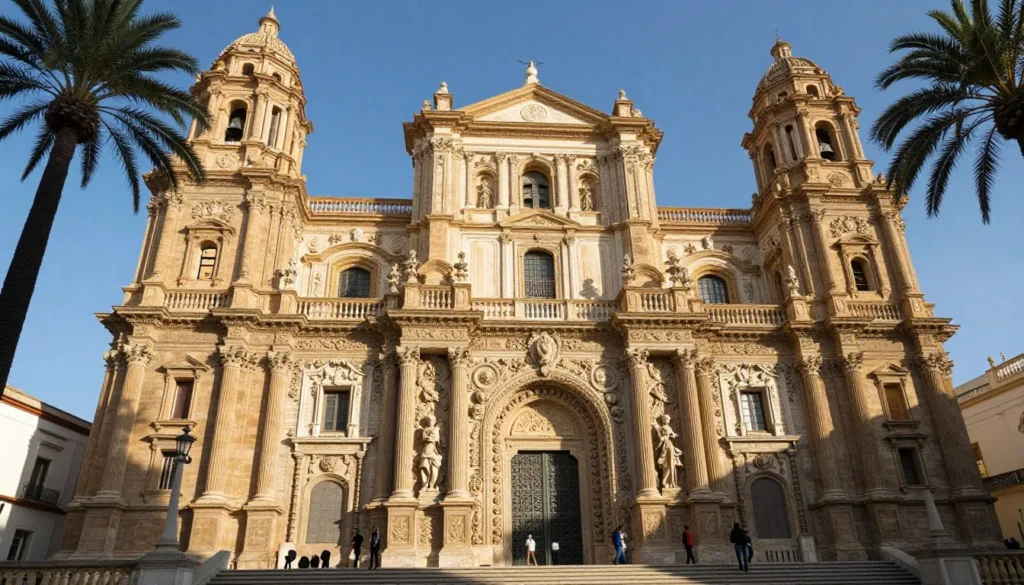
Malaga’s attractions span 2,800 years of history, from Roman ruins to contemporary art installations. The compact city centre allows visitors to experience multiple sites in a single day, though each deserves time to fully appreciate. The blend of ancient and modern creates a unique cultural landscape.
Alcazaba Fortress
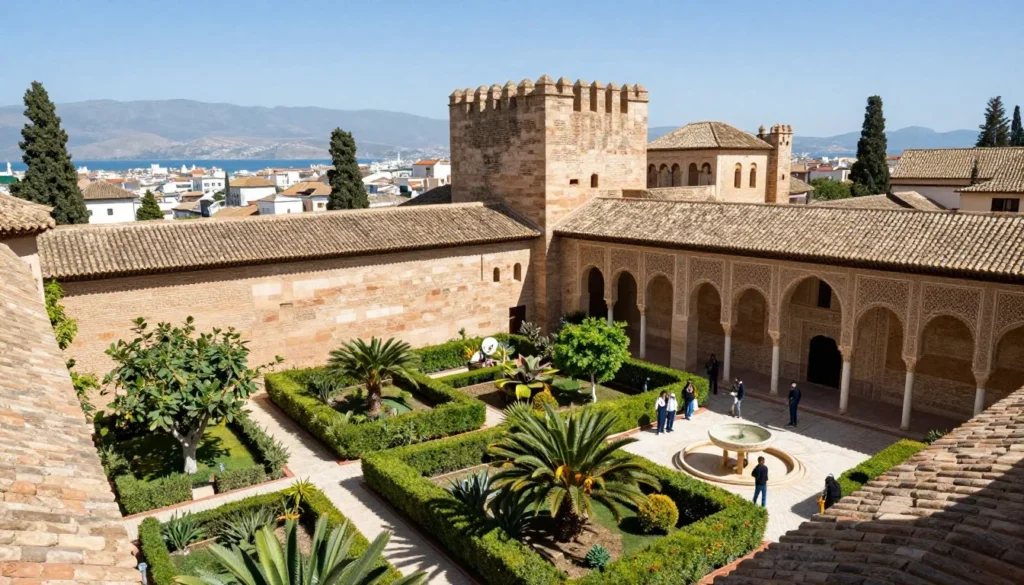
This stunning Moorish palace-fortress dates to the 11th century and ranks among Spain’s best-preserved Islamic monuments. Built on a hillside overlooking the city and port, the Alcazaba features beautiful gardens, fountains, and courtyards within its defensive walls. The palace showcases classic Islamic architecture with horseshoe arches, decorative tiles, and intricate plasterwork.
Visitors ascend through multiple levels, each revealing new perspectives of the city and Mediterranean. The upper palace areas house archaeological exhibits displaying Roman and Moorish artifacts discovered on site. Allow at least 90 minutes to explore thoroughly. The entrance sits near the Roman Theatre, making it easy to visit both in sequence.
Gibralfaro Castle
Perched above the Alcazaba, Gibralfaro Castle crowns the summit of Mount Gibralfaro. This 14th-century fortress protected the Alcazaba below and controlled access to the city. While less architecturally elaborate than the palace, the castle rewards visitors with spectacular 360-degree views encompassing the city, bullring, port, and mountains.
The walk up from the Alcazaba takes about 15 minutes on a paved path through pine forest. Alternatively, buses run to the summit. The rampart walkways allow you to circle the entire fortification while taking in different vistas. The small interpretation centre explains the castle’s military history and significance in defending medieval Malaga.
Malaga Cathedral
Known locally as “La Manquita” (the one-armed lady) because its south tower was never completed, the cathedral dominates the city centre skyline. Construction began in 1528 on the site of a former mosque and continued for over 200 years, resulting in a mix of Gothic, Renaissance, and Baroque styles. The massive interior features soaring columns, ornate chapels, and a spectacular baroque choir.
Check 30,000+ Local Sightseeing Tours Worldwide
✓ Numerous languages and currencies are available
Visitors can tour the interior to admire 17th-century paintings, carved wooden choir stalls, and religious treasures. A separate ticket allows access to the rooftop terraces, offering unique perspectives on the historic centre. The cathedral remains an active place of worship, with regular masses and religious ceremonies.
Roman Theatre
Discovered by accident in 1951 during construction work, this 1st-century Roman theatre predates most of the city’s visible history. The semicircular structure held approximately 1,200 spectators and hosted performances during Roman rule. Archaeological work has restored much of the seating area, stage, and supporting structures.
The theatre sits directly at the base of the Alcazaba, creating a striking contrast between Roman and Moorish eras. An interpretation centre explains Roman Malaga and the theatre’s role in city life. Best of all, admission is free, and summer months sometimes feature contemporary performances in this ancient venue.
Historic Sites
- Alcazaba – Moorish palace fortress
- Gibralfaro Castle – Hilltop military fortress
- Roman Theatre – Ancient performance venue
- Cathedral – Renaissance religious monument
- City walls – Medieval defensive remnants
Parks & Gardens
- Parque de Malaga – Palm-lined city park
- Jardín Botánico La Concepción – Historic botanical garden
- Parque del Oeste – Western district green space
- Gibralfaro Gardens – Castle hillside paths
Viewpoints
- Gibralfaro Castle – Panoramic city views
- Cathedral rooftop – Historic centre perspective
- Alcazaba gardens – Elevated overlooks
- Muelle Uno – Modern port waterfront
- Monte de Sancha – Residential hillside area
Port and Waterfront
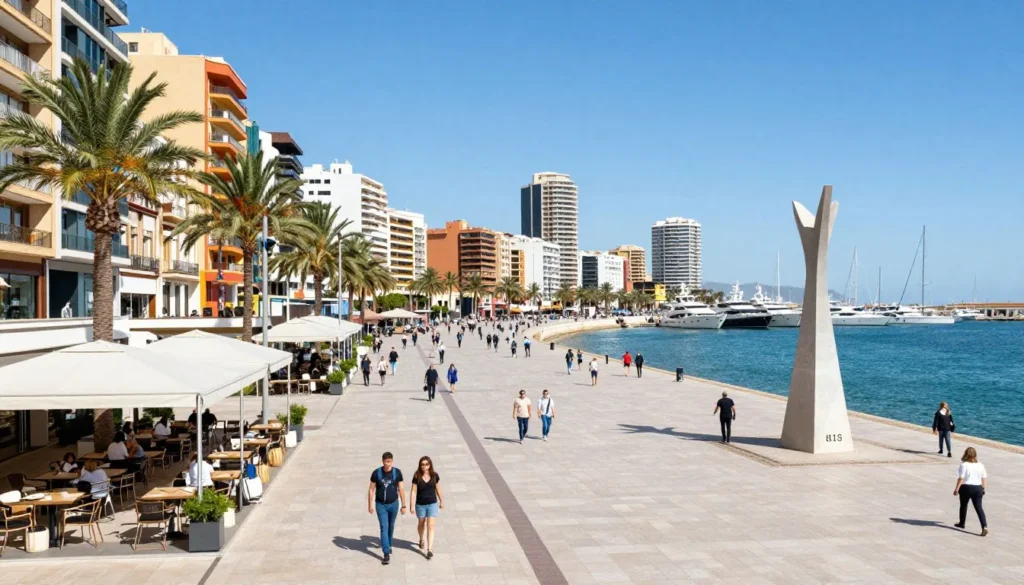
The renovated port area has transformed into a leisure destination combining shopping, dining, and culture. Muelle Uno features a long promenade lined with palm trees, contemporary sculptures, and waterfront restaurants. The area offers pleasant strolling with views of luxury yachts and cruise ships.
The Centre Pompidou Malaga occupies a colorful cube at the port’s edge, bringing modern art to this historic city. The palm-lined walkways connect to the beach district, making it an enjoyable route for walking or cycling. Street performers and artists often animate the area, particularly on weekends and evenings.
Museums, Cultural Spots and Festivals
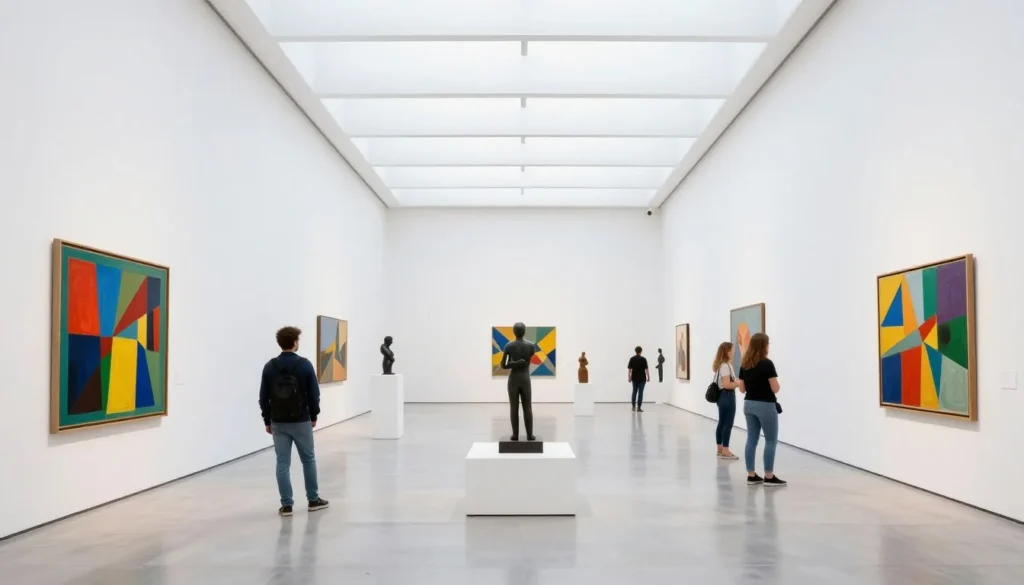
Malaga has reinvented itself as a cultural powerhouse, earning recognition as one of Europe’s most dynamic museum cities. The transformation began with the Picasso Museum and continued with more than 30 museums opening in recent years. This cultural renaissance attracts art lovers from around the world while preserving the city’s authentic character.
Picasso Museum Malaga
Housed in a 16th-century palace, the Picasso Museum celebrates the city’s most famous son with over 200 works spanning his entire career. The collection includes paintings, sculptures, ceramics, and drawings donated by family members. The museum traces Picasso’s artistic evolution from early academic works through his revolutionary cubist period and later experimental phases.
The Buenavista Palace itself adds architectural interest with its blend of Renaissance and Mudejar styles. Underground excavations visible through glass floors reveal Phoenician, Roman, and Moorish remains, connecting Picasso’s work to millennia of Malaga history. The museum also hosts temporary exhibitions featuring contemporary artists and thematic shows exploring aspects of Picasso’s influence.
Museum Hours: Most Malaga museums open Tuesday through Sunday, typically 10 AM to 8 PM in summer and until 6 PM in winter. Many close on Mondays. Several offer free admission on Sunday afternoons, though expect larger crowds during free entry times.
Centre Pompidou Malaga
The first Centre Pompidou outside France brings modern and contemporary art to Malaga’s port area. The distinctive glass cube building contains galleries showcasing 20th and 21st-century art from the Paris Pompidou’s extensive collection. Exhibitions rotate regularly, featuring movements from surrealism to pop art and conceptual installations.
The museum’s educational approach makes contemporary art accessible to all audiences. Interactive displays and multimedia presentations explain artistic concepts and historical context. The building itself exemplifies contemporary architecture, and its location on the waterfront makes it part of an enjoyable port walk.
Carmen Thyssen Museum
Set in a restored 16th-century building, this museum houses the baroness’s collection of 19th-century Spanish art. The focus on Andalusian painters provides insight into regional landscapes, customs, and traditions. Costumbrist paintings depict daily life in historical Spain, while romantic landscapes capture the dramatic beauty of Andalusia.
The collection includes works by masters like Sorolla and Zuloaga alongside lesser-known regional artists. The museum presents a narrative of Spanish art development and romantic European fascination with Andalusian culture. Temporary exhibitions complement the permanent collection, often exploring specific themes or movements in Spanish art history.
Art Museums
- Picasso Museum – Comprehensive collection of native son’s works
- Centre Pompidou – Modern and contemporary art
- Carmen Thyssen – 19th-century Spanish painting
- CAC Málaga – Contemporary art exhibitions
- Museo Revello de Toro – Portrait art showcase
History & Culture Museums
- Museum of Malaga – Archaeology and fine arts
- Glass and Crystal Museum – Decorative arts collection
- Automobile Museum – Fashion and vintage cars
- Wine Museum – Regional viticulture history
- Holy Week Museum – Religious traditions
Atarazanas Market
While primarily a functioning food market, Atarazanas deserves cultural recognition for its stunning 14th-century Moorish gate and beautiful 19th-century iron and glass structure. The building served as a naval warehouse during Moorish times, with the preserved marble entrance arch testifying to its grand past. Today’s market buzzes with vendors selling fresh produce, seafood, meats, and local specialties.
The central nave features a spectacular stained-glass window depicting historical Malaga scenes. Market culture here remains authentically Spanish, with vendors shouting prices and customers carefully selecting ingredients. Bars inside serve tapas made from market-fresh ingredients, creating a genuine culinary and cultural experience.
Soho Arts District
This revitalized neighborhood between the historic centre and port has become an open-air contemporary art gallery. Massive murals by international street artists cover building facades throughout the district. The outdoor art museum concept makes contemporary art accessible to everyone while transforming formerly neglected areas into vibrant cultural spaces.
The district also houses numerous small galleries, artisan workshops, and creative businesses. Trendy cafes and wine bars attract a younger crowd, creating an energetic atmosphere different from the traditional centre. Regular art walks and festivals celebrate the district’s transformation, with new murals continuously adding to the collection.
Nature and Outdoor Experiences
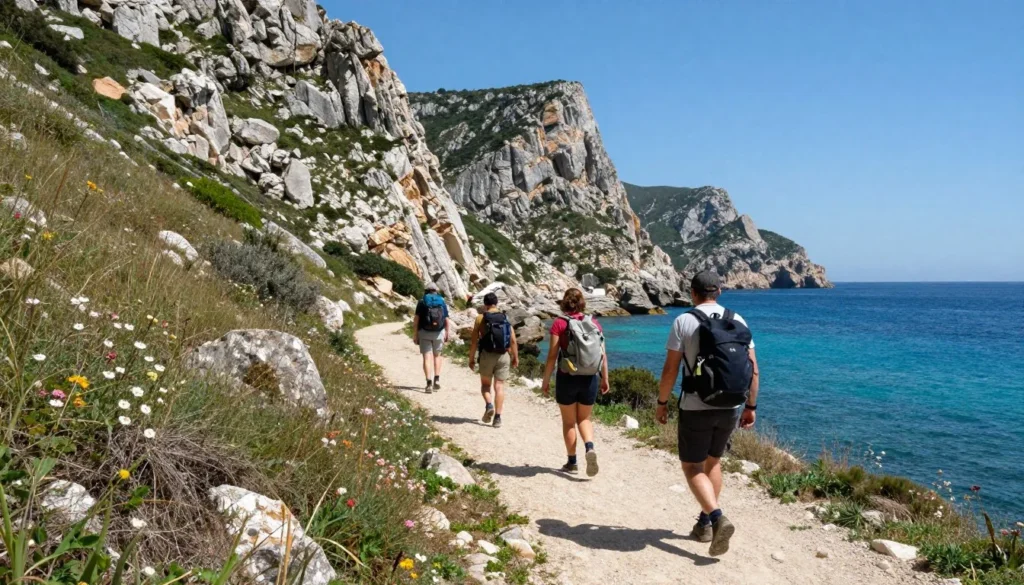
Beyond the urban attractions, Malaga province offers spectacular natural environments within easy reach. The Mediterranean climate and varied topography create opportunities for outdoor activities year-round. From mountain hikes to beach days, nature lovers find plenty to explore around the city.
City Beaches
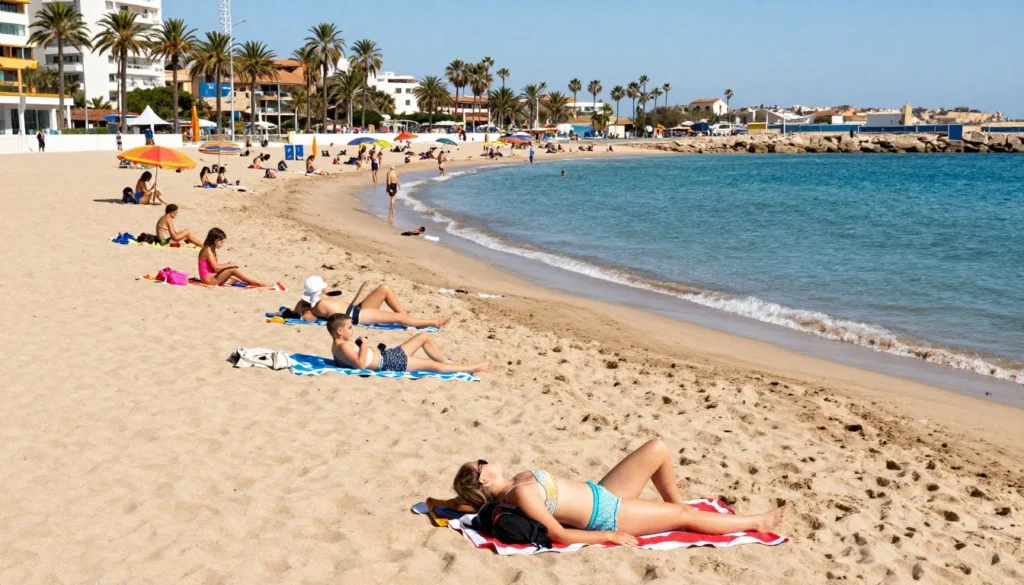
Malaga’s coastline stretches for over 14 km (9 miles), featuring numerous beaches with different characters. La Malagueta, the most central beach, sits just 10 minutes walk from the historic centre. This wide sandy beach offers full services including sunbed rentals, showers, and beachfront restaurants. The promenade provides excellent people-watching and sunset views.
Eastern beaches like Pedregalejo and El Palo retain more traditional fishing village charm. These neighborhoods feature narrower beaches with chiringuitos serving fresh seafood and locals gathering for weekend espetos. The beaches here feel less touristy and offer a glimpse of authentic coastal life. Bus number 11 connects all beaches to the city centre.
Montes de Malaga Natural Park
Just 15 km (9 miles) north of the city, this 5,000-hectare (12,355-acre) natural park offers hiking trails through pine forests and Mediterranean scrubland. The park was established in the 1930s to prevent erosion and flooding, with extensive tree planting creating today’s green landscape. Multiple trails range from easy hour-long walks to challenging full-day hikes.
The park provides a dramatic contrast to coastal areas, with cooler temperatures and different vegetation. Several miradores (viewpoints) along the road offer sweeping vistas back toward Malaga and the Mediterranean. Traditional mountain restaurants called ventas serve hearty local dishes, making the park popular for Sunday lunch excursions among locals.
Botanical Garden La Concepción
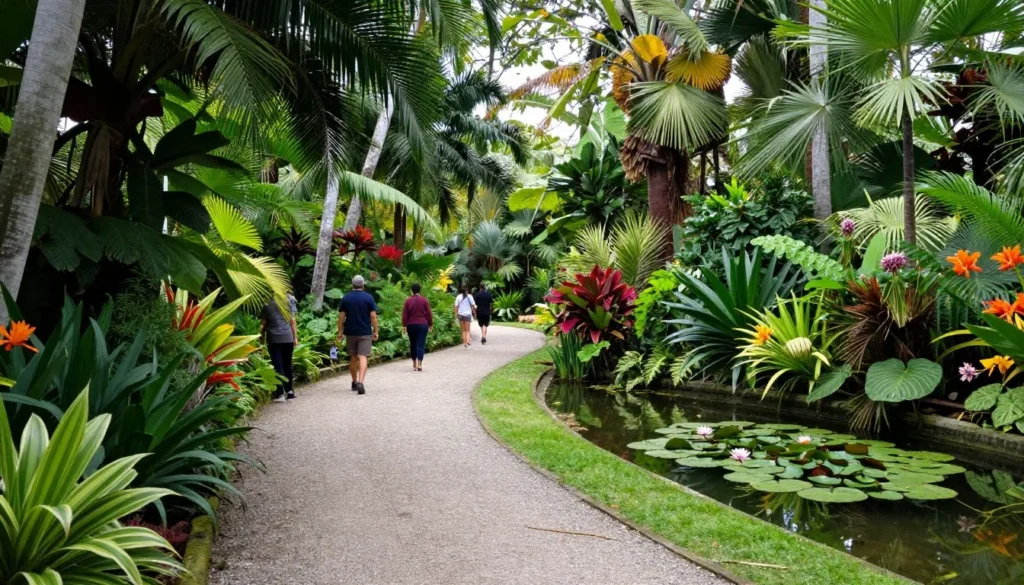
This historic botanical garden, established in 1855, showcases tropical and subtropical plants in a beautiful hillside setting. The 23-hectare (57-acre) garden contains over 2,000 plant species from around the world, including palms, bamboos, and exotic flowering plants. Winding paths lead through different garden zones, each with distinct microclimates and plant collections.
The garden’s romantic design features water features, pergolas covered with wisteria, and a Victorian-era glasshouse. Spring visits reveal spectacular flowering, while the mature trees provide cooling shade in summer. The peaceful atmosphere and diverse plantings make this a refreshing escape from urban energy. Bus service connects the garden to the city centre.
Beach Activities
- Swimming in Mediterranean waters
- Sunbathing on golden sand beaches
- Beach volleyball and water sports
- Sunset strolls along promenades
- Dining at beachfront chiringuitos
Mountain Activities
- Hiking marked trails in Montes park
- Mountain biking forest paths
- Bird watching and nature photography
- Picnicking at scenic viewpoints
- Visiting traditional mountain restaurants
Water Activities
- Kayaking along the coastline
- Stand-up paddleboarding
- Sailing and boat excursions
- Snorkeling near rocky areas
- Dolphin watching tours
Coastal Path Walking
A pedestrian and cycling path runs along much of Malaga’s coastline, connecting beaches and neighborhoods. This flat, paved route allows easy exploration of the entire waterfront without dealing with traffic. The path passes beach clubs, restaurants, and parks while offering continuous sea views.
The route extends west from the city centre to the airport area and east to the traditional fishing neighborhoods. Rental bikes and scooters make covering longer distances easy, or simply walk shorter sections. Sunrise and sunset walks along this path provide memorable experiences with beautiful light on the water.
Day Trip Mountains
The surrounding mountains offer dramatic scenery and charming white villages within an hour’s drive. El Caminito del Rey, one of Spain’s most famous hiking trails, traverses spectacular gorges on suspended walkways bolted to cliff faces. This thrilling experience requires advance reservations but delivers unforgettable mountain and river canyon views.
Villages like Frigiliana and Mijas perch on hillsides overlooking the coast, their whitewashed houses and narrow streets epitomizing Andalusian mountain charm. These pueblos blancos make excellent day trips, offering cooler temperatures, traditional restaurants, and artisan shops. The mountain air and perspectives provide refreshing contrasts to coastal experiences.
Travel With Children
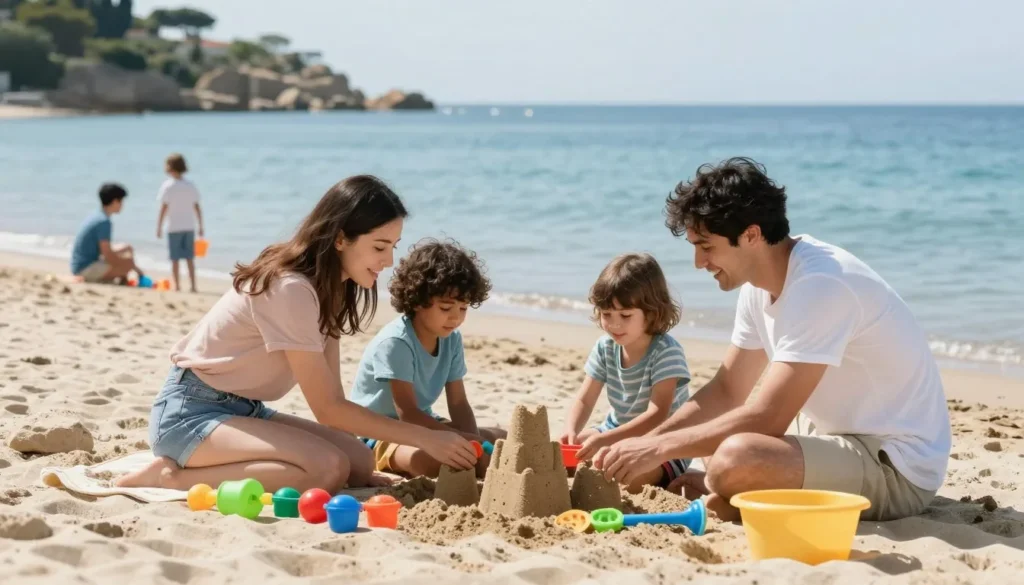
Malaga welcomes families with numerous child-friendly attractions and facilities. Spanish culture embraces children in public spaces, with restaurants and attractions accommodating families warmly. The safe, walkable city centre and excellent weather make Malaga an ideal family destination combining culture with beach fun.
Family-Friendly Attractions
The Alborania Museum focuses on marine life in the Mediterranean and Alboran Sea. Interactive exhibits allow children to learn about local marine ecosystems through touchscreens, aquariums, and educational displays. The museum occupies a small space but provides engaging content that holds children’s attention while teaching environmental awareness.
The Interactive Music Museum lets visitors play dozens of instruments from around the world. Children love the hands-on approach, experimenting with drums, string instruments, and unusual international pieces. The museum encourages noise and exploration, making it perfect for energetic kids who need a break from traditional sightseeing.
Kid-Friendly Activities
- Beach days with swimming and sandcastles
- Interactive Music Museum experiences
- Alborania Marine Museum visits
- Park playgrounds and green spaces
- Gelato shops and sweet treats
- Boat rides in the harbor
Family Dining Tips
Spanish restaurants welcome children, though early dinner times may be challenging as most don’t serve meals until 8 or 9 PM. Beach restaurants and casual tapas bars offer more flexibility with timing and kid-friendly options like fried fish, pasta, and familiar dishes.
Many restaurants provide high chairs and some offer children’s menus, though these aren’t universal. Sharing tapas allows picky eaters to try small portions without committing to full dishes. The relaxed dining atmosphere means children’s normal noise levels don’t cause concern.
Beaches and Parks
Malaga’s beaches feature gently sloping sand and calm waters protected by breakwaters, creating safe swimming conditions for children. La Malagueta beach offers full facilities including playgrounds right on the sand. Lifeguards patrol beaches during summer months, and the shallow water near shore allows young children to splash safely.
Parque de Malaga in the city centre provides shaded walkways, playgrounds, and open spaces where children can run. The park’s fountain areas attract kids on hot days, and numerous ice cream vendors supply essential treats. The central location makes it an easy break during sightseeing walks.
Practical Family Considerations
Strollers navigate the historic centre with some limitations due to cobblestone streets and occasional steps. The pedestrianized main shopping street Calle Larios and the waterfront promenade offer easy stroller access. Many restaurants and museums provide baby changing facilities, though availability varies.
Pharmacies throughout the city stock baby supplies, diapers, and familiar brands. Spanish attitudes toward children in public spaces are relaxed and welcoming, with locals often charmed by young visitors. The safety and cleanliness of Malaga combined with abundant gelato shops make it a stress-free family destination.
Family Tip: Plan major sightseeing for morning hours when children are fresh and temperatures cooler. Use afternoon time for beach or pool activities, then explore parks or waterfront areas in early evening when the city comes alive but crowds thin. This schedule aligns with Spanish daily rhythms.
Money Saving Tips
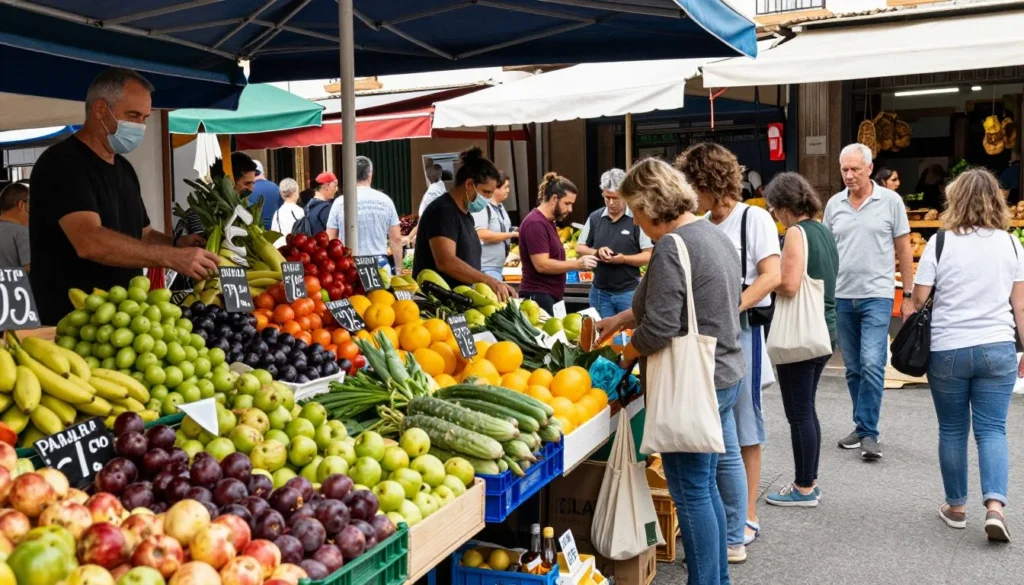
Malaga offers excellent value compared to other major European destinations, but smart strategies can stretch budgets further. Timing, local knowledge, and choosing like locals rather than tourists significantly reduce costs while often improving experiences. The following tips help maximize your travel funds.
Accommodation Savings
Visit during shoulder seasons (April-May, September-October) when hotel prices drop 30-50% compared to peak summer months. Booking accommodations away from the immediate historic centre, such as in beach neighborhoods or Soho, often saves money while providing more authentic experiences. Apartments with kitchens allow preparing some meals, significantly reducing dining costs.
Many hotels offer direct booking discounts on their websites, bypassing third-party booking fees. Looking for stays of three nights or more often unlocks better rates. Some properties include breakfast, which represents significant value and fuel for morning sightseeing before spending on lunch.
Free Activities
- Roman Theatre – No admission charge
- All beaches – Public access, no fees
- Soho street art district walks
- Many museums free Sunday afternoons
- Historic centre walking tours
- Parks and botanical gardens (some free days)
Budget-Friendly Choices
- Market shopping for snacks and picnics
- Menu del dia lunch specials
- Public transportation over taxis
- Local tapas bars vs tourist restaurants
- Combined museum tickets for savings
- Supermarket wine vs restaurant markups
Dining on a Budget
The menu del dia (daily set menu) offers exceptional value at lunch time. Many restaurants serve three courses with bread and a beverage for €10-15, providing the same quality as evening a la carte options at half the price. These menus appear Monday through Friday, with the best selection between 1:30 PM and 3 PM.
Shopping at Atarazanas Central Market or supermarkets allows creating picnic meals at a fraction of restaurant costs. Grab fresh bread, Spanish cheeses, jamón, olives, and fruit for beach or park dining. Local wine from supermarkets costs €3-5 per bottle versus €15-20 in restaurants for the same quality.
Transportation Savings
The rechargeable Tarjeta Consorcio transport card reduces per-journey costs by nearly 40% compared to single tickets. The card works on all buses, metro, and regional trains, making it worthwhile for anyone taking more than four trips. Walking and cycling remain free and often faster than waiting for buses in the compact centre.
Avoid taxis for short trips that take 15-20 minutes on foot. The walkable city centre makes most major attractions accessible without paid transport. When taxis are necessary, use official white and blue vehicles with meters rather than informal drivers who charge inflated tourist rates.
Museum and Attraction Savings
Many museums offer free admission on Sunday afternoons, typically the last two hours before closing. Combined tickets covering multiple museums provide savings of 20-30% compared to individual entries. The Malaga Museum Card offers unlimited access to municipal museums for a flat fee if you plan extensive cultural sightseeing.
Several major sites including the Roman Theatre charge no admission ever. The Alcazaba and cathedral cost €3-5, making them affordable cultural experiences. Churches throughout the city centre offer free entry outside of mass times, revealing spectacular architecture and art without charges.
Money-Saving Reality: Malaga’s greatest savings come from living like locals rather than tourists. Drink at corner bars where beer costs €1.50 instead of €4 on main squares. Shop at neighborhood bakeries and markets rather than tourist-area cafes. Use public transport and walk extensively. These choices save money while providing more authentic experiences.
Safety and Local Customs
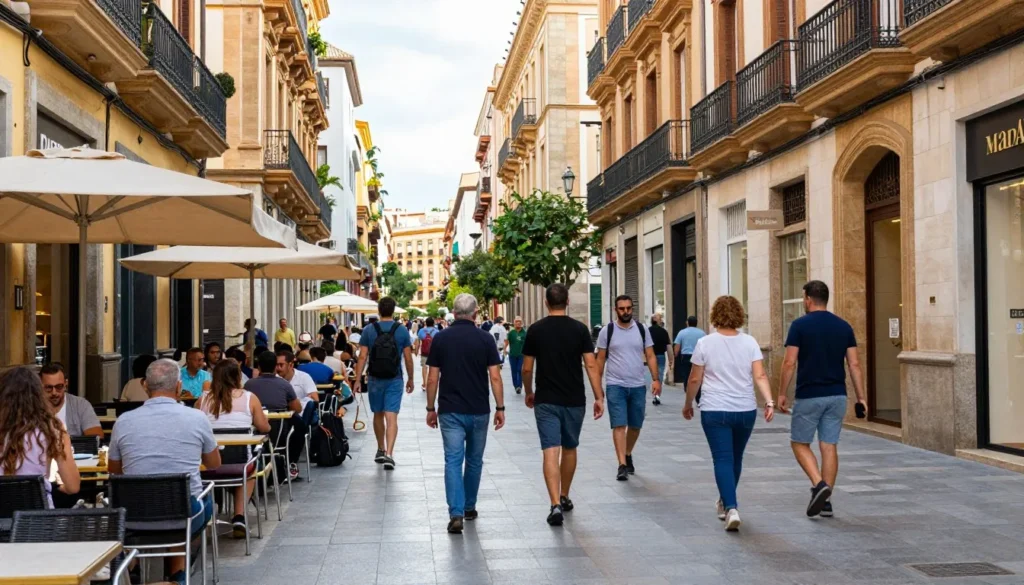
Malaga ranks as one of Spain’s safest cities, with low crime rates and a welcoming atmosphere toward visitors. The strong police presence and well-lit streets contribute to general security. However, basic precautions and understanding local customs enhance your experience and prevent occasional issues that affect distracted tourists.
Safety Considerations
Petty theft represents the most common concern, particularly pickpocketing in crowded areas like markets, beaches, and popular tourist sites. Keep valuables secure and bags closed and in front of you. Avoid displaying expensive jewelry or electronics unnecessarily. The vast majority of visitors experience no problems, but awareness prevents opportunistic theft.
Beach theft occurs when bags are left unattended while swimming. Take turns watching belongings or use beach bag services available at major beaches. Never leave valuables visible in parked cars, as break-ins targeting tourist vehicles happen occasionally in parking areas near beaches and attractions.
Safety Tips
- Watch bags in crowded places
- Use hotel safes for passports and excess cash
- Be aware of surroundings at ATMs
- Avoid walking alone in very quiet areas at night
- Keep copies of important documents separately
Emergency Contacts
- Emergency services: 112 (all emergencies)
- National Police: 091
- Local Police: 092
- Medical emergencies: 061
- Tourist police available in main squares
Local Customs and Etiquette
Spanish dining times differ significantly from North American norms. Lunch typically runs from 2 PM to 4 PM, while dinner rarely begins before 9 PM. Restaurants often close between meals, so plan accordingly. The extended meal times reflect cultural emphasis on social dining rather than quick eating.
Greeting with a kiss on both cheeks is standard among friends and casual acquaintances in Spain, though handshakes remain appropriate for business or formal situations. Don’t be surprised if Spanish acquaintances you’ve just met embrace this friendly custom. Waitstaff and shopkeepers appreciate basic Spanish greetings like “buenos días” (good morning) and “gracias” (thank you).
Dress Code and Behavior
Beach attire should stay at the beach. Walking through city streets in swimsuits or shirtless is considered inappropriate and disrespectful. Most churches require covered shoulders and knees for entry, though this isn’t strictly enforced everywhere. Evening dining calls for smart casual dress, particularly at nicer restaurants.
Spanish culture values relatively quiet conversation in public spaces compared to some cultures. Loud behavior, especially late at night in residential areas, draws disapproval. The famous Spanish nightlife gets lively, but remains generally more subdued than stereotypes suggest, particularly in family-oriented neighborhoods.
Check 30,000+ Local Sightseeing Tours Worldwide
✓ Numerous languages and currencies are available
Siesta and Business Hours
The traditional afternoon siesta persists in Malaga, with many small shops closing from 2 PM or 3 PM until 5 PM or 6 PM. Restaurants often close between lunch and dinner services. Banks typically close by 2 PM on weekdays and remain closed weekends. Planning around these hours prevents frustration when finding businesses closed during mid-afternoon.
Larger stores and chains maintain continuous hours, but the siesta tradition reflects climate adaptation and work-life balance values. Use afternoon hours for beach time, museum visits, or rest before evening activities. The city truly comes alive after 7 PM when shops reopen and residents flood streets and plazas.
Cultural Note: Tipping isn’t obligatory in Spain as service charges are included in prices. However, rounding up bills or leaving 5-10% for good service is appreciated. Taxi drivers don’t expect tips but appreciate rounding to the nearest euro. Bar counters often have small coins left by previous customers as modest tips.
Visitor Comments About Malaga
We spent five days exploring Malaga and honestly didn’t want to leave. The combination of history, beaches, and incredible food exceeded all our expectations. The locals were so welcoming, and we felt safe walking everywhere, even late at night. The Alcazaba at sunset was absolutely magical, and the seafood in Pedregalejo was the best we had in all of Spain. We’re already planning our return visit.
As art lovers, we were blown away by Malaga’s museum scene. The Picasso Museum alone justified our trip, but discovering the Carmen Thyssen and Pompidou museums made this a true cultural destination. The city has this perfect balance between authentic Spanish life and world-class culture. Plus, having beaches and mountains nearby means you never run out of things to do. The tapas scene is outstanding too.
Malaga surprised us in the best way. We expected a typical beach resort but found a vibrant city with incredible history and character. Walking through the old town felt like stepping back in time, yet the city has modern energy and excellent infrastructure. Our kids loved the beaches, and we appreciated how family-friendly everything was. The weather was perfect even in October, and prices were very reasonable.
Additional Nearby Destinations
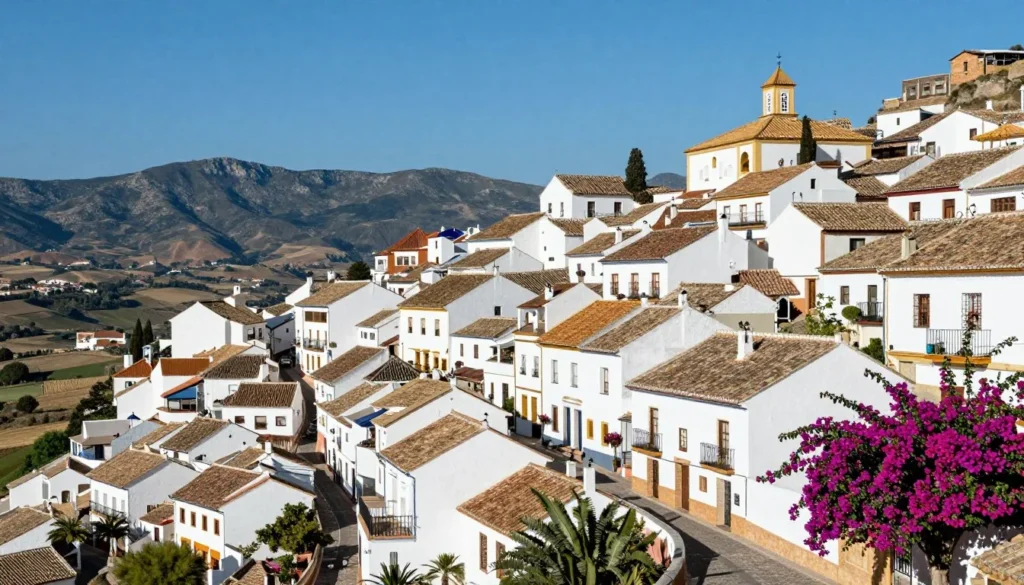
Malaga’s central location on the Costa del Sol makes it an ideal base for exploring diverse destinations within easy day trip distance. The surrounding region offers everything from mountain villages to coastal resorts, historic cities to natural wonders. These excursions add variety to your Malaga visit while showcasing Andalusia’s remarkable diversity.
Granada and the Alhambra
Spain’s most visited monument sits just 130 km (81 miles) northeast of Malaga. The Alhambra palace complex represents the pinnacle of Moorish architecture in Europe, with intricately carved Islamic palace rooms, lush gardens, and fortress towers overlooking Granada. The journey takes about 90 minutes by car or two hours by bus.
Granada itself offers a vibrant student atmosphere, traditional Arab tea houses, and the historic Albaicín neighborhood. The Sierra Nevada mountains provide a dramatic backdrop, with Europe’s southernmost ski resort just 30 minutes from Granada. This makes an exceptional day trip, though many visitors choose to stay overnight to fully experience Granada’s unique character.
Ronda and White Villages
The dramatic town of Ronda perches atop a deep gorge, with its famous New Bridge connecting two sides of the town 100 m (328 ft) above the canyon floor. The spectacular setting has attracted travelers for centuries, and the bullring is one of Spain’s oldest and most beautiful. Ronda sits approximately 100 km (62 miles) from Malaga, about 90 minutes by road.
The route to Ronda passes through pueblos blancos (white villages) like Mijas and Frigiliana, with their whitewashed houses cascading down hillsides. These charming villages offer artisan shops, traditional restaurants, and stunning views over the countryside. Many organized tours combine Ronda with stops in several white villages for a comprehensive mountain experience.
Cultural Destinations
- Granada – Alhambra palace (130 km)
- Cordoba – Mezquita mosque-cathedral (175 km)
- Ronda – Dramatic gorge town (100 km)
- Seville – Historic capital (220 km)
Coastal Towns
- Nerja – Caves and beaches (50 km)
- Marbella – Upscale resort (60 km)
- Torremolinos – Beach resort (15 km)
- Fuengirola – Family beaches (30 km)
Natural Areas
- El Caminito del Rey – Gorge walkway (60 km)
- El Torcal – Limestone formations (50 km)
- Sierra de las Nieves – Mountain park (70 km)
- Nerja Caves – Underground formations (50 km)
Coastal Towns of the Costa del Sol
The coastline east and west of Malaga features numerous beach towns, each with distinct character. Nerja, about 50 km (31 miles) east, boasts beautiful coves, the famous Balcón de Europa viewpoint, and impressive prehistoric caves. The town maintains a more traditional Spanish atmosphere than many resort areas.
West of Malaga, Marbella combines upscale resorts with a charming old town. The marina of Puerto Banús attracts luxury yachts and international visitors, while the historic centre retains Andalusian character. Torremolinos and Fuengirola offer extensive beaches and family-friendly amenities, all easily accessible by frequent trains from Malaga.
Natural Wonders
El Caminito del Rey, approximately 60 km (37 miles) from Malaga, ranks among Europe’s most spectacular hiking trails. The restored pathway clings to vertical canyon walls above the Guadalhorce River, offering thrilling views and memorable experiences. Advance reservations are mandatory, and the walk takes about 3-4 hours including approaches.
El Torcal de Antequera features surreal limestone rock formations created by millions of years of erosion. This geological wonderland 50 km (31 miles) from Malaga offers marked hiking trails through the stone forest. The unique landscape appears otherworldly, particularly during golden hour when light plays across the sculptural rocks.
Practical Travel Tips
Successful travel often comes down to practical details and preparation. The following tips address common questions and situations travelers encounter in Malaga, helping you navigate logistics smoothly and focus on enjoying your experience. These insights come from both visitor feedback and local knowledge.
Money Matters
Spain uses the Euro, with ATMs widely available throughout Malaga offering competitive exchange rates. Credit cards are accepted at most hotels, restaurants, and shops, though smaller establishments and markets may prefer cash. Notify your bank of travel dates to prevent card blocks due to foreign transactions.
Keep some cash for small purchases, coffee at bar counters (often cheaper than table service), and market shopping. ATMs inside bank branches typically offer better security than standalone machines on streets. Avoid currency exchange bureaus in tourist areas, which charge high commissions and offer poor rates.
Language Tips
While English is spoken in hotels and major tourist areas, knowledge of basic Spanish phrases enhances experiences significantly. Locals appreciate efforts to speak Spanish, even just greetings and simple requests. Younger people and tourism industry workers generally speak some English, but don’t assume everyone will.
Download a translation app for situations where communication challenges arise. Restaurant menus often include English translations in tourist areas, but neighborhood spots typically offer Spanish-only menus. Learning food terms and numbers proves most useful for ordering and shopping.
Essential Spanish Phrases
- Buenos días – Good morning
- Buenas tardes – Good afternoon
- Por favor – Please
- Gracias – Thank you
- ¿Cuánto cuesta? – How much does it cost?
- La cuenta, por favor – The check, please
- ¿Dónde está? – Where is?
- No entiendo – I don’t understand
Connectivity and Technology
Free WiFi is available in most hotels, many restaurants, and cafes. The quality varies, with hotels generally offering reliable connections while public WiFi can be slow. Consider purchasing a local SIM card or international data plan if you need consistent internet access for navigation and communication.
Download offline maps before arrival as street navigation requires data otherwise. Many museums and attractions offer free WiFi, and the city has established some public WiFi zones in main squares. European phone carriers now include Spain in roaming packages, making connectivity easier for European visitors.
Health and Medical Services
EU citizens with European Health Insurance Cards receive free or reduced-cost medical care at public hospitals. Visitors from other countries should confirm their travel insurance covers medical care abroad. Private hospitals and clinics offer excellent service with shorter wait times than public emergency rooms for non-urgent issues.
Pharmacies (farmacias) are marked with green crosses and staff can provide advice on minor ailments. Many pharmacy staff speak some English. The system of rotating 24-hour pharmacies ensures one is always open in each district for urgent medication needs. Check posted schedules at pharmacy doors for the nearest 24-hour location.
Travel Insurance: Comprehensive travel insurance covering medical emergencies, trip cancellation, and lost baggage provides peace of mind. Medical care in Spain can be expensive for visitors without insurance. Verify your policy covers adventure activities if planning hiking, water sports, or other potentially risky pursuits.
Packing Essentials
The Mediterranean climate means light, breathable clothing for most of the year. However, pack a light jacket or sweater for evenings, air-conditioned spaces, and cooler months. Sun protection is essential year-round, with high SPF sunscreen, sunglasses, and a hat preventing uncomfortable burns from the strong southern Spanish sun.
Comfortable walking shoes are perhaps the most important item. The city’s cobblestone streets and extensive walking required for sightseeing demand supportive footwear. Sandals work for beach but aren’t suitable for long city walks. A small daypack helps carry water, snacks, and layers as you explore throughout the day.
Useful Apps
Navigation & Transport
- Google Maps – Offline maps and directions
- EMT Malaga – Local bus schedules and routes
- Renfe – Train schedules and tickets
- Cabify/Uber – Ride sharing services
Travel & Communication
- Google Translate – Text and voice translation
- XE Currency – Exchange rate calculator
- TripAdvisor – Reviews and recommendations
- WhatsApp – Communication with locals
Sustainable Travel
Malaga has made significant strides in sustainable tourism, with bike-sharing programs, extensive pedestrian zones, and efficient public transport reducing vehicle dependence. Support this effort by using public transport, walking, and cycling when possible. Bring a reusable water bottle as tap water is safe to drink, reducing plastic waste.
Choose locally owned restaurants and shops over international chains to support the local economy. Visit during shoulder seasons to reduce overtourism pressure during peak months. Respect natural areas by staying on marked trails and disposing of waste properly. These small actions contribute to preserving Malaga for future visitors and residents.
Your Malaga Adventure Awaits
Malaga stands ready to exceed your expectations with its remarkable combination of sun-soaked beaches, millennia of history, world-class museums, and vibrant contemporary culture. This Mediterranean gem offers something for every traveler, whether you seek relaxation on golden sands, cultural immersion in historic sites, culinary adventures through tapas bars, or outdoor activities in stunning natural settings.
The city’s compact size and excellent infrastructure make exploration effortless, while its authentic Spanish character ensures memorable experiences beyond typical tourist attractions. From the ancient walls of the Alcazaba to contemporary art in the Soho district, from traditional espetos on the beach to innovative cuisine in modern restaurants, Malaga invites you to discover its many layers.
Start planning your visit today and prepare to understand why travelers consistently rank Malaga among Spain’s most captivating destinations. The combination of Costa del Sol sunshine, rich cultural heritage, welcoming locals, and excellent value creates an irresistible invitation. Your Malaga story is waiting to begin, and this guide has equipped you with everything needed to make it unforgettable.