Hotels by Trip.com
Flights by Trip.com
You might be surprised to know that Menorca, the ‘smaller island’ among the Balearic Islands, boasts an impressive 216 km of coastline featuring over 100 beaches, ranging from secluded white sand coves to dramatic red sand landscapes.
What makes this island stand out is its perfect balance of natural beauty, historical sites, and relaxed atmosphere, making it an ideal destination for those seeking a tranquil getaway.
Declared a UNESCO Biosphere Reserve in 1993, 42% of the island is protected to preserve its unique landscapes and biodiversity. As you plan your trip, you’ll find that Menorca offers a diverse array of activities and breathtaking scenery, making it a top choice for travelers looking for an unforgettable experience.
Discovering Menorca’s Unique Island Charm
Menorca, a hidden gem among the Balearic Islands, offers a unique blend of natural beauty and tranquility. As you explore this enchanting island, you’ll discover its distinct character shaped by a commitment to preserving natural landscapes and traditional charm.
Why Menorca Stands Out Among the Balearic Islands
Menorca is considered the most tranquil of the Balearic Islands, with a strong focus on sustainable tourism and environmental protection. Unlike its more developed neighbors, Menorca has maintained its natural beauty and slower pace of life. The island’s relatively flat terrain makes it perfect for exploring by bike or on foot, allowing you to fully immerse yourself in its serene atmosphere.
The island’s status as a UNESCO Biosphere Reserve has played a significant role in preserving its natural beauty and unique geographical features. This designation has ensured that Menorca’s development is balanced with environmental protection, making it an ideal destination for nature lovers and those seeking a peaceful retreat.

Best Time to Visit Menorca
The best time to visit Menorca is during the spring and fall shoulder seasons. During these periods, you can enjoy sunny days with fewer crowds, making it an ideal time to explore the island’s beautiful beaches and historic sites. In September, the average temperature is around 22°C, providing perfect weather conditions for outdoor activities.
| Season | Weather | Crowds |
|---|---|---|
| Spring (May) | Sunny, 22°C | Fewer crowds |
| Fall (September) | Sunny, 22°C | Fewer crowds |
| Summer | Hot | Peak tourist season |
Understanding the prevailing northerly wind, known as the Tramontana, can also help you plan your visit. This wind affects the island’s climate and landscapes, particularly during the spring and fall. By choosing to visit during the shoulder seasons, you can experience Menorca’s unique island charm while avoiding the crowds associated with the peak summer months.
Explore Historic Towns and Cities
Menorca’s towns and cities offer a glimpse into the island’s rich past, with stunning architecture and picturesque landscapes. As you explore these historic places, you’ll discover the unique charm of each town.
Mahón: The Capital with a Stunning Harbor

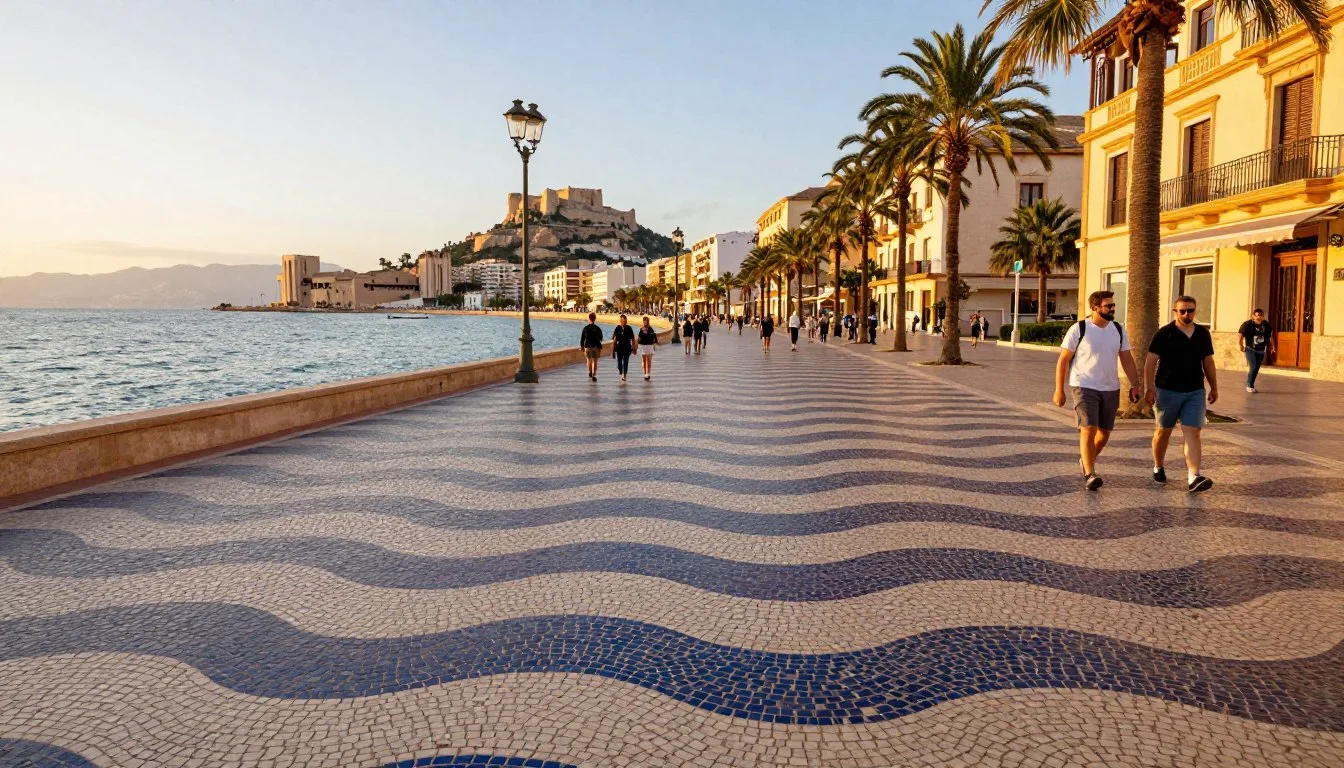
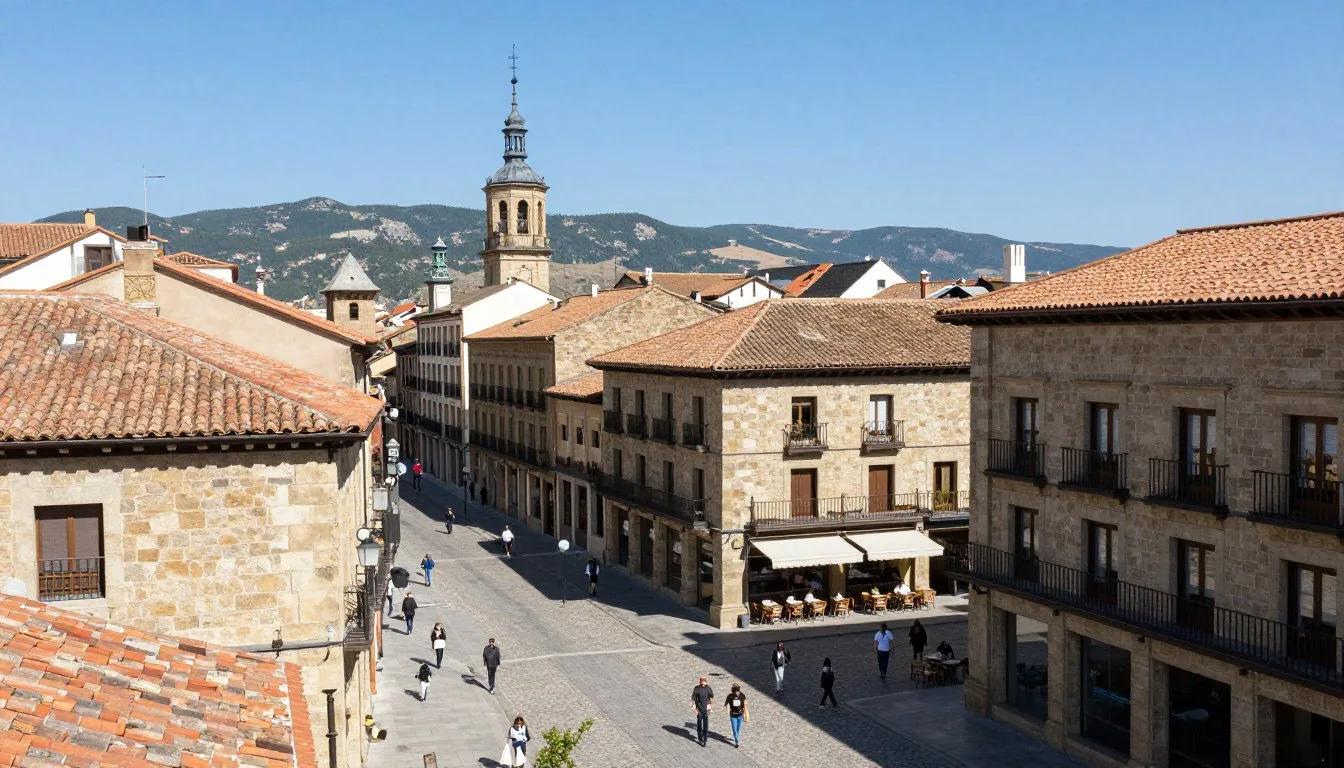
Mahón (Maó) has been Menorca’s capital since 1722 and sits high on a cliff with superb views of the harbor. The town is known for its pretty, pastel alleyways, food markets, squares, and cathedrals, making it incredibly Instagramable. You’ll find that Mahon Port is the Mediterranean’s largest harbor and the world’s second-deepest natural port.
Check 30,000+ Local Sightseeing Tours Worldwide
✓ Numerous languages and currencies are available
Some of the top things to do in Mahón include exploring the pastel-colored alleyways, visiting bustling food markets, and admiring the historic squares. You can also take a boat tour to learn about the strategic importance of Mahón’s harbor.
Ciutadella: Cobblestone Streets and Medieval Charm
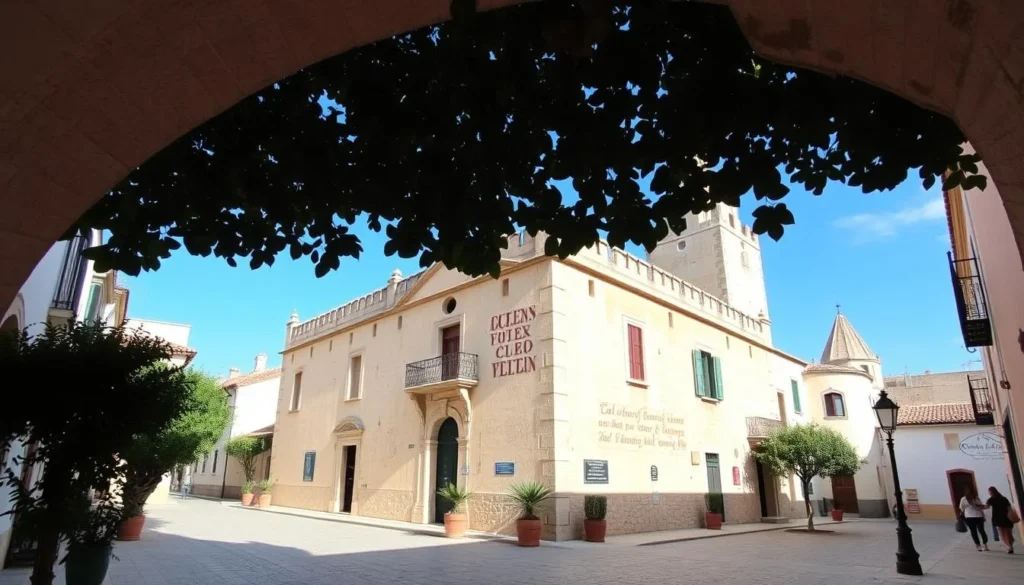
Ciutadella was the capital of the island until the British moved it to Mahon in the 1700s and is still considered the religious center of Menorca. When Ciutadella was rebuilt in the 17th century, it was given a consistent feel in a Romantic Italian style, making it visually stunning and reminiscent of a film set.
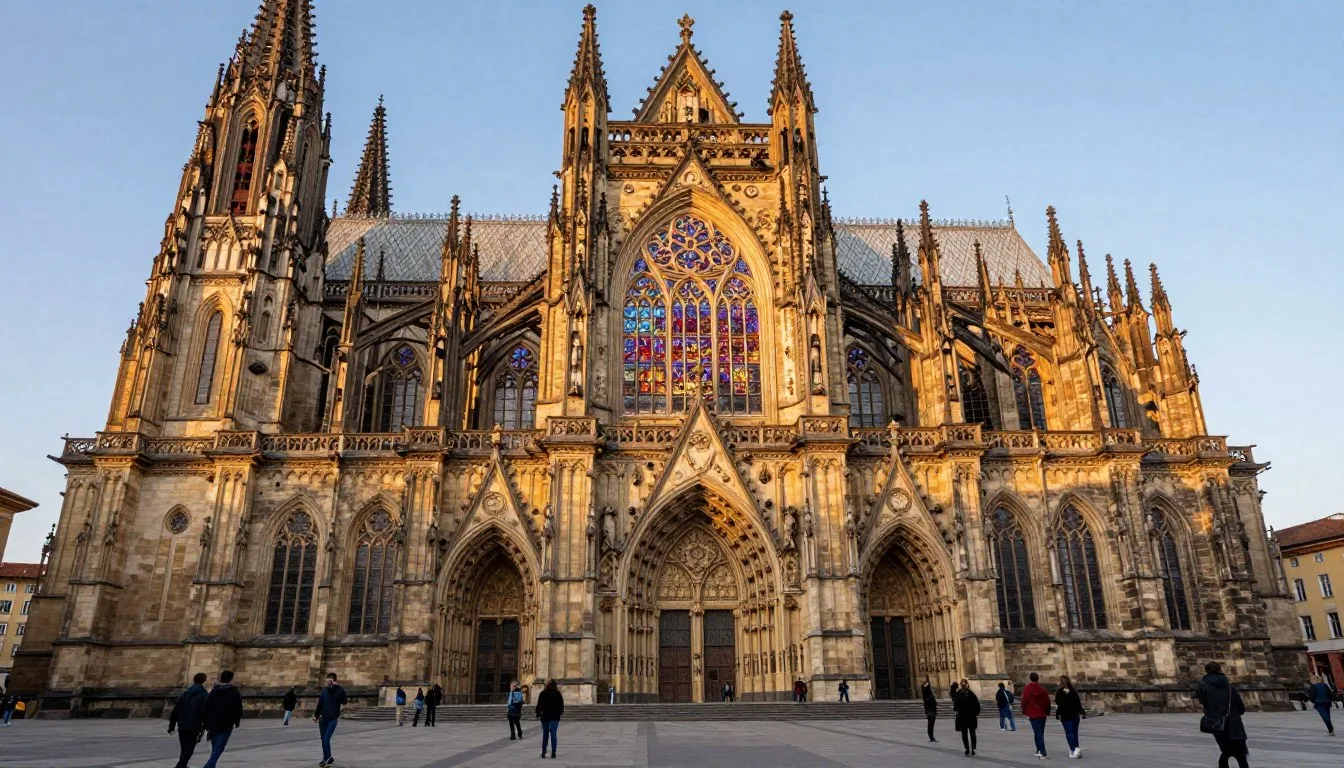
As you wander through Ciutadella’s cobblestone streets, you’ll discover the 14th-century cathedral, historic palaces, and the main square Plaça des Born. The contrast between Mahón’s Georgian influences and Ciutadella’s medieval Mediterranean charm is striking, and you’ll find authentic local restaurants in both cities to sample traditional Menorcan cuisine.
Menorca’s Most Beautiful Beaches and Coves
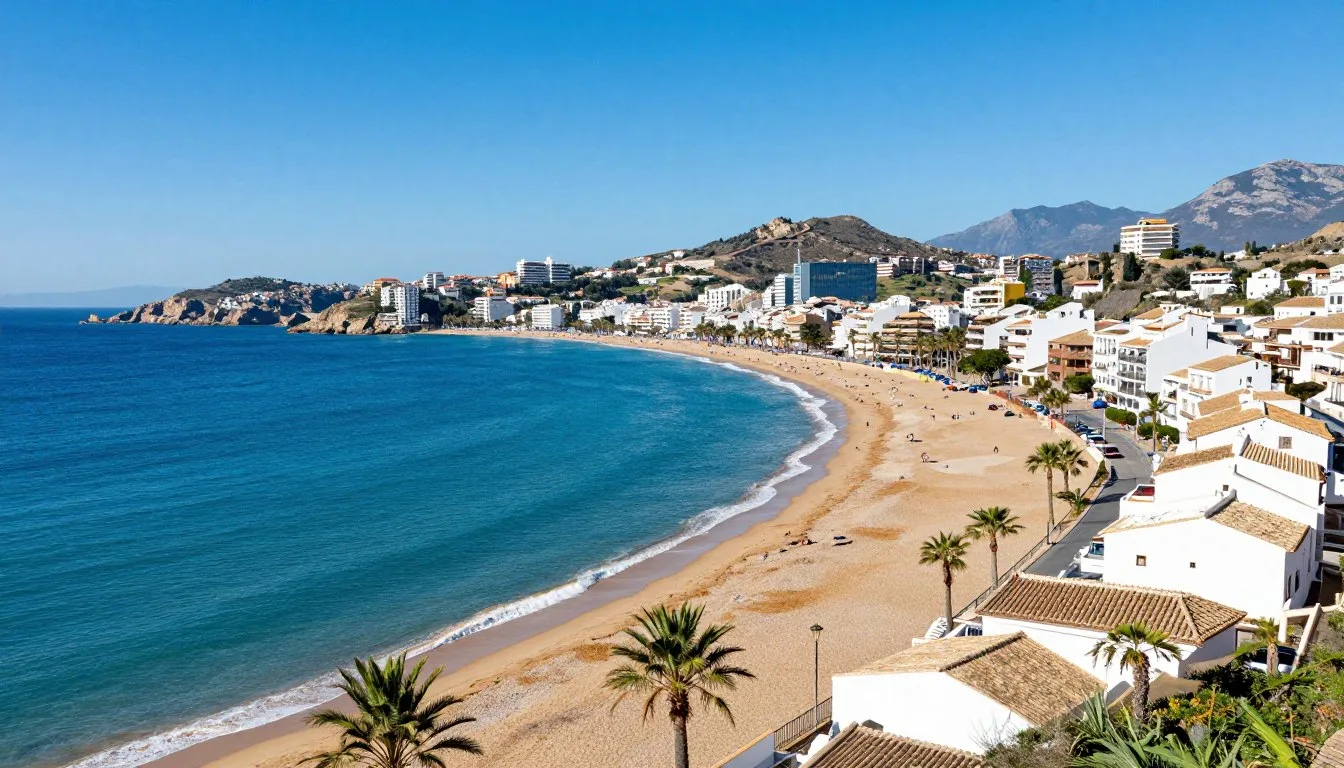
From white sandy paradises to dramatic red sand landscapes, Menorca’s beaches showcase the island’s natural beauty. The island’s diverse coastline offers a range of coastal experiences, from secluded coves to expansive beaches.
South Coast Beaches: White Sand Paradise
The south coast of Menorca is home to some of the island’s most stunning white sand beaches. These beaches are characterized by their turquoise waters and picturesque surroundings.
Cala Macarella and Cala Macarelleta
Cala Macarella and its smaller neighbor Cala Macarelleta are two of Menorca’s most photographed beaches, known for their perfect white sand and crystal-clear turquoise waters surrounded by pine forests. You can enjoy swimming, snorkeling, or simply relaxing on the beach.
Cala Mitjana and Cala Turqueta
Cala Mitjana and Cala Turqueta are pristine south coast beaches accessible by walking trails. These secluded beaches offer a tranquil atmosphere, perfect for those looking to escape the crowds.
Cala Galdana
Cala Galdana is one of the more developed beach areas on the south coast, offering amenities and water sports. This makes it an ideal destination for families, while still maintaining its natural beauty.

North Coast Beaches: Dramatic Red Sand Landscapes
In contrast to the south, Menorca’s north coast is characterized by its dramatic red sand beaches, shaped by volcanic activity. These beaches offer a unique and breathtaking landscape.
Cala Pregonda
Cala Pregonda is one of the most famous beaches on the north coast, known for its distinctive reddish sand and unique rock formations. This creates a dramatic landscape unlike anywhere else on the island.
Cavalleria Beach
Cavalleria Beach is one of the largest northern beaches, surrounded by sand dunes covered in native vegetation. It offers a more wild and natural experience compared to the developed beaches on the south coast.
Cala en Brut
Cala en Brut is a unique rocky cove with crystal-clear deep waters, perfect for cliff jumping and snorkeling. The natural swimming pool formation makes it a thrilling spot for adventure seekers.
| Beach | Location | Characteristics |
|---|---|---|
| Cala Macarella | South Coast | White sand, turquoise waters, pine forests |
| Cala Pregonda | North Coast | Red sand, unique rock formations |
| Cavalleria Beach | North Coast | Coarse red sand, sand dunes with native vegetation |
Hiking the Camí de Cavalls: Menorca’s Historic Coastal Path
Embark on an unforgettable adventure along Menorca’s historic coastal path, the Camí de Cavalls. This ancient trail, which translates to ‘Way of the Horses,’ spans 185 kilometers around the island, offering breathtaking views and diverse landscapes.
The Camí de Cavalls was originally used by horseback patrols to watch for pirates and other enemies. After falling into disrepair, it was restored and reopened in 2010. Today, it provides hikers, cyclists, and horse riders with access to some of Menorca’s most spectacular and otherwise inaccessible landscapes.
Best Sections for Day Hikers
For those not ready to tackle the entire trail, there are several sections suitable for day hikes. These routes often connect popular beaches and offer stunning coastal views. One of the most scenic sections is between Calas Coves and Cala Turqueta, known for their turquoise waters and dramatic cliffs.
What to Pack and When to Go
When preparing for your hike, it’s essential to pack properly. This includes wearing comfortable footwear, bringing sun protection, and carrying sufficient water, especially during the hot summer months. The best time to hike the Camí de Cavalls is during the spring and fall, when temperatures are moderate and crowds are smaller.
The trail is divided into 20 stages, allowing you to choose sections that match your fitness level and interests. Whether you’re looking for a leisurely day hike or a more challenging adventure, the Camí de Cavalls has something to offer. As you hike along this historic path and trail, you’ll experience the diverse ecosystems of Menorca, from pine forests to dramatic cliffs and hidden coves.
Menorca, Spain: Best Things to Do for Nature Lovers
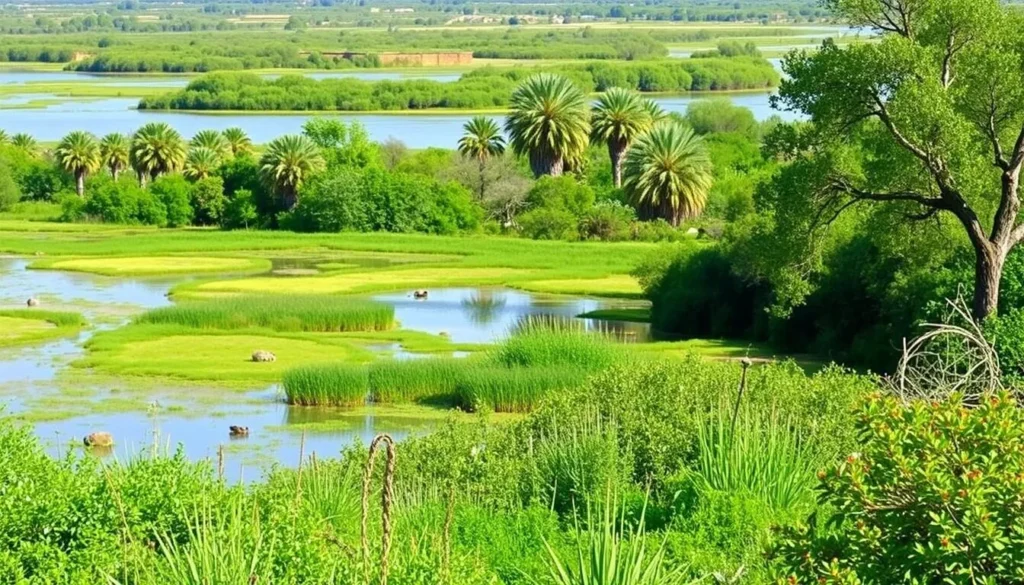
As a UNESCO Biosphere Reserve, Menorca is a paradise for nature enthusiasts. With 42% of the island protected, you’ll encounter a diverse range of ecosystems, from wetlands to olive groves.
S’Albufera des Grau Natural Park
S’Albufera des Grau Natural Park is a haven for wildlife, featuring wetlands, lagoons, and olive groves. This natural park is a crucial stopover on bird migration routes, with up to 200 different species spotted around the island.
Key Highlights: Diverse ecosystems, birdwatching opportunities, and serene landscapes.
Monte Toro: Panoramic Views
Monte Toro, Menorca’s highest point at 358 meters, offers breathtaking panoramic views across the island. On a clear day, you can even spot mainland Spain.
Must-Visit: The Sanctuary of the Virgin of El Toro at the summit, a spiritual center dating back to the 13th century.
Menorca’s natural beauty is preserved through conservation efforts, making it an ideal destination for nature lovers. Whether you’re hiking through olive groves or birdwatching in the wetlands, Menorca offers a unique experience.
Water Activities Around the Island
Discover Menorca’s hidden coves and sea caves through its exciting water activities. The island’s stunning coastline is perfect for exploring, and there are numerous ways to experience its beauty.
Kayaking Through Sea Caves and Hidden Coves
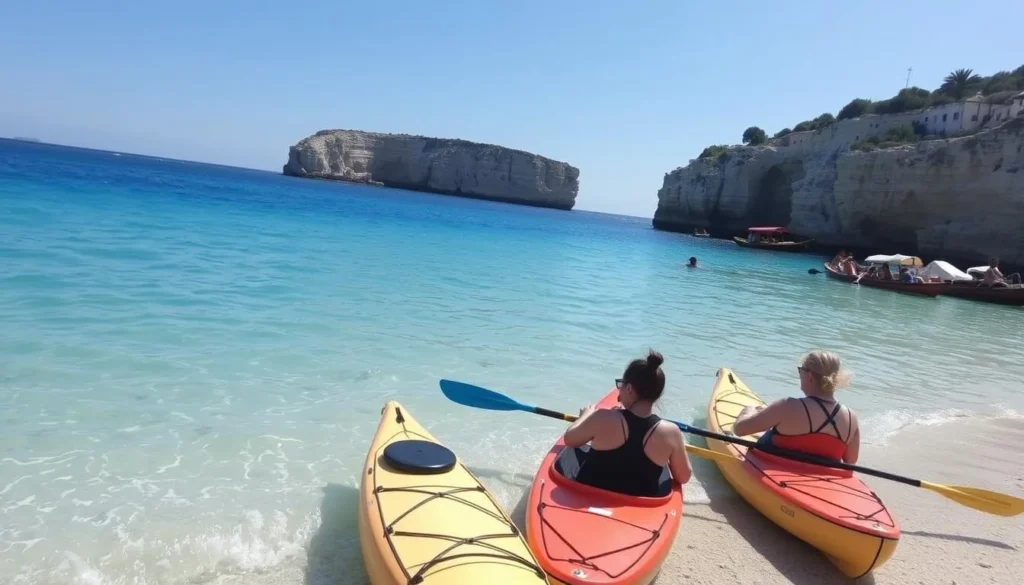
Kayaking is a fantastic way to explore Menorca’s coastline, allowing you to paddle into dramatic sea caves and secluded coves. You can rent kayaks at locations like Cala Galdana and Fornells, both offering unique coastlines to discover.
Sailing and Boat Tours
If you prefer a more relaxing experience, consider joining a sailing or boat tour. These tours often stop at small coves and beaches, perfect for swimming and snorkeling. You can explore the island’s coastline without the effort of kayaking.

Snorkeling and Diving Spots
Menorca’s crystal-clear Mediterranean waters offer excellent visibility for snorkeling and diving. Explore the island’s best snorkeling and diving spots, discovering the rich marine life that inhabits its waters.
Whether you choose kayaking, sailing, or snorkeling, Menorca’s water activities offer a unique perspective on the island’s stunning coastline. With its hidden coves, sea caves, and beautiful beaches, Menorca is a paradise for water enthusiasts.
Cultural Experiences and Historic Sites
Menorca’s history is palpable as you wander through its ancient settlements, historic towns, and cultural landmarks. The island is home to a rich cultural heritage, shaped by various civilizations that have left their mark on its architecture, traditions, and way of life.
Talaiotic Settlements: Menorca’s Ancient Mysteries
The Talaiotic settlements are a testament to Menorca’s ancient past, with structures that date back to around 1000 BCE. These mysterious settlements are scattered across the island, offering a glimpse into the lives of the Talaiotic people.
Naveta d’es Tudons
Naveta d’es Tudons is an extraordinary prehistoric funeral chamber shaped like an upturned boat, constructed entirely of stacked stones without mortar. It’s considered the oldest roofed building in Europe, a remarkable feat of ancient engineering.
Torre d’en Galmés
Torre d’en Galmés is the largest Talaiotic settlement on the island, featuring ancient houses, water collection systems, and ceremonial areas that offer insights into prehistoric life.
Unique Towns: Binibeca and Fornells
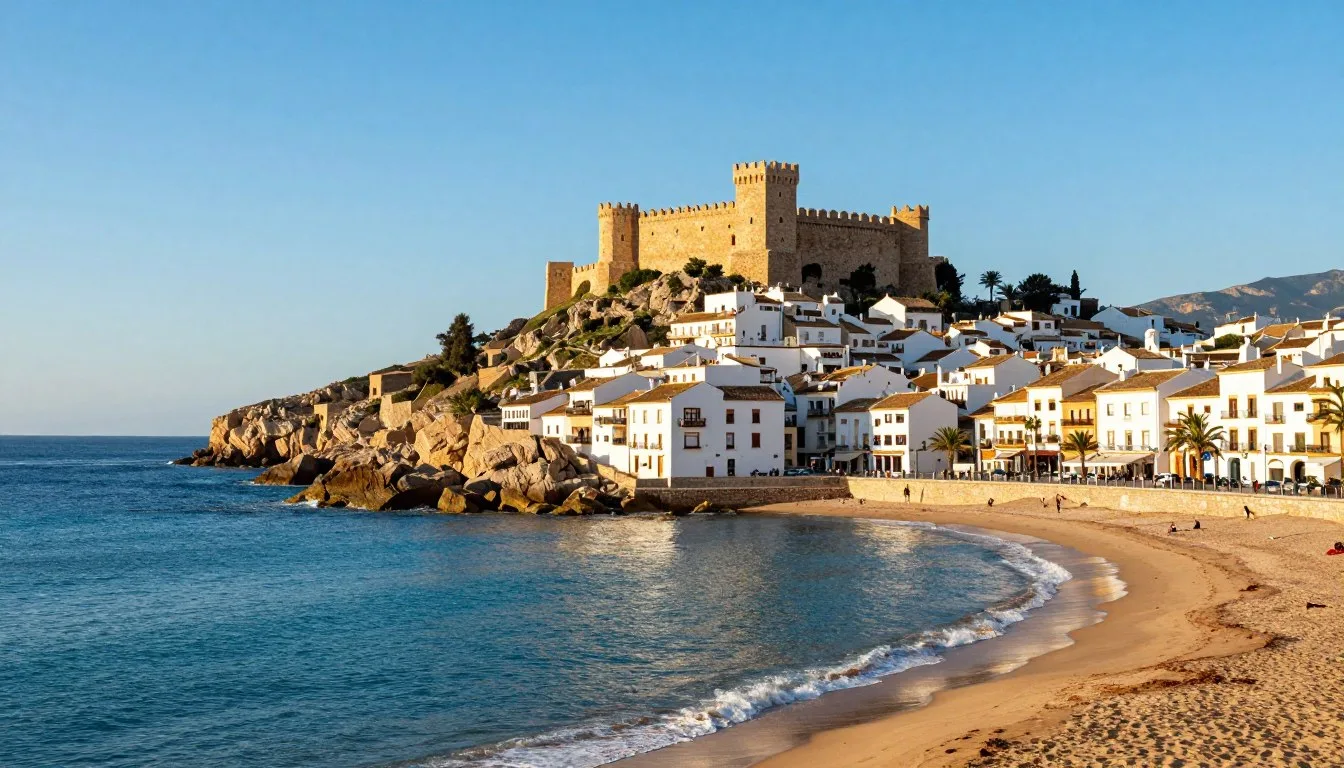
Menorca is also home to charming towns that reflect its cultural identity. Binibeca, a small resort town on the south coast, was designed to recreate the fishing village atmosphere of Menorca’s past. Its white-washed buildings, winding alleyways, and small sandy beach make it a picturesque destination.
Fornells, on the other hand, is an authentic fishing village on the north coast, known for its natural harbor and traditional boats. You’ll ‘ll find restaurants specializing in caldereta de langosta, the island’s signature dish, making it a must-visit destination for foodies.
Menorca’s rich history and cultural heritage are evident in its historic sites and traditional towns. The island’s unique cultural identity is shaped by its diverse history of occupation by various civilizations, including Romans, Moors, British, and French.
Culinary Delights of Menorca
As you explore Menorca, you’ll discover a culinary journey that blends traditional recipes with modern twists. The island’s cuisine is characterized by its simplicity, freshness, and rich flavors, heavily influenced by its Mediterranean location and history.
Menorca’s culinary identity is deeply rooted in its local produce, including its famous Mahón cheese, made from cow’s milk and known for its buttery, mildly salty taste. The island is also renowned for its exceptional seafood, with dishes featuring freshly caught fish, plump prawns, and mussels.
Must-Try Local Specialties
When in Menorca, there are several local specialties you shouldn’t miss. These include:
- Discover Mahón cheese, Menorca’s most famous culinary export, made from cow’s milk with a distinctive buttery, slightly salty flavor.
- Sample the island’s exceptional seafood, including caldereta de langosta (lobster stew), freshly caught fish, and mussels.
- Try Pomada, Menorca’s signature drink that combines local Xoriguer gin with refreshing fizzy lemonade.
Mahón Cheese
Mahón cheese is a staple of Menorcan cuisine, with its flavor profile varying based on age. Younger cheeses are soft and creamy, while aged ones are harder and crumblier.
Seafood Dishes
The seafood in Menorca is incredibly fresh, with popular dishes including caldereta de langosta and simple preparations of fish and shellfish.
Pomada: Menorca’s Signature Drink
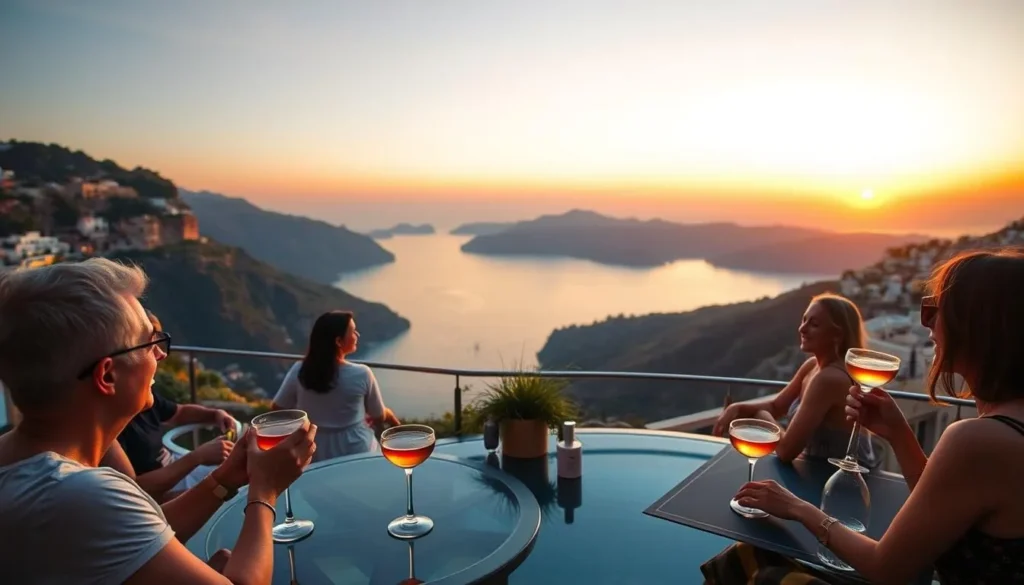
Pomada is a unique drink that combines gin with fizzy lemonade, making it a perfect accompaniment to Menorca’s epic sunsets.
Vineyard Tours and Wine Tasting
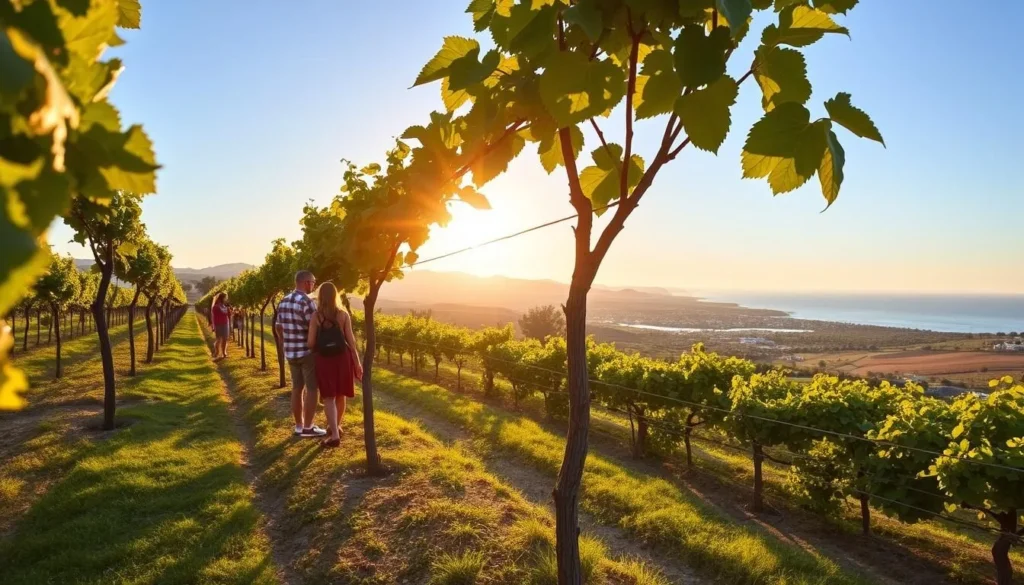
Menorca has revitalized its wine industry, with vineyards like Binifadet offering vineyard tours and wine tastings. Here, you can learn about local wine production and taste wines paired with cheese and preserves.
Best Restaurants with Views
Dining in Menorca can be a spectacular experience, especially at restaurants with views of the harbor or coastline. From Mahón to Ciutadella, there are numerous establishments where you can enjoy local cuisine while taking in the breathtaking views.

Sunset Spots and Evening Entertainment
As the day comes to a close, Menorca transforms into a haven for sunset enthusiasts and those seeking evening entertainment. You’ll find numerous spots to enjoy the island’s natural beauty and vibrant culture.
Cova d’en Xoroi: A Cliffside Cave Bar
Cova d’en Xoroi is a must-visit place for sundowners. This unique cliffside cave bar, carved into the rock face, offers breathtaking sunset views over the Mediterranean Sea. During the day, you can relax with chill-out music, and as night falls, DJs take over, playing Balearic beats until sunrise.
Lighthouse Views and Coastal Sunsets
Menorca is home to seven lighthouses, each offering stunning views of the coastline. One of the most striking is Favàritx lighthouse, known for its distinctive black spiral band and dramatic surroundings. As you explore these lighthouses, you’ll discover picturesque beach spots and charming fishing villages like Fornells and Binibeca, where you can enjoy fishing boats returning with their daily catch.
As the sun sets, you’ll find waterfront restaurants serving fresh seafood, caught that very day, as boats bob gently in the harbor. It’s the perfect way to experience Menorca’s relaxed evening atmosphere, focusing on quality dining and sunset cocktails rather than all-night partying.
Whether you’re looking to watch the sunset over the beach, enjoy a meal with views of the water, or simply soak up the island’s laid-back vibe, Menorca has plenty of things to offer. You’ll find it’s an ideal destination for a relaxing getaway with a mix of natural beauty and cultural experiences.
Conclusion: Planning Your Perfect Menorca Getaway
Menorca, a hidden gem among the Balearic Islands, offers an unforgettable experience for travelers seeking relaxation and adventure. As you plan your trip, consider that Menorca is a bit more affordable compared to its neighbors, with slightly cheaper accommodation and dining options. To explore the island’s diverse attractions at your own pace, renting a car is the best way to get around.
While Menorca is relatively small, travel times can be longer than expected due to the need to connect to the main road that crosses the island. Plan your daily itineraries accordingly, and consider spending at least three full days to experience the highlights. A 7-10 day visit allows for a more relaxed exploration of the island’s beaches, cultural experiences, and natural parks.
The ideal time to visit Menorca is during the shoulder season, May-June and September-October, when the weather is pleasant and crowds are smaller. Create a balanced itinerary that includes beach time, visits to historic towns like Mahón and Ciutadella, and exploration of the island’s natural beauty, from the white sand beaches of the south to the dramatic red landscapes of the north.
Menorca caters to different travel styles, from families to couples and nature enthusiasts. Plan your accommodations strategically, choosing between urban amenities in the main towns or coastal areas for beach access and natural beauty. With its rich history, stunning landscapes, and vibrant culture, Menorca is a destination that will leave you with unforgettable memories.