Every year, more than 175,000 students converge on Salamanca, creating one of Europe’s highest student-to-resident ratios at nearly 40%. This remarkable statistic transforms the city into a vibrant hub where centuries-old traditions blend seamlessly with youthful energy. The name Salamanca derives from the ancient Celtic word “Salmantica,” though scholars continue to debate whether it refers to the settlement’s position near the Tormes River or honors an early tribal chief.
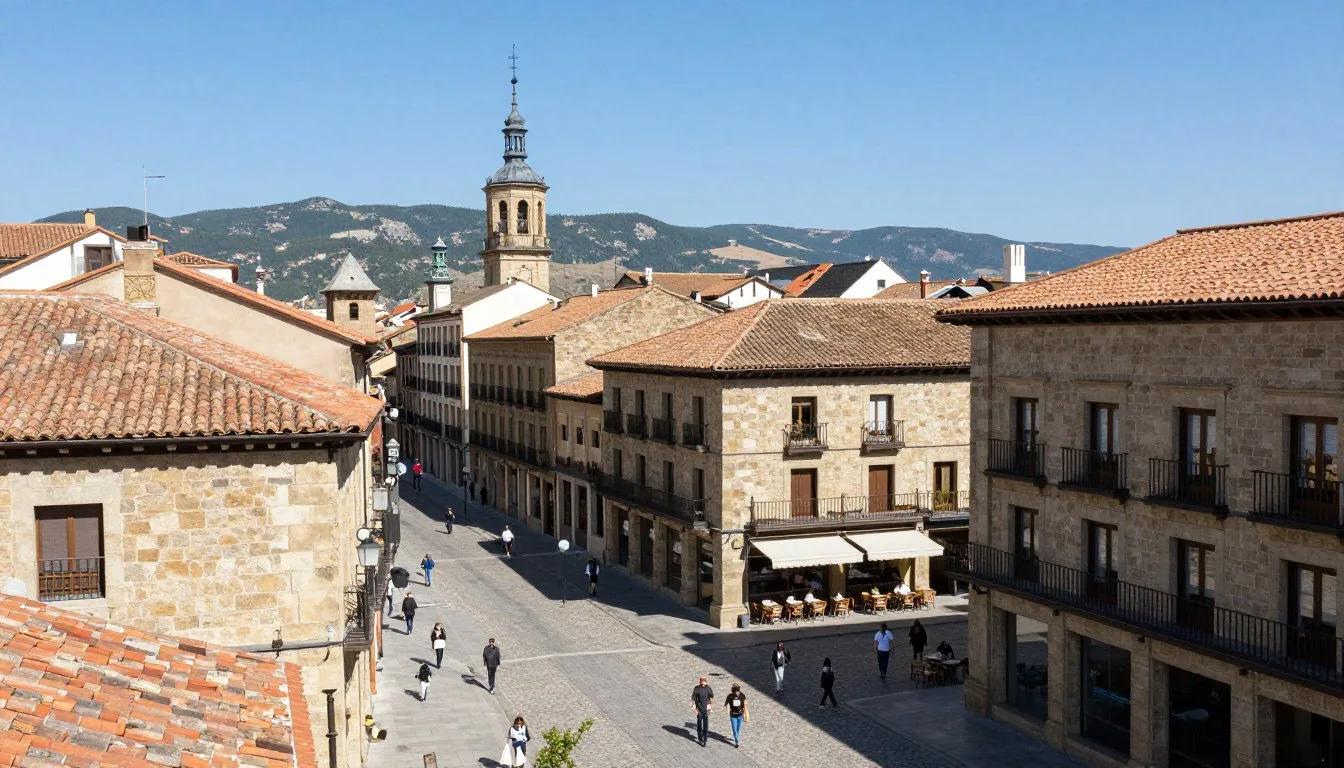
Walking through Salamanca feels like stepping into a living museum where every stone tells a story. The city’s distinctive golden sandstone glows warmly under the Spanish sun, earning it the nickname “the golden city.” This UNESCO World Heritage site beckons travelers with promises of architectural wonders, intellectual heritage, and authentic Spanish culture.
Whether you’re drawn by history, architecture, cuisine, or simply the magnetic atmosphere of a university town, Salamanca delivers an unforgettable Spanish experience. This comprehensive guide reveals everything you need to know to make the most of your journey to this remarkable destination.
Getting There & Planning Your Journey

Reaching Salamanca requires some planning since the city doesn’t have its own commercial airport. Most international travelers arrive through Madrid, which offers the most convenient access point. The journey from Madrid to Salamanca takes approximately two hours by car or train, making it an easy day trip or weekend destination.
Nearest Airports to Salamanca
Madrid-Barajas Adolfo Suárez Airport (MAD) serves as the primary gateway, located 212 km (132 miles) east of Salamanca. This major international hub connects Spain with cities worldwide and provides excellent ground transportation options to Salamanca.
Valladolid Airport (VLL) offers a closer alternative at just 115 km (71 miles) from Salamanca. However, flight options remain limited compared to Madrid. Budget carriers occasionally service this airport, making it worth checking for cost-conscious travelers.
Porto Airport (OPO) in Portugal sits 280 km (174 miles) northwest of Salamanca. Travelers combining Portuguese and Spanish destinations might find this routing convenient, though the journey takes longer.
Transportation from Madrid
High-speed trains depart from Madrid’s Chamartín station multiple times daily. The journey takes approximately 90 minutes, offering comfortable seating and scenic views of the Castilian countryside. Advance booking often yields significant savings on ticket prices.
Regional buses operated by Avanza connect Madrid with Salamanca every hour during peak times. The trip takes about two hours and thirty minutes. Buses depart from Madrid’s Estación Sur and arrive at Salamanca’s central bus station.
Driving from Madrid follows the A-6 and A-50 motorways through rolling farmland and medieval villages. The drive takes roughly two hours in normal traffic conditions. Car rental provides flexibility for exploring surrounding areas beyond the city.
Insider Tip: Book train tickets at least two weeks in advance through Renfe’s website for the best fares. Weekend trains fill quickly during university term time, so early booking ensures seat availability.
Best Time to Visit & Weather Tips

Best Time to Visit Salamanca
Spring months from March through May offer ideal conditions for exploring Salamanca. Temperatures range from 15°C to 22°C (59°F to 72°F), perfect for walking the city’s cobblestone streets. Gardens bloom throughout the city, and outdoor cafes begin setting up their terraces.
Early autumn, particularly September and October, provides another excellent window. The weather remains pleasant at 18°C to 25°C (64°F to 77°F), university students return creating vibrant atmosphere, and summer tourist crowds disperse.
Late May through early June captures Salamanca at its finest. Temperatures hover around 24°C (75°F), spring rains taper off, and the academic year wraps up with various cultural events and festivals.
Months to Avoid
July and August bring intense heat with temperatures frequently exceeding 35°C (95°F). Many locals flee the city during this period, resulting in closed shops and restaurants. The stone buildings and plazas offer little shade, making daytime exploration uncomfortable.
January and February deliver cold, wet weather with temperatures dropping to 2°C to 8°C (36°F to 46°F). Bitter winds sweep across the Meseta Central plateau, earning the region its reputation for harsh winters. Many outdoor attractions lose their appeal during these months.
Weather Patterns Throughout the Year
Spring (March-May)
Mild temperatures gradually warming from 12°C to 22°C (54°F to 72°F). Occasional rain showers bring fresh greenery to parks and gardens. Pack layers and a light rain jacket for comfortable exploration.
Summer (June-August)
Hot and dry with temperatures reaching 30°C to 38°C (86°F to 100°F). Nights cool down pleasantly to around 18°C (64°F). Bring sun protection, light clothing, and plan activities for early morning or evening hours.
Autumn (September-November)
Comfortable conditions ranging from 10°C to 24°C (50°F to 75°F). September remains warm and dry while November brings increasing rainfall. Golden foliage enhances the city’s already beautiful architecture.
Winter (December-February)
Cold temperatures between 2°C and 10°C (36°F and 50°F) with occasional frost. Rain and wind predominate. The city’s indoor attractions and cozy restaurants provide welcome refuge from the elements.
Notable Annual Festivals

Salamanca’s cultural calendar bursts with festivals celebrating everything from religious traditions to contemporary arts. These events showcase the city’s vibrant spirit and offer visitors authentic cultural experiences.
Lunes de Aguas (Monday of Waters)
This unique festival takes place the Monday following Easter week. Students and locals flood the banks of the Tormes River for picnics, dancing, and traditional games. The celebration dates back centuries when young people would court potential partners during riverside gatherings. The atmosphere buzzes with music, laughter, and the aroma of grilled chorizo.
Ferias y Fiestas de Salamanca
Salamanca’s main festival runs for two weeks in September, typically around September 8th. The city erupts in celebrations honoring Nuestra Señora de la Vega, the patron saint. Expect concerts, bullfights, traditional dances, fireworks, and street parties continuing until dawn. Plaza Mayor becomes the epicenter of festivities.
Contact: +34 923 279 342 (Salamanca Tourism Office)
International Arts Festival
Each June, Salamanca hosts an impressive arts festival featuring theater, music, and dance performances. International artists converge on the city, presenting cutting-edge works in historic venues. The contrast between medieval settings and contemporary art creates memorable experiences.
Holy Week (Semana Santa)
Salamanca’s Holy Week processions rival those of larger Spanish cities in solemnity and beauty. Religious brotherhoods parade through streets carrying elaborate floats depicting scenes from Christ’s passion. The haunting sound of brass bands and drums echoes off stone buildings, creating an unforgettable atmosphere from Palm Sunday through Easter.
Planning Tip: Book accommodations months in advance for September festivals and Holy Week. Hotels fill quickly, and prices increase during these peak periods. Consider staying in nearby towns and commuting if Salamanca lodging proves unavailable.
Getting Around Locally
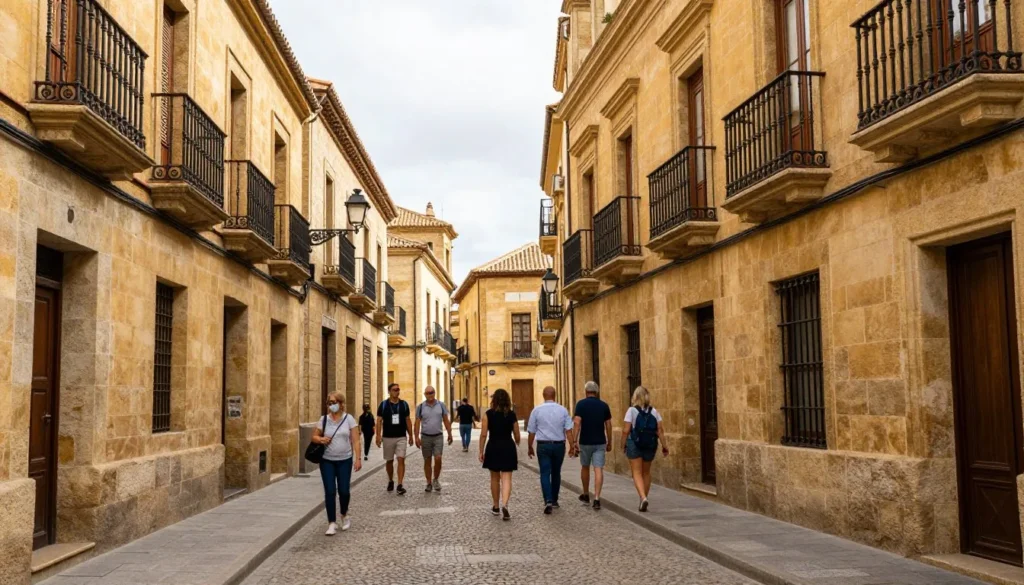
Salamanca’s compact historic center makes walking the best way to explore. Most major attractions cluster within a 15-minute walk of Plaza Mayor. The pedestrian-friendly streets encourage leisurely strolling, though the cobblestones demand comfortable footwear.
Walking the City
The old town remains largely traffic-free, creating pleasant conditions for pedestrians. Navigation proves straightforward since Plaza Mayor serves as a central reference point. Allow extra time for the many photo opportunities and unexpected discoveries around every corner.
Wear sturdy shoes with good grip for the cobblestone streets. The uneven surfaces challenge anyone in heels or flip-flops. Comfortable walking shoes make exploring more enjoyable and safer.
Public Transportation
Municipal buses serve neighborhoods beyond the historic center. The system operates efficiently, though visitors rarely need buses since attractions concentrate in the walkable core. Single tickets cost around €1.30, while a 10-ride card offers better value at approximately €7.50.
Bus number 4 connects the train station with the historic center. Several routes link the bus station with Plaza Mayor and major hotels. Buses run from 6:30 AM until 11:00 PM on most routes.
Taxis and Ride Services
Taxis wait at stands near Plaza Mayor, the train station, and bus terminal. Fares remain reasonable for short trips within the city. Expect to pay €6 to €10 for most journeys within Salamanca proper.
Radio Taxi Salamanca provides reliable service throughout the day and night. Call +34 923 250 000 for pickup anywhere in the city. Taxis accept cash and credit cards.
Cycling Options
Bike rental shops operate near the university and Plaza Mayor. Cycling offers an enjoyable way to cover ground quickly, though cobblestones and pedestrian crowds require caution. Several designated bike paths follow the Tormes River, providing scenic routes away from traffic.
The city’s bike-sharing system, Salenbici, offers affordable rentals through smartphone apps. Docking stations appear throughout the historic center and newer neighborhoods. Rates start at €2 per hour or €10 for a day pass.
Local Insight: Download the free Salamanca city app before arriving. It includes offline maps, walking tour routes, and information about attractions. The app helps navigate the historic center’s maze-like streets without using cellular data.
Where to Stay

Salamanca offers accommodation options ranging from budget hostels to luxury hotels housed in historic buildings. The city caters to diverse preferences and budgets, ensuring comfortable stays for all types of travelers.
Historic Center Lodging
Staying within the old town places you steps from major attractions. Hotels here occupy converted palaces, monasteries, and historic townhouses. Character and location come at premium prices, typically ranging from €80 to €200 per night.
Boutique hotels in renovated buildings blend modern amenities with historic charm. Many feature interior courtyards, original stonework, and antique furnishings. Request rooms facing interior patios for quieter nights, as street-facing rooms can be noisy.
University Quarter Accommodations
The area surrounding the university offers excellent value and vibrant atmosphere. Budget hotels, hostels, and guesthouses cluster here, serving the student population. Rates typically range from €30 to €70 per night, making this neighborhood ideal for cost-conscious travelers.
The lively atmosphere means late-night noise, especially Thursday through Saturday. Light sleepers should request rooms away from main streets or consider quieter neighborhoods.
Modern District Hotels
Newer neighborhoods beyond the historic center provide comfortable chain hotels at mid-range prices. These properties offer reliable amenities like parking, air conditioning, and spacious rooms. Expect to pay €50 to €90 per night with easy bus access to the old town.
Alternative Accommodations
Apartment rentals through various platforms give travelers more space and cooking facilities. This option works well for families or longer stays. Prices vary widely based on location, size, and amenities, generally ranging from €50 to €150 nightly.
Rural houses in nearby villages offer peaceful retreats with country charm. These properties suit travelers with cars who don’t mind a 15 to 20-minute drive into Salamanca. Rates start around €60 per night with self-catering facilities.
Budget Accommodations
- Hostels with shared dormitories €15-€25 per bed
- Basic guesthouses €35-€50 per room
- University residence halls during summer €25-€40
- Budget hotel chains €45-€65 per night
Mid-Range to Luxury
- Three-star hotels €60-€90 per night
- Four-star historic properties €90-€140
- Boutique hotels €100-€180
- Five-star luxury accommodations €150-€300
Booking Strategy: Reserve accommodations early for September festivals, Holy Week, and weekends during the academic year. Summer months (July-August) and winter (January-February) offer the best availability and rates. Consider Sunday through Thursday stays for lower prices.
Dining & Local Cuisine

Salamanca’s culinary scene blends traditional Castilian cuisine with innovative contemporary cooking. The city’s student population ensures abundant affordable eateries, while upscale restaurants showcase regional specialties with creative flair.
Traditional Salamanca Dishes
Hornazo stands as Salamanca’s signature dish. This savory pie stuffed with pork loin, chorizo, and hard-boiled eggs originally sustained farmers during long days in the fields. Bakeries throughout the city prepare fresh hornazo daily, especially popular during Lunes de Aguas celebrations.
Farinato represents another local specialty unique to Salamanca province. This distinctive sausage combines pork fat, breadcrumbs, paprika, and spices. The resulting flavor proves surprisingly delicate despite the rich ingredients. Try it grilled or pan-fried as a tapa.
Chanfaina, a traditional stew, features rice cooked with various pork offal, paprika, and bay leaves. This hearty dish reflects the resourceful peasant cooking that characterizes much of Castilian cuisine. Not for squeamish eaters, but adventurous diners find it delicious.
Tapas Culture in Salamanca
Salamanca embraces Spain’s beloved tapas tradition enthusiastically. Many bars still offer free tapas with drink orders, a practice becoming rare in larger cities. The tapas scene thrives in streets surrounding Plaza Mayor and near the university.
Bar hopping, called “ir de tapas,” forms an essential part of Salamanca’s social life. Locals move from bar to bar, sampling different specialties with drinks. Join this tradition to experience authentic Spanish culture and discover hidden culinary gems.

Where to Eat
The streets radiating from Plaza Mayor contain the highest concentration of restaurants. Calle Prior, Calle Meléndez, and Calle Van Dyck host numerous excellent tapas bars. Arrive early for lunch (around 1:30 PM) or dinner (before 9:00 PM) to avoid crowds.
The Gran Vía and Toro neighborhood offer slightly lower prices with equally good quality. University students frequent these areas, ensuring value-focused establishments with generous portions.
Mercado Central provides an authentic market experience with fresh produce, meats, cheeses, and prepared foods. Several small bars inside serve exceptional tapas using ingredients from neighboring stalls. The market operates Monday through Saturday from 9:00 AM to 2:00 PM.
Regional Products and Specialties
Iberian ham from nearby Guijuelo ranks among Spain’s finest. The unique microclimate and centuries-old curing techniques produce ham with incomparable flavor and texture. Sample different grades from Ibérico de Bellota for the ultimate experience.
Cheese lovers should seek out queso de oveja, sheep’s milk cheese from the region. These cheeses range from soft and mild to hard and intensely flavorful. Pair them with local wines for a perfect combination.
The Ribera del Duero wine region lies nearby, producing some of Spain’s most celebrated red wines. Restaurants stock excellent selections at reasonable prices. Ask servers for recommendations matching your meal choices.
Dining Customs and Etiquette
Spanish mealtimes run later than Northern European or American schedules. Lunch service begins around 2:00 PM and continues until 4:00 PM. Dinner starts at 9:00 PM or later. Many restaurants close between lunch and dinner service.
The menú del día offers excellent value at lunchtime. This fixed-price menu typically includes a starter, main course, dessert, bread, and drink for €10 to €15. Quality varies, but many restaurants serve their regular dishes as part of the menú.
Tipping practices differ from American customs. Spaniards leave small tips, rounding up bills or adding 5% for exceptional service. Service charges are included in menu prices, making substantial tipping unnecessary.
Insider Recommendation: Join locals at the covered market (Mercado Central) for mid-morning tapas around 11:00 AM. This tradition called “el aperitivo” offers the freshest ingredients and authentic atmosphere at bargain prices.
Attractions, Sightseeing & Activities
Salamanca’s remarkable collection of monuments and attractions rewards curious travelers. The city’s designation as a UNESCO World Heritage Site recognizes its exceptional architectural heritage spanning Roman, Romanesque, Gothic, and Baroque periods.
Plaza Mayor
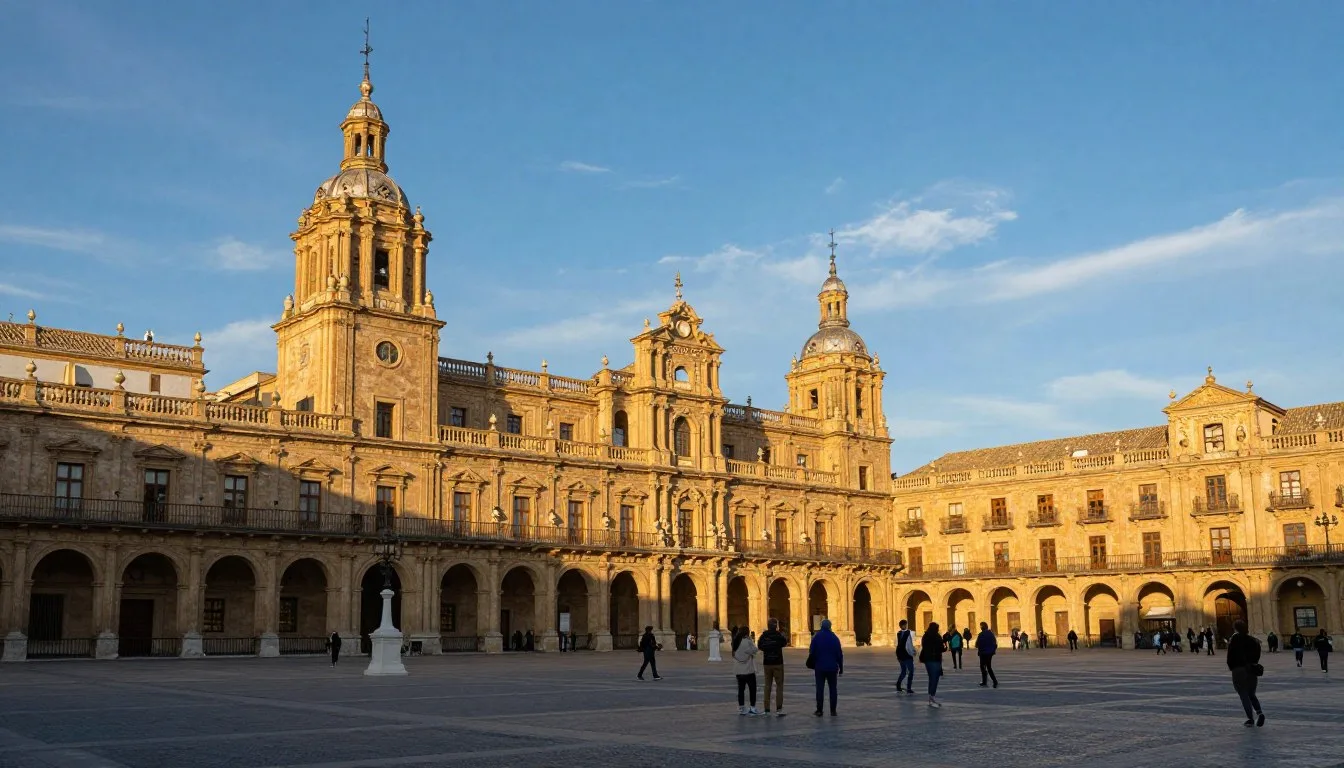
Plaza Mayor ranks among Spain’s most beautiful squares. Built between 1729 and 1756 in Baroque style, the harmonious arcade-lined plaza serves as Salamanca’s beating heart. Every arch, medallion, and decorative element contributes to an architectural masterpiece.
The plaza hosts markets, concerts, and celebrations throughout the year. Cafes under the arcades provide perfect vantage points for people-watching. Visit at different times to appreciate how light transforms the golden stone from warm honey tones to brilliant amber.
Medallions decorating the plaza depict Spanish kings, conquistadors, and notable figures from Salamanca’s history. Finding and identifying these 88 portraits makes an entertaining activity for children and adults alike.

University of Salamanca
Founded in 1218, the University of Salamanca claims status as one of the world’s oldest universities still in operation. The institution shaped European intellectual history, attracting scholars from across the continent during the Renaissance and Golden Age.
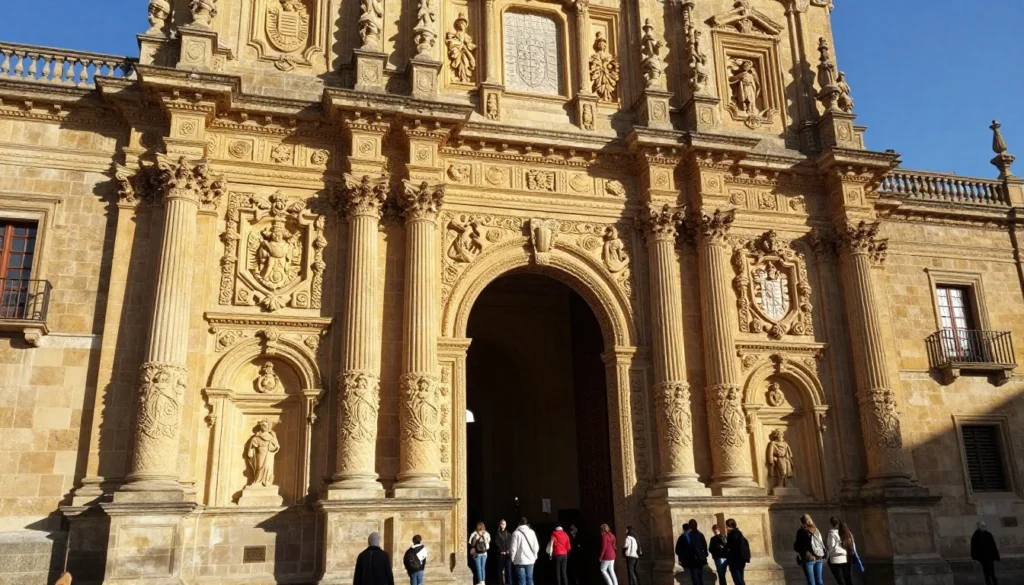
The main university building features an extraordinarily ornate plateresque facade. Thousands of visitors attempt spotting the tiny frog carved among the decorative elements. Legend claims students who find the frog without help will enjoy good luck in their studies and love life.
Inside, the historic lecture halls maintain their original wooden benches where students sat for centuries. The old library contains priceless manuscripts and early printed books. University buildings open to visitors Monday through Saturday from 10:00 AM to 8:00 PM. Admission costs approximately €10 for adults.
Casa de las Conchas
This 15th-century palace takes its name from the 350 scallop shells adorning its exterior walls. The shells reference the Order of Santiago, whose members included the original owner. The distinctive decoration makes this building immediately recognizable.
The building now houses a public library with a beautiful Renaissance courtyard. Entry is free, allowing visitors to admire the architecture and courtyard at leisure. The contrast between the Gothic exterior and Renaissance interior demonstrates Salamanca’s architectural evolution.
Legend suggests gold coins hide behind the shells, though no evidence supports this romantic notion. The shells actually serve as decorative elements celebrating the owner’s noble heritage and religious devotion.

The Two Cathedrals
Salamanca uniquely possesses two cathedrals standing side by side. The Old Cathedral dates from the 12th century, displaying Romanesque architecture with its distinctive Torre del Gallo. The building survived because officials couldn’t decide how to demolish it when constructing the new cathedral.
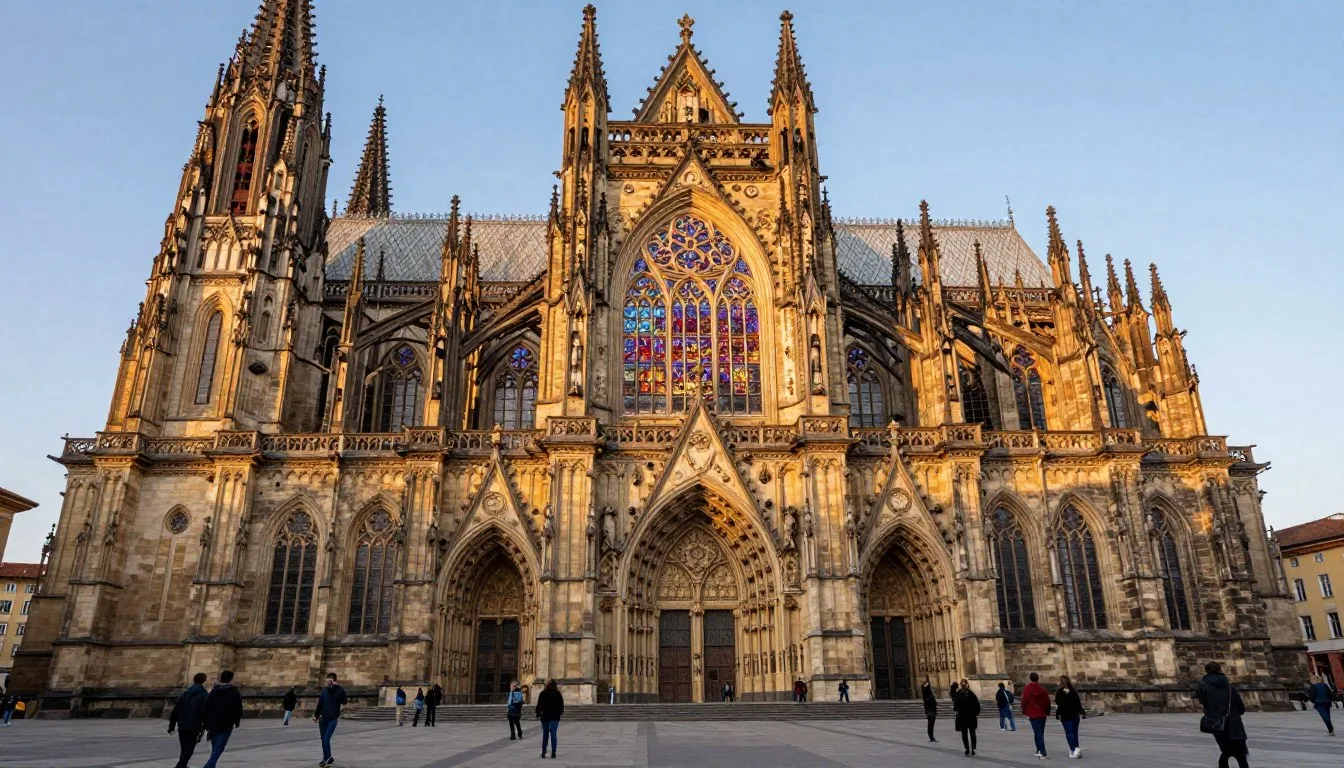
The New Cathedral, begun in 1513 and completed in 1733, represents Late Gothic and Baroque styles. Its imposing size and elaborate decoration demonstrate the wealth and power of 16th-century Salamanca. The main entrance contains surprisingly modern elements, including a carved astronaut added during 1990s restoration work.
Combined cathedral admission costs around €6 for adults. Climb the tower for spectacular city views stretching across orange-tiled rooftops to the countryside beyond. The climb involves 200 steps but rewards effort with unforgettable panoramas.
Roman Bridge
The Puente Romano spans the Tormes River on 2,000-year-old foundations. Though much of the current structure dates from later repairs, Roman construction techniques remain visible in the lower arches. The bridge stretches 400 meters (1,312 feet) across the river.
Walking across the bridge offers excellent photo opportunities of the city’s skyline. The viewpoint from the far bank provides the classic postcard perspective of Salamanca’s cathedrals and historic center rising above the river.
A bronze bull statue marks the city-side entrance, referencing prehistoric sculptures found in the region. Locals believe rubbing the bull brings good fortune, keeping the metal polished bright from countless touches.

Convento de San Esteban
This Dominican monastery displays spectacular plateresque architecture rivaling the university’s famous facade. The church interior soars to impressive heights, featuring an elaborate gilt altarpiece by José Churriguera. The cloister provides peaceful refuge from busy streets.
The monastery played an important role in New World exploration. Christopher Columbus stayed here while lobbying for royal support of his expedition. Dominican friars from San Esteban later participated in debates about the rights of indigenous peoples in the Americas.
Entry costs approximately €4 for adults. The monastery opens daily from 10:00 AM to 2:00 PM and 4:00 PM to 8:00 PM. Allow at least an hour to appreciate the architectural details and explore the various rooms and corridors.
Clerecía and Scala Coeli Tower
The Clerecía, a Baroque Jesuit college, features twin towers dominating Salamanca’s skyline. The building’s history intertwines with the Counter-Reformation’s intellectual battles. The elaborate Baroque interior reflects the period’s artistic exuberance.
Climbing the Scala Coeli tower provides another perspective on Salamanca’s cityscape. The spiral staircase leads to viewing platforms with 360-degree panoramas. Combined ticket with the building tour costs around €6.
Art Nouveau Museum
Casa Lis houses an exceptional Art Nouveau and Art Deco collection. The building itself exemplifies early 20th-century architecture, with a stunning stained-glass ceiling illuminating the entrance hall. Collections include decorative arts, jewelry, glass, and ceramics.
The museum occupies a former mansion overlooking the river. Visiting provides contrast to Salamanca’s older architecture while showcasing beautiful artistic movements. Admission costs approximately €5 for adults, with free entry Thursday afternoons and all day Sunday.
Money-Saving Tip: The Salamanca Card offers free or discounted admission to major attractions plus guided tours and public transportation. Available for 24 or 48 hours, cards cost €20 and €25 respectively. Purchase online or at the tourism office in Plaza Mayor.
Museums, Cultural Spots & Festivals

Beyond its architectural monuments, Salamanca offers rich cultural experiences through museums, galleries, and performance venues. The city’s intellectual tradition continues fostering arts and education.
Automobile History Museum
Car enthusiasts appreciate this collection of vintage automobiles and motorcycles spanning automotive history. Over 100 vehicles show the evolution of transportation from early horseless carriages to classic sports cars. The museum occupies a modern building on the city outskirts.
Interactive displays explain mechanical innovations and cultural impact of automobiles. Children enjoy sitting in selected vehicles for photos. The museum opens Tuesday through Sunday from 10:00 AM to 2:00 PM and 5:00 PM to 8:00 PM. Admission costs around €5.
Museum of Commercial History
This unique museum explores Salamanca’s commercial development through reconstructed historic shops and businesses. Exhibits recreate pharmacies, general stores, and workshops as they appeared in past centuries. The attention to detail transports visitors to different eras.
Original merchandise, advertising, and equipment fill the displays. These tangible connections to daily life provide fascinating glimpses into how ordinary people lived and worked. The museum opens afternoons Wednesday through Sunday with €3 admission.
Domus Artium 2002 (DA2)
Contemporary art finds a home in this former provincial prison converted into exhibition spaces. The building’s stark architecture contrasts dramatically with displayed artworks. Rotating exhibitions feature Spanish and international contemporary artists working in various media.
The center hosts concerts, film screenings, and lectures in addition to visual arts exhibitions. Check the schedule online for special events during your visit. Standard admission runs around €3, with reduced rates for students and seniors.
Teatro Liceo
This historic theater presents dramatic productions, concerts, and dance performances throughout the year. The 19th-century building provides an elegant venue maintaining period charm. Productions range from classical Spanish drama to contemporary works.
Student theater groups also perform at various venues around the university. These productions offer entertaining and affordable cultural experiences, typically costing €5 to €10 for tickets. Check university bulletin boards for performance schedules.
Musical Heritage
Classical music concerts occur regularly in churches and historic buildings throughout the city. The acoustics in stone churches particularly suit Renaissance and Baroque music. Many concerts offer free admission or accept donations.
The city orchestra presents regular concerts at the Calatrava Congress Center. Programs mix classical repertoire with contemporary compositions. Summer brings free outdoor concerts to Plaza Mayor and other public spaces.

Literary Connections
Salamanca’s literary significance stems from its university’s role in Spanish Golden Age literature. Miguel de Unamuno, one of Spain’s greatest philosophers and writers, served as university rector. His former residence operates as a museum preserving his library and personal effects.
The anonymous author of “Lazarillo de Tormes,” considered the first picaresque novel, set portions of the story in Salamanca. Literary walking tours trace references to the city in Spanish literature from medieval poetry to contemporary novels.
Language Schools and Cultural Exchange
Numerous language schools offer Spanish courses for international students. These institutions contribute to Salamanca’s multicultural atmosphere while supporting the local economy. Many schools organize cultural activities and excursions for students.
The Spanish language as spoken in Salamanca represents the purest Castilian dialect. This linguistic reputation attracts serious Spanish learners from around the world. Immersion in this environment accelerates language acquisition.
Nature & Outdoor Experiences

While Salamanca’s urban attractions dominate most itineraries, the surrounding countryside and riverbanks offer pleasant outdoor activities. The region’s natural beauty provides balance to cultural sightseeing.
Tormes River Activities
The Tormes River flows gently through Salamanca, creating opportunities for peaceful walks and water activities. Paved paths follow both riverbanks, popular with joggers, cyclists, and families. The routes extend several kilometers in each direction from the Roman Bridge.
Kayaking and canoeing operate during warmer months from rental stations near the bridge. Paddling offers unique perspectives of the city’s monuments from water level. The river’s calm current suits beginners, though basic swimming ability provides safety assurance.
Fishing enthusiasts can try their luck along designated stretches of the river. Local regulations require permits, available from sporting goods stores. The river holds barbel, carp, and trout, though pollution has impacted fish populations in urban sections.

Alamedilla Park
This urban park provides green space near the historic center. Mature trees shade walking paths, and benches offer rest spots. Locals use the park for evening strolls, particularly during hot summer months when trees provide welcome relief from heat.
A small playground entertains children while parents relax nearby. The park hosts occasional outdoor concerts and cultural events during summer. Early morning visits might spot locals practicing tai chi or yoga.
Jesuitas Park
Larger than Alamedilla, this park features more extensive gardens and recreational facilities. Basketball courts, skating areas, and open lawns attract active visitors. The park’s size allows for longer walks or jogs without leaving the greenery.
Seasonal flowers and ornamental plants create colorful displays from spring through autumn. The park’s maintenance reflects civic pride, keeping gardens well-tended and litter-free. Weekend afternoons see families picnicking and children playing.
Nearby Natural Areas
Las Batuecas-Sierra de Francia Natural Park lies 75 km (47 miles) south of Salamanca. This protected area preserves Mediterranean forests, rocky peaks, and traditional mountain villages. Hiking trails range from easy walks to challenging mountain routes.
The park’s diverse ecosystems support abundant wildlife including deer, wild boar, and numerous bird species. Spring wildflowers carpet hillsides, while autumn brings spectacular foliage colors. Several marked trails originate from the village of La Alberca.
Arribes del Duero Natural Park protects the dramatic river canyon forming the Portuguese border. Sheer cliffs drop to the Duero River hundreds of meters below. The park offers hiking, birdwatching, and boat trips through the gorge.
Cycling Routes
Several marked cycling routes explore the countryside around Salamanca. The Vía Verde del Camino Natural follows an abandoned railway line through agricultural landscapes. The flat, paved trail suits cyclists of all abilities.
Road cycling enthusiasts find numerous quiet country roads weaving through dehesa landscapes. These routes pass through traditional villages where time seems stopped. Always carry water and sun protection, as shade proves scarce on open plains.

Seasonal Outdoor Activities
Spring brings opportunities for wildflower walks in the countryside. Fields burst with poppies, lavender, and countless other species. Photographers particularly appreciate late April through May when blooms peak.
Summer focuses on water-based activities and early morning or evening walks when temperatures moderate. The Tormes River beaches fill with locals escaping urban heat. These aren’t traditional sandy beaches but rather grassy areas beside the river.
Autumn invites hiking in nearby mountains where deciduous forests display brilliant colors. Mushroom foraging becomes popular, though knowledge of edible species is essential. Guided tours help beginners learn safe mushroom identification.
Winter outdoor activities center on brisk walks along the river or through city parks. The season suits contemplative strolls through quiet countryside villages. Proper layered clothing makes cold-weather exploration comfortable.
Travel With Children

Salamanca welcomes families with children, offering experiences that engage young travelers while educating them. The compact city layout and pedestrian-friendly streets simplify logistics for parents.
Family-Friendly Attractions
Finding the frog on the university facade transforms architectural sightseeing into an exciting scavenger hunt. Children enjoy the challenge while parents appreciate the facade’s artistry. Similar games can involve spotting gargoyles, coats of arms, and sculptural details throughout the old town.
The cathedral tower climb appeals to adventurous children old enough to handle stairs safely. The narrow spiral staircase adds excitement, and summit views reward the effort. Children under eight might find the climb too strenuous or frightening.
Casa Lis museum, with its colorful glass and toy collections, captures children’s attention more effectively than traditional art museums. The stained-glass ceiling particularly impresses young visitors. Allow time in the gift shop, which stocks unique souvenirs.
Parks and Playgrounds
Several playgrounds in city parks provide breaks from sightseeing. Equipment suits various ages from toddlers to preteens. Jesuitas Park offers the most extensive play facilities along with open spaces for running.
The riverside paths allow stroller-pushing and offer flat terrain for beginning cyclists. Children can burn energy along these routes while parents enjoy scenery. Feeding ducks near the river entertains younger children, though bringing appropriate food proves considerate to wildlife.
Interactive Experiences
The Automobile Museum includes several vehicles children can sit in for photos. This hands-on element makes automotive history tangible and exciting. The collection spans different eras, helping children understand technological progress.
Horse-drawn carriage rides around the historic center combine sightseeing with novelty. Children enjoy the different perspective from carriage height. Rides depart from Plaza Mayor, lasting 30 to 45 minutes and costing around €40 per carriage.
Child-Friendly Dining
Spanish restaurants generally welcome children, though high chairs may not always be available in older establishments. Many restaurants offer children’s menus with familiar options like pasta, chicken, and fries alongside Spanish dishes.
Tapas-style dining works well with children since small portions allow trying different foods without overwhelming them. Kids often enjoy croquettes, tortilla española, and patatas bravas. Most children adapt quickly to the later meal times, though packing snacks helps manage hunger during transition days.
Practical Considerations
The cobblestone streets challenge strollers, particularly narrow-wheeled models. Sturdy strollers with larger wheels navigate more easily, though baby carriers prove more practical for extensive walking. Many museums and attractions lack elevator access, requiring stair climbing with strollers.
Public restrooms appear less frequently than in some countries. Department stores, museums, and larger cafes provide the most reliable facilities. Always carry tissues and hand sanitizer for backup.
Pharmacies stock familiar children’s medicines and supplies. Staff generally help find specific products even with limited Spanish. Major brands appear alongside Spanish equivalents, usually at lower prices than Northern European or American markets.
Parent Tip: Visit major attractions early morning when crowds are lighter and children are fresher. Build in downtime at parks or cafes between sightseeing stops. The Spanish afternoon siesta timing works perfectly for children who still nap.
Money Saving Tips

Salamanca offers excellent value compared to Madrid or Barcelona, but smart strategies stretch budgets further. These tips help travelers experience the city fully without overspending.
Accommodation Savings
Book accommodations well in advance, particularly for festival periods and weekends during the academic year. Early reservations secure better rates and more choices. Consider Sunday through Thursday stays when prices drop significantly compared to weekend rates.
Neighborhoods beyond the immediate historic center offer lower prices with minimal inconvenience. The 10 to 15-minute walk or short bus ride saves substantial amounts, particularly for multi-night stays. University quarter guesthouses provide budget-friendly options during summer when students vacate.
Apartment rentals can prove economical for families or groups staying several days. Cooking even occasional meals dramatically reduces food expenses. Markets sell excellent ingredients at reasonable prices for self-catering.
Dining on a Budget
The menú del día offers the best value for substantial meals. Most restaurants serve these fixed-price lunches from €10 to €15 with multiple courses. Quality often matches regular menu items at fraction of the cost.
Tapas bars that still include free tapas with drinks provide economical snacking. Order drinks to receive small plates of food, making several stops for a complete meal. This traditional approach costs less than restaurant dining while offering variety.
Shop at Mercado Central for picnic supplies. Fresh bread, cheese, ham, and fruit cost less than restaurant meals and taste better than processed snacks. Eating one meal outdoors daily saves money while enjoying pleasant weather.
Many bakeries sell empanadas, sandwiches, and pizza slices perfect for quick, inexpensive lunches. These items cost €2 to €4 and provide sufficient fuel for afternoon sightseeing. Coffee and pastry at a bar costs under €3 for breakfast.
Free Attractions and Activities
Walking the historic center costs nothing and provides the quintessential Salamanca experience. Self-guided walks following online resources or guidebook routes reveal architectural treasures without admission fees. The streets themselves constitute an open-air museum.
Churches generally allow free entry except during masses. Many contain significant art and architecture worth viewing. Respectful visitors are welcome to look around outside service times.
The Casa de las Conchas courtyard opens freely to visitors. While the building’s exterior provides the main attraction, stepping inside the courtyard reveals beautiful Renaissance architecture at no cost.
Free concerts occur regularly in churches, Plaza Mayor, and university venues. Check bulletin boards and tourism office listings for schedules. These performances range from classical recitals to student productions.
Transportation Savings
Walking covers most destinations within the historic center, eliminating transportation costs. Comfortable shoes represent the only investment needed. The compact layout makes walking both practical and pleasant.
Multi-ride bus cards cost less per journey than individual tickets. Purchase these at tobacco shops or bus station if planning to use public transportation. A 10-ride card typically saves around 40% compared to single fares.
Bike rentals cost less than taxis for reaching attractions beyond walking distance. Daily rental rates start around €10, providing economical transportation while adding a fun element to exploration.
Museum and Attraction Discounts
Student, senior, and family tickets reduce admission costs at most attractions. Always carry identification proving eligibility for discounts. Savings typically range from 20% to 50% off regular adult prices.
Some museums offer free admission days or reduced-price afternoons. Thursday afternoons and Sunday mornings frequently feature special rates. Plan visits accordingly to take advantage of these offers.
The Salamanca Card provides value for intensive sightseeing schedules. Calculate whether the included admissions exceed the card cost based on your specific interests. Cards work best for visitors cramming maximum attractions into limited time.
Daily Budget Guide (Mid-Range)
- Accommodation: €60-€80 per night
- Food: €25-€35 (menú del día, tapas, coffee)
- Attractions: €15-€20 (entry fees)
- Transportation: €5 (local buses, minimal)
- Total: €105-€140 per day
Daily Budget Guide (Budget)
- Accommodation: €30-€50 (hostel/budget hotel)
- Food: €15-€20 (market, bakery, one menú)
- Attractions: €10 (selective entry, free sites)
- Transportation: €3 (mostly walking)
- Total: €58-€83 per day
Safety & Local Customs

Salamanca ranks among Spain’s safest cities, particularly compared to larger metropolitan areas. The strong police presence and university town atmosphere contribute to security, though standard precautions remain sensible.
Personal Safety
Violent crime rarely targets tourists. Pickpocketing represents the primary concern, particularly in crowded areas like Plaza Mayor, bus and train stations, and popular tourist sites. Keep valuables secured in interior pockets or money belts.
Bags and backpacks should remain closed and positioned in front in crowded spaces. Avoid displaying expensive jewelry, cameras, or electronics unnecessarily. Most theft is opportunistic, easily prevented through basic awareness.
The historic center remains safe for walking at any hour. The student population ensures lively streets late into the night, particularly weekends. Solo travelers, including women, generally feel comfortable exploring the city alone.
Emergency services respond quickly throughout Spain. Dial 112 for police, fire, or medical emergencies. English-speaking operators handle calls. Local police maintain a station on Gran Vía near Plaza Mayor: +34 923 279 138
Health and Medical Services
Tap water in Salamanca is safe to drink, meeting all European Union standards. Restaurants serve tap water upon request, though bottled water is customary. The local water contains more minerals than some visitors prefer, occasionally causing minor digestive adjustment.
Pharmacies, marked by green crosses, appear throughout the city. Pharmacists provide helpful advice for minor ailments. Many medications available only by prescription elsewhere can be purchased over the counter in Spanish pharmacies.
For medical emergencies, Hospital Universitario de Salamanca provides comprehensive care. The facility maintains modern equipment and English-speaking staff. European Union citizens should carry European Health Insurance Cards for reduced-cost treatment. Travel insurance covering medical care proves wise for non-EU visitors.
Cultural Etiquette
Spaniards greet acquaintances with kisses on both cheeks, though handshakes suit first meetings with foreigners. Personal space norms allow closer proximity than Northern European or American customs. Spaniards speak at volumes that may seem loud to visitors from more reserved cultures.
Dress codes remain casual during daytime, though Spaniards typically dress more smartly than many tourists. Avoid beachwear, athletic clothes, or extremely casual attire in restaurants, churches, and cultural venues. Neat casual wear suits most situations.
Dining etiquette follows standard European customs. Keep hands visible on the table, not in lap. Bread is eaten with meals, not used for mopping plates. Speaking loudly in restaurants appears less concerning than in some cultures, though maintaining reasonable volume shows respect.
Religious Sites Respect
When entering churches, dress modestly with shoulders and knees covered. Silence or quiet conversation respects those praying. Photography is generally permitted except during services, though flash may be prohibited. Some churches request small donations for entry or photography.
Remove hats when entering churches. Turn off or silence mobile phones. Avoid eating, drinking, or chewing gum inside religious buildings. These basic courtesies show respect for sacred spaces and worshippers.
Social Customs
Siesta culture persists in Salamanca despite its decline in larger cities. Many shops close from 2:00 PM to 5:00 PM, though tourist-oriented businesses increasingly remain open. Banks close Saturday afternoons and all day Sunday. Plan shopping and errands accordingly.
Spanish time-keeping runs on a different schedule than Northern European countries. Arriving “on time” for social engagements means 15 minutes late. Dinner invitations at 9:00 PM expect guests around 9:15 PM or 9:30 PM. Business meetings maintain stricter punctuality.
Saying “please” and “thank you” matters greatly. Spanish greetings include time-specific variations: “Buenos días” (until lunch), “Buenas tardes” (afternoon until dark), and “Buenas noches” (after dark). Using appropriate greetings demonstrates respect and cultural awareness.
Language Considerations
English proficiency varies in Salamanca. University students and tourism industry workers generally speak functional English. Older residents and those in non-tourist roles may speak little or no English. Learning basic Spanish phrases shows respect and facilitates interactions.
Spaniards appreciate visitors attempting Spanish, however imperfectly. Don’t feel embarrassed about limited vocabulary or grammar errors. Most locals respond kindly to sincere efforts at communication in their language.
Useful Phrases: Por favor (please), Gracias (thank you), Buenos días (good morning), ¿Habla inglés? (Do you speak English?), No entiendo (I don’t understand), ¿Cuánto cuesta? (How much does it cost?), La cuenta, por favor (The bill, please)
Visitor Comments About Salamanca
“Salamanca exceeded every expectation. The Plaza Mayor at sunset took my breath away – I must have taken a hundred photos trying to capture that golden glow. What really made the trip special was how walkable everything is. We covered all the major sights in three days without ever feeling rushed. The tapas culture meant we ate incredibly well while actually spending less than we budgeted. Every bar seemed to have its own specialty, and the free tapas with drinks made exploring affordable. The university atmosphere gave the city such vibrant energy, especially in the evenings when students filled the streets. I loved that it felt authentically Spanish rather than overrun with tourists.”
“We brought our two teenagers to Salamanca as part of a longer Spain trip, and they actually enjoyed it more than Madrid. Finding the frog on the university building became a family competition that got them interested in the architecture. The city’s compact size meant we weren’t constantly moving between distant attractions. The kids loved the gelato shops near Plaza Mayor and surprisingly got into the cathedral tower climb. Evening paseos became our favorite routine – joining locals for pre-dinner strolls, then sampling different tapas bars. The relaxed pace worked perfectly with teens who usually resist structured sightseeing. The only challenge was the late dinner times, but we adjusted by having substantial late-afternoon snacks.”
“As a solo female traveler, I felt completely safe in Salamanca. The university students created a welcoming, international atmosphere where a woman alone didn’t stand out. I particularly enjoyed the riverfront walks early morning before the day heated up. The Tormes provides such a peaceful escape from the busier historic center. What struck me most was how the city balances preservation with living culture. It’s not a museum – real people live, work, and study here. The architecture is stunning, but watching university life unfold in these historic buildings brought everything alive. I extended my stay twice because I kept discovering new corners, cafes, and perspectives. The quality-to-cost ratio made the extended visit affordable.”
Additional Nearby Destinations

Salamanca’s central location provides easy access to other significant Spanish destinations. Day trips or extended journeys reach historically important cities and beautiful countryside within short distances.
Ávila (98 km / 61 miles)
This perfectly preserved medieval walled city lies about 90 minutes east by car or train. The complete circuit of 12th-century defensive walls stretches 2.5 km (1.6 miles), featuring 88 towers and 9 gates. Walking atop portions of the walls provides remarkable views across the old town and surrounding plains.
Ávila claims Saint Teresa of Ávila as its most famous resident. Several convents and churches connected to this mystical figure welcome visitors. The cathedral, partially integrated into the city walls, displays Romanesque and Gothic architecture.
Summer heat can be intense, making spring or autumn visits more comfortable. The city sits at 1,131 m (3,711 feet) elevation, resulting in cooler temperatures than Salamanca but also stronger sun.
Zamora (62 km / 39 miles)
This smaller city north of Salamanca possesses extraordinary Romanesque heritage. Twenty-three Romanesque churches within the old town earn Zamora recognition as having the highest concentration of this architectural style in Europe.
The cathedral features a distinctive Byzantine-influenced dome covered in fish-scale tiles. The structure exemplifies Spanish Romanesque at its finest. The medieval bridge crosses the Duero River, connecting the old town with modern neighborhoods.
Zamora’s Holy Week celebrations rival Andalusia’s more famous processions. If visiting during Easter, witness some of Spain’s most solemn and traditional religious observances.
Segovia (163 km / 101 miles)
This UNESCO World Heritage city lies about two hours from Salamanca. The stunning Roman aqueduct, still standing after 2,000 years, dominates the city center. The fairy-tale Alcázar castle perches dramatically on a rocky outcrop, supposedly inspiring Disney’s castle design.
Segovia’s cathedral, built in the 16th century, represents Spanish Gothic architecture’s last major expression. The old town’s winding streets reveal medieval charm around every corner.
Cochinillo asado, roast suckling pig, is Segovia’s culinary specialty. Traditional restaurants near the aqueduct serve this dish prepared using centuries-old methods. The crispy skin and tender meat justify Segovia’s gastronomic reputation.
Ciudad Rodrigo (89 km / 55 miles)
This fortified border town near Portugal offers a glimpse into Spain’s military history. Impressive walls surround the compact historic center, which retains its medieval street plan. The cathedral and numerous noble palaces demonstrate the town’s former importance.
Ciudad Rodrigo’s February carnival features traditional bullfighting events called Carnavales del Toro. These celebrations draw visitors from across Spain, though animal welfare concerns surround these events.
The town’s proximity to Portugal makes it a natural stop for travelers heading west. The landscape transitions from Spanish plains to Portuguese hills, offering scenic drives through rural areas.
La Alberca (75 km / 47 miles)
This mountain village in the Sierra de Francia preserves traditional architecture and customs. Stone and timber houses line cobbled streets, many displaying distinctive jamon legs hanging to cure. The village was Spain’s first designated Historic-Artistic Site.
The surrounding Sierra de Francia Natural Park offers excellent hiking through chestnut and oak forests. Traditional villages scattered throughout the mountains maintain agricultural lifestyles dating back centuries.
August 15th celebrations honor the village’s patron saint with religious processions and folk dancing. This festival provides authentic insight into rural Spanish traditions often lost in urban areas.
Easy Day Trips (Under 2 hours)
- Zamora – 1 hour by car or train
- Ledesma – 35 minutes by car
- Alba de Tormes – 30 minutes by car
- Ciudad Rodrigo – 1 hour 15 minutes by car
Longer Excursions (2-3 hours)
- Ávila – 1 hour 30 minutes
- Segovia – 2 hours
- Valladolid – 1 hour 45 minutes
- Porto, Portugal – 3 hours
Practical Travel Tips
Money Matters
Spain uses the Euro (€) as its currency. ATMs appear frequently throughout Salamanca, offering competitive exchange rates. Notify your bank of travel plans to avoid card blocks for suspicious activity. Credit cards are widely accepted, though small establishments may prefer cash.
Tipping customs differ from American practices. Service charges are included in bills, making large tips unnecessary. Round up taxi fares or leave small change. In restaurants, leaving 5% to 10% for exceptional service suffices. Bartenders don’t expect tips for drinks, though leaving small coins is appreciated.
Currency exchange offices near tourist attractions charge high fees and offer poor rates. Use ATMs for the best exchange rates, accepting any fees as more economical than exchange office commissions.
Communication and Internet
Wi-Fi appears widely in hotels, restaurants, and cafes. Plaza Mayor and many public spaces offer free municipal Wi-Fi. Passwords are usually displayed or provided upon request. Connection quality varies but generally suffices for messaging and light browsing.
European SIM cards work throughout Spain for travelers with unlocked phones. Local providers offer tourist SIM packages with data and calls at reasonable rates. Purchase SIM cards at phone shops or convenience stores near the train station.
Mobile roaming costs have decreased for EU visitors since roaming charges were eliminated within the European Union. Non-EU travelers should verify international rates with their providers before departure to avoid surprise charges.
Useful Local Resources
Salamanca’s main tourism office occupies Plaza Mayor. Knowledgeable multilingual staff provide maps, brochures, and advice. The office opens daily from 9:00 AM to 2:00 PM and 4:00 PM to 7:00 PM. Contact: +34 923 218 342
The tourism website (spain.info) offers comprehensive information in multiple languages. Download the Salamanca city app for offline maps and walking tour routes. Both resources help plan activities and navigate the city efficiently.
Electricity and Adapters
Spain uses 230V electricity with Type C and Type F plugs (two round pins). North American devices require both voltage converters and plug adapters. UK devices need only plug adapters. Most modern electronics (phones, laptops, cameras) work with 230V and require only plug adapters.
Purchase adapters before departure, as airport and hotel versions cost significantly more. Universal adapters prove most versatile for travelers visiting multiple countries.
Shopping Hours
Most shops open Monday through Saturday from 10:00 AM to 2:00 PM and 5:00 PM to 8:00 PM or 9:00 PM. Sunday and holiday openings remain limited outside tourist areas. Large chain stores and shopping centers maintain longer hours without midday closures.
Supermarkets generally open continuously from 9:00 AM to 9:00 PM or 10:00 PM. Some operate limited Sunday hours. Mercado Central opens mornings Monday through Saturday, closing by 2:00 PM daily.
What to Pack
Comfortable walking shoes with good grip prove essential for cobblestone streets. Pack layers regardless of season, as temperatures fluctuate between sun and shade. A light rain jacket serves year-round, protecting against both rain and wind.
Sun protection including hat, sunglasses, and sunscreen prevents discomfort during outdoor exploration. The strong sun at Salamanca’s elevation burns quickly, even on cloudy days.
A small day pack carries water, snacks, and purchases while keeping hands free. Include a reusable water bottle to refill from fountains or ask at cafes. A portable power bank keeps devices charged during long days out.
Photography Considerations
Salamanca’s golden sandstone photographs beautifully during golden hour – the hour after sunrise and before sunset. The warm light enhances the stone’s natural honey color, creating magical images. Midday harsh light washes out colors and creates hard shadows.
Plaza Mayor at twilight offers spectacular photo opportunities as building lights illuminate the baroque facades. A tripod helps with evening photography, though handheld shots succeed with camera stabilization features.
Respect photography restrictions in museums and churches. When photography is permitted, avoid flash which damages artwork and disturbs other visitors. Be mindful of photographing local people, particularly in markets and residential areas.
Your Salamanca Adventure Awaits
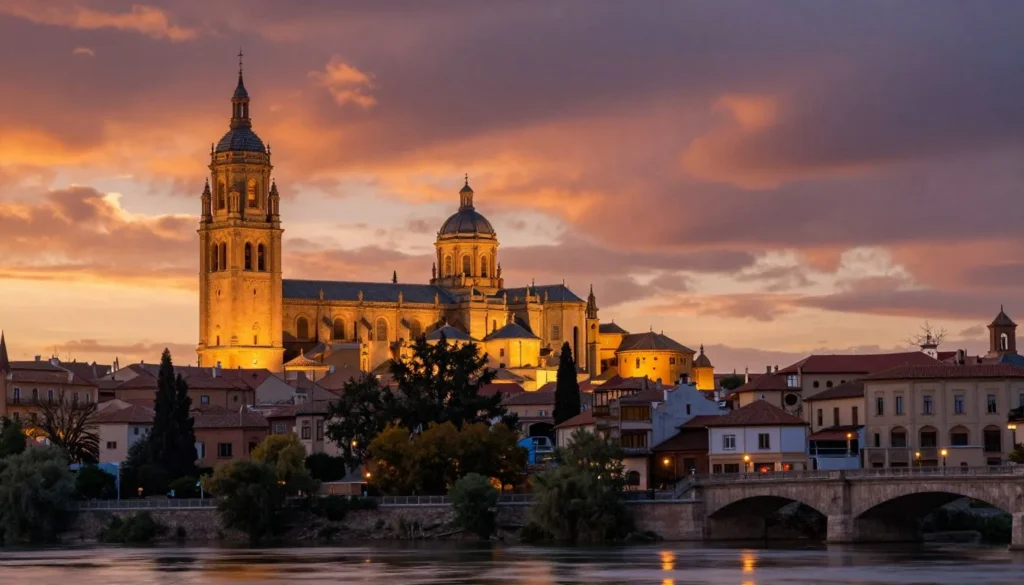
Salamanca weaves together threads of history, culture, and contemporary vitality into an unforgettable tapestry. From the moment sunlight strikes the golden facades of Plaza Mayor to your final evening stroll along the Tormes River, this city captivates through authenticity and beauty. The architectural treasures tell centuries of stories, while the bustling student life reminds visitors that Salamanca remains a living, breathing city rather than a preserved museum.
The magic of Salamanca lies not in any single monument but in the complete experience. Savoring tapas in centuries-old bars, discovering hidden courtyards down narrow lanes, and feeling the energy of thousands of students continuing traditions begun 800 years ago creates connections transcending typical tourism. This city rewards those who slow down, observe, and immerse themselves in the rhythm of Spanish life.
Whether you spend two days or two weeks in Salamanca, the city will leave its mark on your memory. The golden stones will haunt your dreams, the flavors will linger on your palate, and the desire to return will grow stronger with time. Salamanca doesn’t just welcome visitors – it embraces them, revealing its secrets gradually to those willing to look beyond the obvious and discover the heart of authentic Spain beating beneath the historic surface.