Hotels by Trip.com
Flights by Trip.com
Did you know that Beit Shean holds the record for 18 consecutive layers of ancient cities built one atop another? This remarkable site in the Jordan Valley preserves over 6,000 years of continuous human settlement. Today, modern travelers discover one of Israel’s most spectacular archaeological treasures.
Ancient history comes alive in this extraordinary city. The ruins tell stories from Biblical times through Roman and Byzantine eras. Every stone and mosaic reveals secrets from civilizations that shaped our world.
This comprehensive guide helps you plan an unforgettable visit to Beit Shean. We cover everything from ancient theaters to local cuisine. You’ll discover the best time to visit, top attractions, and practical tips for making the most of your journey to this historic site.
Getting There & Planning Your Journey
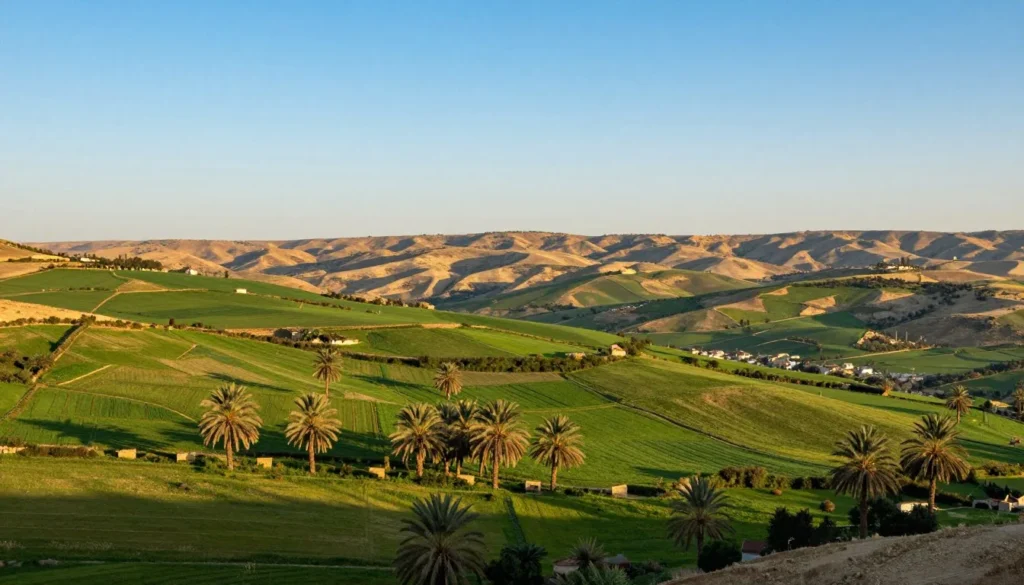
Beit Shean sits in the northern Jordan Valley region of Israel. The city offers easy access from major transportation hubs throughout the country. Most visitors arrive through one of two international airports.
Closest Airports to Beit Shean
Ben Gurion Airport near Tel Aviv serves as the primary gateway. Located approximately 110 km (68 miles) from Beit Shean, this international hub offers the most flight options. The journey takes about 1.5 to 2 hours by car.
Haifa Airport provides an alternative for regional flights. This smaller facility sits roughly 60 km (37 miles) from Beit Shean. Travel time averages around one hour.
Transportation Routes from Tel Aviv
Several transportation options connect Tel Aviv to Beit Shean. Public buses run regularly throughout the day. Private car rentals offer flexibility for exploring the surrounding area.
The most direct route follows Highway 1 east from Tel Aviv. Travelers then connect to Highway 90 northward along the Jordan Valley. This scenic drive showcases diverse Israeli landscapes.
Arriving from Other Israeli Cities
Jerusalem sits approximately 130 km (81 miles) south of Beit Shean. The journey takes about two hours through the Judean hills. Buses depart regularly from the central bus station.
Tiberias and the Sea of Galilee area lie just 35 km (22 miles) north. This proximity makes Beit Shean an excellent day trip destination. Many visitors combine both locations in one journey.
Nazareth provides another nearby access point at 40 km (25 miles) away. The historic city offers convenient connections to the site.
Best Time to Visit & Weather Tips
Beit Shean experiences hot, dry summers and mild winters. The Jordan Valley location creates a unique microclimate. Understanding seasonal patterns helps you plan the perfect visit.
Recommended Months for Visiting
Spring months from March through May offer ideal conditions. Temperatures range from 20°C to 28°C (68°F to 82°F). Wildflowers bloom across the ancient site during this period.
✓ Check 30,000+ Local Sightseeing Tours Worldwide
The spring season brings comfortable weather for outdoor exploration. Morning visits provide the best light for photography. The archaeological sites remain accessible without extreme heat.
Autumn months from September through November present another excellent window. Temperatures cool from summer peaks to pleasant 22°C to 30°C (72°F to 86°F). Crowds thin out after the busy summer season.
Winter months from December through February offer mild conditions. Daytime temperatures average 15°C to 20°C (59°F to 68°F). Occasional rain may occur, but the area receives limited precipitation overall.
Seasons to Avoid
Summer months from June through August bring intense heat. Temperatures frequently exceed 40°C (104°F) in the Jordan Valley. The ancient city offers limited shade across open archaeological areas.
Early morning visits become essential during summer. Most tourists arrive before 10 AM to avoid peak heat. Afternoon exploration proves challenging even for experienced travelers.
Weather Preparation Tips
- Bring sun protection including hats, sunglasses, and high-SPF sunscreen
- Carry plenty of water – at least 2 liters per person for summer visits
- Wear light-colored, breathable clothing in natural fabrics
- Choose sturdy walking shoes with good traction for ancient stone surfaces
- Pack a light jacket for winter evenings when temperatures drop
Best Times of Day
Early morning hours between 8 AM and 11 AM provide optimal conditions. The site opens early to accommodate heat-sensitive schedules. Lighting remains perfect for viewing architectural details.
Late afternoon visits work well in spring and autumn. The golden hour before sunset creates spectacular photo opportunities. Temperatures become more comfortable as the day progresses.
Notable Annual Festivals
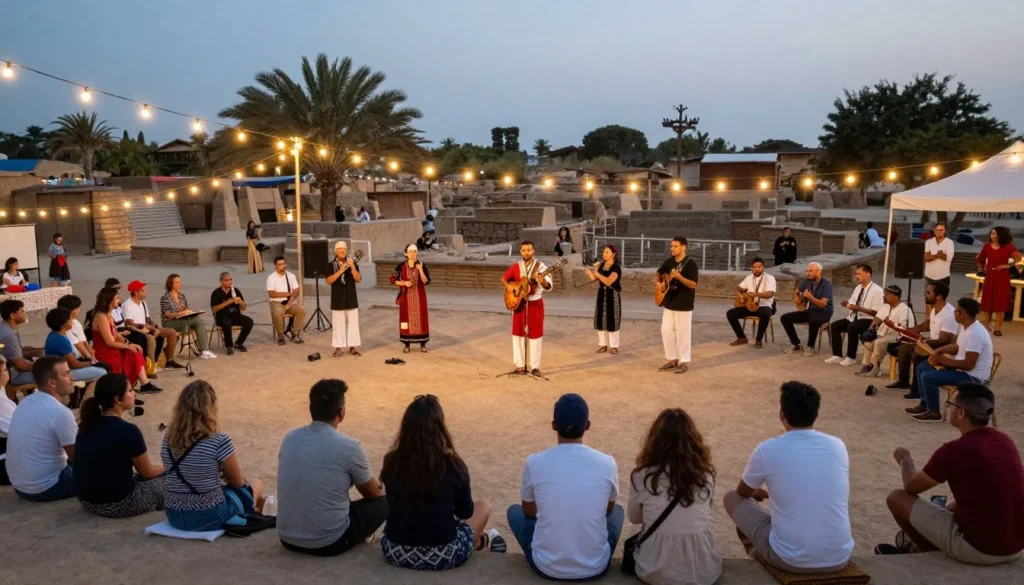
Beit Shean hosts several annual events celebrating its rich cultural heritage. These festivals bring history to life through performances and exhibitions. Visitors experience the ancient city in unique ways during these special times.
Beit Shean Night Spectacular
This theatrical production runs during summer evenings. Ancient ruins transform into stages with sound and light shows. The Roman theater serves as the dramatic backdrop for historical reenactments.
Performances typically occur from July through September. Evening temperatures provide comfortable viewing conditions. Advanced ticket reservations are recommended for this popular event.
Spring Cultural Festival
March and April bring cultural celebrations to the area. Local artists showcase traditional crafts and modern interpretations. Music performances feature both classical and contemporary Israeli artists.
The festival takes place throughout the city and park. Food vendors offer regional specialties alongside cultural activities. Families enjoy activities designed for all age groups.
Archaeological Conference Week
October hosts academic gatherings focused on recent discoveries. Scholars present findings from ongoing excavations. Public lectures allow visitors to learn from leading archaeologists.
Tours led by excavation team members provide insider perspectives. The conference highlights the continuous research happening at the site. Registration details become available each spring through the Israel Antiquities Authority.
Winter Heritage Days
December events celebrate the multicultural history of Beit Shean. Activities focus on Roman, Byzantine, and early Islamic periods. Traditional cooking demonstrations and craft workshops engage visitors.
These events run on select weekends throughout winter. Educational programs target school groups and families. The cooler weather makes extended outdoor activities more comfortable.
Contact the Beit Shean National Park visitor center for current festival schedules and event information.
Getting Around Locally
Beit Shean offers several transportation options for visitors. The compact city center remains easily walkable. Most major sites lie within comfortable distances for pedestrians.
Walking Around Beit Shean
The modern city center sits just 3 km (1.9 miles) from the national park. Pleasant sidewalks connect residential areas to commercial districts. Signs in Hebrew, Arabic, and English help with navigation.
The archaeological site itself requires considerable walking. Visitors should expect to cover 2-3 km (1.2-1.9 miles) exploring the ruins. Ancient stone pathways may prove uneven in places.
Local Bus Service
Municipal buses connect different parts of the city. Routes serve the central bus station, shopping areas, and residential neighborhoods. Service runs less frequently on Saturdays due to Shabbat observance.
Bus fares remain economical for short distances. Drivers accept cash payment in Israeli New Shekels. The Rav-Kav card offers discounted rates for multiple trips.
Taxi Services
Licensed taxis provide convenient point-to-point transportation. Vehicles display official taxi signs and meters. Most drivers speak basic English alongside Hebrew and Arabic.
Ride-sharing apps operate in the area. Gett serves as the primary platform in Israel. Fares typically run lower than traditional taxi meters.
Car Rental Options
Rental cars offer flexibility for exploring surrounding regions. Major companies maintain offices in nearby cities. Advance booking often provides better rates and vehicle selection.
Parking facilities serve the national park and city center. Free lots accommodate visitors at most attractions. The archaeological site charges a small parking fee.
Bicycle Rentals
Cycling provides an enjoyable way to explore the flat Jordan Valley. Local shops rent bicycles by the hour or day. The region’s flat terrain suits casual riders.
Bike paths connect some areas of the modern city. Routes often follow quiet residential streets. Summer heat makes early morning or evening rides most comfortable.
Where to Stay
Beit Shean provides diverse lodging options for different budgets and preferences. Visitors choose between modern hotels, traditional guesthouses, and nearby kibbutz accommodations. The small city offers intimate, authentic Israeli experiences.
Hotels in Beit Shean
Several comfortable hotels serve travelers in the city center. These establishments offer air-conditioned rooms with modern amenities. Most properties include breakfast in their rates.
The location provides easy access to restaurants and shops. Staff members typically speak multiple languages. Rooms range from simple accommodations to more upscale options.
Kibbutz Guesthouses
Nearby kibbutzim welcome overnight guests year-round. These collective communities offer unique cultural experiences. Accommodations blend rural tranquility with comfortable facilities.
Kibbutz Nir David sits just 5 km (3 miles) from Beit Shean. The property features swimming pools and landscaped gardens. Guests enjoy farm-fresh meals in communal dining rooms.
Kibbutz Sde Eliyahu provides another excellent option. Located 10 km (6 miles) from the city, this organic farming community emphasizes sustainable practices. Rooms overlook date palm groves and agricultural fields.
Bed and Breakfast Options
Family-run zimmer accommodations dot the surrounding countryside. These intimate properties typically feature 2-6 rooms. Hosts often share local knowledge and dining recommendations.
Many B&Bs include private patios or garden areas. Homemade breakfasts showcase regional specialties. Advance reservations ensure availability during peak seasons.
Budget-Friendly Choices
Hostel-style accommodations serve backpackers and budget travelers. Shared dormitory rooms keep costs minimal. Private rooms accommodate couples or small families.
These facilities provide basic amenities including shared kitchens. Common areas encourage socializing with fellow travelers. Locations typically lie within walking distance of the bus station.
Camping Opportunities
Gan HaShlosha National Park offers camping facilities nearby. Sites provide basic amenities including restrooms and showers. The natural spring-fed pools create a refreshing atmosphere.
Camping works best during spring and autumn months. Summer nights remain warm but manageable. Winter camping requires cold-weather equipment.
Dining & Local Cuisine
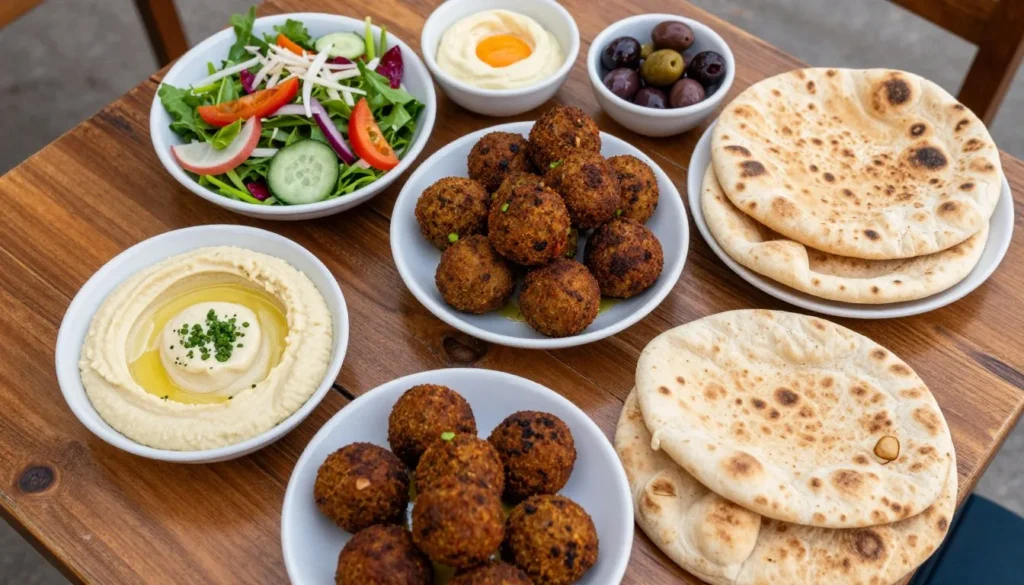
Beit Shean’s dining scene reflects its diverse cultural heritage. Restaurants serve everything from traditional Middle Eastern dishes to modern Israeli fusion. The Jordan Valley location provides access to exceptional fresh produce.
Traditional Israeli Dishes
Local restaurants excel at classic Israeli cuisine. Hummus made from locally grown chickpeas appears on nearly every menu. Fresh pita bread accompanies most meals.
Falafel stands dot the city streets offering quick, satisfying meals. These fried chickpea balls come wrapped in laffa bread with salad and tahini. Many residents claim their city produces the best falafel in the region.
Shakshuka makes a popular breakfast choice. This dish features eggs poached in spiced tomato sauce. Restaurants serve it sizzling hot in cast iron pans.
Jordan Valley Specialties
The region produces outstanding dates from extensive palm groves. Fresh dates appear in both sweet and savory dishes. Local honey also enjoys a strong reputation for quality.
Fish from the Sea of Galilee features prominently on menus. St. Peter’s fish arrives grilled or fried with lemon and herbs. This mild whitefish pairs perfectly with fresh salads.
Recommended Restaurants
Several establishments stand out for quality and atmosphere. Family restaurants in the city center offer generous portions at reasonable prices. Most serve both meat and vegetarian options.
Outdoor cafes provide pleasant settings for casual meals. These spots serve light fare including sandwiches, salads, and pastries. Evening hours bring cooler temperatures perfect for al fresco dining.
Markets and Street Food
The weekly market showcases regional produce and prepared foods. Vendors sell everything from fresh vegetables to traditional sweets. Bargaining remains acceptable but not required.
Street food vendors appear throughout the city center. Sabich sandwiches stuffed with fried eggplant and hard-boiled eggs make excellent quick meals. Burekas filled with cheese or potato offer satisfying snacks.
Dietary Accommodations
Vegetarian and vegan options abound in Israeli cuisine. Most restaurants happily accommodate these preferences. Many traditional dishes contain no animal products.
Kosher restaurants observe Jewish dietary laws. These establishments close for Shabbat from Friday evening through Saturday night. Non-kosher options remain available throughout the city.
Attractions, Sightseeing & Activities
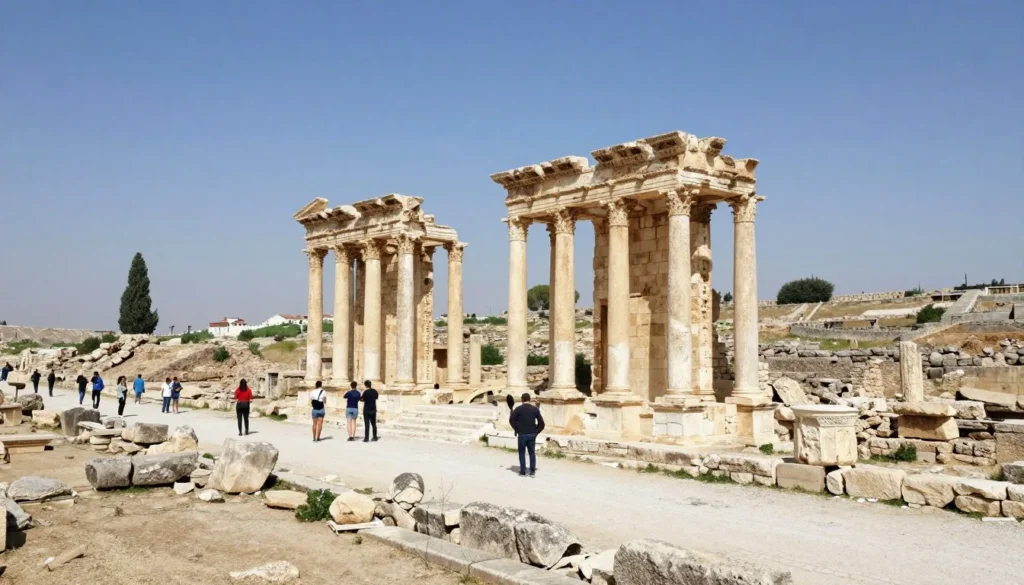
Beit Shean National Park stands as the crown jewel of the city. This archaeological site reveals layers of ancient civilizations. Visitors spend hours exploring well-preserved structures from multiple historical periods.
The Ancient City Ruins
The Roman-Byzantine city covers an extensive area at the park’s heart. Excavations have uncovered residential quarters, commercial streets, and public buildings. The level of preservation surpasses many Mediterranean archaeological sites.
Colonnaded streets lined with standing columns recreate ancient urban life. Original stone paving shows wear from centuries of foot traffic. Visitors walk the same routes used by residents 2,000 years ago.
Public bathhouses demonstrate sophisticated Roman engineering. The complex system of hot, warm, and cold rooms remains visible today. Intricate mosaic floors depict geometric patterns and mythological scenes.
The Roman Theater
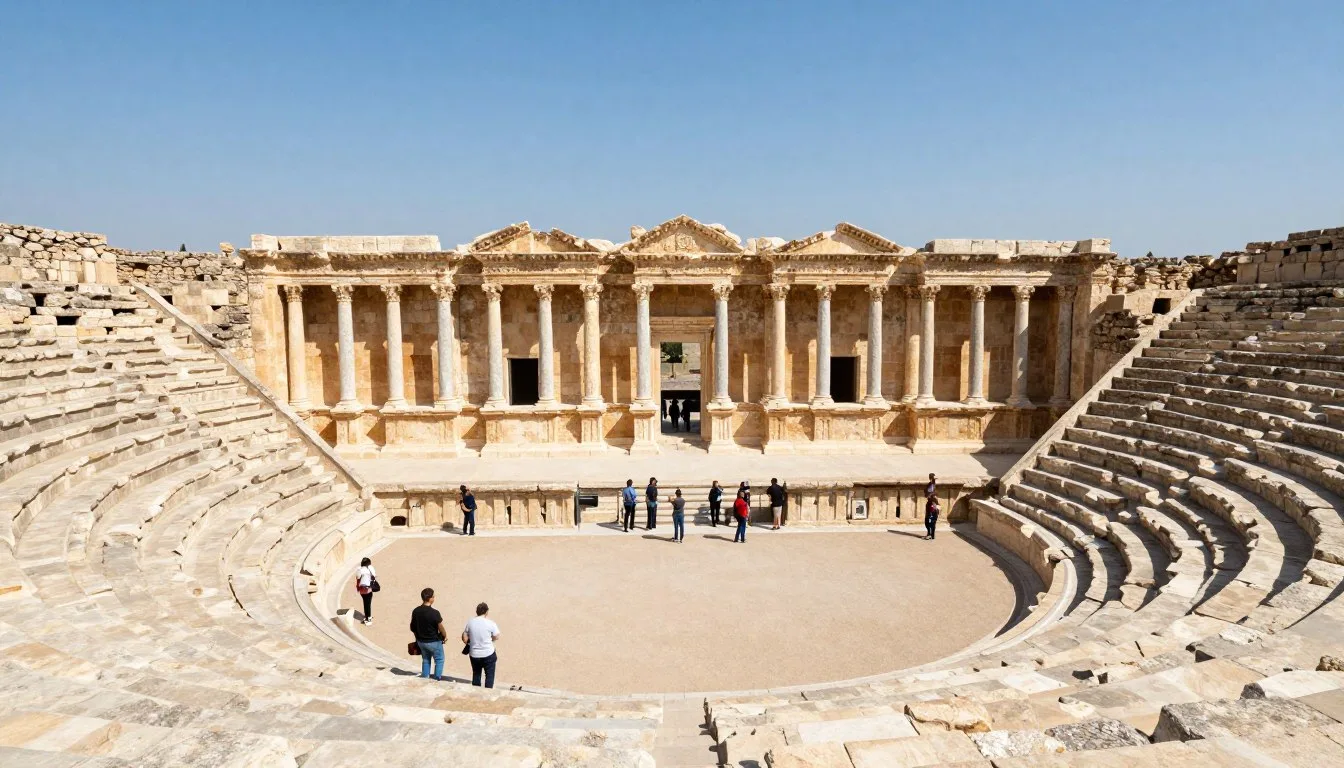
This magnificent structure seats approximately 7,000 spectators. The semicircular design provides excellent acoustics throughout the space. Modern performances sometimes use this ancient venue.
Original seats carved from basalt stone remain in place. The stage building rises behind the orchestra pit. Decorative elements include carved capitals and architectural fragments.
The theater offers one of the site’s most photographed views. Visitors climb to upper seating levels for panoramic vistas. The surrounding landscape stretches across the Jordan Valley.
Tell Beit Shean
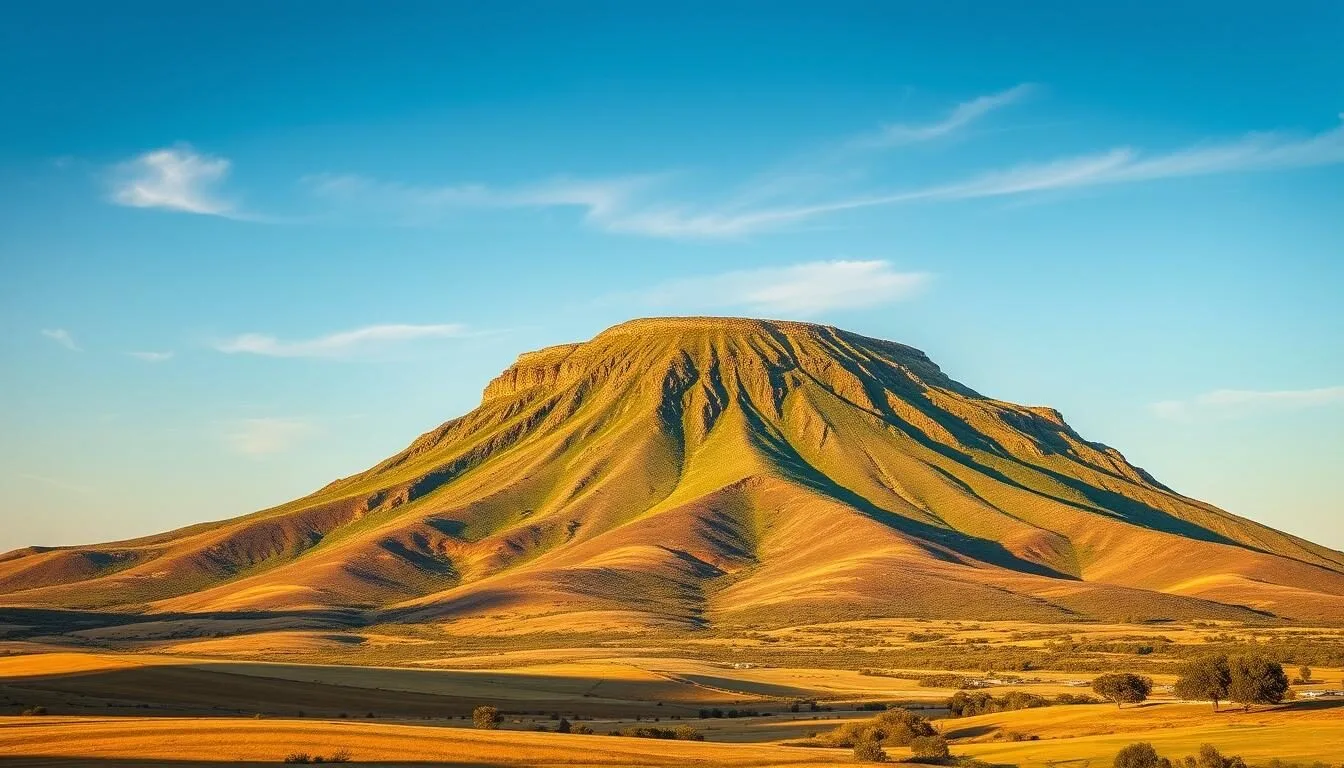
The tel rises above the Roman city as a massive mound. Eighteen layers of settlement span over 6,000 years. Each civilization built upon the ruins of its predecessor.
Archaeological excavations continue uncovering new discoveries. Egyptian, Canaanite, and Israelite artifacts have emerged from various layers. Biblical references mention the city in several Old Testament passages.
Climbing the tel requires moderate physical fitness. The path winds upward through ancient remains. Views from the summit encompass the entire archaeological park.
The Byzantine Marketplace
Excavated shop fronts line reconstructed streets in this commercial area. Signs indicate the types of goods sold in each location. The layout reveals sophisticated urban planning.
Mosaic floors mark entrances to various establishments. Inscriptions in Greek identify some business owners by name. The marketplace connected to major thoroughfares for efficient commerce.
Water Systems and Aqueducts
Ancient water management impressed even Roman engineers. Channels brought fresh water from distant springs. Distribution systems supplied public fountains and private homes.
Visitors examine sections of original clay pipes. Stone channels carried water throughout the city. The engineering demonstrates advanced understanding of hydraulics.
Museums, Cultural Spots & Festivals
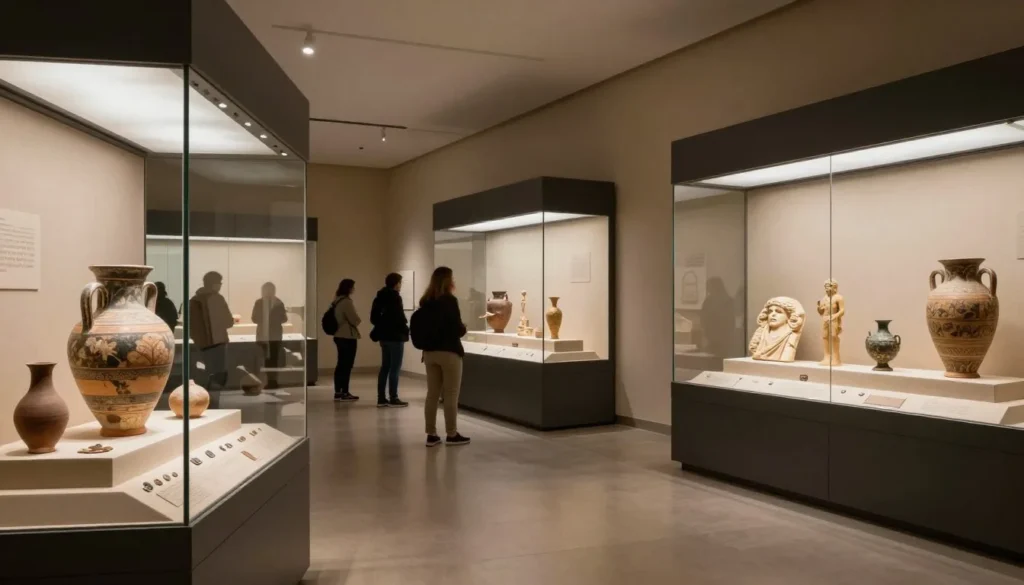
Beyond the archaeological park, Beit Shean offers additional cultural experiences. Museums preserve artifacts and tell stories from throughout history. These indoor venues provide welcome respite during hot weather.
Beit Shean Archaeological Museum
Located near the national park entrance, this museum contextualizes the ruins. Exhibits display artifacts discovered during decades of excavation. The collection spans from prehistoric times through the Ottoman period.
Glass cases protect delicate mosaics removed from excavation sites. Explanatory panels describe daily life in different eras. Interactive displays engage younger visitors with hands-on learning.
The museum maintains climate-controlled galleries preserving fragile materials. Photography is generally permitted without flash. Guided tours in multiple languages enhance understanding.
✓ Check 30,000+ Local Sightseeing Tours Worldwide
The Visitor Center
Modern audiovisual presentations introduce the site’s history. A short film recreates the ancient city at its peak. These resources help visitors imagine structures in their original form.
Scale models show the city layout during Roman times. Touchscreen displays allow exploration of different historical periods. Information sheets are available in numerous languages.
Local Art Galleries
Contemporary Israeli artists exhibit work in city center galleries. The desert landscape and ancient history inspire many pieces. Visiting these spaces reveals modern cultural perspectives.
Rotating exhibitions change several times annually. Local craftspeople sometimes demonstrate traditional techniques. Artwork ranges from paintings to sculptures and mixed media.
Community Cultural Center
This facility hosts concerts, lectures, and theatrical performances. The programming reflects the diverse population of the area. Evening events provide entertainment after visiting archaeological sites.
Hebrew language shows sometimes include English subtitles. Traditional music concerts celebrate Middle Eastern heritage. The center also offers educational workshops throughout the year.
Religious Sites
Modern Beit Shean contains active synagogues and mosques. These buildings serve local worshippers rather than tourist attractions. Respectful visitors may observe architectural styles.
Ancient religious structures appear within the archaeological park. Byzantine church remains include beautiful mosaic floors. These sites illustrate the region’s long spiritual history.
Nature & Outdoor Experiences
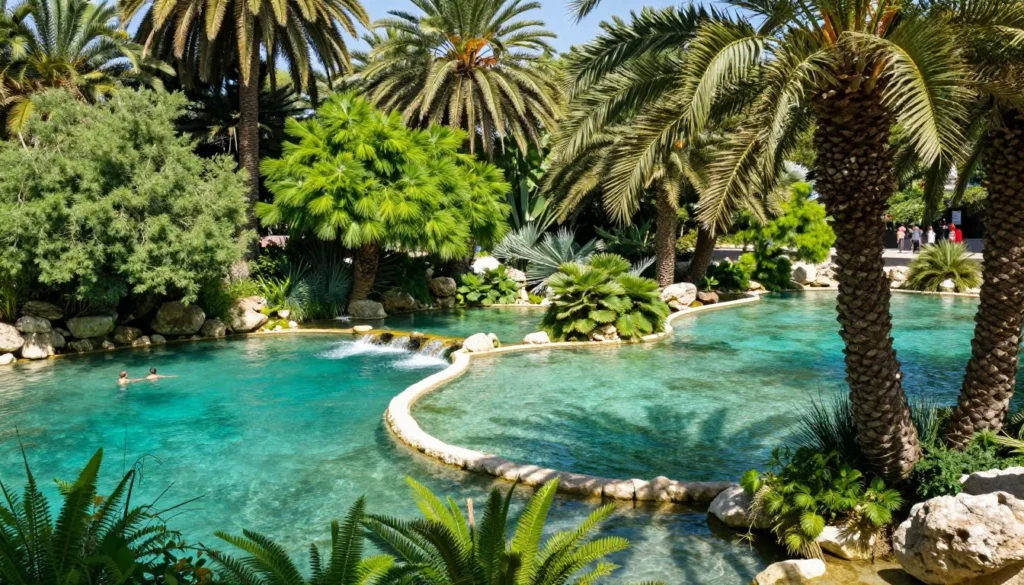
The Jordan Valley surrounding Beit Shean offers outstanding natural attractions. National parks preserve springs, wetlands, and diverse ecosystems. These areas provide refreshing contrasts to archaeological exploration.
Gan HaShlosha National Park (Sachne)
Located just 5 km (3 miles) from Beit Shean, this park features natural spring pools. Crystal-clear water maintains a constant 28°C (82°F) year-round. The setting resembles a tropical paradise.
Multiple pools connect through gentle cascades. Grass lawns provide spaces for picnicking and relaxation. Shade trees offer respite from the sun.
The park covers approximately 400 hectares (988 acres). Water flows from underground sources at impressive rates. Swimming in these pools becomes a highlight for many visitors.
Facilities include changing rooms, restrooms, and food concessions. The park attracts both tourists and local families. Weekends and holidays bring larger crowds.
Beit Shean Valley Trails
Hiking paths wind through the valley countryside. Routes pass date palm plantations and agricultural fields. The flat terrain suits walkers of various fitness levels.
Spring wildflowers transform the landscape with vibrant colors. Birds migrate through the valley in large numbers. Birdwatching enthusiasts spot numerous species.
The Jordan River
Israel’s most famous river flows through the region. Access points allow visitors to see the water up close. The riverbanks support unique vegetation adapted to the climate.
Several sites offer baptism experiences for Christian pilgrims. These locations hold religious significance while showcasing natural beauty. Facilities accommodate visitors seeking spiritual connections.
Cycling Routes
Paved bike paths connect various sites throughout the valley. Routes range from short rides to longer excursions. The level ground makes cycling accessible to families.
Bike rental shops provide equipment and route maps. Guided cycling tours explain local agriculture and history. Early morning rides avoid the hottest parts of the day.
Seasonal Waterfalls
Winter rains create temporary waterfalls in nearby wadis. These seasonal features flow from December through March. The rushing water contrasts with the typically dry landscape.
Local knowledge helps locate the best viewing spots. Some waterfalls require short hikes to reach. The dramatic scenery rewards those who venture off main roads.
Safety, Etiquette & Local Customs
Beit Shean welcomes visitors with warm hospitality. Understanding local customs enhances your experience and shows respect. The city enjoys a generally safe environment for travelers.
General Safety Considerations
The city maintains low crime rates typical of small Israeli towns. Violent crime against tourists remains extremely rare. Standard precautions protect against petty theft.
Keep valuables secured in hotels rather than carrying them unnecessarily. Use ATMs during daylight hours in well-populated areas. Avoid displaying expensive jewelry or large amounts of cash.
The intense summer heat poses the primary health concern. Dehydration and heat exhaustion affect unprepared visitors. Always carry sufficient water when outdoors.
Dress Code Recommendations
Casual, modest clothing suits most situations in Beit Shean. Lightweight, breathable fabrics work best in the warm climate. Cover shoulders and knees when visiting religious sites.
The archaeological park offers limited shade across open areas. Light-colored clothing reflects sun and keeps you cooler. Wide-brimmed hats protect face and neck from direct sun.
Comfortable walking shoes prove essential for ancient stone surfaces. Sandals work for casual exploration but provide less support. Athletic shoes offer better protection for extended walks.
Shabbat Observance
The Jewish Sabbath runs from Friday evening through Saturday night. Many businesses close during these hours. Public transportation reduces service significantly.
Plan activities accordingly if visiting over weekends. Stock up on supplies before Friday afternoon. Some restaurants remain open but options become limited.
The archaeological park maintains regular hours throughout Shabbat. This makes it an ideal Saturday activity. Kibbutz restaurants often stay open serving guests.
Photography Etiquette
Archaeological sites welcome photography for personal use. Flash photography may be restricted in museum areas. Ask permission before photographing individuals.
Military installations prohibit photography entirely. Border areas require caution about what you shoot. When in doubt, seek permission from authorities.
Tipping Practices
Restaurant servers expect tips of 10-15 percent. Add gratuity for good service as wages remain modest. Check if service charges already appear on bills.
Taxi drivers appreciate small tips rounding up the fare. Hotel housekeeping staff welcome 10-20 shekels per night. Tour guides typically receive 50-100 shekels per person per day.
Language and Communication
Hebrew serves as the primary language throughout Israel. Many residents also speak Arabic as a first or second language. English is widely understood in tourist areas.
Learning basic Hebrew phrases shows respect and appreciation. “Shalom” means both hello and goodbye. “Toda” expresses thanks in most situations.
Signs appear in Hebrew, Arabic, and English at major sites. Menus often include English translations. Language barriers rarely cause serious problems for English speakers.
Cultural Sensitivity
Israel encompasses diverse religious and ethnic communities. Respect different customs even when you don’t share them. Avoid scheduling visits during major religious holidays.
Political discussions can become heated and personal. Visitors should tread carefully when such topics arise. Focus on cultural exchange rather than controversial subjects.
Visitor Comments About Beit Shean
“The preservation of the Roman theater took my breath away. We spent an entire morning exploring the ruins and still didn’t see everything. The mosaics alone justified the trip. This site deserves far more recognition than it receives. Every history enthusiast should experience Beit Shean.”
“Our family loved combining the ancient ruins with a swim at Gan HaShlosha. The kids enjoyed the natural pools more than any hotel amenities. The archaeological site educated without boring them. Beit Shean offered the perfect mix of culture and fun. We recommend visiting during spring for ideal weather conditions.”
“As someone who has visited archaeological sites worldwide, Beit Shean ranks among the finest. The scale and preservation surpass expectations. Walking the ancient streets felt like time travel. The museum provides excellent context for what you see outdoors. This experience changed how I view ancient history.”
Additional Nearby Destinations
Beit Shean’s location makes it an excellent base for exploring northern Israel. Several major attractions lie within easy driving distance. Many visitors combine multiple sites into single-day excursions.
Sea of Galilee (Lake Kinneret)
This famous freshwater lake sits just 35 km (22 miles) north. The lowest freshwater lake on Earth at 214 meters (702 feet) below sea level holds deep religious significance. Christian pilgrimage sites dot the shoreline.
Towns like Tiberias offer hotels, restaurants, and water activities. Beaches provide swimming opportunities in warmer months. Boat tours operate from several locations.
Nazareth
The childhood home of Jesus lies 40 km (25 miles) northwest. The Basilica of the Annunciation dominates the city skyline. Narrow streets in the old city preserve centuries of history.
Nazareth blends religious sites with vibrant Arab culture. Markets sell traditional crafts and foods. Restaurants serve authentic Middle Eastern cuisine.
Belvoir Fortress
This Crusader castle sits 20 km (12 miles) north of Beit Shean. The strategic hilltop position offers stunning views across the Jordan Valley. Well-preserved fortifications demonstrate medieval military architecture.
Visitors explore towers, halls, and defensive walls. Information panels explain the site’s role during the Crusades. The location makes an excellent afternoon stop.
Beit Alpha Synagogue
Located 10 km (6 miles) west, this ancient synagogue contains remarkable mosaics. The 6th-century floor depicts zodiac signs and religious symbols. The preservation allows detailed examination of artistic techniques.
A small museum interprets the archaeological findings. The site receives fewer visitors than other area attractions. This makes for a more intimate experience.
Gilboa Mountain Range
These mountains rise west of the city offering hiking opportunities. Spring brings carpets of purple iris flowers. Various trails suit different fitness levels.
Biblical events occurred in these hills according to scripture. Panoramic views extend across the valley below. Small settlements dot the mountain slopes.
The Jordan Valley Border Region
The valley extends southward toward the Dead Sea. Agricultural communities produce dates, vegetables, and flowers. The route passes through diverse landscapes and climatic zones.
Kibbutzim welcome visitors to experience communal lifestyle. Farm tours explain modern desert agriculture. The journey takes about 90 minutes to reach the Dead Sea.
Practical Travel Tips
Proper preparation ensures a smooth visit to Beit Shean. These practical tips address common questions and concerns. Planning ahead helps you make the most of your time.
Currency and Money Matters
Israel uses the New Israeli Shekel (ILS or NIS). Exchange rates fluctuate but typically hover around 3.5-4 shekels per US dollar. ATMs provide the best exchange rates for cash withdrawal.
Credit cards work at most hotels, restaurants, and shops. Smaller vendors and market stalls prefer cash. Always carry some shekels for minor purchases.
Currency exchange offices operate in larger cities. Banks also exchange major foreign currencies. Rates at hotels typically prove less favorable.
Park Entry and Tickets
Beit Shean National Park charges admission fees. Adult tickets cost approximately 28 shekels. Students and seniors receive discounts with valid identification.
The Israel Parks and Nature Authority manages the site. Multi-site passes offer savings for those visiting multiple parks. Tickets purchased online sometimes include small discounts.
✓ Check 30,000+ Local Sightseeing Tours Worldwide
Opening hours vary by season. Summer hours extend later to accommodate heat avoidance. Check current schedules before planning your visit.
Guided Tours vs. Self-Guided
Both options have merits depending on interests and budget. Professional guides provide historical context and stories. They point out details easily missed during independent exploration.
Self-guided visits allow flexible pacing and spontaneity. Audio guides rent at the visitor center. Detailed information panels explain major structures.
Private tour guides offer personalized experiences. Group tours cost less but follow fixed schedules. Advance booking ensures guide availability during peak seasons.
What to Pack
- Refillable water bottles for staying hydrated throughout the day
- High SPF sunscreen and lip balm with sun protection
- Comfortable walking shoes with good ankle support
- Wide-brimmed hat or cap for sun protection
- Lightweight backpack for carrying essentials
- Power bank for charging phones and cameras
- Small first aid kit with basic medications
- Insect repellent for evening outdoor activities
Mobile Phones and Internet
Israeli SIM cards provide affordable data and calling. Purchase these at the airport or in major cities. Coverage extends throughout most populated areas.
Many hotels and cafes offer free WiFi. Connection speeds generally prove adequate for most needs. The archaeological park provides limited connectivity.
Accessibility Considerations
The archaeological site presents challenges for wheelchair users. Ancient stone surfaces prove difficult to navigate. Some viewing platforms offer limited accessibility.
The visitor center and museum maintain accessible facilities. Staff members assist visitors with mobility issues. Contact the park in advance to discuss specific needs.
Best Visit Duration
Most visitors spend 3-4 hours at the national park. Thorough exploration can fill an entire day. Add extra time for the museum and surrounding nature sites.
Combining Beit Shean with Gan HaShlosha creates a full-day itinerary. Overnight stays allow for leisurely exploration without rushing. The relaxed pace lets you absorb the history fully.
Emergency Information
Israel’s emergency number is 100 for police. Ambulance services respond to 101. Tourist police can assist with issues specific to travelers.
The nearest hospital operates in nearby Afula. Smaller clinics serve Beit Shean for minor medical issues. Travel insurance should cover medical emergencies.
Contact the national park visitor center for current information, tour bookings, and assistance planning your visit to Beit Shean.
Your Journey Through Time Awaits
Beit Shean stands ready to transport you across millennia. Each stone tells stories of empires that rose and fell. The Jordan Valley sun illuminates the same streets walked by ancient civilizations.
From Roman theaters to natural spring pools, the area delivers unforgettable experiences. Spring flowers carpet the hills while summer brings dramatic heat. Autumn offers perfect weather and winter brings mild relief.
Whether you explore ancient mosaics or swim in crystal waters, Beit Shean creates lasting memories. This archaeological treasure awaits your discovery. Pack your sense of wonder and prepare for an extraordinary adventure.
The ancient city calls across the centuries. History comes alive beneath your feet. Your journey through time begins in Beit Shean, Israel.