Hotels by Trip.com
Flights by Trip.com
Every single day, over 30,000 international visitors arrive in Tel Aviv, making it one of the Mediterranean’s fastest-growing destinations. This vibrant coastal city draws travelers with its unique blend of ancient history and modern innovation, world-class beaches stretching along the azure Mediterranean, and a food scene that rivals any global culinary capital. The name “Tel Aviv” translates to “Hill of Spring,” symbolizing renewal and ancient heritage, first coined by Nahum Sokolow in his 1902 Hebrew translation of Theodor Herzl’s utopian novel.
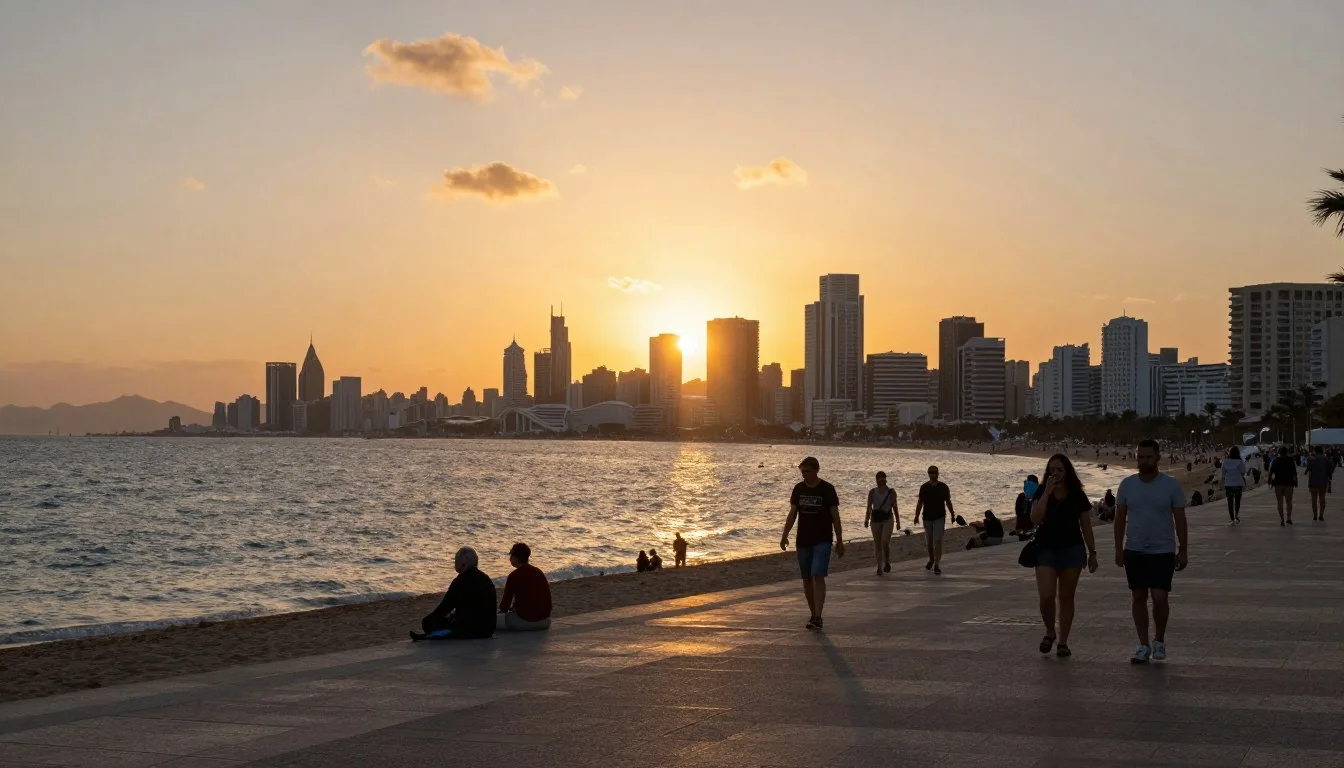
Whether you seek sun-soaked beach days, cutting-edge art galleries, bustling night markets, or some of the world’s best hummus, Tel Aviv delivers experiences that few cities can match. This cosmopolitan hub pulses with energy day and night, from sunrise yoga sessions on the beach to rooftop bars overlooking the glittering city skyline. The streets tell stories of Bauhaus architecture, startup culture, and a way of life that celebrates every moment.
Our comprehensive guide takes you through everything you need to know for an unforgettable Tel Aviv adventure. We share insider knowledge on the best neighborhoods to explore, hidden culinary gems, essential travel tips, and practical advice to help you navigate this dynamic city with confidence and ease.
Getting There & Planning Your Journey
Most international travelers arrive through Ben Gurion Airport, located approximately 20 km (12 miles) southeast of Tel Aviv city center. This modern facility serves as Israel’s main gateway and handles flights from over 50 countries across six continents. The airport features excellent amenities, efficient security procedures, and multiple transportation options into the city.
From Ben Gurion Airport, you have several convenient ways to reach Tel Aviv. The train offers the fastest option, whisking you to the city center in just 15 minutes for about 13.50 ILS. Trains run frequently throughout the day except during Shabbat, from Friday evening until Saturday night. Shared shuttle services called sheruts provide door-to-door service for around 40-60 ILS per person. Private taxis charge fixed rates of approximately 150-180 ILS to most Tel Aviv destinations.
Some travelers also arrive through Sde Dov Airport, a smaller domestic facility located within Tel Aviv itself, though this primarily handles internal Israeli flights. Regional visitors might drive in from Jerusalem, about 65 km (40 miles) east, or from Haifa, roughly 95 km (59 miles) north along the coastal highway.
Transportation Tip: Download the Rav-Kav app before arrival to purchase and manage your public transport card digitally. This saves time and makes getting around Tel Aviv seamless from the moment you land.
Planning your journey requires consideration of security procedures that differ from other destinations. Allow extra time at the airport, typically three hours before international flights. Security personnel may ask detailed questions about your trip, which is standard protocol. Keep travel documents accessible and answer questions straightforwardly to move through checkpoints efficiently.
Best Time to Visit & Weather Tips
Best Time to Visit Tel Aviv
The ideal months to visit Tel Aviv run from March through May and September through November. During these shoulder seasons, temperatures hover comfortably between 20°C and 28°C (68°F to 82°F), perfect for beach activities, city exploration, and outdoor dining. The Mediterranean climate ensures pleasant conditions with minimal rainfall and moderate humidity levels that make walking tours enjoyable.
Spring brings the city to life with blooming gardens and outdoor festivals. Locals and visitors alike fill the beaches, cafes spill onto sidewalks, and the energy level rises across every neighborhood. Fall offers similarly wonderful weather with the added benefit of fewer crowds and slightly lower accommodation prices compared to peak summer months.
Summer, from June through August, represents peak tourist season. Temperatures climb to 30°C to 35°C (86°F to 95°F), with high humidity that can feel intense, especially during midday hours. Beaches become packed, hotel rates reach their highest points, and popular restaurants require advance reservations. Despite the heat, summer nightlife thrives as residents escape indoors during the day and emerge after sunset.
Winter months from December through February bring cooler temperatures around 12°C to 18°C (54°F to 64°F) and occasional rainfall. While not ideal for beach activities, winter offers advantages including lower prices, smaller crowds, and perfect weather for exploring museums, markets, and historic neighborhoods. Pack layers and a light rain jacket for winter visits.
Weather Strategy: Visit during April or October for the absolute best combination of ideal weather, manageable crowds, and reasonable prices. These months deliver the quintessential Tel Aviv experience without the extremes of summer heat or winter rain.
Check 30,000+ Local Sightseeing Tours Worldwide
✓ Numerous languages and currencies are available
Notable Annual Festivals
Tel Aviv hosts spectacular festivals throughout the year that showcase the city’s creative spirit and cultural diversity. The Tel Aviv Pride Parade, typically held in June, attracts over 250,000 participants and spectators, making it the largest Pride event in Asia. The week-long celebration includes parties, cultural events, and beach festivities across the city.
White Night Tel Aviv transforms the entire city each June with an all-night cultural festival. Museums, galleries, theaters, and performance spaces stay open until dawn, offering free admission. Street performances, concerts, and art installations fill neighborhoods from sunset to sunrise, creating a magical atmosphere that captures Tel Aviv’s creative energy.
DocAviv International Documentary Film Festival runs for ten days each May, screening over 100 documentary films from around the world. Cinema enthusiasts gather at venues across Tel Aviv to watch thought-provoking films and meet filmmakers. The festival has grown into one of the most important documentary events globally.
The Tel Aviv Marathon takes place each February, drawing thousands of runners from over 50 countries. The scenic route winds through the city, along the beachfront promenade, and past iconic landmarks. Even non-runners enjoy the festive atmosphere as neighborhoods organize entertainment and refreshment stations.
Getting Around Locally
Tel Aviv offers excellent public transportation that makes exploring the city straightforward and affordable. The bus network operates extensively throughout the metropolitan area, with lines running frequently from early morning until late evening. Bus number 4 travels along the coast from north to south, providing easy beach access. Most bus rides cost around 5.90 ILS with a Rav-Kav card.
The light rail system continues expanding, though currently serves limited routes. Plans call for extensive rail connections in coming years that will revolutionize city travel. For now, buses remain the primary public transit option for most visitors and residents alike.
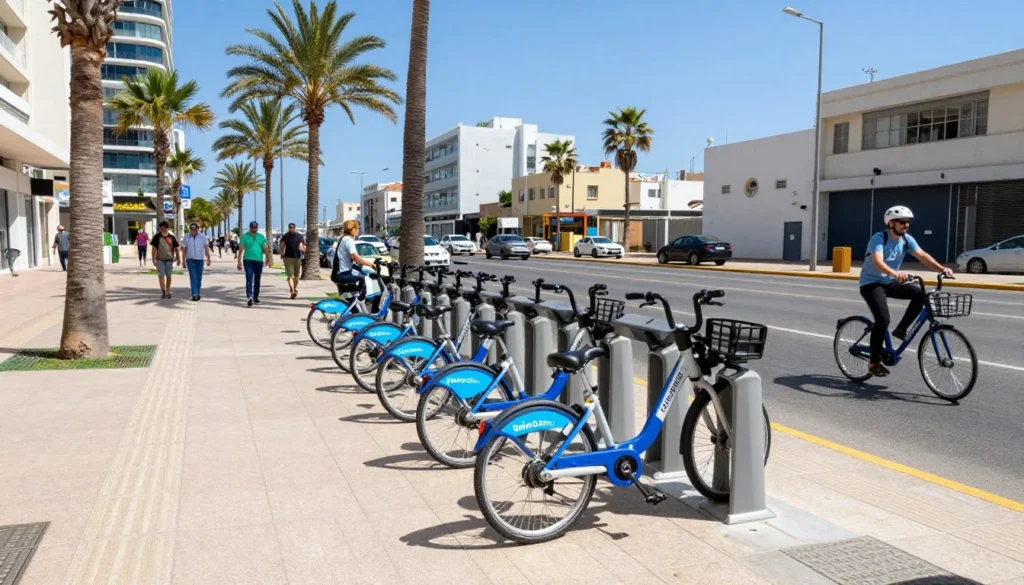
Bicycle sharing programs have transformed how people move around Tel Aviv. Tel-O-Fun stations dot the city with thousands of bikes available for short-term rental. The flat terrain and dedicated bike lanes make cycling safe and pleasant. A day pass costs approximately 17 ILS and includes unlimited 30-minute rides, perfect for hopping between neighborhoods.
Taxis and ride-sharing services operate throughout Tel Aviv. Regular taxis use meters and charge reasonable rates for short trips within the city. Gett and Uber provide convenient alternatives with upfront pricing. During Shabbat, when public transport stops, these services become essential for getting around, though prices typically increase due to higher demand.
Walking remains one of the best ways to experience Tel Aviv. The compact city center allows you to cover significant ground on foot. The beachfront promenade stretches for kilometers, connecting different neighborhoods along the Mediterranean coastline. Most major attractions, restaurants, and nightlife venues cluster within walkable distances of each other.
Shabbat Travel Note: Public buses stop running from Friday evening through Saturday night for Shabbat. Plan accordingly by staying in a central location or budgeting for taxis during this period. Many visitors use Shabbat as an opportunity to explore their immediate neighborhood on foot.
Where to Stay
Tel Aviv accommodation options range from budget hostels to luxury beach resorts, with neighborhoods offering distinct personalities and advantages. Your choice depends on priorities like beach access, nightlife proximity, cultural atmosphere, or budget considerations.
Beach Hotels and Resorts
The beachfront hotel strip along Herbert Samuel Street and HaYarkon Street puts you steps from the Mediterranean. Luxury properties offer stunning sea views, private beach access, rooftop pools, and spa facilities. Expect to pay premium prices, typically 800 to 2,000 ILS per night, especially during summer and holidays. The location provides unbeatable convenience for beach lovers and sunset enthusiasts.
Neve Tzedek Boutique Stays
This charming historic neighborhood south of the city center features boutique hotels and vacation apartments in restored buildings. Narrow streets lined with galleries, cafes, and design shops create an intimate village atmosphere within the bustling city. Prices range from 500 to 1,200 ILS per night. The area appeals to travelers seeking character, quieter surroundings, and easy access to both beaches and cultural attractions.
Rothschild Boulevard Accommodations
Hotels and apartments along this iconic tree-lined boulevard place you at the heart of Tel Aviv’s cultural and business district. Bauhaus architecture surrounds you, with countless restaurants, bars, and cafes within walking distance. Mid-range options start around 400 ILS, while upscale hotels reach 1,000 ILS or more. This central location suits business travelers and those wanting to be amid the action.
Florentin and South Tel Aviv
Budget-conscious travelers gravitate toward Florentin, where hostels, guesthouses, and affordable apartments abound. This edgy neighborhood pulses with street art, independent music venues, and alternative culture. Hostel beds start at 80-150 ILS, while private rooms run 250-450 ILS. The area attracts younger travelers and those interested in Tel Aviv’s underground scene.
Jaffa Old City
Staying in ancient Jaffa offers a completely different Tel Aviv experience. Historic buildings converted into boutique hotels blend modern luxury with centuries-old architecture. Prices vary widely from 400 to 1,500 ILS depending on the property. The port area, flea market, and hillside galleries make Jaffa ideal for travelers drawn to history and a slower pace.
Booking Considerations
- Reserve accommodations well in advance for summer months, holidays, and major festivals when demand peaks and prices rise significantly
- Look for properties with air conditioning, essential during hot Mediterranean summers when temperatures regularly exceed 30°C (86°F)
- Check Shabbat policies if arriving Friday evening or Saturday, as some hotels limit check-in services during these hours
- Consider apartments for longer stays or families, often providing better value and local neighborhood experiences
Neighborhood Transit Access
- Beach hotels offer easy walking to main attractions but can be expensive and crowded during peak season
- Central areas like Rothschild provide excellent bus connections throughout the city and to surrounding regions
- Southern neighborhoods like Florentin require more transit time to beaches but immerse you in authentic local culture
- Jaffa combines historic atmosphere with good access to both beaches and central Tel Aviv via buses and walking paths
Dining & Local Cuisine
Tel Aviv has earned its reputation as one of the world’s great food cities, where culinary traditions from across the Middle East, Mediterranean, and global Jewish diaspora converge. The dining scene ranges from humble street food stalls to Michelin-quality restaurants, with an emphasis on fresh ingredients, bold flavors, and innovative fusion concepts.
Breakfast Culture
Israelis take breakfast seriously, and Tel Aviv cafes serve elaborate morning spreads that have become legendary. A typical Israeli breakfast includes fresh salads, multiple cheese varieties, eggs prepared various ways, fresh bread, tahini, olive oil, and an array of dips and spreads. Shakshuka, eggs poached in spiced tomato sauce, appears on nearly every breakfast menu and represents essential Tel Aviv eating.
Cafes along Rothschild Boulevard and throughout Neve Tzedek serve exceptional breakfast from early morning until early afternoon. Expect to pay 45-75 ILS for a full Israeli breakfast. The generous portions often suffice as brunch, keeping you satisfied well into the afternoon.
Hummus and Street Food
The quest for the best hummus in Tel Aviv sparks passionate debates among locals. Small hummus joints, called hummusia, serve this chickpea puree with various toppings, accompanied by fresh pita bread, pickles, and onions. Abu Hassan in Jaffa has drawn crowds for decades, while newer spots like Hummus Said offer their own devoted followings. A plate costs 20-35 ILS and provides a filling, inexpensive meal.
Street food extends far beyond hummus. Falafel stands dot every neighborhood, serving these crispy chickpea fritters in pita with salad and tahini for 15-25 ILS. Sabich, an Iraqi Jewish specialty featuring fried eggplant, hard-boiled eggs, and tahini in pita, makes another popular quick meal. Food markets like Carmel Market and Levinsky Market offer countless street food options showcasing global influences.
Carmel Market and Food Markets
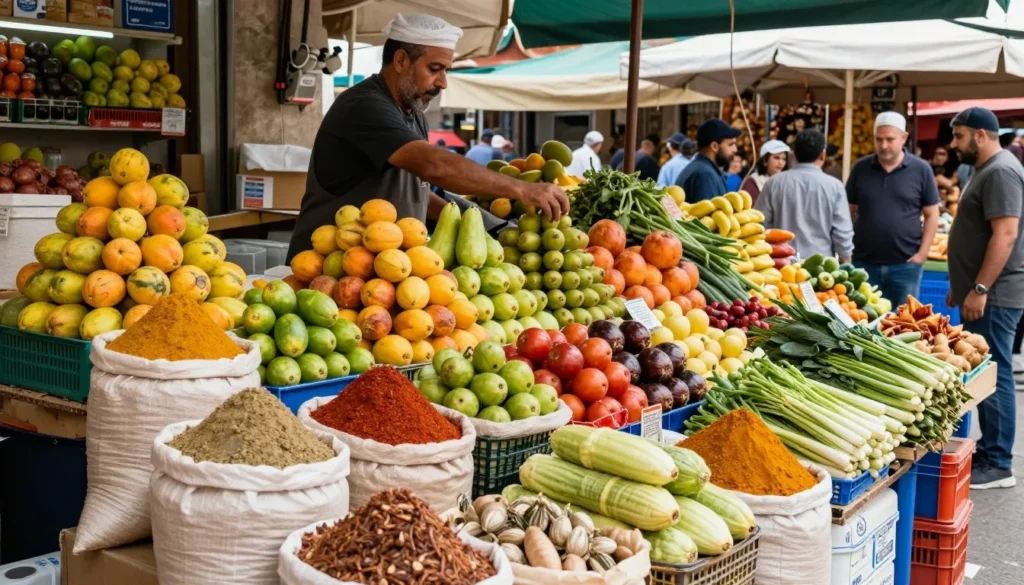
Carmel Market represents the beating heart of Tel Aviv’s food culture. This sprawling outdoor market operates Sunday through Friday, offering fresh produce, spices, nuts, baked goods, and prepared foods. Vendors call out their wares in multiple languages as shoppers navigate the crowded aisles, creating a sensory experience that defines the city’s energy.
The market’s food stalls serve some of Tel Aviv’s best casual eating. Try burekas (flaky pastries filled with cheese, potato, or spinach), fresh-squeezed juices, and traditional Middle Eastern sweets. The surrounding streets host casual restaurants and bars that come alive in the evening after market stalls close for the day.
Contemporary Dining Scene
Tel Aviv’s modern restaurants push culinary boundaries while honoring traditional flavors. Chefs trained globally return home to open innovative establishments that blend techniques and ingredients from multiple cultures. Many restaurants focus on local, seasonal produce sourced from nearby farms and markets.
Dining trends emphasize sharing plates, allowing groups to sample multiple dishes. Mezze spreads featuring various small plates encourage communal eating, a cornerstone of Middle Eastern food culture. Restaurants incorporate Mediterranean, North African, Balkan, and Asian influences, reflecting Israel’s diverse population.
Fine dining establishments charge 150-400 ILS per person for multi-course meals with wine. Mid-range restaurants average 60-120 ILS for main courses. The quality-to-price ratio generally exceeds expectations, especially compared to other major global cities.
Vegan Paradise
Tel Aviv claims the title of the world’s most vegan-friendly city, with over 400 vegan and vegetarian restaurants. This isn’t a new trend but rather an evolution of traditional Middle Eastern cuisine naturally rich in plant-based dishes. Hummus, falafel, sabich, salads, and countless other staples contain no animal products.
Dedicated vegan establishments serve everything from raw food to vegan junk food to plant-based fine dining. Even traditional meat-focused restaurants typically offer extensive vegan options. This abundance makes Tel Aviv incredibly easy for vegetarians and vegans to navigate while discovering new favorite dishes.
Bar and Nightlife Food
The line between restaurants and bars blurs in Tel Aviv, where most drinking establishments serve excellent food late into the night. Bar culture thrives particularly in neighborhoods like Florentin and around Rothschild Boulevard, where craft cocktails accompany innovative small plates.
Wine bars showcase Israeli vintages, which have gained international recognition in recent years. Local breweries produce quality craft beers served at dedicated beer bars and pubs. The drinking and dining scenes intertwine so completely that many venues defy easy categorization as either restaurant or bar.
Dining Strategy: Make reservations for popular restaurants, especially for dinner on Thursday through Saturday nights when locals celebrate the weekend. Lunch offers better value at high-end restaurants, with many serving generous business lunch menus at reduced prices.
Attractions, Sightseeing & Activities
Tel Aviv packs an impressive array of attractions into its compact geography, offering something for every interest and energy level. From ancient ports to modern skyscrapers, pristine beaches to vibrant markets, the city rewards exploration and invites you to lose yourself in its many layers.
Jaffa Old City and Port
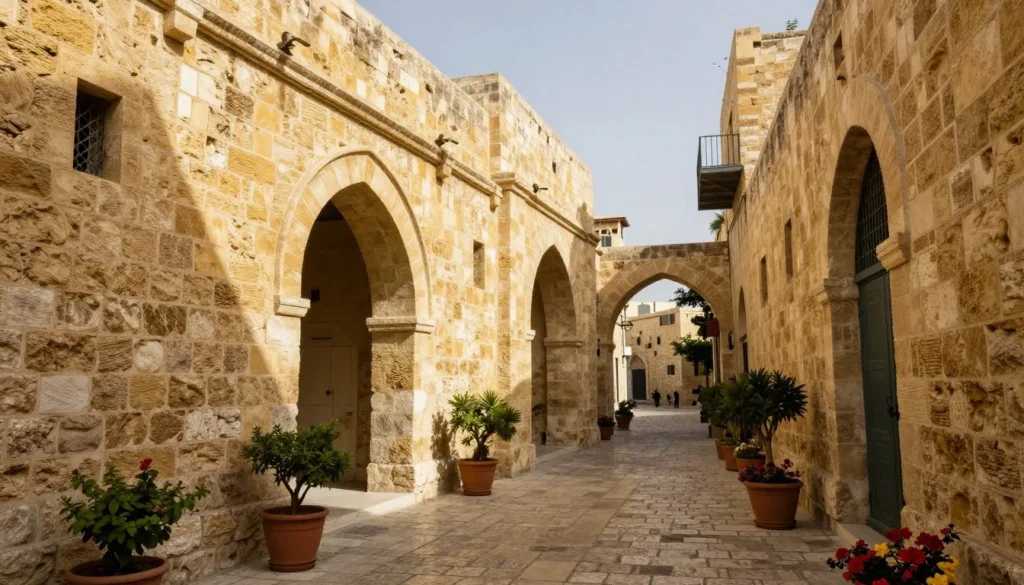
The ancient port of Jaffa predates Tel Aviv by thousands of years, with archaeological evidence of settlement dating back over 4,000 years. Today, this restored old city combines history with contemporary art galleries, restaurants, and boutiques housed in stone buildings that have stood for centuries.
Wander the narrow alleyways that wind uphill from the port, discovering hidden courtyards, Ottoman-era architecture, and stunning viewpoints overlooking the Mediterranean. The Jaffa Flea Market operates daily except Saturday, selling antiques, vintage clothing, Judaica, and collectibles alongside modern design pieces. Street performers and artists add to the bohemian atmosphere.
Don’t miss the ancient port area where fishing boats still operate alongside trendy seafood restaurants. The contrast between working fishermen and stylish diners captures the essence of how Tel Aviv honors tradition while embracing modernity. Sunset at the port provides one of the city’s most romantic settings.
Rothschild Boulevard
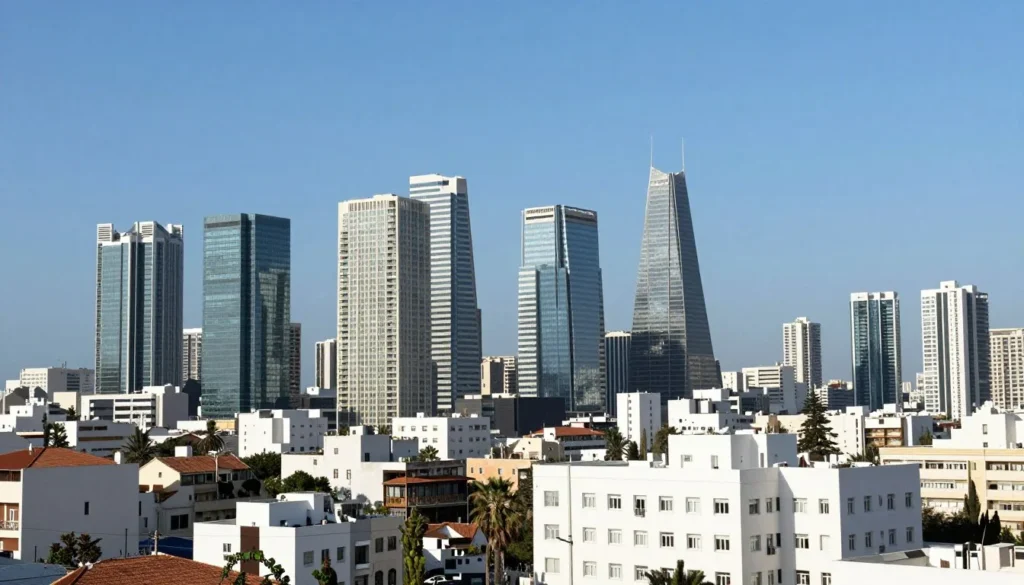
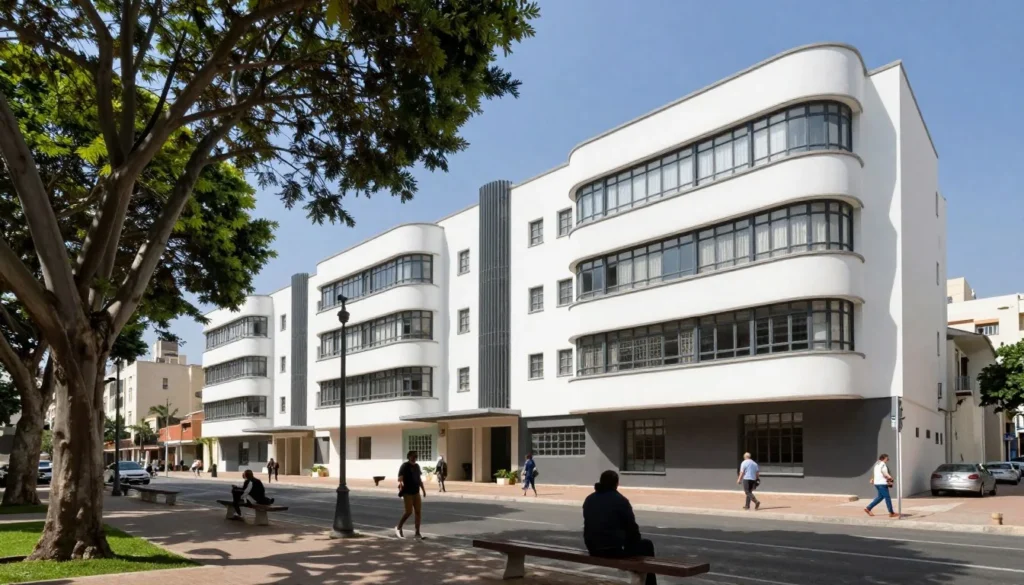
This tree-lined boulevard serves as Tel Aviv’s cultural and architectural showcase. The street features the world’s largest concentration of International Style Bauhaus buildings, earning Tel Aviv designation as a UNESCO World Heritage Site for its “White City” architecture.
Walking the length of Rothschild Boulevard takes you past elegant restored buildings painted in shades of white and cream, with their characteristic horizontal windows, rounded balconies, and flat roofs. Ground-floor spaces house cafes, bars, and restaurants where locals gather morning through night. The wide median creates a park-like atmosphere perfect for strolling or relaxing on benches beneath the trees.
Independence Hall, where David Ben-Gurion declared Israel’s independence in 1948, stands along Rothschild Boulevard and opens for guided tours. The boulevard also marks the starting point for many city walking tours exploring architectural and historical themes.
Beaches and Waterfront
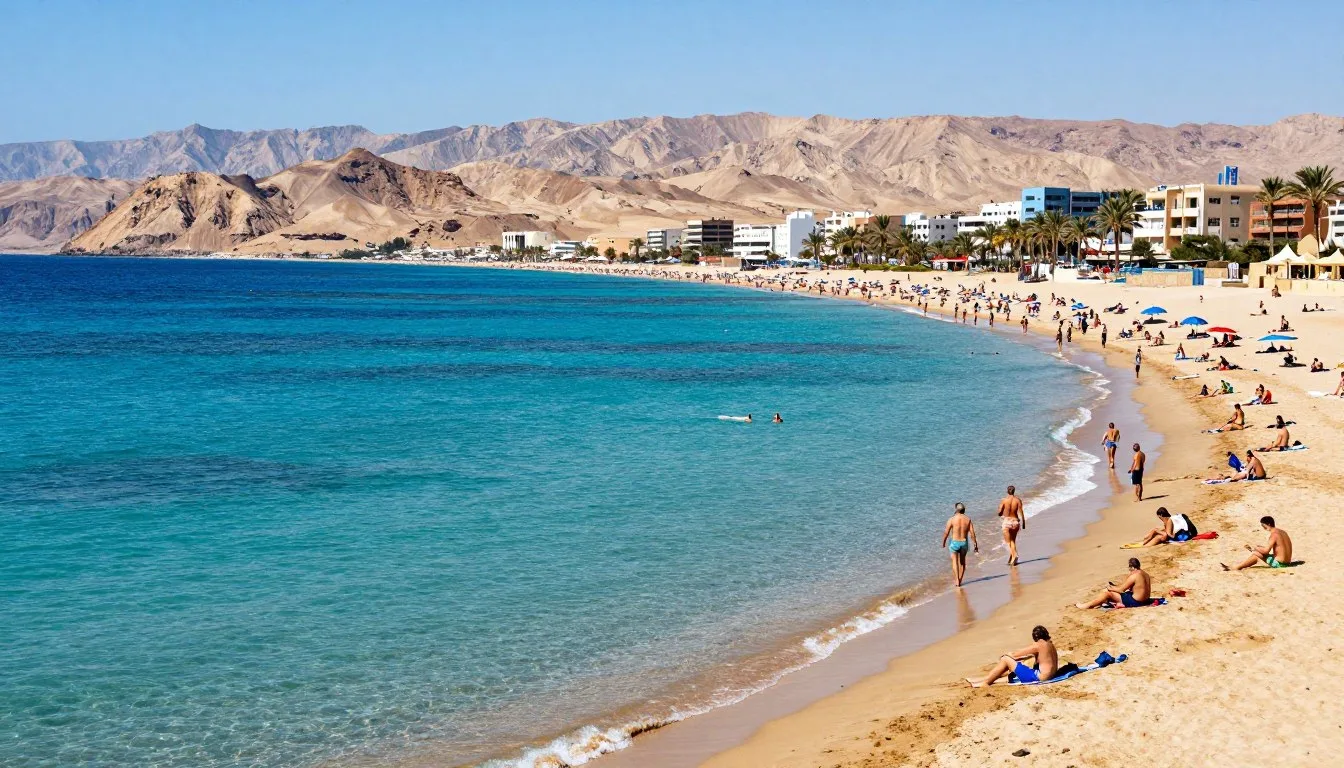
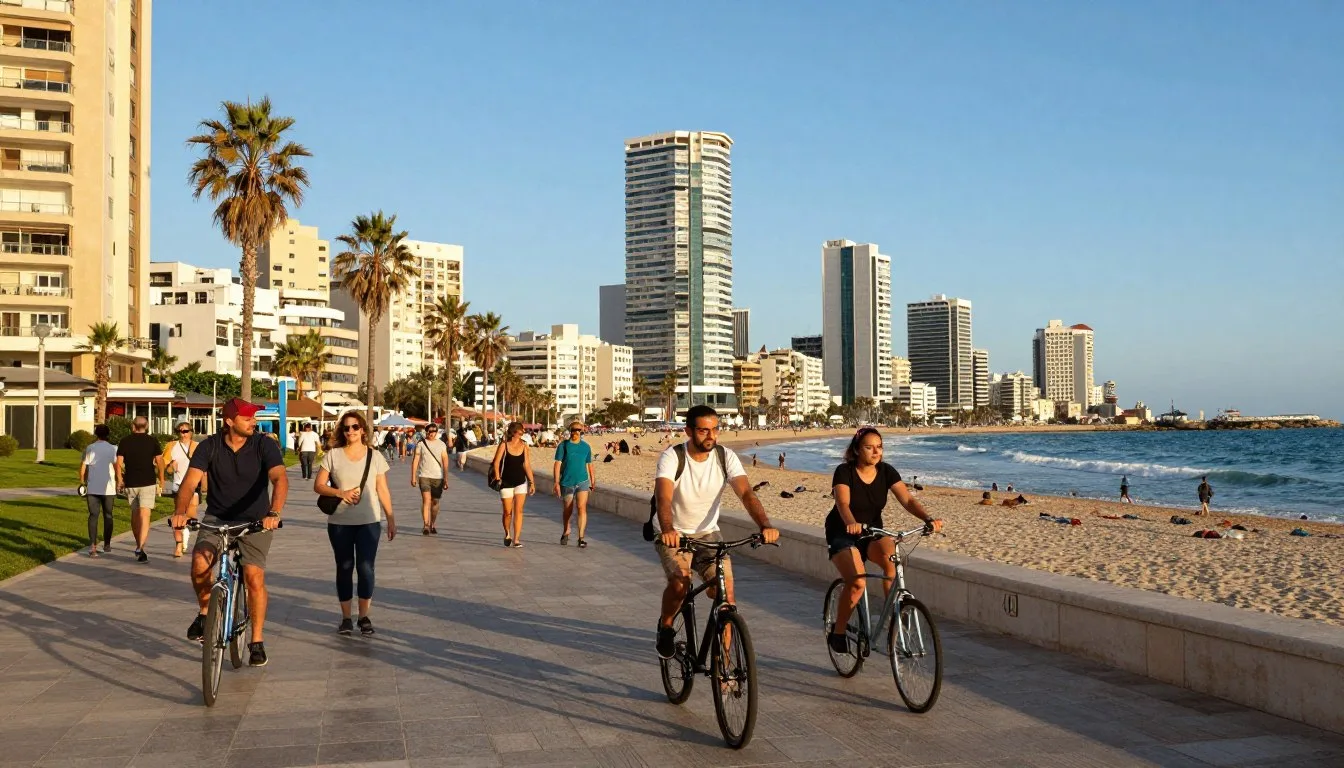
Tel Aviv’s 14 km (8.7 miles) of Mediterranean coastline ranks among its greatest assets. Multiple beaches line the shore, each developing its own character and attracting different crowds. The continuous promenade connects all beaches, making it easy to walk or cycle between them.
Gordon Beach sits in the heart of the hotel district and draws the largest crowds with its central location and full amenities. Frishman Beach attracts a slightly older, more local crowd seeking a quieter atmosphere. Hilton Beach welcomes the LGBTQ+ community and hosts volleyball games. Dog Beach allows four-legged friends to swim and play. Religious Beach provides separate swimming days for men and women.
Beach culture dominates Tel Aviv life from spring through fall. Locals hit the sand for morning yoga, sunset sessions, and everything in between. Beach bars and restaurants serve food and drinks directly on the sand. Water sports including paddleboarding, kayaking, and surfing operate at various beaches, with rental equipment readily available.
Neve Tzedek Neighborhood
Tel Aviv’s first neighborhood, established in 1887, has transformed into one of the city’s most desirable areas. Narrow streets lined with low-rise buildings painted in pastels create an intimate village atmosphere. Galleries, boutiques, cafes, and design shops fill the ground floors while residents enjoy quiet living above the commercial activity.
The Suzanne Dellal Center for Dance and Theatre anchors the neighborhood culturally, hosting performances in a beautifully restored complex. The streets around the center offer some of Tel Aviv’s best window shopping and people watching. Architecture enthusiasts appreciate the mix of original buildings and sensitive modern additions that respect the area’s historic character.
Sarona Market and Complex
The restored Templer colony of Sarona combines history with modern retail and dining. The covered market hall brings together over 90 vendors selling fresh produce, prepared foods, wine, cheese, bread, and specialty items. The quality level exceeds typical food markets, with an emphasis on artisanal and gourmet products.
Surrounding the market, the Sarona complex includes outdoor spaces, restaurants, and shops in restored German Templer buildings from the 1870s. The juxtaposition of 19th-century architecture with contemporary glass towers creates a distinctive aesthetic. The area serves as a popular gathering spot for lunch, dinner, or weekend food shopping.
Port of Tel Aviv
The renovated port area north of the city center has evolved into an entertainment and dining destination. The waterfront promenade hosts restaurants, bars, cafes, and clubs that fill with crowds on warm evenings. Wooden decks extend over the water, creating pleasant outdoor seating areas.
A weekly farmers market on Friday mornings draws crowds seeking organic produce and artisanal foods. The port also hosts concerts, festivals, and cultural events throughout the year. The area provides a more polished, commercial alternative to the grittier authenticity of Jaffa port.
Morning Activities
Start your day experiencing Tel Aviv at its most energetic and fresh.
- Sunrise beach yoga sessions welcoming all skill levels on soft sand with ocean sounds
- Carmel Market exploration before midday heat when produce looks freshest and vendors most lively
- Breakfast at sidewalk cafes watching the city wake up and locals begin their routines
- Bike rides along the beachfront promenade in cooler morning temperatures with fewer crowds
Afternoon Pursuits
Use midday hours for cultural activities and indoor attractions when Mediterranean sun peaks.
- Museum visits escaping afternoon heat while exploring art, history, and culture in air-conditioned comfort
- Shopping in boutiques and galleries throughout Neve Tzedek and Jaffa old city neighborhoods
- Long lunches at restaurants with shaded outdoor seating enjoying multiple courses and local wines
- Beach time swimming, reading, or simply relaxing under umbrellas with Mediterranean breezes
Evening Experiences
Evenings bring cooler temperatures and Tel Aviv’s legendary energy to life.
- Sunset walks along Jaffa port watching sky colors change over ancient stone buildings
- Dinner at rooftop restaurants with panoramic city views and fresh Mediterranean cuisine
- Bar hopping through Florentin or along Rothschild Boulevard sampling craft cocktails and local beers
- Live music venues and nightclubs keeping dance floors packed until dawn breaks
Night Adventures
Tel Aviv truly earns its reputation as the city that never sleeps after midnight.
- Late-night eating at 24-hour hummus joints and bakeries serving fresh pita and pastries
- Beach parties on warm summer nights with bonfires, music, and spontaneous gatherings
- Nightclub experiences in converted warehouses and underground venues until early morning hours
- Midnight beach swimming when crowds disappear and Mediterranean waters feel entirely yours
Museums, Cultural Spots & Festivals
Tel Aviv’s cultural institutions punch above the city’s weight class, offering world-class exhibitions, performances, and collections that rival much larger metropolitan areas. The compact geography makes it easy to visit multiple venues in a single day, while the diversity ensures something appeals to every taste.
Tel Aviv Museum of Art
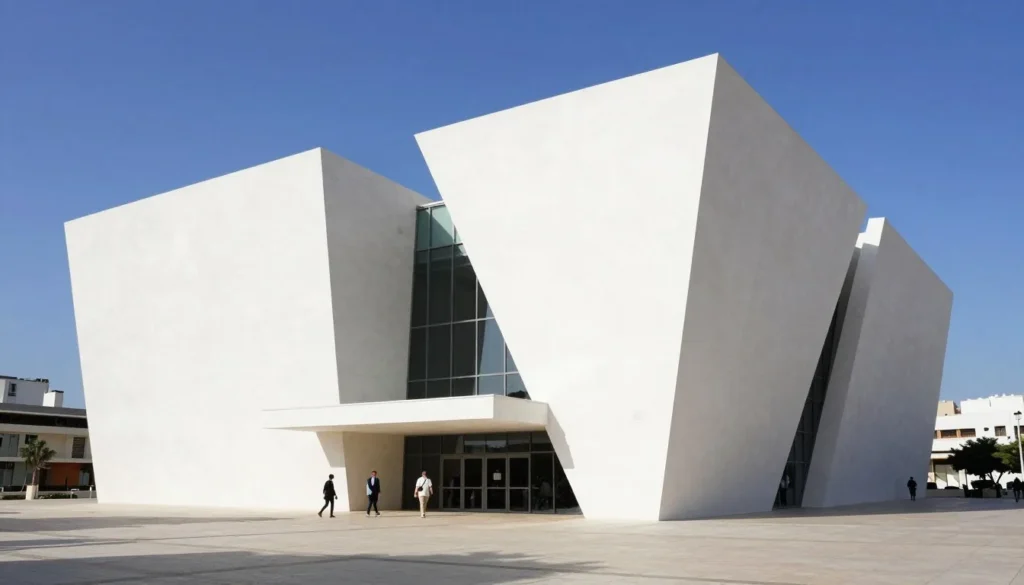
The main art museum houses an impressive permanent collection of Israeli and international art spanning from the Renaissance to contemporary works. The striking modern wing, designed by Preston Scott Cohen, creates dramatic interior spaces that enhance the viewing experience. Special exhibitions bring major international shows to Tel Aviv regularly.
The museum dedicates significant gallery space to Israeli artists, providing essential context for understanding the country’s visual culture development. The sculpture garden offers a peaceful outdoor space for contemplation. Admission costs approximately 50 ILS for adults, with reduced rates for students and seniors. The museum closes on Saturdays.
Eretz Israel Museum
This sprawling complex explores Israeli history, archaeology, and traditional crafts through multiple pavilions scattered across extensive grounds. Each building focuses on a specific theme like glasswork, ceramics, or ancient coinage. The archaeological excavations on site include Tel Qasile, where layers of civilization dating back 3,000 years remain visible.
The museum provides excellent context for understanding the land’s long history and diverse cultural influences. Allow several hours to explore the various pavilions and outdoor areas properly. The museum charges around 54 ILS admission and offers English-language guided tours on certain days.
Design Museum Holon
Located just south of Tel Aviv in neighboring Holon, this museum celebrates contemporary design in a building that itself serves as a design statement. The curved orange and red steel ribbons wrapping the structure create one of Israel’s most photographed pieces of architecture. Inside, changing exhibitions showcase industrial design, fashion, and visual culture.
The museum brings international design exhibitions to Israel while highlighting local designers gaining global recognition. The gift shop sells unique Israeli design pieces. Plan for a 20-minute journey from central Tel Aviv via bus or taxi to reach Holon.
Palmach Museum
This innovative museum tells the story of the Palmach strike force through immersive theatrical presentations rather than traditional exhibits. Small groups move through different spaces experiencing multimedia shows that combine film, live actors, and special effects. The emotional presentations provide powerful insights into Israel’s independence struggle.
Tours must be booked in advance and run at scheduled times throughout the day. English-language tours operate regularly. The unique presentation format makes this museum memorable even for those who typically avoid historical museums. Admission runs about 30 ILS.
Performing Arts Venues
The Israeli Opera performs at its home venue near the beachfront, presenting classic and contemporary productions with Hebrew supertitles. The Habima Theatre, Israel’s national theater, stages plays primarily in Hebrew but also hosts visiting international productions. Both venues occupy impressive buildings worth seeing even without attending a performance.
The Suzanne Dellal Center in Neve Tzedek focuses on contemporary dance and experimental theater. The complex includes multiple performance spaces and outdoor areas that host events during warmer months. Check schedules online as performances vary seasonally.
Street Art and Galleries
Tel Aviv’s streets serve as an ever-changing gallery of murals, graffiti, and street art. Florentin neighborhood features the highest concentration of street art, with entire building facades covered in colorful murals. Walking tours specifically focused on street art operate regularly, or simply wander the area independently to discover works by local and international artists.
Private galleries cluster in several areas including Gordon Street near the beach, throughout Neve Tzedek, and in Jaffa old city. Most galleries welcome visitors free of charge and many artists speak English. Gallery hopping provides insight into Israel’s vibrant contemporary art scene and opportunities to purchase original works.
Cultural Events and Performances
Beyond formal venues, Tel Aviv’s cultural life spills into public spaces regularly. Summer brings free concerts to parks and beaches nearly every night. The municipality sponsors family-friendly cultural events in neighborhoods across the city. Check the Tel Aviv municipality website or tourism office for current listings.
The Charles Bronfman Auditorium serves as home to the Israel Philharmonic Orchestra, which performs regularly throughout the season. Classical music lovers find excellent performances at prices below what major international orchestras charge in other world cities.
Nature & Outdoor Experiences
While Tel Aviv earns recognition primarily as an urban destination, the city and its immediate surroundings offer surprisingly diverse outdoor and nature experiences. The Mediterranean coastline provides the most obvious natural attraction, but parks, gardens, and nearby natural areas expand options considerably.
Beach Activities and Water Sports
The Mediterranean Sea remains swimmable from April through October, with water temperatures ranging from comfortable 20°C (68°F) in spring to warm 28°C (82°F) in late summer. Lifeguards patrol most beaches during daylight hours in season, with flags indicating swimming conditions. Facilities include showers, changing rooms, and beach chair rentals at nominal fees.
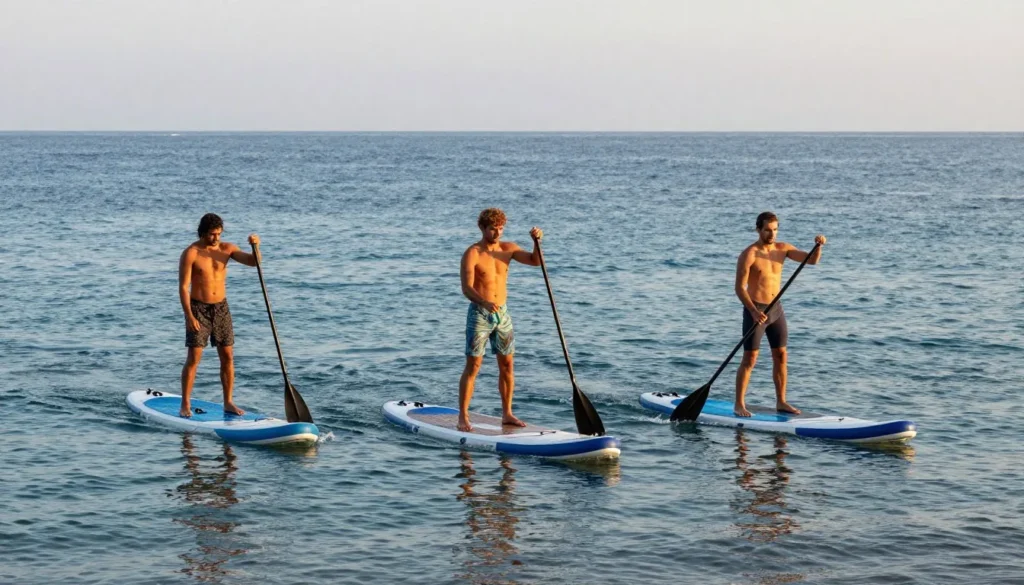
Stand-up paddleboarding has become increasingly popular along Tel Aviv beaches. Rental operations set up near Gordon Beach and other central locations charge approximately 50-70 ILS per hour for board rental and basic instruction. The calm morning waters before winds pick up provide ideal conditions for beginners learning to balance and paddle.
Surfing culture thrives at certain beach sections when Mediterranean swells arrive during winter months. Local surf schools offer lessons for beginners starting around 200 ILS for a two-hour session including equipment. Experienced surfers bring their own boards and check swell forecasts to catch the best conditions.
Check 30,000+ Local Sightseeing Tours Worldwide
✓ Numerous languages and currencies are available
Parks and Green Spaces
Yarkon Park stretches along the Yarkon River in northern Tel Aviv, providing the city’s largest green space. The park includes gardens, sports facilities, playgrounds, and open lawns where locals picnic and relax. Walking and cycling paths wind through the park for kilometers. Boat rentals allow paddling on the river, and the park hosts major concerts and festivals throughout the year.
HaYarkon Park’s botanical garden features collections of cacti, tropical plants, and rock gardens. Admission to the gardens costs a small fee while the general park remains free. The park gets extremely busy on Saturdays and holidays when families fill every available space, so visit on weekdays for a more peaceful experience.
Independence Park offers a smaller green space right in the city center, adjacent to the beach. The elevated location provides sea views while mature trees offer shade. The park serves as a popular spot for outdoor yoga classes, casual games, and sunset watching.
Bike Paths and Routes
The beachfront promenade bike path runs the entire length of Tel Aviv’s coastline, connecting north to south along the Mediterranean. The dedicated path separates cyclists from pedestrians, creating a safe route that showcases the city’s best waterfront views. Early mornings see serious cyclists completing training rides while afternoon and evening bring leisure riders.
Yarkon River Park includes an extensive internal network of paved bike paths winding through different garden areas and along the riverbanks. These paths connect to the beachfront route, allowing cyclists to create long loop rides through both urban and park environments. The flat terrain throughout Tel Aviv makes cycling accessible even for casual riders.
Nearby Nature Areas
Apollonia National Park sits along the coast in Herzliya, approximately 13 km (8 miles) north of Tel Aviv. The park combines Crusader fortress ruins with beautiful coastal cliffs and sea views. Walking paths wind through the archaeological site and along the clifftops. The park makes an easy half-day trip from Tel Aviv via public bus or car.
Park HaYarkon’s eastern sections become more natural and less manicured as you travel inland from the coast. The river corridor supports bird populations that attract birdwatchers, especially during spring and fall migration seasons. The varied habitats within the park provide surprising biodiversity considering the urban location.
Outdoor Fitness Culture
Tel Aviv’s outdoor fitness culture extends beyond organized facilities to spontaneous beach workouts and park training sessions. Multiple beaches host free sunrise yoga classes open to all skill levels. Trainers lead boot camp-style workouts in parks and on the beach. The mild climate allows year-round outdoor exercise that becomes part of daily life for many residents.
Outdoor fitness equipment installed in several parks enables strength training and calisthenics at no cost. These simple but effective installations see steady use throughout the day. The visibility of others exercising outdoors creates a motivating environment that welcomes visitors to join in.
Sun Safety Reminder: Mediterranean sun intensity requires sun protection even on cloudy days. Apply waterproof sunscreen regularly when spending time at beaches or in parks. Morning hours before 11 AM and late afternoon after 4 PM offer the most comfortable times for outdoor activities during summer months.
Travel With Children
Tel Aviv welcomes families with children and offers numerous attractions and activities designed for younger visitors. The safe environment, excellent infrastructure, and Mediterranean lifestyle make the city particularly suitable for family travel, though planning helps maximize enjoyment for all ages.
Family-Friendly Beaches
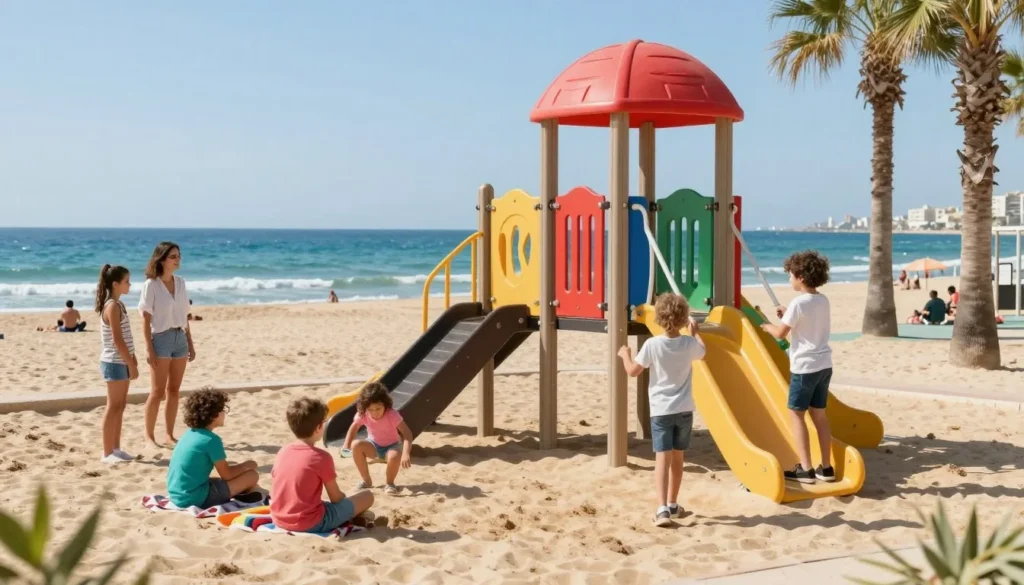
Several beaches cater specifically to families with young children. Metzitzim Beach provides calmer waters protected by breakwaters, creating a safer swimming environment for kids. The beach includes playground equipment, picnic areas, and grass lawns where children can play away from the sand. Lifeguards maintain vigilant watch during summer months.
Beach culture in Tel Aviv tends to be very family-oriented, with multiple generations gathering together on the sand. Don’t hesitate to bring children to any beach, where they’ll find other kids to play with and build sandcastles alongside. Beach vendors sell ice cream, snacks, and cold drinks throughout the day.
Interactive Museums and Attractions
Holon Children’s Museum creates entirely hands-on, interactive experiences designed for kids aged 2-10. Exhibitions change regularly but always emphasize learning through play and exploration. The museum limits daily visitor numbers, so booking tickets online in advance proves essential. Plan for 2-3 hours to explore the various installations fully.
The Harry Oppenheimer Diamond Museum offers tours showing the diamond cutting and polishing process that fascinates older children. The museum provides information about geology and the diamond trade in an accessible format. Short visits work well for breaking up a day of sightseeing.
Parks and Playgrounds
Yarkon Park includes multiple excellent playgrounds with modern equipment suitable for different age groups. The park’s open spaces allow children to run freely while parents relax on nearby benches. Pedal boats, rowing boats, and kayaks available for rent on the river provide a fun family activity.
Most Tel Aviv neighborhoods include well-maintained local playgrounds where children can burn energy while parents rest. These serve as excellent spots to meet local families and provide kids with unstructured play time between planned activities.
Family Dining
Israeli culture embraces children in restaurants, and most establishments welcome families warmly. Many restaurants provide children’s menus, high chairs, and changing facilities. The mezze-style dining common in Tel Aviv works well for kids, allowing them to try small portions of various dishes.
Outdoor dining areas give children more freedom to move around without disturbing other guests. Beach restaurants and cafes allow kids to play in the sand between courses. The casual atmosphere at most Tel Aviv eateries creates a relaxed family dining experience.
Practical Considerations
Tel Aviv infrastructure accommodates families well with wide sidewalks suitable for strollers, accessible public transportation, and clean public restrooms in parks and beaches. Hotels typically provide cribs, extra beds, and family rooms at reasonable rates. Pharmacies stock familiar international brands of diapers, formula, and children’s medications.
Summer heat requires planning around children’s needs and tolerance. Schedule outdoor activities for early morning and late afternoon, using midday hours for indoor attractions or pool time at your hotel. Keep children well-hydrated and apply sunscreen frequently.
Money Saving Tips
Tel Aviv ranks among the world’s more expensive cities, but smart strategies help control costs without sacrificing experiences. A bit of planning and local knowledge goes a long way toward stretching your travel budget while still enjoying everything this vibrant city offers.
Accommodation Savings
Visit during shoulder seasons in March through May or September through November when hotel rates drop significantly compared to peak summer months. The weather remains excellent while prices can be 30-40% lower than July and August rates. Booking well in advance or last-minute sometimes yields deals, though mid-range booking windows often command premium prices.
Consider apartments over hotels, especially for stays longer than a few nights or when traveling with family. Apartment rentals include kitchen facilities that enable preparing some meals at home, substantially reducing food costs. Neighborhoods slightly away from the beach like Florentin offer better value while still providing good access to attractions via walking or short bus rides.
Dining Economically
Make the generous Israeli breakfast your main meal of the day. Many hotels include breakfast in room rates, while cafes serve substantial morning spreads that keep you satisfied into afternoon. Following breakfast with a light lunch and moderate dinner costs far less than three full restaurant meals.
Embrace street food and casual eateries where locals eat. Hummus, falafel, sabich, and shawarma from neighborhood joints cost a fraction of sit-down restaurant prices while delivering authentic flavors. Carmel Market food stalls serve excellent inexpensive meals. A filling pita sandwich or hummus plate rarely exceeds 25-35 ILS compared to 60-120 ILS restaurant main courses.
Shop for snacks, drinks, and breakfast supplies at regular supermarkets rather than convenience stores or tourist areas. Prices at neighborhood grocery stores run significantly lower than mini-markets near hotels. Purchase fresh fruit at Carmel Market where quality exceeds supermarkets at similar or lower prices.
Budget Meal Strategy: Set a personal limit like 150-200 ILS per person daily for food by combining one nice restaurant meal with street food and market purchases. This allows experiencing Tel Aviv’s renowned dining scene without budget-crushing costs.
Transportation Savings
Purchase a Rav-Kav card and load it with value rather than buying single-ride bus tickets. The card provides discounted fares and works on all public transportation. Tel Aviv’s compact size makes walking or biking viable for many trips, saving both money and providing better neighborhood immersion than riding in vehicles.
Tel-O-Fun bike share daily passes cost just 17 ILS and include unlimited 30-minute rides. Simply dock your bike before 30 minutes expire, wait a minute, then take another bike to continue. This proves far cheaper than taxis while offering more flexibility than buses for short trips around the city.
Free and Low-Cost Activities
All Tel Aviv beaches remain completely free with no admission charges, making beach days your most economical activity option. Pack water and snacks to avoid beach vendor prices. Many beaches offer free WiFi, showers, and changing facilities.
Walking tours provide inexpensive ways to learn about Tel Aviv’s history and culture. Free walking tours operate on a tip-basis, while paid tours rarely exceed 60-80 ILS. The tours cover significant ground and provide orientation that helps you navigate independently afterward.
Explore neighborhoods on foot discovering street art, architecture, and local culture at no cost. Jaffa old city, Neve Tzedek, and Florentin reward aimless wandering. Visit markets like Carmel Market and Jaffa Flea Market where browsing costs nothing and the atmosphere provides entertainment.
Timing Your Visits
Many museums offer reduced admission on certain days or times. Tel Aviv Museum of Art provides discounted entry on Tuesday and Thursday evenings. Some attractions charge less for afternoon visits compared to morning entry. Check individual museum websites for special rates.
Restaurant business lunch menus provide the same quality as dinner service at significantly reduced prices. The culinary experience remains excellent while bills shrink by 30-50%. Make lunch your main meal when sampling higher-end restaurants.
Safety & Local Customs
Tel Aviv ranks as one of the safest major cities globally for tourists, with low crime rates and a welcoming atmosphere toward visitors. Understanding local customs and norms enhances your experience while showing respect for the diverse culture. Common sense precautions and cultural awareness ensure a smooth, enjoyable visit.
Personal Safety
Violent crime against tourists remains extremely rare in Tel Aviv. The city maintains a visible security presence that most visitors find reassuring rather than concerning. Women travel safely alone even at night in most areas, though basic precautions like staying in well-lit, populated areas apply as anywhere.
Petty theft like pickpocketing occurs occasionally in crowded areas such as markets, beaches, and bus stations. Keep valuables secure and remain aware of your surroundings in busy places. Don’t leave belongings unattended on beaches or in cafes. Most hotels provide safe storage for passports and valuables.
The security situation requires awareness but shouldn’t cause excessive concern. Security guards check bags at entrances to malls, train stations, and some public buildings. Cooperate with security personnel and have bags ready for quick inspection. These procedures become routine quickly and ensure public safety.
Shabbat Observance
While Tel Aviv remains the most secular city in Israel, Shabbat still affects certain services and operations. From Friday evening sunset until Saturday night, public buses stop running and many businesses close. Secular Tel Aviv keeps restaurants, bars, cafes, and entertainment venues open, unlike more religious cities where everything shuts down.
Plan transportation accordingly if you need to travel Friday evening or Saturday. Taxis, ride-sharing services, and some sheruts operate during Shabbat though at higher prices. Simply walking and staying in your immediate area works well for embracing the slower Shabbat pace.
Some neighborhoods maintain stricter Shabbat observance than others. Avoid driving through religious areas on Shabbat out of respect for residents’ beliefs and practices. The contrast between secular beachfront neighborhoods and more traditional areas just blocks away showcases Israel’s diverse society.
Cultural Norms and Etiquette
Israeli culture values directness and informality over rigid etiquette rules. People speak frankly and ask personal questions that might seem intrusive in other cultures but reflect genuine interest and openness. Don’t interpret this directness as rudeness but rather as a cultural communication style.
Dress codes remain casual throughout Tel Aviv except at very upscale restaurants and religious sites. Beach attire stays on the beach, though shorts and t-shirts work fine elsewhere during warm weather. When visiting religious areas or sites, dress modestly with covered shoulders and knees out of respect.
Tipping practices follow patterns similar to North America. Leave 10-15% at restaurants where service charge isn’t already included. Round up taxi fares or add 10% for good service. Tip hotel cleaning staff 20-30 ILS per night. Guides and tour drivers appreciate tips of 50-100 ILS for good service.
Emergency Numbers: Police: 100 | Ambulance: 101 | Fire: 102. English-speaking operators assist international visitors. Save these numbers in your phone upon arrival. Tourist Police operate specifically to help visitors and can be reached through the main police number.
Health and Medical Care
Israel maintains excellent medical facilities and healthcare standards. Tel Aviv hospitals provide world-class care with many doctors speaking English. Pharmacies stock international medication brands and pharmacists often speak English to help with minor health concerns.
Purchase travel insurance covering medical care as healthcare costs for uninsured visitors run high. Sunburn, dehydration, and heat exhaustion represent the most common tourist health issues, all preventable with proper precautions. Drink plenty of water, use sunscreen liberally, and limit midday sun exposure during summer months.
Tap water is completely safe to drink throughout Israel. Restaurants provide tap water free of charge though many push bottled water sales. Asking specifically for “tap water” gets you free drinking water. The Mediterranean diet followed in Tel Aviv proves very healthy with abundant fresh vegetables, olive oil, and seafood.
LGBTQ+ Friendliness
Tel Aviv celebrates its position as one of the world’s most LGBTQ+-friendly cities. The annual Pride Parade attracts hundreds of thousands of participants and spectators. Same-sex couples face no restrictions or discrimination in hotels, restaurants, or public spaces. Many bars, clubs, and beaches specifically welcome LGBTQ+ visitors though mainstream venues prove equally accepting.
This openness contrasts sharply with surrounding Middle Eastern countries and even with more conservative areas within Israel. Tel Aviv’s liberal, accepting atmosphere represents a core part of the city’s identity and appeal to international visitors.
Visitor Comments About Tel Aviv
Hearing from travelers who’ve experienced Tel Aviv firsthand provides valuable perspectives and insights beyond guidebook information. Here’s what recent visitors shared about their time in this dynamic Mediterranean city.
“The food scene completely exceeded my expectations. I thought I knew Middle Eastern cuisine, but Tel Aviv opened my eyes to flavors and combinations I’d never experienced. Every meal felt like a discovery, from humble hummus joints to innovative fusion restaurants. The beach culture surprised me too – locals truly live outdoors, and that energy becomes infectious. By day three, I’d adopted the Tel Aviv lifestyle of beach mornings and late restaurant dinners.”
“What struck me most was the architectural contrast. Walking from Bauhaus buildings to ancient Jaffa in 20 minutes illustrated the city’s complexity perfectly. The museums impressed with their quality and the English information provided. I appreciated how walkable everything felt – we barely used taxis because neighborhoods flow naturally into each other. The Shabbat pace took adjustment, but I ended up loving the forced slowdown on Saturdays. It gave structure to explore one area thoroughly rather than rushing everywhere.”
“Tel Aviv challenged my preconceptions about the Middle East entirely. The liberal, open atmosphere felt more like Barcelona or San Francisco than what I expected. Beach culture, nightlife, and arts all operating at such high levels in a relatively small city impressed me greatly. The only downside was the expense – definitely more costly than I budgeted. But the experiences justified the price. Carmel Market became my daily ritual, and I still dream about the shakshuka from my hotel breakfast. The friendliness of locals stood out. Random people helped with directions, restaurant recommendations, and one family even invited us to their Shabbat dinner.”
Additional Nearby Destinations
Tel Aviv’s central location makes it an excellent base for exploring other parts of Israel, with numerous significant sites and diverse landscapes within easy reach. Day trips or short overnight excursions add dimension to your Israeli experience while maintaining Tel Aviv as your home base.
Jerusalem
Israel’s capital city sits just 65 km (40 miles) east of Tel Aviv, reachable in about one hour by car or train. The contrast between cosmopolitan Tel Aviv and spiritual Jerusalem couldn’t be more striking. The Old City contains sites sacred to Judaism, Christianity, and Islam, including the Western Wall, Church of the Holy Sepulchre, and Dome of the Rock. Modern Jerusalem offers excellent museums, Mahane Yehuda market, and distinct neighborhoods worth exploring.
Many visitors prefer staying in Tel Aviv while making day trips to Jerusalem rather than basing themselves in the more conservative, intense atmosphere of the capital. Trains run frequently between the cities, making car rental unnecessary for this excursion. Consider spending at least a full day or better yet two days to properly experience Jerusalem’s complexity.
Dead Sea
The lowest point on Earth lies approximately 90 minutes drive from Tel Aviv. Floating in the salt-saturated water represents a unique experience impossible to replicate elsewhere. The mineral-rich mud provides natural skin treatments. Several beach facilities along the Dead Sea shore offer changing rooms, showers, and freshwater pools for rinsing off the salt.
Combine Dead Sea visits with stops at Masada, the mountaintop fortress where Jewish rebels made their last stand against Romans, or Ein Gedi nature reserve with waterfalls and hiking trails. Organized tours handle logistics easily, though renting a car provides more flexibility for exploring at your own pace.
Haifa and the North
Israel’s third-largest city sits 95 km (59 miles) north of Tel Aviv along the Mediterranean coast. The Baha’i Gardens cascade down Mount Carmel in stunning terraced gardens open for free to visitors. Haifa’s German Colony neighborhood offers excellent restaurants and cafes. The port city presents a more mixed Jewish-Arab population than Tel Aviv with a different cultural flavor.
Further north, the Sea of Galilee, Nazareth, and the Golan Heights provide completely different landscapes and experiences from coastal cities. The fertile Galilee region produces much of Israel’s wine at vineyards welcoming visitors for tours and tastings. Allow at least two days for properly exploring northern Israel.
Check 30,000+ Local Sightseeing Tours Worldwide
✓ Numerous languages and currencies are available
Mediterranean Coast Towns
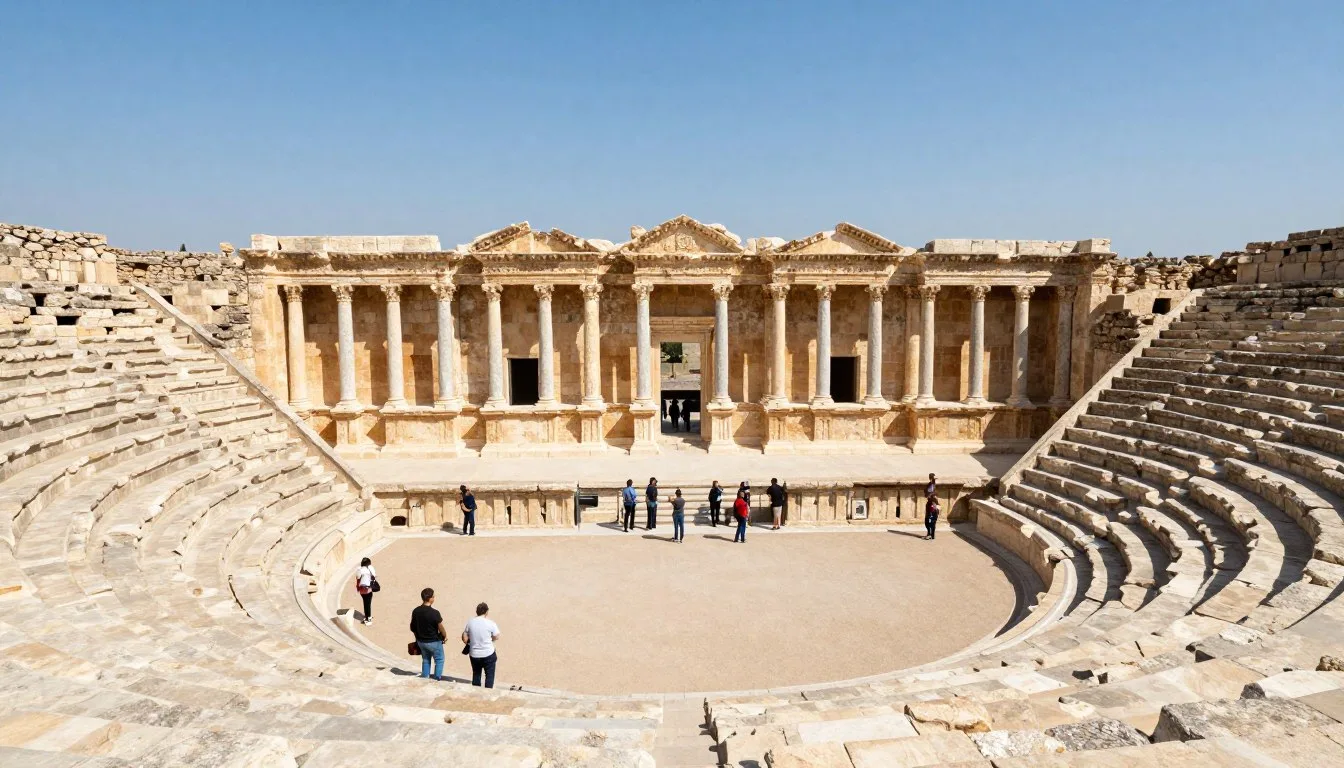
Charming coastal towns north and south of Tel Aviv offer quieter beach experiences and historic sites. Caesarea National Park preserves Roman and Crusader ruins including an amphitheater still used for concerts. Akko (Acre) old city features impressive Crusader fortifications and a vibrant market. These destinations work well as half-day or full-day trips from Tel Aviv.
South of Tel Aviv, Ashkelon and Ashdod provide beach alternatives less crowded than Tel Aviv while maintaining good facilities. These cities feel more Israeli and less international than Tel Aviv, offering glimpses into everyday life outside the tourist bubble.
Negev Desert
The Negev desert covering southern Israel presents dramatic landscapes completely different from coastal cities. Ramon Crater, the world’s largest erosion crater, provides stunning hiking and viewpoints. Desert towns like Mitzpe Ramon offer stargazing opportunities unmatched near light-polluted cities. Bedouin hospitality experiences and desert camping add adventure to your Israel trip.
Reaching the Negev requires a car or organized tour as public transportation proves impractical. Plan for at least an overnight stay to fully appreciate the desert’s unique character and allow time for hiking and exploration without rushing back to Tel Aviv the same day.
Practical Travel Tips
Success in Tel Aviv often comes down to small practical details that make daily experiences smoother and more enjoyable. These insider tips help you navigate common situations and make the most of your time in this dynamic city.
Money and Currency
The Israeli New Shekel (ILS or NIS) serves as official currency. ATMs throughout Tel Aviv dispense shekels and generally offer better exchange rates than currency exchange offices. Major credit cards work at most establishments though carrying some cash proves useful for markets, street food, and small shops. Current exchange rates hover around 3.6-3.8 ILS per US dollar, though rates fluctuate.
Tipping culture follows Western patterns with 10-15% expected at restaurants, 10% for taxis, and small amounts for hotel staff. Some restaurants include service charges automatically, so check bills before adding extra tips. Rounds of negotiation rarely happen in Tel Aviv unlike some Middle Eastern destinations, with posted prices generally firm.
Language Considerations
Hebrew serves as the primary language, with Arabic also official. English proficiency runs high, especially among younger generations and in tourist-oriented businesses. Most restaurant menus include English, museum exhibits provide English explanations, and signage appears in Hebrew, Arabic, and English. Learning a few basic Hebrew phrases shows respect though isn’t necessary for navigating the city.
Google Translate helps with reading Hebrew text, though many signs include transliterations. The Hebrew alphabet looks intimidating initially but street signs, bus routes, and maps accommodate non-Hebrew speakers well. Don’t hesitate to ask for help as locals generally assist gladly.
Internet and Communication
Free WiFi operates at most hotels, cafes, restaurants, and many public spaces including beaches. Network coverage throughout Israel ranks among the world’s best. Consider purchasing a local SIM card if you need consistent mobile data access. Tourist SIM cards with data packages cost 50-100 ILS depending on data amounts and period of validity.
WhatsApp serves as the dominant messaging platform in Israel. Many businesses, tour operators, and even some hotels prefer WhatsApp communication over email or phone calls. Having WhatsApp installed on your phone simplifies many interactions.
Power and Adapters
Israel uses Type H electrical outlets (three round pins in a triangle configuration) with 230V power. Most modern electronics handle 110-240V automatically, but check your devices. Type C European adapters work with some Israeli outlets, though Type H adapters guarantee compatibility. Purchase adapters before arrival as they cost more in Israel.
Shopping and Souvenirs
Carmel Market and Jaffa Flea Market offer the best souvenir shopping with items ranging from traditional crafts to modern Israeli design. Haggling works at flea markets though not at regular retail stores. Israeli wine, olive oil, Dead Sea cosmetics, and Judaica make popular souvenirs. Shops in Neve Tzedek and along Sheinkin Street sell contemporary Israeli design and fashion.
Stores generally open Sunday through Thursday from 9 AM to 7 PM or later, with reduced hours or closures on Friday afternoon and Saturday for Shabbat. Malls stay open later, often until 10 PM on weeknights. Thursday evenings see locals shopping for Shabbat, creating crowded but energetic market atmospheres.
Packing Essentials
- Sunscreen with high SPF rating protecting against intense Mediterranean sun exposure throughout the day
- Comfortable walking shoes as Tel Aviv rewards extensive exploration on foot through varied neighborhoods
- Light layers for air-conditioned interiors contrasting with warm outdoor temperatures year-round
- Modest clothing option for visiting religious sites requiring covered shoulders and knees
- Beach essentials including swimwear, towel, and waterproof phone protection for Mediterranean activities
- Reusable water bottle for staying hydrated during warm weather exploration and reducing plastic waste
Local Insights
- Israelis communicate directly which might feel blunt but reflects cultural norms rather than rudeness
- Queuing works differently with informal lines where assertiveness gets results without being aggressive
- Coffee culture thrives with excellent cafes everywhere serving various espresso preparations and traditional Turkish coffee
- Late dining hours mean restaurants fill up after 8 PM with peak times around 9-10 PM for dinner service
- Beach etiquette permits changing under towels rather than always using changing facilities
- Security checks become routine at malls and public buildings requiring patience and cooperation
Your Tel Aviv Adventure Awaits
Tel Aviv captures hearts with its irresistible blend of Mediterranean beaches, innovative cuisine, vibrant nightlife, and welcoming spirit. This city refuses to fit simple categories, instead offering layer upon layer of experiences waiting to be discovered. From sunrise yoga on the beach to midnight hummus after dancing until dawn, Tel Aviv rewards those who embrace its energy and rhythm.
The memories you create here will extend far beyond typical tourist experiences. You’ll remember the taste of perfect shakshuka, the feeling of floating in the Mediterranean at sunset, the energy of Carmel Market on Friday morning, and the warmth of strangers who became friends over shared meals and conversations. Tel Aviv changes visitors, opening eyes to new possibilities and different ways of living fully in each moment.
Start planning your journey to this extraordinary city where ancient history and cutting-edge innovation coexist, where beach culture meets intellectual discourse, and where every street corner holds potential for unexpected discoveries. Tel Aviv waits to share its magic with you, promising an adventure unlike anywhere else on Earth.