Hotels by Trip.com
Flights by Trip.com
Every year, more than one million visitors explore the vibrant streets of Chinatown Los Angeles. This makes it one of the city’s most popular cultural destinations. This historic neighborhood spans just a few blocks but packs centuries of Chinese American history into its colorful streets.
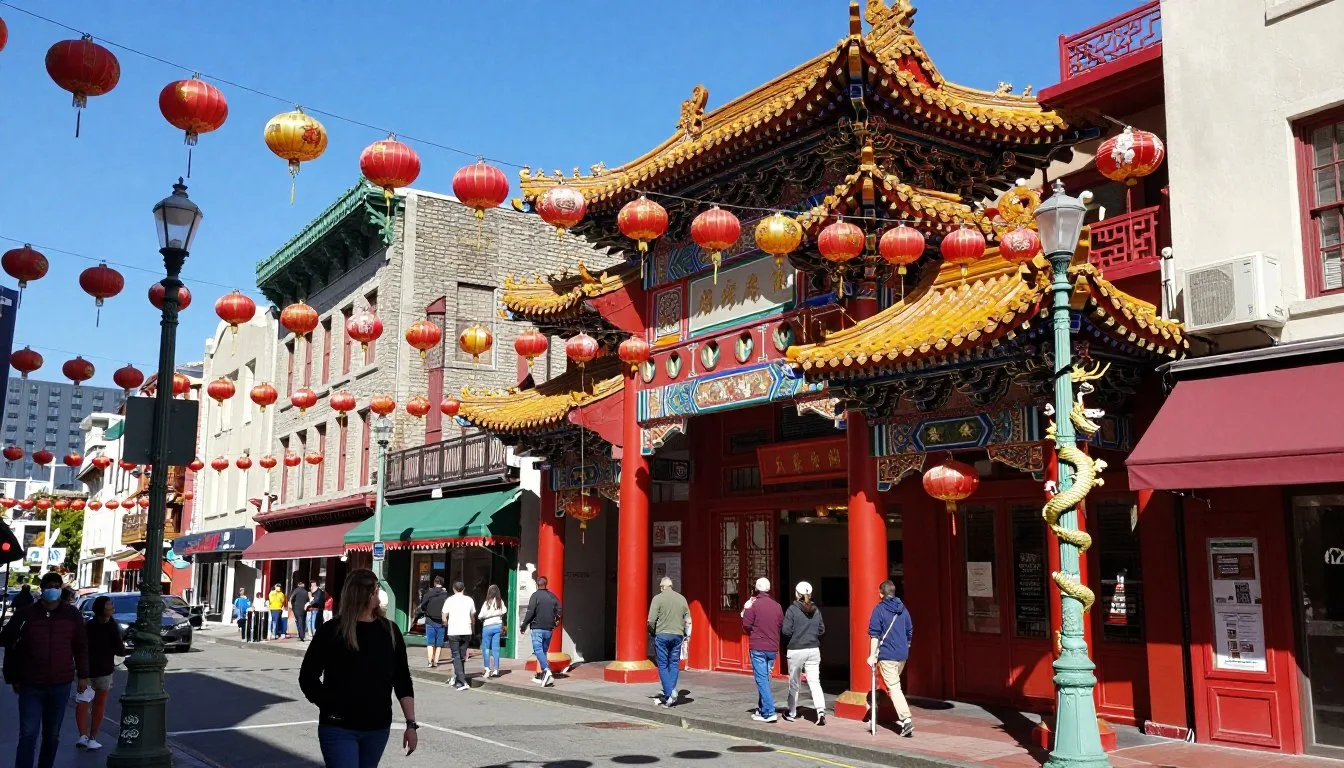
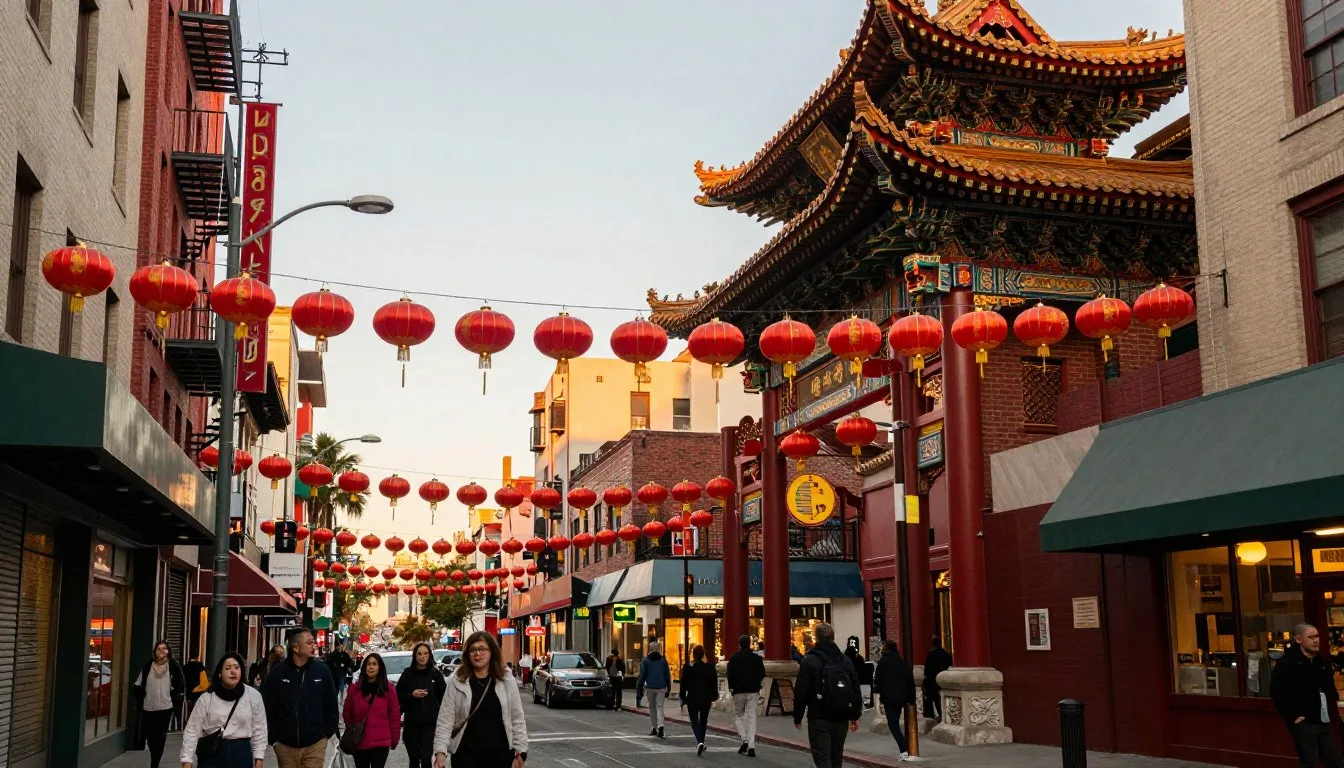
Located northeast of downtown Los Angeles, Chinatown offers an authentic glimpse into Asian culture. The area buzzes with energy day and night. Traditional lanterns hang overhead while the aroma of dim sum fills the air.
Whether you seek amazing food, cultural experiences, or unique shopping, this neighborhood delivers. From its origins in the 1930s to its modern renaissance, Chinatown Los Angeles remains a vital part of the city’s cultural fabric.
Getting There & Planning Your Journey
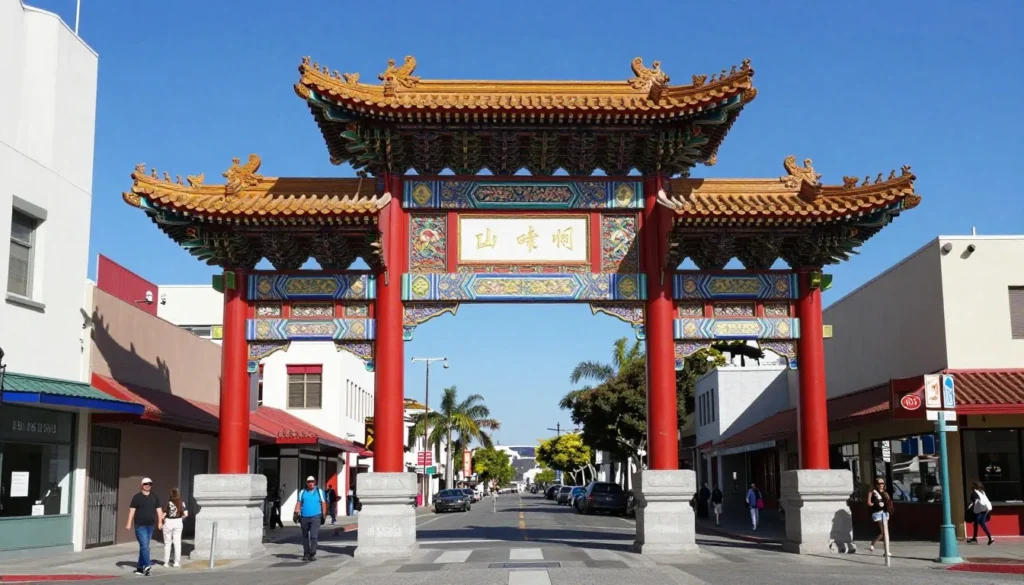
Chinatown Los Angeles sits just north of downtown, making it easily accessible from anywhere in the city. The neighborhood occupies the area around North Broadway between Cesar Chavez Avenue and Bernard Street. Multiple transportation options make reaching this destination simple.
Nearest Airports
Los Angeles International Airport (LAX) serves as the primary gateway for most visitors. Located approximately 27 km (17 miles) southwest of Chinatown, LAX offers the most flight options. The journey from LAX typically takes 30 to 45 minutes depending on traffic conditions.
Hollywood Burbank Airport provides a closer alternative at just 19 km (12 miles) north. This smaller airport often features shorter security lines and easier navigation. Long Beach Airport, situated 37 km (23 miles) south, serves as another convenient option for some travelers.
Public Transportation Access
The Metro Gold Line stops at Chinatown Station, placing you directly in the heart of the neighborhood. This makes public transit the most convenient option for many visitors. From Union Station, the journey takes less than five minutes.
Several bus lines also service the area. Routes include the DASH Downtown LA and multiple Metro bus lines. These options connect Chinatown to other Los Angeles neighborhoods seamlessly.
Pro Tip: Union Station sits just a short walk from Chinatown. This beautiful historic station offers additional transportation connections and makes an excellent starting point for your visit.
Best Time to Visit & Weather Tips
Timing your visit to Chinatown Los Angeles can enhance your experience significantly. The neighborhood welcomes visitors year-round, but certain periods offer special advantages. Weather patterns and cultural events both play important roles in planning.
Recommended Months and Seasons
Spring months from March through May provide ideal visiting conditions. Temperatures range from 15°C to 24°C (59°F to 75°F) during this period. The weather remains comfortable for walking and outdoor exploration. These months also bring fewer crowds compared to summer.
Fall, particularly September through November, offers another excellent window. Similar temperature ranges make outdoor activities pleasant. The community prepares for various autumn festivals during these months.
✓ Check 30,000+ Local Sightseeing Tours Worldwide
Winter visits have their own appeal, especially around Lunar New Year celebrations. January and February can be cooler, with temperatures between 10°C and 18°C (50°F to 64°F). However, the cultural festivities during this time create unforgettable experiences.
Months to Avoid
July and August bring the hottest weather to Los Angeles. Temperatures often exceed 32°C (90°F) during these months. The heat can make walking tours uncomfortable. These summer months also attract the largest tourist crowds.
December holiday periods see increased visitor numbers. While festive, the crowds can make navigation challenging. Parking becomes more difficult during this busy season.
Best Visiting Periods
- March through May – Pleasant spring weather
- September through November – Comfortable fall temperatures
- Late January through February – Lunar New Year festivities
- Weekday mornings – Fewer crowds, easier parking
Less Ideal Times
- July and August – Extreme heat
- December holidays – Heavy tourist traffic
- Weekend afternoons – Peak crowd times
- Major downtown events – Increased congestion
Weather Patterns and Preparation
Los Angeles enjoys a Mediterranean climate with dry summers and mild winters. Rain rarely falls between May and October. Winter months may bring occasional showers, so carrying a light jacket proves wise.
Summer evenings cool down considerably despite hot days. Layers help you adjust to temperature changes throughout the day. Comfortable walking shoes remain essential regardless of season.
Getting Around Locally
Navigating Chinatown Los Angeles proves remarkably simple due to its compact size. Most attractions sit within easy walking distance of each other. The entire neighborhood spans roughly ten square blocks, making foot travel the preferred method for many visitors.
Walking the Neighborhood
Walking remains the best way to experience Chinatown authentically. The main commercial area centers around North Broadway and Hill Street. These streets contain most restaurants, shops, and cultural attractions. A leisurely walk from one end to the other takes approximately fifteen minutes.
Central Plaza serves as the neighborhood’s historic heart. This pedestrian-friendly space features traditional Chinese architecture and numerous shops. The plaza connects easily to surrounding streets and attractions.
Walking Route Suggestion: Start at Central Plaza, explore the shops and restaurants along Broadway, visit the Chinese American Museum, then walk through the adjacent parks and plazas. This circuit covers the main highlights in about two hours.
Parking Options
Several parking lots serve the area, though spaces can fill quickly during peak hours. Street parking exists but comes with time limits and meter requirements. The West Plaza parking structure at 943 North Broadway offers convenient access to Central Plaza.
Weekday mornings typically provide the easiest parking availability. Weekend afternoons and special events create more challenging conditions. Arriving early helps secure convenient spots.
Public Transit Connections
The Gold Line Metro station places you directly in Chinatown. This connection makes visiting without a car entirely feasible. Union Station sits just 800 m (0.5 miles) south, providing additional transit options.
Multiple bus routes service the neighborhood. The DASH bus offers frequent stops throughout downtown Los Angeles and Chinatown. These connections make exploring nearby areas simple.
Where to Stay
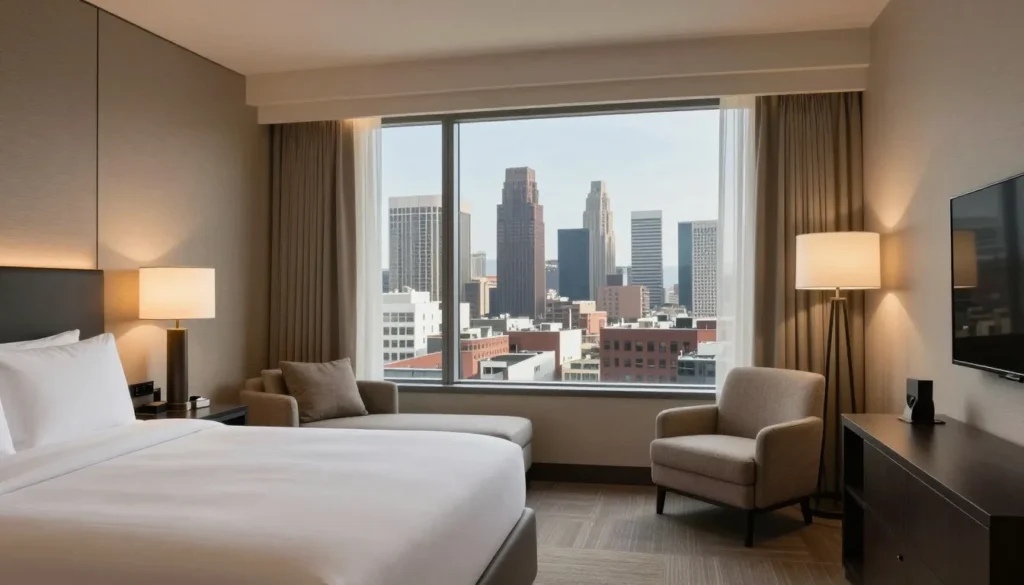
Chinatown itself offers limited hotel options, but nearby downtown Los Angeles provides numerous choices. Staying in downtown areas places you within easy reach while offering more lodging variety. The short distance makes commuting to Chinatown convenient regardless of your accommodation choice.
Downtown Los Angeles Hotels
The area around Union Station offers several excellent hotels. These properties sit less than 2 km (1.2 miles) from Chinatown’s center. Walking or a short ride connects you to the neighborhood quickly.
The Miyako Hotel Los Angeles provides an Asian-influenced experience near Little Tokyo. This property sits approximately 3 km (1.9 miles) from Chinatown. The hotel offers comfortable rooms with cultural touches that complement your Chinatown visit.
Budget-Friendly Options
Several chain hotels operate in downtown Los Angeles at moderate price points. These properties offer clean, comfortable rooms without luxury pricing. Metro access from these locations makes reaching Chinatown simple and inexpensive.
Hostels in the downtown area provide the most economical choice. These accommodations attract international travelers and create social atmospheres. Most offer both private rooms and shared dormitory options.
Luxury Accommodations
High-end hotels cluster in downtown’s financial district. These properties feature premium amenities, fine dining, and exceptional service. The distance to Chinatown remains manageable via taxi or rideshare services.
Boutique hotels in nearby neighborhoods like Arts District offer unique character. These smaller properties provide personalized service and distinctive atmospheres. Many occupy historic buildings with modern renovations.
Location Considerations
- Union Station area – Closest to Chinatown
- Downtown Financial District – Most hotel variety
- Little Tokyo – Cultural neighborhood appeal
- Arts District – Trendy boutique options
Booking Tips
- Reserve early for festival periods
- Check Metro accessibility
- Compare parking fees at hotels
- Consider weekday versus weekend rates
Dining & Local Cuisine
Food defines much of the Chinatown Los Angeles experience. The neighborhood showcases authentic Chinese regional cuisines alongside fusion innovations. Restaurants range from casual dim sum parlors to upscale dining establishments. Each offers unique flavors and culinary traditions.
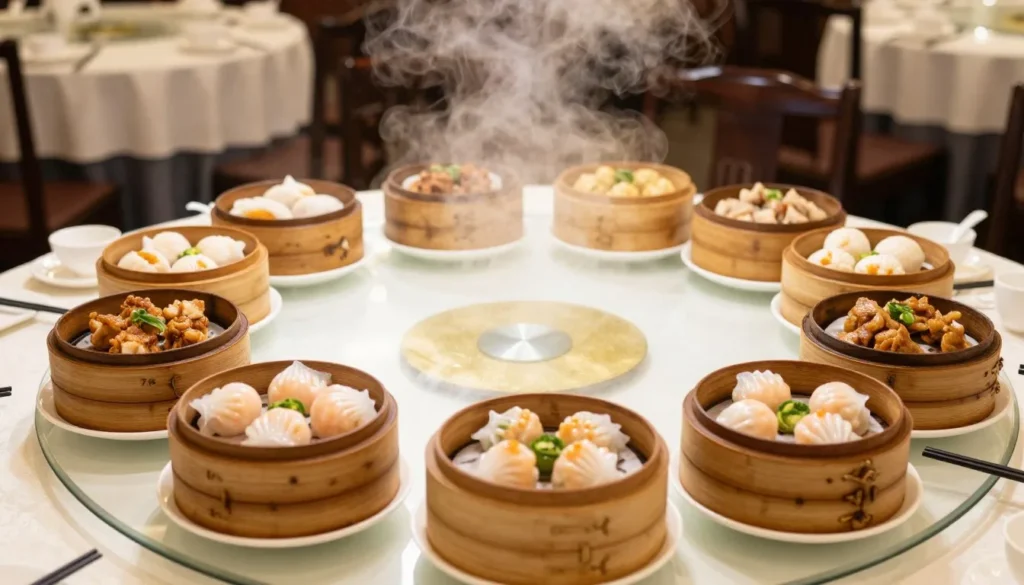
Traditional Dim Sum Experiences
Dim sum represents the quintessential Chinatown meal. These small plates arrive steaming hot in bamboo baskets. Servers push carts through dining rooms, allowing guests to select dishes visually. The experience combines food with theater and tradition.
Several restaurants specialize in this Cantonese tradition. Weekend mornings draw large crowds of families and food enthusiasts. Arriving early or making reservations helps avoid long waits during peak hours.
Popular dim sum items include har gow (shrimp dumplings), siu mai (pork dumplings), and char siu bao (barbecue pork buns). Adventurous eaters can try chicken feet, tripe, and other traditional delicacies. Vegetarian options also appear on most menus.
Regional Chinese Specialties
Chinatown’s restaurants represent various Chinese regions beyond Cantonese cuisine. Sichuan establishments serve spicy, numbing dishes featuring distinctive peppercorns. Shanghai-style restaurants offer delicate soup dumplings and braised dishes.
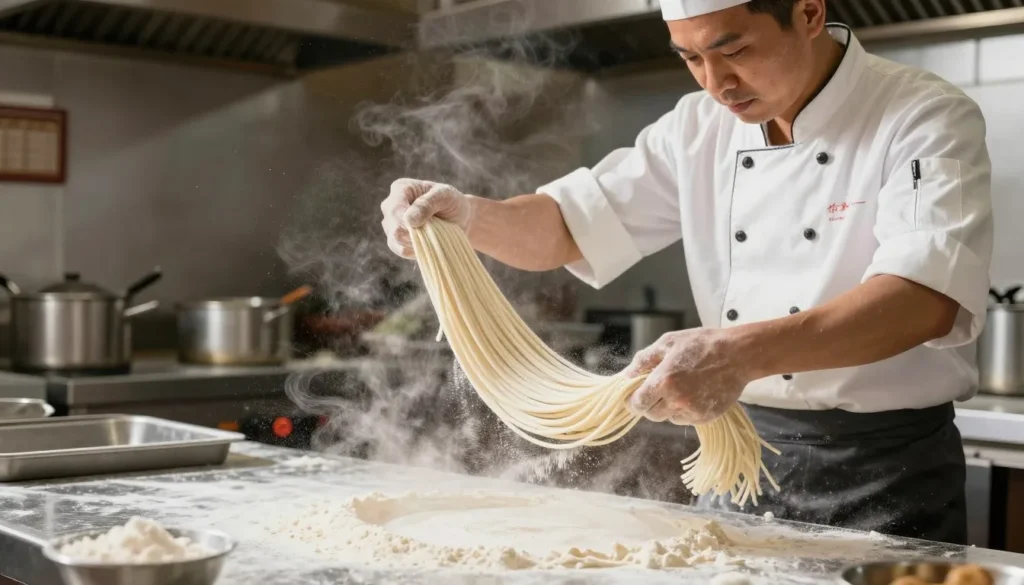
Northern Chinese restaurants feature hand-pulled noodles and wheat-based dishes. These establishments often prepare noodles fresh in open kitchens. Watching skilled chefs stretch and pull dough adds entertainment to your meal.
Contemporary and Fusion Dining
Modern restaurants blend traditional Chinese techniques with California ingredients. These innovative chefs create unique dishes that honor heritage while embracing creativity. The results often surprise and delight adventurous diners.
Several establishments have garnered critical acclaim for their inventive approaches. These restaurants attract food enthusiasts from across Los Angeles. Reservations become essential at the most popular spots.
Casual Eats and Street Food
Beyond sit-down restaurants, Chinatown offers numerous casual food options. Bakeries sell fresh bao, egg tarts, and other pastries throughout the day. These treats make perfect snacks while exploring the neighborhood.
Small takeout counters serve roasted meats, noodle soups, and rice dishes. These no-frills establishments often provide the most authentic and affordable meals. Don’t let simple appearances deter you from trying these local favorites.
Must-Try Dishes
- Har gow (shrimp dumplings)
- Xiao long bao (soup dumplings)
- Char siu (barbecue pork)
- Hand-pulled noodles
- Egg tarts
Dining Etiquette
- Share dishes family-style
- Use serving spoons when available
- Tea refills signaled by lifting lid
- Tipping around 15-18% expected
- Cash preferred at some establishments
Meal Timing Tips
- Dim sum best before 1:00 PM
- Lunch deals weekdays 11 AM-3 PM
- Dinner rush 6:30-8:30 PM
- Late-night options until 10 PM
- Bakeries open early morning
Tea Culture and Beverages
Tea plays a central role in Chinese dining culture. Restaurants typically offer multiple tea varieties with meals. Common options include jasmine, oolong, pu-erh, and chrysanthemum teas. These beverages complement food while aiding digestion.
Specialty tea shops throughout Chinatown sell premium loose-leaf teas. Staff members often provide brewing guidance and sample tastings. These shops make excellent stops for unique souvenirs and gifts.
Bubble tea shops have also become neighborhood fixtures. These establishments serve sweet milk teas with tapioca pearls. The drinks appeal particularly to younger visitors seeking trendy refreshments.
Attractions, Sightseeing & Activities
Chinatown Los Angeles offers diverse attractions beyond dining. Historic sites, public art, and unique shops create a rich tapestry of experiences. Whether you seek cultural education, photography opportunities, or simple exploration, the neighborhood delivers.
Central Plaza Historic District
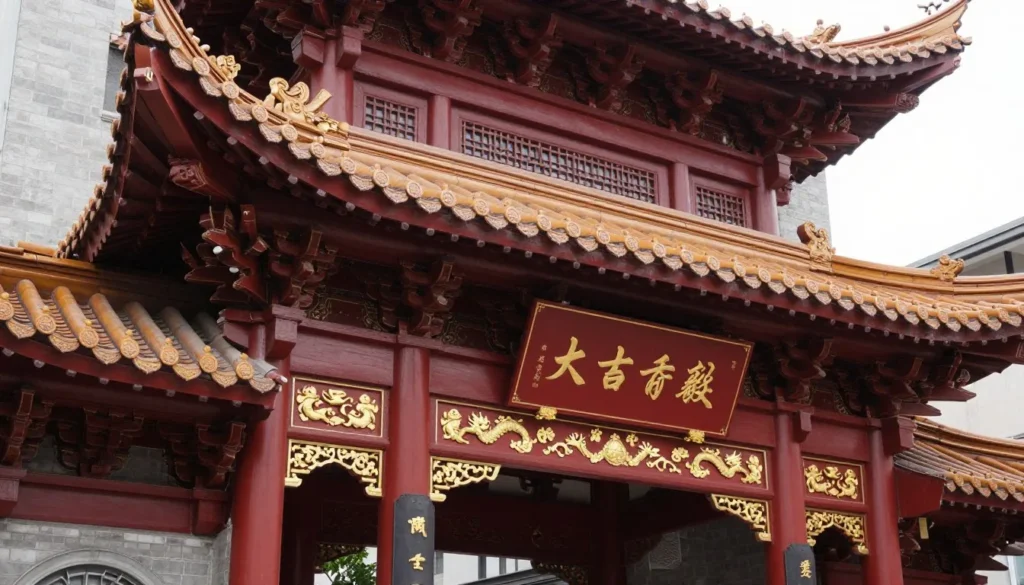
Central Plaza represents the heart of New Chinatown’s history. Built in 1938, this area became the first modern American Chinatown designed as a destination. Traditional Chinese architecture blends with American commercial design throughout the space.
The plaza features a central courtyard surrounded by two-story buildings. Red-tiled roofs and ornate details create photogenic scenes at every turn. A statue of Sun Yat-sen stands prominently in the main square.
Shops selling traditional goods line the plaza’s perimeter. You’ll find everything from tea sets to silk garments. Many stores have operated in the same location for decades, maintaining family traditions.
Far East Plaza Shopping Center
This indoor shopping complex offers a different Chinatown experience. Multiple levels house small vendors selling jewelry, accessories, and gifts. The maze-like layout invites exploration and discovery.
Far East Plaza attracts both tourists and local residents. Prices often prove negotiable, especially for larger purchases. The variety ranges from inexpensive trinkets to quality jade pieces.
Bruce Lee Statue and Memorial
A life-sized statue honors martial arts legend Bruce Lee in Central Plaza. The sculpture depicts Lee in a iconic action pose. Fans from around the world visit this memorial to photograph and pay respects.
The statue’s placement reflects Lee’s connection to the Chinese American community. Information plaques detail his life and cultural impact. The memorial has become one of Chinatown’s most photographed landmarks.
Street Art and Murals
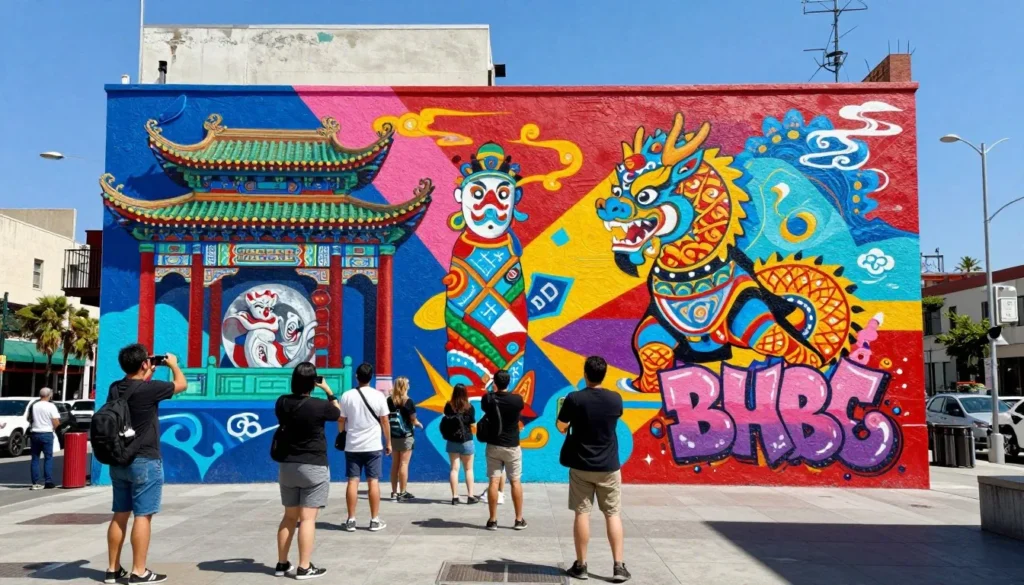
Contemporary artists have transformed many Chinatown walls into vibrant canvases. Large-scale murals blend traditional Chinese imagery with modern street art styles. These works add color and cultural commentary throughout the neighborhood.
Notable pieces appear on buildings along Broadway and Spring Street. Some murals celebrate Chinese American history and heritage. Others reflect current social issues or pure artistic expression.
Walking tours specifically focused on street art have emerged in recent years. These guided experiences provide context and background for the artworks. Photography enthusiasts find endless inspiration in these colorful creations.
Seasonal Events and Celebrations
Chinatown’s calendar fills with cultural celebrations throughout the year. These events transform the neighborhood into festive gathering spaces. Participating in these celebrations offers deep cultural insights.
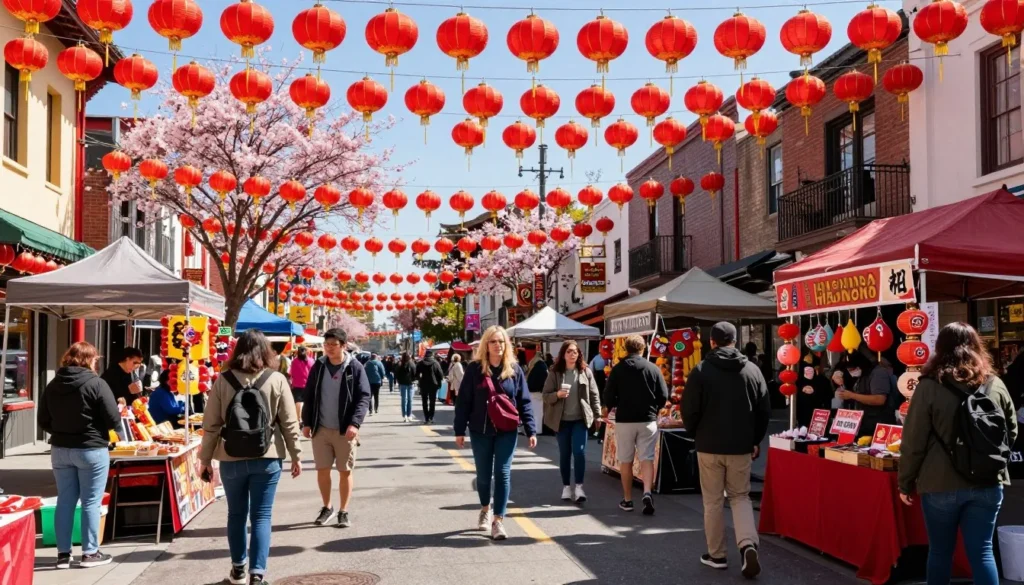
Summer night markets bring food vendors, crafts, and entertainment to the streets. These events typically run on weekend evenings during warm months. Live music and performances add to the carnival atmosphere.
Photo-Worthy Spots
- Central Plaza main gate
- Bruce Lee statue
- Lantern-decorated streets
- Colorful building facades
- Street art murals
- Traditional shop fronts
Shopping Highlights
- Tea and herbal medicine shops
- Jade and jewelry stores
- Asian grocery markets
- Gift and souvenir shops
- Traditional clothing boutiques
- Antique and collectible dealers
Museums, Cultural Spots & Festivals
Cultural institutions in and around Chinatown preserve and celebrate Chinese American heritage. These museums and cultural centers offer educational experiences that deepen understanding of the community’s history. Several significant sites sit within walking distance of each other.
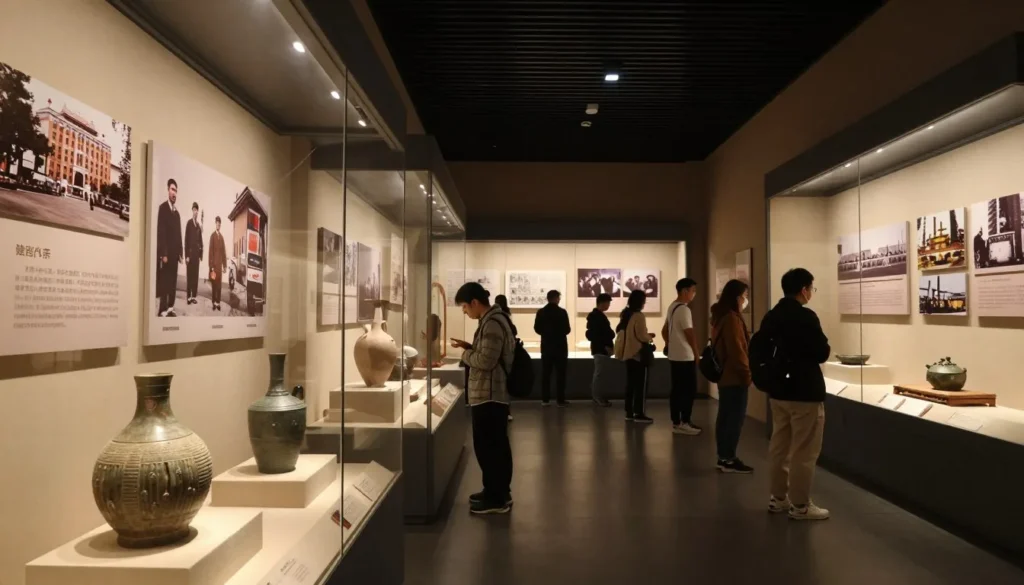
Chinese American Museum
The Chinese American Museum occupies the historic Garnier Building in nearby El Pueblo. This institution documents the Chinese American experience in California and throughout the United States. Rotating exhibitions explore various aspects of community life and history.
Permanent collections include photographs, artifacts, and oral histories. These materials trace Chinese immigration from the Gold Rush era through modern times. Interactive displays engage visitors of all ages.
The museum sits within the Los Angeles State Historic Park area. This location connects Chinese American history to the broader story of Los Angeles development. Admission remains affordable, with regular free admission days.
For current exhibitions and hours, contact: (213) 485-8567
Lunar New Year Festival
The Lunar New Year celebration represents Chinatown’s largest annual event. Festivities typically span several days in late January or early February. The exact dates follow the lunar calendar, changing each year.
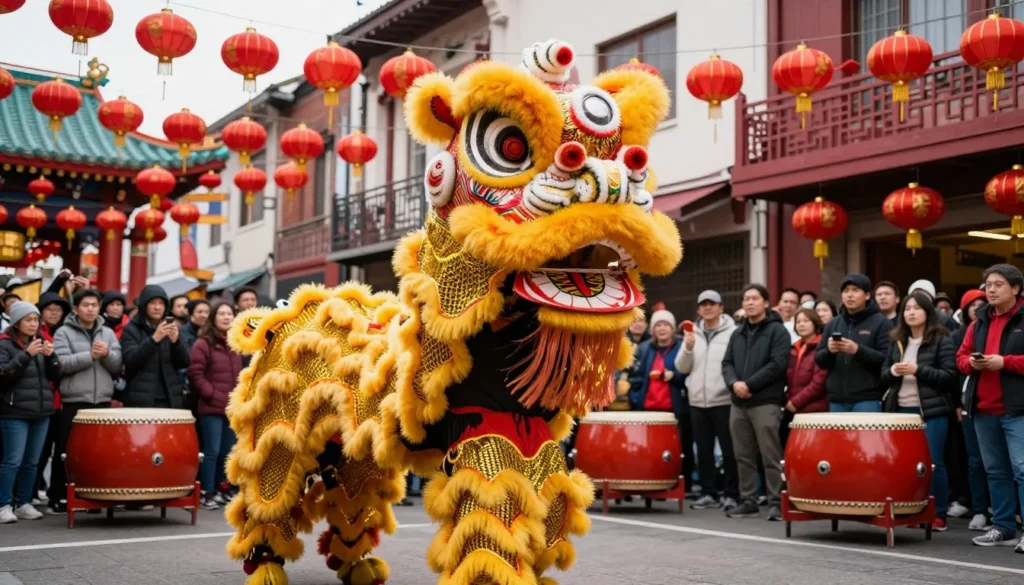
The Golden Dragon Parade forms the festival centerpiece. This procession features elaborate floats, marching bands, and traditional performances. The dragon itself stretches over 46 m (150 feet) long and requires numerous people to operate.
Lion dances perform throughout the neighborhood during festival days. These acrobatic performances bring good luck to businesses and spectators. Loud drums and cymbals accompany the colorful lion costumes.
Food vendors set up special stalls offering festival treats. Traditional snacks and modern fusion foods both appear at these temporary markets. The streets fill with families celebrating together.
Mid-Autumn Festival
This harvest celebration occurs in September or October, coinciding with the full moon. Traditional mooncakes become available at bakeries throughout Chinatown. These dense, sweet pastries often contain lotus seed paste or other fillings.
Cultural performances and lantern displays mark the occasion. Families gather to appreciate the full moon and share food. The festival carries themes of unity and thanksgiving.
Art Galleries and Contemporary Spaces
Several galleries showcase contemporary Asian and Asian American artists. These spaces feature rotating exhibitions of paintings, sculptures, and mixed media works. Opening receptions often include artist talks and performances.
The community has embraced its role as an arts destination in recent years. New galleries continue opening, attracted by affordable space and vibrant atmosphere. This evolution adds modern cultural layers to historic foundations.
Annual Festivals
- Lunar New Year (January/February)
- Mid-Autumn Festival (September/October)
- Summer Night Markets (June-August)
- Dragon Boat Festival (May/June)
Cultural Venues
- Chinese American Museum
- Contemporary art galleries
- Community cultural centers
- Performance spaces
Festival Tips
- Arrive early for parades
- Use public transit during events
- Bring cash for vendor purchases
- Respect cultural traditions
Nature & Outdoor Experiences
While Chinatown functions primarily as an urban neighborhood, nearby green spaces offer respite from city streets. Parks and gardens within walking distance provide peaceful environments. These areas blend natural beauty with cultural elements.
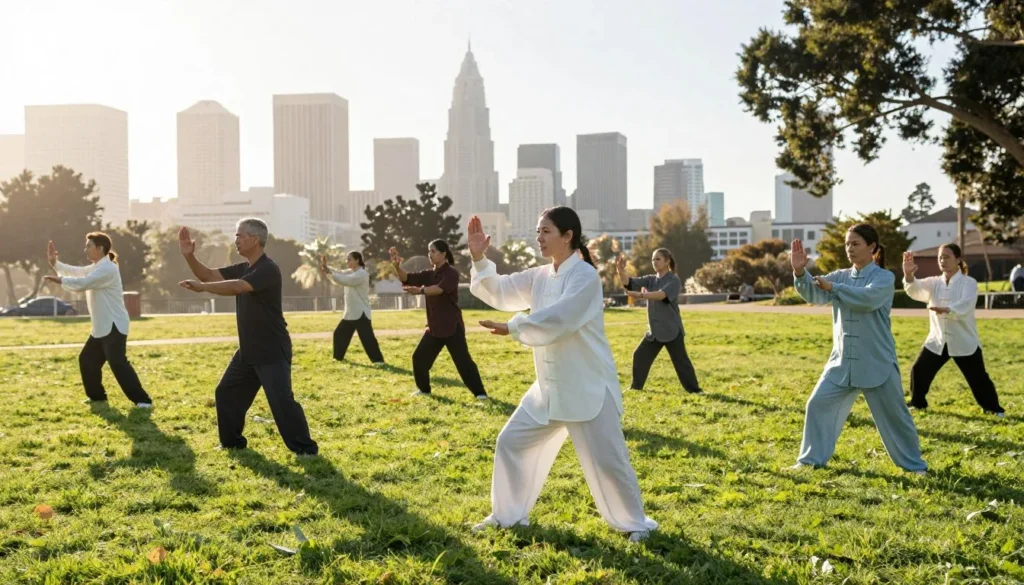
Los Angeles State Historic Park
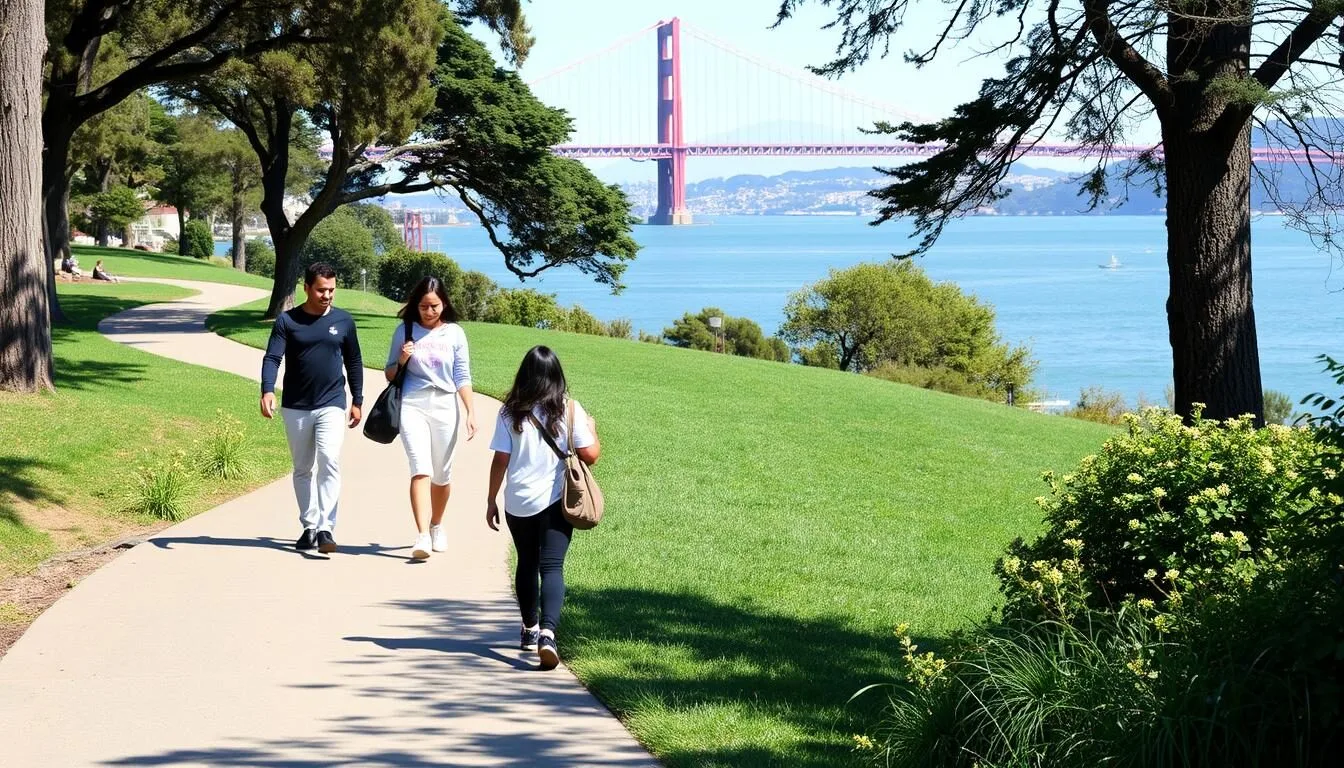
This 13-hectare (32-acre) park sits adjacent to Chinatown. Previously industrial land, the space now offers wide lawns and walking paths. The park provides excellent views of downtown Los Angeles and surrounding neighborhoods.
Many local residents use the park for morning tai chi practice. Watching these graceful exercises offers cultural insights. Visitors are welcome to observe or even join group sessions.
The park hosts various community events throughout the year. Concerts, festivals, and cultural celebrations frequently take place here. Open green space makes it ideal for picnics and relaxation.
Pueblo Los Angeles Historical Monument
This historic site preserves the oldest part of Los Angeles. Located immediately south of Chinatown, the Pueblo includes museums, historic buildings, and Olvera Street. The area represents where Los Angeles began in 1781.
✓ Check 30,000+ Local Sightseeing Tours Worldwide
Walking tours explore the historic plaza and surrounding structures. Many buildings date to the Mexican and early American periods. The juxtaposition of different cultural histories creates fascinating contrasts.
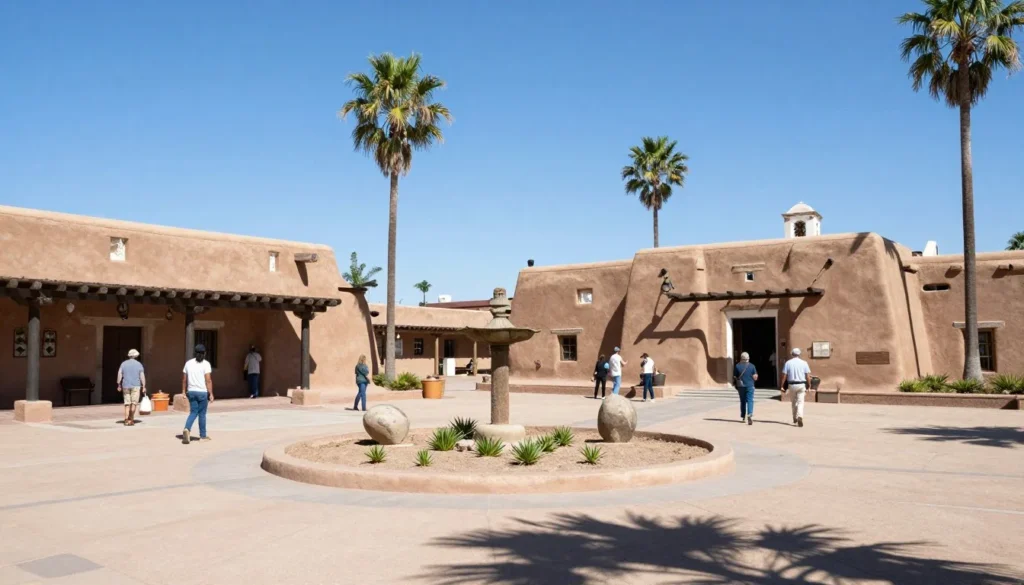
Urban Gardens and Green Spaces
Small pocket parks dot the Chinatown area. These intimate spaces often feature traditional Chinese design elements. Stone lanterns, bamboo plantings, and peaceful seating areas create tranquil environments.
Community gardens maintained by local residents showcase Asian vegetables and herbs. These gardens demonstrate traditional growing techniques. Some offer educational programs about Chinese agricultural practices.
Nearby Outdoor Activities
Dodger Stadium sits just northeast of Chinatown. This iconic baseball venue hosts games from April through October. The short distance makes attending a game easy to combine with a Chinatown visit.
Elysian Park, surrounding Dodger Stadium, offers hiking trails and picnic areas. This large urban park provides more extensive outdoor opportunities. Trails wind through hills offering city views.
Park Activities
- Morning tai chi sessions
- Picnicking on lawns
- Photography walks
- Festival attendance
- Urban bird watching
Nearby Nature Spots
- Los Angeles State Historic Park
- Elysian Park hiking trails
- Pueblo Los Angeles plaza
- Community gardens
- Los Angeles River pathway
Safety, Etiquette & Local Customs
Chinatown Los Angeles generally provides a safe, welcoming environment for visitors. Understanding local customs and proper etiquette enhances your experience. Respecting cultural traditions shows appreciation for the community.
General Safety Considerations
The neighborhood experiences typical urban safety considerations. Stay aware of your surroundings, especially after dark. Keep valuables secure and avoid displaying expensive items unnecessarily.
Main streets like Broadway and Hill Street remain well-traveled and well-lit. Side streets and parking lots may feel less populated during evening hours. Walking in groups provides additional comfort and security.
Emergency services respond quickly to the area. The LAPD Central Division serves Chinatown. Medical facilities exist nearby in downtown Los Angeles.
Emergency Contact: For police, fire, or medical emergencies, dial 911. For non-emergency police assistance, contact LAPD Central Division: (213) 972-1298
Cultural Etiquette and Customs
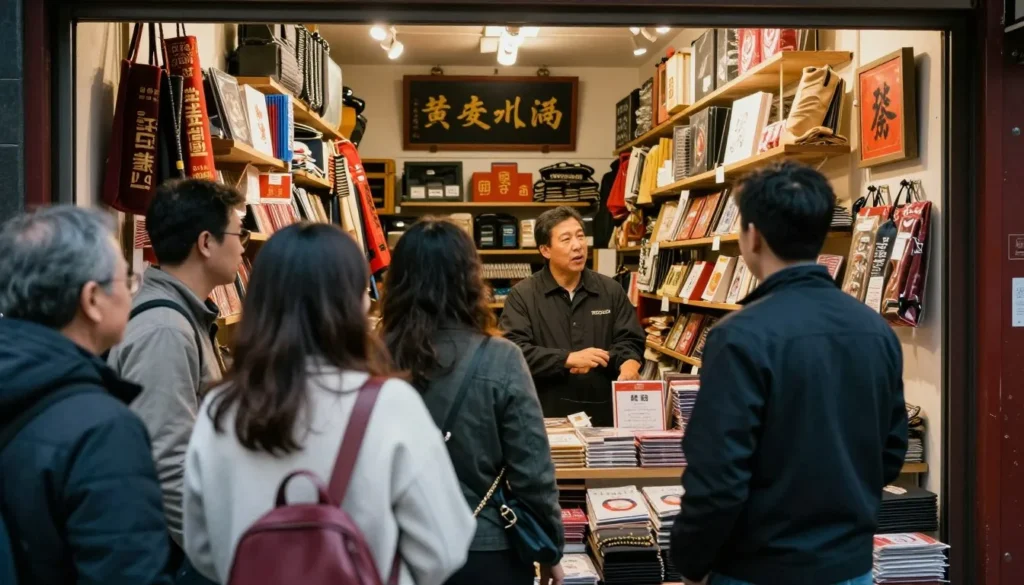
Photography proves generally acceptable in public spaces and shops. However, always ask permission before photographing people directly. Some shop owners prefer you ask before photographing their merchandise or interiors.
When entering shops, a simple greeting shows respect. Many older shopkeepers may speak limited English, but smiles transcend language barriers. Patience and courtesy make interactions pleasant for everyone.
Dining Customs
Chinese dining emphasizes communal eating. Dishes typically arrive at the table center for everyone to share. Use serving spoons when available rather than personal chopsticks for shared dishes.
Tea service holds special significance in Chinese culture. Tapping two fingers on the table after someone pours your tea expresses thanks. Lifting the teapot lid signals servers you need a refill.
Tipping follows American standards in Chinatown restaurants. Leave 15 to 18 percent for good service. Some establishments add automatic gratuity for larger groups.
Shopping Etiquette
Bargaining remains acceptable at some shops, particularly in Far East Plaza. However, read the situation carefully. Shops with marked prices typically expect those amounts. Negotiation works best for higher-value items or multiple purchases.
Handle merchandise carefully and ask before trying on jewelry or clothing. Many items, especially in antique shops, hold significant value. Showing respect for goods builds positive interactions with sellers.
Festival Participation
During Lunar New Year and other festivals, visitors are welcome to observe and participate. Red envelopes (hongbao) traditionally contain money gifts, so avoid opening any given to you immediately. Wait until you’re alone to check contents.
Lion dances may approach spectators for luck. Placing money in the lion’s mouth brings good fortune. This voluntary practice supports performers and adds to the festive spirit.
Do’s
- Ask before photographing people
- Use serving utensils for shared dishes
- Respect cultural traditions and symbols
- Be patient with language barriers
- Support local businesses
Don’ts
- Touch food with personal chopsticks
- Point with single fingers
- Be overly loud in restaurants
- Assume everyone speaks English
- Disrespect religious or cultural items
Accessibility Information
Many Chinatown buildings date from the mid-20th century and may lack modern accessibility features. Central Plaza and main streets generally provide wheelchair access. However, some shops and restaurants may have steps or narrow doorways.
Newer establishments and renovated buildings typically meet current accessibility standards. When planning visits to specific venues, calling ahead to confirm accessibility proves helpful.
Visitor Comments About Chinatown Los Angeles
Real experiences from visitors provide valuable insights into what makes Chinatown Los Angeles special. These authentic perspectives highlight different aspects of the neighborhood.
“The food in Chinatown exceeded all expectations. We spent an entire morning trying different dim sum restaurants and each one offered something unique. The hand-pulled noodles at one small shop were absolutely incredible. Beyond the food, I loved seeing the mix of traditional culture and modern street art throughout the neighborhood. It felt authentic rather than touristy.”
“Visiting during Lunar New Year was unforgettable. The Golden Dragon Parade brought so much energy and color to the streets. Families came from all over Los Angeles to celebrate together. We tried mooncakes from several bakeries and watched traditional performances in Central Plaza. The sense of community and cultural pride was really moving. I’d recommend timing your visit to coincide with one of the festivals if possible.”
“As someone interested in urban history, I found Chinatown fascinating. The Chinese American Museum provided important context about the community’s struggles and achievements. Walking through Central Plaza felt like stepping back in time, but the contemporary art murals showed how the neighborhood continues evolving. The compact size made exploring easy, and being so close to Union Station meant we could visit without needing a car.”
Additional Nearby Destinations
Chinatown’s central location makes it an excellent base for exploring other Los Angeles attractions. Several significant destinations sit within short distances. Combining visits creates fuller, more diverse Los Angeles experiences.
Union Station
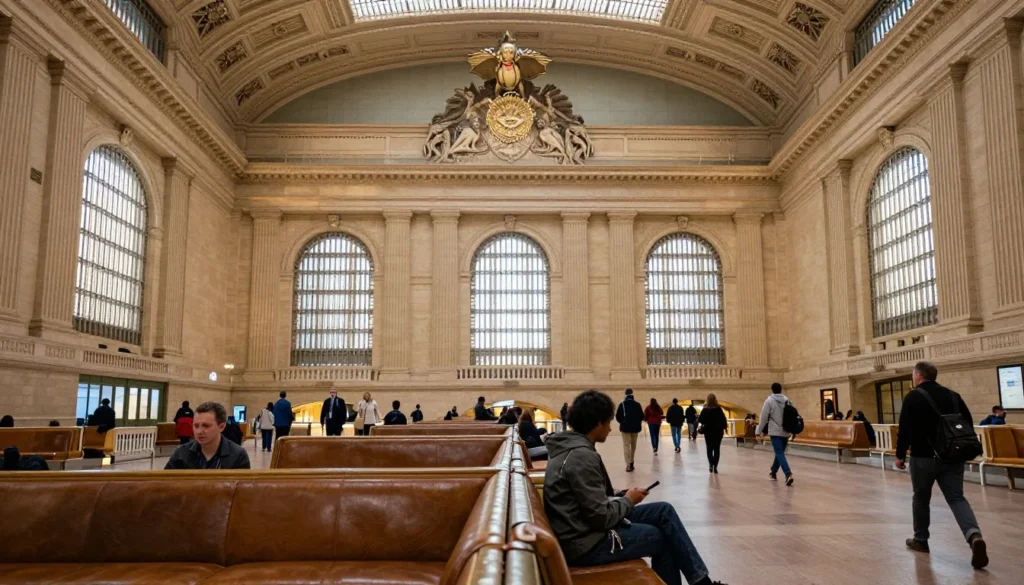
This magnificent train station sits less than 1 km (0.6 miles) from Chinatown. Built in 1939, Union Station combines Spanish Colonial Revival, Mission Revival, and Art Deco styles. The building’s grand halls and waiting rooms showcase stunning architectural details.
Even without traveling by train, the station merits a visit. High ceilings, original tile work, and beautiful lighting create photogenic spaces. The station appears regularly in films and television shows.
Multiple transit lines converge at Union Station. Metro rail connections reach across Los Angeles County. Amtrak services connect to destinations throughout California and beyond.
Olvera Street and El Pueblo
The historic heart of Los Angeles lies immediately south of Chinatown. Olvera Street functions as an outdoor marketplace selling Mexican crafts, clothing, and food. The pedestrian street recreates 19th-century Los Angeles atmosphere.
El Pueblo de Los Angeles Historical Monument preserves the city’s oldest buildings. Museums and exhibits explain Los Angeles history from its founding through early statehood. Free walking tours operate regularly.
Little Tokyo
This Japanese American cultural district sits approximately 3 km (1.9 miles) southeast of Chinatown. Little Tokyo offers authentic Japanese restaurants, shops, and cultural centers. The Japanese American National Museum documents community history and experiences.
During summer, Little Tokyo hosts the Nisei Week Festival. This celebration features parades, performances, and cultural demonstrations. The neighborhood makes an excellent complement to a Chinatown visit.
Downtown Arts District
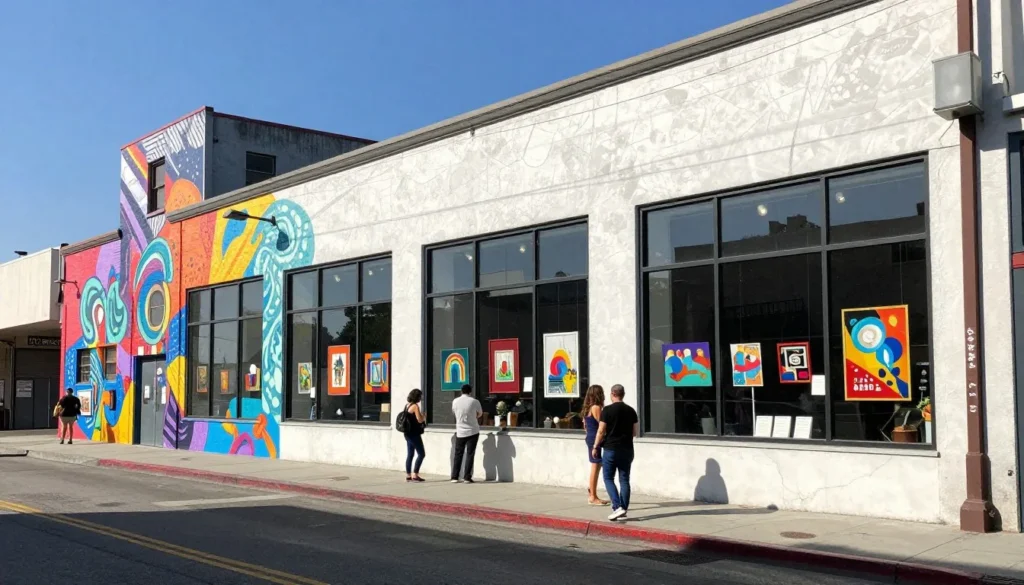
Los Angeles Arts District has emerged as a creative hub in recent years. Located east of downtown, the area features galleries, studios, and trendy restaurants. Street art covers many buildings, creating an outdoor gallery atmosphere.
Monthly art walks showcase local artists and galleries. Food halls and craft breweries have made the district a dining destination. The contrast between industrial architecture and contemporary art creates unique character.
Dodger Stadium and Elysian Park
Baseball fans can reach Dodger Stadium in minutes from Chinatown. This iconic venue hosts Los Angeles Dodgers games throughout the baseball season. The stadium’s hillside setting provides views across the city.
Elysian Park surrounds the stadium with hiking trails and picnic areas. This 243-hectare (600-acre) park offers escape from urban density. Trails range from easy walks to more challenging climbs.
Cultural Neighborhoods
- Little Tokyo (3 km / 1.9 mi)
- El Pueblo Historic Monument (800 m / 0.5 mi)
- Arts District (4 km / 2.5 mi)
- Thai Town (5 km / 3.1 mi)
Historic Sites
- Union Station (800 m / 0.5 mi)
- Olvera Street (700 m / 0.4 mi)
- Los Angeles City Hall (2 km / 1.2 mi)
- Grand Central Market (2.5 km / 1.6 mi)
Entertainment Venues
- Dodger Stadium (2 km / 1.2 mi)
- Walt Disney Concert Hall (3 km / 1.9 mi)
- The Broad Museum (3 km / 1.9 mi)
- LA Live complex (4 km / 2.5 mi)
Transportation Between Sites
Metro rail connections make traveling between these destinations convenient. The Gold Line, Red Line, and Purple Line all stop at Union Station. From there, connections reach throughout Los Angeles.
Walking between Chinatown, Union Station, and El Pueblo takes minimal time. These three areas form a compact cultural corridor. A full day easily accommodates visits to all three locations.
Rideshare services operate extensively throughout downtown Los Angeles. These provide flexible transportation between sites when walking distances feel too long. Costs remain reasonable for short trips within the downtown area.
Practical Travel Tips
Successful Chinatown visits benefit from practical preparation. These tips address common questions and help avoid potential frustrations. Planning ahead ensures you maximize limited vacation time.
Money and Payment Methods
Most Chinatown establishments accept credit cards, but cash remains useful for smaller shops and food vendors. Some older businesses prefer or only accept cash payments. ATMs exist throughout the neighborhood for convenient access to cash.
Prices generally prove reasonable compared to other Los Angeles tourist areas. Budget around $15 to $30 per person for casual meals. Fine dining establishments cost more, typically $40 to $80 per person.
Tipping follows standard American practices. Leave 15 to 18 percent for table service at restaurants. Food counter service doesn’t require tips, though tip jars often appear for optional gratuities.
Language Considerations
Many Chinatown residents speak Cantonese or Mandarin as their primary language. English is widely understood, especially in tourist-oriented businesses. However, some older shopkeepers may have limited English proficiency.
Don’t let language barriers discourage you from exploring. Pointing, smiling, and basic courtesy work well. Many shops display prices clearly, reducing communication challenges.
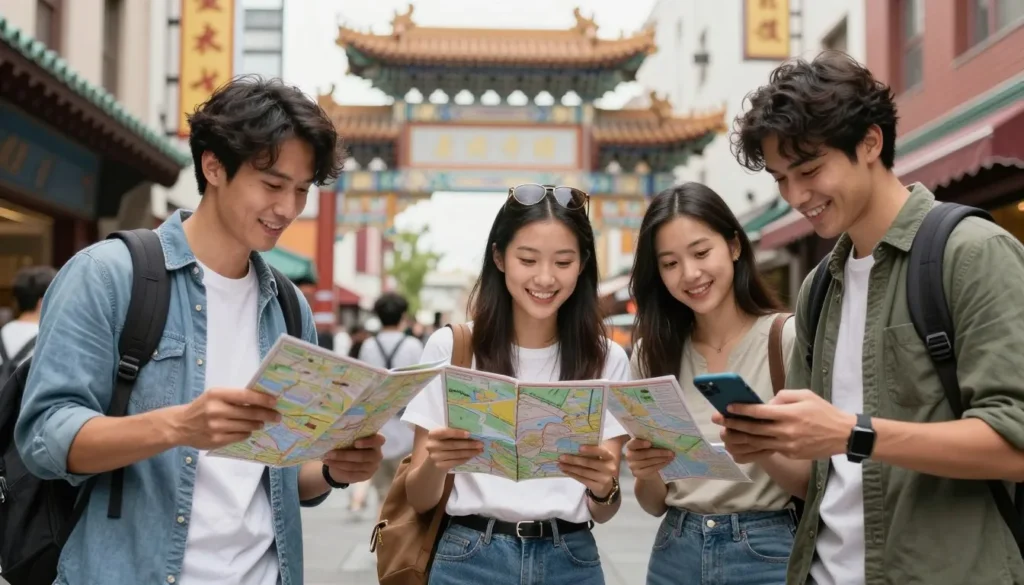
Language apps on smartphones can help with basic translations. These tools prove particularly useful in traditional markets or specialty shops.
What to Bring
Comfortable walking shoes rank as essential gear. You’ll cover significant ground exploring the neighborhood. Sidewalks are generally well-maintained but require real walking shoes rather than fashion footwear.
Sun protection matters year-round in Los Angeles. Sunscreen, hats, and sunglasses prevent discomfort during outdoor exploration. Summer temperatures can exceed 32°C (90°F), making shade breaks important.
A small backpack or bag proves useful for purchases and personal items. Many shops provide bags, but carrying your own reduces waste. Water bottles help maintain hydration during warm-weather visits.
Essential Items
- Comfortable walking shoes
- Sun protection (hat, sunscreen)
- Cash for small purchases
- Reusable shopping bag
- Water bottle
- Camera or smartphone
Budget Planning
- Parking: $8-15 for several hours
- Metro fare: $1.75 per ride
- Casual meals: $15-30 per person
- Souvenirs: $5-50 depending on items
- Museum admission: $5-10 average
✓ Check 30,000+ Local Sightseeing Tours Worldwide
Best Duration for Visit
A thorough Chinatown exploration requires three to four hours minimum. This allows time for a meal, shopping, and seeing main attractions. Serious food enthusiasts or those visiting during festivals may want a full day.
Combining Chinatown with nearby Union Station and El Pueblo creates a full-day cultural experience. This combination showcases multiple aspects of Los Angeles history and culture.
Cell Phone and WiFi Access
Cell phone coverage throughout Chinatown remains excellent on all major carriers. Free WiFi exists at some cafes and restaurants. However, relying on cellular data proves more reliable for navigation and communication.
International visitors should verify roaming charges with their providers. Alternatively, purchasing a temporary SIM card at Los Angeles International Airport provides cost-effective connectivity.
Restroom Facilities
Public restrooms are limited in Chinatown. Restaurants and cafes provide facilities for customers. Making a small purchase at a coffee shop secures restroom access when needed.
Los Angeles State Historic Park offers public restrooms during operating hours. Union Station also provides public facilities in its main terminal building.
Weather Preparation
Check Los Angeles weather forecasts before your visit. While rain remains unlikely during summer months, winter can bring occasional showers. Layers work well since temperatures fluctuate between sun and shade.
Summer visits require sun protection and hydration strategies. Winter evenings cool down significantly, making light jackets comfortable. Spring and fall offer the most consistently pleasant weather conditions.
Insider Tip: Visit on weekday mornings for the most authentic experience. Locals shop for groceries and run errands during these hours. You’ll see Chinatown functioning as a living community rather than purely a tourist destination.
Photography Tips
Golden hour, shortly after sunrise or before sunset, provides the best natural lighting. Morning light illuminates building facades beautifully. Evening light creates warm, atmospheric shots.
Festival times offer exceptional photography opportunities. Colorful decorations, performances, and crowds create dynamic scenes. Arrive early to secure good viewing positions for parades and events.
Respect people’s privacy when photographing. Ask permission before taking close-up shots of individuals. Many shop owners appreciate being asked before you photograph their establishments.
Location Map
Chinatown Los Angeles location in downtown Los Angeles, California
Discover Authentic Culture and Community
Chinatown Los Angeles offers far more than tourist attractions. This neighborhood represents living history where culture continues evolving. Every visit supports a community that has preserved traditions while embracing change.
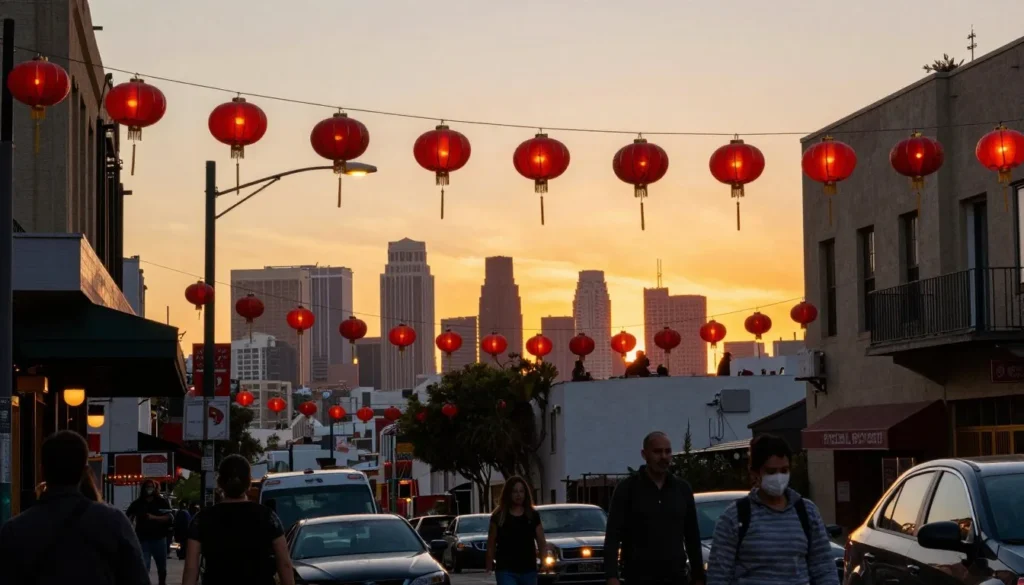
The flavors, sights, and experiences await your discovery. From morning dim sum to evening festival lights, each hour brings something new. The compact area delivers remarkable density of culture and cuisine.
Whether you spend a few hours or a full day, Chinatown Los Angeles leaves lasting impressions. The neighborhood invites you to slow down, explore, and appreciate authentic cultural expression. Plan your visit and experience this Los Angeles icon firsthand.