Hotels by Trip.com
Flights by Trip.com
Did you know that Chinatown San Francisco is the oldest Chinatown in North America and the largest Chinese community outside Asia? Established in 1848, this vibrant neighborhood spans 24 city blocks. It welcomes more visitors annually than the Golden Gate Bridge. This historic district pulses with authentic culture, dim sum treasures, and architectural wonders.
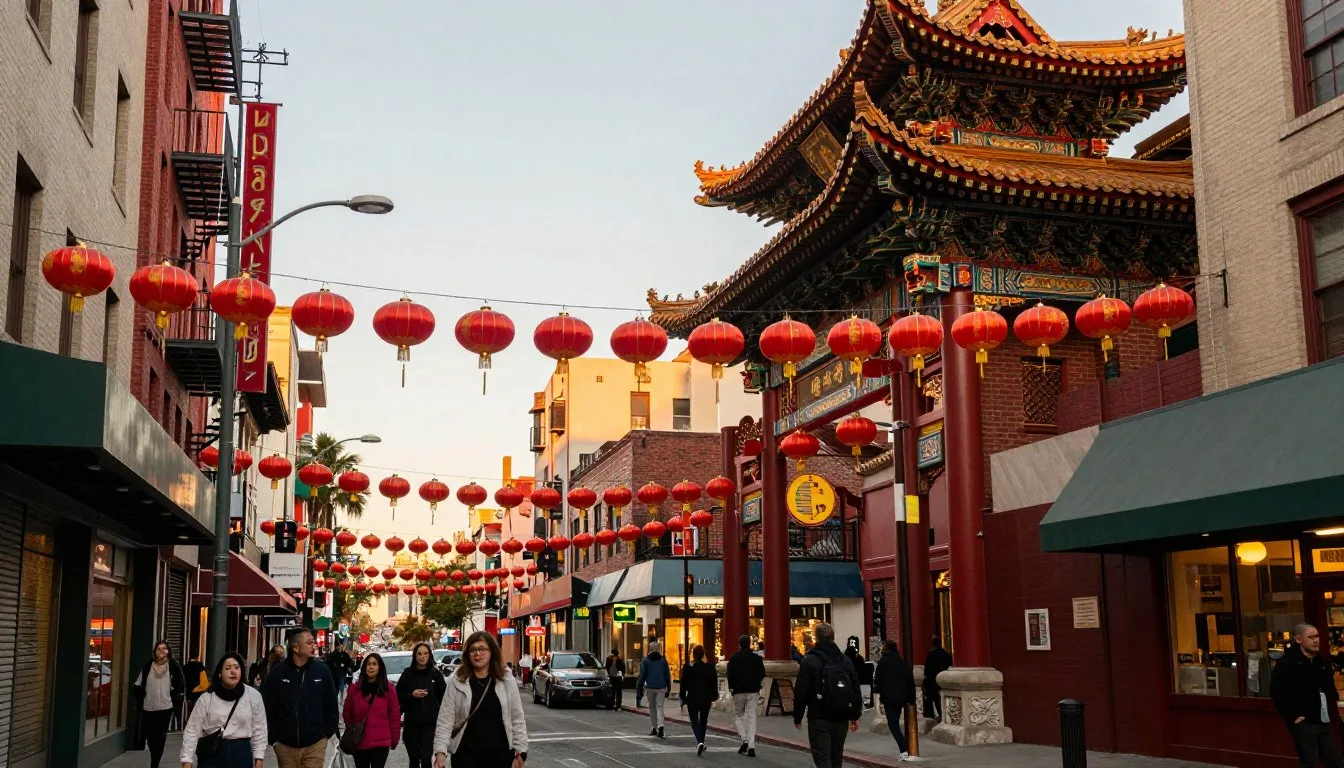
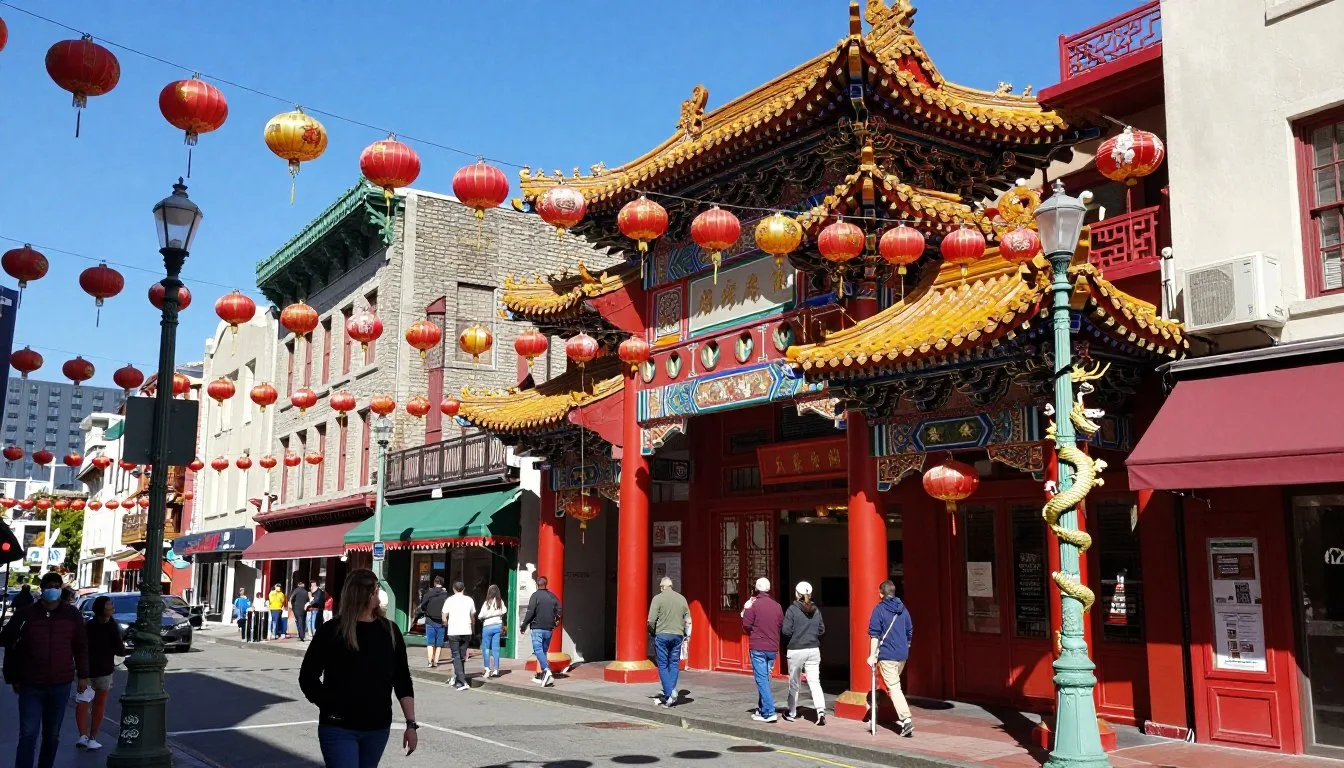
Walking through Chinatown feels like stepping into another world. Dragon-wrapped lampposts line the streets. Traditional herbal shops stand beside modern tea houses. The aroma of freshly steamed buns fills the air. Red and gold pagoda roofs crown historic buildings.
This comprehensive guide reveals the best things to do in Chinatown San Francisco, California. You will discover hidden gems and must-see attractions. Practical tips help you navigate this cultural treasure. Plan an unforgettable journey through North America’s most fascinating neighborhood.
Getting There and Planning Your Journey
Closest Airports to San Francisco
San Francisco International Airport (SFO) serves as the primary gateway. Located 21 km (13 miles) south of Chinatown, SFO offers direct flights from major cities worldwide. The BART train provides quick access to downtown. Travel time averages 35 minutes.
Oakland International Airport (OAK) sits 27 km (17 miles) east across the Bay. This airport often features lower fares. Take the BART from Oakland Coliseum station. Norman Y. Mineta San José International Airport (SJC) lies 77 km (48 miles) south. Consider SJC for Silicon Valley combinations.
Transportation from Airport to Chinatown
BART trains connect SFO directly to downtown San Francisco. Exit at Montgomery Street or Powell Street stations. Both sit within walking distance of Chinatown. Fares cost approximately eight dollars. Trains run every 15 minutes during peak hours.
Rideshare services operate from designated airport zones. Journey time varies based on traffic conditions. Expect 25 to 45 minutes from SFO. Costs range from 35 to 50 dollars. Shared rides reduce expenses significantly.
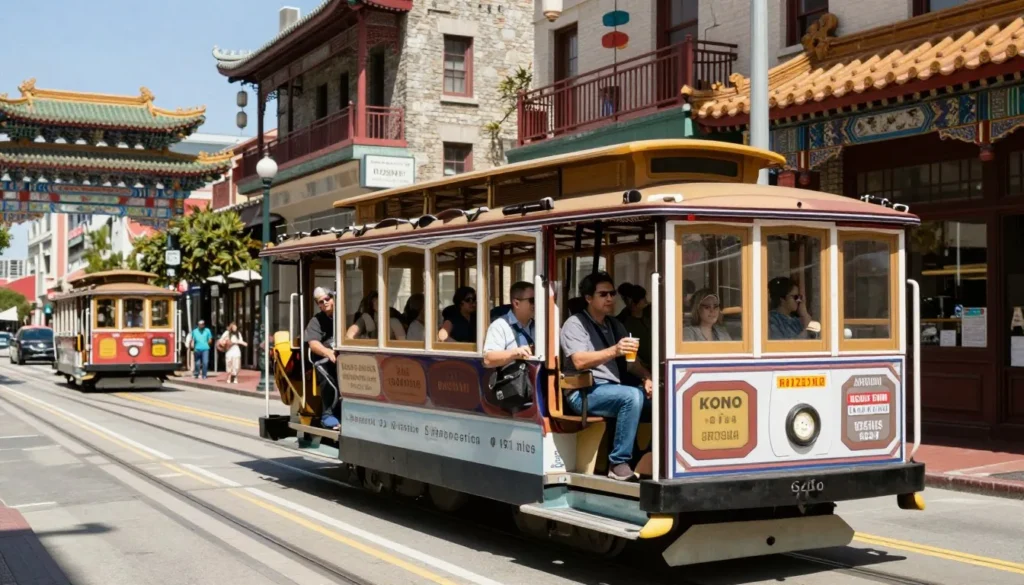
Pro Tip: The historic California Street cable car line runs through the edge of Chinatown. This iconic San Francisco experience connects the Financial District to Nob Hill. Purchase a Muni Mobile pass for unlimited cable car and bus rides.
Best Time to Visit and Weather Tips

Best Time to Visit Chinatown San Francisco
September through November offers ideal conditions for exploring Chinatown. Fall brings warm temperatures and minimal fog. The neighborhood enjoys sunny skies and comfortable weather. Fewer tourists crowd the streets compared to summer months.
Chinese New Year festival transforms Chinatown into a spectacular celebration. This event typically occurs between late January and mid-February. The neighborhood hosts the largest Chinese New Year parade outside Asia. Book accommodations months in advance for this period.
Spring months from March to May provide pleasant visiting conditions. Temperatures range from 13°C to 18°C (55°F to 65°F). Cherry blossoms bloom in nearby parks. The Chinatown community celebrates various cultural events during spring.
- September to November: warm weather, fewer crowds, cultural festivals
- Late January to February: Chinese New Year celebrations, parade events
- March to May: mild temperatures, spring blossoms, comfortable walking
- Weekday mornings: quieter streets, authentic local atmosphere
Recommended Seasons
- June to August: heavy tourist traffic, higher accommodation prices
- December to early January: cold temperatures, afternoon fog common
- Weekend afternoons: crowded dim sum restaurants, busy streets
- Major holidays: limited business hours, restaurant closures
Seasons to Approach Carefully
Weather Patterns and What to Wear
San Francisco weather varies significantly throughout the day. Mornings often start cool and foggy. Afternoons bring sunshine and warmth. Evenings return to cooler temperatures. Pack layers for comfortable exploration.
Typical temperatures range from 10°C to 21°C (50°F to 70°F) year-round. The city rarely experiences extreme heat or cold. Summer months may feel surprisingly cool due to fog. Winter remains mild compared to most North American cities.
- Lightweight jacket or sweater for layering throughout the day
- Comfortable walking shoes with good support for hilly terrain
- Sun protection including hat and sunscreen for clear afternoons
- Light rain jacket for occasional showers from November to March
Getting Around Locally and Where to Stay
Navigating Chinatown San Francisco
Walking remains the best way to explore Chinatown. The neighborhood’s compact size makes everything accessible on foot. Grant Avenue serves as the main tourist corridor. Stockton Street offers a more authentic local experience. Most attractions sit within a 15-minute walk of each other.
Public transportation connects Chinatown to other San Francisco neighborhoods. Multiple Muni bus lines service the area. The California Street cable car line provides historic transportation. Purchase a Clipper Card for seamless access to all public transit.
Parking proves challenging in this dense neighborhood. Limited street parking fills quickly during peak hours. Commercial parking garages charge premium rates. Consider leaving your car at your hotel. Use public transportation or rideshare services instead.
Accommodation Options Near Chinatown
Hotels directly in Chinatown offer immersive cultural experiences. Budget options include family-run establishments with basic amenities. Mid-range hotels provide comfortable accommodations near major attractions. Historic properties feature traditional architecture and modern updates.
The Financial District borders Chinatown to the east. This area offers upscale hotels within walking distance. Nob Hill sits adjacent to the west. Union Square lies just south of the neighborhood. All three areas provide excellent access to Chinatown.
Budget-Friendly Choices
Small inns and guesthouses within Chinatown charge reasonable rates. Rooms typically range from 80 to 150 dollars per night. Basic amenities include Wi-Fi and private bathrooms. Some properties lack elevators in historic buildings.
Mid-Range and Luxury Options
Boutique hotels near Union Square offer proximity and comfort. Prices range from 180 to 350 dollars nightly. Properties feature concierge services and dining options. Many provide parking facilities for additional fees.
Dining, Attractions, and Cultural Experiences
Dining and Local Cuisine
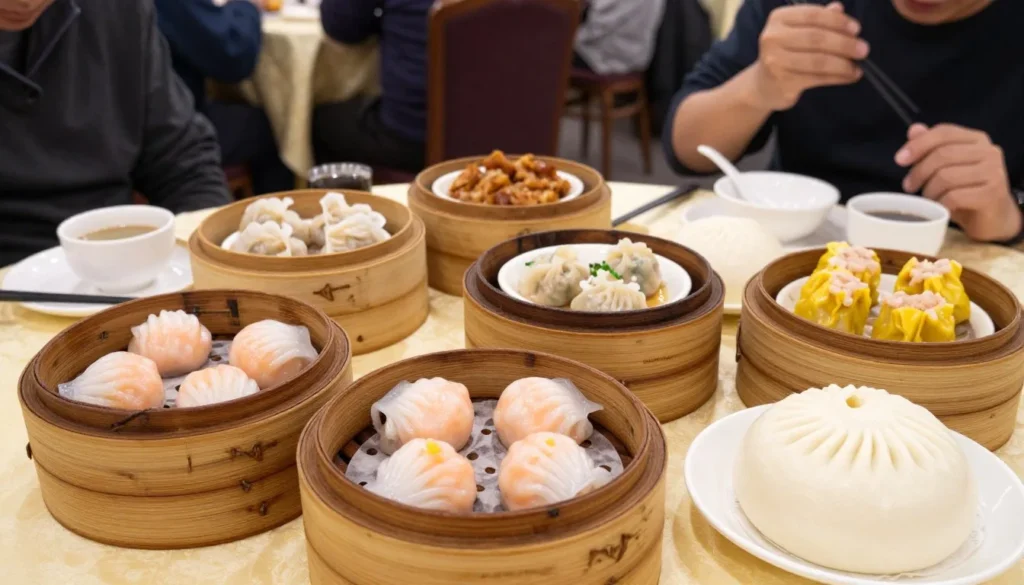
Dim sum represents the quintessential Chinatown dining experience. Traditional tea houses serve steaming baskets from roaming carts. Small plates include dumplings, buns, and rice rolls. Weekend mornings bring local families for authentic meals. Arrive early to avoid long waits.
Stockton Street hosts authentic Chinese bakeries and markets. Fresh roasted duck hangs in restaurant windows. Herbal tea shops blend traditional remedies. Mom-and-pop restaurants serve regional Chinese specialties. Cantonese cuisine dominates, but Sichuan and Shanghai options exist.
- Traditional dim sum at historic tea houses on weekend mornings
- Hand-pulled noodles and wonton soup at family-owned establishments
- Fresh moon cakes and egg tarts from century-old bakeries
- Peking duck and Cantonese barbecue from specialty restaurants
- Bubble tea and modern fusion cafes mixing tradition with innovation
Local Secret: Stockton Street between Broadway and Pacific offers more authentic dining than tourist-focused Grant Avenue. Local residents shop and eat here daily. Prices run lower and food quality often exceeds touristy alternatives.
Must-See Attractions and Sightseeing

The Chinese Historical Society of America preserves community heritage. This museum showcases over 160 years of Chinese American history. Exhibits include photographs, artifacts, and personal stories. Learn about early immigrants’ contributions to San Francisco. Admission fees support educational programs.
Portsmouth Square serves as Chinatown’s living room. This public space hosted the city’s first California gold rush celebrations. Today, locals practice tai chi during morning hours. Chess players gather around concrete tables. Children enjoy playground equipment in this community heart.
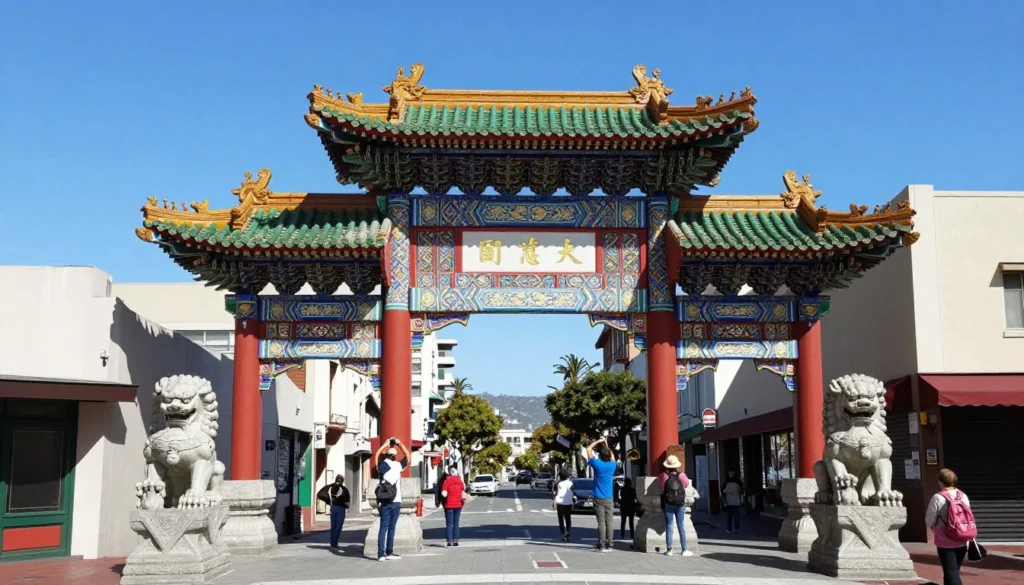
Traditional architecture defines Chinatown’s visual character. The Dragon Gate at Grant Avenue and Bush Street marks the neighborhood entrance. Ornate building facades feature pagoda roofs and detailed tilework. Narrow alleyways hide historic spots and local secrets. Wok Wiz walking tours provide expert historical context.
Museums, Cultural Spots, and Festivals
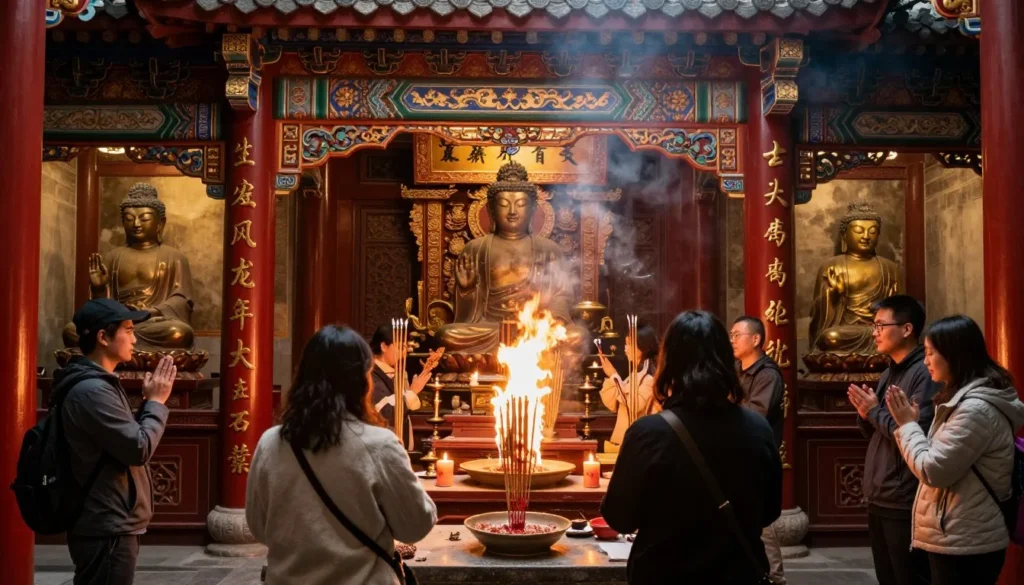
The Chinese Culture Center promotes understanding through art and education. Rotating exhibits showcase contemporary Asian American artists. Cultural programs include calligraphy workshops and cooking classes. The center occupies space within the Hilton San Francisco Financial District. Check their schedule for special events and lectures.
Traditional temples provide spiritual and architectural interest. Tin How Temple honors the Goddess of Heaven and Sea. This historic space has served the community since 1852. Visitors may observe respectfully during open hours. Remove shoes and speak quietly inside sacred spaces.
Chinese New Year celebrations peak during the annual parade. This spectacular event features elaborate floats and dragon dancers. Over 100 performance groups participate in the procession. The festival attracts hundreds of thousands of spectators. Smaller events occur throughout the celebration period.
- Annual Chinese New Year Parade in February with dragon dancers and fireworks
- Autumn Moon Festival celebrating harvest with mooncakes and lanterns
- Street fairs throughout summer featuring food vendors and live performances
- Art walks showcasing local galleries and Asian American contemporary artists
Shopping and Local Markets
Grant Avenue caters primarily to tourist shopping. Souvenir shops sell postcards, trinkets, and traditional items. Prices tend higher than on neighboring streets. Bargaining is not typically expected at established stores.
Stockton Street markets offer authentic local shopping experiences. Fresh produce vendors display exotic Asian vegetables and fruits. Seafood markets feature live fish and crustaceans. Herbal medicine shops prescribe traditional remedies. Tea specialists offer tastings and expert guidance.
Practical Travel Tips and Visitor Insights

Safety, Etiquette, and Local Customs
Chinatown San Francisco maintains generally safe conditions for visitors. Keep awareness of surroundings like any urban neighborhood. Pickpockets occasionally target crowded tourist areas. Secure valuables in front pockets or crossbody bags. Travel in groups during late evening hours.
Respect local customs when visiting temples or cultural sites. Remove shoes before entering sacred spaces. Ask permission before photographing people at prayer. Speak in hushed tones inside religious buildings. Small donations support temple maintenance and community programs.
Basic Cantonese phrases enhance cultural connections. Hello translates to “nei hou.” Thank you becomes “m goi.” Many older residents speak limited English. Younger generations typically speak both languages fluently. Patience and respect bridge communication gaps effectively.
Important: Streets in Chinatown feature steep hills and uneven sidewalks. Wear sturdy walking shoes with good traction. Some historic buildings lack elevators. Limited accessibility exists for wheelchairs in older structures. Plan accordingly for mobility needs.
Visitor Comments About Chinatown San Francisco
G.Y., Seongnam: “The authentic dim sum experience exceeded all expectations. Walking through Stockton Street felt like visiting family neighborhoods back home. The Chinese Historical Society museum provided excellent historical context. Three days barely scratched the surface of this incredible neighborhood.”
C.L., Grand Prairie: “Chinese New Year festival was absolutely spectacular. The dragon parade and fireworks created unforgettable memories for our whole family. Street food vendors offered delicious discoveries at every turn. Portsmouth Square became our favorite spot for people watching and morning tai chi.”
F.P., Allentown: “The mix of history and living culture makes Chinatown special. We joined a Wok Wiz walking tour that revealed hidden alleyways and fascinating stories. Fresh crab from local markets proved absolutely delicious. This neighborhood deserves more than a quick afternoon visit.”
Additional Nearby Destinations
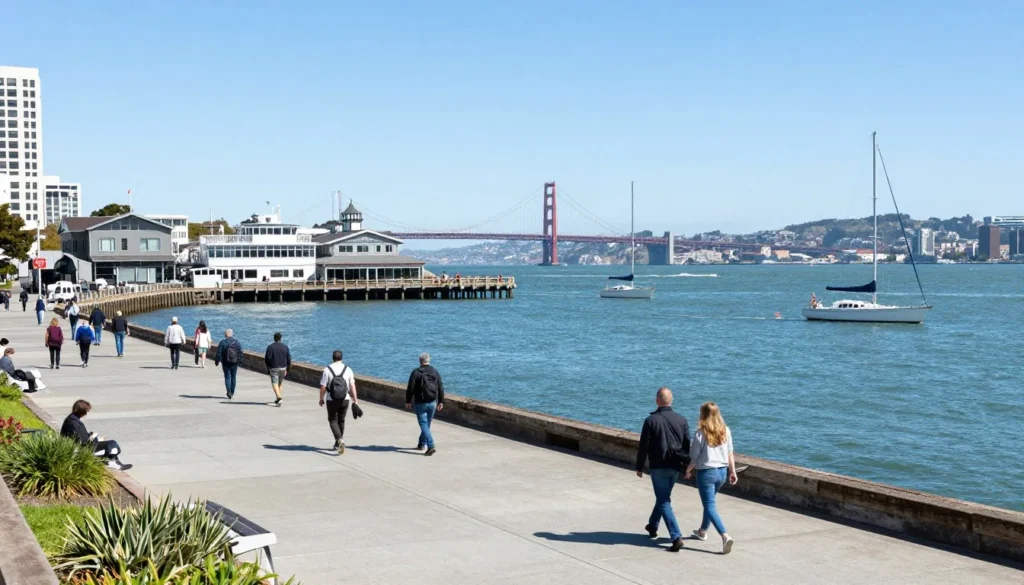
North Beach Italian neighborhood sits adjacent to Chinatown. Walk north along Columbus Avenue to discover authentic Italian restaurants. Historic City Lights Bookstore attracts literary enthusiasts. This cultural border creates fascinating culinary contrasts within minutes.
The Financial District borders Chinatown to the east. Modern skyscrapers tower above historic streets. The Transamerica Pyramid defines the skyline. Ferry Building Marketplace offers gourmet food halls and farmers markets. Walking distance connects these contrasting neighborhoods easily.
Fisherman’s Wharf lies approximately 2 km (1.2 miles) north. This waterfront destination features seafood restaurants and maritime attractions. Cable cars connect Chinatown directly to the wharf area. Pier 39 hosts sea lions and bay views. Combine trips for a full San Francisco experience.
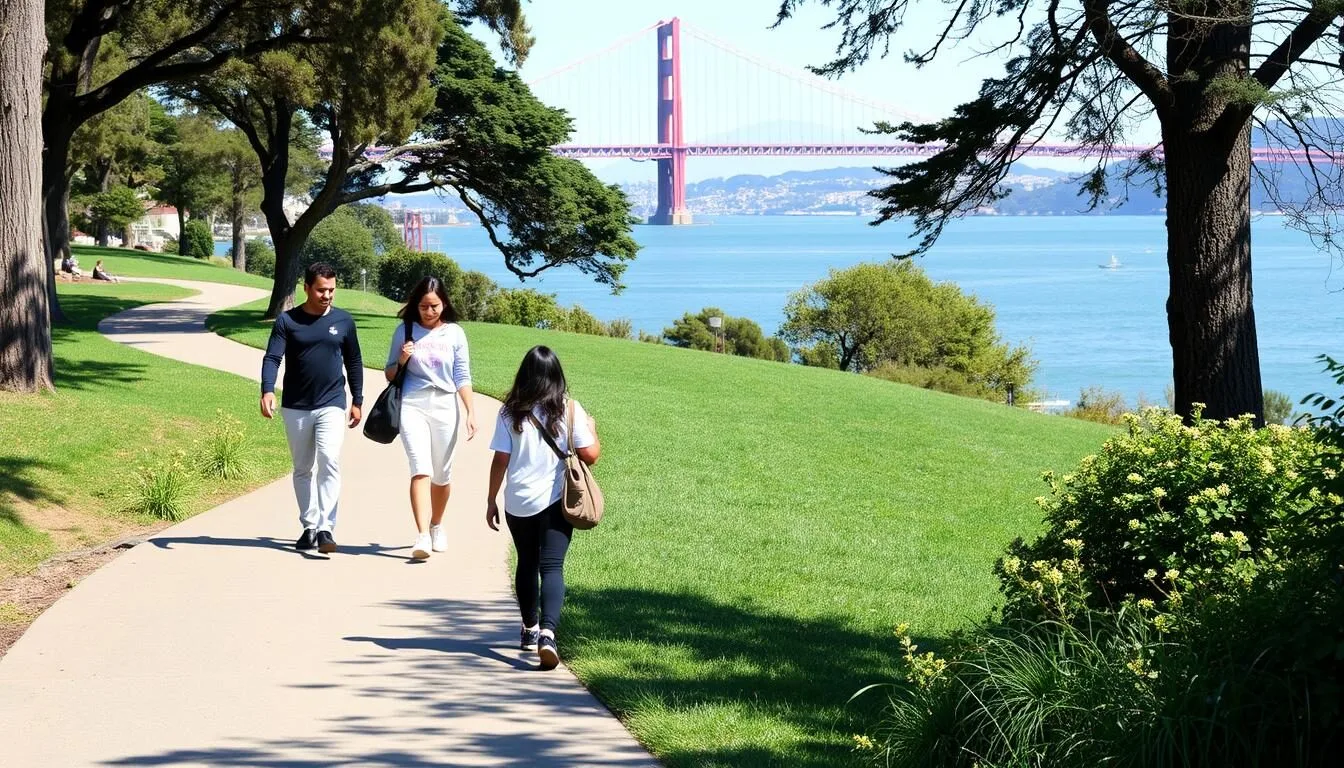
- Golden Gate Bridge viewpoints accessible via public bus lines
- Union Square shopping district just three blocks south
- Telegraph Hill and Coit Tower offering panoramic city views
- Ferry Building for artisan food markets and Bay Bridge views
Money-Saving Tips and Practical Information
Many Chinatown restaurants operate on cash-only basis. ATMs exist throughout the neighborhood but may charge fees. Bring adequate cash for markets and small establishments. Credit cards work at larger restaurants and tourist shops.
Free cultural experiences abound in Chinatown. Walk through historic streets without spending money. Observe morning tai chi sessions in Portsmouth Square. Visit temples during open hours. Window shop along both Grant Avenue and Stockton Street.
Budget Tip: Dim sum during lunch hours costs significantly less than dinner prices. Bakeries sell fresh buns and pastries for under three dollars. Herbal tea shops offer complimentary samples. Street festivals provide free entertainment and cultural performances throughout the year.
Essential Contact Information
San Francisco Visitor Information Center provides maps and guidance. Located at Hallidie Plaza near Powell Street BART station. Staff offers multilingual assistance and current event schedules.
Emergency Services
Emergency services respond to all calls promptly. Police, fire, and medical assistance available 24 hours daily. Chinese Hospital serves the community at 845 Jackson Street.
Language and Communication
Cantonese serves as the predominant Chinese dialect in Chinatown. Mandarin speakers also populate the neighborhood increasingly. English usage varies by generation and business type. Tourist-oriented establishments employ English-speaking staff. Local markets may require basic phrases or gestures.
Translation apps help bridge communication gaps effectively. Download offline dictionaries before visiting. Point-and-gesture communication works at food counters. Most menus feature pictures or English translations. Service industry workers accommodate international visitors daily.
Your Chinatown Adventure Awaits
Chinatown San Francisco offers an extraordinary blend of history, culture, and authentic experiences. This neighborhood transcends typical tourist destinations. Every street reveals new discoveries. Ancient traditions thrive alongside modern innovation. The community welcomes visitors with genuine warmth.
Plan adequate time to explore beyond surface attractions. Sample dim sum at local favorites. Walk Stockton Street like a resident. Visit during Chinese New Year for unforgettable celebrations. Engage with shop owners and temple visitors. These moments create lasting memories.
Your journey through North America’s oldest Chinatown promises authentic cultural immersion. Pack comfortable shoes for steep hills. Bring curiosity and respect for traditions. Leave room in your itinerary for spontaneous adventures. This vibrant neighborhood will exceed every expectation. Start planning your trip today and discover why millions return year after year.