

Hotels by Trip.com
Flights by Trip.com
Nestled in the heart of Colorado’s San Luis Valley, Alamosa National Wildlife Refuge hosts over 200 species of migratory birds within its 11,100-acre wetland sanctuary. This hidden gem, established in 1962, serves as a crucial stopover for the sandhill crane migration, with approximately 20,000 cranes passing through each spring and fall. Unlike more crowded national parks, this serene refuge offers visitors an authentic wilderness experience where nature takes center stage and wildlife thrives undisturbed.
Getting There & Planning Your Journey
Alamosa National Wildlife Refuge sits just east of the city of Alamosa in south-central Colorado. The closest major airports are Colorado Springs Municipal Airport (175 km/109 miles) and Denver International Airport (370 km/230 miles). From Alamosa, take Highway 160 east for about 7 km (4.3 miles), then turn north onto El Rancho Lane and follow the signs to the refuge entrance.
For those driving from Denver, plan for approximately 4 hours of travel time via US-285 S and US-160 W. Visitors from Colorado Springs can reach the refuge in about 2.5 hours via CO-115 S and US-285 S. The refuge is accessible year-round, though some roads may be closed during winter months or after heavy rainfall.
Best Time to Visit & Weather Tips
The refuge experiences distinct seasons, each offering unique wildlife viewing opportunities:
Recommended Seasons
- Spring (March-May): Prime time for bird migration, especially late March when thousands of sandhill cranes pass through. Temperatures range from 4-21°C (40-70°F).
- Fall (September-October): Second migration period with pleasant temperatures of 7-24°C (45-75°F) and beautiful fall colors.
- Summer (June-August): Good for spotting resident wildlife and nesting birds. Warm days at 27-32°C (80-90°F) with cool evenings.
Seasons to Avoid
- Winter (November-February): While still beautiful, winter brings limited wildlife activity and cold temperatures ranging from -12 to 4°C (10-40°F). Some refuge roads may be closed due to snow.
- Late July: Afternoon thunderstorms are common, and mosquitoes can be abundant near wetlands.
The San Luis Valley receives abundant sunshine year-round, so bring sun protection regardless of season. Early mornings and evenings offer the best wildlife viewing opportunities, as animals are most active during these cooler periods.
Getting Around Locally
The refuge is best explored by car along the 3.2 km (2-mile) auto tour route, which provides access to key viewing areas. A high-clearance vehicle is recommended during wet conditions, though most passenger cars can navigate the gravel roads during dry weather. Visitors should stay on designated roads and trails to protect sensitive habitat.
For a more immersive experience, several walking trails are available, including the Rio Grande Nature Trail, a 2.9 km (1.8-mile) path that showcases diverse habitats. Bicycles are permitted on the auto tour route but prohibited on walking trails. No public transportation serves the refuge directly, so a personal or rental vehicle is essential.
Where to Stay

While no lodging is available within the refuge itself, nearby Alamosa offers various accommodation options:
Hotels & Motels
Alamosa has several chain hotels including Best Western, Hampton Inn, and Holiday Inn Express, with rates ranging from $90-150 per night. The Best Western Movie Manor in nearby Monte Vista offers a unique experience with drive-in movies viewable from some rooms.
B&Bs & Cabins
For a more personal experience, consider Alamosa’s charming bed and breakfasts like the Alamosa Lamplighter Motel or Mountain View Motor Inn. Several cabin rentals are also available near the Great Sand Dunes, approximately 30 minutes from the refuge.
Camping Options
Camping is not permitted within the refuge, but nearby options include Zapata Falls Campground (30 minutes away), San Luis State Wildlife Area (20 minutes), and several private campgrounds in Alamosa with full hookups for RVs.
For the best combination of convenience and value, consider staying in downtown Alamosa, which puts you within 15 minutes of the refuge while providing easy access to restaurants and other amenities.
✓ Check 30,000+ Local Sightseeing Tours Worldwide
Dining & Local Cuisine
There are no dining facilities within the refuge, so visitors should bring water and snacks for their visit. Alamosa, however, offers numerous dining options:
Local Favorites
- San Luis Valley Brewing Company: Craft beers and pub fare using locally-sourced ingredients.
- Calvillo’s Mexican Restaurant: Authentic Mexican cuisine with a popular buffet featuring regional specialties.
- Campus Cafe: Family-friendly breakfast spot famous for giant cinnamon rolls and Mickey Mouse-shaped pancakes.
Quick Bites
- Smoothy’s Juice Bar: Fresh smoothies and healthy options perfect for a pre-refuge energy boost.
- Locavores: Farm-to-table restaurant focusing on locally-sourced ingredients.
- The Greenhouse: Coffee shop with light breakfast and lunch options.
Consider packing a picnic lunch to enjoy at one of the refuge’s designated areas. Local grocery stores like Safeway and City Market in Alamosa offer prepared foods and supplies for a day trip.
Attractions, Sightseeing & Activities

Wildlife Viewing
The primary attraction at Alamosa National Wildlife Refuge is its diverse wildlife. The refuge is home to over 200 bird species, including great blue herons, white-faced ibis, American avocets, and various waterfowl. Lucky visitors might spot bald eagles, peregrine falcons, or even the elusive black swift. Mammals include mule deer, beaver, coyotes, and occasionally elk.
Auto Tour Route
The 3.2 km (2-mile) auto tour route offers an excellent overview of the refuge’s diverse habitats. Several pullouts with interpretive signs explain the ecology and management of the wetlands. The Bluff Overlook provides panoramic views of the entire refuge and distant Sangre de Cristo Mountains.
Hiking Trails
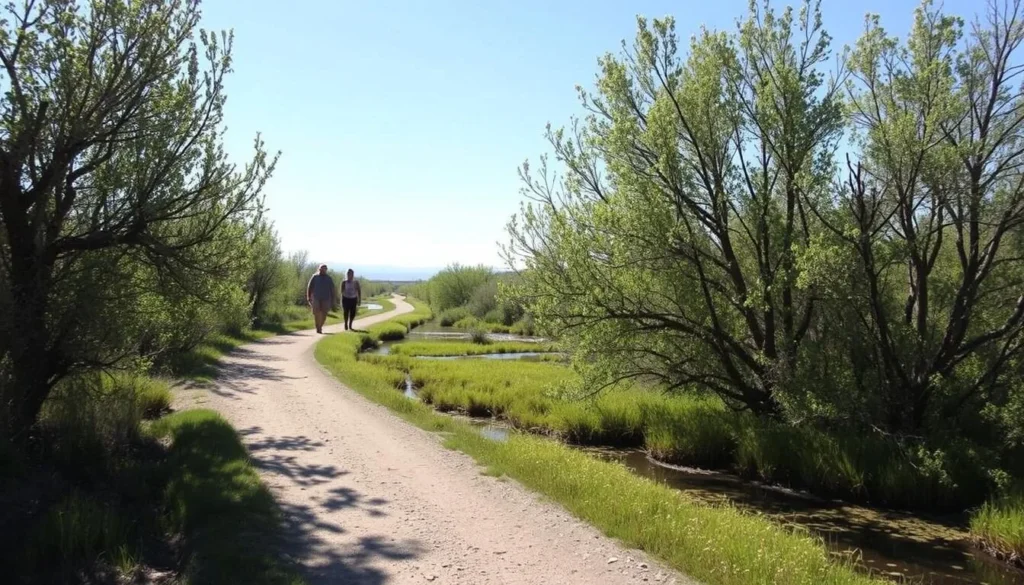
The Rio Grande Nature Trail, a 2.9 km (1.8-mile) path, takes visitors through riparian habitats along the Rio Grande River. This easy trail features interpretive signs about local flora and fauna. The shorter Wetland Walk provides close-up views of marsh habitats where waterfowl and shorebirds feed.
For photography enthusiasts, the refuge offers exceptional opportunities, particularly during golden hour when the light illuminates the wetlands and mountains. Bring a telephoto lens for wildlife shots and a wide-angle for landscape photography.
Museums, Cultural Spots & Festivals
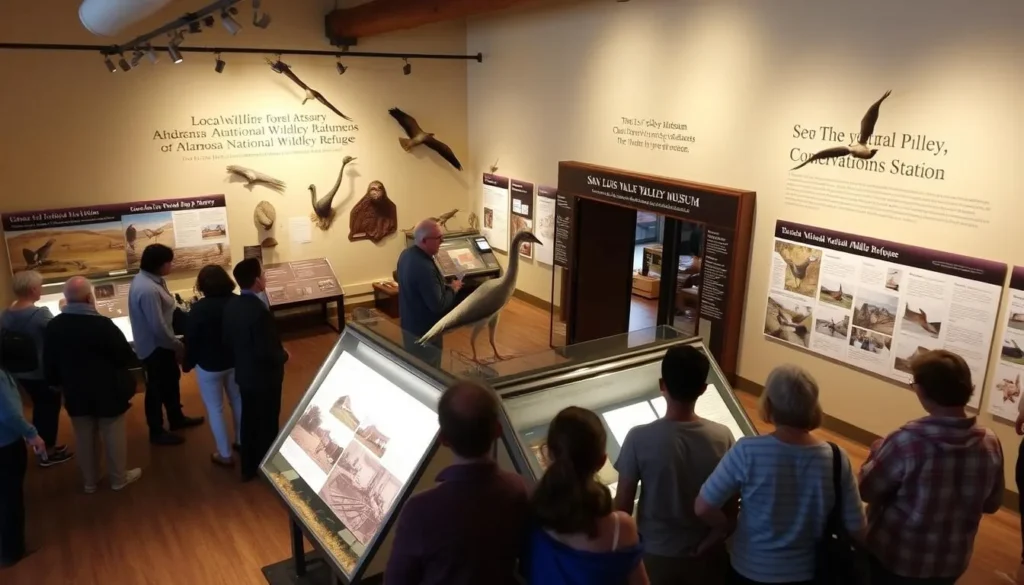
While the refuge itself doesn’t host cultural facilities, nearby Alamosa offers several museums and cultural experiences:
Museums
- San Luis Valley Museum: Exhibits on local history, including the development of wildlife conservation in the valley.
- Luther Bean Museum: Located at Adams State University, featuring Western art and regional artifacts.
- Fort Garland Museum: 25 minutes away, this historic military fort provides insights into the area’s 19th-century history.
Annual Events
The Monte Vista Crane Festival in March celebrates the sandhill crane migration with wildlife tours, lectures, and photography workshops. Many tours visit portions of the Alamosa refuge. The Rio Frio Ice Fest in January and Summerfest on the Rio in June offer additional cultural experiences in Alamosa.
For a deeper understanding of the refuge’s importance, check the event calendar at the Alamosa Visitor Center, as occasional guided walks and educational programs are offered by refuge staff and local conservation groups.
Sports, Nature & Outdoor Experiences

Birdwatching
Birdwatching is the premier activity at the refuge. Spring and fall migrations bring thousands of birds, including the spectacular sandhill cranes. The refuge provides several designated observation points with informational panels identifying common species. Bring binoculars or a spotting scope for the best experience.
Photography
Wildlife photographers will find abundant subjects year-round. The refuge’s diverse habitats, from wetlands to grasslands, provide varied backdrops. The Bluff Overlook offers spectacular landscape photography opportunities, especially at sunrise when the mountains are bathed in golden light.
Fishing
Fishing is permitted in designated areas along the Rio Grande River within the refuge boundaries. Common catches include brown and rainbow trout. A valid Colorado fishing license is required, and specific regulations apply to protect sensitive habitat.

Seasonal Activities
Winter brings opportunities for snowshoeing when conditions permit, offering a unique perspective of the refuge. Summer and fall are ideal for nature photography and plant identification, with wildflowers blooming in meadow areas. The refuge does not permit hunting, but nearby Monte Vista National Wildlife Refuge does offer limited waterfowl hunting opportunities.
Safety, Etiquette & Local Customs
When visiting Alamosa National Wildlife Refuge, safety and respect for wildlife are paramount:
Safety Tips
- Carry plenty of water, especially in summer when temperatures can exceed 32°C (90°F).
- Apply sunscreen and wear a hat – the San Luis Valley’s high elevation (2,300 m/7,500 ft) intensifies sun exposure.
- Stay on designated trails and roads to avoid disturbing wildlife and sensitive habitat.
- Be prepared for rapid weather changes – afternoon thunderstorms are common in summer.
- Keep a safe distance from all wildlife, including seemingly docile animals.
Visitor Etiquette
- Practice “Leave No Trace” principles – pack out all trash.
- Keep noise to a minimum to avoid disturbing wildlife and other visitors.
- Use designated pullouts for wildlife viewing rather than stopping on the road.
- Pets must remain leashed at all times and are not permitted on some trails.
- Drones are prohibited within the refuge boundaries.
The refuge is managed primarily for wildlife conservation, so visitor facilities are minimal. There are no restrooms within the refuge except at the visitor contact station, which has limited hours. Plan accordingly and use facilities in Alamosa before your visit.
Visitor Comments About Alamosa National Wildlife Refuge
“We visited during the spring crane migration and were absolutely blown away. Thousands of sandhill cranes filled the wetlands, creating a spectacular sight and sound. The auto tour route was easy to navigate, and we appreciated the quiet solitude compared to busier parks in the area.”
“A hidden gem in the San Luis Valley! While Great Sand Dunes gets all the attention, we found this refuge to be equally impressive in a different way. The diversity of birds was amazing, and we even spotted a family of beavers along the Rio Grande. Bring binoculars and patience.”
“Perfect for nature photographers. I spent a full day capturing images of waterfowl, raptors, and the beautiful landscape. The morning light on the wetlands with the mountains in the background created stunning compositions. Much less crowded than other wildlife viewing areas in Colorado.”
Additional Nearby Destinations
While visiting Alamosa National Wildlife Refuge, consider exploring these nearby attractions:
Great Sand Dunes National Park
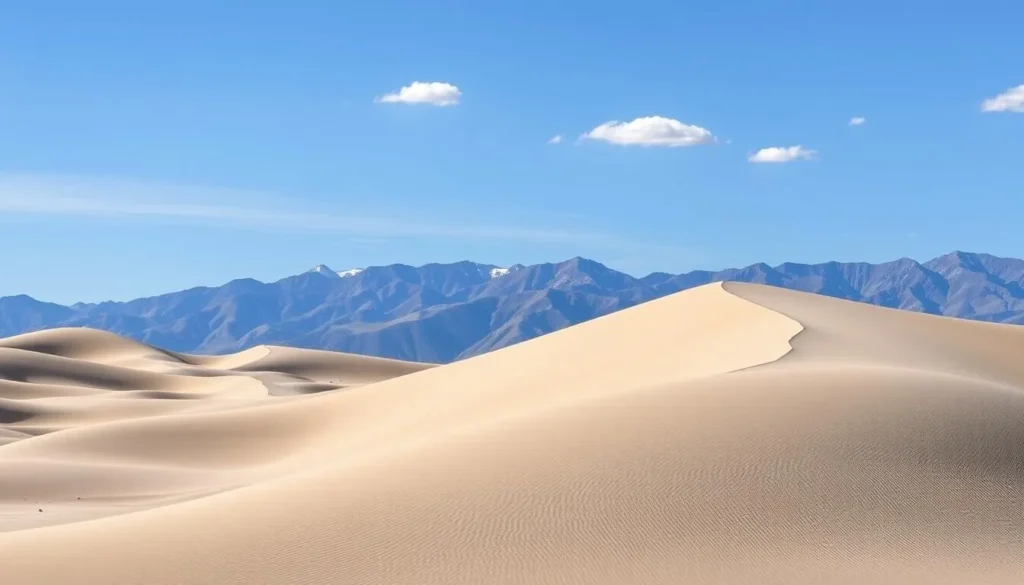
Just 35 minutes northeast of Alamosa, this park features North America’s tallest sand dunes against the backdrop of the Sangre de Cristo Mountains. Activities include sand sledding, hiking, and stargazing. The contrast between wetlands and sand dunes makes for a fascinating ecological study.
Monte Vista National Wildlife Refuge
Located 30 minutes west of Alamosa, this sister refuge also hosts significant bird populations, including sandhill cranes. The habitat is slightly different, with more agricultural influence, providing complementary wildlife viewing opportunities.
Zapata Falls
This 9-meter (30-foot) waterfall is located 30 minutes from Alamosa near the Great Sand Dunes. A short 1.6 km (1-mile) hike leads to the falls, which freeze into an ice sculpture during winter months. The trail also offers spectacular views of the San Luis Valley.
For unique experiences, visit the UFO Watchtower in Hooper (25 minutes north) or the Colorado Gators Reptile Park (20 minutes north), where geothermal waters support over 300 alligators in this unexpected high-altitude location.
Practical Travel Tips
- Cell Service: Coverage can be spotty within the refuge. Download maps and information before your visit.
- Accessibility: The auto tour route and visitor contact station are accessible to those with mobility limitations. Some trails may not be suitable for wheelchairs, especially after rain.
- Photography: Early morning and late afternoon provide the best light and wildlife activity. A telephoto lens (at least 300mm) is recommended for wildlife photography.
- Supplies: No food or water is available at the refuge. Stock up in Alamosa before your visit.
- Altitude: At approximately 2,300 meters (7,500 feet), visitors from lower elevations may experience mild altitude symptoms. Stay hydrated and pace yourself.
- Visitor Center Hours: The small contact station has limited hours, typically 8am-4pm during summer months and weekends only in winter. Call ahead to confirm.
For the most current information about road conditions and wildlife sightings, contact the refuge office at (719) 589-4021 before your visit. The staff can provide updates on seasonal highlights and special events.
Your Gateway to Colorado’s Wild Heart
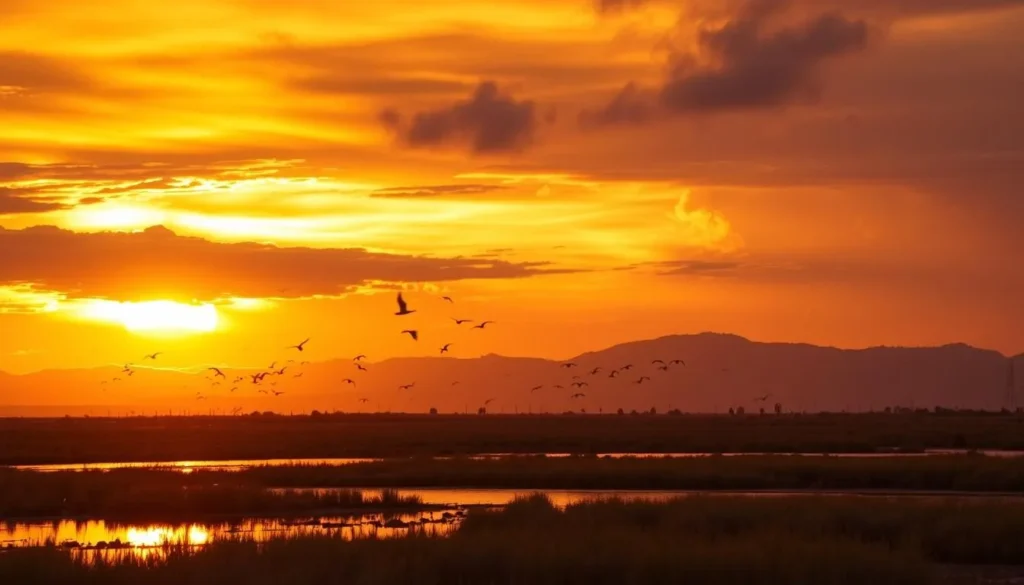
Alamosa National Wildlife Refuge offers a genuine wilderness experience that stands in beautiful contrast to Colorado’s more developed attractions. Here, the natural rhythms of migration, seasonal change, and river flow continue largely as they have for centuries. Whether you come for the spectacular crane migration, the diverse birdlife, or simply the peace of wild spaces, the refuge provides a meaningful connection to the natural world that stays with visitors long after they leave.
Unlike the crowds and infrastructure of national parks, this refuge invites a slower, more contemplative experience of nature. As you plan your Colorado adventure, consider setting aside time for this special place where wildlife takes priority and visitors are privileged observers in a landscape shaped by water, mountains, and sky.
Related Posts
Waunita Hot Springs, Colorado: Best Things to Do – Top Picks
Uncompahgre River, Colorado: Best Things to Do – Top Picks

Uncompahgre Peak, Colorado: Best Things to Do – Top Picks
Vapor Caves Glenwood Springs, Colorado: Best Things to Do – Top Picks
Vail Ski Resort, Colorado: Best Things to Do – Top Picks
Vail Pass Road, Colorado: Best Things to Do – Top Picks
Coming Soon: Clickable Maps