
Hotels by Trip.com
Flights by Trip.com
Nestled at 8,200 meters (26,900 feet) above sea level, Arapaho National Wildlife Refuge is home to an astonishing 208 bird species and 37 mammal species, making it one of Colorado’s most biodiverse yet least-visited natural treasures. Established in 1967 to protect crucial waterfowl habitat, this 25,521-hectare (63,056-acre) sanctuary offers visitors a rare glimpse into an untouched ecosystem where moose, eagles, and migratory birds thrive in pristine wetlands and sagebrush uplands.
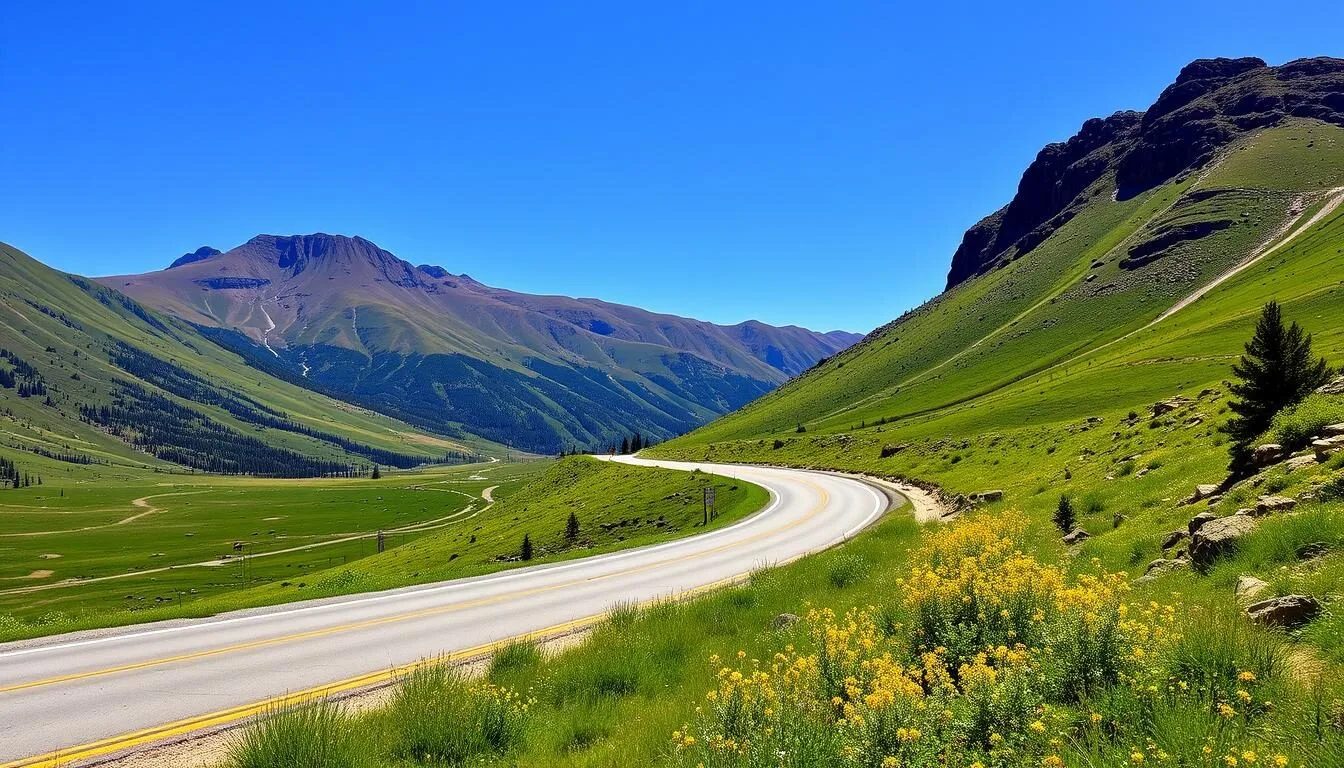
Getting There & Planning Your Journey
Arapaho National Wildlife Refuge is located in North Park, Colorado, approximately 10 miles south of Walden. The refuge sits in Jackson County, one of Colorado’s least populated areas, offering a truly secluded nature experience.
The closest major airports are:
- Denver International Airport (DEN) – 177 km (110 miles) southeast
- Yampa Valley Regional Airport (HDN) near Steamboat Springs – 97 km (60 miles) west
From Steamboat Springs, the refuge is approximately a 1-hour drive northeast. If you’re coming from Denver, plan for a 3-hour drive northwest through scenic mountain passes. The refuge is also just 20 minutes from the town of Walden, which serves as an excellent base for exploring the area.
The Visitor Center is located at 953 Co Rd 32, Walden, CO 80480, and can be reached at (970) 723-8202 for the most current information about road conditions and wildlife sightings.
Best Time to Visit & Weather Tips
Recommended Seasons
- Spring (April-June): Waterfowl nesting begins, early wildflowers bloom, and migratory birds return. Temperatures range from 4-21°C (40-70°F).
- Summer (July-August): Peak wildlife activity with abundant bird species and young animals. Temperatures average 10-27°C (50-80°F).
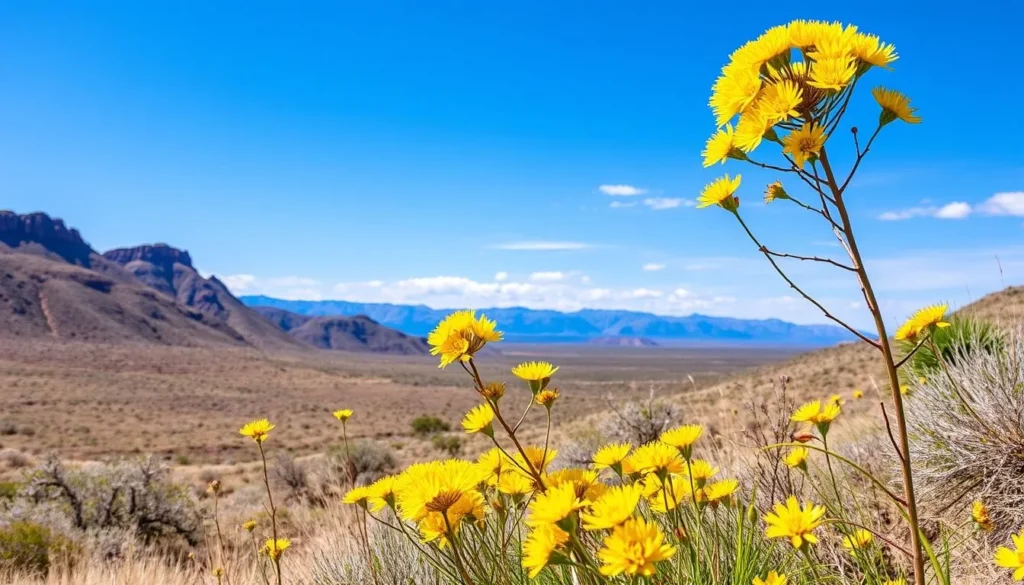
- Fall (September-October): Spectacular colors as Rabbit Brush blooms with vibrant yellow flowers. Migratory birds begin their journey south. Temperatures range from 0-18°C (32-65°F).
Seasons to Avoid
- Winter (November-March): The refuge roads often become inaccessible due to snow and ice. The Auto Tour Route and many trails close during this period. Temperatures can drop to -18°C (0°F) or lower.
For the most rewarding experience, August is particularly recommended when the Rabbit Brush is in bloom, creating a stunning landscape of yellow flowers against the blue-gray sagebrush backdrop.
Getting Around Locally
Exploring Arapaho National Wildlife Refuge is best done through a combination of driving and walking. The refuge offers several ways to experience its diverse habitats:
Auto Tour Route
The 6-mile Auto Tour Route is the highlight of any visit, taking you through the heart of the wetlands and providing excellent opportunities for wildlife viewing. This self-guided drive is suitable for standard vehicles and offers numerous pullouts where you can safely stop to observe wildlife.
Pick up a brochure at the Visitor Center before starting your drive for information about what you might see at each stop along the route.
Walking Trails
The “Moose-Goose” interpretive trail is a 0.8 km (0.5-mile) nature walk that winds through willows and wetlands. This easy trail offers excellent opportunities for spotting moose, waterfowl, and songbirds.
For panoramic views, drive up to Owl Ridge overlook, which provides spectacular vistas of the Illinois River and surrounding wetlands. This is also an excellent spot for photography.
For the adventurous, there’s a “back road” that starts at the Visitor Center and ends at Highway 14 east of Walden. This 10 km (6-mile) route follows the Illinois River through all the refuge’s habitat types and is suitable for standard vehicles.
Where to Stay
While there is no lodging within Arapaho National Wildlife Refuge itself, several options are available nearby:
Walden Accommodations
The town of Walden, just 20 minutes from the refuge, offers several motels, cabins, and restaurants. This is the closest option and provides convenient access to the refuge.
The North Park Inn and the Antlers Inn are popular choices with basic amenities and reasonable rates.
Camping Options
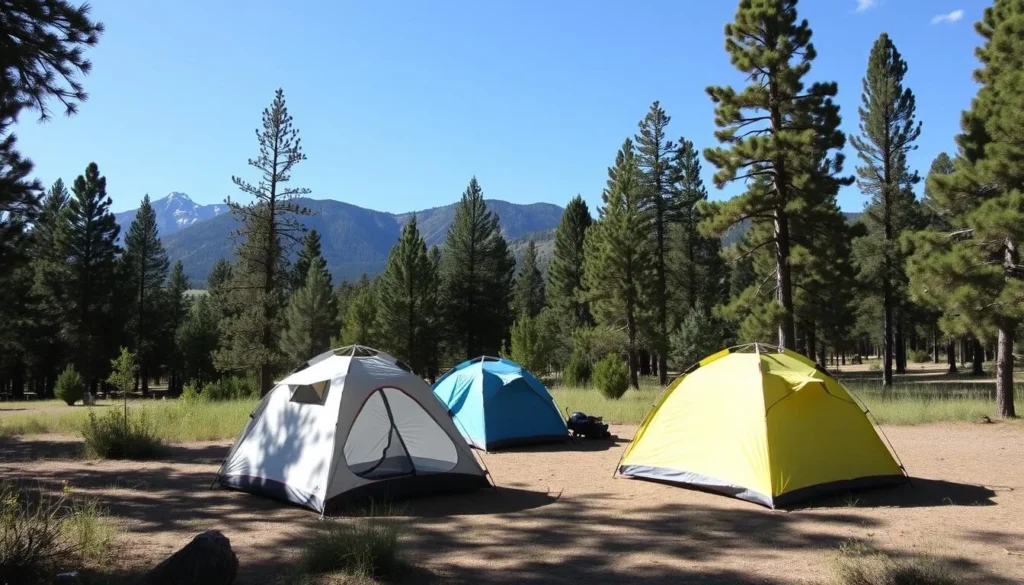
Colorado State Forest State Park, located about 25 km (15 miles) from the refuge, offers 170 developed campsites across five different locations. Sites can accommodate tents, trailers, RVs, and pick-up campers.
Popular campgrounds include Ranger Lakes (32 electric sites with water), North Park (29 electric sites), Michigan Lake, and Bockman.
Cabin Rentals
For those seeking more comfort, cabins are available at Michigan Lake in State Forest State Park. These rustic accommodations provide a cozy base for exploring both the park and the wildlife refuge.
Several private RV parks in the area also offer cabin rentals with more amenities.
Dining & Local Cuisine
Dining options within the refuge are limited, so it’s best to come prepared:
Picnic Facilities
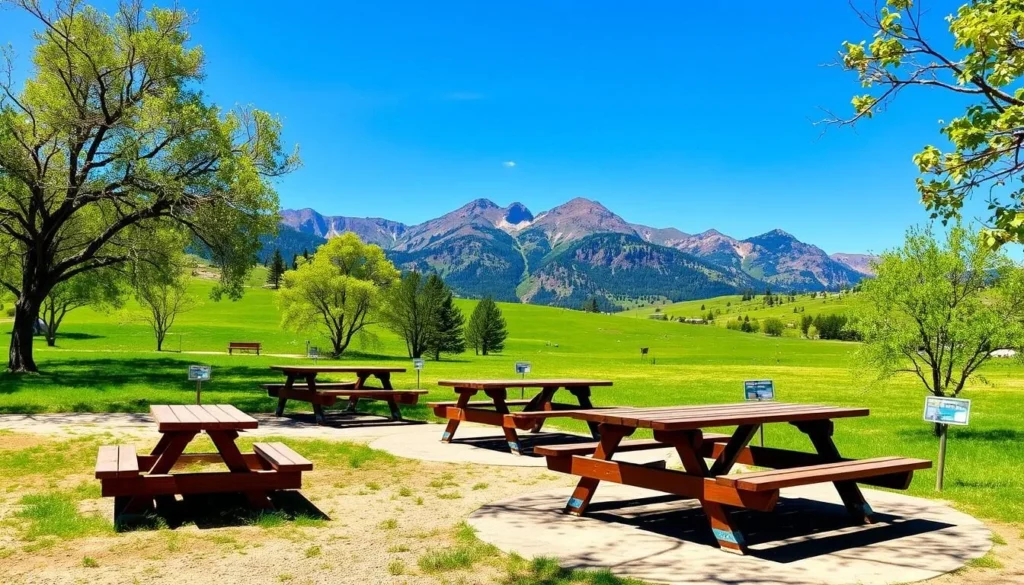
The Visitor Center has picnic tables and restrooms, making it an ideal spot for a packed lunch. Bringing your own food is recommended, especially if you plan to spend the full day exploring the refuge.
Remember to pack out all trash as part of the refuge’s conservation efforts.
Nearby Dining
Walden offers several restaurants and a full grocery store where you can stock up on supplies. Local establishments serve hearty mountain fare, with game meats like elk and bison often featured on menus.
For coffee and light meals, the Moose Creek Cafe in Walden is a popular stop for visitors heading to the refuge.
Attractions, Sightseeing & Activities
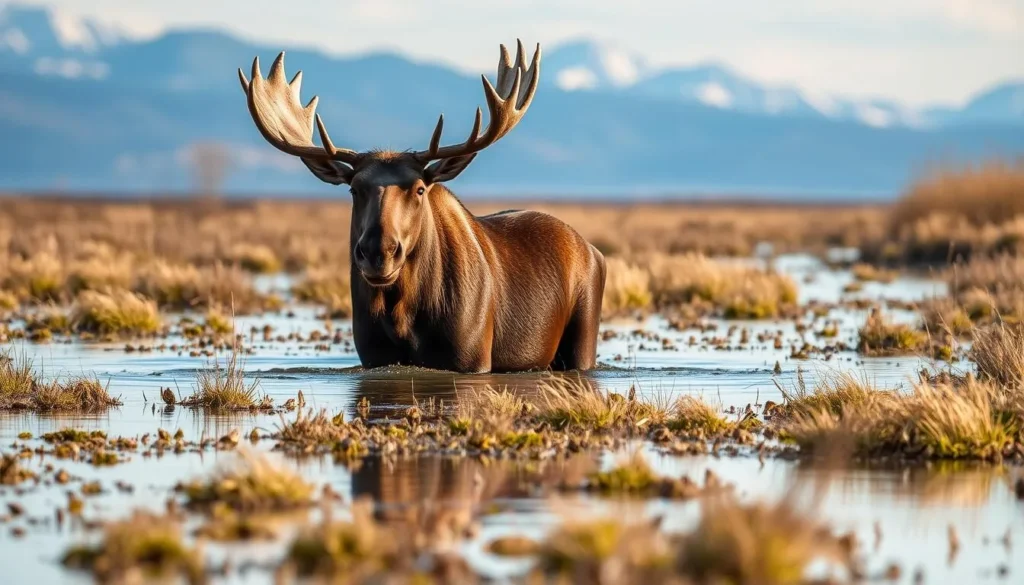
Arapaho National Wildlife Refuge offers a wealth of activities for nature enthusiasts:
Wildlife Viewing
The refuge is home to an impressive array of wildlife. Visitors commonly spot moose, pronghorn antelope, mule deer, beavers, and coyotes. The wetlands attract numerous waterfowl species, while the uplands host golden eagles, hawks, and falcons.
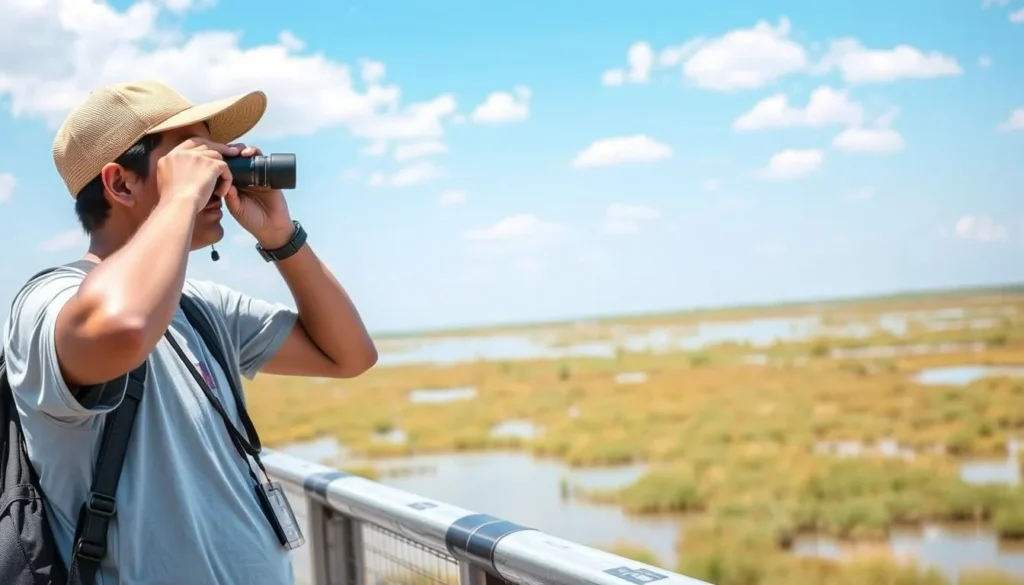
Bring binoculars for the best viewing experience, as many animals may be at a distance.
Birdwatching
With 208 recorded bird species, the refuge is a paradise for birders. Notable species include Greater Sage-Grouse, Sora and Virginia Rails, Yellow-headed Blackbirds, and various waterfowl.
Spring and fall migrations bring an abundance of birds passing through, making these seasons particularly rewarding for birdwatchers.
Photography
The diverse landscapes and abundant wildlife make the refuge a photographer’s dream. August is especially photogenic when the Rabbit Brush blooms, creating a vibrant yellow contrast against the blue-gray sagebrush.
Early morning and late afternoon offer the best lighting conditions and increased wildlife activity.
Sports, Nature & Outdoor Experiences
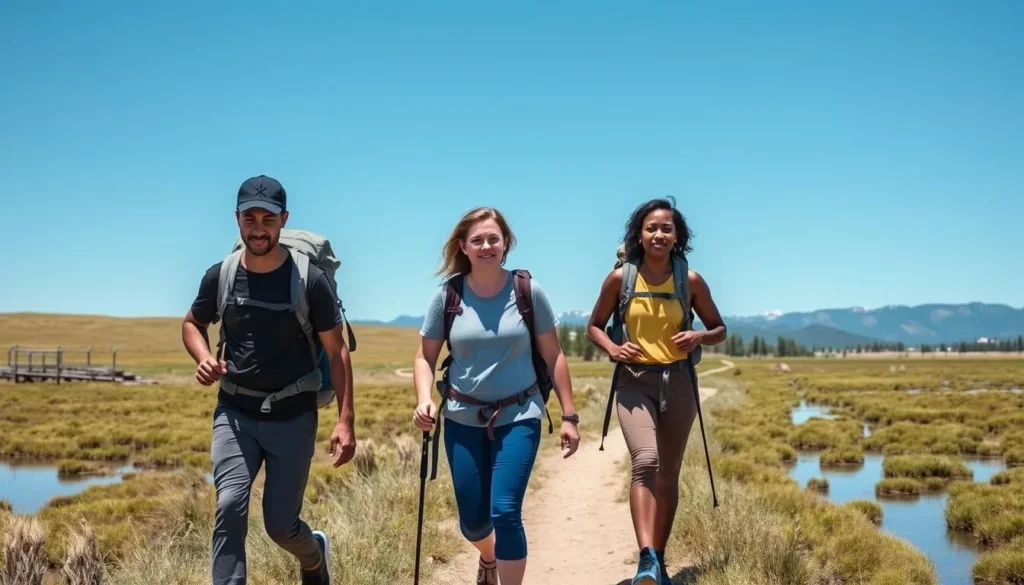
Hiking
While the refuge has limited designated hiking trails, the Moose-Goose nature trail offers an accessible way to immerse yourself in the wetland environment. This short loop takes you through willows and alongside marshes where wildlife sightings are common.
Wear sturdy shoes and bring insect repellent during summer months.
Fishing
Fishing is permitted in designated areas of the Illinois River that flows through the refuge. The river contains 10 species of fish, including trout.
A valid Colorado fishing license is required, and specific regulations apply within the refuge boundaries. Check with the Visitor Center for current regulations.
Seasonal Activities
Spring brings wildflower viewing opportunities, while fall offers spectacular foliage. Winter, when accessible, provides a different perspective of the refuge with potential for snowshoeing, though many roads close during this season.
Each season offers unique wildlife viewing opportunities as different species migrate through or change their behavior.
Safety, Etiquette & Local Customs
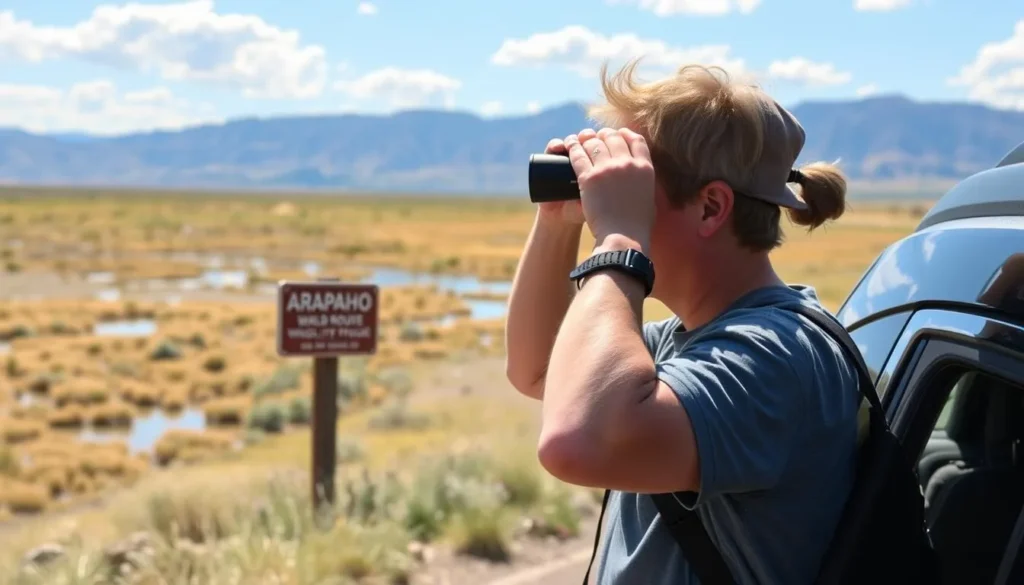
Wildlife Safety
- Maintain a safe distance from all wildlife. Use binoculars or spotting scopes for closer views.
- Never approach or feed wildlife, which can alter their natural behavior and create dangerous situations.
- Be especially cautious around moose, which can be unpredictable and potentially dangerous if they feel threatened.
- Stay in your vehicle when viewing wildlife along the Auto Tour Route unless at designated pullouts.
Refuge Etiquette
- Stay on designated roads and trails to protect sensitive habitats.
- Practice “Leave No Trace” principles by packing out all trash.
- Keep noise to a minimum to avoid disturbing wildlife.
- Pets must be leashed at all times and are not permitted on some trails.
- Photography is encouraged, but drones are prohibited within the refuge.
Visitor Comments About Arapaho National Wildlife Refuge
“One of the most beautiful places I’ve ever seen. The colors in August when the Rabbit Brush blooms are simply spectacular. We spotted two moose, several beavers, and countless bird species during our visit. The Auto Tour Route offers amazing wildlife viewing opportunities without having to hike far.”
“The Visitor Center staff were incredibly knowledgeable and helped us plan our day. Their suggestions led us to see a family of moose near the Moose-Goose trail! Bring binoculars – they’re essential for spotting wildlife that might be at a distance. A truly peaceful escape from the crowds at other Colorado destinations.”
“We visited in early September and were amazed by the diversity of birds. As amateur photographers, we got some of our best wildlife shots ever here. The light in the early morning was perfect, and the backdrop of mountains made every photo look professional. Don’t miss driving up to Owl Ridge for the panoramic views!”
Additional Nearby Destinations
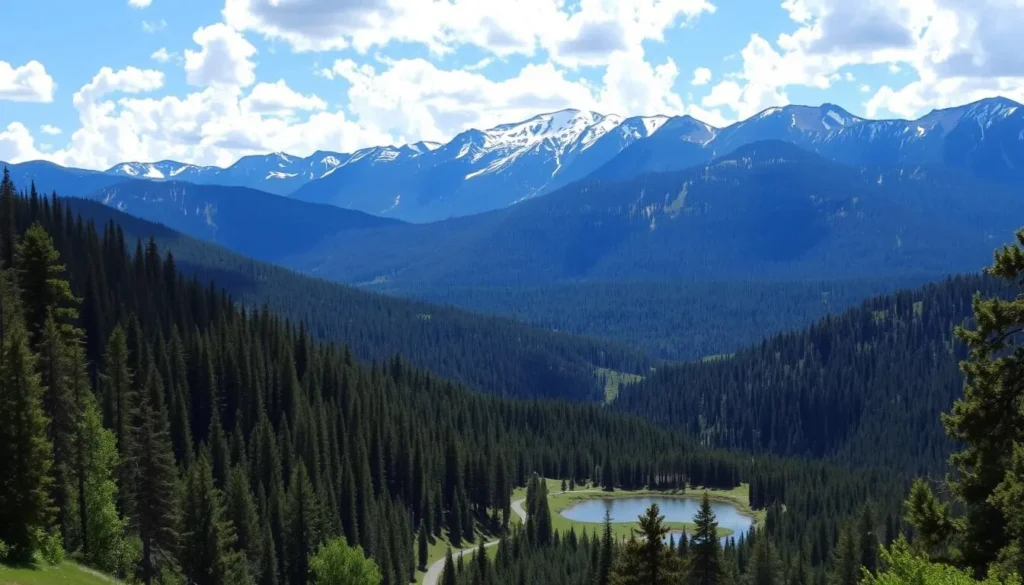
State Forest State Park
Located just 25 km (15 miles) from the refuge, this 28,000-hectare (71,000-acre) park is known as the “Moose Capital of Colorado” with over 600 moose residing within its boundaries.
The park offers extensive hiking trails, camping, fishing, and winter activities including snowshoeing and cross-country skiing.
Steamboat Springs
About an hour’s drive west of the refuge, Steamboat Springs is a popular mountain town known for its hot springs, skiing, and vibrant downtown area.
The town offers numerous dining and lodging options, making it a good base for those wanting more amenities while exploring the region.
Rocky Mountain National Park
Approximately 97 km (60 miles) southeast of the refuge, this iconic national park offers spectacular mountain scenery, abundant wildlife, and over 480 km (300 miles) of hiking trails.
The park’s western entrance near Grand Lake is less crowded than the eastern entrance and provides a different perspective of the park.
Practical Travel Tips
What to Bring
- Binoculars: Essential for wildlife viewing
- Camera: The diverse landscapes and wildlife offer excellent photo opportunities
- Water and snacks: Limited services within the refuge
- Sun protection: The high elevation means stronger UV exposure
- Layers: Weather can change quickly at this elevation
- Field guides: Enhance your experience by identifying species
Planning Advice
- Visit the Visitor Center first to get current information on wildlife sightings and road conditions
- Allow at least 2-3 hours to drive the Auto Tour Route and explore the Moose-Goose trail
- For the best wildlife viewing, visit early morning or late afternoon
- Check road conditions before traveling, especially in spring and fall when weather can be unpredictable
- Fill your gas tank in Walden as there are no services within the refuge
Nature’s Hidden Sanctuary Awaits
Arapaho National Wildlife Refuge offers a rare opportunity to experience Colorado’s natural beauty away from the crowds. With its diverse ecosystems, abundant wildlife, and breathtaking landscapes, the refuge provides a peaceful retreat for nature lovers, photographers, and outdoor enthusiasts. Whether you’re watching moose wade through wetlands, observing the colorful dance of migratory birds, or simply soaking in the panoramic mountain views, a visit to this hidden gem will leave you with lasting memories and a deeper appreciation for Colorado’s wild spaces. Plan your journey to Arapaho National Wildlife Refuge and discover why this pristine sanctuary deserves a spot on your Colorado itinerary.
Related Posts
Waunita Hot Springs, Colorado: Best Things to Do – Top Picks
Uncompahgre River, Colorado: Best Things to Do – Top Picks

Uncompahgre Peak, Colorado: Best Things to Do – Top Picks
Vapor Caves Glenwood Springs, Colorado: Best Things to Do – Top Picks
Vail Ski Resort, Colorado: Best Things to Do – Top Picks
Vail Pass Road, Colorado: Best Things to Do – Top Picks
Coming Soon: Clickable Maps