
Hotels by Trip.com
Flights by Trip.com
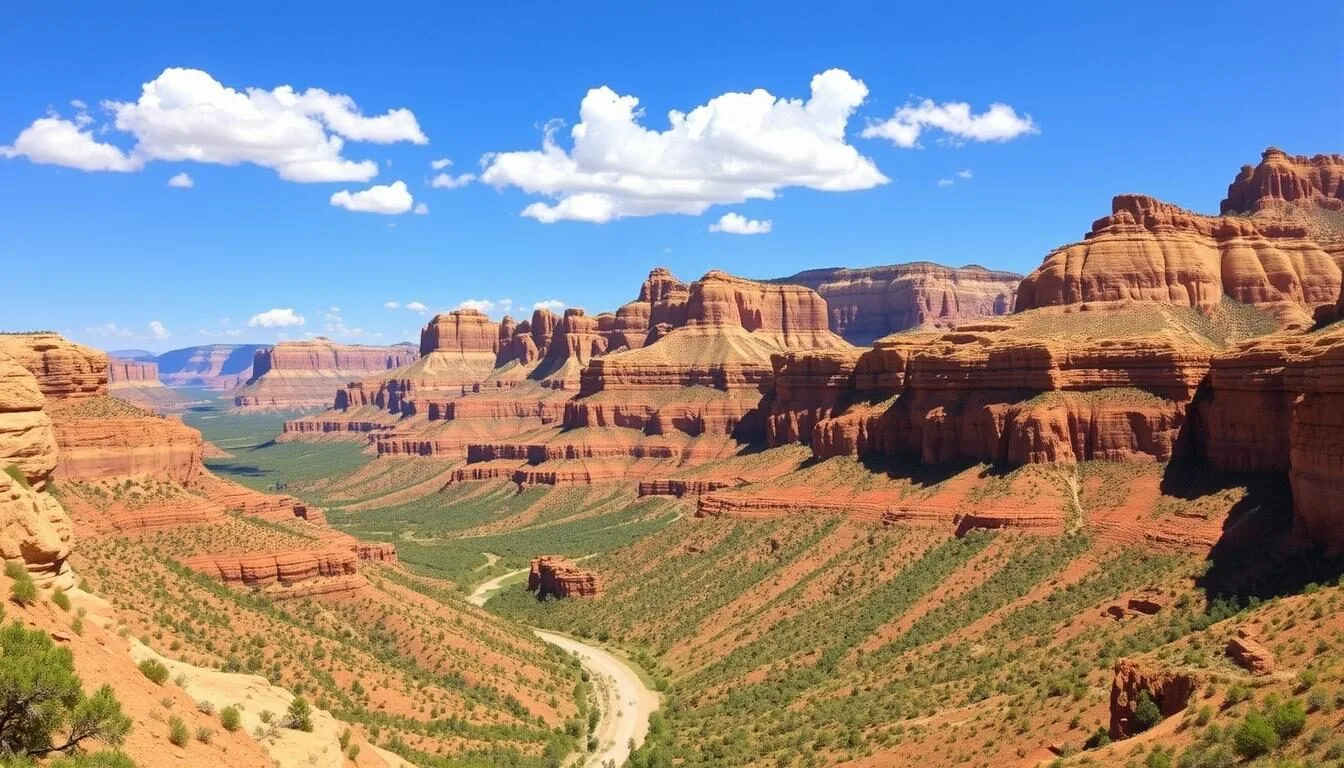
Did you know that Dinosaur National Monument contains over 1,500 visible dinosaur fossils still embedded in the rock wall of the Quarry Exhibit Hall? This remarkable 85,000-hectare (210,000-acre) monument straddling the Colorado-Utah border offers visitors a rare opportunity to literally touch remains from the Jurassic period. Beyond its famous fossils, this hidden gem features dramatic canyon landscapes, ancient rock art, pioneer history, and thrilling river adventures that make it feel more like a national park than a monument.
Getting There & Planning Your Journey
Dinosaur National Monument is located in a relatively remote area spanning northeastern Utah and northwestern Colorado. The monument has two main entrances: the Utah side (near Jensen) where you’ll find the dinosaur fossils, and the Colorado side (near the town of Dinosaur) which showcases dramatic canyon landscapes.
The closest major airports are Salt Lake City International Airport, about 290 km (180 miles) west of the monument, and Denver International Airport, approximately 480 km (300 miles) southeast. From either airport, you’ll need to rent a car for the journey.
If driving from Salt Lake City, take I-80 east to US-40 east through Vernal, Utah to reach the monument’s west entrance. From Denver, take I-70 west to CO-13 north, then US-40 west to reach the east entrance near the town of Dinosaur, Colorado.
When planning your visit, allow at least two full days to explore both sides of the monument. The Utah and Colorado sections are about 50 km (31 miles) apart by road, so you’ll want to plan accordingly. The monument’s remote location means services are limited, so stock up on supplies in the nearby towns of Vernal, Utah or Dinosaur, Colorado before entering.
Best Time to Visit & Weather Tips
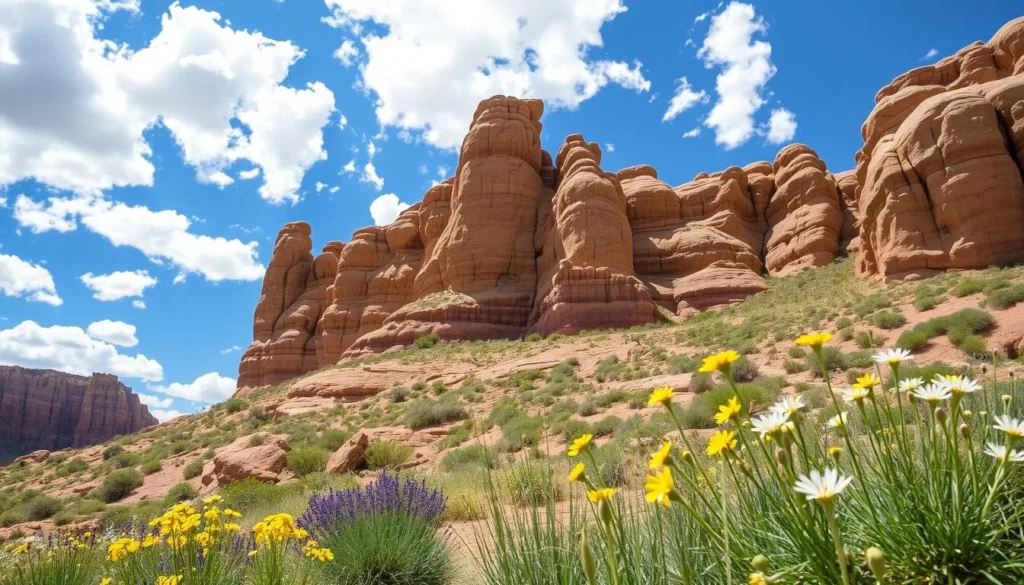
The ideal time to visit Dinosaur National Monument is from late spring through early fall (May through September). During these months, daytime temperatures typically range from 21-32°C (70-90°F), making it comfortable for outdoor exploration. The monument experiences a desert climate with low humidity, so even summer’s warmest days often cool down pleasantly in the evenings.
Spring (May-June) offers mild temperatures and blooming wildflowers, while fall (September-October) brings cooler weather and beautiful changing colors in the cottonwood trees along the rivers. Summer (July-August) is the busiest season, though “busy” at this remote monument is still relatively uncrowded compared to more popular national parks.
Winter visits (November-March) are possible but challenging. Temperatures can drop below freezing, and snowfall may temporarily close roads and facilities. The Quarry Exhibit Hall remains open year-round with reduced hours, but many backcountry roads become impassable.
Regardless of when you visit, be prepared for desert conditions. Pack plenty of water, sun protection, and layers for temperature changes. Summer visitors should plan outdoor activities for mornings and evenings to avoid midday heat, while spring and fall visitors should be prepared for occasional rain showers.
| Season | Temperature Range | Precipitation | Crowd Levels | Recommendation |
| Spring (May-Jun) | 15-26°C (60-80°F) | Low | Moderate | Highly Recommended |
| Summer (Jul-Aug) | 21-32°C (70-90°F) | Very Low | Highest | Good for River Activities |
| Fall (Sep-Oct) | 10-24°C (50-75°F) | Low | Low | Highly Recommended |
| Winter (Nov-Mar) | -7-10°C (20-50°F) | Moderate (Snow) | Very Low | Not Recommended |
Getting Around Locally
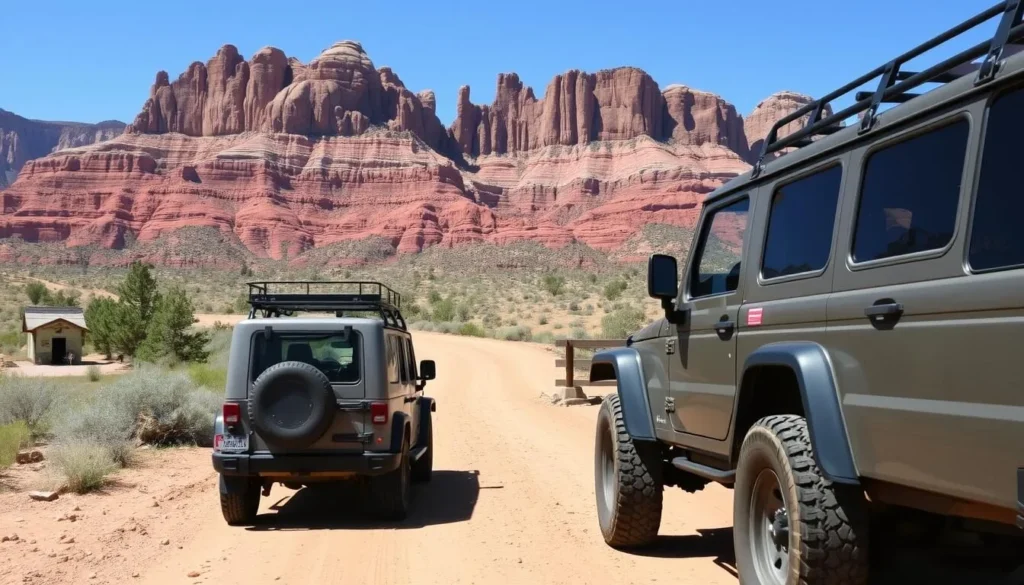
A personal vehicle is essential for exploring Dinosaur National Monument. The monument’s two main sections are connected by a 50 km (31-mile) drive, and many attractions are spread out across this vast landscape. All major roads within the monument are paved and accessible to standard vehicles.
The Utah side features the 10 km (6-mile) Tour of Tilted Rocks along Cub Creek Road, which takes you past rock art sites, scenic viewpoints, and to the historic Josie Morris Cabin. On the Colorado side, the 31 km (19-mile) Harpers Corner Road offers spectacular canyon overlooks and access to several hiking trails.
For adventurous visitors with high-clearance 4WD vehicles, several unpaved backcountry roads provide access to more remote areas of the monument:
- Echo Park Road (13 km/8 miles) – Descends into the canyon to the confluence of the Green and Yampa Rivers
- Yampa Bench Road (29 km/18 miles) – Follows a plateau above the Yampa River with stunning viewpoints
- Island Park Road (13 km/8 miles) – Leads to petroglyphs and river access points
These unpaved roads are impassable when wet and require careful planning. Carry extra water, food, and emergency supplies, as cell service is nonexistent in most of the monument. Always check road conditions at a visitor center before attempting these routes.
✓ Check 30,000+ Local Sightseeing Tours Worldwide
For those interested in exploring the rivers, guided rafting trips are available, offering a unique perspective of the monument’s dramatic canyons from the water.
Where to Stay
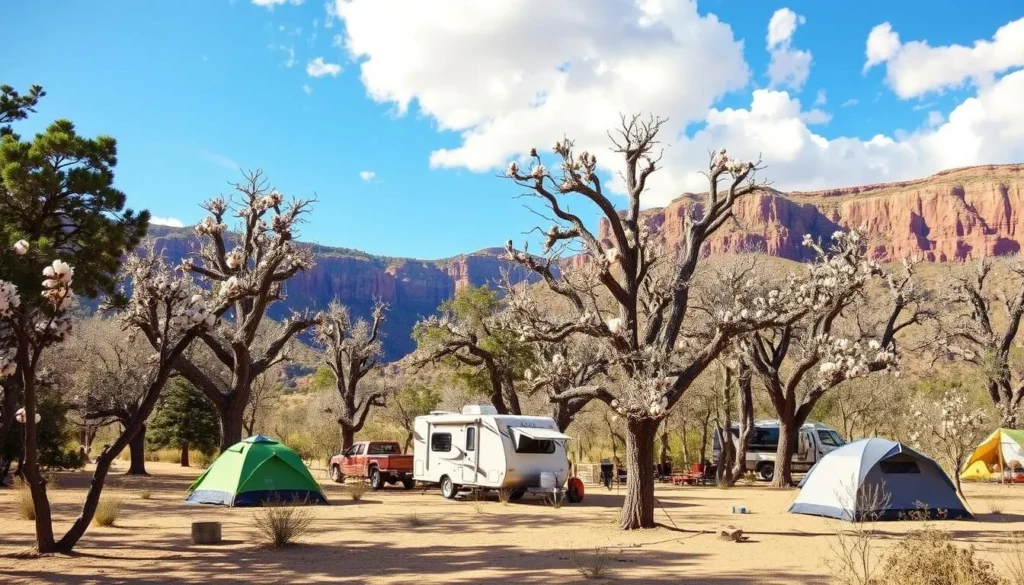
Accommodation options at Dinosaur National Monument range from campgrounds within the park to hotels in nearby towns. For the most immersive experience, camping inside the monument is highly recommended.
Campgrounds Within the Monument
The monument offers several developed campgrounds that operate on a first-come, first-served basis:
- Green River Campground (Utah side) – 81 sites nestled along the Green River with shade from cottonwood trees. Flush toilets and drinking water available. Fee: $20 per night.
- Split Mountain Campground (Utah side) – 4 group sites near the boat ramp. Reservations required for groups of 8-25 people. Fee: $40 per night.
- Echo Park Campground (Colorado side) – 22 primitive sites at the confluence of the Green and Yampa Rivers. Vault toilets and water (seasonal). Fee: $15 per night.
- Gates of Lodore Campground (Colorado side) – 19 sites along the Green River. Vault toilets and water (seasonal). Fee: $15 per night.
All campgrounds have fire rings and picnic tables. During peak season (May-September), campgrounds often fill by early afternoon, especially on weekends.
Nearby Accommodations
If camping isn’t your style, the nearby towns offer several lodging options:
- Vernal, Utah (32 km/20 miles from Utah entrance) – Offers the widest selection of hotels, motels, and B&Bs, including national chains and local establishments like the Dinosaur Inn & Suites.
- Jensen, Utah (11 km/7 miles from Utah entrance) – Limited accommodations but closer to the monument. Outlaw Trail RV Park offers full hookups for RV travelers.
- Dinosaur, Colorado (3 km/2 miles from Colorado entrance) – A few small motels and B&Bs in this tiny town.
For a truly unique experience, consider booking a multi-day rafting trip that includes camping along the river within the monument’s boundaries. Several authorized outfitters offer these adventures during the summer months.
Dining & Local Cuisine
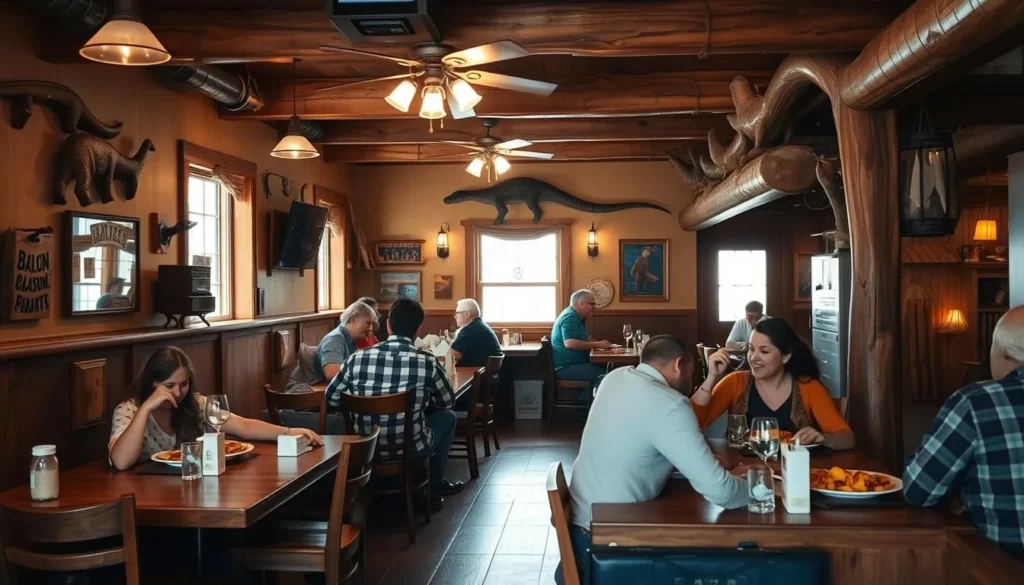
There are no food services within Dinosaur National Monument itself, so visitors should plan accordingly. Pack plenty of snacks, meals, and water for your day trips into the monument. The nearby towns offer several dining options to fuel your adventures.
Nearby Dining Options
Vernal, Utah (32 km/20 miles from the Utah entrance) offers the most extensive dining options:
- Antica Forma Pizzeria – Wood-fired pizza using fresh ingredients and house-made mozzarella. Locals and visitors alike rave about their authentic Italian-style pizzas.
- Dinosaur Brew Haus – Casual pub fare with local microbrews and a dinosaur-themed atmosphere.
- Betty’s Café – Classic American diner serving hearty breakfasts and lunches popular with locals.
- Vernal Brewing Company – Craft beers and elevated pub food in a modern setting.
In Jensen, Utah (11 km/7 miles from the Utah entrance):
- Donnie’s Café – Home-style breakfast and lunch with generous portions at reasonable prices.
- Split Mountain Grill – Basic burgers, sandwiches, and ice cream.
The town of Dinosaur, Colorado has limited dining options, primarily consisting of small cafes and convenience stores.
Picnicking in the Monument
Several designated picnic areas within the monument provide tables, shade, and scenic views. Popular picnic spots include:
- Split Mountain Picnic Area (Utah side)
- Plug Hat Butte Picnic Area (Colorado side)
- Echo Park (Colorado side, accessible via unpaved road)
For multi-day visits, consider bringing a cooler with supplies or plan to restock in Vernal, which has several grocery stores including City Market and Smith’s Food and Drug.
Attractions, Sightseeing & Activities
Utah Side Highlights
The Utah section of Dinosaur National Monument is home to the monument’s most famous attraction – the dinosaur fossils. Must-see spots include:
- Quarry Visitor Center – Start your visit here to learn about the monument’s history and geology through interactive exhibits. Rangers can provide information about current conditions and activities.
- Quarry Exhibit Hall – The crown jewel of the monument, housing the famous “Wall of Bones” with over 1,500 dinosaur fossils still embedded in the rock. Visitors can actually touch real 149-million-year-old dinosaur bones!
- Tour of Tilted Rocks – This 10 km (6-mile) scenic drive along Cub Creek Road passes numerous points of interest including petroglyphs, scenic viewpoints, and historic sites.
- Josie Morris Cabin – Explore the homestead of this remarkable woman who lived self-sufficiently in this remote area for over 50 years until she was 90 years old.
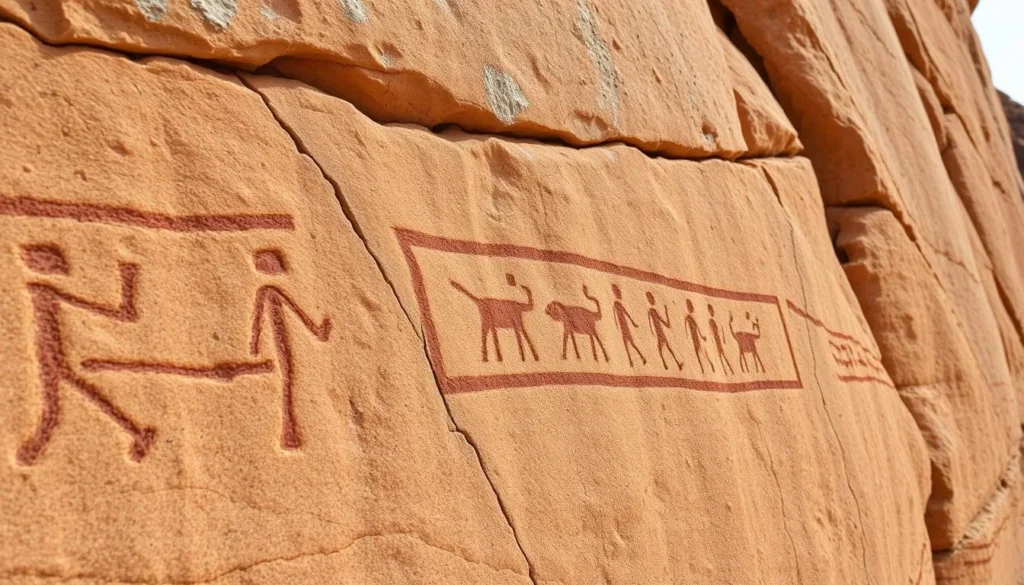
- Petroglyphs and Pictographs – Several sites along Cub Creek Road showcase ancient rock art created by the Fremont people approximately 1,000 years ago.
Colorado Side Highlights
The Colorado section offers dramatic landscapes and wilderness experiences:
- Canyon Visitor Center – Get oriented and learn about the Colorado side’s unique features.
- Harpers Corner Scenic Drive – This 31 km (19-mile) paved road offers spectacular views of the canyon landscapes and several overlooks.
- Echo Park – Accessible via a rugged dirt road, this area features the dramatic Steamboat Rock and the confluence of the Green and Yampa Rivers.
- Plug Hat Butte – An accessible trail leads to panoramic views of the surrounding landscape.
- Gates of Lodore – The dramatic entrance to the canyon where the Green River begins its journey through the monument.
Activities Throughout the Monument
- Hiking – Trails range from easy walks to challenging backcountry routes. Popular options include the Desert Voices Trail (2.4 km/1.5 miles), Sound of Silence Trail (5 km/3.1 miles), and Harpers Corner Trail (3.2 km/2 miles).
- River Rafting – Experience the monument from the water on a guided rafting trip down the Green or Yampa Rivers. Options range from gentle half-day floats to multi-day whitewater adventures.
- Wildlife Viewing – Watch for bighorn sheep, mule deer, elk, and over 200 species of birds throughout the monument.
- Stargazing – Designated as an International Dark Sky Park in 2019, the monument offers exceptional night sky viewing with minimal light pollution.
- Junior Ranger Program – Children can earn a badge by completing activities that teach them about the monument’s natural and cultural history.
Museums, Cultural Spots & Festivals
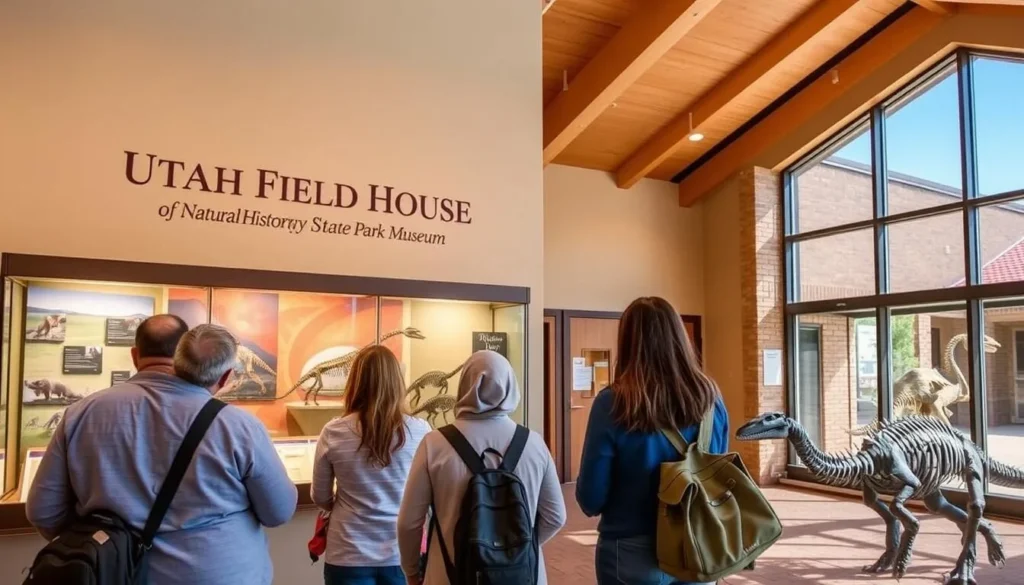
While Dinosaur National Monument itself houses impressive exhibits at its visitor centers, the surrounding area offers additional cultural and educational experiences that complement your visit.
Museums Near the Monument
- Utah Field House of Natural History State Park Museum (Vernal, Utah) – This excellent museum features extensive dinosaur exhibits, including complete skeletons, a working paleontology lab, and a Dinosaur Garden with life-sized replicas. It provides valuable context for what you’ll see at the monument.
- Uintah County Heritage Museum (Vernal, Utah) – Explores the human history of the region, from Native American cultures to pioneer settlements and the area’s energy development.
- Western Heritage Museum (Vernal, Utah) – Showcases the cowboy culture and ranching history of northeastern Utah.
Cultural Sites Within the Monument
- Fremont Petroglyphs – Multiple sites throughout the monument display rock art created by the Fremont people who inhabited the area from approximately 200-1300 CE.
- McKee Spring Petroglyphs – One of the most impressive and concentrated collections of rock art in the monument, accessible via Island Park Road.
- Josie Morris Homestead – This preserved cabin and homestead offers insight into pioneer life in the early 20th century.
- Chew Ranch – Another historic ranch site located near Echo Park that dates back to 1910.
Annual Events and Programs
The monument and surrounding communities host several events throughout the year:
- Earth Day Celebration (April) – Educational activities and service projects at the monument.
- Dinosaur Days (June, Vernal) – A week-long festival celebrating the area’s prehistoric heritage with parades, activities, and special museum events.
- Night Sky Programs (Summer) – Ranger-led stargazing events take advantage of the monument’s International Dark Sky Park designation.
- Geology Talks (Daily during summer) – 15-minute presentations at the Quarry Exhibit Hall explaining the monument’s unique geological features.
- Cultural Demonstrations (Weekends during summer) – Occasional programs featuring traditional skills and crafts of the region’s indigenous peoples and pioneers.
Check with the visitor centers upon arrival for current program schedules, as offerings vary seasonally and may change from year to year.
Nature & Outdoor Experiences
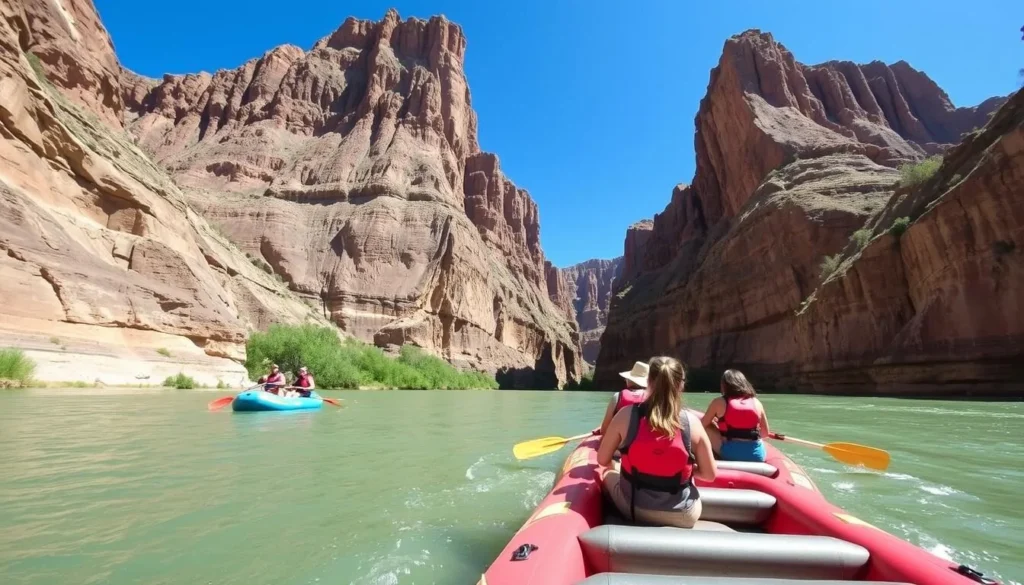
Dinosaur National Monument’s diverse landscape offers a wealth of outdoor experiences beyond its famous fossils. The monument encompasses mountains, canyons, rivers, and desert environments, creating a playground for nature enthusiasts.
River Adventures
The Green and Yampa Rivers cut through the heart of the monument, creating spectacular canyons and offering some of the best river experiences in the western United States:
- Day Trips – Several outfitters offer single-day rafting adventures through Split Mountain Canyon, suitable for most ages and abilities. These trips typically include Class II and III rapids – exciting but not extreme.
- Multi-Day Expeditions – For a more immersive experience, multi-day trips through Lodore Canyon (Green River) or Yampa Canyon provide access to remote areas of the monument not reachable by road.
- Private Boating – Experienced boaters can apply for permits to run the rivers independently, though these permits are limited and highly competitive.
Licensed outfitters include Adrift Adventures, OARS, and Holiday River Expeditions, all of which provide professional guides and equipment.
Hiking Trails
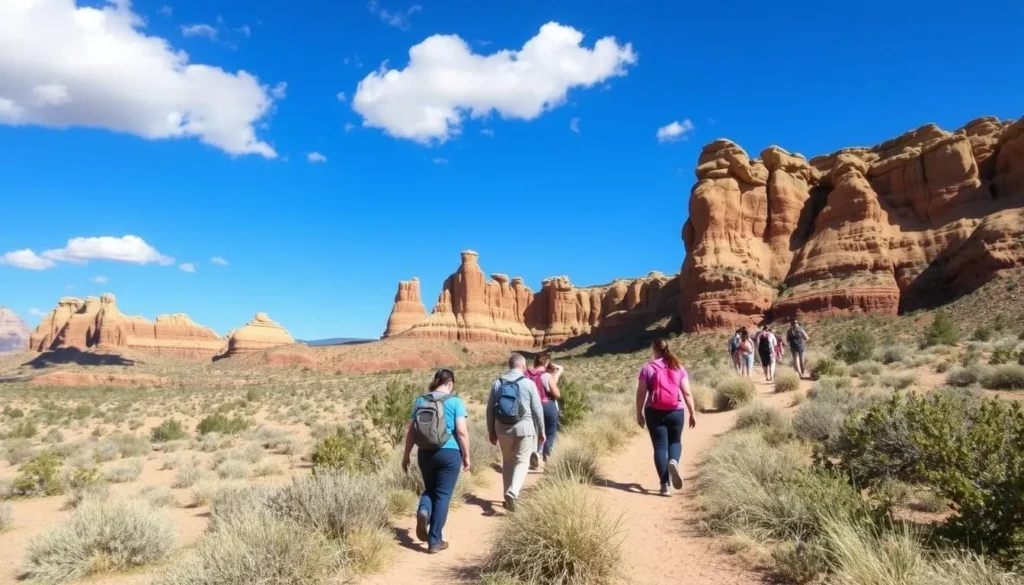
The monument offers trails for all ability levels:
- Easy Trails
- Fossil Discovery Trail (1.6 km/1 mile) – Connects the Quarry Visitor Center to the Exhibit Hall, passing visible fossils along the way.
- Box Canyon and Hog Canyon Trails (0.8 km/0.5 mile each) – Short walks to box canyons near the Josie Morris Cabin.
- Plug Hat Trail (0.8 km/0.5 mile) – Accessible loop with panoramic views on the Colorado side.
- Moderate Trails
- Desert Voices Trail (2.4 km/1.5 miles) – Interpretive trail showcasing desert ecology.
- Harpers Corner Trail (3.2 km/2 miles) – Leads to a dramatic viewpoint 670 m (2,200 ft) above the confluence of the Green and Yampa Rivers.
- Sound of Silence Trail (5 km/3.1 miles) – Loop through varied terrain with minimal signage, offering a true wilderness feel.
- Challenging Trails
- Ruple Point Trail (15.3 km/9.5 miles round-trip) – Leads to spectacular views of Split Mountain Canyon.
- Jones Hole Trail (7.2 km/4.5 miles one-way) – Follows a creek to the Green River, passing petroglyphs and a waterfall.
Wildlife Viewing
The monument’s diverse habitats support a variety of wildlife:
- Mammals – Bighorn sheep, mule deer, elk, pronghorn, river otters, and occasionally mountain lions and black bears.
- Birds – Over 200 species including golden eagles, peregrine falcons, great blue herons, and numerous songbirds.
- Reptiles – Several species of lizards and snakes adapted to the desert environment.
Dawn and dusk offer the best wildlife viewing opportunities. The Echo Park area is particularly good for spotting bighorn sheep, while riparian areas along the rivers attract diverse bird species.
Photography
Photographers will find endless subjects throughout the monument:
- The dramatic light on canyon walls at sunrise and sunset
- Night sky photography in this certified Dark Sky Park
- Macro opportunities with desert wildflowers in spring
- The contrast of green riparian areas against red rock cliffs
For the best light on the Quarry Exhibit Hall fossils, visit in the morning when sunlight streams through the east-facing windows.
Safety, Etiquette & Local Customs
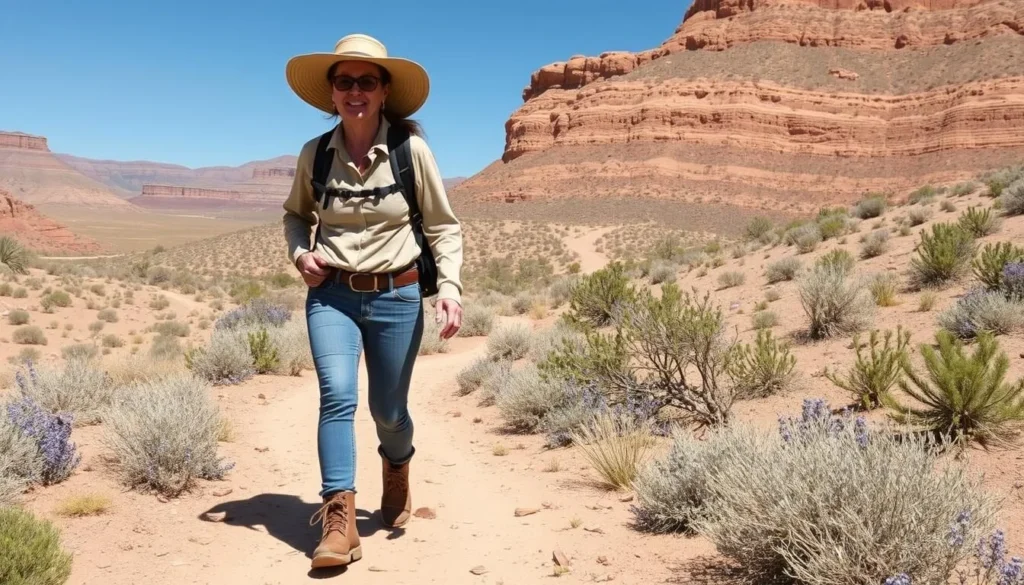
Visiting Dinosaur National Monument safely requires preparation and awareness of the unique challenges presented by its remote, desert environment.
Desert Safety
- Water – Carry at least 4 liters (1 gallon) of water per person per day. Dehydration is a serious risk, even in cooler months.
- Sun Protection – Wear a wide-brimmed hat, sunglasses, and sunscreen. The high elevation (1,500-2,400 m/5,000-8,000 ft) intensifies the sun’s effects.
- Appropriate Clothing – Dress in layers, as temperatures can vary widely throughout the day. Sturdy footwear is essential for hiking.
- Navigation – Cell service is nonexistent in most of the monument. Carry paper maps and inform someone of your plans.
- Flash Floods – Avoid narrow canyons during rain, as flash floods can occur rapidly with little warning.
Backcountry Driving
If venturing onto unpaved roads:
- Use a high-clearance 4WD vehicle
- Carry extra water, food, and emergency supplies
- Check road conditions at a visitor center before departing
- Have tools and know how to change a tire
- Never drive on wet roads, which become impassable even for 4WD vehicles
River Safety
For those exploring the rivers:
- Always wear a properly fitted life jacket
- Use a professional guide unless you have significant whitewater experience
- Secure loose items in waterproof containers
- Be aware that river rescues in remote areas can take hours or days
Cultural Etiquette
Respect the monument’s cultural and natural resources:
- Petroglyphs – View ancient rock art from designated trails only. Never touch, trace, or create rubbings of petroglyphs, as oils from hands can damage them.
- Fossils – Touch fossils only where specifically permitted (such as the designated fossil in the Quarry Exhibit Hall). Collecting fossils or rocks is strictly prohibited.
- Archaeological Sites – Observe but don’t disturb any artifacts or structures. Leave everything as you found it.
- Leave No Trace – Pack out all trash, stay on designated trails, and minimize your impact on this fragile desert ecosystem.
Remember that Dinosaur National Monument preserves both natural wonders and cultural heritage. Treating the land with respect ensures these treasures remain for future generations to enjoy.
Visitor Comments About Dinosaur National Monument
“We visited with our dinosaur-obsessed 8-year-old and were blown away by how much more there was to see beyond the fossils! The Quarry Exhibit Hall was incredible—touching actual dinosaur bones was a highlight for all of us. But we were equally impressed by the stunning canyon views and ancient rock art. The Junior Ranger program kept our son engaged throughout our three-day visit. Don’t miss the Josie Morris cabin—what an inspiring story of self-sufficiency!”
“As retirees who’ve visited most national parks, we found Dinosaur National Monument to be a hidden gem. The lack of crowds allowed us to truly appreciate the landscape at our own pace. We spent five days exploring both the Utah and Colorado sides, with the highlight being our guided rafting trip through Split Mountain Canyon. The guides were knowledgeable about both the geology and history of the area. The stargazing was spectacular—we’ve never seen the Milky Way so clearly!”
“I was hesitant about the long drive to such a remote location, but Dinosaur National Monument exceeded all expectations. The ‘Wall of Bones’ is truly awe-inspiring—photos don’t do it justice. We stayed at Green River Campground and loved falling asleep to the sound of the river. The rangers were exceptionally helpful, suggesting hikes appropriate for our ability level. Echo Park was worth the rough drive for the solitude and scenery. This monument deserves national park status!”
Additional Nearby Destinations
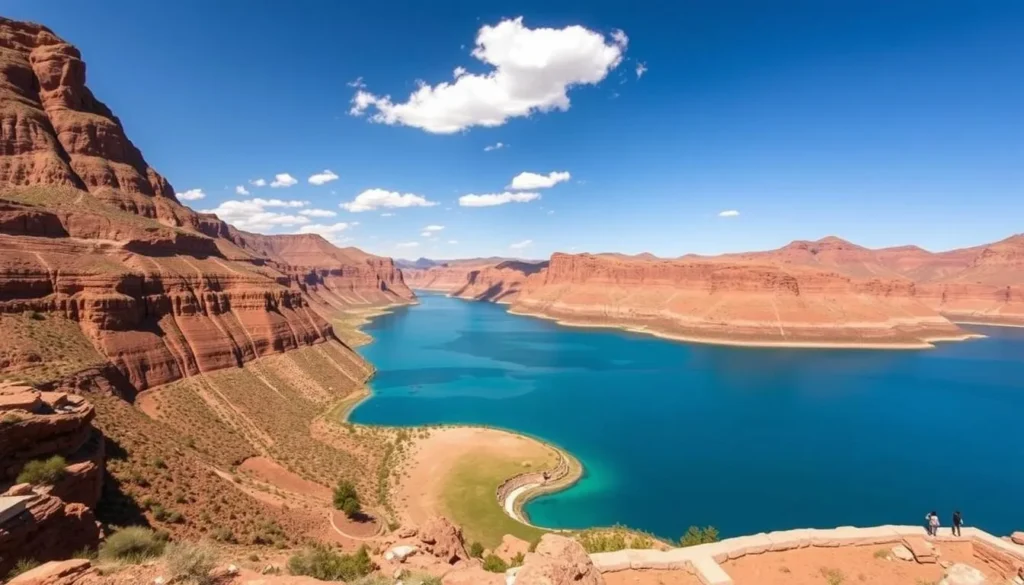
While Dinosaur National Monument offers plenty to explore, several other remarkable destinations are within a few hours’ drive:
- Flaming Gorge National Recreation Area (80 km/50 miles north) – This stunning reservoir on the Green River offers boating, fishing, and dramatic red cliff scenery. The 146 km (91-mile) Flaming Gorge Scenic Byway provides access to numerous viewpoints and recreation areas.
- Browns Park National Wildlife Refuge (97 km/60 miles northeast) – This remote river valley provides habitat for migratory birds, pronghorn, and other wildlife. The area also has a colorful history as a hideout for outlaws in the late 1800s.
- Ashley National Forest (48 km/30 miles west) – Home to the High Uinta Wilderness, Utah’s highest mountain range, with alpine lakes, forests, and excellent hiking and fishing opportunities.
- Colorado National Monument (209 km/130 miles southeast) – Dramatic red rock canyons and monoliths similar to those found in the national parks of southern Utah, but with far fewer visitors.
- McInnis Canyons National Conservation Area (193 km/120 miles southeast) – Features the second-largest concentration of natural stone arches outside of Arches National Park, plus dinosaur fossils and petroglyphs.
For those planning a longer road trip, Dinosaur National Monument can be incorporated into a tour of the region’s national parks. Arches and Canyonlands National Parks are about 4 hours south, while Grand Teton and Yellowstone are approximately 5-6 hours north.
Practical Travel Tips
- Entrance Fees – $25 per vehicle, valid for 7 days. America the Beautiful Passes ($80 annual) are accepted and provide access to all national parks for a year.
- Visitor Centers – The Quarry Visitor Center (Utah) and Canyon Visitor Center (Colorado) are open daily during summer (8am-5pm) with reduced hours in winter. Both offer exhibits, information, and bookstores.
- Supplies – Stock up on groceries, fuel, and other necessities in Vernal, Utah before entering the monument. Options are limited once you’re inside.
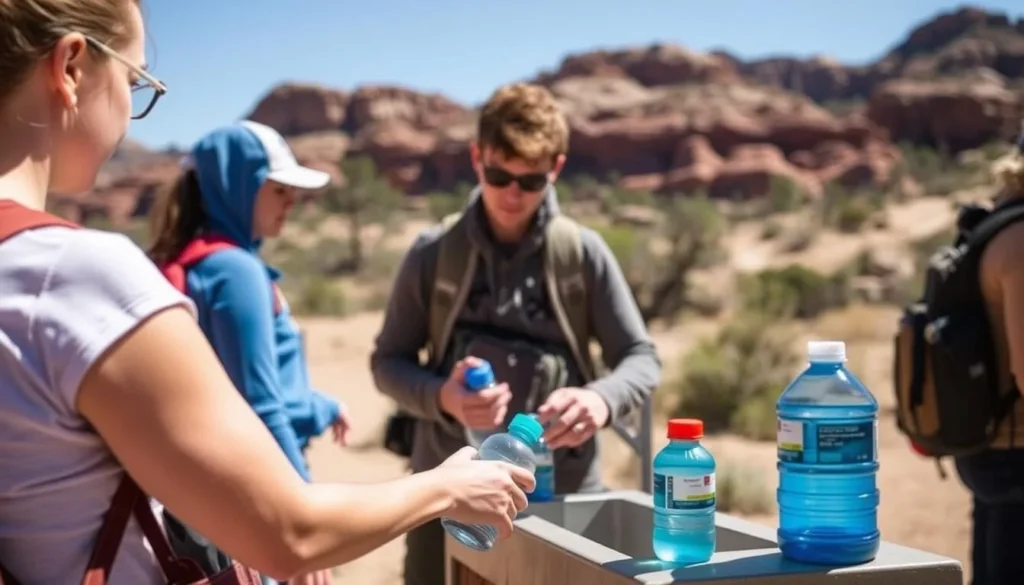
- Water – Potable water is available at visitor centers and developed campgrounds during summer months. Always carry extra water with you.
- Connectivity – Cell service is extremely limited throughout the monument. Download maps and information before your visit.
- Accessibility – The Quarry Visitor Center, Quarry Exhibit Hall, and several viewpoints are wheelchair accessible. The Plug Hat Trail on the Colorado side is also accessible.
- Pets – Leashed pets are allowed in developed areas and campgrounds but not on trails or in buildings. Never leave pets unattended in vehicles, as temperatures can quickly become lethal.
- Photography – The monument’s International Dark Sky designation makes it perfect for night photography. Bring a tripod and red-light headlamp to preserve night vision.
- Junior Ranger Program – Children can earn a badge by completing age-appropriate activities. Booklets are available at visitor centers.
- Seasonal Considerations – Summer temperatures regularly exceed 32°C (90°F). Plan strenuous activities for morning or evening. In winter, roads may be closed after snowfall.
Your Prehistoric Adventure Awaits
Dinosaur National Monument offers a rare combination of prehistoric wonders, dramatic landscapes, cultural history, and outdoor adventure that few destinations can match. From touching 149-million-year-old dinosaur bones to rafting through towering canyons, from examining ancient rock art to stargazing under some of the darkest skies in America, this remarkable place connects visitors to both deep time and wild spaces.
Despite its remote location, the effort to reach Dinosaur National Monument rewards travelers with uncrowded trails, authentic experiences, and the sense of discovery that has become increasingly rare in more popular parks. Whether you’re a family with dinosaur-loving children, outdoor enthusiasts seeking adventure, or simply travelers who appreciate the less-traveled path, Dinosaur National Monument promises memories that, like the fossils preserved in its rocks, will endure for years to come.
Related Posts
Waunita Hot Springs, Colorado: Best Things to Do – Top Picks
Uncompahgre River, Colorado: Best Things to Do – Top Picks

Uncompahgre Peak, Colorado: Best Things to Do – Top Picks
Vapor Caves Glenwood Springs, Colorado: Best Things to Do – Top Picks
Vail Ski Resort, Colorado: Best Things to Do – Top Picks
Vail Pass Road, Colorado: Best Things to Do – Top Picks
Coming Soon: Clickable Maps