
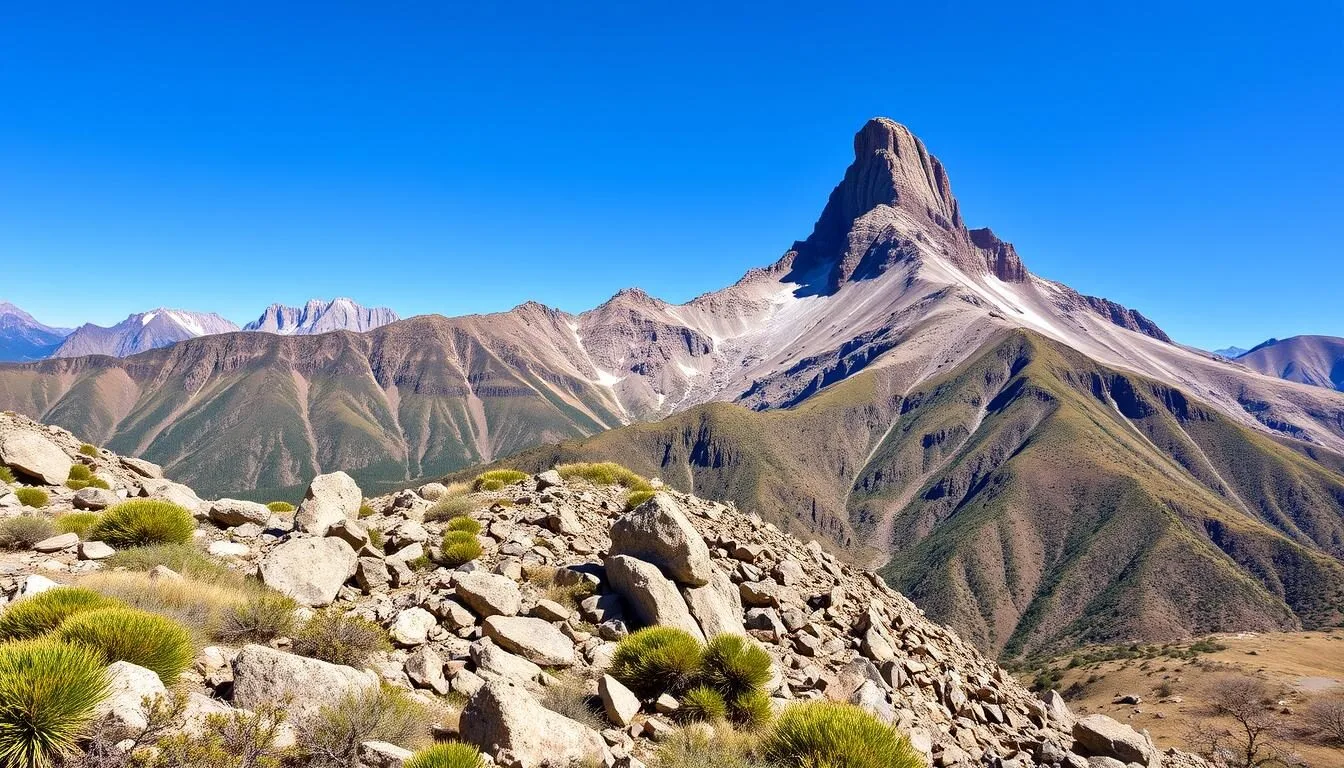
Did you know that El Diente Peak, despite standing majestically at 14,159 meters (14,159 feet), isn’t officially recognized as a standalone fourteener? This tooth-shaped mountain (El Diente means “The Tooth” in Spanish) falls short of the required 300-foot prominence from its neighbor Mount Wilson by just 41 feet. Yet, this technicality hasn’t stopped adventurers from including this challenging peak on their Colorado mountain bucket lists. With its dramatic exposure, loose rock formations, and spectacular views of the San Juan Range, El Diente offers one of the most rewarding—and demanding—mountain experiences in the American West.
Getting There & Planning Your Journey
El Diente Peak is located in the Lizard Head Wilderness of southwestern Colorado, part of the spectacular San Juan Mountain Range. The peak is relatively remote, which contributes to its wild charm and fewer crowds compared to other Colorado fourteeners.
Closest Airports
- Montrose Regional Airport (MTJ) – 97 km (60 miles) north
- Telluride Regional Airport (TEX) – 48 km (30 miles) northeast
- Durango-La Plata County Airport (DRO) – 113 km (70 miles) southeast
- Grand Junction Regional Airport (GJT) – 193 km (120 miles) north
From these airports, you’ll need to rent a car to reach the trailheads. The most common access points for El Diente Peak are:
Main Trailheads
- Kilpacker Trailhead (10,060 m/33,005 ft) – The most popular approach for the south slopes route. From Telluride, take CO-145 south for 5.5 miles, then turn right onto Forest Road 535 (Dunton Road). Continue for about 5 miles, then turn right onto FR 207 for another 0.3 miles to reach the trailhead.
- Woods Lake Trailhead (9,352 m/30,682 ft) – Access via Navajo Basin. From the junction of CO-145 and CO-62, drive east for 2.8 miles on CO-145 through Placerville. Turn right onto Fall Creek Road (57-F Road), cross the San Miguel River, and continue for about 9 miles to the Woods Lake Campground.
- Rock of Ages Trailhead (10,383 m/34,065 ft) – A newer option that provides access to El Diente via Silver Pick Basin. From Telluride, drive 6 miles west on CO-145, turn left onto Silver Pick Road (CR 60M), and follow signs to the Rock of Ages Trailhead.
For a successful journey, plan at least 2-3 days for your El Diente adventure—one day for travel and acclimatization, and 1-2 days for the climb depending on your approach and experience level. Many climbers choose to backpack in and set up a base camp to break up the journey.
Best Time to Visit & Weather Tips
Recommended Seasons
Best Months to Visit
- Mid-July to mid-September – Prime climbing season when most snow has melted and thunderstorm risk is manageable
- Late June – Good for experienced climbers comfortable with snow travel (ice axe and crampons often needed)
- Early October – Can offer stable weather but prepare for possible early snow
Months to Avoid
- November to May – Heavy snow, avalanche danger, and winter conditions make climbing extremely hazardous
- Early June – Typically has too much snowpack for safe passage
- Late October – Increasing risk of winter storms and dangerous conditions
Weather Considerations
The San Juan Mountains are notorious for afternoon thunderstorms, especially in July and August. Lightning is a serious hazard above treeline. Always check weather forecasts before your climb and plan to be off the summit and below treeline by noon. The Mountain Forecast for El Diente Peak and the National Weather Service forecast for the region are essential resources.
Temperature variations can be extreme, with summer daytime highs around 15-21°C (60-70°F) at higher elevations, but nighttime temperatures can drop below freezing even in summer. Winter temperatures regularly plunge well below -18°C (0°F) with significant wind chill factors.
El Diente’s north face can hold snow well into summer, sometimes requiring technical equipment even during the recommended climbing season. Always check recent trip reports for current conditions before setting out.
Getting Around Locally
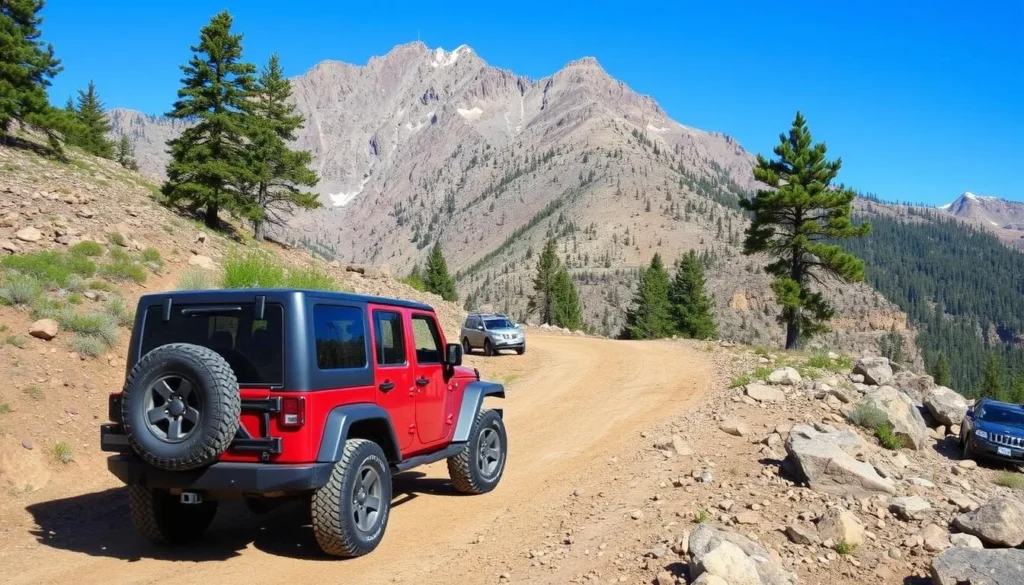
The remote location of El Diente Peak means self-transportation is essential. Here’s what you need to know about getting around:
Vehicle Requirements
A high-clearance vehicle is recommended for accessing all trailheads, with 4WD being necessary for the Rock of Ages approach. The Kilpacker and Woods Lake trailheads are generally accessible by passenger cars in dry conditions, but rough sections may challenge low-clearance vehicles.
Local Transportation Options
- Rental Cars – Available at all nearby airports. Reserve a suitable vehicle in advance, especially during peak season.
- Telluride Shuttle Services – Several companies offer shuttle services from regional airports to Telluride, though you’ll still need transportation to the trailheads.
- Local Guides – Some guiding companies offer transportation as part of their package. Mountain Trip and San Juan Mountain Guides are reputable options based in Telluride.
Once at the trailhead, all exploration of El Diente is on foot. There are no mechanized transportation options in the Lizard Head Wilderness, as motorized equipment and mountain bikes are prohibited by wilderness regulations.
Navigation Tips
Cell service is extremely limited or non-existent in the wilderness areas. Download offline maps before your trip, and always carry physical topographic maps and a compass as backup. The Trails Illustrated Map #141 (Telluride-Silverton-Ouray-Lake City) covers the El Diente area and is highly recommended.
Where to Stay
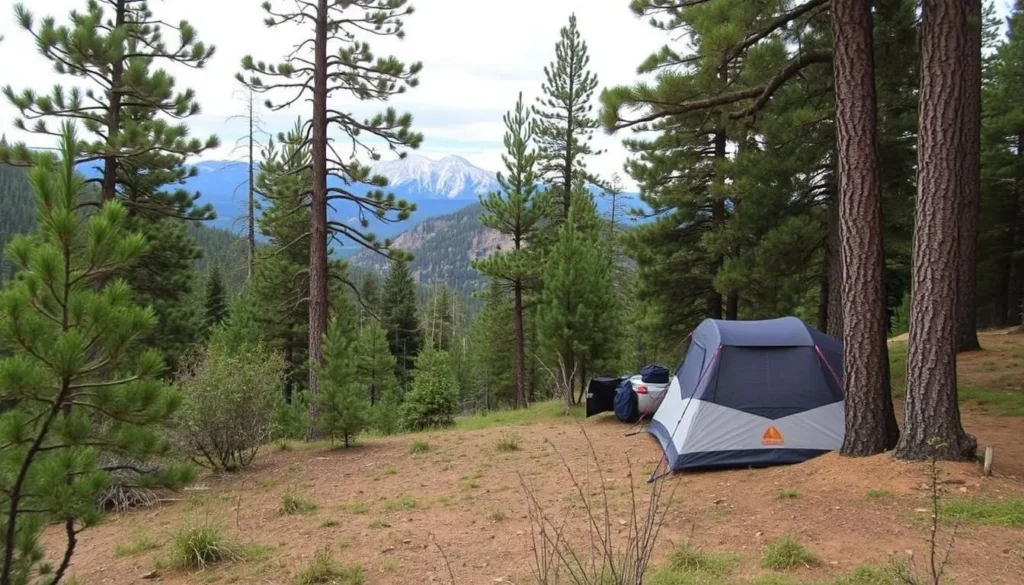
Accommodation options range from wilderness camping to luxury lodges in nearby towns. Your choice depends on your climbing plans and comfort preferences.
Camping Options
Backcountry Camping
- Navajo Basin (11,120 m/36,483 ft) – The most popular camping area for El Diente climbers. Multiple established sites are available near Navajo Lake, about 0.3 miles west of El Diente.
- Kilpacker Basin (11,000 m/36,089 ft) – Several good camping spots in the upper basin, particularly in the second-to-last cluster of trees before the approach steepens.
Established Campgrounds
- Woods Lake Campground – $14 per night, open late May to mid-September. Features tables, grills, vault toilets, and water spigots.
- Mary E Campground – Located along the Dolores River.
- Matterhorn Campground – Near Telluride, good for acclimatization before your climb.
- Town of Telluride Campground – Convenient but often crowded in summer.
Lodging Near El Diente Peak
Nearby Accommodations
- Telluride – Luxury hotels, condos, and vacation rentals. The Bivvi Mountain Lodge, Victoria Inn, and numerous Airbnb options available. Expect to pay $200-500+ per night during peak season.
- Ridgway – More affordable options including Ridgway Lodge and Back Country Inn, about 1-1.5 hours from trailheads.
- Dolores & Rico – Small towns with limited but more affordable lodging options.
- Mountain Huts – The San Juan Hut System offers backcountry huts, though none are immediately adjacent to El Diente.
For the full El Diente experience, many climbers prefer to backpack in and camp in the wilderness. This eliminates early morning driving and allows for an alpine start, which is crucial for safety on this mountain. If camping, remember to follow Leave No Trace principles and camp at least 100 feet from water sources.
Dining & Local Cuisine
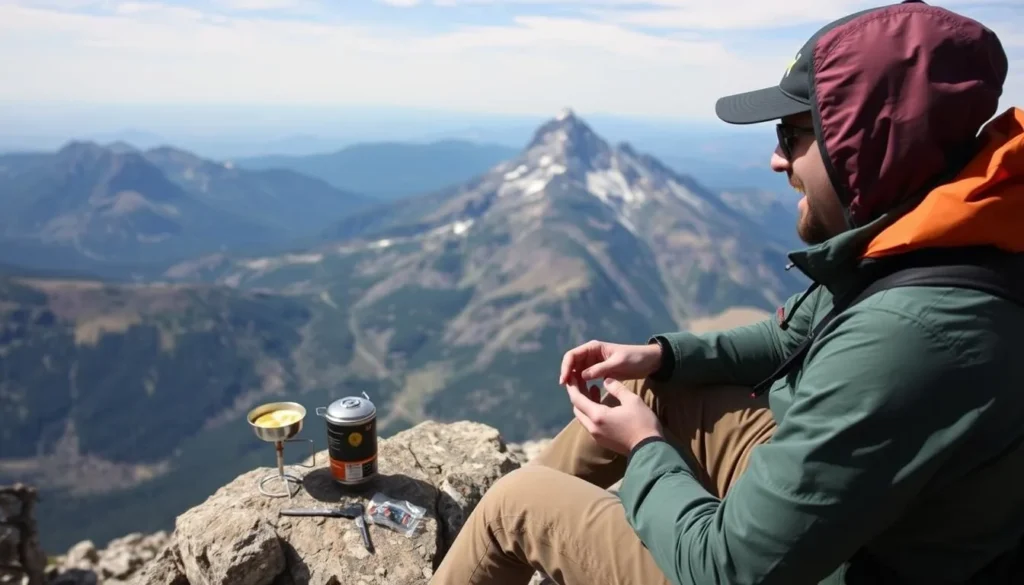
While El Diente itself is deep in wilderness territory with no dining options, the surrounding towns offer excellent pre and post-climb meals. For the climb itself, you’ll need to pack all your food.
On-Mountain Dining
All food for your El Diente adventure must be carried with you. Experienced climbers recommend:
- High-calorie, lightweight foods like energy bars, nuts, dried fruits, and jerky
- Quick-cooking meals if camping (freeze-dried options work well)
- At least 2-3 liters of water capacity, plus water purification methods
- Extra day’s worth of food in case of unexpected weather delays
Nearby Dining Options
Telluride
- Brown Dog Pizza – Perfect post-climb reward with award-winning Detroit-style pizza
- Cosmopolitan – Upscale dining with excellent steaks and cocktails
- Butcher & Baker Cafe – Great breakfast and lunch options, perfect for stocking up on trail sandwiches
- Telluride Brewing Company – Local craft beers to celebrate your summit
Ridgway & Ouray
- True Grit Cafe – Hearty American fare in Ridgway
- Colorado Boy Brewery – Craft beers and pizza
- Ouray Brewery – Rooftop dining with mountain views
- Brickhouse 737 – Farm-to-table cuisine in Ouray
Local Specialties
The San Juan region offers some distinctive culinary experiences worth trying:
- Game meats – Elk, bison, and venison feature on many local menus
- Green chile – A regional specialty with New Mexican influence
- Craft beers – Colorado’s mountain towns are known for excellent microbreweries
- Palisade peaches – If visiting in late summer, don’t miss these famous Colorado fruits
For climbers planning early starts, note that most restaurants in the area close by 9-10 PM, with some Telluride establishments staying open later during peak tourist season. Consider picking up supplies at Clark’s Market in Telluride or the Mountain Market in Ridgway for self-catering options.
Attractions, Sightseeing & Activities
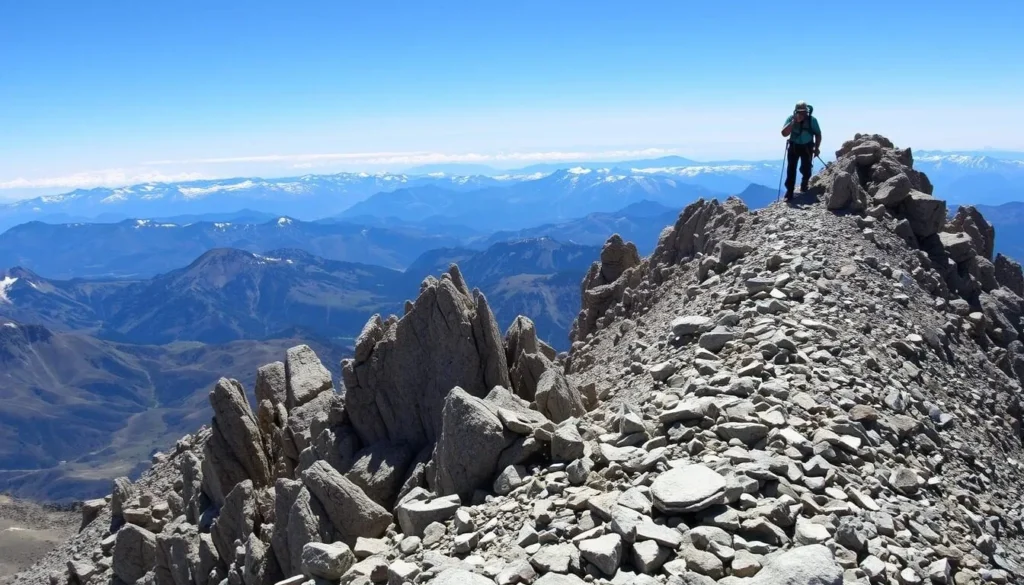
El Diente Peak offers world-class mountain adventures, with the climb itself being the main attraction. Here are the primary activities and routes to consider:
Climbing Routes
Main Routes on El Diente
- North Slopes (Class 3) – The standard route from Rock of Ages approach. 12 miles round-trip with 5,500 feet of elevation gain. Best in early summer when snow fills the north face gully.
- South Slopes (Class 3/4) – From Kilpacker Basin. 12 miles round-trip with 4,300 feet of elevation gain. Less snow in summer, but loose rock requires careful navigation.
- El Diente-Mount Wilson Traverse (Class 4) – One of Colorado’s four Great Traverses. Extremely exposed with significant technical difficulty. Only for experienced mountaineers.
- North Buttress (Class 4) – A more direct but technically challenging route.
Other Activities
Summer Activities
- Hiking – Numerous trails in the Lizard Head Wilderness offer stunning views without the technical difficulty of the peak itself
- Photography – The dramatic landscapes and wildflowers make for exceptional photography opportunities
- Wildlife Viewing – Watch for marmots, pikas, mountain goats, and various bird species
- Fishing – Navajo Lake and nearby streams offer trout fishing (Colorado fishing license required)
Winter Activities
- Backcountry Skiing – For expert skiers only, with extreme avalanche danger
- Winter Mountaineering – Technical winter ascents for those with advanced skills and experience
- Snowshoeing – Lower elevation approaches can be enjoyed in winter conditions
Safety Advisory
El Diente is one of Colorado’s most challenging and dangerous fourteeners. All routes involve at least Class 3 scrambling on loose rock with significant exposure. Poor route-finding can lead to more difficult and dangerous terrain. This is not a peak for beginners or those uncomfortable with exposure. Consider hiring a professional guide if you lack experience.
For those seeking less technical adventures, the trails around Navajo Lake and Kilpacker Basin offer spectacular scenery without the challenges of the summit climb. The Navajo Lake Trail (7 miles round-trip from Woods Lake) is particularly beautiful and accessible to most hikers with moderate fitness.
Museums, Cultural Spots & Festivals
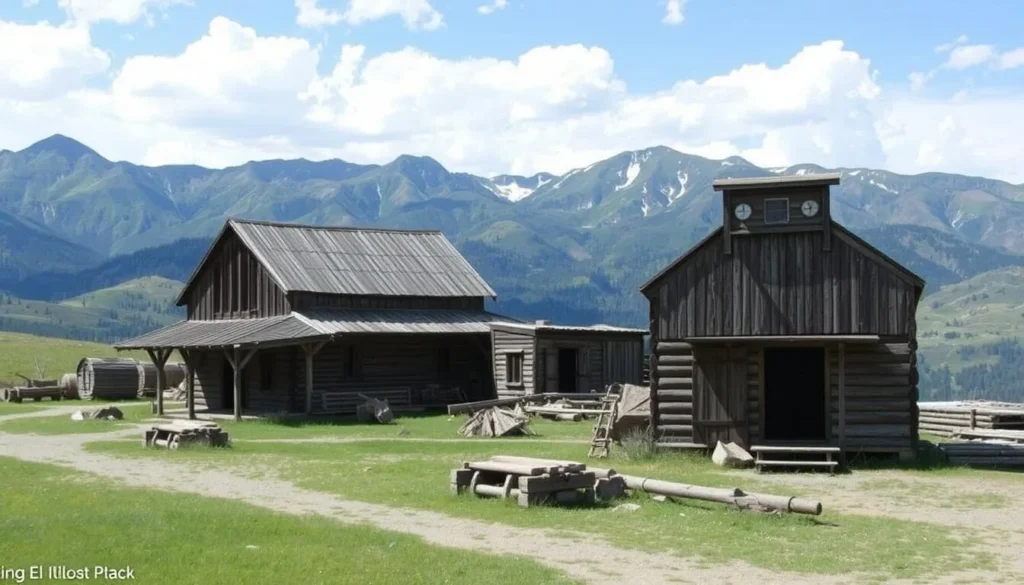
While El Diente Peak itself is wilderness, the surrounding region is rich with mining history and cultural attractions. After your mountain adventure, explore these fascinating aspects of the San Juan Mountains.
Historical Mining Sites
The Wilson Group area, including El Diente, has a fascinating mining history. Several ghost towns and mining remnants can be found in the vicinity:
- Sawpit – A once-thriving mining town named for its large saw pit used by miners
- Fall Creek (Seymore) – Former mining camp that served as a hub for ore from the Silver Pick Mine
- Placerville – Historic mining settlement that still exists today
- Vanadium – Remnants of a mining camp built around a mill operated by the U.S. Vanadium Corporation
Museums & Cultural Attractions
Telluride
- Telluride Historical Museum – Housed in a converted hospital from 1896, featuring exhibits on mining, skiing, and local history
- Historic Downtown – The entire downtown is a National Historic Landmark District with Victorian-era architecture
- Free Gondola – Connects Telluride with Mountain Village, offering spectacular views
Nearby Towns
- Ouray County Historical Museum – Called the “Smithsonian of the Rockies” with extensive mining exhibits
- Ridgway Railroad Museum – Showcasing the region’s railroad history
- Anasazi Heritage Center (Dolores) – Archaeological museum featuring ancestral Puebloan artifacts
Festivals & Events
The San Juan region hosts numerous festivals throughout the year. If your climbing trip coincides with these events, they’re worth experiencing:
- Telluride Bluegrass Festival (June) – World-renowned music festival
- Telluride Film Festival (Labor Day weekend) – Prestigious international film event
- Ridgway Concert Series (Summer) – Free outdoor concerts in the park
- Ouray Ice Festival (January) – Celebration of ice climbing
- Telluride Mushroom Festival (August) – Educational event focused on mycology
For a deeper understanding of the region’s mining heritage, consider visiting the Telluride Historical Museum before your climb. Their exhibits on mining technology and the hardships faced by early settlers provide context for the remnants you might see during your adventure.
Nature & Outdoor Experiences
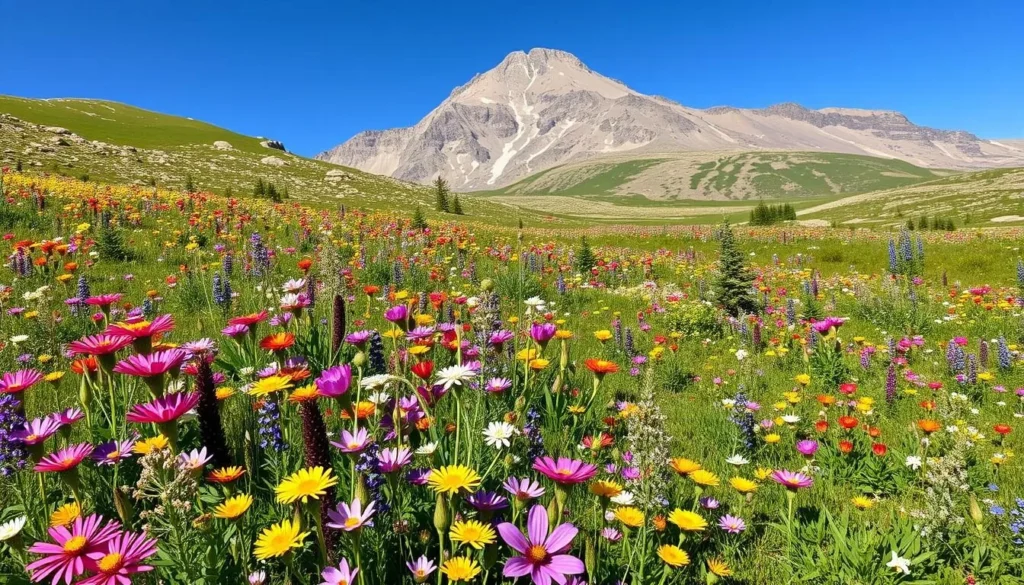
The Lizard Head Wilderness surrounding El Diente Peak is a pristine alpine environment spanning approximately 41,193 hectares (101,800 acres). Protected since 1980, this wilderness area showcases some of Colorado’s most spectacular mountain scenery and diverse ecosystems.
Flora & Fauna
Plant Life
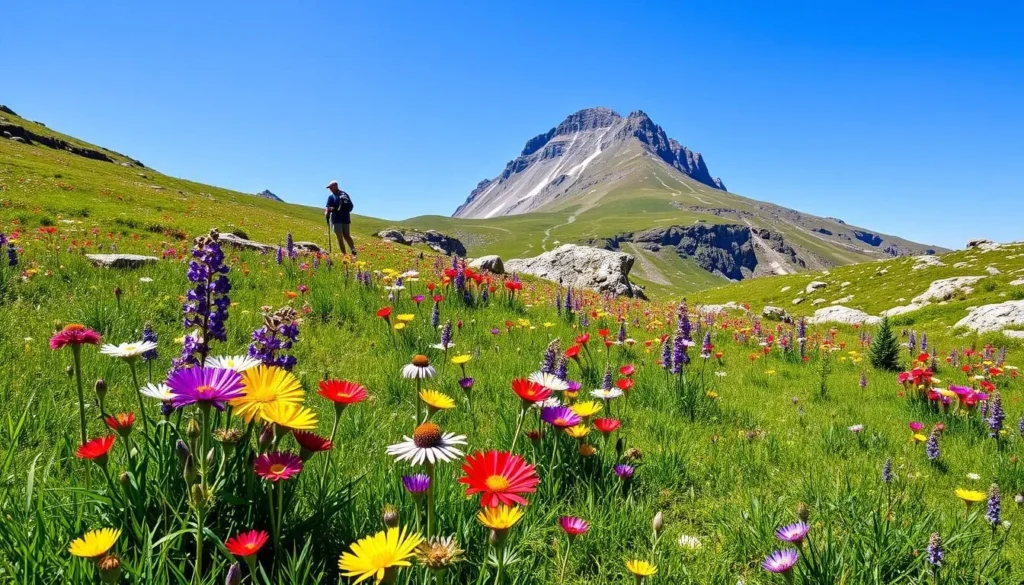
- Alpine Wildflowers – The basins explode with color in July and August, featuring columbine, Indian paintbrush, alpine forget-me-nots, and many other species
- Aspen Groves – Extensive stands turn brilliant gold, orange, and red in September, making fall a spectacular time to visit
- Subalpine Forests – Engelmann spruce, subalpine fir, and bristlecone pine dominate the lower elevations
- Alpine Tundra – Above treeline, hardy cushion plants and lichens survive in the harsh environment
Wildlife
- Large Mammals – Elk, mule deer, black bears, and occasional mountain lions
- Alpine Specialists – Mountain goats, bighorn sheep, yellow-bellied marmots, and pikas
- Birds – Golden eagles, peregrine falcons, white-tailed ptarmigan, and numerous songbirds
- Fish – Cutthroat and rainbow trout in Navajo Lake and surrounding streams
Natural Features
Beyond El Diente itself, the area offers several remarkable natural features:
- Navajo Lake – A stunning alpine lake at 11,120 meters (36,483 feet), surrounded by dramatic peaks
- Organ Pipes – Distinctive vertical columns of igneous rock on El Diente’s south face
- Lizard Head – The distinctive spire that gives the wilderness its name
- Wilson Group – The cluster of three fourteeners (El Diente, Mount Wilson, and Wilson Peak) creating a dramatic skyline
- Kilpacker Basin – A beautiful glacial valley with cascading waterfalls and alpine meadows
Geological Interest
The Wilson Group mountains, including El Diente, are composed of volcanic “stocks” – intrusive igneous rock bodies that never reached the surface as magma. As the mountains eroded, these stocks became high points, creating the sharp ridges and steep walls characteristic of the San Juans. The fractured nature of these stocks explains the notoriously loose rock that makes climbing El Diente so challenging.
For photographers, the golden hours around sunrise and sunset create magical lighting on the peaks. The reflections in Navajo Lake and the alpenglow on the surrounding mountains are particularly spectacular. September offers the added bonus of fall colors with fewer afternoon thunderstorms than mid-summer.
Safety, Etiquette & Local Customs
Mountain Safety
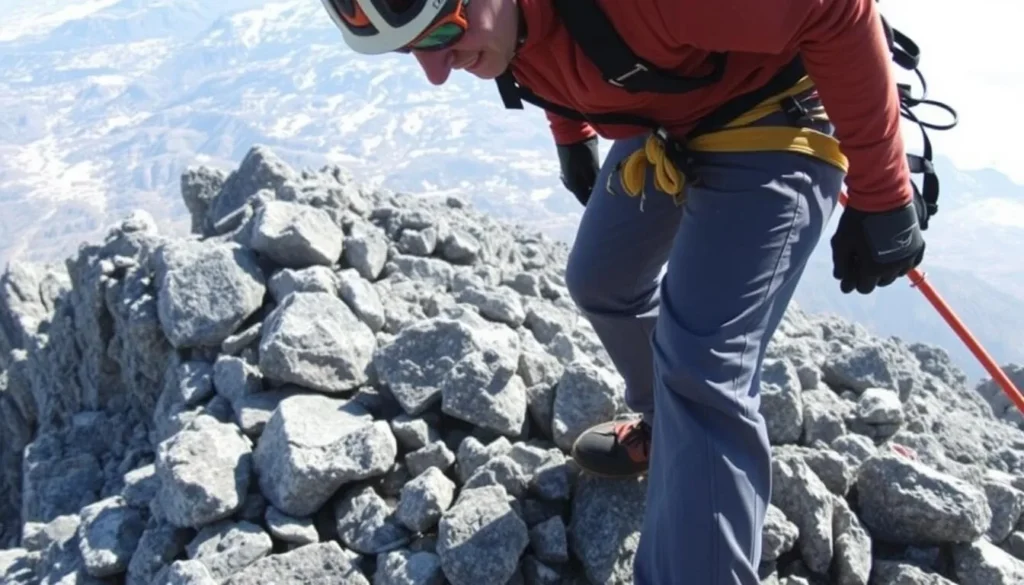
El Diente Peak is one of Colorado’s most dangerous fourteeners. All routes involve exposure and loose rock. Take these precautions seriously:
- Wear a climbing helmet – rockfall is a serious hazard
- Start early (4-5 AM) to avoid afternoon thunderstorms
- Be below treeline by noon to avoid lightning danger
- Bring appropriate gear including the Ten Essentials
- Check weather forecasts and recent conditions reports
- Never climb alone, especially if you’re inexperienced
- Know your limits and be willing to turn back
Wilderness Etiquette
The Lizard Head Wilderness is protected by federal regulations that help preserve its natural state:
- No motorized equipment (including mountain bikes)
- Group size limited to 15 people (25 with livestock)
- No fires within 100 meters (328 feet) of Navajo Lake, any water source, or above treeline
- Pets must be under control via voice command or leash
- No camping within 100 meters (328 feet) of lakes or water sources
Leave No Trace Principles
Follow these guidelines to minimize your impact:
- Pack out all trash and waste (human waste doesn’t decompose at high altitude)
- Stay on established trails to prevent erosion and vegetation damage
- Keep natural sounds dominant (no speakers or unnecessary noise)
- Give wildlife space (100 meters/328 feet when possible)
- Leave natural and cultural features undisturbed
Local Customs & Considerations
When visiting the communities near El Diente, keep these points in mind:
- Respect private property – some approaches cross or border private land
- Support local businesses in the small communities that depend on tourism
- Drive cautiously on mountain roads, yielding to uphill traffic on narrow sections
- Be considerate of locals by keeping noise down in early mornings and late evenings
Emergency Information
Cell service is extremely limited in the wilderness. Consider carrying a satellite communication device.
- San Miguel County Search and Rescue: Emergency: 911
- San Miguel Sheriff’s Office: (970) 728-1911
- Telluride Medical Center: (970) 728-3848
- Nearest Major Hospital: Montrose Memorial Hospital, (970) 249-2211
Remember that mountain rescue can take hours or even days depending on conditions. Self-sufficiency and proper preparation are your best safety measures in this remote wilderness.
Visitor Comments About El Diente Peak
“El Diente was the most technically challenging peak I’ve climbed in Colorado, but also the most rewarding. The loose rock makes every step a careful decision, but the views from the summit are absolutely worth it. I’d recommend bringing microspikes even in August – we encountered unexpected snow on the north side approach to the summit. Don’t underestimate this mountain!”
“Coming from Brazil where we don’t have mountains like this, El Diente was a life-changing experience. The camping at Navajo Basin was magical – I’ve never seen stars like that! The climb itself was harder than I expected, and I was grateful for the advice to start before dawn. We reached the summit just as the morning light was hitting the surrounding peaks. Incredible memory that I’ll cherish forever.”
“My third attempt was finally successful! Weather turned us back twice before, but persistence paid off. The route finding is tricky – those cairns saved us multiple times. My advice: study the route carefully beforehand, bring a helmet (saw multiple rockfalls), and give yourself plenty of time. The traverse between El Diente and Mt. Wilson looked terrifying – maybe next time! The Kilpacker approach was beautiful with all the waterfalls.”
Additional Nearby Destinations
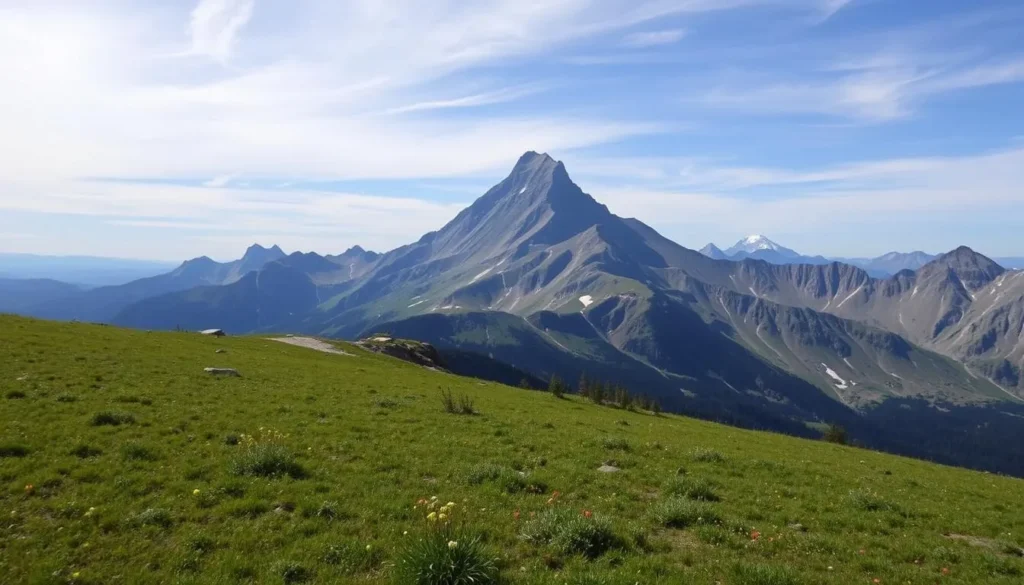
The San Juan Mountains offer numerous adventures beyond El Diente. Consider extending your trip to explore these nearby attractions:
Nearby Peaks
Fourteeners
- Mount Wilson (14,246 m/46,740 ft) – Connected to El Diente by the famous traverse, this peak offers its own climbing challenges
- Wilson Peak (14,017 m/45,988 ft) – The third peak in the Wilson Group, recognizable as the mountain on Coors beer labels
- Mount Sneffels (14,150 m/46,423 ft) – A popular fourteener near Ouray with spectacular views
- Uncompahgre Peak (14,309 m/46,945 ft) – The highest peak in the San Juans
Other Notable Mountains
- Lizard Head (13,113 m/43,018 ft) – A distinctive spire requiring technical climbing skills
- Dallas Peak (13,809 m/45,305 ft) – One of Colorado’s most difficult thirteeners
- Gladstone Peak (13,913 m/45,647 ft) – A challenging peak near the Wilson Group
- Vermilion Peak (13,894 m/45,584 ft) – Known for its distinctive red coloring
Nearby Towns & Attractions
- Telluride – Historic mining town with excellent dining, shopping, and cultural attractions. The free gondola offers spectacular views.
- Ouray – Known as the “Switzerland of America” with natural hot springs and the famous Ouray Ice Park in winter.
- Silverton – Authentic mining town with the Durango & Silverton Narrow Gauge Railroad.
- Black Canyon of the Gunnison National Park – Dramatic 610-meter (2,000-foot) deep canyon with sheer walls.
- Mesa Verde National Park – Ancient Puebloan cliff dwellings and archaeological sites.
- Million Dollar Highway – Scenic drive between Ouray and Silverton with breathtaking views.
Scenic Drives
The San Juan Skyway is a 380-kilometer (236-mile) scenic loop that includes Telluride, Ouray, Silverton, and Durango. This spectacular drive showcases the best of the San Juan Mountains and can be combined with your El Diente adventure for a comprehensive Colorado experience.
If you have time, the hot springs in Ouray or Dunton offer a perfect way to soothe tired muscles after your El Diente climb. For a cultural experience, time your visit to coincide with one of Telluride’s renowned festivals.
Practical Travel Tips
Essential Gear
For a successful El Diente adventure, consider these equipment recommendations:
- Climbing Helmet – Non-negotiable due to loose rock and rockfall hazard
- Sturdy Hiking Boots – With good ankle support and traction
- Trekking Poles – Helpful for the approach but may need to be stowed during scrambling sections
- Microspikes/Crampons – Even in summer, snow can linger on north-facing aspects
- Ice Axe – Recommended for early season climbs or if snow is present
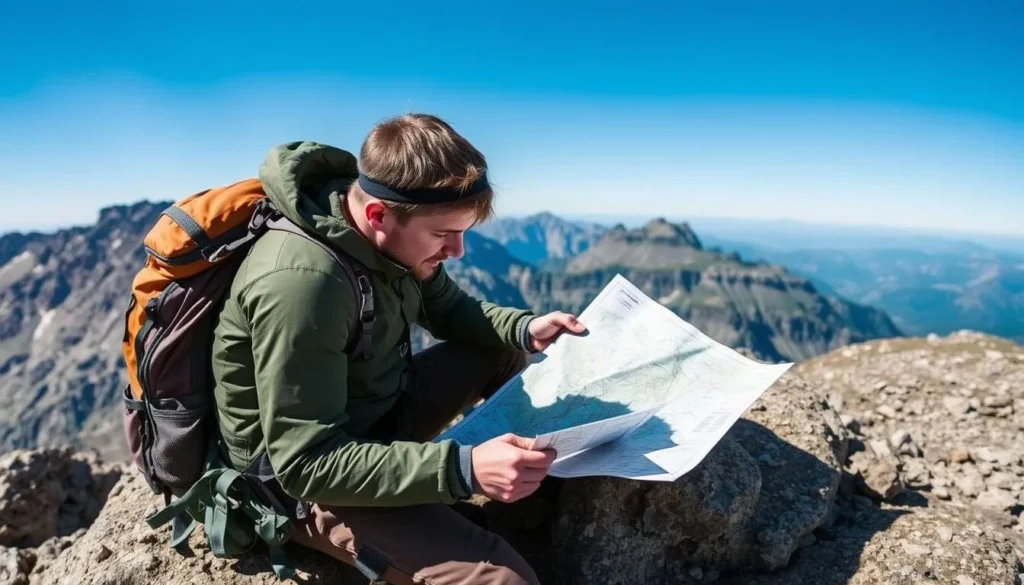
- Topographic Map & Compass – Essential for navigation
- The Ten Essentials – Navigation, headlamp, sun protection, first aid, knife, fire starter, shelter, extra food, extra water, extra clothes
Altitude Considerations
Acclimatization Tips
- Spend at least one night at moderate elevation (2,400-3,000 m/8,000-10,000 ft) before attempting the climb
- Stay well-hydrated (drink more water than you think you need)
- Avoid alcohol for at least 48 hours before your climb
- Consider a “climb high, sleep low” approach by hiking to higher elevations and returning to lower camps
- Know the symptoms of altitude sickness (headache, nausea, dizziness) and descend if they appear
Planning Resources
Useful resources for planning your El Diente adventure:
- Maps: USGS Maps (Mt. Wilson, Dolores Peak, Little Cone), Trails Illustrated Map #141
- Weather: Mountain Forecast for El Diente Peak, National Weather Service forecast
- Conditions Reports: 14ers.com, Mountain Project, and AllTrails have recent trip reports
- Guidebooks: “Colorado’s Fourteeners” by Gerry Roach, “The Colorado 14ers: Standard Routes” by Colorado Mountain Club
Permits & Regulations
No permits are required for day hiking or camping in the Lizard Head Wilderness. However, all wilderness regulations must be followed, including proper food storage to prevent wildlife encounters. If fishing, a Colorado fishing license is required.
Final Preparation Checklist
- Check recent trip reports for current conditions
- Inform someone of your detailed itinerary and expected return
- Prepare for rapidly changing weather with appropriate layers
- Bring more food and water than you think you’ll need
- Have a contingency plan if weather or conditions force you to turn back
- Consider your fitness level honestly – El Diente is not for beginners
The Tooth That Bites: A Challenge Worth Accepting
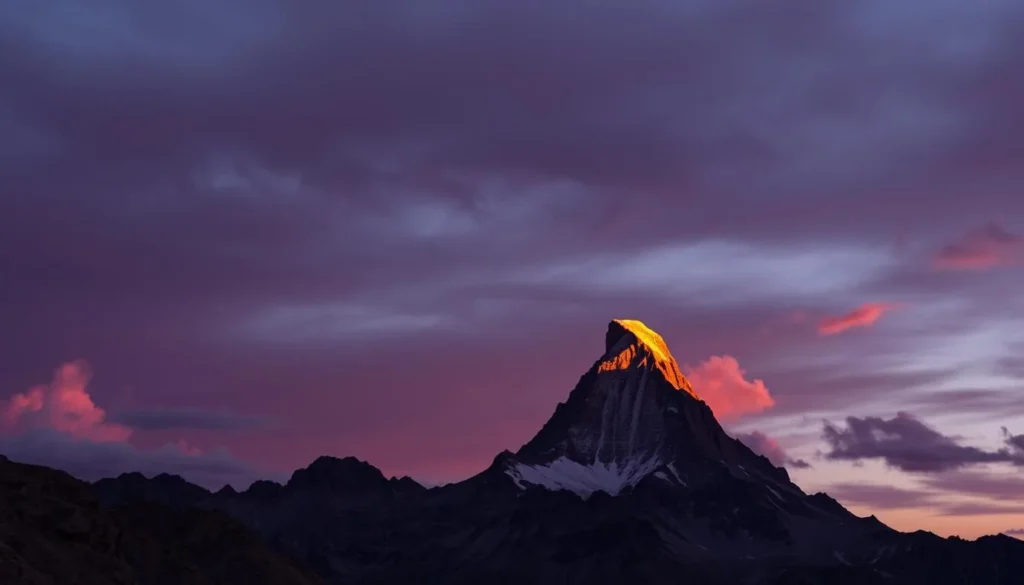
El Diente Peak stands as a testament to Colorado’s wild spirit—challenging, beautiful, and ultimately rewarding for those prepared to meet its demands. Unlike the more trafficked fourteeners of the Front Range, this remote tooth of rock offers a genuine wilderness experience where self-reliance and proper preparation are as essential as your climbing gear.
Whether you’re drawn by the technical challenge of its routes, the spectacular scenery of the San Juan Mountains, or simply the allure of standing atop one of Colorado’s most formidable peaks, El Diente delivers an adventure that will remain etched in your memory long after you’ve descended from its lofty heights. The loose rock, exposure, and weather challenges are not deterrents but rather the very elements that make conquering this mountain so deeply satisfying.
As you plan your journey to El Diente Peak, remember that the mountain has stood for millennia and will remain long after we’re gone. Approach it with respect, humility, and proper preparation, and you’ll be rewarded with not just a summit, but an experience that embodies the very best of what mountain adventure can offer. The tooth awaits—are you ready to answer its call?
Related Posts
Waunita Hot Springs, Colorado: Best Things to Do – Top Picks
Uncompahgre River, Colorado: Best Things to Do – Top Picks

Uncompahgre Peak, Colorado: Best Things to Do – Top Picks
Vapor Caves Glenwood Springs, Colorado: Best Things to Do – Top Picks
Vail Ski Resort, Colorado: Best Things to Do – Top Picks
Vail Pass Road, Colorado: Best Things to Do – Top Picks
Coming Soon: Clickable Maps