
Hotels by Trip.com
Flights by Trip.com
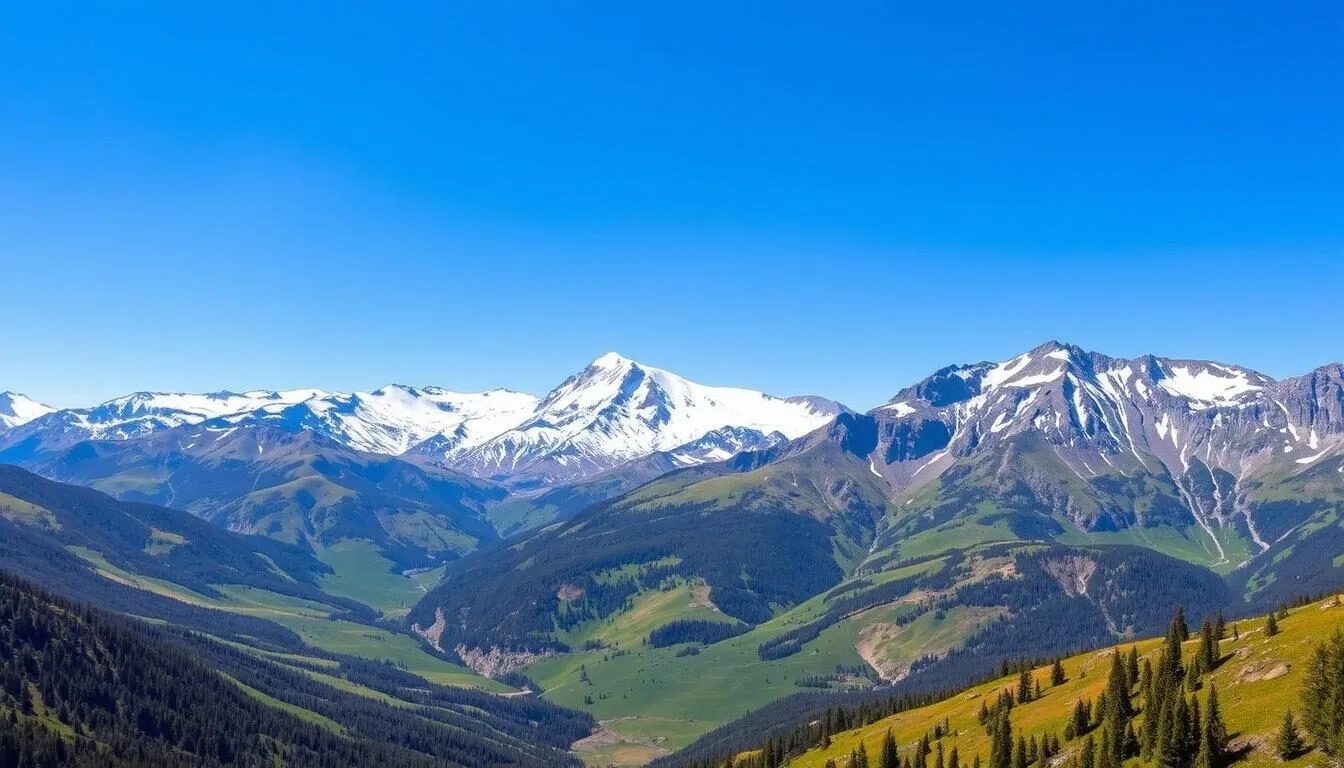
The Elk Mountains in Colorado are home to North America’s largest aspen grove, with over 106,000 acres of aspen trees creating one of the world’s most spectacular fall color displays each autumn. This majestic mountain range, stretching across central Colorado, offers some of the most pristine wilderness experiences in the United States, with six peaks exceeding 4,267 m (14,000 ft) and countless opportunities for adventure in every season.
Getting There & Planning Your Journey
The Elk Mountains are located in central Colorado, primarily in Gunnison and Pitkin counties. The closest major airports are Aspen/Pitkin County Airport (ASE) at 48 km (30 miles) from the heart of the range, Gunnison-Crested Butte Regional Airport (GUC) at 64 km (40 miles), and Eagle County Regional Airport (EGE) at 97 km (60 miles).
For those flying into larger airports, Denver International Airport (DEN) is approximately 290 km (180 miles) away, offering more flight options and typically lower fares. From Denver, you can rent a car and take the scenic drive west on I-70, then south on Highway 82 or 133 depending on which part of the Elk Mountains you plan to visit.
Major gateway towns to the Elk Mountains include:
- Aspen – Northeastern access point
- Crested Butte – Southern access point
- Carbondale – Northwestern access point
- Marble – Western access point
Best Time to Visit & Weather Tips

Recommended Seasons
- Mid-June to mid-September – Prime hiking season with accessible trails and comfortable temperatures
- Late September to early October – Peak fall colors when aspen groves turn brilliant gold
- Mid-December to March – Excellent skiing and winter sports season
Seasons to Avoid
- Late October to November – Shoulder season with unpredictable weather and limited services
- April to early June – Mud season with melting snow creating difficult trail conditions
- Afternoon hours in summer – Thunderstorms are common after 2 PM
Summer temperatures typically range from 10-24°C (50-75°F) during the day, dropping to 4-10°C (40-50°F) at night. Winter temperatures can range from -12 to 0°C (10-32°F) during the day and often drop well below -18°C (0°F) at night.
The first week of October often provides the perfect combination of stable weather and spectacular fall foliage, making it perhaps the most magical time to experience the Elk Mountains. However, this is also when accommodations are most difficult to secure, so book well in advance.
Getting Around Locally
A high-clearance 4WD vehicle is highly recommended for exploring the Elk Mountains, especially if you plan to venture onto forest service roads or mountain passes. Many of the most scenic areas are accessible only via unpaved roads that can be rough and challenging.
Key mountain passes in the area include:
- Kebler Pass (unpaved) – Connects Crested Butte to Highway 133
- Independence Pass (paved) – Connects Aspen to Leadville (closed in winter)
- McClure Pass (paved) – Connects Carbondale to Paonia
- Schofield Pass (4WD only) – Connects Crested Butte to Marble (extremely difficult)
For those without a vehicle, the Roaring Fork Transportation Authority (RFTA) provides bus service between Aspen and Glenwood Springs. Mountain Express offers free shuttle service within Crested Butte and Mount Crested Butte. Taxis and rideshare services are available in larger towns but may be limited in more remote areas.
Where to Stay
Luxury Options
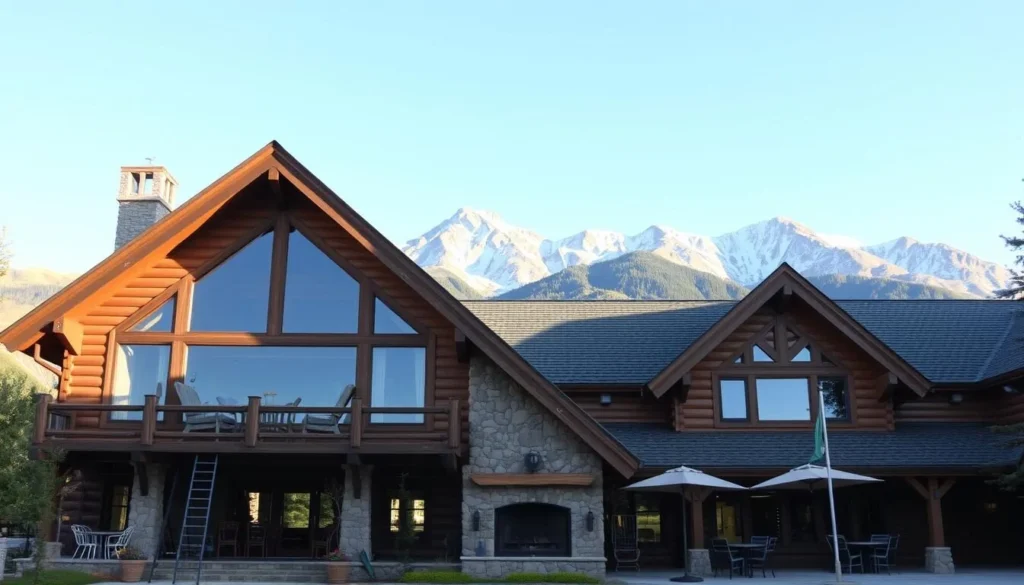
- The Little Nell (Aspen) – Five-star ski-in/ski-out hotel
- Elevation Hotel & Spa (Mt. Crested Butte) – Slopeside luxury with spa services
- Hotel Jerome (Aspen) – Historic luxury hotel with modern amenities
Mid-Range Options
- The Cristiana Guesthaus (Crested Butte) – Charming B&B in historic building
- Aspen Mountain Lodge – Comfortable rooms with mountain views
- The Inn at Carbondale – Boutique hotel with local character
Budget & Camping
- Hostel Carbondale – Affordable dorm and private rooms
- Silver Queen Campground – Near Aspen with basic facilities
- Oh Be Joyful Campground – Scenic camping near Crested Butte
For a truly authentic experience, consider booking a backcountry hut through the 10th Mountain Division Hut Association. These rustic cabins offer a unique way to experience the wilderness, though they require advance planning and often a significant hike to reach.
Dining & Local Cuisine
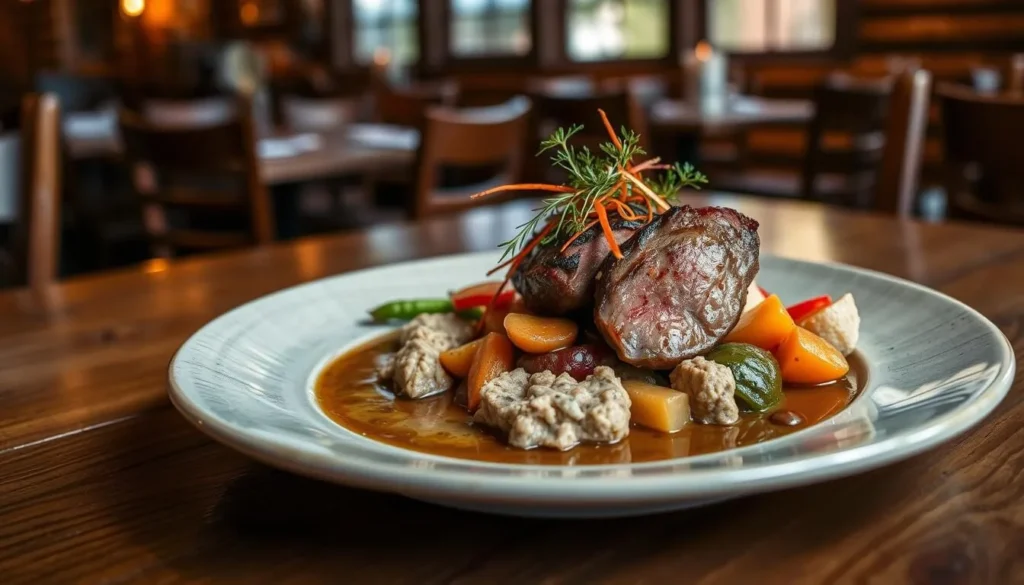
The Elk Mountains region offers diverse dining options, from upscale restaurants to casual cafés, with many establishments focusing on locally-sourced ingredients and Colorado specialties.
Local Specialties
- Rocky Mountain trout – Often served fresh and simply prepared
- Elk and bison – Featured in steaks, burgers, and stews
- Colorado lamb – Prized for its flavor and tenderness
- Palisade peaches – Sweet summer treat from Colorado’s western slope
- Craft beers – The region boasts numerous microbreweries
Notable Restaurants
In Crested Butte, don’t miss Elk Ave Prime for outstanding steaks and Soupçon for intimate fine dining. Aspen offers world-class options including Matsuhisa for Japanese cuisine and Pine Creek Cookhouse, accessible by sleigh in winter, for Alpine-inspired dishes.
For casual dining, Secret Stash Pizza in Crested Butte and White House Tavern in Aspen are local favorites. Coffee enthusiasts should visit Camp 4 Coffee in Crested Butte or Ink Coffee in Aspen for their morning brew.
✓ Check 30,000+ Local Sightseeing Tours Worldwide
Attractions, Sightseeing & Activities
Hiking Trails
Maroon Bells Scenic Area
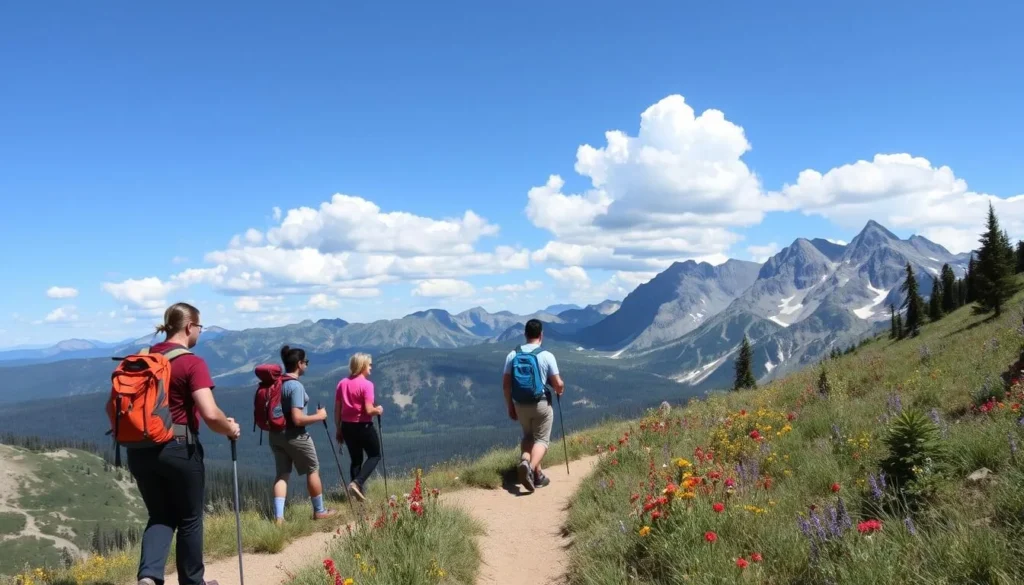
Home to the most photographed mountains in North America, the Maroon Bells offer several trails for all abilities. The Maroon Lake Scenic Trail (1.6 km/1 mile round trip) is perfect for beginners, while the challenging Maroon Creek Trail (18 km/11.2 miles) rewards hikers with spectacular views and wildlife sightings.
West Maroon Pass
This iconic 16.7 km (10.4-mile) trail connects Aspen and Crested Butte, crossing through fields of wildflowers that bloom in spectacular fashion during July and August. The pass reaches an elevation of 3,899 m (12,490 ft) and offers panoramic views of the surrounding peaks.
Scenic Drives
The West Elk Loop Scenic Byway is a 330 km (205-mile) route that circles the Elk Mountains, passing through charming towns and offering stunning vistas. Kebler Pass Road between Crested Butte and Highway 133 is particularly beautiful in fall when the aspen groves display their golden colors.
Winter Activities
The Elk Mountains are home to world-class ski resorts including Aspen Snowmass and Crested Butte Mountain Resort. Beyond downhill skiing, visitors can enjoy cross-country skiing, snowshoeing, ice climbing, and snowmobiling throughout the winter months.
Museums, Cultural Spots & Festivals
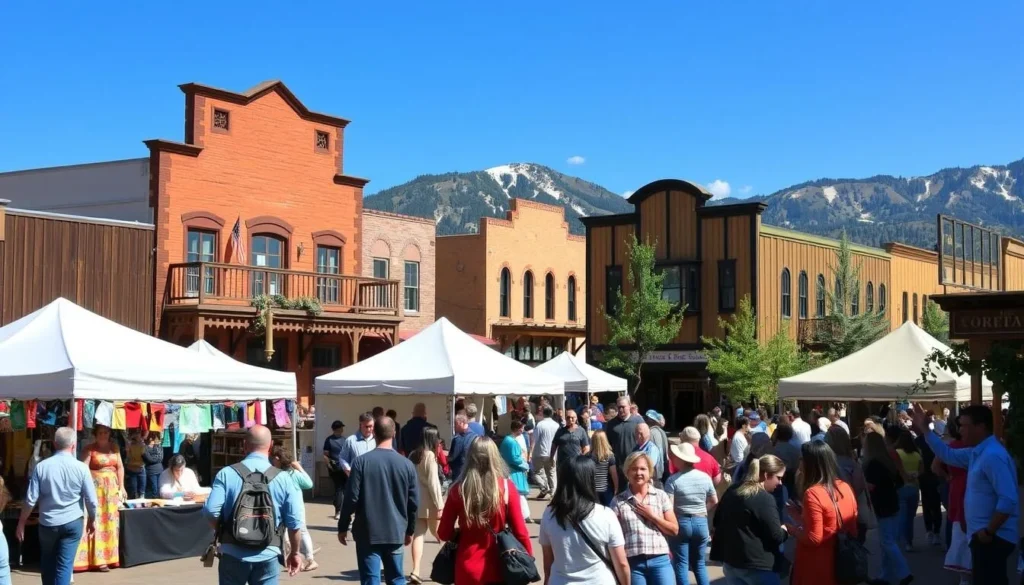
Museums & Historical Sites
- Crested Butte Mountain Heritage Museum – Exhibits on mining history and mountain life
- Wheeler/Stallard Museum (Aspen) – Victorian-era home with historical exhibits
- Marble Historical Society – Displays on the famous Yule Marble Quarry
Annual Festivals
Summer Events
- Crested Butte Wildflower Festival (July) – Guided hikes, workshops, and photography tours
- Aspen Music Festival (June-August) – World-class classical music performances
- Carbondale Mountain Fair (July) – Art, music, and community celebration
Fall & Winter Events
- Aspen Filmfest (September) – Showcasing independent films
- Crested Butte Film Festival (September) – Independent films in a mountain setting
- Wintersköl (January, Aspen) – Winter carnival with ice sculptures and torchlight parade
The region’s rich mining history is preserved in ghost towns like Ashcroft near Aspen and Gothic near Crested Butte. These abandoned settlements offer a fascinating glimpse into the area’s past and make for interesting day trips.
Nature & Outdoor Experiences
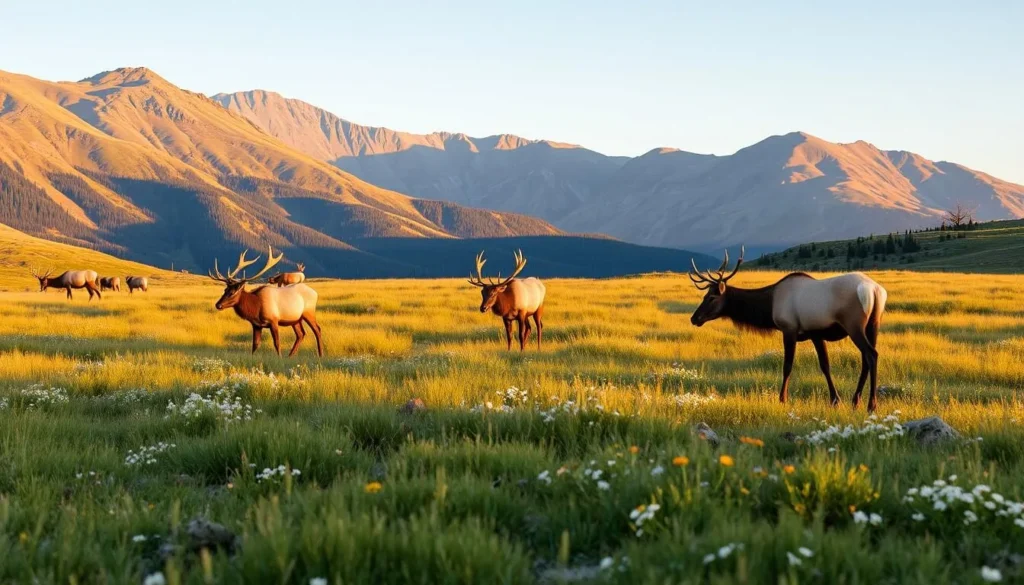
Wildlife Viewing
The Elk Mountains are home to abundant wildlife including their namesake elk, as well as mule deer, black bears, mountain goats, bighorn sheep, and numerous bird species. Dawn and dusk offer the best viewing opportunities. The Maroon Bells-Snowmass Wilderness and West Elk Wilderness are particularly good areas for wildlife spotting.
Wildflower Viewing
The Elk Mountains are renowned for spectacular wildflower displays, particularly in July and early August. The meadows around Crested Butte, officially designated the “Wildflower Capital of Colorado,” explode with color during peak season. Gothic Road and the trail to Rustler Gulch are particularly impressive spots.
Fishing
The rivers and lakes of the Elk Mountains offer excellent fishing opportunities. The Roaring Fork, Crystal, and Taylor Rivers are known for their trout fishing, while high alpine lakes like Emerald Lake and Lost Lake Slough provide peaceful settings for a day of casting.
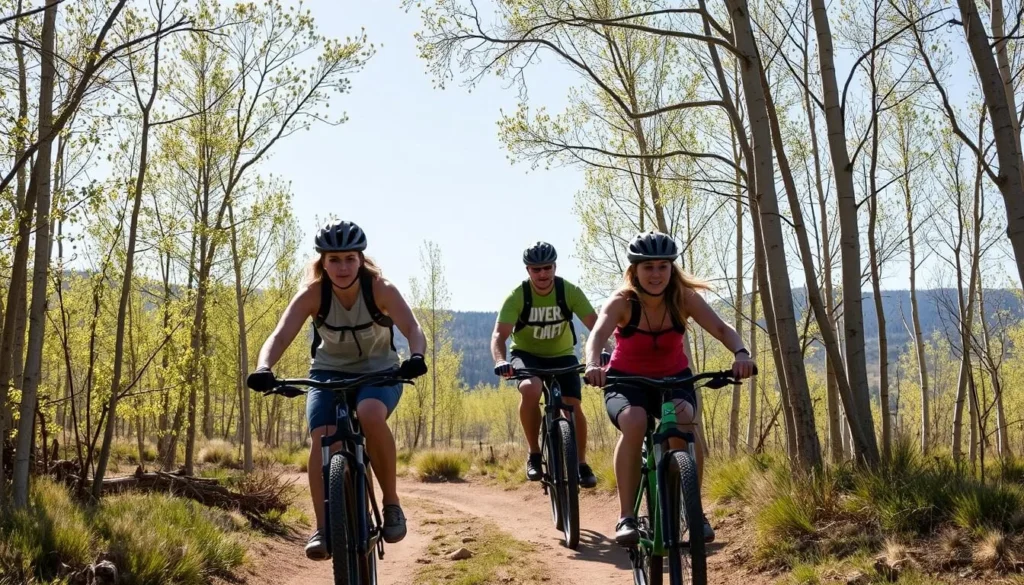
Mountain Biking
The Elk Mountains region offers world-class mountain biking trails. Crested Butte, considered one of the birthplaces of the sport, features the famous 401 Trail and Doctor Park Trail. Aspen’s Snowmass Bike Park offers lift-served downhill trails for all ability levels, while the Government Trail provides a challenging cross-country experience.
Safety, Etiquette & Local Customs
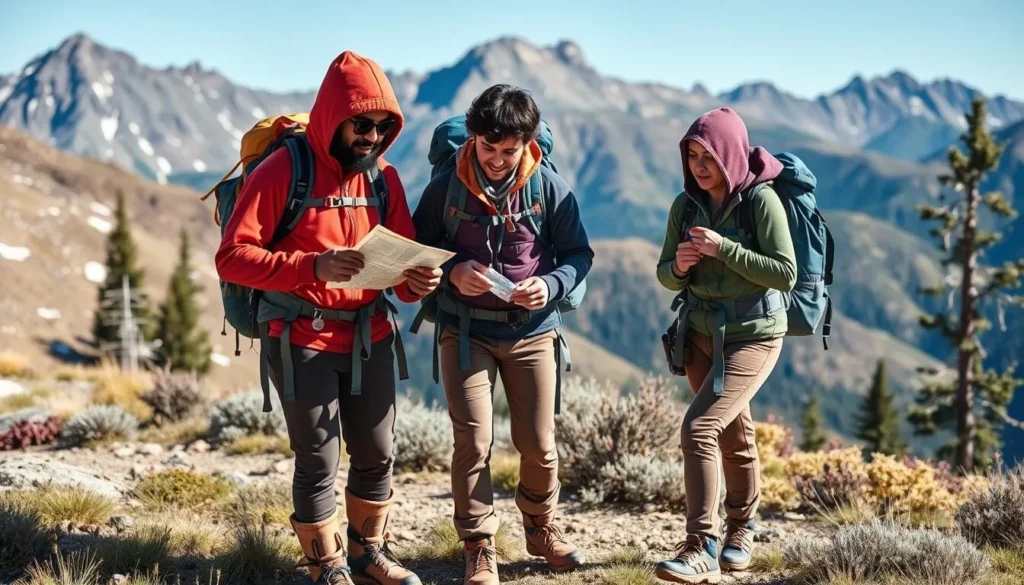
Mountain Safety
- Always check weather forecasts before heading out – afternoon thunderstorms are common in summer
- Carry plenty of water and sun protection – UV exposure is intense at high elevations
- Pack layers regardless of season – mountain weather can change rapidly
- Be aware of altitude sickness symptoms – headache, nausea, fatigue, dizziness
- Let someone know your itinerary when hiking or backcountry skiing
Wilderness Etiquette
The Elk Mountains include several designated wilderness areas where special regulations apply. Practice Leave No Trace principles, stay on established trails, and maintain appropriate distances from wildlife. Permits are required for overnight stays in some areas, particularly the Maroon Bells-Snowmass Wilderness during peak season.
Respect private property boundaries, particularly around the Yule Marble Quarry near Marble and private ranches throughout the region. Many seemingly public roads cross private land where access is permitted but should be respected.
Visitor Comments About Elk Mountains
“I’ve traveled extensively throughout the Rocky Mountains, but nothing prepared me for the sheer majesty of the Elk Mountains in fall. The aspen forests created a golden canopy that seemed to glow from within. Hiking West Maroon Pass was challenging but offered the most rewarding views I’ve ever experienced.”
“As an avid photographer, I found the Elk Mountains to be a paradise of composition and light. The contrast between the rugged peaks and delicate wildflowers created stunning images. Don’t miss sunrise at the Maroon Bells – arrive early to secure a spot, but the colors reflecting in the lake are absolutely worth the early wake-up call.”
“We visited the Elk Mountains with our family in July and were amazed by how accessible the beauty was for all ages. The staff at the visitor centers in Aspen and Crested Butte provided excellent recommendations for kid-friendly hikes. The wildflowers were in full bloom, and we even spotted a black bear from a safe distance!”
Additional Nearby Destinations
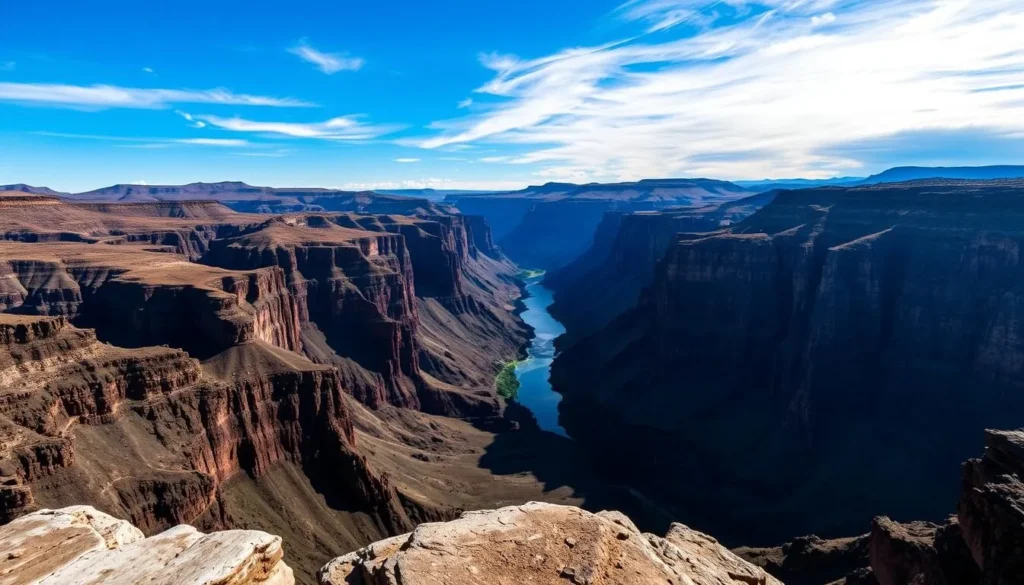
Black Canyon of the Gunnison
Located 121 km (75 miles) southwest of the Elk Mountains, this dramatic national park features some of North America’s steepest cliffs and oldest exposed rock. The Gunnison River has carved a spectacular gorge that reaches depths of 829 m (2,722 ft).
Glenwood Springs
Just 80 km (50 miles) northwest of Aspen, this historic hot springs town offers relaxing thermal pools, adventure parks, and the fascinating Glenwood Caverns. It makes an excellent day trip or add-on to an Elk Mountains vacation.
Grand Mesa
The world’s largest flat-top mountain, Grand Mesa rises 3,400 m (11,000 ft) above sea level and is located 113 km (70 miles) west of the Elk Mountains. With over 300 lakes and extensive forests, it offers excellent fishing, hiking, and scenic drives.
Practical Travel Tips
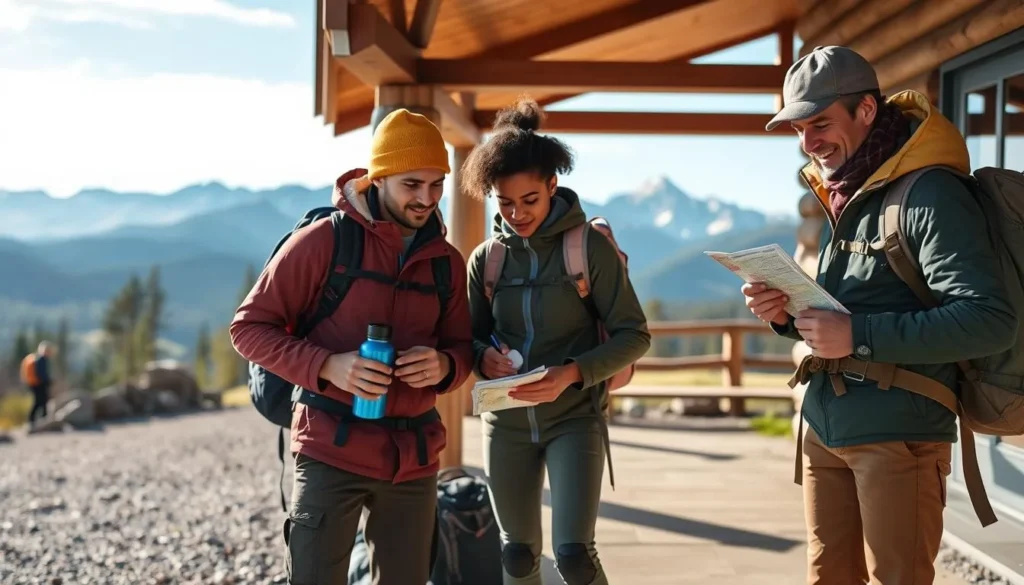
Essential Gear
- Layered clothing for variable mountain weather
- Sturdy hiking boots with ankle support
- High-quality rain jacket (afternoon showers are common)
- Sun protection (hat, sunscreen, sunglasses)
- Hydration system and water purification method
- Paper maps and compass (don’t rely solely on cell phones)
Local Resources
- Aspen Chamber Resort Association: (970) 925-1940
- Crested Butte Visitor Center: (970) 349-6438
- White River National Forest – Aspen-Sopris Ranger District: (970) 963-2266
- Gunnison National Forest – Gunnison Ranger District: (970) 641-0471
- Colorado Avalanche Information Center (winter travel): (970) 387-5712
Cell phone coverage is limited throughout much of the Elk Mountains, particularly in wilderness areas and along remote roads. Download maps and information before your trip, and consider bringing a satellite communication device for emergencies if venturing into the backcountry.
The Timeless Magic of Colorado’s Alpine Jewel
The Elk Mountains stand as one of Colorado’s most magnificent natural treasures, offering experiences that connect visitors to the wild heart of the Rockies. Whether you’re witnessing the golden aspen forests in autumn, hiking through wildflower-filled meadows in summer, or carving fresh powder in winter, these mountains create memories that call you back season after season. Their jagged peaks and pristine valleys represent the Colorado of your imagination—rugged, beautiful, and endlessly inspiring. As you plan your journey to this alpine paradise, prepare to be transformed by landscapes that have moved the human spirit for generations.
Related Posts
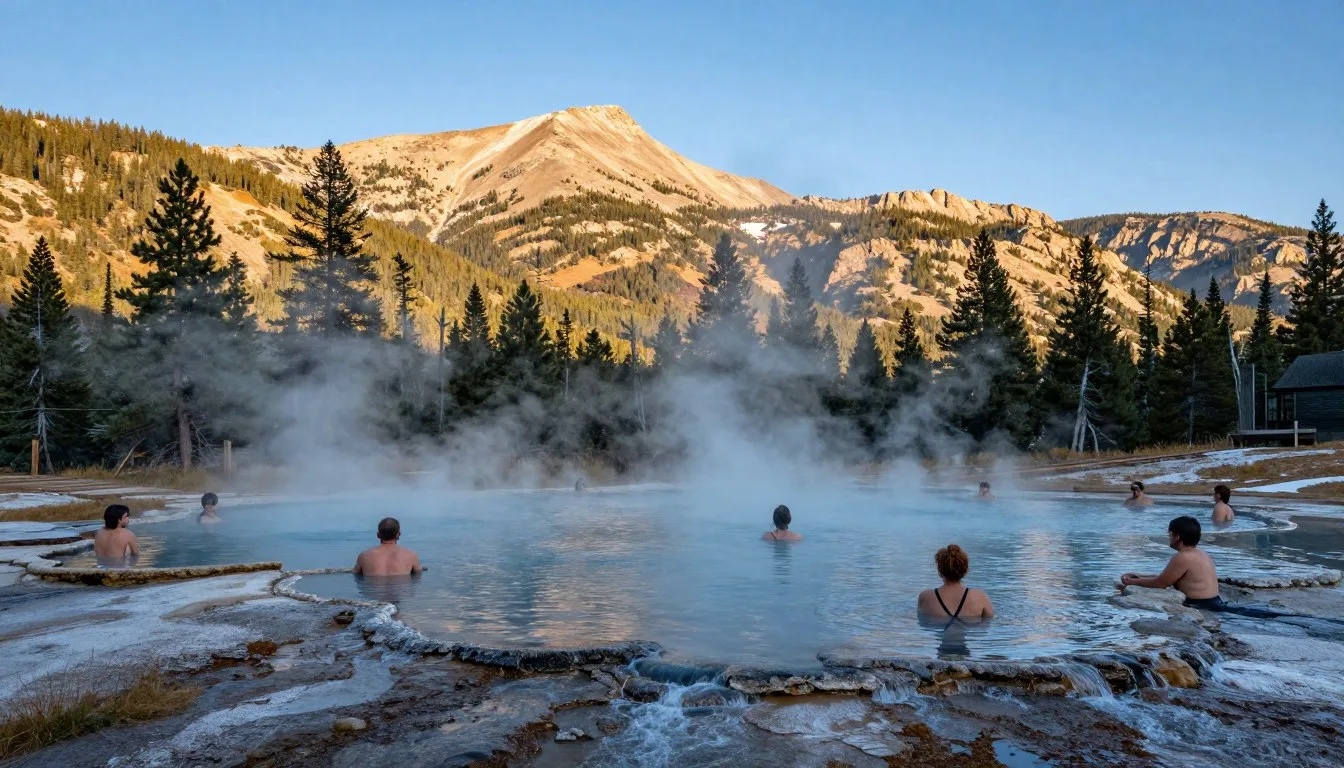
Waunita Hot Springs, Colorado: Best Things to Do – Top Picks
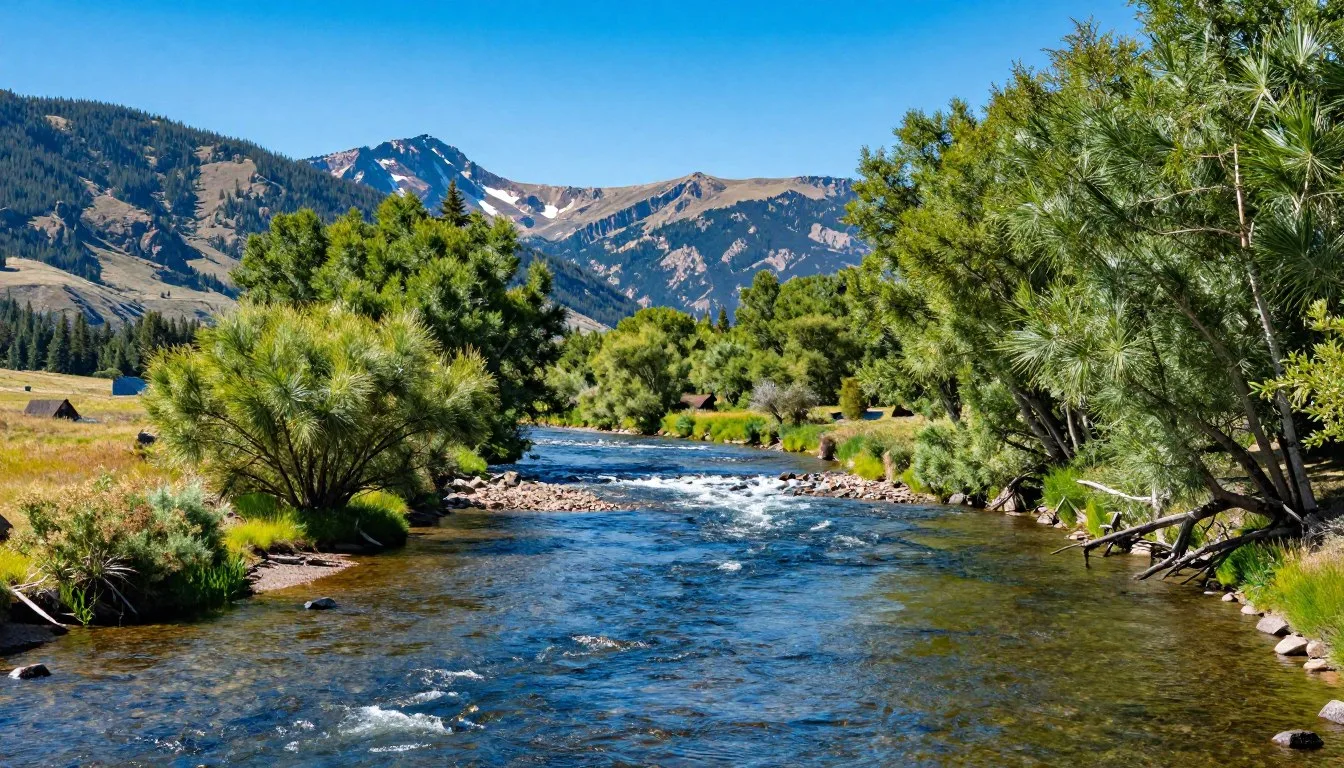
Uncompahgre River, Colorado: Best Things to Do – Top Picks

Uncompahgre Peak, Colorado: Best Things to Do – Top Picks
Vapor Caves Glenwood Springs, Colorado: Best Things to Do – Top Picks
Vail Ski Resort, Colorado: Best Things to Do – Top Picks
Vail Pass Road, Colorado: Best Things to Do – Top Picks
Coming Soon: Clickable Maps