
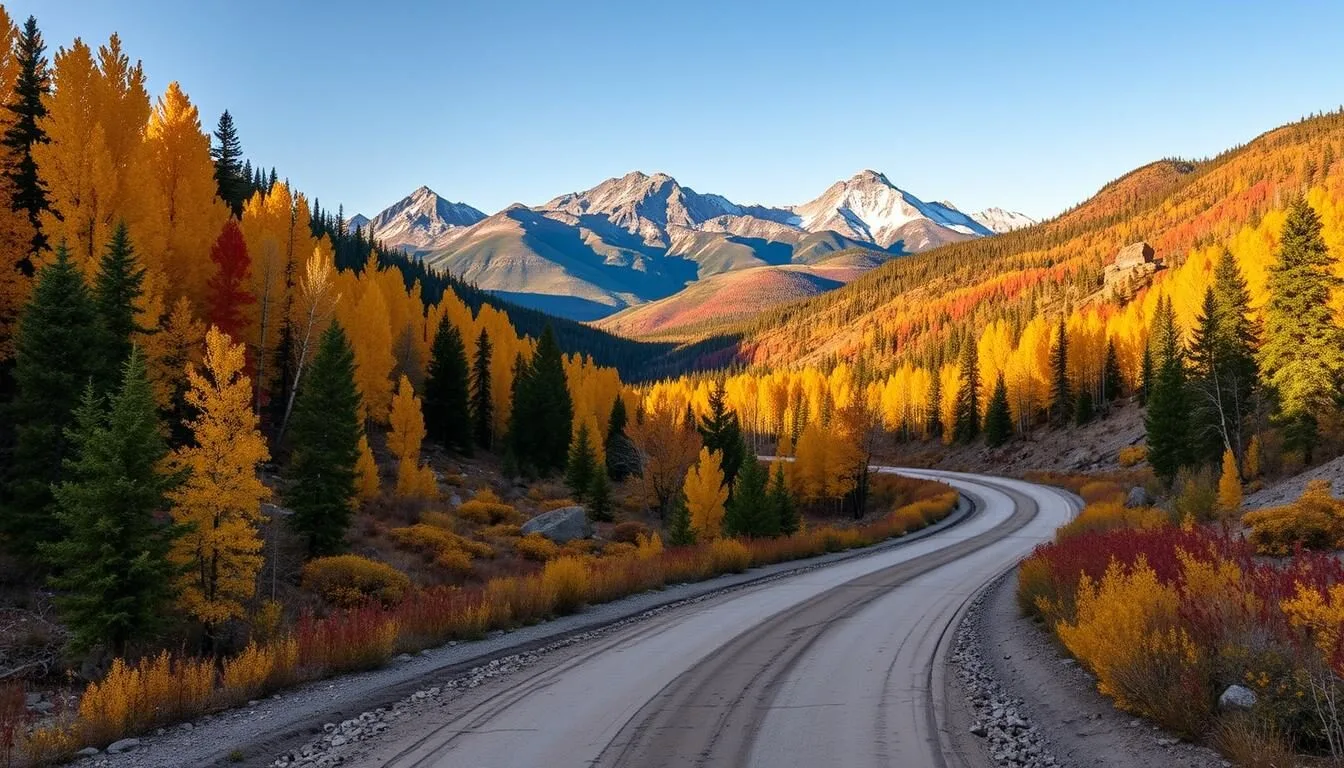
Did you know that the Gold Belt Tour Backcountry Roads in Colorado once yielded an astonishing 23.5 million ounces of gold between 1891 and 2005? This historic 135-mile scenic byway takes you through what was once the most productive gold mining region in North America, offering a journey through time where the Wild West still lives in the landscape, architecture, and spirit of the small towns along the route.
Getting There & Planning Your Journey
The Gold Belt Tour Scenic Byway is accessible from several points in central Colorado. Most travelers begin their journey from either Florissant, Cripple Creek, or Cañon City, depending on which direction you’re coming from.
Closest Airports
- Colorado Springs Airport (COS) – approximately 65 km (40 miles) from Florissant
- Denver International Airport (DEN) – approximately 160 km (100 miles) from the northern entrance
From Colorado Springs, take Highway 24 west to Florissant to begin the northern portion of the tour. From Denver, you can take I-25 south to Colorado Springs, then follow the same route. If approaching from the south, Cañon City serves as an excellent starting point, accessible via Highway 50.
The complete Gold Belt Tour forms a loop that can take anywhere from 5 to 8 hours to drive, depending on how often you stop to explore. Plan accordingly and consider breaking the journey into multiple days to fully appreciate all the historic sites and natural wonders along the way.
Best Time to Visit & Weather Tips
The Gold Belt Tour Backcountry Roads in Colorado offer different experiences throughout the year, but some seasons definitely provide better driving conditions and scenery than others.
| Season | Conditions | Crowd Level | Recommendation |
| Late Spring (May-June) | Mild temperatures, wildflowers blooming, 10-21°C (50-70°F) | Moderate | Highly Recommended |
| Summer (July-August) | Warm days, afternoon thunderstorms possible, 15-27°C (60-80°F) | High | Good, but busy |
| Fall (September-October) | Crisp air, stunning fall colors, 4-18°C (40-65°F) | Moderate | Excellent |
| Winter (November-April) | Snow, ice, road closures possible, -7-4°C (20-40°F) | Low | Not Recommended |
The best times to visit the Gold Belt Tour are late spring and early fall. During these seasons, you’ll enjoy mild weather, fewer crowds, and either beautiful wildflowers or spectacular fall foliage. Summer offers the most reliable road conditions but brings more tourists and occasional afternoon thunderstorms.
Weather Tip: Colorado’s mountain weather can change rapidly. Even in summer, bring layers and be prepared for sudden temperature drops, especially at higher elevations where the tour reaches over 3,000 m (9,800 ft).
Getting Around Locally
Navigating the Gold Belt Tour requires some planning, as the byway includes various road types ranging from paved highways to challenging backcountry routes.
Main Routes of the Gold Belt Tour
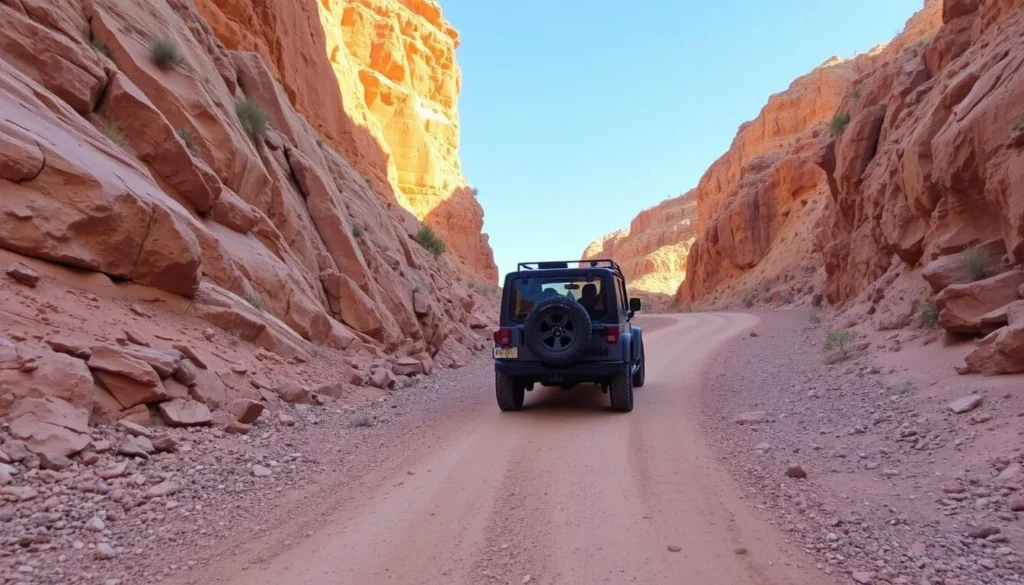
- Phantom Canyon Road – A dirt and gravel road following an old railroad grade with narrow passages and historic bridges. Not suitable for vehicles over 25 feet long.
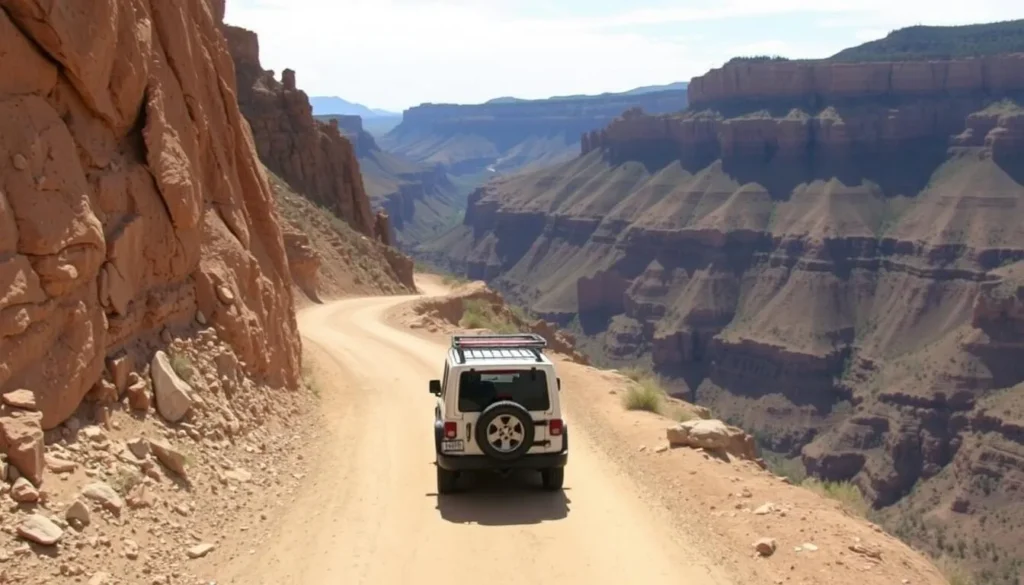
- Shelf Road – Named for the way it clings to canyon walls, this historic route offers dramatic views but requires careful driving. Best for high-clearance vehicles.
- High Park Road – A more accessible paved route suitable for all vehicles.
- Teller County Road 1 – Connects Cripple Creek to Highway 24, offering a scenic alternative route.
Important: Phantom Canyon Road and Shelf Road are not recommended for RVs, trailers, or vehicles longer than 25 feet. These roads have narrow passages, tight turns, and steep drop-offs.
A high-clearance vehicle is recommended for the unpaved sections, especially after rain or snow. While standard passenger cars can navigate most of the byway during good weather, SUVs or trucks will provide more comfort on the rougher sections.
Navigation Tip: Cell service is spotty throughout much of the byway. Download offline maps before your trip and consider bringing a physical map as backup.
Where to Stay
The Gold Belt Tour region offers diverse accommodation options, from historic hotels in mining towns to rustic cabins and campgrounds nestled in the mountains.
Cripple Creek & Victor
These historic mining towns offer a range of accommodations, including casino hotels, boutique inns, and vacation rentals.
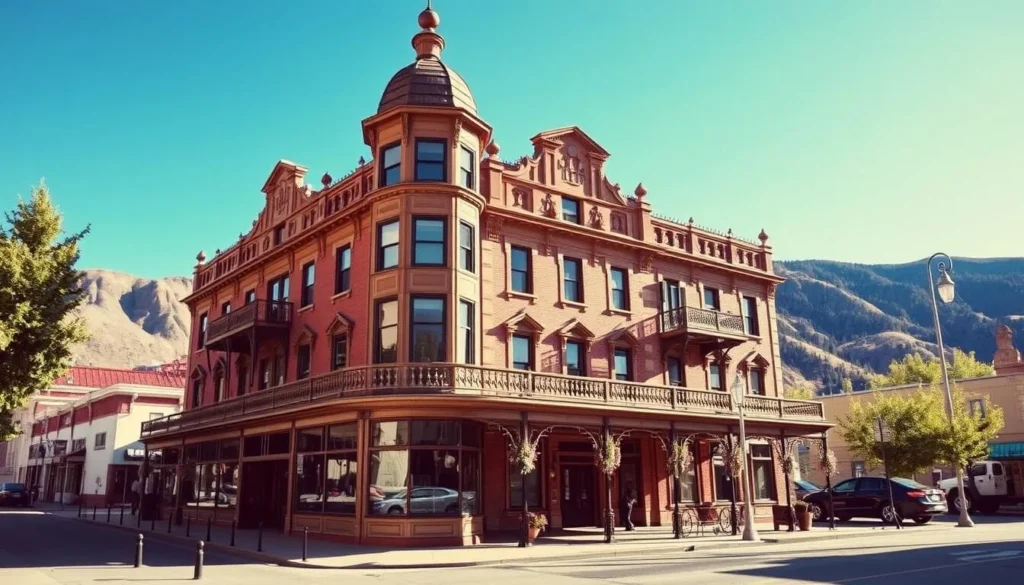
- Historic Hotels: The Imperial Hotel in Cripple Creek offers Victorian charm with modern amenities.
- Casino Hotels: Several options with gaming, dining, and entertainment on-site.
- Price Range: $90-250 per night
Cañon City Area
The gateway to the Royal Gorge provides more conventional lodging options and serves as a good base for exploring the southern portion of the tour.
- Chain Hotels: Several reliable options along Highway 50.
- Riverside Cabins: Accommodations along the Arkansas River.
- Price Range: $75-180 per night
Camping & Rustic Options
For those seeking a more immersive outdoor experience, the area offers numerous camping opportunities.
- Campgrounds: Phantom Canyon and Shelf Road have primitive camping areas.
- RV Parks: Several full-service options in Cañon City and Cripple Creek.
- Price Range: $0-45 per night
“We stayed at a small cabin near Cripple Creek and found it to be the perfect base for exploring the Gold Belt Tour. The stargazing at night was incredible, and we were just minutes from the historic downtown.”
Accommodations in Cripple Creek and Victor tend to fill up during summer weekends and special events, so booking in advance is recommended. For a truly unique experience, consider staying in one of the renovated historic buildings that once housed miners and merchants during the gold rush era.
Dining & Local Cuisine
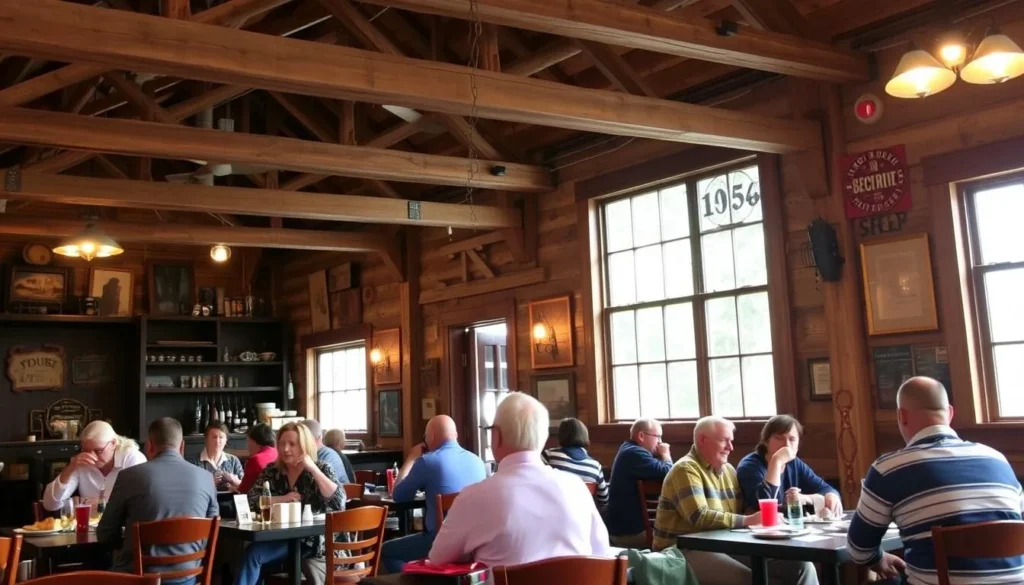
The Gold Belt Tour region offers hearty mountain fare with influences from mining-era cuisine and Western traditions. Each town along the route has its own culinary highlights worth exploring.
Cripple Creek & Victor Dining
These historic mining towns offer everything from casino buffets to charming local cafes.
- Mining-Era Inspired Restaurants: Try hearty miner’s stews and pasties (meat-filled pastries) that once fueled gold rush workers.
- Casino Dining: Cripple Creek’s casinos offer everything from budget-friendly buffets to upscale steakhouses.
- Historic Saloons: Several establishments dating back to the 1890s serve classic pub fare alongside local craft beers.
Cañon City Area Eateries
As the largest town in the region, Cañon City offers the widest variety of dining options.
- Riverside Restaurants: Enjoy dining with views of the Arkansas River, specializing in fresh trout and other local specialties.
- Family Diners: Classic American comfort food served in unpretentious settings.
- Farm-to-Table: Several restaurants feature ingredients from nearby farms and ranches.
Local Specialties to Try
- Rocky Mountain Trout: Freshly caught and simply prepared.
- Bison Burgers: A healthier alternative to beef with a distinctive flavor.
- Pork Green Chili: A Colorado staple with Southwestern influences.
- Local Craft Beers: The region has embraced the craft brewing movement with several local options.
“The small family-run restaurant in Victor served the best green chili I’ve ever tasted. Sitting on their patio with views of the surrounding mountains while enjoying local cuisine was a highlight of our Gold Belt Tour adventure.”
Many restaurants in the area embrace their gold rush heritage, with mining-themed decor and menu items named after local historical figures or landmarks. Prices are generally reasonable compared to more touristy parts of Colorado, with most entrees ranging from $12-25.
Attractions, Sightseeing & Activities
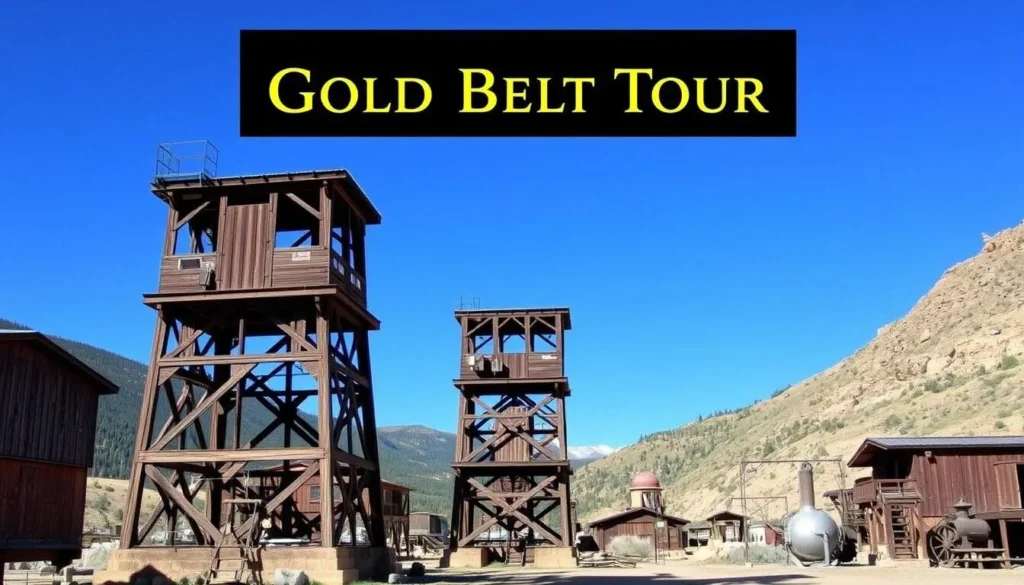
The Gold Belt Tour Backcountry Roads offer a wealth of attractions that combine natural beauty with fascinating history. Here are the must-see stops along your journey:
Phantom Canyon Road
Perhaps the most dramatic section of the Gold Belt Tour, this 30-mile dirt road follows the former Florence and Cripple Creek Railroad grade through a stunning canyon.
- Historic stone bridges dating back to the early 1900s
- Dramatic rock formations and sheer canyon walls
- Remnants of old railroad tunnels
- Abundant wildlife viewing opportunities
Shelf Road
Named for the way it clings to the canyon walls above Fourmile Creek, this historic route offers thrilling driving and spectacular views.
- World-class rock climbing destinations with over 700 routes
- Breathtaking vistas of the surrounding canyons
- Historic markers detailing the road’s mining history
- Access to the Garden Park Fossil Area
Royal Gorge
Near the southern end of the Gold Belt Tour, this impressive canyon carved by the Arkansas River features one of the world’s highest suspension bridges.
- Royal Gorge Bridge standing 291 m (956 ft) above the river
- Aerial gondola offering spectacular views
- Whitewater rafting through the gorge
- Zip line experiences across the canyon
Historic Mining Towns
Cripple Creek
Once a booming gold camp, now a charming historic town with casinos and preserved Victorian architecture.
- Mollie Kathleen Gold Mine – descend 1,000 feet underground
- Cripple Creek District Museum
- Historic downtown with original buildings
- Casinos housed in restored historic structures
Victor
Known as the “City of Mines,” Victor offers a more authentic, less commercialized mining town experience.
- Victor Lowell Thomas Museum
- American Eagles Overlook with views of historic gold mines
- Victor’s Gold Camp Ag & Mining Museum
- Self-guided walking tour of historic buildings
Museums, Cultural Spots & Festivals
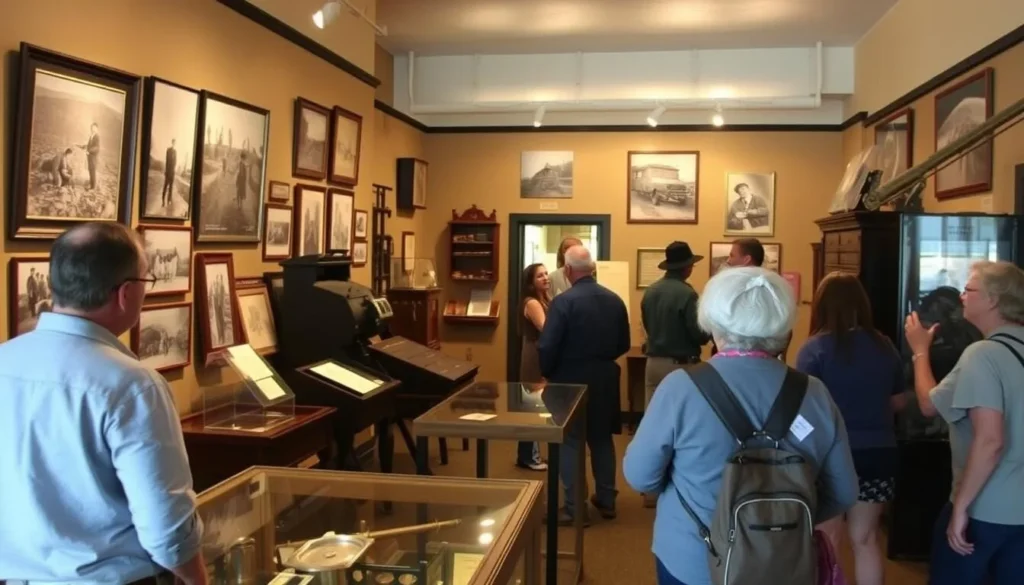
The Gold Belt Tour region is rich in cultural heritage, with numerous museums and annual events celebrating its mining history and Western traditions.
Must-Visit Museums
- Victor Lowell Thomas Museum – Housed in a historic building, this museum showcases the area’s mining heritage with exhibits on gold extraction techniques, miners’ daily lives, and local history. Don’t miss the opportunity to pan for real gold!
- Cripple Creek District Museum – Located in the former Midland Terminal Railroad Depot, this comprehensive museum features artifacts, photographs, and exhibits detailing the region’s boom years.
- Florissant Fossil Beds National Monument – Just off the northern section of the Gold Belt Tour, this site preserves remarkable plant and insect fossils from 34 million years ago.
- Western Museum of Mining & Industry – Located near Colorado Springs, this museum offers a fascinating look at the technology and processes that made the gold rush possible.
Annual Events & Festivals
- Donkey Derby Days (June, Cripple Creek) – A quirky celebration featuring races with donkeys descended from the mining era pack animals.
- Victor Gold Rush Days (July) – Historical reenactments, mining competitions, and live music celebrating the area’s gold mining heritage.
- Cripple Creek Ice Festival (February) – Ice sculptors create elaborate displays throughout the historic downtown.
- Pack Burro Racing (Summer, various locations) – Colorado’s official summer heritage sport features runners and their burro companions racing through historic mining towns.
“The Victor Lowell Thomas Museum was surprisingly engaging. The guide’s stories about the hardships and triumphs of early miners made history come alive, and trying our hand at gold panning was a highlight for our whole family.”
Many of the museums offer special guided tours during summer months, providing deeper insights into the region’s fascinating history. Some tours even take visitors to active or abandoned mine sites that are otherwise inaccessible to the public.
Nature & Outdoor Experiences
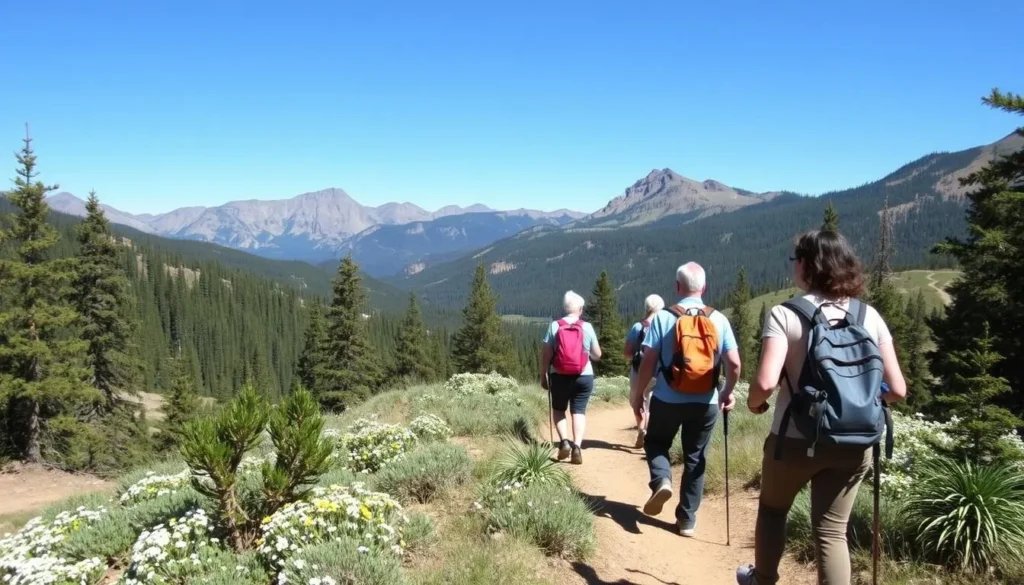
Beyond its rich mining history, the Gold Belt Tour Backcountry Roads traverse diverse ecosystems offering abundant outdoor recreation opportunities throughout the year.
Hiking & Mountain Biking
The region features numerous trails suitable for all skill levels, from casual day hikes to challenging mountain terrain.
- Shelf Road Recreation Area – Miles of trails winding through canyons and along ridgelines with spectacular views.
- Oil Well Flats – A popular mountain biking area near Cañon City with flowing singletrack and technical sections.
- Trails of Gold System – A network of trails around Victor and Cripple Creek following historic mining routes.
- Florissant Fossil Beds Trails – Easy hiking loops through meadows and petrified forest remains.
Rock Climbing
The limestone cliffs along Shelf Road have made this area one of Colorado’s premier climbing destinations.
- Over 700 sport climbing routes ranging from beginner to expert
- Year-round climbing opportunities (winter climbing is popular due to sunny exposure)
- Dramatic canyon settings with routes up to 30 m (100 ft) high
Wildlife Viewing
The varied terrain along the Gold Belt Tour supports diverse wildlife populations.
- Bighorn sheep often spotted along canyon walls
- Mule deer and elk in forested areas
- Golden eagles and peregrine falcons soaring above canyons
- Black bears, mountain lions, and bobcats (rarely seen but present)
Water Activities
The Arkansas River near Cañon City offers world-class water recreation.
- Whitewater Rafting – From family-friendly float trips to adrenaline-pumping rapids through the Royal Gorge.
- Fly Fishing – Gold Medal waters known for excellent trout fishing.
- Kayaking – Popular sections for both beginners and experienced paddlers.
For those seeking a more relaxed outdoor experience, numerous scenic overlooks and picnic areas along the byway provide perfect spots to enjoy the stunning landscapes without venturing far from your vehicle.
Safety, Etiquette & Local Customs
Traveling the Gold Belt Tour Backcountry Roads requires some preparation and awareness of safety considerations, especially when venturing onto the more remote sections.
Road Safety
- Vehicle Preparation: Ensure your vehicle is in good condition with adequate fuel. Gas stations are limited along the route.
- Road Conditions: Check current conditions before traveling, especially after rain or snow. Some sections may become impassable.
- Driving Etiquette: On narrow sections, yield to uphill traffic. Pull over at designated areas to let faster vehicles pass.
- Emergency Preparedness: Carry basic supplies including water, food, first aid kit, and warm clothing. Cell service is unreliable throughout much of the byway.
Outdoor Safety
- Weather Awareness: Mountain weather can change rapidly. Be prepared for sudden storms, especially in summer afternoons.
- Altitude Considerations: The route reaches elevations over 3,000 m (9,800 ft). Stay hydrated and be aware of altitude sickness symptoms.
- Wildlife: Observe wildlife from a distance. Never approach or feed animals.
- Leave No Trace: Pack out all trash and minimize your impact on the fragile environment.
Local Customs & Etiquette
- Mining Claims: Respect private property and active mining claims. Stay on designated public roads and trails.
- Historic Preservation: Do not remove artifacts or disturb historic structures. Many are protected by law.
- Local Businesses: The small towns along the route depend on tourism. Consider supporting local shops, restaurants, and museums.
- Photography: When photographing in towns, be respectful of residents and their property.
Important Safety Note: The remote nature of much of the Gold Belt Tour means emergency services may be far away. Always let someone know your planned route and expected return time when exploring the more isolated sections.
Visitor Comments About Gold Belt Tour
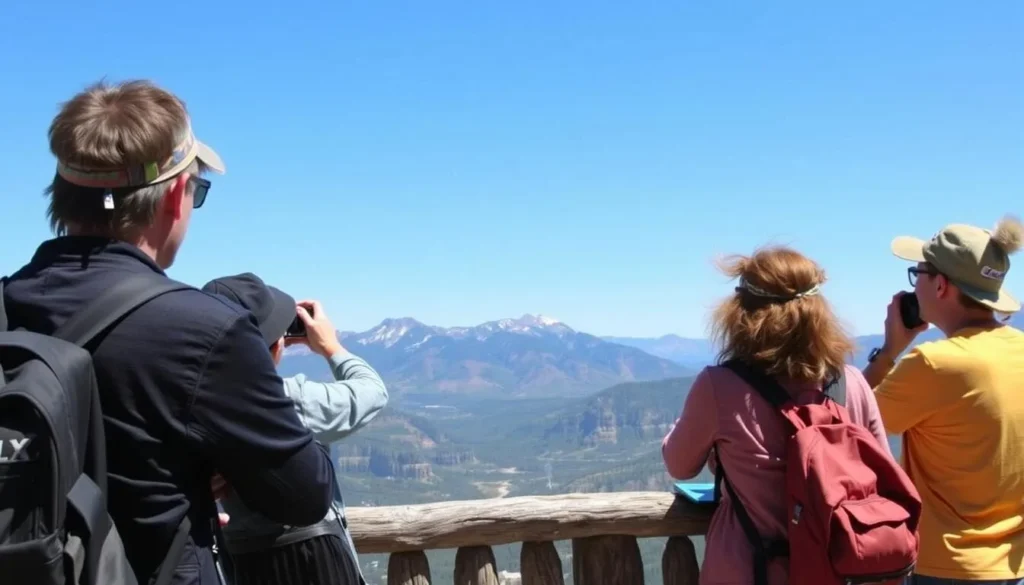
“We spent three days exploring the Gold Belt Tour and were amazed by the diversity of landscapes and experiences. The drive through Phantom Canyon was breathtaking, though a bit nerve-wracking at times! The historic mining towns were fascinating, and the locals were incredibly friendly and eager to share stories about the area’s rich history.”
“As someone who appreciates both history and natural beauty, the Gold Belt Tour exceeded my expectations. The contrast between the rugged backcountry roads and the well-preserved Victorian architecture in towns like Cripple Creek created a perfect balance. My advice: take your time and don’t rush through it. Each section deserves proper exploration.”
“The Gold Belt Tour offers some of the most spectacular scenery I’ve encountered in my travels. We were fortunate to visit during autumn when the aspen trees were golden against the evergreen backdrop. The mining history is fascinating, but it was the dramatic landscapes that truly captured my heart. Just be sure to bring a vehicle with good clearance for the unpaved sections!”
Additional Nearby Destinations
While the Gold Belt Tour offers plenty to explore, several fascinating destinations within easy driving distance make excellent additions to your itinerary.
Colorado Springs
Just 45 minutes from the northern entrance of the Gold Belt Tour, Colorado Springs offers numerous attractions.
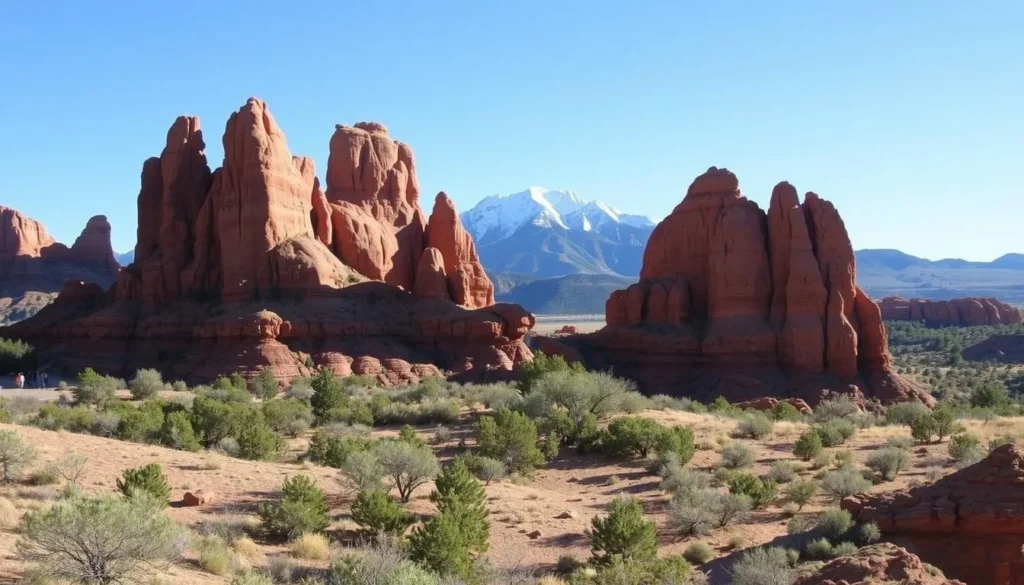
- Garden of the Gods – Dramatic red rock formations with Pikes Peak as a backdrop
- Pikes Peak – Drive or take the cog railway to the 4,302 m (14,115 ft) summit
- U.S. Olympic & Paralympic Museum – Interactive exhibits celebrating Olympic athletes
- Cheyenne Mountain Zoo – America’s only mountain zoo
Royal Gorge Region
Adjacent to the southern portion of the Gold Belt Tour, the Royal Gorge area offers additional adventures.
- Royal Gorge Bridge & Park – America’s highest suspension bridge
- Royal Gorge Route Railroad – Scenic train journey through the gorge
- Arkansas Headwaters Recreation Area – Premier whitewater rafting
- Dinosaur Experience – Life-sized dinosaur exhibits and fossil casts
Buena Vista & Salida
About an hour’s drive west of Cañon City, these charming mountain towns offer a different perspective on Colorado.
- Collegiate Peaks – Numerous 4,267+ m (14,000+ ft) mountains for hiking
- Mt. Princeton Hot Springs – Natural hot springs with mountain views
- Arkansas River Valley – Outdoor recreation paradise
- Historic Downtowns – Art galleries, craft breweries, and local shops
These nearby destinations can easily be combined with the Gold Belt Tour to create a comprehensive Colorado vacation. Consider spending 2-3 days on the Gold Belt Tour itself, then adding additional days to explore these complementary areas.
Practical Travel Tips
Make the most of your Gold Belt Tour adventure with these insider tips and practical advice.
Planning & Preparation
- Itinerary: Allow at least 5-6 hours to drive the complete loop, but ideally spread it over 2-3 days to fully appreciate the attractions.
- Vehicle: A high-clearance vehicle is recommended, especially for Phantom Canyon and Shelf Road. Standard passenger cars can manage in dry conditions but with less comfort.
- Supplies: Carry extra water, snacks, and a paper map. Download offline maps as cell service is limited.
- Fuel: Fill your tank in larger towns like Cañon City, Colorado Springs, or Cripple Creek. Gas stations are scarce along the backcountry sections.
Money Matters
- ATMs: Available in Cripple Creek, Victor, and Cañon City, but rare along the route itself.
- Credit Cards: Accepted at most businesses in towns, but carry some cash for smaller establishments.
- Entrance Fees: The byway itself is free, but some attractions charge admission (typically $5-15 per person).
- Gambling: Cripple Creek is a legal gambling town with several casinos if you’re feeling lucky.
Communication & Connectivity
- Cell Service: Spotty throughout much of the byway, with the best coverage in larger towns.
- Wi-Fi: Available at most accommodations and some cafes in Cripple Creek, Victor, and Cañon City.
- Emergency Contact: For emergencies, dial 911, but be aware that response times may be longer in remote areas.
Photography Tips
- Golden Hours: Early morning and late afternoon offer the best lighting for canyon and mountain photography.
- Viewpoints: Numerous pullouts along the route provide excellent photo opportunities. The American Eagles Overlook near Victor is particularly spectacular.
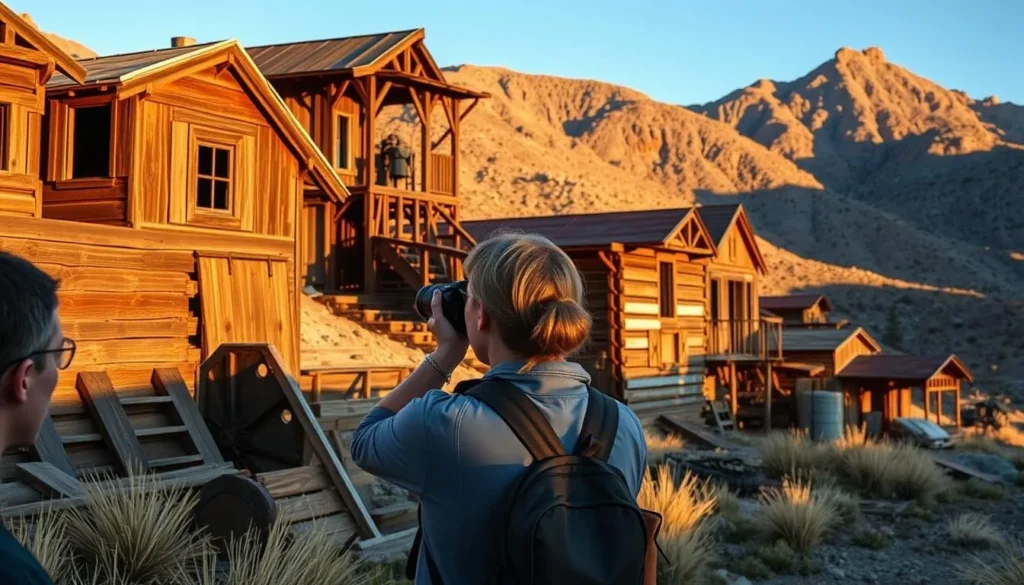
- Historic Structures: The weathered mining buildings and Victorian architecture provide fascinating subjects in any light.
Local Tip: The Gold Belt Tour is less crowded on weekdays. If visiting during summer weekends, start early in the morning to avoid the heaviest traffic on narrow sections like Phantom Canyon Road.
The Golden Journey Awaits
The Gold Belt Tour Backcountry Roads offer a remarkable journey through Colorado’s rich mining heritage and spectacular natural landscapes. From the thrilling drives along Phantom Canyon and Shelf Road to the charming historic towns of Cripple Creek and Victor, this scenic byway delivers an authentic Colorado experience that combines adventure, history, and breathtaking scenery.
Whether you’re a history enthusiast, outdoor adventurer, photographer, or simply someone seeking the road less traveled, the Gold Belt Tour rewards visitors with unforgettable experiences and a deeper connection to the American West. As you navigate these historic routes once traveled by fortune seekers and pioneers, you’ll discover that the real gold of this region lies not just in its mining past, but in the enduring beauty and character of this remarkable corner of Colorado.
Related Posts
Waunita Hot Springs, Colorado: Best Things to Do – Top Picks
Uncompahgre River, Colorado: Best Things to Do – Top Picks

Uncompahgre Peak, Colorado: Best Things to Do – Top Picks
Vapor Caves Glenwood Springs, Colorado: Best Things to Do – Top Picks
Vail Ski Resort, Colorado: Best Things to Do – Top Picks
Vail Pass Road, Colorado: Best Things to Do – Top Picks
Coming Soon: Clickable Maps