

Hotels by Trip.com
Flights by Trip.com
Standing as the world’s largest flat-top mountain at over 10,000 feet (3,048 m) elevation, Grand Mesa National Forest harbors an astonishing secret: more than 300 alpine lakes scattered across its expansive 500-square-mile (1,295 sq km) plateau. This natural wonder offers a pristine escape from the ordinary, where crystal-clear waters reflect dense forests of spruce, fir, and aspen. Whether you’re seeking adventure on hiking trails, peaceful fishing spots, or simply breathtaking panoramic views, Grand Mesa delivers natural splendor that remains surprisingly uncrowded compared to Colorado’s more famous destinations.
Getting There & Planning Your Journey
Grand Mesa National Forest is most easily accessed from Grand Junction, Colorado, which serves as the gateway to this natural wonderland. The closest major airport is Grand Junction Regional Airport (GJT), offering daily flights from Denver, Salt Lake City, Dallas, and Phoenix.
From Grand Junction, take Highway 65 (the Grand Mesa Scenic Byway) east for approximately 45 km (28 miles) to reach the forest. This scenic drive climbs from the desert floor to the mesa’s lofty heights, offering spectacular views along the way. If coming from Denver, plan for about a 4-hour drive west on I-70 before connecting to Highway 65.
Visitors from the east can also access Grand Mesa via Highway 65 from the town of Delta, while those coming from the south can approach through the charming communities of Cedaredge or Paonia. Regardless of your approach, the journey itself becomes part of the experience as you ascend through distinct ecological zones.
The Grand Mesa Visitor Center, located near the top of the mesa, is an excellent first stop to gather information, maps, and current conditions. During summer months, forest rangers are available to provide recommendations tailored to your interests and abilities.
Best Time to Visit & Weather Tips
Recommended Seasons
Late July to Mid-September
The prime time to visit Grand Mesa is late July through mid-September when temperatures are pleasant (typically 18-24°C or 65-75°F during the day), wildflowers are blooming, and mosquito populations have diminished. This period offers the most reliable weather and access to all areas of the forest.
Early October
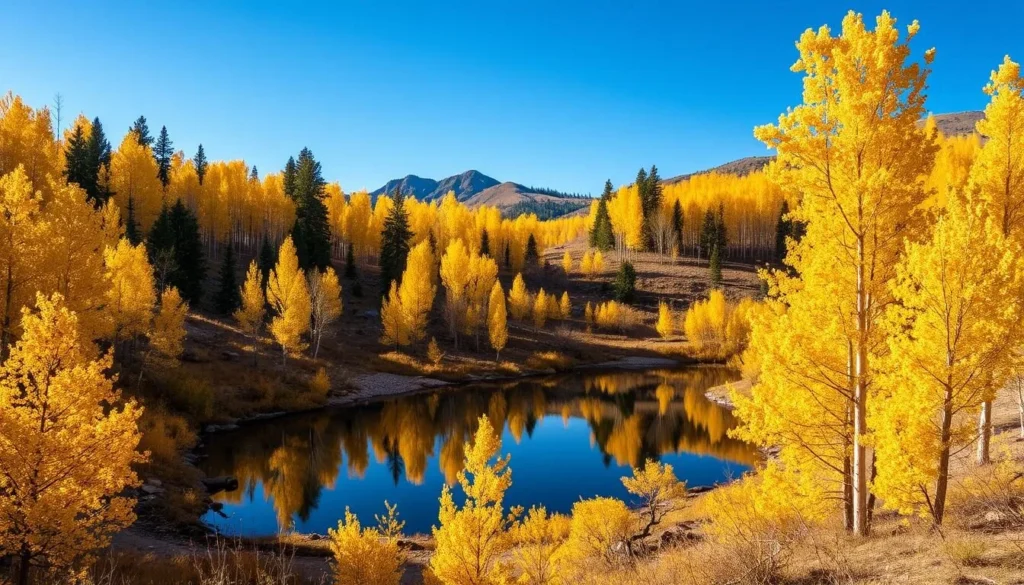
Early October brings spectacular fall colors as the aspen groves turn brilliant gold. Temperatures are cooler (10-15°C or 50-60°F), and crowds are moderate. This is an exceptional time for photography and scenic drives.
Seasons to Exercise Caution
Early Summer (June to mid-July)
While beautiful with lush greenery, early summer brings intense mosquito activity around the lakes. Many lakes may still be partially frozen, and afternoon thunderstorms are common. Pack plenty of insect repellent if visiting during this period.
Winter (November to May)
Winter brings heavy snowfall, with many areas receiving over 10 m (35 feet) annually. The mesa transforms into a winter wonderland ideal for snowshoeing and cross-country skiing, but access is limited, and services are reduced. Highway 65 is typically closed beyond the Mesa Lakes area.
Weather Considerations
At 10,000 feet (3,048 m) elevation, Grand Mesa’s weather can change rapidly. Summer afternoons often bring thunderstorms, so plan morning activities when possible. Temperature swings of 15°C (27°F) between day and night are common, so layered clothing is essential year-round. Always check current weather and road conditions before heading up the mesa, especially during spring and fall when conditions can be unpredictable.
Getting Around Locally
Navigating Grand Mesa National Forest requires your own transportation, as public transit options are not available within the forest boundaries. A standard passenger vehicle is sufficient for accessing most popular areas during summer and fall, though some forest service roads may require higher clearance.
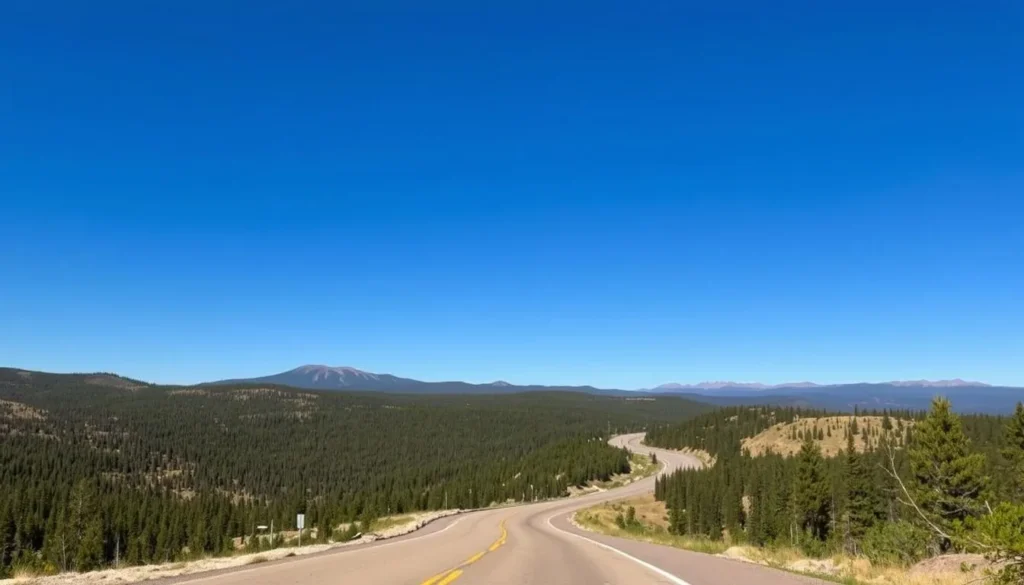
The Grand Mesa Scenic Byway (Highway 65) serves as the main artery through the forest, providing access to major recreation areas, trailheads, and lakes. This well-maintained paved road is suitable for all vehicles during the snow-free months. For a comprehensive tour, consider driving the Mesa Top Loop Road, which branches off Highway 65 and offers access to numerous lakes and viewpoints.
Several forest service roads branch off from the main highway, providing access to more remote areas. These unpaved roads vary in condition—some are well-graded and suitable for passenger cars, while others require 4WD vehicles with higher clearance. The Forest Service office or visitor center can provide current information on road conditions.
During winter months (November through May), Highway 65 is plowed only to the Mesa Lakes area. Beyond this point, the road is groomed for snowmobiles and cross-country skiing. Winter visitors should come prepared with appropriate vehicles and snow equipment.
Where to Stay

Grand Mesa National Forest offers diverse accommodation options ranging from rustic camping to comfortable lodges. Whether you prefer sleeping under the stars or enjoying modern amenities, you’ll find suitable lodging options.
Campgrounds
The forest features several developed campgrounds with varying amenities:
- Island Lake Campground: Located at 3,048 m (10,000 ft) elevation near one of the mesa’s largest lakes, this popular campground offers 40 sites with picnic tables, fire rings, and vault toilets. Potable water is available, but there are no hookups. Reservations recommended during peak season.
- Jumbo Campground: Situated among spruce and fir trees at 2,926 m (9,600 ft), this smaller campground provides a more secluded experience with 20 sites. Basic amenities include vault toilets and potable water.
- Ward Lake Campground: Perfect for fishing enthusiasts, this campground sits adjacent to Ward Lake with easy access to several other lakes. It offers 21 sites with standard amenities.
Cabins and Lodges
For those seeking more comfort:
- Grand Mesa Lodge: Historic lodge offering rustic cabins and rooms with basic amenities. The on-site restaurant serves breakfast, lunch, and dinner during the summer season. Boat rentals available for the adjacent lake.
- Mesa Lakes Lodge: Featuring comfortable cabins with kitchenettes and a main lodge with restaurant. Open seasonally from late May through October.
- Alexander Lake Lodge: Remote lodge accessible via forest service roads, offering a true wilderness experience with comfortable accommodations and home-cooked meals.
Nearby Towns
For additional lodging options and amenities:
- Grand Junction: The largest nearby city (45 minutes from the base of Grand Mesa) offers numerous hotels, motels, and vacation rentals, plus restaurants and shopping.
- Cedaredge: This charming town at the southern base of Grand Mesa provides several B&Bs, inns, and vacation rentals in a quaint setting.
- Palisade: Known for its wineries and orchards, Palisade offers unique accommodations including vineyard stays and boutique hotels about 40 minutes from Grand Mesa.
Dining & Local Cuisine
Dining options within Grand Mesa National Forest are limited but charming, with most restaurants operating seasonally. For the best culinary experiences, combine on-mesa dining with excursions to nearby communities known for their local flavors.
On-Mesa Dining
- Grand Mesa Lodge Restaurant: Serving hearty mountain fare including breakfast, lunch, and dinner during summer months. Their trout dishes feature fish caught from the adjacent lake, and homemade pies are a specialty.
- Mesa Lakes Lodge Restaurant: Offers casual dining with a focus on comfort food. Their deck provides stunning views of the surrounding lakes and forests—perfect for sunset dining.
- Alexander Lake Lodge Dining Room: Serves family-style meals to guests and visitors by reservation. Known for their home-cooked approach and generous portions.
Nearby Culinary Destinations
- Palisade: This agricultural haven is famous for its peaches, wine, and farm-to-table dining. Visit during harvest season (August-September) for the freshest produce and orchard experiences.
- Grand Junction: Offers the widest variety of dining options, from casual eateries to fine dining establishments featuring local ingredients and Colorado-raised meats.
- Cedaredge: This small town at the southern base of Grand Mesa has several charming cafes and family restaurants serving traditional American fare with a mountain twist.
Local Specialties
When dining in the Grand Mesa region, look for these local specialties:
- Rainbow Trout: Freshly caught from the mesa’s alpine lakes and often served pan-fried with lemon and herbs.
- Colorado Lamb: Raised in the nearby mountains and valleys, known for its tender texture and flavor.
- Palisade Peaches: World-famous for their sweetness and juiciness, available fresh in summer and in preserves and desserts year-round.
- Western Slope Wines: The surrounding valleys produce excellent wines, particularly Merlot, Cabernet Franc, and Riesling varieties.
Picnicking
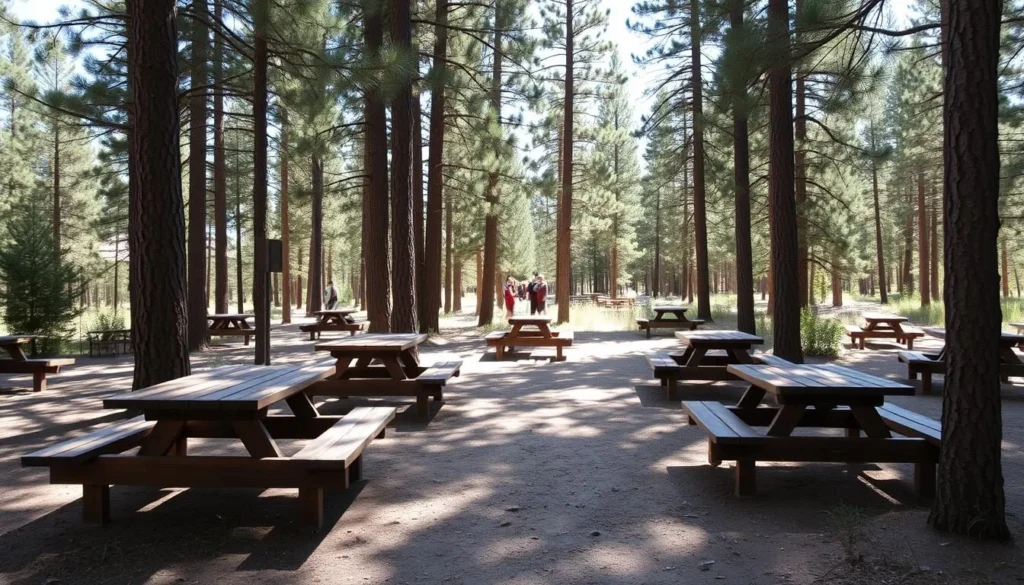
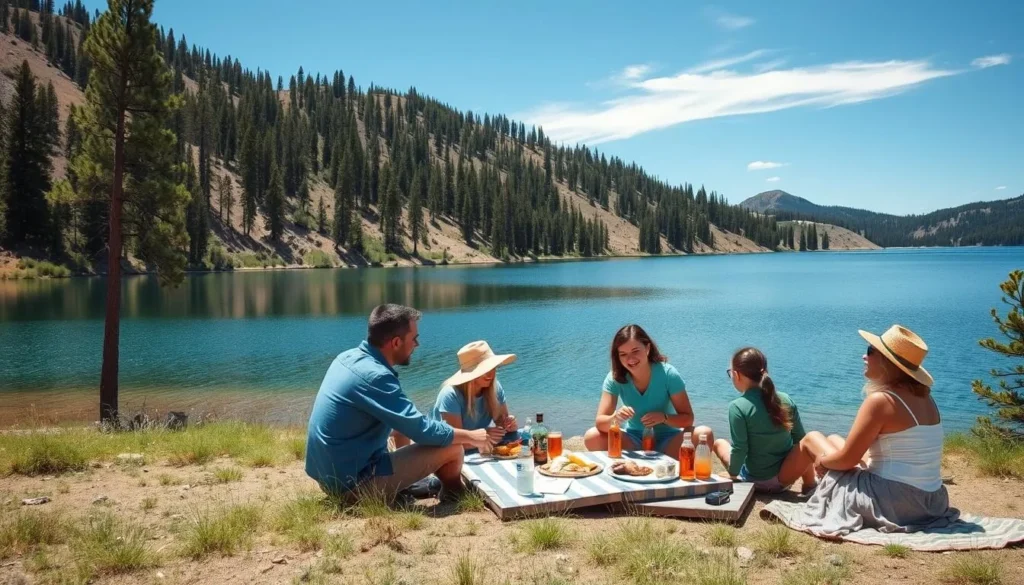
Many visitors opt to bring their own food for picnics at the numerous designated areas throughout the forest. Several lakes have established picnic grounds with tables, grills, and restroom facilities. The Grand Mesa Visitor Center also offers a pleasant picnic area with interpretive displays.
Attractions, Sightseeing & Activities
Scenic Drives
- Grand Mesa Scenic Byway: This 63 km (39 mile) designated scenic route climbs from the valley floor to the mesa top, passing through distinct ecological zones. Allow 2-3 hours to enjoy the numerous pullouts and viewpoints.
- Land’s End Road: Branching off the main byway, this 20 km (12 mile) road leads to Land’s End Observatory, offering breathtaking views of the valley 1,800 m (6,000 ft) below.
- Mesa Top Loop Road: This forest service road provides access to numerous lakes and recreation areas across the mesa’s top. Particularly beautiful during fall when aspen trees display their golden colors.
Must-See Viewpoints
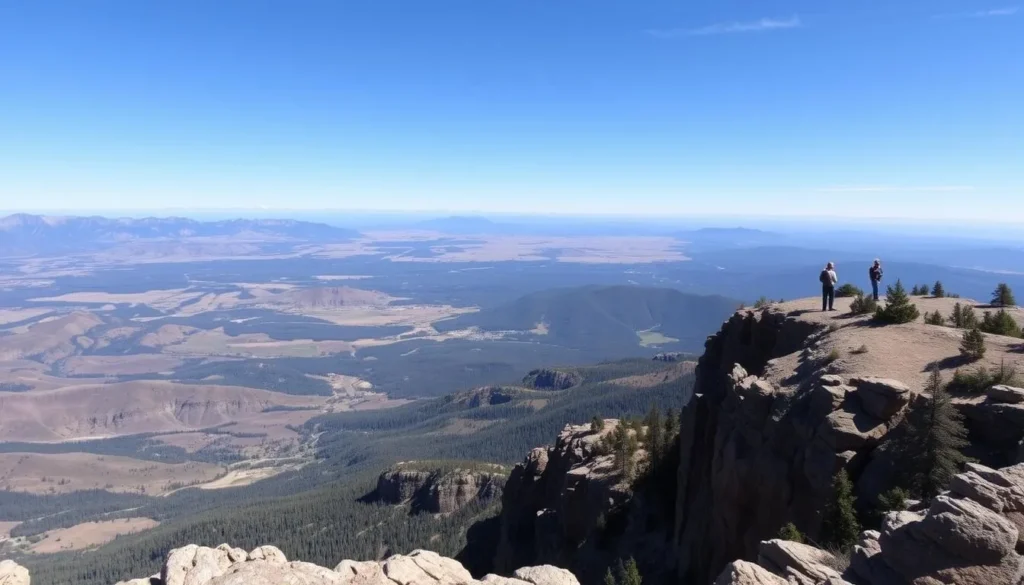
- Land’s End Overlook: Offering panoramic views of the Grand Valley, Colorado National Monument, and on clear days, the La Sal Mountains in Utah.
- Crag Crest Trail Overlook: The highest point on the mesa provides 360-degree views of the surrounding landscape and dozens of alpine lakes.
- Mesa Lakes Vista Point: Spectacular views of the Mesa Lakes area with the distinctive flat top of the mesa stretching to the horizon.

Water Activities
With over 300 alpine lakes, water-based recreation is a major draw:
- Fishing: The lakes are well-stocked with rainbow, brook, and cutthroat trout. Popular fishing spots include Island Lake, Mesa Lake, and Alexander Lake. Colorado fishing license required.
- Boating: Several lakes permit non-motorized boats or electric motors only. Boat rentals (canoes, kayaks, small fishing boats) available at Grand Mesa Lodge and Mesa Lakes Lodge during summer.
- Swimming: While the alpine lakes remain chilly even in summer, designated swimming areas can be found at Island Lake and Ward Lake.
Winter Activities
Grand Mesa transforms into a winter playground with reliable snowfall:
- Cross-Country Skiing: Over 50 km (30 miles) of groomed trails for all ability levels. The County Line and Skyway trail systems are particularly popular.
- Snowshoeing: Numerous marked trails and open areas perfect for snowshoeing through the silent, snow-covered forest.
- Snowmobiling: Designated snowmobile routes throughout the mesa, with rentals available from outfitters in nearby towns.
- Ice Fishing: Many lakes offer excellent ice fishing opportunities once they freeze solid, typically from December through March.
Museums, Cultural Spots & Festivals
While Grand Mesa National Forest is primarily known for its natural attractions, the area offers several cultural and educational opportunities that enhance visitors’ understanding of this unique ecosystem and its history.
Visitor Centers & Museums
- Grand Mesa Visitor Center: Located near Island Lake, this facility features interpretive displays about the mesa’s geology, ecology, and human history. Rangers offer programs during summer months, including guided nature walks and evening campfire talks.
- Land’s End Observatory: This historic stone building at the western edge of the mesa houses exhibits explaining the spectacular views and the geological forces that created Grand Mesa.
- Cedaredge Pioneer Town: Located at the southern base of Grand Mesa, this outdoor museum complex features over 20 historical buildings and thousands of artifacts depicting pioneer life in the region.
Cultural History
The Grand Mesa area has a rich cultural history spanning thousands of years:
- Native American Heritage: The Ute people considered Grand Mesa sacred and used it for summer hunting grounds. Archaeological evidence of their presence can be found throughout the area.
- Pioneer History: European settlers arrived in the late 1800s, establishing ranches, timber operations, and eventually recreation areas. Historic cabins and structures can still be seen in some areas.
- Conservation Legacy: Grand Mesa National Forest was established in 1892 as part of the Battlement Mesa Forest Reserve, making it one of America’s earliest protected forest areas.
Annual Events & Festivals
Several events celebrate the natural and cultural heritage of Grand Mesa:
- Grand Mesa Moose Day (July): Educational event focused on the mesa’s moose population, featuring wildlife presentations and guided viewing excursions.
- Color Sunday (late September): A decades-old tradition celebrating the peak of fall colors on Grand Mesa, with guided hikes, scenic drives, and local food vendors.
- Cedaredge Applefest (October): Held at the southern base of Grand Mesa, this festival celebrates the apple harvest with music, crafts, and food.
- Grand Mesa Summit Challenge (August): Trail running event with courses of varying lengths showcasing the mesa’s beautiful terrain.
Nature & Outdoor Experiences

Hiking Trails
Grand Mesa offers trails for all ability levels, from easy lakeside strolls to challenging ridge hikes:
- Crag Crest Trail: The premier hiking experience on Grand Mesa, this 17.7 km (11 mile) loop traverses the narrow ridge at the mesa’s highest point, offering spectacular 360-degree views. Moderate to difficult with 396 m (1,300 ft) elevation gain.
- Land O’Lakes Trail: A moderate 8 km (5 mile) loop passing by seven alpine lakes. Beautiful wildflowers in summer and golden aspens in fall.
- Mesa Top Trail: Easy 3.2 km (2 mile) interpretive trail near the visitor center, perfect for families and those adjusting to the elevation.
- Flowing Park Loop: Moderate 20.9 km (13 mile) trail traversing meadows and forests with numerous lake access points. Popular with backpackers for overnight trips.
Wildlife Viewing
Grand Mesa hosts diverse wildlife populations across its varied habitats:
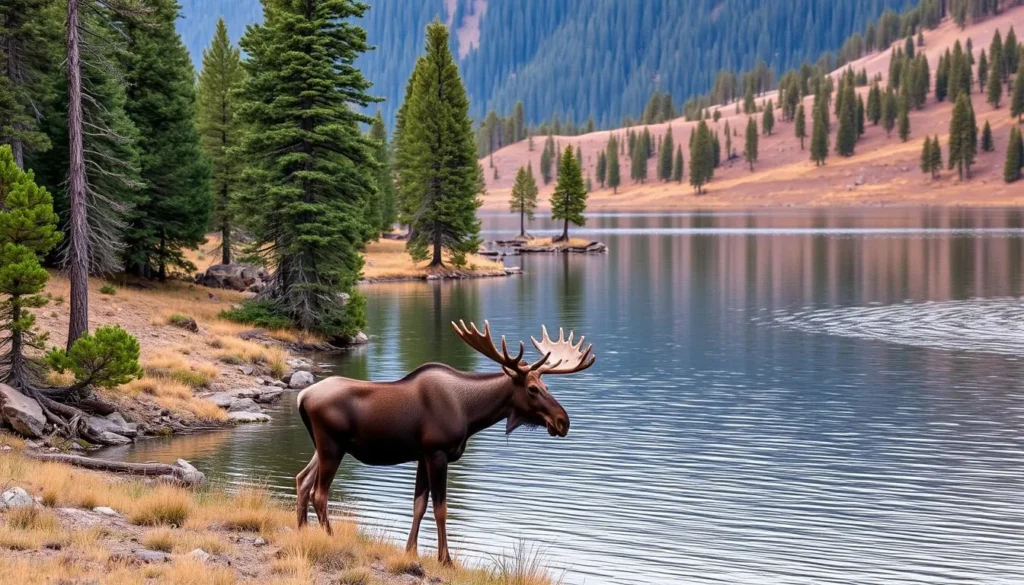
- Moose: Introduced in the 2000s, the mesa now has a thriving moose population. Best viewing areas include Island Lake, Carson Lake, and Flowing Park.
- Bird Watching: Over 200 bird species inhabit or migrate through Grand Mesa, including ospreys, bald eagles, and numerous waterfowl. The Mesa Lakes area is particularly good for birding.
- Other Wildlife: Mule deer, black bears, elk, beavers, and marmots are commonly seen. Dawn and dusk offer the best viewing opportunities.
Wildflower Viewing
The mesa’s meadows and forests burst with colorful wildflowers during summer:
- Peak Season: Mid-July through August offers the most spectacular displays.
- Best Locations: Flowing Park, Land O’Lakes area, and the meadows along Crag Crest Trail.
- Notable Species: Colorado columbine (state flower), lupine, Indian paintbrush, wild geranium, and numerous alpine species.
Stargazing
With minimal light pollution and high elevation, Grand Mesa provides exceptional stargazing opportunities:
- Best Locations: Land’s End Observatory, Island Lake, and Crag Crest Trailhead parking areas offer good horizons and minimal tree cover.
- Meteor Showers: The Perseid meteor shower in mid-August coincides with ideal summer weather on the mesa.
- Night Photography: The mesa’s lakes offer stunning reflections of the night sky, perfect for astrophotography.
Safety, Etiquette & Local Customs
Safety Considerations
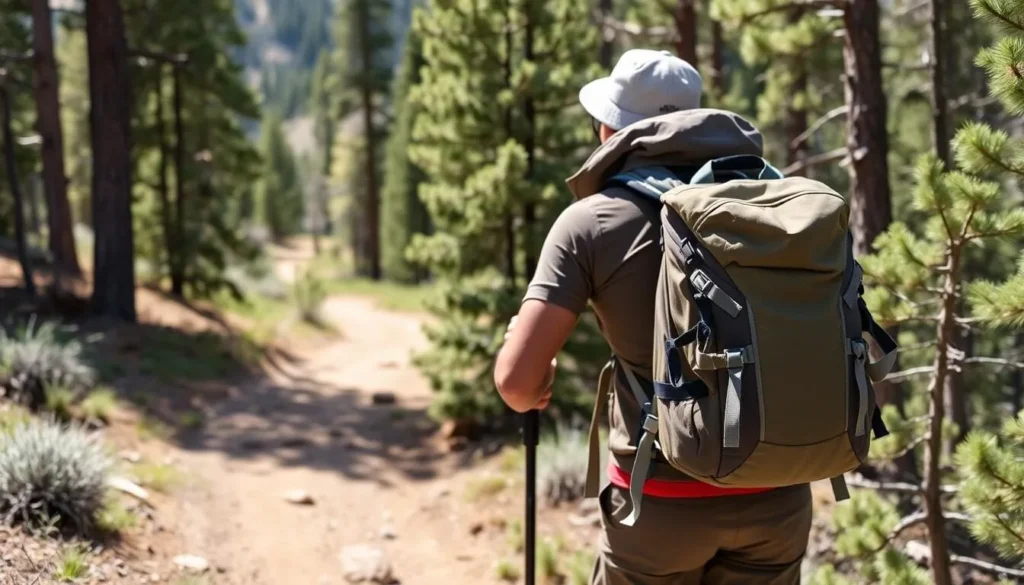
- Altitude Awareness: At 3,048 m (10,000 ft) elevation, visitors from lower elevations may experience altitude sickness. Symptoms include headache, nausea, and fatigue. Acclimatize gradually, stay hydrated, and descend if symptoms persist.
- Weather Preparedness: Mountain weather changes rapidly. Afternoon thunderstorms are common in summer, while winter brings heavy snow. Check forecasts before heading out and be prepared for changing conditions.
- Wildlife Safety: While viewing wildlife, maintain a safe distance (at least 30 m or 100 ft for moose and bears). Never feed wild animals. Store food securely when camping to avoid attracting bears.
- Water Safety: Alpine lakes are cold even in summer. Use caution when swimming or boating, and always wear life jackets during water activities.
- Navigation: Cell service is limited on the mesa. Carry physical maps, inform someone of your plans, and consider bringing a GPS device or satellite communicator for remote areas.
Outdoor Etiquette
Practicing proper outdoor ethics helps preserve Grand Mesa for future generations:
- Leave No Trace: Pack out all trash, stay on designated trails, and leave natural features undisturbed.
- Campfire Responsibility: Use established fire rings, never leave fires unattended, and ensure they are completely extinguished. Check for fire restrictions, which are common during dry periods.
- Respect for Nature: Observe wildlife from a distance, avoid picking wildflowers, and minimize noise pollution.
- Trail Courtesy: Yield to uphill hikers, keep dogs leashed or under voice control, and be considerate of other visitors seeking peaceful experiences.
Local Customs & Regulations
- Fishing Regulations: A valid Colorado fishing license is required for anyone 16 or older. Specific lakes may have catch limits or tackle restrictions.
- Camping Rules: Developed campgrounds have specific regulations regarding length of stay, quiet hours, and pet policies. Dispersed camping is permitted in most areas but restricted near lakes and developed recreation sites.
- Motorized Use: ATVs and motorcycles are permitted only on designated routes. Maps are available at the visitor center.
- Winter Access: During winter, certain areas are designated for non-motorized use only (cross-country skiing, snowshoeing), while others allow snowmobiles. Respect these designations to ensure everyone’s enjoyment.
Visitor Comments About Grand Mesa National Forest
“Grand Mesa exceeded all my expectations! We spent three days exploring different lakes and trails, each more beautiful than the last. The Island Lake area was our favorite spot—perfect for fishing and photography. What surprised me most was how uncrowded it felt compared to other Colorado destinations, even in July. Don’t miss the sunset from Land’s End Overlook—absolutely spectacular!”
“As an international visitor, I found Grand Mesa to be a hidden treasure of American wilderness. The diversity of landscapes and activities is impressive. We rented a cabin at Mesa Lakes Lodge and used it as our base for daily adventures. The night sky was unforgettable—I’ve never seen so many stars! The visitor center staff provided excellent recommendations tailored to our interests. Bring layers though—the temperature difference between day and night surprised us.”
“We visited Grand Mesa during fall color season and were absolutely blown away by the golden aspen forests. The Mesa Top Loop drive was like traveling through a painting. We hiked the Crag Crest Trail, which was challenging but rewarded us with breathtaking panoramic views. The lakes reflecting the colorful trees created perfect photo opportunities at every turn. Even in October, we had warm, sunny days—though the evenings required warm clothing.”
Additional Nearby Destinations
While Grand Mesa deserves several days of exploration, the surrounding region offers additional natural wonders and cultural experiences worth including in your itinerary:
Within 1 Hour
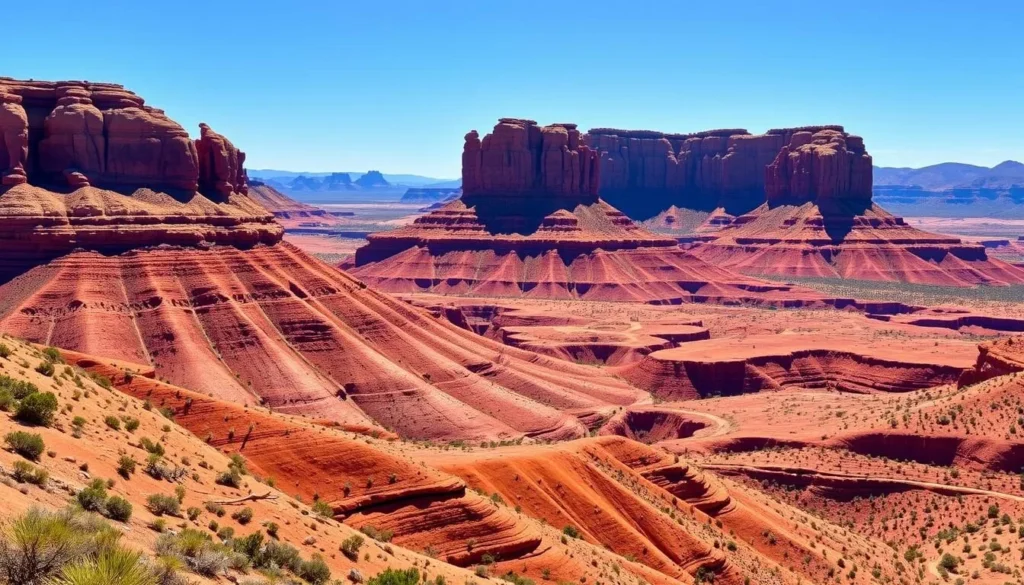
- Colorado National Monument: Just 45 minutes from Grand Mesa, this stunning landscape features towering sandstone monoliths and deep canyons. Drive the historic Rim Rock Drive for spectacular views or explore hiking trails ranging from easy to strenuous.
- Palisade Wine Country: Colorado’s premier wine region offers over 25 wineries and tasting rooms set among picturesque peach orchards and vineyards. Many wineries offer tours and tastings year-round.
- Powderhorn Mountain Resort: Located on the northern slope of Grand Mesa, this ski resort offers winter sports in season and mountain biking in summer.
Within 2 Hours
- Black Canyon of the Gunnison National Park: This dramatic canyon features some of North America’s steepest cliffs and oldest exposed rock. The South Rim Drive provides accessible viewpoints, while adventurous visitors can hike to the canyon floor (permit required).
- Glenwood Springs: Famous for its hot springs, this charming mountain town offers relaxing thermal pools, adventure activities, and historic attractions including the Hotel Colorado and Glenwood Caverns Adventure Park.
- Dominguez-Escalante National Conservation Area: Protecting 83,400 hectares (210,000 acres) of red rock canyons, this less-visited gem offers solitude, hiking, and ancient petroglyphs.
Multi-Day Excursions
- Moab, Utah: A 2.5-hour drive west leads to this adventure hub near Arches and Canyonlands National Parks, offering world-class mountain biking, hiking, and 4×4 trails.
- Aspen/Snowmass: About 2.5 hours east, these iconic Colorado mountain towns offer luxury amenities, cultural events, and access to the spectacular Maroon Bells wilderness.
- Rocky Mountain National Park: While a longer journey (4+ hours), this iconic national park makes a worthwhile addition for visitors exploring Colorado more extensively.
Practical Travel Tips
Essential Gear
- Layered Clothing: Even in summer, temperatures can range from 24°C (75°F) during the day to near freezing at night. Pack layers that can be added or removed as conditions change.
- Sun Protection: The thin atmosphere at high elevation means stronger UV exposure. Bring sunscreen (SPF 30+), sunglasses, and a wide-brimmed hat.
- Rain Gear: Afternoon thunderstorms are common in summer. A lightweight, waterproof jacket or poncho is essential.
- Proper Footwear: Sturdy hiking boots or shoes with good traction are recommended for trails. Water-resistant options are ideal for early summer when trails may be muddy.
- Insect Repellent: Mosquitoes can be abundant near lakes, especially in early summer. DEET-based repellents or permethrin-treated clothing provide the best protection.
Services & Amenities
- Groceries & Supplies: Limited supplies are available at lodge stores on the mesa. For comprehensive shopping, stock up in Grand Junction, Delta, or Cedaredge before ascending.
- Fuel: No gas stations exist on top of Grand Mesa. Fill your tank before heading up, with the last reliable stations in Mesa, Cedaredge, or Collbran.
- Medical Services: The nearest emergency medical facilities are in Grand Junction and Delta. Cell service is spotty on the mesa, so a first aid kit is essential.
- Water: Potable water is available at developed campgrounds and the visitor center during summer. When hiking, carry sufficient water or a reliable filtration system for lake water.
Permits & Passes
- Recreation Passes: Some developed recreation sites require a day-use fee or America the Beautiful Pass. Check current requirements at the visitor center.
- Fishing Licenses: Required for anyone 16 or older, available online through Colorado Parks & Wildlife or at sporting goods stores in nearby towns.
- Camping Permits: Reservations are recommended for developed campgrounds during peak season (June-September) and can be made through recreation.gov.
- Special Use Permits: Required for group events, commercial activities, or research. Contact the Forest Service office for information.
Connectivity
Cell service is limited on Grand Mesa, with the best reception typically found at higher points like Land’s End and Crag Crest. Most lodges and developed campgrounds do not offer Wi-Fi. Consider downloading offline maps and information before your visit, and inform someone of your itinerary if venturing into remote areas.
Embrace the Alpine Majesty of Colorado’s Hidden Gem
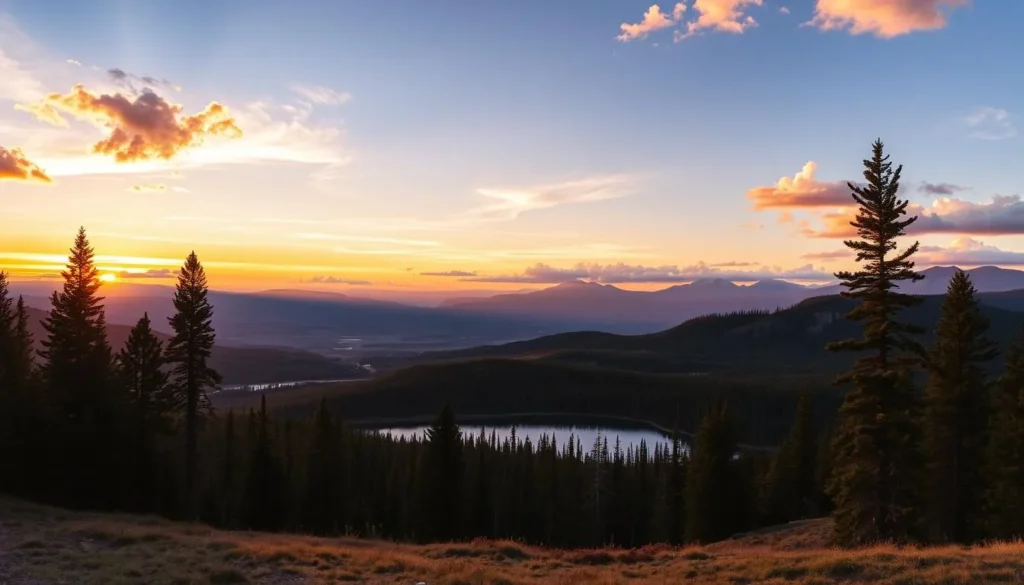
Grand Mesa National Forest stands as a testament to Colorado’s diverse natural splendor—a place where alpine lakes mirror forests of spruce and aspen, where wildlife roams freely across meadows and woodlands, and where visitors can find both adventure and tranquility. Whether you’re casting a line into a pristine lake, hiking along the Crag Crest, or simply marveling at the panoramic views from Land’s End, Grand Mesa offers experiences that connect you deeply with the natural world.
Unlike Colorado’s more famous destinations, Grand Mesa retains a sense of discovery and solitude that increasingly rare in today’s world. Its changing seasons each bring unique charms—summer’s wildflower explosions, fall’s golden aspen groves, winter’s silent snowscapes, and spring’s renewal. This is a place that rewards those who take the time to explore its wonders with memories that will last a lifetime.
As you plan your journey to this remarkable landscape, remember that Grand Mesa isn’t just a destination—it’s an experience that changes with the seasons, the weather, and your own approach to discovery. Take your time, venture beyond the obvious attractions, and allow yourself to be surprised by the unexpected moments of beauty that await around every bend in the trail. The world’s largest flat-top mountain has stories to tell and secrets to share with those willing to listen.
Related Posts
Waunita Hot Springs, Colorado: Best Things to Do – Top Picks
Uncompahgre River, Colorado: Best Things to Do – Top Picks

Uncompahgre Peak, Colorado: Best Things to Do – Top Picks
Vapor Caves Glenwood Springs, Colorado: Best Things to Do – Top Picks
Vail Ski Resort, Colorado: Best Things to Do – Top Picks
Vail Pass Road, Colorado: Best Things to Do – Top Picks
Coming Soon: Clickable Maps