

Hotels by Trip.com
Flights by Trip.com
Did you know that Great Sand Dunes National Park is home to the tallest sand dunes in North America, with Star Dune towering at an impressive 750 m (2,460 ft)? This extraordinary landscape in southern Colorado creates a surreal meeting of massive sand mountains against the backdrop of the snow-capped Sangre de Cristo range—a photographer’s dream and adventurer’s playground that draws visitors from around the world.
Getting There & Planning Your Journey
Great Sand Dunes National Park is located in the San Luis Valley of southern Colorado, about 35 miles northeast of Alamosa. While somewhat remote, the journey to this unique landscape is part of the adventure.
Closest Airports
- Colorado Springs Airport (COS): 165 km (102 miles), approximately 2.5 hours drive
- Denver International Airport (DEN): 400 km (248 miles), approximately 4 hours drive
- Alamosa San Luis Valley Regional Airport (ALS): 37 km (23 miles), approximately 30 minutes drive (limited commercial flights)
Most visitors opt to fly into Colorado Springs or Denver and rent a car for the scenic drive to the park. The approach from any direction offers breathtaking views of the San Luis Valley and surrounding mountains.
Driving Directions
From Denver or Colorado Springs, take I-25 south to Walsenburg, then west on US 160 to the town of Blanca, and north on State Highway 150 to the park entrance. From Alamosa, take Highway 160 east to Highway 150 north. The park entrance is well-marked and easy to find.
The entrance fee is $25 per vehicle, valid for seven days. If you plan to visit multiple national parks within a year, consider purchasing the America the Beautiful Annual Pass for $80, which grants access to all national parks and federal recreational lands.
Best Time to Visit & Weather Tips
Great Sand Dunes National Park experiences dramatic temperature variations throughout the year and even within a single day. Planning your visit during the right season can make a significant difference in your experience.
Recommended Seasons
Late Spring (May-June)
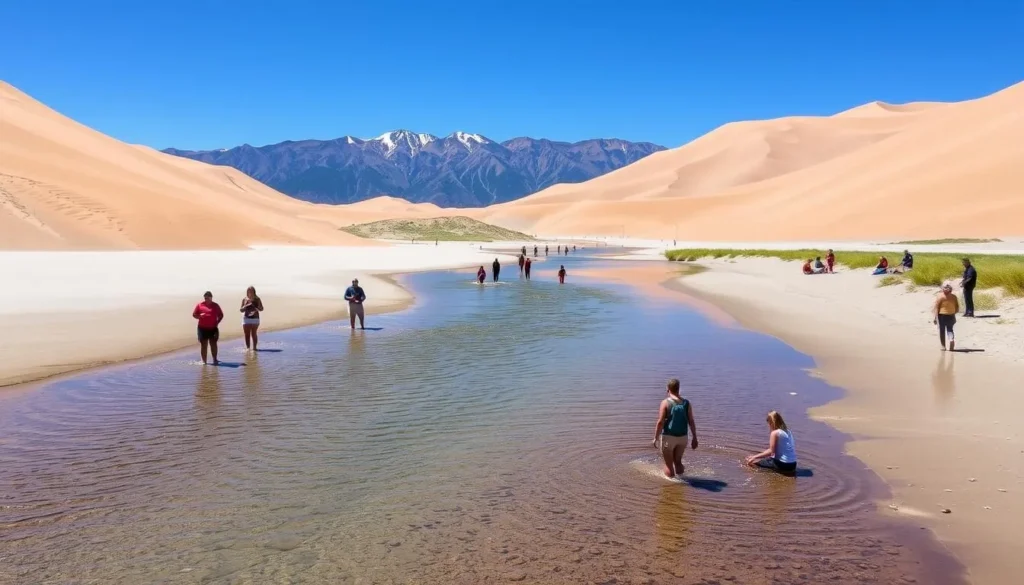
This is perhaps the most magical time to visit as Medano Creek reaches its peak flow, creating a beach-like environment at the base of the dunes. Daytime temperatures are pleasant, ranging from 18-27°C (65-80°F).
Early Fall (September-October)
Another excellent time with mild temperatures, fewer crowds, and beautiful golden aspen trees in the surrounding mountains. Daytime temperatures typically range from 15-24°C (60-75°F).
Summer (July-August)
While popular, summer brings extreme sand temperatures that can reach a scorching 65°C (150°F) midday. Early morning and evening visits are essential during this season.
Winter (December-February)
For the adventurous, winter offers a unique experience with snow-dusted dunes and temperatures ranging from -12°C to 7°C (10-45°F). The park is much less crowded, but some facilities may be limited.
Weather Considerations
The park’s high elevation (around 2,500 m or 8,200 ft) contributes to extreme temperature fluctuations. Summer days can begin at 10°C (50°F) and reach 32°C (90°F) by afternoon. The sand can become dangerously hot during summer afternoons, making early morning or evening the best times for dune exploration.
Afternoon thunderstorms are common in summer, creating dangerous lightning conditions on the exposed dunes. Always check the forecast and plan to be off the high dunes by early afternoon during storm season.
Pro Tip: The sand temperature can reach 65°C (150°F) in summer between noon and 4:00 PM. Plan dune activities for early morning or evening during hot months, and always carry more water than you think you’ll need.
Getting Around Locally
Great Sand Dunes National Park is relatively compact, with most visitor facilities concentrated near the main entrance. Having your own vehicle is essential for accessing the park and exploring the surrounding area.
Park Roads
The main park road is paved and accessible to all vehicles, leading to the Visitor Center and main dune field parking area. Beyond this point, road conditions change dramatically:
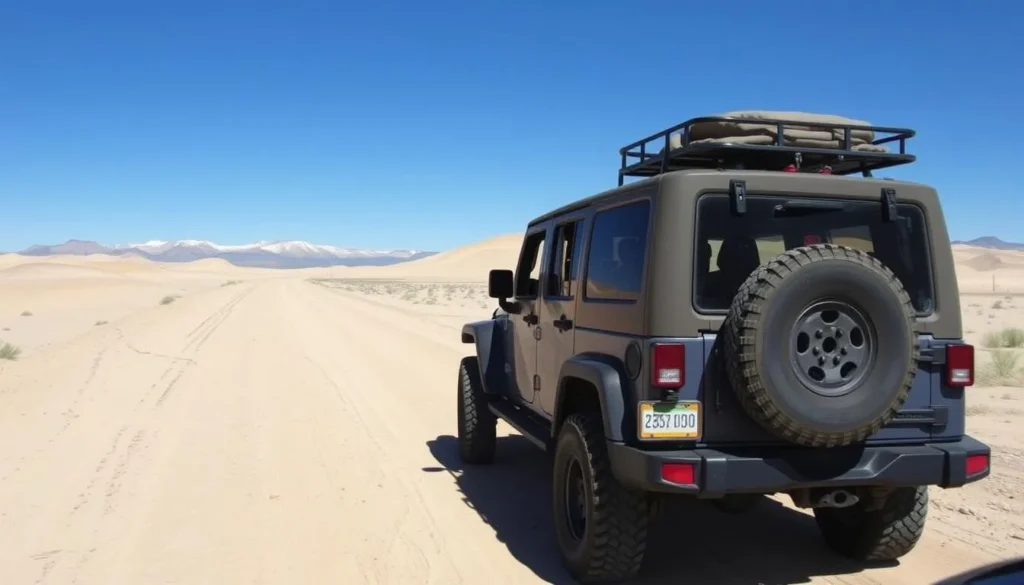
- Medano Pass Primitive Road: This 22-mile unpaved road requires a high-clearance 4WD vehicle. It crosses Medano Creek multiple times and traverses deep sand. The road is typically open from late spring through fall, weather permitting.
- Point of No Return: Located about 1.5 km (1 mile) along Medano Pass Road, this is the last point accessible to 2WD vehicles. Beyond this point, high-clearance 4WD is mandatory.
If you don’t have a suitable vehicle but want to explore the backcountry, consider renting a 4WD vehicle in Alamosa or booking a guided tour with local outfitters.
Getting to the Dunes
From the main parking area, visitors must walk approximately 0.5 km (0.3 miles) across the Medano Creek bed to reach the base of the dunes. There are no shuttles or transportation services within the park itself.
Where to Stay
Accommodation options near Great Sand Dunes National Park range from camping under the stars to comfortable hotels in nearby towns. Planning ahead is essential, especially during peak season (May-September).
Inside the Park
Piñon Flats Campground
The only developed campground within the park, open April through October. It offers 88 sites at $20 per night, with stunning views of the dunes. Reservations are strongly recommended and can be made up to six months in advance. Facilities include restrooms with flush toilets, sinks, and drinking water, but no showers.
Backcountry Camping
For a truly unique experience, backcountry permits allow camping in the dune field itself. Permits cost $6 and are limited to 20 groups per night. You must camp at least 2 km (1.5 miles) from the main parking area, beyond the first high ridge of dunes.
Nearby Accommodations
The closest lodging options outside the park include:
- Great Sand Dunes Lodge: Located just 0.4 km (0.25 miles) from the park entrance, offering basic but comfortable rooms with dune views and an outdoor pool. Open April through October.
- Oasis Camping & Store: Adjacent to the park entrance with a campground, cabin rentals, and a store that rents sandboards and sleds.
- Alamosa: The largest nearby town (37 km/23 miles away) offers numerous hotels, including Holiday Inn Express, Hampton Inn, and Best Western, plus local motels and B&Bs.

Booking Tip: Campground reservations fill up quickly for summer weekends and holidays. Book at least 3-6 months in advance for peak season visits. The Great Sand Dunes Lodge and nearby accommodations also book up early during peak season.
Dining & Local Cuisine
There are no restaurants within Great Sand Dunes National Park itself, so planning your meals is an important part of your visit. The nearest dining options are either at the park entrance or in nearby towns.
Near the Park
- Oasis Restaurant: Located just outside the park entrance, open seasonally (April-October). Offers breakfast, lunch, and dinner with sandwiches, burgers, and Southwestern specialties. Also has a small grocery section for basic supplies.
In Alamosa (37 km/23 miles)
Alamosa offers the widest variety of dining options near the park:
- San Luis Valley Brewing Company: Local craft brewery with pub fare, burgers, and salads.
- Calvillo’s Mexican Restaurant: Authentic Mexican cuisine and a local favorite.
- The Purple Pig: Wood-fired pizza and pasta in downtown Alamosa.
- Thai House: Surprisingly good Thai cuisine in this small Colorado town.
Picnicking
Many visitors bring picnic supplies to enjoy meals with spectacular views. The park has designated picnic areas with tables near the Visitor Center and main parking area. For a memorable experience, pack a sunset picnic to enjoy on the dunes (just be prepared to carry everything back in the dark).
Food Planning Tip: There are no food services inside the park. Pack plenty of water (at least 1 liter per person per hour of activity), high-energy snacks, and meals if you plan to spend the full day. A cooler with ice is essential during warm months.
Attractions, Sightseeing & Activities
Great Sand Dunes National Park offers a diverse range of activities beyond just the impressive dunes. Here are the top attractions and activities to include in your visit.
Sandboarding and Sand Sledding
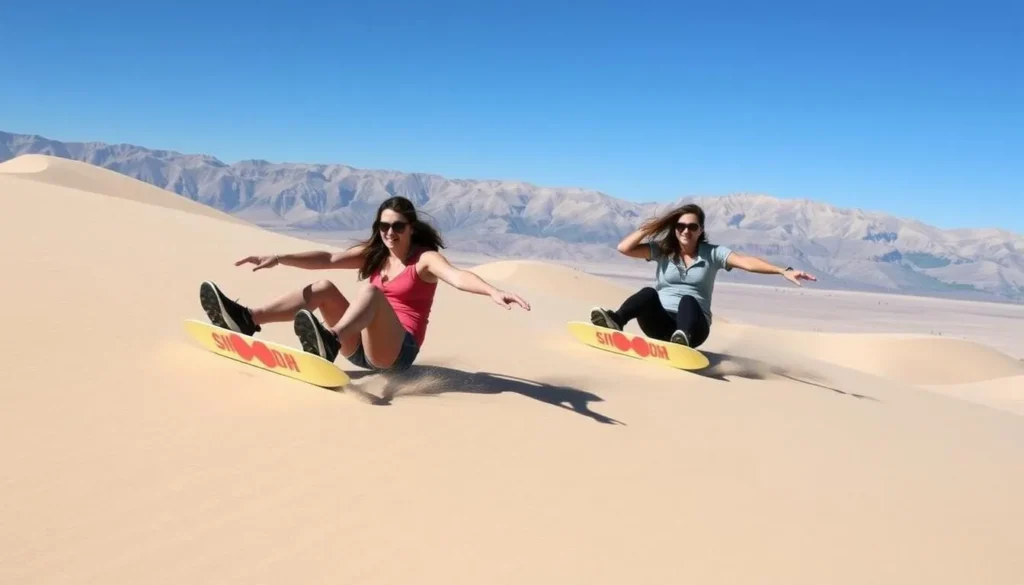
Perhaps the most popular activity in the park, sandboarding and sand sledding provide an exhilarating way to experience the dunes. Special equipment designed specifically for sand is required—regular snow sleds or cardboard won’t work on the sand.
Rent equipment from:
- Oasis Store: Located just outside the park entrance
- Kristi Mountain Sports: In Alamosa, offering both sandboards and sand sleds
Sandboarding Tips: The best times for sandboarding are early morning or evening when the sand is cooler and slightly damp, providing better glide. Wax your board frequently using the special wax provided with rentals. Wear closed shoes that can be removed easily, as you’ll typically ride in socks.
Hiking the Dunes
Hiking in the dune field is a choose-your-own-adventure experience with no marked trails. Popular destinations include:
- High Dune: At 213 m (699 ft), it’s not the tallest in the park but offers spectacular views. The round trip is about 4 km (2.5 miles) and takes 2 hours on average.
- Star Dune: The tallest dune in North America at 229 m (750 ft). This challenging hike is about 13 km (8 miles) round trip and takes 6+ hours.
- Hidden Dune: Tied with Star Dune for height, this remote dune offers solitude. The round trip is about 11 km (7 miles).
Medano Creek
This seasonal creek flows at the base of the dunes, typically peaking in late May to early June. During peak flow, it creates a beach-like environment with “surge flow” waves—a rare hydrologic phenomenon where small waves surge rhythmically as water flows over the sand.

Museums, Cultural Spots & Festivals
While Great Sand Dunes National Park is primarily known for its natural features, there are several cultural and educational opportunities in and around the park.
Visitor Center
The park’s Visitor Center is an excellent starting point for your visit. It features interpretive exhibits about the park’s geology, ecology, and human history. The center also offers a short film about the park, ranger programs, and a bookstore with educational materials.
Nearby Cultural Attractions
- Fort Garland Museum: Located 40 km (25 miles) southeast of the park, this historic 1858 fort offers insights into the area’s military history and the Buffalo Soldiers who were stationed there.
- San Luis Valley Museum: In Alamosa, featuring exhibits on the cultural and natural history of the San Luis Valley.
- Colorado Gators Reptile Park: An unusual attraction 27 km (17 miles) from the park where geothermal waters support alligators and other reptiles in this unexpected location.
Seasonal Events
The park hosts several special events throughout the year:
- Junior Ranger Day: Typically held in April with special activities for children.
- Night Sky Programs: During summer months, rangers lead astronomy programs in this International Dark Sky Park.
- Sandhill Crane Migration: While not in the park itself, the nearby Monte Vista National Wildlife Refuge hosts thousands of sandhill cranes during their spring (February-March) and fall (September-November) migrations.
Nature & Outdoor Experiences
Beyond the iconic dunes, Great Sand Dunes National Park offers diverse ecosystems and outdoor experiences that many visitors overlook.
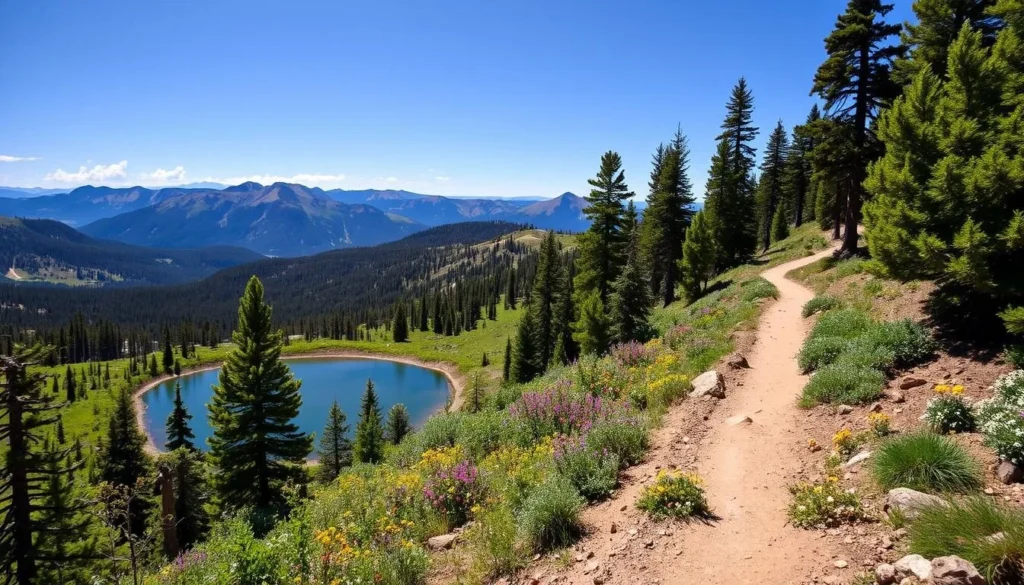
Alpine Trails and Lakes
The park extends into the Sangre de Cristo Mountains, offering beautiful alpine hiking:
- Mosca Pass Trail: A 11 km (7 mile) round-trip hike through a forested mountain valley to a historic pass at 2,800 m (9,200 ft).
- Sand Creek Lakes Trail: Accessible via 4WD or a longer hike, this trail leads to alpine lakes surrounded by peaks. The round trip is about 13 km (8 miles) with significant elevation gain.
- Medano Lake Trail: A challenging 13 km (8 mile) round-trip hike to a beautiful alpine lake at 3,400 m (11,150 ft). 4WD required to reach the trailhead.
Wildlife Viewing
The park’s diverse habitats support abundant wildlife:
- Mammals: Mule deer, elk, pronghorn, black bears, mountain lions, and smaller mammals like kangaroo rats that are specially adapted to the dune environment.
- Birds: Over 250 species have been recorded in the park, including golden eagles, peregrine falcons, and western tanagers.
- Insects: The park is home to several endemic insect species found nowhere else on Earth, including the Great Sand Dunes tiger beetle.
Zapata Falls
Located just outside the park boundary, this 9 m (30 ft) waterfall is reached via a short 1 km (0.5 mile) hike. The falls are particularly impressive in winter when they freeze into an ice sculpture. The access road is unpaved but passable for most vehicles, though rough in spots.
Stargazing
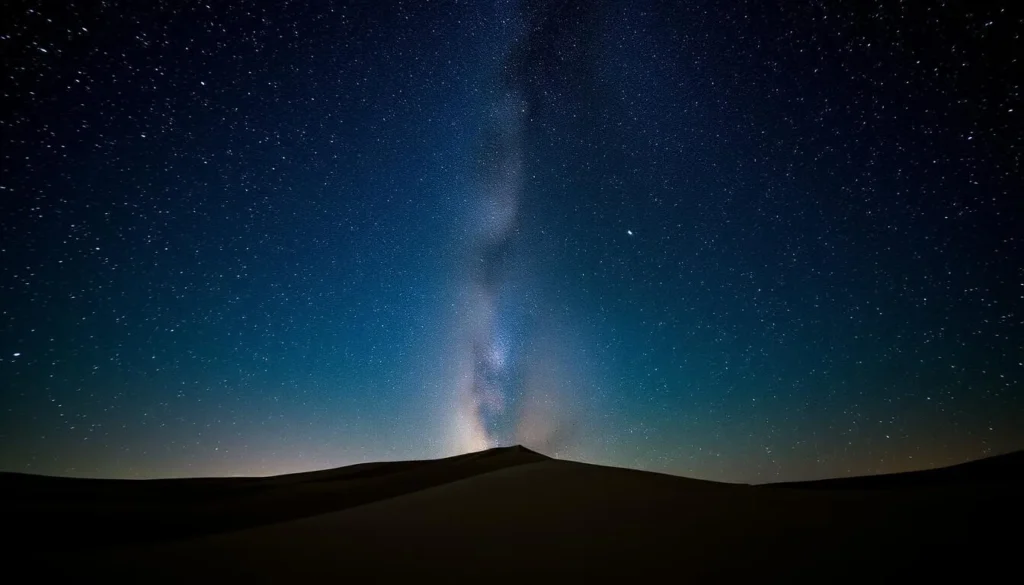
Designated as an International Dark Sky Park in 2019, Great Sand Dunes offers exceptional stargazing opportunities. The combination of high elevation, dry air, and minimal light pollution creates ideal conditions for viewing the night sky. During summer, the park offers ranger-led night programs.
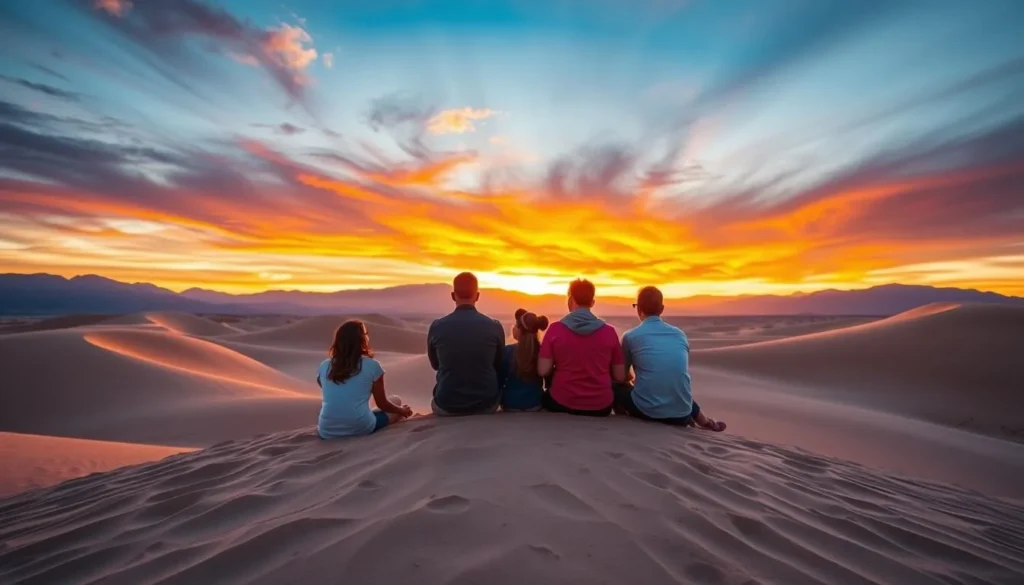
Photography Tip: The dunes offer incredible photography opportunities, especially during golden hour (shortly after sunrise or before sunset) when the low-angle light creates dramatic shadows and textures on the sand. For night photography, plan around the moon phase—new moons offer the darkest skies for Milky Way shots.
Safety, Etiquette & Local Customs
Visiting Great Sand Dunes National Park requires some special considerations for safety and to ensure an enjoyable experience for all visitors.
Safety Considerations
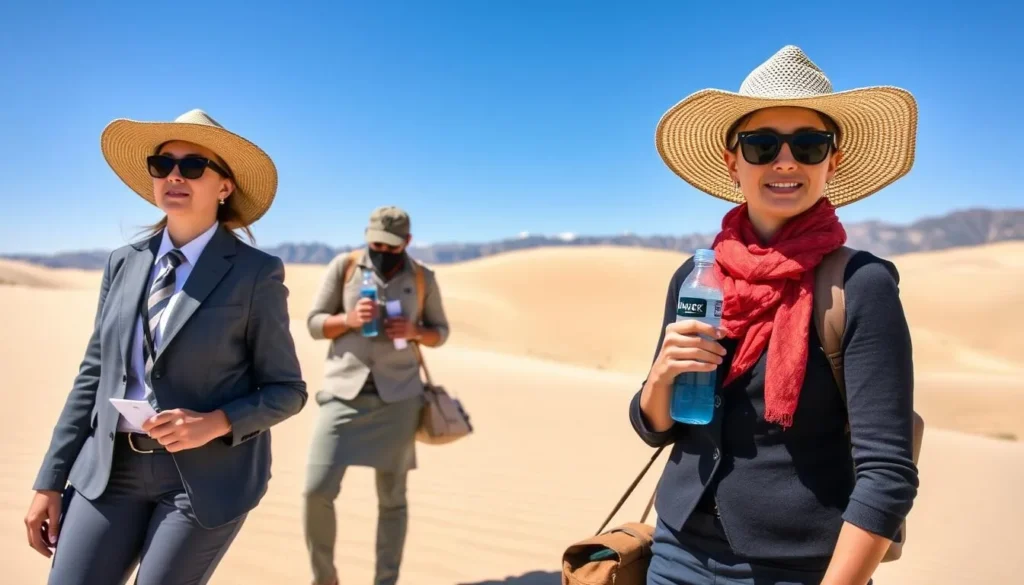
- Heat and Sun Exposure: The combination of high elevation and reflective sand creates intense sun exposure. Wear sunscreen (SPF 50+), sunglasses, a wide-brimmed hat, and lightweight, long-sleeved clothing.
- Hydration: Carry at least 1 liter of water per person per hour of planned activity. Dehydration can occur quickly in this environment.
- Lightning: Afternoon thunderstorms are common in summer. The dunes are dangerous places during lightning storms due to their height and lack of shelter. Check weather forecasts and plan to be off high dunes by early afternoon.
- Sand Temperature: In summer, sand surface temperatures can reach 65°C (150°F). Wear closed shoes and test the sand temperature before walking barefoot or in sandals.
- Altitude: The park sits at approximately 2,500 m (8,200 ft) elevation, with surrounding mountains much higher. Altitude sickness is possible. Stay hydrated, avoid alcohol, and take it slow if you’re not acclimated.
Park Etiquette
- Leave No Trace: Pack out all trash, including food scraps. The dry environment means waste does not decompose quickly.
- Stay on Designated Trails: Outside the dune field, stick to established trails to protect fragile vegetation.
- Respect Wildlife: Observe animals from a distance and never feed them.
- Sound: Maintain natural quiet—avoid playing loud music or creating excessive noise that disturbs other visitors or wildlife.
- Drones: Unmanned aircraft are prohibited within National Park boundaries.
Medical Facilities: There are no medical facilities in the park. The nearest hospital is in Alamosa, about 37 km (23 miles) away. Cell phone coverage is limited within the park, especially in backcountry areas.
Visitor Comments About Great Sand Dunes National Park
“We visited in early June and were amazed by Medano Creek—it was like having a beach day in the mountains! The kids spent hours playing in the water before we tackled the dunes. Sandboarding was challenging but incredibly fun. Definitely arrive early to avoid the midday heat and crowds.”
“As a photographer, Great Sand Dunes exceeded all my expectations. The contrast between the massive dunes and mountain backdrop is stunning. I spent three days exploring different lighting conditions—sunrise and sunset were magical, but the night sky was the real highlight. The Milky Way over the dunes is something I’ll never forget.”
“We camped at Piñon Flats for two nights in September and had perfect weather. Hiking to High Dune was more challenging than expected—walking in sand is no joke! But the views were worth every step. The campground was peaceful with amazing stargazing. Just be prepared for dramatic temperature changes from day to night.”
Additional Nearby Destinations
Great Sand Dunes National Park makes an excellent anchor for a longer Colorado road trip. Consider adding these nearby destinations to your itinerary:
Within 1-2 Hours
- Monte Vista National Wildlife Refuge: 56 km (35 miles) west, famous for sandhill crane migrations in spring and fall.
- San Luis State Park: 24 km (15 miles) south, offering boating, fishing, and camping at San Luis Lake.
- Alamosa National Wildlife Refuge: 37 km (23 miles) southwest, with wetland habitats and excellent birdwatching.
- Rio Grande Scenic Railroad: Based in Alamosa, offering scenic train rides through the San Luis Valley.
Within 3-4 Hours
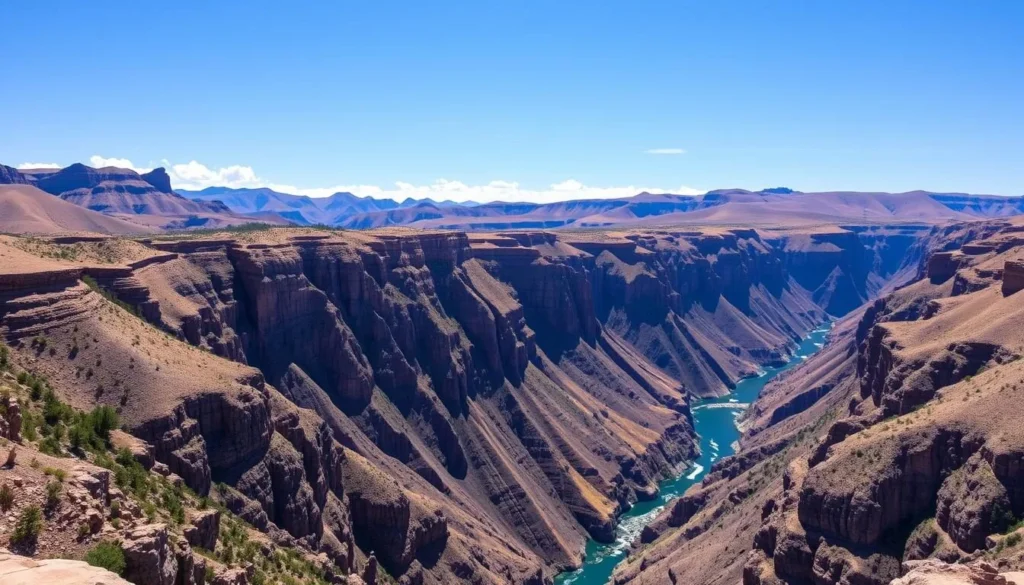
- Black Canyon of the Gunnison National Park: 190 km (118 miles) northwest, featuring a dramatic deep canyon.
- Mesa Verde National Park: 230 km (143 miles) west, home to ancient Puebloan cliff dwellings.
- Royal Gorge Bridge & Park: 153 km (95 miles) northeast, with America’s highest suspension bridge.
- Colorado Springs: 165 km (102 miles) northeast, offering Garden of the Gods, Pikes Peak, and other attractions.
Practical Travel Tips
Essential Gear
- Sun Protection: High-SPF sunscreen, sunglasses, wide-brimmed hat, and lightweight, long-sleeved clothing.
- Footwear: Closed shoes for hiking the dunes (sand can be hot and abrasive). Consider bringing separate shoes for water activities if visiting during Medano Creek’s flow.
- Water Containers: Bring more water than you think you’ll need—at least 1 liter per person per hour of activity.
- Layers: Temperature swings of 20°C (36°F) or more between day and night are common. Bring warm layers even in summer.
- Sand Protection: Sealable bags for electronics, cameras, and other items that could be damaged by sand.
Planning Your Visit
- Timing: Arrive early (before 10:00 AM) to secure parking and enjoy cooler temperatures, especially in summer.
- Duration: Allow at least one full day to experience the park properly. Two days is ideal if you want to explore beyond the main dune field.
- Cell Service: Coverage is limited within the park. Download maps and information before your visit.
- Fuel: Fill your gas tank in Alamosa or other nearby towns, as there are no gas stations in the park.
- Accessibility: The Visitor Center and nearby facilities are accessible, but the dune field itself is not accessible to wheelchairs or those with mobility limitations.
How much time do I need at Great Sand Dunes National Park?
At minimum, plan for one full day. This allows time to explore the main dune field, try sandboarding, and visit the Visitor Center. For a more comprehensive experience, including hiking to Star Dune or exploring the alpine areas, plan for 2-3 days.
Can I bring my pet to Great Sand Dunes?
Pets are allowed in limited areas of the park, including the main parking lot, Piñon Flats Campground, and along roads. They must be leashed at all times and are not permitted on hiking trails or in the dune field beyond the first high ridge. Remember that sand can become dangerously hot for pet paws in summer.
Is Great Sand Dunes National Park suitable for children?
Absolutely! Children typically love playing in the sand and sledding down the dunes. Medano Creek (when flowing) is particularly popular with families. Just be mindful of sun exposure, heat, and hydration. The Junior Ranger program is excellent for engaging children with the park’s natural features.
Your Desert Mountain Adventure Awaits
Great Sand Dunes National Park offers a truly unique landscape where massive sand mountains meet alpine peaks—a juxtaposition that creates endless opportunities for adventure and wonder. Whether you’re racing down dunes on a sandboard, hiking to alpine lakes, or simply marveling at the night sky, this remarkable park delivers experiences that can’t be found anywhere else in North America.
The changing seasons transform the park in dramatic ways, from the flowing waters of Medano Creek in spring to the golden aspen trees in fall, making it worth considering return visits in different seasons. With proper planning and respect for this extraordinary environment, Great Sand Dunes National Park will reward you with memories as lasting as the ancient dunes themselves.
Related Posts
Waunita Hot Springs, Colorado: Best Things to Do – Top Picks
Uncompahgre River, Colorado: Best Things to Do – Top Picks

Uncompahgre Peak, Colorado: Best Things to Do – Top Picks
Vapor Caves Glenwood Springs, Colorado: Best Things to Do – Top Picks
Vail Ski Resort, Colorado: Best Things to Do – Top Picks
Vail Pass Road, Colorado: Best Things to Do – Top Picks
Coming Soon: Clickable Maps