
Hotels by Trip.com
Flights by Trip.com
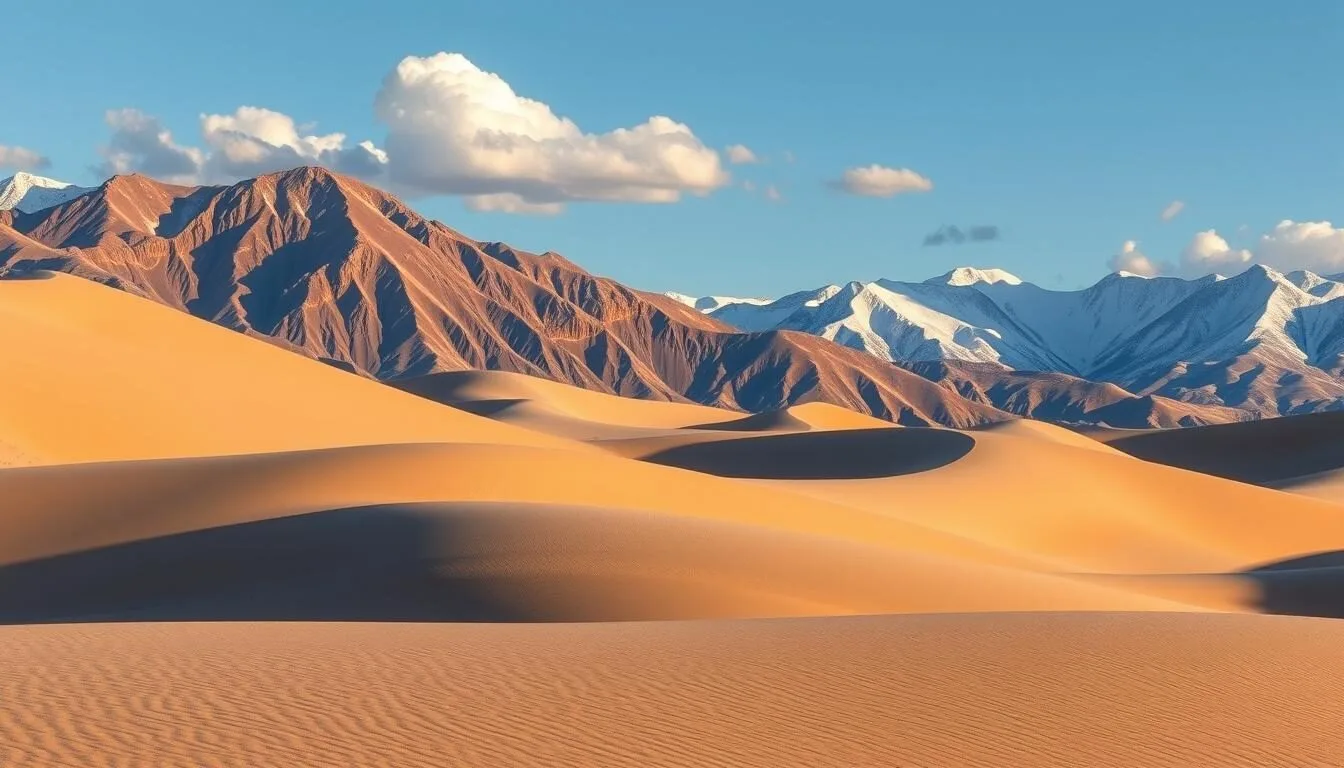
Did you know that Great Sand Dunes National Park is home to the tallest sand dunes in North America, with Star Dune towering at an impressive 750 m (2,460 ft)? This remarkable natural wonder isn’t just about massive sand mountains—it’s a landscape of stunning contrasts where alpine lakes, snow-capped peaks, and a seasonal beach-like creek create one of America’s most uniquely diverse national parks. Whether you’re seeking adventure on the dunes or solitude in the backcountry, this Colorado treasure offers experiences that can’t be found anywhere else in the world.
Getting There & Planning Your Journey
Great Sand Dunes National Park is nestled in south-central Colorado, approximately 233 km (145 miles) southwest of Colorado Springs and 265 km (165 miles) north of Santa Fe, New Mexico. The park’s remote location means planning your journey is essential for a smooth adventure.
Closest Airports
- Colorado Springs Airport (COS) – 233 km (145 miles), approximately 2.5 hours drive
- Denver International Airport (DEN) – 402 km (250 miles), approximately 4 hours drive
- Alamosa San Luis Valley Regional Airport (ALS) – 56 km (35 miles), approximately 45 minutes drive (limited commercial flights)
Most visitors arrive by car, as public transportation options to the park are limited. If flying into one of the larger airports, consider renting a vehicle—preferably one with high clearance if you plan to explore the backcountry areas like Medano Pass Primitive Road.
The main entrance to the park is accessible via Highway 150 from the town of Alamosa, which serves as the primary gateway community with accommodations, dining options, and equipment rentals for sandboarding and sledding.
Best Time to Visit & Weather Tips
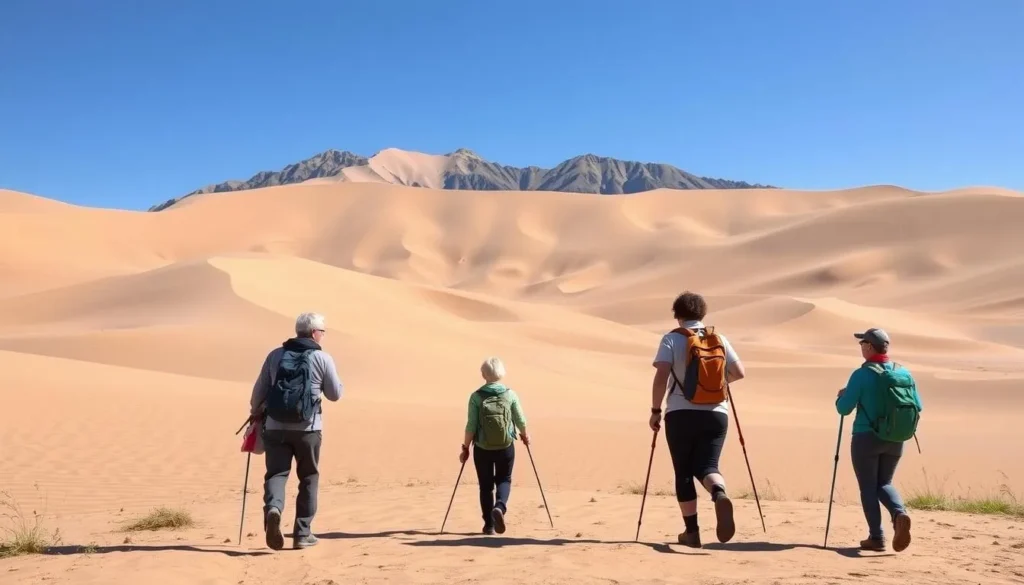
Great Sand Dunes National Park experiences dramatic seasonal changes, with each offering unique experiences for visitors. Understanding the weather patterns will help you plan the perfect trip.
Best Time to Visit Great Western Sand Dunes
Recommended Seasons
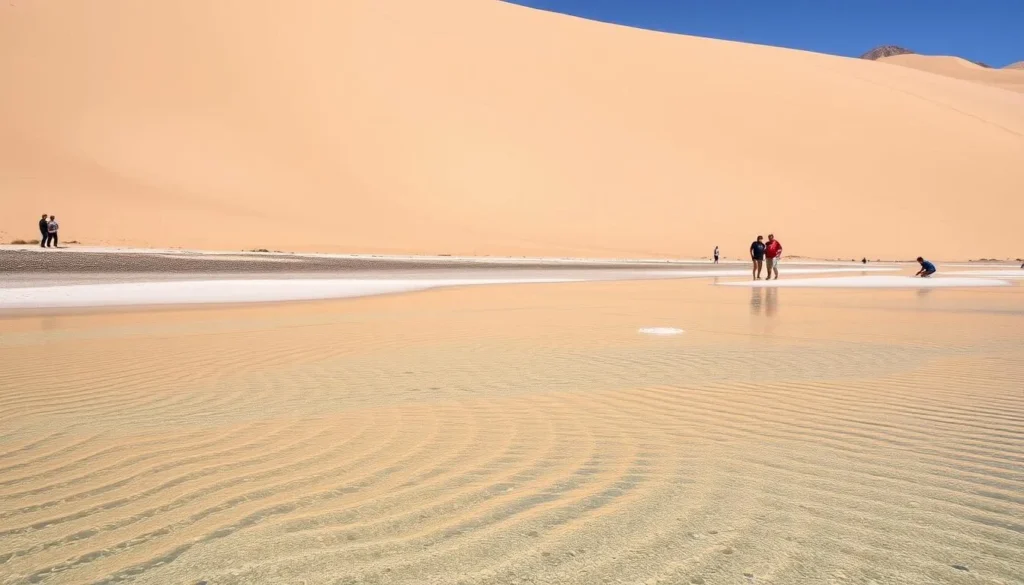
- Late Spring (May-June): Ideal for experiencing Medano Creek’s “surge flow” phenomenon, creating beach-like conditions at the base of the dunes
- Fall (September-October): Perfect temperatures for hiking the dunes (15-21°C/60-70°F during day), fewer crowds, and beautiful golden aspen trees in the surrounding mountains
Seasons to Avoid
- Summer Middays (July-August): Sand surface temperatures can reach a dangerous 65°C (150°F)
- Winter (December-February): While beautiful with snow-dusted dunes, temperatures can drop to -17°C (0°F) and many backcountry areas become inaccessible
Monthly Weather Overview
| Month | Avg. High | Avg. Low | Precipitation | Notes |
| January | 2°C (35°F) | -17°C (2°F) | 13mm (0.5in) | Cold, snow-covered dunes possible |
| April | 16°C (61°F) | -3°C (26°F) | 13mm (0.5in) | Medano Creek begins flowing |
| May | 21°C (69°F) | 2°C (35°F) | 25mm (1.0in) | Peak creek flow, ideal conditions |
| July | 28°C (83°F) | 9°C (49°F) | 30mm (1.2in) | Afternoon thunderstorms common |
| September | 24°C (76°F) | 4°C (39°F) | 20mm (0.8in) | Comfortable temperatures, fall colors |
| December | 4°C (39°F) | -15°C (5°F) | 8mm (0.3in) | Cold, possible snow on dunes |
Weather Safety Tip: Thunderstorms are exceptionally dangerous in the dunes as you’ll often be the tallest object around. Check weather forecasts before hiking, especially during summer months when afternoon storms are common. If you see dark clouds forming, immediately head back to lower ground.
Getting Around Locally
Navigating Great Sand Dunes National Park requires different approaches depending on which areas you plan to explore. The main dune field is accessible to all visitors, while backcountry areas demand more specialized transportation and preparation.
Main Park Areas
- Main Dune Field: Accessible by foot from the main parking area near the Visitor Center. A short 0.5 km (0.3 mile) walk across the seasonal Medano Creek bed brings you to the base of the dunes.
- Visitor Center Area: Paved roads and parking lots accommodate all vehicle types. This is where you’ll find the Sand Sheet Loop Trail and access to the Dunes Overlook Trail.
- Pinyon Flats Campground: Accessible via paved roads suitable for all vehicles, including RVs.
Backcountry Access
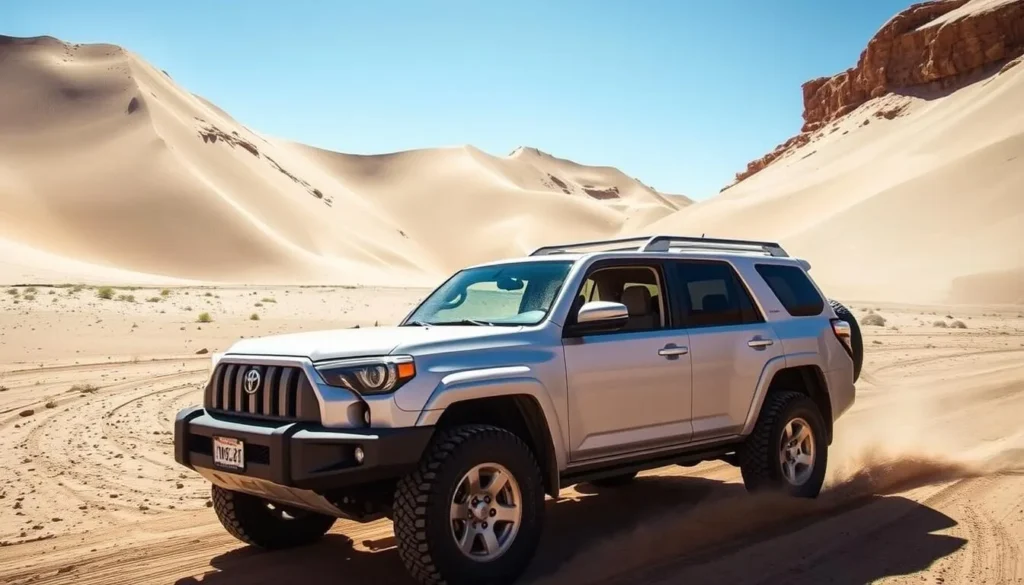
Medano Pass Primitive Road: This 35 km (22 mile) unpaved road provides access to remote eastern sections of the park. A high-clearance 4WD vehicle is absolutely required—this is not suitable for standard SUVs or AWD vehicles. The road crosses Medano Creek nine times and traverses deep sand sections.
The first 1.5 km (1 mile) of Medano Pass Primitive Road to the Point of No Return is accessible to all vehicles and leads to the Sand Pit Trailhead, a less-crowded access point to the dunes.
For backcountry hiking, you’ll need to rely on your feet and good navigation skills. There are no marked trails in the dune field, though popular destinations like High Dune and Star Dune can be found using GPS coordinates or smartphone maps (download offline maps before your visit as cell service is limited).
Where to Stay
Accommodation options near Great Sand Dunes range from camping under the stars to comfortable lodges and hotels in nearby towns. Your choice depends on your desired experience and comfort level.
Camping Inside the Park
- Pinyon Flats Campground: The only developed campground within the park, offering 88 sites at 2,500 m (8,200 ft) elevation. Sites include picnic tables and fire grates. Reservations are required from April through October and can be made up to six months in advance.
- Backcountry Camping: With a permit, you can camp anywhere in the dune field beyond the first high ridge (approximately 2.4 km/1.5 miles from the parking area). Permits cost $6 and must be reserved through Recreation.gov in advance.
- Medano Pass Primitive Road Camping: 21 designated sites along the road, available on a first-come, first-served basis. Each site has a bear box and fire ring.
Nearby Accommodations
Closest to Park (within 15 minutes)
- Great Sand Dunes Lodge: Located just 0.8 km (0.5 miles) from the park entrance, offering comfortable rooms with mountain views and an outdoor pool (seasonal).
- Great Sand Dunes Oasis: Adjacent to the park entrance with motel rooms, a campground, and RV sites. They also offer sandboard rentals and a restaurant.
Alamosa (35-40 minutes away)
- Fairfield Inn & Suites: Modern hotel with free breakfast and indoor pool.
- Holiday Inn Express: Comfortable rooms with mountain views.
- Best Western Alamosa Inn: Budget-friendly option with pool.
- Alamosa KOA: Cabins, tent sites, and RV hookups.
Booking Tip: Accommodations fill quickly during peak season (May-September). Reserve at least 3-6 months in advance, especially for weekend stays and for Pinyon Flats Campground inside the park.
Dining & Local Cuisine
While Great Sand Dunes National Park itself has limited dining options, the surrounding area offers a variety of restaurants to satisfy your hunger after a day of adventure.
✓ Check 30,000+ Local Sightseeing Tours Worldwide
Inside and Near the Park
- Park Picnic Areas: Several designated picnic areas with tables are available near the Visitor Center and along Medano Creek. Bring your own food and water.
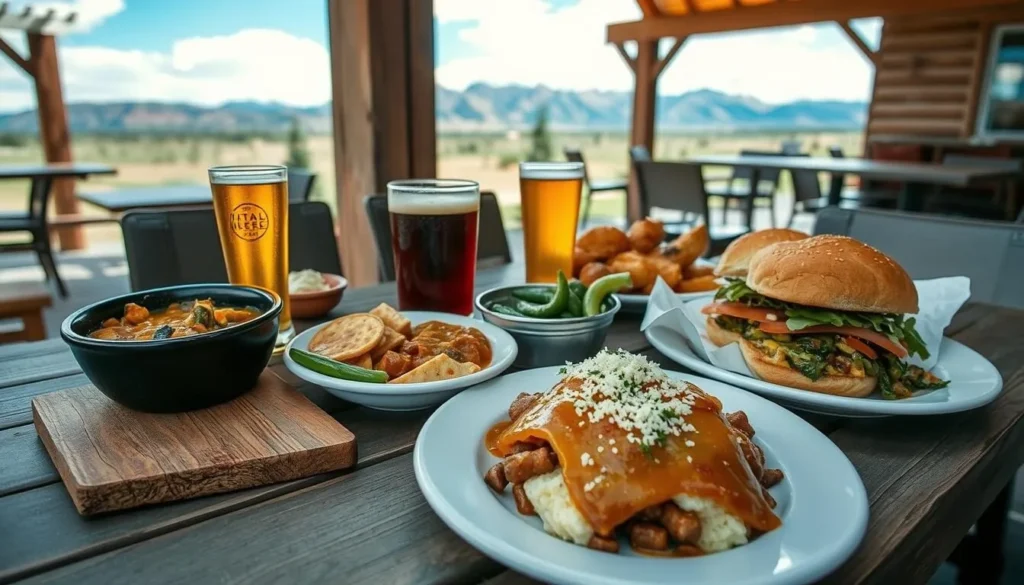
- Great Sand Dunes Oasis Restaurant: Located just outside the park entrance, this is the closest dining option serving breakfast, lunch, and dinner during the operating season (April-October). They offer American diner classics, sandwiches, and burgers.
Alamosa Dining (35-40 minutes from park)
Local Favorites
- San Luis Valley Brewing Company: Craft brewery with pub fare and southwest-inspired dishes. Their green chile beer is a local specialty.
- Calvillo’s Mexican Restaurant: Authentic Mexican cuisine with generous portions, perfect for refueling after a day in the dunes.
- The Friar’s Fork: Italian classics and craft cocktails in a converted adobe church. James Beard Award nominee.
Quick Options
- Roast Cafe: Coffee shop with breakfast items and sandwiches, ideal for grabbing food before heading to the park.
- Thai House: Authentic Thai cuisine, a hidden gem for those seeking international flavors.
- Various Fast Food: National chains available for familiar, quick options.
Food Packing Tips for Backcountry Visitors
- Pack more water than you think you’ll need—at least 4 liters per person per day in the dunes.
- Bring salty snacks to replace electrolytes lost through sweating.
- Pack food that won’t melt in high temperatures if visiting during summer.
- If backcountry camping, bring a bear canister for food storage.
Attractions, Sightseeing & Activities
Great Sand Dunes National Park offers a diverse range of activities beyond just the impressive dune field. From adrenaline-pumping adventures to peaceful nature experiences, there’s something for every type of traveler.
Must-Do Activities
- Hike to High Dune: A challenging but rewarding 2.5 km (1.5 mile) trek to the second-tallest dune in the park, standing 213 m (699 ft) tall. The round trip takes approximately 2 hours and offers spectacular panoramic views.
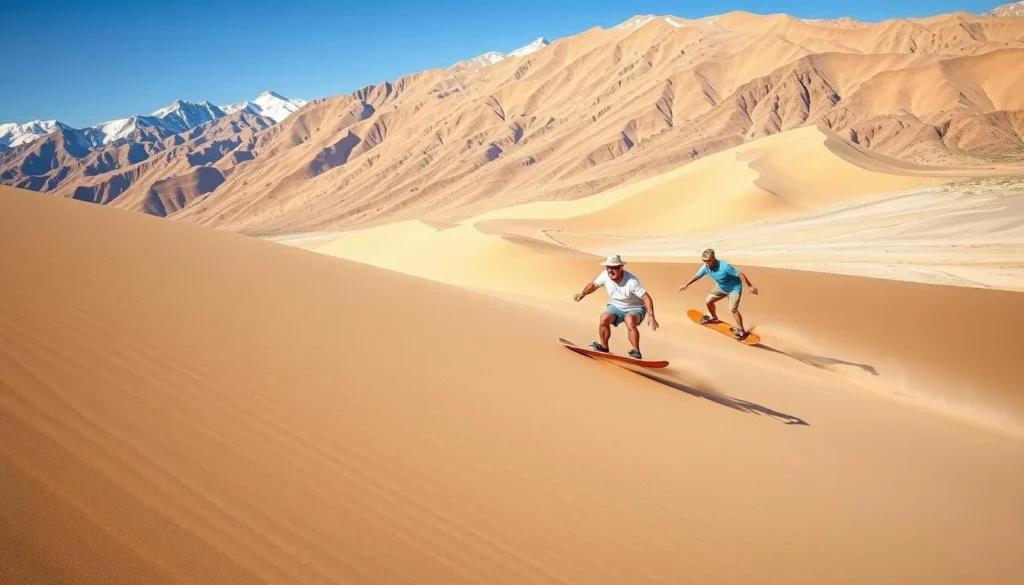
- Sandboarding and Sand Sledding: Rent specialized boards or sleds from nearby outfitters to glide down the dunes. Regular snow equipment won’t work on sand.
- Medano Creek Beach Day: During late spring and early summer, enjoy the unique surge flow phenomenon in the shallow creek that creates beach-like waves.
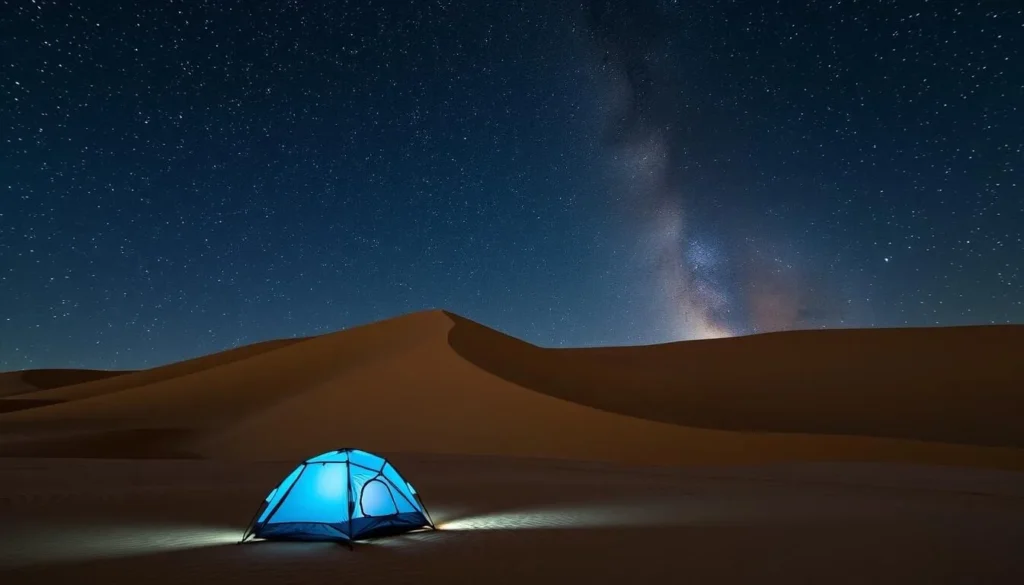
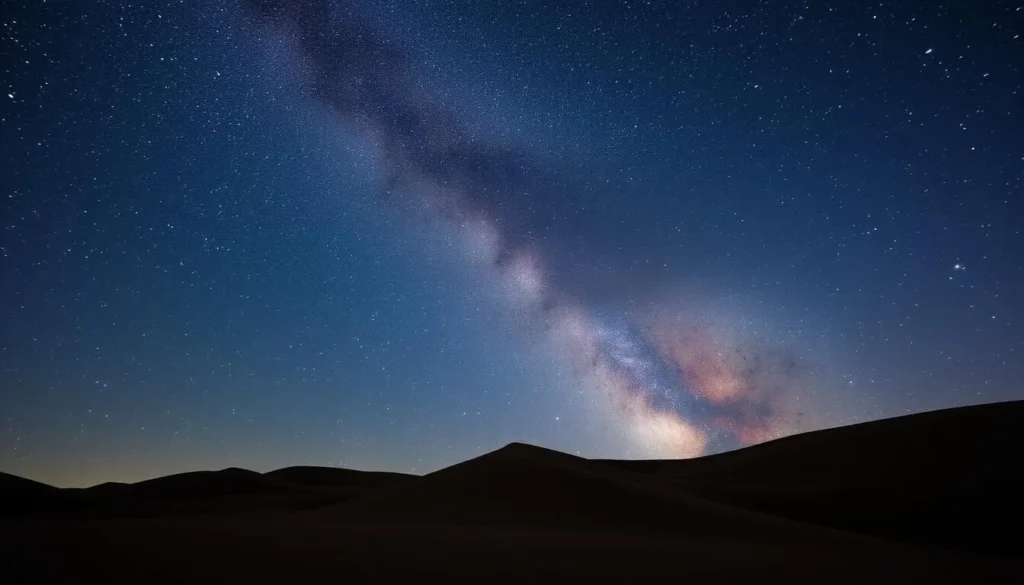
- Stargazing: As a certified International Dark Sky Park, the dunes offer exceptional night sky viewing. The visitor center occasionally hosts night sky programs.
Backcountry Adventures
- Trek to Star Dune: Challenge yourself with a 6-8 hour round trip hike to North America’s tallest dune at 229 m (750 ft). This 9.7 km (6 mile) journey takes you deep into the dunefield.
- Hidden Dune Trail: A 7.4 km (4.6 mile) round trip to one of the most remote major dunes, offering solitude and pristine sand formations.
- Medano Lake Trail: A challenging 13.7 km (8.5 mile) hike from the Medano Pass Primitive Road to a beautiful alpine lake at 3,400 m (11,150 ft) elevation.
- Sand Creek Lakes: Access these pristine alpine lakes via the eastern boundary of the park for excellent fishing and wildlife viewing.
Family-Friendly Options
- Sand Sheet Loop Trail: An easy 0.6 km (0.4 mile) interpretive trail near the Visitor Center that teaches about the park’s ecosystem.
- Junior Ranger Program: Kids can complete activities to earn a badge at the Visitor Center.
- Montville Nature Trail: A shaded 0.8 km (0.5 mile) loop through pinyon-juniper woodland with interpretive signs.
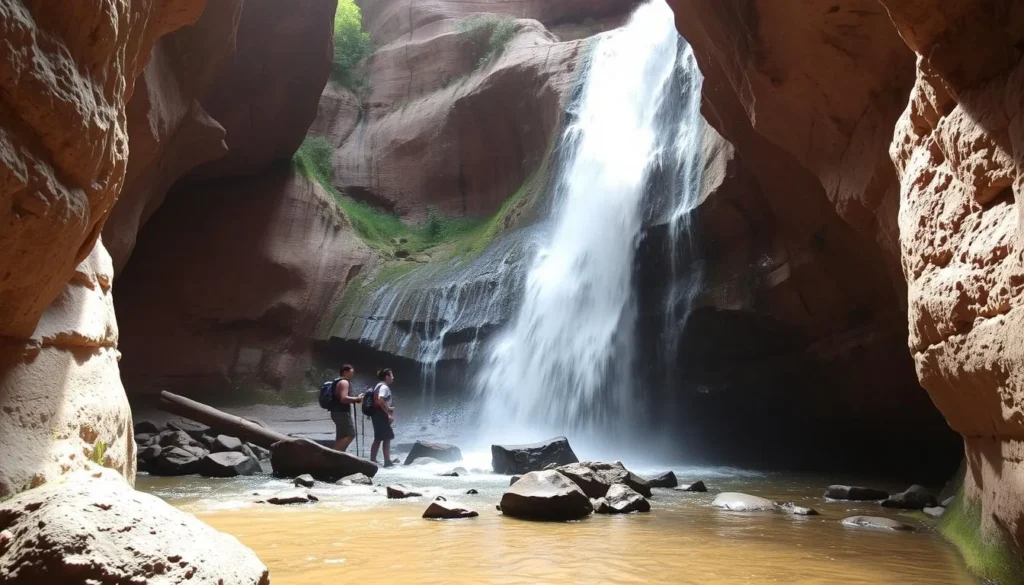
- Zapata Falls: Located just outside the park, this 0.8 km (0.5 mile) hike leads to a refreshing 9 m (30 ft) waterfall hidden in a rocky crevice.
Sandboard Rental Tip: You cannot rent equipment inside the park. Secure your rentals in advance from Kristi Mountain Sports in Alamosa, Spin Drift Sandboards in Blanca, or Great Sand Dunes Oasis near the park entrance. Rates average $20 per day.
Museums, Cultural Spots & Festivals
While Great Sand Dunes National Park is primarily known for its natural features, the surrounding area offers rich cultural experiences that provide context to this unique landscape and its human history.
Museums and Cultural Sites
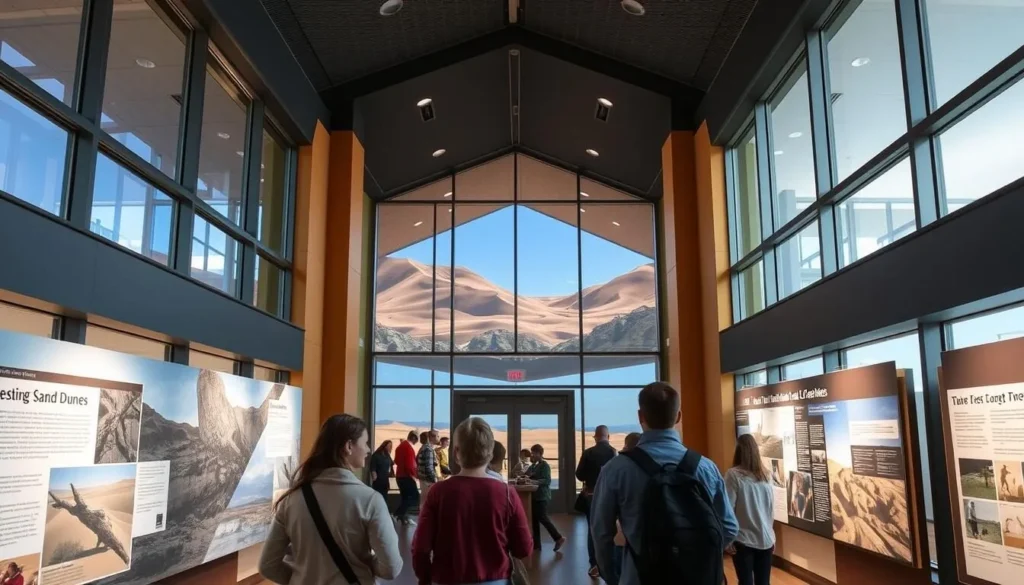
- Great Sand Dunes Visitor Center: Features exhibits on the park’s geology, ecology, and cultural history. The 20-minute film “Sands of Time” provides an excellent introduction to the park.
- Fort Garland Museum: Located 40 km (25 miles) southeast of the park, this preserved 1858 fort offers insights into the area’s military history and the Buffalo Soldiers who were stationed there.
- San Luis Valley Museum: In Alamosa, this museum showcases the valley’s diverse cultural heritage, from indigenous peoples to Hispanic settlers and railroad development.
- Colorado Gators Reptile Park: An unusual attraction 27 km (17 miles) north of the park where geothermal waters support alligators and other reptiles in this unexpected habitat.
Annual Events and Festivals
- Medano Creek Surge (May-June): While a natural phenomenon rather than an organized event, this annual flow draws crowds to experience the unique beach-like environment.
- Monte Vista Crane Festival (March): Celebrating the spring migration of Sandhill Cranes through the San Luis Valley, with wildlife tours and educational programs.
- Alamosa Round-Up (June): Traditional rodeo and western heritage celebration in Alamosa.
- Sundays at Six (Summer): Free concert series in Alamosa’s Cole Park featuring diverse musical performances.
- Astronomy Programs (Various dates): The park hosts special stargazing events throughout the year, taking advantage of its International Dark Sky designation.
Cultural Heritage
The San Luis Valley and Great Sand Dunes area has a rich multicultural history spanning thousands of years. Indigenous peoples, including the Ute, Apache, and Navajo, considered the dunes a sacred place. Spanish explorers arrived in the 1600s, followed by American settlers in the 1800s. This diverse heritage is reflected in local place names, cuisine, and traditions throughout the region.
Nature & Outdoor Experiences
Great Sand Dunes National Park and Preserve encompasses a remarkable diversity of ecosystems beyond the famous dunes, from wetlands and grasslands to alpine forests and tundra. This ecological variety supports abundant wildlife and offers numerous outdoor experiences.
Ecosystems and Wildlife
- Dunefield: Home to specialized insects and small mammals adapted to life in sand, including the Great Sand Dunes tiger beetle found nowhere else on Earth.
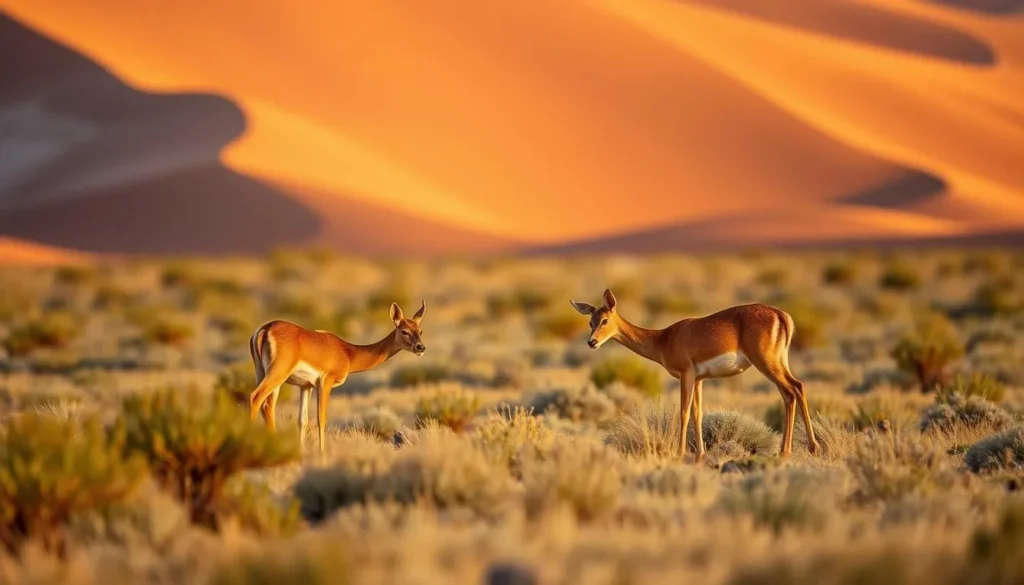
- Grasslands and Shrublands: Watch for pronghorn, elk, mule deer, and coyotes, especially at dawn and dusk.
- Wetlands: Over 250 bird species can be found in and around the park, including the impressive sandhill cranes during migration seasons.
- Forests and Alpine Areas: Black bears, mountain lions, and bighorn sheep inhabit the higher elevations of the preserve.
Backcountry Hiking Trails
| Trail | Distance (Round Trip) | Difficulty | Highlights |
| Sand Ramp Trail | 19 km (11.7 miles) total | Moderate | Follows the eastern edge of the dunefield, connecting Medano Creek to Medano Pass |
| Mosca Pass Trail | 11.3 km (7 miles) | Moderate | Forested canyon with stream, historic travel route |
| Music Pass to Sand Creek Lakes | 14.5 km (9 miles) | Challenging | Alpine lakes, mountain views, fishing opportunities |
| Little Medano Creek Trail | Varies | Moderate | Follows creek through forest, connects to Sand Ramp Trail |
| Medano Lake Trail | 13.7 km (8.5 miles) | Challenging | Alpine lake at 3,400 m (11,150 ft), Mount Herard views |
Water Activities
While Great Sand Dunes isn’t known for extensive water recreation, there are some unique opportunities:
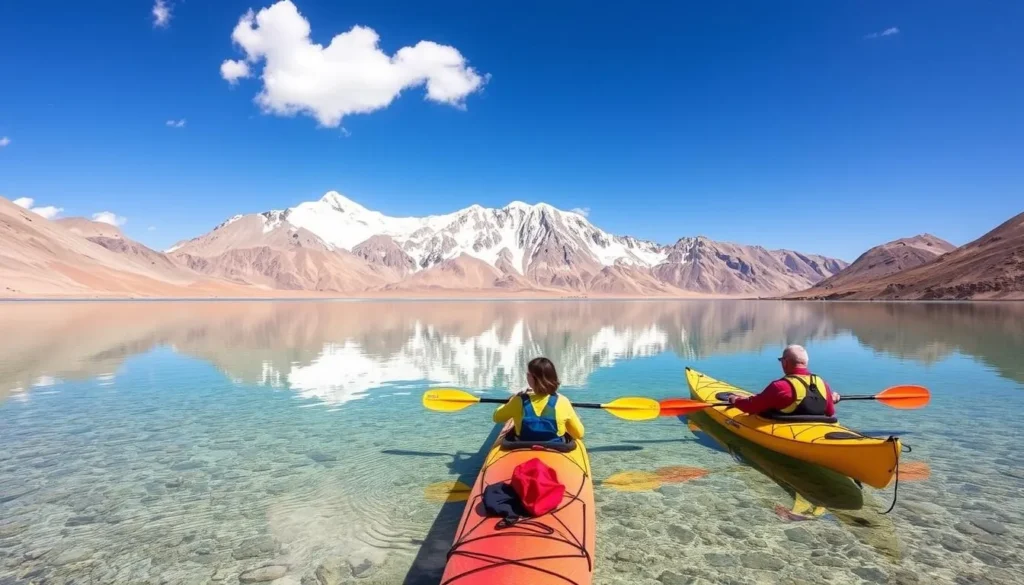
- Medano Creek “Beach”: During peak flow (May-June), visitors wade, splash, and float on small inflatable tubes in the shallow creek.
- Alpine Lakes Fishing: The high mountain lakes in the preserve offer catch-and-release fishing for native Rio Grande cutthroat trout.
- San Luis Lakes State Wildlife Area: Located 24 km (15 miles) west of the dunes, these lakes offer more traditional water recreation including fishing, swimming, and small watercraft use.
Photography Opportunities
Great Sand Dunes offers exceptional photography opportunities throughout the day:
- Sunrise: Capture the first light creating dramatic shadows and textures on the eastern faces of the dunes.
- Midday: (Spring/Fall only) Photograph the contrast between blue sky, golden sand, and snow-capped mountains.
- Sunset: The low-angle light creates stunning ripple patterns and rich colors on the western dune faces.
- Night: With minimal light pollution, capture spectacular Milky Way photos over the dune field.
Photography Tip: Sand can damage camera equipment. Consider using a protective filter, keep lens changes to a minimum, and use a camera bag that seals well against sand. Bring a rocket blower to remove sand particles without scratching lenses.
Safety, Etiquette & Local Customs
Visiting Great Sand Dunes National Park requires preparation and awareness of specific safety concerns and etiquette to ensure an enjoyable and respectful experience for all.
Safety Considerations
Extreme Temperatures: During summer months, sand surface temperatures can reach a dangerous 65°C (150°F). Avoid hiking on the dunes between 10 AM and 4 PM in summer. In winter, temperatures can drop well below freezing, especially at night.
- Hydration: Carry at least 4 liters of water per person per day when hiking in the dunes. There is no water available once you leave the Visitor Center area.
- Sun Protection: The combination of high elevation (2,500 m/8,200 ft) and reflective sand creates intense UV exposure. Wear sunscreen, sunglasses, a wide-brimmed hat, and UPF-rated clothing.
- Lightning Safety: Thunderstorms are common in summer afternoons. If you see dark clouds or hear thunder, immediately head to lower ground—being on the dunes during a lightning storm is extremely dangerous.
- Navigation: There are no marked trails in the dune field. Use landmarks, a compass, or GPS, and download offline maps before your visit.
- Altitude Sickness: The high elevation can cause symptoms in some visitors. Acclimatize slowly, stay hydrated, and descend if you experience severe headache, nausea, or dizziness.
Park Etiquette
- Leave No Trace: Pack out all trash, including food scraps. Buried waste is easily uncovered by wind.
- Stay on Designated Trails: In vegetated areas, stick to established paths to prevent damage to fragile ecosystems.
- Wildlife Respect: Observe animals from a distance and never feed wildlife.
- Noise Consideration: Maintain the natural soundscape, especially in backcountry areas where others may be seeking solitude.
- Night Sky Preservation: Use red lights rather than white flashlights when exploring after dark to preserve night vision for yourself and others.
Local Customs
The San Luis Valley surrounding Great Sand Dunes has a rich cultural heritage influenced by Native American, Hispanic, and pioneer traditions:
- Many locals have deep family roots in the area spanning generations.
- The valley has a strong agricultural tradition—respect private farmland and ranches when traveling through the region.
- The area has spiritual significance for various Native American tribes—be respectful when discussing or visiting culturally important sites.
- Local businesses often operate on “mountain time”—hours may be flexible, especially in smaller establishments.
Visitor Comments About Great Sand Dunes
“I’ve traveled to deserts worldwide, but Great Sand Dunes offers something truly unique. The contrast between massive sand mountains and snow-capped peaks creates an otherworldly landscape. Don’t miss hiking to Star Dune—it’s challenging but the views are incomparable. The backcountry camping experience among the dunes under that brilliant night sky was unforgettable.”
“We visited with our children (ages 8 and 10) during late May and had an absolute blast! The kids spent hours sledding down the dunes and playing in Medano Creek. It was like having a beach day in the middle of Colorado. My advice: rent the sand sleds early, wear closed shoes that can get wet, and bring plenty of snacks and water. The Visitor Center’s Junior Ranger program was excellent too.”
“As a photographer, Great Sand Dunes exceeded all my expectations. The interplay of light and shadow on the dunes creates endless compositional opportunities. I spent three days exploring different areas, and each offered unique perspectives. The backcountry areas were particularly rewarding—fewer footprints and more pristine formations. If you’re into night photography, this is paradise. Just be prepared for sand in every piece of equipment!”
Additional Nearby Destinations
The area surrounding Great Sand Dunes National Park is rich with diverse attractions that can complement your visit. Consider extending your trip to include these nearby destinations.
Within 1-2 Hours
- San Luis Valley: Explore the vast 21,000 sq km (8,000 sq mile) alpine valley with unique geological features and agricultural landscapes.
- Zapata Falls: Just 15 minutes south of the park, this 9 m (30 ft) waterfall is accessible via a short hike and offers cooling relief in summer.
- Monte Vista National Wildlife Refuge: Prime location for viewing the bi-annual sandhill crane migration (March and October).
- Blanca Peak: For experienced hikers, this challenging 14,000+ foot peak offers spectacular views and is the fourth-highest mountain in Colorado.
Within 3-4 Hours
- Black Canyon of the Gunnison National Park: Dramatic 610 m (2,000 ft) deep canyon with sheer walls and stunning viewpoints.
- Mesa Verde National Park: Explore ancient Puebloan cliff dwellings dating back over 700 years.
- Million Dollar Highway: One of America’s most scenic drives through the San Juan Mountains between Silverton and Ouray.
- Ice Lake Basin: Spectacular alpine lake hike near Silverton with vibrant turquoise waters.
Multi-Day Road Trip Options
- Colorado National Parks Circuit: Combine Great Sand Dunes with Rocky Mountain, Mesa Verde, and Black Canyon of the Gunnison National Parks for an epic 7-10 day adventure.
- Southwest Colorado Tour: Pair Great Sand Dunes with the historic mining towns of Creede, Lake City, Silverton, and Ouray for a journey through Colorado’s rich mining history and spectacular mountain scenery.
- Colorado-New Mexico Border Exploration: Extend your trip south to Taos and Santa Fe, New Mexico to experience the rich cultural heritage and artistic communities of the Southwest.
Practical Travel Tips
Make the most of your visit to Great Sand Dunes National Park with these essential practical tips that will help you navigate logistics and enhance your experience.
Park Information
- Hours: The park is open 24 hours a day, year-round.
- Entrance Fees: $25 per vehicle (valid for 7 days) or use an America the Beautiful Annual Pass ($80).
- Visitor Center Hours: 9:00 AM to 4:30 PM (extended in summer), closed on federal holidays in winter.
- Cell Service: Limited to non-existent within the park. Download maps and information before your visit.
What to Pack
Essential Items
- Closed-toe shoes for hot sand (not sandals)
- Sun protection (hat, sunglasses, sunscreen)
- Water bottles (at least 2 liters per person)
- High-energy snacks
- First aid kit
- Navigation tools (map, compass, GPS)
Recommended Additions
- Gaiters or high socks to keep sand out of shoes
- Trekking poles for dune hiking
- Camera with protective gear
- Binoculars for wildlife viewing
- Headlamp with red light function for night exploration
- Light jacket (even in summer, evenings can be cool)
Planning Tips
- Timing Your Visit: Plan dune exploration for early morning or late afternoon to avoid extreme heat and harsh midday light.
- Accessibility: The Visitor Center and nearby picnic areas are wheelchair accessible. A sand-friendly wheelchair is available for loan at the Visitor Center.
- Pets: Leashed pets are allowed in the main parking area and picnic areas but not on the dunes or backcountry trails.
- Gas: Fill up in Alamosa or other towns before heading to the park—there are no gas stations within 37 km (23 miles) of the entrance.
- Grocery Supplies: Stock up in Alamosa, which has several supermarkets. Options near the park are limited and more expensive.
Insider Tip: If visiting during peak season (May-August), arrive before 9:30 AM to secure parking and avoid entrance lines. If that’s not possible, consider coming after 3:00 PM when many day visitors are leaving—you’ll still have plenty of time to explore and can catch the spectacular sunset.
Embrace the Dunes: Where Mountains of Sand Meet Sky
Great Sand Dunes National Park stands as a testament to nature’s ability to surprise and inspire. This extraordinary landscape—where North America’s tallest dunes rise against the backdrop of snow-capped peaks—offers experiences that defy expectations. Whether you’re sliding down golden slopes, wading in the seasonal Medano Creek, or venturing into remote backcountry areas where few footprints mark the sand, the dunes create memories that linger long after the sand is shaken from your shoes.
The park’s remarkable diversity extends beyond its famous dunes to encompass everything from alpine lakes to ancient forests, creating a natural playground for adventurers of all ages and abilities. As day transitions to night, the brilliant canopy of stars reminds us of our place in the universe, a humbling yet exhilarating perspective that is increasingly rare in our modern world.
As you plan your journey to this Colorado treasure, remember that the dunes reward those who approach them with respect, preparation, and a sense of wonder. In this ever-shifting landscape of sand and sky, each visit offers something new to discover—a different pattern of light and shadow, a unique formation sculpted by wind, or a moment of perfect solitude among the waves of sand. The Great Western Sand Dunes await your footprints, ready to become part of your own remarkable story.
Related Posts
Waunita Hot Springs, Colorado: Best Things to Do – Top Picks
Uncompahgre River, Colorado: Best Things to Do – Top Picks

Uncompahgre Peak, Colorado: Best Things to Do – Top Picks
Vapor Caves Glenwood Springs, Colorado: Best Things to Do – Top Picks
Vail Ski Resort, Colorado: Best Things to Do – Top Picks
Vail Pass Road, Colorado: Best Things to Do – Top Picks
Coming Soon: Clickable Maps