Hotels by Trip.com
Flights by Trip.com
Imagine standing at the edge of the largest known explosive volcanic eruption site in Earth’s history. The Fish Canyon eruption that formed La Garita Caldera released an astounding 5,000 cubic kilometers of material, making Mount St. Helens look like a firecracker by comparison. This ancient supervolcano in Colorado’s San Juan Mountains created one of the most fascinating geological wonders on our planet.
The Garita Caldera sits quietly today in south-central Colorado. Most travelers drive past without knowing they’re crossing one of Earth’s most powerful volcanic sites. This massive caldera spans roughly 35 kilometers across and holds secrets from 28 million years ago.
The surrounding San Juan volcanic field offers adventures that few destinations can match. From hiking through volcanic formations to exploring ghost towns built on ancient lava flows, this region delivers unique experiences for geology enthusiasts and outdoor lovers alike.
Getting There and Planning Your Journey
Reaching La Garita Caldera requires some planning since this remote destination sits in Colorado’s rugged backcountry. The nearest major airports include Denver International Airport, approximately 386 km (240 miles) northeast, and Colorado Springs Airport, about 289 km (180 miles) to the east.
From Denver, drive southwest through scenic mountain highways. The journey takes roughly five to six hours depending on road conditions and your exact destination within the caldera region. Colorado Springs offers a slightly shorter route at around four hours.
Regional airports provide closer access. Alamosa’s San Luis Valley Regional Airport sits just 97 km (60 miles) southeast of the area. Gunnison-Crested Butte Regional Airport, located 113 km (70 miles) north, offers another convenient option for travelers.
Car rentals are essential since public transportation doesn’t serve this remote region. Four-wheel drive vehicles work best for exploring backcountry roads, especially during spring snowmelt or summer thunderstorm seasons.
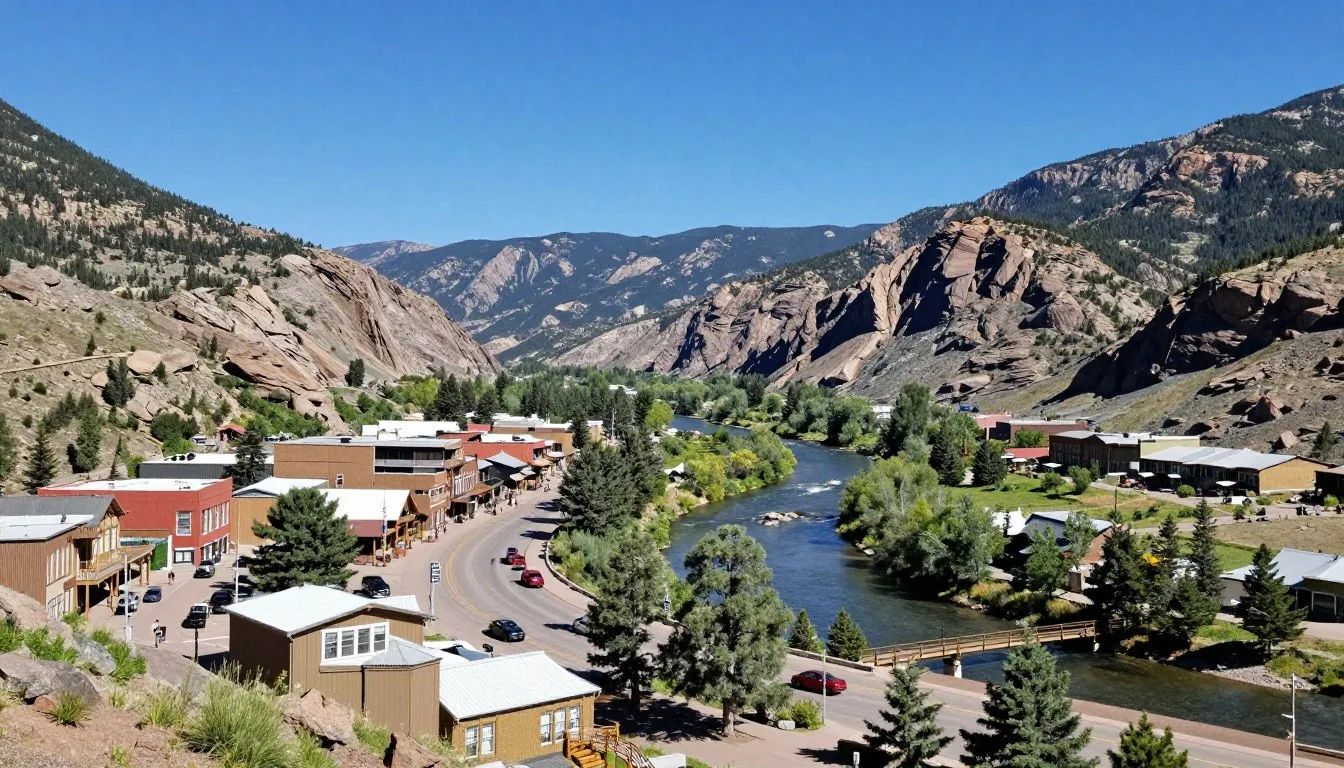
The town of Creede serves as an excellent base for exploring the caldera. This historic mining community offers lodging, supplies, and local knowledge about the best routes into the volcanic field. Lake City provides another gateway town with amenities.
Road conditions vary throughout the year. Summer months from June through September offer the most reliable access. Winter snow closes many forest roads, limiting exploration options considerably.
Best Time to Visit and Weather Tips
Timing your visit to La Garita Caldera makes a significant difference in your experience. The San Juan volcanic field experiences dramatic seasonal changes that affect accessibility and enjoyment.
Recommended Visiting Months
June through September represents the prime window for exploring this volcanic landscape. Summer temperatures range from 15°C to 24°C (59°F to 75°F) in lower elevations, creating comfortable hiking conditions. Higher elevations remain cooler, often staying between 10°C and 18°C (50°F to 64°F).
July and August deliver the warmest weather but also bring afternoon thunderstorms. These storms develop quickly in the mountains, sometimes producing heavy rain and lightning. Plan outdoor activities for morning hours to avoid weather hazards.
Early September offers excellent conditions with fewer crowds. Fall colors paint the aspen groves in brilliant gold, and temperatures stay mild before winter arrives. This shoulder season provides wonderful photography opportunities across the volcanic field.
✓ Check 30,000+ Local Sightseeing Tours Worldwide
Months to Avoid
November through April brings heavy snow that closes most access roads. Winter temperatures plunge well below freezing, often reaching -12°C to -23°C (10°F to -10°F) at night. Only experienced winter mountaineers should attempt visiting during these months.
May presents unpredictable conditions. Late spring snowstorms can dump significant accumulation, while some days feel like summer. Road access remains limited as snowpack melts slowly at higher elevations.
Weather Tip: Mountain weather changes rapidly in the San Juan volcanic field. Always pack layers including rain gear, even during summer visits. Afternoon temperatures can drop 11°C (20°F) when storms roll through.
Getting Around Locally
Navigation within the La Garita Caldera region requires self-sufficiency and proper preparation. No public transportation serves this remote area, making personal vehicles essential for exploration.
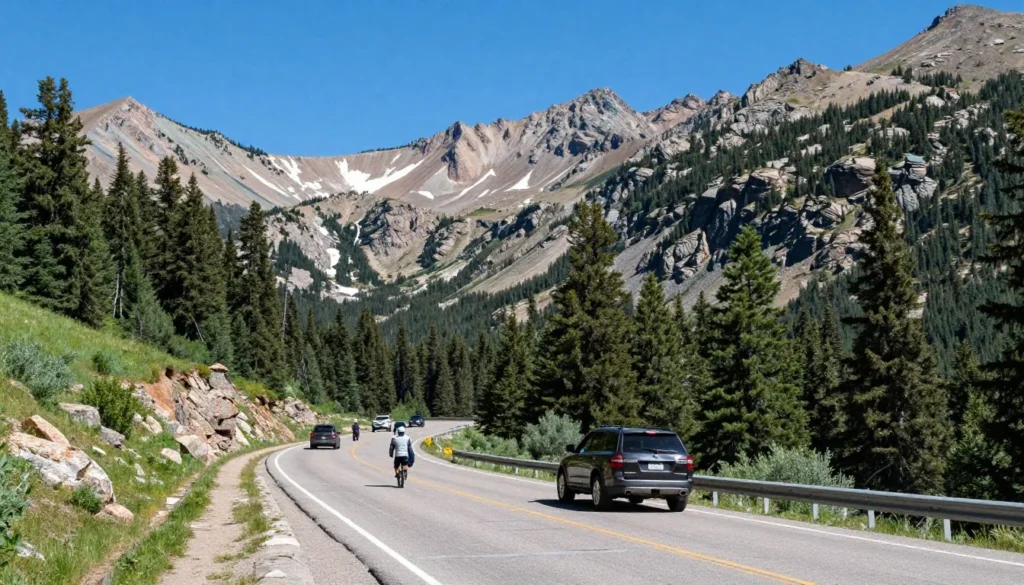
Forest Service roads crisscross the San Juan volcanic field, but many remain unpaved and rough. High-clearance vehicles handle these conditions better than standard sedans. Four-wheel drive becomes necessary for reaching more remote geological features and trailheads.
Fuel availability is limited in this sparsely populated region. Fill your tank in Creede, Lake City, or other gateway towns before venturing into backcountry areas. The next gas station might be 80 km (50 miles) away.
Cell phone coverage is spotty to nonexistent throughout much of the caldera area. Download offline maps before leaving town. Physical maps from the U.S. Forest Service provide reliable backup navigation tools.
Many popular sites require hiking from parking areas. Trail conditions range from well-maintained paths to unmarked routes across volcanic rock. Good hiking boots and navigation skills serve visitors well in this terrain.
Where to Stay
Accommodation options near La Garita Caldera cater to different preferences and budgets. The surrounding towns offer comfortable bases for daily exploration of the volcanic field.
Creede Lodging
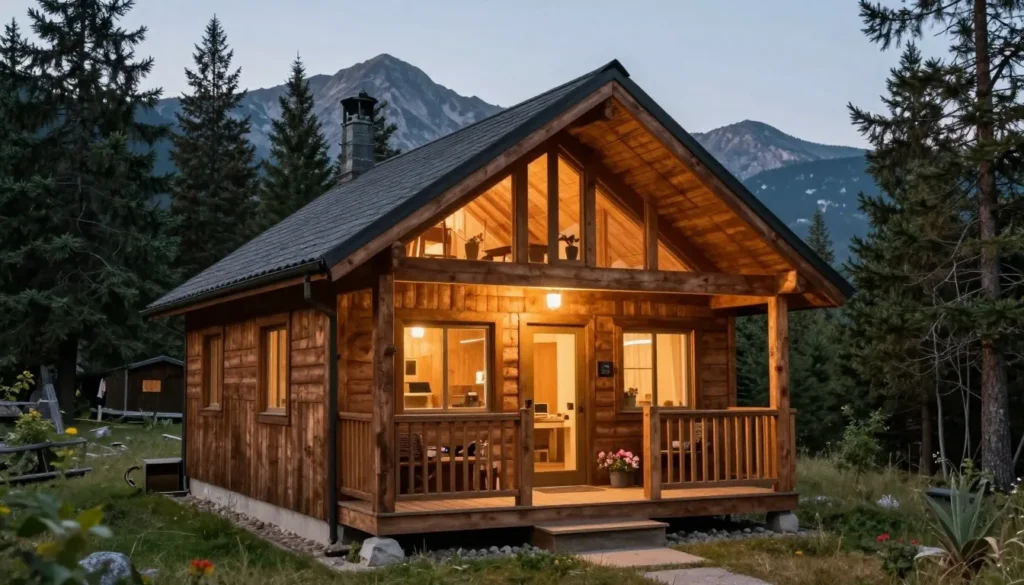
Creede provides the closest town to many caldera features. This historic mining community offers several small hotels, bed and breakfasts, and vacation rentals. The Creede Hotel maintains rooms in a restored 1890s building, giving visitors a taste of Colorado mining history.
Cabin rentals dot the area around Creede, many situated along the Rio Grande River. These properties offer full kitchens and mountain views, perfect for families or groups planning extended stays.
Lake City Options
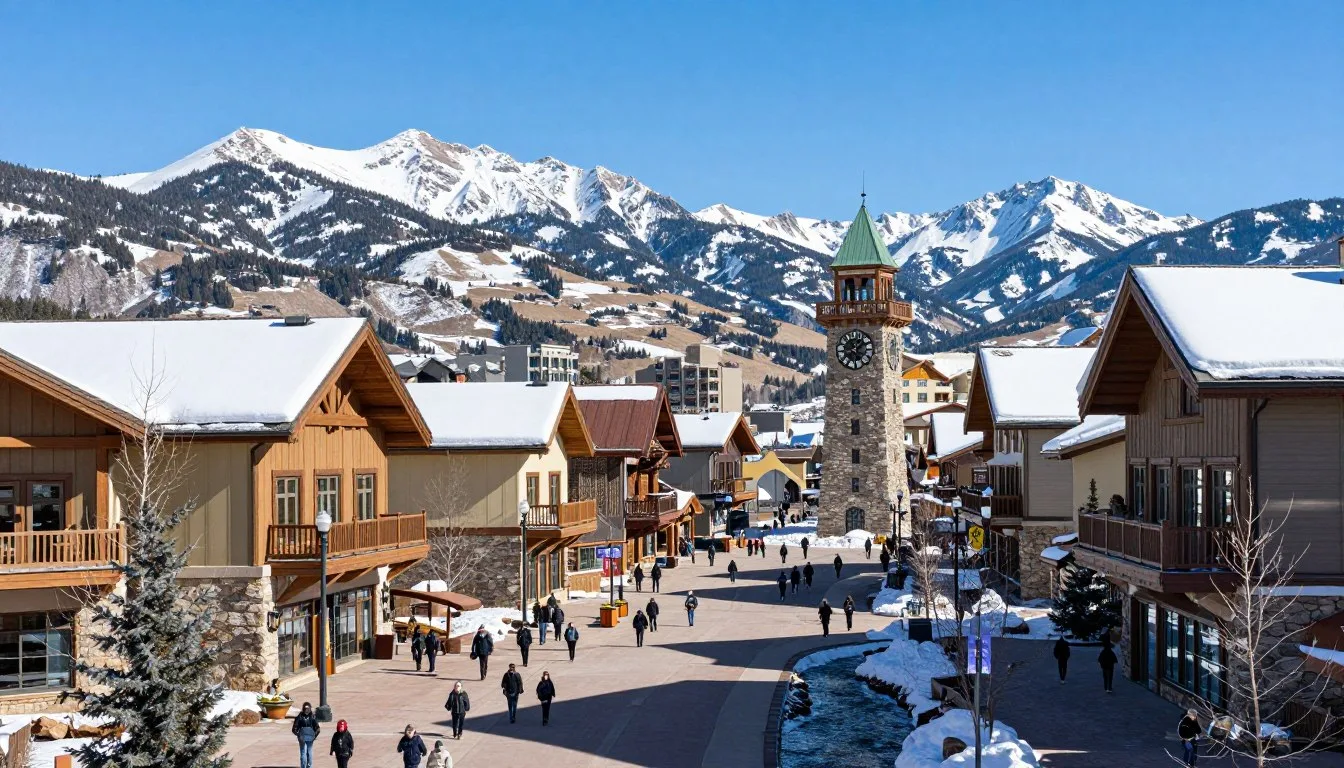
Lake City sits northwest of the caldera and features additional lodging choices. The town’s historic district contains several charming inns and small hotels. Vacation homes available for rent provide space and privacy for larger parties.
Camping and RV Sites
Forest Service campgrounds scatter throughout the San Juan volcanic field. These sites put visitors directly into the wilderness at minimal cost. Most campgrounds operate from late May through September, weather permitting.
Popular camping areas include Road Canyon Reservoir and several sites along the Continental Divide. Facilities remain basic with vault toilets and no hookups. Some locations offer stunning views of volcanic formations.
RV parks in Creede and South Fork accommodate larger vehicles with full hookups. These facilities book quickly during summer months, so advance reservations help secure spots.
Dining and Local Cuisine
Dining options near La Garita Caldera reflect the region’s small-town character and outdoor recreation focus. Visitors should expect casual, hearty fare rather than fine dining experiences.
Creede’s restaurant scene centers on comfort food and American classics. Local establishments serve generous portions designed to fuel hiking and outdoor activities. Several cafes open early for breakfast, accommodating visitors heading out for day trips.
The Tommyknocker Tavern in Creede offers pub food and Colorado craft beers in a historic setting. Their burgers and sandwiches satisfy hungry explorers after long days in the volcanic field.
Lake City provides additional dining variety with several restaurants serving breakfast through dinner. Fresh trout appears on many menus, sourced from nearby mountain streams and lakes. Local game meats sometimes feature as seasonal specials.
Grocery stores in both towns stock supplies for preparing meals at cabins or campgrounds. These markets carry basics plus camping essentials. Prices run slightly higher than urban areas due to remote location.
South Fork, about 35 km (22 miles) from Creede, expands dining choices with additional restaurants and a supermarket. This larger community serves as a good provisioning stop before heading into more remote areas.
Attractions, Sightseeing and Activities
La Garita Caldera offers unique attractions that showcase its volcanic past and stunning mountain scenery. The Fish Canyon Tuff formations dominate the landscape, creating otherworldly rock features across the San Juan Mountains.
Wheeler Geologic Area
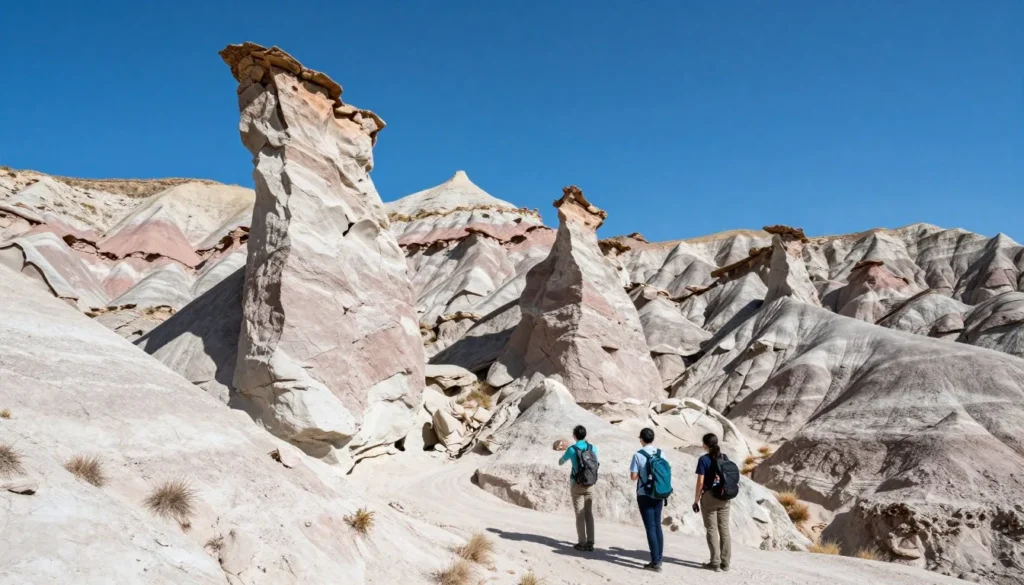
Wheeler Geologic Area stands as the crown jewel of caldera attractions. This remote site features bizarre volcanic rock formations sculpted by erosion over millions of years. Tall pinnacles and strange shapes rise from the volcanic deposits, creating an alien landscape.
Reaching Wheeler Geologic Area requires commitment. The access road stretches 22 km (14 miles) from the highway, suitable only for high-clearance four-wheel drive vehicles. Alternatively, a 11 km (7 mile) hiking trail leads to the formations from a lower parking area.
The geological area preserves exceptional examples of Fish Canyon Tuff weathering patterns. These volcanic rocks were deposited during the massive eruption 28 million years ago. Subsequent erosion carved the soft tuff into fantastical shapes that photographers love.
North Clear Creek Falls
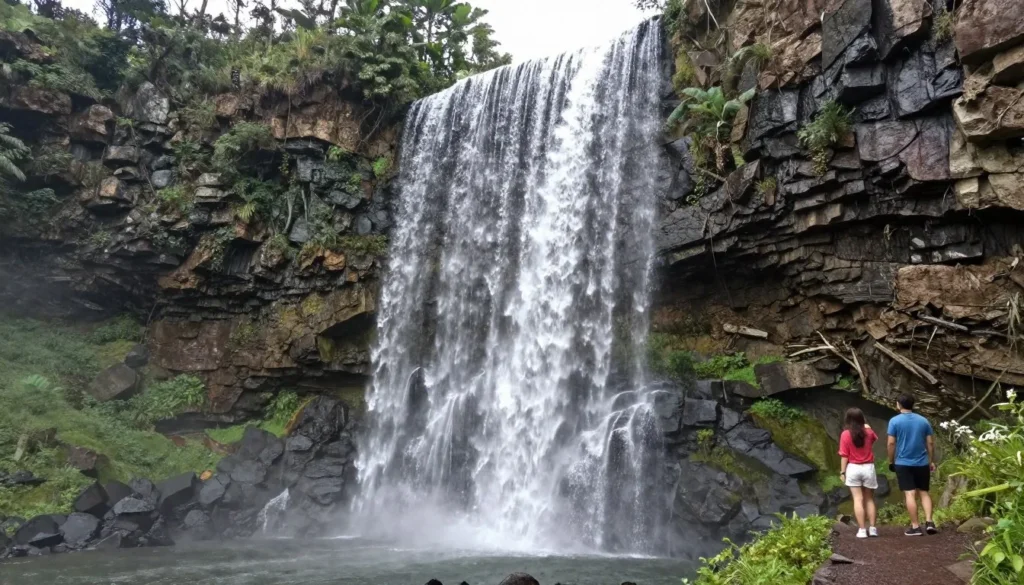
North Clear Creek Falls cascades 30 meters (100 feet) over volcanic rock layers near the caldera’s edge. A short trail from the parking area leads to viewing platforms overlooking this powerful waterfall. The falls run strongest during spring snowmelt, creating impressive displays of water volume.
Scenic Drives
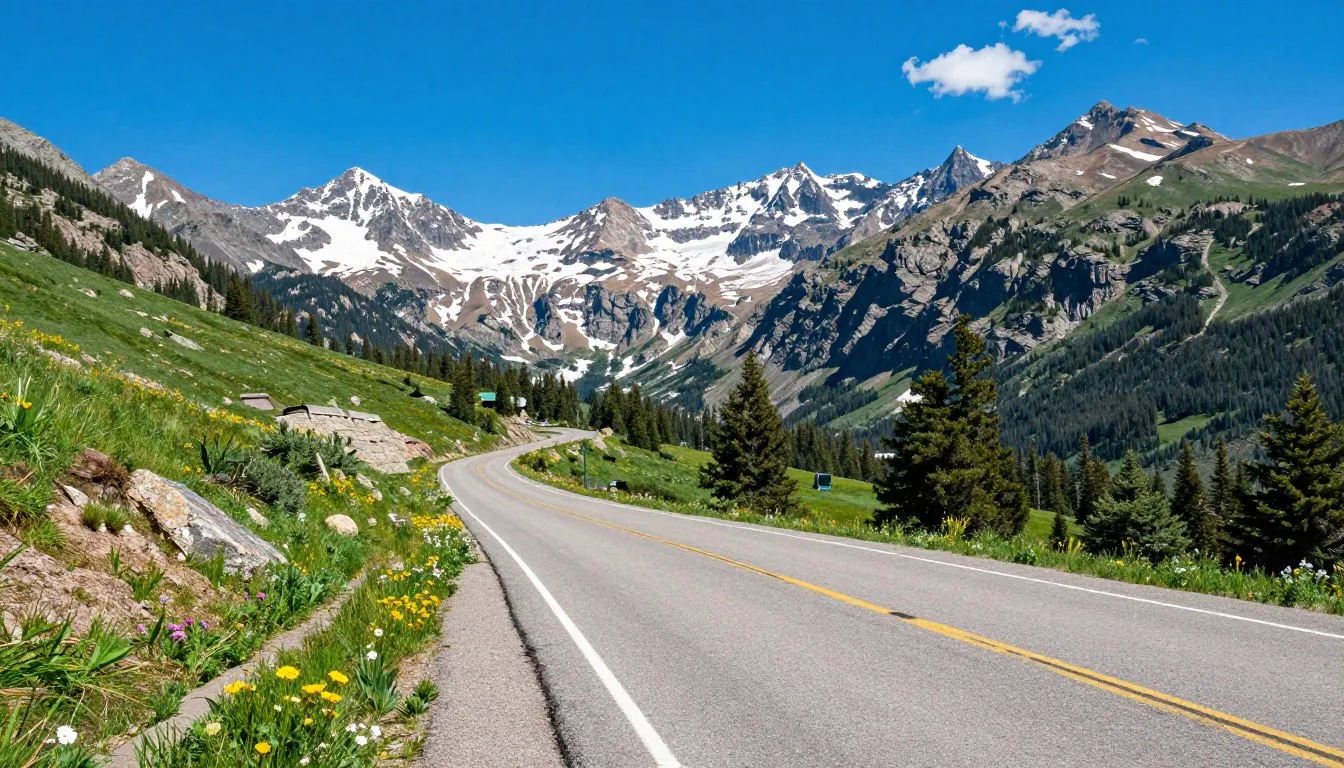
The Silver Thread Scenic Byway (Highway 149) traverses the southern portion of the San Juan volcanic field. This route passes through spectacular mountain scenery with numerous pullouts for photography and geological observation. Interpretive signs explain the volcanic history visible in roadcuts and cliffs.
Bachelor Loop, a gravel road near Creede, circles through historic mining areas and offers exceptional views of volcanic formations. This 27 km (17 mile) route passes old mine buildings and traverses landscapes shaped by both mining and ancient volcanic activity.
Museums, Cultural Spots and Festivals
The region surrounding La Garita Caldera preserves rich mining heritage alongside its geological wonders. Small museums and cultural sites tell stories of human interaction with this volcanic landscape.
Creede Underground Mining Museum
The Creede Underground Mining Museum occupies rooms carved into volcanic rock beneath the town’s main street. This unique facility showcases mining equipment, techniques, and daily life from Creede’s silver boom era. The museum’s location in actual mine workings creates an immersive educational experience.
Exhibits explain how miners worked the rich silver veins formed by volcanic activity millions of years ago. The connection between ancient eruptions and 19th-century prosperity becomes clear through interpretive displays.
Bachelor Historic Tour
The Bachelor Historic Tour, a self-guided driving route, links preserved mining structures scattered across the volcanic field. Visitors explore old mill sites, mine entrances, and ghost town remnants. Information panels describe how volcanic geology influenced mineral deposits and mining operations.
Creede Repertory Theatre
Creede Repertory Theatre presents professional productions throughout summer months. This renowned company performs in a historic venue, offering quality entertainment after days exploring the caldera. The theatre contributes cultural vibrancy to this small mountain town.
Local Festivals
Creede hosts several annual events celebrating regional heritage. The Creede Heritage Arts Festival in July showcases local artisans and musicians. September’s Taste of Creede features regional cuisine and craft beverages, connecting visitors with local culture and community.
Nature and Outdoor Experiences
The San Juan volcanic field surrounding La Garita Caldera provides exceptional outdoor recreation opportunities. This volcanic landscape creates unique ecosystems and terrain that attract nature enthusiasts from around the world.
Hiking Adventures
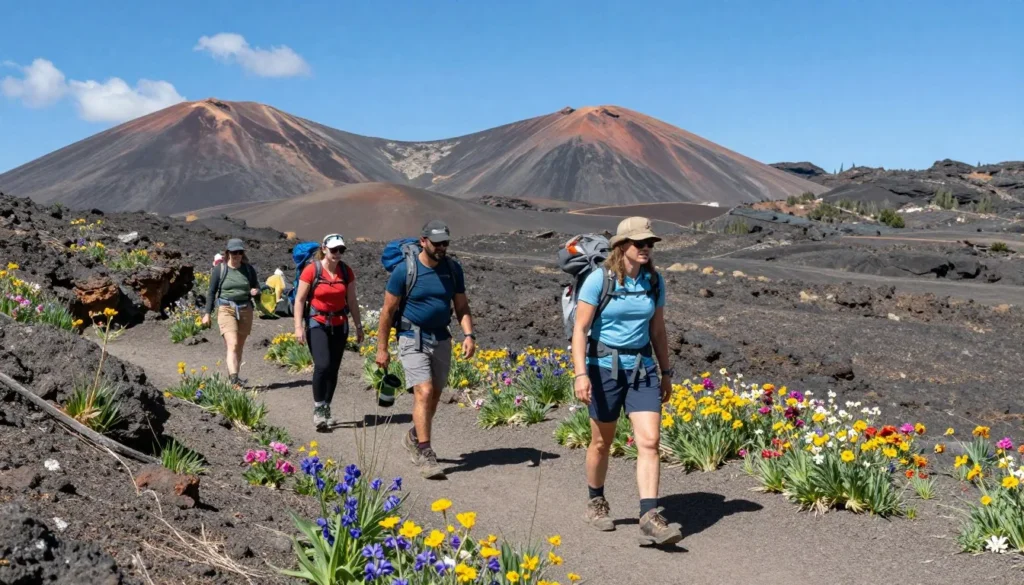
Hundreds of kilometers of trails cross the caldera region, ranging from easy nature walks to challenging backcountry routes. The Continental Divide Trail passes through the area, offering long-distance hiking options for serious trekkers.
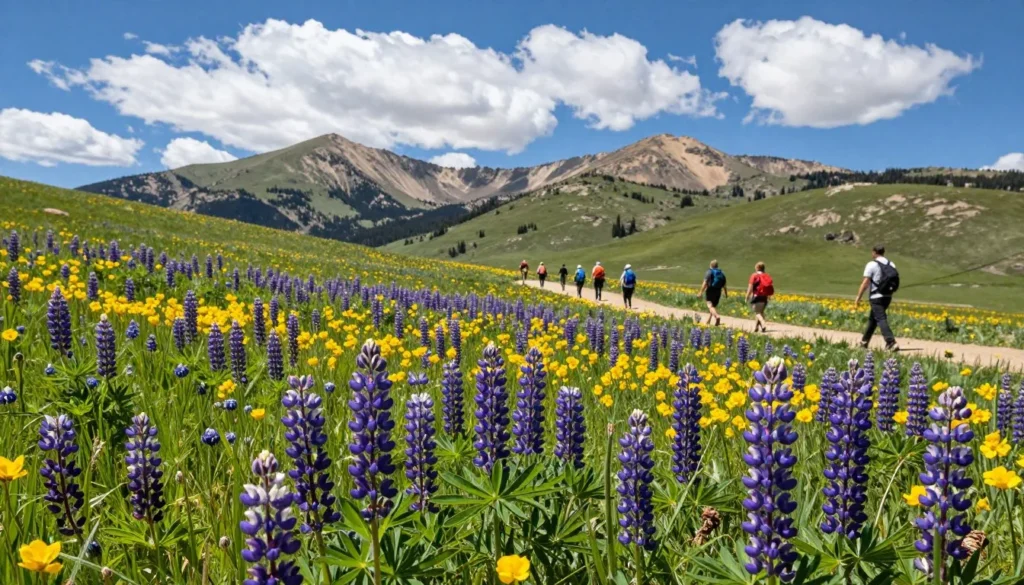
Lower elevation trails wind through aspen groves and ponderosa pine forests growing on ancient lava flows. Higher routes climb into alpine tundra where wildflowers bloom spectacularly during July and August. These meadows display dozens of species adapted to thin volcanic soils.
The Phoenix Park Trail leads hikers through excellent examples of volcanic rock formations. This moderate route showcases Fish Canyon Tuff deposits and provides panoramic views across the caldera’s interior. The 8 km (5 mile) round trip takes most hikers three to four hours.
Wildlife Watching
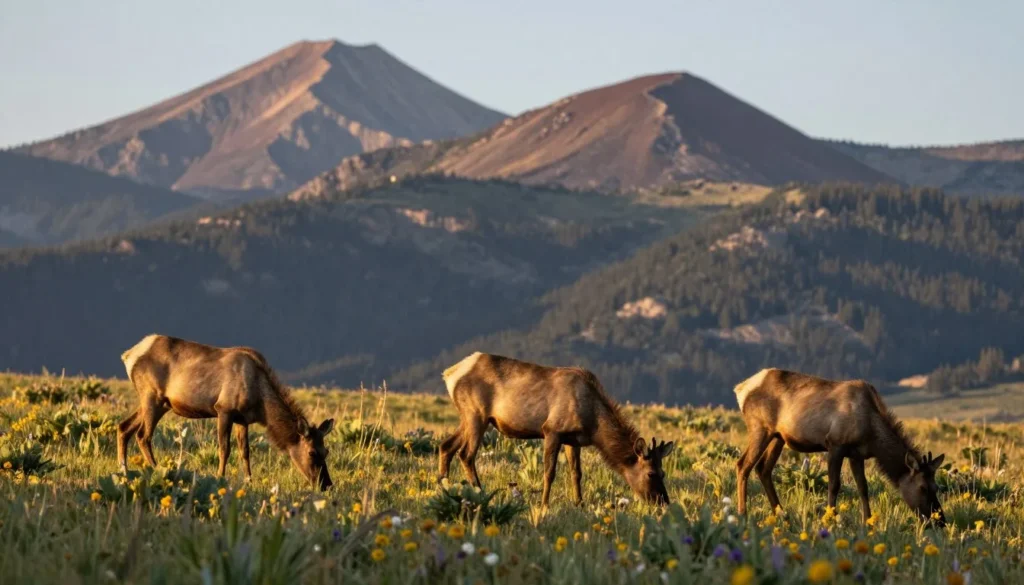
The volcanic field supports diverse wildlife populations. Elk herds graze in mountain meadows, especially visible during early morning and evening hours. Mule deer are common throughout forested areas on the caldera slopes.
Black bears inhabit the region and occasionally appear near trails and campgrounds. Proper food storage prevents wildlife conflicts. Mountain lions live in the area but rarely show themselves to humans.
Birdwatchers spot numerous species including mountain bluebirds, Clark’s nutcrackers, and various hawk species. The high elevation meadows attract hummingbirds during summer months. Stream corridors provide habitat for dippers and other water birds.
Fishing Opportunities
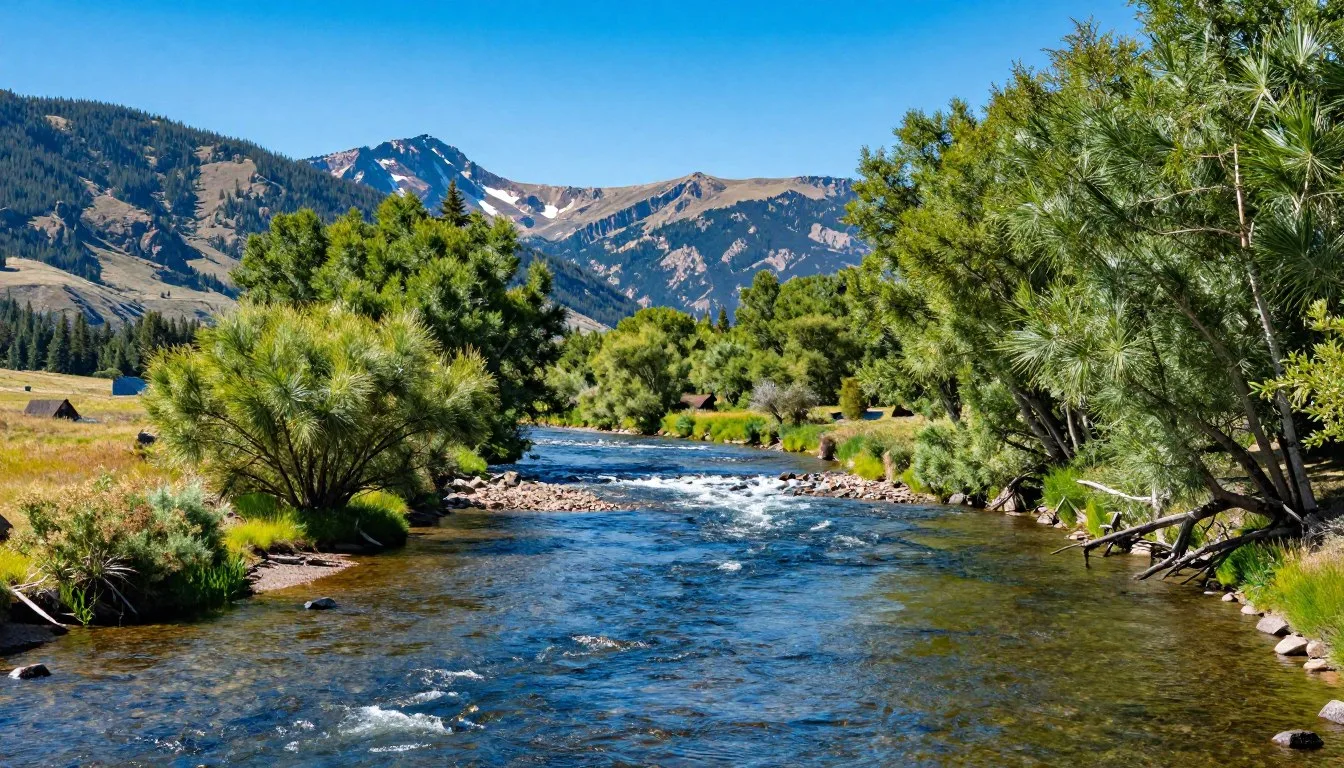
Streams flowing from the San Juan Mountains support excellent trout populations. The Rio Grande River runs through volcanic terrain near Creede, offering accessible fishing for rainbow and brown trout. Smaller creeks hold populations of wild cutthroat trout in pristine mountain settings.
Several reservoirs dot the volcanic field, providing stillwater fishing alternatives. Road Canyon Reservoir and Rio Grande Reservoir allow boat fishing, though many anglers prefer shore or wade fishing in these scenic locations.
Photography Locations
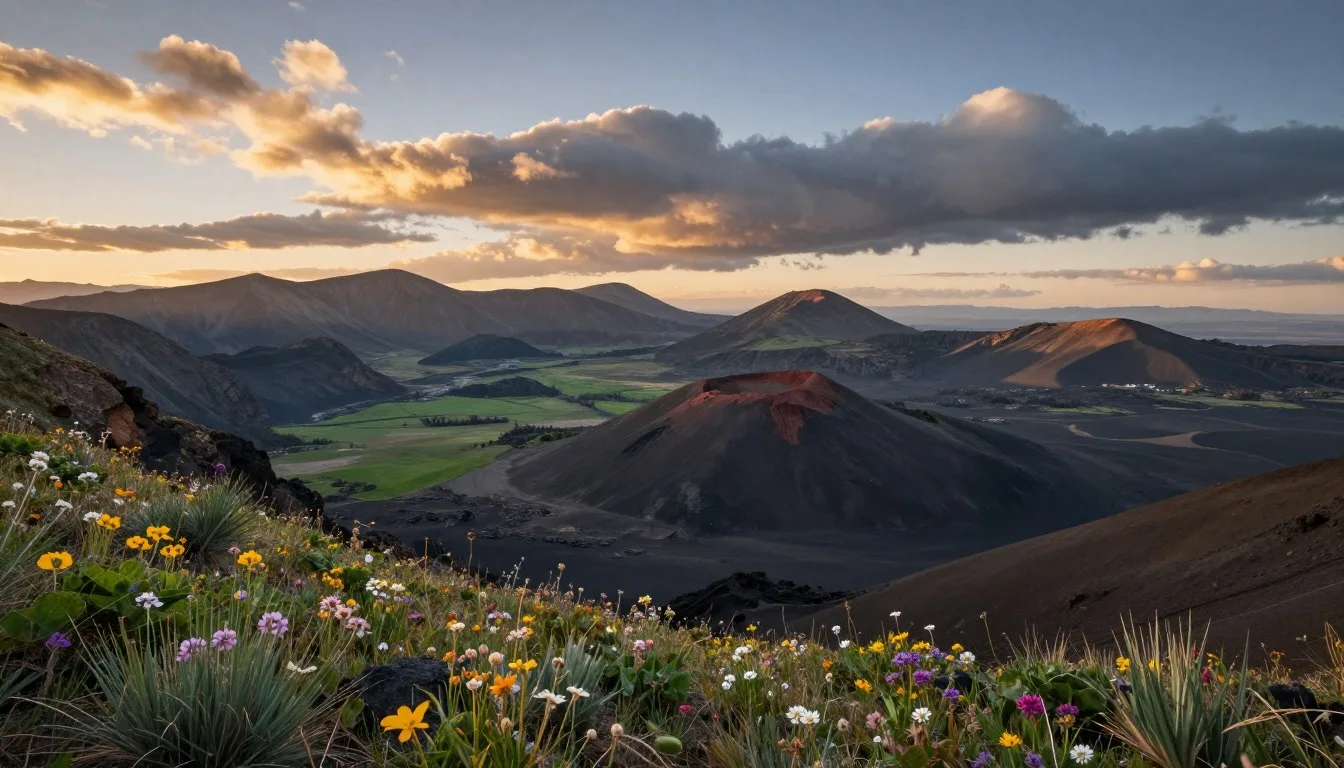
The unique volcanic geology creates outstanding photography subjects. Colorful rock layers, strange erosional features, and dramatic mountain backdrops combine for memorable images. Sunrise and sunset light enhances the warm tones of volcanic tuff.
Wheeler Geologic Area ranks among Colorado’s most photogenic locations. The bizarre rock formations photograph well in various lighting conditions. Wildflower season adds color to foreground compositions.
Safety, Etiquette and Local Customs
Visiting La Garita Caldera safely requires preparation and awareness. This remote volcanic field presents challenges that differ from more developed tourist destinations.
Elevation Considerations
The caldera area sits at elevations between 2,400 and 3,600 meters (8,000 to 12,000 feet). Altitude sickness affects some visitors, especially those arriving from lower elevations. Symptoms include headaches, nausea, and fatigue.
Acclimatize gradually by spending a day or two at moderate elevations before hiking to higher areas. Drink extra water and avoid alcohol during your first days at altitude. Most people adjust within two to three days.
Weather Hazards
Summer thunderstorms develop rapidly in the San Juan Mountains. Lightning poses serious danger on exposed ridges and peaks. Monitor weather forecasts and plan to reach high points before noon, descending as clouds build.
Hypothermia risk exists even during summer if you get wet and temperatures drop. Pack emergency layers and rain protection for all hikes. Weather can change from sunny to stormy in less than an hour.
Wildlife Safety
Store food properly to avoid attracting bears. Use bear-resistant containers or hang food bags at campgrounds. Never approach or feed any wildlife, maintaining safe viewing distances at all times.
Watch for rattlesnakes on trails below 2,700 meters (9,000 feet), especially during warm afternoons. These snakes blend well with volcanic rock. Stay on established trails and watch where you place hands and feet.
Leave No Trace Principles
The fragile volcanic landscape deserves respectful treatment. Pack out all trash, including small items like orange peels and toilet paper. Stay on established trails to prevent erosion of soft volcanic soils.
Camp at designated sites when available. In dispersed camping areas, choose durable surfaces at least 61 meters (200 feet) from water sources. Minimize campfire impacts by using existing fire rings or better yet, portable camp stoves.
Local Courtesy
Respect private property boundaries, which sometimes interrupt public land access. Many historic mining claims remain privately owned despite their appearance as abandoned sites. Always ask permission before crossing private land.
The small communities near the caldera rely on tourism but value peace and quiet. Keep noise levels reasonable, especially in residential areas. Support local businesses when possible, as tourism income helps sustain these mountain towns.
Visitor Comments About La Garita Caldera
Y.F., Grand Prairie: “Wheeler Geologic Area exceeded all expectations. The volcanic rock formations are absolutely stunning and unlike anything we had seen before. The drive in was rough but totally worth the effort. We spent hours photographing the strange pinnacles and exploring the area. This place feels like another planet. Highly recommend for anyone interested in geology or just unique natural wonders.”
G.N., Stamford: “Our family loved exploring the La Garita Caldera region. We stayed in Creede for a week and discovered something new every day. The fishing was excellent, the hiking trails offered incredible views, and learning about the massive volcanic eruption that created this landscape was fascinating. The small-town atmosphere and lack of crowds made this trip special. We will definitely return.”
F.H., Nakuru: “As a geology enthusiast, visiting the site of Earth’s largest known explosive eruption was a dream come true. The Fish Canyon Tuff deposits are visible everywhere, and understanding the scale of the ancient eruption while standing in the caldera was humbling. The surrounding mountains are beautiful, and the wilderness feeling is authentic. Pack properly and respect the remote conditions.”
Additional Nearby Destinations
Several other remarkable destinations sit within easy driving distance of La Garita Caldera. These locations complement a volcanic field visit and extend your Colorado adventure.
Great Sand Dunes National Park
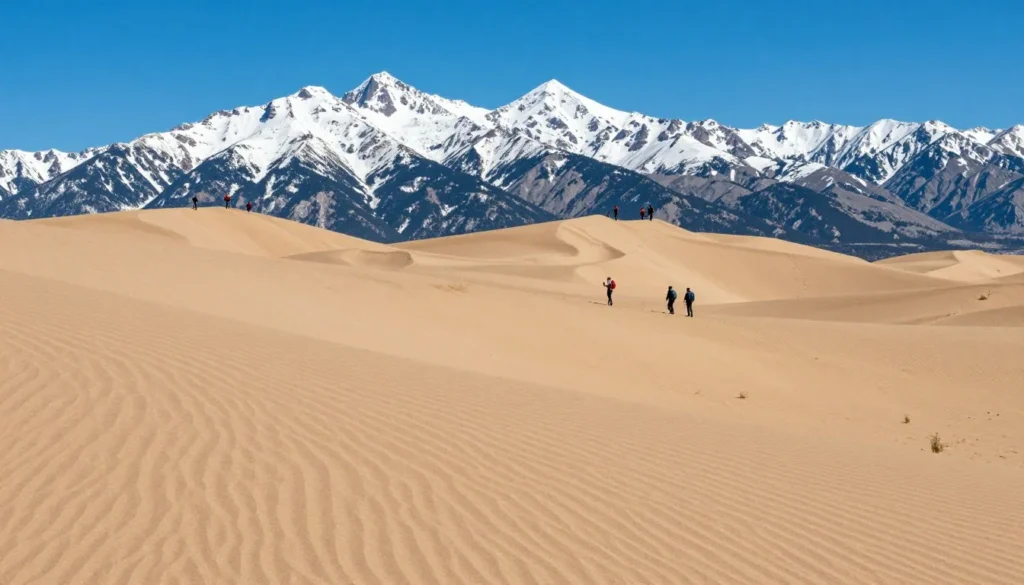
Great Sand Dunes National Park lies 121 km (75 miles) southeast of the caldera. This unique park features North America’s tallest sand dunes rising against the Sangre de Cristo Mountains. The dunes reach heights of 229 meters (750 feet), creating surreal landscapes perfect for hiking and photography.
Medano Creek flows along the dunes’ base during spring and early summer, offering a rare combination of sand dunes and flowing water. Sandboarding and sand sledding provide unusual outdoor activities in this distinctive environment.
Black Canyon of the Gunnison
Black Canyon of the Gunnison National Park sits 145 km (90 miles) northwest of the caldera area. This dramatic gorge features some of Colorado’s steepest cliffs, dropping up to 823 meters (2,700 feet) to the Gunnison River below.
The ancient Precambrian rock exposed in canyon walls contrasts sharply with the volcanic formations around La Garita Caldera. Several viewpoints along the rim provide spectacular perspectives into this narrow chasm carved over two million years.
Mesa Verde National Park
Mesa Verde National Park, located 177 km (110 miles) southwest, preserves remarkable ancestral Puebloan cliff dwellings. These archaeological sites date from 600 to 1300 CE and showcase sophisticated architecture built into canyon alcoves.
Combining a visit to volcanic landscapes with these cultural treasures creates a well-rounded Colorado experience. The contrast between geological and human history provides fascinating perspective on different time scales.
Pagosa Springs
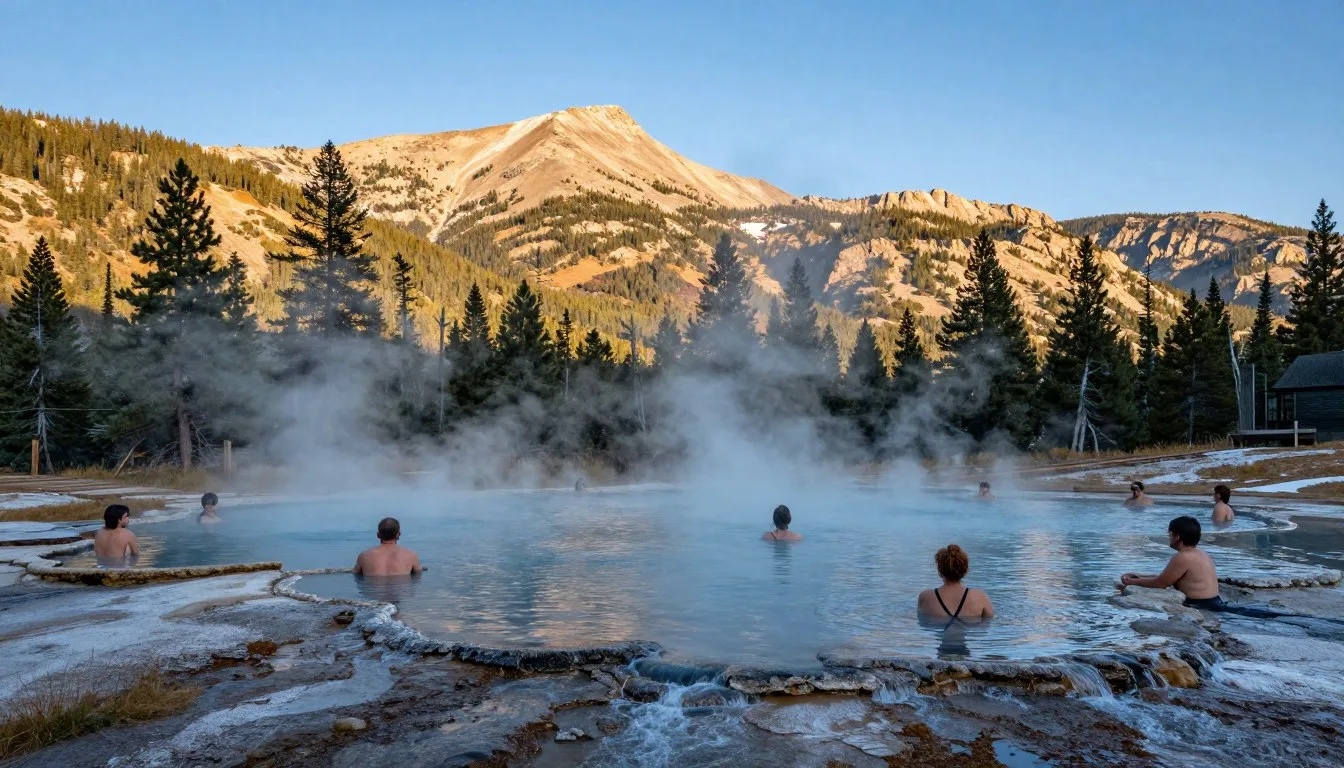
Pagosa Springs sits 97 km (60 miles) south of the caldera region. This town features natural hot springs heated by geothermal activity related to the San Juan volcanic field. The world’s deepest geothermal hot spring, Pagosa Peak Dacite, feeds numerous resort pools and public bathing facilities.
Soaking in hot mineral waters makes an excellent way to relax after days of hiking through volcanic terrain. The town offers additional dining and lodging options beyond smaller communities near the caldera.
Practical Travel Tips
Successful visits to La Garita Caldera require thoughtful preparation. These practical tips help visitors maximize their experience in this remote volcanic landscape.
Essential Packing Items
Bring layered clothing suitable for variable mountain weather. Temperatures swing dramatically between morning and afternoon, especially at higher elevations. Pack rain gear regardless of forecast, as storms develop quickly.
✓ Check 30,000+ Local Sightseeing Tours Worldwide
Sun protection is critical at high altitude where UV radiation intensifies. Sunscreen rated SPF 30 or higher, sunglasses, and wide-brimmed hats prevent painful sunburn. Lips burn easily, so include lip balm with sun protection.
Navigation tools deserve careful attention. Download offline maps before losing cell service. Carry physical maps as backup and bring a compass or GPS device for backcountry exploration.
Communication Challenges
Cell phone coverage is extremely limited throughout the volcanic field. Inform someone of your travel plans and expected return times before heading into remote areas. Satellite messengers or personal locator beacons provide emergency communication options.
Most lodging properties offer WiFi, but speeds may be slow compared to urban areas. Plan accordingly if you need reliable internet access for work or communication.
Permits and Regulations
Most areas within the San Juan volcanic field require no special permits for day use. Overnight camping in wilderness areas may require advance permits during peak season. Check with Rio Grande National Forest offices for current requirements.
Campfire restrictions change based on fire danger levels. During dry periods, campfires may be prohibited entirely. Always check current regulations before building fires.
Photography Preparation
The volcanic landscape photographs beautifully but presents challenges. Bring extra camera batteries, as cold temperatures drain battery power quickly. Memory cards with ample capacity prevent running out of storage at critical moments.
Dust from volcanic soils can damage camera equipment. Carry cleaning supplies and weather-sealed bags to protect gear during transport.
Health Considerations
Pharmacies and medical facilities are scarce in this region. Bring adequate supplies of any prescription medications plus basic first aid supplies. The nearest hospital sits in Alamosa, over 96 km (60 miles) from some caldera areas.
Water quality in mountain streams appears pristine but may contain Giardia and other pathogens. Filter or treat all water before drinking, even from clear flowing sources.
Money Saving Tip: Gasoline prices run higher in small mountain towns. Fill your tank in larger communities like Alamosa before heading to remote areas. Grocery shopping in bigger towns also saves money compared to limited selection in tiny communities.
Location of La Garita Caldera in southern Colorado’s San Juan Mountains
Your Volcanic Adventure Awaits
La Garita Caldera stands as one of Earth’s most impressive geological features, yet it remains wonderfully uncrowded and authentic. The massive Fish Canyon eruption that shaped this landscape 28 million years ago created unique terrain that rewards curious explorers today.
From bizarre rock formations at Wheeler Geologic Area to pristine hiking trails across volcanic peaks, this region delivers experiences that few destinations can match. The combination of geological wonders, outdoor adventures, and small-town hospitality creates memories that last long after you leave the San Juan Mountains.
Start planning your journey to this remarkable volcanic field. Whether you spend a weekend or a full week, La Garita Caldera will change how you see our dynamic planet and the powerful forces that continue shaping it.