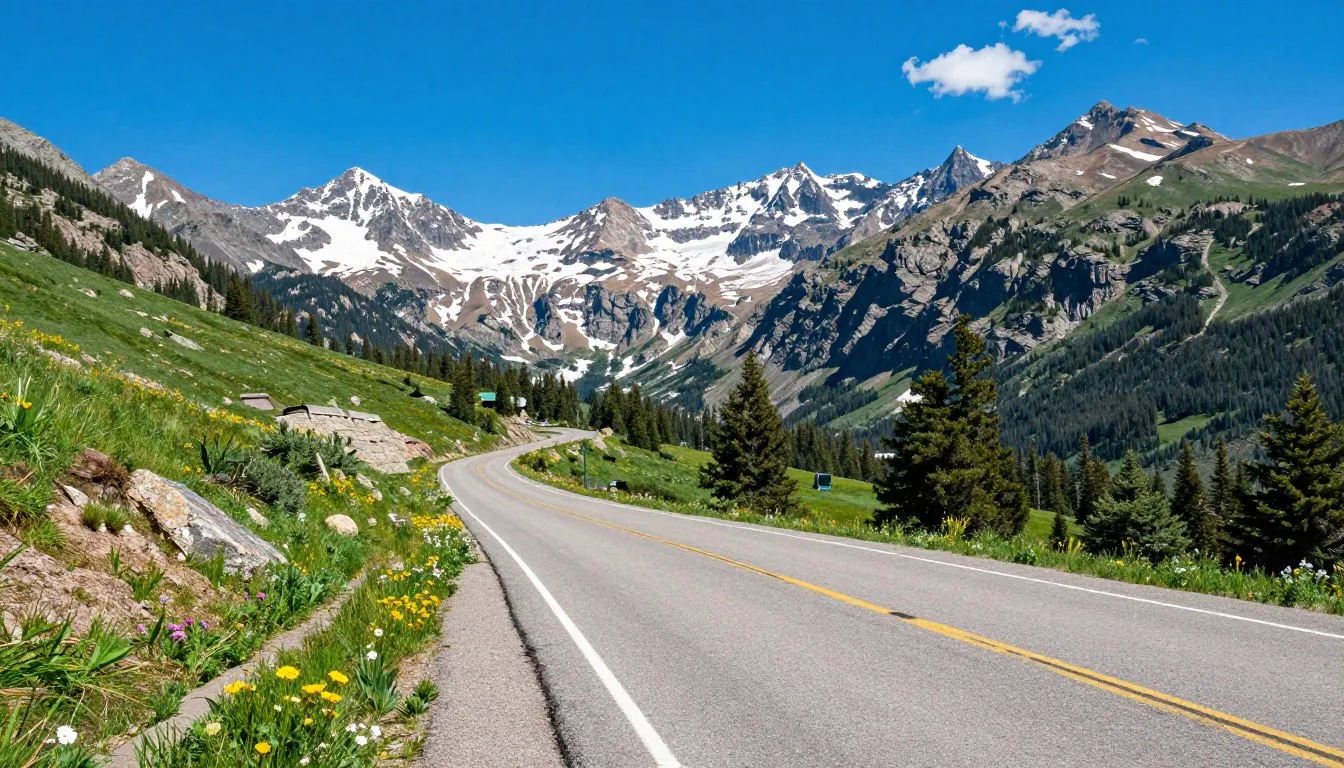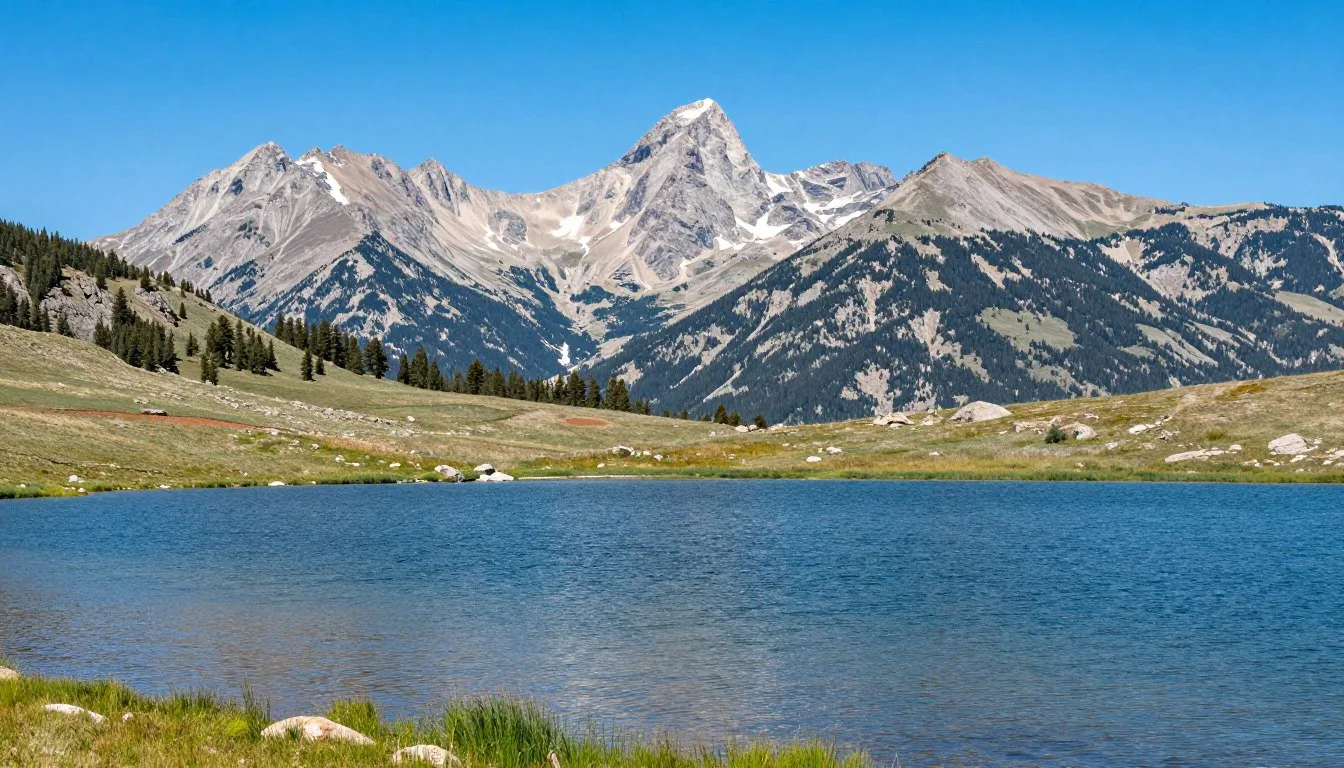
Did you know that Lathrop State Park holds the distinction of being Colorado’s very first state park, established way back in 1962? While millions flock to Rocky Mountain National Park each year, this hidden gem near Walsenburg offers something truly special. Two pristine lakes sit nestled against the dramatic backdrop of the Spanish Peaks, creating a desert oasis that feels worlds away from crowded tourist destinations.
This comprehensive guide reveals everything you need to know about Lathrop State Park. From the best fishing spots on Martin Lake to the scenic Cuerno Verde Trail with its sweeping mountain views, you will discover why this park deserves a spot on your Colorado adventure list.
Whether you seek a peaceful camping getaway, challenging water sports, or simply want to explore a piece of Colorado history, Lathrop State Park delivers authentic outdoor experiences without the overwhelming crowds found elsewhere in the state.
Getting There & Planning Your Journey
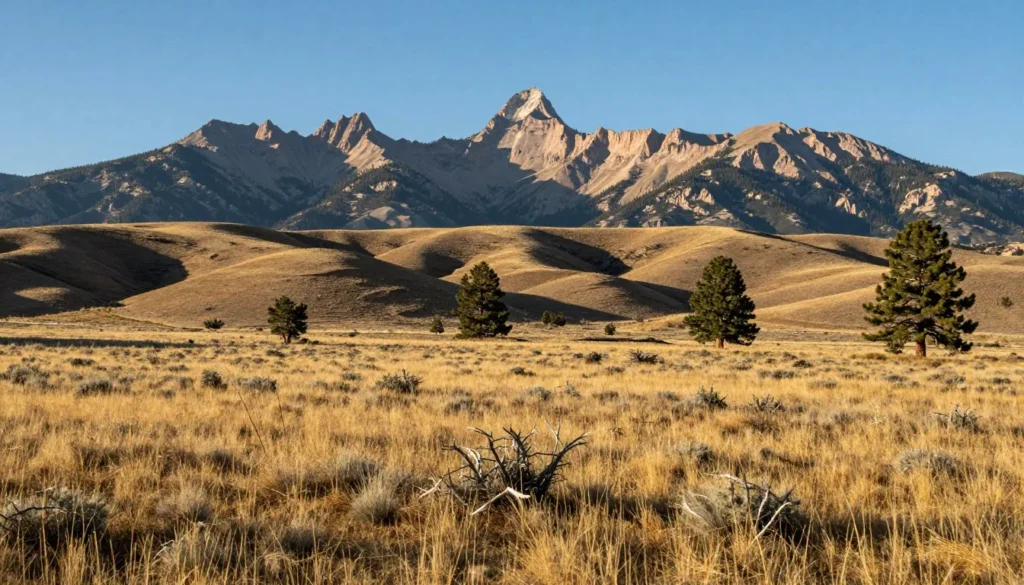
Lathrop State Park sits just 3 miles west of Walsenburg, Colorado, along U.S. Highway 160. The park enjoys an accessible location that makes it easy to reach from multiple directions. Most visitors arrive by car, as the park lies approximately 240 km (150 miles) south of Denver and 100 km (62 miles) west of Pueblo.
The closest major airport is Pueblo Memorial Airport, located about 80 km (50 miles) northeast of the park. This regional facility offers limited commercial service but provides convenient access for private aircraft. For more flight options, Colorado Springs Airport sits approximately 160 km (100 miles) north, while Denver International Airport, the state’s largest hub, is roughly 290 km (180 miles) away.
From Denver, take Interstate 25 south to Walsenburg, then head west on Highway 160. The drive typically takes three to three and a half hours, depending on traffic and weather conditions. From Pueblo, the journey westward on Highway 160 takes about an hour.
The park entrance is well-marked from Highway 160. Once you turn off the main road, a short drive brings you to the visitor center and park office. Inside the park, paved roads connect the major areas, including both lakes, campgrounds, and trailheads.
Planning Tip: Colorado state parks require a valid parks pass for entry. You can purchase a daily pass at the park entrance or buy an annual pass if you plan to visit multiple state parks during your trip. The park office accepts cash and credit cards.
Best Time to Visit & Weather Tips
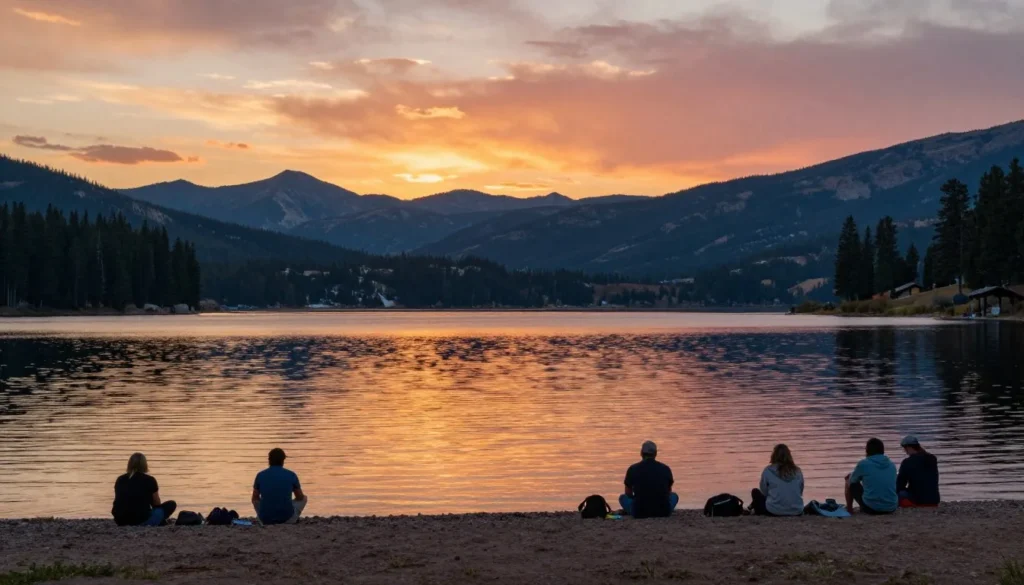
Lathrop State Park welcomes visitors year-round, but each season offers distinct advantages. The park experiences a semi-arid climate with four distinct seasons, though weather can change rapidly in the Colorado high country.
Recommended Visiting Seasons
Late spring (May to early June) ranks among the best times to visit. Temperatures hover around 21°C to 26°C (70°F to 80°F) during the day, perfect for hiking and water activities. The lakes warm up enough for swimming, and fishing picks up as fish become more active. Wildflowers bloom across the prairie, adding splashes of color to the landscape.
Early fall (September to October) provides another excellent window. Summer crowds thin out, yet weather remains pleasant with daytime temperatures between 18°C and 24°C (65°F to 75°F). The changing cottonwood trees along the shoreline create stunning golden displays. This season also brings calm winds, ideal for boating and stand-up paddleboarding.
Summer (July to August) attracts the most visitors. Expect hot days reaching 29°C to 35°C (85°F to 95°F), perfect for swimming and beach activities. The park’s two lakes offer refreshing escapes from the heat. However, afternoon thunderstorms develop regularly, so plan outdoor activities for morning hours.
Seasons to Approach with Caution
Winter (December to February) brings cold temperatures, often dropping below freezing at night. While the park stays open, many facilities close, and water activities become impossible. Strong winds sweep across the exposed prairie, creating challenging conditions. Only experienced cold-weather campers should consider winter visits.
Early spring (March to April) proves unpredictable. Colorado’s famous spring snowstorms can dump significant snow even into April. Temperatures swing wildly, from freezing mornings to warm afternoons. Mud from snowmelt can make some areas difficult to access.
Weather Preparation: The park sits at an elevation of approximately 1,950 meters (6,400 feet). At this altitude, sun exposure intensifies significantly. Always bring sunscreen, sunglasses, and a wide-brimmed hat. Afternoon thunderstorms develop quickly during summer months, so monitor weather forecasts and seek shelter at the first sign of lightning.
Monthly Weather Overview
Average daytime temperatures range from 4°C (40°F) in January to 32°C (90°F) in July. The area receives about 300 days of sunshine annually, though summer monsoon patterns bring brief but intense afternoon storms. Wind is a constant factor, particularly in spring, when gusts can exceed 65 km/h (40 mph).
Water temperatures in Martin Lake and Horseshoe Lake warm to comfortable swimming levels (20°C to 24°C or 68°F to 75°F) by late May and remain pleasant through September. Early season visitors will find the water quite cold, even on warm days.
Getting Around Locally
Navigation within Lathrop State Park is straightforward, thanks to well-maintained roads and clear signage. The park covers approximately 634 hectares (1,566 acres), but the main activity areas cluster around two focal points: Martin Lake and Horseshoe Lake.
Personal vehicles provide the primary means of transportation within the park. Paved roads connect the entrance station to both lakes, the golf course, campgrounds, and trailheads. The main park road forms a loop that makes it easy to access different areas without backtracking.
Parking areas are available at key locations throughout the park. You will find designated lots at the Martin Lake swim beach, the Horseshoe Lake boat ramp, various trailheads along the Cuerno Verde Trail, and near the visitor center. During peak summer weekends, the beach parking area can fill up by mid-morning, so arriving early ensures you get a spot close to your preferred activity area.
Bicycles offer an excellent way to explore the park. The paved roads have light traffic, and cyclists can easily pedal between the lakes and other sites. Many visitors bring bikes to access fishing spots around the shorelines or to ride the Cuerno Verde Trail, though the trail’s rugged sections suit mountain bikes better than road bikes.
Walking and Hiking
For those who prefer to explore on foot, the compact nature of the park makes walking feasible. The distance between Martin Lake and Horseshoe Lake is approximately 2 km (1.2 miles) by road. Hikers can take advantage of the Cuerno Verde Trail system, which winds through the park and offers various access points.
Accessibility Features
The park maintains accessible facilities for visitors with mobility challenges. Paved paths lead to restrooms, the visitor center, and some fishing areas. The Martin Lake swim beach includes accessible parking and pathways. However, many trails feature natural surfaces with uneven terrain that may prove challenging for wheelchairs.
No public transportation serves the park directly. Visitors without personal vehicles might consider renting a car in Pueblo or Walsenburg. Once inside the park, distances between sites remain short enough that walking becomes practical for those staying in the campgrounds.
Where to Stay
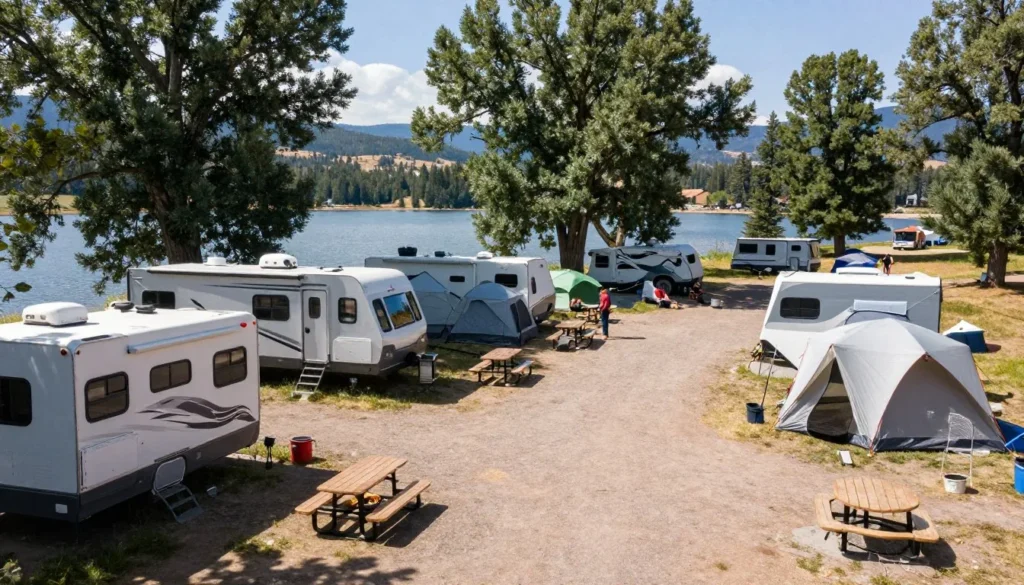
Lathrop State Park provides diverse lodging options, from developed campsites to nearby hotels in Walsenburg. Your choice depends on whether you prefer immersing yourself in nature or enjoying more amenities.
Park Campgrounds
The park operates two main campground areas with a total of 103 campsites. These sites accommodate both tents and RVs, offering electric hookups at many locations. The Pinon Campground sits near Martin Lake, providing easy access to swimming and fishing. The Yucca Campground, located closer to Horseshoe Lake, attracts boaters and anglers targeting this quieter water body.
Each campsite includes a picnic table and fire ring. Modern restroom facilities with showers serve both campground areas. Several sites can accommodate larger RVs up to 11 meters (35 feet) in length. The campgrounds also feature pull-through sites that make parking easier for vehicles with trailers.
Reservations are highly recommended, especially for summer weekends and holidays. The state parks reservation system allows booking up to six months in advance. Some sites remain available on a first-come, first-served basis, but these fill quickly during peak season.
Group Camping
The park designates specific sites for group camping, ideal for family reunions or organized outings. These larger areas can accommodate multiple tents or RVs and include extra parking space. Group sites require advance reservations and have minimum party size requirements.
Nearby Hotel Options
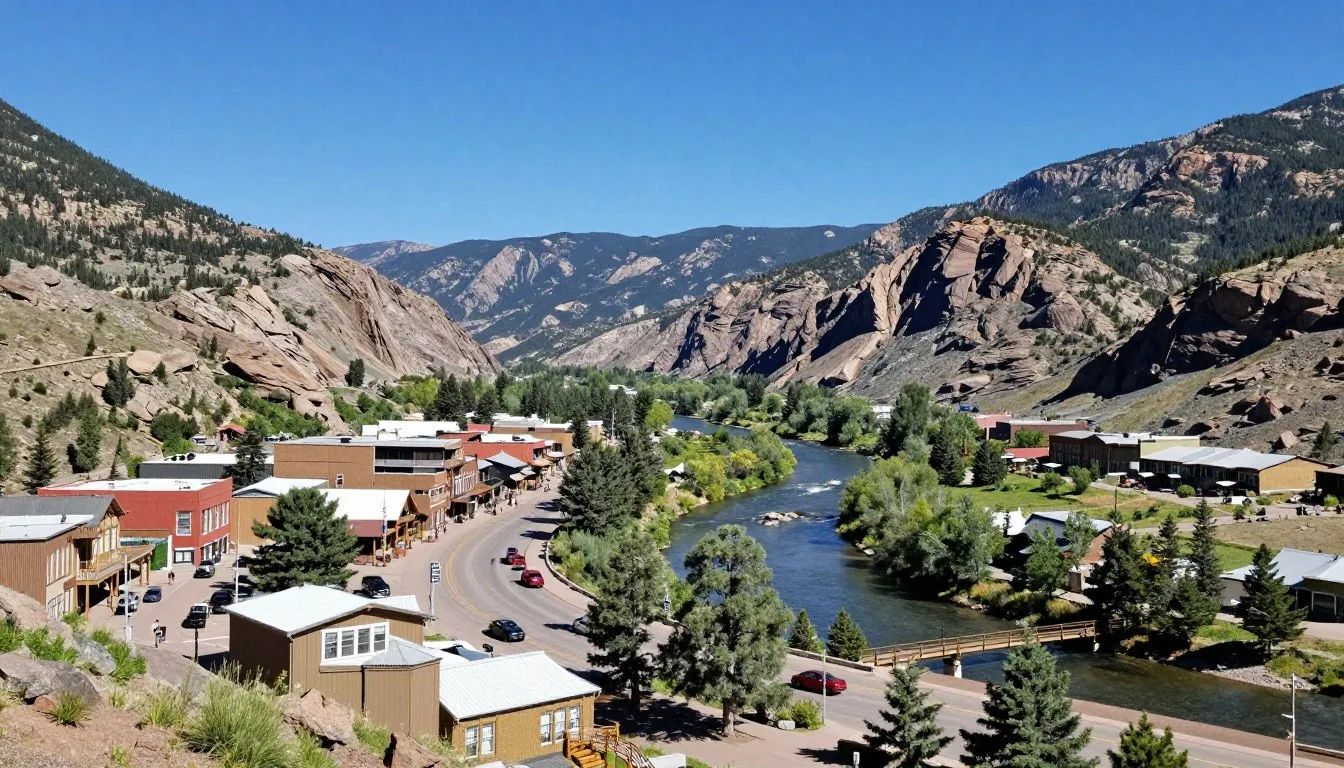
Walsenburg, just a short drive from the park, offers several hotels and motels for visitors preferring traditional accommodations. These range from budget-friendly chains to locally owned properties. Staying in town provides easy access to restaurants and services while keeping you close to the park for day visits.
The town of La Veta, approximately 24 km (15 miles) west, provides additional lodging options including bed-and-breakfasts and vacation rentals. This charming mountain community offers a quieter alternative with artistic character and views of the Spanish Peaks.
Camping Reservations: Sites book fast during summer months and holiday weekends. Make reservations as early as possible to secure your preferred dates and locations within the park.
Dining & Local Cuisine
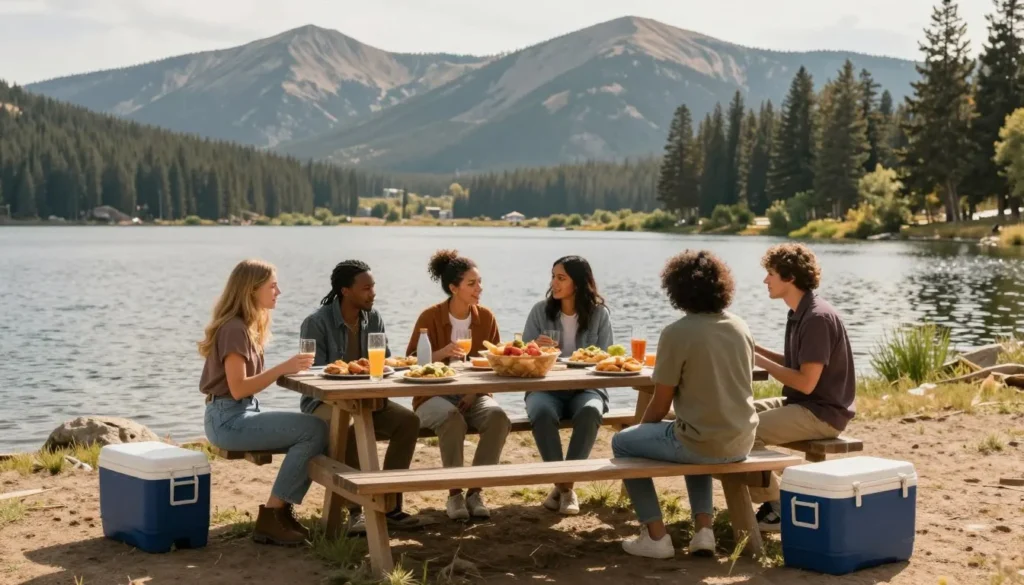
Lathrop State Park does not have restaurants or food services within its boundaries, so visitors should plan accordingly. Most people pack coolers with food and drinks for their park visit, taking advantage of the numerous picnic areas scattered around both lakes.
Picnic Facilities
The park provides well-maintained picnic sites with tables and grills. Shaded areas under cottonwood trees near Martin Lake create pleasant spots for midday meals. Horseshoe Lake also features picnic areas with scenic water views. Many campsites double as excellent picnic locations, even for day visitors.
Bring portable grills or use the provided fire rings for cookouts. Remember that fire restrictions may apply during dry periods, so check current regulations at the visitor center before lighting any fires.
Nearby Dining in Walsenburg
Walsenburg offers several dining options just a few minutes from the park entrance. Local restaurants serve a mix of American comfort food, Mexican cuisine, and fast food options. The town’s proximity makes it easy to grab breakfast before heading to the park or enjoy dinner after a day of outdoor activities.
Several cafes in Walsenburg open early, perfect for picking up coffee and breakfast burritos before hitting the trails. Small grocery stores in town allow visitors to stock up on supplies, ice, and last-minute items for their park stay.
Regional Flavors
Southern Colorado cuisine reflects the region’s Hispanic heritage and ranching culture. Many local eateries feature New Mexican-style dishes with green and red chile sauces. You will find hearty portions designed for outdoor enthusiasts who have worked up an appetite on the trails or water.
For a more extensive selection of restaurants and specialty food stores, Pueblo lies about an hour northeast. This larger city offers everything from authentic Mexican restaurants in its historic district to modern breweries and farm-to-table establishments.
Planning Meals: Stock up on groceries and supplies before arriving at the park, especially for multi-day camping trips. The nearest full-service grocery stores are in Walsenburg. Keep food stored properly to avoid attracting wildlife, and always pack out all trash and recyclables.
Attractions, Sightseeing & Activities
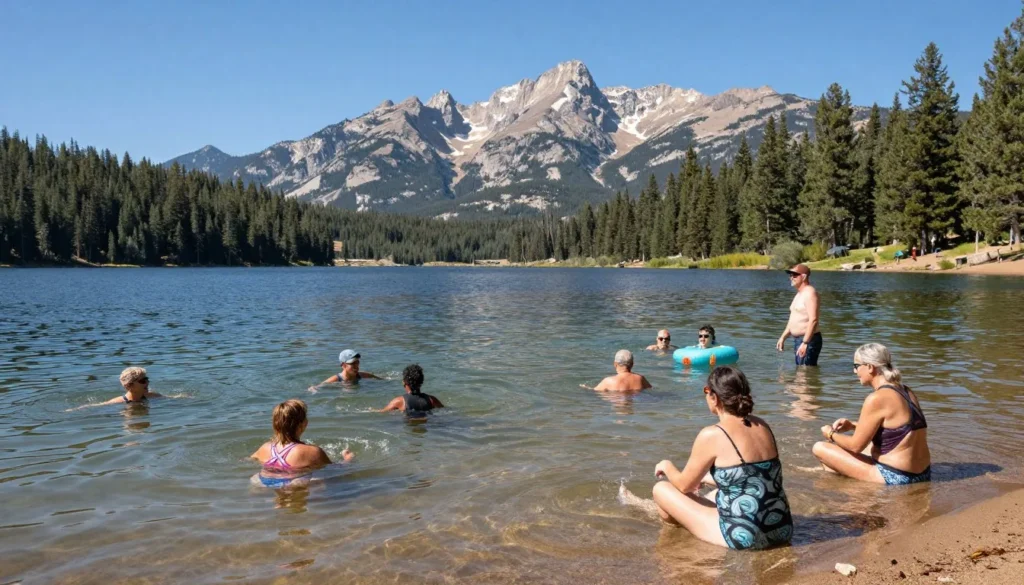
Lathrop State Park centers around its two distinctive lakes, each offering unique recreational opportunities. Martin Lake, the larger of the two at approximately 162 hectares (400 acres), serves as the park’s aquatic playground. Horseshoe Lake, smaller at about 65 hectares (160 acres), provides a quieter setting for fishing and non-motorized boating.
Water Recreation at Martin Lake
Martin Lake allows motorized boats, making it the go-to spot for water skiing, wakeboarding, and jet skiing. The lake’s size provides plenty of room for boaters to spread out. A concrete boat ramp with parking for vehicles and trailers makes launching easy.
The designated swim beach on Martin Lake attracts families throughout summer. Lifeguards are not on duty, so swimmers accept responsibility for their own safety. The sandy beach area includes shade structures, restrooms, and a bathhouse with changing facilities. Water quality remains high, though periodic testing occurs to ensure safe swimming conditions.
Anglers target several fish species in Martin Lake, including rainbow trout, bass, and catfish. The Colorado Parks and Wildlife department regularly stocks the lake with trout, particularly in spring and fall. Shore fishing access points circle much of the lake, while boat anglers can reach deeper waters where larger fish often hold.
Horseshoe Lake Experiences
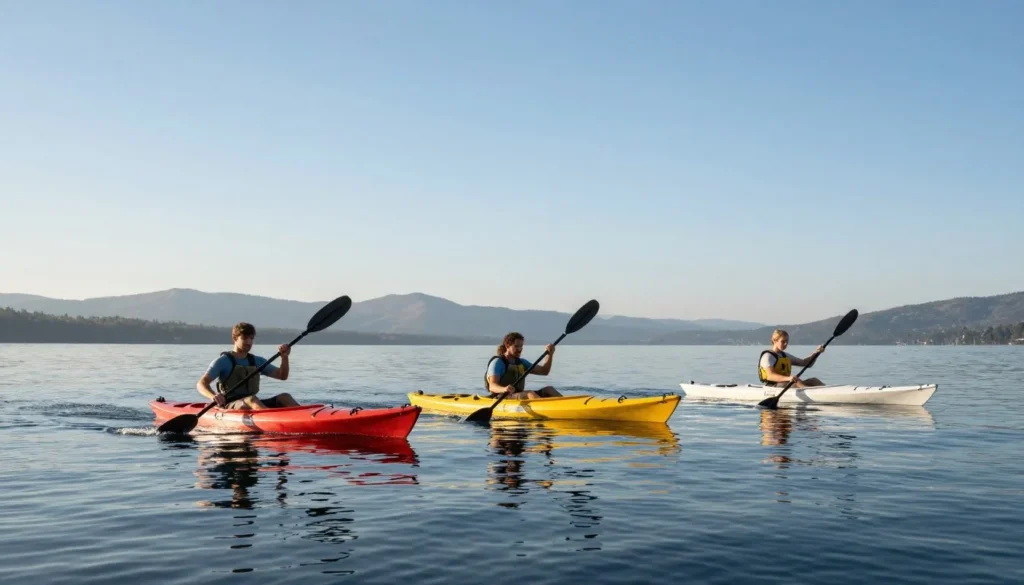
Horseshoe Lake prohibits motorized watercraft, creating a peaceful environment for kayaking, canoeing, and stand-up paddleboarding. The calmer atmosphere makes this lake ideal for beginners learning paddle sports or families with young children. A boat ramp accommodates non-motorized craft.
Fishing at Horseshoe Lake tends to be more productive than Martin Lake, according to many regular visitors. The quieter conditions and abundant structure along the shoreline create excellent habitat for bass and trout. Ice fishing becomes possible during winter when the lake freezes sufficiently.
Lathrop State Park Golf Course
The 9-hole Lathrop State Park Golf Course provides an unexpected amenity at a state park. This public course welcomes players of all skill levels, from beginners to experienced golfers. The layout takes advantage of the natural terrain, with views of the Spanish Peaks adding scenic beauty to your round.
The course maintains reasonable green fees, making it an affordable option for a morning or afternoon round. A small pro shop rents clubs and sells balls and other essentials. While not a championship course, it offers an enjoyable way to spend a few hours between other park activities.
Hiking the Cuerno Verde Trail
The Cuerno Verde Trail system provides the park’s premier hiking experience. This network of trails totals approximately 11 km (7 miles) and winds through varied terrain around both lakes and into the surrounding hills. The trail takes its name from a Comanche chief who fought Spanish forces in this area during the late 1700s.
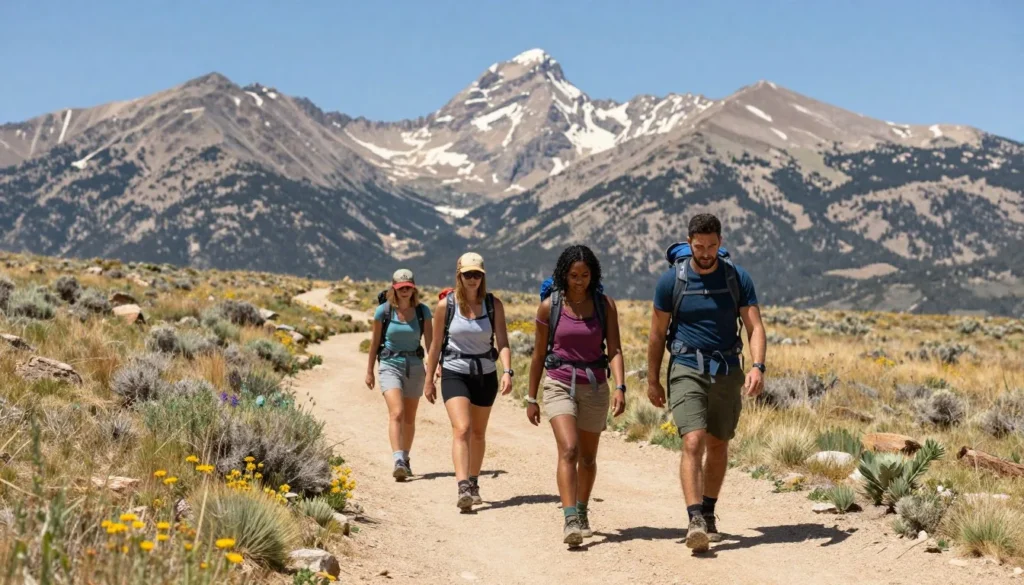
Trail sections range from easy lakeside walks to moderate climbs that reward hikers with panoramic views. The western portions of the trail climb into rolling hills, offering perspectives of both lakes and the Spanish Peaks. These higher vantage points make excellent spots for photography, especially during golden hour.
Wildlife viewing opportunities abound along the Cuerno Verde Trail. Deer frequently graze in the early morning and evening. Bird watchers spot various species, from waterfowl on the lakes to raptors soaring above the prairie. The diverse habitat supports everything from songbirds to occasional eagles.
Multiple trailheads provide access to the Cuerno Verde Trail system, allowing hikers to choose shorter out-and-back routes or complete longer loops. Trail markers keep you oriented, though bringing a trail map from the visitor center helps. Some sections feature rocky terrain, so sturdy hiking boots are recommended over casual sneakers.
Mountain Biking Options
Mountain bikers enjoy riding portions of the Cuerno Verde Trail that permit bikes. The varied terrain challenges riders with technical sections while offering flowy segments through open areas. The trails typically stay rideable even after rain, as the sandy soil drains quickly.
Remember that trails are shared use, so cyclists should yield to hikers and horses. The park’s relatively compact size means you can cover significant ground on a bike, exploring different areas in a single ride.
Museums, Cultural Spots & Festivals
While Lathrop State Park focuses primarily on outdoor recreation, the surrounding region offers cultural and historical attractions worth exploring. The park itself holds significance as Colorado’s first state park, representing an important milestone in the state’s conservation history.
Regional Museums
The Walsenburg Mining Museum in nearby Walsenburg preserves the area’s coal mining heritage. Southern Colorado’s economy once depended heavily on coal extraction, and this small museum tells the stories of the miners and their families. Exhibits include mining equipment, photographs, and artifacts from the late 1800s and early 1900s.
Fort Francisco Museum, also in Walsenburg, occupies a historic plaza building. Collections focus on regional history, including Native American artifacts, pioneer era items, and displays about the area’s Hispanic heritage. The museum operates limited hours, so call ahead to confirm it will be open during your visit.
Cultural Heritage
The Spanish Peaks region holds deep cultural significance. Native American tribes, including the Comanche and Ute, considered these mountains sacred. Spanish explorers passed through this area in the 1700s, giving the peaks their current name. The Cuerno Verde Trail commemorates the Comanche leader who defended his people against Spanish forces.
Hispanic culture remains strong in southern Colorado. Many towns in the area celebrate feast days and traditional festivals throughout the year. These events often feature traditional music, dancing, and food that reflect centuries of cultural continuity.
Art and Artists
The nearby town of La Veta has evolved into a small arts community. Several galleries showcase work by local painters, sculptors, and craftspeople inspired by the dramatic landscape. The Spanish Peaks serve as a muse for many artists, appearing in countless paintings and photographs.
La Veta hosts occasional art walks and studio tours, typically during summer months. These events allow visitors to meet artists, view their work, and purchase pieces directly from the creators.
Seasonal Events
Walsenburg and surrounding communities hold several annual events that can enhance your visit. The Fourth of July brings fireworks and community celebrations. Fall harvest festivals celebrate the agricultural heritage of the area. Check local event calendars when planning your trip to see if any special events coincide with your visit.
The park itself occasionally hosts interpretive programs led by rangers or volunteers. These might include guided nature walks, evening programs about local wildlife, or historical presentations. Stop by the visitor center to learn about any scheduled programs during your stay.
Nature & Outdoor Experiences
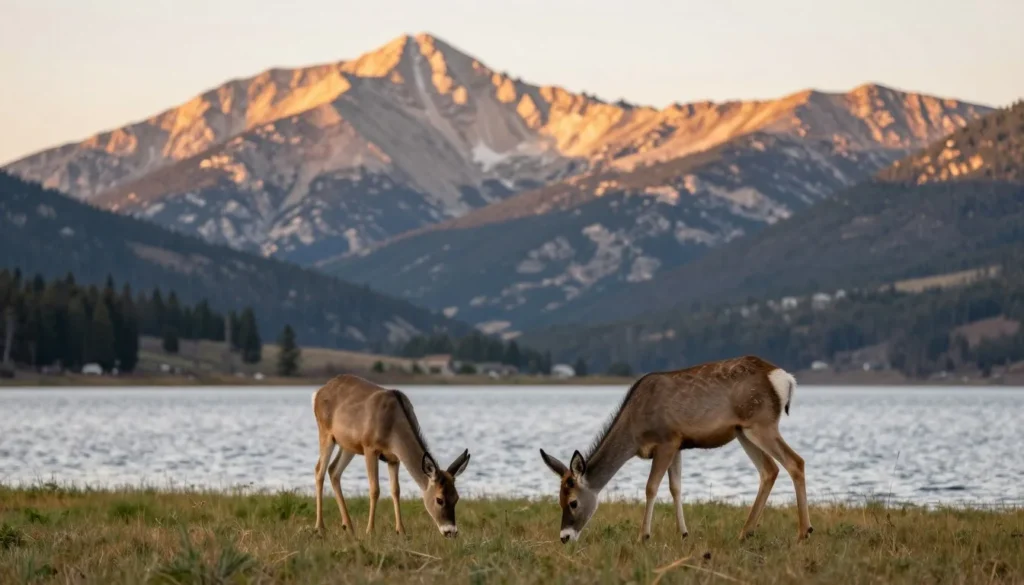
Lathrop State Park’s location in the transition zone between prairie and mountains creates exceptional biodiversity. Visitors encounter ecosystems that range from wetland areas around the lakes to high desert grasslands and rocky outcrops.
Wildlife Watching
The park supports healthy populations of mule deer, which browse throughout the area year-round. Early morning and late evening provide the best opportunities to observe these graceful animals. They often feed along the lake shores or in the grasslands near the campgrounds.
Smaller mammals include cottontail rabbits, prairie dogs in certain areas, and occasional coyotes. While less commonly seen, bobcats and mountain lions inhabit the wilder portions of the park and surrounding lands. Always maintain safe distances from all wildlife and never attempt to feed animals.
Bird watching ranks among the park’s most rewarding activities. Water birds such as grebes, ducks, and herons frequent both lakes. The surrounding grasslands attract meadowlarks, sparrows, and other songbirds. Raptors including golden eagles, red-tailed hawks, and prairie falcons soar overhead, hunting for small mammals.
Serious birders bring binoculars and field guides to identify the diverse species. The park’s position along migration routes means spring and fall bring additional species passing through the area. The mixture of water, grassland, and scattered trees creates varied habitat that supports different bird communities.
Flora and Vegetation
The plant communities at Lathrop State Park reflect the semi-arid climate. Native grasses dominate the landscape, including blue grama, buffalo grass, and various species of bunchgrass. These hardy plants have evolved to survive on limited rainfall and intense summer heat.
Yucca plants dot the hillsides, their spiky leaves and tall flower stalks distinctive landmarks. In late spring, yucca produce dramatic white flower clusters that attract pollinators. Prickly pear cactus grows in rocky areas, blooming with colorful flowers in early summer.
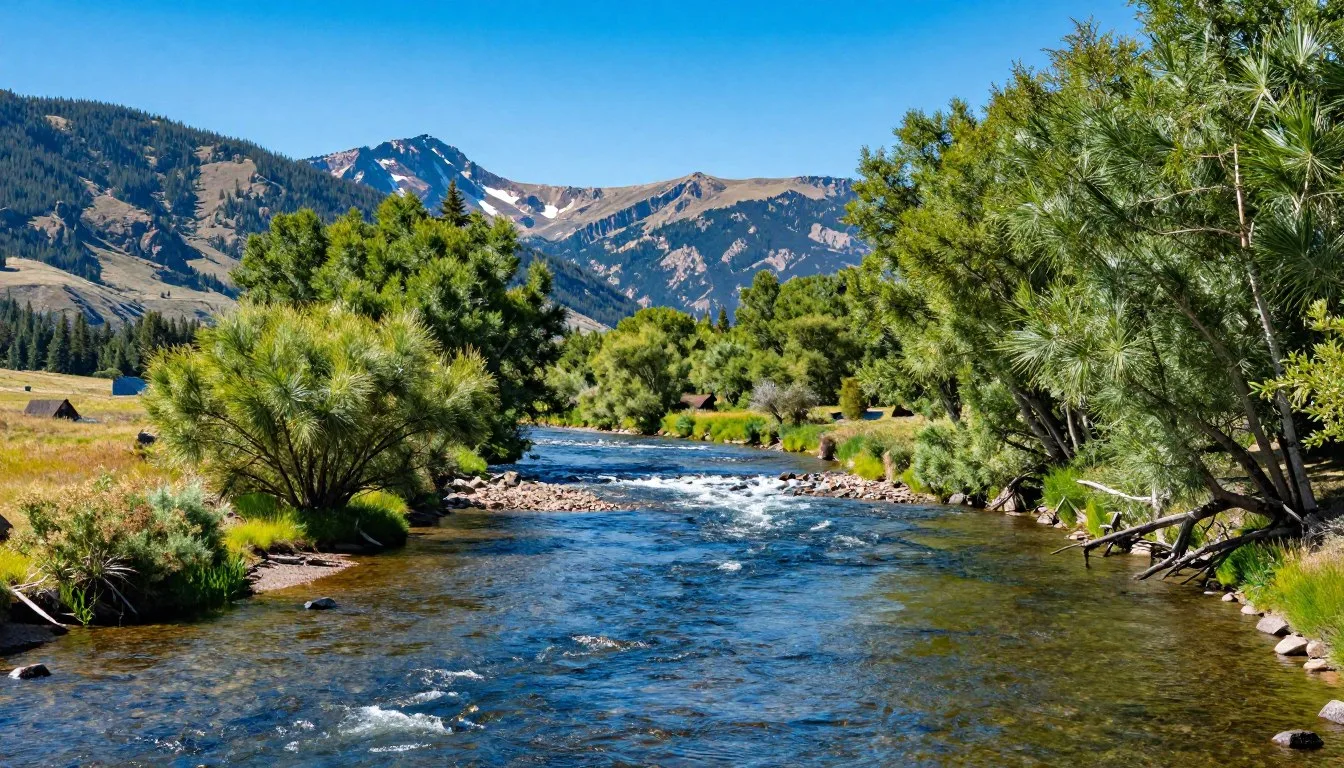
Cottonwood trees cluster along the lake shores and in drainages, their presence marking where water remains available. These large trees provide critical shade and habitat. In fall, their leaves turn brilliant gold, creating stunning displays against the blue water and mountains.
Wildflower enthusiasts time their visits for late spring when prairie flowers bloom. Depending on winter moisture, displays can range from modest to spectacular. Common species include prairie coneflower, Indian paintbrush, and various sunflowers.
The Spanish Peaks Vista
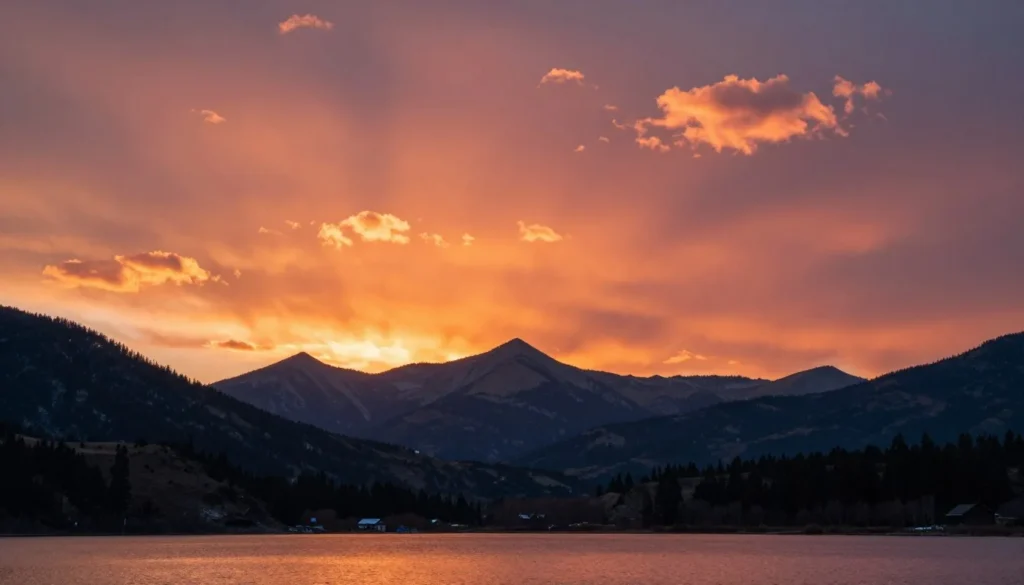
The Spanish Peaks dominate the western skyline from virtually every point in the park. These twin mountains, rising to approximately 4,159 meters and 4,011 meters (13,626 feet and 13,159 feet), have served as landmarks for centuries. Indigenous peoples, Spanish explorers, and American pioneers all navigated by these distinctive peaks.
Geologically, the Spanish Peaks represent volcanic intrusions that pushed up through surrounding sedimentary rock millions of years ago. Radiating dikes—walls of harder volcanic rock—fan out from the peaks, creating unique formations visible for miles.
Photography enthusiasts find endless compositions with the peaks as a backdrop. Early morning and late afternoon light paints the mountains in warm tones. Storm clouds often gather around the summits, creating dramatic skies. Winter brings snow to the peaks while the park area below may remain relatively clear.
Stargazing Opportunities
Limited light pollution makes Lathrop State Park an excellent stargazing location. Clear, dark skies reveal countless stars, planets, and the Milky Way during moonless nights. The park’s elevation and dry climate contribute to exceptional viewing conditions.
Bring a blanket and lie back to watch for meteors and satellites. Binoculars or a small telescope enhance the experience, revealing star clusters and nebulae invisible to the naked eye. The park sometimes hosts astronomy programs where volunteers set up telescopes for public viewing.
Safety, Etiquette & Local Customs
Visiting Lathrop State Park safely requires awareness of both natural hazards and proper outdoor etiquette. Understanding local expectations ensures positive experiences for everyone.
Water Safety
No lifeguards patrol the swim beach at Martin Lake. All swimming occurs at your own risk. Always supervise children closely near water. Lake conditions can change quickly, with afternoon winds creating choppy waves.
Boaters must follow Colorado regulations, including proper life jacket requirements. Children under 13 must wear life jackets at all times while on boats. Anyone operating a motorized watercraft should be familiar with safe boating practices and right-of-way rules.
Water temperatures, even in summer, remain cool enough to cause hypothermia if you stay in too long. This particularly affects swimmers at the start and end of the season. Know the signs of cold water shock and hypothermia.
Sun and Heat Precautions
The high elevation and open terrain mean intense sun exposure. Sunburn can occur quickly, even on partly cloudy days. Apply broad-spectrum sunscreen with high SPF regularly throughout the day. Wear protective clothing, including wide-brimmed hats and sunglasses with UV protection.
Dehydration poses a serious risk during summer visits. The combination of heat, low humidity, and altitude causes rapid fluid loss. Carry more water than you think you will need, and drink regularly before feeling thirsty. Signs of dehydration include headache, dizziness, and dark urine.
Weather Awareness
Summer thunderstorms develop rapidly in the afternoon. Lightning presents extreme danger in the exposed terrain around the lakes. If you see lightning or hear thunder, immediately leave the water and seek substantial shelter. Avoid isolated trees, hilltops, and open areas.
Check weather forecasts before your visit, but remain alert to changing conditions. Dark clouds building over the Spanish Peaks often signal approaching storms. Have a plan for where you will shelter if severe weather develops.
Emergency Services: Cell phone coverage exists in most areas of the park but can be unreliable in some locations. In case of emergency, contact park rangers at the visitor center or call 911. The nearest hospital is in Walsenburg. For non-emergencies, the park office can assist with questions or concerns.
Wildlife Etiquette
Observe wildlife from safe distances. Never approach, feed, or attempt to touch wild animals. Feeding wildlife creates dangerous dependencies and can lead to aggressive behavior. Animals that become habituated to humans often must be relocated or destroyed.
Store food properly in vehicles or bear-proof containers if provided. While bears rarely visit the park, other animals including raccoons and skunks will investigate campsites for food. Clean up cooking areas and dispose of garbage in designated containers.
Trail Courtesy
On shared-use trails, hikers yield to horses, and both hikers and horses have the right of way over bicycles. Step to the downhill side of trails when allowing others to pass. Keep to designated trails to prevent erosion and protect vegetation.
Groups should avoid blocking trails for extended periods. If you stop for breaks or photos, move to the side. Keep noise levels reasonable to preserve the natural atmosphere for other visitors.
Leave No Trace Principles
Pack out everything you pack in. Dispose of trash and recyclables in proper containers. If containers are full, take your garbage with you. Cigarette butts count as litter—never toss them on the ground or in fire rings.
Respect quiet hours in campgrounds, typically from 10 PM to 6 AM. Keep music at reasonable volumes even during the day. Your campsite neighbors came to enjoy nature, not your playlist.
Fire Safety
Use established fire rings in designated areas only. Check current fire restrictions before lighting any fire, as bans frequently go into effect during dry periods. Never leave fires unattended, and ensure they are completely extinguished before leaving or going to sleep.
Collect only dead and down wood for campfires. Do not cut live vegetation or remove standing dead trees, which provide wildlife habitat. Consider bringing your own firewood to avoid spreading invasive species and tree diseases.
Visitor Comments About Lathrop State Park
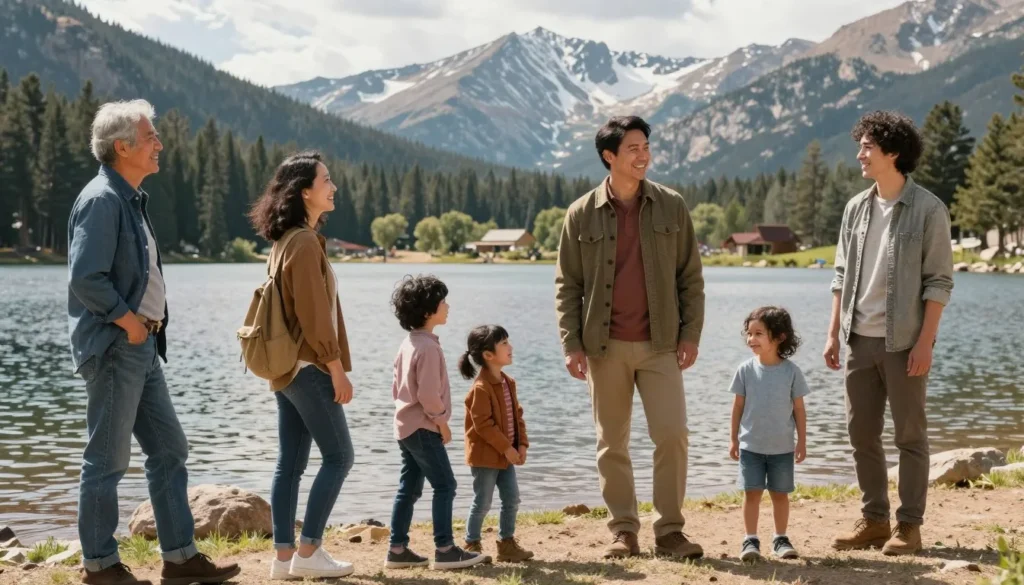
“We spent three days camping at Lathrop State Park and loved every minute. The sites were clean and well-spaced, giving us plenty of privacy. Our kids spent hours at the beach on Martin Lake while we fished from shore. The views of the Spanish Peaks are absolutely stunning, especially at sunset. We will definitely return next summer.”
“As someone who enjoys quieter outdoor experiences, Horseshoe Lake was perfect. I kayaked for hours without encountering crowds or loud motorboats. The fishing exceeded my expectations—I caught several nice bass using topwater lures in the morning. The Cuerno Verde Trail offered a great hike with rewarding views. This park feels like a hidden gem that more people should discover.”
“Lathrop surprised us in the best way. We stopped for just a day trip while driving through Colorado and ended up staying two nights. The golf course provided a fun diversion from water activities, and the whole family enjoyed stand-up paddleboarding on the calm lake. Park staff were friendly and helpful. The location makes a great base for exploring southern Colorado without the crowds you find near more famous destinations.”
Additional Nearby Destinations
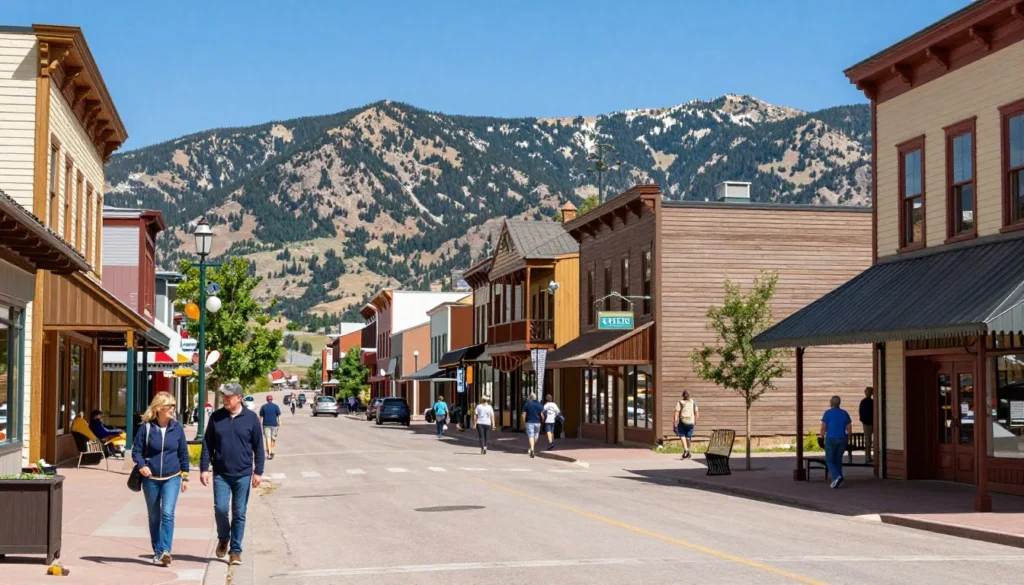
Lathrop State Park serves as an excellent base for exploring southern Colorado’s diverse attractions. Several worthwhile destinations lie within easy driving distance.
La Veta and the Highway of Legends
The town of La Veta, approximately 24 km (15 miles) west, offers artistic character and mountain charm. Browse galleries showcasing local artists, enjoy meals at small cafes, and explore shops featuring handcrafted goods. La Veta also provides access to the Highway of Legends Scenic Byway.
This 133 km (82 mile) loop circles the Spanish Peaks through spectacular mountain scenery. The route passes historic sites, old mining towns, and dramatic geological formations. Allow a full day to drive the byway with stops for photos and short hikes.
Great Sand Dunes National Park
North America’s tallest sand dunes rise approximately 160 km (100 miles) west of Lathrop. These massive dunes, some reaching heights over 230 meters (750 feet), create an otherworldly landscape backed by the Sangre de Cristo Mountains. The park offers hiking on dunes, seasonal creek play, and excellent stargazing.
The drive from Lathrop takes about two hours. Consider making this a full-day excursion or even an overnight trip to experience sunset and sunrise at the dunes.
Trinidad and Cokedale
Trinidad, about 80 km (50 miles) south, preserves Victorian architecture and coal mining history. The historic downtown features buildings from the late 1800s housing museums, shops, and restaurants. Nearby Cokedale, a remarkably intact company coal town, offers glimpses into early 20th-century mining community life.
Pueblo and Lake Pueblo State Park
The city of Pueblo, roughly 80 km (50 miles) northeast, provides urban amenities including shopping, diverse dining, and cultural attractions. The Historic Arkansas Riverwalk winds through downtown, featuring restaurants, shops, and boat rides.
Lake Pueblo State Park, on Pueblo’s west side, offers another excellent water recreation destination. This much larger reservoir attracts sailors, windsurfers, and anglers. The park maintains extensive campgrounds and miles of shoreline to explore.
San Luis Valley
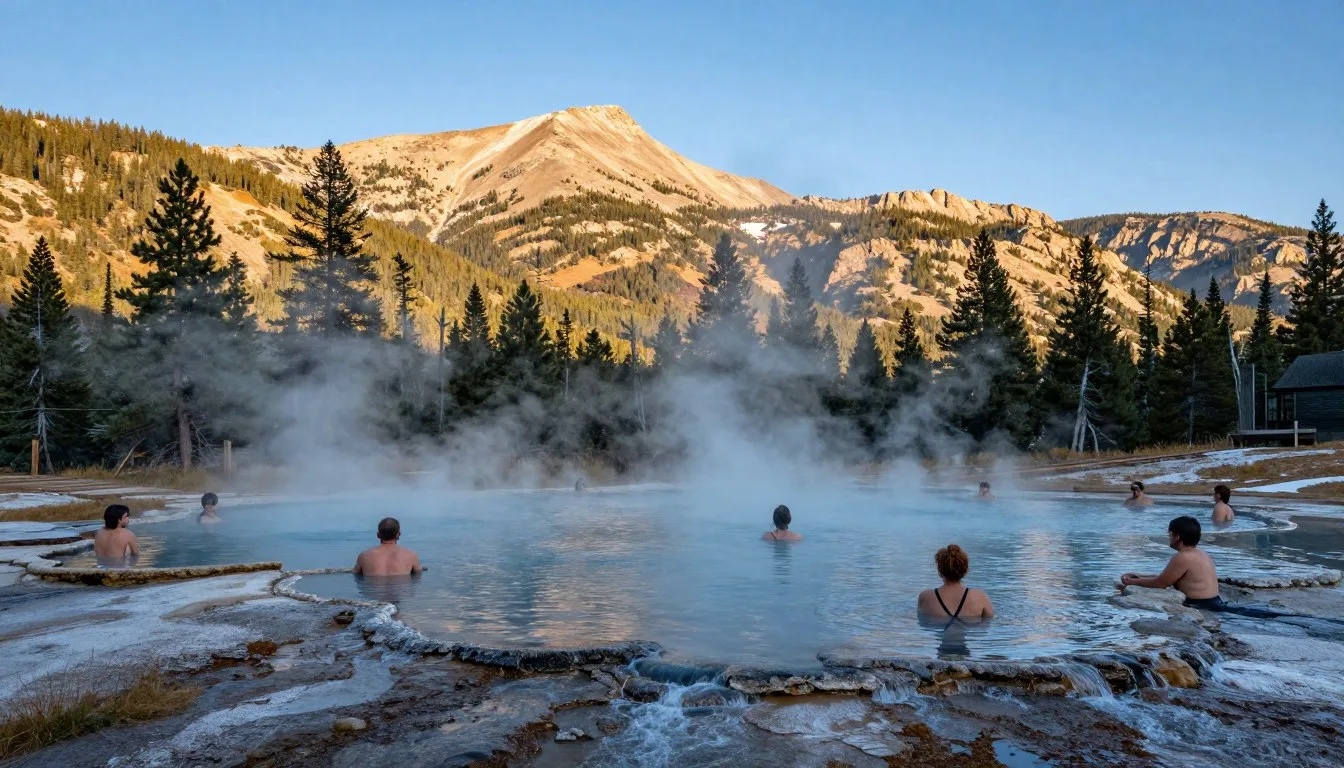
West of the Spanish Peaks lies the broad San Luis Valley, a high-altitude basin surrounded by mountains. This area features hot springs, wildlife refuges, and unique cultural attractions including the Stations of the Cross shrine near San Luis, Colorado’s oldest town.
The valley’s wide-open spaces and agricultural landscape contrast dramatically with the mountain scenery. Artists are drawn to the exceptional light quality and expansive vistas.
Practical Travel Tips
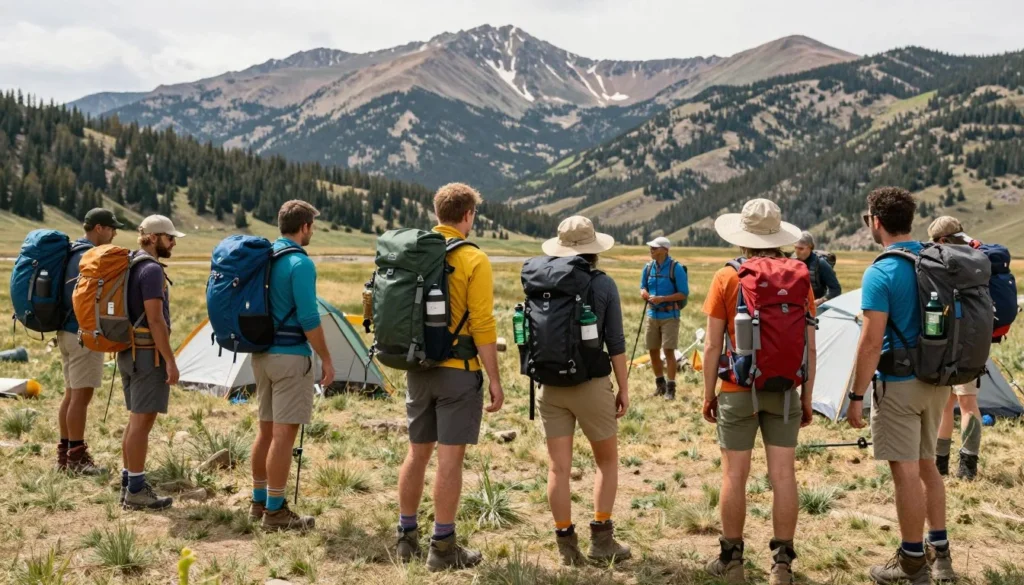
Successful visits to Lathrop State Park require some advance planning and preparation. These practical tips help ensure smooth, enjoyable experiences.
Park Passes and Fees
Colorado state parks require valid passes for entry. Daily passes can be purchased at the park entrance. Annual passes provide better value for frequent visitors or those planning to explore multiple state parks. Passes are also available online through Colorado Parks and Wildlife.
Camping fees are separate from entrance fees. Rates vary based on site type and amenities. Reservations carry a small booking fee but guarantee your site, especially important during peak season.
Best Times to Arrive
For day visits during summer weekends, arrive before 10 AM to secure parking near popular areas like the swim beach. Midweek visits encounter fewer crowds. Campers checking in should aim for early afternoon, as most checkout times are noon and sites become available shortly after.
What to Bring
Essential items include sunscreen, wide-brimmed hats, sunglasses, and plenty of water. Even on short hikes, carry more water than you think necessary. The dry climate and elevation cause rapid dehydration.
Swimmers need towels, water shoes for rocky areas, and reef-safe sunscreen to protect the lake ecosystem. Anglers should have valid Colorado fishing licenses, available online or at sporting goods stores.
Campers should bring warm sleeping bags even for summer visits. Temperatures can drop significantly at night. A good tent, sleeping pad, and layered clothing ensure comfortable overnight stays.
Cell Phone and Internet
Cell coverage generally works throughout the park, though some areas may have weak signals. Don’t rely entirely on your phone for navigation or emergencies. Carry paper maps and know where the visitor center and park office are located.
Wi-Fi is not available in the park. Consider this a chance to disconnect and enjoy nature without digital distractions.
Pet Policies
Pets are welcome but must remain on leashes no longer than 1.8 meters (6 feet) at all times. Clean up after your pets and dispose of waste properly. Pets are not allowed on swim beaches or in park buildings. Never leave pets unattended in vehicles, especially during warm weather.
Fishing Regulations
All anglers 16 and older need valid Colorado fishing licenses. Licenses are available for various durations from one day to annual passes. Special regulations may apply to certain species or waters, so check current Colorado Parks and Wildlife rules.
Practice catch and release for larger fish to maintain healthy populations. Use barbless hooks to reduce injury to fish you intend to release. Respect size and bag limits to ensure sustainable fishing for future visitors.
Accessibility Services
The visitor center provides information about accessible facilities throughout the park. Some fishing areas, picnic sites, and restrooms meet ADA accessibility standards. Call ahead to discuss specific needs and get detailed information about accessible options.
Visitor Center Resources
Stop at the visitor center when you arrive to pick up maps, learn about current conditions, and ask questions. Staff can advise on the best fishing spots, trail conditions, and any special programs scheduled during your visit. The center also sells ice, firewood, and basic camping supplies.
Contact Information: For current conditions, program schedules, or specific questions before your visit, contact the park office during business hours. Staff can provide detailed information to help you plan your activities.
Seasonal Considerations
Summer visitors should prepare for afternoon thunderstorms. Bring rain gear and have shelter plans. Winter visitors need appropriate cold-weather gear and should check road conditions before traveling, as snow can make access challenging.
Spring brings unpredictable weather and possible mud. Fall offers the most stable conditions but shorter daylight hours require adjusted activity schedules.
Nearby Services
Walsenburg provides the nearest full services including gas stations, grocery stores, medical facilities, and auto repair. Stock up on supplies before entering the park. The next nearest town with services is Trinidad to the south or Pueblo to the northeast.
Banking services and ATMs are available in Walsenburg. Some park fees and camp store purchases may require cash, so arrive prepared.
Your Adventure Awaits at Colorado’s First State Park
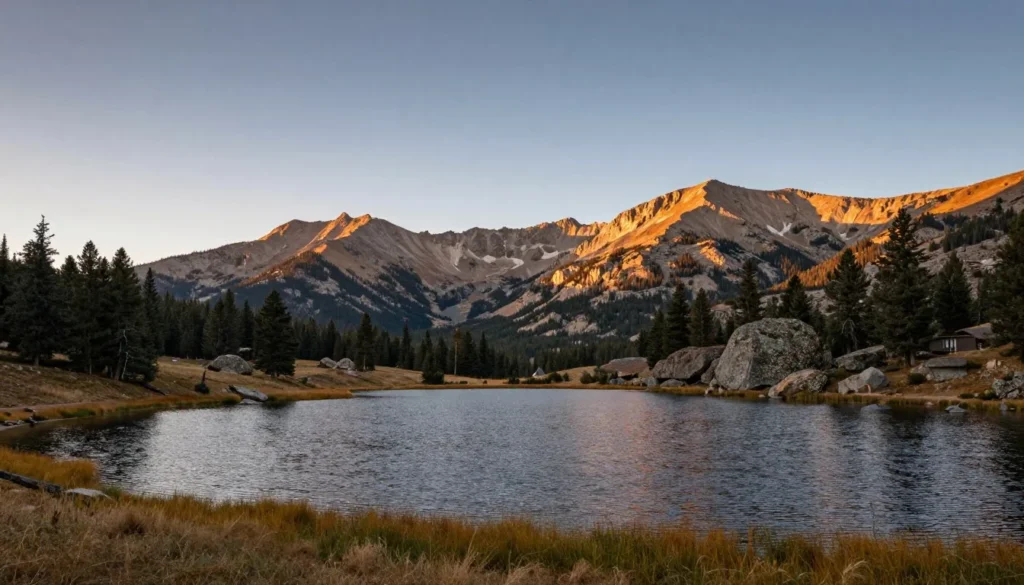
Lathrop State Park delivers authentic Colorado experiences without overwhelming crowds or complicated logistics. Whether you cast a line into Horseshoe Lake at dawn, hike the Cuerno Verde Trail as the Spanish Peaks glow in afternoon light, or simply relax on the beach watching your kids play in the water, this historic park rewards visitors with simple pleasures and natural beauty.
The combination of two distinct lakes, diverse recreational activities, and stunning mountain vistas creates a destination that appeals to everyone from serious outdoor enthusiasts to families seeking weekend escapes. As Colorado’s first state park, Lathrop carries a legacy of conservation and public access to wild spaces that continues today.
Start planning your visit to discover why this southern Colorado gem has attracted visitors for over six decades. The beaches, trails, and campsites of Lathrop State Park are waiting to become part of your Colorado story.