Hotels by Trip.com
Flights by Trip.com
Did you know that Loveland Pass reaches an elevation of 11,990 feet (3,655 m), making it one of the highest paved mountain passes in North America? This remarkable Colorado mountain pass remains open year-round, offering travelers an alternative route when the Eisenhower Tunnel closes to vehicles carrying hazardous materials.
Straddling the Continental Divide in the heart of the Rocky Mountains, Loveland Pass Colorado delivers breathtaking alpine views that few other places can match. Whether you visit during winter months when snow blankets the landscape or summer season when wildflowers carpet the mountainside, this iconic mountain pass provides unforgettable experiences for every type of traveler.
This comprehensive guide reveals everything you need to know about visiting Loveland Pass. From the best hiking trails and scenic viewpoints to practical tips about weather patterns and safety considerations, you will discover why this Colorado destination deserves a spot on your travel itinerary.
Getting There & Planning Your Journey
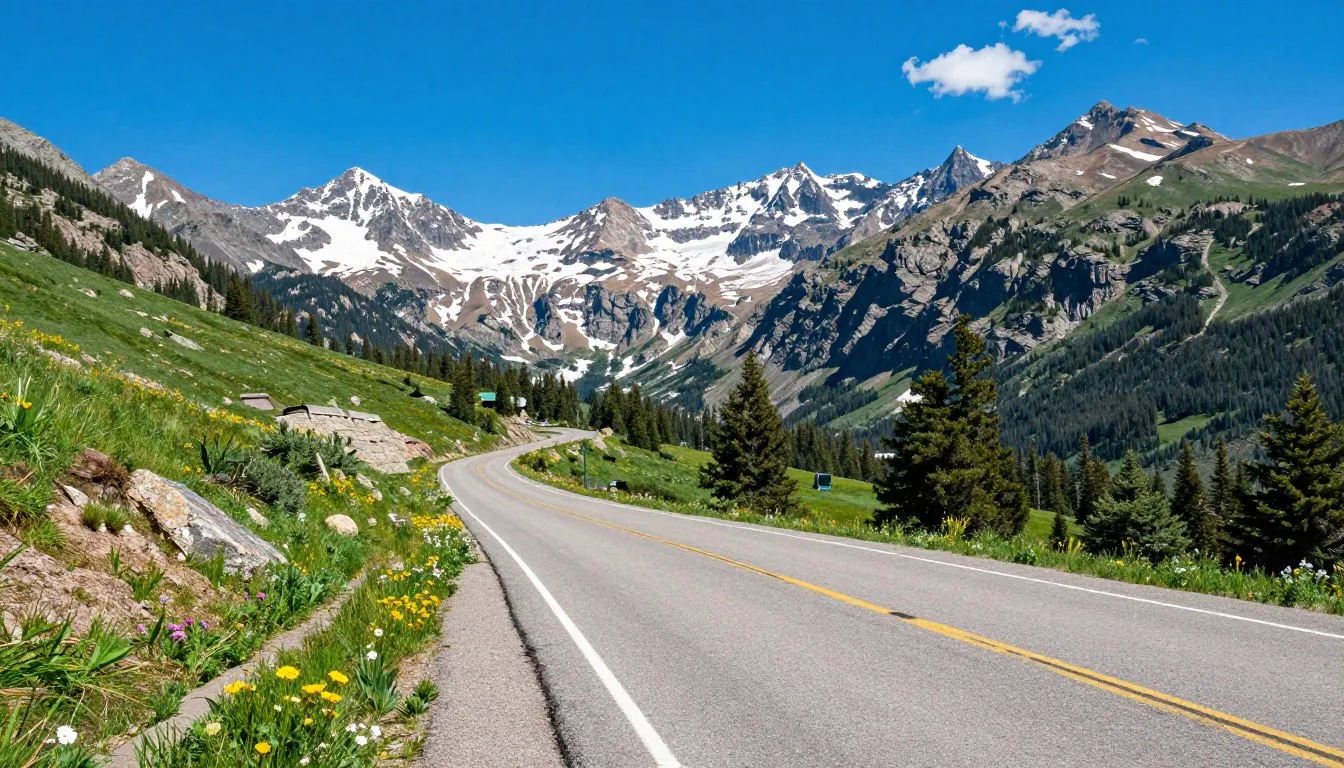
Reaching Loveland Pass is straightforward from major Colorado cities. The pass sits along U.S. Route 6, approximately 97 km (60 miles) west of Denver. Most visitors drive directly to the summit, where ample parking lots provide easy access to viewpoints and trailheads.
Closest Airports
Denver International Airport (DEN) serves as the primary gateway for travelers heading to Loveland Pass. Located 121 km (75 miles) east of the pass, DEN offers extensive domestic and international connections. From the airport, you can rent a vehicle or arrange shuttle services to reach the area.
Eagle County Regional Airport (EGE) in Glenwood Springs provides another option, situated approximately 129 km (80 miles) west of Loveland Pass. This smaller airport works well for visitors planning to explore Colorado’s western slope after their mountain pass visit.
Driving Routes
From Denver, take Interstate 70 westbound toward the mountains. Exit at U.S. Route 6 near the town of Dillon. The drive from Denver typically takes 90 minutes under normal conditions. The road climbs steadily through stunning alpine scenery before reaching the summit parking lot.
The route from Summit County ski resorts takes considerably less time. Visitors staying in Keystone, Breckenridge, or Silverthorne can reach the pass in 20 to 30 minutes. The short drive makes Loveland Pass an excellent day trip option for those already vacationing in the area.
Important Note: The road to Loveland Pass features steep grades and tight switchbacks. Drivers unfamiliar with mountain roads should exercise extra caution. Large RVs and vehicles towing trailers may find the route challenging, especially during winter months.
Best Time to Visit & Weather Tips
Recommended Months and Seasons
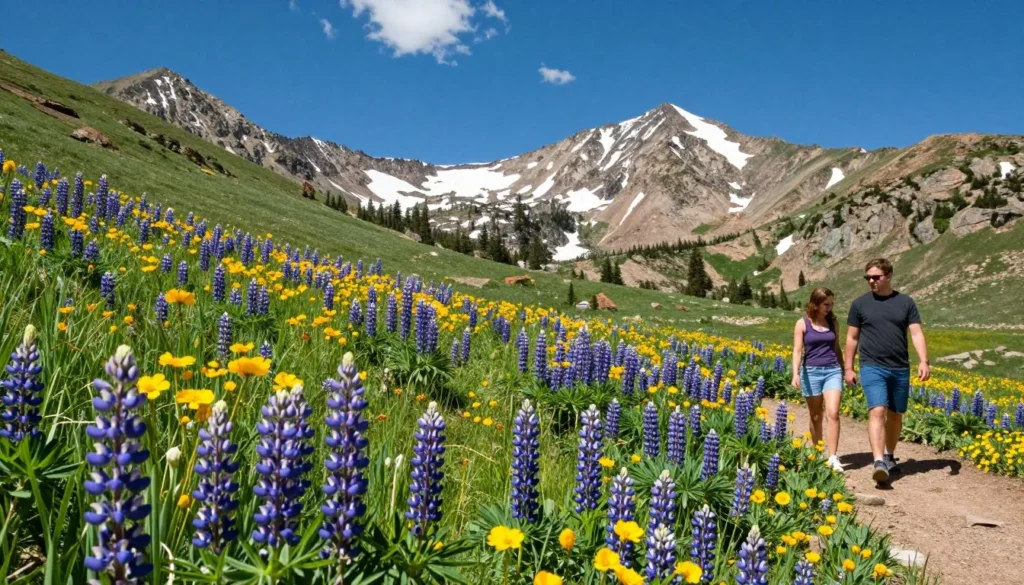
Summer remains the most popular time to visit Loveland Pass. From late June through September, the pass experiences its warmest weather, with daytime temperatures ranging from 10°C to 18°C (50°F to 65°F). During these months, snow typically clears from hiking trails, and wildflowers transform the alpine landscape into a colorful display.
July and August offer the most stable weather conditions. These summer months provide the longest days and clearest skies, perfect for photography and extended outdoor activities. The area around Loveland Pass becomes accessible for all skill levels during this peak season.
Fall presents another excellent window for visiting. September and early October deliver crisp mountain air, fewer crowds, and spectacular autumn colors. Aspen trees at lower elevations turn brilliant gold, creating stunning contrasts against evergreen forests and rocky peaks.
✓ Check 30,000+ Local Sightseeing Tours Worldwide
Months to Avoid or Approach with Caution
Winter months from November through April bring significant challenges to Loveland Pass. Heavy snowfall, icy road conditions, and extreme cold make travel difficult. While the pass technically remains open year-round, severe winter storms can temporarily close the road.
Late spring (May and early June) creates unpredictable conditions. Snowpack lingers at this elevation, and afternoon thunderstorms occur frequently. Visitors during this shoulder season should prepare for rapidly changing weather and potential trail closures.
Summer Weather (June-August)
- Daytime: 10°C to 18°C (50°F to 65°F)
- Nighttime: -1°C to 4°C (30°F to 40°F)
- Conditions: Generally clear mornings, afternoon thunderstorms possible
- Snow: Minimal to none on roads, may persist on high peaks
Winter Weather (December-February)
- Daytime: -7°C to 1°C (20°F to 35°F)
- Nighttime: -18°C to -12°C (0°F to 10°F)
- Conditions: Frequent snow, high winds, limited visibility
- Snow: Heavy accumulation, chains or 4WD required
What to Pack
Regardless of season, layered clothing is essential at this elevation. Temperatures can drop dramatically within minutes, especially when clouds move in. Bring a warm jacket, even on summer days. Sunscreen and sunglasses are critical year-round due to intense UV radiation at high altitude.
Water bottles should accompany every trip to Loveland Pass. The thin air at 11,990 feet causes rapid dehydration. Plan to drink more water than you typically would at lower elevations.
Weather Preparedness Tip: Mountain weather changes without warning. Always check current conditions and forecasts before driving to the pass. The National Weather Service provides specific high-elevation forecasts that prove invaluable for planning your visit.
Getting Around Locally
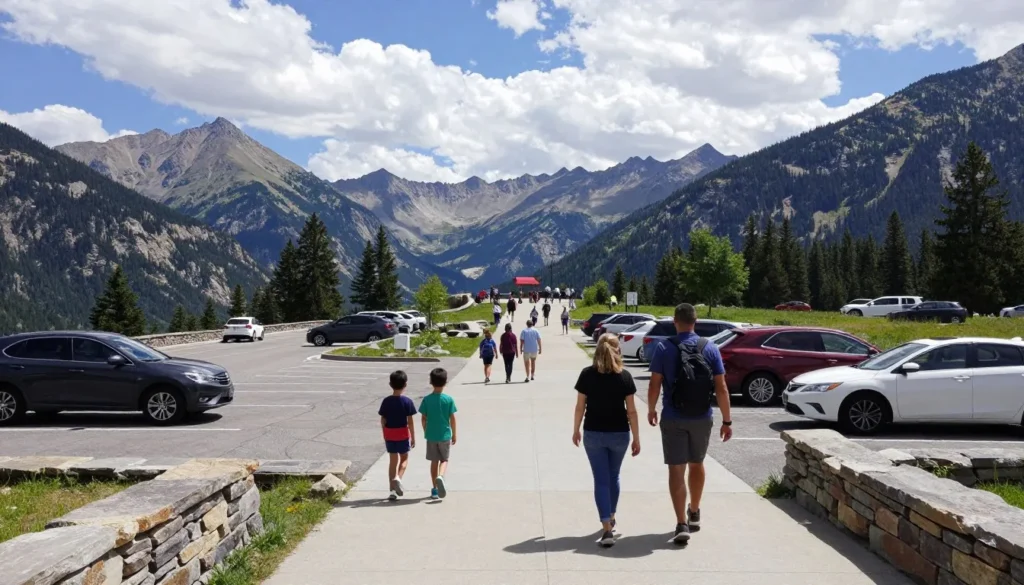
Transportation at Loveland Pass centers entirely on personal vehicles. No public transit serves the summit, and ride-sharing services rarely venture to this remote mountain location. Visitors must drive or arrange private transportation to reach and explore the area.
Parking and Access
Multiple parking lots flank both sides of the pass. The main parking area on the summit accommodates dozens of vehicles and provides the most direct access to viewpoints. Additional pullouts along the road offer more intimate spots for photos and short walks.
Parking fills quickly on summer weekends and holidays. Arrive before 9:00 AM to secure a spot during peak season. Early morning visits also offer calmer winds and better lighting for photography.
Walking and Hiking
Once parked, exploring Loveland Pass happens on foot. Well-worn trails lead from parking areas to various viewpoints and hiking destinations. The terrain around the parking lot is relatively flat and accessible, but paths quickly become steep and rocky as you venture further from the road.
No shuttle services or tour vehicles operate at the pass itself. Some tour companies in Denver and Summit County include Loveland Pass as a stop on broader mountain tours, but these remain limited. Independent exploration gives you the most flexibility to enjoy the area at your own pace.
Accessibility Note: The main viewpoints near the parking lot are accessible to visitors with limited mobility. However, trails leading to higher elevations feature uneven terrain and steep grades unsuitable for wheelchairs or strollers.
Where to Stay
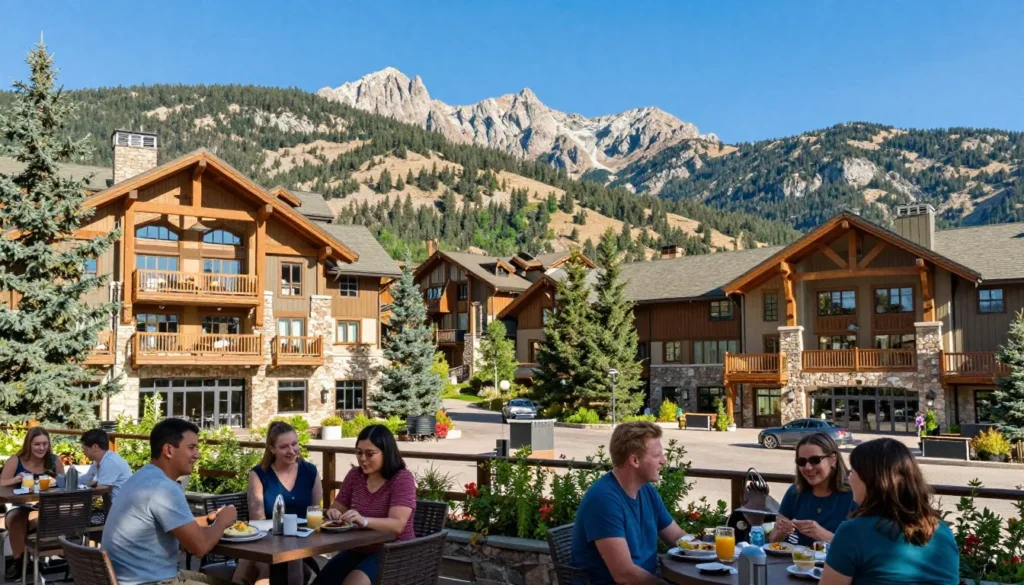
No lodging exists directly at Loveland Pass. The summit area is entirely undeveloped except for the road and parking facilities. Visitors must stay in nearby mountain communities and drive to the pass for day visits.
Keystone (16 km / 10 miles)
Keystone offers the closest lodging options to Loveland Pass. This ski resort town provides everything from luxury hotels to vacation condos. The Keystone Lodge & Spa delivers upscale accommodations with mountain views, while numerous condominium complexes offer more budget-friendly alternatives with full kitchens.
Summer rates in Keystone drop significantly compared to ski season prices. Many properties offer deals for midweek stays. The town’s restaurants, shops, and summer activities make it an excellent base for exploring the area.
Silverthorne (24 km / 15 miles)
Silverthorne sits at a lower elevation and typically costs less than resort towns. Chain hotels line the highway, providing reliable, affordable options. The Hampton Inn and Holiday Inn Express both receive consistently positive reviews for cleanliness and service.
Silverthorne’s outlet mall and diverse restaurant scene add appeal beyond just sleeping accommodations. The slightly longer drive to Loveland Pass is offset by better value and more dining choices.
Dillon (21 km / 13 miles)
Dillon offers a middle ground between resort luxury and highway convenience. The town overlooks beautiful Dillon Reservoir, providing scenic lake views alongside mountain vistas. Best Western Ptarmigan Lodge and La Quinta Inn & Suites both offer comfortable rooms with easy access to I-70.
Dillon Marina and the town’s lakeside walking path add recreational options. Several good restaurants serve everything from pizza to upscale American cuisine.
Breckenridge (29 km / 18 miles)
Breckenridge provides the widest variety of lodging and dining options. This historic mining town features a charming downtown, extensive shopping, and accommodation choices ranging from hostels to five-star hotels. The slightly longer drive to Loveland Pass is rewarded with superior amenities and vibrant atmosphere.
Main Street Breckenridge buzzes with activity year-round. Art galleries, boutiques, and dozens of restaurants create a resort town experience that justifies the extra distance from the pass.
Camping Options
National Forest campgrounds near Loveland Pass provide budget-friendly alternatives to hotels. Prospector Campground and Horseshoe Campground both sit within 16 km (10 miles) of the pass.
These rustic sites offer basic amenities like vault toilets and picnic tables. Reservations are essential during summer months, as sites fill quickly. Camping at this elevation requires warm sleeping bags, even in July and August.
Vacation Rentals
Vacation rental properties dot the Summit County area. Websites like VRBO and Airbnb list numerous condos and houses within easy driving distance of Loveland Pass.
Rental properties work well for groups and families wanting more space and kitchen facilities. Prices vary widely based on size, amenities, and proximity to ski areas. Book several months ahead for summer visits.
Dining & Local Cuisine
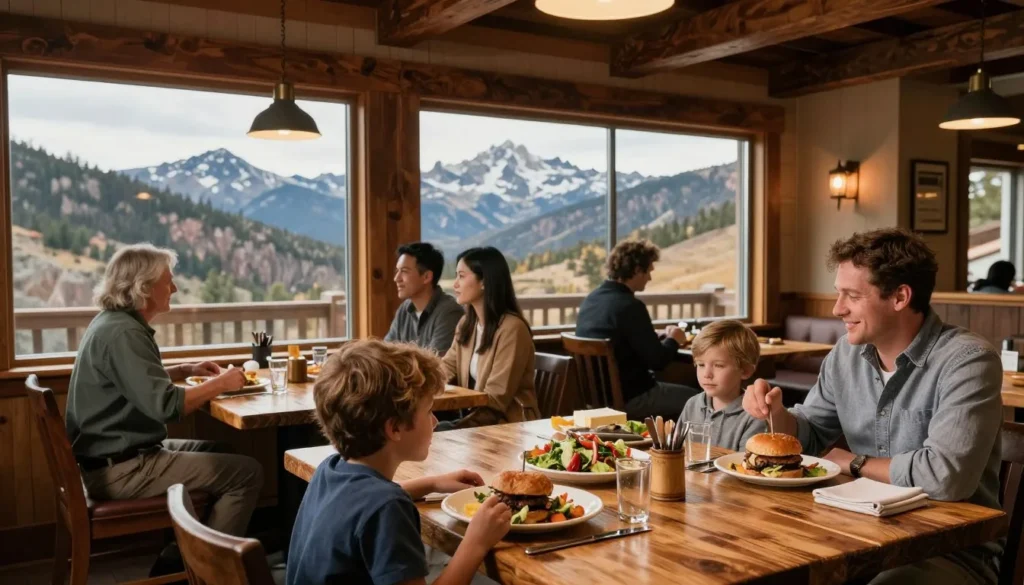
No restaurants or food services exist at Loveland Pass itself. Visitors must bring their own snacks and meals or plan to eat in nearby towns before or after their visit. The closest dining options are found in Keystone, approximately 16 km (10 miles) away.
Nearby Dining in Keystone
Keystone Ranch serves upscale American cuisine in a historic setting. This fine dining establishment specializes in Colorado lamb, bison, and locally sourced ingredients. Reservations are strongly recommended, especially during peak season.
Kickapoo Tavern offers casual dining with a varied menu. Burgers, sandwiches, and pub fare satisfy hungry hikers returning from Loveland Pass. The outdoor patio provides mountain views during summer months.
Inxpot Coffee Shop & Deli makes excellent pre-hike stops. Grab a breakfast burrito and coffee before heading to the pass. Their sandwiches and baked goods also work well for picnic lunches at the summit.
Silverthorne and Dillon Options
Silverthorne’s Sauce on the Blue has earned a strong reputation for creative Italian dishes. The restaurant transforms standard pasta into memorable meals using fresh ingredients and innovative preparations.
Dillon Dam Brewery combines craft beer with solid pub food. Try their elk burgers or fish tacos while sampling Colorado-brewed beers. The brewery overlooks Dillon Reservoir, adding scenic ambiance to your meal.
Pug Ryan’s Brewing Company in Dillon serves hearty American fare perfect for mountain appetites. Their steaks and ribs are local favorites. The sports bar atmosphere appeals to casual diners.
Breckenridge Dining Scene
Breckenridge offers the area’s most diverse dining options. Hearthstone Restaurant occupies a Victorian house and serves contemporary American cuisine with Colorado influences. Their Sunday brunch is particularly popular.
Empire Burger delivers gourmet burgers using grass-fed beef and creative toppings. The casual atmosphere and reasonable prices make it a favorite among visitors and locals alike.
Modis serves modern Italian cuisine with mountain views. Their pasta is made fresh daily, and the wine list features excellent selections. The upscale-casual vibe works for both romantic dinners and family meals.
Picnic Planning: Pack a lunch and snacks for your Loveland Pass visit. Eating at the summit while enjoying the views creates a memorable experience. Just remember to pack out all trash to help preserve this pristine environment.
Attractions, Sightseeing & Activities
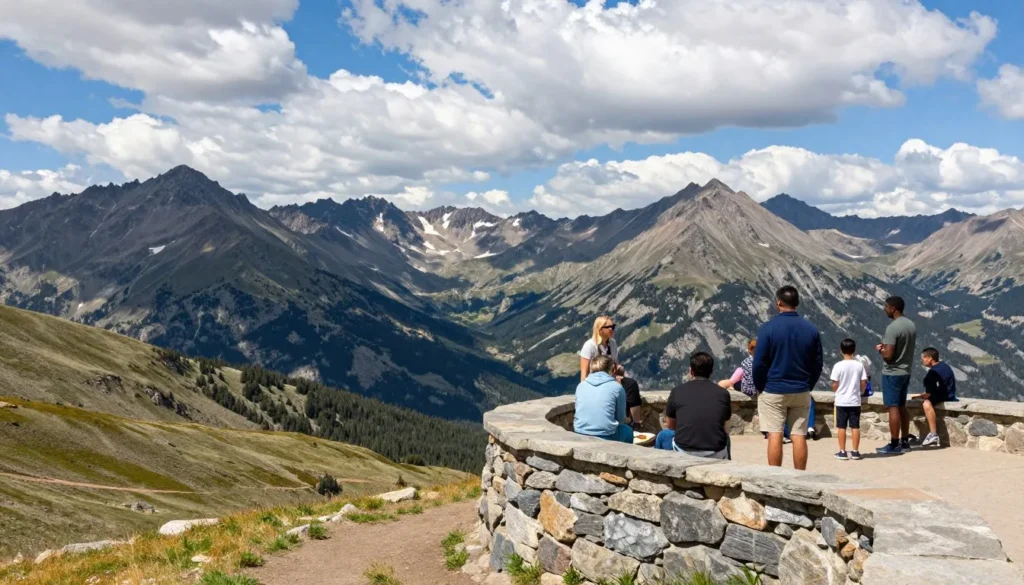
Loveland Pass serves primarily as a scenic drive and starting point for outdoor adventures. The pass itself is the main attraction, offering unmatched views of the Continental Divide and surrounding Rocky Mountains.
Scenic Viewing
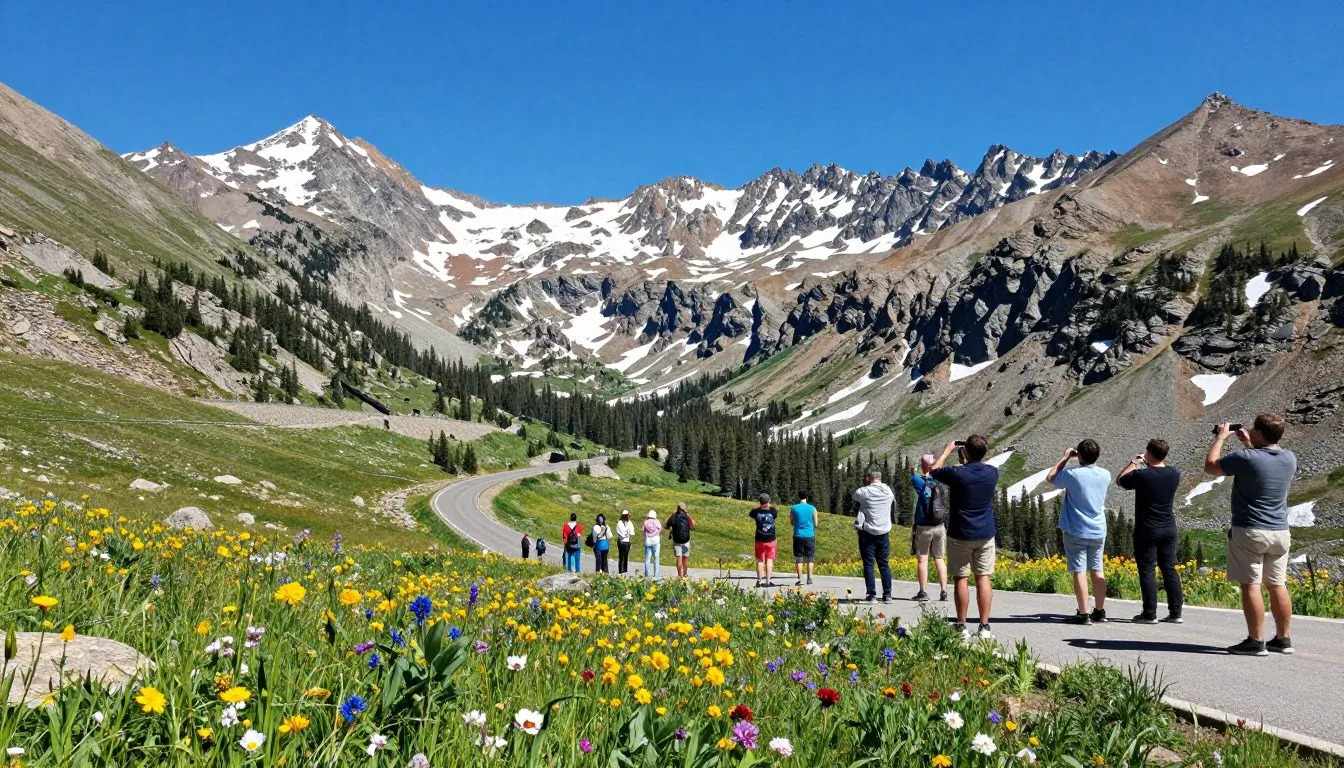
Simply standing at the summit parking lot delivers breathtaking 360-degree mountain vistas. On clear days, you can see peaks stretching for dozens of miles in every direction. The views alone justify the drive, especially during sunrise or sunset when light paints the mountains in golden and pink hues.
Multiple viewpoints along the road provide different perspectives. Pull into any of the designated parking areas to safely enjoy the scenery. Bring binoculars to spot wildlife on distant slopes or to examine the dramatic rock formations.
Photography Opportunities
Photographers flock to Loveland Pass year-round. Summer wildflowers create colorful foregrounds for mountain shots. Winter brings dramatic snow-covered landscapes and the possibility of stunning cloud formations.
The best light occurs during the first two hours after sunrise and the last two hours before sunset. Midday sun creates harsh shadows, but cloudy days produce even, soft lighting ideal for landscapes. Always bring layers, as weather can change dramatically while you wait for the perfect shot.
Winter Activities
During winter months, Loveland Pass transforms into a backcountry skiing and snowboarding destination. Expert skiers hike from the parking lot to access steep bowls and challenging terrain. This activity requires avalanche safety equipment, training, and experience.
Snowshoeing offers a safer winter option for those with appropriate equipment and clothing. Trails near the pass become winter wonderlands, though the extreme cold and high winds demand respect and preparation.
Winter Safety Warning: Backcountry skiing and winter activities at Loveland Pass are extremely dangerous without proper training and equipment. Avalanche conditions, extreme cold, and altitude create life-threatening hazards. Only experienced backcountry travelers should attempt winter activities here.
Wildlife Watching
Mountain goats, marmots, and pika inhabit the rocky slopes around Loveland Pass. Early morning and late afternoon provide the best chances for wildlife sightings. Bring binoculars and maintain respectful distances from all animals.
Birds of prey frequently soar above the pass, riding thermal currents. Hawks and eagles are common sights during summer months. Watch for them circling above ridgelines or perched on rocks scanning for prey.
Museums, Cultural Spots & Festivals
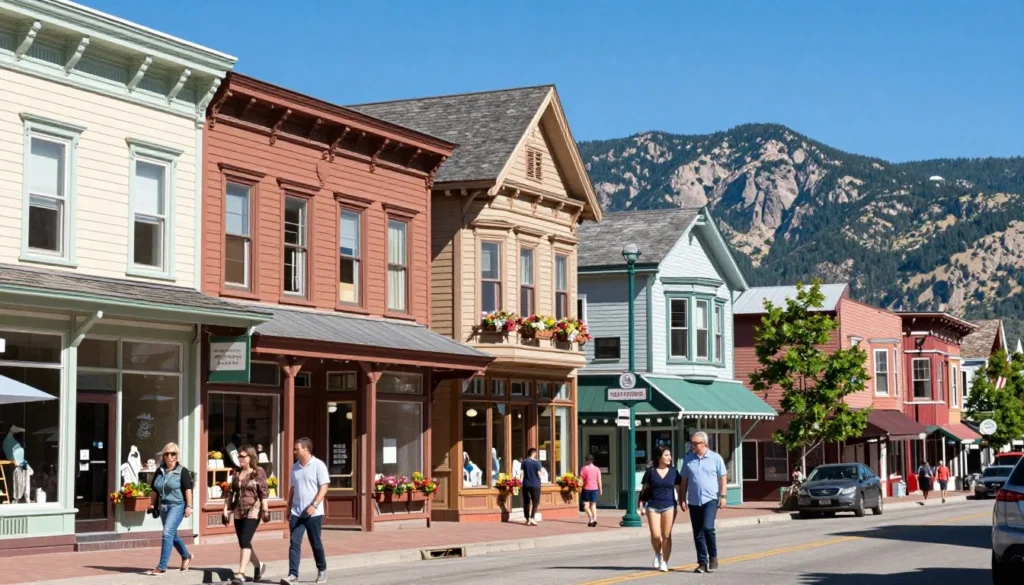
Loveland Pass itself contains no museums or cultural facilities. The area is purely natural, without commercial development. However, nearby towns offer cultural experiences that complement a mountain pass visit.
Breckenridge Heritage Alliance
Located 29 km (18 miles) from Loveland Pass, the Breckenridge Heritage Alliance operates several historic sites. The Edwin Carter Museum showcases Colorado wildlife specimens collected by the naturalist Edwin Carter. The Barney Ford House Museum tells the story of a formerly enslaved man who became a successful Colorado entrepreneur.
Walking tours of historic Breckenridge reveal the town’s mining heritage. Victorian-era buildings line Main Street, many housing shops and restaurants today. The self-guided tours are free, with detailed information available from the Heritage Alliance office.
Summit Historical Society
The Summit Historical Society in Breckenridge maintains exhibits about the region’s mining past. Displays cover the 1859 gold rush, railroad development, and early skiing history. Admission is free, though donations are appreciated.
Local Art Galleries
Breckenridge and Frisco host numerous art galleries featuring Colorado artists. Mountain landscapes, wildlife paintings, and western sculptures dominate the offerings. Many galleries allow browsing without pressure to purchase.
Summer Festivals
Summit County communities host various summer events. The Breckenridge Music Festival runs from late June through August, featuring classical, jazz, and contemporary performances. The Dillon Farmers Market operates Friday afternoons, offering local produce and crafts.
Fourth of July celebrations throughout Summit County feature parades, fireworks, and community gatherings. These events showcase small-town Colorado culture and provide family-friendly entertainment.
Cultural Context: While Loveland Pass itself offers no cultural attractions, the surrounding area’s mining heritage shaped Colorado’s development. The pass was named after William A.H. Loveland, who promoted railroad construction through the mountains in the 1860s.
Nature & Outdoor Experiences
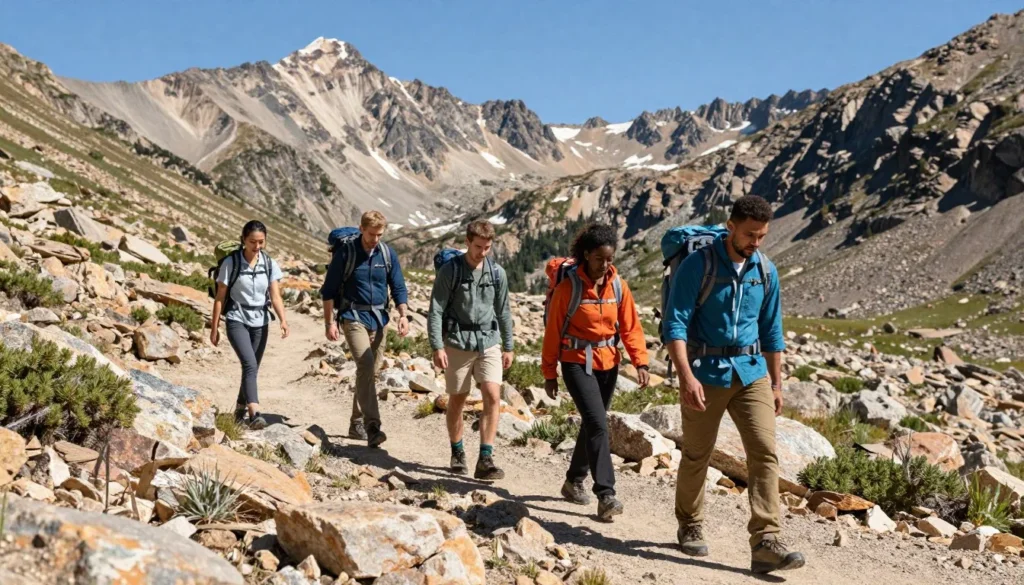
Loveland Pass excels as a gateway to pristine Rocky Mountain wilderness. The area surrounding the pass offers hiking trails, mountain climbing, and backcountry exploration for outdoor enthusiasts of all skill levels.
Hiking Trails
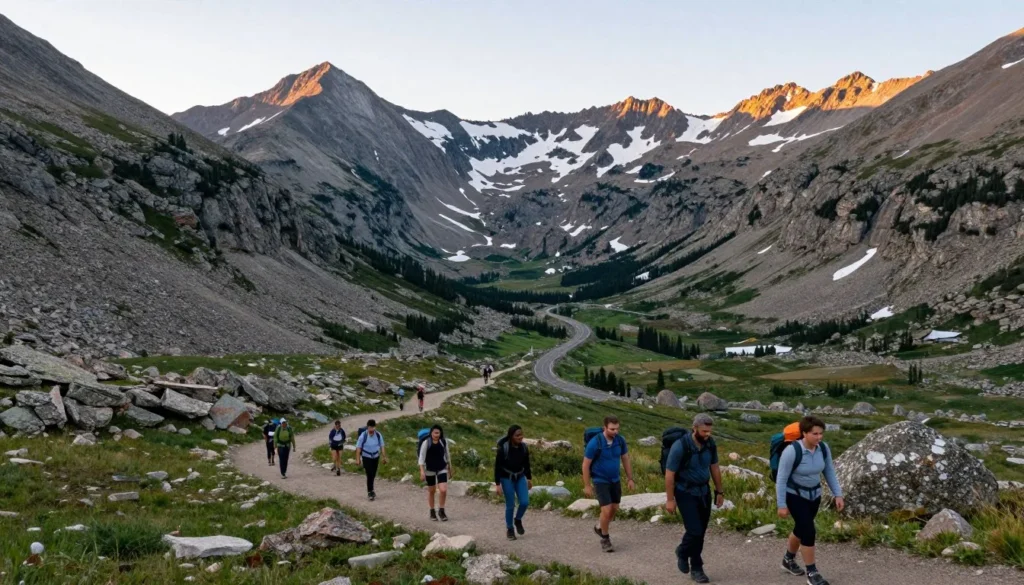
Mount Sniktau represents the most popular hiking destination from Loveland Pass. This 4,049 m (13,234 feet) summit can be reached via a 3.2 km (2 mile) one-way trail that gains about 244 m (800 feet) of elevation. The route follows a well-worn path across alpine tundra.
The hike to Mount Sniktau takes most people 1.5 to 2 hours each way. The trail is straightforward to follow but involves hiking at extreme elevation. Even fit individuals feel the effects of thin air. Take your time, drink plenty of water, and turn back if you experience severe headache or nausea.
Grays Peak and Torreys Peak, two of Colorado’s famous “fourteeners” (peaks over 14,000 feet), can be accessed from the Loveland Pass area via longer approaches. These challenging hikes require full-day commitments and proper preparation.
Trail Running
Experienced trail runners use Loveland Pass trails for high-altitude training. The thin air and steep grades provide excellent conditioning. However, the elevation demands acclimatization before attempting runs here.
Mountain Climbing
Technical climbing routes exist on cliffs near Loveland Pass. These require rock-climbing skills, specialized equipment, and experience. The loose rock and high elevation add challenges beyond what climbers encounter at lower altitudes.
Wildflower Viewing
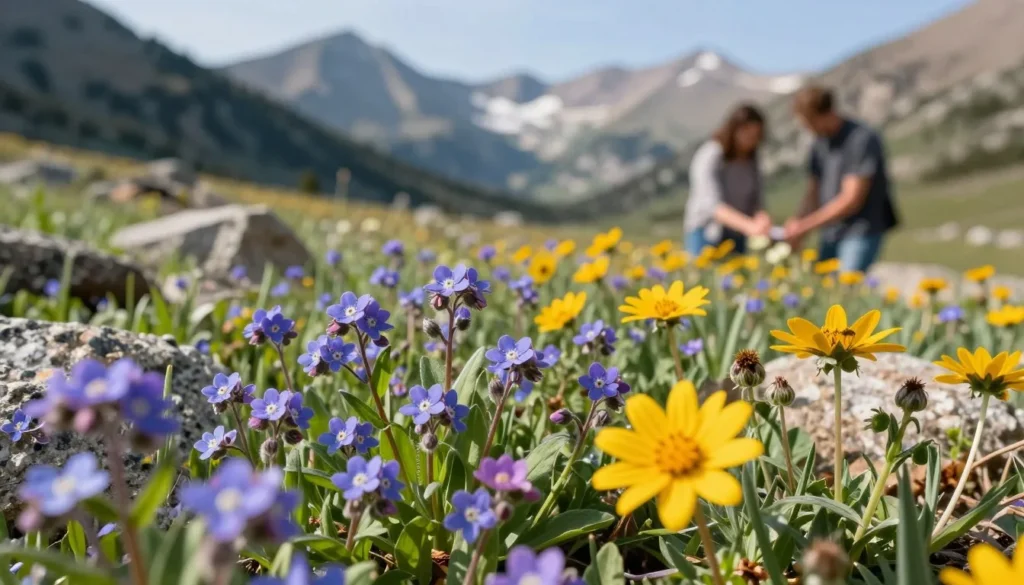
Alpine wildflowers bloom from late June through early August. Tiny flowers adapted to harsh conditions carpet the tundra in yellow, purple, pink, and white. The delicate blooms create stunning contrasts against rocky terrain.
Common species include alpine forget-me-nots, sky pilot, alpine sunflowers, and various sedges. Stay on designated trails to avoid trampling these fragile plants. Their short growing season makes them vulnerable to damage.
✓ Check 30,000+ Local Sightseeing Tours Worldwide
Continental Divide Trail
The famous Continental Divide Trail crosses near Loveland Pass. This 4,828 km (3,000 mile) trail runs from Mexico to Canada along the spine of the Rocky Mountains. Thru-hikers passing through the area often stop at the pass for resupply or a brief rest.
Responsible Recreation
The fragile alpine environment requires careful treatment. Stay on established trails to prevent erosion and plant damage. Alpine tundra grows extremely slowly, with some plants taking decades to recover from a single footprint.
Pack out all trash, including food scraps and toilet paper. No facilities exist at the pass, so plan accordingly. Bury human waste at least 61 m (200 feet) from trails and water sources, or better yet, pack it out using specialized bags.
Safety, Etiquette & Local Customs
Altitude Considerations
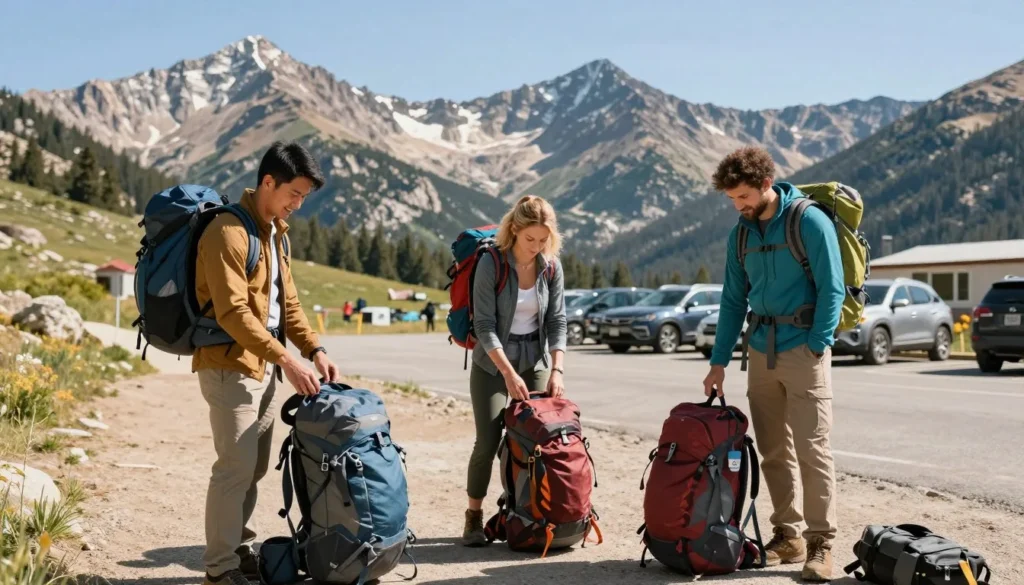
The 3,655 m (11,990 feet) elevation at Loveland Pass creates challenges for visitors from lower elevations. Altitude sickness symptoms include headache, nausea, dizziness, and fatigue. These can affect anyone, regardless of fitness level.
Spend time at moderate elevation (around 2,438 m or 8,000 feet) before visiting the pass. Even a few hours in Silverthorne or Dillon helps your body begin adjusting. Drink extra water and avoid alcohol for 24 hours before your visit.
Recognize altitude sickness warning signs. Severe symptoms require immediate descent to lower elevation. If someone becomes confused, unable to walk straight, or extremely fatigued, get them down the mountain immediately and seek medical help.
Weather Safety
Mountain weather changes rapidly. Clear morning skies often give way to afternoon thunderstorms. Lightning poses extreme danger at exposed high-elevation sites like Loveland Pass.
If you hear thunder or see lightning, return to your vehicle immediately. Lightning kills several people in Colorado mountains each year. Do not wait to see how close storms are. If you can hear it, you are in danger.
Hypothermia risk exists even during summer. Wet clothing combined with wind and cool temperatures can cause dangerous heat loss. Carry extra layers and waterproof protection on every trip.
Winter Driving Hazards
Winter driving to Loveland Pass demands experience with mountain snow conditions. Ice, snow, and limited visibility create serious hazards. Four-wheel or all-wheel drive vehicles with proper tires are essential.
Vehicles carrying hazardous materials cannot use the Eisenhower Tunnel, making Loveland Pass their required route over the Continental Divide. Watch for large trucks navigating the steep, winding road, especially during winter months.
Leave No Trace Principles
Colorado mountain users follow Leave No Trace principles. Pack out everything you pack in. Stay on designated trails. Do not disturb wildlife or plants. Respect other visitors by keeping noise levels reasonable.
The parking lot is not a bathroom. Plan your visit accordingly or be prepared to follow proper backcountry waste disposal techniques if you must go. Leaving toilet paper or human waste near parking areas is unacceptable and illegal.
Wildlife Etiquette
Never approach or feed wildlife. Mountain goats may appear tame but can become aggressive if approached too closely. Maintain at least 25 m (80 feet) distance from large animals.
Marmots and pika are cute but should not be fed. Human food harms their health and creates problematic behavior. Enjoy watching them from a distance.
Emergency Contacts: Cell phone service at Loveland Pass is unreliable. Tell someone your plans before you go. In emergencies, dial 911. Summit County Search and Rescue responds to incidents in the area. Their number is +1 (970) 453-2232.
Visitor Comments About Loveland Pass
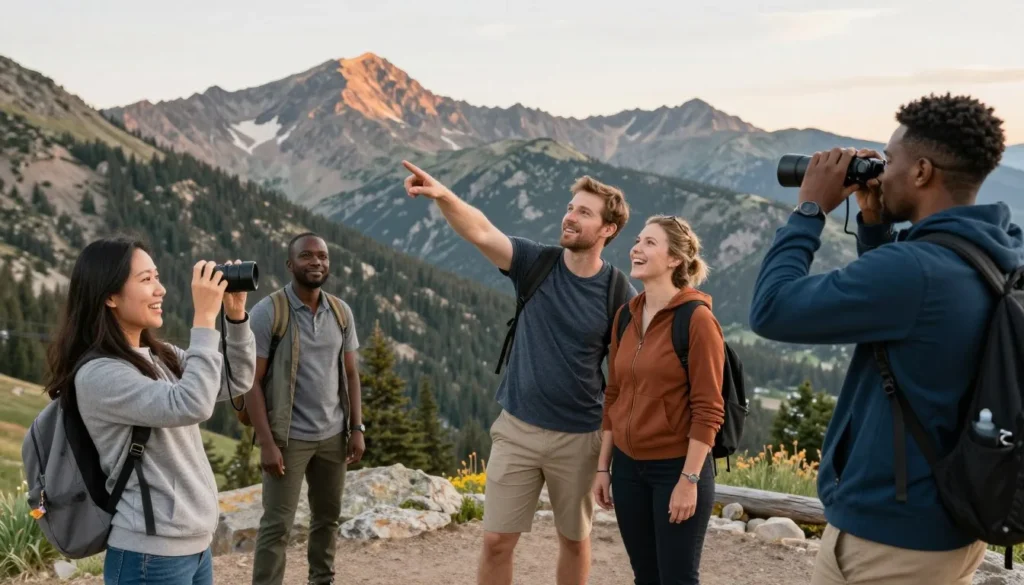
“Absolutely stunning views from top to bottom. We stopped at Loveland Pass on our way from Denver to Vail and I am so glad we did. The drive up was a bit nerve-wracking with the switchbacks, but completely worth it. We hiked partway up Mount Sniktau and felt on top of the world. The wildflowers were incredible in July. Just be prepared for the altitude – we definitely felt it coming from sea level. Pack layers because the wind was quite cold even though it was a warm summer day down in Denver.”
“This place offers some of the most beautiful mountain scenery I have ever witnessed. The views across the Rocky Mountains are simply breathtaking from the Continental Divide. We visited in September and the weather was perfect – crisp and clear with brilliant blue skies. There were far fewer people compared to the busy ski season months. The only downside is there are no facilities at all at the pass, so plan accordingly. Bring your own food and water. The road is quite good during summer but I would not want to drive it in winter without serious mountain driving experience.”
“Loveland Pass exceeded our expectations completely. We stayed in Keystone and drove up one morning after breakfast. The short drive took us from the resort straight into alpine wilderness. We spent three hours just walking around the summit area, taking photos, and enjoying the incredible views. My wife was concerned about the elevation but we took it slowly and felt fine. The key is drinking lots of water and not rushing. We saw several mountain goats on the slopes which was a real treat. This is definitely a must-see if you are anywhere near Summit County Colorado. Just remember to dress warmly – it is much cooler at the top than down in the valley.”
Additional Nearby Destinations
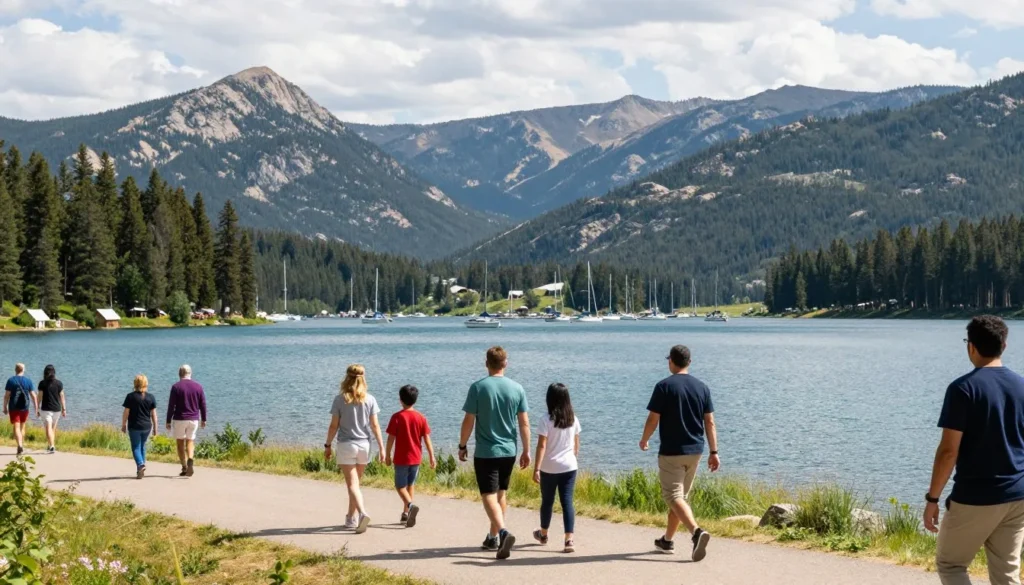
Loveland Pass sits in the heart of Summit County, surrounded by excellent destinations for extending your Colorado mountain adventure. Each nearby location offers unique experiences within easy driving distance.
Arapahoe Basin Ski Area
Located just 8 km (5 miles) from Loveland Pass, Arapahoe Basin (known locally as “A-Basin”) operates one of Colorado’s longest ski seasons. The area typically remains open into June, sometimes July. Summer visitors can ride the chairlift for spectacular views without skiing.
The base area offers restaurants and shops. Hiking trails access high alpine terrain. The laid-back atmosphere contrasts with larger, more commercial ski resorts.
Loveland Ski Area
Despite the similar name, Loveland Ski Area sits on the opposite side of the Eisenhower Tunnel from Loveland Pass. This ski resort offers excellent terrain without the crowds of bigger areas. Summer operations are limited, but the nearby hiking trails remain accessible.
Dillon Reservoir
This 1,320 hectare (3,300 acre) reservoir provides water recreation opportunities. Sailing, kayaking, and stand-up paddleboarding are popular during summer months. The Dillon Marina rents equipment and offers boat tours.
A paved recreation path circles much of the reservoir, perfect for walking or cycling. The path offers mountain views and peaceful lakeside scenery. Several picnic areas line the shore.
Keystone Resort
Keystone transforms from winter ski destination to summer mountain playground. The resort operates mountain biking trails, a lakeside golf course, and scenic gondola rides. River rafting and zipline tours add adventure options.
Keystone Lake in the resort village offers paddleboarding and kayaking. The surrounding area features several easy hiking trails suitable for families.
Breckenridge
Historic Breckenridge combines mountain resort amenities with authentic Victorian charm. The town’s Main Street features shopping, dining, and art galleries. Summer activities include mountain biking, hiking, and whitewater rafting on the nearby Blue River.
The Breckenridge gondola operates year-round, carrying visitors to mid-mountain for hiking access and restaurant dining with views. The free ride-up allows non-hikers to enjoy alpine scenery.
Frisco
Frisco offers a more affordable, less touristy alternative to resort towns. The Frisco Adventure Park features tubing hills, bike trails, and a pump track. Main Street hosts local shops and casual restaurants.
Frisco sits on Dillon Reservoir’s western shore, providing marina access and waterfront recreation. The town serves as a practical base for exploring Summit County.
Georgetown Loop Railroad
Located 32 km (20 miles) east of Loveland Pass, this historic narrow-gauge railroad offers scenic train rides through Clear Creek Canyon. The journey recreates 1880s mountain railroading.
Mine tours and historical exhibits add to the experience. The charming town of Georgetown features antique shops and cafes worth exploring.
Mount Evans Scenic Byway
This highest paved road in North America climbs to 4,307 m (14,130 feet) on Mount Evans. Located 56 km (35 miles) from Loveland Pass, the drive takes 2 hours each way.
Mountain goats, bighorn sheep, and incredible views reward the journey. The road typically opens in late May or June and closes in early September.
Practical Travel Tips
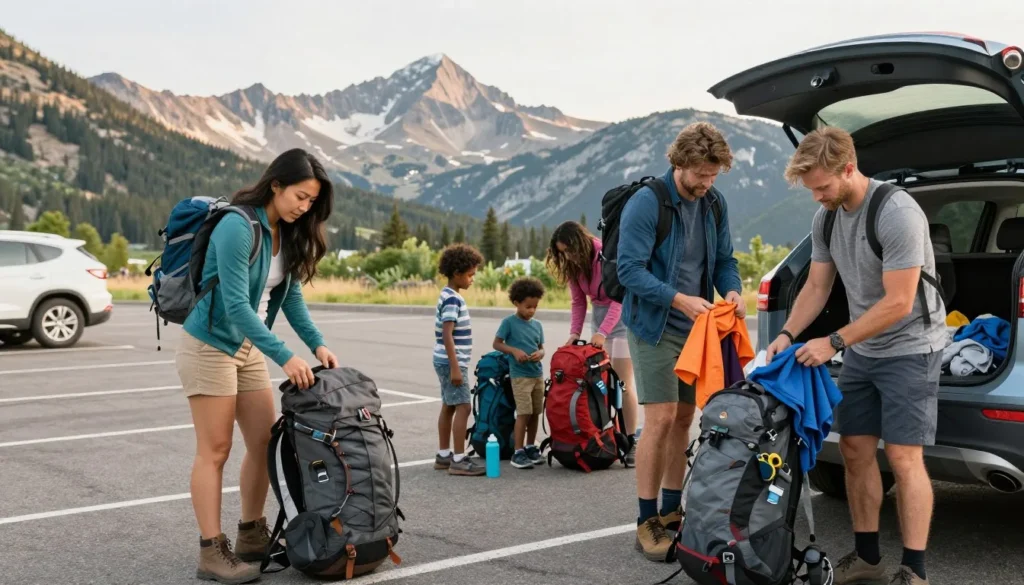
What to Bring
Layered clothing is essential for Loveland Pass visits. Start with moisture-wicking base layers, add insulating mid-layers, and top with windproof and waterproof outer shells. Temperatures can vary by 15°C (27°F) or more between parking lot and exposed areas just minutes away.
Sun protection takes priority at this elevation. Bring high-SPF sunscreen (50+ recommended), sunglasses with UV protection, and a wide-brimmed hat. The sun’s intensity at 3,655 m (11,990 feet) causes sunburn in minutes on unprotected skin.
Carry more water than you think you need. The combination of high altitude, low humidity, and physical exertion causes rapid dehydration. Plan for at least 1 liter per person for a short visit, more for hiking.
Timing Your Visit
Early morning visits offer the best weather, fewer crowds, and superior lighting for photography. Arrive by 8:00 AM during summer weekends to secure parking and beat afternoon thunderstorms.
Afternoon thunderstorms develop regularly from July through September. Most storms roll in between 1:00 PM and 4:00 PM. Plan to complete hikes and return to your vehicle before early afternoon.
Road Conditions Information
Check road conditions before driving to Loveland Pass, especially during winter and spring. The Colorado Department of Transportation operates a road conditions hotline at +1 (303) 639-1111. Their website provides real-time updates on closures and conditions.
Tire chains or all-wheel drive may be required during winter months. “Traction law” periods mandate proper equipment for all vehicles. Violating these requirements results in fines and potential liability for accidents.
Cell Phone Service
Cell coverage at Loveland Pass is spotty and unreliable. Do not count on your phone for navigation or emergency communication. Download offline maps before leaving areas with service. Tell someone your plans and expected return time.
Photography Tips
Bring wide-angle lenses to capture the expansive mountain vistas. Telephoto lenses allow you to photograph distant peaks and wildlife. A polarizing filter reduces glare and enhances the deep blue Colorado sky.
Cold temperatures drain camera batteries quickly. Carry spares and keep them warm in inside pockets. Protect equipment from moisture and sudden temperature changes that cause condensation.
Budget Planning
Visiting Loveland Pass itself costs nothing. No entrance fees or parking charges apply. Budget for fuel (gas prices in mountain areas run higher than Front Range cities), food, and lodging in nearby communities.
A day trip from Denver including gas and meals typically costs $50 to $80 per person. Overnight stays add hotel costs ranging from $100 for budget chains to $400+ for resort properties.
Best Resources
The U.S. Forest Service Clear Creek Ranger District office in Idaho Springs provides trail information and current conditions. Call +1 (303) 567-3000 for updates. The Summit County website offers events calendars and visitor resources.
Local outdoor shops in Silverthorne and Breckenridge sell maps and can provide current trail condition reports. Staff members often have recent firsthand knowledge of Loveland Pass area conditions.
Important Reminder: No services exist at Loveland Pass – no restrooms, food, water, or emergency facilities. Come completely prepared with everything you might need. The nearest gas stations and stores are at least 15 minutes away in Silverthorne or Keystone.
Loveland Pass Location
Loveland Pass is located along U.S. Route 6 in Summit County, Colorado, approximately 97 km (60 miles) west of Denver.
Your Rocky Mountain Adventure Awaits
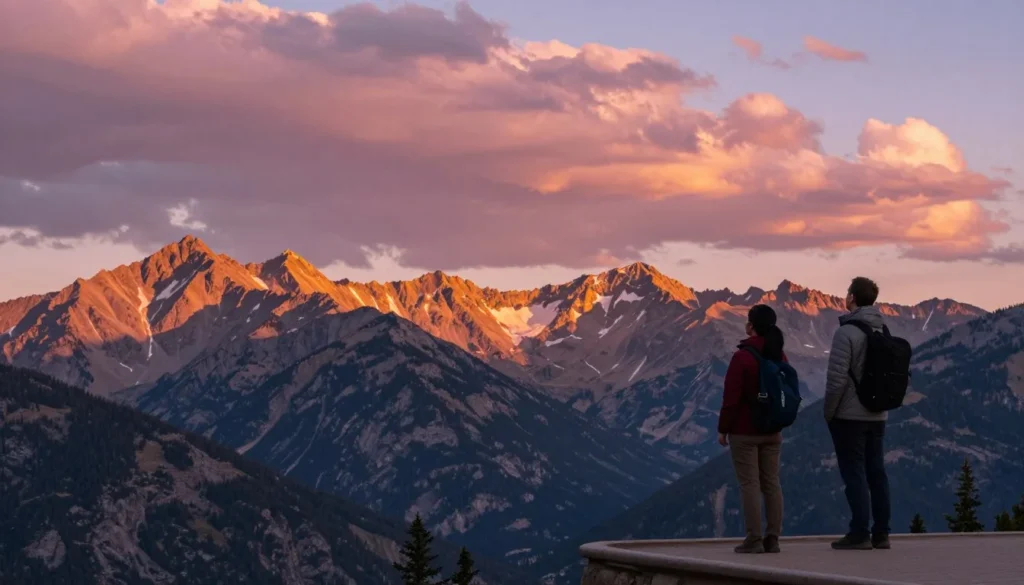
Loveland Pass stands as one of Colorado’s most accessible yet awe-inspiring mountain destinations. The combination of stunning views, diverse activities, and relative proximity to major airports makes this high mountain pass perfect for visitors seeking authentic Rocky Mountain experiences.
Whether you spend just an hour at the scenic overlooks or dedicate a full day to hiking the surrounding peaks, Loveland Pass delivers memories that last a lifetime. The thin mountain air, the vast alpine landscapes, and the sense of standing atop the Continental Divide create connections to nature that few other places can match.
Start planning your visit today. Check the weather forecasts, pack your layers, fill your water bottles, and prepare for an adventure in one of Colorado’s most spectacular settings. The mountains are calling, and Loveland Pass offers the perfect answer to that call. Every season brings its own magic to this remarkable place, so whenever you choose to visit, you will discover something unforgettable waiting at 3,655 m (11,990 feet) above sea level.
✓ Check 30,000+ Local Sightseeing Tours Worldwide