Hotels by Trip.com
Flights by Trip.com
Hidden within McElmo Canyon lies evidence of human habitation spanning over 10,000 years, with more than 200 ancestral Puebloan sites tucked among red rock walls. This remarkable density of archaeological treasures makes the area one of North America’s most significant cultural landscapes. Yet most travelers rush past on their way to Mesa Verde, missing one of Colorado’s most extraordinary canyons.
McElmo Canyon stretches approximately 48 kilometers (30 miles) through southwestern Colorado. The canyon offers a quieter alternative to crowded national parks. Ancient dwellings peek from cliff faces while modern ranches dot the valley floor, creating a living landscape where past and present coexist.
This guide reveals everything you need to experience McElmo Canyon. From planning your journey to discovering hidden archaeological sites, you’ll find practical information for an unforgettable trip. The canyon awaits those willing to explore beyond the typical tourist path.
Getting There and Planning Your Journey
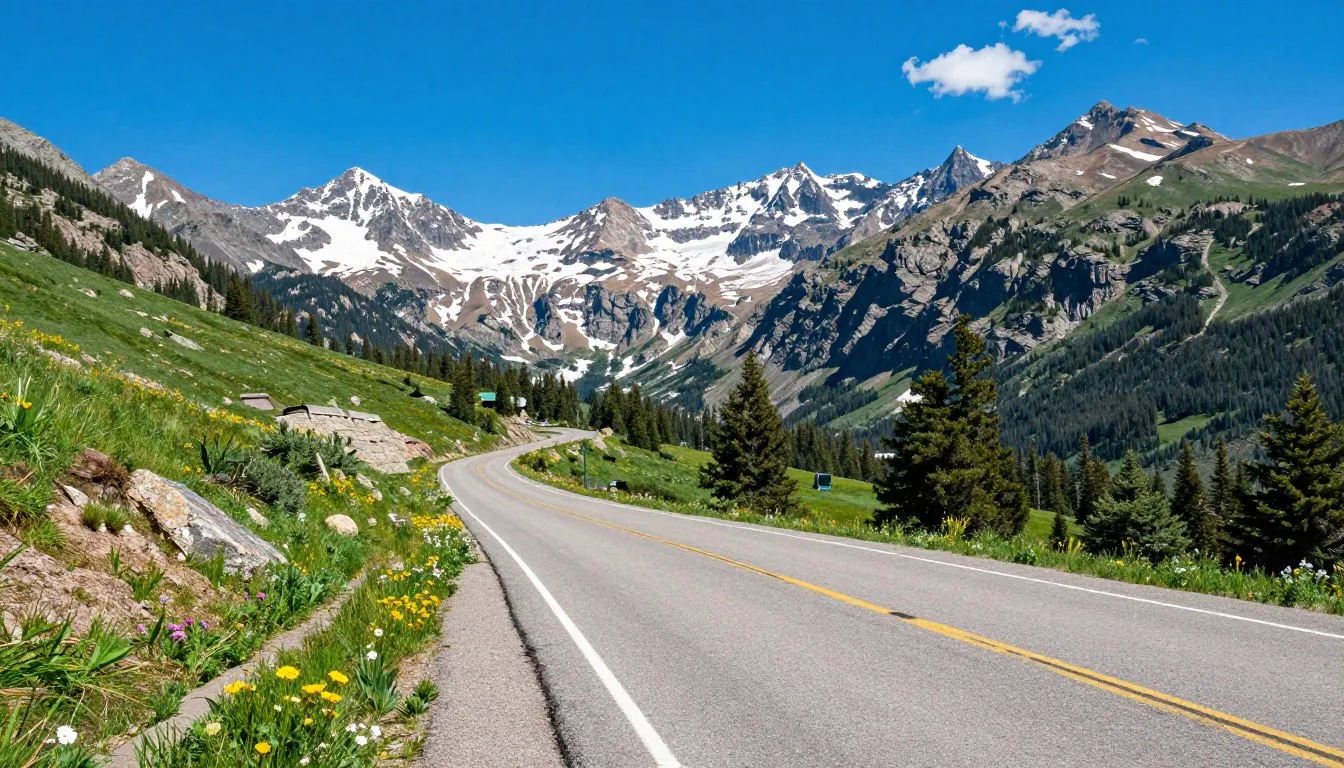
Reaching McElmo Canyon requires some planning, but the journey itself offers stunning scenery. The canyon lies in Montezuma County in Colorado’s southwestern corner, near the Four Corners region where Colorado, Utah, Arizona, and New Mexico meet.
Closest Airports and Ground Transportation
Three airports serve the area, each offering different advantages for your trip:
- Cortez Municipal Airport (CEZ) – 24 kilometers (15 miles) from the canyon entrance, smallest but most convenient option with limited commercial flights
- Durango-La Plata County Airport (DRO) – 97 kilometers (60 miles) northeast, larger facility with daily flights from major hubs
- Albuquerque International Sunport (ABQ) – 322 kilometers (200 miles) southeast, most flight options but longest drive time
Car rental is essential as public transportation doesn’t reach the canyon. The drive from Cortez takes about 30 minutes via Highway 160 and County Road G. High-clearance vehicles are recommended for exploring side roads, though the main route is accessible to standard cars.
Route Planning and Access Points
McElmo Canyon Road (County Road G) runs the entire length of the canyon. The eastern entrance begins near Cortez, while the western end emerges near the Utah border. Most visitors explore the eastern section where archaeological sites and access points concentrate.
Important Note: Much of the canyon passes through private ranch land. Respect property boundaries and stay on designated roads and trails. Many archaeological sites are on private property and require permission to visit.
Mobile phone coverage is spotty throughout the canyon. Download offline maps before your trip and carry a physical map as backup. The nearest gas stations and services are in Cortez, so fuel up before heading into the canyon.
Best Time to Visit McElmo Canyon and Weather Tips
Timing your visit makes a significant difference in your canyon experience. Weather patterns, crowd levels, and accessibility all vary dramatically throughout the year.
Recommended Seasons and Months
Best Times to Visit
- Spring (April-May): Mild temperatures 15-24°C (60-75°F), wildflowers blooming, ideal hiking conditions
- Fall (September-October): Comfortable weather 18-26°C (65-80°F), beautiful golden light for photography, fewer visitors
- Early Morning Year-Round: Best light quality, cooler temperatures, wildlife more active
Times to Avoid
- Summer (July-August): Extreme heat 32-38°C (90-100°F), afternoon thunderstorms, flash flood risk
- Winter (December-February): Cold nights -7°C (20°F), occasional snow, some roads impassable
- Late Afternoon in Summer: Intense heat, harsh shadows for photos, higher storm probability
Spring and fall offer the most pleasant conditions for exploring McElmo Canyon. Morning visits provide the best experience regardless of season. The low-angle sunrise light illuminates rock formations beautifully while temperatures remain comfortable for hiking.
Weather Patterns and Safety Considerations
The high desert climate brings dramatic temperature swings. Summer days can reach 38°C (100°F) while winter nights drop below freezing. Afternoon thunderstorms are common from July through September, creating dangerous flash flood conditions in narrow canyon sections.
Pack layers regardless of season. Desert temperatures can shift 17°C (30°F) between morning and afternoon. Always carry more water than you think you’ll need – at least 3 liters per person for a full day.
Check weather forecasts before entering the canyon. If rain is predicted, avoid narrow sections and dry washes. Flash floods can occur even when skies are clear overhead, as storms upstream send water rushing through the canyon within minutes.
Getting Around Locally
Navigating McElmo Canyon requires a personal vehicle. No public transportation or shuttle services operate in this area. The remoteness adds to the canyon’s charm but demands self-sufficiency from visitors.
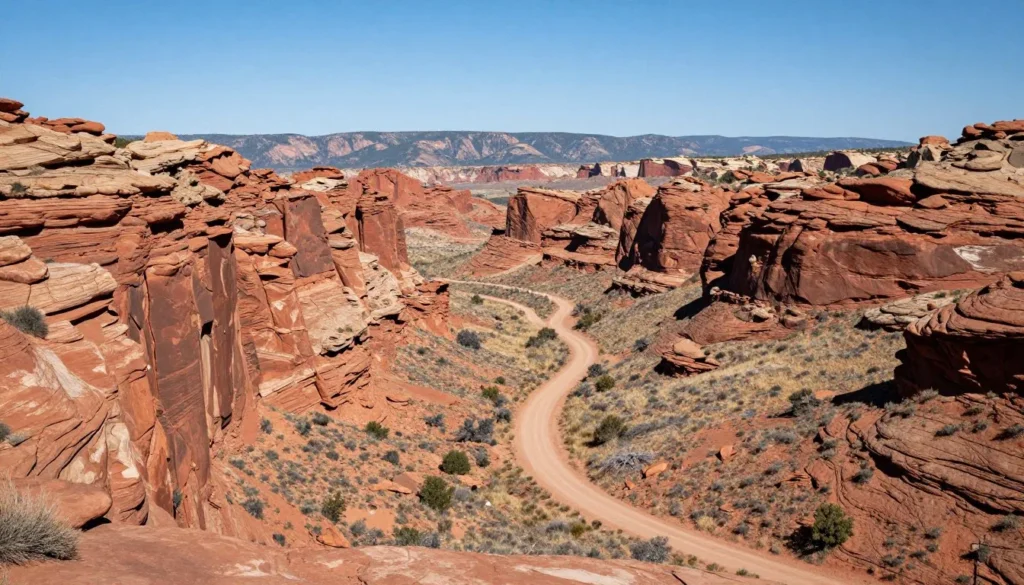
County Road G forms the main artery through the canyon. This gravel road is generally well-maintained but conditions vary with weather. After heavy rains, sections may become muddy or develop washboards. Drive slowly and watch for cattle, as working ranches operate throughout the canyon.
Vehicle Requirements and Road Conditions
A standard passenger car can navigate the main canyon road during dry conditions. However, side roads leading to specific sites often require high clearance. Four-wheel drive becomes essential after rain or snow when roads turn muddy.
- Main canyon road: Graded gravel, passable for all vehicles in dry weather
- Side roads to archaeological sites: High clearance recommended, 4WD preferred
- Parking areas: Limited formal parking, pull-offs along the road
- Average drive time through canyon: 45-60 minutes without stops
Plan to drive slowly and stop frequently. The canyon reveals its treasures to patient observers. Rushing through defeats the purpose of visiting this special place. Allow at least a half-day to experience the area properly, though a full day provides a more satisfying visit.
Where to Stay Near McElmo Canyon
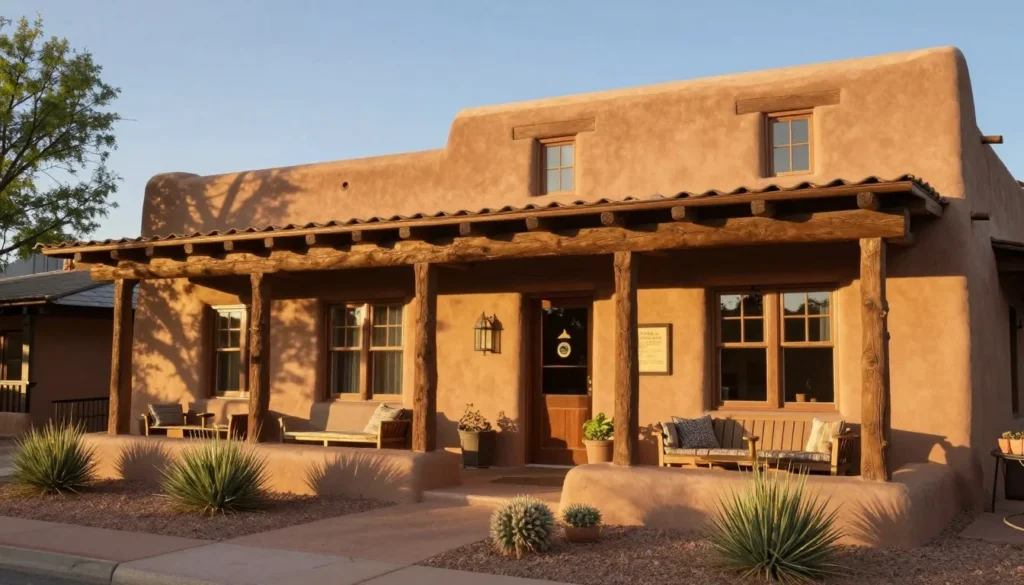
Cortez serves as the primary base for exploring McElmo Canyon. This small town offers various lodging options just 24 kilometers (15 miles) from the canyon entrance. Staying in Cortez provides easy access while ensuring you have restaurants, supplies, and services nearby.
Accommodation Options in Cortez
The town provides lodging for all budgets and preferences. Most properties cater to archaeological tourists visiting the region’s many ancient sites.
Budget-Friendly Motels
Several chain motels line Highway 160 with rates from $75-120 per night. Clean, basic rooms provide comfortable rest after a day of canyon exploration. Most include free breakfast and parking.
Mid-Range Hotels
Local hotels offer enhanced amenities including pools, hot tubs, and on-site restaurants. Prices range $120-180 per night. Many feature southwestern décor reflecting regional character.
Bed & Breakfasts
Intimate B&Bs provide personalized service and local knowledge. Hosts often share insider tips about exploring McElmo Canyon. Rates typically run $140-220 per night with homemade breakfast included.
Alternative Lodging Areas
Dolores offers a quieter alternative 19 kilometers (12 miles) north of Cortez. This smaller town has limited lodging but appeals to visitors seeking a more peaceful base. Durango, while farther at 74 kilometers (46 miles), provides upscale resort options and a vibrant downtown scene.
Camping enthusiasts can find developed campgrounds near Cortez, though no camping is permitted within McElmo Canyon itself due to private land ownership. Check with the Cortez Visitor Center for current camping options and reservations.
Dining and Local Cuisine Around McElmo Canyon
McElmo Canyon itself has no restaurants or food services. Visitors must plan meals in Cortez or bring their own provisions. The town’s dining scene reflects its southwestern location with influences from Native American, Mexican, and ranch cultures.
Restaurant Options in Cortez
Cortez offers a surprising variety of dining for its size. From quick breakfast spots to sit-down dinners, you’ll find options to fuel your canyon adventures.
- Local diners serve hearty breakfasts perfect for early canyon starts – try green chili smothered over eggs
- Mexican restaurants feature authentic New Mexican cuisine with regional specialties
- Brewpubs offer craft beer and elevated pub food after a day exploring
- Farm-to-table restaurants showcase southwestern flavors with local ingredients
Most restaurants close by 9:00 PM, reflecting the area’s early-to-rise culture. Make dinner reservations during peak summer months when tourists visiting Mesa Verde fill tables. Spring and fall bring lighter crowds and easier walk-in seating.
Packing Food for Canyon Visits
Smart visitors pack lunch and snacks for all-day canyon exploration. Cortez has several grocery stores where you can stock up on supplies. Local recommendations include trail mix, fresh fruit, sandwiches, and plenty of water.
Bring at least 3 liters of water per person for a full day in the canyon. The dry climate and high elevation (1,800 meters or 5,900 feet) increase dehydration risk. Refill opportunities don’t exist within the canyon.
Pack out all trash and food waste. The canyon lacks garbage facilities, and wildlife should never be fed. Practice Leave No Trace principles to preserve this special area for future visitors.
Attractions, Sightseeing, and Activities in McElmo Canyon
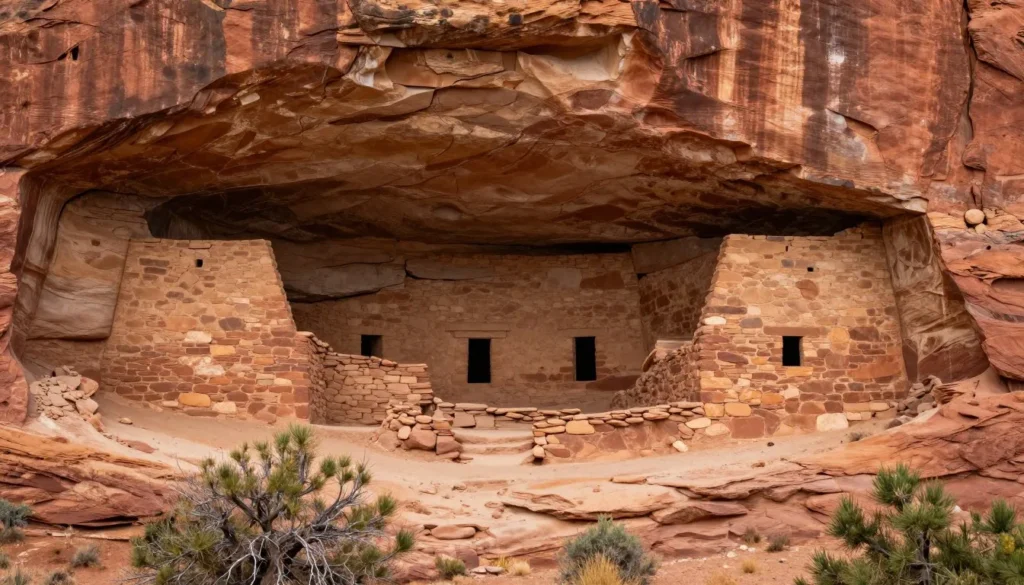
McElmo Canyon’s greatest attractions are its archaeological treasures and natural beauty. Unlike crowded Mesa Verde National Monument, this canyon allows more intimate encounters with ancient sites. However, remember that many locations sit on private property requiring respectful behavior and sometimes advance permission.
Archaeological Sites and Ancient Culture
The canyon harbors remarkable evidence of Ancestral Puebloan life from 750-1300 CE. More than 200 documented sites include cliff dwellings, towers, kivas, and rock art panels. The Canyons of the Ancients National Monument manages some areas, though much remains in private hands.
Several publicly accessible sites provide windows into ancient life. Sand Canyon, a major tributary of McElmo Canyon, contains extensive ruins including Sand Canyon Pueblo, one of the largest ancestral sites in the region. The site once housed hundreds of people in a multi-story complex.
Never touch, climb on, or disturb archaeological sites. Federal and state laws strictly protect these irreplaceable resources. Artifacts should never be collected. Observe from designated viewpoints only.
Viewpoints and Photography Locations
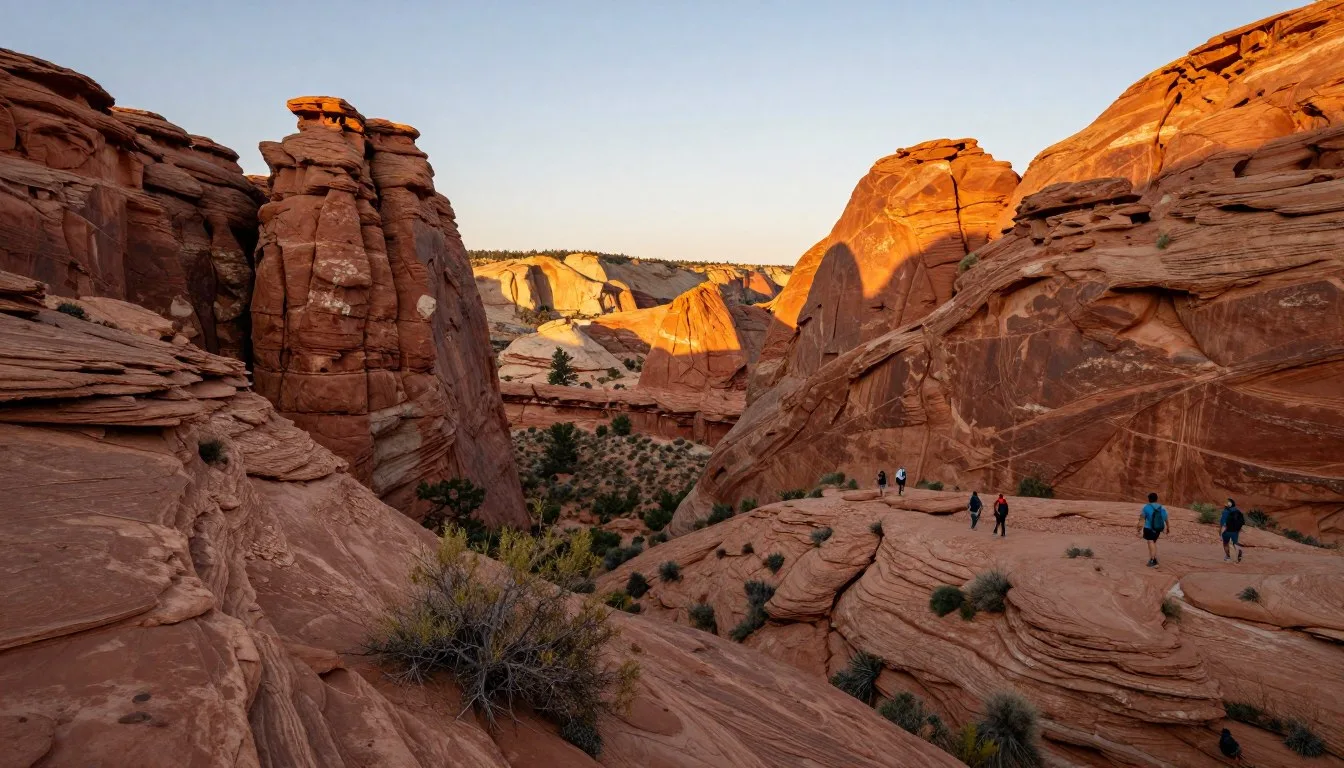
The canyon’s dramatic geology creates endless photography opportunities. Red Wingate sandstone cliffs tower above the valley floor, sculpted by millions of years of erosion. Morning and late afternoon provide the best light, when low sun angles illuminate rock textures and create long shadows.
Several pull-offs along County Road G offer sweeping vistas. The eastern entrance provides views of the canyon stretching westward toward Utah. Mid-canyon viewpoints showcase the narrower sections where walls close in dramatically. Each spot reveals different aspects of the landscape’s character and beauty.
Hiking and Exploration
Formal trails are limited within McElmo Canyon proper, but opportunities for exploration abound. Side canyons invite adventurous visitors to discover hidden alcoves and scramble over slickrock benches. Always obtain permission before crossing private land, and stick to established routes in protected areas.
Sand Canyon Trail offers the area’s premier hiking experience. This 10-kilometer (6.2-mile) round-trip route follows the canyon bottom past numerous archaeological sites. The trail requires moderate fitness and several hours to complete. Early morning starts beat both heat and occasional afternoon thunderstorms.
Museums, Cultural Spots, and Festivals Near McElmo Canyon
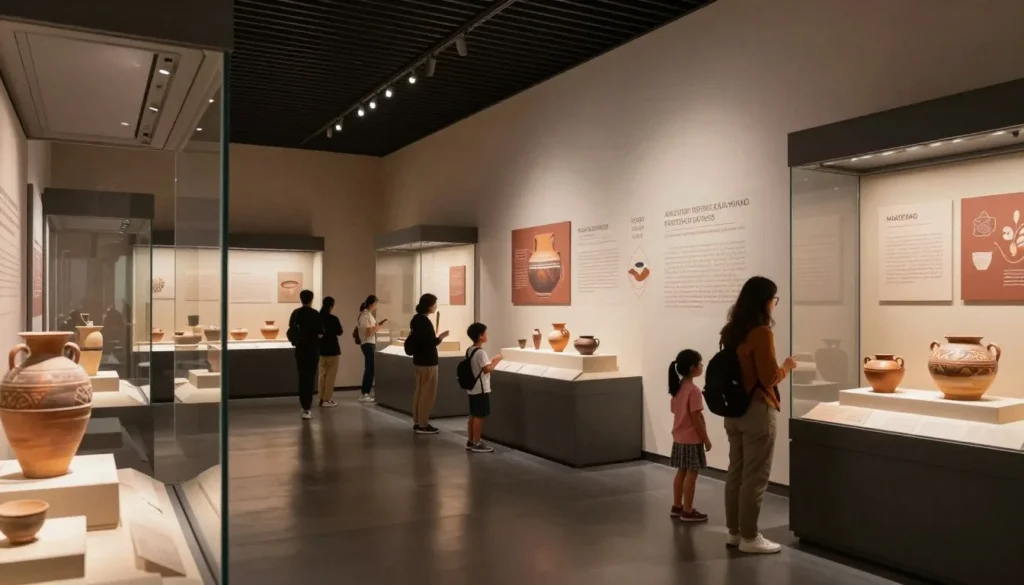
Understanding McElmo Canyon’s cultural significance enhances your visit tremendously. Several excellent facilities near Cortez provide context for the archaeological treasures you’ll encounter in the canyon. These institutions bridge ancient and modern worlds through carefully curated exhibits and educational programs.
Museums and Cultural Centers
The Anasazi Heritage Center stands as the region’s premier archaeological museum. Located 16 kilometers (10 miles) north of Cortez near Dolores, this facility houses artifacts from Canyons of the Ancients National Monument, including many items from McElmo Canyon sites. Interactive exhibits explain how ancient peoples adapted to this challenging environment over centuries.
The center’s collection includes pottery, tools, textiles, and other objects that reveal daily life details. Full-scale reconstructions show how pit houses and pueblos were built. Hands-on activities let visitors grind corn using traditional manos and metates, or weave simple baskets following ancient techniques.
Cortez Cultural Center in downtown Cortez offers additional perspectives on regional heritage. This community facility presents rotating exhibits on Native American art, local history, and contemporary Southwestern culture. Summer evening programs feature Native American dancers performing traditional dances, providing living connections to ancient traditions.
Educational Opportunities
Crow Canyon Archaeological Center near Cortez offers hands-on archaeology programs. Multi-day workshops allow participants to work alongside professional archaeologists excavating actual sites. These programs provide deep insights into how researchers piece together the past from fragmentary evidence found in places like McElmo Canyon.
Annual Events and Festivals
Several annual events celebrate the region’s unique heritage. The Indian Arts and Culture Festival in early June brings Native American artists, dancers, and craftspeople to Cortez. This weekend event features traditional arts demonstrations, dance performances, and opportunities to purchase authentic Native American art directly from creators.
September brings the Cortez Cultural Heritage Days, focusing on the area’s multicultural history. Events include archaeological lectures, historic home tours, and traditional craft demonstrations. These festivals offer excellent ways to deepen your understanding of McElmo Canyon’s broader cultural context.
Nature and Outdoor Experiences in McElmo Canyon
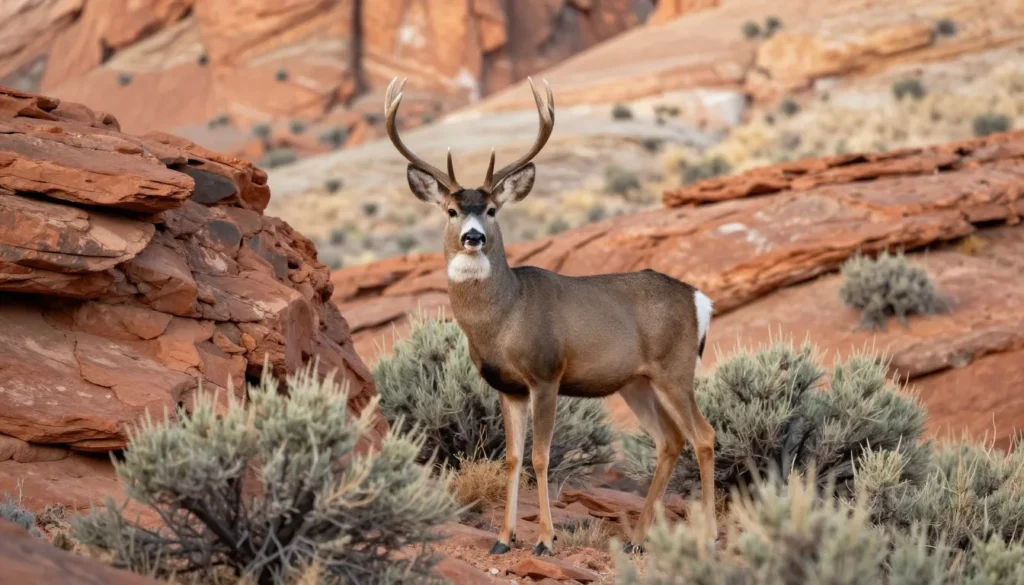
Beyond archaeological wonders, McElmo Canyon offers rich natural experiences. The high desert ecosystem supports surprising biodiversity adapted to extreme conditions. Patient observers encounter wildlife, discover unique plant communities, and witness geological processes still shaping the landscape.
Wildlife Watching Opportunities
The canyon provides habitat for diverse wildlife species. Early morning and evening hours offer the best viewing opportunities when animals emerge to feed during cooler temperatures. Spring brings peak activity as young animals appear and migratory birds pass through.
- Mule deer browse on canyon vegetation, often visible at dawn and dusk
- Coyotes hunt rodents across the valley floor, their howls echoing at night
- Golden eagles soar on thermal currents above canyon walls
- Turkey vultures circle overhead, distinctive red heads visible up close
- Collared lizards sun themselves on warm rocks throughout the day
- Rattlesnakes emerge in warmer months – watch where you step and reach
Bring binoculars to observe wildlife without disturbing them. Never approach or feed wild animals. Maintain safe distances, especially from potentially dangerous species like rattlesnakes. Most wildlife encounters reward quiet observation from a respectful distance.
Plant Communities and Desert Ecology
McElmo Canyon’s plant life demonstrates remarkable adaptations to limited water and extreme temperatures. The high desert ecosystem transitions between several vegetation zones based on elevation, exposure, and soil type.
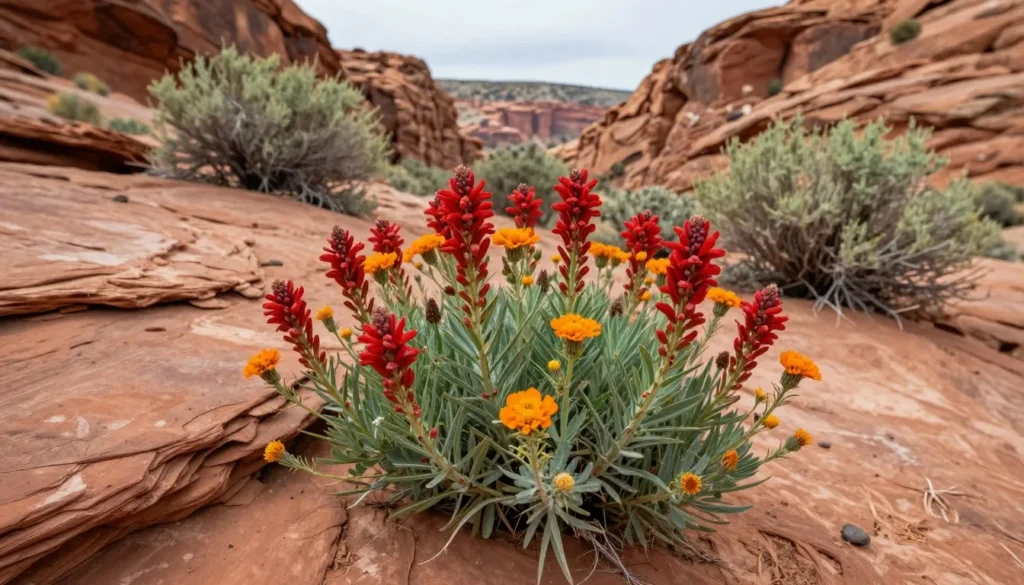
Sagebrush dominates lower elevations, its silvery-green foliage releasing aromatic oils. Scattered juniper and piñon pine trees grow where soil and moisture allow. Spring wildflowers transform the landscape when conditions align – Indian paintbrush, globemallow, and evening primrose add vivid color to the red rock canvas.
Geological Features and Rock Formations
The canyon’s geology tells stories spanning hundreds of millions of years. Massive red Wingate sandstone cliffs formed from ancient desert sand dunes during the Triassic period, about 200 million years ago. Underlying layers reveal even older environments – ancient seas, rivers, and coastal plains.
Modern erosion continues sculpting the landscape. Water, wind, and seasonal freeze-thaw cycles gradually break down rock, creating the spectacular forms visible today. Alcoves where archaeological sites nestle resulted from selective weathering of softer rock layers beneath harder caprock.
Stargazing and Dark Skies
Remote McElmo Canyon suffers minimal light pollution, creating exceptional stargazing conditions. On moonless nights, the Milky Way arches brilliantly overhead. Winter offers the clearest skies, though cold temperatures demand warm clothing for extended sky watching.
The canyon’s dark skies evoke connections to ancient peoples who lived by celestial rhythms. Archaeological evidence shows Ancestral Puebloans tracked astronomical events, incorporating solar and lunar observations into their architecture and ceremonies. Standing under the same stars they watched centuries ago provides powerful perspective.
Safety, Etiquette, and Local Customs in McElmo Canyon
Visiting McElmo Canyon safely requires preparation and respect for both the environment and local community. The area’s remoteness and cultural sensitivity demand higher awareness than typical tourist destinations. Following these guidelines ensures positive experiences for everyone.
Safety Considerations
Desert conditions present specific hazards unfamiliar to many visitors. Heat exhaustion and dehydration top the risk list during warmer months. Carry abundant water – at least 3 liters per person daily. Drink regularly rather than waiting until you feel thirsty, as thirst signals you’re already becoming dehydrated.
Essential Safety Practices
- Tell someone your plans and expected return time before entering remote areas
- Carry a first aid kit, extra water, and emergency supplies
- Wear sun protection including hat, sunglasses, and high-SPF sunscreen
- Check weather forecasts and avoid canyons during thunderstorm risk
- Watch for rattlesnakes, especially in warmer months and around rock piles
- Stay on established roads and trails to avoid getting lost
Flash Flood Awareness
- Never enter narrow canyon sections when rain threatens
- Storms miles away can send walls of water through dry washes
- Seek high ground immediately if you hear rushing water
- Avoid camping or parking in dry washes or low areas
- Summer afternoon thunderstorms develop rapidly – watch sky conditions
- Flash floods can occur even under clear skies if rain falls upstream
Archaeological Site Etiquette
Federal and state laws strictly protect archaeological resources. Damaging, defacing, or removing artifacts from public lands carries severe penalties including fines up to $20,000 and imprisonment. These protections extend to private land as well in many cases.
Follow the “Three Ds” at archaeological sites: Don’t touch walls or artifacts, Don’t disturb anything, Don’t remove any items no matter how small. Even touching ancient walls deposits oils that accelerate deterioration.
Photograph freely but never climb on ruins or enter structures. Walk only on designated paths to prevent erosion and site damage. Report any vandalism or suspicious activity to authorities. These irreplaceable sites survived centuries but remain fragile and vulnerable to careless visitors.
Respecting Private Property and Local Community
Much of McElmo Canyon passes through working cattle ranches. Respect private property boundaries absolutely. Never cross fences, open gates, or enter posted areas without explicit permission. Local ranchers generally welcome respectful visitors but have zero tolerance for trespassing and property damage.
The canyon area is home to both modern residents and holds deep significance for Native American peoples whose ancestors built the ancient sites. Approach this landscape with appropriate respect and cultural sensitivity. What appears as ruins to visitors represents the homes and sacred places of real people and their descendants.
Leave No Trace Principles
Practice Leave No Trace ethics throughout your visit. Pack out all trash including organic waste like orange peels and apple cores. Bury human waste at least 61 meters (200 feet) from water sources in cat holes 15-20 centimeters (6-8 inches) deep, or pack it out where required.
Stay on durable surfaces when hiking off-trail. Avoid creating new paths that promote erosion and vegetation damage. Camp only in established sites where permitted. Keep noise levels low to preserve the area’s peaceful character for wildlife and other visitors.
Visitor Comments About McElmo Canyon
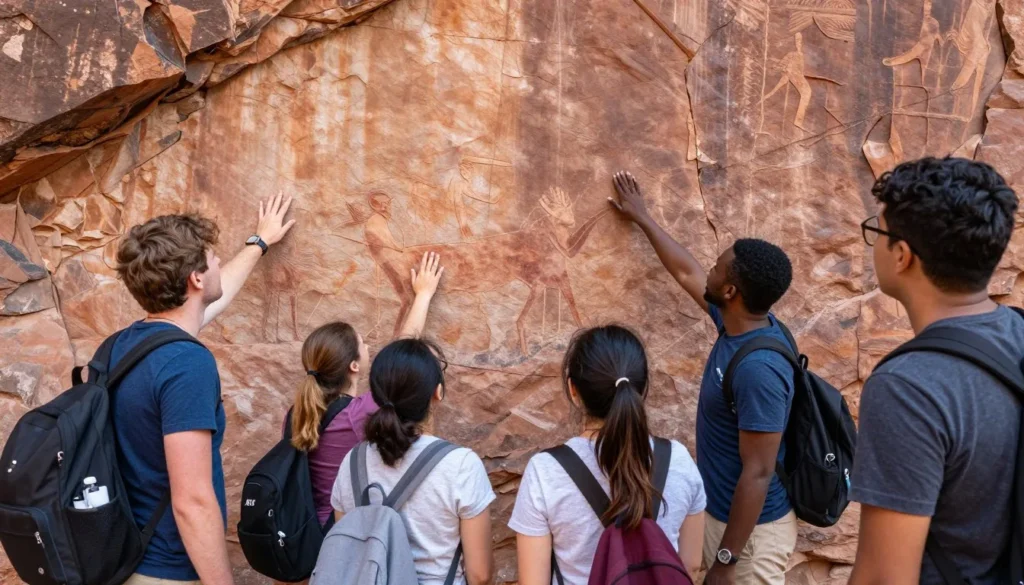
Real visitor experiences provide valuable insights for planning your own McElmo Canyon adventure. These testimonials reflect the diverse ways people connect with this remarkable place.
“McElmo Canyon exceeded every expectation. We spent a full day exploring and barely scratched the surface. The archaeological sites blew us away – seeing ancient homes built into cliff faces felt like stepping back in time. Best part was having these incredible places almost to ourselves. No crowds, no noise, just us and 800 years of history. The morning light on the red rocks was absolutely magical. We’ll definitely return to explore more.”
“Our family loved McElmo Canyon. The kids (ages 10 and 13) found it way more interesting than the crowded national parks we’ve visited. They could actually imagine people living in those cliff dwellings and got excited about the pottery shards we saw (but didn’t touch!). Make sure to bring lots of water and snacks – there’s nothing out there. We packed a picnic and ate lunch with an amazing view. The Sand Canyon Trail was perfect for our fitness level. Such a special place that deserves more attention.”
“I’m an avid photographer and McElmo Canyon provided some of my best shots ever. The combination of ancient ruins, dramatic geology, and incredible light creates endless compositions. Visited in October and the weather was perfect – warm days, cool nights, and those golden autumn colors against red rock. Spent three mornings shooting different areas and could have stayed a month. Heads up for photographers: roads can get rough, so protect your gear. Also, be really respectful about where you point your camera near archaeological sites. The solitude here makes Mesa Verde feel like Disneyland.”
Additional Nearby Destinations Worth Exploring
McElmo Canyon sits within a region packed with exceptional destinations. Extending your trip to explore surrounding areas provides fuller appreciation of the Four Corners region’s remarkable natural and cultural resources. Each nearby spot offers unique experiences complementing your canyon visit.
Mesa Verde National Monument
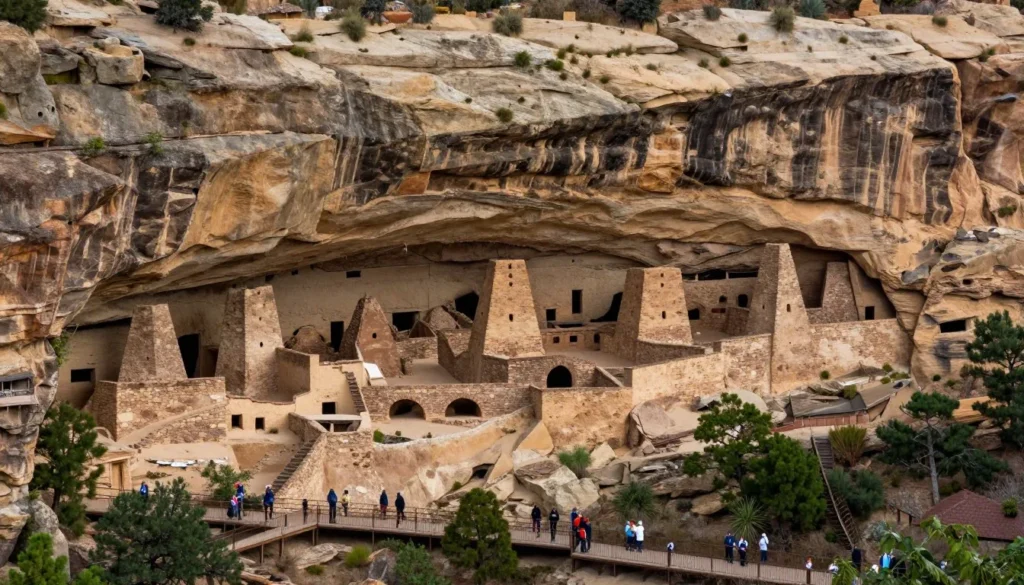
Mesa Verde National Monument lies just 21 kilometers (13 miles) east of McElmo Canyon. This UNESCO World Heritage Site protects over 5,000 archaeological sites including spectacular cliff dwellings. The most famous, Cliff Palace, contained 150 rooms and housed approximately 100 people.
Unlike McElmo Canyon’s quiet solitude, Mesa Verde attracts large crowds during peak season. Rangers lead tours into major cliff dwellings, providing detailed interpretation. The site’s museum and visitor center offer excellent context for understanding Ancestral Puebloan culture. Visiting both locations creates a comprehensive archaeological experience – Mesa Verde for structured tours and detailed interpretation, McElmo Canyon for personal discovery and solitude.
Canyons of the Ancients National Monument
This vast monument encompasses 71,900 hectares (177,000 acres) surrounding McElmo Canyon. The area contains the highest known density of archaeological sites in the United States – over 6,000 recorded locations. Most sites remain unexcavated, preserving them for future research while protecting cultural resources.
Sand Canyon Trail and Lowry Pueblo represent the monument’s most accessible sites. Lowry Pueblo, located 14 kilometers (9 miles) northwest of Cortez, features a painted kiva open to visitors and provides insights into ancient ceremonial practices. The monument’s vast size means you can explore for days and still discover new areas.
Hovenweep National Monument
Hovenweep’s distinctive towers rise from canyon rims about 64 kilometers (40 miles) west of Cortez. These enigmatic structures, built between 1200-1300 CE, demonstrate sophisticated engineering and astronomical knowledge. Their exact purpose remains debated, though most archaeologists believe they served ceremonial, defensive, and astronomical functions.
The monument straddles the Colorado-Utah border in extremely remote territory. Visiting requires commitment as the drive takes over an hour on paved and gravel roads. However, the journey rewards travelers with pristine ruins and profound solitude. Hovenweep sees a fraction of Mesa Verde’s visitors despite comparable archaeological significance.
Four Corners Monument
The only spot where four U.S. states meet lies 64 kilometers (40 miles) southwest of Cortez. While the monument itself is simply a brass disk and state markers, the novelty of standing in four states simultaneously appeals to many visitors. Navajo vendors sell traditional crafts and food at the site.
The monument makes a quick stop rather than a destination itself. Most visitors spend 20-30 minutes photographing the marker and browsing vendor stalls. However, the surrounding area showcases stunning high desert landscapes and provides access to Navajo Nation lands where additional cultural sites await exploration with proper permissions.
Practical Travel Tips for McElmo Canyon
These final practical details help ensure smooth travels and meaningful experiences in McElmo Canyon. Small preparations make significant differences in remote areas where services are limited and conditions can challenge unprepared visitors.
What to Pack
Essential Items
- Abundant water – minimum 3 liters per person daily
- Sun protection – hat, sunglasses, SPF 50+ sunscreen, lip balm
- Layered clothing for temperature extremes
- Sturdy hiking boots with ankle support
- First aid kit with blister treatment
- Phone with offline maps downloaded
- Physical map as GPS backup
- Snacks and lunch for all-day trips
Recommended Additions
- Binoculars for wildlife and distant archaeological sites
- Camera with extra batteries and memory cards
- Field guides for plants, animals, and geology
- Notebook for recording observations
- Trekking poles for rocky terrain
- Headlamp or flashlight with extra batteries
- Emergency blanket and fire-starting materials
- Portable phone charger
Money and Services
Cortez has several banks with ATMs, but carry cash for small purchases and emergencies. McElmo Canyon and surrounding areas offer no services whatsoever – no gas stations, stores, restaurants, or facilities. Fill your gas tank in Cortez before exploring, as the nearest services may be 48 kilometers (30 miles) or more from some canyon areas.
Cell phone service is unreliable throughout McElmo Canyon. Don’t count on phones for navigation or emergencies. Inform someone of your plans and expected return time before venturing into remote areas. This simple precaution could prove critical if problems arise.
Photography Guidelines
McElmo Canyon offers extraordinary photography opportunities, but respect for sites and environment comes first. Never use flash photography inside archaeological structures as repeated flashes accelerate deterioration. Avoid touching walls even to steady yourself while shooting.
Best light occurs during the first two hours after sunrise and final two hours before sunset. Midday harsh overhead light creates unflattering shadows and washed-out colors. Cloudy days provide even, soft light excellent for detail shots and texture photography.
Commercial photography and drone use require special permits in protected areas. Contact Canyons of the Ancients National Monument or other managing agencies before using drones or conducting commercial shoots. Recreational photography for personal use is welcome when done respectfully.
Accessibility Considerations
McElmo Canyon presents significant accessibility challenges. Rough roads, lack of facilities, and remote locations make the area difficult for people with mobility limitations. Most archaeological sites require hiking over uneven terrain. No wheelchair-accessible trails currently exist within the canyon.
However, driving the main canyon road provides spectacular scenery accessible from your vehicle. Several viewpoints offer canyon vistas without leaving the car. The Anasazi Heritage Center near Dolores features full accessibility with wheelchair-accessible exhibits, restrooms, and paved paths.
Permit and Regulations
Visiting McElmo Canyon generally requires no permits for driving and viewing from public roads. However, accessing some areas managed by Canyons of the Ancients National Monument may require backcountry permits. Check current regulations before your visit as policies occasionally change.
Never attempt to enter archaeological structures or dig for artifacts. Such activities violate federal and state laws protecting archaeological resources. Observe from appropriate distances and stay on designated trails where they exist. Your cooperation helps preserve these irreplaceable sites for future generations.
McElmo Canyon Location
Your McElmo Canyon Adventure Awaits
McElmo Canyon offers something increasingly rare in our crowded world – the opportunity to explore significant archaeological and natural wonders in peaceful solitude. While nearby Mesa Verde draws massive crowds, this remarkable canyon remains a secret known mainly to locals and dedicated archaeology enthusiasts.
The canyon rewards those who take the time to truly experience it rather than rush through. Sunrise light illuminating ancient cliff dwellings, the call of a golden eagle soaring overhead, the profound silence broken only by desert wind – these moments create lasting memories that transcend simple sightseeing.
Whether you spend a few hours or several days exploring McElmo Canyon, approach the area with respect for its cultural significance and natural fragility. The archaeological sites you’ll encounter represent the homes, workplaces, and sacred spaces of real people whose descendants still honor these places. Walking lightly and observing thoughtfully honors both past and present.
McElmo Canyon’s greatest gift may be perspective. Standing before structures built 800 years ago, surrounded by landscape shaped over millions of years, our daily concerns shrink to proper size. The canyon reminds us that we’re part of something much larger – a story that began long before us and will continue long after. That humbling realization makes the dusty drive down County Road G worth every mile.