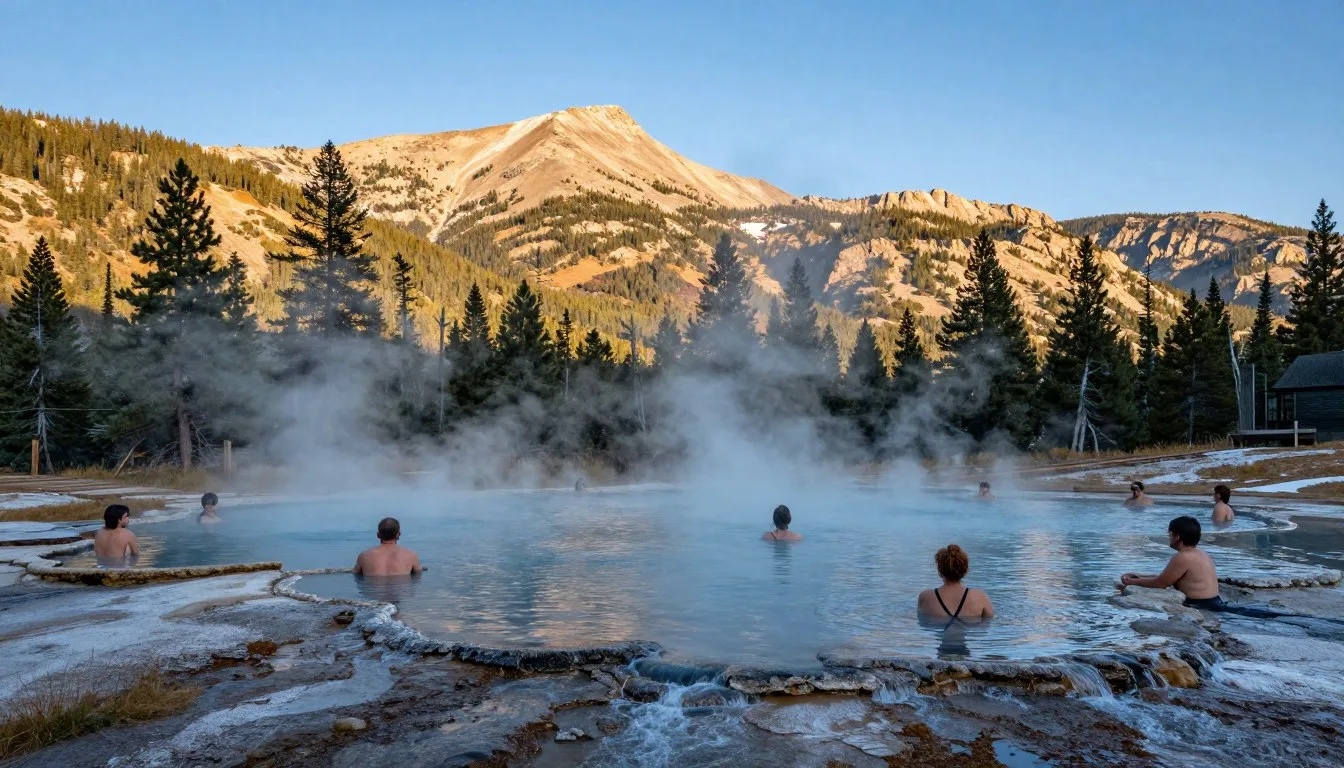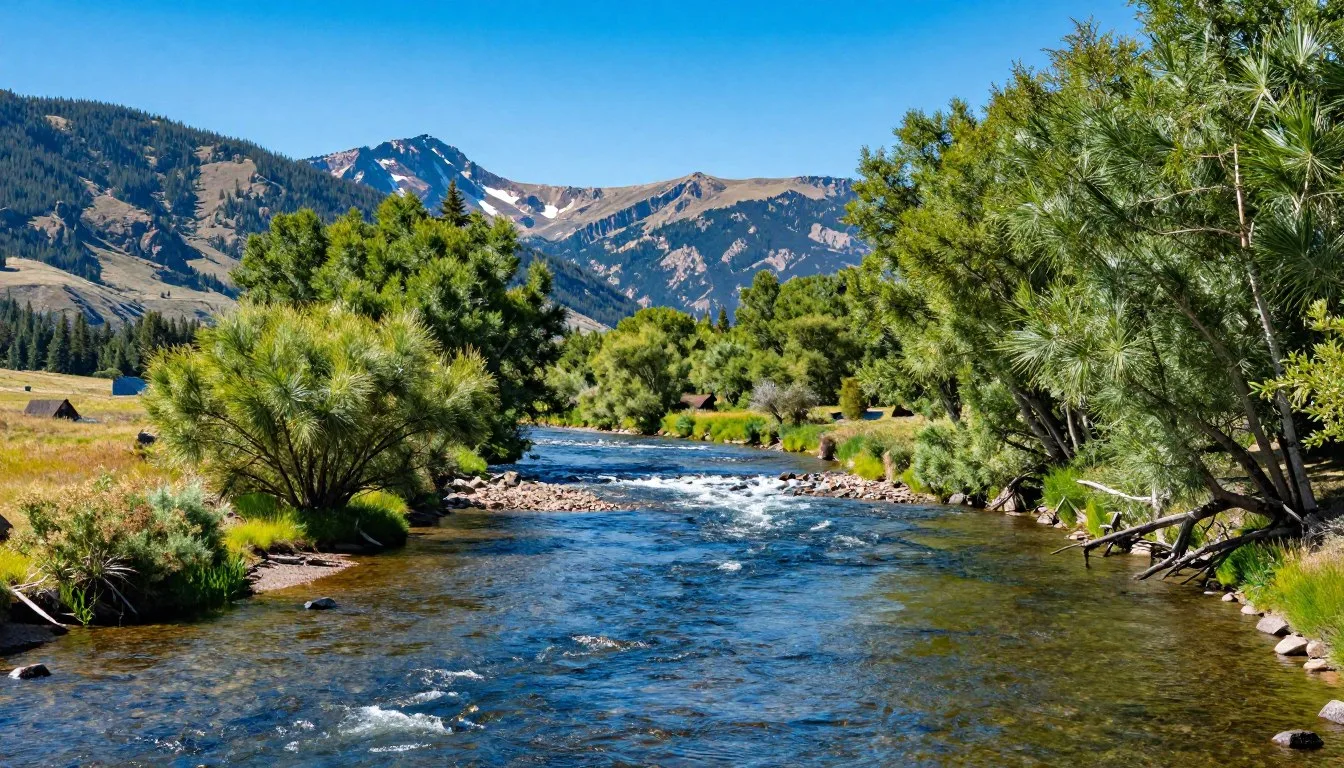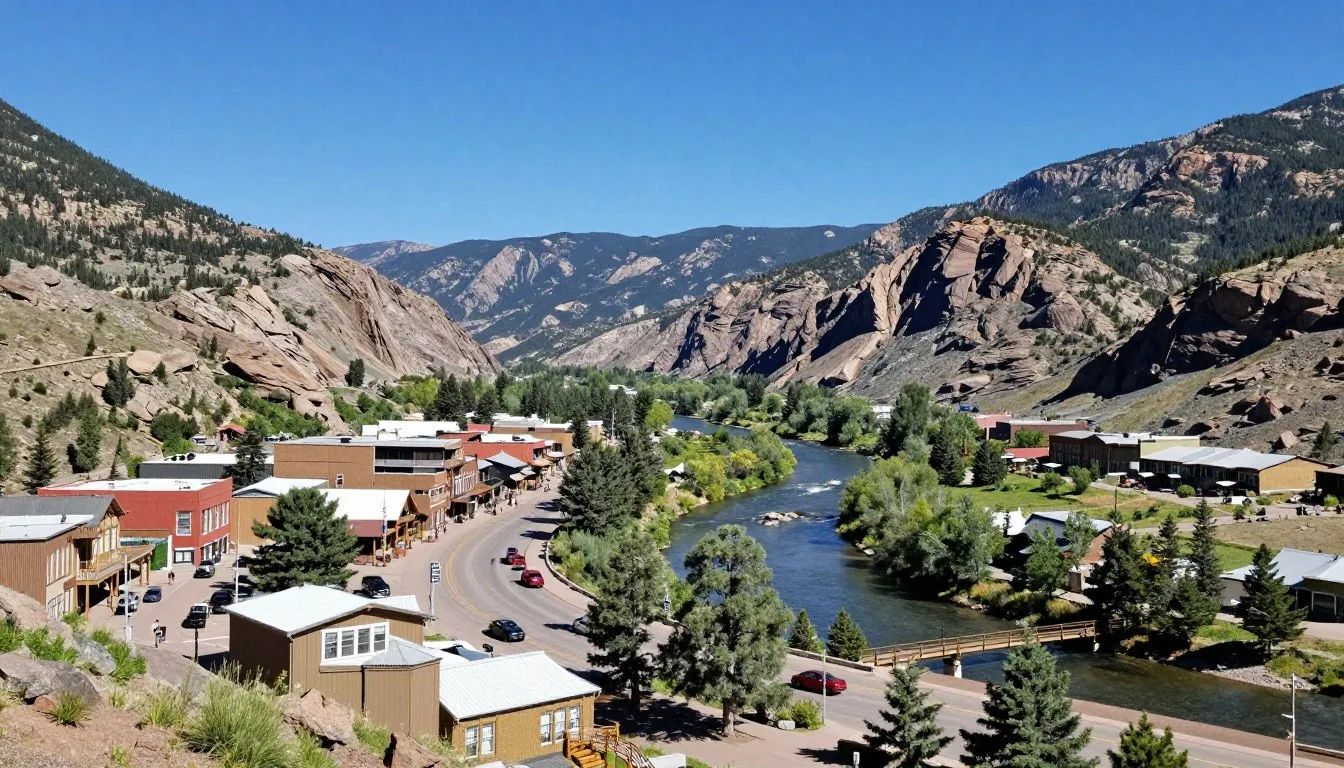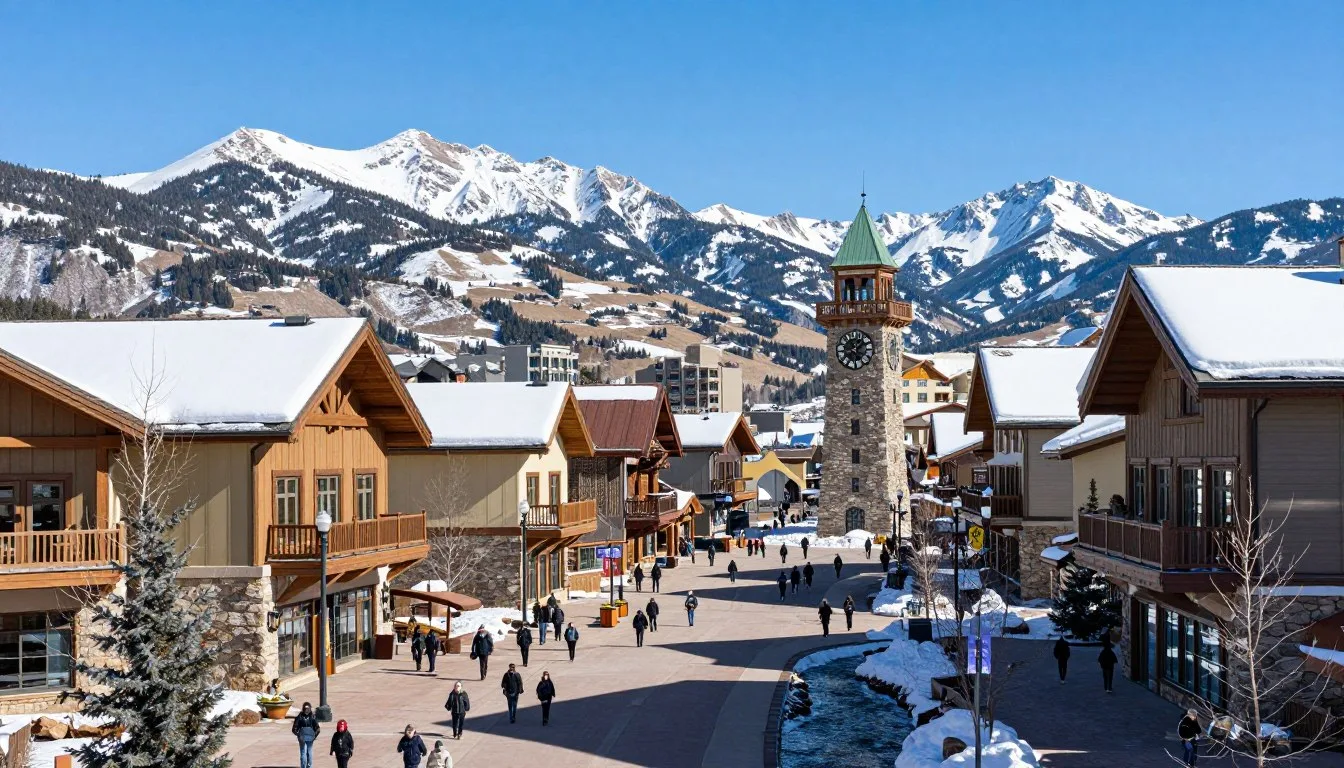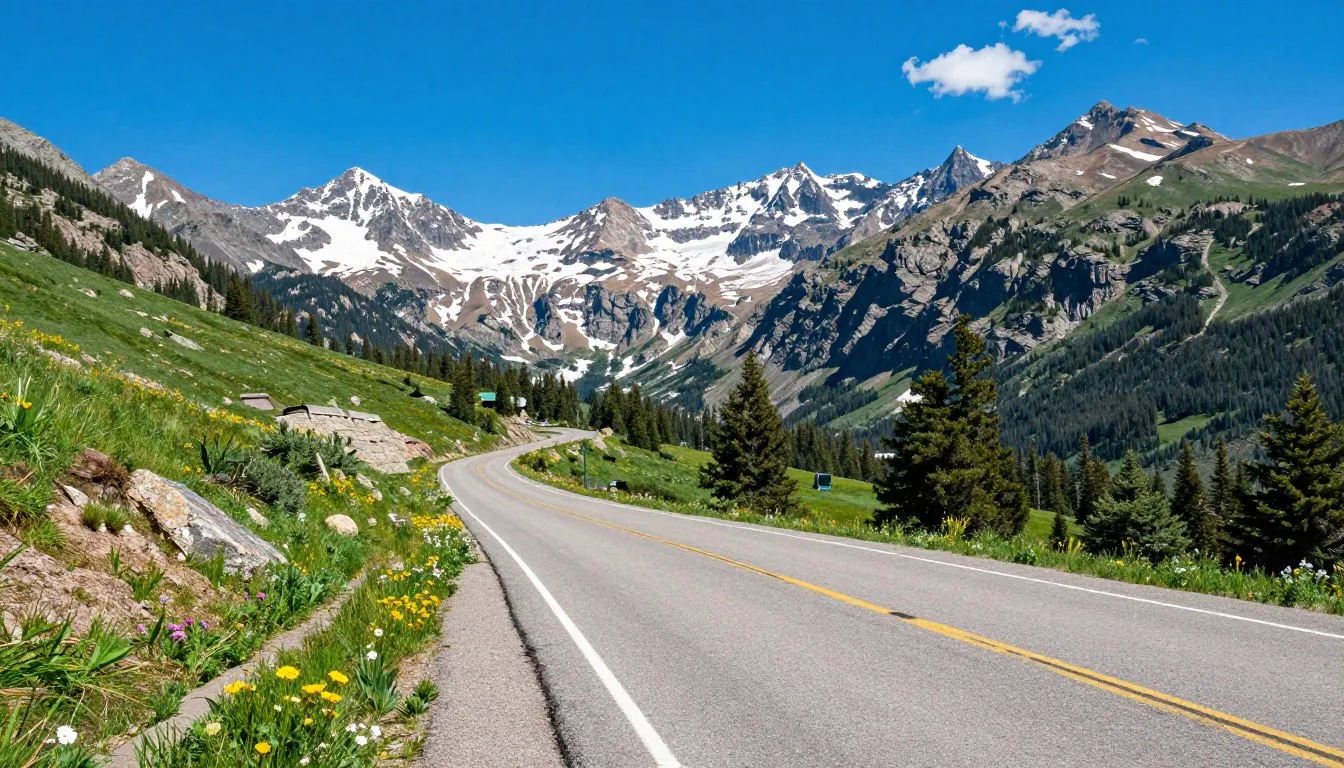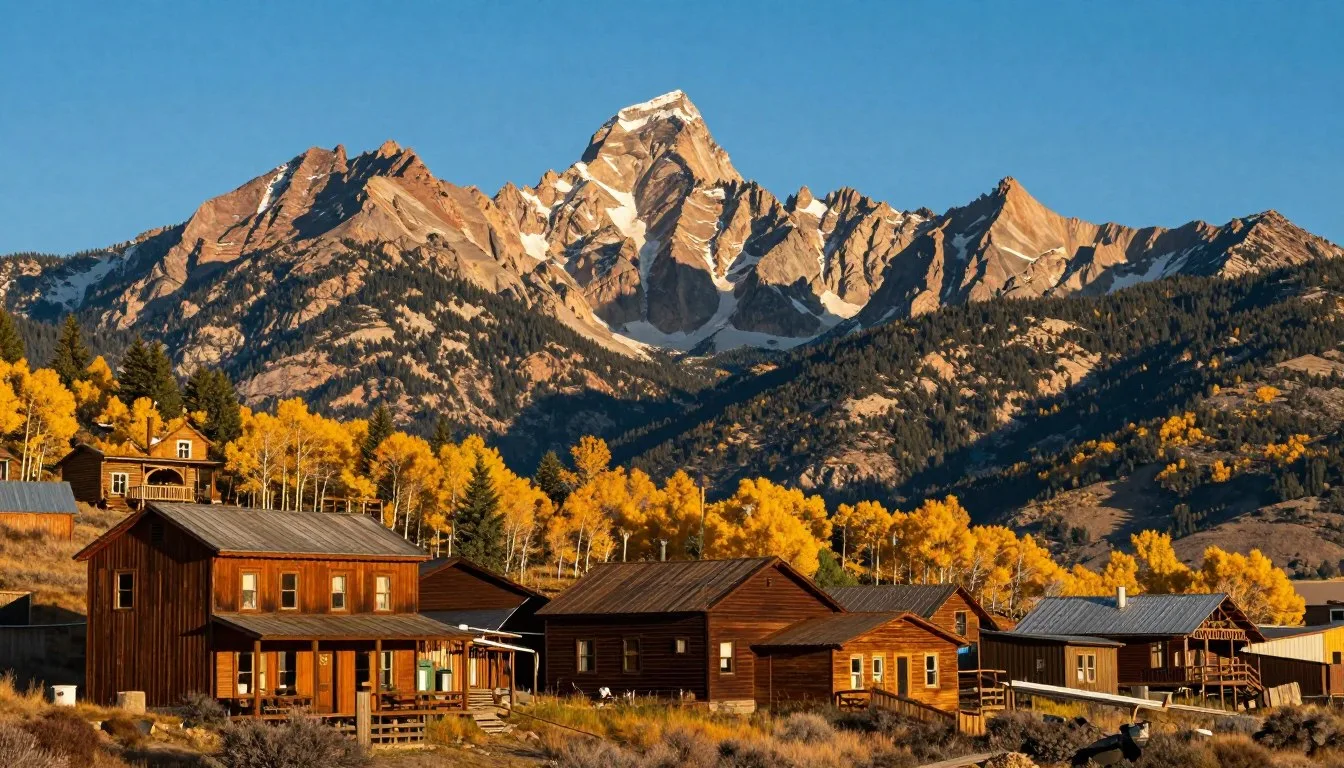
Nestled at an elevation of 3,048 m (10,000 feet) in the San Juan Mountains, Mineral City stands as one of Colorado’s highest continuously inhabited communities. This remarkable mountain town experiences over 300 days of sunshine annually, yet receives an average of 10 m (400 inches) of snowfall each winter. These striking contrasts define a destination where Victorian-era mining history meets pristine alpine wilderness.
The town’s remote location in Mineral County creates an atmosphere of authentic mountain solitude. Unlike crowded resort areas, this region offers visitors genuine access to Colorado’s rugged beauty. The surrounding landscapes showcase dramatic peaks, crystalline alpine lakes, and historic trails that wind through terrain largely unchanged since the silver boom era.
Today, Mineral City attracts adventurers seeking both historical exploration and outdoor experiences. The area provides year-round activities ranging from backcountry skiing to wildflower hiking. Whether you’re drawn to mining heritage or mountain vistas, this guide reveals the top attractions and essential planning information for your journey to this remarkable Colorado destination.
Getting There & Planning Your Journey
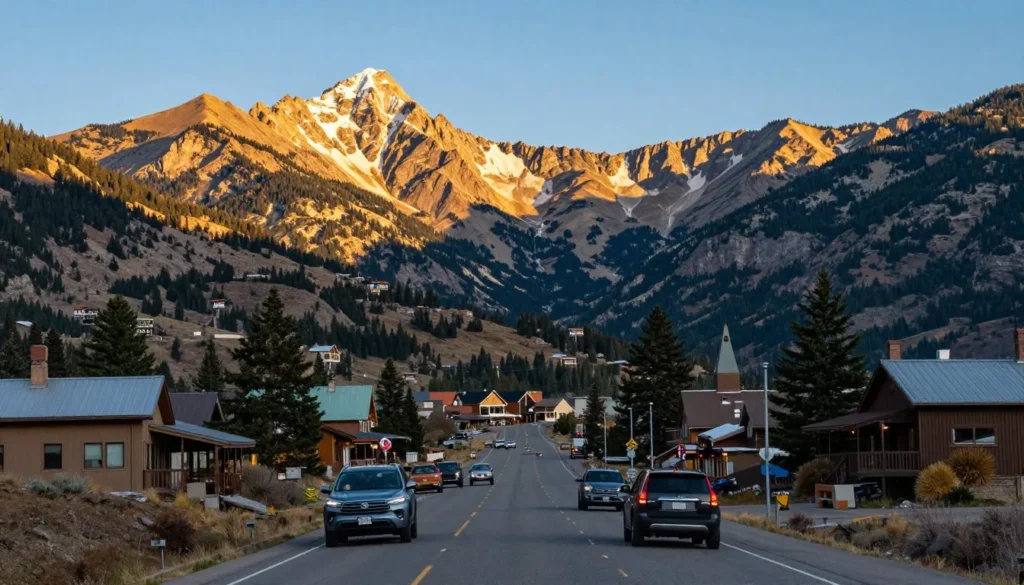
Reaching Mineral City requires careful planning due to its remote mountain location. The journey itself becomes part of the adventure as you traverse some of Colorado’s most spectacular high-country terrain. Most visitors find the scenic drive rewards the extra effort needed to access this hidden gem in the San Juan Mountains.
Closest Airports to Mineral City
Several regional airports provide access to Mineral County, each offering different advantages for your travel plans. The closest major airport sits approximately 193 km (120 miles) from the area. Your choice depends on flight availability, rental car options, and your comfort level with mountain driving.
Durango-La Plata County Airport (DRO)
Located 177 km (110 miles) southwest of Mineral City, this regional airport offers the most convenient access. The drive takes approximately 3 hours through scenic mountain passes. Several major carriers service Durango with connections through Denver and other hubs.
- Shortest driving distance to destination
- Well-maintained highways for most of route
- Multiple car rental agencies available
- Year-round flight service with seasonal variations
Gunnison-Crested Butte Regional Airport (GUC)
Positioned 145 km (90 miles) northeast, Gunnison provides an alternative entry point. The 2.5-hour drive crosses high mountain terrain with elevations exceeding 3,353 m (11,000 feet). Winter travel requires four-wheel drive and mountain driving experience.
- Shorter distance but more challenging terrain
- Limited winter flight schedules
- Spectacular alpine scenery en route
- Fewer rental car options than larger airports
Planning Your Mountain Journey
The final approach to Mineral City follows Highway 149, which climbs through stunning mountain valleys. This two-lane road offers breathtaking views but demands attention, especially during winter months. Summer visitors enjoy paved access, while winter travelers should expect snow-packed conditions requiring appropriate vehicles and equipment.
Allow extra time for your journey to account for weather, photo opportunities, and the slower pace of mountain driving. The region experiences rapid weather changes, particularly during afternoon hours. Check current road conditions before departure and carry emergency supplies including water, snacks, warm clothing, and basic tools regardless of season.
Best Time to Visit & Weather Tips
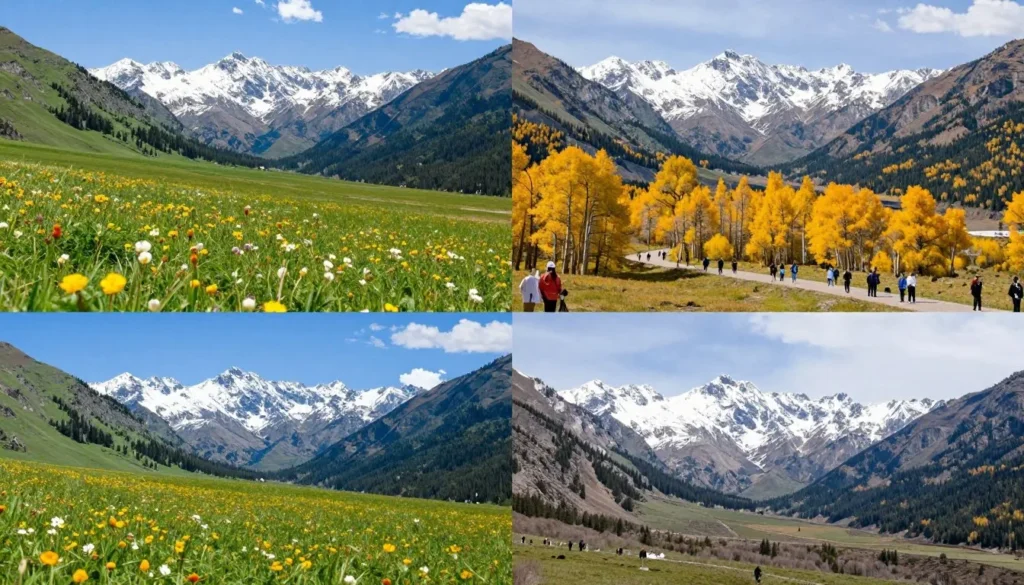
Mineral City’s high-altitude location creates distinct seasons with dramatic temperature variations. Understanding these patterns helps you plan activities and pack appropriately for your mountain adventure. Each season offers unique experiences, from summer wildflower displays to winter backcountry skiing opportunities.
Recommended Months for Visiting Mineral City
Late June through September represents peak season for accessibility and outdoor activities. During these months, daytime temperatures range from 15°C to 24°C (59°F to 75°F), with cool nights dropping to 2°C to 7°C (35°F to 45°F). Most hiking trails become snow-free by early July, and alpine wildflowers peak in mid-July through early August.
Winter enthusiasts should plan visits between December and March for optimal snow conditions. The area receives consistent snowfall during these months, creating excellent backcountry skiing and snowshoeing opportunities. However, temperatures plummet to -18°C to -7°C (0°F to 20°F) at night, with daytime highs rarely exceeding 0°C (32°F).
Seasons to Avoid or Approach with Caution
April and May present challenging conditions as spring arrives slowly at high elevations. Roads become muddy, trails remain snow-covered, and services operate on limited schedules. Late October through November brings unpredictable weather with sudden snowstorms possible at any time. Many local businesses close during these shoulder seasons.
Summer Season Advantages
- All access roads and trails open
- Comfortable daytime temperatures for hiking
- Peak wildflower displays throughout region
- Extended daylight hours until 8:30 PM
- Full range of services and activities available
- Minimal risk of weather-related disruptions
Winter Season Considerations
- Four-wheel drive vehicle absolutely essential
- Limited lodging options remain open
- Shorter daylight hours ending around 5 PM
- Extreme cold requires specialized gear
- Road closures possible during major storms
- Avalanche awareness necessary for backcountry travel
Weather Preparation Tips
Mountain weather changes rapidly regardless of season. Morning sunshine often gives way to afternoon thunderstorms during summer months. These storms typically arrive between 2 PM and 4 PM, bringing lightning, hail, and temperature drops of 11°C (20°F) within minutes. Plan exposed activities for morning hours and carry rain gear even on clear days.
The high altitude intensifies sun exposure year-round. UV radiation increases approximately 10 percent for every 914 m (3,000 feet) of elevation gain. Sunscreen with SPF 50 or higher becomes essential, along with sunglasses and wide-brimmed hats. These precautions prevent severe sunburn that can ruin your vacation within hours of arrival.
Layered clothing proves most effective for managing temperature swings. Start mornings with warm base layers, then remove items as temperatures rise. Keep insulating layers and waterproof shells accessible throughout the day. Evening temperatures drop quickly after sunset, requiring warm jackets even during summer visits.
Getting Around Locally
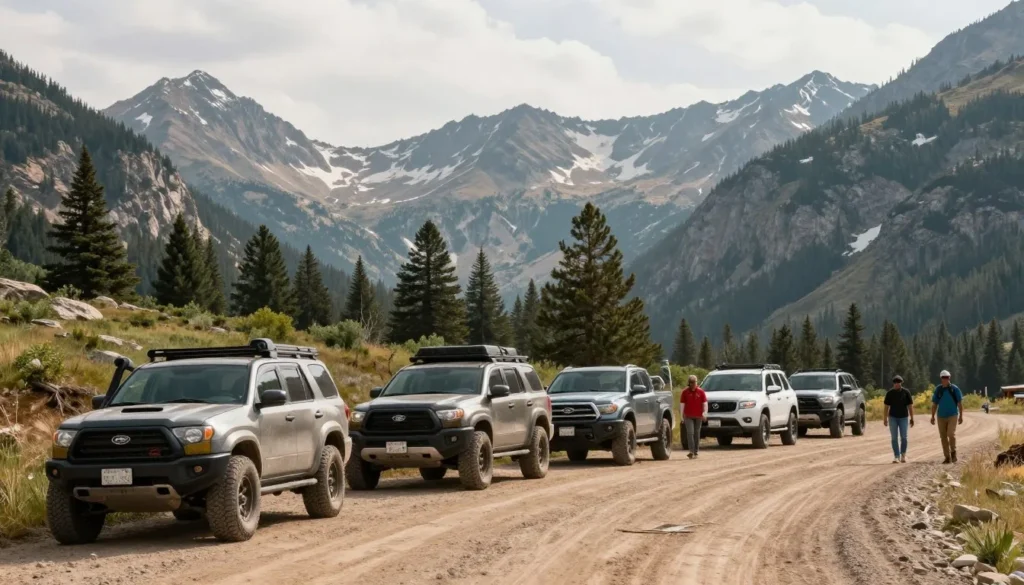
Transportation within Mineral County requires self-sufficiency and proper equipment. The remote mountain location means no public transit, limited taxi services, and challenging road conditions. Most visitors rely on personal vehicles to explore the area’s attractions spread across rugged terrain.
Vehicle Requirements and Road Conditions
A high-clearance four-wheel drive vehicle becomes essential for accessing most attractions beyond the main highway. Many scenic spots lie at the end of unpaved forest service roads with steep grades, loose rocks, and water crossings. Standard passenger cars cannot safely navigate these routes, limiting your exploration options significantly.
The main access highway receives regular maintenance and remains passable for conventional vehicles during summer months. However, side roads to trailheads, historic sites, and scenic overlooks often require aggressive tread tires and undercarriage protection. Winter adds complexity with mandatory tire chains or snow tires for any travel in the region.
Navigation and Route Planning
Cellular service becomes unreliable throughout much of Mineral County. Download offline maps before arriving in the area and carry paper backup maps showing forest service roads and trail locations. GPS devices designed for remote areas provide more reliable navigation than smartphone applications.
Distances appear deceptively short on maps but require significant travel time due to road conditions and mountain terrain. A 16 km (10-mile) drive might take 45 minutes or longer on unpaved roads. Plan routes conservatively and start return trips well before dark, as nighttime navigation becomes extremely challenging on unfamiliar mountain roads.
Important Note: Gas stations are sparse in Mineral County. Fill your tank in larger towns before entering the region and maintain at least a half tank at all times. The nearest fuel may be 64 km (40 miles) away on rough roads. Carry extra fuel if planning extended backcountry exploration.
Alternative Transportation Options
Some visitors arrange guided tours through local outfitters who provide transportation to remote areas in specialized vehicles. These services cost more than independent travel but eliminate navigation concerns and vehicle capability limitations. Tour operators know current road conditions and can access areas requiring expert driving skills.
Mountain biking offers an eco-friendly alternative for exploring forest service roads during summer months. Many routes suitable only for four-wheel drive vehicles provide excellent cycling opportunities for experienced riders comfortable with steep climbs and technical descents. Bike rentals are available in nearby larger towns but not within Mineral City itself.
Where to Stay
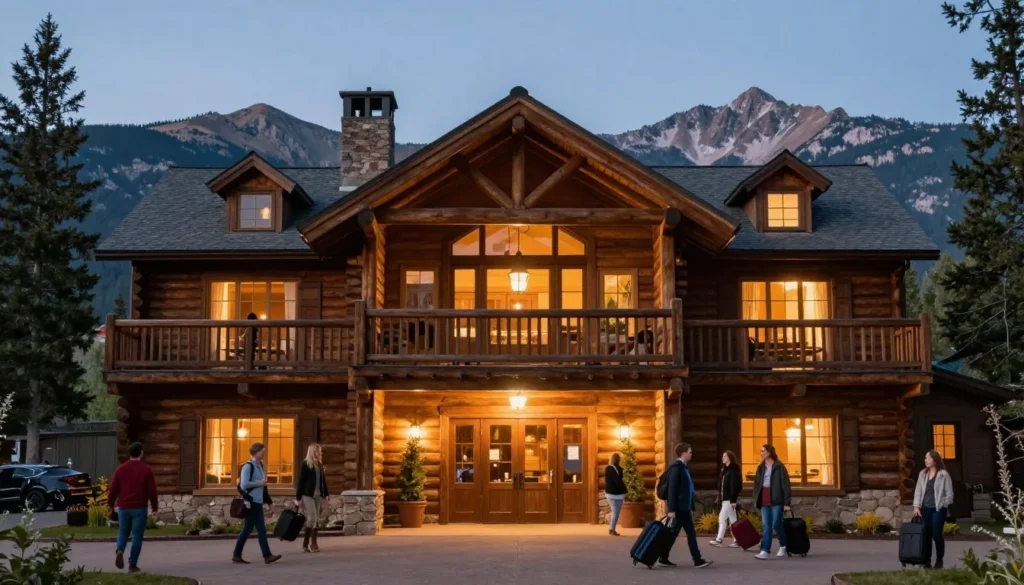
Lodging options in Mineral City reflect its remote character and small population. Visitors find a variety of accommodations from historic hotels to modern vacation rentals, though advance reservations prove essential during peak summer season. The intimate scale means limited availability but personalized service and authentic mountain experiences.
Hotels and Historic Lodges
Several small hotels operate in the area, many occupying restored Victorian-era buildings from the mining boom. These properties offer 10 to 20 rooms with period charm and modern amenities. Expect cozy spaces with thick log walls, antique furnishings, and spectacular mountain views from second-story windows.
Most historic lodges include breakfast in their rates and provide common areas with fireplaces perfect for evening relaxation. Room rates range from $120 to $250 per night depending on season and room size. Book several months ahead for July and August stays, as these properties fill quickly during peak wildflower season.
Vacation Rentals and Cabins
Private cabins scattered throughout the surrounding forest provide secluded alternatives to in-town lodging. These rentals range from rustic one-room structures to fully equipped modern homes sleeping eight or more guests. Cabin stays offer privacy and closer proximity to trailheads and natural areas.
Mountain Cabin Features
- Full kitchens for self-catering flexibility
- Wood-burning stoves or fireplaces
- Porches with mountain vistas
- More space than hotel rooms
- Pet-friendly options frequently available
- Weekly rates offer better value than nightly
Vacation Rental Considerations
- Often located on unpaved access roads
- Limited or no cellular service
- Some lack running water in winter
- Propane or solar power common
- Cleaning fees add to total cost
- Minimum stay requirements during peak times
Camping and RV Options
Multiple National Forest campgrounds surround Mineral City, offering affordable lodging from late May through September. These sites provide basic amenities including picnic tables, fire rings, and vault toilets. Most campgrounds sit near streams at elevations between 2,743 m and 3,048 m (9,000 to 10,000 feet).
RV camping requires careful planning as full hookup sites are limited. Some private campgrounds near town accommodate RVs up to 10.7 m (35 feet) with water and electric connections. Forest Service sites suit smaller rigs and offer no hookups, though dump stations exist in nearby communities.
Dispersed camping on National Forest land provides free alternatives for self-sufficient campers with appropriate gear. Regulations require camps be at least 30 m (100 feet) from water sources and existing roads. Leave No Trace principles become especially important in these fragile alpine environments where vegetation grows slowly and disturbance lasts for years.
Booking Resources: Contact the Mineral County Visitor Center at +1 (719) 658-2374 for current lodging availability and recommendations. They maintain updated lists of accommodations and can help match properties to your specific needs and budget. Call well in advance during summer months when availability becomes extremely limited.
Dining & Local Cuisine
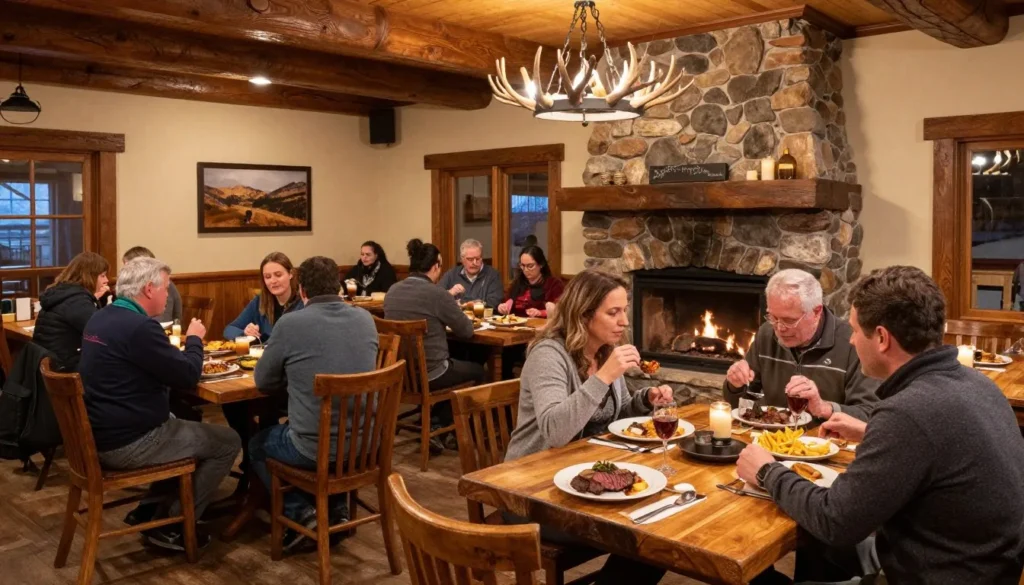
Dining in Mineral City emphasizes hearty mountain fare designed to fuel outdoor adventures. The limited number of restaurants means each establishment develops a loyal following. Expect generous portions, locally sourced ingredients when available, and menus that change with seasons and supply deliveries.
Local Restaurant Scene
Three to four restaurants operate year-round in the immediate area, with additional options opening during summer tourist season. These establishments range from casual cafes serving breakfast and lunch to dinner houses specializing in wild game and Colorado beef. Reservations become advisable for dinner during peak visitor periods.
Most restaurants close one or two days weekly, often mid-week when visitor traffic slows. Hours reflect the mountain lifestyle with breakfast starting around 7 AM, lunch service from 11 AM to 3 PM, and dinner beginning at 5 PM. Kitchens typically close by 9 PM, earlier during winter months when darkness arrives sooner.
Signature Dishes and Regional Specialties
Menus feature Colorado game meats including elk, bison, and trout caught in nearby mountain streams. These proteins appear in various preparations from grilled steaks to slow-braised stews. Wild game offers leaner alternatives to conventional meats while connecting diners to the region’s hunting and fishing heritage.
Popular Menu Items
- Elk medallions with huckleberry reduction
- Pan-fried rainbow trout with herbs
- Bison burgers on house-baked buns
- Green chile smothered breakfast burritos
- Hearty beef and vegetable stews
- Fresh-baked pies using seasonal berries
Beverage Selections
- Colorado craft beers from regional breweries
- Local coffee roasters featured at cafes
- Hot chocolate and warm cider in winter
- Fresh-squeezed lemonade during summer
- Limited wine selections focusing on American wines
- Full bar service at dinner establishments
Grocery Stores and Self-Catering
One small market in town carries basic groceries, camping supplies, and prepared sandwiches. Selection remains limited compared to urban supermarkets, with higher prices reflecting transportation costs to this remote location. Stock up on specialty items in larger towns before arriving if you have specific dietary requirements or preferences.
The nearest full-service grocery store sits 56 km (35 miles) away, requiring an hour-plus drive on mountain roads. Visitors staying in vacation rentals should plan shopping trips carefully and bring non-perishable staples from home. Fresh produce arrives weekly, so timing visits around delivery days ensures better selection.
Dining Tips for Visitors
Arrive with flexible expectations regarding cuisine variety and service speed. Remote locations mean limited staff, longer wait times during busy periods, and occasional menu items unavailable due to supply challenges. The slower pace encourages relaxation and conversation rather than rushed meals.
Cash remains preferred at some establishments due to unreliable internet connections affecting credit card processing. ATM access exists but may be out of service, so carry sufficient cash for several days of dining and incidental purchases. Tipping follows standard Colorado practices of 18 to 20 percent for good service.
Attractions, Sightseeing & Activities
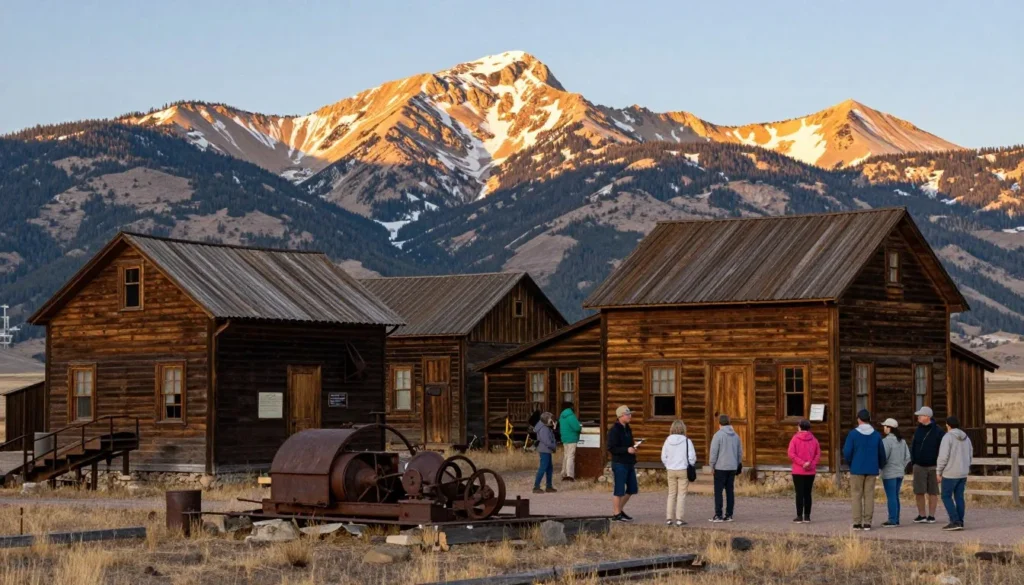
Mineral City’s attractions blend human history with natural wonders, creating diverse experiences for visitors. The area’s mining heritage provides fascinating glimpses into Colorado’s boom-and-bust past, while surrounding wilderness offers modern outdoor pursuits. This combination attracts history enthusiasts and adventure seekers alike.
Historic Mining Sites
Abandoned mines and mill ruins dot the mountainsides surrounding town, testament to the silver boom that created these communities. Several sites allow safe exploration with interpretive information explaining ore processing, mining techniques, and the harsh realities of 19th-century mountain life. These structures survived more than a century of extreme weather, creating photogenic subjects against alpine backdrops.
The most accessible site sits just 3.2 km (2 miles) from town center via a well-maintained dirt road. Here, visitors find partially intact stamp mill buildings where ore was crushed and processed. Information panels describe the machinery’s function and the dozens of workers who operated these facilities during peak production years.
Safety Alert: Never enter mine tunnels or unstable structures. Historic mining sites contain hidden dangers including vertical shafts, toxic gases, and weak timbers. Observe from safe distances and stay on designated paths. Disturbing or removing historic artifacts violates federal antiquities laws.
Scenic Overlooks and Viewpoints
Multiple pullouts along the region’s roads offer sweeping vistas of the San Juan Mountains. The most dramatic viewpoint sits at 3,505 m (11,500 feet) elevation, accessible via a 11.3 km (7-mile) forest service road. From this vantage point, you see 14,000-foot peaks stretching across the horizon with valleys carved by ancient glaciers below.
Another popular spot overlooks a stunning alpine basin containing three small lakes surrounded by wildflower meadows. The short 0.8 km (0.5-mile) walk from the parking area makes this destination suitable for most fitness levels. Peak wildflower displays occur in mid-July when entire hillsides burst with color against dark green conifers.
Top Attractions in Mineral County
Alpine Loop Scenic Byway
This 105 km (65-mile) route connects three historic mining towns via high mountain passes. The unpaved road crosses two passes exceeding 3,658 m (12,000 feet) with stunning views throughout. Allow a full day for the complete loop with time for photography and exploration stops.
- Open mid-July through September only
- Four-wheel drive absolutely required
- Multiple historic mining sites along route
- Spectacular mountain scenery throughout
Continental Divide Trail Access
Several trail segments of this famous long-distance path cross through the region. Day hikers access portions leading to mountain lakes and ridge walks. The terrain challenges with steep climbs and high elevation but rewards with solitude and pristine wilderness experiences.
- Trailheads marked on forest service maps
- Carry detailed navigation tools and supplies
- Weather changes rapidly at these elevations
- Permits not required for day hiking
Historic Town Walking Tour
Self-guided walks through Mineral City reveal Victorian architecture and stories of boom times when population exceeded several thousand residents. Many original structures survive, some restored and others weathering gracefully. Information plaques describe building histories and notable residents.
- Free activity requiring only comfortable shoes
- Takes 1-2 hours at leisurely pace
- Photography opportunities at every turn
- Available year-round when streets are clear
Waterfall Viewing Areas
Spring snowmelt creates impressive cascades on several creeks flowing through the area. The most accessible waterfall requires just 0.4 km (0.25 mile) walk from roadside parking. Peak flow occurs from late May through mid-July when snowpack melts rapidly.
- Best viewing in morning light
- Mist creates rainbows on sunny days
- Trails can be muddy and slippery
- Reduced flow by late summer
Photography Opportunities
The combination of historic structures, wildflowers, and mountain peaks creates endless photography subjects. Golden hour light, occurring around 6 AM and 7 PM during summer, bathes landscapes in warm tones perfect for dramatic images. Afternoon storms add moody clouds and occasional double rainbows to mountain scenes.
Wildlife photography opportunities exist throughout the region with marmots, pikas, elk, and numerous bird species present. Telephoto lenses prove essential as approaching wildlife too closely disturbs animals and poses safety risks. Dawn and dusk offer best chances for wildlife encounters when animals feed actively.
Museums, Cultural Spots & Festivals
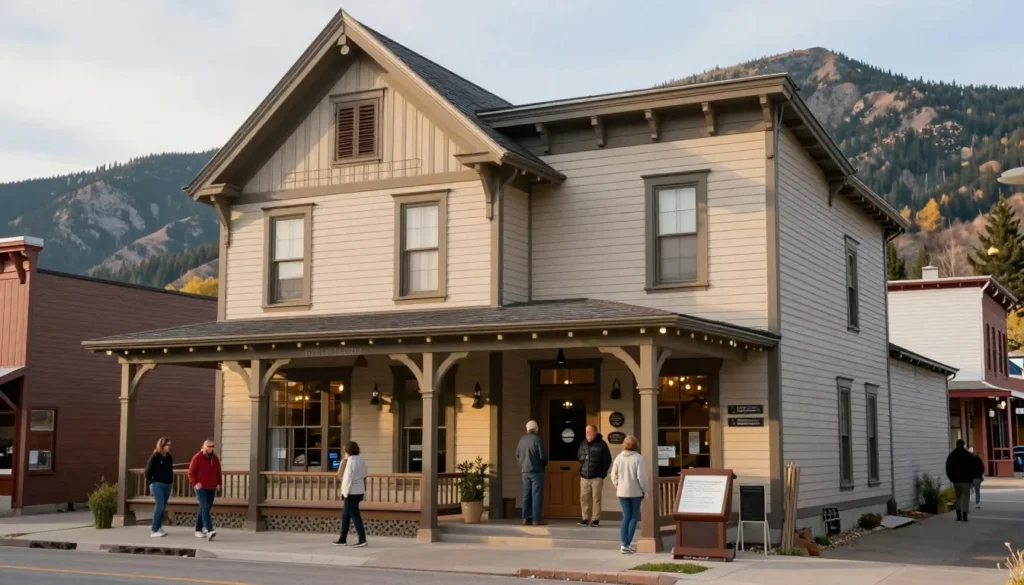
Cultural attractions in Mineral County preserve and celebrate both mining heritage and mountain community traditions. While limited in number compared to urban areas, these sites offer authentic connections to the region’s history. Local museums focus on telling personal stories of the miners, families, and entrepreneurs who built these high-altitude communities.
Local History Museum
The county historical society operates a small museum in a restored Victorian building near town center. Exhibits showcase mining equipment, period photographs, household items from the 1880s, and minerals extracted from local mines. Volunteer docents, often local residents with family ties to mining days, share stories bringing history to life.
The museum opens Thursday through Monday from 10 AM to 4 PM during summer season, with limited winter hours on weekends only. Admission costs $7 for adults and $4 for children ages 6-12, with proceeds supporting preservation efforts. Plan 60 to 90 minutes for a thorough visit including time to examine detailed exhibits and chat with knowledgeable staff.
Cultural Events and Annual Festivals
Summer brings several community celebrations drawing visitors and locals together. These events showcase mountain culture through music, food, and activities reflecting the area’s heritage. The relaxed atmosphere and small scale create intimate experiences quite different from large commercial festivals.
Midsummer Mining Days Festival
Held annually during the third weekend of July, this three-day celebration commemorates the mining heritage that shaped the region. Events include:
- Historical reenactments with period costumes
- Mining equipment demonstrations
- Local craft vendors selling handmade goods
- Live bluegrass and folk music performances
- Children’s activities and educational programs
- Food vendors featuring local specialties
Autumn Mountain Heritage Fair
This September event celebrates harvest traditions and mountain crafts. Smaller than summer festivals, it emphasizes local artisans and traditional skills:
- Woodworking and blacksmithing demonstrations
- Quilting and fiber arts displays
- Traditional mountain music jam sessions
- Backcountry cooking competitions
- Photography contest featuring regional scenes
- Silent auction benefiting community projects
Art Galleries and Local Crafts
Several small galleries operate in restored storefronts, featuring landscape paintings, photography, and sculptures inspired by mountain surroundings. Local artists often staff their own galleries, providing opportunities to discuss techniques and inspiration directly with creators. Prices range from affordable prints to investment pieces by established Colorado artists.
Handcrafted items including pottery, jewelry, and woodwork appear in shops around town. These pieces reflect both artistic vision and practical mountain aesthetics. Many visitors purchase lightweight items like jewelry or small carvings as memorable souvenirs connecting them to their mountain experience.
Community Gathering Spots
The town library serves as an unofficial community center, hosting lectures, book clubs, and evening programs during winter months. Visitors are welcome at these events which provide windows into contemporary mountain life. Topics range from wildlife biology to local history, presented by experts and longtime residents.
Sunday afternoon concerts in the town park occur throughout July and August, featuring local musicians playing everything from classical guitar to contemporary folk. Bring blankets or folding chairs for these free performances starting at 2 PM. The casual atmosphere encourages picnicking and socializing between sets.
Nature & Outdoor Experiences
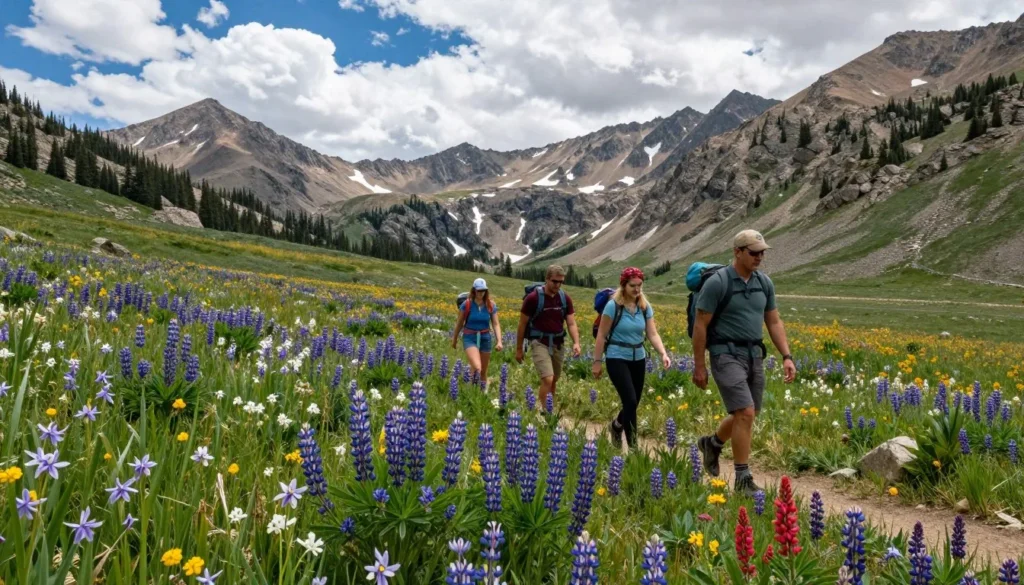
The natural beauty surrounding Mineral City provides the primary draw for most visitors today. Alpine ecosystems, pristine forests, and dramatic geology create environments found in few other places. These outdoor areas offer experiences ranging from casual nature walks to challenging backcountry adventures requiring advanced skills.
Hiking Trails for All Abilities
Trail networks surrounding the area accommodate everyone from families with young children to experienced mountaineers. Easy paths follow valley bottoms through wildflower meadows, while strenuous routes climb to mountain summits exceeding 4,267 m (14,000 feet). Most trailheads sit within 16 km (10 miles) of town center.
Beginner-Friendly Trails
- Meadow Loop Trail: 2.4 km (1.5 miles) flat walk through wildflower fields
- Creek Side Path: 1.6 km (1 mile) gentle grade following mountain stream
- Historic Site Trail: 3.2 km (2 miles) to restored mining camp
- Lake View Walk: 1.3 km (0.8 miles) to alpine lake overlook
Advanced Hiking Routes
- Summit Ridge Trail: 12.9 km (8 miles) with 914 m (3,000 feet) elevation gain
- Continental Divide Traverse: 19.3 km (12 miles) high-altitude ridge walk
- Alpine Basin Loop: 14.5 km (9 miles) crossing multiple passes
- Peak Scramble Route: 11.3 km (7 miles) to 4,267 m (14,000 foot) summit
Trail conditions vary significantly with season and weather. Early summer finds upper trails still snow-covered requiring trekking poles for stability. Late summer offers easiest conditions with dry, well-defined paths. Always carry the ten essentials including navigation tools, sun protection, first aid, illumination, fire-starting capability, repair kit, nutrition, hydration, emergency shelter, and extra clothing regardless of trip length.
Alpine Lakes and Fishing
Dozens of small alpine lakes dot the high country, many accessible via moderate hiking trails. These pristine waters support populations of cutthroat and rainbow trout, though fish run smaller at extreme elevations where growing seasons limit size. Colorado fishing licenses are required for anglers age 16 and older.
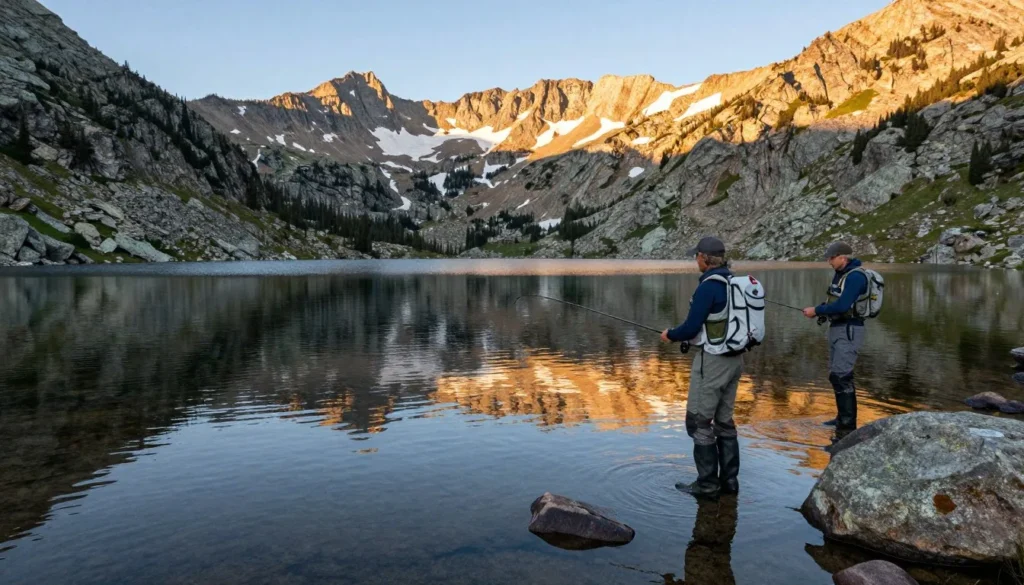
The most popular fishing lakes sit at elevations between 3,048 m and 3,353 m (10,000 to 11,000 feet). Typical lake sizes range from 2 to 10 hectares (5 to 25 acres). Catch-and-release fishing helps preserve these populations in fragile high-altitude environments. Barbless hooks and gentle handling techniques minimize harm to released fish.
Wildlife Viewing Opportunities
The varied ecosystems support diverse wildlife populations visible to patient observers. Large mammals including elk, mule deer, black bears, and occasional mountain lions inhabit the region. Smaller creatures like marmots, pikas, and ground squirrels provide entertainment near rocky areas and talus slopes.
Bird species range from tiny hummingbirds visiting wildflowers to golden eagles soaring on mountain thermals. Early morning and evening hours offer best wildlife viewing chances when animals feed actively. Binoculars or spotting scopes allow observation without disturbing wildlife or approaching dangerous distances.
Backcountry Camping and Wilderness Areas
Designated wilderness areas surrounding Mineral City protect pristine landscapes where motorized vehicles and mountain bikes are prohibited. These regions offer true solitude for experienced backcountry travelers equipped with proper gear and navigation skills. Permits are not required but wilderness regulations mandate specific practices.
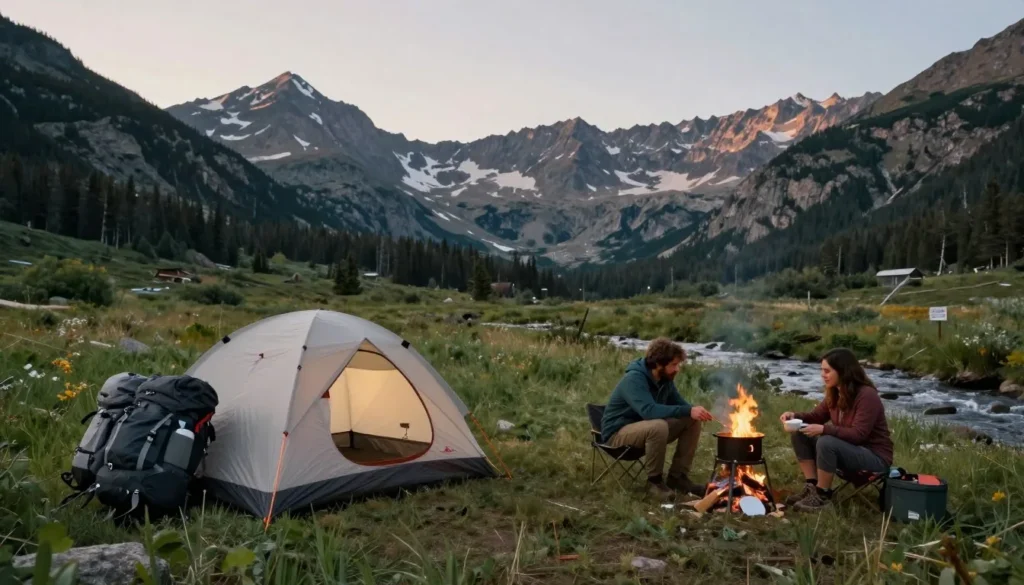
Campsites must be located at least 30 m (100 feet) from lakes and streams to protect water quality and riparian vegetation. Campfires are discouraged above treeline where wood is scarce and regeneration extremely slow. Portable camp stoves provide more reliable cooking with less environmental impact in these fragile alpine zones.
Winter Activities and Snow Sports
Deep snow transforms the landscape from November through April, creating opportunities for backcountry skiing, snowshoeing, and winter camping. These activities require specialized skills and equipment due to avalanche hazards and extreme cold. The region receives an average of 10 m (400 inches) of snow annually.
Several maintained snowshoe trails begin near town, offering safer alternatives to untracked backcountry travel. These routes pass through snow-laden forests and open slopes with winter mountain views. Avalanche awareness remains important even on designated trails, as hazards exist throughout the region during snow season.
Ice fishing attracts hardy anglers to frozen lakes from January through March. Drilling through ice up to 76 cm (30 inches) thick requires power augers or serious determination with hand tools. Shelter from wind becomes essential as exposed lake surfaces offer no protection from mountain weather.
Safety, Etiquette & Local Customs
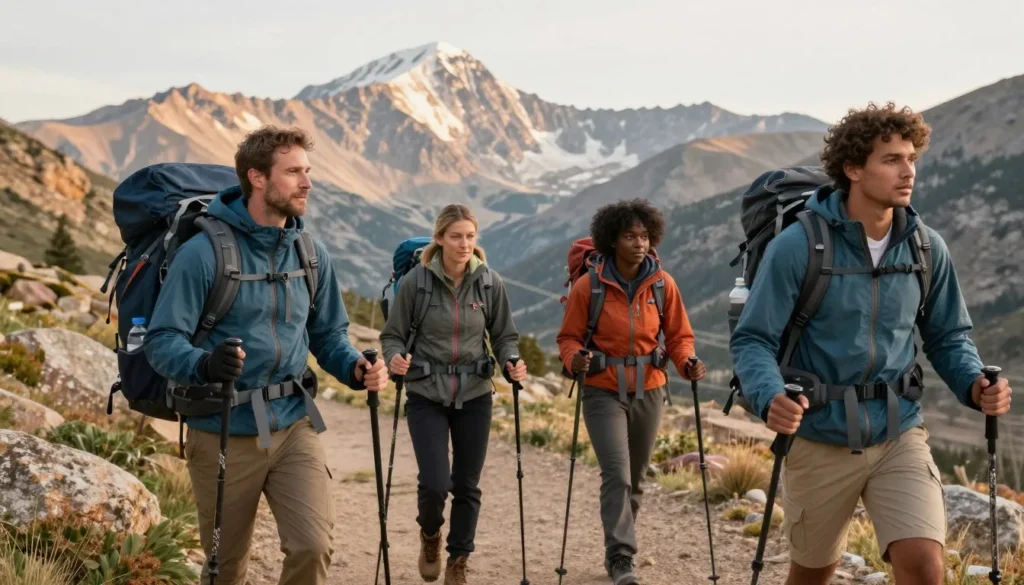
Mountain environments demand respect and preparation to ensure safe, enjoyable experiences. The combination of high altitude, rapid weather changes, and remote location creates hazards absent from urban areas. Understanding local customs and environmental protocols helps visitors integrate smoothly into this tight-knit community while protecting fragile ecosystems.
High Altitude Health Considerations
Mineral City sits well above 3,048 m (10,000 feet) where reduced oxygen affects nearly everyone, regardless of fitness level. Altitude sickness symptoms include headache, nausea, fatigue, and shortness of breath. These effects typically begin within hours of arrival and may persist for several days until your body acclimatizes.
Prevention strategies include ascending gradually if possible, staying well-hydrated by drinking at least 3 liters of water daily, avoiding alcohol for the first 24 hours, and limiting physical exertion during your first day or two. Over-the-counter pain relievers help with altitude headaches, but symptoms that worsen or include confusion require immediate descent to lower elevations.
Emergency Contact: The nearest hospital sits 88 km (55 miles) away requiring 90 minutes drive in good conditions. For emergencies, dial 911 immediately. Cell service is unreliable, so always inform someone of your plans before heading into backcountry areas. Carry a personal locator beacon or satellite communicator for trips beyond cell coverage.
Wildlife Safety Protocols
Black bears inhabit the region and occasionally enter town searching for food. Store all food, garbage, and scented items in bear-proof containers or vehicles. Never feed wildlife of any size, as habituated animals lose their natural wariness and often must be destroyed after becoming nuisances or threats.
Maintain minimum distances of 91 m (300 feet) from large mammals like elk and deer, which can behave unpredictably especially during fall mating season. Bulls become aggressive when rutting, and cows fiercely protect calves in spring. If an animal changes behavior due to your presence, you’re too close and should retreat slowly while facing the animal.
Environmental Leave No Trace Principles
The fragile alpine environment recovers slowly from disturbance, making responsible behavior essential. Pack out all trash including fruit peels and biodegradable items which attract wildlife and take years to decompose at high elevations. Dispose of human waste properly by burying it 15 to 20 cm (6 to 8 inches) deep at least 61 m (200 feet) from water sources.
Essential Environmental Practices
- Stay on established trails to prevent erosion
- Camp on durable surfaces away from water
- Pack out all trash including toilet paper
- Leave natural objects and artifacts undisturbed
- Minimize campfire impacts or use camp stoves
- Respect wildlife by observing from distance
Community Etiquette Guidelines
- Respect private property boundaries
- Support local businesses when possible
- Keep noise levels reasonable in town
- Ask permission before photographing residents
- Drive slowly on shared mountain roads
- Be patient with limited services and supply
Weather Hazards and Preparedness
Afternoon thunderstorms during summer months bring dangerous lightning to exposed ridges and peaks. Begin descents from high terrain by noon to avoid these storms which peak between 2 PM and 5 PM. If caught above treeline during electrical activity, crouch low in valleys or depressions away from isolated trees, avoiding direct contact with ground by squatting on a foam pad or backpack.
Hypothermia can occur even during summer months when temperatures drop and wet clothing loses insulating properties. Carry emergency layers including waterproof shells and insulating jackets on all trips. Change out of wet clothing immediately upon reaching shelter and consume warm liquids to help restore core temperature.
Road Safety and Driving Conditions
Mountain roads demand full attention with steep grades, sharp curves, and limited guardrails. Drivers unfamiliar with mountain driving should use lower gears on descents to prevent brake overheating and maintain control. Pull into designated turnouts to allow faster vehicles to pass rather than feeling pressured to drive beyond your comfort level.
Wildlife crosses roads frequently, especially during dawn and dusk hours. Scan roadsides continuously and reduce speed when visibility is limited. Hitting a large animal like an elk totals most vehicles and can cause serious injuries to occupants. Report wildlife collisions to authorities even if the animal leaves the scene.
Local Customs and Community Integration
Mountain communities value self-reliance, environmental stewardship, and neighborly assistance. Visitors who demonstrate respect for the land and local culture find warm welcomes. Conversely, entitled attitudes and destructive behavior meet with firm responses from residents protective of their environment and way of life.
Many locals work multiple jobs to survive in areas with limited employment and high costs of living. Tip generously for services and support local businesses rather than chain operations. These economic contributions help sustain small communities where every customer matters significantly.
Visitor Comments About Mineral City
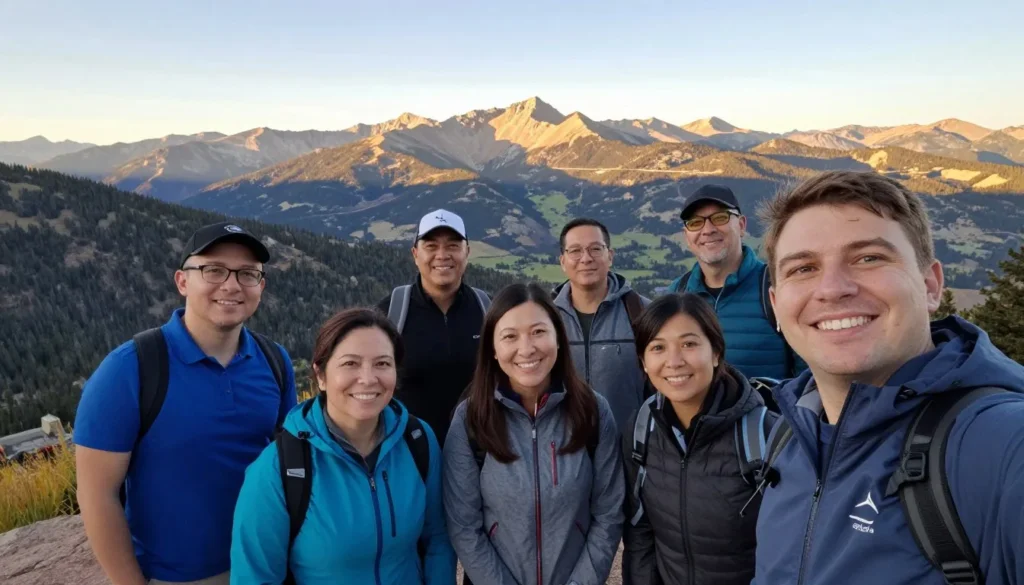
Travelers who visit Mineral City consistently praise the authentic mountain experience and natural beauty. Their feedback highlights both the rewards and challenges of exploring this remote destination. These genuine perspectives from recent visitors help set realistic expectations for your own adventure.
“The wildflower displays exceeded anything I imagined. We hiked five different trails during our week-long stay, and each offered something unique. The thin air took adjustment, but the views made every breathless moment worthwhile. Small-town hospitality made us feel welcome everywhere we went.”
“Perfect destination for getting completely away from crowds and stress. The remote location means planning ahead, but that’s part of the adventure. We stayed in a cabin without cell service and loved the digital detox. The night sky absolutely amazed us with stars visible horizon to horizon.”
“Mining history fascinated our whole family. Kids especially loved exploring the old structures and imagining life during boom times. Weather changed quickly, so we learned to always carry jackets even on sunny mornings. Local museum staff shared incredible stories that brought history alive beyond what any book could do.”
These experiences reflect common themes among visitors: stunning natural beauty, genuine historical sites, welcoming community, and the satisfaction of reaching a destination that requires extra effort. The consistent mention of weather variability and altitude effects underscores the importance of proper preparation for mountain travel.
Additional Nearby Destinations
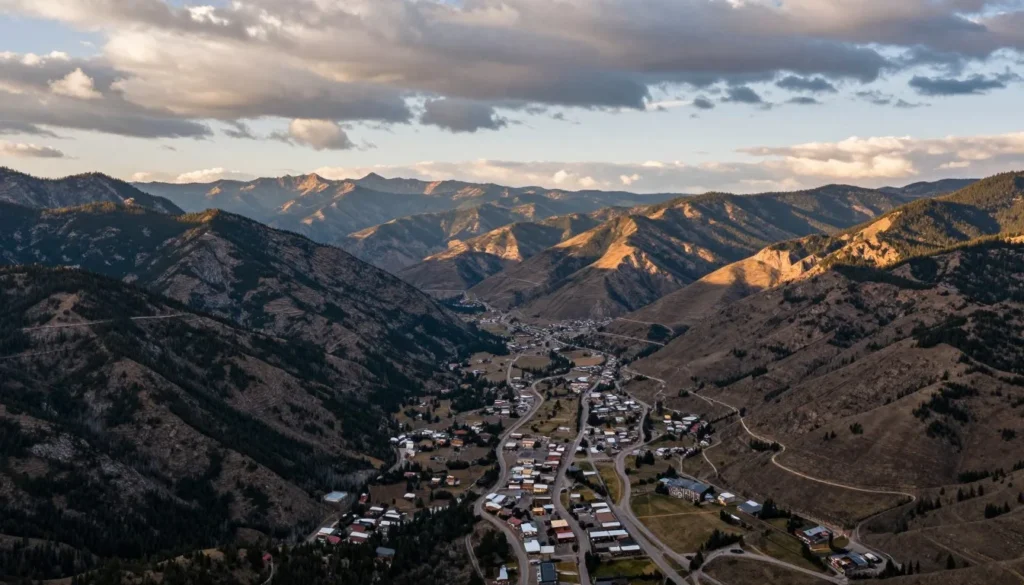
Mineral City’s location provides access to several other notable Colorado destinations within reasonable driving distances. These nearby areas offer complementary experiences, from larger resort towns to additional backcountry regions. Combining multiple stops creates comprehensive mountain adventures showcasing different aspects of Colorado’s high country.
Regional Destinations Worth Exploring
Creede – 56 km (35 miles) Northeast
This larger mining town offers more extensive services while maintaining historic character. The area hosts a renowned repertory theater producing summer performances in a historic venue. Additional galleries, restaurants, and lodging options complement Mineral City’s more limited infrastructure.
- 45-minute drive on paved highways
- Full-service grocery stores and gas stations
- Professional theater season runs June through September
- Multiple hiking trails and fishing access
Lake City – 64 km (40 miles) North
Another well-preserved Victorian mining town situated beside scenic mountain lake. The community emphasizes outdoor recreation with numerous jeep trails, hiking paths, and fishing opportunities. Several annual events draw visitors throughout summer months.
- One-hour drive through spectacular mountain scenery
- Extensive jeep trail network for four-wheel enthusiasts
- Lakefront camping and water activities
- Famous for fall colors in late September
Silverton – 97 km (60 miles) Southwest
Larger historic mining town terminus for the Durango-Silverton Narrow Gauge Railroad. The town maintains excellent historic preservation while offering modern amenities. Year-round access makes this a popular base for both summer and winter activities.
- 90-minute drive via scenic mountain highways
- Ride historic steam train from Durango
- Extensive skiing terrain in winter months
- More lodging and dining options available
Great Sand Dunes National Park – 161 km (100 miles) Southeast
Unique landscape featuring North America’s tallest sand dunes against mountain backdrop. The surreal environment contrasts dramatically with alpine terrain, offering entirely different experiences. Plan a full day for this side trip including travel time.
- Two-hour drive descending to lower elevations
- Sandboarding and sand sledding available
- Medano Creek flows seasonally for wading
- Camping and lodging near park entrances
Planning Multi-Destination Tours
Combining several mountain towns creates loop tours showcasing different mining histories and landscapes. A typical circuit might include Mineral City, Lake City, Ouray, and Silverton over four to five days. This approach provides variety while managing long daily drives on mountain roads.
Allow flexibility in multi-stop itineraries to account for weather, road conditions, and spontaneous discoveries. Mountain travel rarely proceeds exactly as planned, and the best experiences often come from unexpected detours and extended stays in places that capture your interest.
Practical Travel Tips
Successful mountain travel requires more preparation than typical vacations. The combination of remote location, high altitude, and variable weather demands thorough planning and appropriate equipment. These practical considerations help ensure comfortable, safe experiences while maximizing your time in this spectacular region.
Essential Packing List
Clothing choices make enormous differences in comfort at high altitude where temperatures swing dramatically. Layering systems work best, allowing you to adjust insulation as conditions change throughout each day. Synthetic or wool fabrics manage moisture better than cotton, which loses insulating properties when wet and dries slowly in mountain air.
Clothing Essentials
- Moisture-wicking base layers for all seasons
- Insulating mid-layer fleece or down jacket
- Waterproof and windproof outer shell
- Sun hat with wide brim for daytime
- Warm beanie for mornings and evenings
- Gloves even during summer months
- Sturdy hiking boots with ankle support
- Extra socks and comfortable camp shoes
Equipment and Supplies
- Headlamp with extra batteries
- Sunscreen SPF 50 or higher
- Polarized sunglasses for eye protection
- Reusable water bottles totaling 3 liters capacity
- Detailed topographic maps of area
- First aid kit with altitude medication
- Multi-tool or knife for various needs
- Emergency shelter like space blanket
Money and Banking Considerations
ATMs exist in Mineral City but may experience downtime due to technical issues or power outages. Bring sufficient cash to cover several days of expenses including meals, lodging, and incidentals. Credit cards are accepted at most businesses but cash remains preferred at smaller establishments and for tipping.
Cell phone banking apps work intermittently due to unreliable data connections. Handle any necessary financial transactions before arriving in remote areas where connectivity cannot be assumed. Notify your bank of travel plans to prevent fraud alerts from blocking legitimate transactions in an unexpected location.
Communication and Connectivity
Cell phone service remains spotty throughout Mineral County with significant dead zones even along main highways. Download offline maps, guidebooks, and any reference materials needed before leaving areas with reliable internet access. Some lodging properties offer WiFi but speeds and reliability lag far behind urban standards.
Consider this limited connectivity an opportunity to disconnect from digital distractions and immerse yourself in mountain experiences. However, the lack of reliable communication also means advance planning becomes critical for safety and logistics. Always inform someone outside your group about trip plans and expected return times.
Permits and Regulations
Day hiking and most activities require no permits on National Forest lands surrounding Mineral City. However, wilderness regulations prohibit certain activities including motorized vehicles, mountain bikes in wilderness areas, and groups exceeding 15 people. Familiarize yourself with specific regulations for areas you plan to visit.
Colorado fishing licenses are mandatory for anyone 16 or older attempting to catch fish. Purchase licenses online before your trip or from local sporting goods stores. Special regulations apply to some waters, so review current fishing regulations to ensure compliance with size limits, bag limits, and seasonal closures.
Photography Tips for Mountain Landscapes
Golden hour light occurs earlier in mountain valleys where peaks block late afternoon sun. Plan photography outings for first light around 6 AM and evening sessions beginning around 6:30 PM during summer months. Midday harsh light washes out scenes, though stormy weather creates dramatic conditions any time of day.
Equipment Recommendations: Bring wide-angle lenses for expansive landscape shots and telephoto options for wildlife and distant peaks. Polarizing filters reduce glare and enhance sky colors. Tripods stabilize cameras in low light but become burdensome on long hikes. Consider the trade-offs between image quality and mobility for each outing.
Health and Medication Notes
Bring adequate supplies of any prescription medications plus extras in case of travel delays. Pharmacies in remote mountain areas maintain limited inventories and may be unable to fill specialty prescriptions. Altitude can affect medication effectiveness, so consult your doctor before traveling to high elevations if you manage chronic conditions.
Sunburn develops quickly at high altitude where UV radiation intensifies significantly. Apply sunscreen every two hours during outdoor activities and reapply after sweating or water exposure. Lip balm with SPF protection prevents painful chapped lips in the dry mountain air. These precautions sound minor but prevent miserable conditions that diminish enjoyment.
Trip Insurance Considerations
Mountain travel involves inherent risks including weather delays, altitude illness, and injuries requiring expensive evacuation. Trip insurance provides financial protection against these possibilities plus coverage for trip cancellations due to unforeseen circumstances. Policies that include emergency medical evacuation prove particularly valuable in remote areas far from comprehensive medical facilities.
Review policy details carefully to understand coverage limitations and requirements. Some policies exclude certain activities like backcountry skiing or high-altitude mountaineering. Purchase insurance shortly after booking travel to ensure maximum coverage benefits including pre-existing condition waivers where applicable.
Location of Mineral City within Colorado’s San Juan Mountains
Embrace the Mountain Adventure
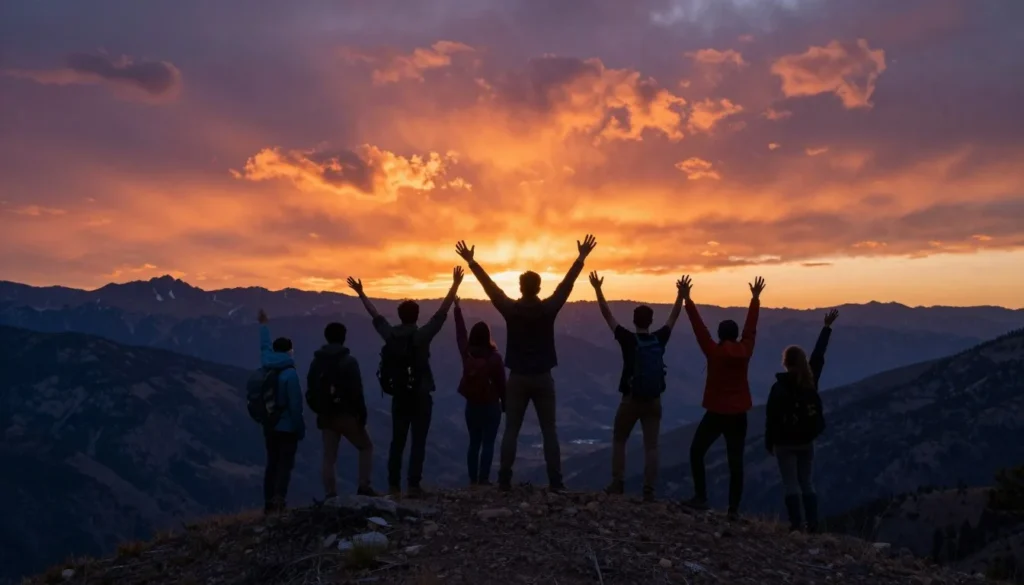
Mineral City rewards travelers who venture beyond Colorado’s famous resorts to discover authentic mountain experiences. The combination of preserved history, pristine wilderness, and genuine community creates memories that transcend typical tourist attractions. Yes, the journey requires more effort than resort destinations with their convenient amenities and easy access.
But that extra effort filters out crowds and preserves the very qualities that make this region special. You’ll walk trails without congestion, photograph landscapes without fighting for position, and experience mountain solitude increasingly rare in our connected world. The wildflowers bloom just as brilliantly whether witnessed by dozens or by you alone on a quiet morning hike.
Pack your sense of adventure along with proper gear. Embrace the challenges of altitude and weather as integral parts of the mountain experience rather than obstacles to overcome. Connect with locals who chose to build lives in these demanding but spectacular surroundings. Return home with stories of genuine discovery in places most people will never see.
The San Juan Mountains have inspired explorers for centuries. Now they await your arrival to continue that tradition of mountain adventure.