Hotels by Trip.com
Flights by Trip.com
Getting There & Planning Your Journey
Navajo Lake sits in the southwestern corner of Colorado. The state park entrance lies about 64 kilometers (40 miles) southeast of Durango. Most visitors arrive through this charming mountain town.
The closest major airport is Durango-La Plata County Airport. It offers daily flights from major cities. Albuquerque International Sunport is another option, located 289 kilometers (180 miles) southeast.
From Durango, take US Highway 160 east to Highway 151 south. The drive takes roughly one hour through beautiful mountain terrain. Roads are well-maintained year-round.
Rental cars provide the most flexibility for exploring the recreation area. Several agencies operate at both airports. Public transportation to Navajo Lake is extremely limited.
Navajo State Park Visitor Center Contact:
Call ahead for current road conditions and park information.
The park entrance requires a daily pass or annual Colorado Parks pass. Fees help maintain facilities and trails throughout the recreation area.
Best Time to Visit & Weather Tips
Navajo Lake welcomes visitors year-round. Each season offers unique advantages for different activities. Understanding weather patterns helps you plan the perfect trip.
Recommended Visiting Periods
Late May through September brings ideal weather for water activities. Temperatures average 24-29°C (75-85°F) during these months. The lake warms up nicely for swimming by mid-June.
Spring (April-May) and fall (September-October) offer excellent fishing conditions. These shoulder seasons have fewer crowds. Kokanee salmon fishing peaks during fall months.
Winter transforms the area into a quiet retreat. While some facilities close, ice fishing becomes popular. Temperatures drop to -6 to 4°C (20-40°F).
Seasons to Approach with Caution
Late fall and early spring can be unpredictable. March brings fluctuating temperatures and occasional snow. November sees the first hard freezes.
Afternoon thunderstorms are common July through August. These storms develop quickly over mountains. Always check weather forecasts before boating.
Current Weather & Lake Conditions:
Contact the park office for up-to-date information before your visit.
Notable Annual Festivals
The Navajo Lake region celebrates its outdoor heritage with several annual events. These festivals showcase local culture and recreation opportunities.
Durango Bluegrass Meltdown happens each April in nearby Durango. This music festival attracts thousands of visitors. Contact: +1 (970) 247-9000
Animas River Days takes place in June. The event celebrates river conservation with rafting competitions and activities. Contact: +1 (970) 259-3893
Four Corners Folk Festival occurs each September. Musicians gather for this beloved regional celebration. Contact: +1 (970) 259-0661
The Navajo Lake Fishing Tournament runs several times during summer. Local marinas organize these popular competitions. Check with the Navajo Lake Marina for dates.
Getting Around Locally
Personal vehicles remain essential for exploring Navajo Lake. The recreation area spans both Colorado and New Mexico sections. Roads connect various access points around the shoreline.
Colorado Highway 151 provides main access to the northern areas. This road connects to boat ramps and camping sites. New Mexico Highway 511 serves the southern portions.
Boat access opens up 241 kilometers (150 miles) of shoreline. Many remote coves and fishing spots require watercraft. The lake’s size makes boating the preferred exploration method.
Marina Services
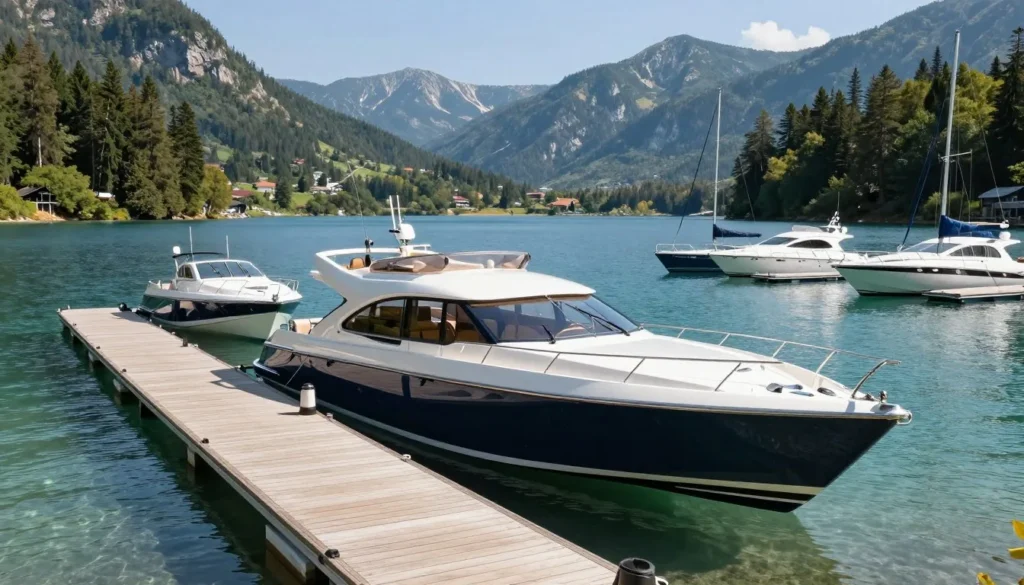
Navajo Lake Marina offers boat rentals and fuel services. Pontoon boats, fishing boats, and ski boats are available. Kayak and stand-up paddleboard rentals provide quieter options.
Personal watercraft require Colorado boating registration or equivalent. Life jackets must be available for all passengers. The marina staff provides safety information.
Hiking trails connect campgrounds and scenic overlooks. Mountain biking is popular on designated routes. Trail maps are available at visitor centers.
Where to Stay
Navajo Lake offers diverse accommodation options. From primitive camping to comfortable cabins, visitors find suitable lodging. Planning ahead ensures availability during peak season.
Campgrounds
Navajo State Park operates several developed campgrounds. Sites include electric hookups, water access, and modern restrooms. The Carracas area offers 71 campsites with lake views.
Rosa area provides additional camping along the shoreline. These sites fill quickly during summer weekends. Reservations open six months in advance.
Primitive camping exists in designated areas around the lake. These spots suit adventurous visitors seeking solitude. Pack out all trash from primitive sites.
Nearby Lodging
Arboles, Colorado hosts several small motels and vacation rentals. This tiny community sits just minutes from park entrances. Options remain limited compared to larger towns.
Durango provides extensive hotel choices 64 kilometers (40 miles) away. Chain hotels and boutique properties serve different budgets. The town offers more dining and entertainment options.
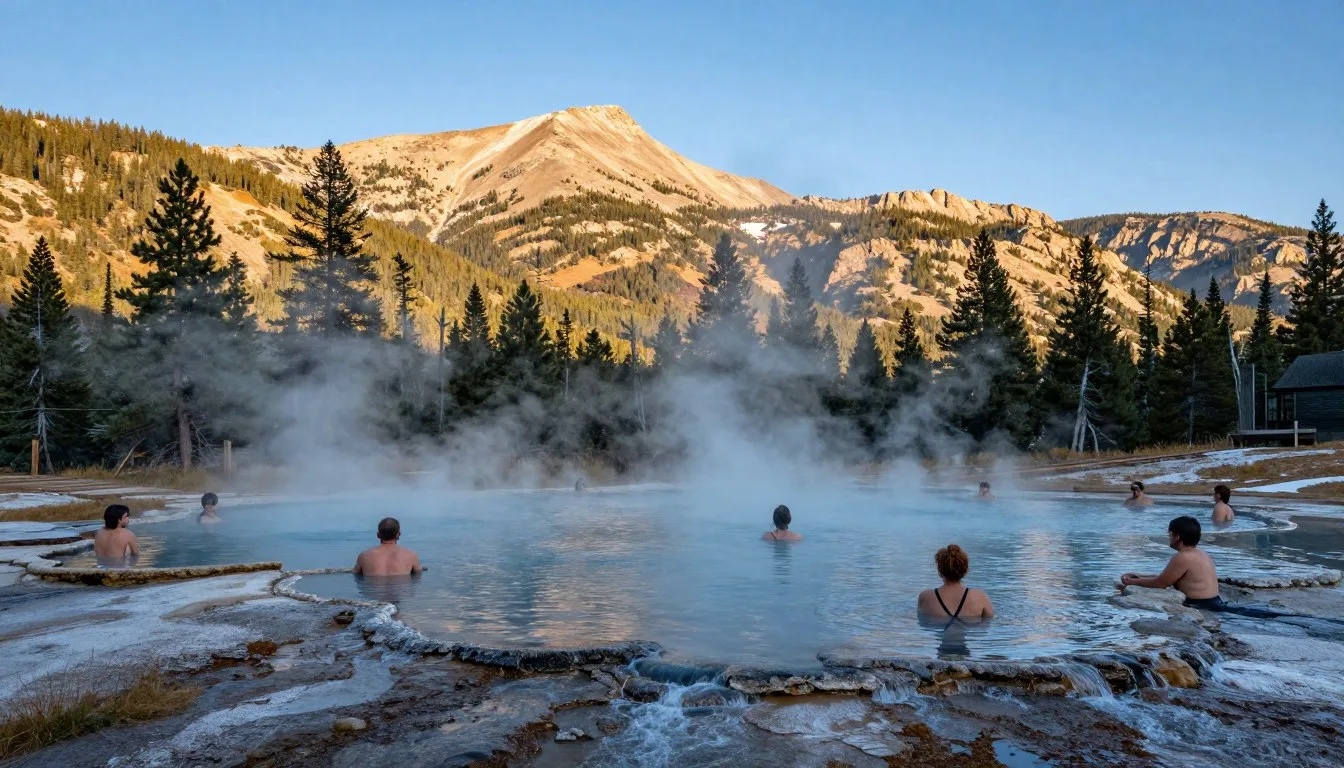
Pagosa Springs lies 48 kilometers (30 miles) northeast. This town features hot springs resorts and mountain lodges. It makes an excellent base for exploring the area.
Dining & Local Cuisine
Dining options near Navajo Lake remain limited. Most visitors bring food for cooking at campsites. The nearest restaurants operate in Arboles and surrounding communities.
Pack coolers with groceries from Durango or Pagosa Springs. Both towns have full-service supermarkets. Stock up before reaching the recreation area.
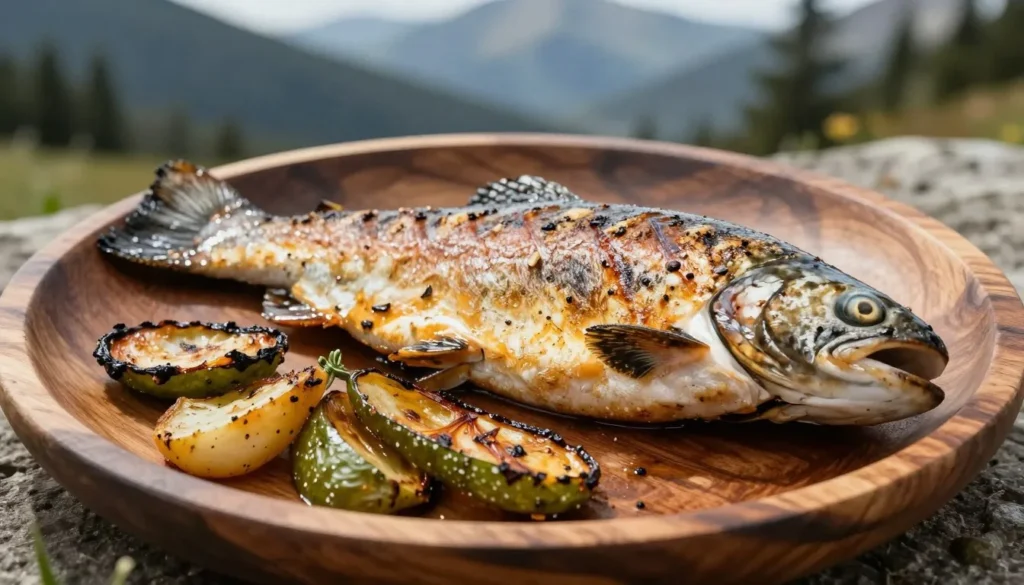
The lake provides excellent opportunities for catching your dinner. Rainbow trout, northern pike, and kokanee salmon populate these waters. Cleaning stations exist at major boat ramps.
Campfire cooking is a beloved tradition here. Grills and fire rings accommodate outdoor meal preparation. Remember to purchase firewood locally to prevent spreading tree diseases.
Arboles has a small convenience store with basic supplies. The selection focuses on camping essentials and snacks. Don’t rely on this for complete meal planning.
Durango restaurants showcase Southwestern cuisine. Green chile features prominently in many dishes. The town offers everything from casual cafes to fine dining.
Attractions, Sightseeing & Activities
Navajo Lake delivers endless recreational possibilities. The massive reservoir spans 6,070 hectares (15,000 acres) when full. Its varied terrain accommodates different interests and skill levels.
Fishing
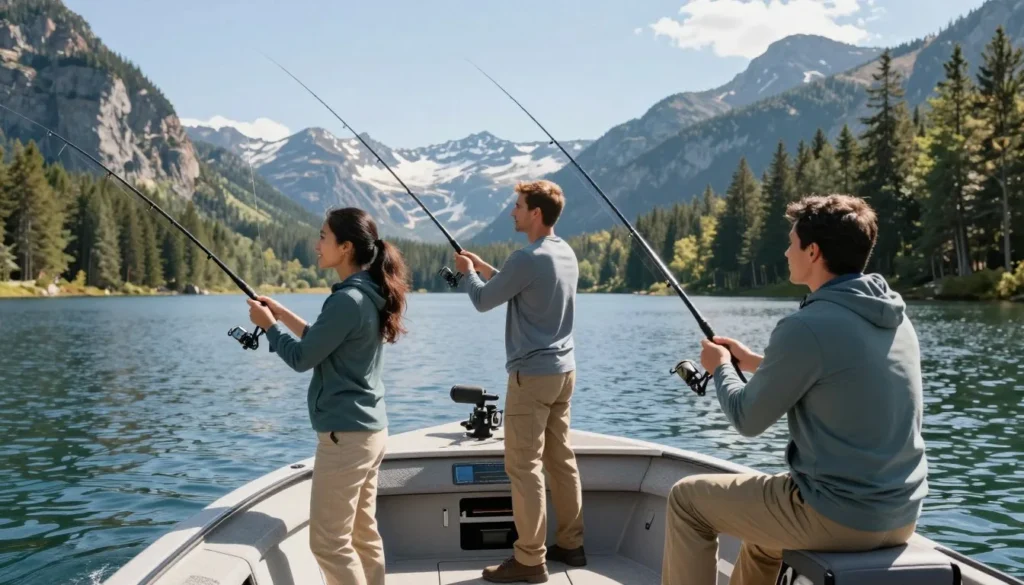
World-class fishing draws anglers from across the country. Kokanee salmon runs attract serious sportfishers each fall. These landlocked salmon grow impressively large in Navajo Lake.
Northern pike provide thrilling catches throughout the year. These aggressive predators lurk in shallow bays. Spring offers the best pike fishing opportunities.
Rainbow trout, brown trout, and largemouth bass populate the lake. Channel catfish and bluegill round out the species. Colorado fishing licenses are required on the northern portions.
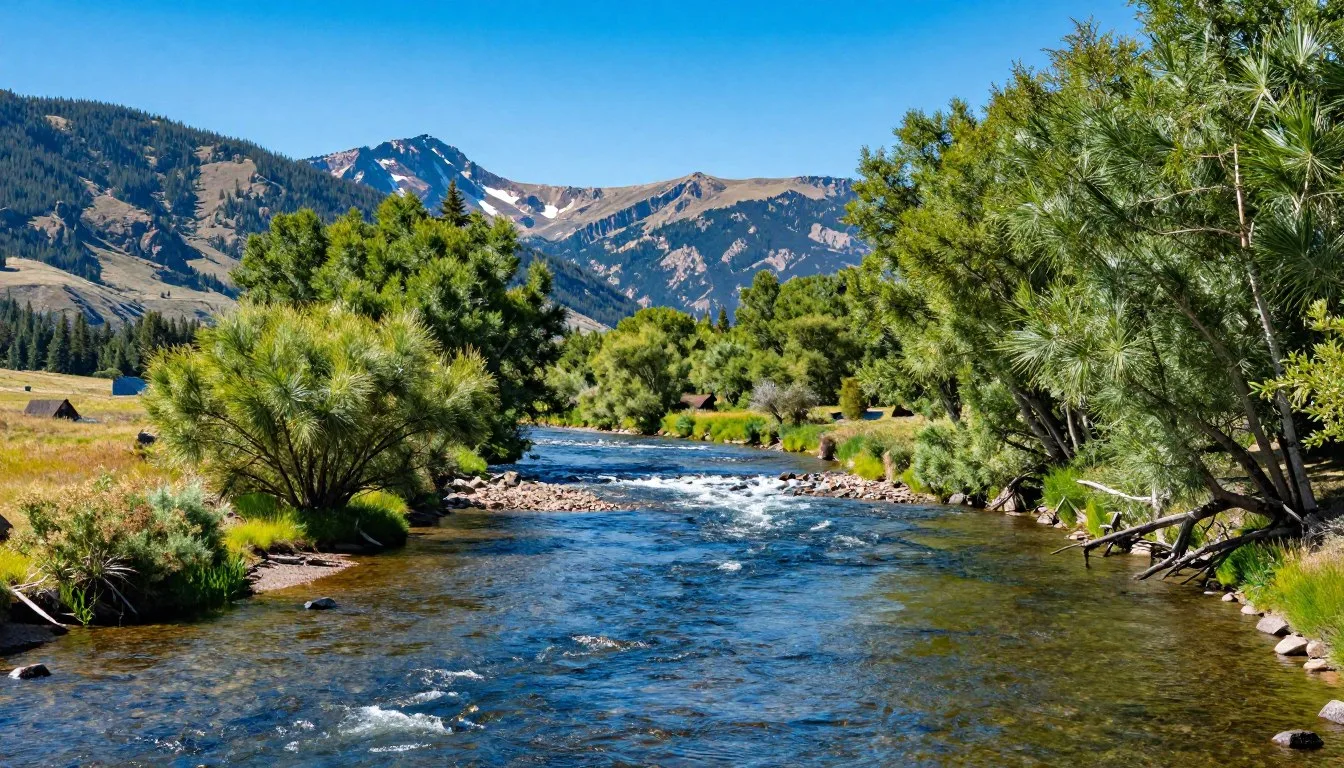
The San Juan River below Navajo Dam offers premium trout fishing. This tailwater section produces trophy-sized rainbow trout. Fly fishing enthusiasts consider it world-class water.
Boating and Water Sports
The 241-kilometer (150-mile) shoreline creates perfect boating conditions. No-wake zones protect swimmers and wildlife areas. Open water sections welcome water skiing and wakeboarding.
Pontoon boats offer relaxed family cruising. Explore hidden coves and scenic inlets. Many visitors spend entire days on the water.
Personal watercraft rental provides high-speed thrills. Jet ski riders must observe safety zones. Early mornings bring the calmest water conditions.
Swimming
Several designated swimming areas offer safe water access. Sandy beaches provide comfortable entry points. Water temperatures reach 18-21°C (65-70°F) by midsummer.
Supervise children closely as there are no lifeguards. Life jackets are recommended for weak swimmers. Sudden depth changes occur along rocky shorelines.
Museums, Cultural Spots & Festivals
Navajo Lake’s name honors the Navajo Nation whose ancestral lands include this region. The surrounding area holds significant cultural heritage. Several nearby sites explore this rich history.
Chimney Rock National Monument lies 56 kilometers (35 miles) northeast. This archaeological site preserves ancient Puebloan structures. Guided tours reveal fascinating historical connections.
The Southern Ute Cultural Center in Ignacio showcases tribal history. Located 48 kilometers (30 miles) northwest, it features artifacts and exhibits. Native American art fills the galleries.
Salmon Ruins near Bloomfield, New Mexico offers self-guided tours. This well-preserved archaeological site sits 32 kilometers (20 miles) south. Ancient dwellings tell stories of past civilizations.
Durango features several excellent museums. The Durango & Silverton Narrow Gauge Railroad Museum celebrates mining history. The Animas Museum covers regional development.
Local powwows occur throughout summer months. These celebrations feature traditional dancing and music. Check with the Southern Ute tribe for event schedules.
Nature & Outdoor Experiences
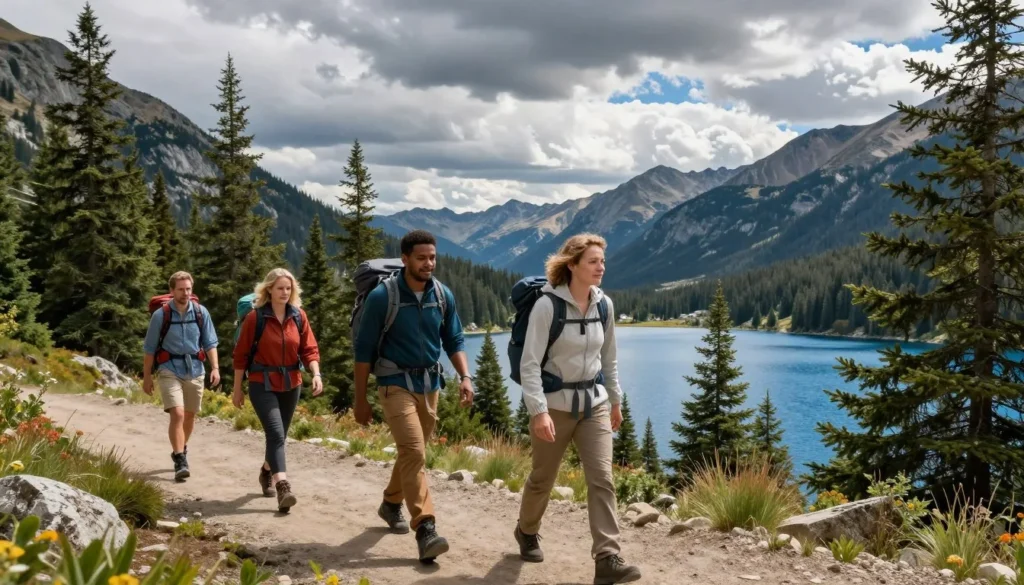
Navajo Lake State Park protects diverse ecosystems. The area transitions from high desert to mountain forest. This variety supports abundant wildlife viewing opportunities.
Hiking and Mountain Biking
Several trails wind through the park sections. The Arboles area features gentle lakeside paths. These routes suit families with young children.
Pine River Trail offers moderate hiking through ponderosa forests. This 8-kilometer (5-mile) route provides excellent bird watching. Spring wildflowers create colorful displays.
Mountain biking enthusiasts explore designated sections. Technical single-track challenges experienced riders. Always yield to hikers on shared trails.
Wildlife Viewing
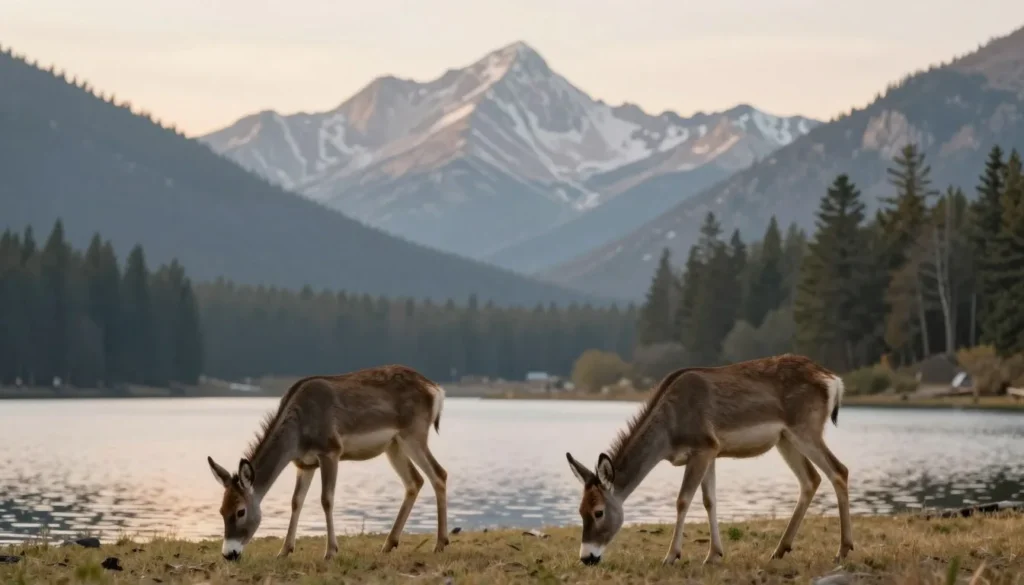
Mule deer frequent the shoreline areas during dawn and dusk. These graceful animals are commonly spotted near campgrounds. Maintain safe distances for wildlife viewing.
Bald eagles winter along the San Juan River section. These magnificent birds hunt fish in open water. Bring binoculars for optimal viewing.
Wild turkey, elk, and black bear inhabit surrounding forests. Bear sightings remain relatively rare. Store food properly in designated containers.
Over 150 bird species visit the recreation area seasonally. Waterfowl migrations bring ducks and geese. Spring and fall offer peak bird watching.
Photography Opportunities
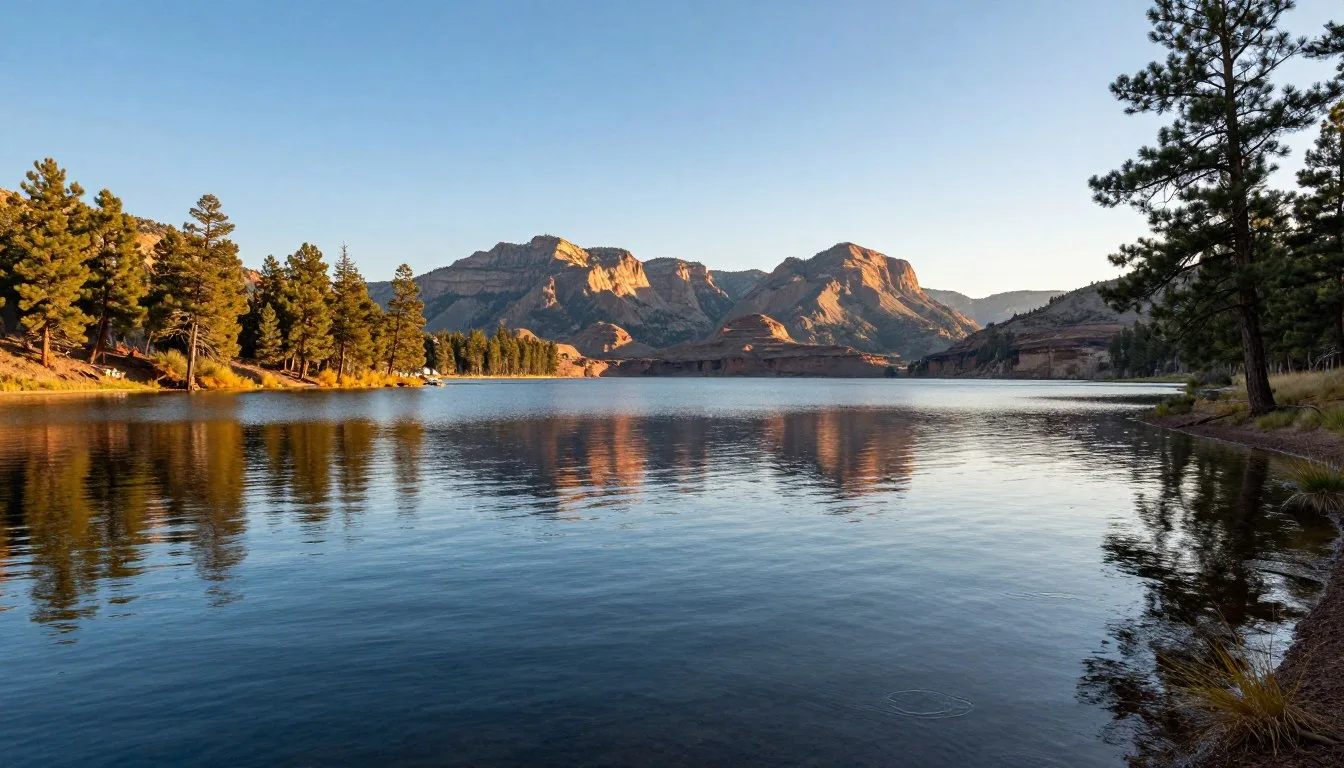
Sunrise over the lake creates stunning photo opportunities. Golden light illuminates surrounding cliffs and mesas. The western shore provides excellent morning vantage points.
Sunset photography works best from eastern viewpoints. Mountains silhouette against colorful skies. Summer monsoon clouds add dramatic elements.
Wildlife photography requires patience and telephoto lenses. Respect animal space and natural behaviors. Never approach or feed wildlife.
Location Map
Safety, Etiquette & Local Customs
Responsible recreation ensures everyone enjoys Navajo Lake safely. Following guidelines protects both visitors and natural resources. Understanding local expectations enhances your experience.
Water Safety
Always wear life jackets while boating. Colorado law requires proper safety equipment onboard. Children under 12 must wear jackets at all times.
Watch for sudden weather changes during summer afternoons. Lightning storms develop quickly over mountains. Seek shore immediately when storms approach.
Water levels fluctuate based on dam releases and drought conditions. Submerged hazards may exist in low-water periods. Navigate carefully in unfamiliar areas.
Wildlife Safety
Store all food in vehicles or bear-proof containers. Black bears occasionally visit campgrounds seeking meals. Never leave food unattended.
Observe wildlife from safe distances. Use binoculars or telephoto lenses for close views. Feeding wild animals is illegal and dangerous.
Watch for rattlesnakes on rocky trails during warm months. These snakes avoid confrontation when possible. Give them space to retreat.
Leave No Trace Principles
Pack out everything you bring to the lake. Dispose of trash in designated receptacles. Recycling bins are available at main facilities.
Use existing fire rings for campfires. Never cut live vegetation for firewood. Purchase wood from local vendors.
Stay on established trails to prevent erosion. Shortcutting damages fragile vegetation. Respect trail closures protecting sensitive areas.
Fishing Regulations
Valid fishing licenses are required for all anglers over 16. Colorado licenses cover the northern section. New Mexico licenses apply to southern waters.
Observe catch limits and size restrictions carefully. These regulations protect fish populations. Special rules apply to kokanee salmon seasons.
Clean fish only at designated stations. Dispose of remains properly. Never release live bait into the lake.
Visitor Comments About Navajo Lake

“Navajo Lake exceeded all our expectations. The fishing was incredible and we caught our limit of kokanee salmon. The campsites were clean and well-maintained. We’ll definitely return next summer.”
“Absolutely stunning scenery everywhere you look. We spent five days exploring different coves by boat. The water was crystal clear and perfect for swimming. Best family vacation we’ve had in years.”
“The peace and quiet at Navajo Lake is exactly what we needed. We saw deer every morning and bald eagles fishing along the river section. The park rangers were incredibly helpful and knowledgeable about the area.”
Additional Nearby Destinations
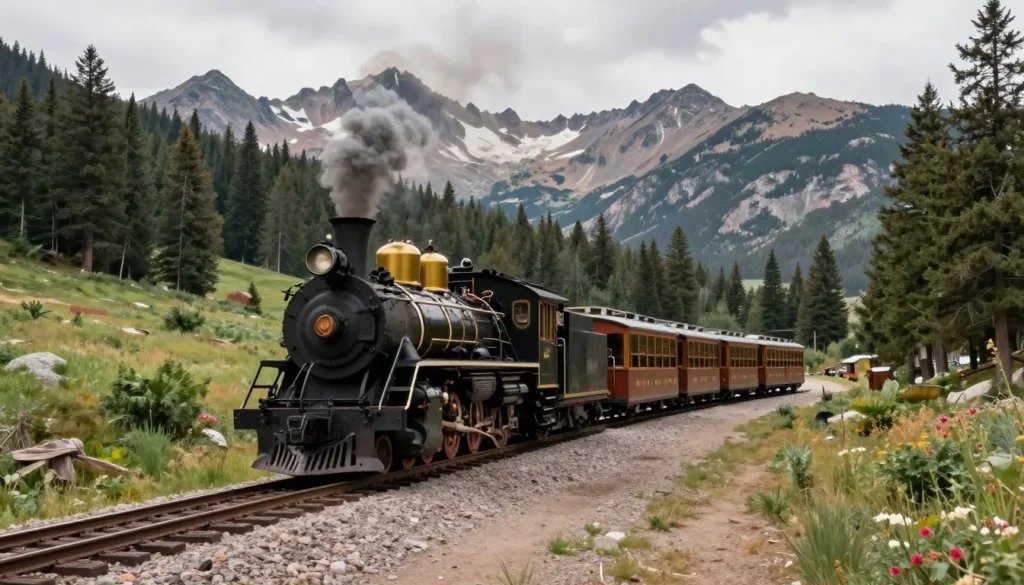
Navajo Lake’s central location makes it perfect for regional exploration. Several remarkable destinations sit within easy driving distance. Extend your trip to experience more Southwestern treasures.
Durango
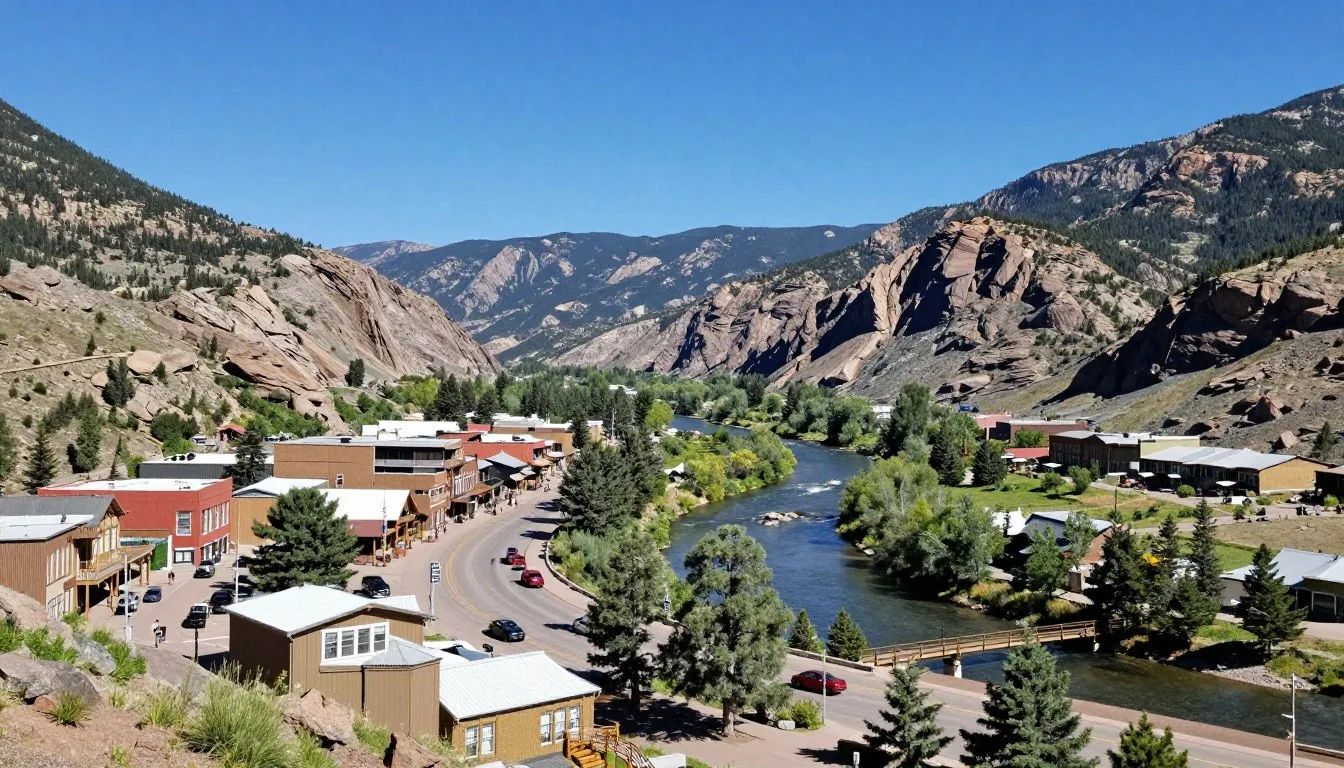
This historic mining town offers Victorian architecture and modern amenities. The famous narrow-gauge railroad runs daily to Silverton. Downtown features excellent restaurants, breweries, and shops.
Mesa Verde National Park lies 56 kilometers (35 miles) west. These spectacular cliff dwellings preserve Ancestral Puebloan culture. Ranger-guided tours explore the ancient structures.
Pagosa Springs
Natural hot springs create a relaxing retreat. Multiple resorts feature therapeutic mineral waters. The town sits along the San Juan River amid beautiful mountain scenery.
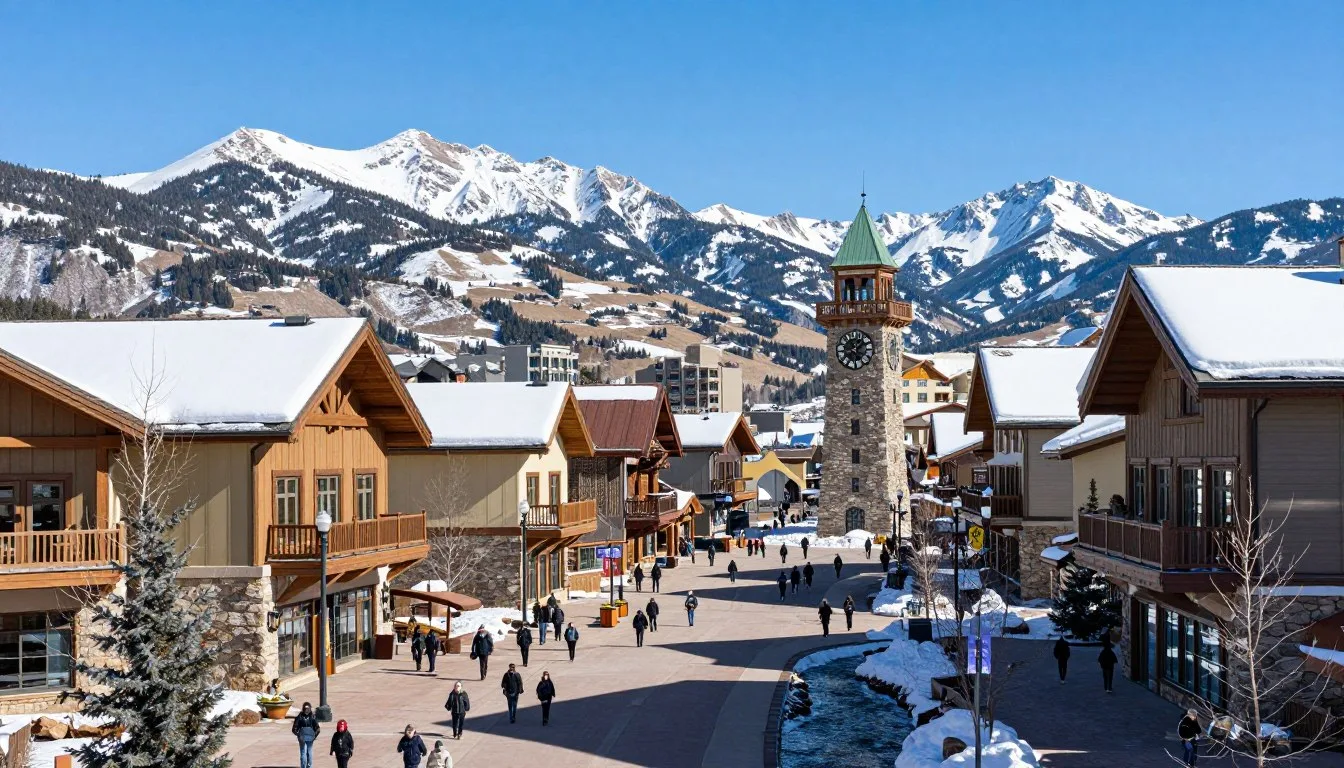
Wolf Creek Ski Area operates 40 kilometers (25 miles) northeast. This resort receives massive snowfall averaging 11 meters (35 feet) annually. Summer brings excellent hiking opportunities.
Aztec Ruins National Monument
Located 40 kilometers (25 miles) south in New Mexico, this site protects a massive pueblo. The reconstructed great kiva is particularly impressive. Self-guided tours explore the archaeological complex.
Chama
This small New Mexico town hosts the Cumbres & Toltec Scenic Railroad. The historic train climbs to 3,053 meters (10,015 feet) elevation. Fall colors make September particularly spectacular.
Practical Travel Tips
Careful planning ensures a smooth Navajo Lake adventure. These practical tips help you prepare for your visit. Small details make big differences in outdoor recreation.
What to Pack
- Sunscreen and wide-brimmed hats for intense high-altitude sun
- Layered clothing for temperature fluctuations between day and night
- Water bottles and hydration packs for outdoor activities
- Binoculars for wildlife and bird watching opportunities
- First aid kit including insect repellent and antihistamines
- Waterproof bags for electronics and valuables on boats
- Headlamps or flashlights for evening campground navigation
- Detailed maps as cell service is unreliable
Money and Services
Bring sufficient cash as ATMs are scarce. The nearest banking services operate in Durango and Pagosa Springs. Credit cards work at the marina and park entrance.
Gas stations are limited near the lake. Fill up in Arboles or larger towns. Fuel prices typically run higher in remote areas.
Cell phone coverage remains spotty throughout the recreation area. Download maps and information before arrival. Emergency phones exist at ranger stations.
Health Considerations
The lake sits at approximately 1,829 meters (6,000 feet) elevation. Some visitors experience mild altitude effects. Drink extra water and avoid overexertion initially.
Intense sun at high elevation causes rapid sunburn. Reapply sunscreen frequently, especially on water. UV reflection from the lake surface intensifies exposure.
The nearest medical facilities operate in Pagosa Springs and Durango. Serious emergencies require helicopter evacuation. Travel insurance covering outdoor activities is recommended.
Permits and Regulations
Daily park entrance fees are collected at entrance stations. Annual Colorado Parks passes provide unlimited access. Senior and military discounts are available.
Camping fees are separate from entrance fees. Reservations guarantee sites during busy periods. Walk-in availability varies seasonally.
Boat registration must be current and displayed properly. Out-of-state watercraft require temporary permits. Inspections prevent invasive species introduction.
Best Photography Times
Golden hour occurs about 30 minutes after sunrise and before sunset. Soft light enhances landscape photography dramatically. Summer sunrise happens around 6:00 AM.
Midday light can be harsh for photography. Use this time for underwater or action shots. Polarizing filters reduce water glare effectively.
Monsoon season clouds create dramatic afternoon skies. Lightning photography requires extreme caution and proper technique. Always prioritize safety over shots.
Your Navajo Lake Adventure Awaits
Navajo Lake stands ready to deliver unforgettable memories. Whether you cast a line for trophy kokanee salmon or explore hidden coves by boat, this stunning destination rewards every visitor. The 241 kilometers (150 miles) of shoreline ensure you’ll discover your own special spot.
From peaceful camping under star-filled skies to thrilling water sports, the recreation area accommodates every interest. The surrounding mountains create a dramatic backdrop for your outdoor adventures. Wildlife viewing adds unexpected moments of natural wonder.
Pack your gear, gather your loved ones, and head to this remarkable Colorado treasure. The crystal-clear waters and pristine wilderness of Navajo Lake create the perfect escape from everyday life. Your perfect mountain lake getaway is calling.