Hotels by Trip.com
Flights by Trip.com
Did you know the Never Summer Mountains received their name from Native American tribes who observed snow lingering on the peaks year-round, even during the warmest summer months? This stunning range stretches along the Continental Divide, creating a natural boundary between two national forests and harboring some of Colorado’s most pristine wilderness.
The Never Summer range stands as a testament to geological forces that shaped this region millions of years ago. These mountains form part of the Rocky Mountains system, offering visitors a remarkable combination of accessible trails and remote wilderness.
Whether you’re an experienced mountaineer or a family seeking scenic drives, the Never Summer Mountains deliver unforgettable experiences. This comprehensive guide will help you discover the best activities, plan your visit, and make the most of your Colorado mountain adventure.
Getting There & Planning Your Journey
Reaching the Never Summer Mountains requires thoughtful planning. The range sits in north-central Colorado, straddling the boundary between Rocky Mountain National Park and Routt National Forest.
Closest Airports
Denver International Airport (DEN) serves as the primary gateway, located approximately 161 km (100 miles) southeast of the Never Summer Wilderness area. From Denver, you’ll enjoy a scenic drive through mountain terrain that takes roughly two and a half hours.
For smaller regional access, consider these alternatives:
- Yampa Valley Regional Airport (HDN) in Hayden – 113 km (70 miles) northwest
- Fort Collins-Loveland Municipal Airport (FNL) – 105 km (65 miles) east
- Eagle County Regional Airport (EGE) – 145 km (90 miles) southwest

Driving Routes
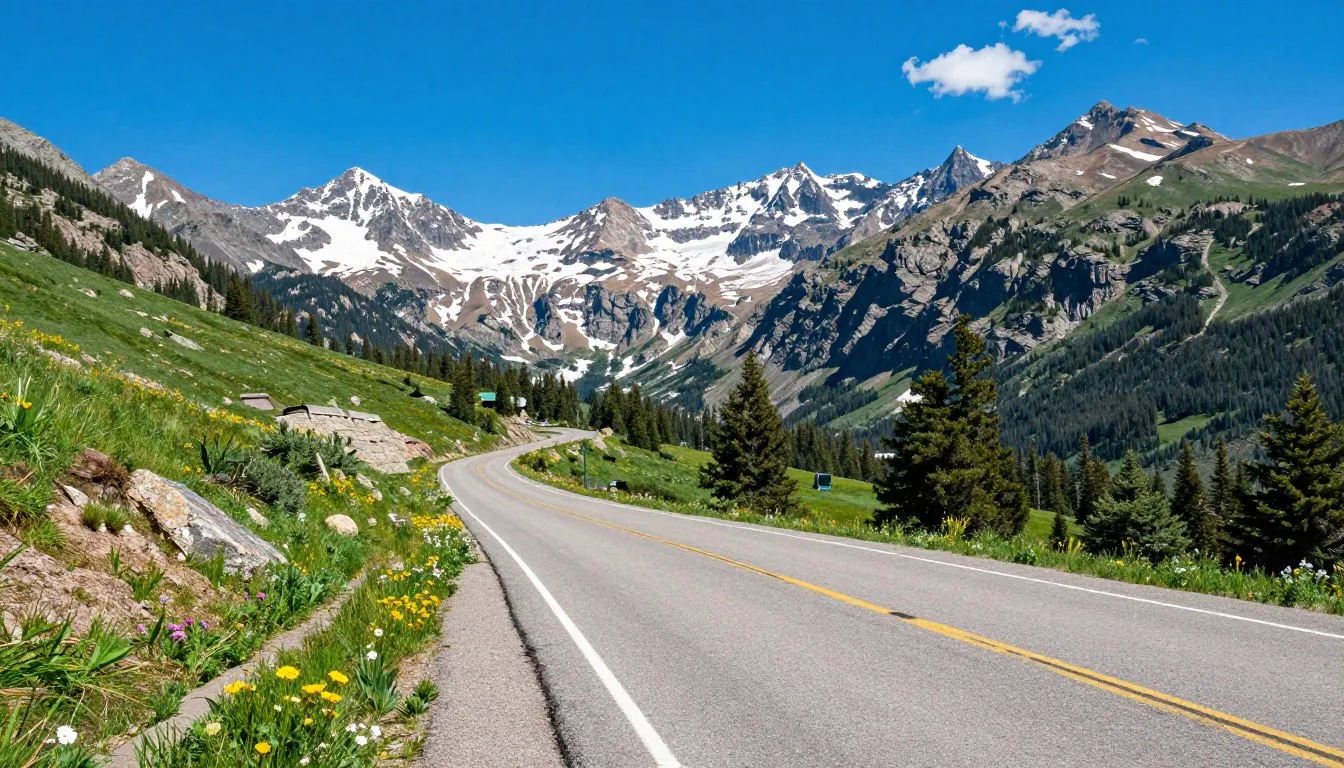
From Denver, take Interstate 70 west to Highway 40, then proceed north through Winter Park and Granby. Trail Ridge Road provides spectacular access during summer months, connecting Estes Park on the east to Grand Lake on the west.
Winter travelers should note that Trail Ridge Road typically closes from late October through late May due to heavy snowfall. Alternative routes through lower elevations remain accessible year-round.
Entrance Points
The Never Summer Wilderness can be accessed from multiple trailheads:
- Colorado River Trailhead – western access from Highway 14
- Thunder Pass Trailhead – northern entry point
- East Inlet Trail – access from Grand Lake area
- Bowen Gulch Trailhead – southeastern approach
Best Time to Visit & Weather Tips
The Never Summer Mountains experience dramatic seasonal variations. Planning your visit around weather patterns and personal preferences ensures the best experience.
Recommended Visiting Periods
Summer months from late June through early September offer the most accessible conditions. Trails become snow-free, wildflowers blanket alpine meadows, and daytime temperatures reach comfortable levels between 15°C and 24°C (59°F to 75°F).

Early fall, particularly September and early October, provides spectacular opportunities for witnessing autumn colors. Aspen trees transform mountainsides into golden displays, and cooler temperatures make hiking more comfortable.
Winter brings deep snow and extreme cold, creating excellent backcountry skiing conditions for experienced winter mountaineers. However, avalanche danger increases significantly, requiring proper training and equipment.
Seasons to Approach with Caution
Late spring (April through early June) presents challenging conditions. Snowmelt creates hazardous stream crossings, trails remain muddy and snow-covered at higher elevations, and unpredictable weather patterns dominate.
November through March brings severe winter conditions with temperatures frequently dropping below -18°C (0°F) at higher elevations. Only experienced winter backcountry travelers should venture into the Never Summer range during these months.
Weather Considerations
Mountain weather changes rapidly regardless of season. Afternoon thunderstorms develop frequently during summer months, typically between 1 PM and 5 PM. Plan to reach summits and exposed ridges before noon to avoid lightning danger.
- Layer clothing for temperature variations of 11°C to 17°C (20°F to 30°F) between trailheads and peaks
- Carry rain gear year-round, even during apparently clear conditions
- Monitor weather forecasts before departure and remain flexible with plans
- Expect snow possible during any month at elevations above 3,048 m (10,000 feet)
Notable Annual Festivals
The Never Summer region hosts several festivals celebrating mountain culture and outdoor recreation:
Grand Lake Winter Carnival
Held annually in late January, this festival features ice sculptures, snowshoe races, and traditional winter activities. The event has celebrated mountain heritage for over a century.
Contact: +1 (970) 627-3402
Rocky Mountain National Park Arts Festival
Taking place each August, this celebration showcases regional artists, musicians, and craftspeople. The festival combines outdoor recreation with cultural appreciation.
Contact: +1 (970) 586-1206
Grand Lake Yacht Club Regatta
Scheduled for early August, Colorado’s highest yacht club hosts sailing competitions on Grand Lake with the Never Summer Mountains providing a spectacular backdrop.
Contact: +1 (970) 627-9152
Wool Market & Fiber Festival
Held each September in Estes Park, this festival celebrates traditional mountain crafts with demonstrations, workshops, and vendors selling fiber arts products.
Contact: +1 (970) 577-9900
Getting Around Locally
Transportation options in the Never Summer region vary significantly based on your destination and season.
Personal Vehicles
A personal vehicle provides maximum flexibility for exploring the area. Most trailheads require driving on unpaved forest roads that may need high clearance during wet conditions. Four-wheel drive becomes essential for accessing remote areas.
Parking at popular trailheads fills quickly during peak summer weekends. Arrive before 7 AM to secure spots at Thunder Pass and Colorado River trailheads.
Shuttle Services
Rocky Mountain National Park operates a free shuttle bus system during summer months, connecting major trailheads and visitor centers on the east side. However, these shuttles don’t directly serve Never Summer Wilderness areas on the western boundary.
Private shuttle services operate between Estes Park, Grand Lake, and nearby towns. Contact Grand Lake Shuttle Service at +1 (970) 531-9623 for schedule information and reservations.
Bicycling
Mountain biking is prohibited within wilderness boundaries but allowed on many Routt National Forest roads. Trail Ridge Road offers spectacular cycling when open, though elevation and steep grades challenge even experienced cyclists.
Guided Transportation
Several outfitters provide guided trips with transportation included. These services handle logistics while you focus on enjoying the landscape and wildlife.
Where to Stay
Accommodation options range from rustic camping to comfortable lodges, with choices available for various budgets and preferences.
Camping Options
Backcountry camping within Never Summer Wilderness requires no permits but demands Leave No Trace practices. Dispersed camping is allowed throughout Routt National Forest areas outside wilderness boundaries.
Established campgrounds near the range include:
- Timber Creek Campground – along Colorado River, open year-round
- Stillwater Campground – near Grand Lake, reservations recommended
- Arapaho Bay Campground – lakeside sites with mountain views
- Denver Creek Campground – peaceful forest setting
Contact Routt National Forest headquarters at +1 (970) 870-2299 for current campground conditions and availability.
Lodges and Cabins
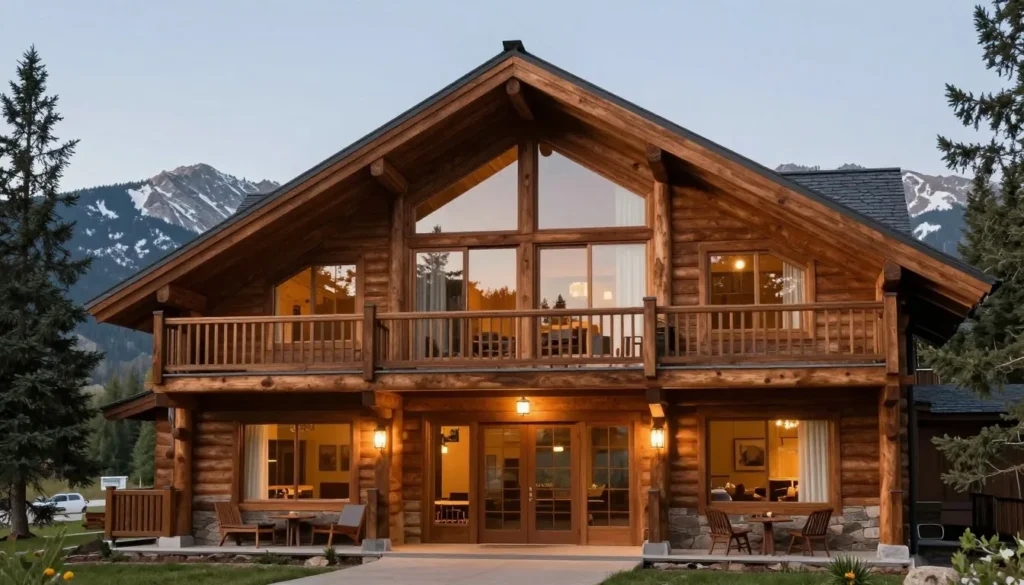
Grand Lake offers the largest selection of lodging near the Never Summer range. Historic lodges provide mountain charm with modern amenities, while rental cabins offer privacy for families and groups.
Popular options include lakeside resorts, bed and breakfast establishments, and vacation rental properties. Booking several months ahead ensures availability during peak summer season.
Nearby Towns
Granby provides additional lodging approximately 24 km (15 miles) south of the wilderness area. This town offers more affordable rates than resort communities while maintaining convenient access to trailheads.
Walden, north of the Never Summer Mountains, serves as a quieter base camp with basic motel accommodations and authentic western atmosphere.
Backcountry Huts
The Colorado Mountain Club maintains Never Summer Nordic Yurt system, offering overnight shelter for winter backcountry travelers. These yurts provide basic shelter with sleeping platforms and wood stoves.
Reservations are required and can be made through Colorado Mountain Club at +1 (303) 279-3080. Expect to ski or snowshoe several kilometers to reach hut locations.
Dining & Local Cuisine
Dining options near the Never Summer Mountains reflect authentic mountain culture with emphasis on hearty, satisfying meals.
Grand Lake Restaurants
Grand Lake’s restaurant scene caters to outdoor enthusiasts seeking substantial portions after days on the trail. Local establishments serve classic American fare alongside Colorado specialties.
Mountain-town favorites include:
- Wild game dishes featuring elk, bison, and trout
- Mexican cuisine popular for post-hike gatherings
- Pizza restaurants with creative Colorado-inspired toppings
- Breakfast cafes serving early hours for hikers
Local Specialties
Rocky Mountain cuisine emphasizes locally sourced ingredients when available. Summer months bring fresh Colorado produce, while year-round menus feature Rocky Mountain trout raised in nearby hatcheries.
Craft breweries in the region create mountain-inspired ales perfect for celebrating successful summit attempts. Several establishments offer outdoor seating with views toward the Never Summer range.
Grocery and Provisions
Stock up on trail provisions in Grand Lake or Granby before heading into backcountry areas. Local markets carry backpacking meals, energy bars, and camping supplies.
Plan to bring all necessary food for wilderness camping, as no services exist within the Never Summer Wilderness boundaries. Bear-resistant food storage containers are required for overnight trips.
Dining Etiquette
Mountain restaurants maintain casual atmospheres where hiking boots and outdoor clothing are perfectly acceptable. Reservations help during peak summer weekends, especially for larger groups.
Tipping follows standard American practices with 15 to 20 percent customary for good service. Many establishments close or reduce hours during winter months, so call ahead to confirm operating schedules.
Attractions, Sightseeing & Activities
The Never Summer Mountains offer diverse activities appealing to various interests and skill levels.
Hiking and Trail Exploration
Over 48 kilometers (30 miles) of maintained trails traverse the Never Summer Wilderness, ranging from moderate forest walks to challenging alpine routes.
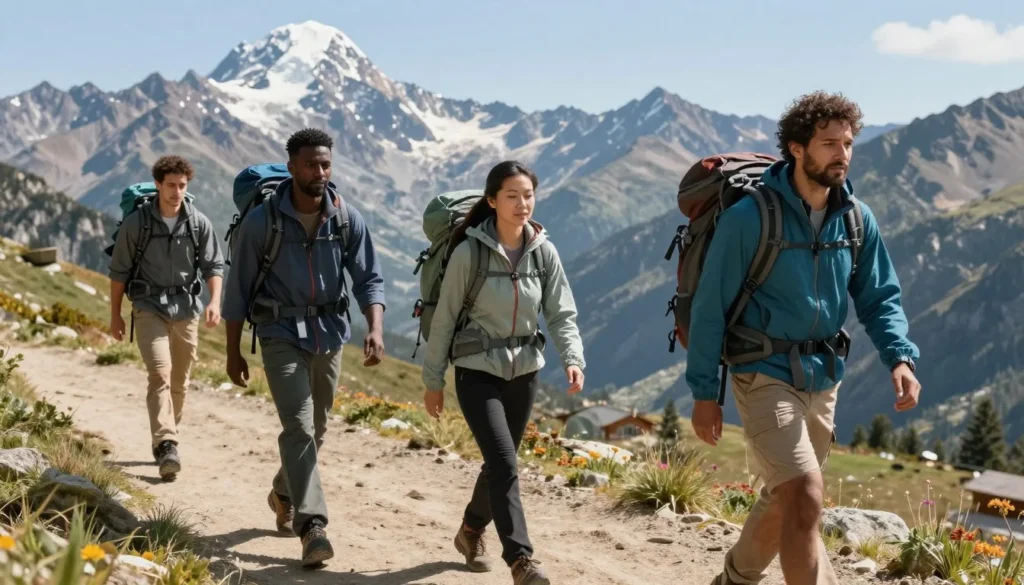
Popular trails include:
Thunder Pass Trail
This 13-kilometer (8-mile) round trip climbs to 3,505 m (11,500 feet), offering panoramic views across the Never Summer range and into Rocky Mountain National Park.
- Elevation gain: 610 m (2,000 feet)
- Difficulty: Moderate to strenuous
- Best season: July through September
- Trail surface: Rocky with alpine exposure
Lake of the Clouds Trail
An alpine lake nestled at 3,444 m (11,300 feet) rewards hikers with pristine water and surrounding peaks. The trail covers 11 kilometers (7 miles) round trip.
- Elevation gain: 549 m (1,800 feet)
- Difficulty: Moderate
- Best season: Late June through early October
- Camping: Available at designated sites
Mount Richthofen Summit
The highest peak in the Never Summer range reaches 3,962 m (13,000 feet). This challenging climb requires route-finding skills and scrambling ability.
- Elevation gain: 914 m (3,000 feet)
- Difficulty: Strenuous with Class 2-3 sections
- Best season: July through August
- Requirements: Alpine experience recommended
Colorado River Trail
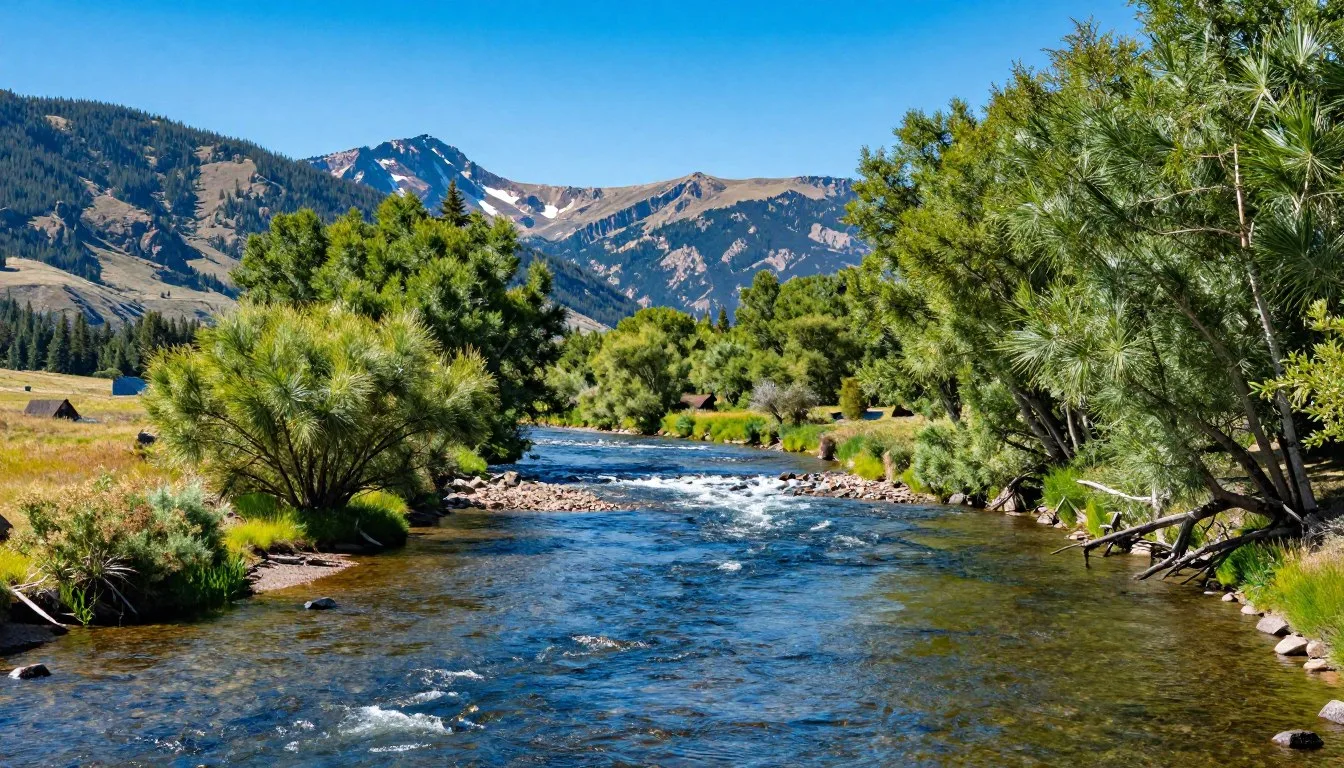
Following the infant Colorado River through meadows and forests, this gentle trail provides wildlife viewing opportunities and family-friendly hiking.
- Elevation gain: 183 m (600 feet)
- Difficulty: Easy to moderate
- Best season: June through October
- Length options: Various turnaround points available
Peak Bagging and Mountaineering
The Never Summer Mountains contain numerous peaks exceeding 3,658 m (12,000 feet). Mount Richthofen stands as the range’s crown jewel, while Mount Cirrus, Static Peak, and Nokhu Crags provide additional summit objectives.
Technical climbing routes exist on several peaks, though most summits can be reached via scrambling routes requiring no specialized equipment beyond trekking poles and good boots.
Photography Opportunities
Photographers find endless subjects throughout the range. Sunrise illuminates eastern faces with warm alpenglow, while sunset creates dramatic shadows across western slopes.
Notable photography locations include Thunder Pass viewpoints, Lake of the Clouds reflections, and wildflower meadows near Bowen Gulch. Wildlife photography opportunities abound, with elk, bighorn sheep, marmots, and pikas frequently spotted.
Scenic Drives
Trail Ridge Road, when open, provides spectacular viewing without leaving your vehicle. This route climbs to 3,713 m (12,183 feet), offering Never Summer vistas from multiple pullouts.
The western approach via Highway 14 delivers beautiful mountain scenery through the Cache la Poudre Canyon before reaching Colorado River trailheads.
Museums, Cultural Spots & Festivals
While the Never Summer region emphasizes outdoor experiences, several cultural venues provide context for the area’s history and natural heritage.
Kawuneeche Visitor Center
Located on the western edge of Rocky Mountain National Park near Grand Lake, this facility offers exhibits about the Never Summer Mountains geology, ecology, and cultural history.
Rangers present programs throughout summer months covering topics from wildlife identification to Leave No Trace principles. The center maintains a bookstore with regional maps, field guides, and natural history resources.
Contact the center at +1 (970) 627-3471 for current program schedules and seasonal hours.
Kauffman House Museum
This historic log hotel in Grand Lake preserves late 19th-century mountain life. Exhibits showcase early tourism in the Never Summer region and the development of Colorado’s mountain communities.
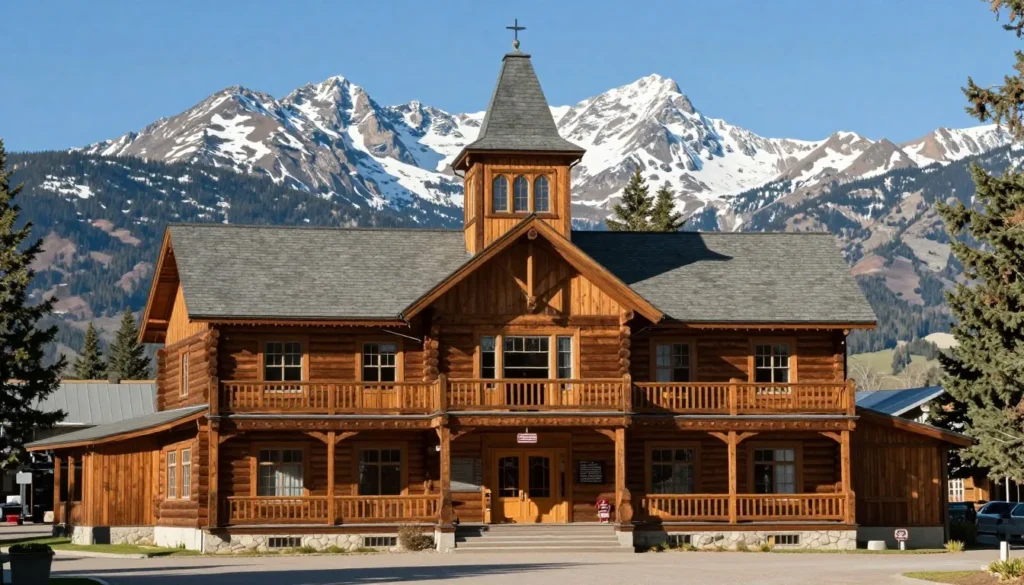
The museum operates during summer months with guided tours available. Admission fees support preservation efforts for this important regional landmark.
Cultural Heritage
The Never Summer Mountains hold significance for Ute and Arapaho peoples who traveled through these ranges for countless generations. Names throughout the region reflect both indigenous heritage and later European exploration.
The Colorado River, which originates in these mountains, flows 2,330 km (1,450 miles) to the Gulf of California, demonstrating the range’s geographic importance beyond its immediate area.
Art Galleries
Grand Lake hosts several galleries featuring mountain landscape paintings, wildlife photography, and western art. Many artists draw direct inspiration from the Never Summer peaks visible throughout the town.
Summer months bring outdoor art markets where regional artists display works created in the surrounding mountains. These informal venues offer opportunities to meet creators and purchase original pieces.
Nature & Outdoor Experiences
The Never Summer Wilderness protects pristine ecosystems spanning multiple elevation zones from montane forests to alpine tundra.
Wildlife Watching
Large mammals inhabit the Never Summer range year-round. Elk herds migrate through valleys, particularly visible during autumn rutting season when bulls produce distinctive bugling calls.
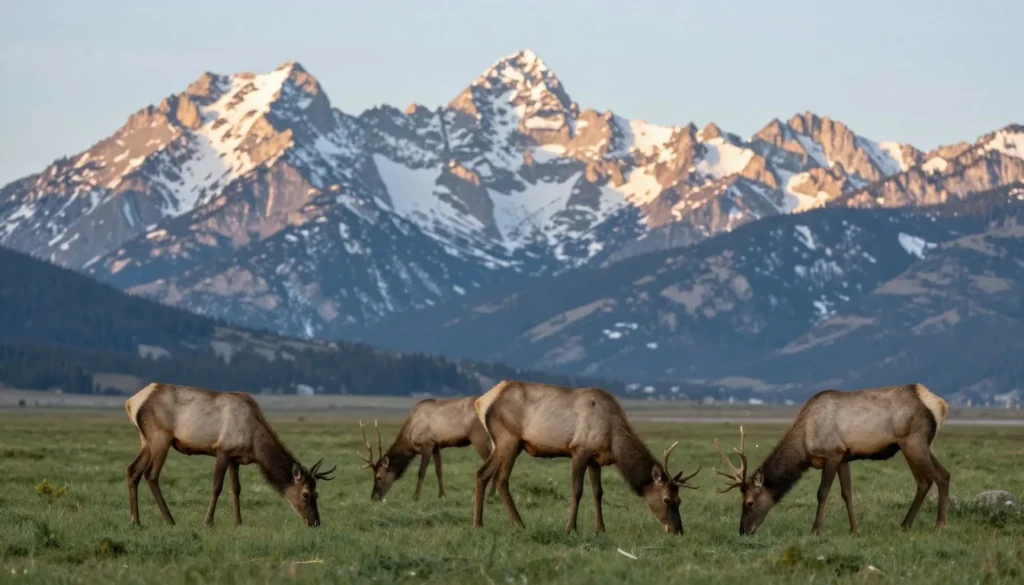
Moose browse willow thickets along the Colorado River drainage, often spotted during early morning or evening hours. These massive animals require respectful distance – maintain at least 25 m (80 feet) separation.
Bighorn sheep navigate rocky terrain on higher peaks, particularly around Mount Richthofen and Static Peak. Spotting scopes enhance viewing of these sure-footed climbers.
Smaller mammals provide constant entertainment for observant hikers:
- Yellow-bellied marmots whistle warnings from boulder fields
- Pikas gather vegetation for winter storage among talus slopes
- Golden-mantled ground squirrels investigate campsites
- Snowshoe hares blend into surroundings with seasonal camouflage
Bird Species
The Never Summer Mountains support diverse bird populations. White-tailed ptarmigan, Colorado’s only alpine-dwelling grouse, inhabit highest elevations above treeline.
Raptors soar on thermal currents, with golden eagles, red-tailed hawks, and prairie falcons hunting throughout the range. Forest zones host woodpeckers, nuthatches, and numerous songbird species.
Wildflower Viewing
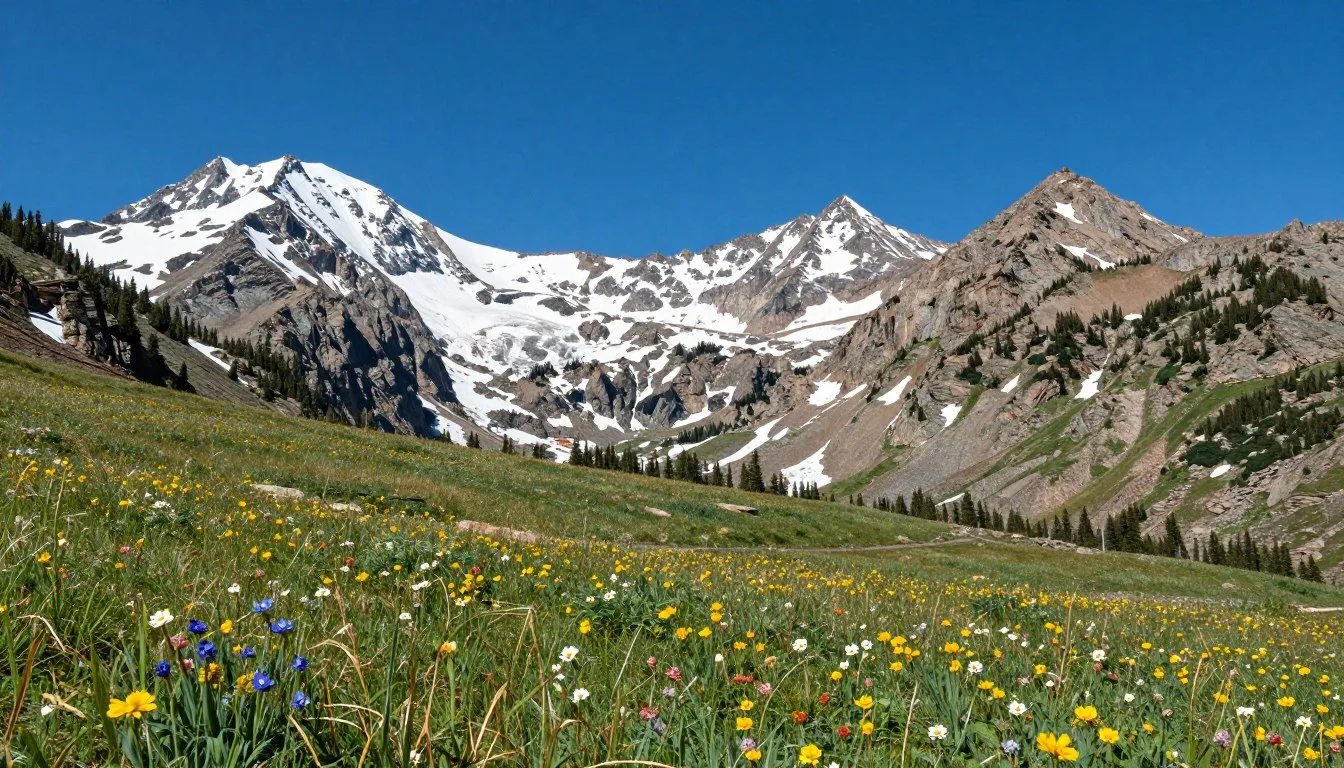
Alpine wildflowers create spectacular displays from late June through August. Peak bloom typically occurs mid-July, varying with snowmelt timing and elevation.
Common species include Colorado columbine (the state flower), alpine sunflowers, paintbrush in multiple colors, and delicate alpine forget-me-nots. Meadows near Thunder Pass and Lake of the Clouds provide exceptional viewing.
Fishing Opportunities
Backcountry lakes and streams contain native cutthroat trout populations. Fishing requires a valid Colorado fishing license, available online or at local sporting goods stores.
Lake of the Clouds, Parika Lake, and various unnamed tarns hold fish populations. Colorado River headwaters provide stream fishing in beautiful alpine settings.
Practice catch-and-release fishing to preserve fragile alpine fish populations. Barbless hooks reduce injury to released fish.
Winter Recreation
Snow transforms the Never Summer range into a winter wonderland for backcountry skiing, snowboarding, and snowshoeing. However, avalanche danger requires proper training, equipment, and conservative decision-making.
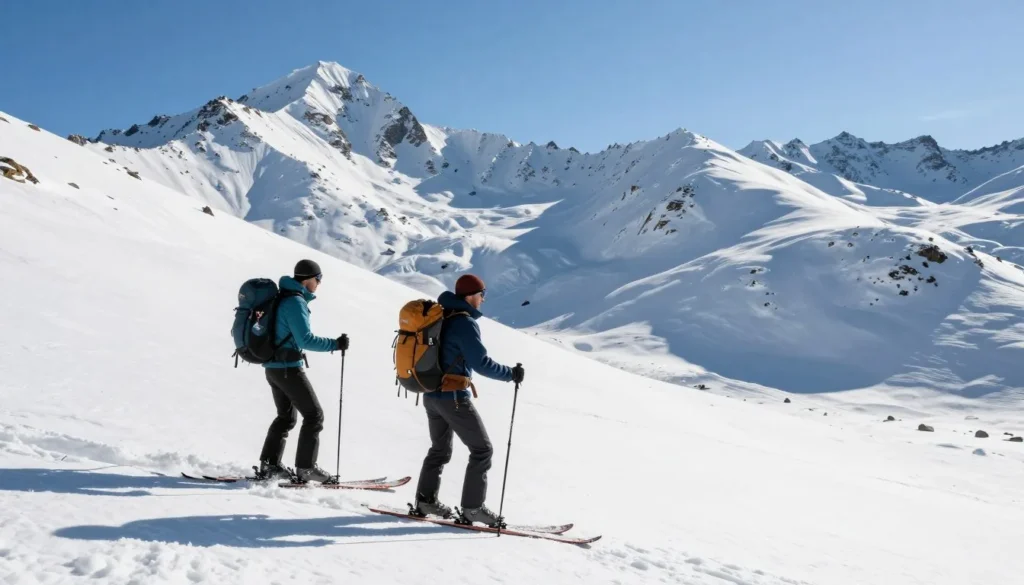
Popular winter routes include Thunder Pass approaches and various bowls accessed from forest roads. Check Colorado Avalanche Information Center forecasts before any winter backcountry travel.
Nordic Yurt system provides base camps for winter explorations, accessible via ski or snowshoe approach routes ranging from 5 to 11 kilometers.
Geological Features
The Never Summer Mountains formed through volcanic activity approximately 28 million years ago, distinguishing them from surrounding ranges created by different geological processes.
Volcanic rocks throughout the range display various colors and textures. Erosion from glaciers during ice ages carved characteristic valleys and cirques visible today.
The Continental Divide follows the Never Summer crest, separating waters flowing to the Pacific Ocean from those heading toward the Gulf of Mexico. Standing on this divide offers the unique experience of straddling two major watersheds.
Safety, Etiquette & Local Customs
Wilderness travel requires preparation, good judgment, and respect for both natural environments and other visitors.
Altitude Considerations
The Never Summer range reaches elevations where altitude sickness affects many visitors. Trailheads begin around 2,743 m (9,000 feet), with peaks exceeding 3,962 m (13,000 feet).
Symptoms of altitude illness include headaches, nausea, fatigue, and shortness of breath. Proper acclimatization requires spending at least one day at moderate elevation before attempting high-altitude objectives.
- Drink extra water – dehydration exacerbates altitude effects
- Avoid alcohol for the first 48 hours at elevation
- Ascend gradually, allowing time for adjustment
- Descend immediately if symptoms worsen
Weather Preparedness
Mountain weather changes rapidly and dramatically. Sunny morning conditions can deteriorate into afternoon thunderstorms with lightning, hail, and temperature drops.
Lightning poses serious danger on exposed ridges and summits. Descend from high points when thunderstorms develop, avoiding isolated trees and rock outcrops.
Hypothermia threatens even during summer months when wet clothing and wind combine with relatively mild temperatures. Pack insulating layers, rain protection, and extra food for emergency warmth.
Wildlife Safety
Maintain safe distances from all wildlife. Elk and moose appear docile but can charge if approached too closely, particularly during mating season or when protecting young.
Black bears inhabit forested areas throughout the region. Store all food, toiletries, and scented items in bear-resistant containers when camping. Never leave food unattended at campsites or trailheads.
Mountain lions live throughout the Never Summer range but rarely show themselves. If you encounter a lion, maintain eye contact, appear large, and back away slowly – never run.
Leave No Trace Principles
Wilderness preservation depends on visitor commitment to Leave No Trace ethics:
- Pack out all trash, including toilet paper and food scraps
- Camp at least 61 m (200 feet) from lakes and streams
- Use established campsites when available to minimize impact
- Keep noise levels appropriate for wilderness settings
- Leave natural objects and cultural artifacts undisturbed
- Control pets or leave them home – wildlife deserves undisturbed habitat
Human waste requires proper disposal. Dig catholes 15 to 20 cm (6 to 8 inches) deep, at least 61 m (200 feet) from water sources. Pack out toilet paper in sealed bags.
Trail Etiquette
Uphill hikers have right-of-way on narrow trails. Step aside to allow faster hikers to pass safely. Minimize trail widening by staying on established paths, even when muddy.
Groups should travel single-file on trails to reduce erosion and maintain trail integrity. Large groups create noise and congestion – consider splitting into smaller units.
Emergency Preparedness
Cell phone coverage is unreliable throughout the Never Summer Wilderness. Carry emergency communication devices for serious situations, but don’t rely on technology for routine navigation.
Register your hiking plans with friends or family before departing. Include specific routes, expected return times, and emergency contact procedures.
Basic first aid knowledge and supplies prepare you for minor injuries. For emergencies requiring rescue assistance, contact Rocky Mountain National Park dispatch at +1 (970) 586-1399 or dial 911 from areas with cell service.
Visitor Comments About Never Summer Mountains
“The Never Summer range exceeded every expectation I had for Colorado mountain hiking. We spent four days exploring trails around Thunder Pass and Lake of the Clouds. The wildflower displays were absolutely stunning, and we saw elk every single day. The solitude compared to other Colorado destinations really stood out – we encountered maybe a dozen other hikers total during our entire trip. This place feels like a well-kept secret that deserves more recognition.”
“As someone from a coastal country, I was nervous about the high altitude, but taking two days to acclimatize in Grand Lake made all the difference. The views from Mount Richthofen summit were worth every challenging step. I appreciated how well-maintained the trails were and how informative the ranger programs at Kawuneeche Visitor Center proved. The geology exhibits helped me understand what I was seeing on the mountain. I’m already planning my return visit to explore the northern sections.”
“Our family found the perfect balance of adventure and accessibility in the Never Summer Mountains. The younger kids loved spotting marmots and pikas along the Colorado River Trail, while my teenagers challenged themselves hiking to Lake of the Clouds. We stayed in Grand Lake and enjoyed the small-town atmosphere after days in the wilderness. The festival we stumbled upon featured incredible local art inspired by these very mountains. Everyone agreed this was our best family vacation yet, combining nature, culture, and genuine mountain experiences.”
Additional Nearby Destinations
The Never Summer region provides access to numerous other Colorado mountain destinations worth exploring.
Rocky Mountain National Park
Sharing a boundary with Never Summer Wilderness, Rocky Mountain National Park offers extensive trail networks, scenic drives, and visitor facilities. The park contains over 483 km (300 miles) of maintained trails spanning diverse ecosystems.

Trail Ridge Road connects the park’s east and west sides, crossing the Continental Divide at 3,713 m (12,183 feet). This scenic drive operates seasonally, typically late May through mid-October.
Grand Lake
Colorado’s largest natural lake sits at 2,552 m (8,369 feet) elevation, covering 202 hectares (499 acres). The town offers dining, shopping, and lodging options alongside water recreation opportunities.
Sailing, kayaking, and fishing attract summer visitors. The lake freezes during winter, creating ice fishing and cross-country skiing opportunities.
Arapaho National Recreation Area
This recreation area encompasses several reservoirs created for Denver’s water supply. Shadow Mountain Lake and Lake Granby provide boating, fishing, and shoreline camping.
Trails connecting these water bodies offer easier hiking alternatives to high-altitude Never Summer routes. Wildlife viewing remains excellent throughout the recreation area.
State Forest State Park
Located north of the Never Summer range, this Colorado state park protects moose habitat and provides camping, hiking, and winter recreation. The park contains over 28,328 hectares (70,000 acres) of mountain terrain.
Backcountry yurts and cabins offer comfortable overnight options for visitors seeking shelter without full lodge amenities. Contact the park at +1 (970) 723-8366 for reservation information.
Rabbit Ears Pass
This mountain pass along Highway 40 provides year-round scenic driving and recreation access. Summer wildflower meadows transition to exceptional Nordic skiing terrain during winter months.
The distinctive Rabbit Ears rock formation visible from the pass has guided travelers for generations, serving as a natural landmark in this expansive mountain landscape.
Cache la Poudre Canyon
Designated as Colorado’s only National Wild and Scenic River, the Cache la Poudre flows through spectacular canyon terrain. Highway 14 follows the river, providing access to hiking, fishing, and whitewater rafting.
Multiple campgrounds line the canyon, offering alternatives to higher-elevation Never Summer camping areas. The lower elevation creates earlier-season accessibility and warmer temperatures.
Practical Travel Tips
Successful Never Summer Mountains visits require attention to practical details and thorough preparation.
Permits and Regulations
Never Summer Wilderness requires no entry permits for day hiking. Overnight camping needs no advance permits, though following wilderness regulations remains mandatory.
Rocky Mountain National Park requires timed entry permits during peak season (late May through mid-October) for visitors entering before 5 PM. Reserve these permits through recreation.gov weeks or months ahead.
Fishing requires valid Colorado licenses available online or at sporting goods stores in Grand Lake, Granby, and other regional towns. Check current fishing regulations, as some streams have special restrictions protecting native trout.
What to Pack
Essential items for Never Summer adventures include:
Clothing and Personal Gear
- Layered clothing for variable temperatures
- Rain jacket and pants (waterproof, not water-resistant)
- Insulating jacket for cold mornings and evenings
- Sturdy hiking boots with ankle support
- Sun protection: hat, sunglasses, sunscreen (SPF 30+)
- Warm hat and gloves even during summer
Safety and Navigation
- Detailed topographic maps and compass
- GPS device or phone with downloaded offline maps
- First aid kit with altitude medication
- Emergency shelter (space blanket minimum)
- Headlamp with extra batteries
- Fire starter and waterproof matches
Food and Water
- Water filter or purification tablets
- Extra high-energy food beyond planned meals
- Bear-resistant food storage container for camping
- Electrolyte replacement supplements
Camping Equipment
- Four-season tent for unpredictable weather
- Sleeping bag rated to -7°C (20°F) minimum
- Insulated sleeping pad
- Backpacking stove and fuel
Physical Preparation
High-altitude hiking demands good physical conditioning. Begin training several weeks before your trip with cardiovascular exercise and loaded hiking.
Practice hiking with your actual pack weight on progressively steeper terrain. This preparation reduces injury risk and increases enjoyment during your Never Summer adventure.
Money and Services
Grand Lake and Granby provide the nearest banking services, ATMs, and fuel stations. Wilderness areas contain no services of any kind – pack everything needed.
Credit cards are widely accepted in mountain towns, though some small businesses prefer cash. Cell phone coverage remains unreliable, so don’t count on electronic payment methods in remote areas.
Internet and Communication
Most Grand Lake accommodations offer WiFi, though speeds may disappoint visitors accustomed to urban broadband. Cell coverage varies significantly by carrier and location.
Embrace limited connectivity as part of the wilderness experience. Download maps, permits, and necessary information before departing areas with reliable internet access.
Accessibility Considerations
The Never Summer Wilderness contains no wheelchair-accessible trails due to its rugged terrain. However, Trail Ridge Road provides accessible viewpoints overlooking the range when open during summer months.
Kawuneeche Visitor Center meets accessibility standards with paved paths, accessible restrooms, and interpretive exhibits designed for all visitors.
Photography Tips
Early morning and late afternoon provide the best lighting for landscape photography. The eastern faces of Never Summer peaks glow during sunrise, while western slopes shine at sunset.
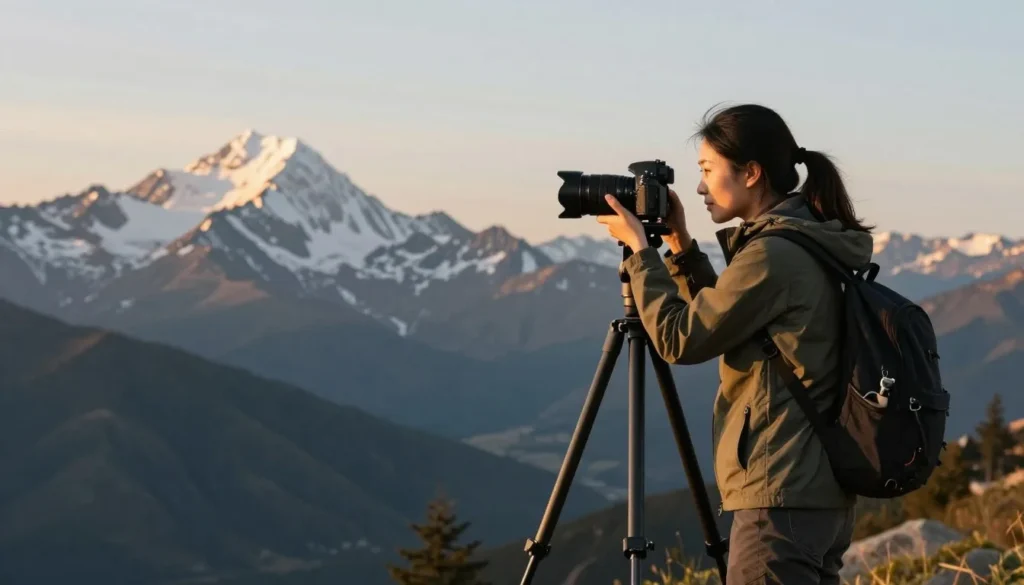
Bring polarizing filters to enhance sky colors and reduce glare from water and snow. Wide-angle lenses capture expansive mountain vistas, while telephoto lenses compress distant peaks and isolate wildlife subjects.
Protect camera equipment from sudden weather changes with waterproof bags. Extra batteries maintain performance in cold temperatures that drain battery life rapidly.
Environmental Responsibility
Water sources throughout the Never Summer range require protection. Use biodegradable soap only when necessary, and always wash at least 61 m (200 feet) from lakes and streams.
Wildfire prevention demands constant vigilance. Check current fire restrictions before departure, as regulations change based on conditions. During high fire danger, campfires may be prohibited entirely.
Stay on established trails to prevent erosion and protect fragile alpine vegetation. A single shortcut across a switchback can create erosion channels lasting decades.
Local Resources
Gather current conditions, weather forecasts, and trail updates before departing:
- Routt National Forest Headquarters: +1 (970) 870-2299
- Kawuneeche Visitor Center: +1 (970) 627-3471
- Grand Lake Area Information: +1 (970) 627-3402
- Colorado Avalanche Information Center: +1 (303) 499-9650
Your Never Summer Adventure Awaits
The Never Summer Mountains stand ready to deliver experiences that transform ordinary vacations into extraordinary adventures. These peaks, carved by volcanic forces millions of years ago and shaped by glaciers during ice ages, create landscapes that inspire awe in every season.
Whether you’re seeking challenging summit attempts, peaceful wildflower meadows, or simply the chance to disconnect from modern life in pristine wilderness, the Never Summer range provides the perfect setting. The trails wind through ecosystems ranging from montane forests to alpine tundra, each elevation zone hosting unique wildlife and plant communities.
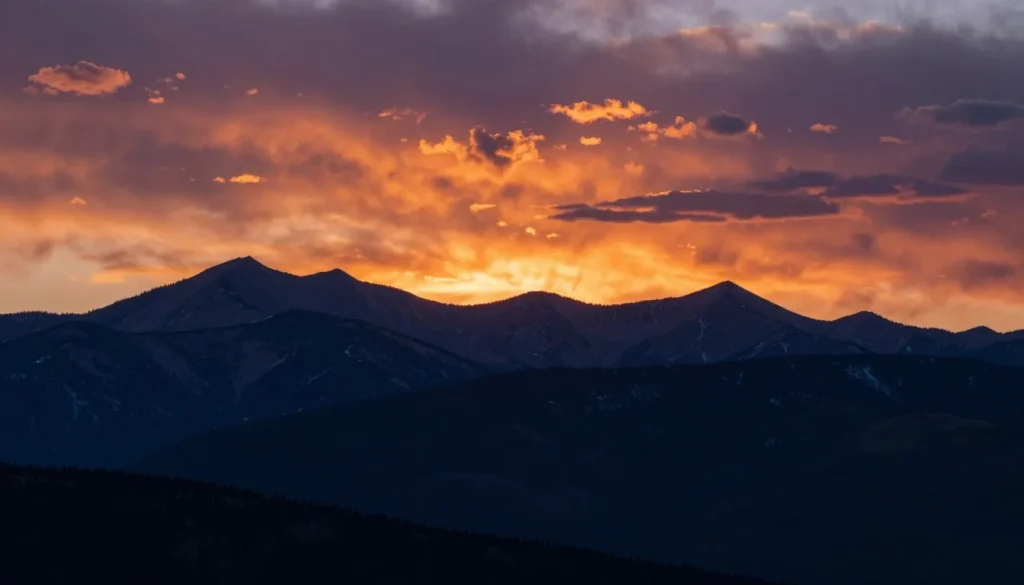
Your journey begins with a single step onto a trailhead, but the memories created in these mountains last lifelong. The Never Summer range rewards those who venture beyond crowded tourist destinations, offering solitude and natural beauty that few Colorado locations can match.
Pack your gear, study your maps, and prepare for an adventure that connects you with Colorado’s wild heart. The Never Summer Mountains are calling – will you answer?