Hotels by Trip.com
Flights by Trip.com
For 270 years, between 1598 and 1868, thousands of traders traversed a network of routes spanning 4,534 km (2,816 miles) between Santa Fe in New Mexico and Los Angeles in California. This historic trade route connected diverse cultures and landscapes. Today, portions of the Old Spanish Trail wind through Colorado’s stunning red rock country, offering modern travelers a chance to walk in the footsteps of history.
The Colorado sections of this national historic trail showcase some of the most dramatic landscapes in the American West. Visitors discover ancient trade routes where merchants once moved wool, horses, and mules across challenging terrain.
This comprehensive guide reveals the best experiences along the Old Spanish National Historic Trail in Colorado. You’ll find practical information to plan your journey through this remarkable corridor of American history.
Getting There & Planning Your Journey
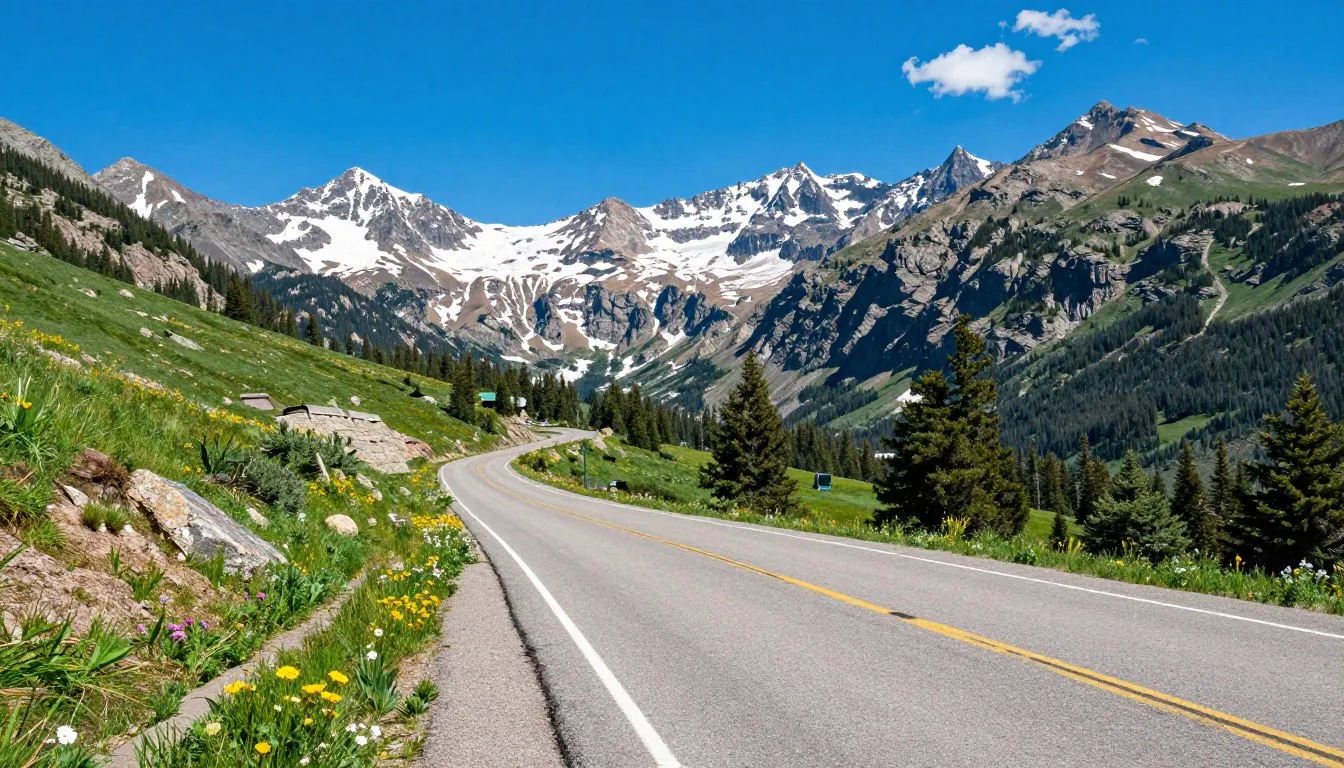
The Colorado portions of the Old Spanish National Historic Trail are best accessed through several major airports. Denver International Airport (DEN) serves as the primary gateway, located approximately 483 km (300 miles) from the trail’s main Colorado sections.
Montrose Regional Airport (MTJ) offers closer access to the western portions of the trail. This smaller facility sits just 161 km (100 miles) from key trail segments in southwestern Colorado.
Grand Junction Regional Airport (GJT) provides another convenient entry point. From there, travelers can reach significant trail sites within a two-hour drive.
The National Park Service manages interpretation and preservation of the old spanish trail route. The Bureau of Land Management also oversees portions of the trail corridor across public lands.
Plan at least three to five days to properly explore the Colorado sections. This allows time to visit multiple historic sites, museums, and natural attractions along the route.
Important Planning Note: Many trail segments cross remote areas with limited services. Always carry extra water, food, and emergency supplies. Cell phone coverage can be spotty in backcountry areas.
Best Time to Visit & Weather Tips
Best Time to Visit Old Spanish National Historic Trail
Late spring from May through early June offers ideal conditions for exploring the trail. Temperatures range from 18°C to 24°C (65°F to 75°F), and wildflowers bloom across the high desert landscape.
September through October provides excellent fall visiting weather. Cooler temperatures between 15°C to 21°C (60°F to 70°F) make hiking comfortable, and autumn colors paint the cottonwood groves along waterways.
Avoid July and August when temperatures frequently exceed 35°C (95°F) in lower elevations. Winter months from December through February bring snow and ice to higher trail sections, making access difficult.
✓ Check 30,000+ Local Sightseeing Tours Worldwide
Recommended Months
- May – Perfect wildflower season with mild temperatures
- June – Warm days, cool nights, excellent visibility
- September – Comfortable temperatures, fewer crowds
- October – Beautiful fall colors, crisp weather
Months to Avoid
- July-August – Extreme heat in lower elevations
- December-February – Snow, ice, limited access
- March-April – Unpredictable weather, muddy trails
Notable Annual Festivals
The Spanish Trail Association hosts interpretive programs throughout the year. These events celebrate the cultural heritage of the historic trade routes and educate visitors about the trail’s significance.
San Luis Valley Historical Society organizes heritage celebrations each summer. These gatherings showcase traditional crafts, music, and stories from the trail era.
The Old Spanish Trail Rendezvous takes place each September in southwestern Colorado. Living history demonstrations bring the 19th-century trade culture to life with period-authentic camps, goods displays, and educational programs.
Getting Around Locally
Personal vehicles provide the most practical transportation for exploring the Old Spanish National Historic Trail in Colorado. The trail segments span vast distances across remote terrain where public transportation doesn’t reach.
Rent a high-clearance vehicle or SUV for the best experience. Many trail access points require driving on unpaved roads that can become challenging during wet weather.
The north branch of the trail passes through several small communities connected by state highways. US Route 160 and Colorado Highway 145 provide paved access to major historic sites and interpretive centers.
Gas stations and services appear infrequently along remote sections. Fill your tank whenever possible and carry extra fuel for longer excursions into backcountry areas.
GPS navigation can be unreliable in remote canyon areas. Carry detailed physical maps from the Bureau of Land Management or National Park Service. Download offline maps to your phone before departing urban areas.
Where to Stay
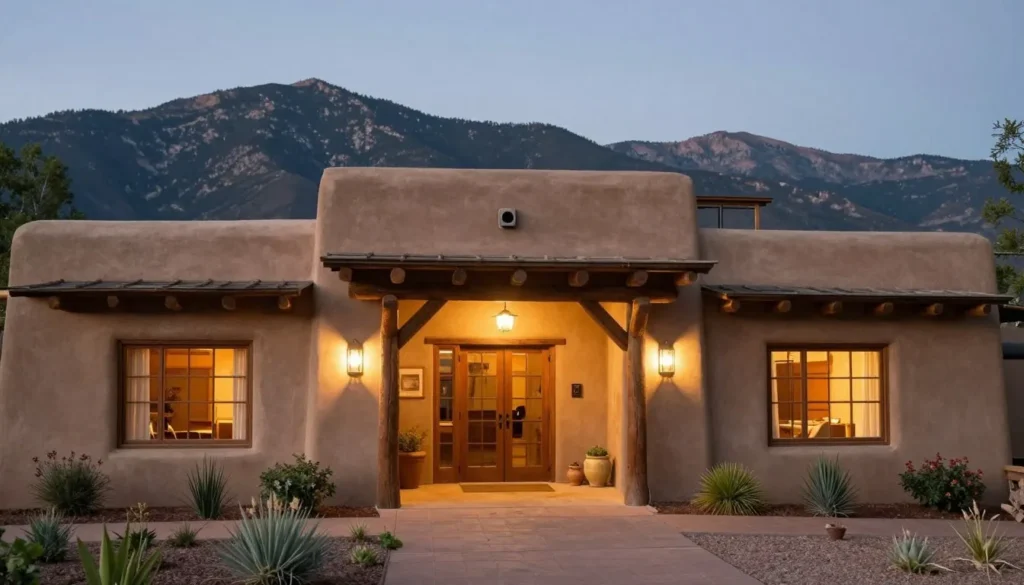
Lodging options along the Old Spanish National Historic Trail range from historic inns to modern hotels. The communities of Durango, Cortez, and Dolores offer the widest selection of accommodations near major trail segments.
Hotels and Motels
Durango provides numerous chain hotels and independent properties. These establishments serve as excellent base camps for daily excursions to trail sites within 48 to 80 km (30 to 50 miles).
Cortez offers budget-friendly options closer to the southwestern trail sections. Several properties there cater specifically to history enthusiasts and outdoor adventurers.
Historic Inns and Bed & Breakfasts
San Luis, Colorado’s oldest town, features charming bed and breakfast establishments. These historic properties immerse guests in the cultural atmosphere of the old spanish trail era.
Several ranch properties near the trail route offer authentic Western accommodations. These working ranches provide unique insights into the region’s continuing livestock traditions that echo the trail’s history of moving horses and mules.
Camping and RV Options
Bureau of Land Management campgrounds dot the trail corridor. These rustic sites offer primitive camping experiences in spectacular natural settings.
National Forest Service campgrounds provide developed facilities near key trail segments. Reservations are recommended during peak season from May through September.
Dining & Local Cuisine
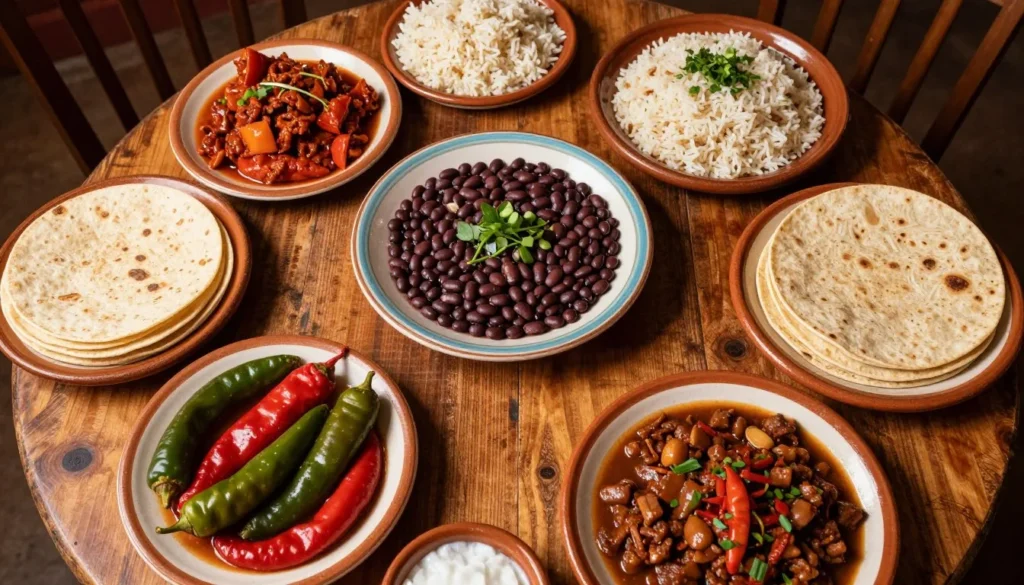
The culinary traditions along the Old Spanish National Historic Trail reflect centuries of cultural exchange. New Mexican and Southern Colorado cuisines blend Native American, Spanish, and Anglo influences.
Red and green chile sauces dominate local menus. These distinctive flavors trace directly back to trade goods that traveled the historic routes connecting New Mexico and California.
Traditional Trail Foods
Posole, a hearty hominy stew, sustained traders during long journeys. Modern restaurants throughout the region serve this traditional dish, especially during cooler months.
Sopapillas, pillowy fried bread, appear on nearly every menu. Drizzle them with honey for dessert or stuff them with savory fillings for a complete meal.
Regional Specialties
San Luis Valley farms produce exceptional potatoes that appear in numerous local dishes. The high-altitude growing conditions create unique flavors prized by chefs throughout Colorado.
Local lamb and beef reflect the livestock heritage of the spanish trail trade. Ranch-to-table restaurants showcase these proteins prepared with traditional and contemporary techniques.
Local Tip: Ask for “Christmas style” when ordering chile to receive both red and green varieties on your plate. This allows you to compare the distinct flavors of each sauce.
Attractions, Sightseeing & Activities
Exploring the Old Spanish National Historic Trail reveals layers of American history spanning three centuries. Numerous sites interpret the trade routes, cultural exchanges, and challenging journeys that shaped the American West.
Historic Trail Segments
The north branch of the old spanish trail enters Colorado near present-day Dove Creek. This route provided traders with crucial access to water sources and mountain passes.
Well-preserved wagon ruts remain visible in several locations. These physical traces of thousands of hooves and wheels connect modern visitors directly to the trail’s active period.
Interpretive Sites
The National Park Service maintains interpretive panels at key waypoints. These educational displays explain the daily challenges traders faced and the goods they transported.
Trail Association volunteers lead guided walks during warmer months. These experts share detailed knowledge about specific trail segments and historical events that occurred along the route.
Archaeological Points of Interest
Ancient Native American sites predate the spanish trail by thousands of years. Many trade routes followed paths established by indigenous peoples long before European contact.
Petroglyph panels near trail segments show cultural continuity across centuries. These rock art sites remind visitors that the landscape holds multiple layers of human history.
Location of Old Spanish National Historic Trail segments in Colorado
Museums, Cultural Spots & Festivals
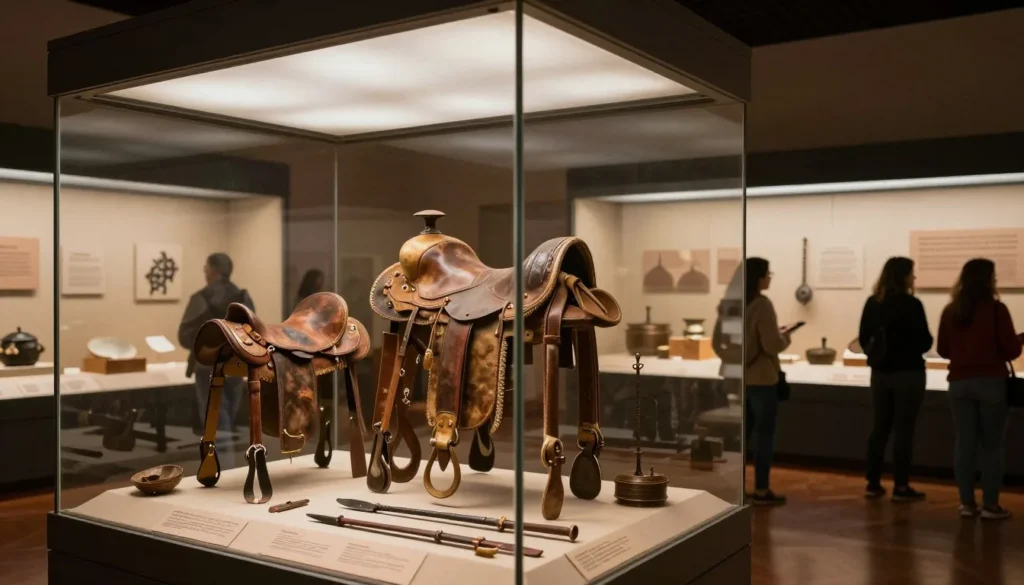
Several museums throughout southwestern Colorado interpret the history and cultural significance of the Old Spanish National Historic Trail. These institutions preserve artifacts and share stories from the trail era.
Regional Museums
The Anasazi Heritage Center near Dolores showcases the deep history of the region. Exhibits explain how the spanish trail overlaid ancient Native American trade networks.
San Luis Museum and Cultural Center preserves the heritage of Colorado’s oldest continuously inhabited town. Collections include items directly related to spanish trail traders and the communities they connected.
Cortez Cultural Center offers regular presentations about regional history. Summer programs often focus on the old spanish trail and its impact on local development.
Living History Programs
Seasonal demonstrations bring trail history to life through authentic recreations. Interpreters dress in period clothing and demonstrate traditional crafts, cooking methods, and trading practices.
Blacksmithing demonstrations show how traders repaired tools and horseshoes during their journeys. These skills were essential for maintaining equipment across thousands of miles.
Cultural Celebrations
Hispanic heritage festivals throughout southern Colorado celebrate the cultural legacy of spanish trail era. Traditional music, dance, and food connect contemporary communities to their historical roots.
The Spanish Trail Association sponsors educational events highlighting the multicultural nature of the historic trade routes. Programs emphasize contributions from Native American, Hispanic, and Anglo participants.
Nature & Outdoor Experiences
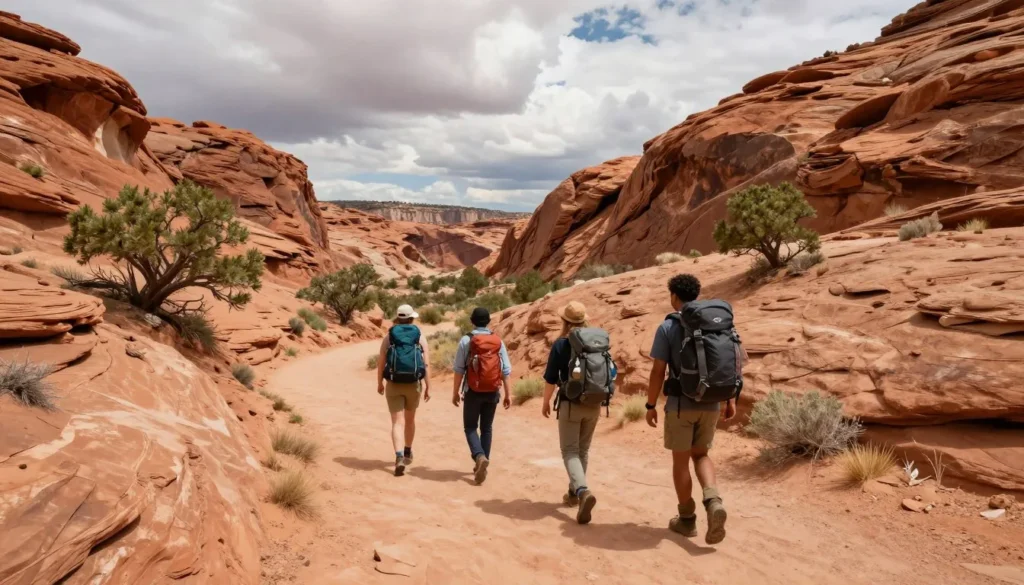
The natural landscapes surrounding the Old Spanish National Historic Trail offer remarkable outdoor recreation opportunities. The same dramatic terrain that challenged 19th-century traders now attracts modern adventurers.
Hiking the Historic Route
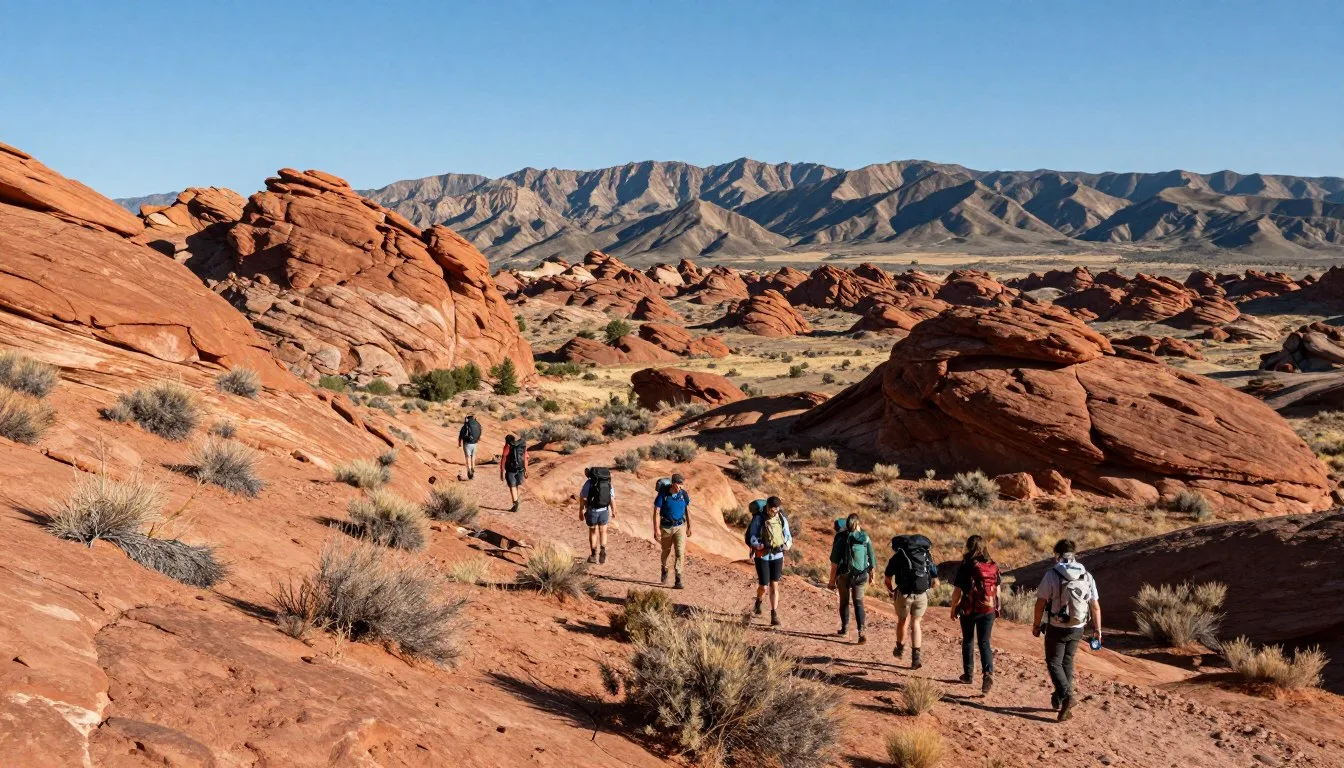
Several trail segments allow visitors to literally walk in the footsteps of old spanish trail traders. These routes traverse the same canyons, river crossings, and mountain passes used for centuries.
Dolores River Canyon preserves one of the most scenic trail sections. Day hikes ranging from 3 to 11 km (2 to 7 miles) provide access to well-preserved wagon ruts and campsites.
Trails through the San Luis Valley cross high desert grasslands where traders once moved large herds of horses and mules. The wide-open vistas help visitors understand the scale of historical livestock operations.
Wildlife Viewing
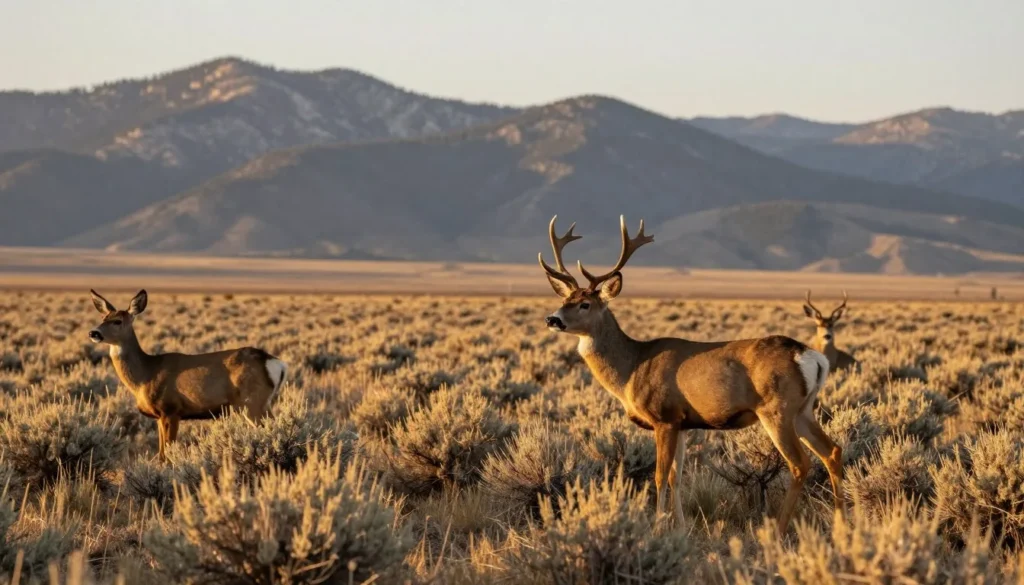
Mule deer browse along trail corridors just as they did during the trading era. Early morning and evening hours offer the best viewing opportunities.
Raptors soar above canyon rims throughout the trail region. Golden eagles, red-tailed hawks, and prairie falcons hunt the same terrain where traders once traveled.
Scenic Drives
The San Juan Skyway follows portions of the historic route through spectacular mountain scenery. This designated scenic byway passes multiple access points to trail segments.
Highway of Legends Scenic Byway connects to northern branches of the old spanish trail. The drive showcases diverse ecosystems from alpine forests to desert canyons.
Photography Locations
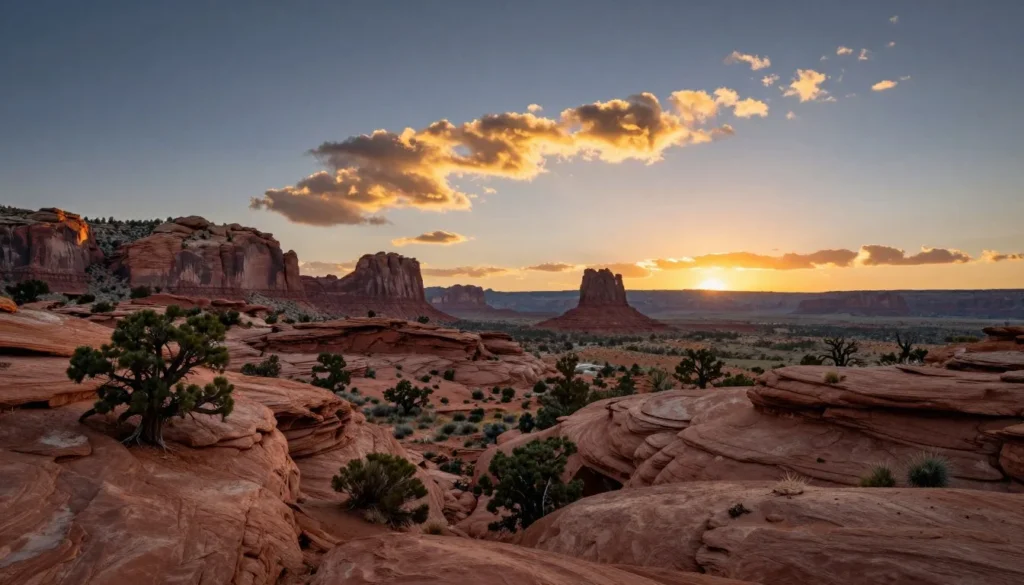
Sunrise and sunset transform the red rock landscapes into extraordinary color displays. The same dramatic light that guided traders now creates stunning photographic opportunities.
Spring wildflower blooms add vibrant colors to the desert palette. April through June brings successive waves of blooms at different elevations along the trail.
Safety, Etiquette & Local Customs
Exploring the Old Spanish National Historic Trail requires preparation and respect for both the natural environment and cultural heritage. Following these guidelines ensures safe, responsible visits.
Wilderness Safety
Carry at least 3 liters (0.8 gallons) of water per person for day hikes. Desert and high-elevation environments cause rapid dehydration even during moderate activity.
Weather can change rapidly in mountain areas. Pack layers including rain gear and warm clothing even during summer months when morning temperatures can drop to 10°C (50°F).
Lightning poses significant danger on exposed ridges and open terrain. Monitor weather forecasts and avoid high points during afternoon thunderstorm hours.
Emergency Services: Cell phone coverage is limited or nonexistent in many remote trail areas. Inform someone of your plans and expected return time before heading into backcountry locations.
Cultural Site Etiquette
Archaeological sites along the trail are protected by federal law. Never touch, remove, or disturb artifacts, petroglyphs, or structural remains.
Stay on designated trails when visiting sensitive areas. Wandering off-path damages fragile desert vegetation and disturbs archaeological resources.
Photography of cultural sites is generally permitted for personal use. However, some locations may have restrictions, especially at sacred Native American sites.
Leave No Trace Principles
Pack out all trash including food wrappers and toilet paper. The desert environment degrades waste very slowly, and litter detracts from the historic atmosphere.
Camp only in designated areas or on durable surfaces away from water sources. Protect riparian zones that provide critical habitat for wildlife.
Respect for Private Property
Many trail segments cross private ranch land. Always obtain permission before accessing these areas. Respect gates, fences, and posted signs.
The ranching culture reflects direct continuity with the trail era’s livestock traditions. Local ranchers often possess extensive knowledge about trail history passed down through generations.
Visitor Comments About Old Spanish National Historic Trail
“Walking sections of the Old Spanish Trail gave me chills imagining the traders who passed through centuries ago. The landscape is absolutely stunning and the interpretive signs really brought the history to life. It’s incredible to see actual wagon ruts still visible after all these years.”
“We spent four days exploring different segments of the trail across southwestern Colorado. Each location offered something unique. The museums in San Luis and Cortez provided excellent context that made our trail visits much more meaningful. Highly recommend taking time to visit both the historic sites and interpretive centers.”
✓ Check 30,000+ Local Sightseeing Tours Worldwide
“The remote beauty of the trail segments is remarkable. We hiked several miles along historic routes and encountered very few other people. It felt like stepping back in time. Bring plenty of water and be prepared for rough roads accessing some sites, but it’s absolutely worth the effort.”
Additional Nearby Destinations
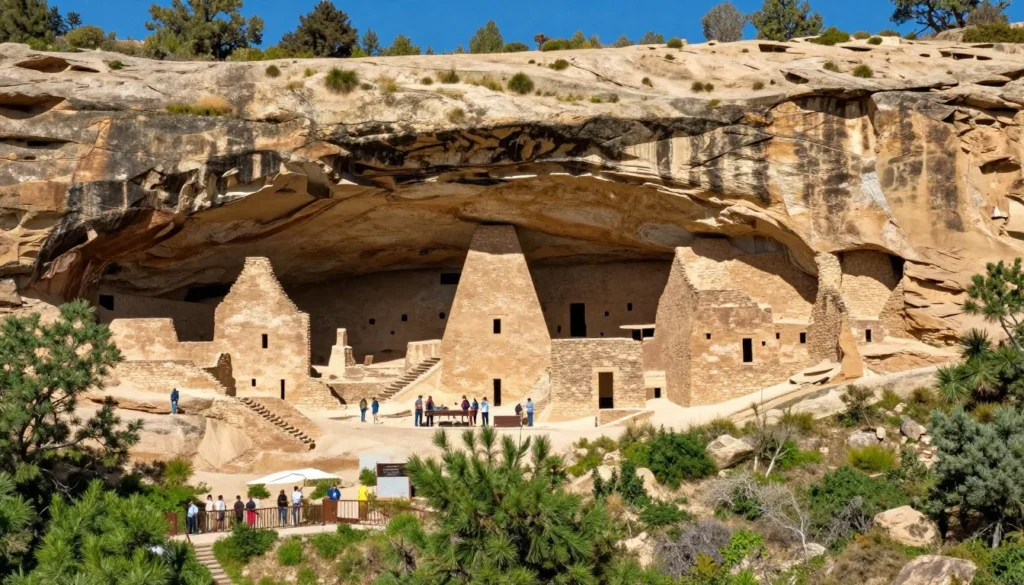
The Old Spanish National Historic Trail connects to numerous other significant destinations throughout southwestern Colorado. Extending your visit allows exploration of related cultural and natural attractions.
Mesa Verde National Park
The National Park Service manages this UNESCO World Heritage Site just 64 km (40 miles) from major trail segments. Ancient cliff dwellings predate the spanish trail by centuries but connect to the region’s deep human history.
Plan a full day to tour the major archaeological sites. Rangers lead guided tours through cliff dwellings that provide remarkable insights into ancestral Puebloan culture.
Great Sand Dunes National Park
North branch routes of the old spanish trail passed near these remarkable dunes. Located 241 km (150 miles) northeast of main Colorado trail segments, the park features the tallest sand dunes in North America.
The dunes reach heights of 229 m (750 feet) against the backdrop of the Sangre de Cristo Mountains. This dramatic landscape challenged traders seeking routes through southern Colorado.
Chimney Rock National Monument
This Bureau of Land Management site protects archaeological ruins contemporary with Chaco Canyon culture. The monument sits near historic trail routes through the San Juan Mountains.
Guided tours explain the archaeological significance and astronomical alignments of ancient structures. The site offers perspectives on indigenous peoples who inhabited the region before European contact.
Durango & Silverton Narrow Gauge Railroad
This historic steam railroad operates through scenery traversed by spanish trail traders. The train journey showcases the rugged mountain terrain that made certain route sections particularly challenging.
The railroad itself dates to 1882, built after the trail era ended. However, it follows canyons and valleys that formed natural corridors for earlier travelers.
Practical Travel Tips
Successful exploration of the Old Spanish National Historic Trail requires practical preparation. These tips help visitors maximize their experience while minimizing challenges.
Information Resources
The National Park Service website provides detailed maps and descriptions of Colorado trail segments. Download these resources before departing as internet access is limited in many trail areas.
Local visitor centers in Cortez, Durango, and Alamosa stock brochures and maps. Staff can provide current information about road conditions and temporary closures.
What to Pack
- Sturdy hiking boots with ankle support for uneven terrain
- Sun protection including hat, sunglasses, and SPF 50+ sunscreen
- Layered clothing for variable mountain weather conditions
- High-energy snacks and electrolyte supplements
- First aid kit including blister treatment and pain relievers
- Camera with extra batteries and memory cards
- Binoculars for wildlife viewing and distant site observation
- Physical maps as backup to GPS navigation
Money and Services
ATMs are available in larger towns but absent in remote areas. Carry sufficient cash for entry fees, donations, and purchases at small museums or visitor centers.
Most interpretive sites have no entrance fees. However, donations support trail maintenance and educational programs run by the Spanish Trail Association and other nonprofit partners.
Accessibility Considerations
Many trail segments and archaeological sites involve rough terrain unsuitable for wheelchairs or limited mobility. However, several museums and interpretive centers meet ADA accessibility standards.
Contact specific sites in advance to verify accessibility features. Staff can often recommend alternative viewing areas or accessible programs.
Photography Tips
Golden hour lighting occurs roughly one hour after sunrise and one hour before sunset. These times produce the most dramatic photographs of desert and mountain landscapes.
Bring a polarizing filter to reduce glare and enhance color saturation in bright conditions. This tool proves especially valuable when photographing red rock formations against blue skies.
Respecting the Resource
The Old Spanish National Historic Trail represents an irreplaceable cultural resource. Every visitor bears responsibility for preserving sites for future generations.
Report vandalism or damage to the Bureau of Land Management or National Park Service. These agencies depend on visitor reports to protect vulnerable historic resources.
Support local organizations working to preserve trail heritage. The Spanish Trail Association and regional historical societies conduct research, education, and advocacy on behalf of this important corridor of American history.
Your Journey Through Living History Awaits
The Old Spanish National Historic Trail in Colorado offers far more than dusty paths through remote country. Each segment tells stories of cultural exchange, economic ambition, and human determination across challenging landscapes.
Modern visitors walk the same routes where traders once moved goods and livestock between distant communities. The physical traces of their journeys connect us directly to pivotal chapters in Western American history.
Whether you spend a single day or an entire week exploring these historic routes, you’ll gain appreciation for the people who built connections across vast distances long before modern transportation. The dramatic landscapes, preserved sites, and welcoming communities along the trail create memorable experiences that blend education with adventure.
Plan your journey today to discover this remarkable national historic trail. Your footsteps will follow in the tradition of centuries of travelers who found their own paths through Colorado’s stunning high country.