Hotels by Trip.com
Flights by Trip.com
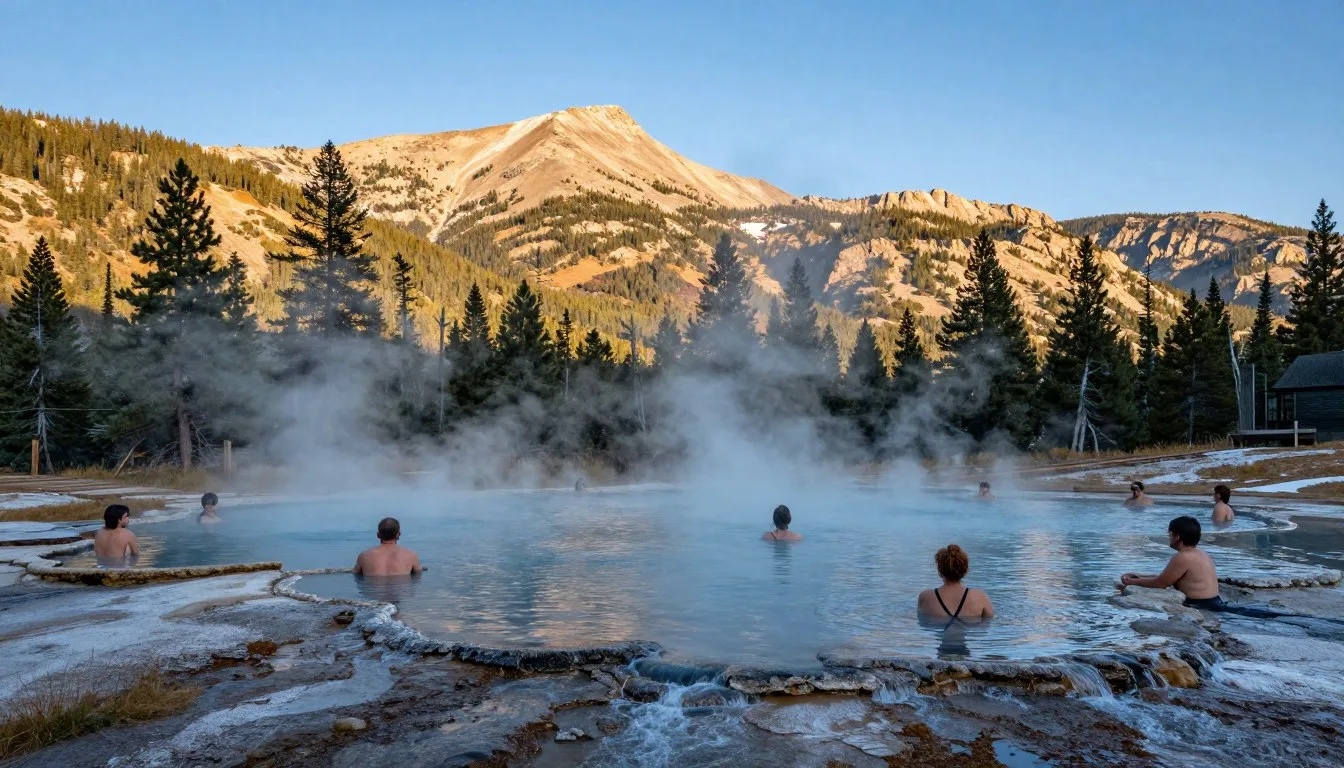
Each year, over 100,000 visitors discover a remarkable natural phenomenon along Highway 133 in Colorado. These travelers seek out primitive pools where geothermal water meets mountain river currents. The springs emerge from underground at approximately 54°C (129°F), creating a rare experience in the heart of the Rocky Mountains.
Penny Hot Springs represents one of Colorado’s most accessible natural thermal features. Located just 29 kilometers (18 miles) south of Glenwood Springs near Carbondale, this roadside attraction draws people seeking authentic wilderness soaking. The area offers no commercial development or entrance fees. Visitors find only rocks, water, and mountain scenery.
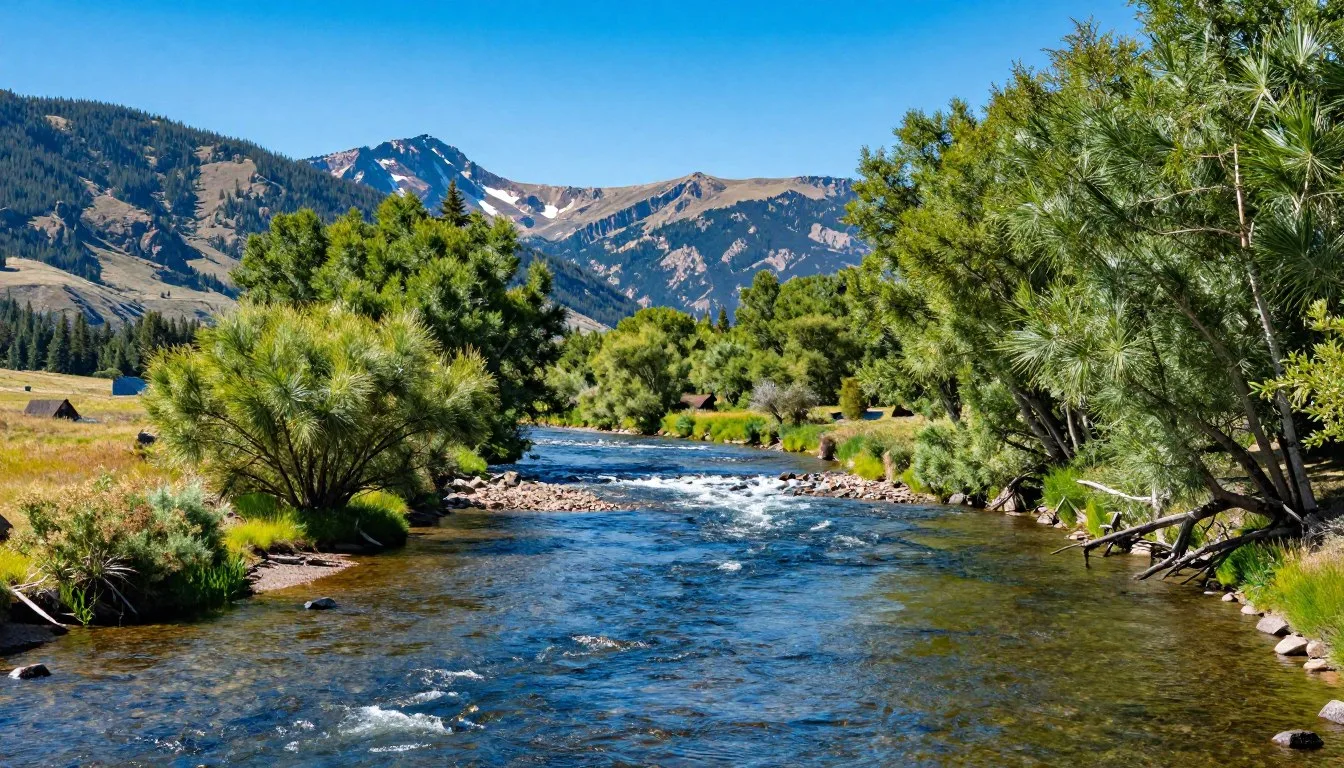
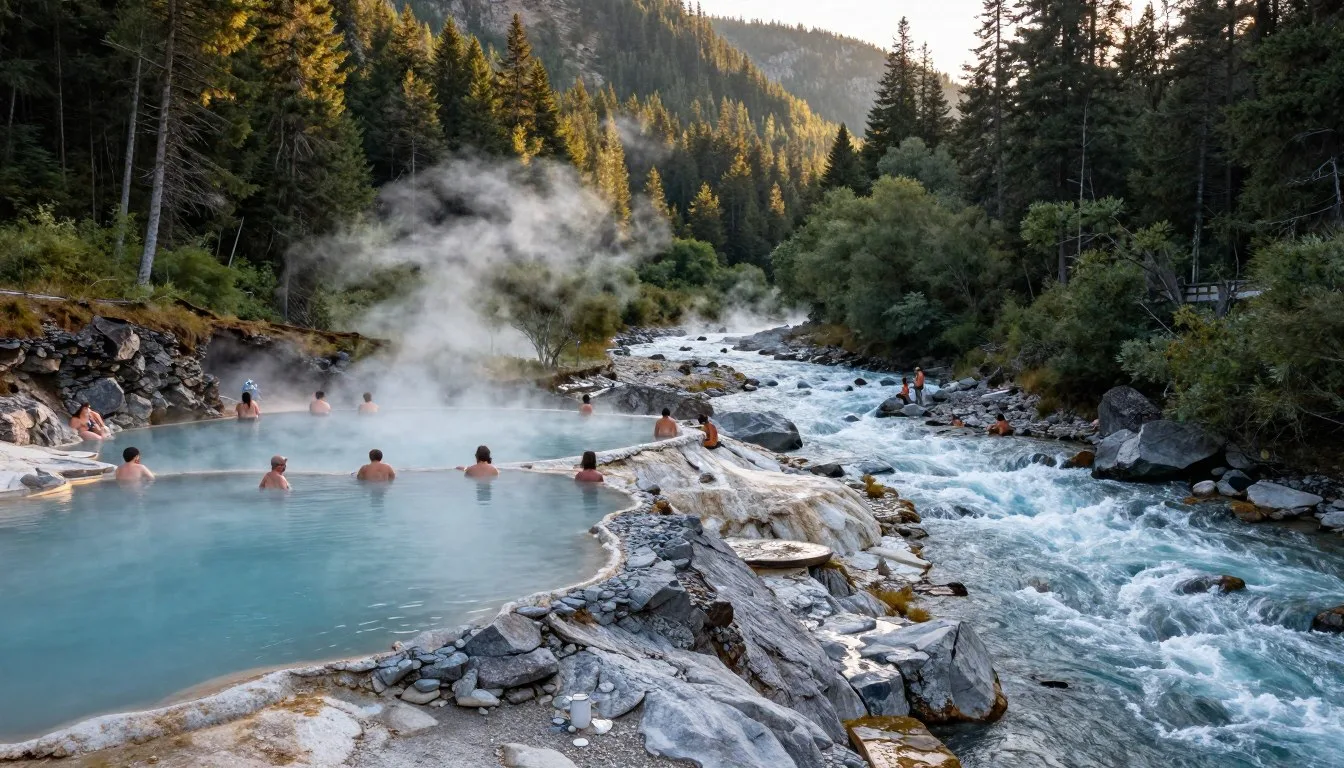
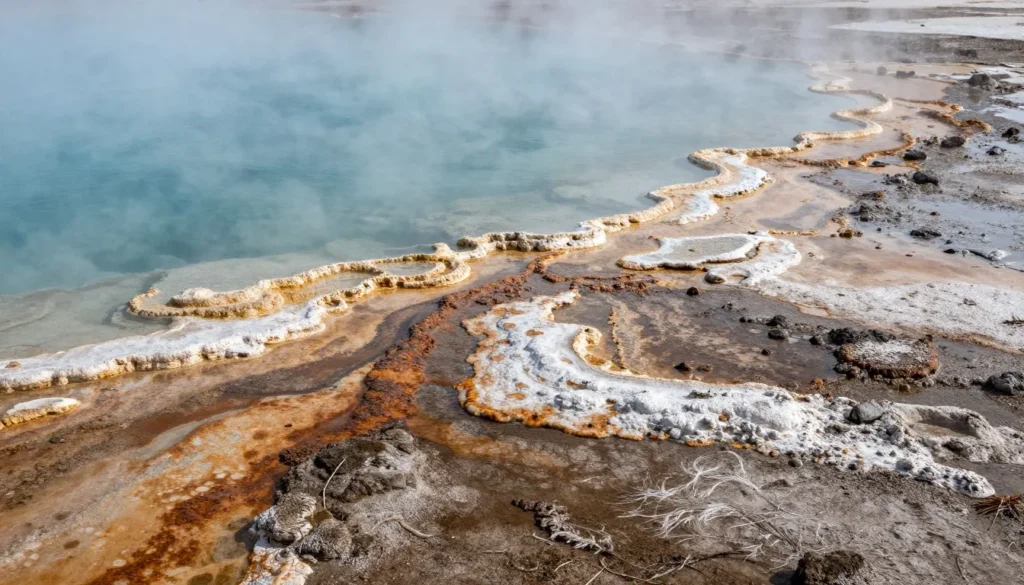
The springs sit directly beside the Crystal River on the east side of Highway 133. Natural rock formations create several pools where hot spring water mixes with cold river water. This unique combination allows soakers to adjust temperatures by moving between pools or shifting positions within a single pool.
Getting There & Planning Your Journey
The closest major airport is Denver International Airport, located approximately 265 kilometers (165 miles) northeast of the springs. Eagle County Regional Airport sits closer at 97 kilometers (60 miles) to the northwest. Both airports offer rental car services for the scenic mountain drive.
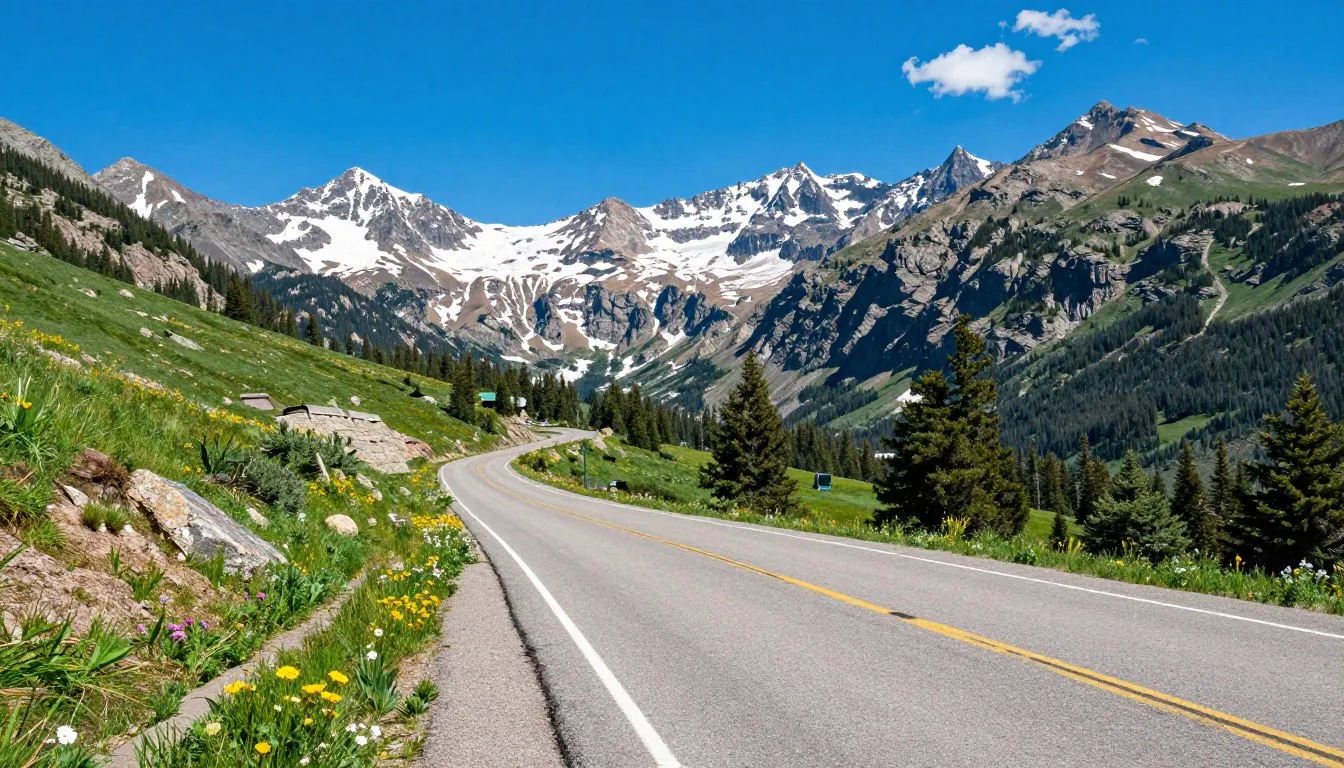
From Denver, travelers take Interstate 70 west to Glenwood Springs, then follow Highway 133 south toward Carbondale. The springs appear at mile marker 56, approximately 11 kilometers (7 miles) before reaching Carbondale. A small pullout area on the road shoulder provides parking for several vehicles.
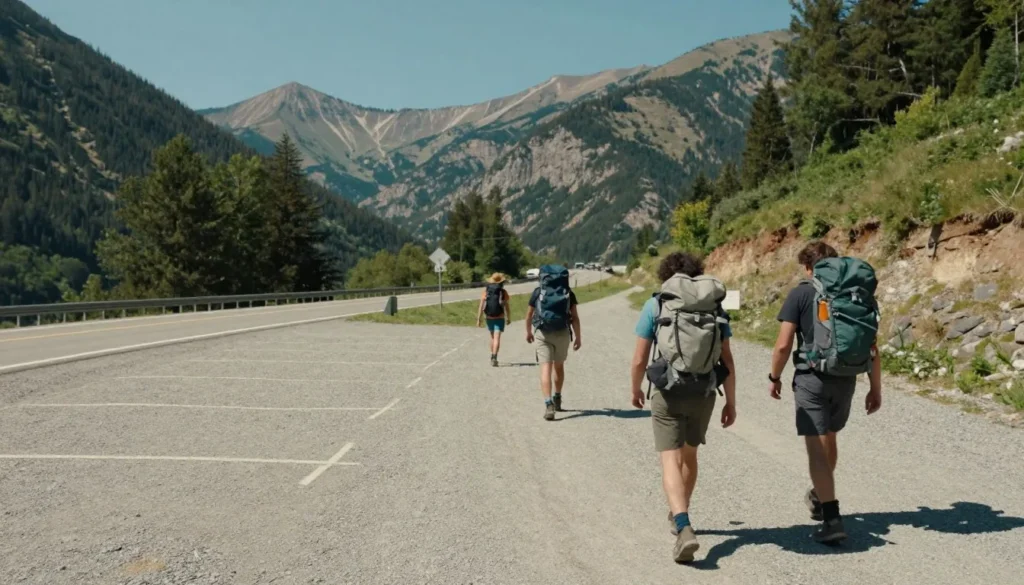
The location sits along a busy two-lane highway with limited parking space. Visitors should arrive early during peak season to secure a spot. No public transportation serves this area directly. Private vehicle access remains the only practical option for reaching the springs.
The springs require no permits or reservations. Access remains free and available year-round. However, highway conditions vary seasonally. Winter driving demands appropriate vehicle equipment and winter tire experience.
Best Time to Visit & Weather Tips
Recommended Visiting Seasons
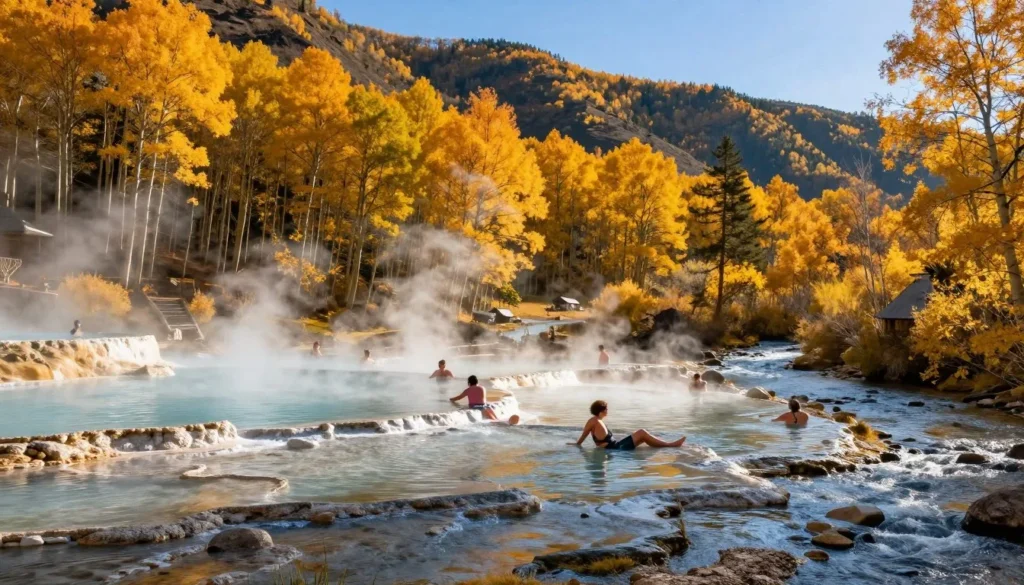
Late summer through early fall provides optimal conditions for visiting Penny Hot Springs. August through October offers comfortable air temperatures and lower river levels. During these months, the pools maintain their shape and temperature more consistently.
Spring runoff from March through June creates challenging conditions. High water from snowmelt often submerges the pools entirely or makes them too cold for comfortable soaking. The river runs fast and dangerous during this period. Many experienced visitors avoid the area during peak runoff season.
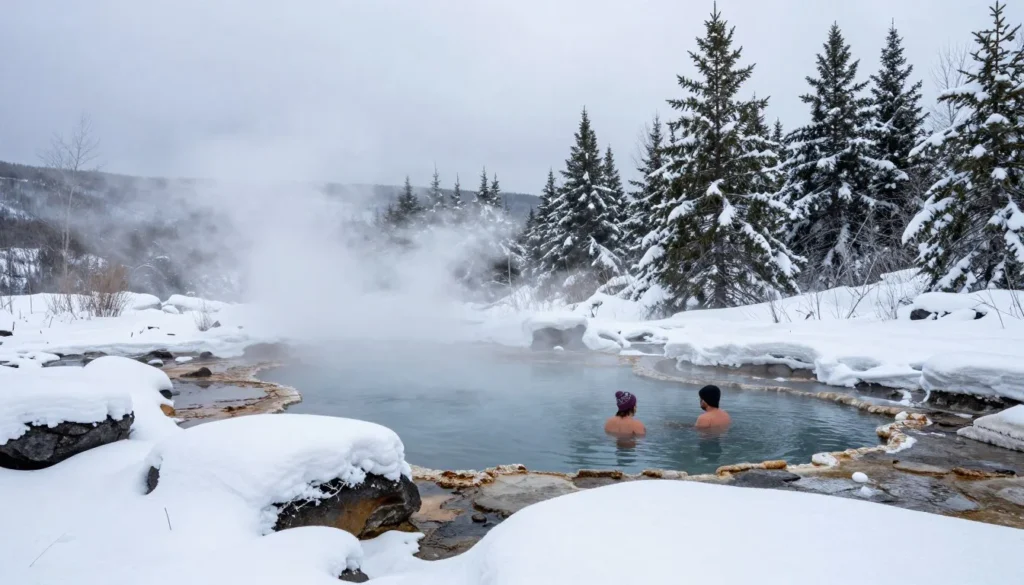
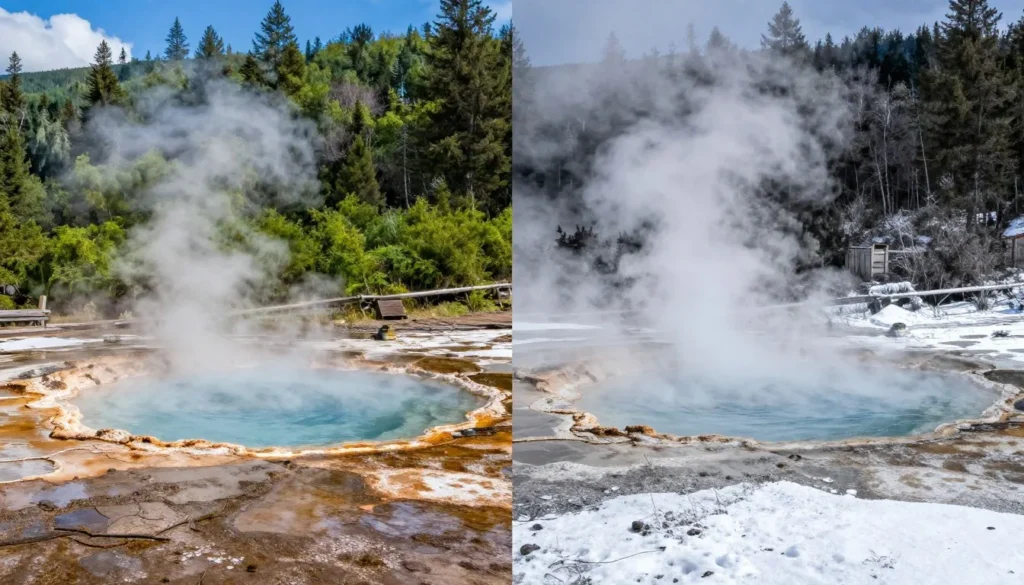
Winter months bring a different experience. Snow and ice create beautiful scenery but also present access challenges. Air temperatures drop to -15°C to -7°C (5°F to 20°F) at night. The contrast between hot water and cold air creates dramatic steam clouds. Winter visitors should prepare for potentially icy road conditions and limited parking due to snow accumulation.
✓ Check 30,000+ Local Sightseeing Tours Worldwide
Seasonal Weather Patterns
Summer temperatures range from 21°C to 29°C (70°F to 85°F) during daytime. Afternoon thunderstorms occur frequently in July and August. These storms pass quickly but can create flash flooding concerns along the river.
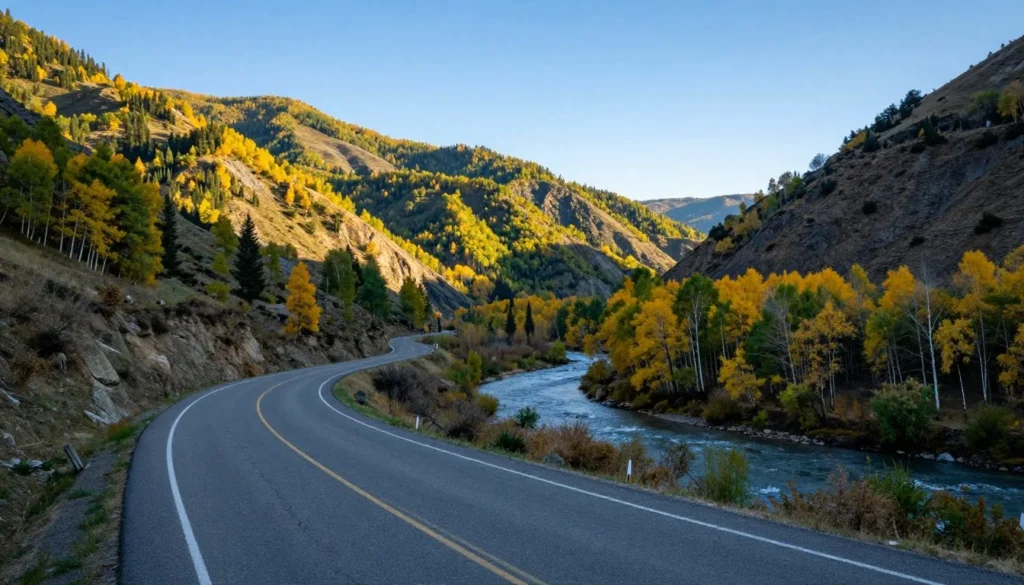
Fall brings cooler temperatures of 10°C to 21°C (50°F to 70°F) and more stable weather patterns. Clear skies dominate September and early October. Aspens turn golden yellow on surrounding mountainsides, creating exceptional photo opportunities.
Winter sees daytime temperatures of -1°C to 7°C (30°F to 45°F). Snowfall varies considerably between years. Some winters bring deep snow that makes access difficult, while others remain relatively clear.
Notable Annual Festivals
The nearby town of Carbondale hosts several events that attract visitors to the area throughout the year.
Carbondale Mountain Fair takes place each July. This three-day event features local artisans, live music, and mountain culture celebrations. The fair attracts thousands of visitors who often combine attendance with hot springs visits. Contact information: (970) 963-1149.
First Friday Art Walk occurs monthly in downtown Carbondale. Local galleries and businesses showcase regional artists and craftspeople. These evening events run year-round and provide cultural engagement for hot springs visitors staying overnight in the area.
Potato Day happens each October, celebrating the valley’s agricultural heritage. This harvest festival includes local food vendors, live entertainment, and community activities. The timing coincides with peak fall foliage season around the springs.
Getting Around Locally
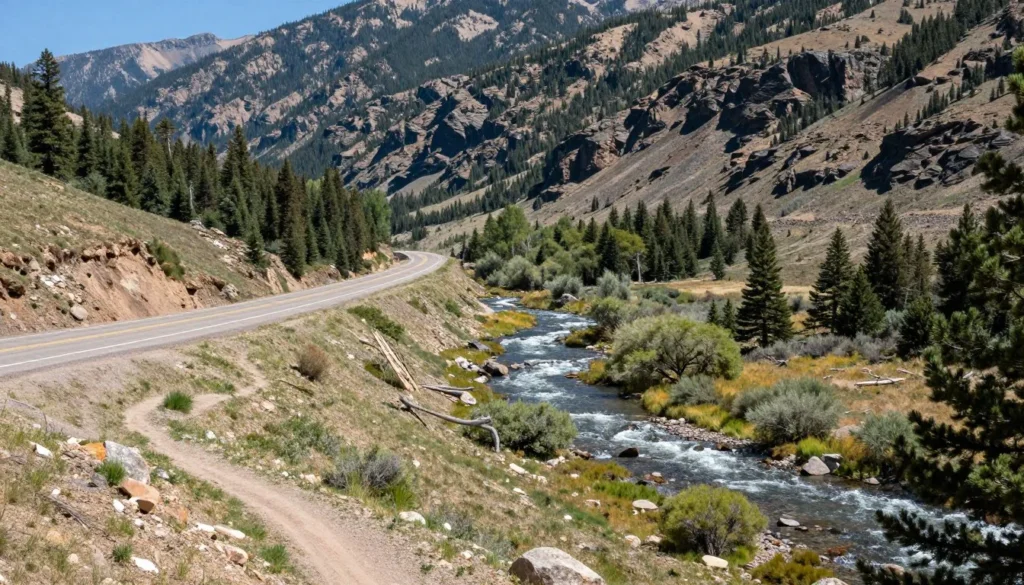
The immediate area around Penny Hot Springs offers limited infrastructure. Visitors rely entirely on personal vehicles for transportation to and from the site. No sidewalks, bike lanes, or pedestrian paths exist along this stretch of Highway 133.
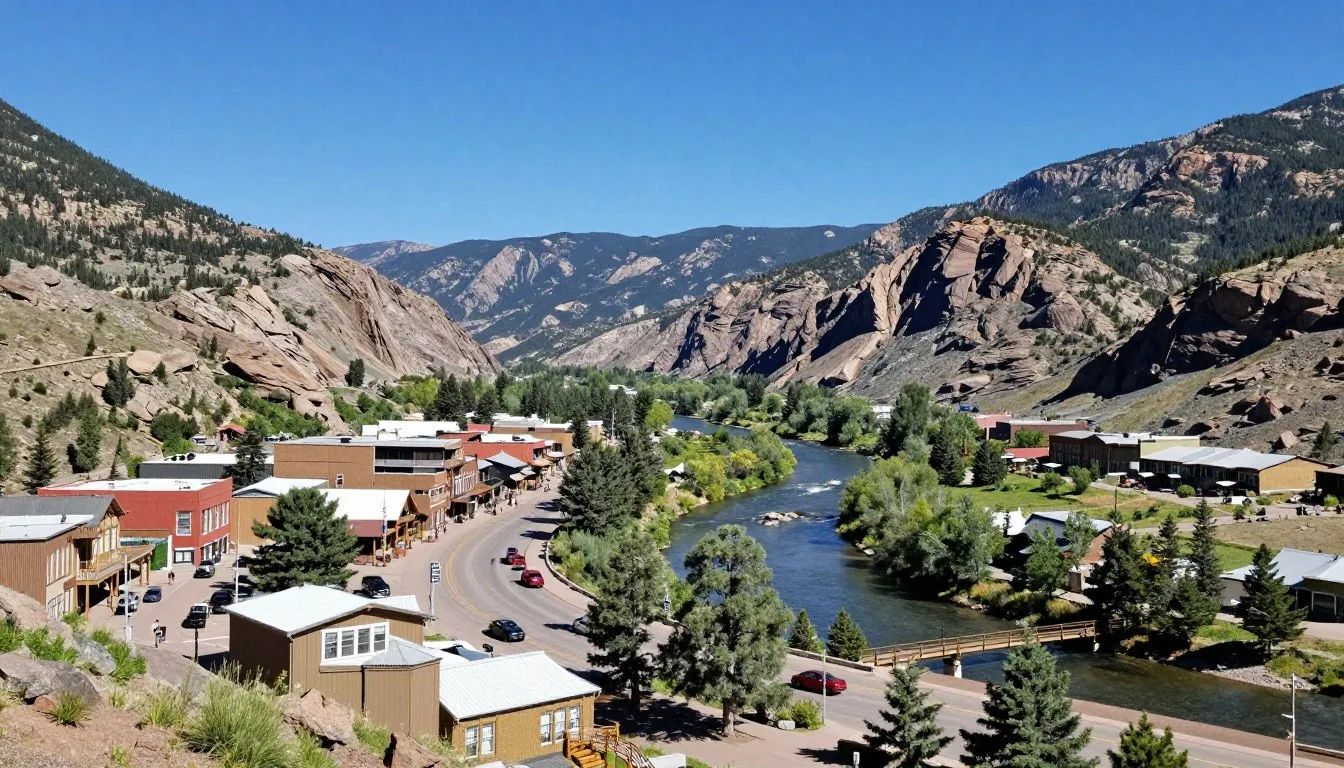
Carbondale, the nearest town with services, sits about 11 kilometers (7 miles) south. The town provides grocery stores, restaurants, gas stations, and basic supplies. Walking or cycling between Carbondale and the springs is not recommended due to narrow road shoulders and vehicle traffic.
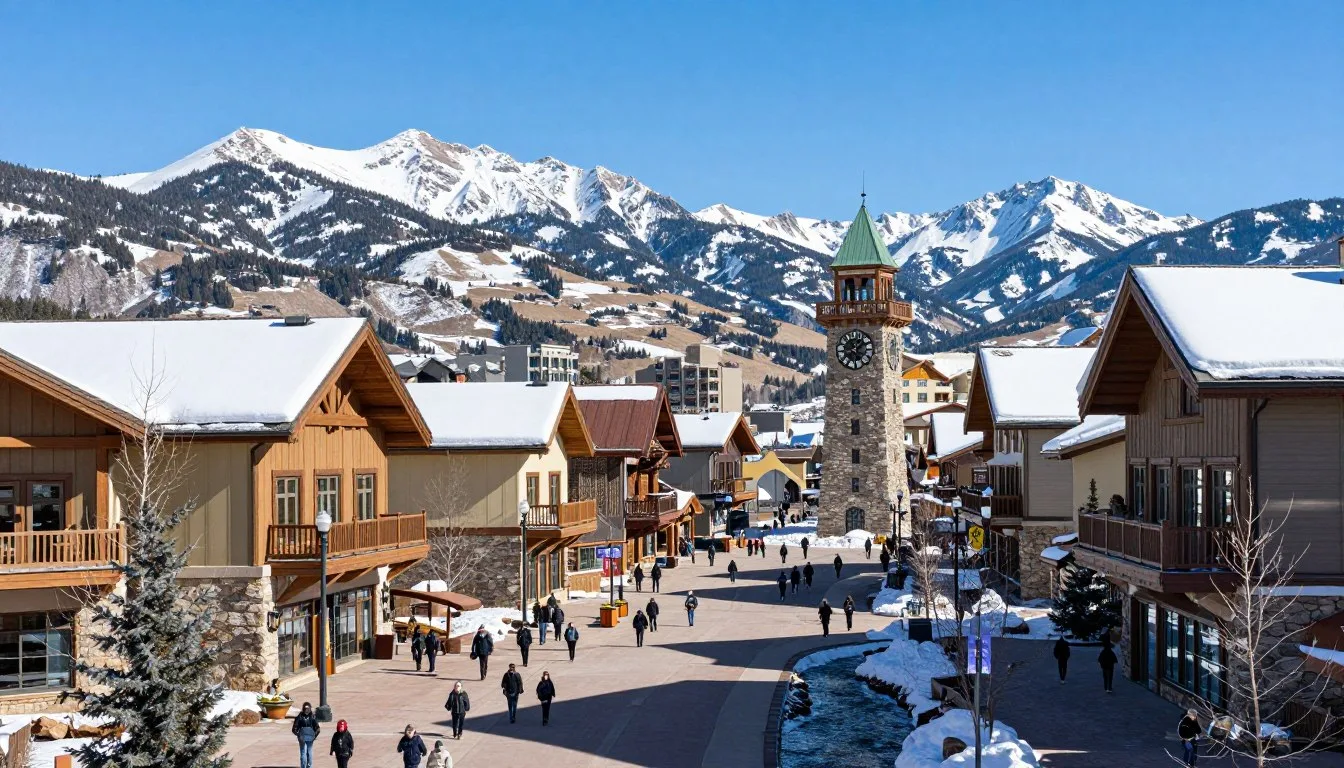
Glenwood Springs offers more extensive services and sits 29 kilometers (18 miles) north. This larger town features additional lodging, dining, shopping, and the famous Glenwood Hot Springs Pool. Many visitors base themselves in Glenwood Springs and make day trips to Penny Hot Springs.
Ride-sharing services operate sporadically in the area. Availability depends on time of day and season. Visitors should not rely on these services as primary transportation. Taxi services from both Carbondale and Glenwood Springs can arrange trips with advance notice.
Where to Stay
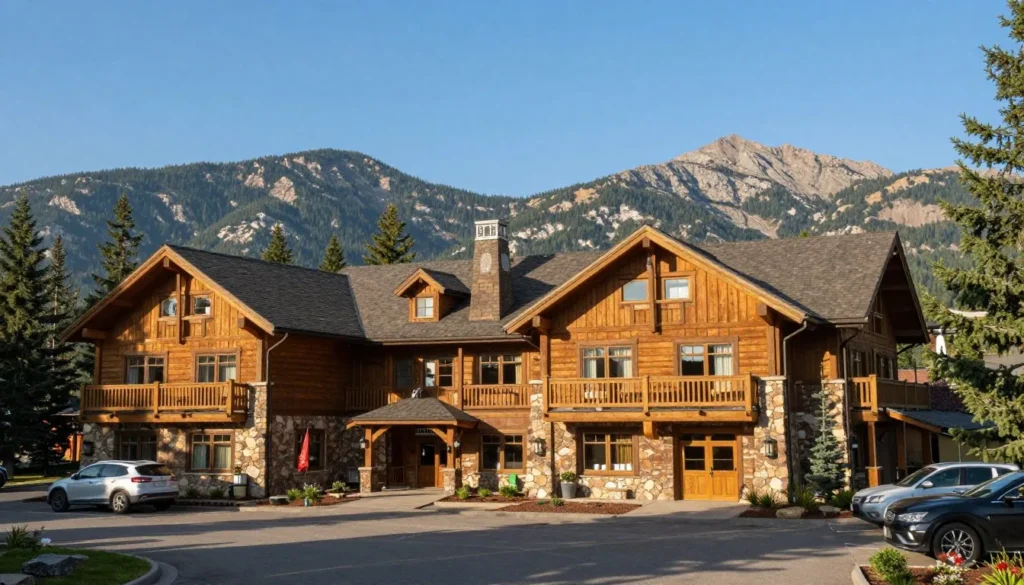
Carbondale Accommodations
Carbondale offers the closest lodging options to Penny Hot Springs. Several small hotels and motels provide basic accommodations within the town. The Thunder River Market area contains most lodging facilities.
Comfort Inn & Suites Carbondale provides modern rooms with mountain views. The property features an indoor pool and complimentary breakfast. Contact: (970) 963-8880.
Distillery Inn sits in downtown Carbondale within walking distance of restaurants and shops. This boutique property offers locally-inspired rooms and proximity to evening activities. Reservations: (970) 963-9332.
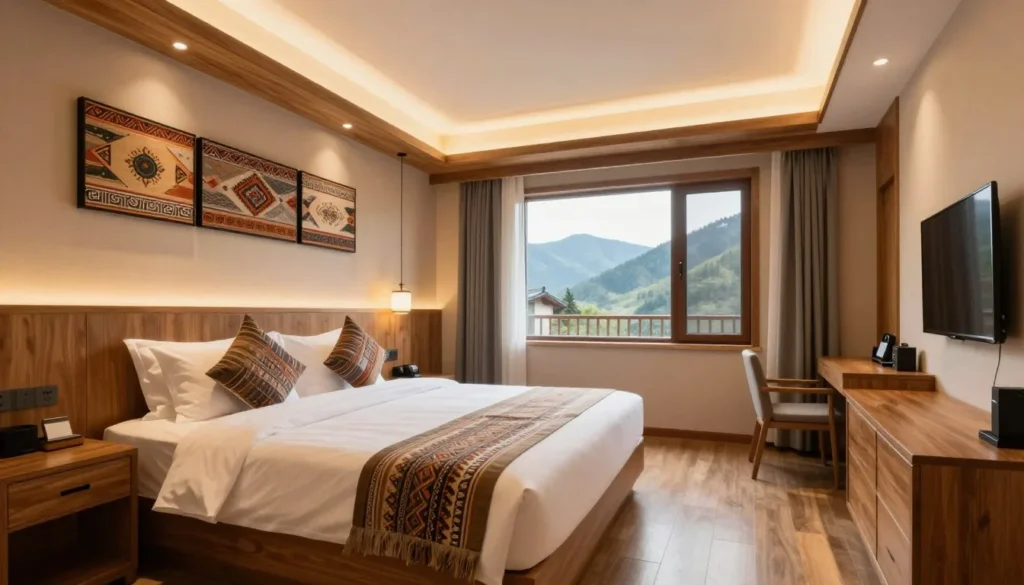
Glenwood Springs Hotels
Glenwood Springs provides more extensive lodging variety. Properties range from budget motels to upscale resorts. The town’s larger size offers greater availability during peak seasons.
Hotel Colorado represents a historic property dating to 1893. The elegant building features period architecture and modern amenities. Location: (970) 945-6511.
Hotel Denver offers contemporary rooms in a restored historic building. The property includes an on-site restaurant and rooftop bar. Booking line: (970) 945-6565.
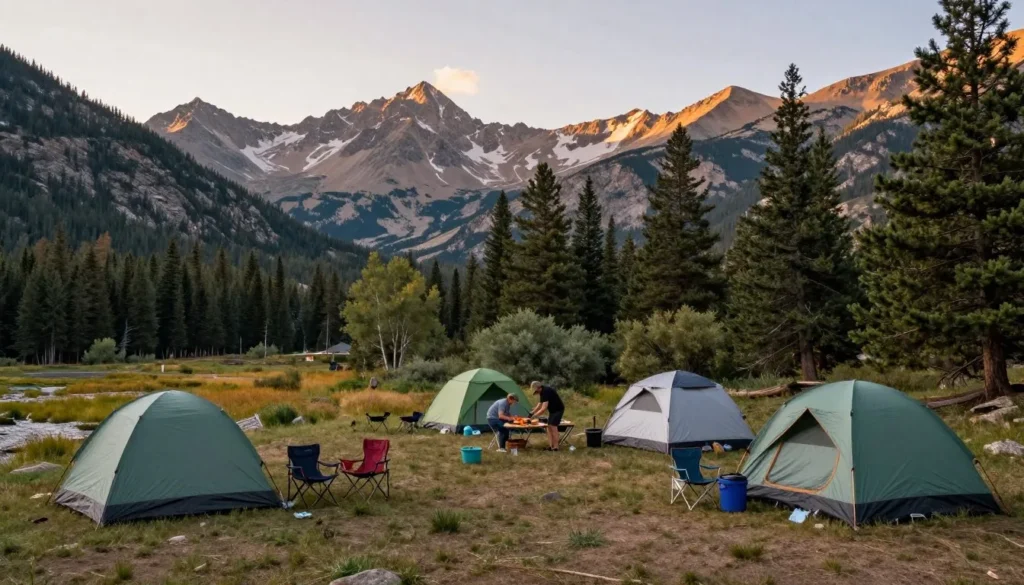
Camping and Alternative Lodging
Several campgrounds operate in the Crystal River Valley. White River National Forest manages multiple sites within 16 kilometers (10 miles) of the springs.
Bogan Flats Campground offers 37 sites along the Crystal River. The facility provides vault toilets and potable water from May through September. Reservations through Recreation.gov prevent disappointment during busy periods.
Dispersed camping is permitted in designated areas of White River National Forest. These free sites require self-sufficiency and leave-no-trace practices. Check current forest regulations before establishing camp.
Vacation rental properties exist throughout the valley. Platforms like VRBO and Airbnb list cabins, condos, and houses. These options work well for groups or families planning extended stays.
Dining & Local Cuisine
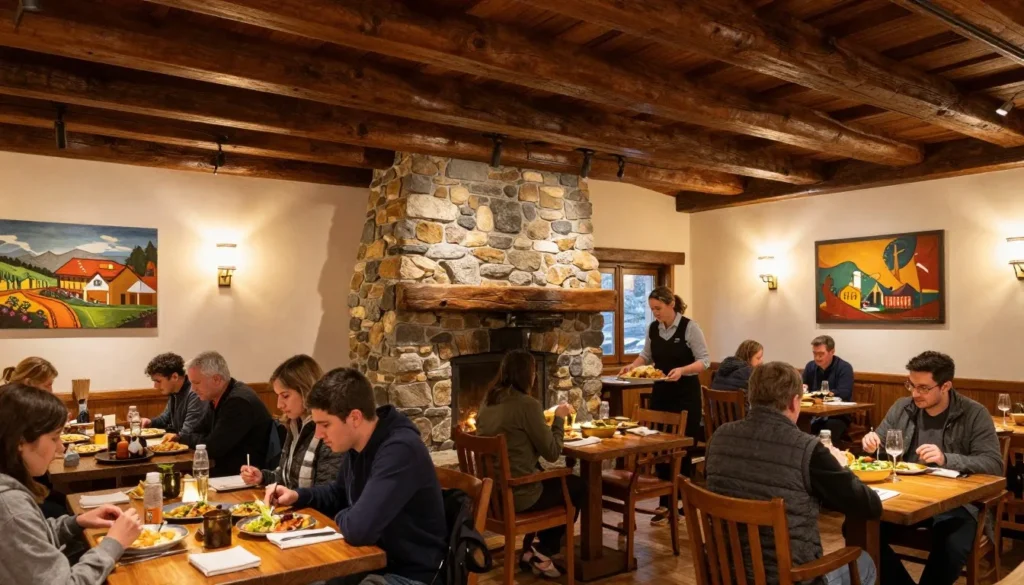
Carbondale Restaurants
Carbondale’s dining scene reflects mountain town culture with an emphasis on local ingredients. The compact downtown area concentrates most restaurants within easy walking distance.
The Village Smithy serves breakfast and lunch with hearty portions. This casual spot attracts locals and visitors with classic American fare and friendly service. Known for generous breakfast plates that fuel outdoor activities.
Phat Thai offers authentic Thai cuisine in an unexpected mountain setting. The restaurant sources fresh ingredients and prepares dishes with traditional methods. Reservations recommended for dinner: (970) 963-6200.

Bonfire Coffee serves espresso drinks, pastries, and light lunch items. This local gathering spot provides a morning caffeine stop before heading to the springs. The patio offers mountain views during warmer months.
Glenwood Springs Dining Options
Glenwood Springs provides more restaurant variety across different price points. Downtown contains the highest concentration of dining establishments.
Pullman Restaurant occupies a restored train car with upscale American cuisine. The intimate space requires advance reservations during peak season. Booking: (970) 945-7565.
Slope & Hatch focuses on locally-sourced ingredients and seasonal menus. The restaurant operates in a casual-elegant setting with creative cocktails and regional wines. Contact: (970) 928-9120.
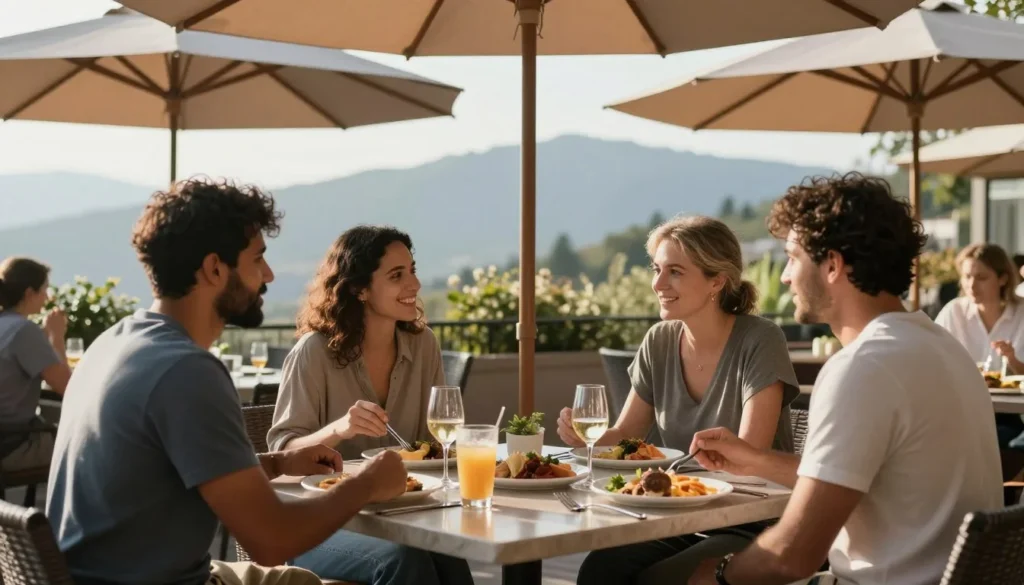
Quick Options and Picnic Supplies
No food services exist at the springs themselves. Visitors should plan accordingly for snacks, water, and meals.
City Market in Carbondale stocks groceries, deli items, and picnic supplies. The store prepares sandwiches and salads for takeout. This supermarket provides everything needed for a day at the springs.
Several coffee shops and bakeries offer grab-and-go breakfast items. These work well for early morning departures to secure parking at the springs before crowds arrive.
Attractions, Sightseeing & Activities
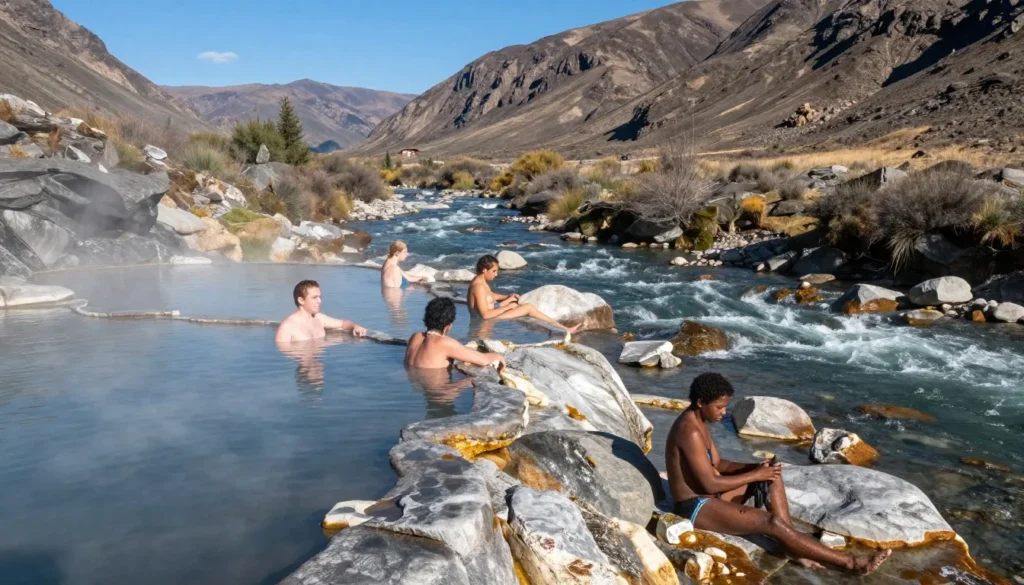
The Hot Springs Experience
The main attraction consists of several natural pools formed by river rocks and boulders. Volunteers and regular visitors continuously maintain these pools by repositioning rocks. Pool configuration changes with river levels and seasonal conditions.
Water temperature varies significantly between pools and within individual pools. The hottest water emerges from the spring source at approximately 54°C (129°F). This scalding water requires dilution with cold river water for comfortable soaking. Most pools stabilize between 35°C to 43°C (95°F to 110°F) after mixing occurs.
Soaking typically works best during lower river flow periods. Late summer through fall provides the most consistent pool temperatures. During these months, defined pool boundaries stay intact and offer comfortable depth for sitting.
River Activities
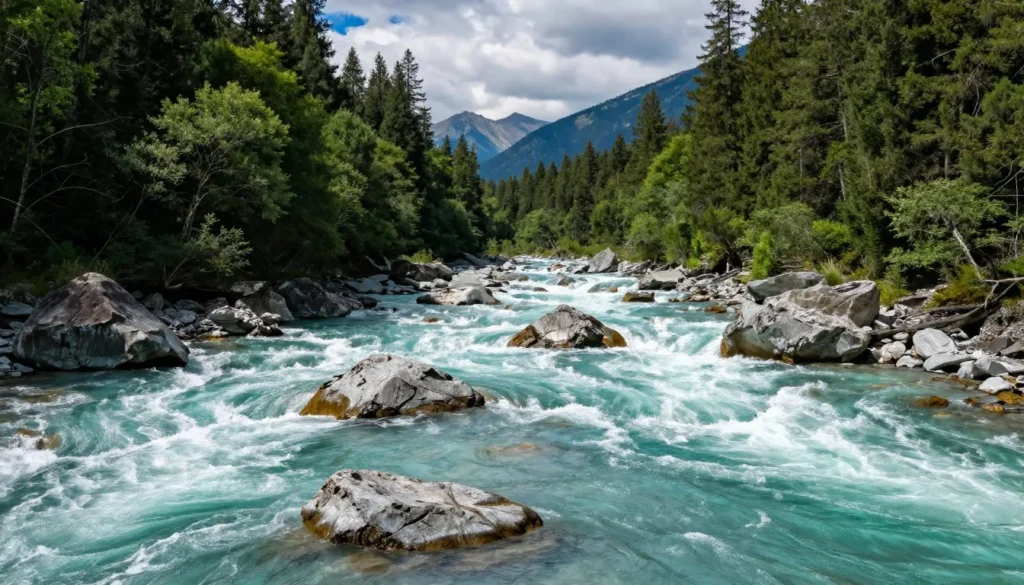
The Crystal River offers recreation opportunities beyond the hot springs. The clear mountain water flows through dramatic canyon scenery. River character changes significantly throughout the year based on snowmelt runoff.
Fly fishing attracts anglers targeting rainbow and brown trout. The river maintains healthy fish populations throughout the accessible sections. Colorado fishing licenses apply, available at sporting goods stores in both Carbondale and Glenwood Springs.
Kayaking and rafting occur during higher water periods from May through July. The section near the springs features Class II to Class III rapids depending on flow rates. Local outfitters in Glenwood Springs provide guided trips and equipment rentals.
Hiking and Trail Access
Several hiking trails begin near the springs area. These paths explore the surrounding White River National Forest lands. Trail difficulty ranges from easy riverside walks to challenging mountain ascents.
The Crystal River Trail follows the waterway for several miles. This relatively flat path works well for families and offers fishing access points. The trail connects to longer backcountry routes for experienced hikers.
Avalanche Creek Trail starts approximately 11 kilometers (7 miles) south and leads to Avalanche Lake. This moderate 7.2-kilometer (4.5-mile) round trip hike climbs through aspen groves to an alpine lake. The trailhead includes parking and restroom facilities.
Museums, Cultural Spots & Festivals
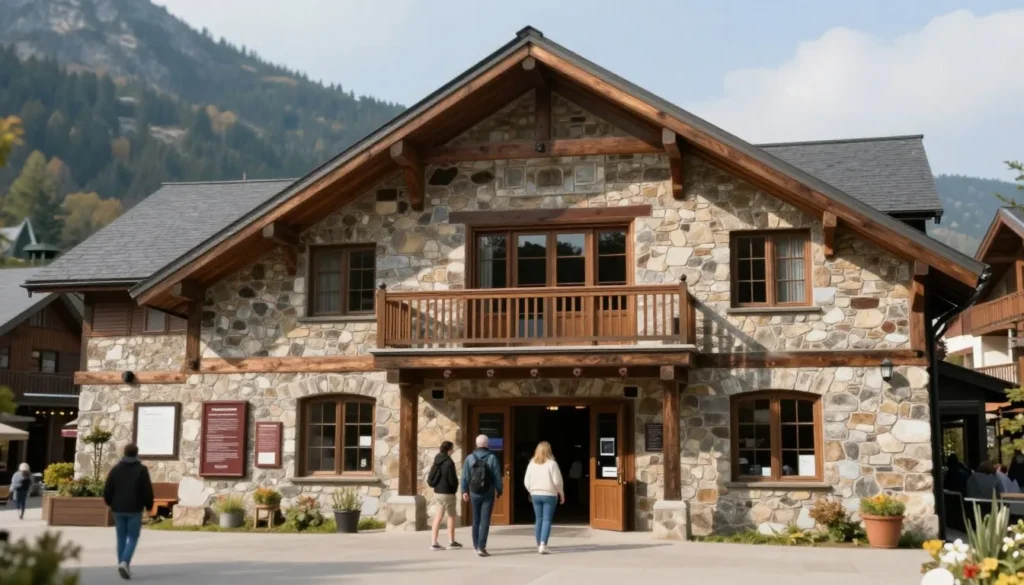
Carbondale Cultural Attractions
Carbondale Arts organization operates galleries and performance spaces downtown. The nonprofit supports local artists through exhibitions, workshops, and community events. Monthly art walks showcase regional talent across multiple venues.
Thunder River Theatre Company produces plays, musicals, and concerts throughout the year. This professional company performs in an intimate theater setting. The season runs from September through May with occasional summer performances. Tickets: (970) 963-0211.
Several independent galleries feature Colorado artists working in diverse mediums. These small spaces offer paintings, photography, sculpture, and crafts reflecting mountain life and landscapes. Most galleries welcome browsers without purchase pressure.
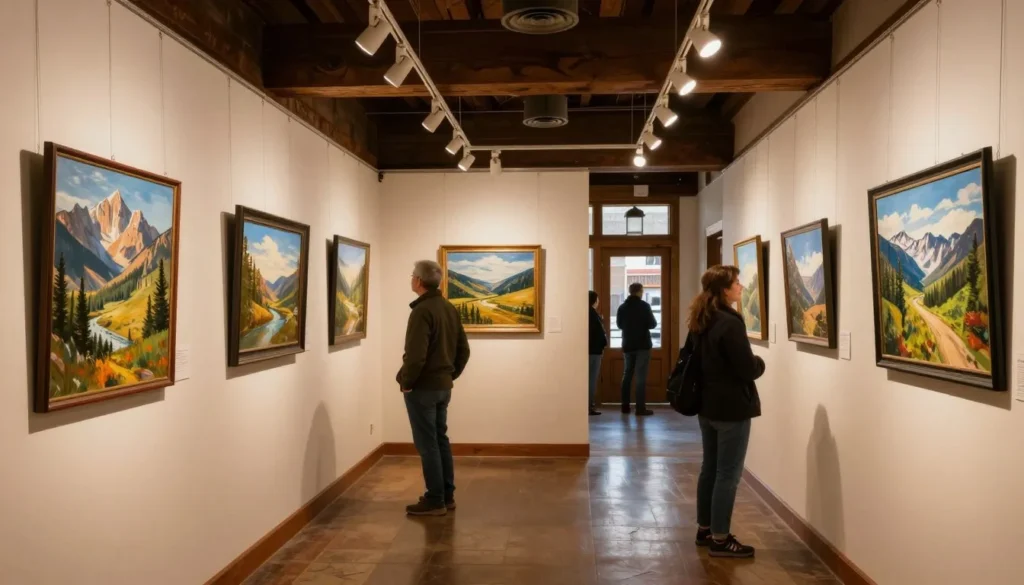
Glenwood Springs Historical Sites
The Frontier Historical Museum preserves local history from mining and railroad eras. Exhibits detail the development of hot springs tourism and the famous Hotel Colorado. The museum occupies a stone building dating to 1905. Hours vary seasonally.
Doc Holliday’s grave sits in Linwood Cemetery overlooking the town. The famous gunfighter died in Glenwood Springs in 1887. A short walk from the parking area reaches the grave marker and memorial. The cemetery offers panoramic valley views.
Glenwood Caverns Adventure Park combines natural cave tours with amusement rides. The attraction sits atop Iron Mountain, accessible via gondola. Cave tours explore limestone formations while the adventure park targets families seeking varied activities.
Regional Events Calendar
Summer concert series occur in both towns. Free outdoor performances feature local and regional musicians across genres from bluegrass to rock. These events create festive evening atmospheres in downtown areas.
Farmers markets run weekly during growing season. Local producers sell vegetables, fruits, baked goods, and crafts. The Carbondale market operates Saturday mornings from June through October in downtown Sopris Park.
Nature & Outdoor Experiences
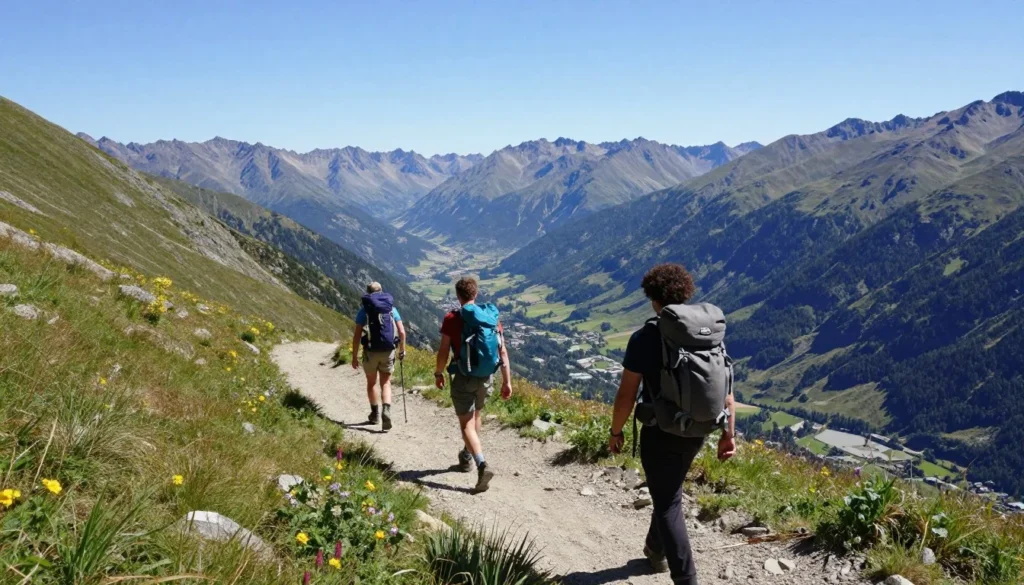
White River National Forest Access
The springs sit within White River National Forest, providing access to extensive public lands. Over 9,300 square kilometers (3,600 square miles) of forest surround the area. Hiking, camping, fishing, and wildlife viewing opportunities exist throughout the forest.
Maroon Bells-Snowmass Wilderness borders the Crystal River Valley to the south. This protected wilderness area prohibits motorized vehicles and maintains primitive conditions. Multiple trailheads provide entry points for backpacking adventures. Wilderness permits are not required but practicing leave-no-trace principles remains mandatory.
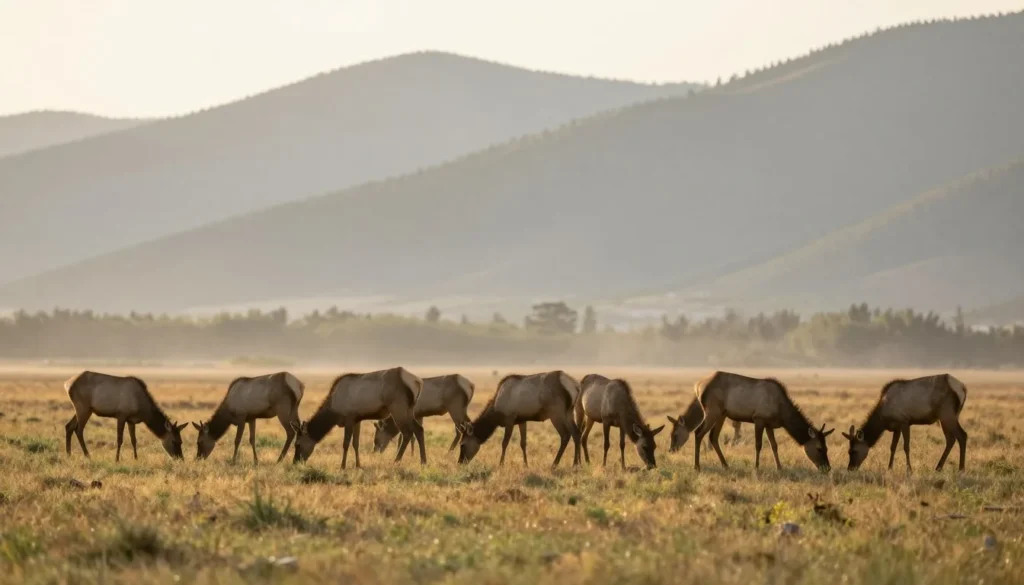
The forest supports diverse wildlife populations. Elk, mule deer, black bears, and mountain lions inhabit the region. Bird species include eagles, hawks, and numerous songbirds. Spring and fall bring increased wildlife activity as animals migrate between elevations.
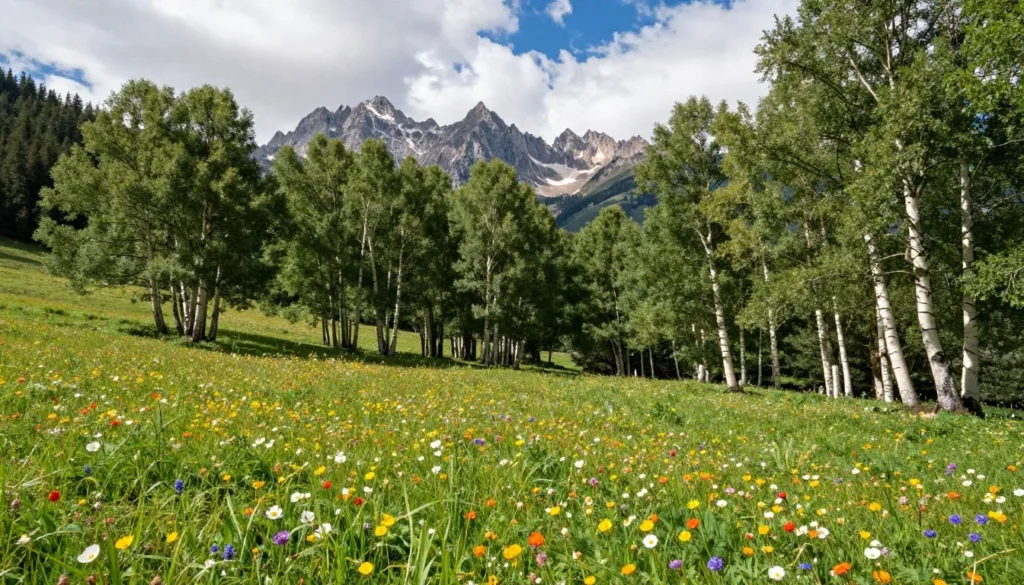
Seasonal Natural Phenomena
Fall foliage creates spectacular displays from mid-September through mid-October. Aspen trees turn brilliant yellow and gold across the mountainsides. Peak color timing varies slightly each year based on temperature and moisture patterns. The highway corridor between Carbondale and Marble offers exceptional viewing.
Winter brings opportunities for cross-country skiing and snowshoeing. Several groomed trail systems operate near Carbondale. Backcountry skiing attracts experienced winter enthusiasts to higher elevations. Avalanche awareness and proper equipment prove essential for winter backcountry travel.
✓ Check 30,000+ Local Sightseeing Tours Worldwide
Rock Climbing and Mountaineering
The Crystal River corridor includes established rock climbing areas. Routes range from beginner-friendly to expert-level challenges. Local climbing shops in Glenwood Springs provide guidebooks and beta information.
Chair Mountain rises prominently south of the springs. This pyramid-shaped peak attracts mountaineers attempting the summit via technical routes. The standard route requires route-finding skills, scrambling ability, and comfort with exposure. The mountain reaches 3,721 meters (12,208 feet) elevation.

Mountain Biking Trails
The area offers mountain biking trails across difficulty levels. The Rio Grande Trail provides easy pedaling along a former railroad grade. This paved and gravel path runs 68 kilometers (42 miles) from Glenwood Springs to Aspen.
More technical singletrack exists on forest lands surrounding the valley. Government Trail, Thomas Lakes Trail, and numerous others challenge intermediate to advanced riders. Trail conditions vary significantly based on recent weather and seasonal maintenance.
Safety, Etiquette & Local Customs
Water Safety Considerations
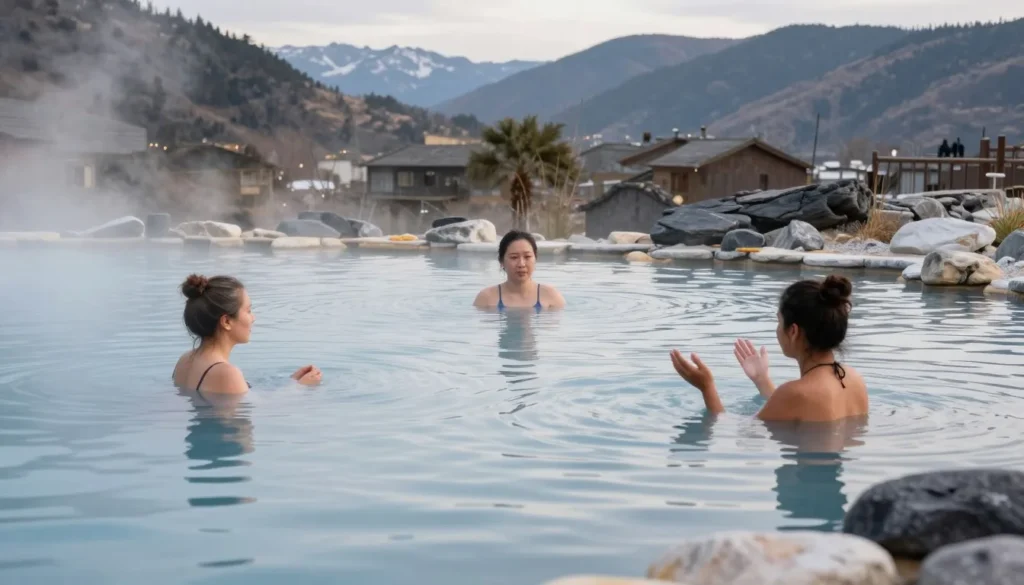
The spring water reaches temperatures that can cause burns. Always test water temperature before entering. Move slowly and allow your body time to adjust to heat. Exit the water immediately if you feel dizzy, nauseated, or uncomfortable.
The Crystal River flows cold and fast year-round. Current strength varies with season and recent weather. Never enter the river during high flow periods. The river bottom contains slippery rocks that create fall hazards. Children require constant supervision near the water.
No lifeguards or emergency services staff the area. Cell phone coverage proves unreliable at this location. Visitors assume all risk when using the springs. Tell someone your plans before visiting remote hot springs locations.
Clothing and Appropriate Attire
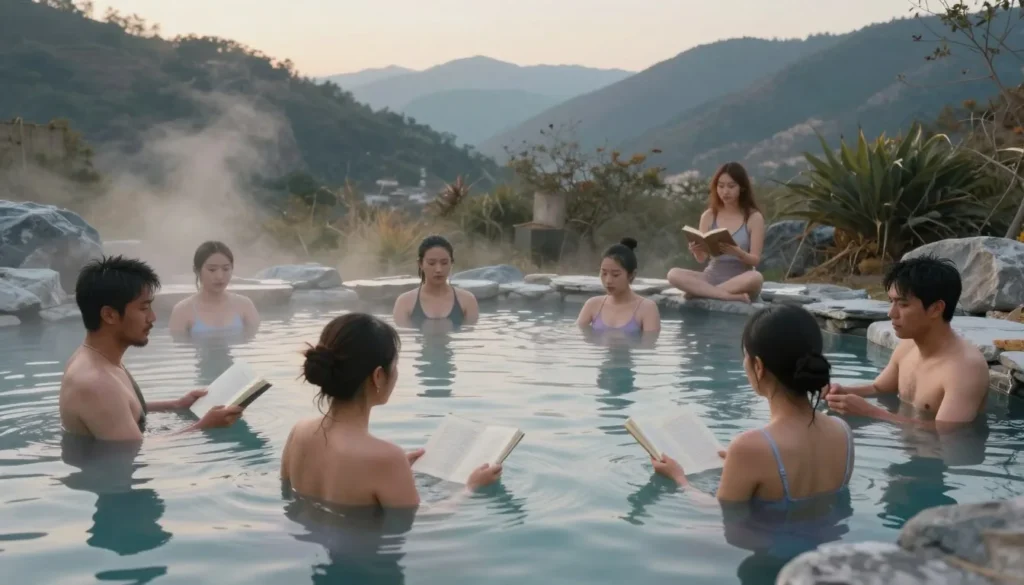
Swimwear is expected and required at the springs. While the location is primitive and undeveloped, public nudity is prohibited and illegal in Colorado. Visitors should bring appropriate swimsuits and cover-ups.
Water shoes or sandals with good grip help prevent slips on wet rocks. The ground around the pools consists of river stones that can be sharp and unstable. Flip-flops provide insufficient traction on slippery surfaces.
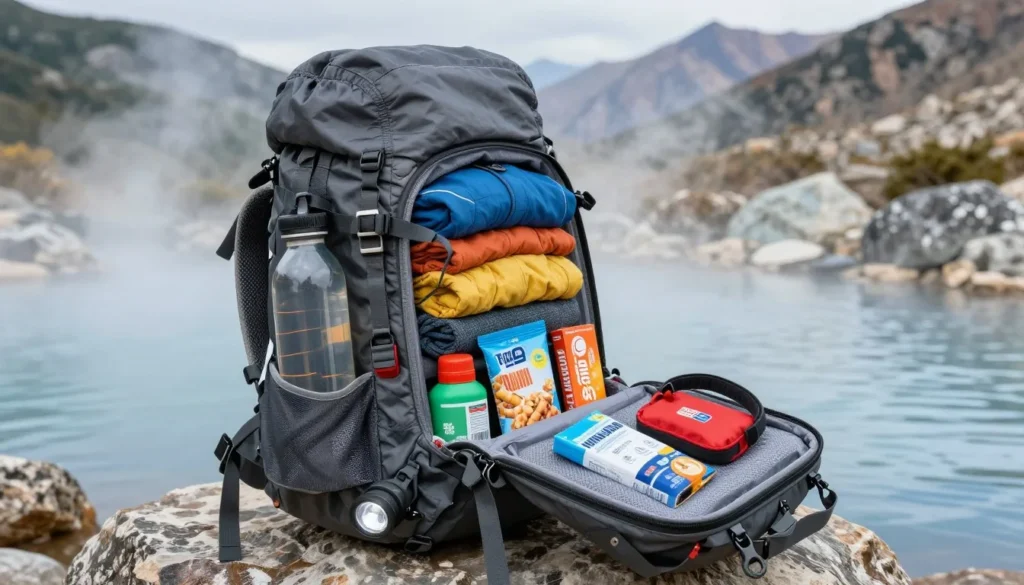
Bring layers for changing weather and temperature variations. Mountain conditions shift quickly. A warm jacket or fleece proves valuable even on summer evenings. Waterproof bags protect dry clothing and personal items from splashes.
Leave No Trace Principles
No trash receptacles exist at the location. Pack out everything you bring in, including food wrappers, bottles, and personal items. Leaving trash degrades the experience for others and harms wildlife.
Human waste facilities are not available. Plan bathroom breaks before arriving. If absolutely necessary, follow proper backcountry waste disposal practices at least 61 meters (200 feet) from water sources.
Respect the natural rock formations. Do not carve, paint, or otherwise deface stones. The pools exist through volunteer maintenance efforts. If you adjust rocks to improve a pool, consider returning them to their original position when finished.
Parking and Road Etiquette
Limited parking creates potential conflicts during busy periods. Park completely off the highway shoulder. Do not block the pullout entrance or exit. Never park on the highway travel lanes.
Highway 133 carries regular traffic including large vehicles and commercial trucks. Exercise extreme caution when entering or exiting your vehicle. Children should remain supervised and away from the roadway at all times.
If the parking area is full, do not create additional spaces by parking illegally. Consider returning at a different time or visiting on a weekday when crowds are lighter. Overflow parking along the highway creates safety hazards.
Alcohol and Substance Policies
Glass containers are prohibited in the area. Broken glass poses serious injury risks in and around the pools. Use plastic or metal containers for beverages.
Excessive alcohol consumption creates safety risks and disturbs other visitors. Colorado open container laws apply to public lands. Intoxication combined with hot water and cold river currents proves dangerous. Many locals request that visitors minimize alcohol use to maintain the area’s character.
Seasonal Hazards
Winter brings ice formation on rocks and pathways. Surfaces become extremely slippery. The temperature contrast between hot water and freezing air can cause shock when entering or exiting pools. Hypothermia risk increases during winter visits.
Spring runoff creates the most dangerous conditions. High, fast water can sweep away inattentive visitors. The river can rise quickly during warm afternoons when snowmelt accelerates. Never visit during flood conditions or immediate post-storm periods.
Summer thunderstorms develop rapidly in the mountains. Lightning poses serious risks in exposed areas near water. Monitor weather forecasts before visiting. Leave the area immediately if thunderstorms approach.
Fall hunting season runs from September through November. Wear bright colors when hiking in forest areas. Check current season dates and closure information before visiting backcountry areas.
Visitor Comments About Penny Hot Springs
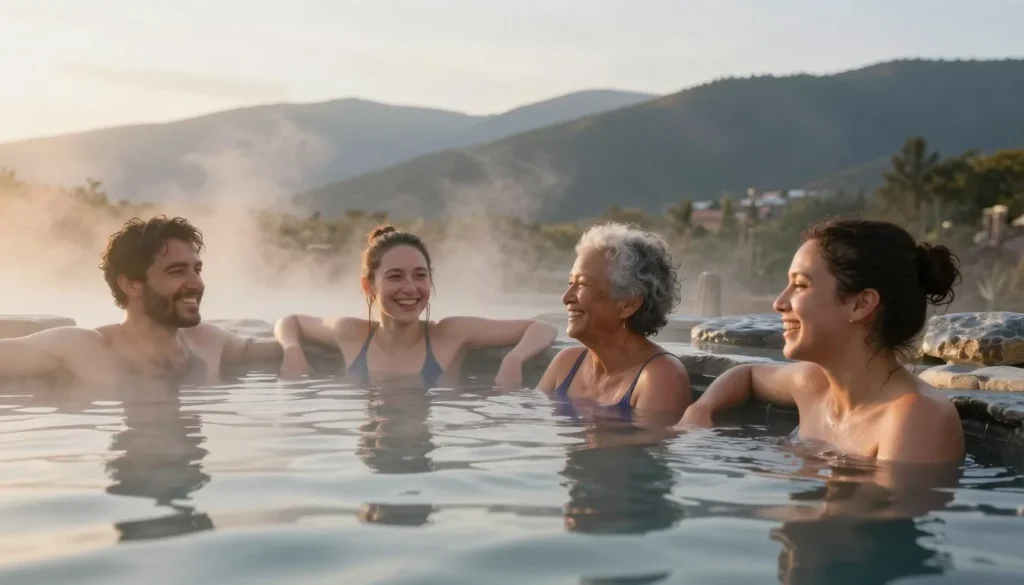
The natural setting exceeded our expectations completely. We arrived early on a September morning and had the pools almost to ourselves for nearly an hour. The water temperature felt perfect after adjusting between the hot spring source and the cooler river water. Watching the sunrise over the mountains while soaking in warm water created an unforgettable experience. The location is primitive but that adds to the authentic feel. Just remember to bring everything you need and take everything back out with you.
We visited during late October and found the fall colors absolutely stunning. The aspen trees glowed golden yellow against the blue sky. The pools were in great shape with well-defined rock walls. Water temps varied quite a bit depending on where you positioned yourself. We spent about two hours alternating between soaking and cooling off by the river. The location can get crowded on weekends but people were generally respectful and friendly. Parking filled up around mid-morning so arriving early makes sense.
As someone who visits hot springs throughout the western states, Penny Hot Springs offers solid value for a roadside spring. The free access and natural setting appeal to those seeking authentic experiences rather than resort amenities. I appreciated the lack of commercial development. The river location means temperatures fluctuate more than pool-style springs but the trade-off is beautiful scenery and a wilder feel. Best advice is to visit during lower water periods in late summer or fall. Spring runoff basically destroys the pools. Also worth noting the area has zero facilities so plan accordingly. Despite the primitive conditions or maybe because of them this remains one of my favorite Colorado springs to visit.
Additional Nearby Destinations
Marble, Colorado
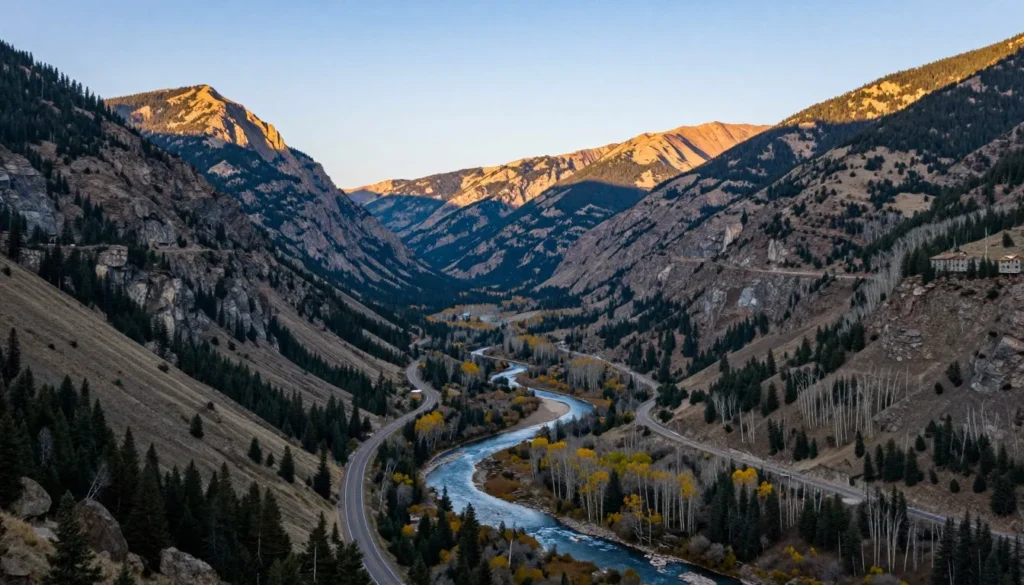
The historic marble mining town sits 32 kilometers (20 miles) south of the springs. The community produced stone for the Lincoln Memorial and Tomb of the Unknown Soldier. Today, Marble operates as a quiet mountain village with art galleries and a working quarry.
The Marble Mill Site offers self-guided exploration of abandoned mining equipment and structures. The massive finishing mill building stands as a testament to the town’s industrial past. Crystal Mill, one of Colorado’s most photographed structures, requires a 4-wheel-drive vehicle or 8-kilometer (5-mile) hike to reach.
Redstone, Colorado
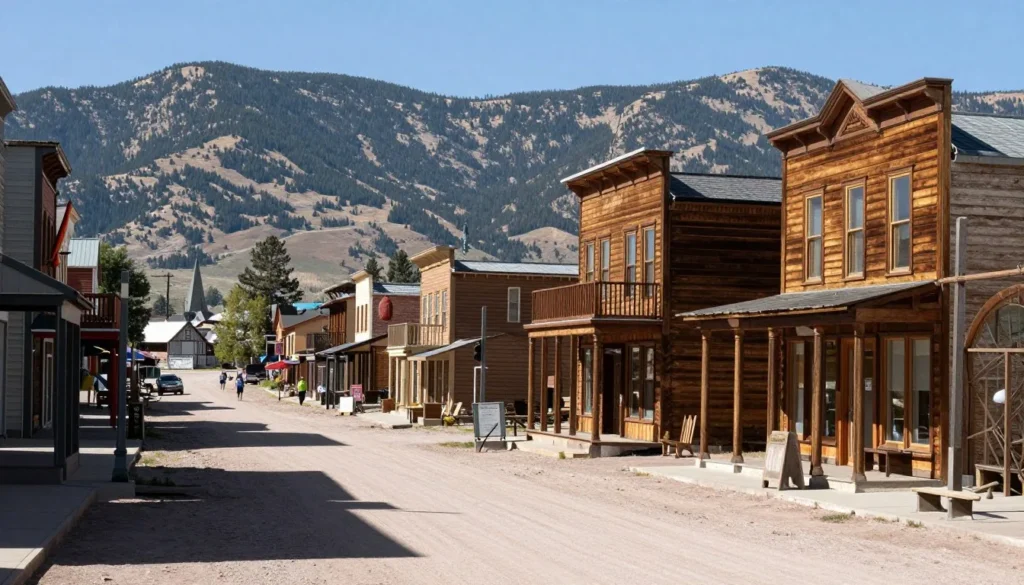
Located 24 kilometers (15 miles) south, Redstone developed as a company town for coal miners in the early 1900s. The planned community features distinctive architecture and the imposing Redstone Castle.
Redstone Castle, officially Cleveholm Manor, stands as a 42-room Tudor-style mansion. Limited tours operate seasonally. The town itself provides pleasant walking with galleries, a general store, and the historic Redstone Inn.
Glenwood Hot Springs Pool
For visitors seeking developed hot springs facilities, Glenwood Hot Springs Pool operates year-round in downtown Glenwood Springs. The massive outdoor pool complex includes a larger main pool and therapy pool. The facility offers locker rooms, lifeguards, and accessibility features that Penny Hot Springs lacks.
The pool measures over 122 meters (400 feet) long, making it one of the world’s largest natural hot springs pools. Water temperatures maintain 32°C to 36°C (90°F to 96°F). An athletic club, spa services, and lodge complete the resort. Information: (970) 945-6571.
Aspen, Colorado
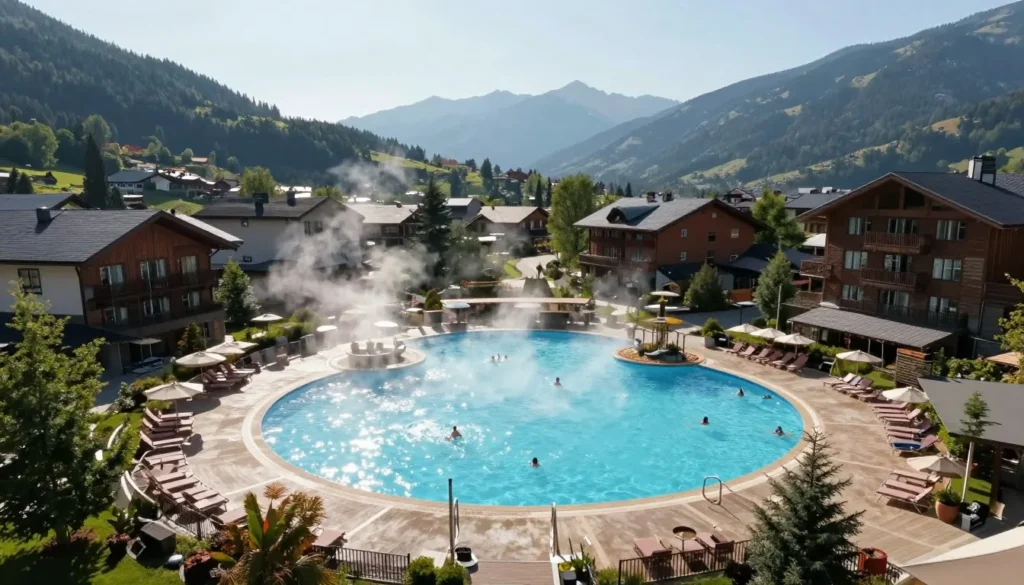
The famous ski resort town sits 58 kilometers (36 miles) southeast via Highway 82. Aspen provides world-class skiing in winter and cultural events year-round. The town features high-end shopping, dining, and lodging alongside outdoor recreation access.
Four ski mountains surround the town, offering varied terrain from beginner to expert. Summer brings hiking, mountain biking, and music festivals including the Aspen Music Festival. The town maintains free public bus service connecting ski areas and neighborhoods.
Hanging Lake
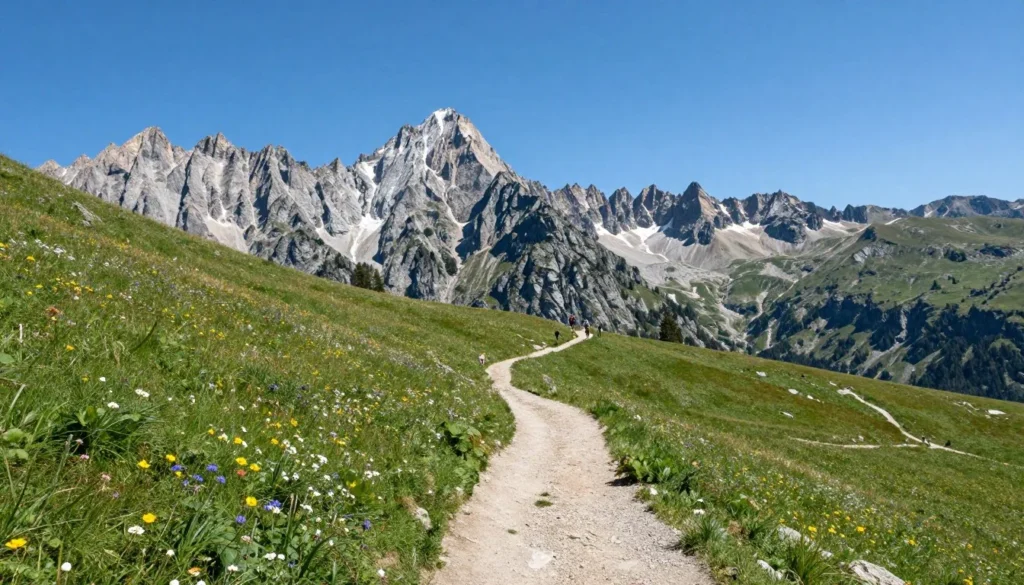
This stunning waterfall and lake sits approximately 19 kilometers (12 miles) northwest near Glenwood Springs. The fragile ecosystem requires advance reservations through Recreation.gov. The 2.1-kilometer (1.3-mile) trail climbs steeply, gaining 305 meters (1,000 feet) of elevation.
The turquoise lake forms on a geological shelf with waterfalls cascading over travertine formations. Swimming and wading are prohibited to protect the delicate environment. The trail experiences heavy use, making reservations essential during peak season from May through October.
Practical Travel Tips
What to Bring
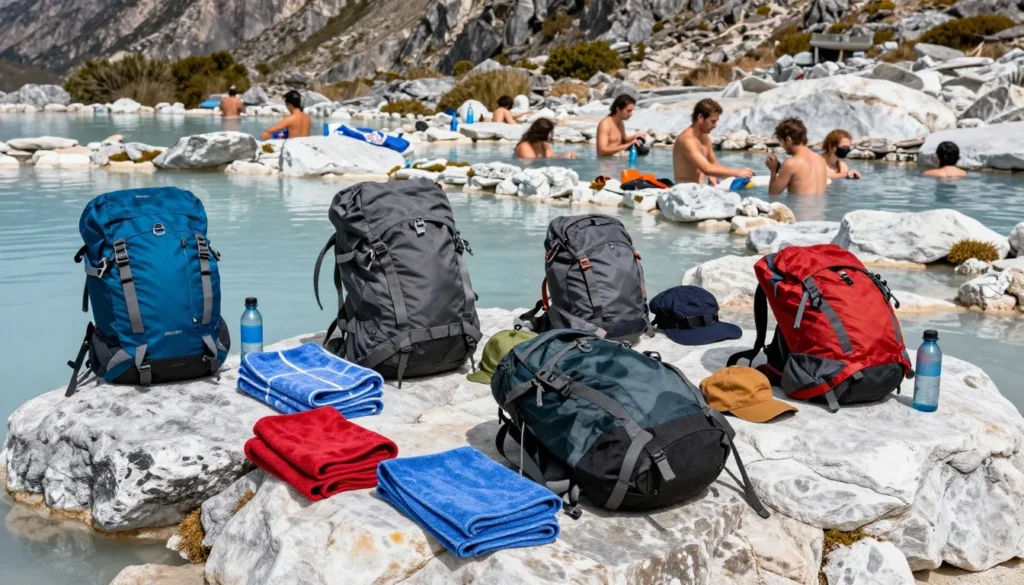
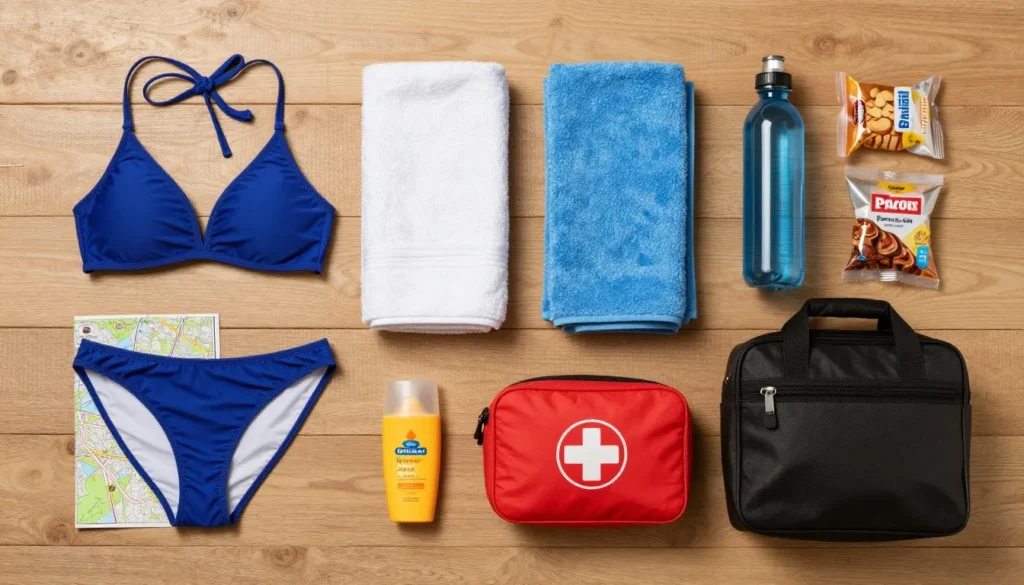
Pack a swimsuit as your primary essential item. Quick-dry fabric works better than cotton. Bring a towel large enough for sitting on rocks and drying off. Microfiber towels pack smaller and dry faster than cotton alternatives.
Water bottles should carry enough for your entire visit. Bring at least one liter per person for a few hours at the springs. Dehydration occurs quickly in hot water, especially at elevation. Avoid drinking river water without proper filtration.
Sunscreen and sun protection matter even on cloudy days. Mountain elevations intensify UV exposure. A wide-brimmed hat provides face and neck protection. Sunglasses reduce glare from water and snow.
A waterproof bag protects electronics, car keys, and dry clothing from splashes. Ziplock bags work for small items while dry bags handle larger loads. Do not leave valuables visible in your parked vehicle.
Best Practices for Enjoyable Visits
Arrive early to secure parking and enjoy quieter conditions. Most visitors appear between late morning and early afternoon. Dawn and dusk offer the most peaceful experiences with fewer crowds.
Limit soak duration to 15-20 minutes at a time. Hot water combined with elevation can cause lightheadedness. Take breaks to cool down and rehydrate. Listen to your body and exit if you feel uncomfortable.
Respect other visitors by maintaining reasonable noise levels. Many people visit for relaxation and natural quiet. Leave music players and speakers at home. Conversations should remain at conversational volume.
If pools are crowded, be patient and take turns. Most visitors soak for 30-60 minutes total before departing. Avoid claiming a spot for extended periods during busy times.
Money and Connectivity
No fees apply for visiting the springs. Donations or payment are not collected. The area remains free and open to the public year-round.
Cell phone service proves unreliable at the springs location. Download maps and directions before leaving areas with consistent coverage. Do not rely on your phone for emergency communication.
The nearest ATMs are located in Carbondale and Glenwood Springs. Few businesses in small mountain towns accept digital payment exclusively. Carry some cash for small purchases at local shops.
Health and Altitude Considerations
The springs sit at approximately 2,134 meters (7,000 feet) elevation. Visitors from lower elevations may experience mild altitude effects including headache, fatigue, or shortness of breath. Stay hydrated and avoid overexertion during your first days at elevation.
Hot springs soaking can affect blood pressure and heart rate. People with cardiovascular conditions should consult physicians before visiting. Pregnant women should also seek medical advice regarding hot water exposure.
The area supports populations of ticks and mosquitoes during warmer months. Insect repellent reduces bites. Check yourself for ticks after spending time in vegetation.
Photography and Drones
Photography is permitted and encouraged for personal use. The scenic setting provides excellent photo opportunities throughout the year. Respect other visitors’ privacy when taking pictures. Ask permission before photographing people.
Drone usage requires adherence to Federal Aviation Administration regulations and White River National Forest policies. Wilderness areas prohibit drones entirely. Recreational drone flights must maintain visual line of sight and respect wildlife and other visitors.
Accessibility Considerations
The springs are not wheelchair accessible. The path from parking to pools consists of uneven rocks and potentially muddy terrain. No paved pathways or accessibility features exist at this primitive location.
Visitors with mobility limitations should carefully evaluate the terrain before attempting access. The short distance from parking to pools may prove challenging depending on river levels and ground conditions.
Your Colorado Hot Springs Adventure Awaits
Penny Hot Springs delivers an authentic mountain experience that combines natural beauty with primitive simplicity. The roadside location provides easy access to geothermal wonders without commercial development or entrance fees. Whether you soak under summer sunshine or winter snowfall, the springs offer a connection to Colorado’s raw natural character.
The surrounding Crystal River Valley extends your adventure beyond the pools. Historic towns, wilderness trails, and cultural attractions fill the area with exploration possibilities. Each season brings distinct character, from golden aspens to snow-covered peaks.
Plan your visit with realistic expectations and proper preparation. Embrace the primitive conditions as part of the authentic experience. Respect the place, other visitors, and local customs. Your mindful approach helps preserve this special location for future travelers seeking the same natural magic you came to discover.
✓ Check 30,000+ Local Sightseeing Tours Worldwide