Hotels by Trip.com
Flights by Trip.com
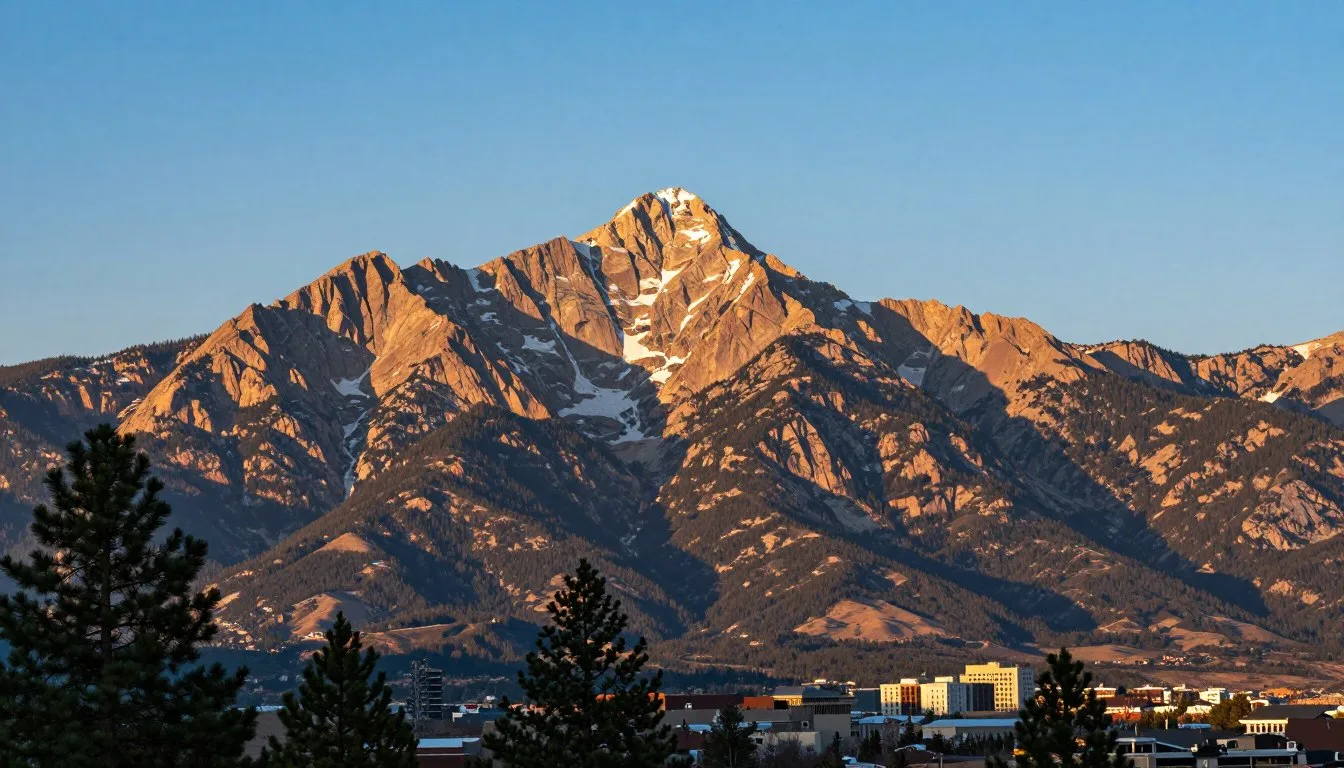
Every year, more than half a million visitors make the journey to reach summit of Pikes Peak. This makes it one of the most visited mountain peaks in North America. The peak stands at an impressive 4,302 m (14,115 feet) above sea level. It dominates the Colorado Springs skyline and has inspired countless adventurers since indigenous peoples first considered it sacred ground.
This comprehensive guide covers everything you need to know about visiting Pikes Peak. From planning your journey to reaching the summit, you will discover the best time to visit. You will learn about local attractions, dining options, and outdoor adventures. Whether you drive the Pikes Peak Highway, ride the historic Cog Railway, or hike the challenging trails, this guide helps you make the most of your Pikes Peak region experience.
Getting There & Planning Your Journey

Planning your trip to Pikes Peak begins with choosing the right airport. Colorado Springs Airport (COS) is the closest option, located just 20 km (12.4 miles) southeast of downtown Colorado Springs. This regional airport offers direct flights from major cities across the United States. It provides the most convenient access to the Pikes Peak region.
Denver International Airport (DEN) is another excellent choice. It sits approximately 113 km (70 miles) north of Colorado Springs. While farther away, Denver offers more flight options and often better prices. The drive from Denver to west Colorado Springs takes about 90 minutes via Interstate 25 South. This route provides scenic views of the Front Range mountains.
Ground Transportation Options
Several transportation methods connect airports to Pikes Peak. Rental cars offer the most flexibility for exploring the region. Major rental companies operate at both airports. Public shuttle services run regularly between Denver and Colorado Springs. These shuttles cost between $40 and $60 per person one way.
Ride-sharing services like Uber and Lyft are available. Expect to pay $100 to $150 from Denver International Airport to Colorado Springs. From Colorado Springs Airport, rides to downtown cost $25 to $35. Private shuttle services can be arranged for groups. These often provide better value for families or larger parties.
Distance and Drive Times
From downtown Colorado Springs, Pikes Peak summit is approximately 32 km (20 miles) away. The drive up Pikes Peak Highway takes 60 to 90 minutes depending on traffic and weather. From Manitou Springs, the historic gateway to Pikes Peak, the distance is shorter at 26 km (16 miles).
The Broadmoor Manitou and Pikes Peak Cog Railway offers an alternative. This scenic train journey departs from Manitou Springs. The round trip takes approximately three hours. Reservations are strongly recommended, especially during peak season. The railway has operated since 1891, making it a historic attraction in itself.
Important Contact Information
Pikes Peak Visitor Center information and reservations:
Broadmoor Manitou and Pikes Peak Cog Railway reservations:
Best Time to Visit & Weather Tips
Timing your visit to Pikes Peak significantly impacts your experience. Each season offers unique advantages and challenges. Understanding weather patterns helps you prepare properly and avoid disappointment.
Best Months to Visit Pikes Peak
Late spring through early fall provides the most reliable weather. May through September offers the best conditions for reaching summit. During these months, the Pikes Peak Highway remains fully open. Temperatures at the peak range from 4°C to 13°C (40°F to 55°F) even in summer. The summit visitor center operates full hours during this period.
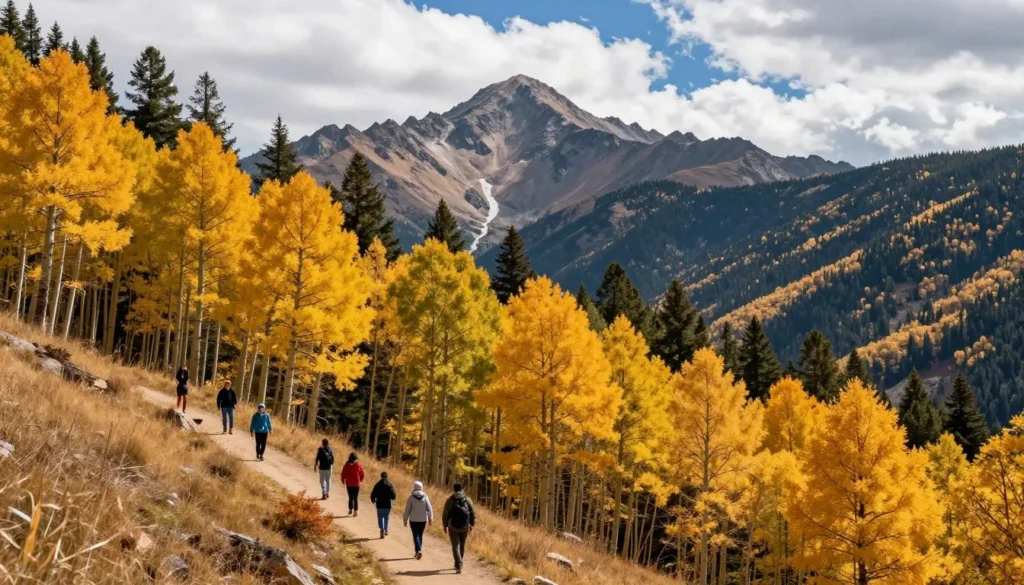
June and July are peak season months. These months bring warm days and minimal snow. However, afternoon thunderstorms are common. Plan summit visits for morning hours. August extends the favorable weather window. September offers spectacular fall colors as aspen trees turn golden. Crowds decrease after Labor Day while weather remains pleasant.
✓ Check 30,000+ Local Sightseeing Tours Worldwide
October brings unpredictable conditions. Early snowstorms can close the highway temporarily. The Cog Railway continues operations weather permitting. Winter months from November through April present serious challenges. Heavy snow closes Pikes Peak Highway completely. Only experienced mountaineers should attempt summit during winter. The Cog Railway suspends operations during the coldest months.
Months to Avoid
January through March are the most difficult months. Highway closures are frequent. Extreme cold and high winds make summit dangerous. April remains unpredictable with late-season snowstorms common. November brings early winter conditions. While some years remain mild, sudden weather changes are likely.
Weather Preparation Tips
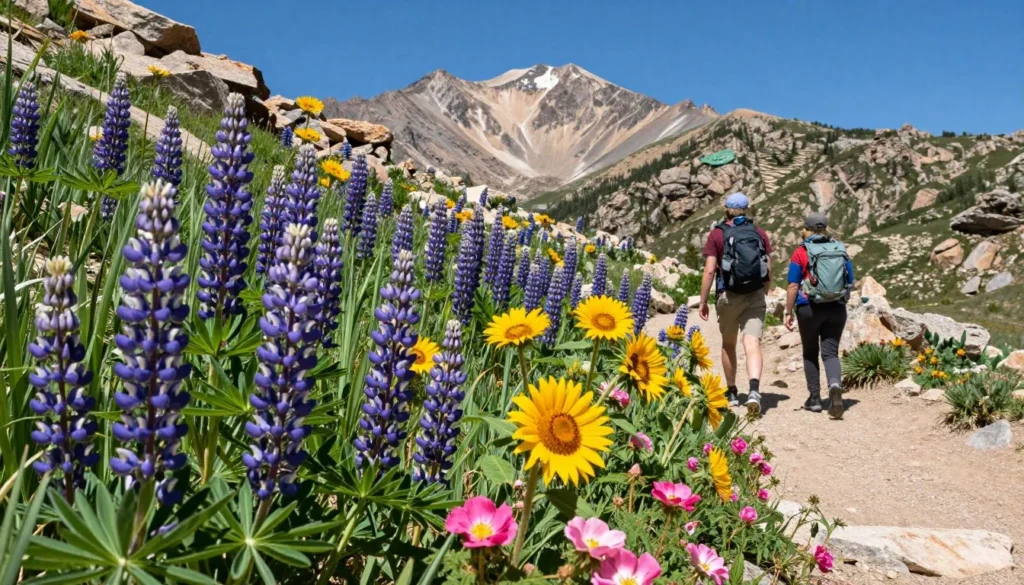
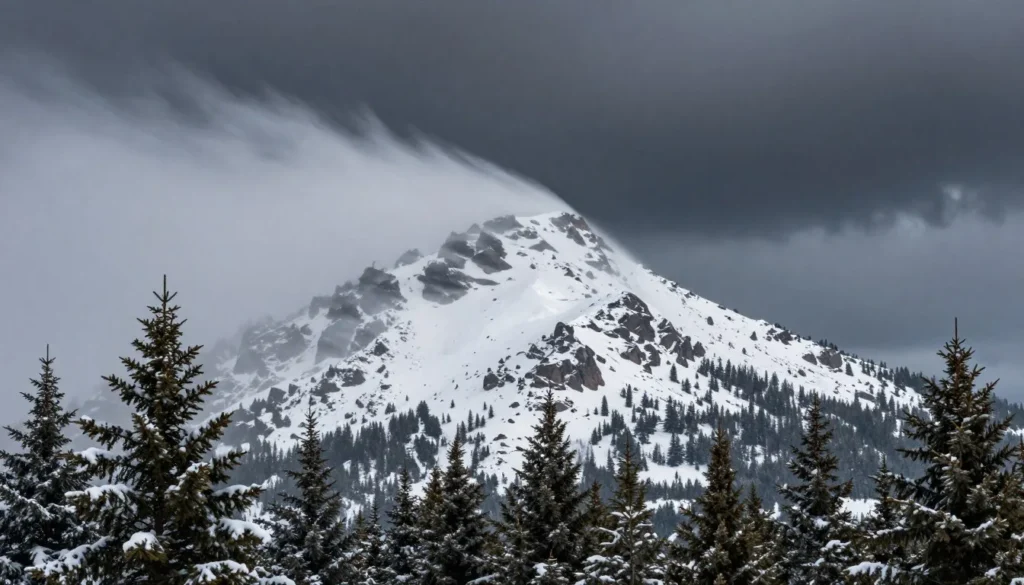
Altitude dramatically affects temperature. Expect conditions 15°C to 20°C (30°F to 35°F) cooler at summit than in Colorado Springs. Pack layers regardless of season. Bring a warm jacket even on hot summer days. Temperatures can drop quickly when clouds move in.
Afternoon thunderstorms develop regularly in summer. Lightning poses serious danger above treeline. Start your ascent early. Aim to reach summit by noon. Descend immediately if storms approach. Rain gear is essential year-round. Sudden weather changes happen frequently in the mountains.
Altitude Sickness Warning
The summit elevation of 4,302 m (14,115 feet) causes altitude sickness in many visitors. Symptoms include headache, nausea, dizziness, and shortness of breath. Spend time at lower elevations before ascending. Drink extra water throughout the day. Descend immediately if symptoms become severe. Children and elderly visitors are particularly susceptible.
Notable Annual Festivals
The Pikes Peak International Hill Climb takes place every June. Known as “The Race to the Clouds,” this event has run since 1916. Motorcycles and cars compete up the mountain highway. The race attracts thousands of spectators. Roads close during the event weekend.
Pikes Peak International Hill Climb information:
Manitou Springs hosts several festivals in the Pikes Peak region. The Emma Crawford Coffin Races occur each October. This quirky event celebrates local history with costume racing. The Great Fruitcake Toss happens in January. Participants launch fruitcakes using various devices. These festivals add entertainment to your visit.
Colorado Springs celebrates the Pikes Peak or Bust Rodeo each July. This weeklong rodeo is one of the largest in the region. Western heritage comes alive with professional riders and entertainers. The Territory Days festival in Old Colorado City occurs in late May. This event features arts, crafts, and historical reenactments.
Getting Around Locally
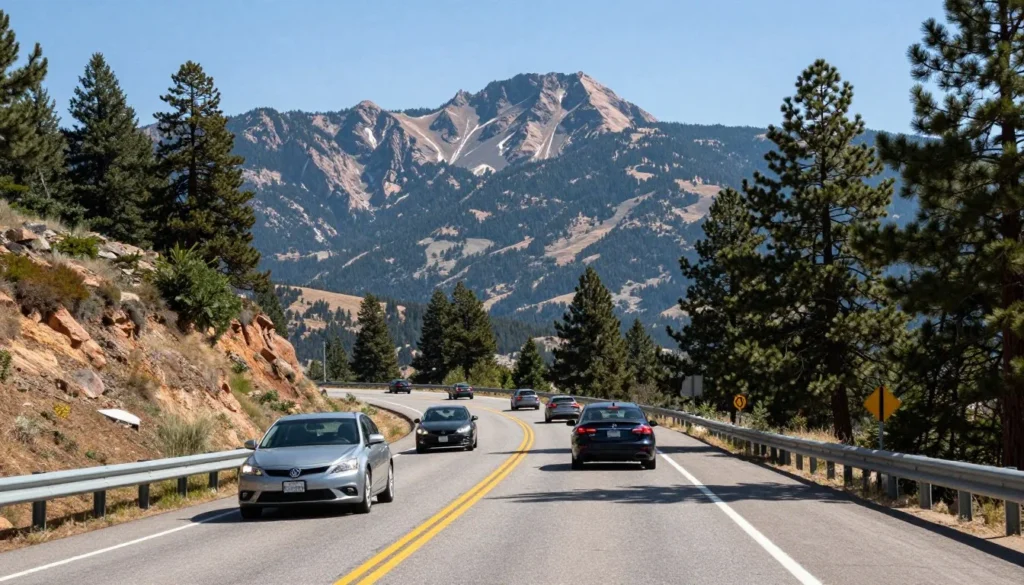
Colorado Springs and the Pikes Peak area offer various transportation options. A personal vehicle provides maximum flexibility. However, tour services and public transit also serve visitors effectively.
Driving in the Region
Renting a car is the most popular choice. Downtown Colorado Springs sits approximately 10 km (6 miles) from Manitou Springs. The drive takes 15 to 20 minutes via Highway 24 West. Parking is generally available throughout the area. Downtown Colorado Springs offers both street parking and parking garages. Rates vary from $1 to $3 per hour.
The Pikes Peak Highway requires a toll. Current admission is $15 per adult and $5 per child ages 6-15. Children under 6 enter free. The highway features 156 turns. Drive carefully and watch for wildlife. Parking at the summit is limited. Arrive early during peak season to secure a spot.
Public Transportation
Mountain Metro Transit operates bus service throughout Colorado Springs. Route 1 connects downtown with west Colorado Springs. Route 7 serves the Broadmoor area. Buses run every 30 to 60 minutes depending on the route. A single ride costs $1.75. Day passes are available for $3.50.
However, public buses do not travel up Pikes Peak. You must use personal vehicles, tour services, or the Cog Railway. The Cog Railway provides the only public transit to the summit. This historic train climbs 2,440 m (8,000 feet) over 14 km (9 miles) of track.
Tour Services
Numerous companies offer guided tours to Pikes Peak. These tours typically include transportation from Colorado Springs or Manitou Springs. Professional guides provide historical information and ensure safe travel. Tours last four to six hours. Prices range from $75 to $150 per person.
Some tours combine Pikes Peak with other attractions. Garden of the Gods frequently appears in combination packages. These full-day tours provide comprehensive area coverage. Advanced booking is recommended, especially during summer months. Many tour operators offer hotel pickup and drop-off services.
Bicycle Rentals
Several shops in Colorado Springs and Manitou Springs rent bicycles. Mountain bikes are popular for exploring local trails. Road bikes suit the urban bike paths. Rental prices start at $30 per day. However, cycling up Pikes Peak Highway is extremely challenging. Only experienced cyclists should attempt this climb. The ascent gains 2,170 m (7,120 feet) elevation over 31 km (19.3 miles).
Ride-Sharing Services
Uber and Lyft operate throughout Colorado Springs. Service is readily available in downtown and major tourist areas. Rides to Manitou Springs from downtown cost $15 to $25. However, ride-sharing to the Pikes Peak summit is limited. Drivers rarely accept these trips. The toll fee and long drive time make summit rides expensive. Expect to pay $100 or more each way if drivers agree.
Where to Stay

The Pikes Peak region offers diverse lodging options. From luxury resorts to budget motels, accommodations suit every preference and budget. Location choice depends on your planned activities and desired atmosphere.
Colorado Springs Hotels
Downtown Colorado Springs provides central access to restaurants and shopping. Hotels range from familiar chains to boutique properties. The historic district features restored buildings with character. Prices typically range from $100 to $250 per night. Higher-end properties offer amenities like pools, fitness centers, and on-site dining.
The Broadmoor stands as the region’s most prestigious resort. This five-star property has welcomed guests since 1918. The resort features championship golf courses, fine dining, and spa services. Rooms start at $400 per night. The Broadmoor Manitou and Pikes Peak Cog Railway departs from resort grounds.
West Colorado Springs hotels position visitors closer to Pikes Peak. This area offers excellent value with many mid-range chain hotels. Prices range from $80 to $150 per night. Easy highway access makes reaching Manitou Springs and Garden of the Gods convenient.
Manitou Springs Accommodations
Manitou Springs offers quirky charm and immediate mountain access. This small town sits at the base of Pikes Peak. Historic Victorian buildings house bed and breakfasts. Unique motels provide budget-friendly options with personality. The town’s walkable downtown features galleries, shops, and restaurants.
Bed and breakfast inns are particularly popular here. These properties offer personalized service and homemade breakfasts. Prices range from $120 to $200 per night. Many feature mountain views and outdoor spaces. Book well in advance during summer months. Limited room inventory fills quickly.
Budget Options
Several national motel chains serve the area. Quality Inn, Super 8, and Motel 6 locations offer clean, basic accommodations. Prices start at $60 to $80 per night. These properties provide free parking and often include continental breakfast. Budget motels concentrate along major highways for easy access.
Mid-Range Hotels
Hampton Inn, Holiday Inn, and Courtyard by Marriott properties offer reliable comfort. Amenities include pools, fitness centers, and hot breakfast. Rooms range from $110 to $170 per night. These hotels serve families and business travelers well. Many offer shuttle services to nearby attractions.
Vacation Rentals
Private homes and condos are available through rental platforms. These properties suit families and longer stays. Full kitchens reduce dining costs. Locations range from downtown to mountain settings. Prices vary widely based on size and location. Expect to pay $150 to $400 per night for whole-home rentals.
Camping Options
Several campgrounds operate near Pikes Peak. Pike National Forest offers developed campgrounds with amenities. Sites include fire rings, picnic tables, and restroom facilities. Prices range from $20 to $35 per night. Popular campgrounds include South Meadows and Thunder Ridge. These fill quickly on weekends. Reservations open six months in advance.
Backcountry camping is permitted in designated areas of Pike National Forest. Free permits are required. Campers must practice Leave No Trace principles. Bear canisters are strongly recommended for food storage. Weather can change rapidly at elevation. Bring appropriate cold-weather gear even in summer.

Dining & Local Cuisine
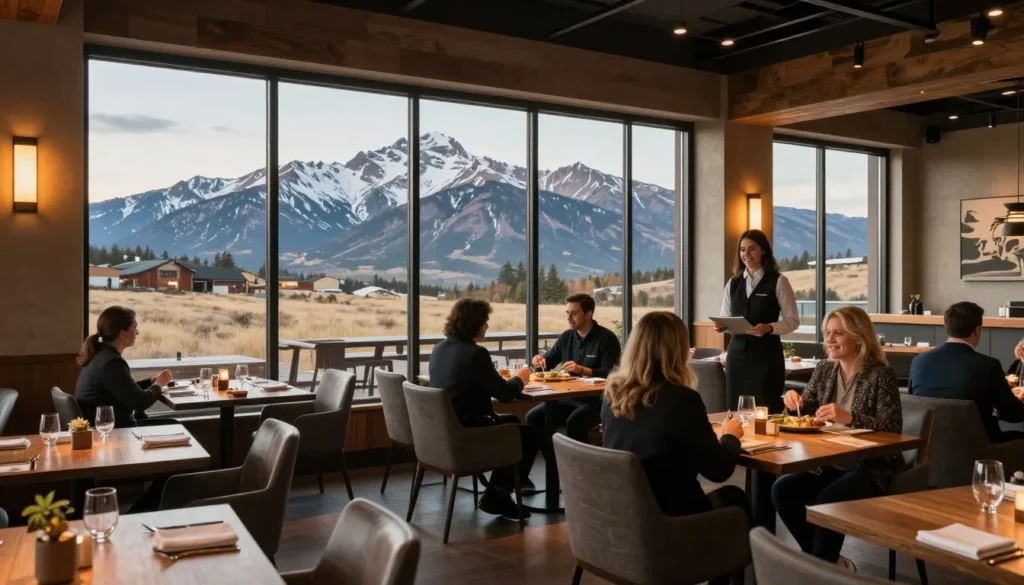
The Pikes Peak region serves diverse culinary options. From casual mountain fare to fine dining, restaurants satisfy every taste and budget. Local specialties reflect Colorado’s Western heritage and modern food scene.
Colorado Cuisine Highlights
Rocky Mountain cuisine features prominently on local menus. Bison burgers, elk steaks, and trout appear frequently. These proteins reflect the region’s ranching and fishing heritage. Green chile smothers many dishes. This spicy sauce made from roasted peppers is a Colorado staple. Both red and green chile varieties are available.
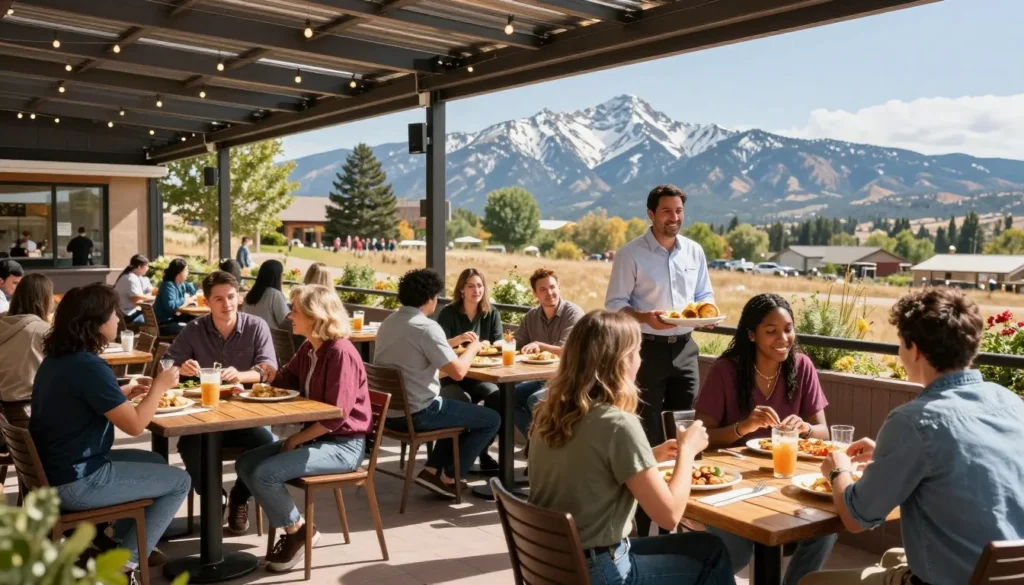
Craft beer thrives in Colorado Springs. More than 30 breweries operate in the area. Many restaurants feature extensive local beer selections. Patio dining is popular during warm months. Mountain views enhance the dining experience at many establishments.
Manitou Springs Dining
Manitou Springs offers concentrated dining in its historic downtown. The town’s walkable core features restaurants in Victorian buildings. Casual cafes serve breakfast and lunch. Evening options include steakhouses and international cuisine. The Cliff House Dining Room provides fine dining in an elegant historic setting.
Adam’s Mountain Cafe emphasizes organic and vegetarian options. Their breakfast menu is particularly popular. Expect wait times on weekend mornings. The Wines of Colorado tasting room pairs local wines with small plates. This spot serves as both shop and dining venue.
Family-Friendly Options
Chains like Olive Garden and Red Lobster serve familiar menus. Local family restaurants offer larger portions and casual atmosphere. The Loop serves Mexican food with generous portions. Prices are budget-friendly. Gunther Toody’s recreates 1950s diner nostalgia. Kids enjoy the retro decor and classic American menu. Most family restaurants provide children’s menus with prices from $5 to $8.
Fine Dining Experiences
The Broadmoor resort houses several upscale restaurants. Penrose Room offers formal dining with mountain views. Reservations are essential. Dress codes apply at fine dining establishments. Expect to spend $75 to $150 per person. The Rabbit Hole restaurant combines creative cuisine with craft cocktails. This downtown Colorado Springs spot attracts food enthusiasts and special occasion diners.
Quick Bites and Cafes
Coffee shops are abundant throughout Colorado Springs. Local roasters supply many cafes with fresh beans. Pikes Perk operates multiple locations. Their drive-through service makes grabbing coffee convenient. Mountain Shadows Coffee offers mountain views from its west side location.
Food trucks gather at various locations throughout the week. These mobile vendors serve everything from tacos to barbecue. Quality is often excellent at lower prices than sit-down restaurants. Check local social media for current truck locations and schedules.
Summit Visitor Center Cafe
The Pikes Peak summit visitor center includes a cafe. Hot drinks, snacks, and light meals are available. The signature item is high-altitude donuts. These cake-style donuts are freshly made daily. Long lines form during peak hours. Prices are higher than valley restaurants due to location. However, enjoying food at the summit adds to the experience.
Attractions, Sightseeing & Activities
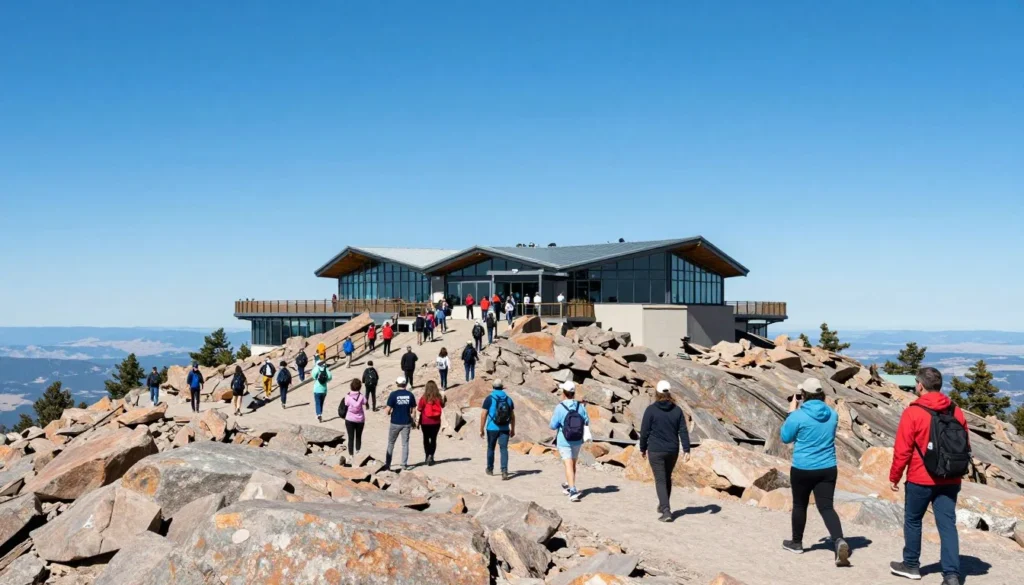
Pikes Peak dominates the attraction landscape. However, the surrounding region offers numerous activities. From historic sites to natural wonders, visitors find plenty to explore beyond the mountain itself.
Reaching the Pikes Peak Summit
Three primary methods reach summit. Each offers unique perspectives and experiences. Your choice depends on time, budget, physical ability, and desired adventure level.
Pikes Peak Highway
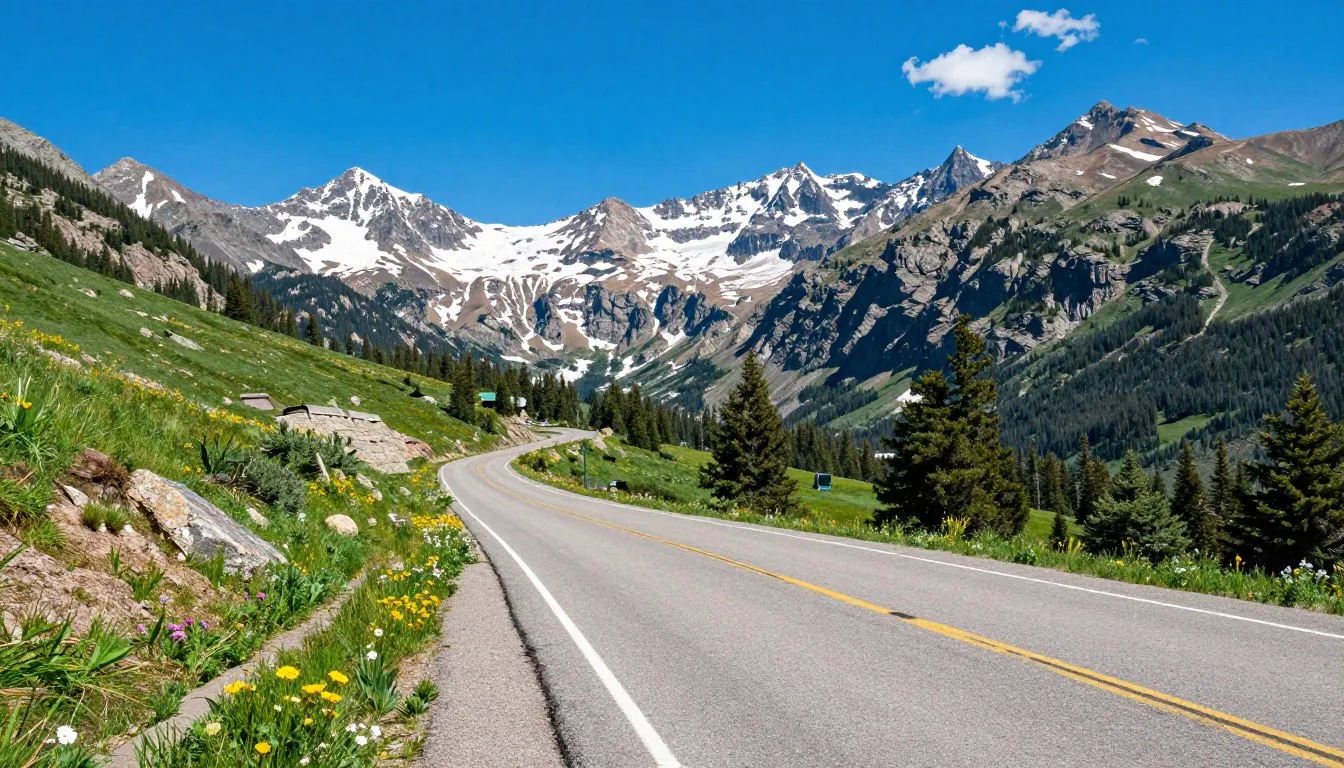
The Pikes Peak Highway stretches 31 km (19.3 miles) from Cascade to summit. This paved toll road opened in 1915. The drive takes 60 to 90 minutes each way. Numerous pullouts allow photo opportunities and rest stops. Wildlife including bighorn sheep, marmots, and elk inhabit the area. Drive slowly and watch for animals on the road.
The highway climbs through multiple ecological zones. Dense pine forests give way to alpine tundra. Above 3,505 m (11,500 feet), trees cannot survive. The landscape becomes rocky and barren. Views expand dramatically as you ascend. On clear days, you can see into Kansas and New Mexico.
Pikes Peak Highway information and current conditions:
Broadmoor Manitou and Pikes Peak Cog Railway
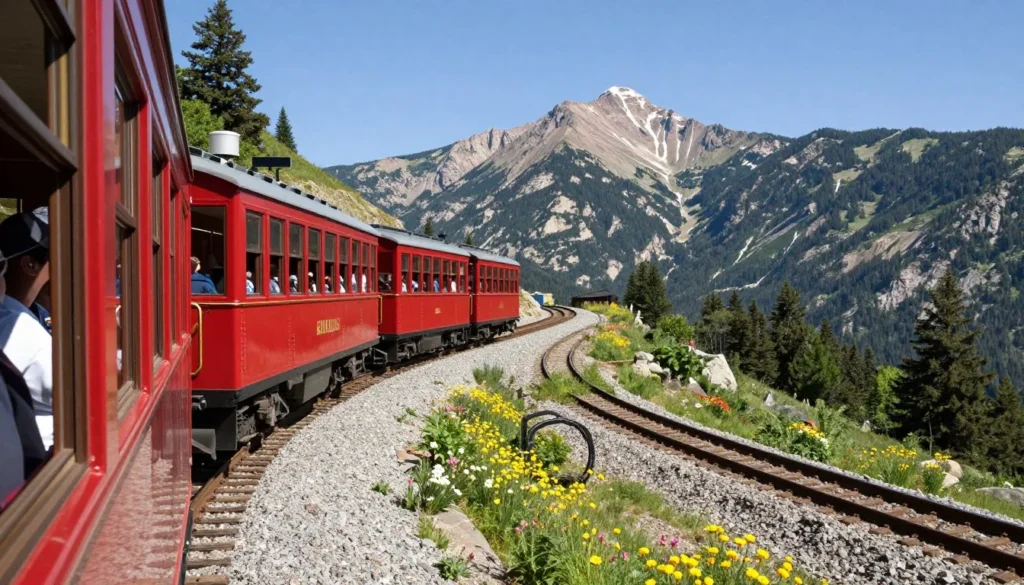
The historic Cog Railway celebrated its 130th anniversary recently. After a major renovation, modern trains now make the journey. The three-hour round trip includes 40 minutes at the summit. Comfortable seating and large windows provide excellent viewing. Guides share history and point out features along the route.
Trains depart from Manitou Springs depot. Multiple departure times serve visitors throughout the day. Advance reservations are strongly recommended. The railway often sells out days or weeks in advance during peak season. Tickets cost approximately $59.50 for adults and $31 for children ages 3-12.
Garden of the Gods
This stunning park features dramatic red sandstone formations. Towering rocks contrast beautifully against Pikes Peak’s backdrop. The park covers 526 hectares (1,300 acres). All visitors enter free year-round. This makes it one of America’s most accessible natural wonders.
Paved roads wind through the park. Walking paths connect major formations. Rock climbing is permitted with free registration. The Visitor and Nature Center provides educational exhibits. Rangers offer guided walks daily during summer. The Trading Post serves as park headquarters and gift shop.

Cave of the Winds Mountain Park
This cave system offers underground tours year-round. Discovered in 1880, the caves feature impressive formations. Stalactites, stalagmites, and flowstone decorate the chambers. The Discovery Tour lasts 45 minutes. A more adventurous Lantern Tour extends to 90 minutes. Above ground, the park includes zip lines and rope courses.
The cave maintains a constant 13°C (55°F) temperature. Bring a light jacket regardless of outside weather. Tours depart every 15 to 30 minutes during busy periods. The park sits just outside Manitou Springs. Pikes Peak towers above the property. Evening laser shows illuminate the canyon during summer months.
Historic Manitou Springs
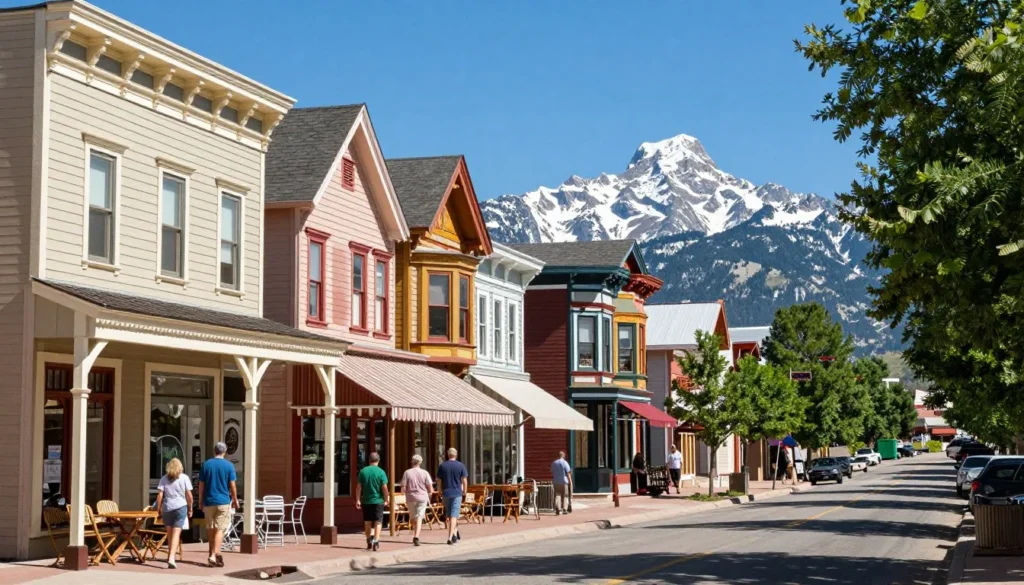
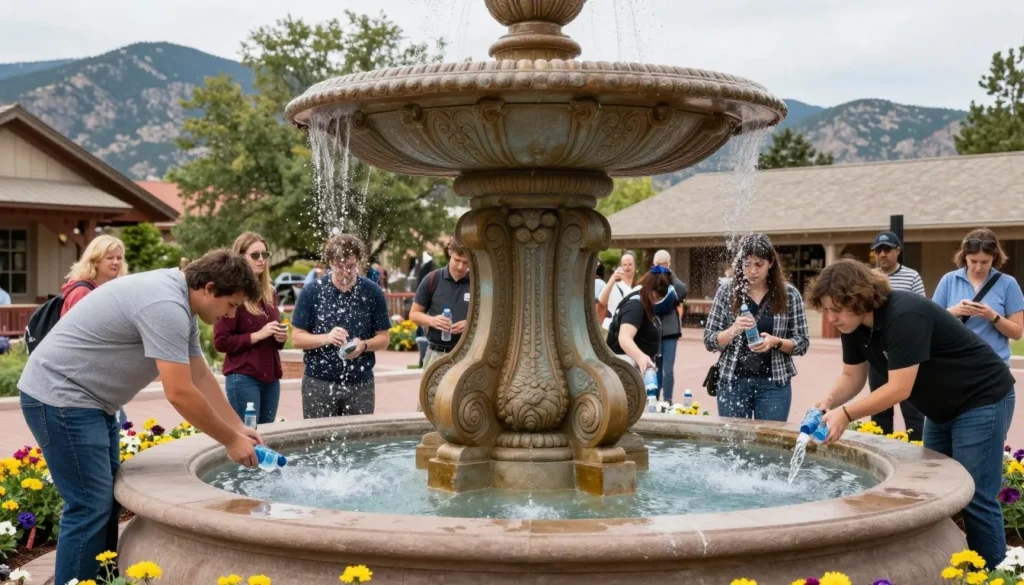
This charming mountain town deserves exploration. Eight natural mineral springs flow throughout downtown. Ornate fountains mark each spring location. Visitors can taste the different mineral waters. Historic buildings house galleries, shops, and restaurants. The town has attracted visitors since the 1870s.
The Manitou Cliff Dwellings preserve ancient Ancestral Puebloan structures. These buildings were relocated to this site in 1907. A museum interprets the culture and history. Native American artisans demonstrate traditional crafts during summer. The site provides educational value alongside historical significance.
United States Air Force Academy
The Academy campus welcomes visitors daily. The Cadet Chapel stands as an architectural masterpiece. Seventeen spires reach skyward in a stunning geometric design. Visitors can tour the chapel and attend services. The Barry Goldwater Visitor Center provides academy history and cadet life information.
Nature trails wind through the 7,285-hectare (18,000-acre) campus. The Falcon Trail offers excellent hiking with mountain views. Visitors must enter through the North Gate. Current identification is required for all visitors over 18. Security screening applies to all vehicles and visitors.
Cheyenne Mountain Zoo
This mountainside zoo climbs the slopes of Cheyenne Mountain. It ranks as America’s only mountain zoo. Over 750 animals represent 170 species. The giraffe feeding experience is particularly popular. Visitors hand-feed these gentle giants from elevated platforms. Mountain views enhance the zoo experience.
Will Rogers Shrine of the Sun sits atop the zoo property. This tower memorial honors the famous entertainer. The shrine provides panoramic views of Colorado Springs and Pikes Peak. A small museum inside displays Rogers memorabilia. Zoo admission includes shrine access.
Museums, Cultural Spots & Festivals
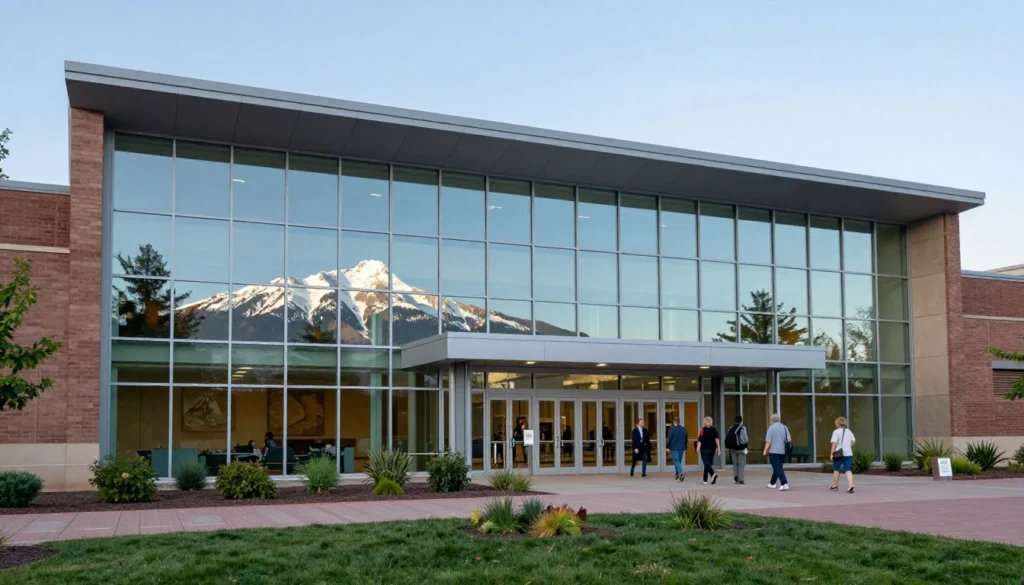
Cultural attractions enrich the Pikes Peak region experience. Museums preserve local history while galleries showcase contemporary art. Seasonal festivals celebrate community heritage and creativity.
Colorado Springs Pioneers Museum
This free museum occupies the historic El Paso County Courthouse. Built in 1903, the building itself represents significant architecture. Exhibits cover regional history from indigenous peoples through modern times. The Pikes Peak exhibit explains the mountain’s geological formation and cultural significance. Historic photographs document early summit expeditions.
Special exhibits rotate throughout the year. The museum store sells local history books and souvenirs. Guided tours are available by appointment. The museum closes on Sundays and Mondays. Free parking is available in adjacent lots.
Western Museum of Mining & Industry
Mining shaped Colorado’s development. This museum preserves that heritage through equipment and exhibits. Operating steam engines and machinery demonstrate 19th-century mining technology. Guided tours last approximately 90 minutes. Visitors can try gold panning in summer months.
The museum sits north of Colorado Springs near the Air Force Academy. Extensive outdoor exhibits require comfortable walking shoes. The property covers 11 hectares (27 acres). Special events include equipment demonstrations and historical reenactments. School groups frequently visit for educational programs.
Colorado Springs Fine Arts Center
This museum combines art galleries, theater, and education programs. The permanent collection includes Native American art, Hispanic art, and contemporary works. Traveling exhibitions bring national and international art to Colorado Springs. The on-site theater presents plays, dance performances, and concerts throughout the year.
Architecture enthusiasts appreciate the building itself. John Gaw Meem designed the structure in Santa Fe style. The museum opened in 1936 as a Depression-era WPA project. A sculpture garden provides outdoor art viewing. The museum cafe serves lunch Tuesday through Saturday.
Ghost Town Museum
This indoor attraction recreates an Old West town. Historic buildings from Colorado ghost towns were moved to this location. Visitors walk through a saloon, general store, and sheriff’s office. Antique arcade games still operate with tokens. The museum appeals particularly to families with children. Kids enjoy exploring the buildings and trying old-fashioned games.
May Natural History Museum
This unique museum houses one of world’s largest private insect collections. Over 8,000 species are displayed in detailed dioramas. Exotic butterflies and beetles fill numerous cases. The collection spans decades of worldwide gathering. Giant tropical insects fascinate visitors. The museum sits south of Colorado Springs in a mountain setting.
Old Colorado City Historic District
This neighborhood preserves Victorian-era charm. Once a separate town, Old Colorado City now forms part of west Colorado Springs. Over 200 shops, galleries, and restaurants fill historic buildings. First Friday Art Walks occur monthly. Galleries stay open late with artist receptions. The Territory Days festival transforms the area each May.
Cultural Events and Performances
The Pikes Peak Center hosts major performances downtown. This venue seats 2,000 for concerts, Broadway tours, and symphony performances. The Colorado Springs Philharmonic performs regularly during the season. Touring shows bring entertainment from across the country. Check the schedule well ahead. Popular shows sell out quickly.
Smaller venues offer intimate performances. The Stargazers Theatre presents concerts and comedy shows. Local theater companies produce plays year-round. Summer outdoor concerts happen in city parks. Many of these events are free to the public. Bring chairs or blankets for lawn seating.

Nature & Outdoor Experiences
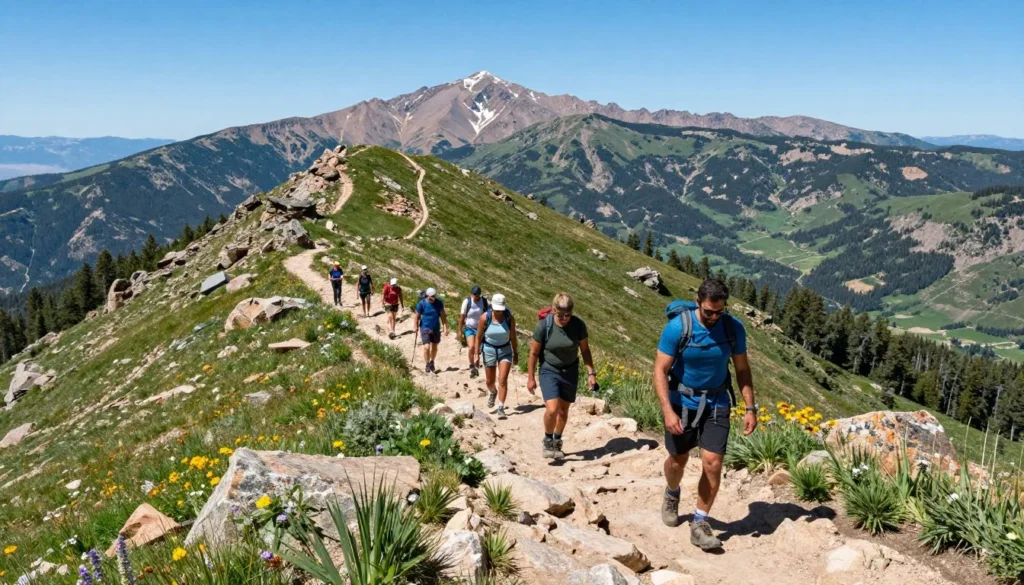
The Pikes Peak region provides endless outdoor recreation. Hiking trails range from easy walks to challenging climbs. Water activities, wildlife viewing, and winter sports fill the calendar year-round.
Hiking Trails Around Pikes Peak
Barr Trail stands as the most famous hiking route to Pikes Peak summit. This challenging trail climbs 21 km (13 miles) one way. Elevation gain totals 2,353 m (7,720 feet). Most hikers require 6 to 10 hours for the ascent. Many choose to hike up and ride the Cog Railway down. Advanced reservations are necessary for railway descent.
✓ Check 30,000+ Local Sightseeing Tours Worldwide
The trail begins in Manitou Springs behind the Cog Railway depot. Well-maintained switchbacks ease the steep grades. Barr Camp sits at the halfway point. This rustic cabin offers overnight accommodations by reservation. Most day hikers turn around at Barr Camp. This creates a challenging but achievable 25-km (16-mile) round trip.
High Altitude Hiking Safety
Hiking Pikes Peak requires serious preparation. Start training months in advance. Altitude sickness affects many hikers above 3,505 m (11,500 feet). Symptoms include severe headaches, nausea, and confusion. Descend immediately if symptoms develop. Bring more water than you think necessary. Dehydration worsens altitude effects. Start before dawn to avoid afternoon thunderstorms. Lightning kills hikers on exposed summits regularly.
Additional Hiking Options
Red Rock Canyon Open Space offers excellent hiking near the city. Trails wind through red sandstone formations similar to Garden of the Gods. The park covers 485 hectares (1,200 acres). Multiple trail loops suit different ability levels. Rock climbers frequent the area’s technical routes.
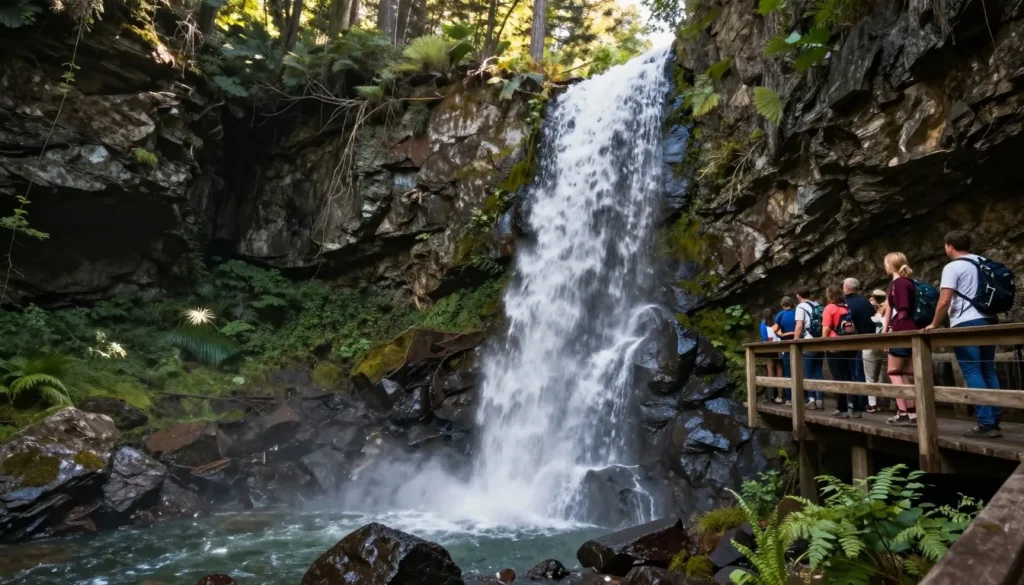
North Cheyenne Cañon Park features waterfalls and creek-side trails. Helen Hunt Falls cascades beside an easy paved path. The Seven Bridges Trail follows the creek through the canyon. This moderate 5-km (3-mile) loop crosses wooden bridges and climbs through forests. The park sits southwest of downtown Colorado Springs.
Mountain Biking Trails
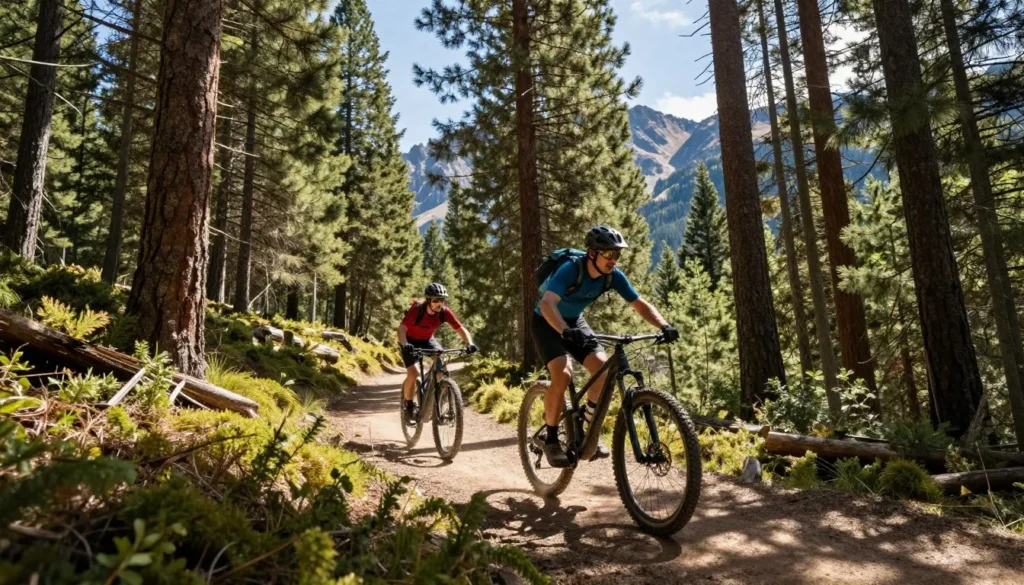
Palmer Park offers mountain biking minutes from downtown. Over 40 km (25 miles) of trails wind through the 201-hectare (496-acre) park. Trails range from beginner to advanced. Rocky terrain challenges riders. City skyline and Pikes Peak views reward the climbs.
Captain Jack’s Trail system serves intermediate and advanced riders. Flowy singletrack weaves through forests west of Colorado Springs. The main loop measures approximately 19 km (12 miles). Side trails add mileage and variety. This area gets crowded on weekends. Arrive early to avoid trail traffic.
Rock Climbing Opportunities
Garden of the Gods permits free climbing with registration. Routes range from beginner to expert grades. The park’s sandstone offers unique climbing experiences. However, the soft rock requires careful technique. Popular climbs include Montezuma’s Tower and Grey Rock. Many climbing guides operate in the area. They provide instruction and lead climbs for all ability levels.
Nearby areas offer granite climbing. Elevenmile Canyon features sport and traditional routes. This location sits about 64 km (40 miles) west of Colorado Springs. The season runs from late spring through fall. Winter ice climbing attracts cold-weather enthusiasts to the Pikes Peak region. North Cheyenne Cañon hosts several ice climbing areas.
Water Activities
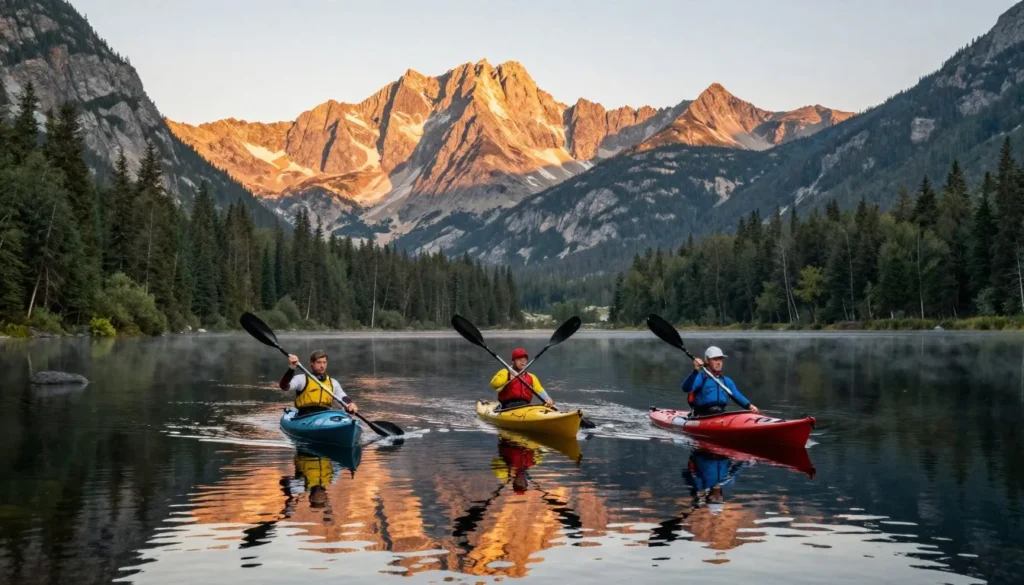
Several reservoirs near Pikes Peak allow water recreation. Prospect Lake in Memorial Park offers paddling and fishing within city limits. This small lake suits beginners learning to kayak or paddleboard. Rentals are available seasonally. No motorized boats are permitted.
Eleven Mile Reservoir sits approximately 64 km (40 miles) west. This larger body of water measures 1,376 hectares (3,400 acres). Boating, fishing, and sailing are popular activities. The reservoir is known for excellent trout fishing. Ice fishing draws winter enthusiasts when conditions permit. State park fees apply for entry and camping.
Wildlife Viewing
Bighorn sheep inhabit the Pikes Peak area year-round. These magnificent animals graze along the highway and near summit. Early morning and evening offer best viewing opportunities. Keep distance and never approach wildlife. The sheep tolerate observation but stress from close contact harms them.
Elk herds roam lower elevations throughout the region. Bulls bugle during fall rut season. This haunting call echoes through mountain valleys. North Cheyenne Cañon and areas west of Manitou Springs provide good viewing locations. Dawn and dusk are prime times for elk activity.
Mountain wildlife includes marmots, pikas, and ptarmigan at high elevations. Black bears occasionally appear in foothill areas. Proper food storage is essential when camping. Never feed any wild animals. Feeding changes behavior and endangers both animals and humans.
Winter Activities
Snowshoeing becomes popular when snow blankets the mountains. Many summer hiking trails transform into winter routes. North Cheyenne Cañon and Barr Trail lower sections work well for snowshoeing. Rental shops in Colorado Springs and Manitou Springs provide equipment.
Downhill skiing requires driving to mountain resorts. Breckenridge, Keystone, and Copper Mountain sit approximately 161 km (100 miles) west. These world-class resorts offer all ability levels. Day trip excursions are possible though long. Many visitors combine Pikes Peak with ski resort visits for comprehensive Colorado mountain experiences.
Safety, Etiquette & Local Customs
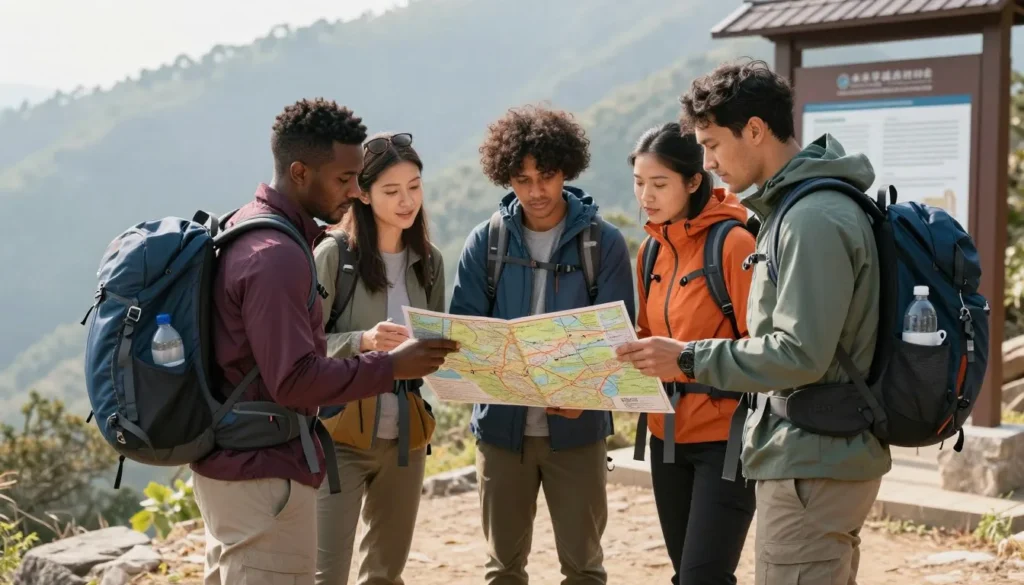
Understanding local expectations and safety practices ensures positive experiences. The mountain environment requires respect and preparation. Following guidelines protects both visitors and natural resources.
Altitude Awareness
Colorado Springs sits at 1,839 m (6,035 feet) elevation. Pikes Peak summit towers at 4,302 m (14,115 feet). This dramatic altitude difference affects everyone. The air contains 40% less oxygen at summit than at sea level. Bodies need time to adjust to reduced oxygen.
Spend at least one day acclimating in Colorado Springs before ascending. Drink extra water throughout your stay. Dehydration worsens altitude effects significantly. Avoid alcohol for the first 24 hours after arrival. Alcohol dehydrates and compounds adjustment difficulties.
Recognize altitude sickness symptoms early. Headache is the first and most common sign. Nausea, dizziness, and unusual fatigue follow. Severe cases cause confusion and loss of coordination. Descend immediately when symptoms appear. Altitude sickness can become life-threatening if ignored.
Weather Preparedness
Mountain weather changes rapidly and dramatically. Morning sunshine can become afternoon snowstorms within hours. Always check forecasts before heading to elevation. However, be prepared for conditions worse than predicted. Pack layers regardless of forecast. Waterproof outer layers protect against sudden rain or snow.
Lightning poses serious danger in summer months. Afternoon thunderstorms develop regularly. Start summit attempts early. Plan to descend by early afternoon. If caught in a storm, move away from summit and ridge lines immediately. Avoid isolated trees and open areas. Crouch low if hair stands on end. This signals imminent lightning strike.
Trail Etiquette
Hikers yield to horses and pack animals on shared trails. Step downhill off the trail when meeting horses. Speak calmly so animals know you are human. Mountain bikers yield to both hikers and horses. Bikers should announce their approach from behind. Call out “on your left” when passing.
Uphill hikers traditionally have right of way. However, many uphill hikers appreciate brief stops for breathing. Use common sense and communicate. Stay on marked trails to prevent erosion. Cutting switchbacks damages vegetation and causes trail degradation.
Leave No Trace Principles
Pack out everything you pack in. This includes all trash, food scraps, and toilet paper. Use existing campsites when backcountry camping. Stay at least 61 m (200 feet) from water sources. Bury human waste 15-20 cm (6-8 inches) deep and 61 m (200 feet) from water. Never wash dishes or yourself in streams. Use biodegradable soap and scatter grey water away from water sources.
Wildlife Interaction Guidelines
Observe all wildlife from safe distances. Use binoculars or telephoto lenses for closer views. Approaching wildlife stresses animals and can be dangerous. Elk appear gentle but can charge when feeling threatened. Bulls become aggressive during fall rutting season. Mothers with young are particularly protective.
Never feed any wild animals. Human food harms wildlife health. Fed animals lose natural foraging behaviors. They become dependent and aggressive. Some animals must be killed after becoming dangerous through human feeding. This applies to small animals like squirrels and chipmunks as well as large mammals.
Local Customs and Expectations
Colorado embraces casual outdoor lifestyle. Hiking boots and athletic wear are acceptable in most restaurants. However, fine dining establishments maintain dress codes. Check requirements before visiting upscale venues. The Broadmoor restaurants expect more formal attire.
Tipping follows standard American customs. Restaurant servers expect 15-20% of the pre-tax bill. Tip bartenders $1-2 per drink. Hotel housekeeping appreciates $2-5 per night. Tour guides should receive 15-20% of tour cost for good service.
Marijuana is legal for adults 21 and over in Colorado. However, consumption in public remains illegal. Use only in private residences or designated consumption areas. Never drive after using marijuana or alcohol. Penalties are severe. Federal property including the Air Force Academy prohibits marijuana completely.
Emergency Contacts
Call 911 for all emergencies requiring police, fire, or medical response. Cell phone coverage exists in Colorado Springs and Manitou Springs. However, coverage becomes spotty at higher elevations. Download offline maps before hiking remote areas.
Pike National Forest Ranger Station (non-emergency information):
UCHealth Memorial Hospital serves as the region’s major medical facility. Emergency services operate 24/7. The hospital sits in central Colorado Springs. Many clinics provide urgent care for non-life-threatening issues. Wait times are typically shorter than emergency rooms.
Visitor Comments About Pikes Peak
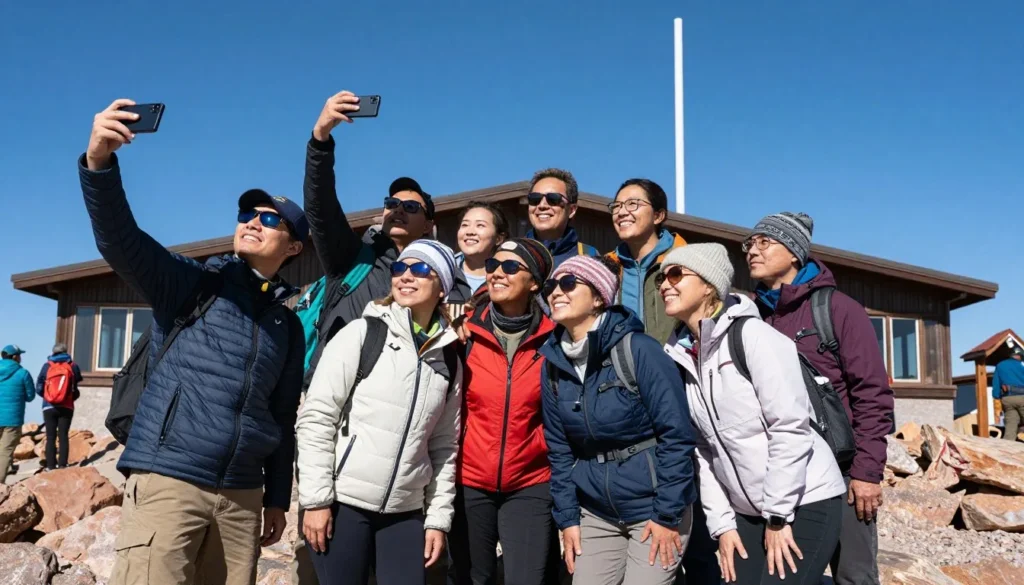
“The drive up Pikes Peak Highway took our breath away – literally and figuratively. Every turn revealed more spectacular views. We saw bighorn sheep grazing beside the road. The summit was cold even in July but absolutely worth it. Start early to avoid afternoon storms. The visitor center had hot chocolate that warmed us up perfectly. This mountain deserves its famous reputation.”
“Taking the Cog Railway was the right choice for our family. My elderly parents couldn’t have made the drive safely. The train ride was comfortable and informative. Our guide shared fascinating history about the railway and mountain. The 40 minutes at summit felt rushed but we managed photos and visited the gift shop. Book your tickets weeks in advance. This popular attraction fills up quickly during summer.”
“Hiking Barr Trail challenged us but became our trip highlight. We trained for months and still found the altitude difficult. Started at 5 AM and reached summit by 1 PM. The views kept us motivated through tough sections. We took the Cog Railway down, which was brilliant planning. Our legs thanked us. Pack twice as much water as you think necessary. The high-altitude donuts at summit tasted amazing.”
Additional Nearby Destinations
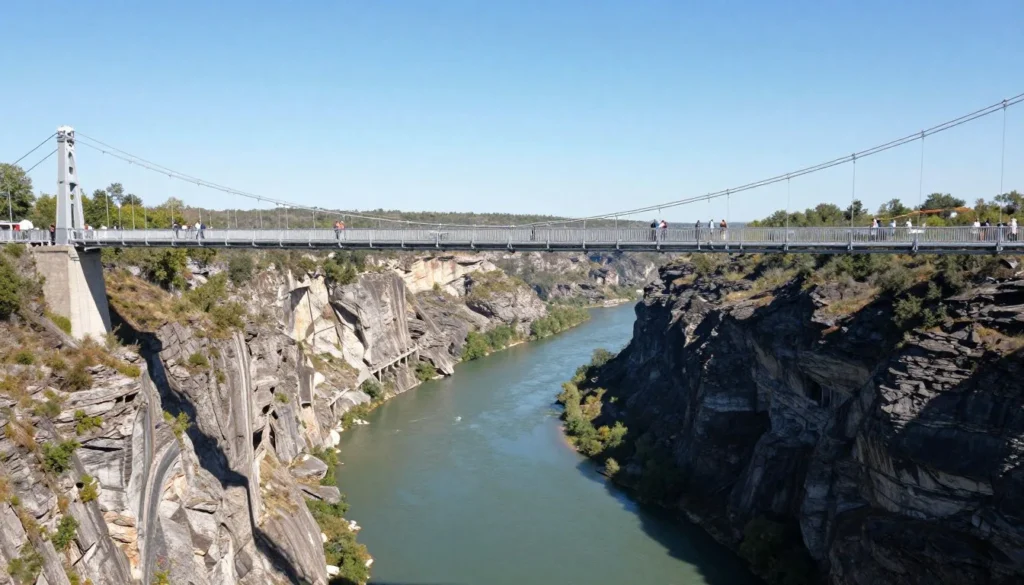
The Pikes Peak region serves as gateway to other Colorado attractions. Extending your trip allows exploration of diverse landscapes and experiences. Several destinations make excellent day trips or additions to your itinerary.
Royal Gorge Bridge and Park
This dramatic canyon lies approximately 72 km (45 miles) southwest of Colorado Springs. The Royal Gorge Bridge spans 291 m (955 feet) above the Arkansas River. Built in 1929, it held the world’s highest bridge title for decades. The park includes zip lines, gondola rides, and scenic overlooks. Plan three to four hours for exploring the area.
White water rafting companies operate on the Arkansas River below. Rapids range from gentle floats to Class V technical runs. Summer months offer the best rafting conditions. Several outfitters in Cañon City provide equipment and guides. Half-day and full-day trips accommodate different schedules and skill levels.
Florissant Fossil Beds National Monument
Ancient redwood forests turned to stone at this site. Located 56 km (35 miles) west of Colorado Springs, the monument preserves exceptional fossils. Petrified tree stumps measure up to 3 m (10 feet) in diameter. Walking trails lead to major fossil sites. The visitor center displays insect and plant fossils from 34 million years ago.
This quiet monument offers peaceful hiking away from crowds. Several trails loop through meadows and forests. Wildlife including elk and wild turkeys inhabit the area. The monument sits at 2,500 m (8,200 feet) elevation. Summer temperatures remain comfortable for hiking. No entrance fee is charged.
Cripple Creek Historic District
This former gold mining town sits 72 km (45 miles) west of Colorado Springs. The entire town is a National Historic District. Victorian buildings line the main street. Several casinos now occupy historic structures. Limited-stakes gambling attracts many visitors. Museums interpret mining history and boom-town life. The Mollie Kathleen Gold Mine offers underground tours. Descend 305 m (1,000 feet) into an actual gold mine. Tours last one hour and operate year-round.
Great Sand Dunes National Park
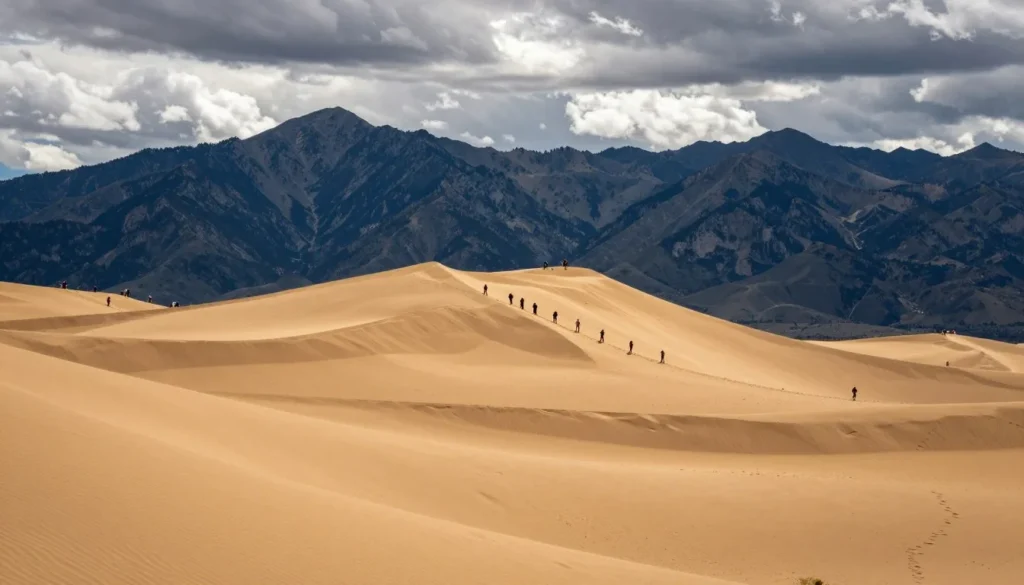
North America’s tallest sand dunes rise 230 m (750 feet) at this park. Located 177 km (110 miles) southwest, the park makes a long day trip. The dunes stretch against the Sangre de Cristo Mountains. This creates spectacular scenery. Visitors can climb and sandboard on the dunes. Medano Creek flows at the dune base in spring and early summer. This shallow creek allows wading and playing. The park offers camping and backcountry permits.
Denver and Boulder
Colorado’s capital city sits 113 km (70 miles) north. Denver offers urban attractions including museums, restaurants, and sports venues. The Denver Art Museum houses impressive collections. The 16th Street Mall provides pedestrian shopping downtown. Professional sports teams play throughout the year. Baseball, football, basketball, and hockey games entertain fans.
Boulder lies 161 km (100 miles) north of Colorado Springs. This college town combines outdoor recreation with cultural attractions. The Pearl Street Mall features restaurants, shops, and street performers. Chautauqua Park provides hiking access to the Flatirons. These dramatic rock formations define Boulder’s landscape. The University of Colorado campus adds youthful energy to the city.
Mueller State Park
This 2,023-hectare (5,000-acre) park sits near Divide, Colorado. The location is approximately 40 km (25 miles) west of Colorado Springs. Over 85 km (53 miles) of trails wind through the park. Hiking, mountain biking, and horseback riding are popular activities. Wildlife viewing opportunities abound. Elk, deer, black bears, and moose inhabit the area.
The park offers year-round camping in modern campgrounds. Pull-through RV sites include electric hookups. Tent sites nestle among ponderosa pines. Yurts and cabins provide comfortable alternatives to camping. Winter brings cross-country skiing and snowshoeing. The park maintains groomed trails during snow season.
Practical Travel Tips

What to Pack
Layered clothing is essential for mountain visits. Temperatures vary dramatically with elevation and time of day. Start with moisture-wicking base layers. Add insulating middle layers like fleece or wool. Top with waterproof and windproof outer shell. Even summer visitors need warm jackets for summit conditions.
Sunscreen and sunglasses are mandatory at altitude. Ultraviolet radiation increases significantly at elevation. Use SPF 30 or higher sunscreen. Reapply every two hours when outdoors. Lip balm with SPF prevents painful chapped lips. Wide-brimmed hats provide additional protection. Sunburn happens quickly in thin mountain air.
Essential Items
- Water bottles or hydration reservoir (3-4 liters per person for hiking)
- High-energy snacks (trail mix, energy bars, jerky)
- First aid kit with altitude sickness medication
- Headlamp or flashlight with extra batteries
- Detailed trail maps and compass or GPS device
- Emergency whistle and fire starter
- Multi-tool or knife
- Trekking poles for hiking stability
Photography Gear
- Camera with extra batteries (cold drains batteries quickly)
- Polarizing filter reduces glare and enhances colors
- Wide-angle lens captures expansive mountain views
- Telephoto lens for wildlife photography
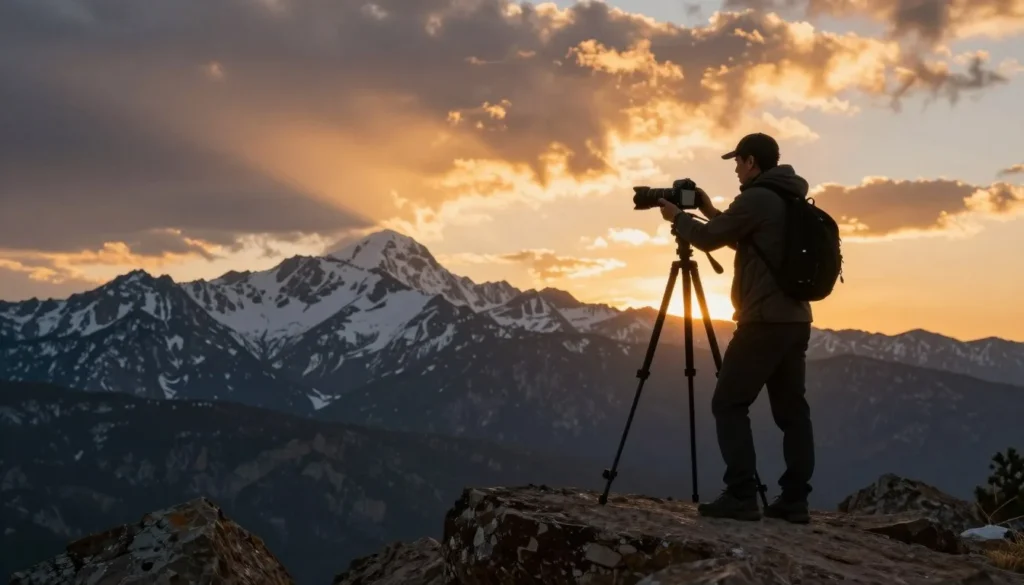
- Tripod for low-light and sunset shots
- Lens cleaning cloth (dust and moisture are constant issues)
- Extra memory cards for extensive shooting
Money and Costs
Credit cards are widely accepted throughout the region. However, carry some cash for small purchases and tips. ATMs are readily available in Colorado Springs and Manitou Springs. Machines at the summit charge higher fees. Withdraw cash before ascending.
Budget travelers can visit Pikes Peak affordably. Free attractions include Garden of the Gods and city parks. Camping costs less than hotels. Preparing some meals reduces dining expenses. Mid-range budgets allow comfortable hotels and restaurant meals. Expect to spend $150 to $250 per day per person including lodging, food, and activities.
Luxury travelers find high-end options at the Broadmoor and fine dining establishments. Private guides and tours increase costs significantly. A luxury trip easily exceeds $400 per person daily. However, the quality of service and experiences matches the price.
Internet and Communications
Cell phone coverage is excellent in Colorado Springs and Manitou Springs. All major carriers provide reliable service. However, coverage becomes spotty at higher elevations. Dead zones exist on Pikes Peak Highway above 3,505 m (11,500 feet). Download maps and information before departing.
Most hotels and many restaurants offer free WiFi. Coffee shops provide internet access for customers. The Pikes Peak summit visitor center has limited WiFi. However, the network often becomes overwhelmed during busy periods. Do not rely on summit connectivity for important communications.
Best Photography Locations
Sunrise from the summit creates spectacular opportunities. Golden light illuminates the surrounding peaks. However, reaching summit for sunrise requires very early departure or overnight camping. The summit area and Devils Playground work well for sunrise shoots. Crystal Creek Reservoir provides foreground interest for peak photos.
Garden of the Gods offers endless composition possibilities. Balanced Rock and Gateway Rocks are iconic foregrounds. Frame Pikes Peak through the rock formations. Late afternoon light warms the red sandstone beautifully. The park allows tripod use except in very crowded areas.
Language and Communication
English is the primary language throughout the region. However, Spanish is commonly spoken given Colorado’s Hispanic heritage. Many businesses employ bilingual staff. Tourist attractions provide information in multiple languages. International visitors find the area welcoming and accessible.
Health Considerations
Altitude affects everyone differently. Age and fitness level do not predict altitude sickness susceptibility. Listen to your body and descend if symptoms develop. Over-the-counter medications like ibuprofen help mild headaches. Prescription altitude medications are available from doctors. Consult your physician before traveling if you have heart or lung conditions.
Dehydration and sun exposure cause most visitor health problems. These are easily prevented with proper preparation. Drink water constantly throughout the day. Urine should remain light colored. Dark urine signals dehydration. Apply and reapply sunscreen diligently. Treat any sunburn immediately with aloe and moisturizer.
Travel Insurance Recommendations
Consider travel insurance covering medical emergencies and trip cancellations. Mountain activities carry inherent risks. Medical evacuation from remote areas costs tens of thousands of dollars. Insurance provides financial protection and peace of mind. Several companies offer specific adventure travel policies covering high-altitude activities.
Sustainable Travel Practices
Help preserve Pikes Peak for future visitors. Stay on established trails to prevent erosion. Pack out all trash including organic waste like orange peels and apple cores. These take months to decompose at high altitude. Use refillable water bottles instead of disposable plastic. Support local businesses to benefit the community economically.
Consider visiting during shoulder seasons. Spring and fall see fewer crowds while weather remains pleasant. This distributes tourism impact across more months. Choose environmentally responsible tour operators. Ask about their sustainability practices. Many local companies actively work to minimize environmental impact.
Your Pikes Peak Adventure Awaits
Pikes Peak stands as one of America’s most accessible fourteeners. Whether you drive, ride the railway, or hike to the summit, this mountain delivers unforgettable experiences. The surrounding region offers attractions for every interest. Families find activities for all ages. Adventure seekers challenge themselves on trails and rock faces. History enthusiasts explore museums and historic sites. Nature lovers discover diverse ecosystems from prairie to alpine tundra.
✓ Check 30,000+ Local Sightseeing Tours Worldwide
Plan ahead to maximize your visit. Make reservations early for the Cog Railway and popular hotels. Allow time for altitude acclimatization. Pack appropriately for mountain weather. Start your days early to avoid afternoon storms. Most importantly, remain flexible. Weather and conditions sometimes force plan changes. Embrace these moments as part of the mountain experience.
The memories you create in the Pikes Peak region will last a lifetime. This mountain has inspired explorers, artists, and ordinary visitors for generations. Now it is your turn to discover what makes this place special. From the first glimpse of the peak to your final descent, every moment contributes to your Colorado mountain adventure. The summit may be the goal, but the journey offers rewards at every elevation.