Hotels by Trip.com
Flights by Trip.com
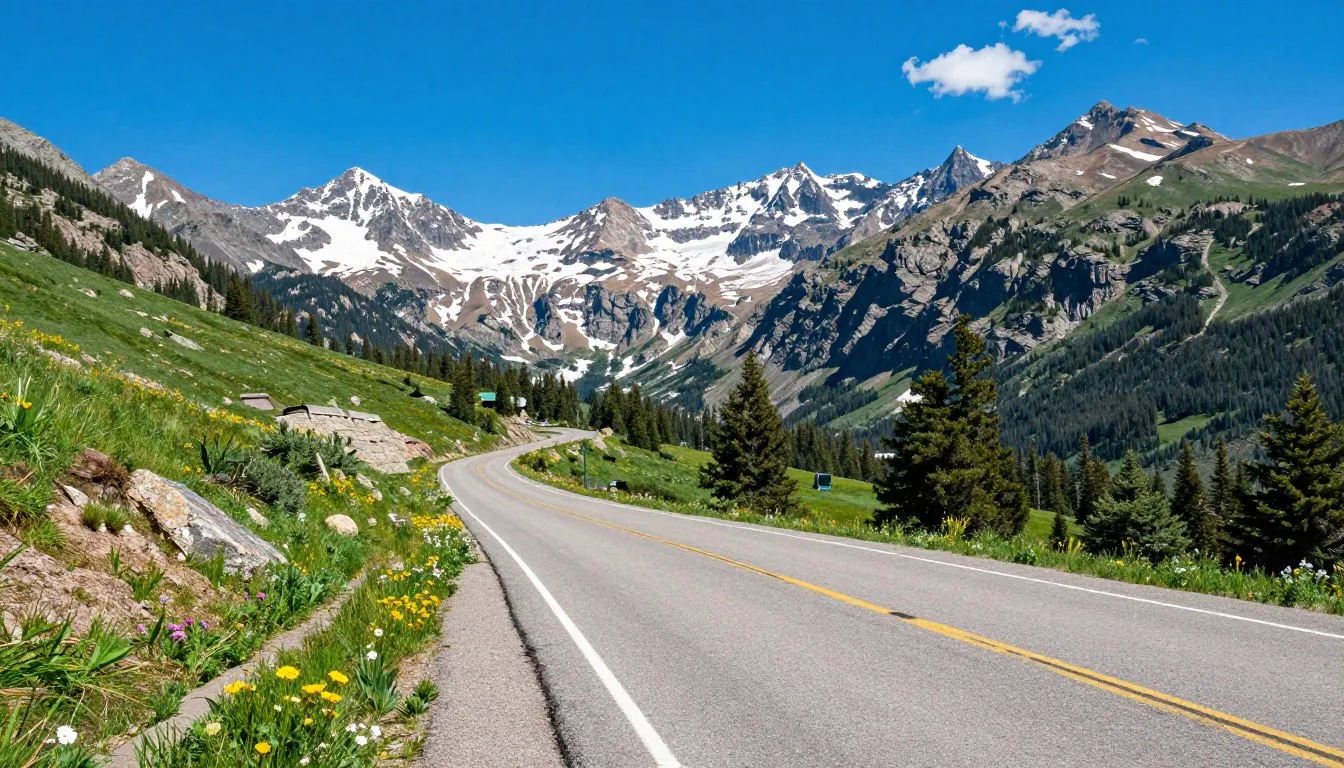
Every year, more than 500,000 visitors drive the famous Pikes Peak Highway to reach 14,115 feet elevation. This makes it one of the highest paved roads in North America. The highway stretches 19 miles through diverse ecosystems. You start in pine forests and end above the tree line.
Katherine Lee Bates wrote “America the Beautiful” after visiting the summit in 1893. The views from this mountain inspired her famous words. Today, the Pikes Peak Highway remains a bucket-list drive for travelers worldwide.
This comprehensive guide covers everything you need. You will learn about planning your journey, finding the best time to visit, and discovering top attractions. We also share safety tips, dining options, and nearby destinations worth exploring.
Getting There & Planning Your Journey
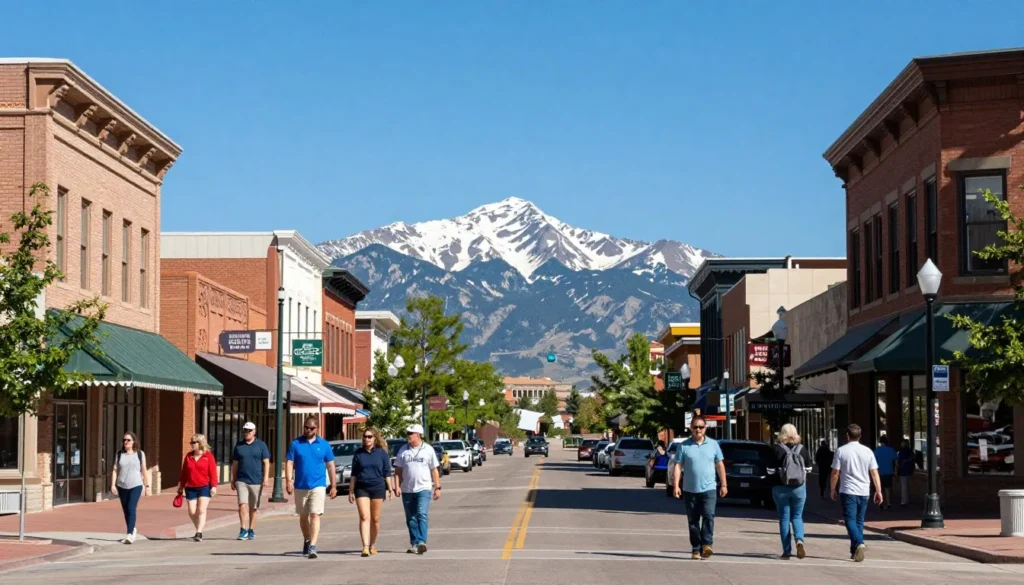
Colorado Springs serves as your gateway to Pikes Peak Highway. The city sits about 15 miles from the highway entrance. Most visitors fly into Colorado Springs Airport or Denver International Airport.
Closest Airports
Colorado Springs Airport (COS) offers the most convenient access. It sits just 20 miles from the Pikes Peak Highway entrance. The drive takes about 30 minutes in normal traffic. Several rental car companies operate at this airport.
Denver International Airport (DEN) is larger and often has more flight options. It sits 90 miles north of Colorado Springs. The drive takes approximately 90 minutes via Interstate 25 South. This airport serves as a major hub with connections worldwide.
From Colorado Springs Airport
- Take Airport Road to Powers Boulevard
- Merge onto US-24 West
- Follow signs to Pikes Peak Highway
- Total distance: 32 km (20 miles)
From Denver International Airport
- Take Peña Boulevard to Interstate 70 West
- Merge onto Interstate 25 South
- Exit at US-24 West in Colorado Springs
- Total distance: 145 km (90 miles)
Entrance Location and Fees
The Pikes Peak Highway entrance sits in Cascade, Colorado. You reach it via US Highway 24 West from Colorado Springs. The toll gate opens daily, but hours vary by season.

Current entry fees for 2024 include charges per vehicle and passenger. Adults pay more than children. The fees help maintain the road and facilities. Payment accepts credit cards and cash at the gate.
Reservations are now required during peak season. The system manages traffic flow and ensures a better experience. You can book entry times in advance through the official website or by phone.
Reservation Information: Entry time reservations are mandatory from May through September. Book at least 2-3 days in advance during summer months. Last-minute entry depends on availability.
For reservations and current information, call:
Vehicle Requirements
Most standard passenger vehicles can drive Pikes Peak Highway safely. The road is fully paved now. However, certain restrictions apply to protect visitors and vehicles.
- Vehicles longer than 30 feet may face restrictions
- Trailers are not permitted on the highway
- Motorcycles and bicycles welcome with proper safety gear
- RVs under 30 feet allowed but must use low gears
- Brake checks required before descent
Important: Your brakes work harder on mountain roads. Rangers check brake temperatures before allowing descent. Overheated brakes create dangerous situations. Use lower gears going downhill.
Best Time to Visit & Weather Tips
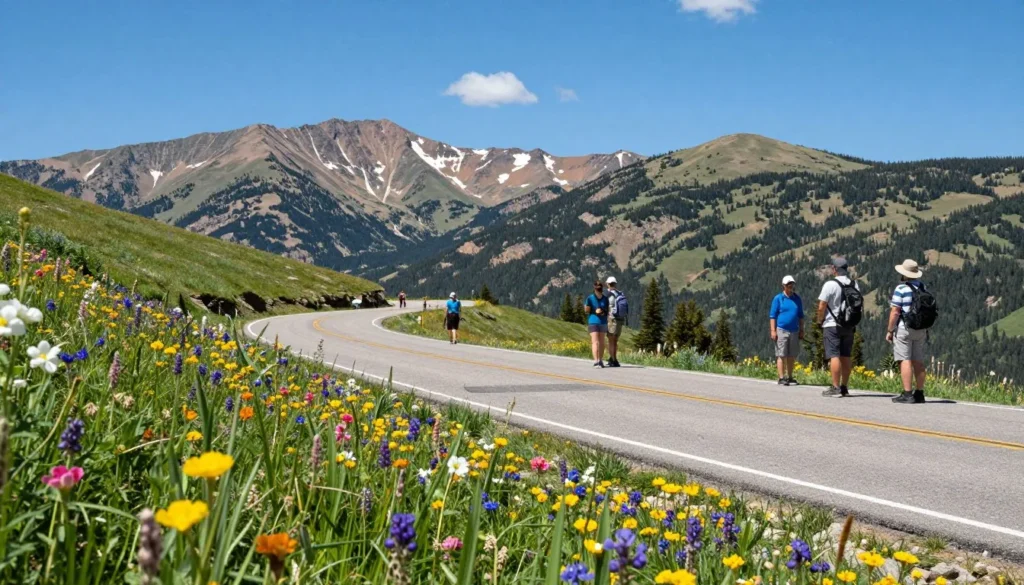
The Pikes Peak Highway operates seasonally. Weather conditions at 14,000 feet change dramatically. Planning your visit around weather patterns ensures the best experience.
Best Time to Visit Pikes Peak Highway
Peak Season (June through August) brings the warmest weather and longest days. The summit typically reaches 10°C to 15°C (50°F to 59°F) during afternoon hours. Morning temperatures often drop near freezing even in summer.
This period offers the best chance of clear views. However, afternoon thunderstorms develop frequently. Start your drive early morning to avoid weather issues. The crowds also peak during these months.
Recommended Months
- June: Road fully open, fewer crowds
- July: Warmest temperatures, wildflowers bloom
- August: Great weather, busiest month
- September: Cooler but beautiful, aspen colors
- Early October: Possible snow, fewer visitors
Months to Avoid or Use Caution
- November through April: Road often closed
- May: Unpredictable snow, limited hours
- Late October: Early winter storms possible
- Weekends in July and August: Maximum crowds
- Afternoons year-round: Thunderstorm risk
Weather Patterns and What to Expect
Mountain weather changes rapidly. Conditions vary dramatically between the base and summit. Temperature drops approximately 3°C (5.4°F) for every 305 meters (1,000 feet) gained in elevation.
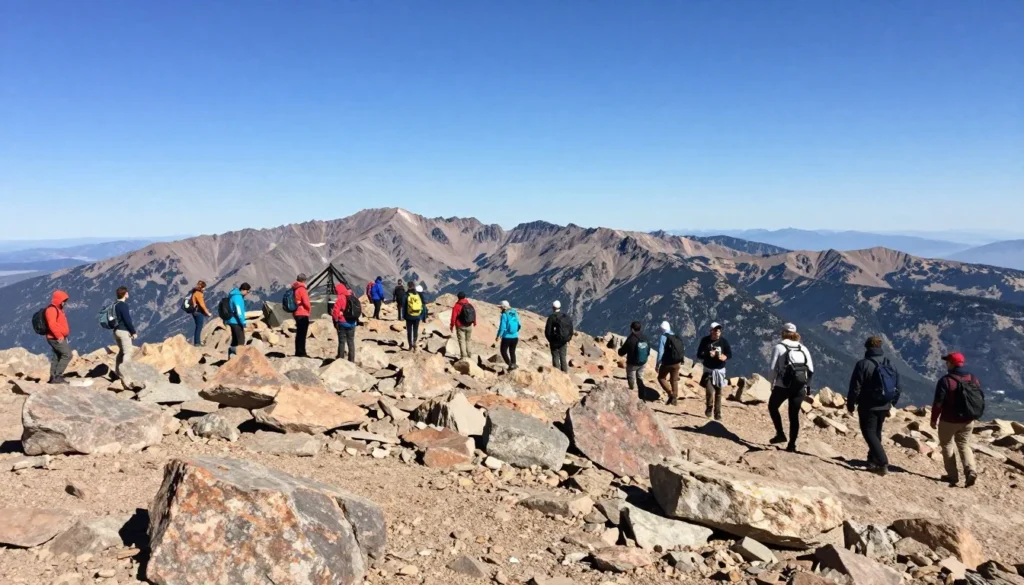
Base elevation near Cascade sits at 2,400 meters (7,874 feet). The summit reaches 4,302 meters (14,115 feet). You experience temperature differences of 11°C to 17°C (20°F to 30°F) between bottom and top.
| Elevation Zone | Summer Temp | Common Conditions | What to Bring |
| Base (2,400m / 7,874′) | 21°C to 27°C (70°F to 80°F) | Sunny, occasional afternoon clouds | Light clothing, sunscreen |
| Mid-Mountain (3,350m / 11,000′) | 13°C to 18°C (55°F to 65°F) | Cooler, wind increases | Light jacket, layers |
| Summit (4,302m / 14,115′) | 4°C to 10°C (40°F to 50°F) | Windy, rapid weather changes | Warm jacket, hat, gloves |
Seasonal Highlights
Spring (May to early June) brings melting snow and opening roads. The highway may operate limited hours. Wildflowers start blooming at lower elevations. Snow remains common above 3,650 meters (12,000 feet).
Summer (mid-June through August) offers the most reliable weather. Alpine wildflowers peak in July. Thunderstorms develop most afternoons after 1:00 PM. Lightning poses serious risks above tree line.

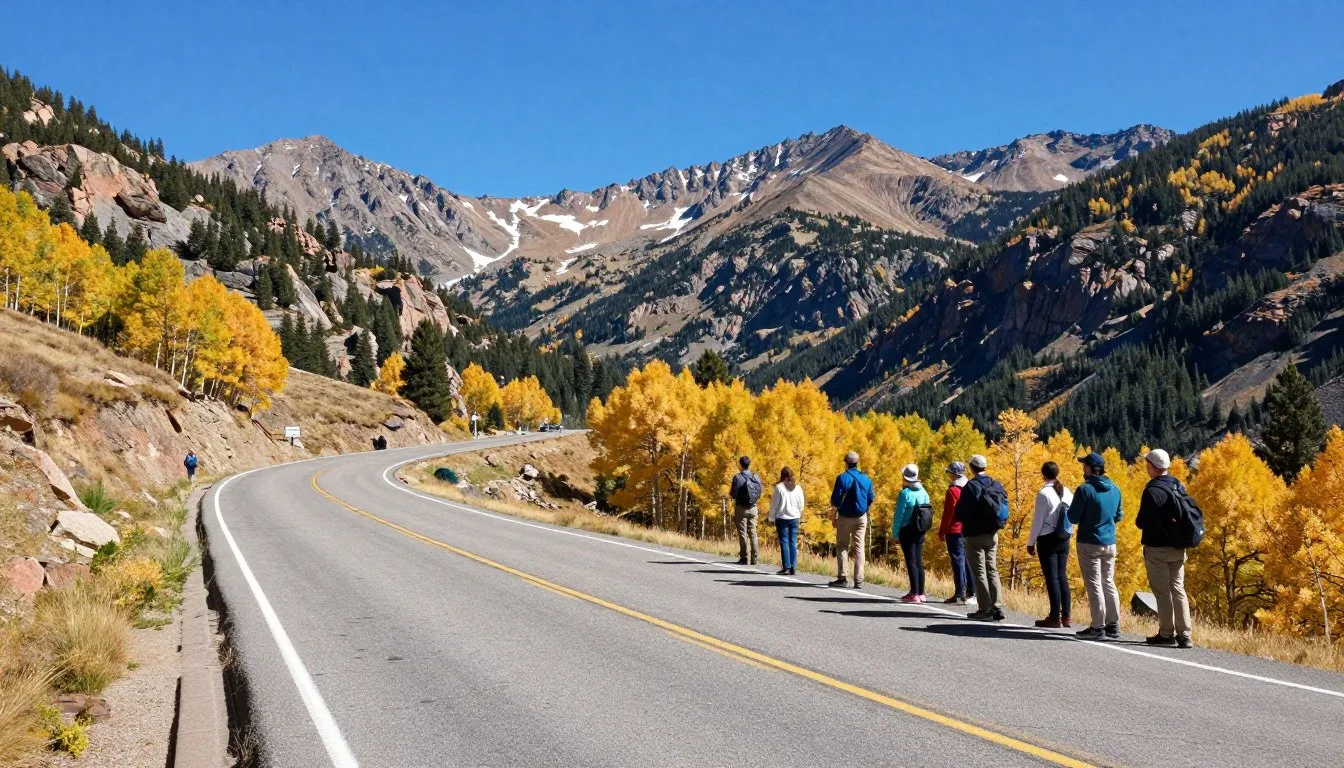
Fall (September to mid-October) brings cooler temperatures and stunning autumn colors. Aspen trees turn golden yellow. Crowds diminish after Labor Day. Early snowstorms can close the road temporarily.
Winter (November through April) closes the highway completely. Snow depths exceed several meters at higher elevations. The road requires significant clearing before spring opening.
Pro Tip: Check current weather and road conditions before your drive. Conditions change hourly in the mountains. The visitor center provides up-to-date information. Plan to start your ascent before 9:00 AM to avoid afternoon storms.
For current weather and road conditions, call:
Notable Annual Festivals

The Pikes Peak region hosts several annual events. These festivals celebrate mountain culture, athletics, and local heritage. Planning your visit around these events adds extra excitement.
Pikes Peak International Hill Climb
This legendary race happens every June. Drivers compete to reach the summit fastest. The event earned the nickname “Race to the Clouds.” It started in 1916, making it America’s second-oldest motorsports event.
The race closes Pikes Peak Highway to regular traffic for several days. Practice runs occur throughout race week. The main event typically happens on the last Sunday of June.
- Event dates: Mid to late June annually
- Location: Entire Pikes Peak Highway
- Contact: +1 (719) 685-4400
- Highway closed to public during event
Pikes Peak Ascent and Marathon
These challenging foot races occur in mid-August. The Ascent covers 21 kilometers (13.1 miles) from Manitou Springs to the summit. Runners gain 2,370 meters (7,815 feet) of elevation. The Marathon adds a descent for a full 42-kilometer (26.2-mile) round trip.
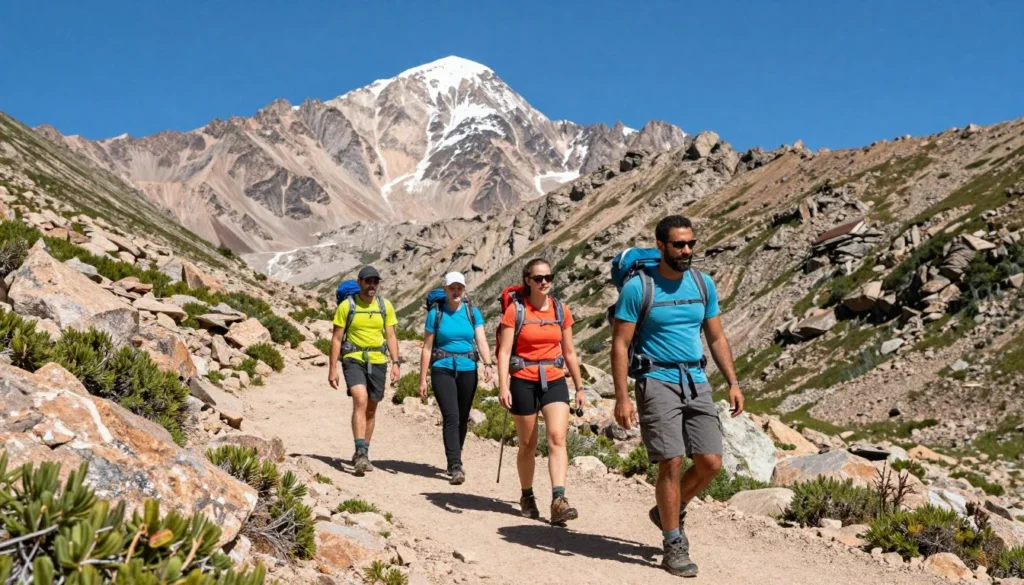
Over 800 runners participate each year. The races attract elite athletes worldwide. However, regular runners also compete. The event showcases human endurance at high altitude.
- Event dates: Third weekend in August
- Ascent on Saturday, Marathon on Sunday
- Contact: +1 (719) 473-2625
- Highway remains open but expect crowds
Colorado Springs Labor Day Lift Off
This hot air balloon festival occurs over Labor Day weekend. While not on Pikes Peak itself, the mountain provides a stunning backdrop. More than 70 balloons launch from Memorial Park in Colorado Springs.
The festival includes morning mass ascensions. You can watch from the park or view balloons from various Colorado Springs locations. Pikes Peak creates a dramatic background for balloon photography.
- Event dates: Labor Day weekend (early September)
- Location: Memorial Park, Colorado Springs
- Contact: +1 (719) 471-4833
- Free admission for spectators
Pikes Peak Summit Challenge
This cycling event happens in September. Cyclists ride from the highway gate to the summit. The course covers 19 miles with 4,700 feet of elevation gain. Strong riders complete it in under two hours.
The event limits participation to experienced cyclists. Riders must demonstrate fitness and altitude readiness. The challenge raises funds for local charities.
- Event dates: Mid-September
- Registration required months in advance
- Contact: +1 (719) 385-7325
- Highway sections close during event hours
Getting Around Locally
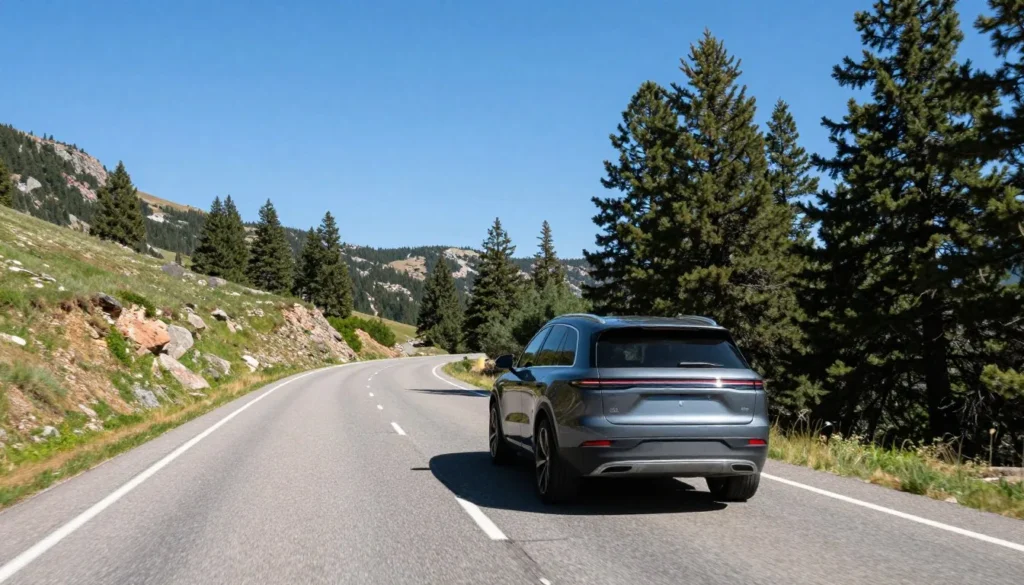
Most visitors drive personal vehicles on Pikes Peak Highway. This gives you the freedom to stop at scenic viewpoints. You control your pace and timing. However, other options exist for those who prefer not to drive.
Driving Your Own Vehicle
Personal vehicles offer the most flexibility. You can stop at any of the designated pullouts. The drive takes about 90 minutes to two hours round trip. This includes time at the summit.
The highway features 156 turns. Some curves are quite sharp. Take your time and stay in your lane. Downhill traffic yields to uphill traffic at narrow points. Use designated pullouts when stopping for photos.
Brake Safety: Downhill driving requires careful brake management. Shift to a lower gear before starting descent. Use engine braking rather than constant brake pressure. Stop at Crystal Reservoir if brakes feel hot. Rangers check brake temperatures before allowing continued descent.
Rental Car Options
Colorado Springs and Denver airports host multiple rental agencies. Most standard cars handle the highway well. However, we recommend vehicles with adequate power for altitude.
Engines produce less power at 14,000 feet elevation. Turbocharged vehicles perform better than naturally aspirated engines. Ensure your rental includes full insurance coverage. Mountain driving presents unique challenges.
Organized Tours and Transportation
Several companies offer guided tours to Pikes Peak. These tours include transportation from Colorado Springs hotels. Professional drivers handle the mountain road. Guides provide historical information and identify wildlife.
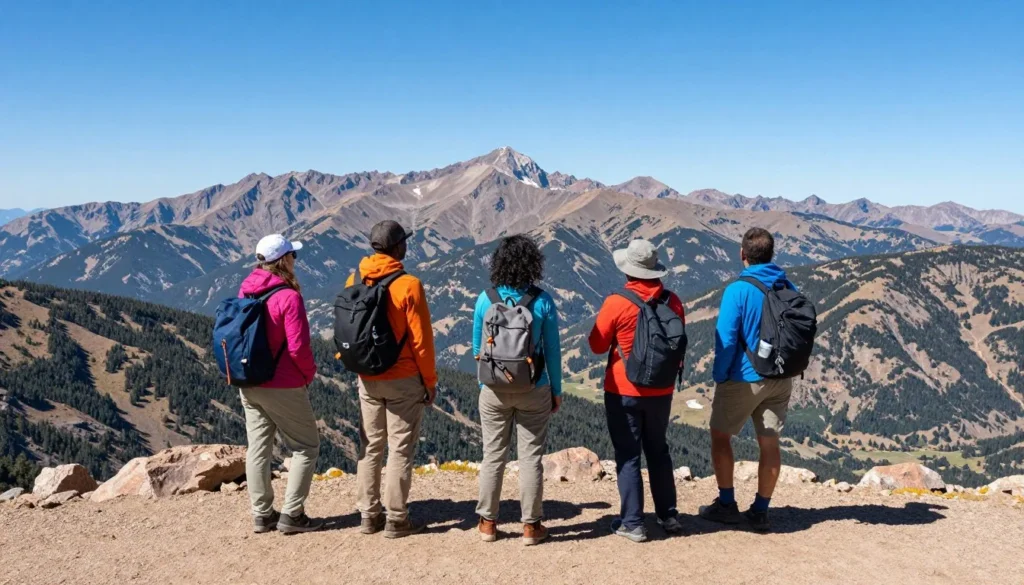
Tour benefits include stress-free driving and expert commentary. You avoid concerns about vehicle performance or navigation. However, tours follow set schedules with limited flexibility.
Gray Line Colorado Springs operates regular Pikes Peak tours. Adventures Out West provides smaller group experiences. Prices typically range from $75 to $150 per person. This includes highway fees and transportation.
The Pikes Peak Cog Railway
The Broadmoor Manitou and Pikes Peak Cog Railway offers an alternative way up. This historic train departs from Manitou Springs. The journey takes about three hours round trip including summit time.
The railway opened in 1891 and reopened in 2021 after major renovations. Swiss-made trains climb the mountain at a gentle pace. Large windows provide excellent views. You avoid driving stress completely.
Tickets cost more than driving yourself. However, the experience itself holds historical value. The railway operates year-round when weather permits. Reservations are required well in advance during summer.
- Depot location: 515 Ruxton Avenue, Manitou Springs
- Journey time: Approximately 3 hours total
- Summit time allowed: 30-40 minutes
- Book tickets weeks or months ahead for summer
Cycling and Motorcycle Access
Cyclists and motorcyclists can use Pikes Peak Highway. Both require proper safety equipment. Cyclists must demonstrate fitness for the 4,700-foot climb. The ride covers 19 miles with an average grade of 7 percent.
Motorcyclists enjoy the curving mountain road. However, weather changes rapidly. Temperatures drop significantly with elevation. Bring adequate warm gear regardless of base weather. Wind speeds increase near the summit.
Cyclist Note: The Pikes Peak Highway poses a serious athletic challenge. Only experienced cyclists should attempt it. Start early in the morning before traffic increases. Bring plenty of water and energy food. Descending requires careful brake control.
Where to Stay

Accommodation options near Pikes Peak Highway range from luxury resorts to budget motels. Most visitors stay in Colorado Springs or Manitou Springs. These towns sit 15 to 20 minutes from the highway entrance.
Luxury and Upscale Options
The Broadmoor ranks as Colorado’s premier luxury resort. It sits at the base of Cheyenne Mountain in Colorado Springs. The property features multiple restaurants, championship golf courses, and a world-class spa.
Rooms offer mountain views and elegant furnishings. The resort provides easy access to Pikes Peak attractions. However, luxury comes at premium pricing. Expect to pay $400 to $800 per night depending on season and room type.
- Location: 1 Lake Avenue, Colorado Springs
- Distance to Pikes Peak Highway: 24 km (15 miles)
- Amenities: Spa, golf, multiple pools, fine dining
- Contact: +1 (855) 634-7711
Garden of the Gods Resort and Club provides another upscale option. It sits adjacent to Garden of the Gods park. Views include both the red rock formations and Pikes Peak. The resort features a championship golf course and full-service spa.

Mid-Range Hotels and Lodges
Colorado Springs offers numerous mid-range hotel chains. These provide comfortable rooms at reasonable prices. Most include free breakfast and parking. Prices typically range from $120 to $200 per night.
Popular chains include Hampton Inn, Hilton Garden Inn, and Courtyard by Marriott. Several cluster near Interstate 25 for convenient highway access. Others sit in downtown Colorado Springs near restaurants and attractions.
Glen Cove Inn sits directly on Pikes Peak Highway at 3,505 meters (11,500 feet). This unique location provides the only overnight lodging on the mountain itself. The inn features a small gift shop and basic facilities.
However, Glen Cove Inn currently operates primarily as a rest stop. Overnight stays are limited. The building serves as a warming shelter and quick snack location. Check current status before planning an overnight stay there.
Budget-Friendly Accommodations
Budget travelers find good options in Colorado Springs. Chain motels like Super 8, Motel 6, and Days Inn provide basic rooms under $100 nightly. These work well if you just need a place to sleep.
Colorado Springs Stay Benefits
- More dining choices nearby
- Grocery stores and shopping available
- Multiple hotel options all price ranges
- Easy Interstate 25 access
- 20-25 minute drive to Pikes Peak
Manitou Springs Stay Benefits
- Closer to Pikes Peak Highway entrance
- Charming downtown with shops
- Historic district with character
- Mineral springs to explore
- 10-15 minute drive to highway
Vacation Rentals and Cabins
Vacation rental homes and cabins offer another option. These work especially well for families or groups. Properties range from small cabins to large mountain homes. Many feature full kitchens and multiple bedrooms.

Popular platforms include Vrbo and Airbnb. Properties closer to Pikes Peak command higher prices. However, the extra space and amenities often justify costs for groups. Book well in advance for summer stays.
Camping Options
Several campgrounds operate near Pikes Peak. These provide the most budget-friendly overnight options. You also experience the mountain environment more directly.
Painted Rocks Campground sits along the Pikes Peak Highway at 2,926 meters (9,600 feet). It offers basic campsites with fire rings and picnic tables. The location provides convenient access to the mountain.
Reservations are required for this popular spot. Sites book quickly for summer weekends. The campground operates from late May through September depending on snow conditions.
- 17 campsites available first-come first-served
- Vault toilets but no running water
- Campfires permitted in established rings
- Bears active in area requiring proper food storage
Pike National Forest contains numerous other campgrounds. These sit within 30 to 45 minutes of the Pikes Peak Highway entrance. Options include both developed campgrounds and dispersed camping areas.
For accommodation recommendations and availability, call Colorado Springs Visitor Information:
Dining & Local Cuisine
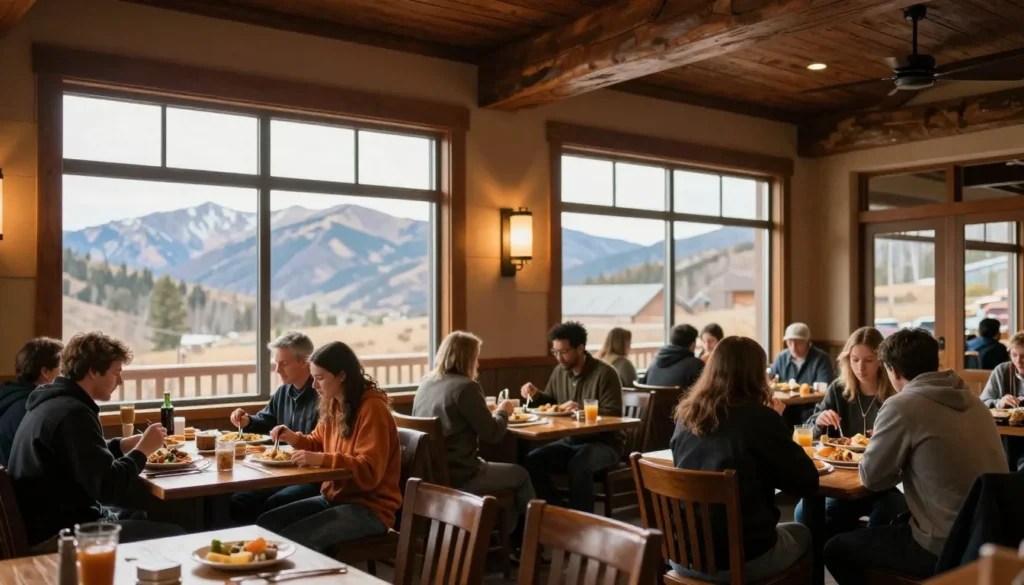
Colorado Springs and Manitou Springs offer diverse dining options. The Pikes Peak area itself has limited food service. Planning meals before or after your mountain visit makes sense.
Dining on Pikes Peak
The Pikes Peak Summit House opened in 2021. This modern facility sits at 4,302 meters (14,115 feet). It provides the highest dining experience in the area. The restaurant serves breakfast, lunch, and snacks.
Menu items include hot sandwiches, soups, and salads. The famous summit donuts remain available. These high-altitude treats have been a tradition since the 1950s. The thin air affects baking, giving them unique texture.
Prices run higher than valley restaurants due to the remote location. However, the views make any meal memorable. Large windows surround the dining area. You can see for over 160 kilometers (100 miles) on clear days.
Glen Cove Inn operates as a rest stop at mile 13. It sits at 3,505 meters (11,500 feet). The facility offers basic snacks, hot drinks, and restrooms. This provides the only service between the entrance and summit.
Food Planning: Bring snacks and water for your Pikes Peak drive. Even with Summit House dining available, having your own supplies makes sense. Altitude can affect appetite, but hydration remains critical. Pack more water than you think you need.
Manitou Springs Dining
Manitou Springs provides the closest dining to Pikes Peak Highway. This quirky mountain town offers numerous restaurants within walking distance. The atmosphere blends artistic charm with mountain character.
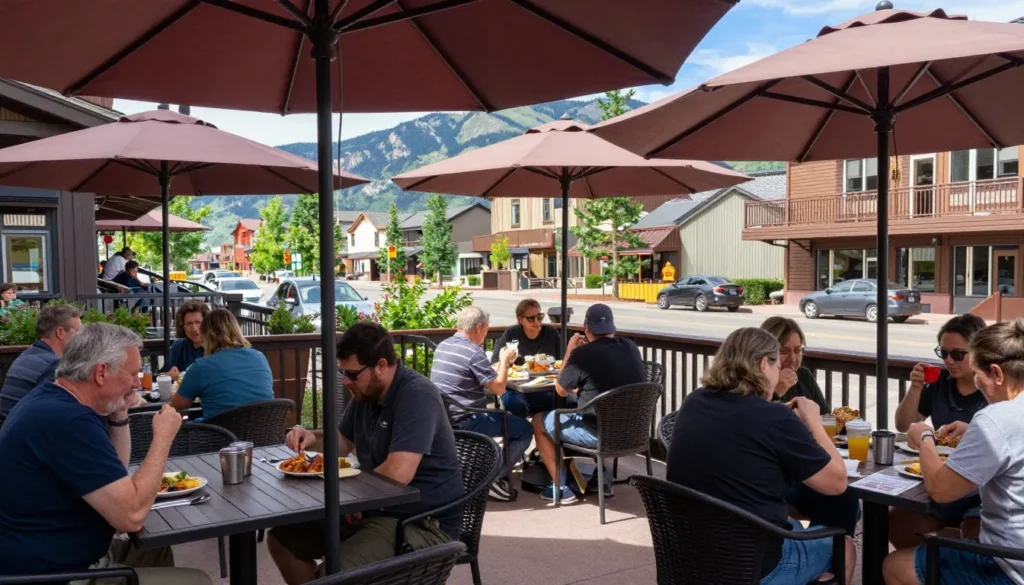
The Cliff House Dining Room offers upscale cuisine in a Victorian setting. The restaurant occupies a historic hotel dating to 1873. Menu items focus on contemporary American fare with local ingredients. Expect to spend $40 to $70 per person for dinner.
Adam’s Mountain Cafe serves healthy, organic breakfast and lunch. The small restaurant fills quickly on weekends. Menu highlights include breakfast burritos, grain bowls, and fresh juices. Most items cost between $10 and $15.
The Mona Lisa Fondue Restaurant provides a unique dining experience. Swiss-style fondue dinners include cheese courses, meat entrees, and chocolate dessert. Meals take about two hours. Reservations are strongly recommended.
Colorado Springs Dining Scene
Colorado Springs offers hundreds of restaurants covering every cuisine type. Downtown holds the highest concentration of dining options. The area around Old Colorado City features local breweries and cafes.
The Famous Steak House has served Colorado Springs since 1965. The restaurant specializes in prime beef and seafood. Locals consider it the best traditional steakhouse in town. Dinner prices range from $35 to $65 per person.
Casual Dining Favorites
- Over Easy: Breakfast and brunch specialist
- Pizzeria Rustica: Authentic Italian pizzas
- Shuga’s: Comfort food and burgers
- Four by Brother Luck: Creative small plates
Local Breweries
- Bristol Brewing Company: Local favorite
- Red Leg Brewing: Military-themed brewery
- Phantom Canyon: Downtown brewpub
- Trail’s End Taproom: Outdoor seating
Local Food Specialties
Colorado cuisine reflects mountain and Western influences. Bison and elk appear on many menus as alternatives to beef. Green chile shows up in numerous dishes, from breakfast burritos to burgers.
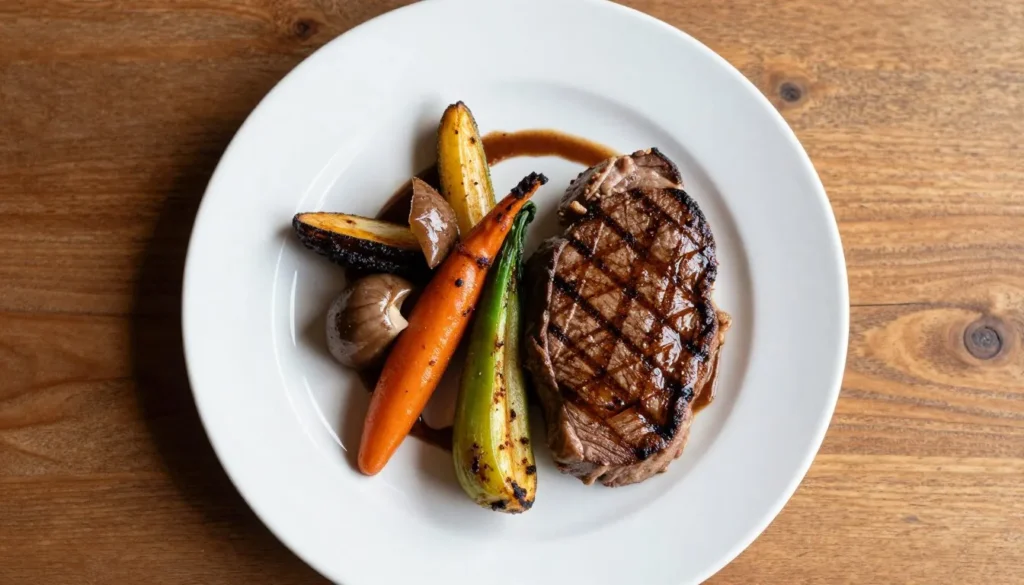
Rocky Mountain oysters remain a traditional Colorado dish. These are actually deep-fried bull testicles. Many visitors try them once for the novelty. Local festivals sometimes feature cooking competitions.
Craft beer culture thrives in Colorado. The state ranks near the top nationally for breweries per capita. Many restaurants feature extensive local beer lists. Tasting flights let you sample multiple Colorado brews.
Palisade peaches arrive in late summer. These renowned Colorado fruits appear in desserts, salads, and drinks. Many restaurants create special peach menu items during August and early September.
Quick Bites and Groceries
Safeway and King Soopers grocery stores operate throughout Colorado Springs. These provide supplies for picnics or snacks on your Pikes Peak drive. Several locations sit near hotels along Interstate 25.
Natural Grocers and Whole Foods serve health-conscious visitors. These stores stock organic produce, prepared foods, and supplements. Prices run higher than conventional groceries but quality matches.
Food trucks cluster in various Colorado Springs locations during summer. These offer quick, casual meals at reasonable prices. Check downtown Colorado Springs and near Garden of the Gods for regular locations.
Attractions, Sightseeing & Activities
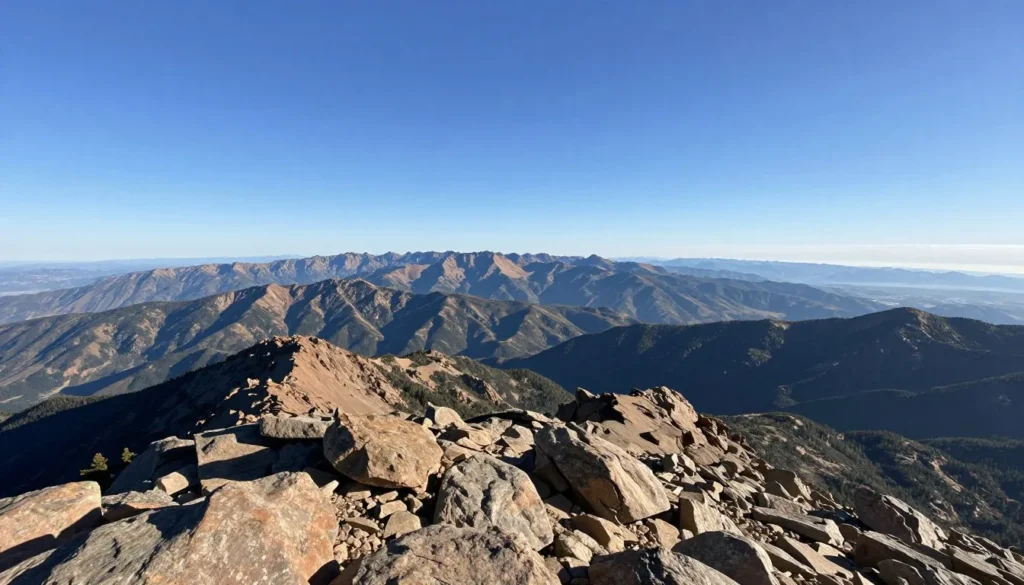
The Pikes Peak Highway itself serves as the primary attraction. However, numerous stops and viewpoints enhance the experience. Each elevation zone offers different landscapes and photo opportunities.
The Drive Experience
The 19-mile journey climbs 2,134 meters (7,000 feet) from entrance to summit. You pass through multiple life zones. The route starts in pine and aspen forests. Mid-mountain sections show subalpine evergreens and meadows.
Above 3,505 meters (11,500 feet), trees disappear completely. Alpine tundra dominates the landscape. This fragile ecosystem exists only at the highest elevations. Stunted plants grow just inches tall despite being decades old.
The entire highway now features smooth pavement. Major renovations completed in recent years improved both surface and safety features. Guardrails protect steep dropoffs. Pullouts provide safe stopping points every few miles.
Key Viewpoints and Photo Stops
Crystal Reservoir Viewpoint sits at mile 7 near 3,048 meters (10,000 feet). This scenic lake provides the highway’s only water view. The reservoir supplies water to Colorado Springs. Picnic tables allow relaxed stops.
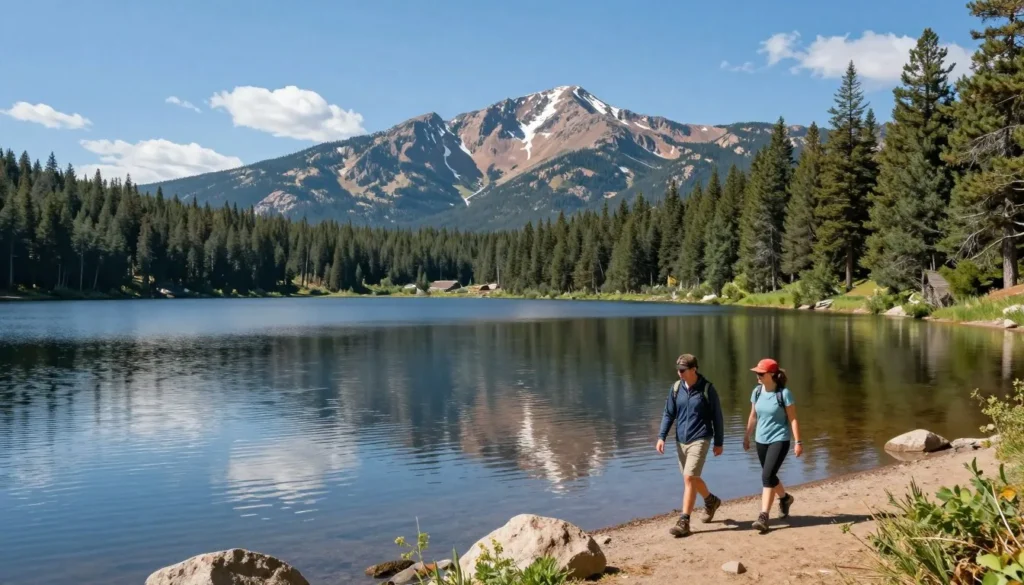
The lake often mirrors surrounding peaks perfectly on calm mornings. Photographers love early light here. However, the site gets crowded during peak hours. Stop here on your way down if traffic feels heavy going up.
Glen Cove at mile 13 offers the last significant facilities before the summit. Restrooms, snacks, and a gift shop provide break opportunities. The elevation reaches 3,505 meters (11,500 feet). Many visitors feel altitude effects here.
Large parking areas accommodate many vehicles. The panoramic views extend across the valley toward Colorado Springs. You can spot Garden of the Gods red rocks from here on clear days.
Bottomless Pit doesn’t actually exist as tourists expect. This legendary roadside attraction was just a shallow hole. Modern road construction eliminated even that. However, the name persists in Pikes Peak lore.
Summit Activities and Features
The Pikes Peak Summit rises to 4,302 meters (14,115 feet). You stand on top of America Mountain. The views extend over 160 kilometers (100 miles) in every direction on clear days. Denver skyline appears as tiny buildings to the north.

The new Summit House opened in summer 2021. This modern facility replaced the aging former building. Floor-to-ceiling windows maximize views. Inside spaces include a large visitor center, restaurant, and gift shop.
Educational exhibits explain the mountain’s geology, ecology, and history. Interactive displays engage children. The building design earned environmental awards for energy efficiency at extreme elevation.
Outside, paved walkways circle the summit area. These allow easy walking despite thin air. Interpretive signs identify distant landmarks. The summit marker provides the classic photo opportunity.
Summit Tip: Limit your time on top to 30-45 minutes, especially if feeling altitude effects. The thin air at 14,115 feet contains 40% less oxygen than sea level. Headaches, dizziness, and shortness of breath are common. Descend if symptoms worsen.
Wildlife Viewing Opportunities
Pikes Peak Highway passes through prime wildlife habitat. Common sightings include mule deer, elk, bighorn sheep, and marmots. Early morning and late afternoon offer the best wildlife viewing windows.
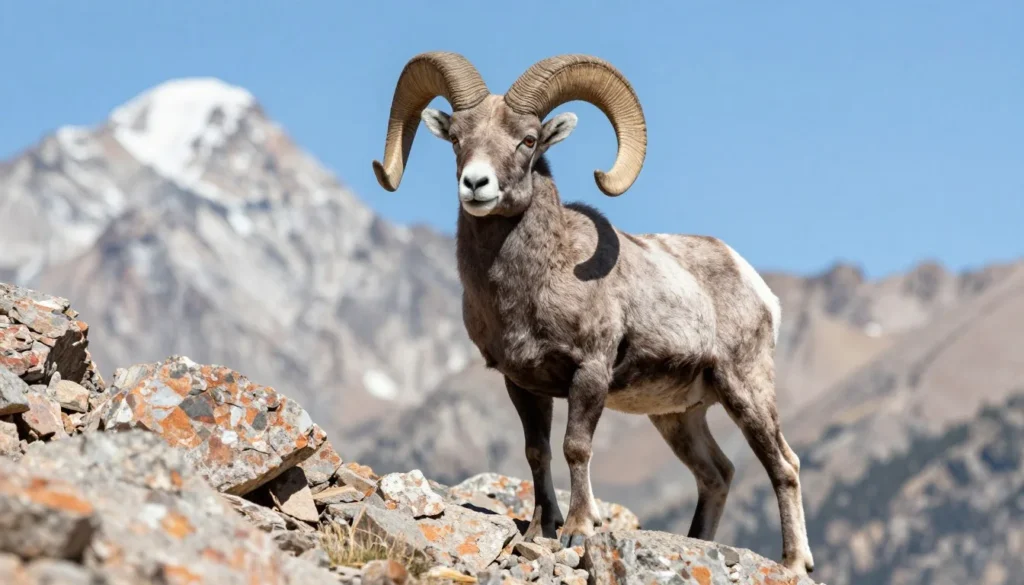
Bighorn sheep often appear near the summit and upper road sections. These magnificent animals show little fear of vehicles. They sometimes lick salt from the pavement. Maintain safe distances and never feed wildlife.
Marmots live in rocky areas throughout the mountain. These large ground squirrels whistle warnings to each other. You often hear them before seeing them. They’re most active during midday hours.
Birds include ravens, Clark’s nutcrackers, and gray jays. These intelligent birds learned to beg from tourists. Do not feed them despite their persistence. Human food harms their health and makes them dependent.
Photography Tips
Pikes Peak offers endless photography opportunities. Wide-angle lenses capture expansive vistas. Telephoto lenses compress distant mountain ranges. Morning and evening light creates dramatic conditions.
Summer afternoon storms generate impressive clouds. However, lightning presents real danger above tree line. Pack camera gear in waterproof bags. Weather changes in minutes at high elevation.
- Best light: Sunrise and sunset (golden hour)
- Clearest air: Early morning before afternoon clouds
- Bring polarizing filter to reduce haze
- Protect equipment from altitude cold and wind
- Battery life decreases in cold temperatures
Museums, Cultural Spots & Festivals
The Pikes Peak region offers cultural attractions beyond the mountain itself. Colorado Springs museums preserve local history and celebrate the arts. Manitou Springs adds quirky artistic character.
Colorado Springs Pioneers Museum
This museum occupies the historic El Paso County Courthouse in downtown Colorado Springs. Free admission makes it accessible to all visitors. Exhibits cover regional history from prehistoric times through modern era.
The Pikes Peak exhibit section explains the mountain’s role in regional development. Historic photographs show early summit houses and road construction. Interactive displays engage children and adults alike.
- Location: 215 South Tejon Street, Colorado Springs
- Hours: Tuesday through Saturday, 10:00 AM to 5:00 PM
- Admission: Free (donations appreciated)
- Contact: +1 (719) 385-5990
U.S. Olympic & Paralympic Museum
This world-class museum opened in 2020 in downtown Colorado Springs. Colorado Springs serves as the official U.S. Olympic training center. The museum showcases American Olympic and Paralympic achievement.
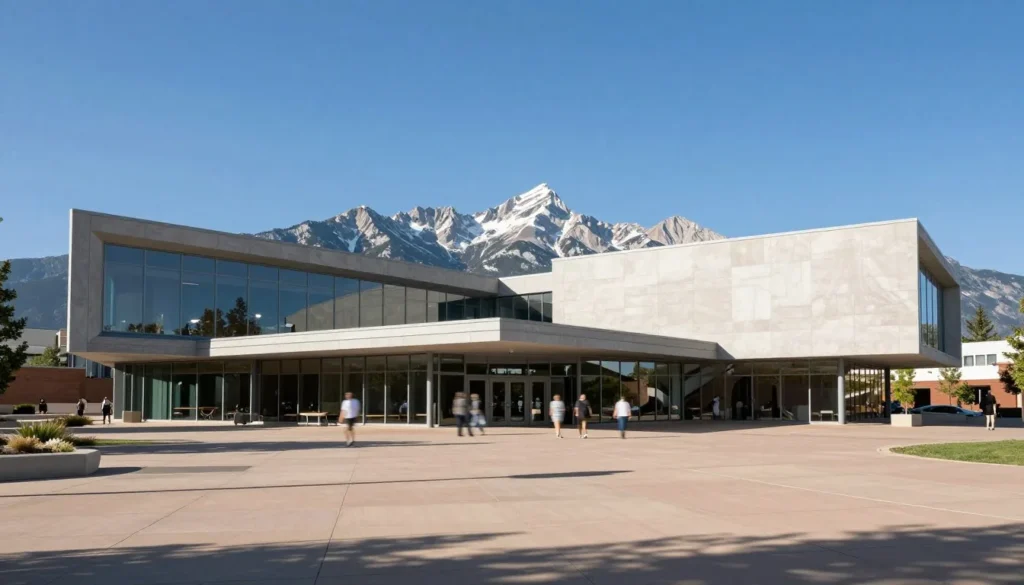
Interactive exhibits let visitors test Olympic sports skills. Artifacts include medals, equipment, and athlete stories. The building itself earned architectural awards for innovative design. Plan at least two hours for a complete visit.
- Location: 200 South Sierra Madre Street
- Hours: Vary by season, check ahead
- Admission: Adults $24.95, Children $14.95
- Reservations recommended for busy periods
Manitou Springs Arts and Culture
Manitou Springs maintains a vibrant artistic community. Galleries line Manitou Avenue showcasing local and regional artists. First Friday art walks happen monthly from May through September.
The town’s quirky character appears in public art installations. Painted utility boxes display local artwork. Musical instrument sculptures create interactive experiences. The overall atmosphere encourages creative exploration.
The Manitou Art Center provides a central hub for visual arts. This gallery and workshop space hosts rotating exhibits. Classes and workshops welcome visitors. The center promotes Colorado artists and craftspeople.

Cultural Events and Festivals
Beyond the major athletic events mentioned earlier, the region hosts numerous cultural festivals. These celebrate everything from arts to food to heritage.
Manitou Springs Wine Festival happens each June. Local restaurants and shops host wine tastings. The event showcases Colorado wineries alongside national brands. Tickets are required and often sell out early.
Territory Days celebrates Manitou Springs history every Memorial Day weekend. The festival includes historical reenactments, artisan vendors, and live music. The event transforms downtown into a 1860s mountain town.
Emma Crawford Coffin Races provide October entertainment. This quirky event races coffins down Manitou Avenue. Teams dress in costumes and decorate coffins. The event honors local legend Emma Crawford.
Native American Heritage
Pikes Peak holds sacred significance for several Native American tribes. The Ute people called the mountain Tava or Sun Mountain. They visited for spiritual ceremonies and resource gathering.
The Colorado Springs Pioneers Museum includes Native American exhibits. Artifacts show how indigenous peoples used local resources. Displays explain the Ute relationship with Pikes Peak and surrounding areas.
Nature & Outdoor Experiences
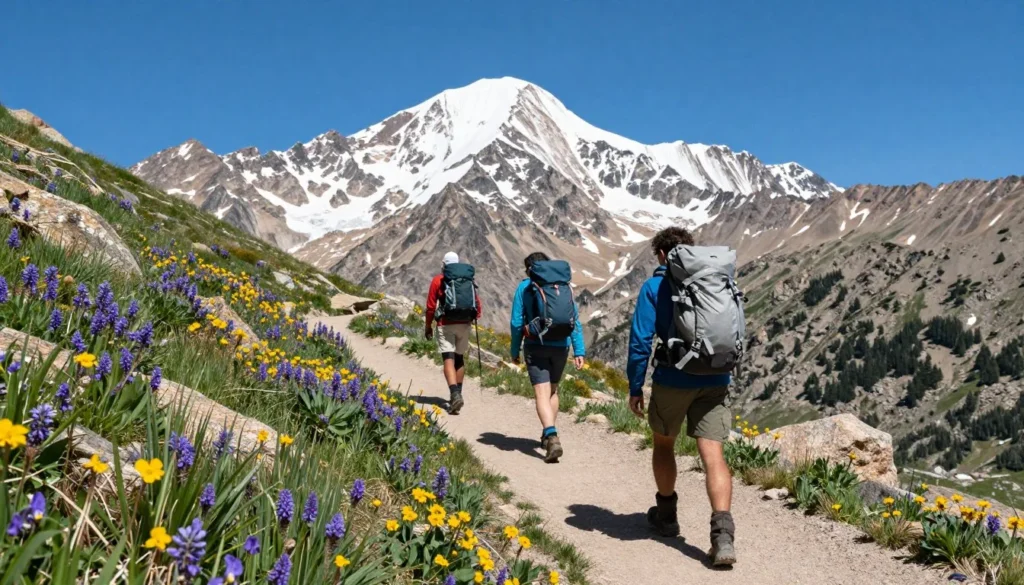
Pikes Peak and surrounding areas offer exceptional outdoor recreation. Activities range from casual nature walks to extreme mountaineering. The diverse terrain accommodates all skill levels.
Hiking Trails
Barr Trail provides the classic hiking route to Pikes Peak summit. The trail starts in Manitou Springs at 2,006 meters (6,580 feet). It climbs 2,377 meters (7,800 feet) over 21 kilometers (13 miles) to the top.
Most hikers take two days for the round trip. Barr Camp sits at mile 6.5, offering rustic overnight accommodations. Day hikers often turn around at Barr Camp rather than pushing to the summit. The upper trail sections require excellent fitness and altitude acclimatization.
- Trailhead: Hydro Street, Manitou Springs
- Distance: 21 km (13 miles) one way
- Elevation gain: 2,377 meters (7,800 feet)
- Time: 6-10 hours up, 3-5 hours down
- Difficulty: Strenuous to extreme
Hiking Safety: Barr Trail challenges even experienced hikers. Start before dawn to avoid afternoon lightning. Bring far more water than seems necessary. Turn back if altitude symptoms develop. Many hikers underestimate this trail’s difficulty.
Crags Trail offers a shorter but still challenging hike. This 9-kilometer (5.6-mile) round trip leads to dramatic rock formations. The trail gains 457 meters (1,500 feet) through forest and meadows.
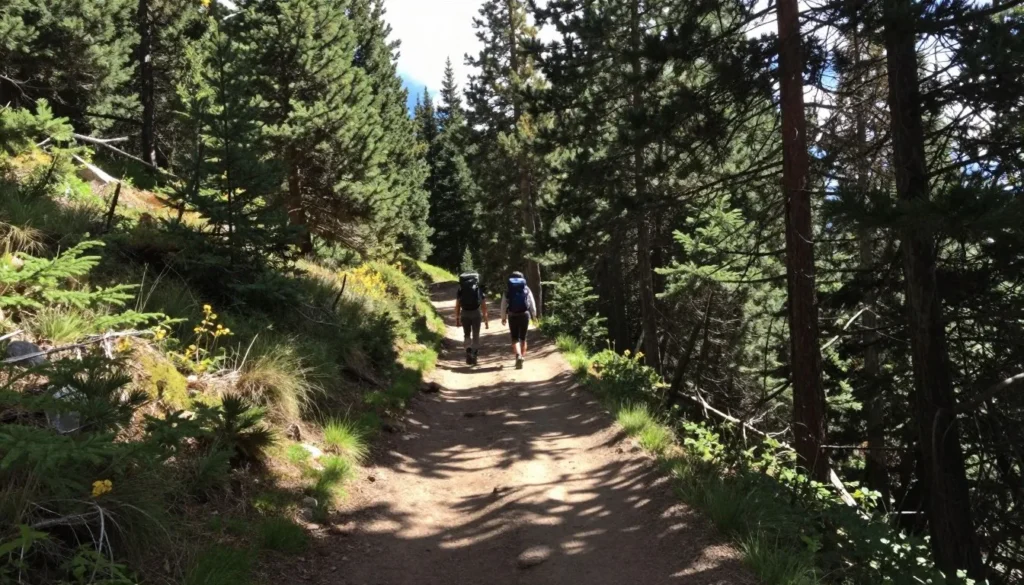
The Crags themselves rise as granite towers above tree line. Views extend across the surrounding wilderness. The trailhead sits off the Pikes Peak Highway toll road. However, hiking here requires separate parking area access.
Manitou Incline presents an extreme workout opportunity. This former cable car route climbs 609 meters (2,000 feet) in just 1.6 kilometers (one mile). The average grade exceeds 40 percent. Some sections approach 68 percent.
Over 2,700 steps compose the incline. Strong athletes complete it in 30-45 minutes. Most people take 1-2 hours. The Incline requires free reservations obtained online. Demand exceeds supply during peak season.
Mountain Biking
Mountain biking on Pikes Peak Highway itself attracts serious cyclists. The 19-mile climb with 4,700 feet of gain challenges even professional riders. Most cyclists take 2-4 hours to reach the summit.
The fully paved surface rolls smoothly under tires. However, thin air makes breathing difficult. Traffic shares the road, requiring constant awareness. Early morning rides avoid heaviest vehicle traffic.
Numerous other mountain bike trails exist in surrounding areas. The Captain Jack’s Trail system near the Pikes Peak Highway offers intermediate trails through forest. More technical riding exists at Palmer Park and Cheyenne Mountain State Park.
Fishing
Crystal Reservoir holds trout and allows shore fishing. This small lake sits directly on the Pikes Peak Highway at mile 7. The cold water stays clear year-round. Fish populations remain healthy despite fishing pressure.

Colorado fishing licenses are required for anyone 16 or older. Purchase them online or at sporting goods stores in Colorado Springs. Crystal Reservoir follows general state regulations. Artificial flies and lures work well here.
North Catamount Reservoir offers another nearby fishing option. This larger lake sits below the Pikes Peak Highway entrance. Brook, brown, and rainbow trout inhabit its waters. A small boat ramp accommodates kayaks and canoes.
Rock Climbing
While Pikes Peak itself doesn’t offer technical rock climbing along the highway, the region contains world-class climbing areas. Garden of the Gods just 20 minutes away provides stunning sandstone formations.
The Crags on the backside of Pikes Peak offer granite routes. These challenging climbs attract experienced mountaineers. Access requires hiking to the formations. The remote setting means self-sufficiency is critical.
Wildlife Watching
Pikes Peak supports diverse wildlife populations. Elk herds often graze in meadows along the highway. Bulls display impressive antlers during fall rutting season. However, keep safe distances at all times.
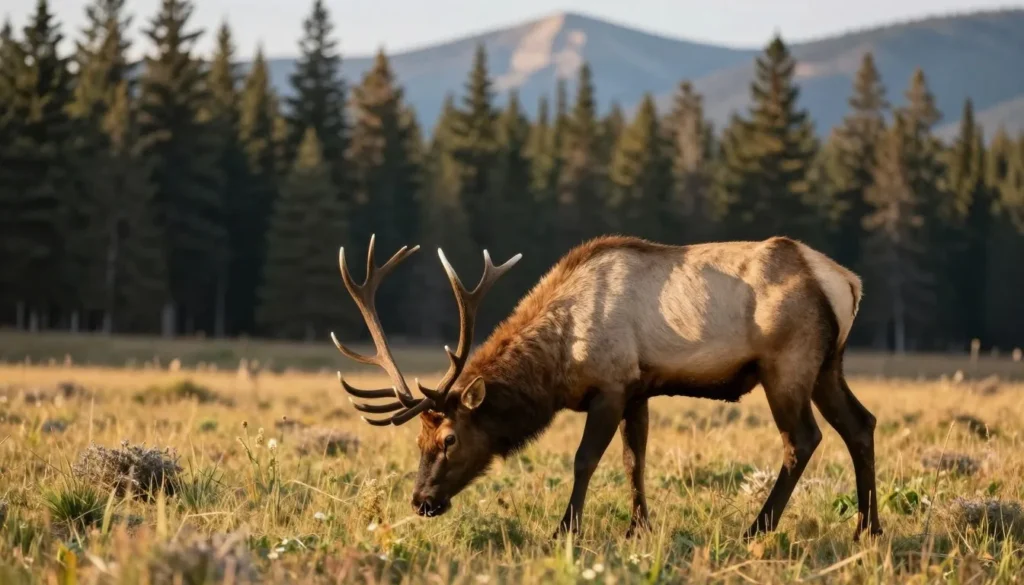
Bighorn sheep populations thrive on Pikes Peak. The mountain provides ideal habitat with rocky terrain and alpine vegetation. Rangers ask visitors to stay at least 30 meters away from sheep. These animals can become aggressive if threatened.
Smaller mammals include yellow-bellied marmots, pikas, and various ground squirrels. Pikas live only above tree line in boulder fields. Their distinctive call sounds like a squeaky toy. These tiny rabbit relatives gather vegetation for winter.
Bird watching opportunities abound at all elevations. White-tailed ptarmigan camouflage perfectly against rocks. These alpine grouse turn white in winter. Brown-capped rosy finches feed in summit areas. Ravens soar on updrafts along cliff faces.
Winter Activities
The Pikes Peak Highway closes to vehicles during winter. However, the mountain offers other cold-weather recreation. Snowshoeing and cross-country skiing are popular on lower trails when conditions allow.
The Barr Trail remains accessible from the Manitou Springs trailhead. Winter hiking requires proper equipment including traction devices. Avalanche danger exists in many areas. Check conditions before venturing out.
Several nearby ski areas operate from November through April. Breckenridge, Keystone, and Copper Mountain sit about two hours north. These major resorts offer downhill skiing and snowboarding on hundreds of trails.
Safety, Etiquette & Local Customs
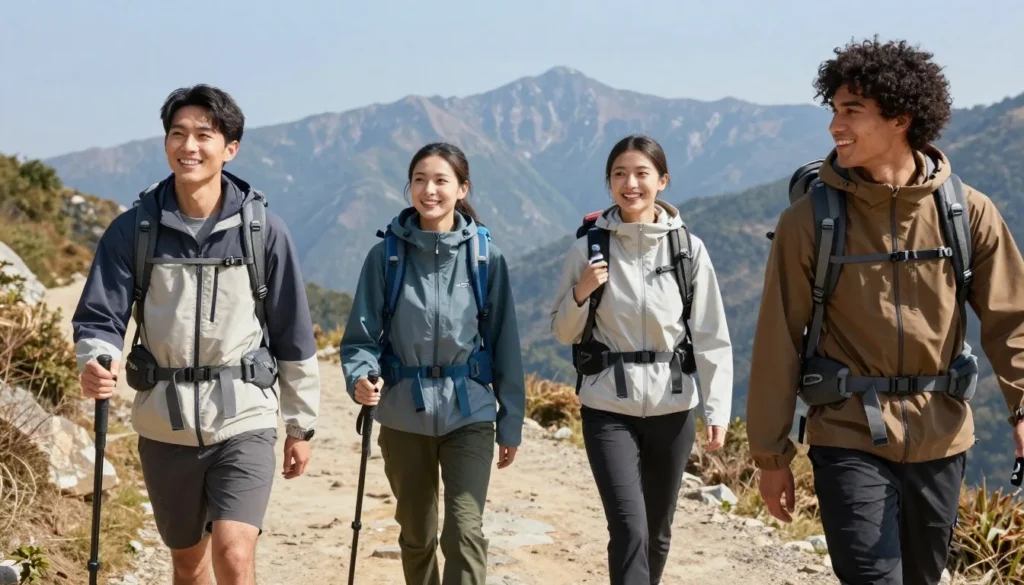
Visiting Pikes Peak requires awareness of unique mountain hazards. The extreme elevation creates challenges for unprepared visitors. Following safety guidelines ensures enjoyable experiences.
Altitude Sickness Prevention
Acute mountain sickness affects many visitors at 4,302 meters (14,115 feet). Symptoms include headache, nausea, dizziness, and fatigue. These typically develop within a few hours of reaching high elevation.
The summit contains only 60 percent of sea-level oxygen. Your body needs time to adjust. Most people feel some effects even if they don’t recognize symptoms as altitude-related.
Prevention Tips: Drink extra water before and during your visit. Avoid alcohol the night before. Take it slow at the summit. Limit time above 14,000 feet to 30-45 minutes. Descend immediately if symptoms worsen.
- Stay well hydrated starting the day before
- Avoid overexertion at high elevation
- Recognize early symptoms immediately
- Don’t push through worsening symptoms
- Children and elderly face higher risks
Weather Hazards
Summer afternoon thunderstorms develop regularly. Lightning strikes kill people on Colorado mountains every year. The summit and upper slopes offer zero protection from electrical storms.
Thunderstorms typically form between noon and 4:00 PM. Start your drive early to reach the summit by late morning. Descend before afternoon storm development. Never wait out a lightning storm above tree line.
Lightning Safety: If caught in a storm above tree line, immediately descend to lower elevation. If descent isn’t possible, crouch low on insulating material away from tall objects. Never shelter under isolated trees or in small caves. Get inside your vehicle if possible.
Hypothermia risks exist even in summer. Summit temperatures may stay below 10°C (50°F) even in July. Wind chill lowers effective temperature significantly. Bring warm layers regardless of base weather forecasts.
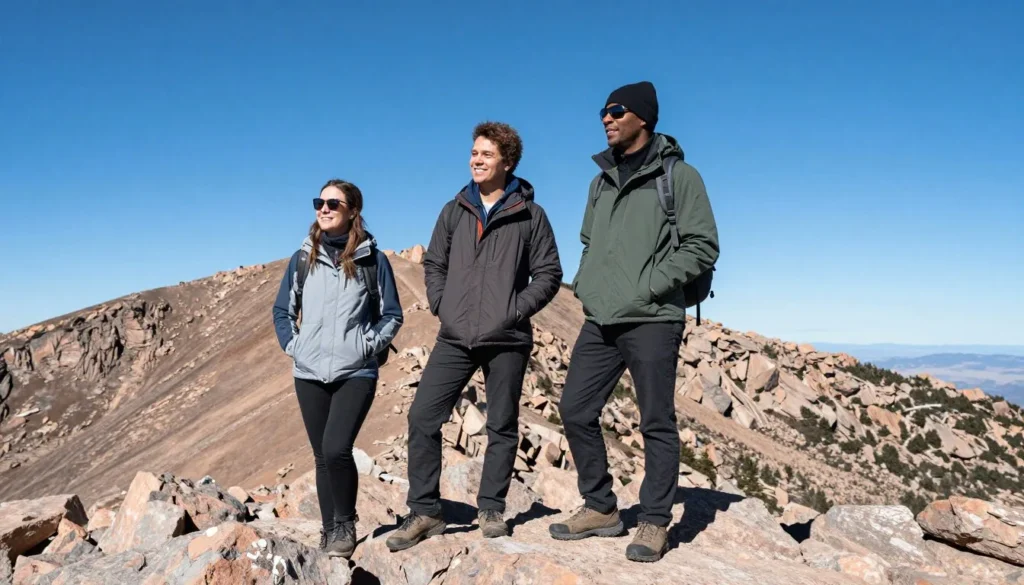
Road Safety
The Pikes Peak Highway requires focused driving. Sharp curves demand attention and slower speeds. Guardrails don’t exist everywhere along steep dropoffs. Stay in your lane at all times.
Downhill vehicles yield to uphill traffic at narrow points. Uphill drivers have limited visibility and momentum. Pull into designated areas when stopping. Never stop in the travel lane for any reason.
Brake management prevents dangerous situations. Shift to lower gear before starting descent. Use engine braking rather than constant brake application. Stop at Crystal Reservoir or Glen Cove if brakes feel soft or smell hot.
Wildlife Etiquette
Never feed wildlife despite temptation. Human food harms animals’ digestive systems and creates dangerous dependency. Animals that become food-conditioned often require removal or destruction.
Maintain safe distances from all wildlife. Elk and bighorn sheep can charge if feeling threatened. Stay at least 30 meters away from large animals. Use telephoto lenses for photography rather than approaching closely.
- Never touch or attempt to pet wild animals
- Keep food secured in vehicles, not accessible
- Don’t make sudden movements near wildlife
- Never position yourself between mothers and young
- Report aggressive animals to rangers
Leave No Trace Principles
Pikes Peak receives over half a million visitors annually. This heavy use impacts fragile alpine ecosystems. Following Leave No Trace principles protects the environment for future generations.

Stay on established trails and paved areas. Alpine tundra plants grow extremely slowly. A single footstep can destroy decades of growth. Damaged areas take many years to recover at high elevation.
Pack out all trash including organic waste like banana peels. Use established restrooms at Summit House and Glen Cove. Never leave any items behind, even biodegradable materials.
Do These Things
- Stay on paved surfaces and marked trails
- Use designated parking and viewing areas
- Carry out everything you carry in
- Respect other visitors’ experiences
- Follow all posted regulations
Avoid These Behaviors
- Walking on fragile tundra vegetation
- Creating new trails or shortcuts
- Moving or stacking rocks
- Excessive noise disturbing others
- Littering of any kind
Emergency Preparedness
Cell phone service exists on much of Pikes Peak Highway. However, coverage isn’t guaranteed everywhere. Inform someone of your plans before driving up. Share expected return times.
Emergency vehicles can reach most locations within 30-45 minutes. Rangers patrol the highway during operating hours. However, self-sufficiency remains important. Carry basic emergency supplies in your vehicle.
- Emergency contact: 911 from any phone
- Pike National Forest Dispatch: +1 (719) 477-4240
- Non-emergency ranger contact: +1 (719) 385-2323
- Pikes Peak Highway information: +1 (719) 385-7325
For non-emergency questions or concerns during your visit:
Local Customs and Considerations
Colorado mountain communities value environmental stewardship. Visitors who respect nature and follow regulations receive warm welcomes. Those who damage resources or ignore rules face criticism.
The “Colorado casual” dress code prevails throughout the region. Outdoor recreation clothing appears acceptable almost everywhere. Even nice restaurants rarely require formal attire. Comfort and practicality matter more than fashion.
Tipping follows standard American customs. Restaurant servers typically receive 15-20 percent. Tour guides appreciate tips of $10-20 per person for good service. Hotel housekeeping usually receives $2-5 per night.
Visitor Comments About Pikes Peak Highway Colorado
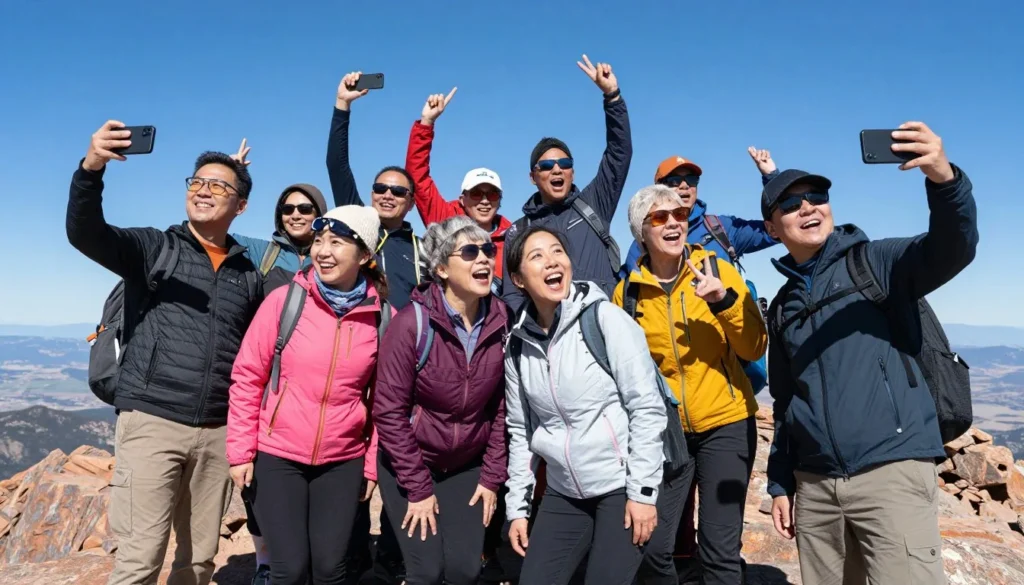
Thousands of visitors drive Pikes Peak Highway each year. Their experiences highlight what makes this destination special. These authentic comments reflect common visitor reactions.
“The drive up Pikes Peak exceeded every expectation. Each turn revealed more spectacular views than the last. We stopped at Crystal Reservoir for photos and the reflection was mirror-perfect. The summit literally took my breath away, though that might have been the altitude! The new Summit House provides a comfortable place to warm up and grab food. We spent about 90 minutes on top before descending. The entire experience felt surreal and unforgettable.”
“As a photographer, I’ve visited many mountain locations worldwide. Pikes Peak Highway offers some of the most accessible high-altitude scenery I’ve encountered. The paved road allows focusing on photography rather than vehicle survival. I made the drive three times during our week in Colorado Springs, capturing sunrise, midday, and afternoon light. Each visit provided completely different atmospheric conditions. The wildlife viewing exceeded expectations with bighorn sheep, marmots, and elk all appearing. Any serious landscape photographer should plan multiple visits here.”
“Our family visit to Pikes Peak created memories that will last forever. Our kids aged 8 and 11 handled the altitude surprisingly well. We took our time driving up, stopping frequently for short walks and photos. The rangers at the summit were incredibly helpful and educational. They explained the alpine ecosystem in terms our children understood. The summit donuts lived up to their reputation as a quirky tradition. Start early to avoid afternoon crowds and weather. We began our ascent at 7:30 AM and had the best experience.”
Additional Nearby Destinations

The Pikes Peak region offers numerous attractions beyond the highway itself. Colorado Springs and surrounding areas contain natural wonders, historic sites, and family entertainment. Plan extra days to explore these destinations.
Garden of the Gods
This stunning park sits just 20 minutes from downtown Colorado Springs. Dramatic red sandstone formations rise 91 meters (300 feet) from the valley floor. Pikes Peak provides a majestic backdrop to the red rocks.
The park offers paved walking paths and challenging rock climbing routes. A visitor center provides free educational programs and exhibits. Admission to Garden of the Gods costs nothing. Over two million visitors explore this park annually.
- Distance from Pikes Peak Highway: 24 km (15 miles)
- Driving time: 25-30 minutes
- Best for: Photography, hiking, rock climbing
- Time needed: 2-4 hours minimum
Royal Gorge Bridge and Park
The Royal Gorge suspension bridge spans 384 meters (1,260 feet) across a dramatic canyon. The bridge deck sits 291 meters (955 feet) above the Arkansas River. This ranks among America’s highest suspension bridges.
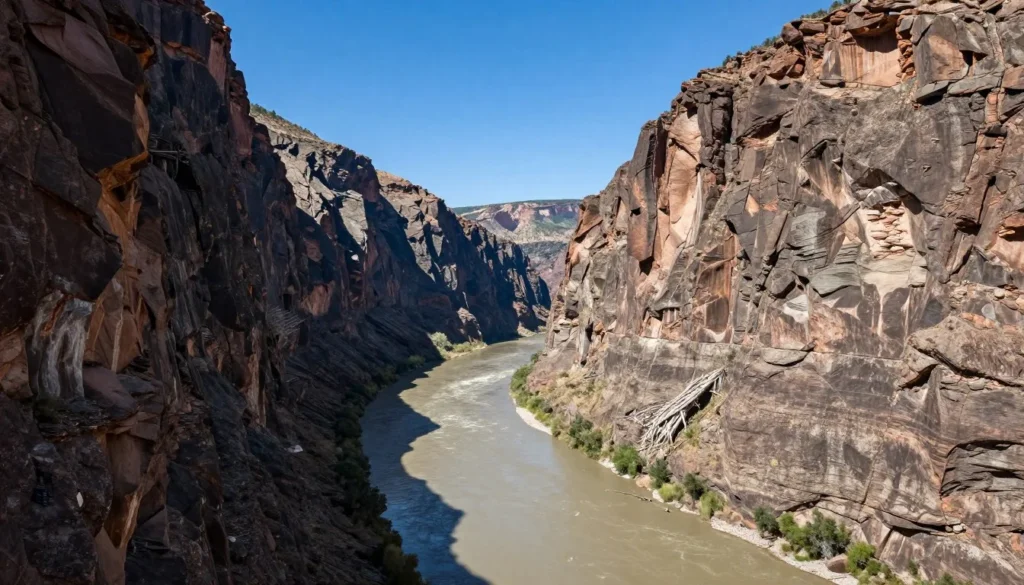
The adventure park includes zip lines, a gondola ride, and various attractions. Views extend across the canyon to distant mountains. The site operates year-round with seasonal hour variations.
- Distance from Colorado Springs: 72 km (45 miles)
- Driving time: 50-60 minutes
- Admission: Adults $32, Children $27
- Time needed: 3-5 hours
Manitou Cliff Dwellings
These preserved Ancestral Puebloan structures date to approximately 1200 AD. The buildings originally stood in southwestern Colorado. They were relocated to Manitou Springs in the early 1900s for preservation and education.
Visitors can climb through the actual structures. Museum exhibits explain Puebloan culture and daily life. A gift shop sells Native American crafts and artifacts. The site provides accessible historical education.
- Distance from Pikes Peak Highway: 11 km (7 miles)
- Driving time: 15 minutes
- Admission: Adults $14.50, Children $11.50
- Time needed: 1-2 hours
Cave of the Winds Mountain Park
These limestone caves sit within Williams Canyon near Manitou Springs. Guided tours explore underground chambers filled with formations. Stalactites, stalagmites, and flowstone create otherworldly scenery.
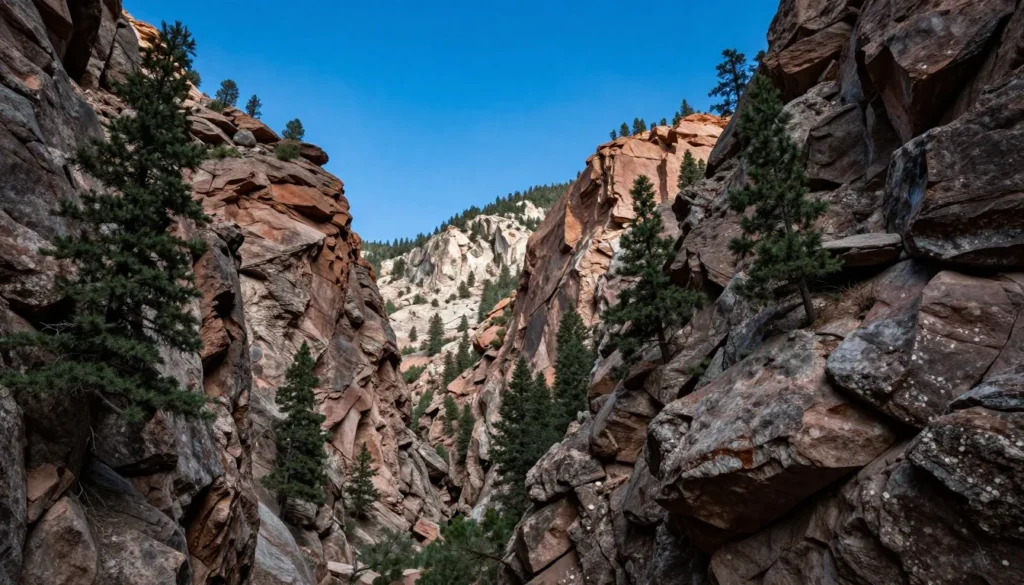
Different tour options accommodate various fitness levels and interests. The adventure park above ground includes zip lines and climbing attractions. The site has operated as a tourist destination since 1881.
Cheyenne Mountain Zoo
This mountainside zoo sits at 2,012 meters (6,800 feet) elevation. It ranks as America’s highest zoo. The facility houses over 750 animals representing 170 species.
The giraffe feeding encounter provides the zoo’s most popular attraction. Visitors hand-feed lettuce to these gentle giants. Mountain views create a unique backdrop for animal viewing. The zoo maintains strong conservation programs.
- Distance from downtown: 11 km (7 miles)
- Admission: Adults $27.25, Children $21.25
- Best for: Families with children
- Time needed: 3-4 hours minimum
Great Sand Dunes National Park
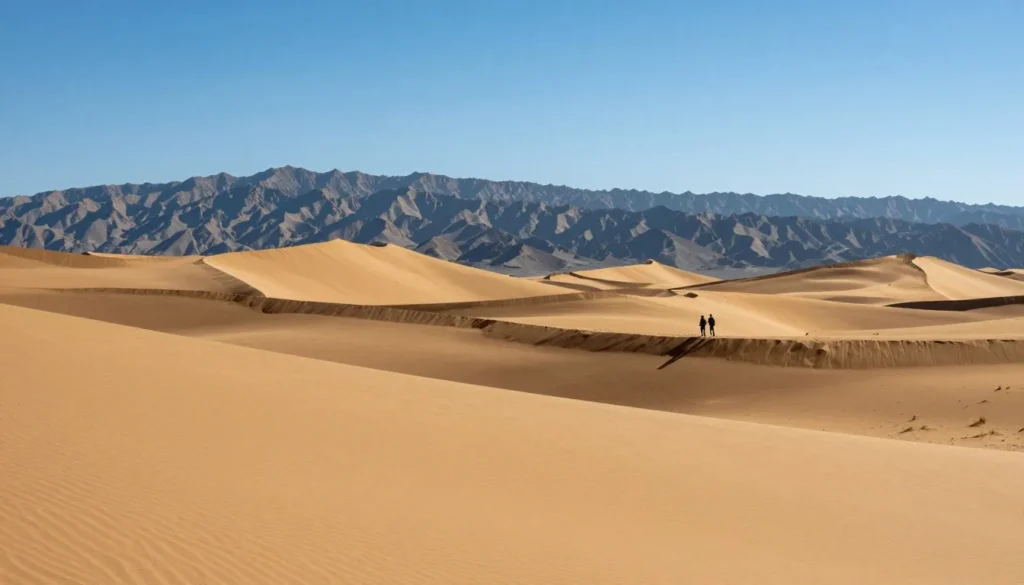
North America’s tallest sand dunes rise 229 meters (750 feet) in southern Colorado. The park sits about 2.5 hours from Colorado Springs. The surreal landscape looks transplanted from the Sahara Desert.
Visitors can hike and sled on the massive dunes. Medano Creek flows at the dune base during spring and early summer. The park combines sand, mountains, forests, and wetlands in one location.
Practical Travel Tips
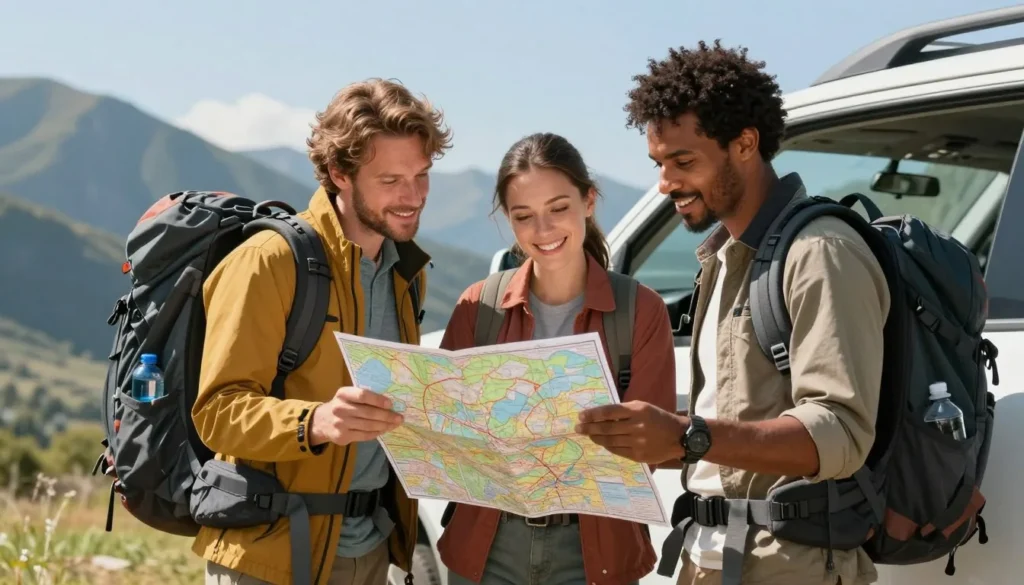
Successful Pikes Peak visits require planning and preparation. These practical tips help ensure smooth experiences. Learn from others’ mistakes to avoid common problems.
Reservation and Entry Planning
Peak season reservations (May through September) are mandatory. Book entry times at least several days in advance. Weekend and holiday slots fill weeks ahead during summer months.
Morning entry times offer advantages. You avoid afternoon thunderstorms and crowds. Air clarity peaks before midday. Wildlife activity is highest during early hours. The 7:00-9:00 AM window provides optimal conditions.
Entry fees as of 2024 run approximately $15 per adult and $5 per child. These fees may change annually. Confirm current pricing when making reservations. Payment by credit card is accepted at the gate.
What to Bring
Pack more than seems necessary for a simple drive. Mountain conditions change rapidly. Better to have items and not need them than face problems unprepared.
Essential Items
- Plenty of water (1 liter per person minimum)
- Warm jacket and hat (even in summer)
- Sunscreen (SPF 30 or higher)
- Sunglasses with UV protection
- Snacks and energy foods
- Camera and extra batteries
- Cash for purchases at summit
Recommended Extras
- Rain jacket or poncho
- Gloves (summit can be cold)
- Binoculars for wildlife viewing
- First aid kit basics
- Phone charger and power bank
- Light snacks and protein bars
- Altitude sickness medication
Timing Your Visit
Plan three to four hours for the complete Pikes Peak Highway experience. This includes drive time both directions plus summit time. Factor in photo stops and Glen Cove breaks.
The drive itself takes 90-120 minutes round trip. Allow 30-45 minutes at the summit. Add time for stops at viewpoints and Crystal Reservoir. Starting early gives you flexibility if anything takes longer than expected.
Altitude Adjustment Strategies
Spend a night in Colorado Springs before attempting Pikes Peak. This partial acclimatization helps significantly. The city sits at 1,839 meters (6,035 feet), which helps your body adjust.

Hydrate extensively for 24 hours before your visit. Dehydration worsens altitude effects dramatically. Drink water even if not feeling thirsty. Avoid alcohol the night before as it promotes dehydration.
Some visitors take altitude sickness medication preventatively. Acetazolamide (Diamox) helps some people. Consult your doctor before the trip if you’re concerned. Over-the-counter pain relievers help headaches if they develop.
Photography Planning
Morning light provides the best photography conditions. Side-lighting creates dimension on the landscape. Afternoon storms generate dramatic clouds but also pose lightning dangers.
Bring polarizing filters to reduce haze and enhance sky color. Wide-angle lenses capture expansive vistas. Telephoto lenses compress distant mountain ranges effectively. Protect equipment from cold temperatures that drain batteries quickly.
- Shoot in RAW format for maximum editing flexibility
- Bracket exposures for challenging lighting conditions
- Bring extra memory cards and batteries
- Use tripod for sharpest images despite wind
- Include foreground elements for scale and interest
Vehicle Preparation
Ensure your vehicle has adequate fuel before starting. Gas stations don’t exist on the mountain. A quarter tank should suffice for the round trip. However, fill up if starting with less.
Check tire pressure as recommended by vehicle manufacturer. Properly inflated tires handle better and respond more predictably. Inspect brakes before your visit. The descent tests braking systems significantly.
Cost Considerations
Beyond highway entry fees, budget for food and souvenirs at the summit. Summit House prices run higher than valley restaurants. A basic meal costs $12-18 per person. Donuts and coffee run about $5-8.
| Expense Category | Estimated Cost | Notes |
| Highway Entry Fee | $15 adult / $5 child | Per person, may vary |
| Summit Food | $12-18 per person | Meals at Summit House |
| Fuel | $8-12 round trip | Depends on vehicle type |
| Souvenirs | $10-50+ | Optional gift shop items |
Accessibility Considerations
The Pikes Peak Highway accommodates most visitors regardless of physical ability. Driving provides access without hiking requirements. The Summit House features wheelchair-accessible facilities and viewing areas.
Outside summit walkways offer paved surfaces suitable for wheelchairs and walkers. However, the thin air challenges everyone. People with respiratory or cardiac conditions should consult physicians before visiting.
Visiting with Children
Children usually enjoy the Pikes Peak experience. However, young kids face higher altitude sickness risks. Watch for complaints of headache or nausea. Limit summit time for young children to 20-30 minutes.
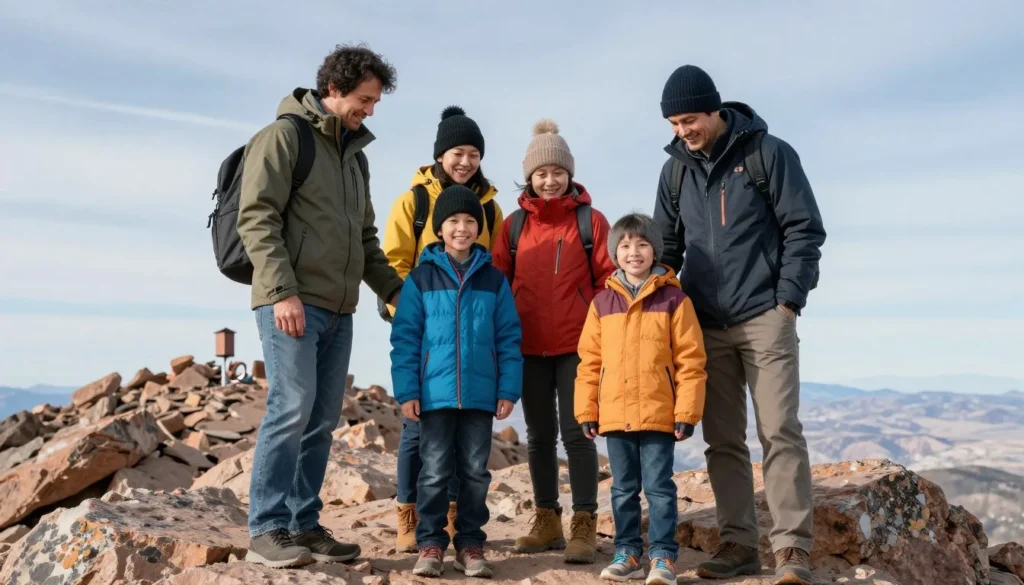
Bring activities for the drive if kids get bored. Highway turns provide excitement for many children. The wildlife viewing possibilities keep kids engaged. Marmots and bighorn sheep fascinate young visitors.
Pack extra snacks and drinks for children. Small, frequent snacks help prevent nausea. Avoid heavy meals right before the drive. Let kids move around safely at stops to burn energy.
Communication and Connectivity
Cell service works on most of Pikes Peak Highway. Coverage exists at the summit and main viewpoints. However, dead zones occur in some sections. Don’t rely entirely on phone-based navigation or communication.
Download offline maps before your visit. Take photos of important information like reservation details. Carry physical maps as backup. The visitor center provides free basic maps.
Environmental Responsibility
Your visit impacts the mountain environment. Choose reusable water bottles over disposable ones. Pack out all trash including small items like fruit peels. Use restrooms at designated facilities rather than natural areas.
Stay on paved surfaces and established trails. Alpine vegetation grows incredibly slowly. Single footsteps can damage plants that took decades to establish. Future visitors deserve the same pristine experience you enjoyed.
Best Practices Summary: Start early, bring layers, stay hydrated, respect wildlife, and follow all posted regulations. Limit summit time if feeling altitude effects. Descend before afternoon storms develop. Take only photos and leave only tire tracks on pavement.
Location Map
Pikes Peak Highway location in Colorado Springs area, providing access to America’s Mountain summit
Your Mountain Adventure Awaits

Pikes Peak Highway delivers experiences that stay with you forever. The journey from forest to tundra showcases nature’s diversity spectacularly. Each turn reveals new vistas that inspire wonder and appreciation.
Whether you seek adventure, photography opportunities, or simple natural beauty, this mountain provides it all. The highway makes 14,115 feet accessible to nearly everyone. Few places offer such dramatic elevation gain so conveniently.
Plan your visit thoughtfully, respect the mountain environment, and embrace the experience fully. The thin air and expansive views remind us of our place in the natural world. America’s Mountain welcomes you to create your own unforgettable memories.
Start planning your Pikes Peak adventure today. This bucket-list destination exceeds expectations and creates stories you’ll share for years. The summit awaits your arrival.