Hotels by Trip.com
Flights by Trip.com
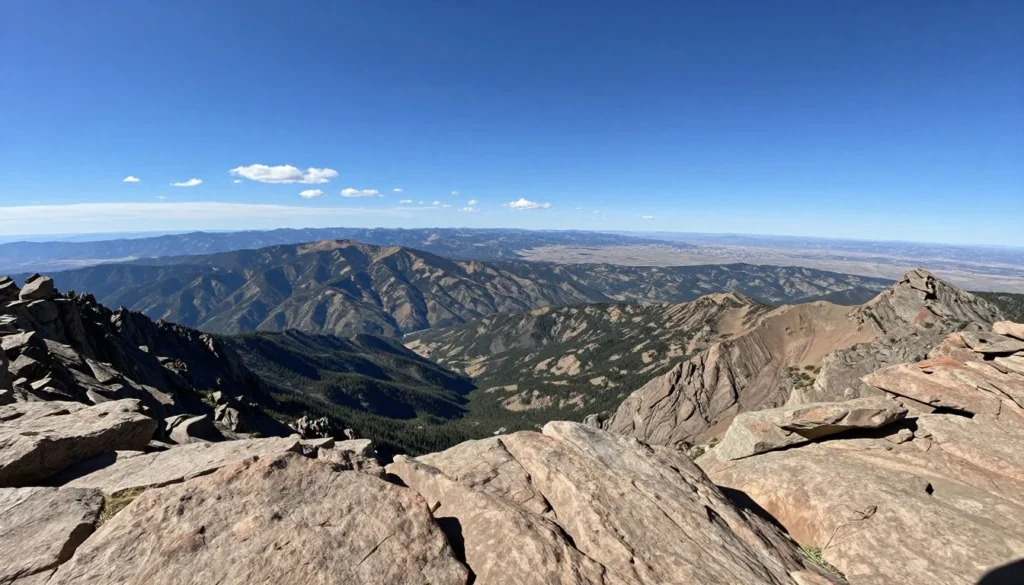
Did you know that Pikes Peak inspired the lyrics to “America the Beautiful”? In 1893, Katharine Lee Bates stood atop this 4,302 m (14,115′) summit and penned the famous words after witnessing the stunning panorama. Today, more than half a million visitors make the journey up Pikes Peak each year. This makes it one of America’s most visited mountain peaks.
The Pikes Peak Summit and Scenic Highway offers an unforgettable adventure. You’ll climb from Colorado Springs through multiple climate zones to reach the breathtaking alpine summit. Whether you drive the famous highway, hike challenging trails, or simply soak in the views, this destination promises memories that last a lifetime.
Getting There & Planning Your Journey
Colorado Springs serves as your gateway to Pikes Peak. The mountain sits just 16 km (10 miles) west of the city center. Most visitors fly into Colorado Springs Airport, located 21 km (13 miles) southeast of downtown. This regional airport offers convenient access with shorter lines and easy car rental pickup.
Denver International Airport provides another option. It’s a larger hub with more flight choices. The airport sits 113 km (70 miles) north of Colorado Springs. You can rent a car and enjoy a scenic drive south through the Front Range corridor.
The Pikes Peak Highway entrance is located in Cascade, Colorado. From Colorado Springs, take US Highway 24 west for about 16 km (10 miles). Watch for clear signs directing you to the toll gate entrance. The highway is open year-round, though winter weather may cause temporary closures.
Plan to spend at least four hours for your Pikes Peak visit. This includes the drive up, time at the summit, and the descent. Many visitors allocate a full day to fully experience the mountain and stop at scenic overlooks along the way.

Best Time to Visit & Weather Tips
Optimal Visiting Seasons
Summer offers the most reliable weather for your Pikes Peak journey. June through September brings comfortable temperatures and clear skies. These months see daytime summit temperatures around 4°C to 10°C (40°F to 50°F). The valley below stays much warmer at 24°C to 29°C (75°F to 85°F).
Early fall provides spectacular scenery. September and early October showcase golden aspen groves along the lower elevations of the peak highway. Crowds thin out after Labor Day weekend. You’ll enjoy more peaceful experiences at overlooks and the summit.
Seasons to Approach with Caution
Winter brings challenging conditions to Pikes Peak. November through March sees heavy snow, ice, and bitter cold. Summit temperatures plunge to -18°C to -7°C (0°F to 20°F). The peak highway remains open, but only with proper winter tires or chains. Sudden weather changes occur frequently.
Late spring can be unpredictable. April and May often bring afternoon snowstorms to the summit even when Colorado Springs enjoys sunshine. These months sit between seasons with variable conditions day to day.
Weather Preparation Essentials
Temperatures drop dramatically as you climb. Expect a 17°C to 22°C (30°F to 40°F) difference between Colorado Springs and the summit. Pack layers including a warm jacket, even in summer. Wind chill makes conditions feel much colder at the top.
Afternoon thunderstorms develop quickly in summer months. Morning visits offer the best chance for clear conditions. Start your drive before 10:00 AM to beat weather systems and crowds. Lightning poses real danger above treeline, so descend immediately if storms approach.

Notable Annual Festivals
Pikes Peak International Hill Climb
The Pikes Peak International Hill Climb stands as America’s second-oldest motorsports race. This legendary event happens every June. Drivers race their vehicles up the 19.99 km (12.42-mile) course with 156 turns. The “Race to the Clouds” attracts competitors from around the world.
Spectators line the course at designated viewing areas. The event spans a full week with practice runs, qualifying, and race day. Tickets sell out months in advance for this thrilling competition.
Pikes Peak Ascent and Marathon
August brings runners to challenge Pikes Peak on foot. The Pikes Peak Ascent covers 21 km (13.1 miles) from Manitou Springs to the summit. Participants gain 2,382 m (7,815′) of elevation. The following day, marathon runners tackle the round trip up and back down.
These races rank among America’s most difficult running events. Elite athletes and everyday runners share the course. Watching runners push their limits inspires visitors who witness this incredible feat of endurance.
Colorado Springs Labor Day Liftoff
Hot air balloons fill the sky each Labor Day weekend. Memorial Park in Colorado Springs hosts this colorful event. While not directly on Pikes Peak, the mountain serves as a stunning backdrop. Early morning launches offer incredible photo opportunities with the peak in the background.
The festival includes evening balloon glows when pilots light their burners after sunset. This free community event draws tens of thousands of spectators each year.
Getting Around Locally
Your personal vehicle gives you the most flexibility for exploring Pikes Peak. The peak highway is designed for all vehicle types. Cars, trucks, SUVs, and motorcycles regularly make the journey. RVs and vehicles over 9 m (30′) long face restrictions on certain days.
Driving requires constant attention on the winding highway. The road features steep grades and tight turns. Use lower gears going downhill to preserve your brakes. Pull into designated turnouts to let faster traffic pass and to enjoy the scenery safely.
No public transportation directly serves the Pikes Peak Highway. However, tour companies in Colorado Springs offer guided trips. These excursions include round-trip transportation from area hotels. Guides share information about the mountain’s history and ecology during the journey.
Consider fuel needs before starting your ascent. No gas stations exist along the peak highway. Fill your tank in Colorado Springs or Cascade. The climb uses more fuel than normal driving due to steep grades.

Where to Stay
Lodging Near the Peak
Cascade offers the closest accommodations to the Pikes Peak Highway entrance. This small community sits just minutes from the toll gate. Several rustic cabins and vacation rentals provide mountain atmosphere with modern conveniences. Visitors appreciate the quiet setting and immediate access to the highway.
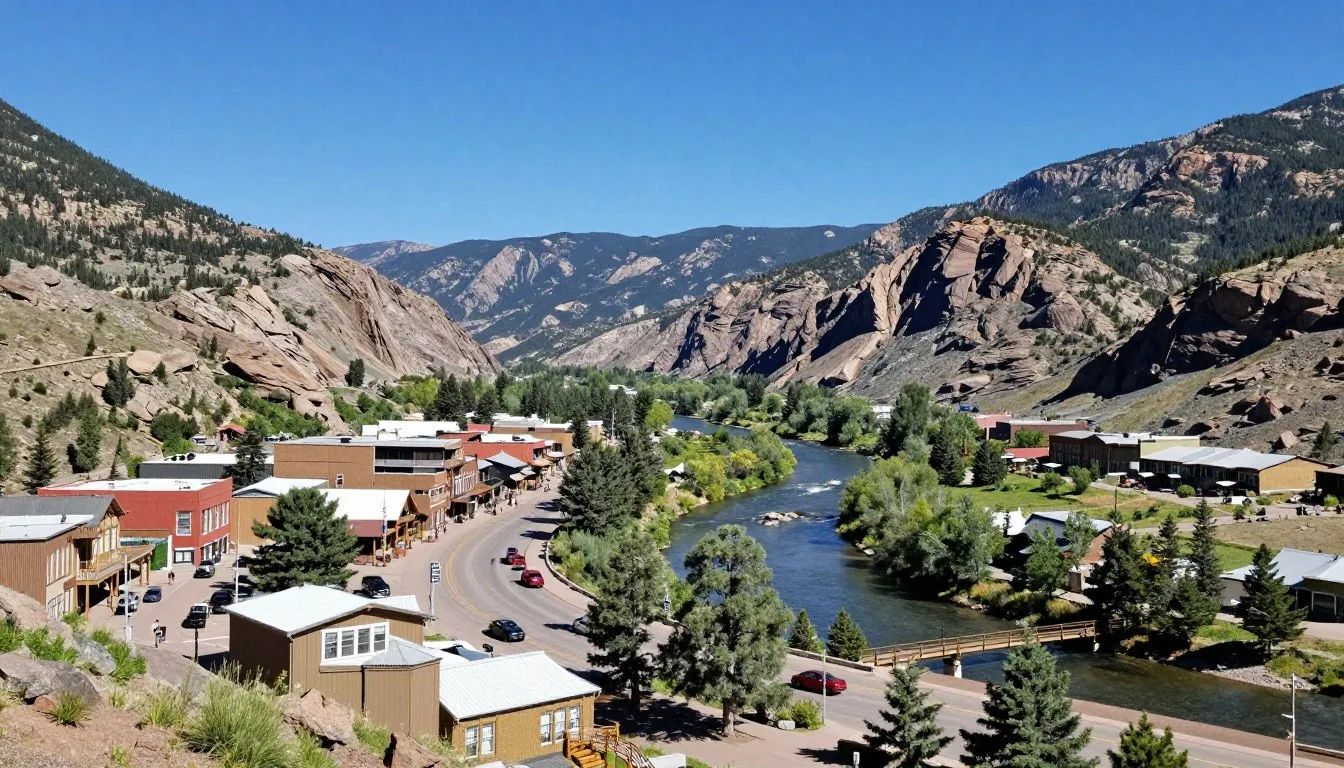
Manitou Springs presents a charming alternative. This historic town rests at the base of the mountains, 11 km (7 miles) from the highway entrance. Victorian-era hotels, bed and breakfasts, and modern motels line the streets. The town’s mineral springs and quirky shops add to its appeal.
Colorado Springs Accommodations
Colorado Springs provides the widest selection of lodging options. Downtown hotels put you within 24 km (15 miles) of Pikes Peak. You’ll find everything from budget motels to luxury resorts. Many properties offer views of the mountain from their rooms or grounds.
The Broadmoor Resort ranks as Colorado Springs’ most prestigious hotel. This five-star property features world-class dining, golf courses, and spa facilities. Guests enjoy stunning Pikes Peak views from many areas of the sprawling resort campus.
Camping Options
Pike National Forest surrounds Pikes Peak with numerous campgrounds. These sites range from primitive backcountry spots to developed campgrounds with amenities. Reservations are essential during summer months when demand peaks.
Garden of the Gods Campground offers a convenient base. Located just 16 km (10 miles) from the peak highway entrance, it provides full hookups for RVs and tent sites. The campground stays open year-round for hardy cold-weather campers.

Dining & Local Cuisine
Summit Dining Experience
The Pikes Peak Summit Visitor Center houses a café serving hot meals and snacks. Menu options include burgers, sandwiches, soups, and fresh donuts. These famous high-altitude donuts have become a tradition for summit visitors. The thin air affects baking, creating uniquely fluffy treats.
Dining at 4,302 m (14,115′) provides a memorable experience. Large windows offer panoramic views while you eat. Prices reflect the remote location and transportation challenges. Most visitors find the convenience worth the premium cost.
Colorado Springs Restaurants
Colorado Springs serves up diverse dining experiences. Downtown restaurants feature farm-to-table cuisine using Colorado ingredients. Local beef, trout, and produce appear on many menus. The craft beer scene thrives with numerous breweries offering unique Colorado-brewed beers.
Western-style steakhouses remain popular. These establishments serve hearty portions of Colorado beef prepared in traditional methods. Many feature rustic décor celebrating the region’s ranching heritage. Expect generous steaks, baked potatoes, and regional specialties.
Regional Specialties
Green chile appears on menus throughout Colorado Springs. This spicy sauce made from roasted Hatch chiles from New Mexico has become a local favorite. Restaurants smother everything from burgers to breakfast burritos with this distinctive sauce.
Bison appears on specialty menus as a leaner alternative to beef. This native Colorado animal provides flavorful meat. Local restaurants prepare bison burgers, steaks, and meatloaf. The meat offers lower fat content while maintaining rich taste.
Rocky Mountain trout comes fresh from nearby streams and fisheries. Pan-fried or grilled trout with almonds represents classic Colorado preparation. The delicate fish pairs well with lemon and herbs. Many restaurants source their trout from local Colorado waters.

Attractions, Sightseeing & Activities
The Scenic Drive
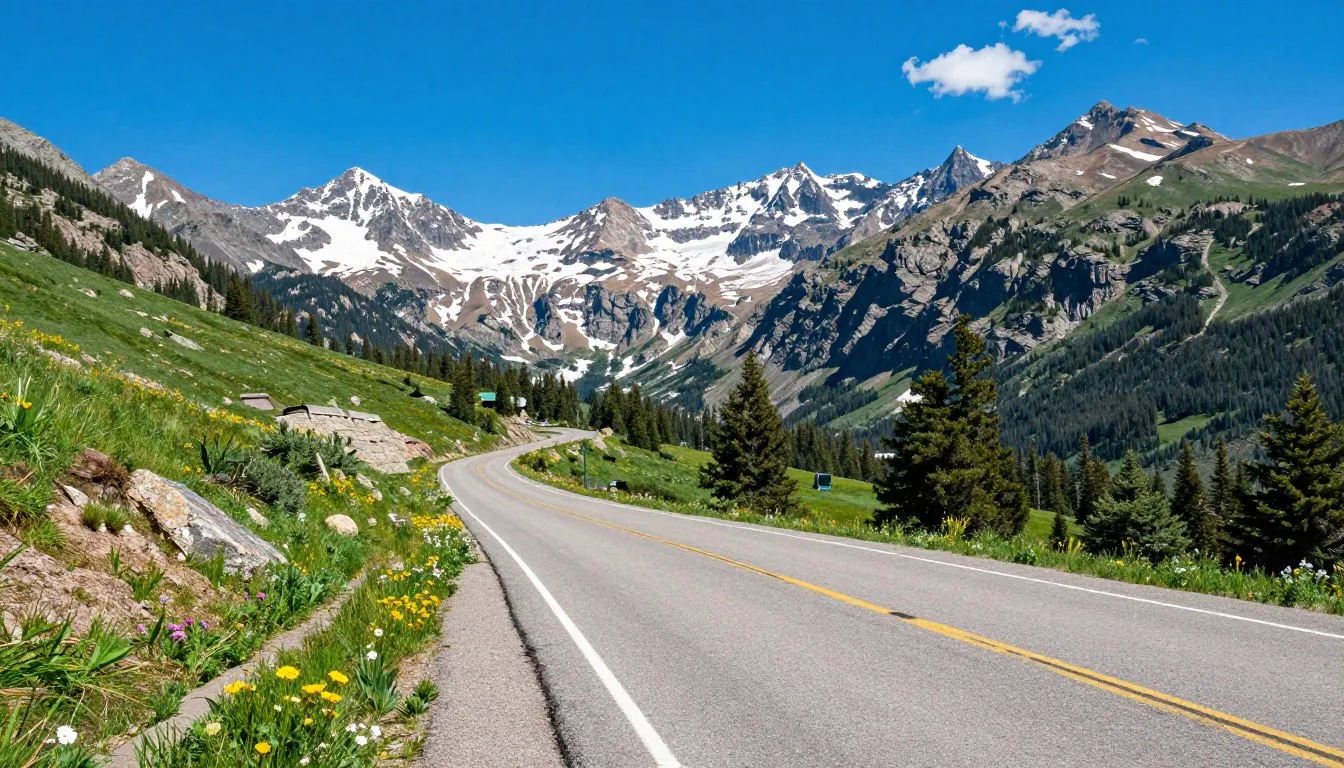
The Pikes Peak Highway itself stands as the main attraction. This engineering marvel climbs 19.99 km (12.42 miles) through four distinct ecological zones. You’ll pass through montane forests, subalpine meadows, and stark alpine tundra before reaching the rocky summit.
The journey takes about 90 minutes each way at a leisurely pace. Numerous pullouts allow stops for photos and wildlife viewing. Each turn reveals new vistas of the surrounding Rocky Mountains. The road was fully paved in 2011, replacing the historic gravel surface.
Summit Visitor Center
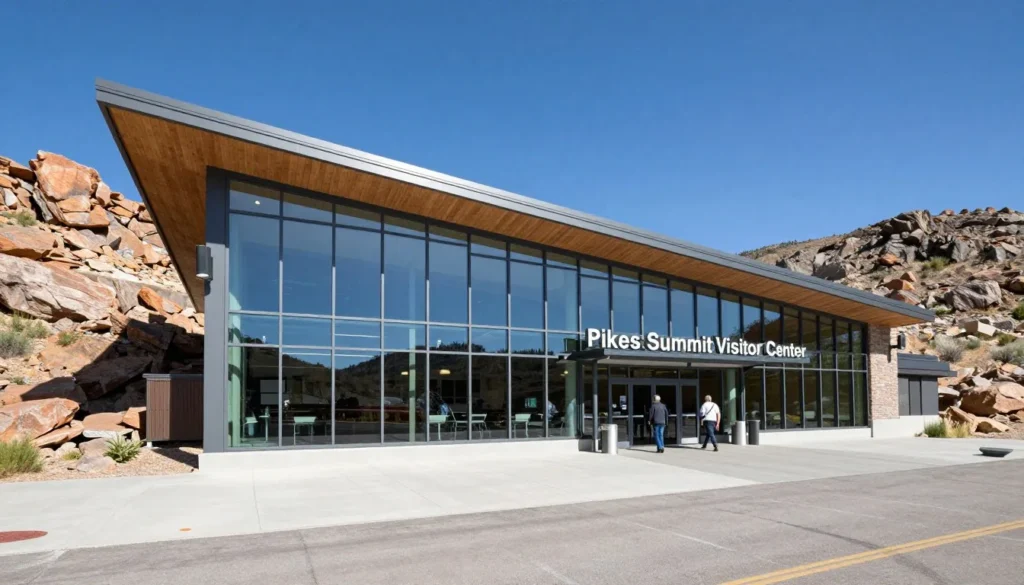
The modern visitor center opened in 2021, replacing an aging structure. Floor-to-ceiling windows showcase 360-degree views of the Colorado landscape. Interactive exhibits explain the mountain’s geology, weather patterns, and cultural significance. Rangers answer questions and share interesting facts about Pikes Peak.
The facility includes restrooms, gift shop, and the summit café. Visitors can purchase commemorative items celebrating their achievement. The architecture blends into the mountainscape while providing shelter from fierce summit winds.
Glen Cove Inn
Glen Cove sits at 3,474 m (11,400′) along the peak highway. This historic stop offers a break during your ascent or descent. The small inn provides restrooms, snacks, and souvenirs. Many visitors pause here to acclimate to the altitude before continuing upward.
The location marks the treeline where forests give way to alpine terrain. Views open dramatically above Glen Cove. Wildlife sightings increase in this transition zone where different habitats meet.
Photography Opportunities
Pikes Peak ranks among Colorado’s most photographed mountains. Early morning light paints the summit in warm hues. Sunrise shoots from lower elevations capture the peak’s silhouette against colorful skies. Late afternoon provides dramatic shadows and golden-hour lighting.
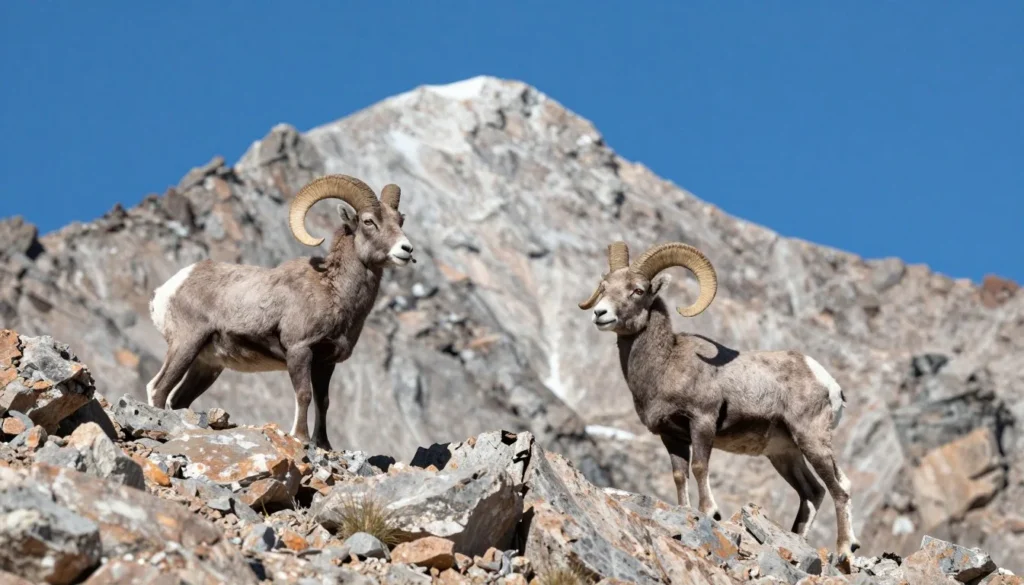
Wildlife photography opportunities abound. Bighorn sheep often appear near the summit and upper reaches. Marmots whistle from rocky outcrops. Elk frequent lower elevation meadows, especially during dawn and dusk hours.

Museums, Cultural Spots & Festivals
Cultural Significance
Pikes Peak holds deep meaning for indigenous peoples. The Ute people called the mountain “Tava” or “Sun Mountain.” They considered it a sacred place for centuries before European exploration. The mountain featured in their spiritual practices and seasonal movements.
Zebulon Pike spotted the peak during his 1806 expedition. He declared it impossible to climb. Local residents proved him wrong just 14 years later. The mountain now bears his name, though he never reached its summit.
Nearby Museums
The Colorado Springs Pioneers Museum downtown explores regional history. Exhibits cover Pikes Peak’s role in Colorado development. Historical photographs show early summit expeditions and the original cog railway. The museum occupies a beautiful 1903 courthouse building.
The Western Museum of Mining & Industry sits north of Colorado Springs. Displays explain how mining shaped Colorado’s growth. Pikes Peak’s gold deposits sparked the 1859 “Pikes Peak or Bust” gold rush. Interactive exhibits let visitors try gold panning and other mining activities.
Art Inspired by the Peak
Local galleries feature artwork depicting Pikes Peak. Paintings, photographs, and sculptures capture the mountain’s majesty. Many Colorado Springs artists draw endless inspiration from this landmark visible throughout the city. First Friday art walks downtown showcase these regional artists.
The Fine Arts Center at Colorado College displays works celebrating Pikes Peak and the surrounding landscape. The permanent collection includes pieces from renowned Western artists. Special exhibitions often highlight the relationship between art and Colorado’s natural environment.

Nature & Outdoor Experiences
Hiking Trails
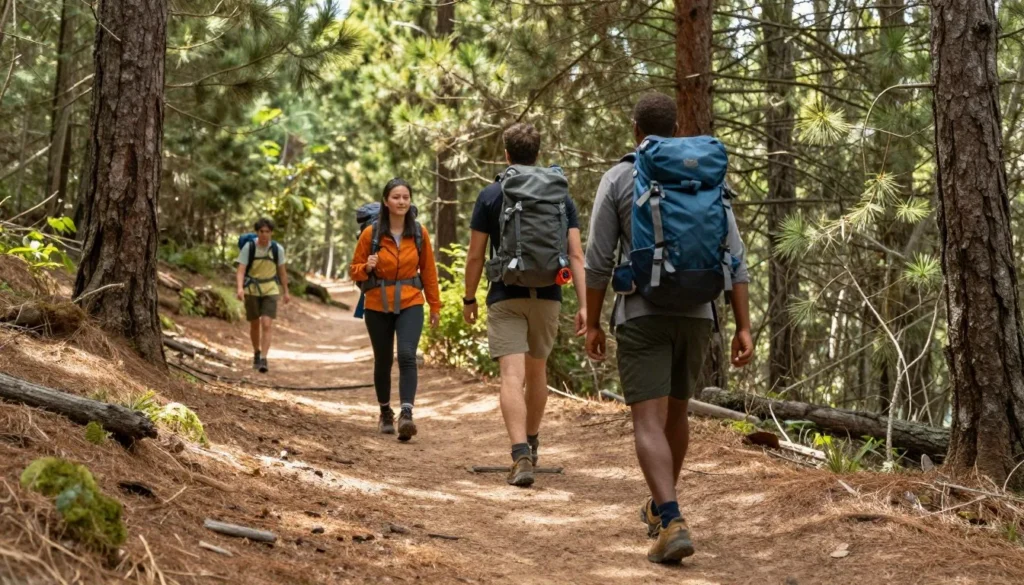
Barr Trail offers the classic hiking route to Pikes Peak summit. This challenging 21 km (13-mile) trail starts in Manitou Springs. Hikers gain 2,382 m (7,815′) of elevation over the course. Most people take two days, camping overnight at Barr Camp halfway up.
The Crags Trail provides a shorter summit option. This 10 km (6.2-mile) route begins at a higher trailhead. Hikers still face significant elevation gain and altitude challenges. The trail passes through beautiful subalpine forest and rocky terrain.
Day hikers enjoy numerous shorter trails around Pikes Peak’s base. The Manitou Incline climbs 610 m (2,000′) in less than 1.6 km (one mile). This former railway bed features over 2,700 steps. It ranks as one of Colorado’s most intense workouts.
Wildlife Viewing
Bighorn sheep represent Pikes Peak’s most iconic wildlife. These sure-footed animals navigate steep slopes with remarkable agility. Summer months offer the best viewing opportunities near the summit. Bring binoculars to observe them from safe distances.
Yellow-bellied marmots inhabit rocky areas throughout the upper mountain. These large rodents whistle warnings to their colonies. Watch for them sunning on boulders near parking areas. They become quite bold around humans but should not be fed.
Elk roam lower elevation forests and meadows. Bulls display impressive antlers during fall rutting season. Dawn and dusk provide optimal viewing times. Keep respectful distances as elk can become aggressive, especially during mating season.
Crystal Reservoir
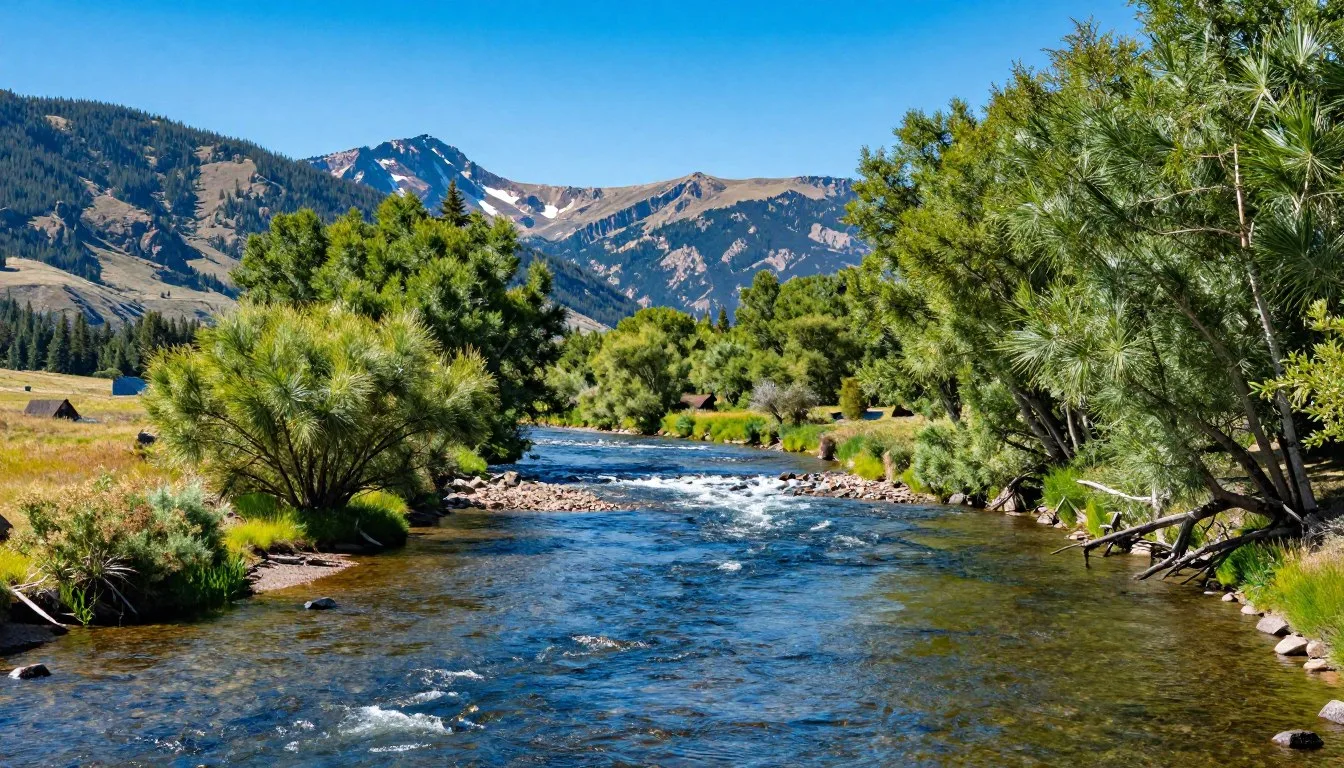
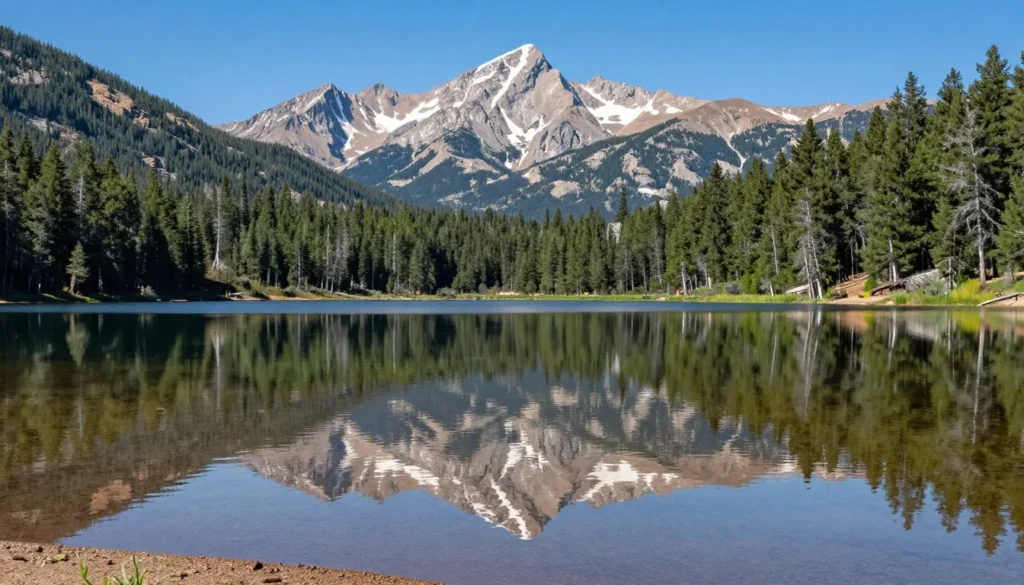
Crystal Reservoir sits along the peak highway at 2,865 m (9,400′). This picturesque body of water covers approximately 61 hectares (150 acres). The reservoir supplies water to Colorado Springs while creating a scenic mountain lake.
Fishing is permitted with proper Colorado licenses. Rainbow and brown trout swim in the cold, clear water. The stunning backdrop of Pikes Peak rising above the reservoir creates memorable fishing experiences. Shore access allows easy casting from multiple points.
Safety, Etiquette & Local Customs
Altitude Awareness
Altitude sickness affects many Pikes Peak visitors. Symptoms include headaches, nausea, dizziness, and shortness of breath. The summit sits at 4,302 m (14,115′), where oxygen levels drop to about 60% of sea level. Take your ascent slowly and listen to your body.
Drink extra water before and during your visit. Dehydration worsens altitude symptoms. Avoid alcohol for 24 hours before your trip. Limit your time at the summit if you feel unwell. Descending to lower elevations quickly resolves most symptoms.
Weather Preparedness
Mountain weather changes rapidly and without warning. Carry warm layers even on summer days. Thunderstorms develop quickly in afternoon hours. Lightning strikes frequently above treeline during storms. Begin your descent immediately when dark clouds appear.
Winter visitors face extreme cold and wind. Hypothermia and frostbite pose real dangers. Check weather forecasts before starting your journey. Road conditions can deteriorate quickly during snow events. Turn back if conditions exceed your comfort level or vehicle capabilities.
Driving Safety
Your vehicle’s brakes work hard on the descent. Stop at pullouts to let brakes cool if you smell burning. Use low gears to help slow your vehicle rather than riding brakes continuously. This technique prevents brake failure on the steep grades.
Stay in your lane on blind curves. The narrow highway leaves little room for error. Watch for motorcycles and bicycles sharing the road. Pull completely off the pavement when stopping for photos. Keep children close and away from road edges at overlooks.
Environmental Respect
Alpine tundra at Pikes Peak’s summit is extremely fragile. Plants grow slowly in harsh conditions. Stay on designated paths and paved areas. Footsteps off trail create scars lasting decades. Leave no trash behind and pack out everything you bring.
Wildlife viewing requires maintaining safe distances. Never feed animals as it harms their health and creates dangerous behavior. Bighorn sheep may approach vehicles but should not be touched. Respect all closures and restricted areas designed to protect sensitive habitats.
Visitor Comments About Pikes Peak
“The drive up Pikes Peak Highway exceeded all expectations. Each switchback revealed more stunning views. We stopped at every overlook and still felt rushed to take it all in. The summit visitor center provided welcome shelter from the wind. Those donuts really do taste better at this altitude. Our teenage kids were mesmerized by the bighorn sheep near the top. This was the highlight of our Colorado trip.”
“As visitors from overseas, we wanted to experience an iconic American mountain. Pikes Peak delivered magnificently. The scenic highway made reaching the summit accessible for our entire family. The views stretched endlessly in every direction. We could see how this landscape inspired America the Beautiful. The modern visitor center impressed us with its design and informative displays. Staff members were welcoming and answered all our questions. A truly memorable experience.”
“I’ve traveled to mountain destinations worldwide, and Pikes Peak stands out. The highway’s engineering amazed me as much as the scenery. Wildlife sightings added excitement to the journey. We spotted marmots, bighorn sheep, and even a golden eagle. The altitude affected me more than expected, so we didn’t linger long at the summit. The descent offered completely different perspectives. Early morning timing helped us avoid crowds. I’d recommend this to anyone visiting Colorado.”
Additional Nearby Destinations
Garden of the Gods
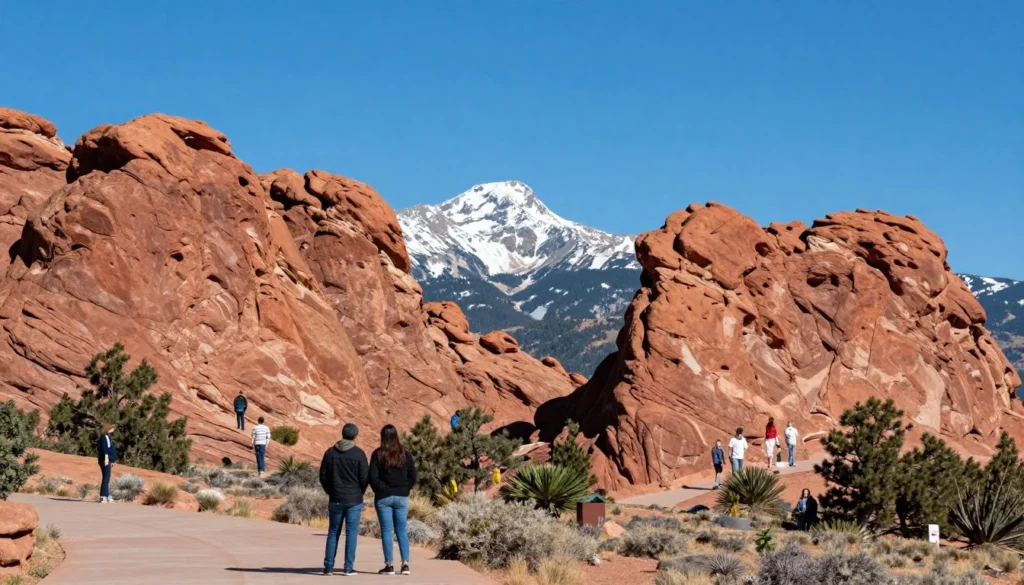
This stunning park features massive red rock formations just 24 km (15 miles) from Pikes Peak. Dramatic sandstone fins tower 91 m (300′) above visitors. Free admission makes this a budget-friendly addition to your trip. Paved trails accommodate all ability levels.
The park covers 526 hectares (1,300 acres) of natural beauty. Rock climbing attracts skilled climbers to permitted formations. Pikes Peak looms dramatically in the background of many park views. Visitor center exhibits explain the geology behind these ancient formations.
Royal Gorge Bridge
America’s highest suspension bridge spans the Arkansas River gorge 77 km (48 miles) southwest of Pikes Peak. The bridge deck sits 291 m (955′) above the river. Visitors can walk across while viewing the dramatic canyon below. An aerial gondola and zip lines add adventure options.
The surrounding park includes hiking trails and historic displays. Train rides through the gorge provide unique canyon perspectives. This destination combines natural beauty with engineered attractions for varied interests.
Manitou Springs
This quirky mountain town sits at Pikes Peak’s base. Eight natural mineral springs flow throughout the community. Visitors can sample different spring waters from ornate fountains. The historic downtown features unique shops, galleries, and restaurants.
The Manitou Incline provides extreme hiking challenges. Cave of the Winds offers underground tours through natural caverns. The town’s artistic atmosphere and Victorian architecture create charming ambiance. Many visitors base their Pikes Peak trip here.
Cripple Creek
This historic gold mining town perches on Pikes Peak’s western slopes. Limited-stakes gambling now drives the economy in preserved Victorian buildings. Mine tours reveal Colorado’s gold rush history. Museums showcase artifacts from the town’s boom years.
The scenic drive to Cripple Creek passes through mountain meadows and aspen groves. Summer weekends feature outdoor melodramas and special events. Several casinos offer dining and entertainment beyond gaming. The town maintains its Old West character despite modern additions.
Practical Travel Tips
Vehicle Preparation
Check your vehicle before attempting Pikes Peak Highway. Ensure brakes are in good condition for the demanding descent. Verify tire pressure and tread depth. Overheating can occur on steep grades, so confirm coolant levels. Fuel up completely as no services exist on the mountain.
Manual transmission vehicles handle the descent better than automatics. Use engine braking by shifting to lower gears. Automatic transmissions should be manually shifted to low ranges. This technique saves brakes and improves control on steep sections.
Admission and Fees
Pikes Peak Highway charges per-vehicle admission fees. Rates vary by season and vehicle type. Motorcycles pay reduced fees compared to cars. The ticket allows same-day re-entry if you descend and return. Purchase tickets at the entrance gate or reserve online in advance during peak season.
Annual passes offer value for frequent visitors or extended stays. Military personnel receive discounted admission with proper identification. The fees support road maintenance and visitor facilities. Payment by credit card is accepted alongside cash.
What to Bring
Layer your clothing for changing temperatures. Start with moisture-wicking base layers. Add insulating mid-layers and a windproof outer shell. Sunscreen is essential as UV exposure intensifies with altitude. Sunglasses and hats protect against intense mountain sun.
Bring plenty of water and snacks. Hydration helps prevent altitude sickness. Pack motion sickness remedies if you’re sensitive to winding roads. Cameras and binoculars enhance your experience. A small first-aid kit provides peace of mind for minor issues.
Timing Your Visit
Start early to beat crowds and afternoon weather. The gate typically opens at 7:30 AM during summer months. Weekdays see lighter traffic than weekends. Sunrise visits offer spectacular photography but require careful planning in darkness.
Allow four hours minimum for your complete Pikes Peak experience. This includes two hours driving and generous time at the summit. Hikers need to start even earlier, especially for summit attempts. Check current gate hours as they vary by season.
Communication Considerations
Cell phone service varies on Pikes Peak. Coverage exists at the summit and entrance but spotty sections occur along the highway. Download maps and information before starting your trip. Inform someone of your plans and expected return time. Emergency call boxes are spaced along the route.
Your Pikes Peak Adventure Awaits
Pikes Peak stands ready to amaze you with its towering presence and accessible summit. Whether you drive the scenic highway, challenge yourself on hiking trails, or simply absorb the magnificent views, this Colorado icon promises unforgettable moments. The journey through multiple ecosystems showcases nature’s diversity in just 19.99 km (12.42 miles).
Remember to start early, dress in layers, and stay hydrated. Respect the mountain’s power and the fragile alpine environment. Take your time to truly experience each elevation zone and scenic overlook. The summit rewards your effort with panoramas that inspired America the Beautiful over a century ago.
Plan your Pikes Peak adventure for the trip of a lifetime. This American mountain delivers natural beauty, outdoor thrills, and the satisfaction of reaching one of Colorado’s most celebrated summits. Your own Pikes Peak story begins the moment you start up that winding highway toward the clouds.