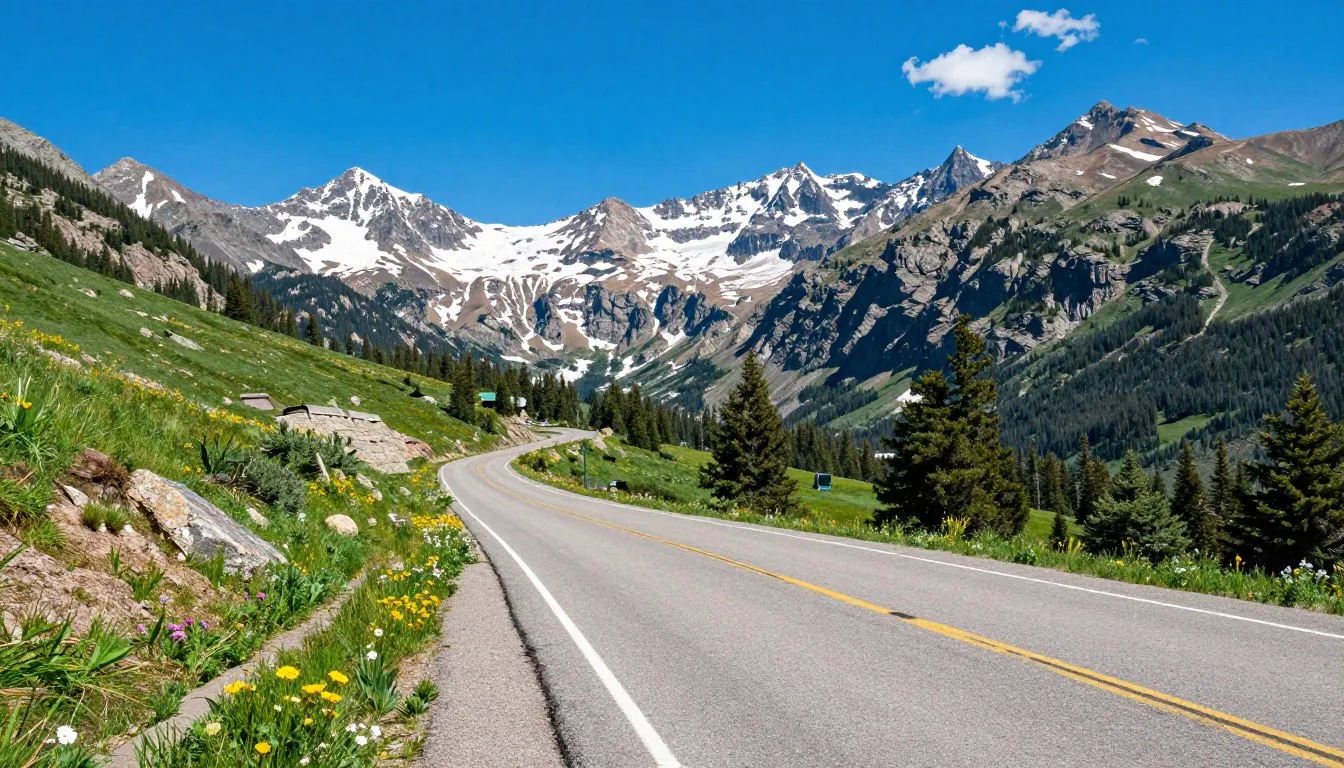
Did you know that Rabbit Ears Pass sits at an elevation of 2,927 meters (9,603 feet) and receives over 10 meters (400 inches) of snow annually? This makes it one of Colorado’s most reliable powder destinations. The pass connects Steamboat Springs to the west with Middle Park to the east along U.S. Highway 40.
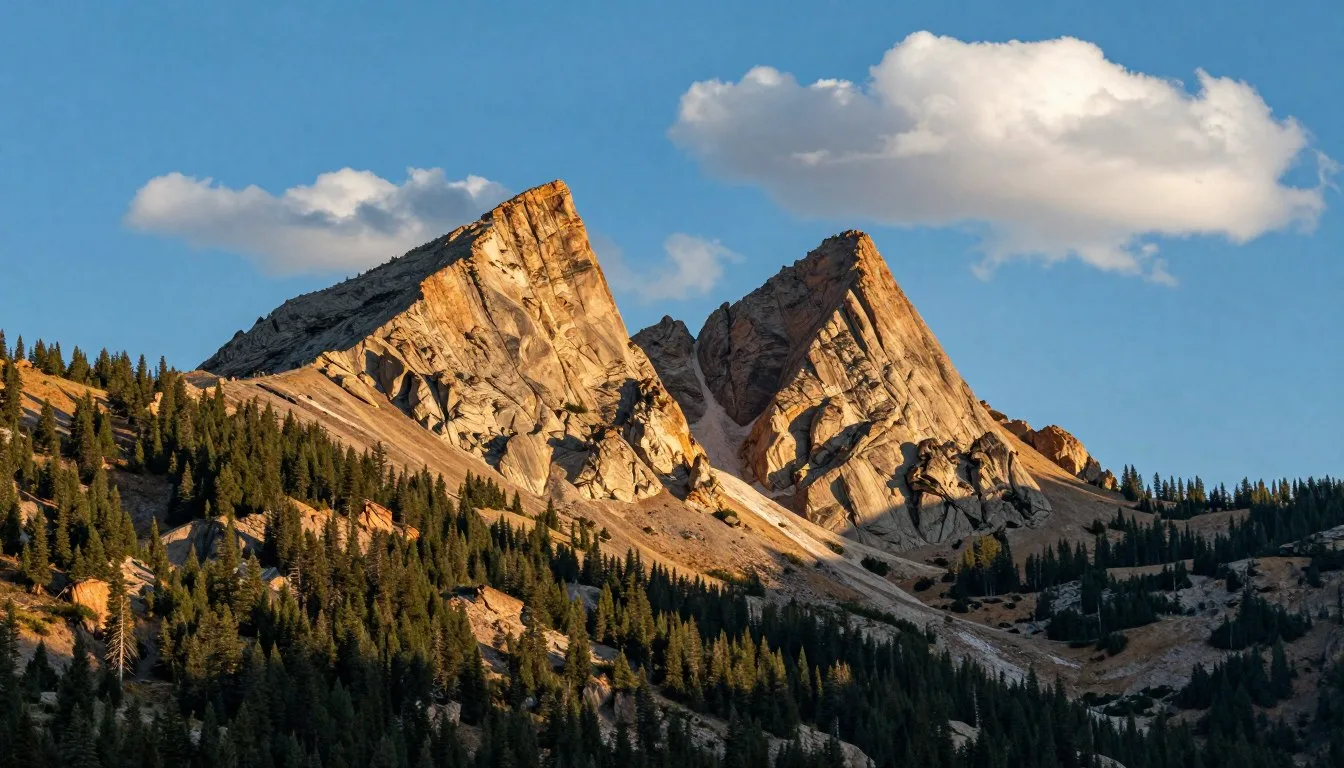
This mountain crossing offers year-round recreation opportunities. Winter transforms the area into a snowy playground. Summer reveals wildflower meadows and pristine trails. The distinctive twin rock formations that give Rabbit Ears Pass its name have welcomed travelers for generations.
Getting There and Planning Your Journey
Rabbit Ears Pass lies along U.S. Highway 40, approximately 21 kilometers (13 miles) southeast of Steamboat Springs. The route provides straightforward access from major Colorado cities. Denver sits about 257 kilometers (160 miles) to the southeast, making it a three-hour drive under normal conditions.
The closest major airport is Yampa Valley Regional Airport, located just 35 kilometers (22 miles) west in Hayden. This facility offers seasonal direct flights from major cities during winter and summer peak seasons. Denver International Airport provides year-round service with more flight options. The drive from Denver takes you through spectacular mountain scenery along Interstate 70 and Highway 40.
Eagle County Regional Airport near Vail offers another option, sitting 145 kilometers (90 miles) south. Car rentals are available at all three airports. Many visitors prefer four-wheel-drive vehicles during winter months when snow and ice affect road conditions.
Best Time to Visit and Weather Tips
Recommended Seasons
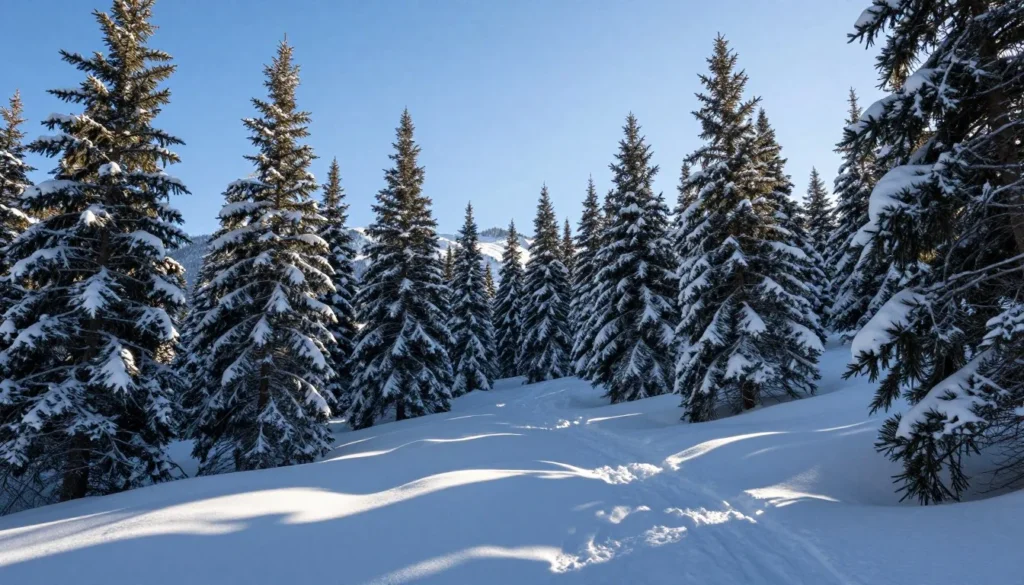
Each season at Rabbit Ears Pass brings unique experiences. Winter extends from November through April, delivering exceptional snow conditions. Snowfall begins in October and can continue into May at higher elevations. This period attracts snowmobilers, cross-country skiers, and winter camping enthusiasts.
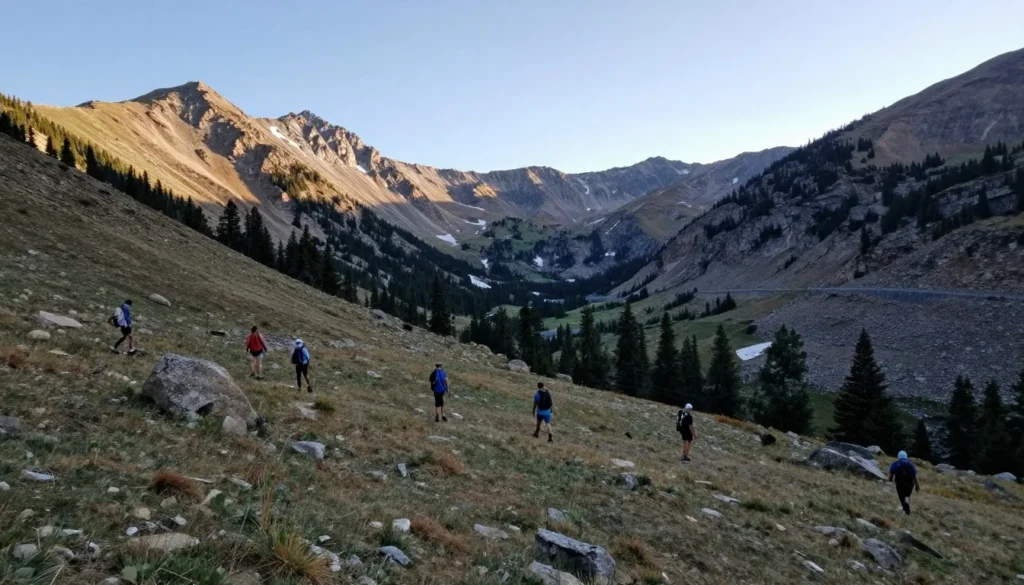
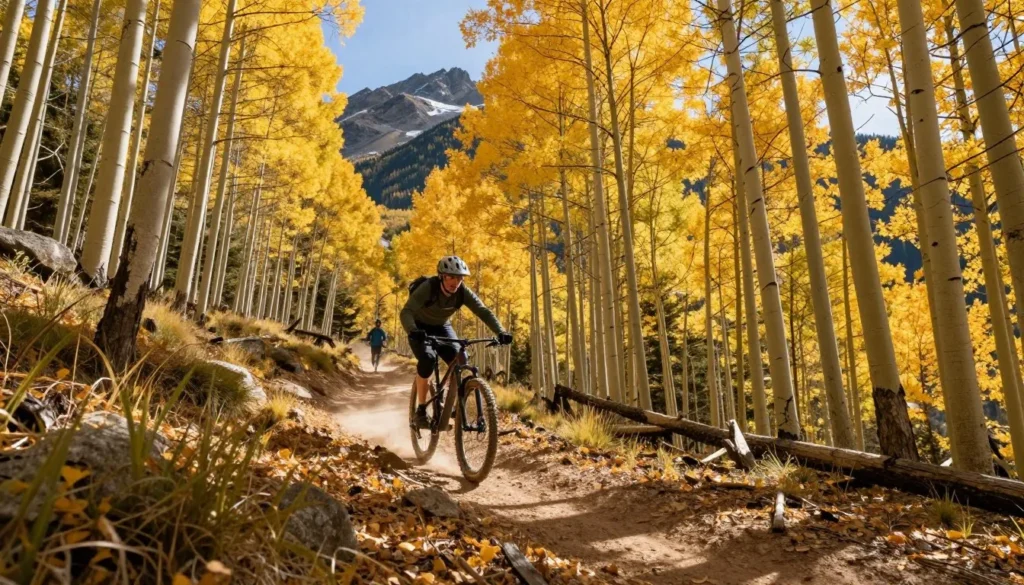
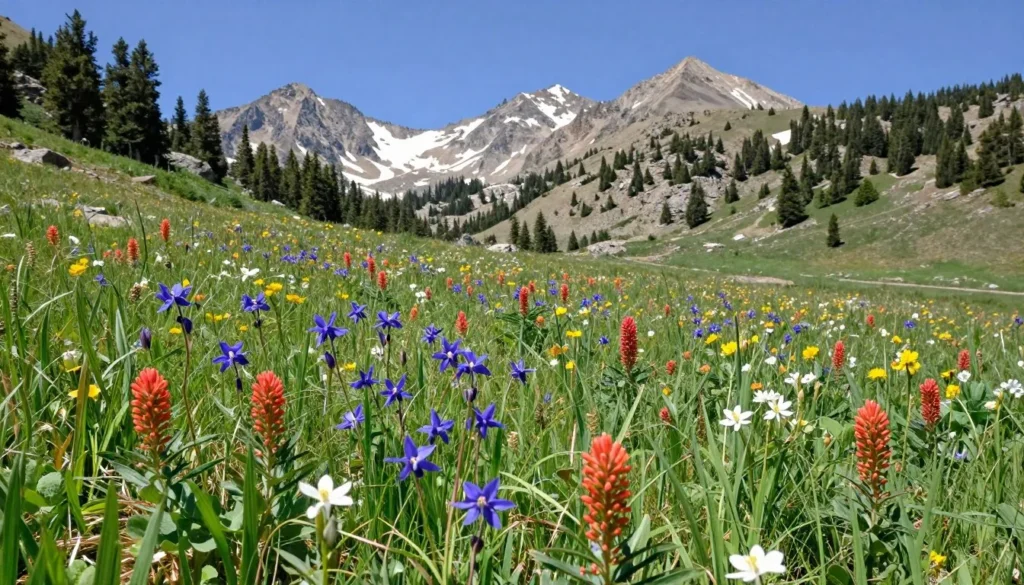
Summer runs from June through September, offering ideal conditions for hiking and camping. July and August provide the warmest weather, with daytime temperatures reaching 21°C to 26°C (70°F to 80°F). Wildflowers peak in July across alpine meadows. September brings autumn colors as aspen trees turn golden against evergreen forests.
Spring and late fall present transitional conditions. Snow lingers at the summit through May, while lower elevations become accessible. Late September through October sees fewer crowds but unpredictable weather patterns.
Months to Avoid
April and May bring inconsistent conditions. Heavy spring snowstorms can close trails and create dangerous avalanche conditions. The snowpack becomes unstable as temperatures fluctuate. Many trails remain snow-covered but lose their winter firmness.
Late October and early November also challenge visitors. Snow arrives but hasn’t built adequate depth for winter activities. Many summer trails close while winter routes remain undeveloped. Services reduce operating hours during these shoulder seasons.
Notable Annual Festivals
Steamboat Springs hosts Winter Carnival each February, celebrating over a century of tradition. The event features ski competitions, street events, and fireworks. Contact the Steamboat Springs Chamber Resort Association for specific dates and details.
The Steamboat Marathon occurs in June, with routes showcasing mountain scenery. Runners experience elevation changes and stunning views. Music festivals fill summer weekends, bringing live performances to the area.
Getting Around Locally
Personal vehicles provide the most flexibility for exploring Rabbit Ears Pass and surrounding areas. Highway 40 remains well-maintained year-round, though winter driving requires caution and proper equipment. Colorado law mandates winter traction devices or four-wheel-drive vehicles during certain conditions.
Steamboat Springs offers limited public transportation. The free Steamboat Springs Transit (SST) serves the town but doesn’t extend to Rabbit Ears Pass. Taxi services and ride-sharing operate in Steamboat Springs for trips to trailheads and recreational areas.
Snowmobile rentals allow winter access to backcountry trails. Several outfitters in Steamboat Springs provide guided tours and equipment rentals. Cross-country skiing and snowshoeing offer quiet alternatives for exploring the pass during winter months.
Where to Stay
Steamboat Springs provides the closest full-service accommodations, ranging from luxury resorts to budget-friendly motels. The town sits just 21 kilometers (13 miles) from the pass, making it convenient for day trips. Downtown hotels offer walkable access to restaurants and shops.
Vacation rentals and condominiums provide kitchen facilities for extended stays. Many properties feature mountain views and proximity to recreational activities. Booking ahead becomes essential during peak winter and summer seasons.
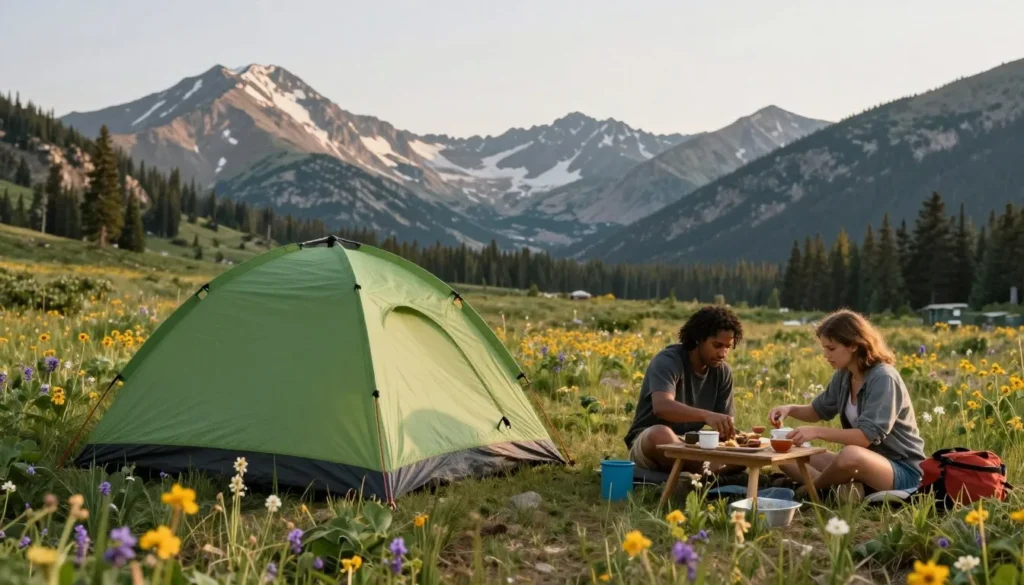
Camping enthusiasts find multiple options in Routt National Forest. Dumont Lake Campground operates seasonally near the pass, offering 22 sites with basic amenities. Dry Lake Campground provides another nearby option with vault toilets and picnic tables. Both campgrounds operate on a first-come, first-served basis.
Backcountry camping is permitted in national forest areas, following Leave No Trace principles. Winter camping attracts experienced adventurers seeking solitude in snowy landscapes. Dispersed camping requires proper equipment and knowledge of winter survival techniques.
Dining and Local Cuisine
Steamboat Springs serves as the culinary hub for the Rabbit Ears Pass area. The town features diverse dining options from casual cafes to upscale restaurants. Western-style steakhouses showcase locally-raised beef, while farm-to-table establishments highlight Colorado ingredients.
Breakfast spots fuel morning adventures with hearty portions. Many restaurants open early to serve skiers and hikers. Coffee shops provide grab-and-go options for trail lunches. Local bakeries offer fresh pastries and sandwiches perfect for picnics.
Brewpubs have become Steamboat Springs staples, serving craft beers alongside pub fare. Several establishments feature outdoor patios with mountain views. Wine bars and cocktail lounges provide evening entertainment after days exploring the pass.
Grocery stores in Steamboat Springs stock camping and picnic supplies. Visitors planning extended trips to Rabbit Ears Pass should pack food and water. No services exist at the pass itself, making preparation essential.
Attractions, Sightseeing, and Activities
The iconic rabbit ear rock formations create the pass’s most recognizable landmark. These twin volcanic pillars rise dramatically from the ridgeline, visible for miles. A short trail leads to the base of the formations, offering photography opportunities and panoramic views.
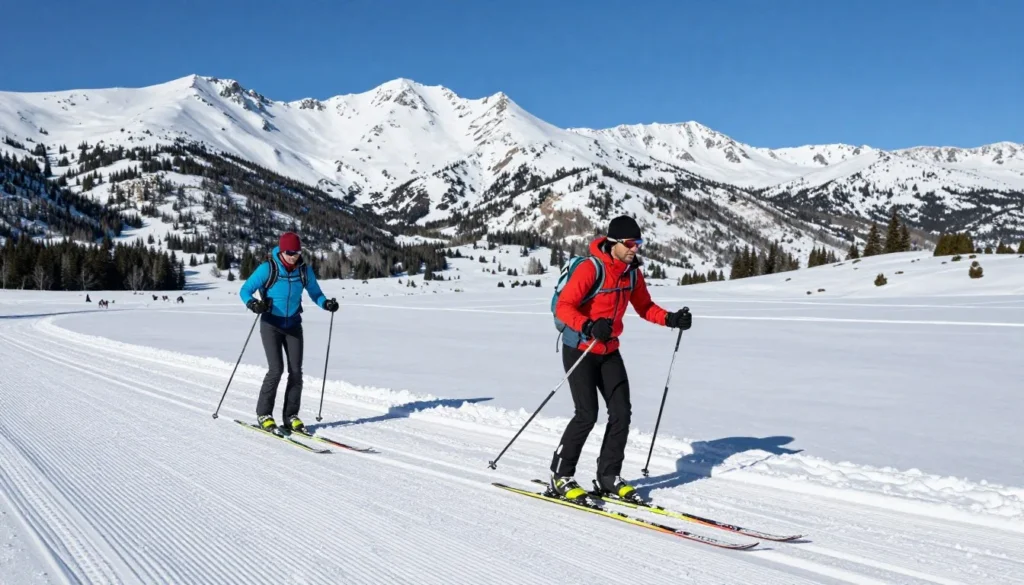
Winter sports dominate cold-weather activities. Over 241 kilometers (150 miles) of groomed snowmobile trails wind through Routt National Forest. The Continental Divide Trail crosses the area, providing backcountry skiing and snowboarding opportunities. Cross-country ski trails accommodate all skill levels, from gentle meadow routes to challenging terrain.
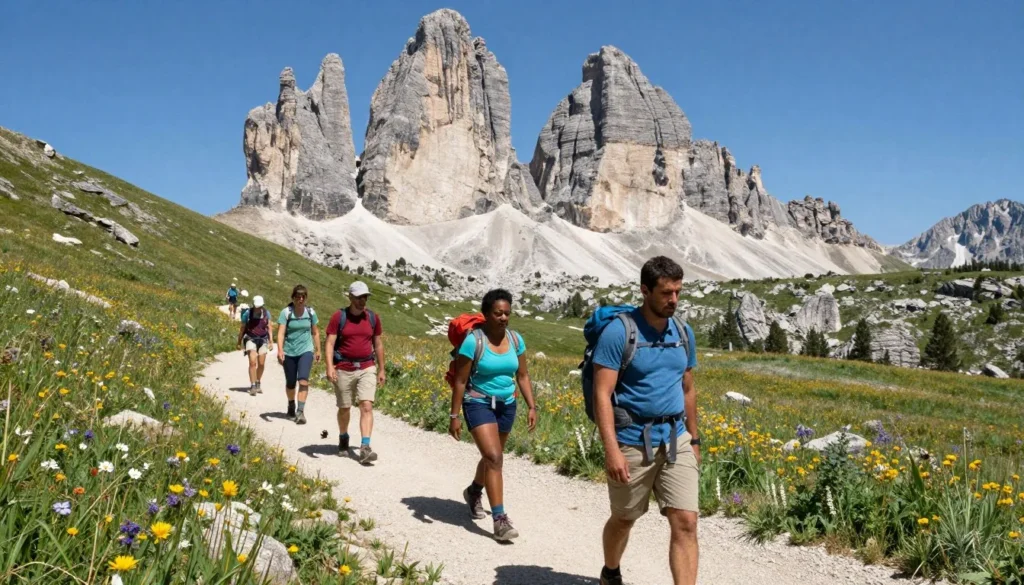
Summer reveals hiking opportunities across alpine landscapes. Rabbit Ears Peak Trail climbs 5.6 kilometers (3.5 miles) to a summit elevation of 3,168 meters (10,654 feet). The trail gains 305 meters (1,000 feet) in elevation, rewarding hikers with 360-degree views. Wildflowers blanket meadows during July and August.
Mountain biking trails thread through forests and meadows. The pass area connects to extensive trail networks reaching toward Steamboat Springs. Single-track and dirt roads accommodate various skill levels and riding styles.
Museums, Cultural Spots, and Festivals
The Tread of Pioneers Museum in Steamboat Springs preserves local history. Exhibits showcase ranching heritage, skiing evolution, and Native American culture. The museum occupies a historic Victorian house, adding architectural interest to the collections.
Art galleries dot downtown Steamboat Springs, featuring Western and contemporary works. Many galleries represent local artists inspired by mountain landscapes. First Friday Art Walks occur monthly during summer, combining gallery openings with street festivities.
The Steamboat Springs Pro Rodeo Series runs Friday and Saturday nights throughout summer. This authentic Western experience features bull riding, barrel racing, and roping competitions. The rodeo grounds sit just minutes from downtown.
Music festivals animate summer weekends. Strings Music Festival presents classical and contemporary performances in a mountain setting. Free concerts in the park provide family-friendly entertainment with local and touring musicians.
Nature and Outdoor Experiences
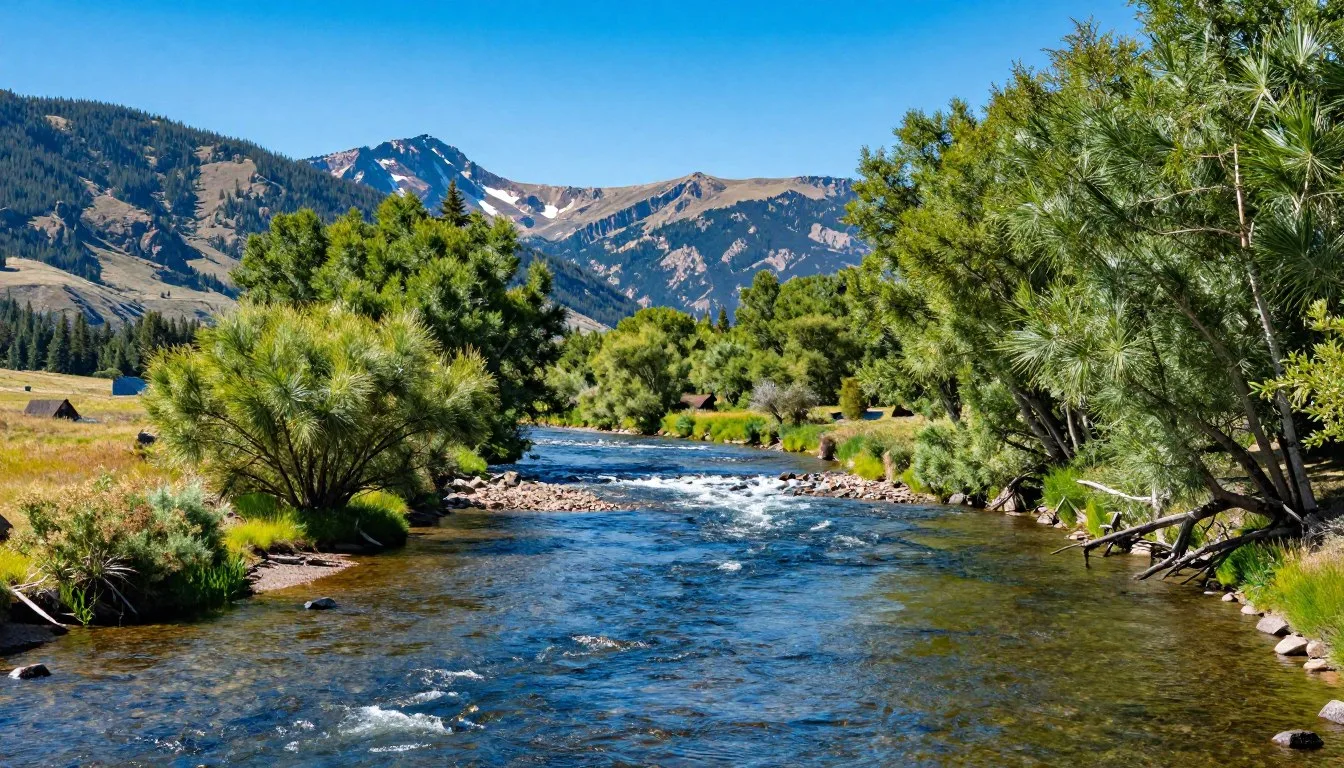
Routt National Forest encompasses Rabbit Ears Pass within its boundaries. This protected area covers over 450,000 hectares (1.1 million acres) of mountain terrain. Wildlife viewing opportunities abound, with elk, deer, and moose frequently spotted near dawn and dusk.
Fish Creek Falls provides a spectacular waterfall experience 6.4 kilometers (4 miles) east of Steamboat Springs. The falls drop 85 meters (280 feet) in a dramatic cascade. A short paved trail reaches the lower viewpoint, while a longer trail climbs to upper overlooks.
Steamboat Lake State Park sits 43 kilometers (27 miles) north of Rabbit Ears Pass. The lake covers 485 hectares (1,200 acres), offering boating, fishing, and swimming. Campgrounds circle the shoreline, and trails wind through surrounding forests. The park provides water recreation closer than distant river systems.
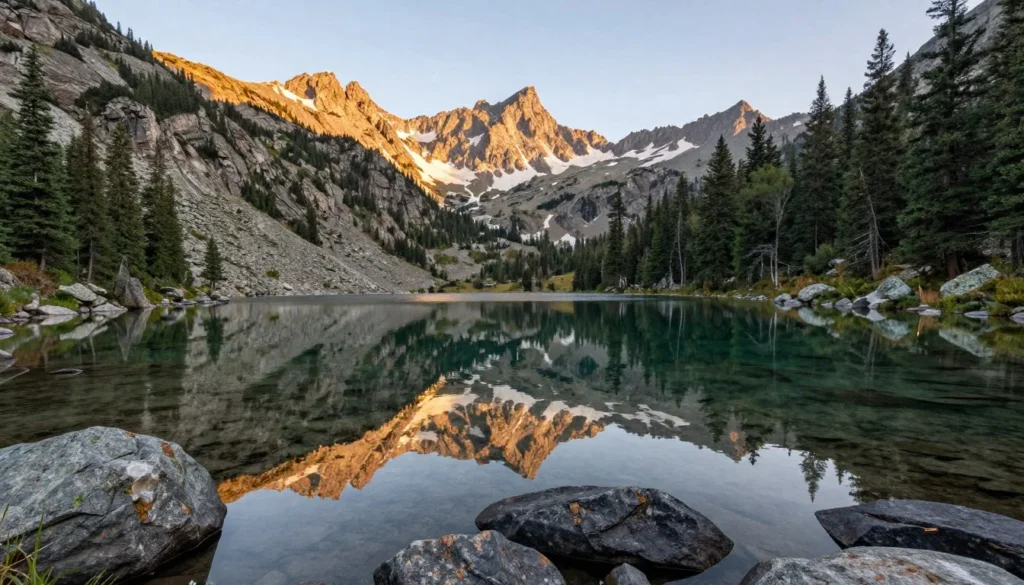
Backcountry exploration rewards adventurous visitors. Numerous lakes dot the high country, accessible via hiking trails. Alpine environments support unique plant communities adapted to harsh conditions. Photography opportunities multiply with changing seasons and weather conditions.
Money Saving Tips
Visiting during shoulder seasons reduces accommodation costs significantly. Late May and early September offer pleasant weather with lower lodging rates. Midweek stays typically cost less than weekend bookings, especially during peak seasons.
Free activities dominate Rabbit Ears Pass experiences. Hiking, wildlife viewing, and photography require no fees. National forest access remains free year-round, unlike some state parks charging entrance fees. Dispersed camping costs nothing compared to developed campground fees.
Packing meals and snacks eliminates restaurant expenses. Grocery shopping in Steamboat Springs costs less than dining out. Picnic supplies and camping equipment allow self-sufficient outdoor adventures without service fees.
Equipment rentals in Steamboat Springs offer competitive pricing. Comparing rates between outfitters can save money on skis, snowmobiles, and bikes. Multi-day rentals often include discounts compared to single-day rates.
Free parking exists at most trailheads and recreation areas. Unlike resort destinations charging parking fees, Rabbit Ears Pass maintains accessible recreation. Public lands philosophy keeps outdoor experiences affordable for all visitors.
Safety, Etiquette, and Local Customs
High elevation affects all visitors to Rabbit Ears Pass. The summit reaches 2,927 meters (9,603 feet), where oxygen levels drop noticeably. Drinking extra water and avoiding overexertion help prevent altitude sickness. Symptoms include headaches, nausea, and fatigue. Descending to lower elevations provides relief if symptoms persist.
Weather changes rapidly in mountains. Summer thunderstorms develop quickly during afternoons, bringing lightning, hail, and temperature drops. Starting hikes early allows return before storms arrive. Winter conditions demand respect, with temperatures dropping well below freezing and sudden snowstorms creating whiteout conditions.
Wildlife deserves respectful distance. Moose, though appearing docile, become aggressive when approached. Maintaining at least 23 meters (75 feet) distance protects both animals and visitors. Bears inhabit the area, requiring proper food storage. Never leave food in vehicles or unattended at campsites.
Leave No Trace principles guide responsible recreation. Pack out all trash, including biodegradable items. Stay on established trails to prevent erosion. Camp at least 61 meters (200 feet) from water sources. Minimize campfire impacts by using established fire rings and burning wood completely.
Winter recreationists must carry avalanche safety equipment in backcountry areas. Beacon, probe, and shovel form essential gear for venturing beyond maintained trails. Checking avalanche forecasts before trips prevents dangerous situations. Colorado Avalanche Information Center provides daily updates.
Important: Cell phone coverage remains unreliable throughout much of Rabbit Ears Pass. Download offline maps and inform someone of your plans before departing.
Visitor Comments About Rabbit Ears Pass
“The snow conditions exceeded our expectations. We spent three days exploring different trails by snowmobile and never encountered crowded conditions. The scenery rivals anything we’ve experienced in the Alps.”
“Summer hiking revealed wildflower displays that took our breath away. The trail to Rabbit Ears Peak challenged us just enough without being overwhelming. We spotted elk near dusk on our return to the trailhead.”
“Cross-country skiing through the pass area provided peaceful solitude. Well-marked trails made navigation simple even for our moderate skill level. The distinctive rock formations create perfect landmarks for orientation.”
Additional Nearby Destinations
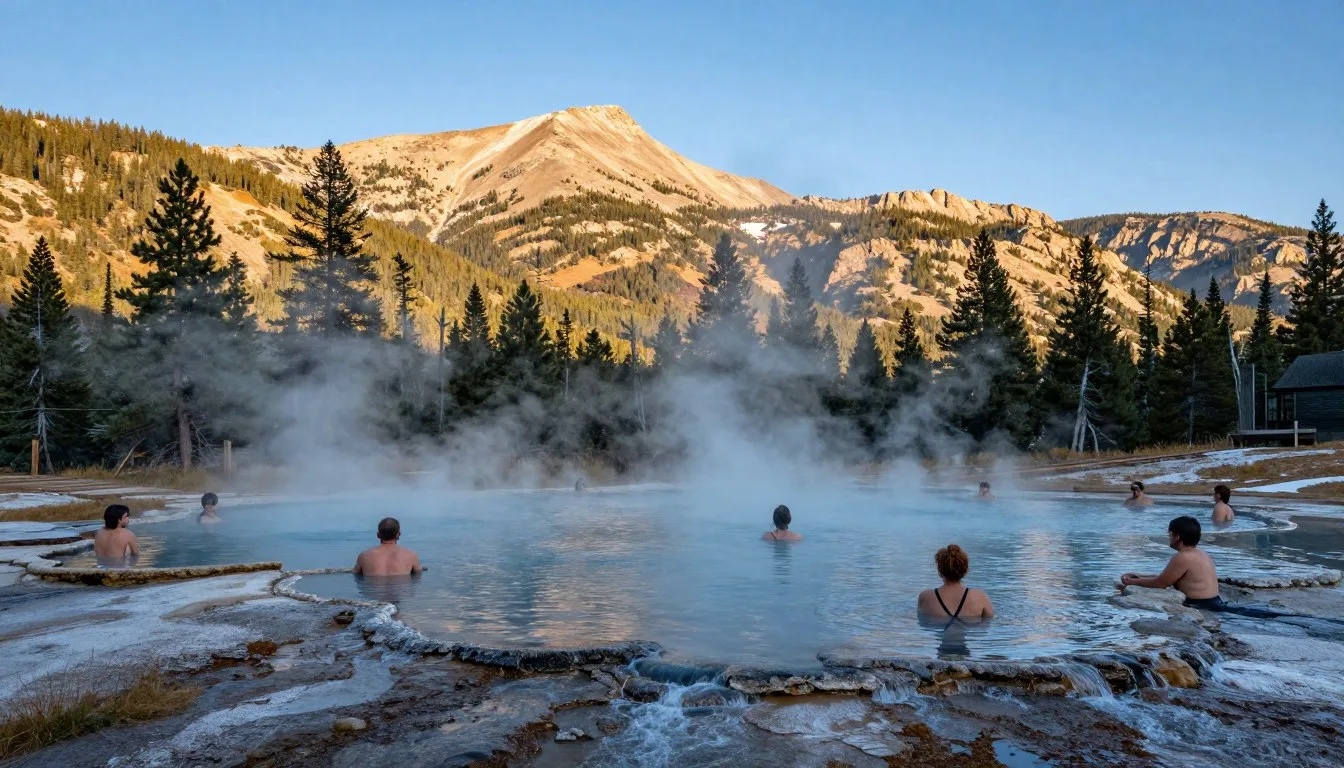
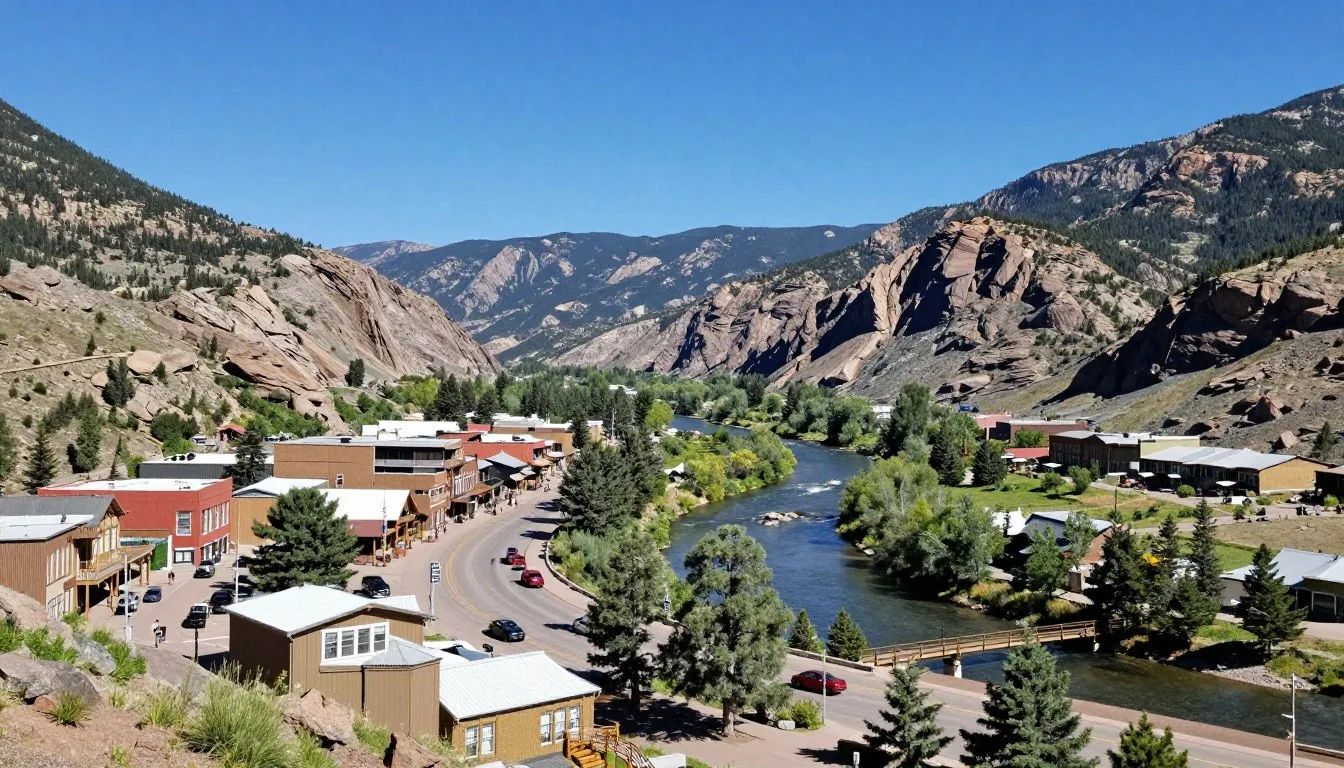
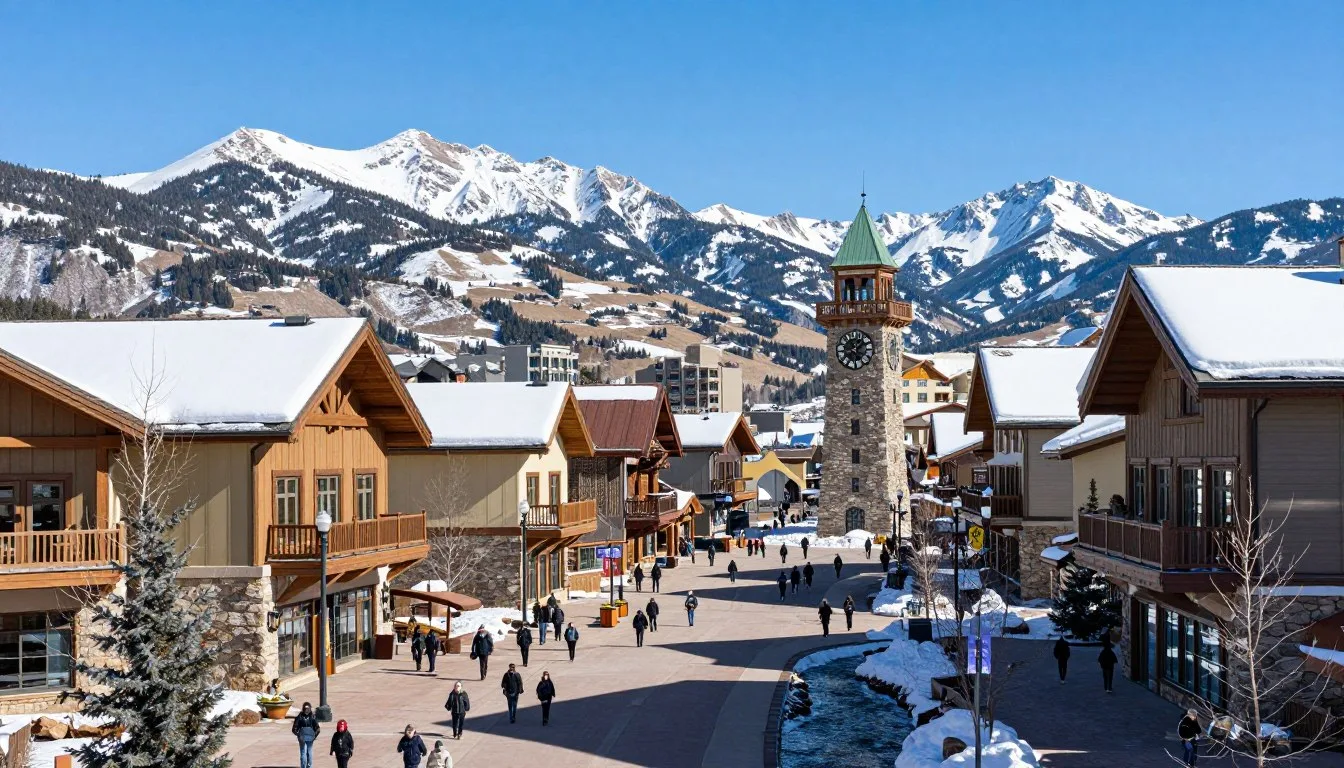
Steamboat Springs serves as the obvious base for Rabbit Ears Pass exploration. This historic ski town offers year-round attractions beyond mountain recreation. Natural hot springs dot the area, providing relaxation after outdoor activities. Downtown features shopping, dining, and Western heritage.
Rocky Mountain National Park lies 121 kilometers (75 miles) southeast. This iconic park protects alpine tundra, wildlife, and over 483 kilometers (300 miles) of trails. Trail Ridge Road reaches the highest paved elevation in North America. Park facilities accommodate day visitors and campers.
Dinosaur National Monument sits 145 kilometers (90 miles) northwest. The monument preserves both paleontological treasures and dramatic canyon landscapes. Visitors explore fossil beds and raft through desert canyons. The destination offers completely different environments from mountain settings.
Hot Sulphur Springs Resort provides historic mineral bathing 56 kilometers (35 miles) east. Twenty-two pools range from cool to extremely hot temperatures. The resort has operated since 1860, making it Colorado’s oldest continuously operating resort.
Practical Travel Tips
Preparing for high-altitude conditions ensures comfortable visits. Sunscreen becomes essential at elevation, where UV radiation intensifies. Reapplying every two hours prevents painful burns. Sunglasses and wide-brimmed hats provide additional protection.
Layered clothing adapts to changing temperatures. Morning starts often feel cold, while afternoon sun warms considerably. Bringing extra layers prevents discomfort during unexpected weather changes. Waterproof outer layers protect against summer thunderstorms and winter snow.
Vehicle preparation matters year-round. Winter demands snow tires or chains, full fuel tanks, and emergency supplies. Summer drivers should check brakes before mountain descents. Radiator fluid and tire pressure require attention at altitude.
Water sources exist along some trails but require purification. Carrying sufficient water prevents dehydration in dry mountain air. Plan for one liter per person per two hours of activity. Treatment tablets or filters make stream water safe for drinking.
Reservations become necessary during peak seasons. Campgrounds fill quickly on summer weekends and winter holidays. Steamboat Springs accommodations book months ahead for major events. Flexibility with travel dates opens more options.
Your Mountain Adventure Awaits
Rabbit Ears Pass delivers authentic Colorado mountain experiences without overwhelming crowds. Whether carving through powder on winter trails or hiking summer wildflower meadows, this pass rewards visitors seeking natural beauty and outdoor adventure. The distinctive rock formations stand as silent sentinels, welcoming travelers to explore surrounding forests, peaks, and valleys.
Plan your journey with weather and season in mind. Pack appropriately for altitude and changing conditions. Respect the environment that makes this area special. Your adventure begins where pavement meets powder, and unforgettable memories await at Rabbit Ears Pass.